Ancient Egyptian Scarabs

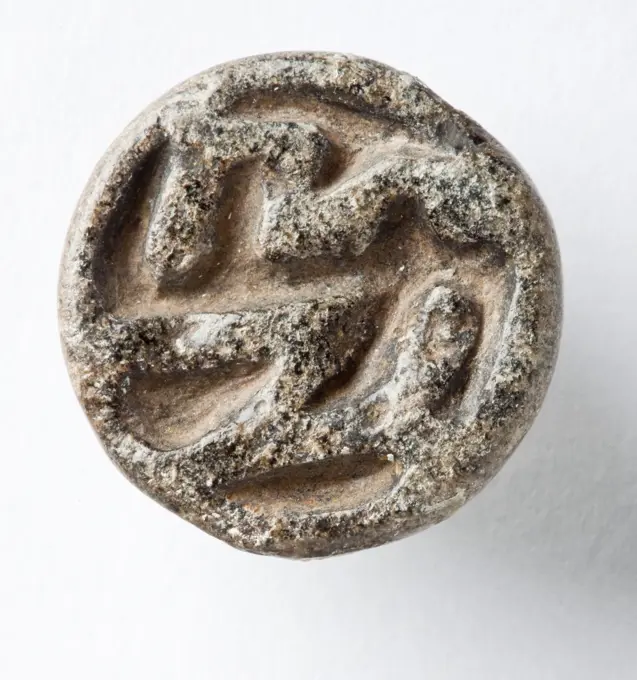
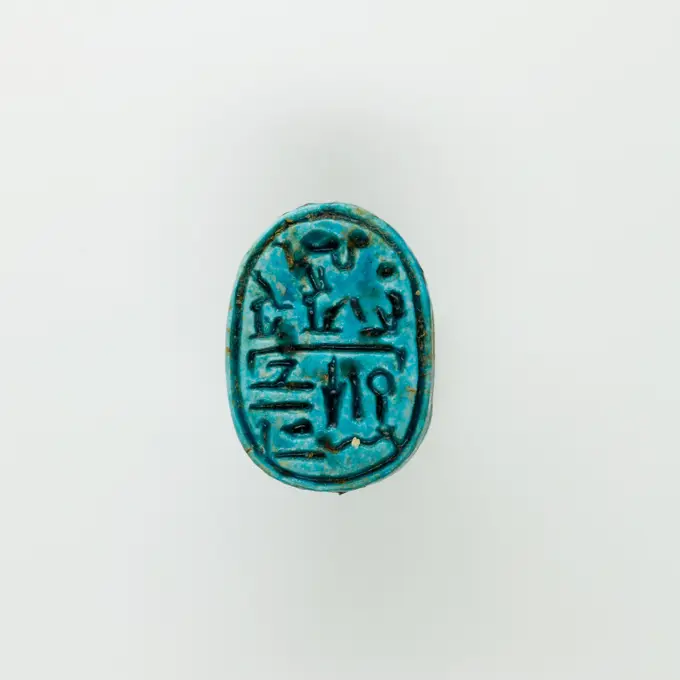
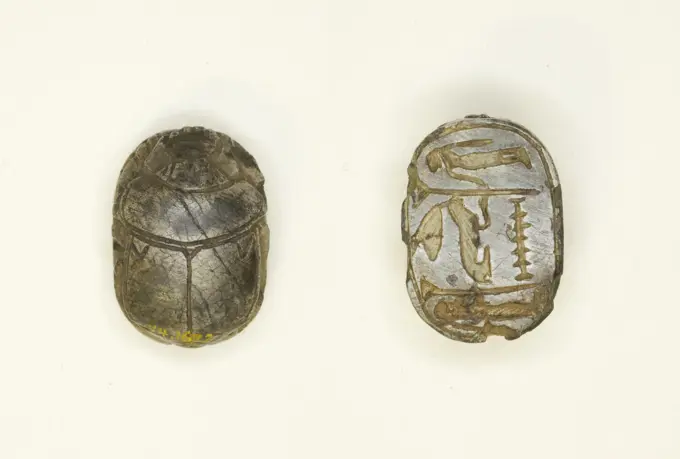
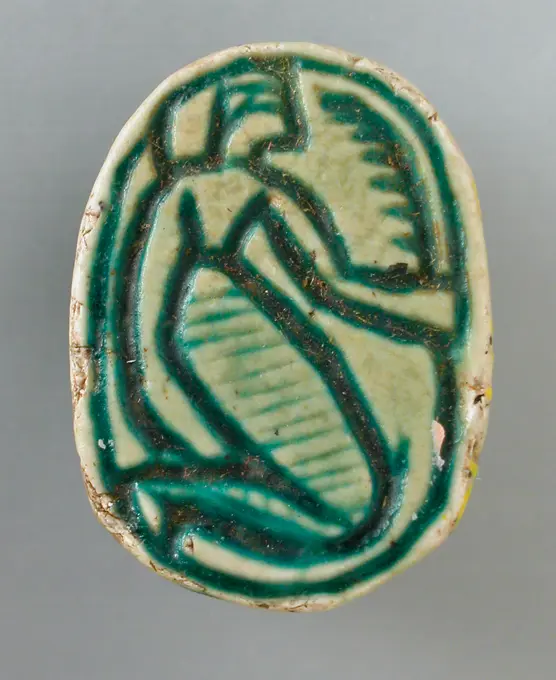
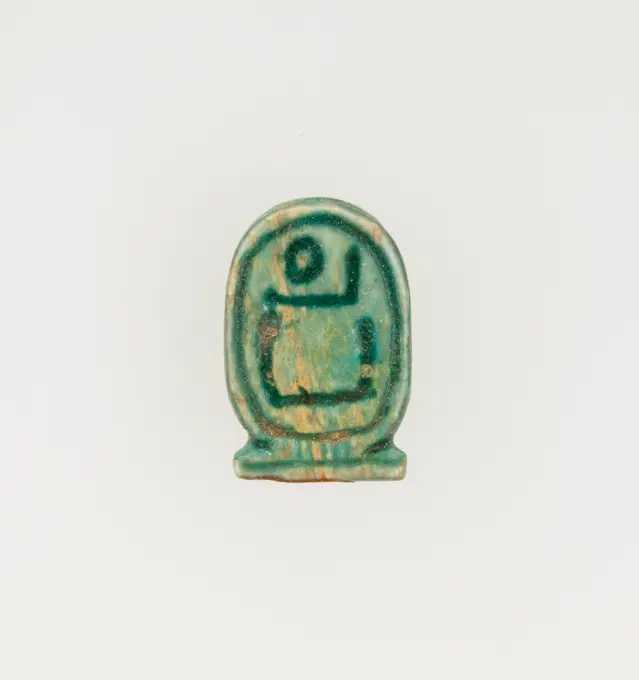
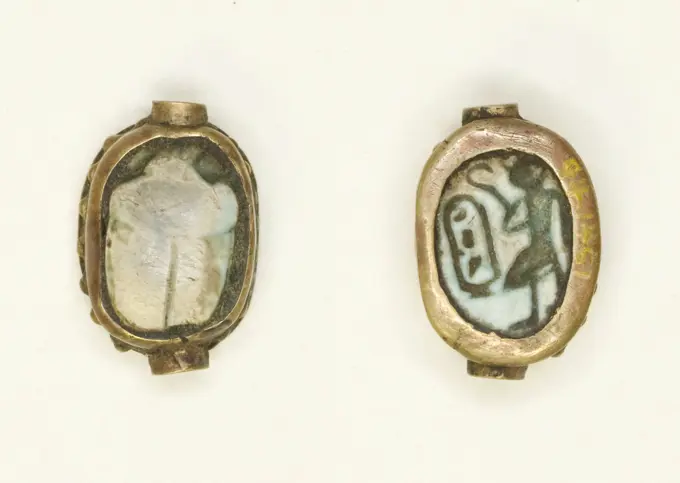
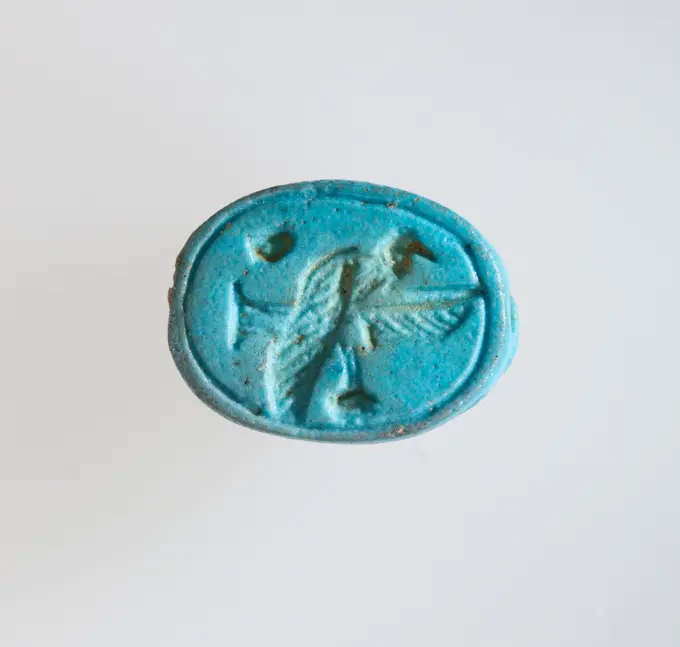
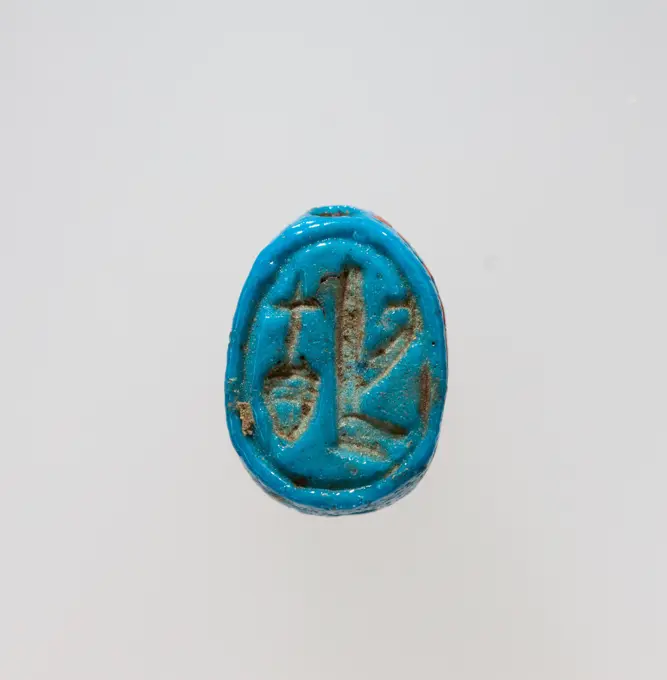
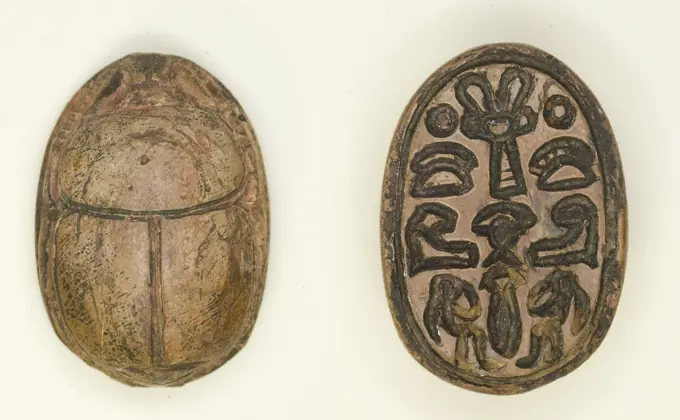
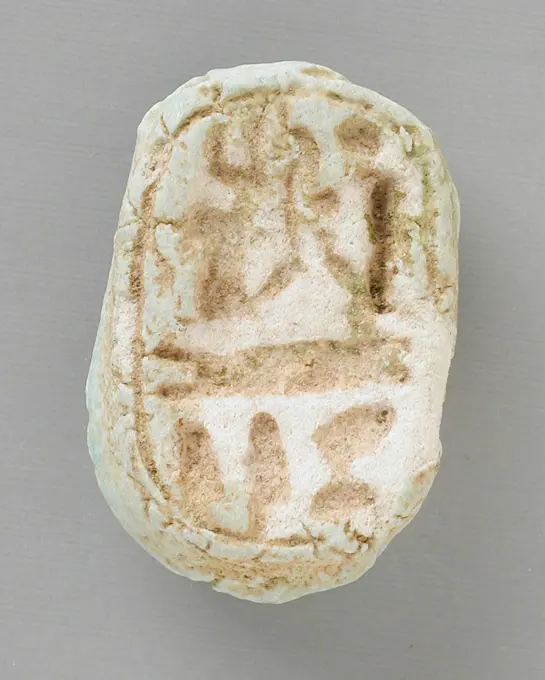
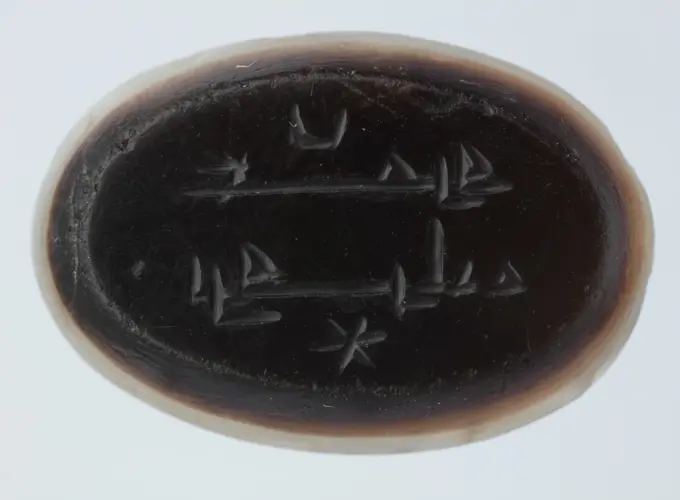
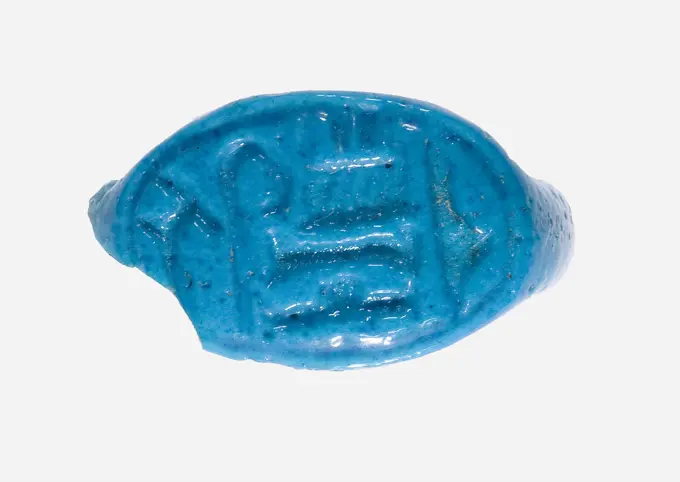
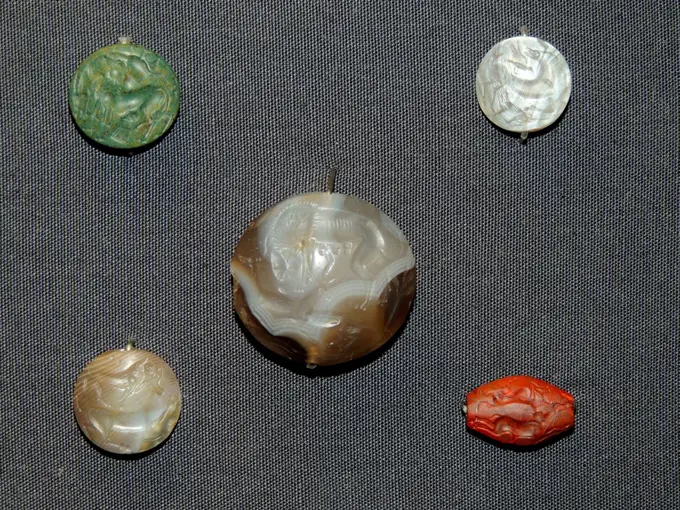
Collection of Egyptian scarab artifacts from the New Kingdom era, showcasing inscriptions and vibrant glazes, highlighting historical significance and artistry.
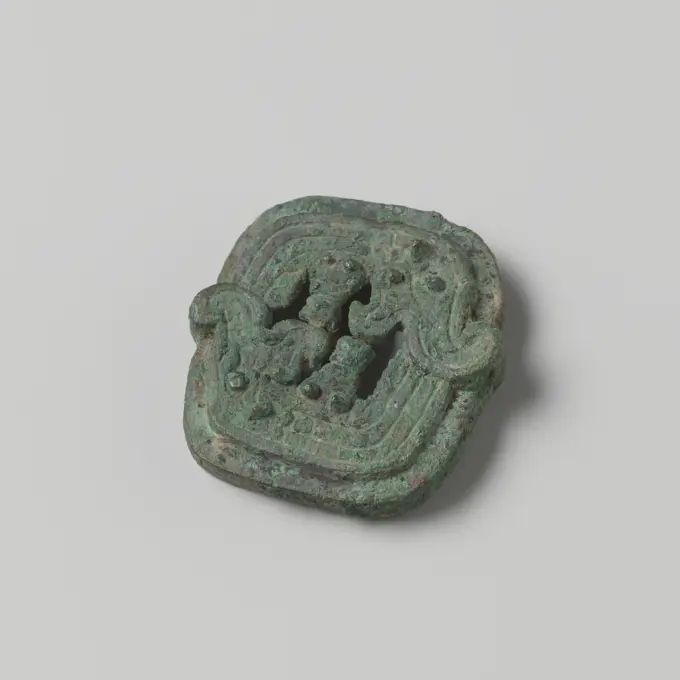
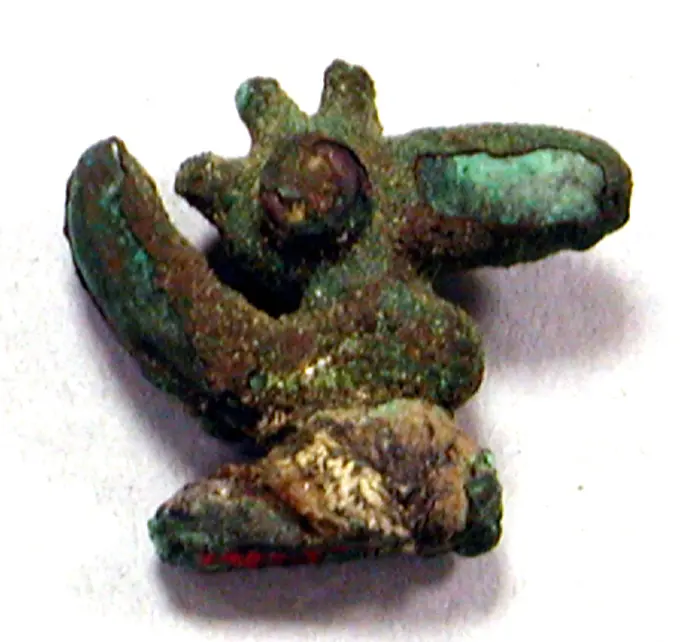
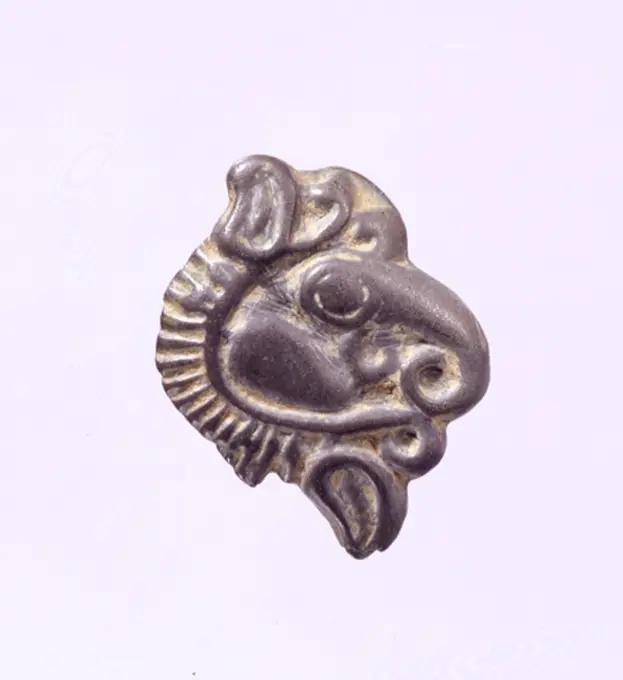
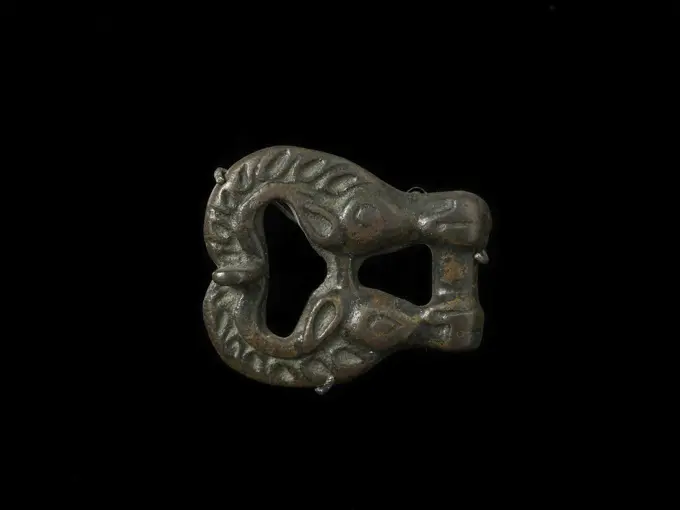
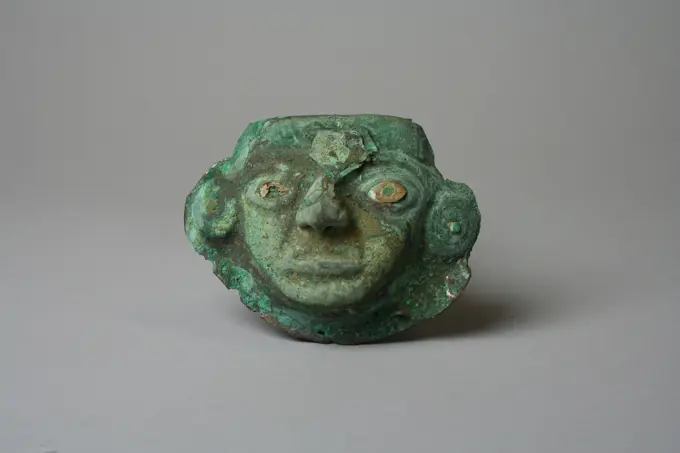
Applique. Decor consisting of cup and body of two fables. The patina is gray-green.
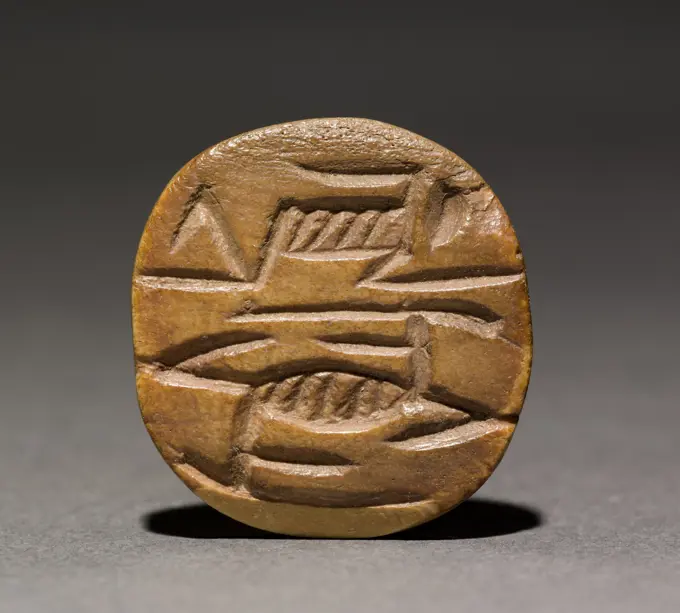
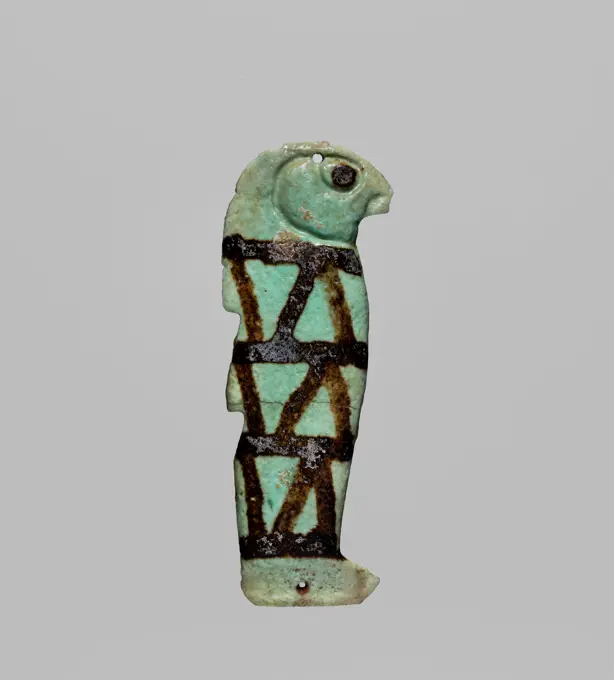
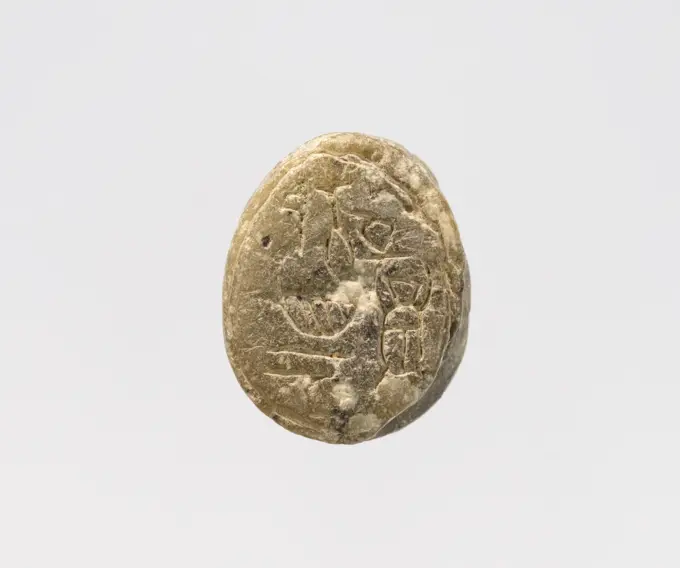
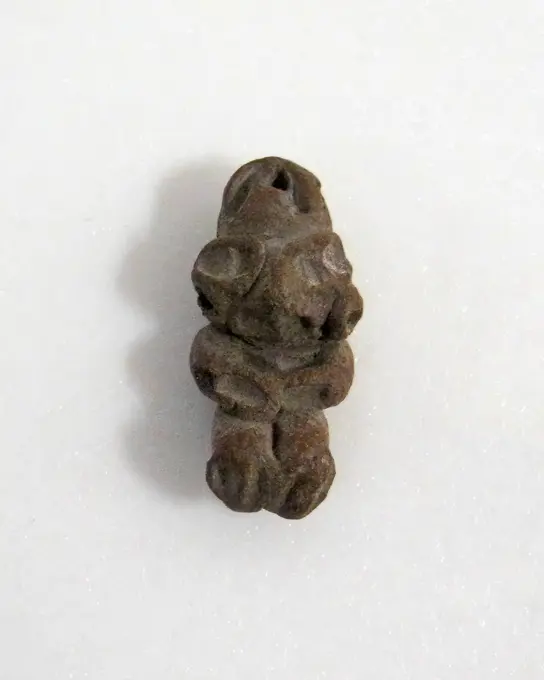
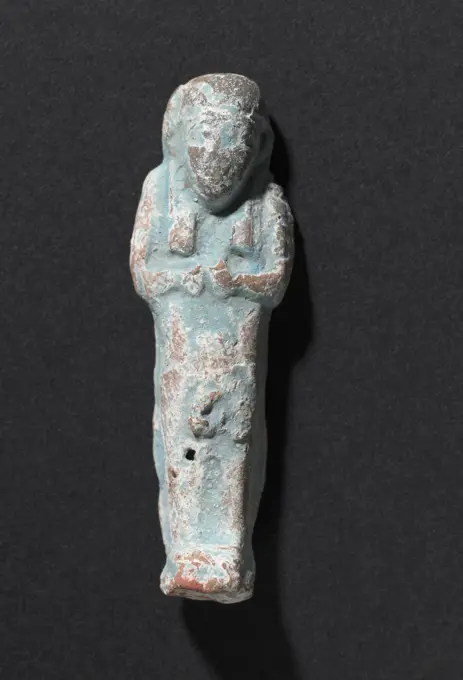
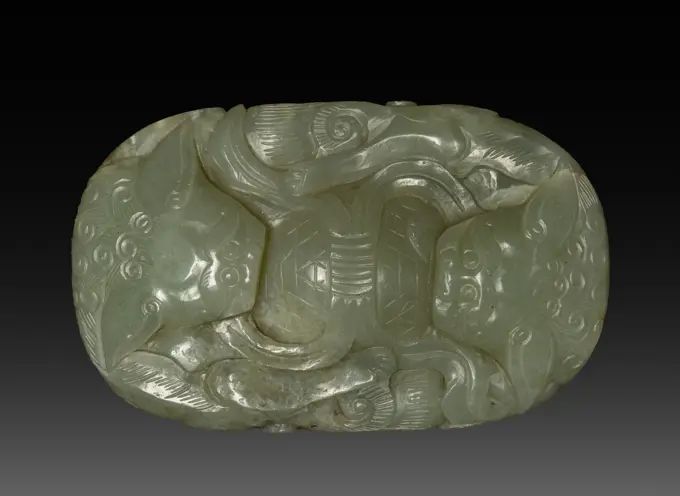
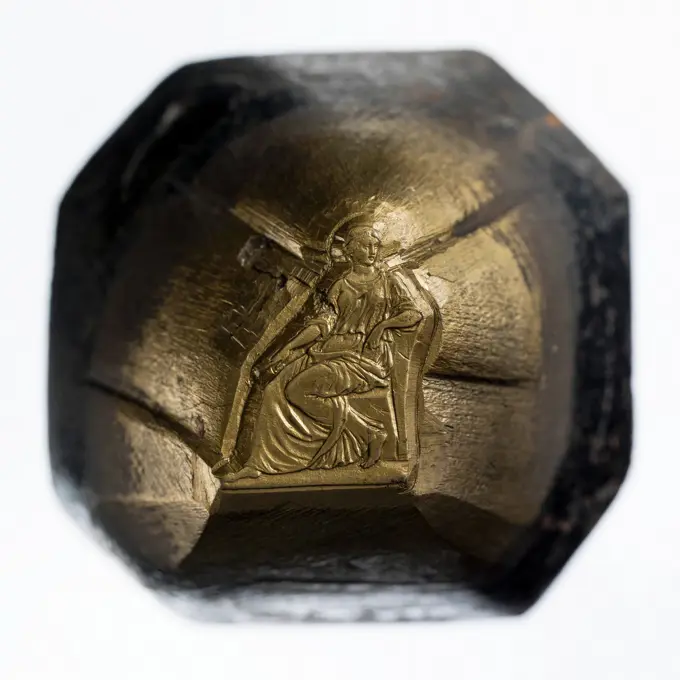
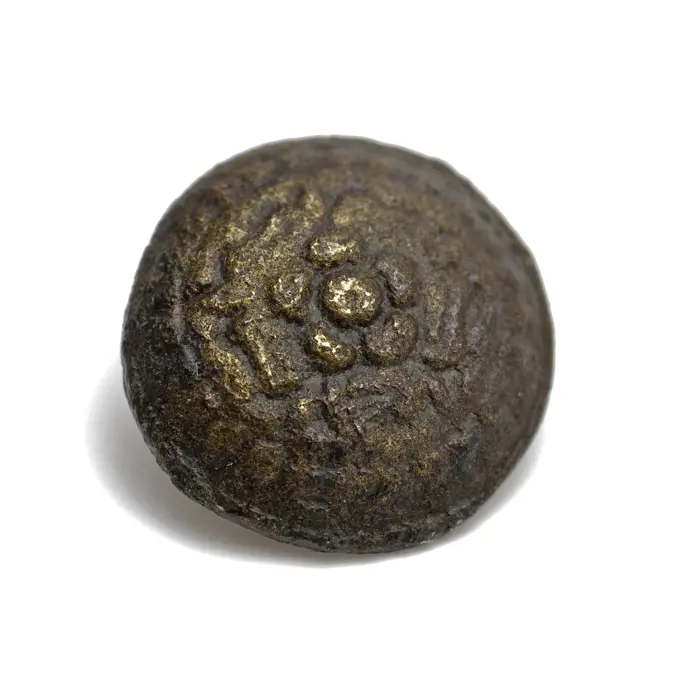
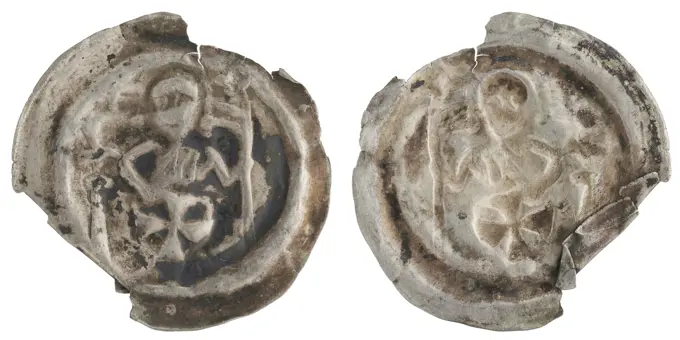
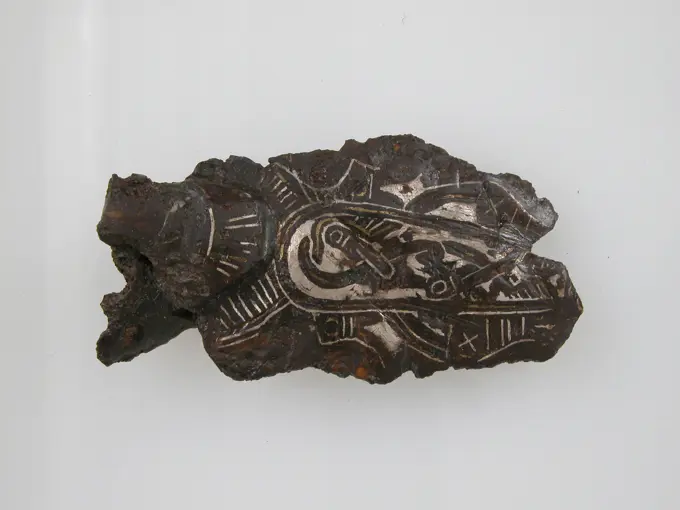
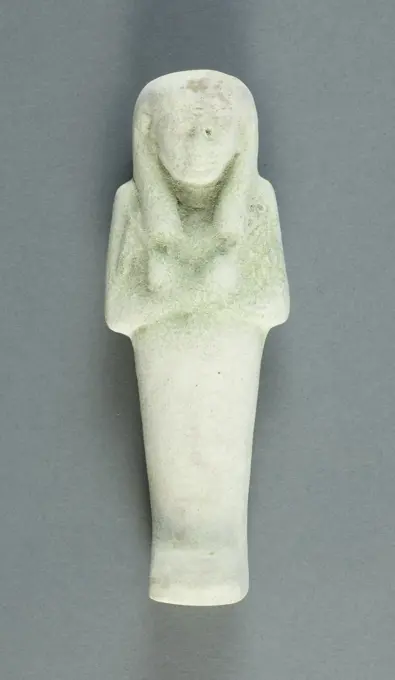
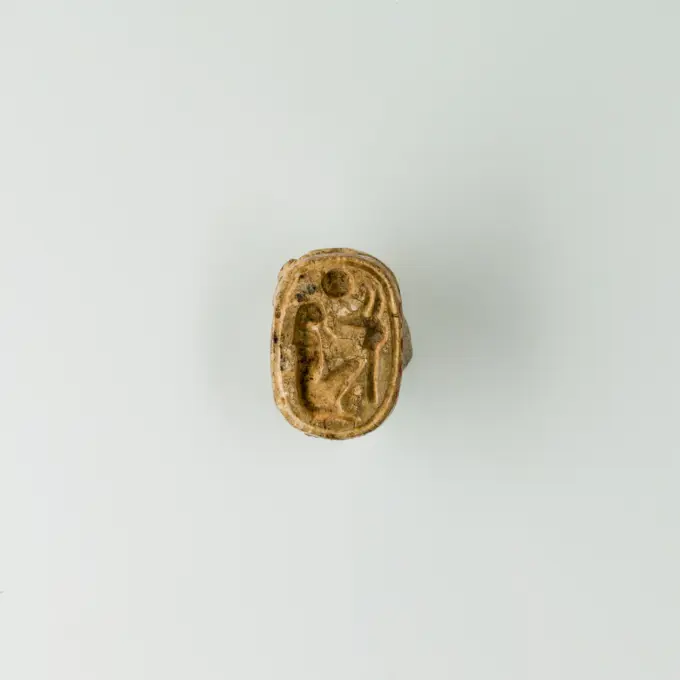
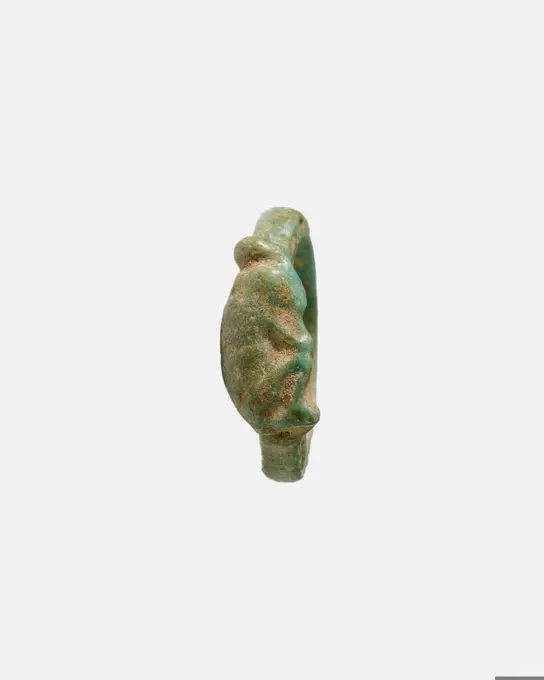
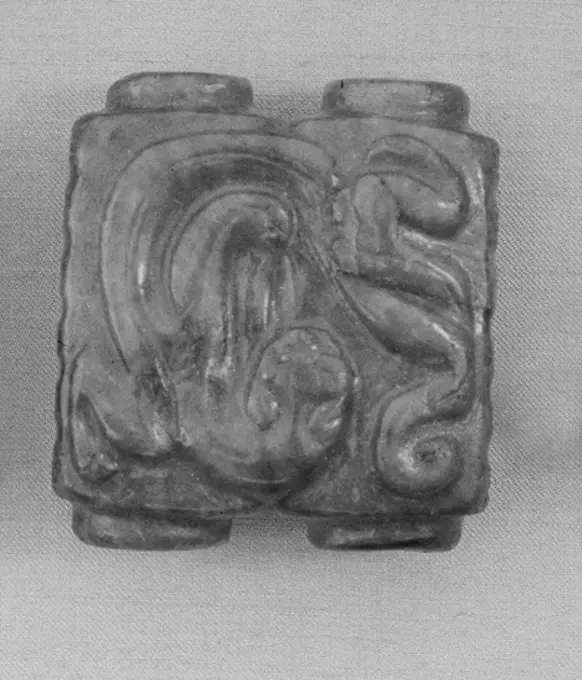
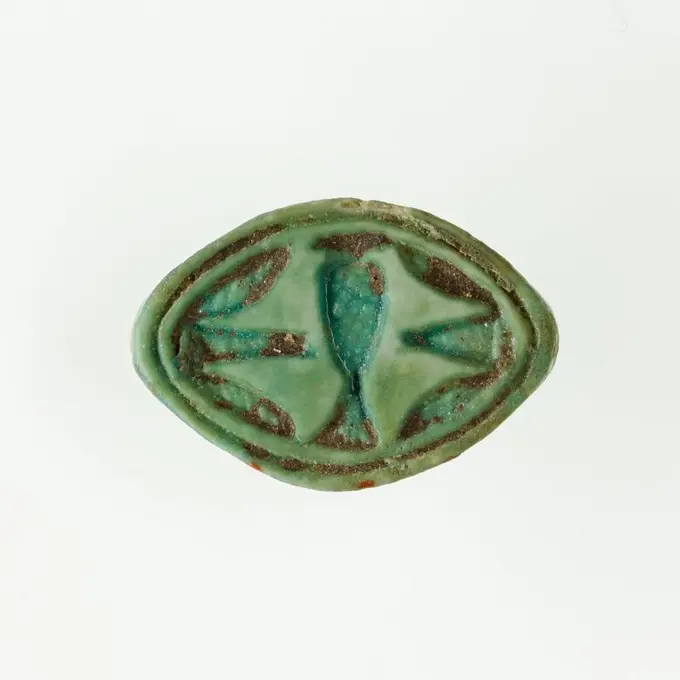
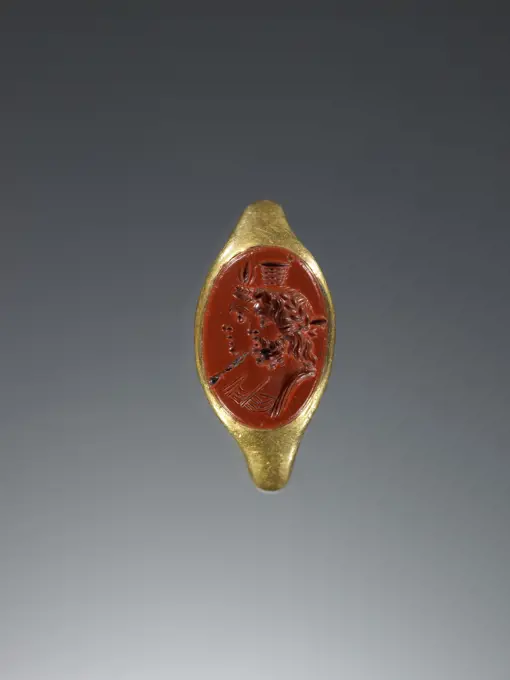
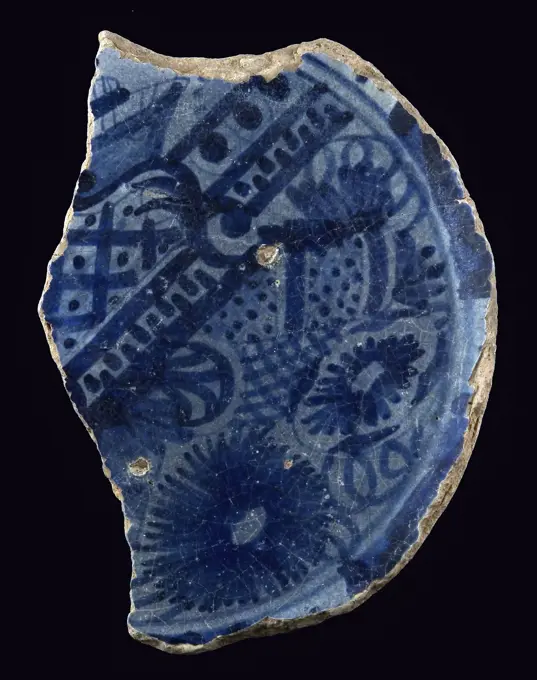
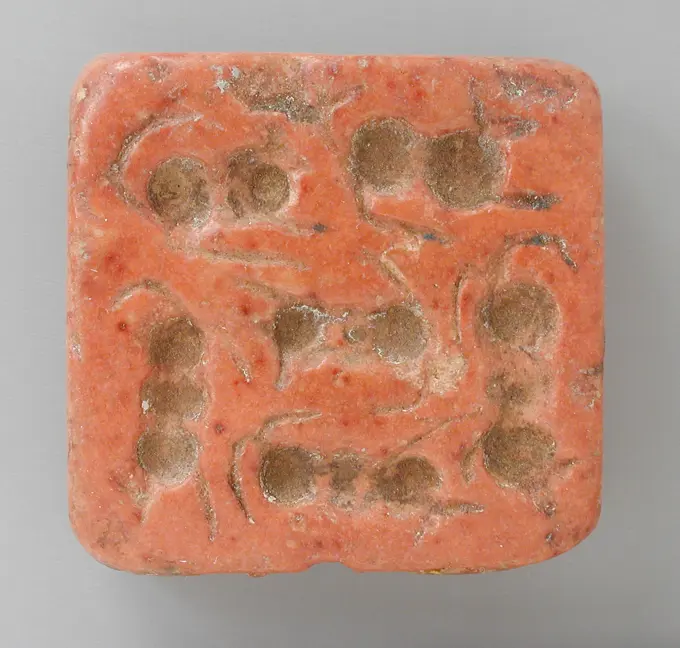
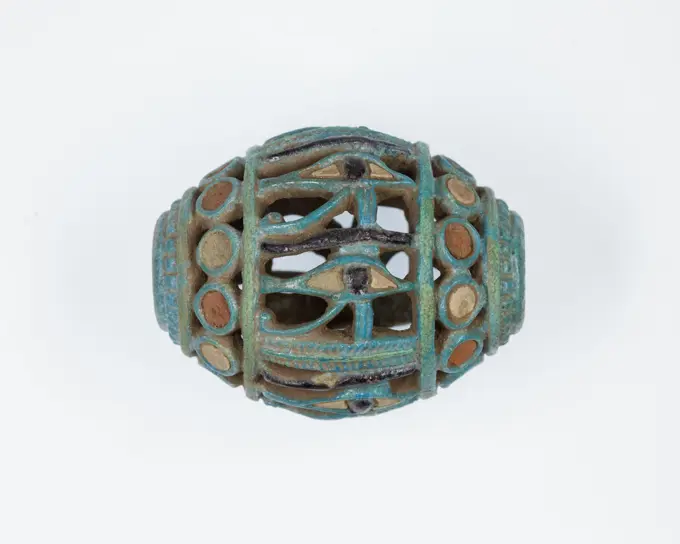
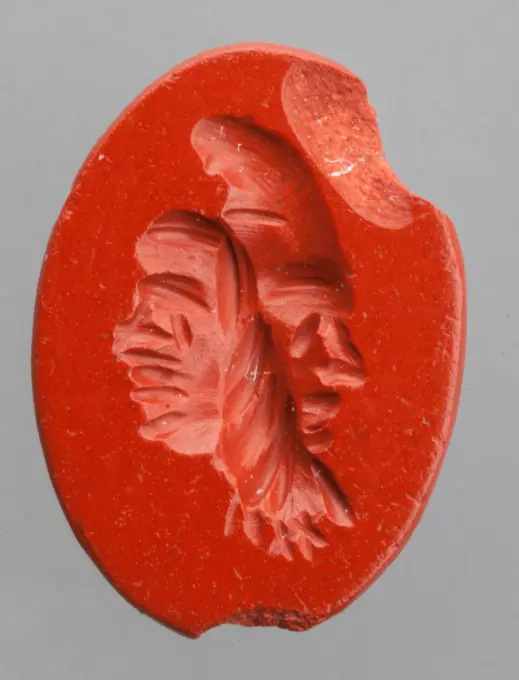
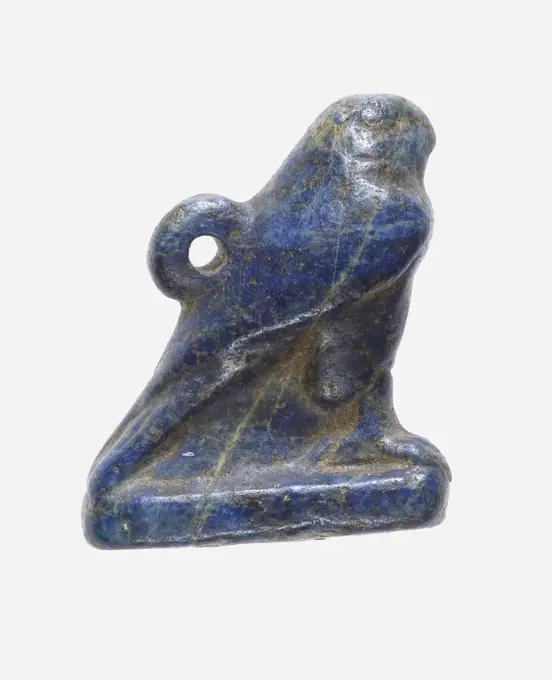
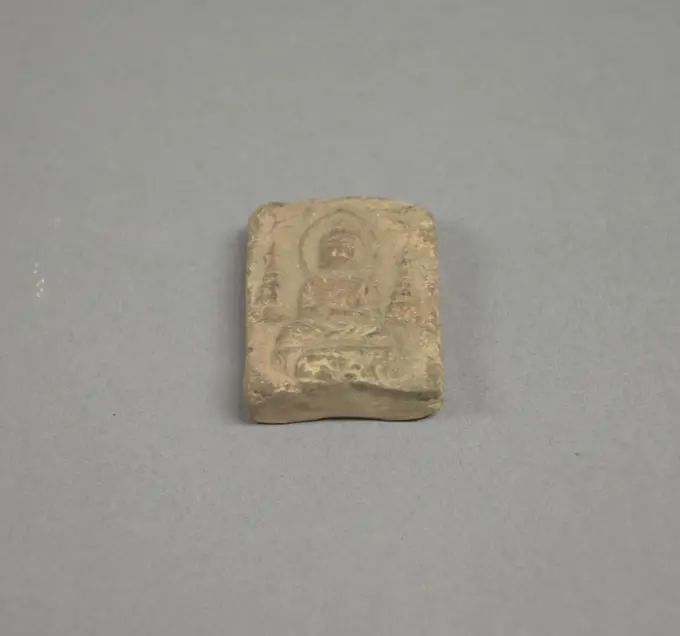
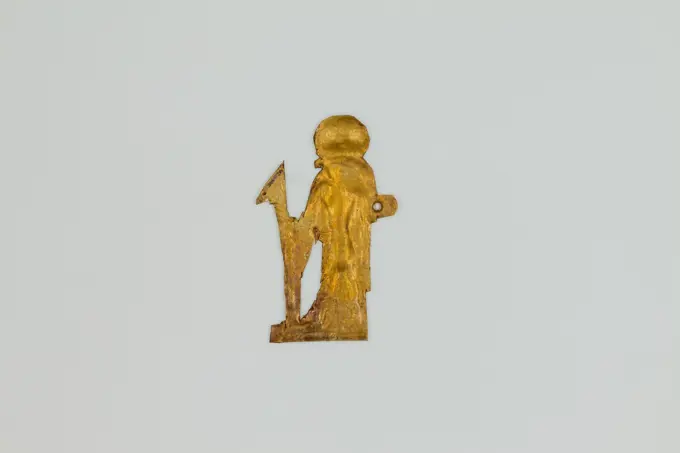
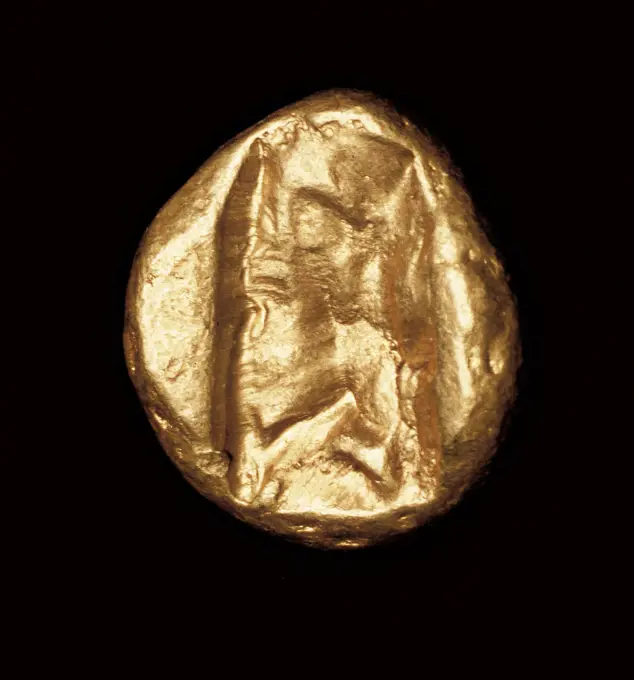
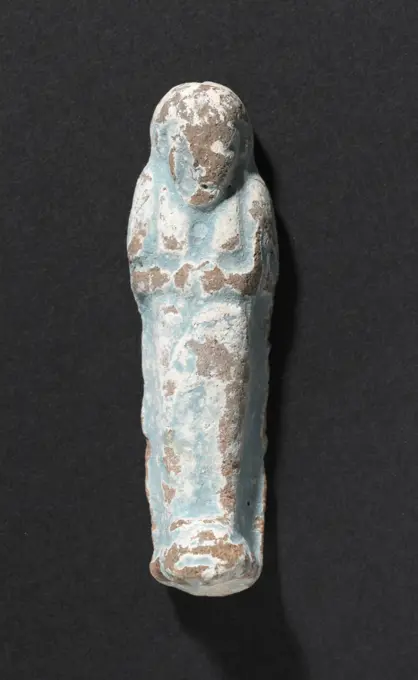
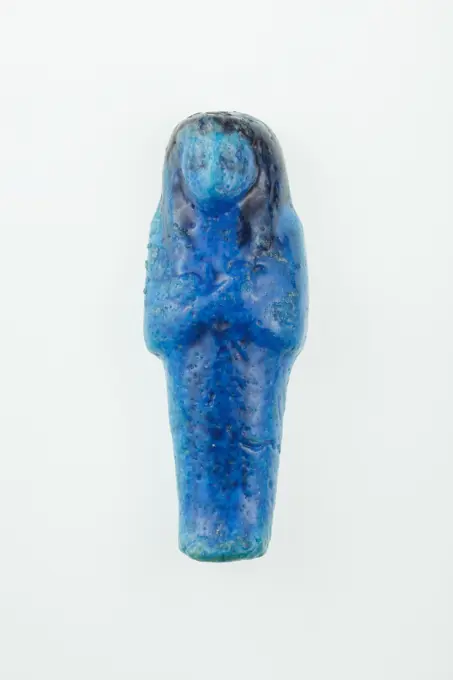
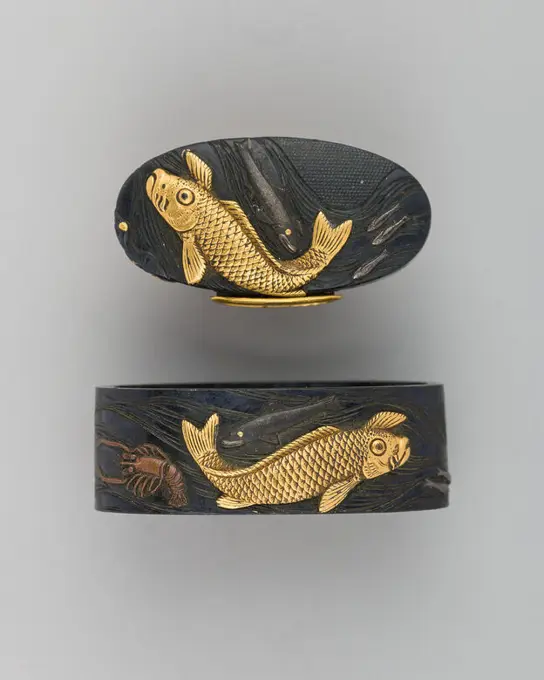
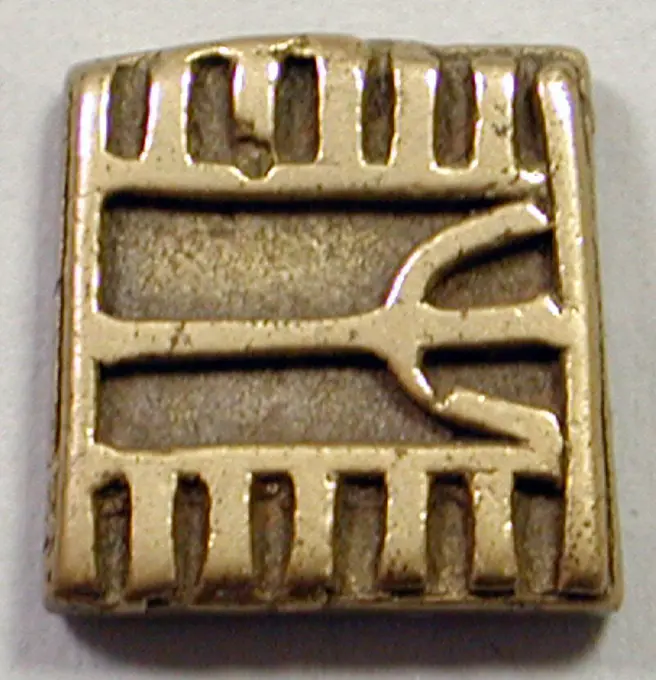
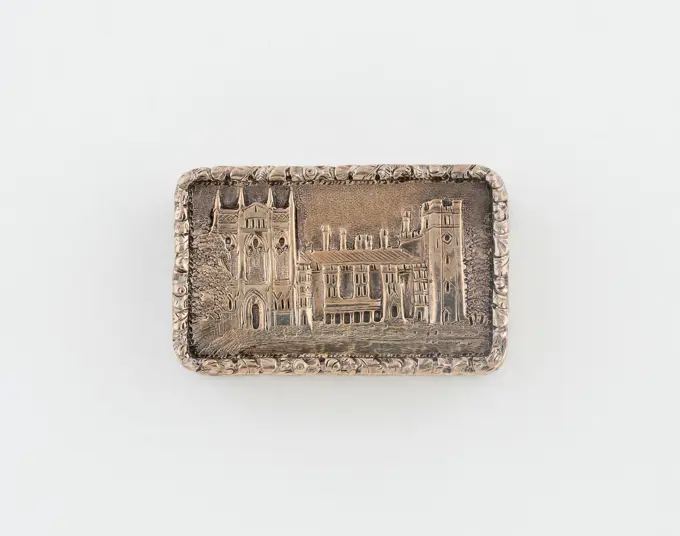
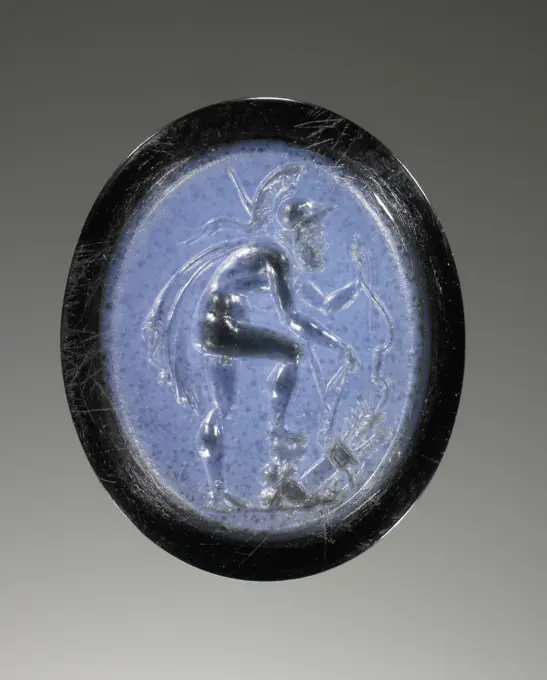
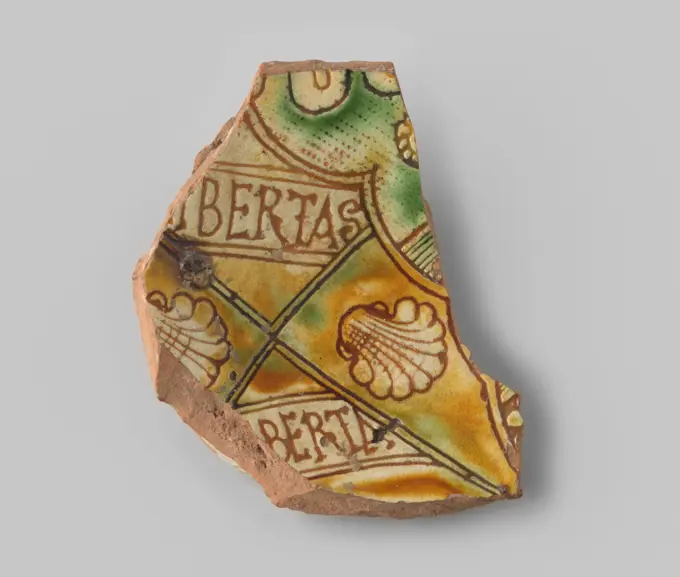
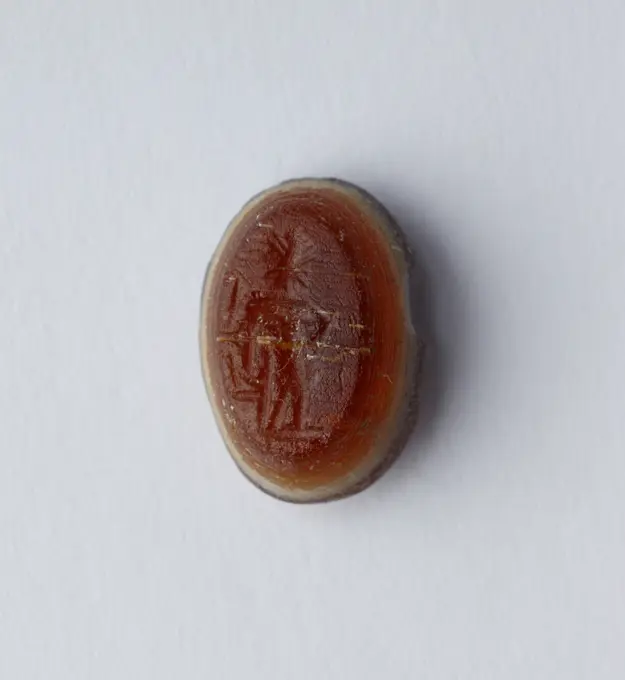
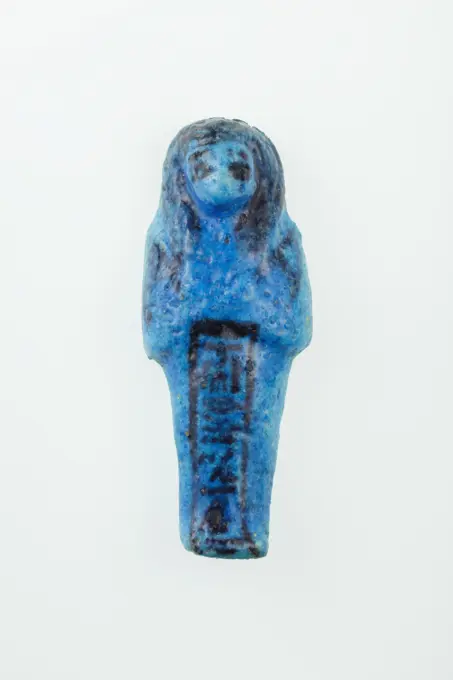
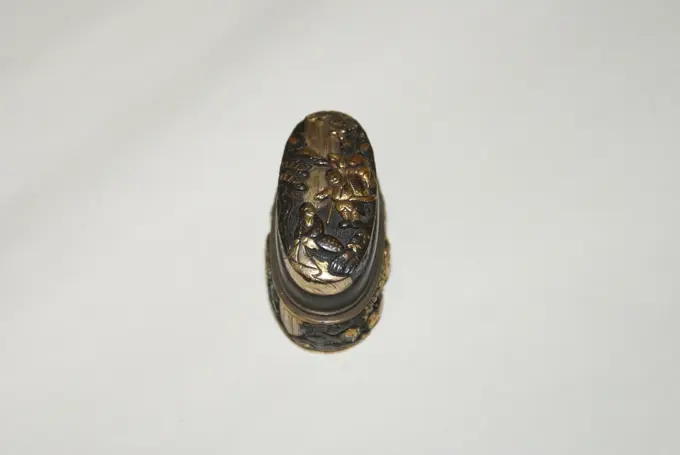
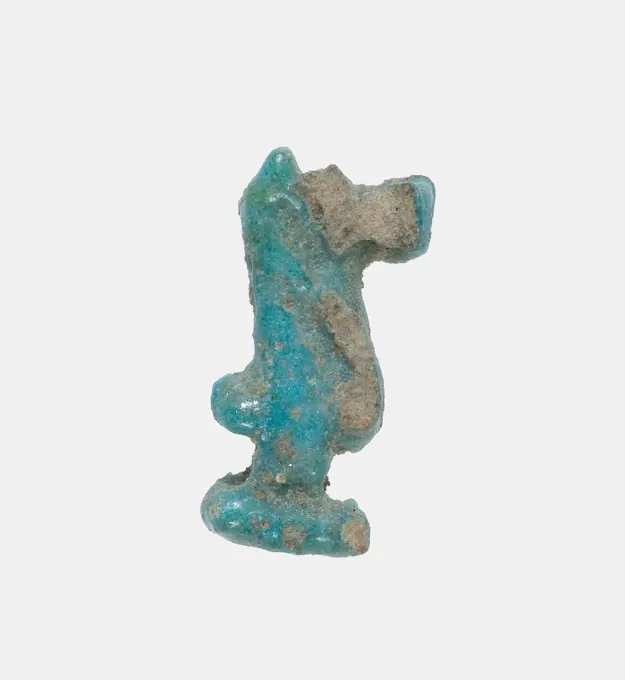
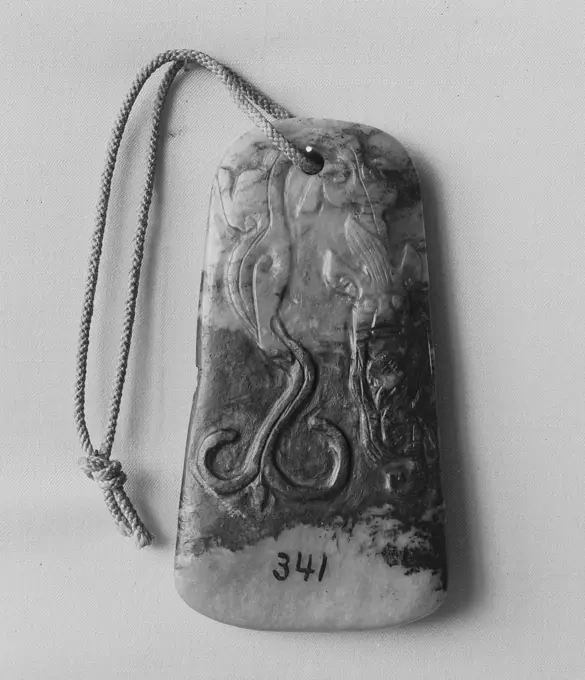
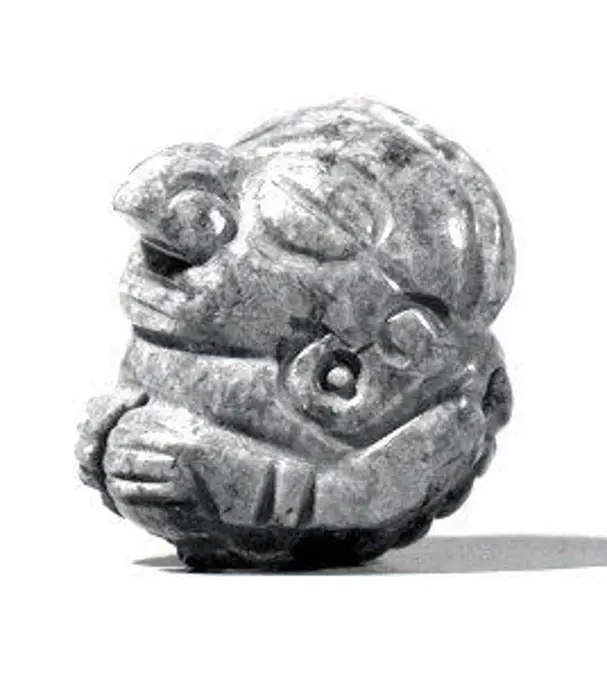
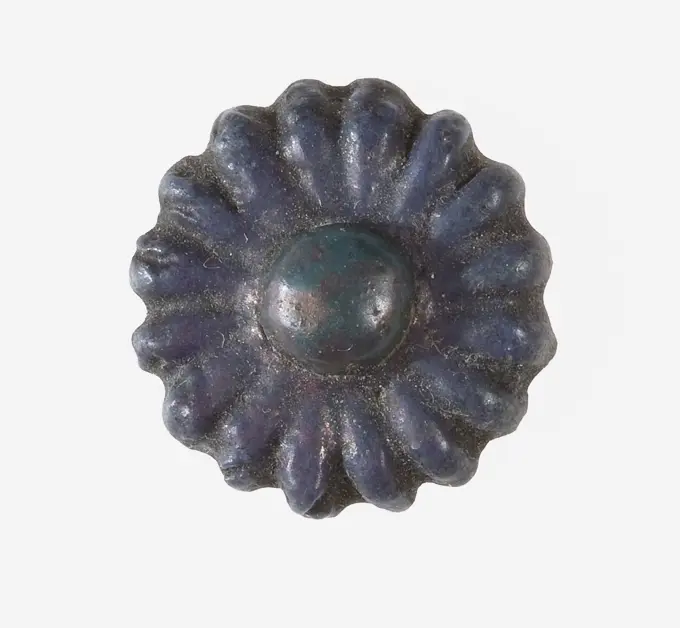
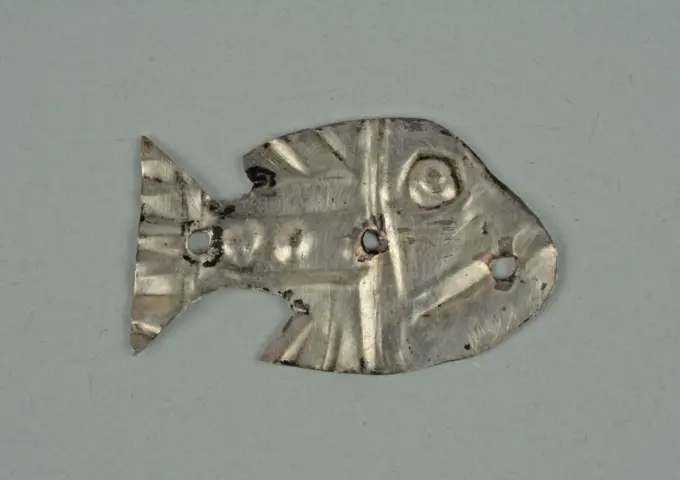
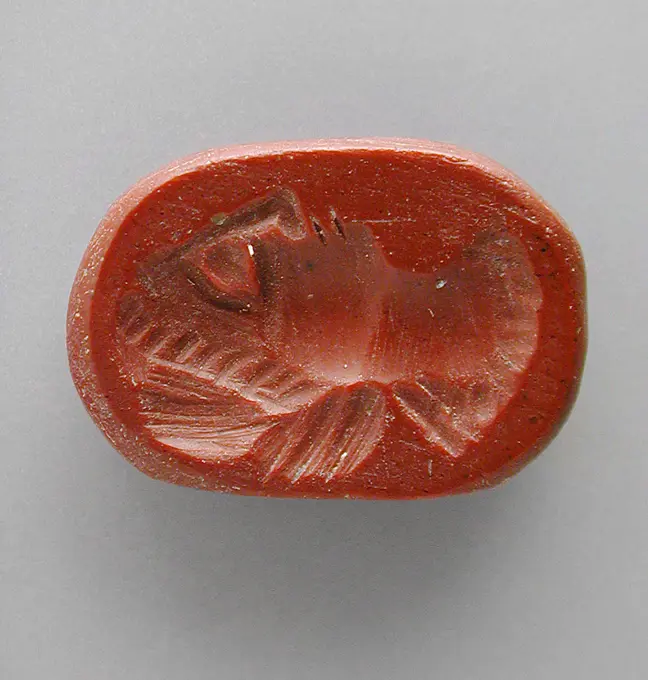
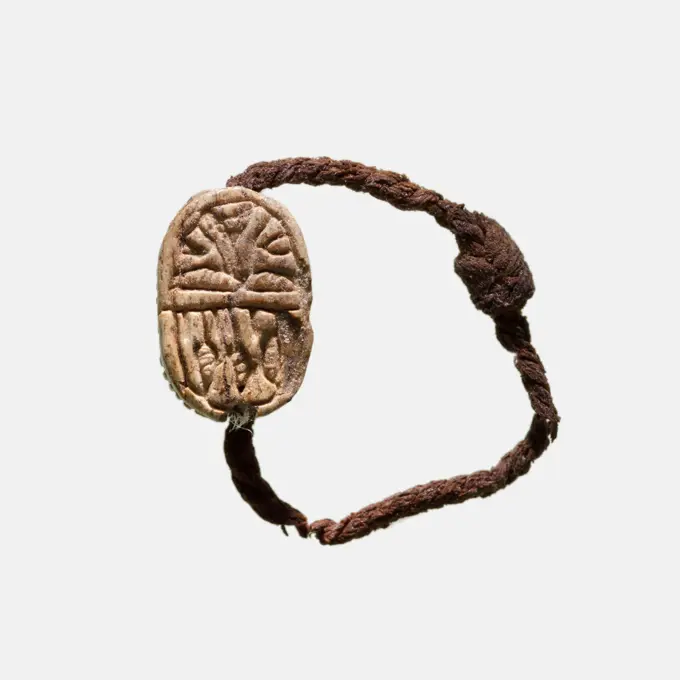
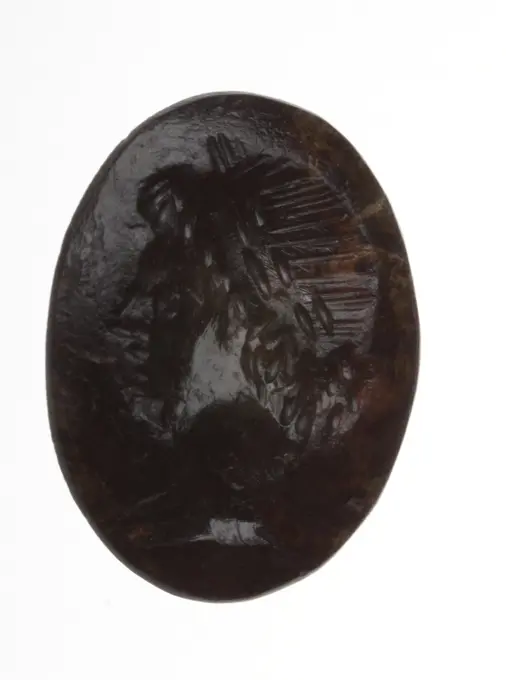
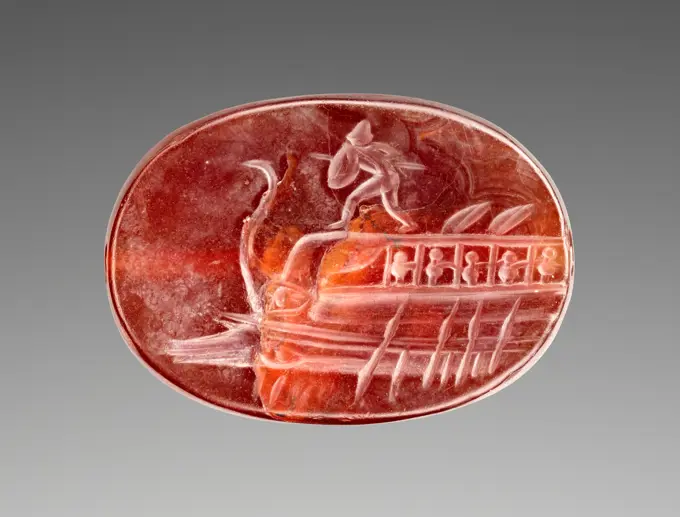
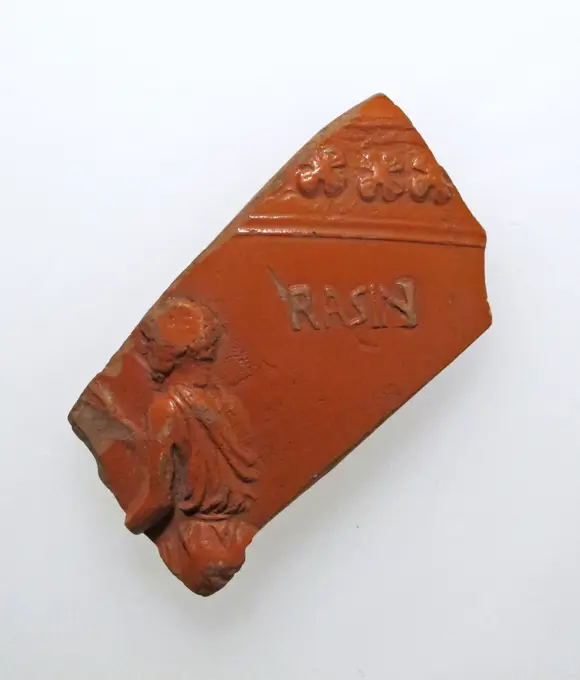
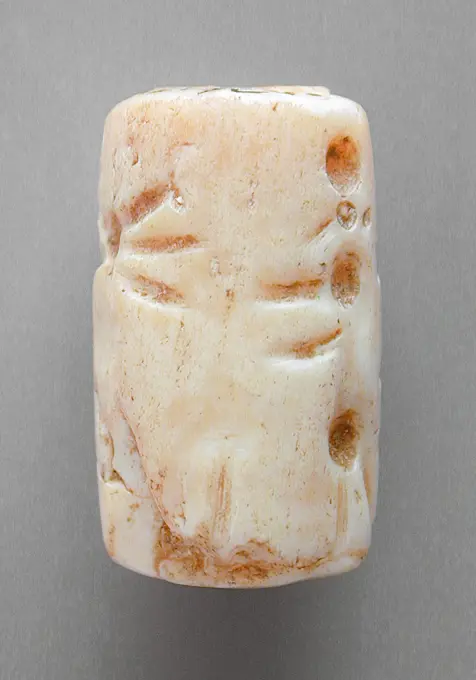
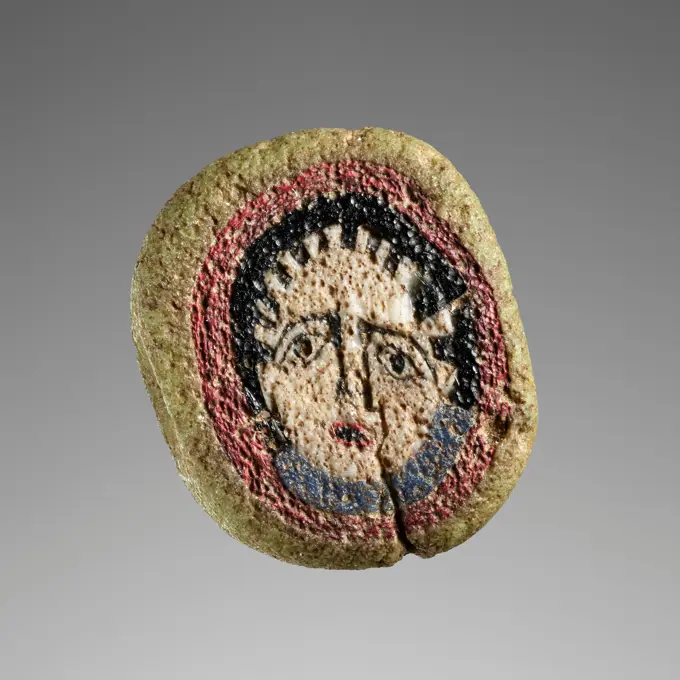
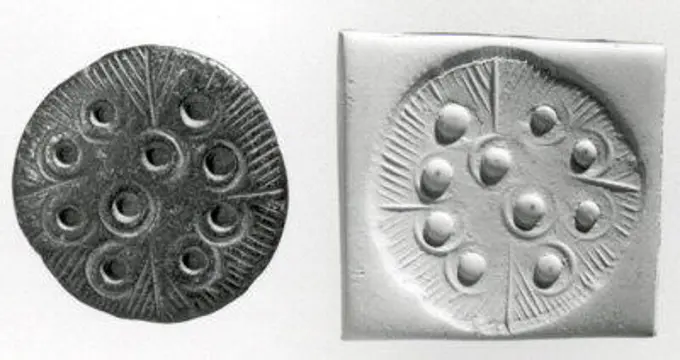
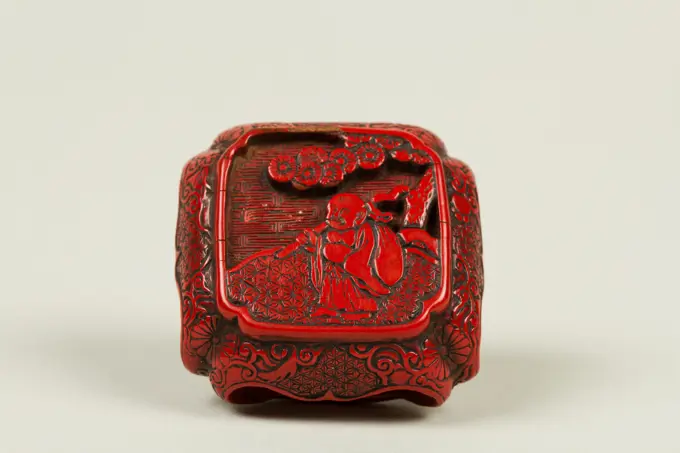
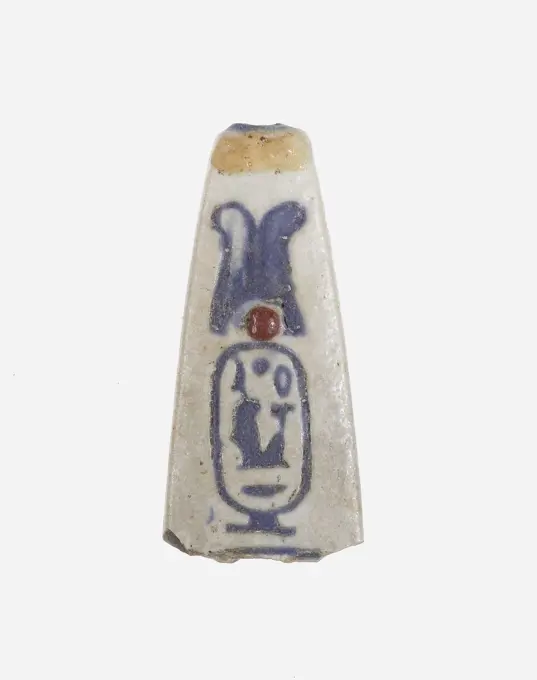
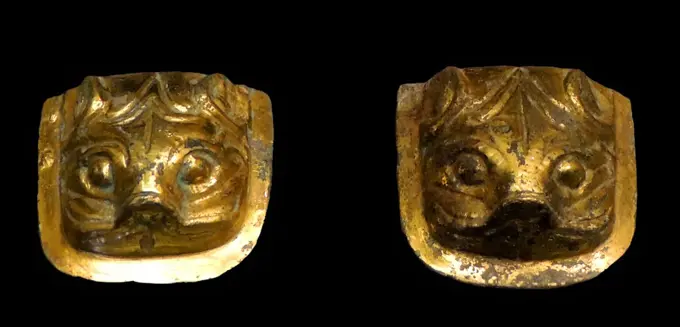
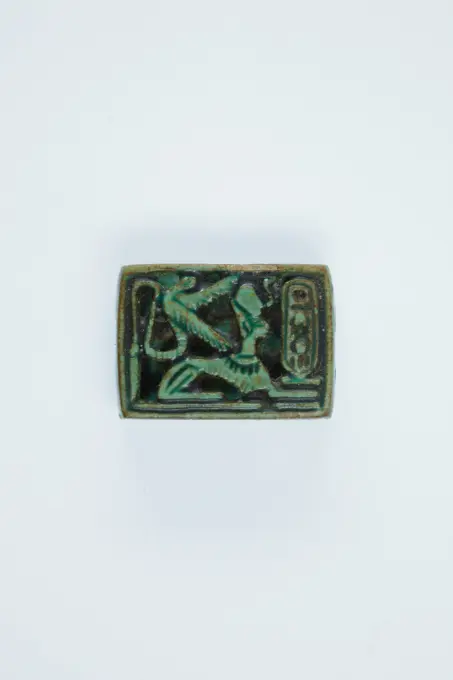
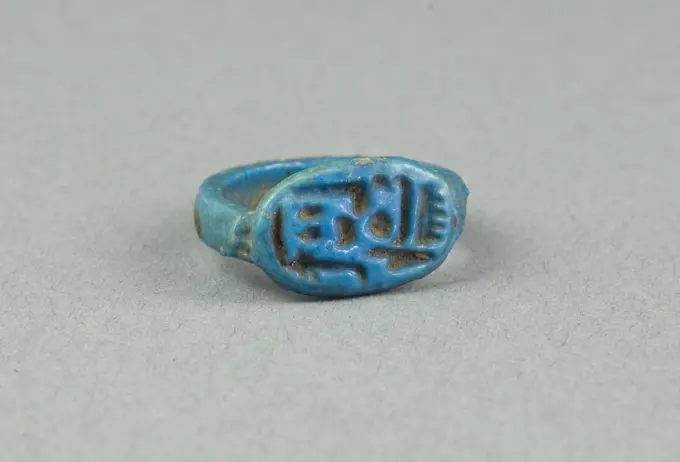
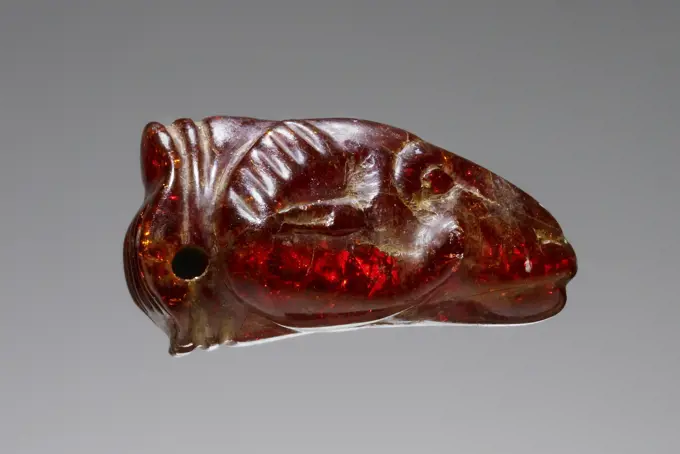
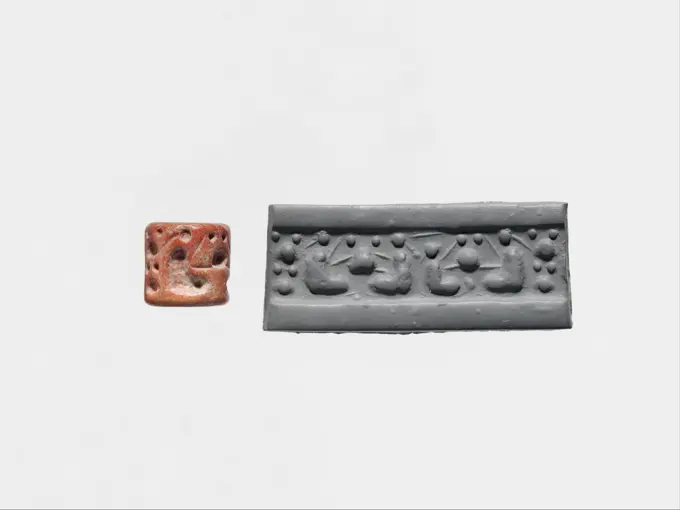
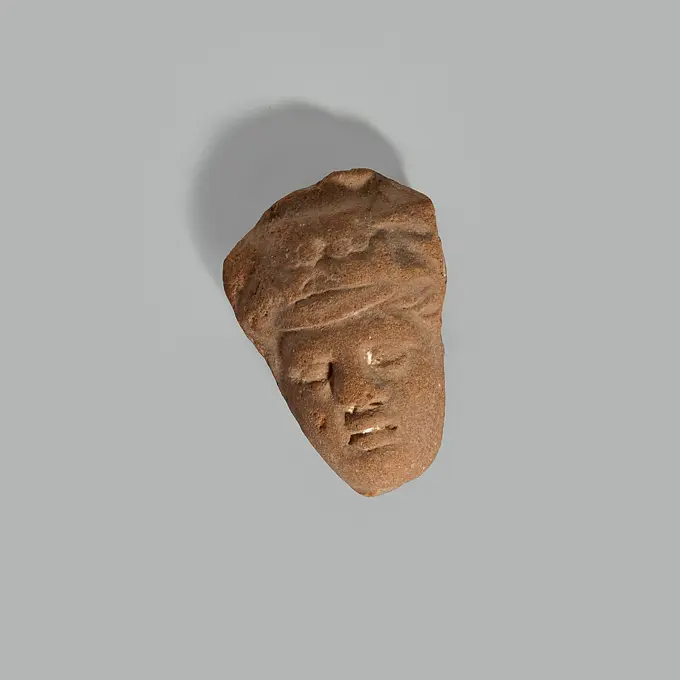
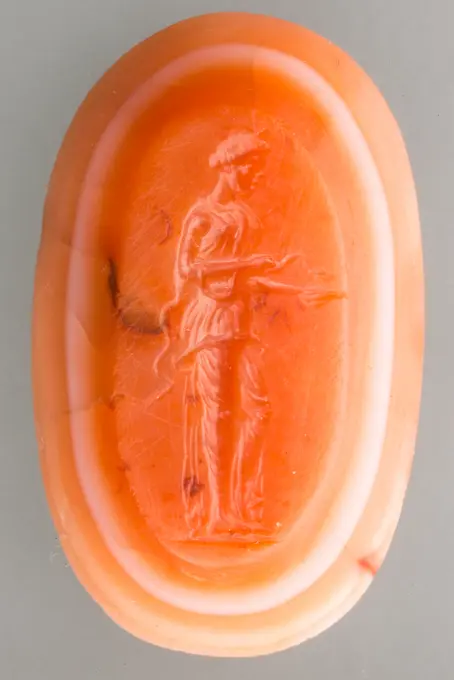
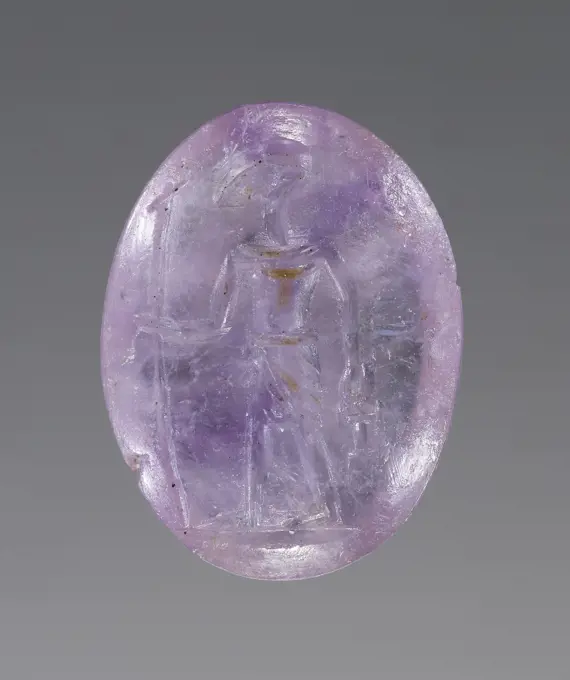
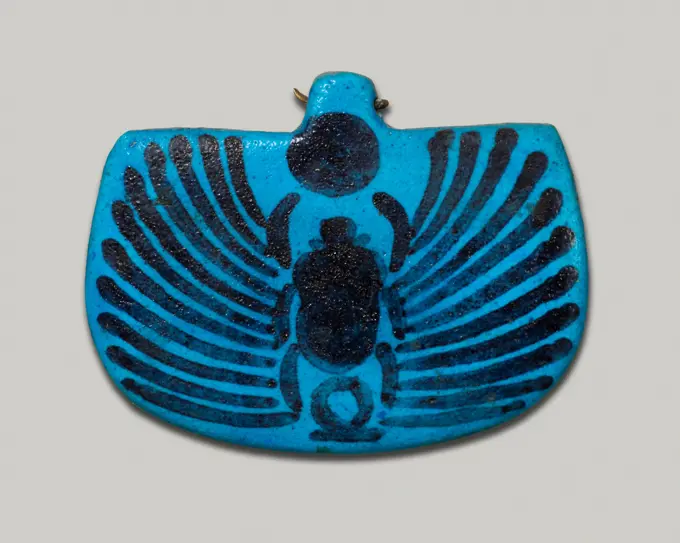
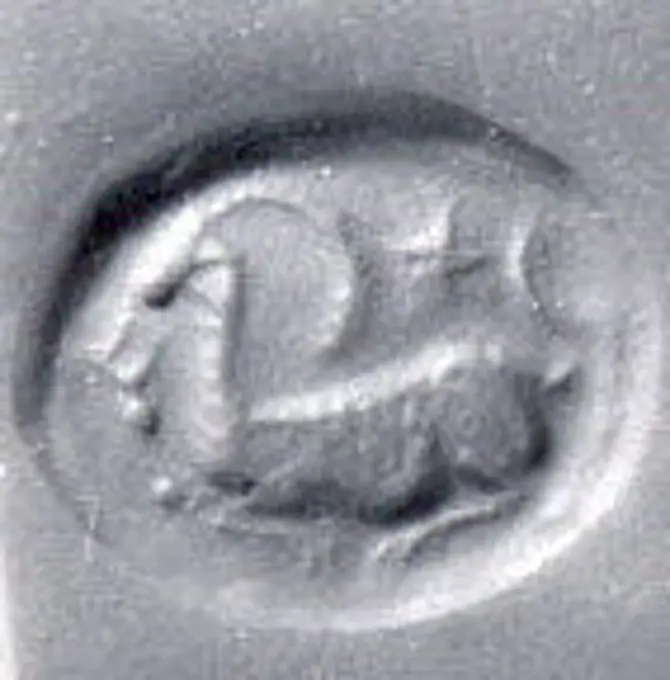
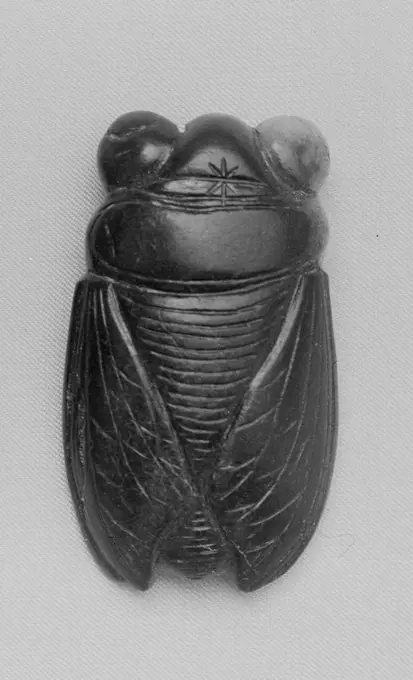
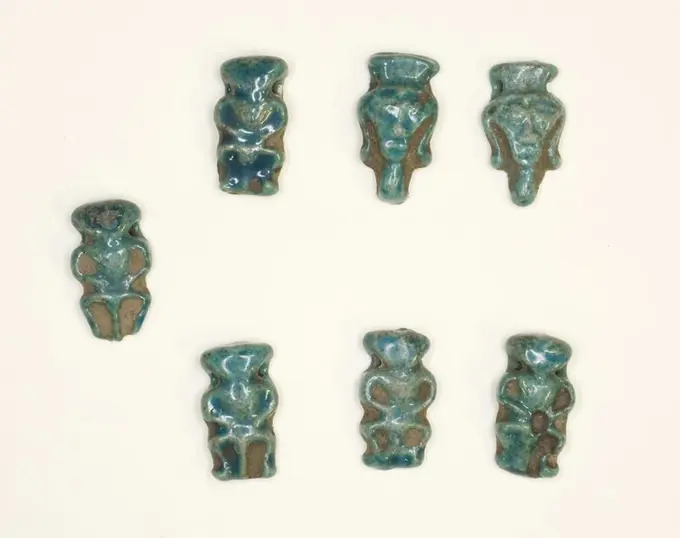
Amulets of the God Bes and the Goddess Hathor. Egyptian. Date: 1550 BC-1295 BC. Dimensions: 1 × 0.6 × 0.2 cm (3/8 × 1/4 × 1/16 in.). Faience. Origin: Egypt. Museum: The Chicago Art Institute, Chicago, USA. Author: Ancient Egyptian.Seal Amulet, 2300-2124 BC. Egypt, Late Old Kingdom, Dynasties 5-6, 2647-2124 BC. Bone; diameter: 2.4 cm (15/16 in.).Amulet - Kebehsenuf. unknown, authorCopper Atlatl Spear Thrower 4th century B.C.-A.D. 2nd century Vicús. Copper Atlatl Spear Thrower 315222Scarab ca. 1479-1458 B.C. New Kingdom. Scarab. ca. 1479-1458 B.C.. Faience. New Kingdom. From Egypt, Upper Egypt, Thebes, Deir el-Bahri, Hatshepsut Hole, Hathor Shrine, MMA excavations, 1922-23. Dynasty 18Miniature figurine, 1500 BCE, 1 5/16 in. (3.3 cm), Earthenware, Mexico, Pre-ClassicShawabty of Ditamenpaankh, 715-656 BC. Egypt, Late Period, Dynasty 25. Terracotta; overall: 5.5 x 1.8 x 1.3 cm (2 3/16 x 11/16 x 1/2 in.).Buckle, 1900s. China, 20th century. Green jade; overall: 5.3 x 8.6 cm (2 1/16 x 3 3/8 in.).Augustin Dupré (1748-1833). Caisse d'Affompte, 1776. Steel (obverse). Paris, Carnavalet museum. Medal, numismaticsBrass button with flower embossed, knot clothing accessory clothing soil find brass metal, casted Quarter bulb eye archeology Rotterdam rail tunnel confirm dressing close Soil discovery: trajectory rail tunnel Rotterdam.bracteate denarius. Zakon krzyżacki (1190-), issuerBelt Buckle 7th century Frankish. Belt Buckle 465623 Frankish, Belt Buckle, 7th century, Iron, silver inlay, brass or latten inlay, Overall: 2 13/16 x 1 7/16 x 11/16 in. (7.2 x 3.6 x 1.7 cm). The Metropolitan Museum of Art, New York. Gift of J. Pierpont Morgan, 1917 (17.193.293b)Shabti 1069 BCE-715 BCE Egypt. Faience . Ancient EgyptianFragment of Statesbti;  332-30 BC ; Ptolemean period (-332-00-00--30-00-00);Lion seal of Ramesses II ca. 1295-1070 B.C. New Kingdom, Ramesside. Lion seal of Ramesses II 567934Ring, seated ape. Dimensions: Diam. 1.7 cm. (11/16 in.). Dynasty: Dynasty 18. Date: ca. 1550-1295 B.C.. Museum: Metropolitan Museum of Art, New York, USA.Double Bead: Emblem of Earth China. Double Bead: Emblem of Earth 43174Cowroid Seal-Amulet. Dimensions: L. 1.55 cm (5/8 in.); W. 1.05 cm (7/16 in.); H. 0.5 cm (3/16 in.). Dynasty: Dynasty 18, early. Reign: reign of Thutmose II-Early Joint reign. Date: ca. 1492-1473 B.C..This cowrie-shaped seal-amulet was found with twenty-three scarabs and seal-amulets in the coffin of a young woman who was buried in Hatnefer's tomb (see 36.3.1 and 36.3 26). The base is inscribed with a hes-vase and what appeare to be two lotus blossoms. Museum: Metropolitan Museum of Art, New York, USA.Engraved Gem Set Into a Ring; 2nd century; Gem: red jasper; ring: gold; 1.3 × 1.9 cm (1,2 × 3,4 in.)Fragments of majolica dish, blue on white, Chinese decor with roll of paper, Wanli style, dish crockery holder earth discovery ceramics pottery glaze , Roasted archeology Rotterdam serving food decorate buddhism China Soil discovery Rotterdam 1940.Stamp Seal, Tabloid. Iran or Mesopotamia, about 3000 B.C.. Tools and Equipment; seals. Pink marbleOpenwork bead 664-30 B.C. Late Period-Ptolemaic Period. Openwork bead. 664-30 B.C.. Faience. Late Period-Ptolemaic Period. From EgyptStamp Seal. Northern Syria or southeast Anatolia, circa 3500 - 3000 B.C.. Tools and Equipment; seals. Black serpentineScarab ca. 1295-1070 B.C. New Kingdom, Ramesside. Scarab 550672Frygijan's head, a woman's mask and an eagle headFalcon amulet 664-332 B.C. Late Period. Falcon amulet. 664-332 B.C.. Lapis lazuli. Late Period. From Egypt. Dynasty 26-30Votive Tablet China. Votive Tablet 61611Scarab Wish Formula ( ) 1069 BCE-343 BCE Egypt. Stone . Ancient EgyptianRe-Harakhty amulet 664-380 B.C. Late Period. Re-Harakhty amulet 561558Rare Ancient Greek Coin, Gold Persian Daric, Reverse C 450BCShawabty of Ditamenpaankh, 715-656 BC. Egypt, Late Period, Dynasty 25. Terracotta; overall: 6.1 x 1.7 x 1.5 cm (2 3/8 x 11/16 x 9/16 in.).Worker Shabti of Nauny ca. 1050 B.C. Third Intermediate Period See 30.3.28.1a, b. Worker Shabti of Nauny. ca. 1050 B.C.. Faience. Third Intermediate Period. From Egypt, Upper Egypt, Thebes, Deir el-Bahri, Tomb of Meritamun (TT 358, MMA 65), first corridor, burial of Nauny, MMA excavations, 1928-29. Dynasty 21Sword-Hilt Collar and Pommel (Fuchigashira). Culture: Japanese. Dimensions: Fuchi (a); H. 1 1/2 in. (3.8 cm); Wt. 1 oz. (28.3 g); kashira (b); H. 1 5/16 in. (3.3 cm); Wt. 0.4 oz. (11.3 g). Date: late 18th century. Museum: Metropolitan Museum of Art, New York, USA.Gold Weight: Geometric 18th-19th century Akan peoples. Gold Weight: Geometric. Akan peoples. 18th-19th century. Brass. Ghana. Metal-ImplementsShabti. Egyptian. Date: 1069 BC-715 BC. Dimensions: 13.7 × 4.7 × 3.8 cm (5 3/8 × 1 7/8 × 1 1/2 in.). Faience. Origin: Egypt. Museum: The Chicago Art Institute, Chicago, USA. Author: Ancient Egyptian.Faience Scarab Depicting a Human Figure. Egypt, perhaps 12th - 16th Dynasty (1991 - 1600 BCE). Sculpture. Blue-green glazed steatiteVinaigrette 1835-1836 Birmingham. Silver and silver gilt . Taylor & Perry (firm) (Manufacturer)Seal China. Seal 41026Engraved Gem. UnknownHarness Ornament with Bird's Head late 5th-4th century B.C. Bulgaria. Harness Ornament with Bird's Head 59581Pair of Slit Disc Earrings, c. 6th-2nd century BCE, 1-3/16 x 1-7/16 x 1/2 in. (3.0 x 3.7 x 1.3 cm), Jade, Thailand, 7th-1st century BCEExcerpt (foot) with red shard, in sgrafitto technology a celebrated weapon, top right on a diagonal track (i) berta (s), and at the top left and bottom a shell, in ocher and green, anonymous, 1200-1899  Italy earthenware  Italy earthenwareElements of harness. Art of steppes. 2nd millennium BC. Paris, Cernuschi museum. 35174-1 Art of steppes, bronze, element, harnessMagical gem with the a representation of HeIIosRitual Stone (pulidor) 15th-early 16th century Aztec (). Ritual Stone (pulidor) 316290Ornament with Mask mid-3rd millennium B.C. China Listen to experts illuminate this artwork's story Listen Play or pause #8980. Ornament with Mask Supported by Bloomberg Philanthropies We're sorry, the transcript for this audio track is not available at this time. We are working to make it available as soon as possible.. Ornament with Mask 49373Plaque Inscribed with the Throne Name of Amenhotep I ca. 1525-1504 B.C. New Kingdom. Plaque Inscribed with the Throne Name of Amenhotep I. ca. 1525-1504 B.C.. Steatite, glazed. New Kingdom. From Egypt. Dynasty 18Tiger: emblem of the West China. Tiger: emblem of the West 42918Stamp Roller 9th-15th century Manteño. Stamp Roller 317711Scarab Cartouche and Standing King 1479 BCE-1352 BCE Egypt. Faience and gold . Ancient EgyptianWorker Shabti of Nany ca. 1050 B.C. Third Intermediate Period See 30.3.30.1a, b. Worker Shabti of Nany. ca. 1050 B.C.. Faience. Third Intermediate Period. From Egypt, Upper Egypt, Thebes, Deir el-Bahri, Tomb of Meritamun (TT 358, MMA 65), first corridor, burial of Nany, MMA excavations, 1928-29. Dynasty 21(Fuchi-gashira box), late 19th century, Unknown Japanese, 1 1/8 × 1 × 1 1/2 in. (2.86 × 2.54 × 3.81 cm), Shakudō, silver, copper, and gold, 19th century, A matching set of collar (fuchi) and pommel (kashira) sword fittings have been reworked here into a pill box. The layman Kitagawa Sōten (18th century) of Hikone in Omi province made the pair in the late 18th century. Sōten was originally from Kyoto and was first called Hidenori, later using the name Mogarashi (also pronounced Sōheishi). The Sōten school was well-known for employing Chinese motifs on their works that have, like this example, a background of shakudō (copper-gold alloy) with small punched dots (nanako) decorated with copper, silver, and gold high relief inlays (takazōgan). This pair was reworked in the late 19th century into a pill box where the pommel became the lid and the collar the base with a silver capsule inside.Scarab ca. 1479-1458 B.C. New Kingdom. Scarab. ca. 1479-1458 B.C.. Faience. New Kingdom. From Egypt, Upper Egypt, Thebes, Deir el-Bahri, Hatshepsut Hole, Hathor Shrine, MMA excavations, 1922-23. Dynasty 18Baboon Amulet ca. 1802-1450 B.C. Late Middle Kingdom-Early New Kingdom. Baboon Amulet. ca. 1802-1450 B.C.. Faience. Late Middle Kingdom-Early New Kingdom. From Egypt, Memphite Region, Lisht North, Cemetery south of pyramid, House A1, so-called "faience factory", MMA excavations, 1920-22. Dynasty 13-18, earlyScarab ca. 1479-1458 B.C. New Kingdom. Scarab. ca. 1479-1458 B.C.. Faience. New Kingdom. From Egypt, Upper Egypt, Thebes, Deir el-Bahri, Hatshepsut Hole, Hathor Shrine, MMA excavations, 1922-23. Dynasty 18Gold pendant in the shape of a vase late 6th-5th century B.C. Greek or Cypriot Vase-shaped.. Gold pendant in the shape of a vase. Greek or Cypriot. late 6th-5th century B.C.. Gold. Classical. Gold and SilverBearded Dionysus mask in the world;  2 after. II century BC (-150-00-00--101-00-00);Polish excavations in MyrmekionScarab Hathor Sistrum with Hieroglyphs (xaw-signs, hAt-signs, child signs, papyrus stalk) 1950 BCE-1773 BCE Egypt. Steatite . Ancient EgyptianEngraved Celt China. Engraved Celt. China. Nephrite, pale green with broad band of brown and black staining.. JadeBead 10th-13th century Mixtec. Bead. Mixtec. 10th-13th century. Greenstone. Mexico, Mesoamerica. Beads-OrnamentsDaisy Pendant ca. 1390-1353 B.C. New Kingdom. Daisy Pendant. ca. 1390-1353 B.C.. Faience. New Kingdom. From Egypt, Upper Egypt, Thebes, Malqata, Palace of Amenhotep III, MMA excavations, 1910-11. Dynasty 18Costume Ornament 14th-15th century Chimú. Costume Ornament 308743Intaglio. Eastern Mediterranean, Roman, 332 B.C.-A.D.395. Tools and Equipment; seals. StoneScarab Finger Ring ca. 1504-1447 B.C. New Kingdom This scarab, strung on piece of twisted linen cord, was found tied to the left hand of a boy, aged nine or ten. The child had been buried in the family tomb of Neferkhawet. The device carved on the base of the scarab includes lotus buds and flowers.. Scarab Finger Ring. ca. 1504-1447 B.C.. Faience, linen. New Kingdom. From Egypt, Upper Egypt, Thebes, Asasif, Tomb of Neferkhawet (MMA 729), east chamber, Burial X, third finger left hand, MMA excavations, 1934-35. Dynasty 18, earlyPortret ApollaEngraved Scaraboid with Protesilaos on the Prow of a Ship. UnknownPilgrim's Badge 14th-16th century French. Pilgrim's Badge. French. 14th-16th century. Lead. Metalwork-LeadVase Fragment 1st century B.C.-1st century A.D. Roman Man.. Vase Fragment. Roman. 1st century B.C.-1st century A.D.. Terracotta. VasesCylinder Seal. Iran, Mesopotamia or Syria, 9th-7th century B.C.. Tools and Equipment; seals. White chalcedonyBead. Unknown 1st century B.C.-1st century A.D. Opaque green, red, blue and black bead with a human face rendered in the millefiori technique.Loop-handled circular seal 5th-4th millennium B.C.. Loop-handled circular seal 326901Face Mask Ornament 6th-7th century Moche (Loma Negra). Face Mask Ornament 314350Molded Faience Plaque with throne name of Queen Tawosret. Egypt, New Kingdom, 19th Dynasty, reign of Tawosret (1209 - 1201 BCE). Sculpture; plaques. FaienceSealing pistonWorker Shabti of Nauny ca. 1050 B.C. Third Intermediate Period See 30.3.26.1a, b. Worker Shabti of Nauny 625740Netsuke 18th century Japan. Netsuke 59269Lotus Petal Bead Inscribed with the Throne Name of Amenhotep III ca. 1390-1353 B.C. New Kingdom. Lotus Petal Bead Inscribed with the Throne Name of Amenhotep III. ca. 1390-1353 B.C.. Faience. New Kingdom. From Egypt, Upper Egypt, Thebes, Malqata, Palace of Amenhotep III, MMA excavations, 1910-11. Dynasty 18Gilt bronze fittingsshaped as tiger heads;Chinese, Han Dynasty. 1st century BCFloral Plaque Fragment. Unknown 1st century B.C.Soul of polychrome majolica dish, man with millstone collar, dish plate crockery holder soil find ceramic earthenware glaze tin glaze lead glaze, majolica baked 2x glazed painted Soul of majolica dish Cooked on prunes. Yellow shard with red veins poorly mixed and layered pottery. Pictured is bust of man with large millstone collar Pretty roughly painted. Bottom covered only with lead glaze archeology serving food serving home interiorPlaque Inscribed for Amenhotep II New Kingdom ca. 1427-1400 B.C. View more. Plaque Inscribed for Amenhotep II. ca. 1427-1400 B.C.. Glazed steatite. New Kingdom. From Egypt, Upper Egypt, Thebes. Dynasty 18Ring Amun-Ra, King of the Gods, the Lord 1550 BCE-1069 BCE Egypt. Faience . Ancient EgyptianPendant: Ram's Head; Italy; 500 - 400 B.C; Amber; 16 × 12 × 23 mm (5,8 × 1,2 × 7,8 in.)Cylinder seal and modern impression: seated "pigtailed ladies" and pots ca. 3300-2900 B.C. Although engraved stones had been used as early as the seventh millennium B.C. to stamp impressions in clay, the invention in the fourth millennium B.C. of carved cylinders that could be rolled over clay allowed the development of more complex seal designs. These cylinder seals, first used in Mesopotamia, served as a mark of ownership or identification. Seals were either impressed on lumps of clay that were used to close jars, doors, and baskets, or they were rolled onto clay tablets that recorded information about commercial or legal transactions. The seals were often made of precious stones. Protective properties may have been ascribed to both the material itself and the carved designs. Seals are important to the study of ancient Near Eastern art because many examples survive from every period and can, therefore, help to define chronological phases. Often preserving imagery no longer extant in The main;  Hellenistic period (-323-00-00--30-00-00);Daszewski, Wiktor A. (1936-), Daszewski, Wiktor A. (1936-)-collection, Dionysus (Mitol.), Gods, gift (provenance), mythologyIntaglio. Eastern Mediterranean, Roman, 332 B.C.-A.D.395. Tools and Equipment; seals. StoneRing with Cartouche of Amenhotep III ca. 1390-1353 B.C. New Kingdom. Ring with Cartouche of Amenhotep III. ca. 1390-1353 B.C.. Faience, blue. New Kingdom. From Egypt, Upper Egypt, Thebes, Malqata, Palace of Amenhotep III, MMA excavations, 1910-11. Dynasty 18Cylinder seal ca. 16th-12th century B.C. Kassite. Cylinder seal. Kassite. ca. 16th-12th century B.C.. Microline feldspar. Kassite. MesopotamiaSeal China. Seal 41027Bes Mold ca. 1390-1353 B.C. New Kingdom. Bes Mold. ca. 1390-1353 B.C.. Pottery. New Kingdom. From Egypt, Upper Egypt, Thebes, Malqata, Palace of Amenhotep III, MMA excavations, 1911-12. Dynasty 18Ornament in the Shape of an Animal Head 3rd-1st century B.C. North China. Ornament in the Shape of an Animal Head. North China. 3rd-1st century B.C.. Bronze. MetalworkBell Tenebrat (fragment; wing wing)  lower tower, Mariac Basilica, Krakow Weygel, JohannesCollection Seals with Animal Attack Scenes 1500 B.C. Various gems from Crete.HygieiaEngraved Gem; 1st century; Amethyst; 1.4 × 1 × 0.5 cm (9,16 × 3,8 × 3,16 in.)False coin, crown shilIIng, John II Casimir (1649 1668)Pendant with the depiction of a winged scarab ca. 1070-1000 B.C. Third Intermediate Period This large pendant depicts a winged scarab with a sun disk above its head. At the bottom of the piece, below its back legs, is a shen-ring, which is a symbol of eternity. The piece was found on the chest of Nauny's mummy.. Pendant with the depiction of a winged scarab 551110Stamp seal (scaraboid) with animal and divine symbols 7th century B.C. Assyrian. Stamp seal (scaraboid) with animal and divine symbols. Assyrian. 7th century B.C.. Stone, black. Neo-Assyrian. Northern Syria or eastern AnatoliaCeramic fragment. Dimensions: 4.25 x 3.7 cm. Date: 8th-12th century. Museum: Metropolitan Museum of Art, New York, USA.Cicada late 19th to early 20th century China. Cicada 43035