Ancient Egyptian Scarabs

Collection of Egyptian scarab artifacts from the New Kingdom era, showcasing inscriptions and vibrant glazes, highlighting historical significance and artistry.
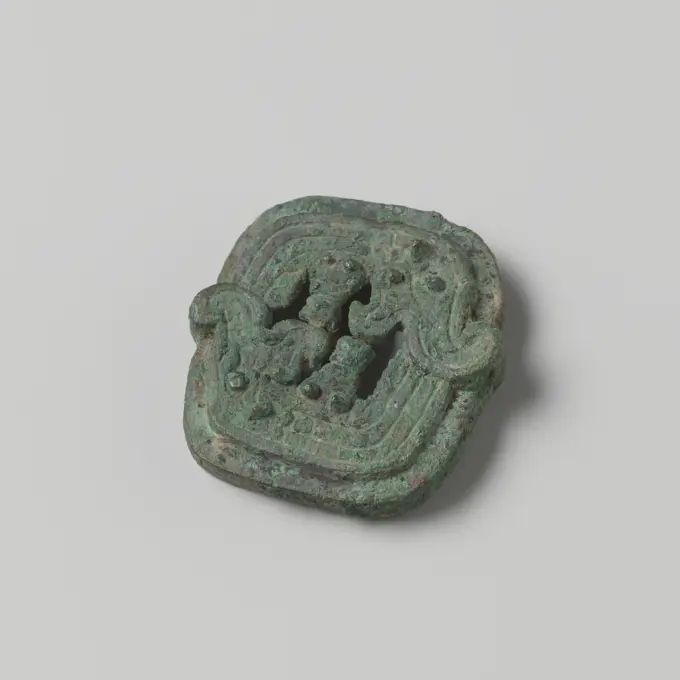
Applique. Decor consisting of cup and body of two fables. The patina is gray-green.
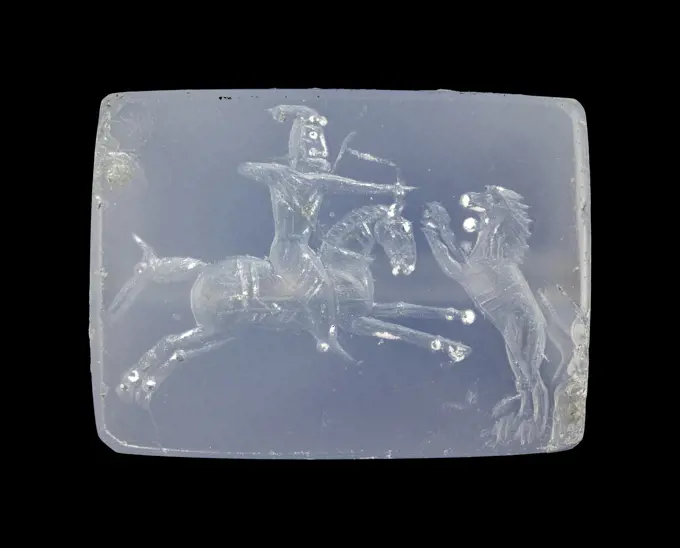
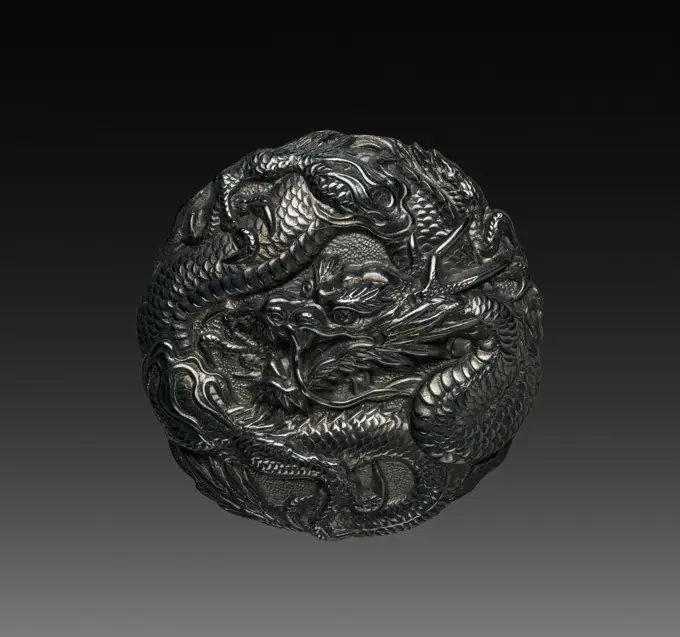
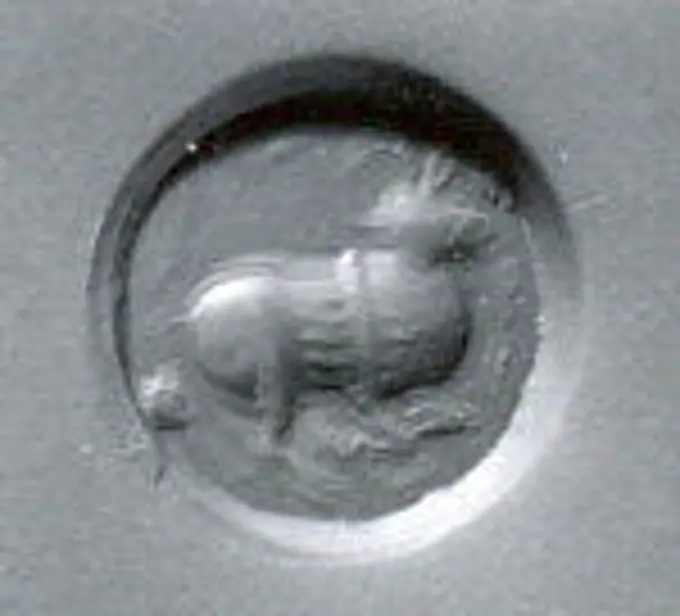
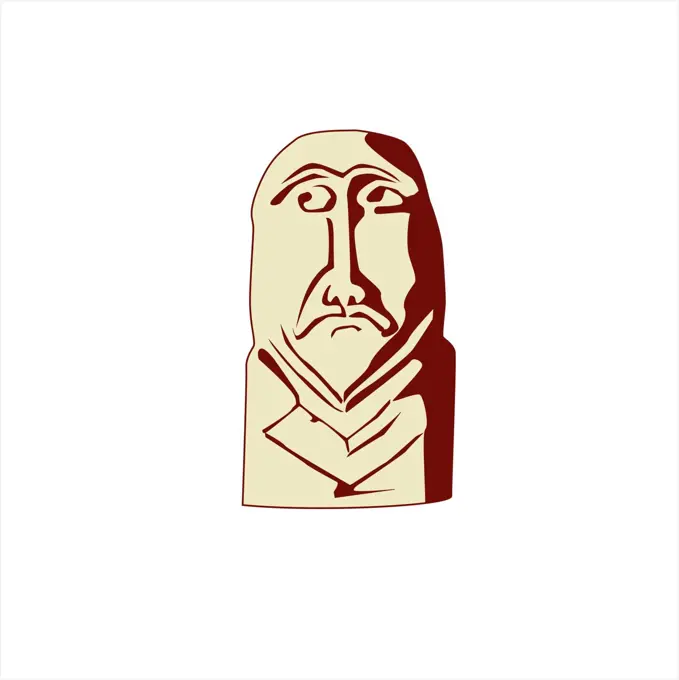
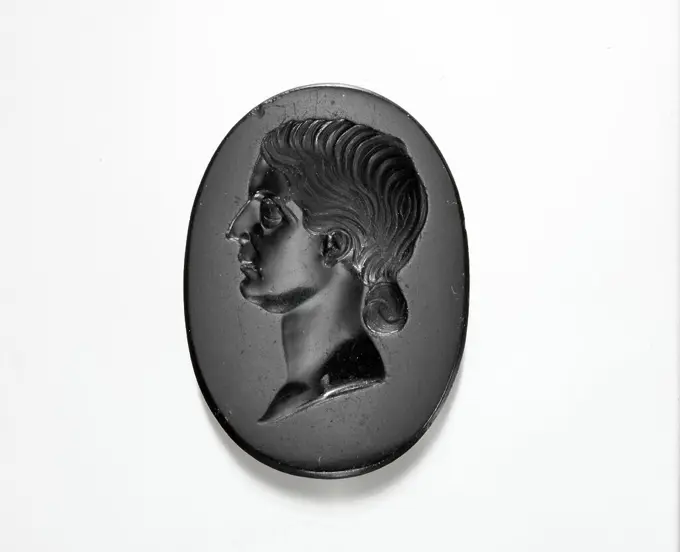
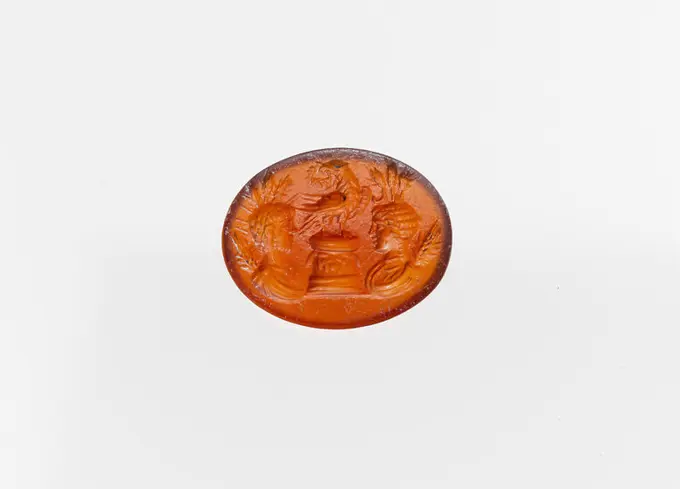
Carnelian ring stone. Culture: Roman. Dimensions: Length: 9/16 in. (1.5 cm). Date: ca. A.D. 177-192.Male and female busts around an eagle on an altar. Museum: Metropolitan Museum of Art, New York, USA.Chenai stone balls, S. E. India. Modern, from Mahabalipuram temple complex.Engraved Tabloid Gem; Pendants Group; Asia Minor; about 400 B.C; Blue chalcedony; 1.1 × 1.4 × 1.9 cm (7,16 × 9,16 × 3,4 in.)Button with Dragon, early 1900s. Japan, Meiji period (1868-1912) to Taishō period (1912-26). One of a set of six buttons; cast () silver with relief; diameter: 3.8 cm (1 1/2 in.).Stamp seal ca. 5th-7th century A.D. Sasanian. Stamp seal. Sasanian. ca. 5th-7th century A.D.. Stone. Sasanian. IranStone idol balbal are scattered on the Kazakh steppe, a monument of the ancient civilization.Black jasper intaglio portrait of a Roman lady. Culture: Roman. Dimensions: Overall: 1 1/16 x 1 1/16 x 1/8in. (2.7 x 2.7 x 0.3cm). Date: 1st half of 1st century A.D..The art of gem cutting was highly prized in Rome. Julius Caesar is said to have been a passionate collector of gems, and Augustus's signet ring was made by Dioskourides, the finest engraver of his time. Gems were often used to recall family traditions or political allegiances, but they also had a practical purpose, for when they were engraved in negative as intaglios, they could be used as seal stones in signet rings. Museum: Metropolitan Museum of Art, New York, USA.