Ancient Egyptian Scarabs

A collection of ancient scarabs and seals, showcasing intricate carvings and vivid colors, representing Egyptian history and artistry from various dynasties.

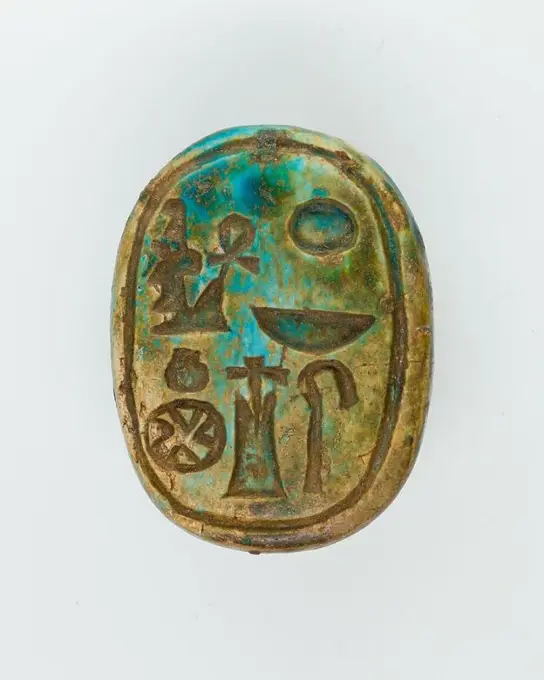
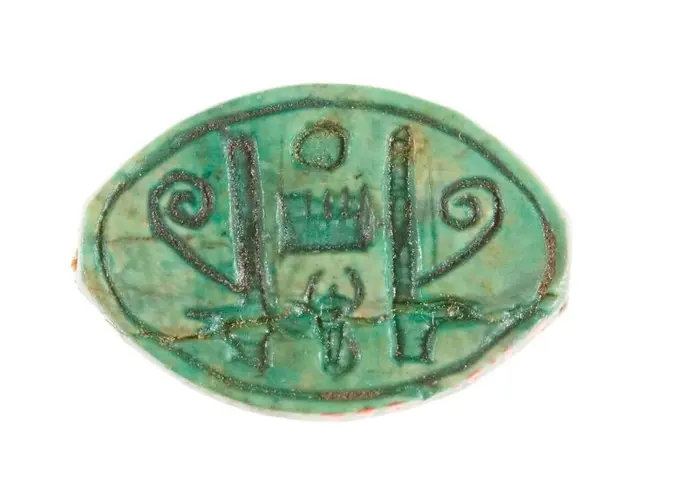
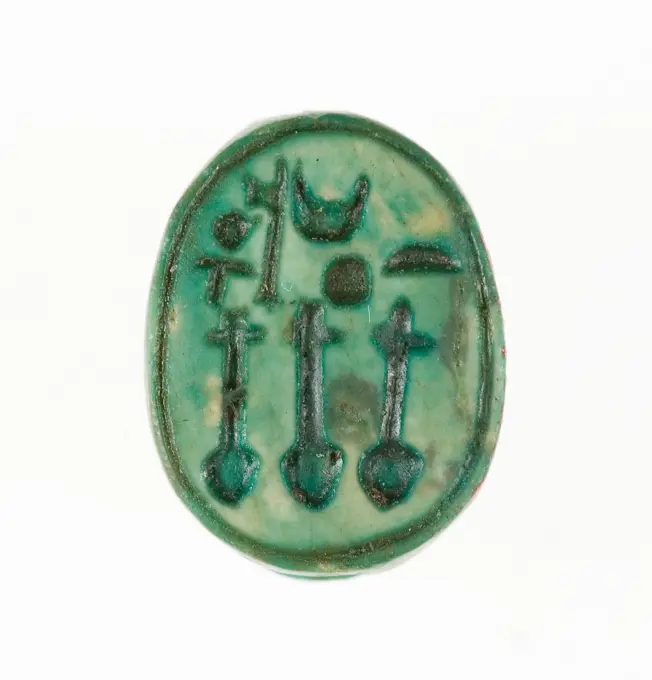
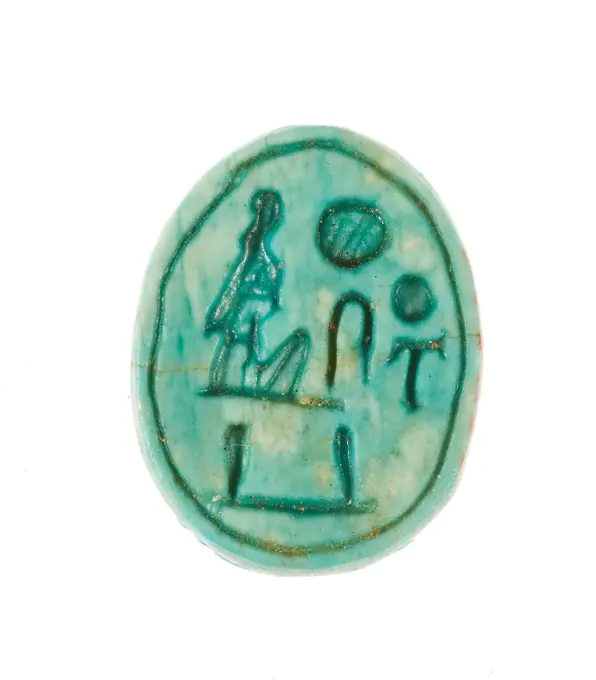
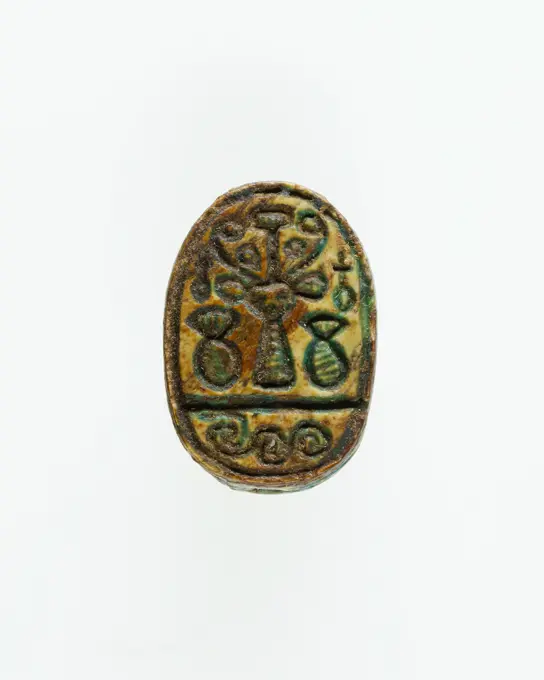
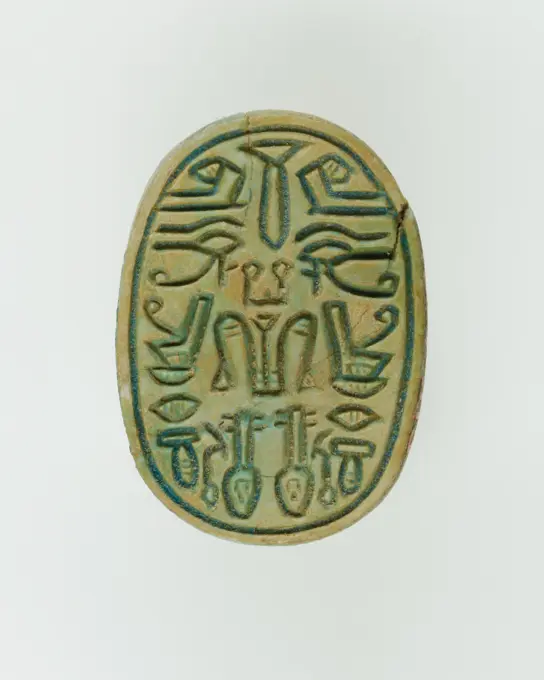
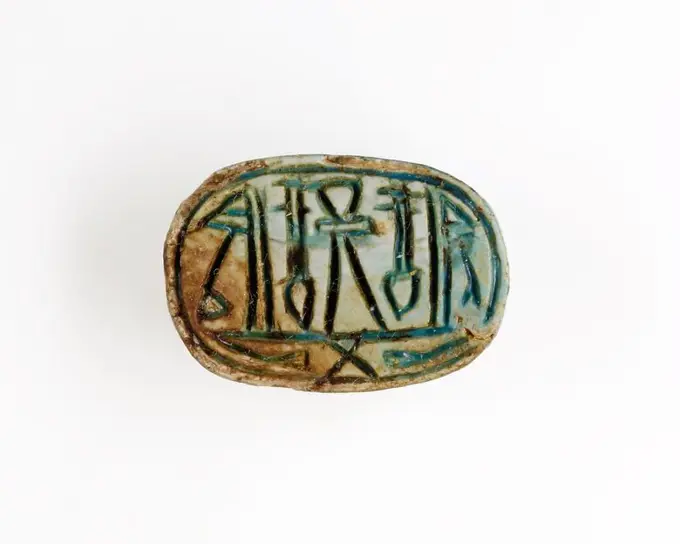
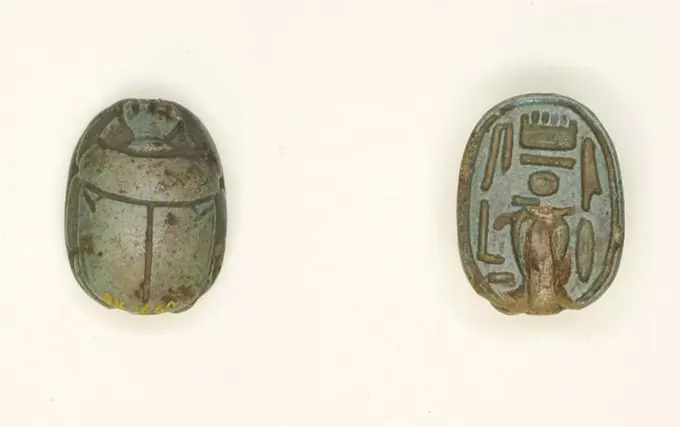
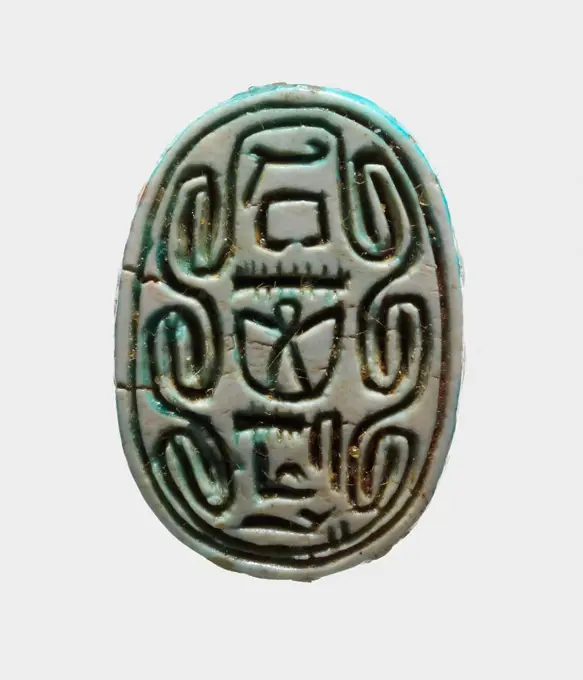
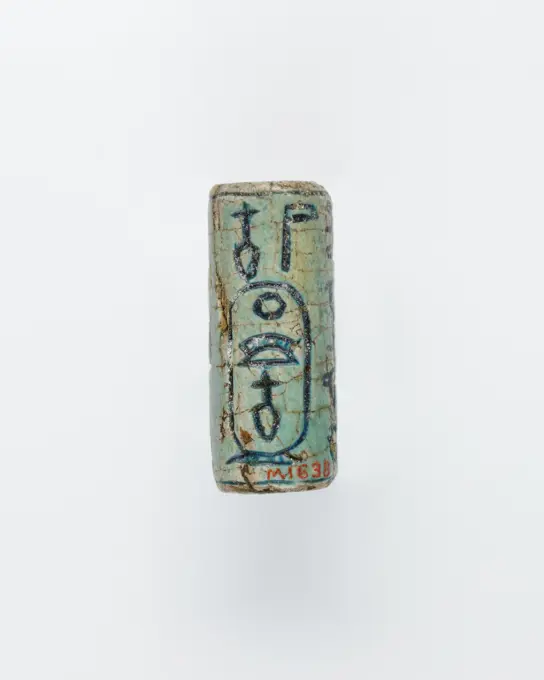
Scarab Incised with Hieroglyphs and Geometric Motif ca. 1802-1640 B.C. Middle Kingdom Some Middle Kingdom scarabs show a decorative oval motif, often accompanied by hieroglyphs. On this late Middle Kingdom scarab from Lisht, the hieroglyph for good and beautiful (nefer) is placed on either side of it. The meaning of the oval motif remains unclear, but the signs and symbols with which it is associated on seal-amulets have a positive and protective nature.. Scarab Incised with Hieroglyphs and Geometric Motif. ca. 1802-1640 B.C.. Blue faience. Middle Kingdom. From Egypt, Memphite Region, Lisht North, Cemetery, MMA excavations. Dynasty 13
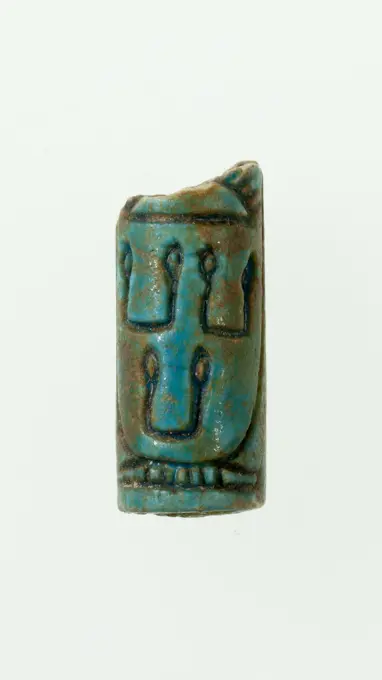
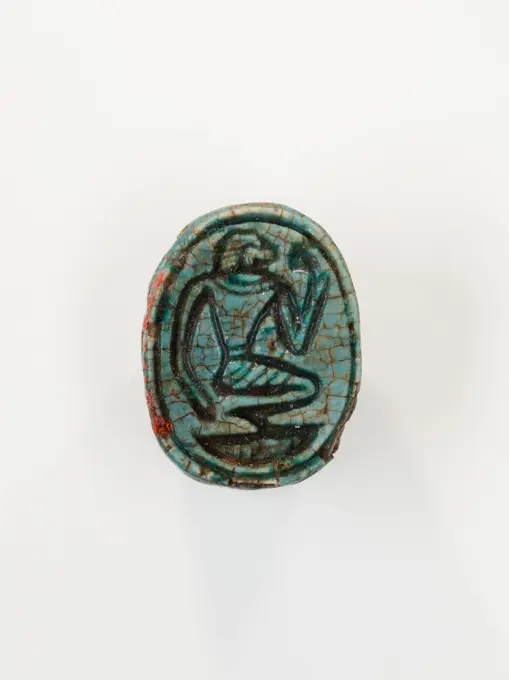
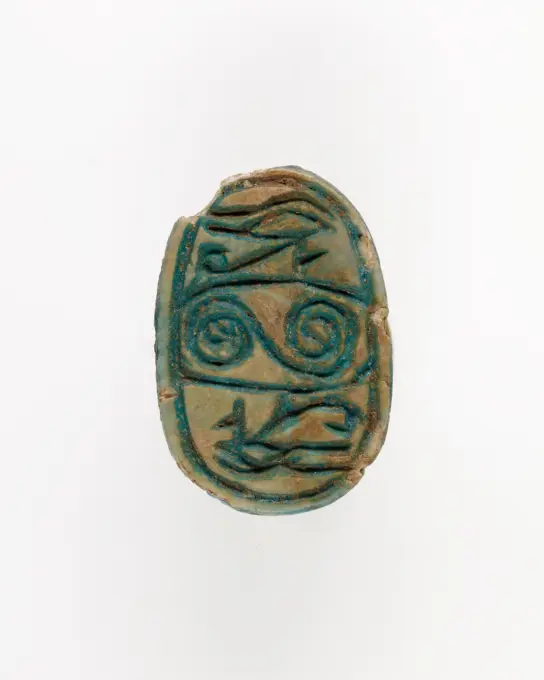
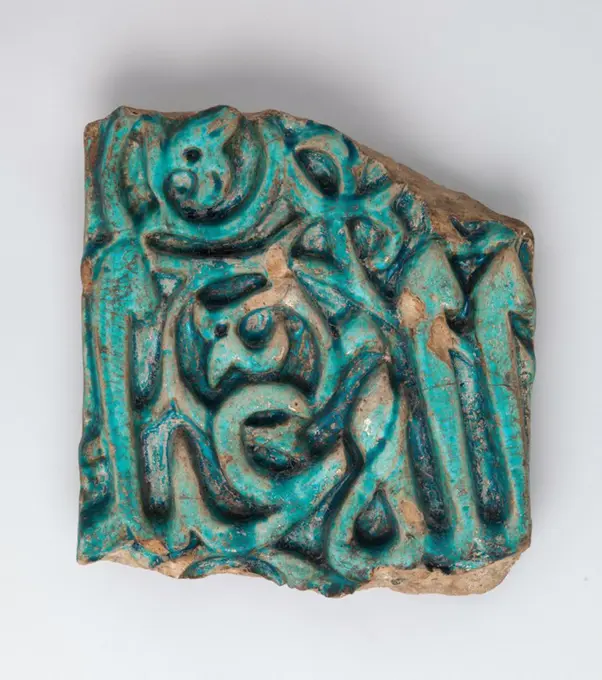
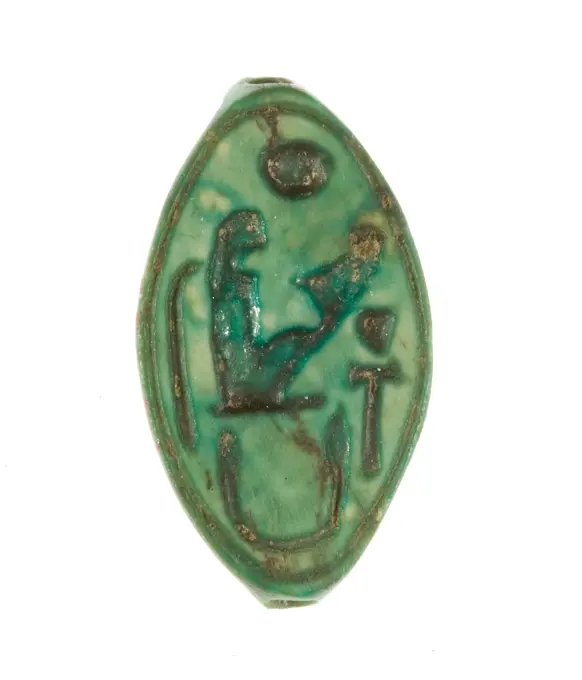
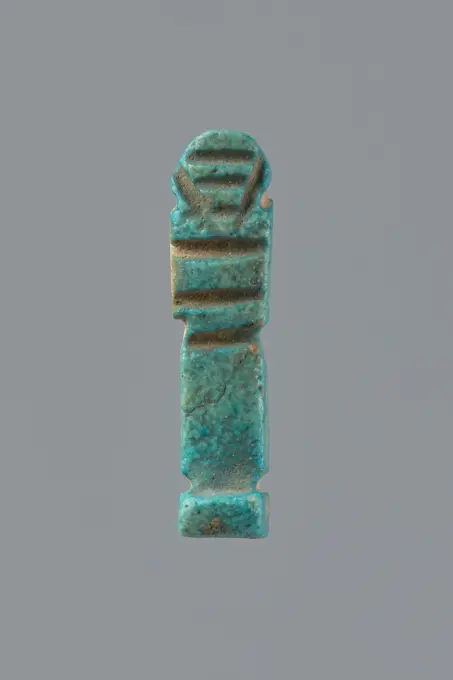
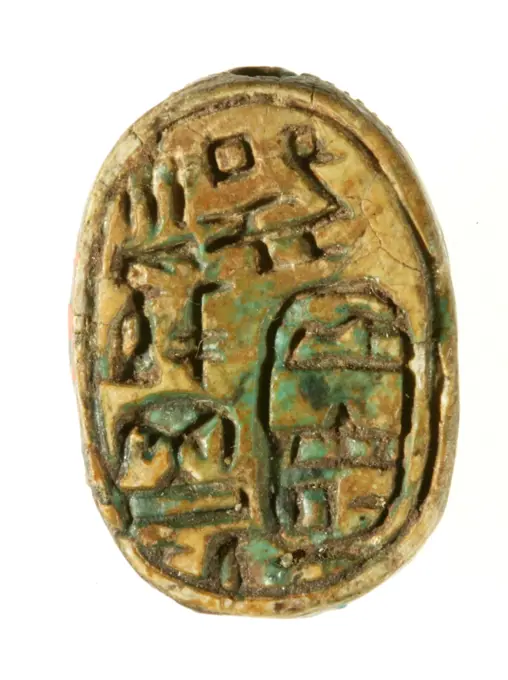
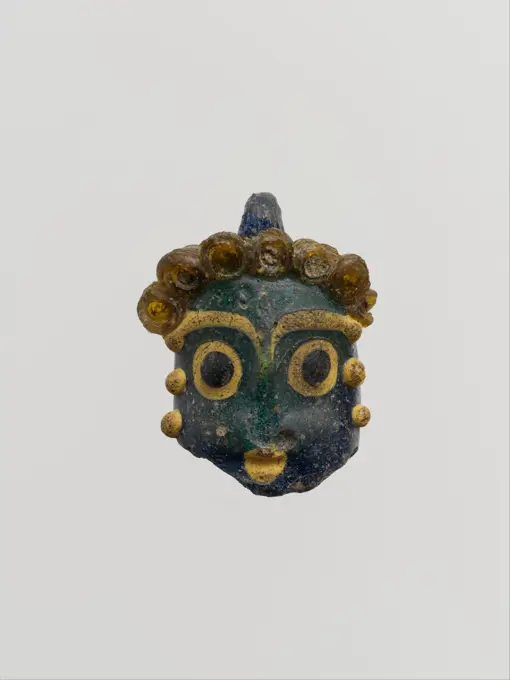
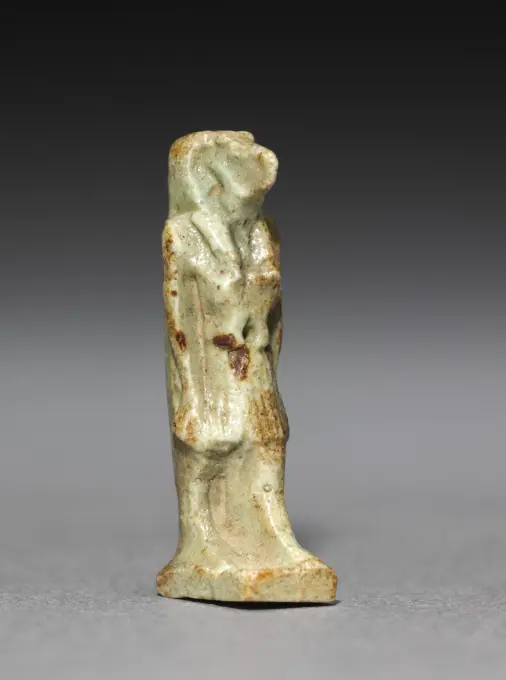
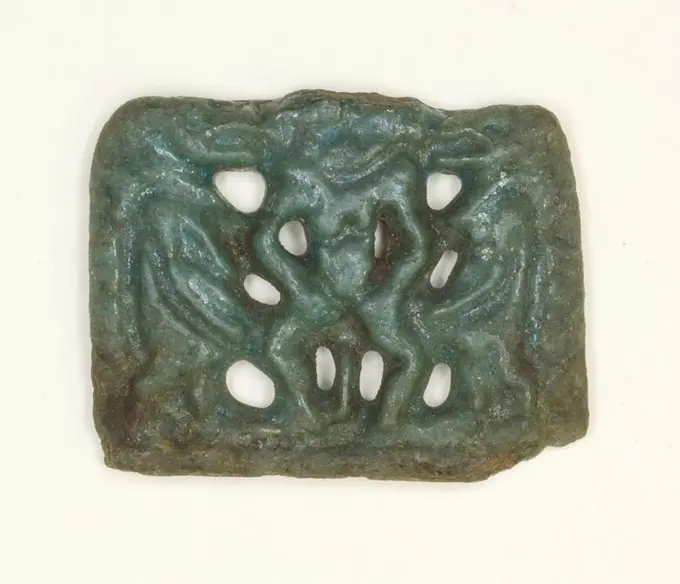
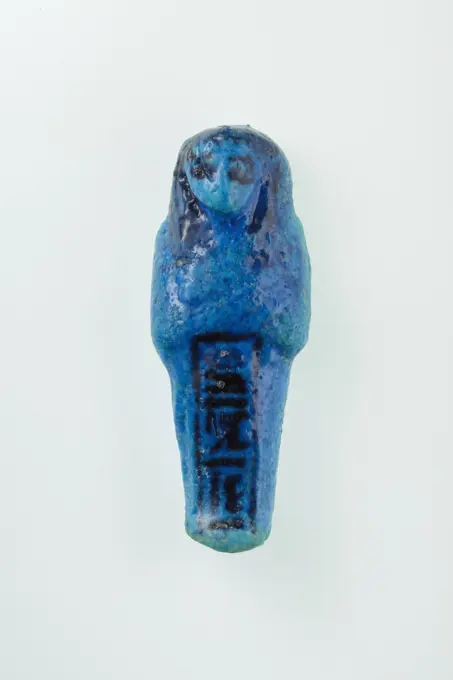
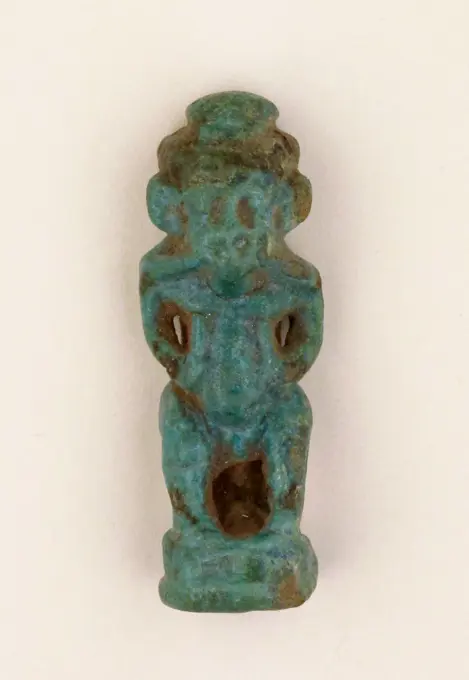
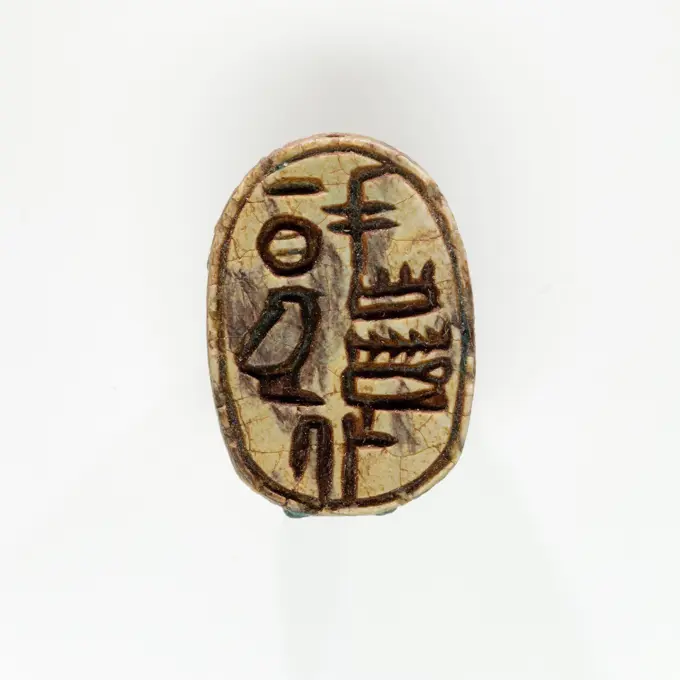
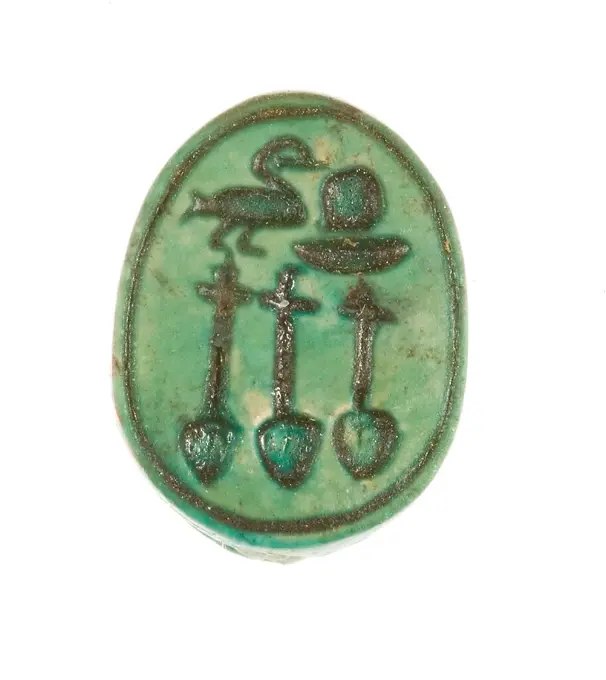
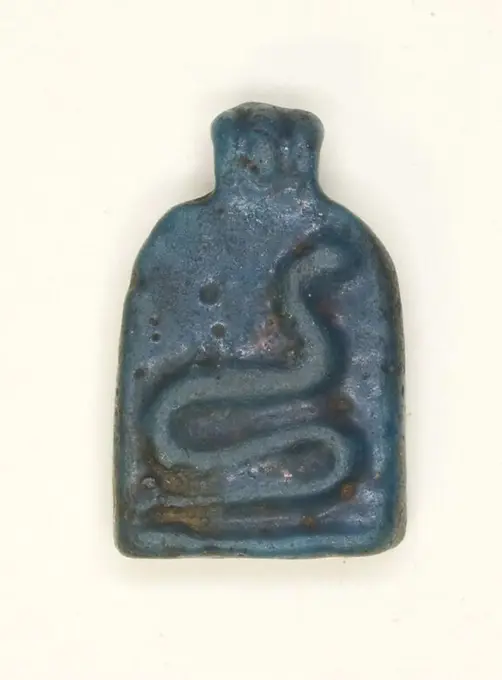
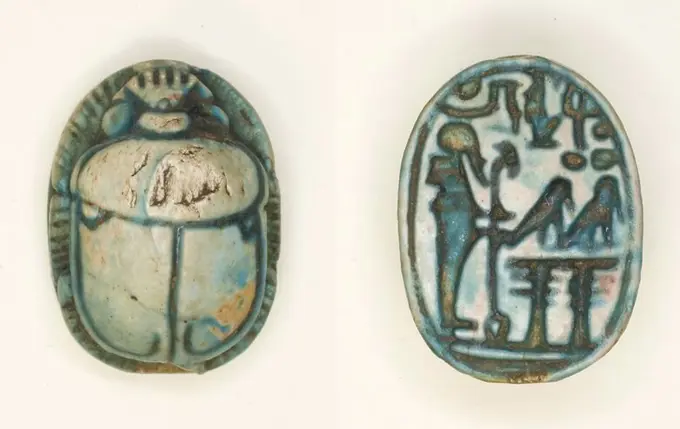
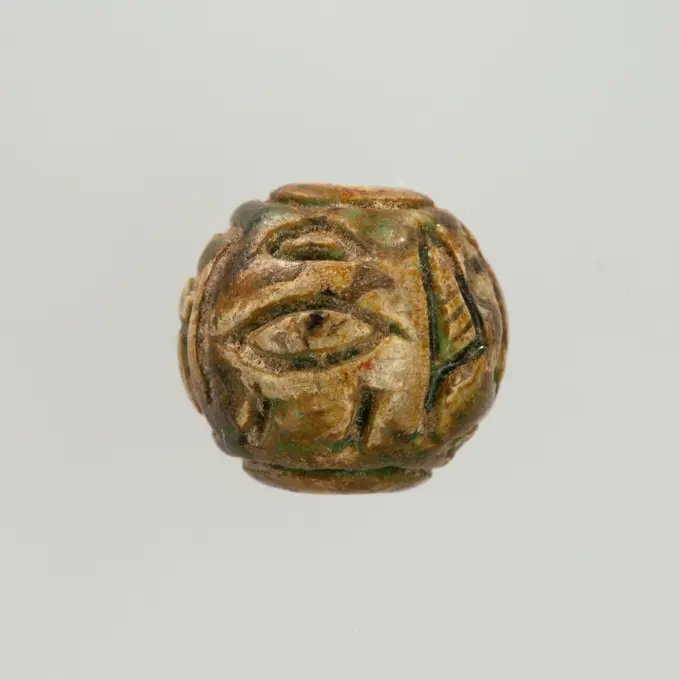
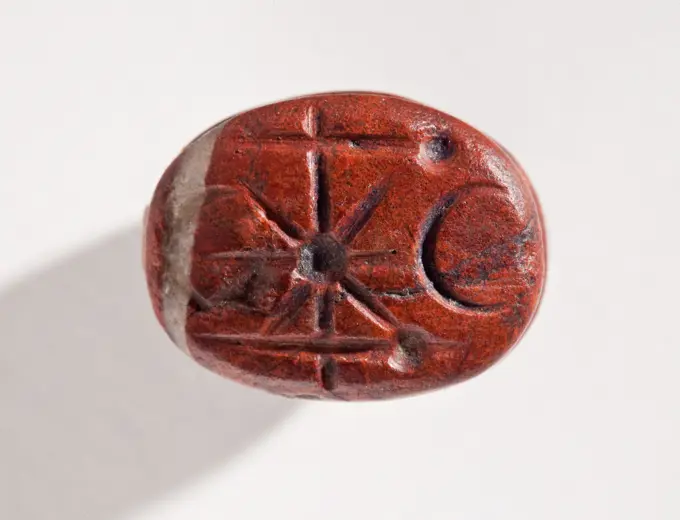
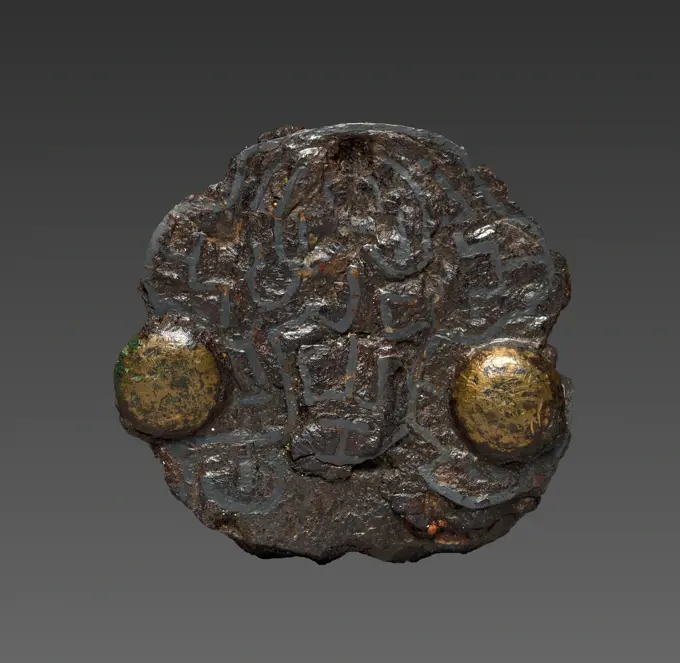
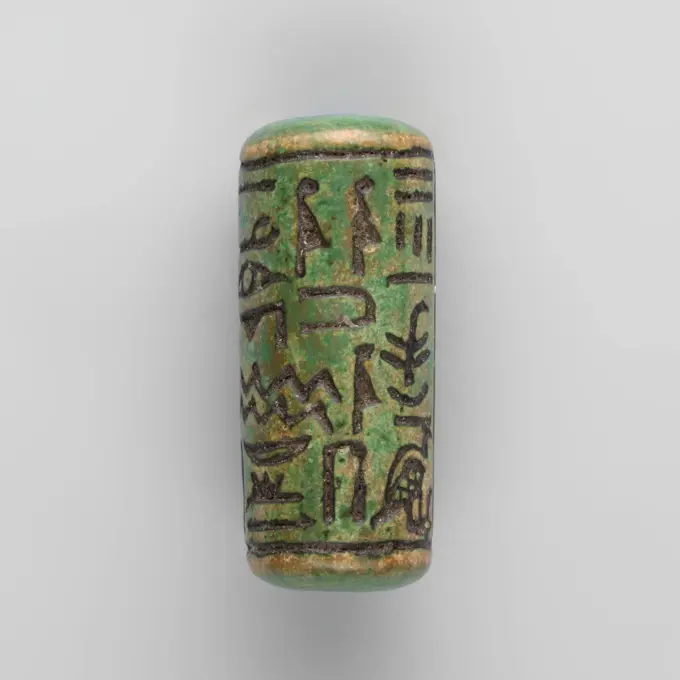
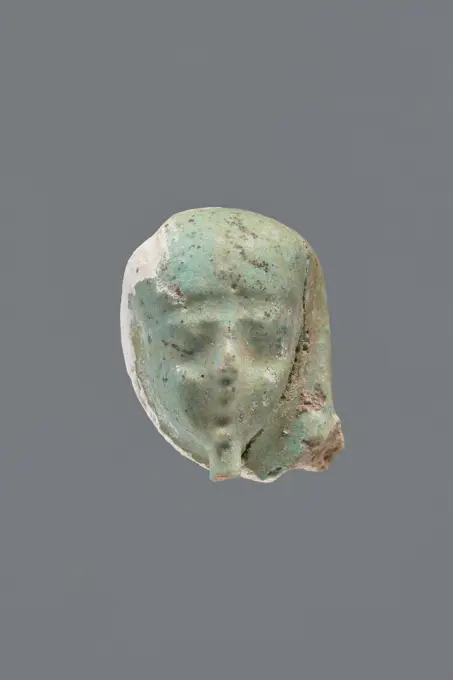
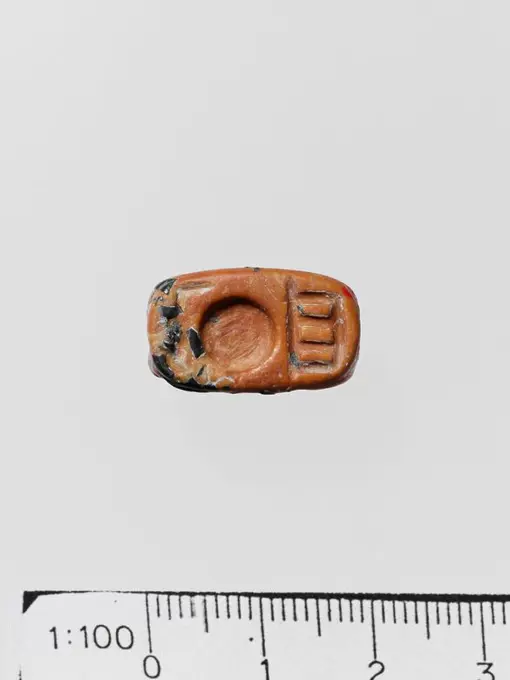
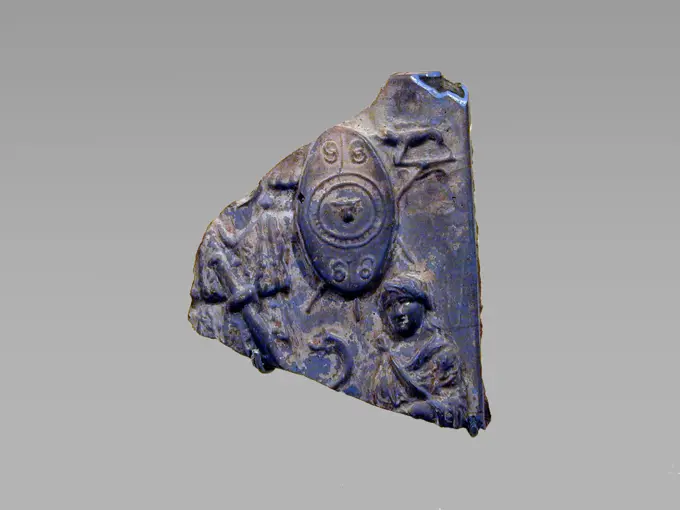
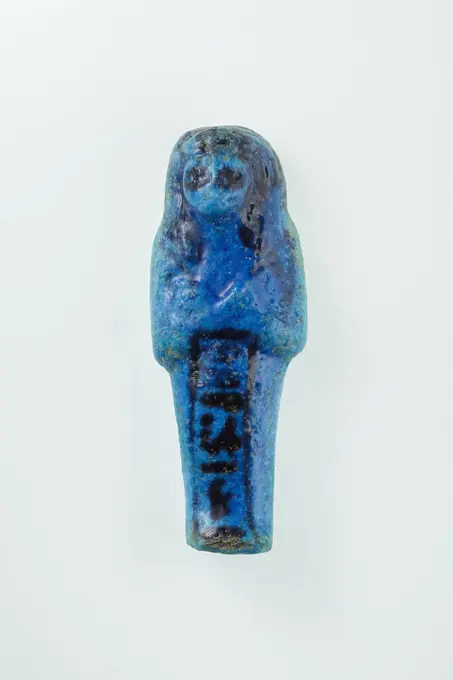
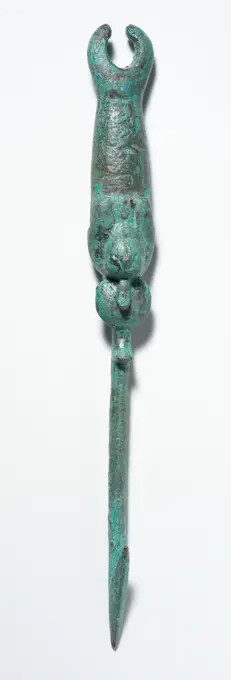
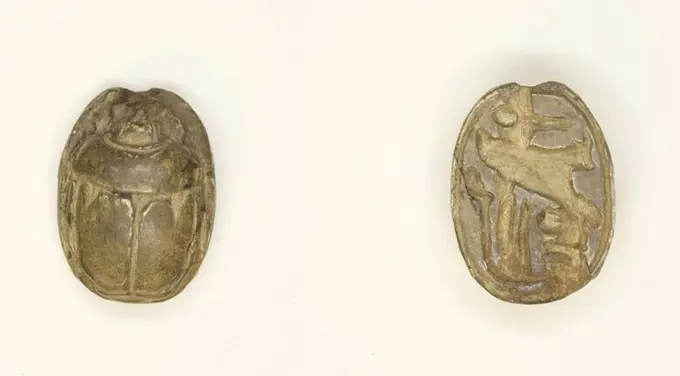
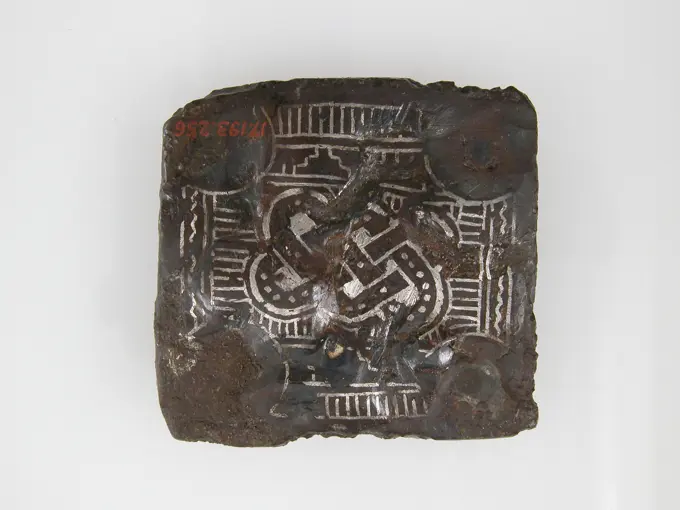
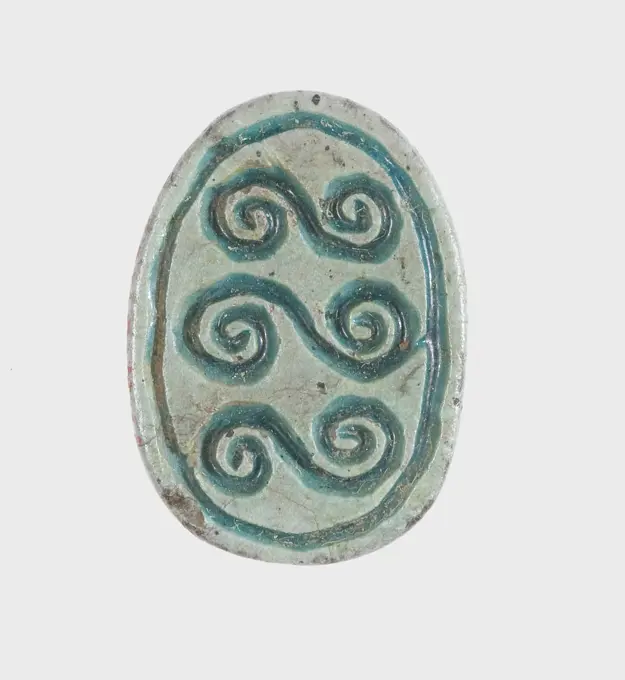
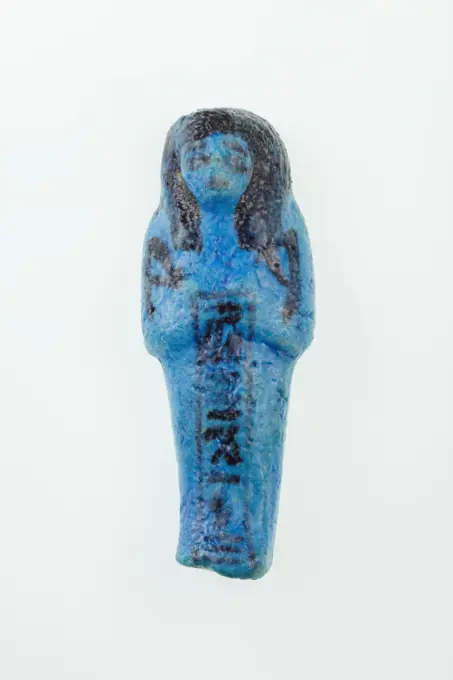
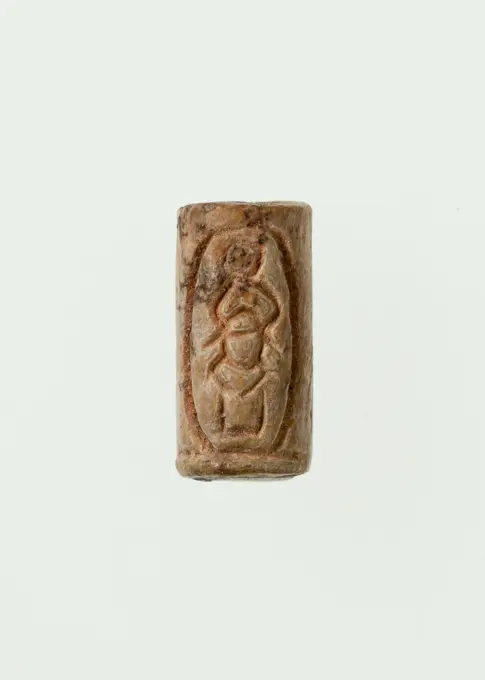
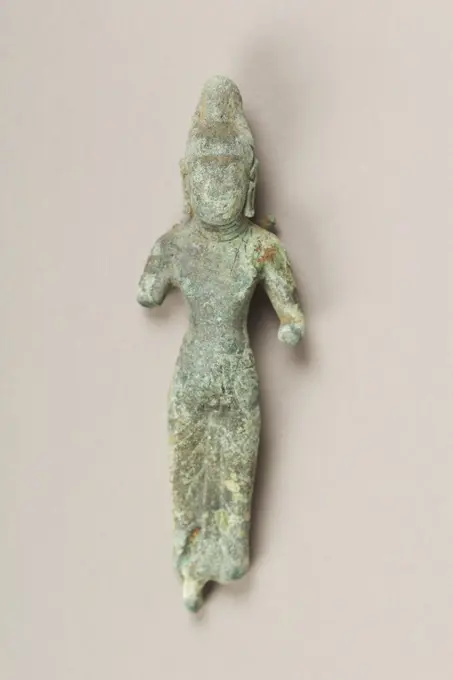
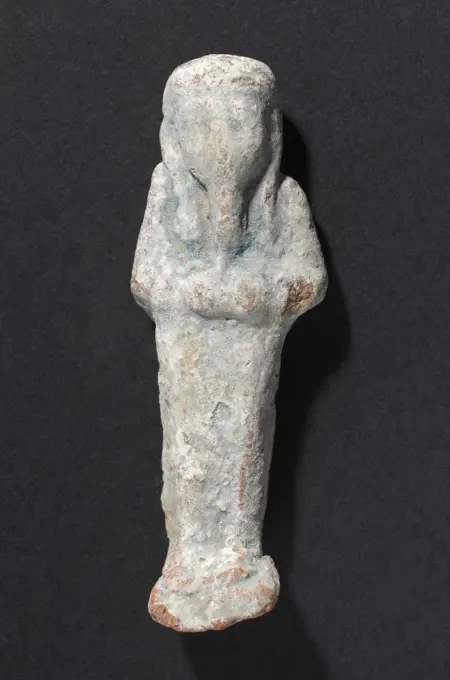
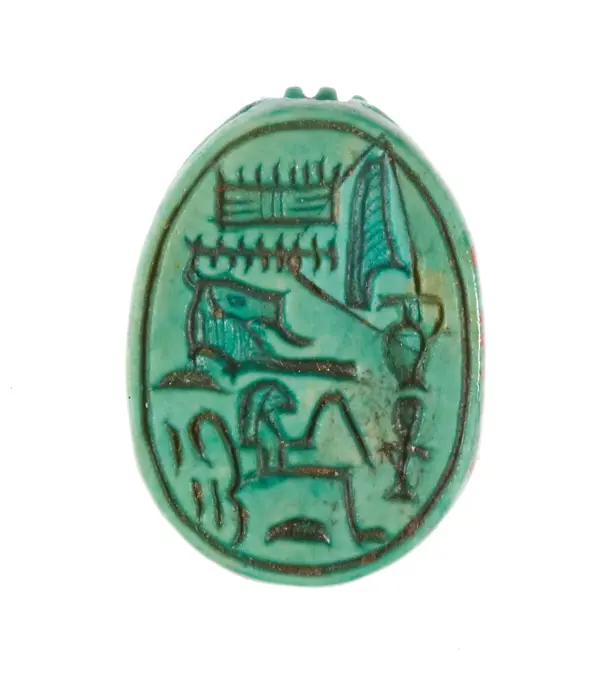
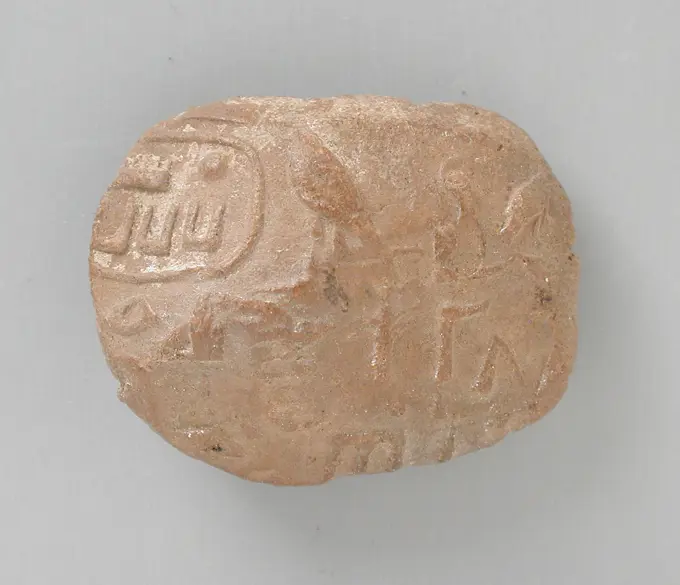
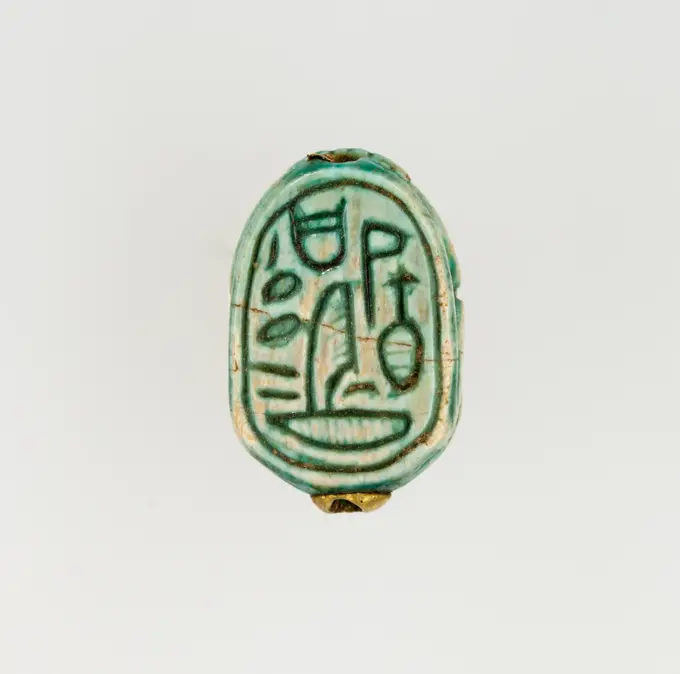
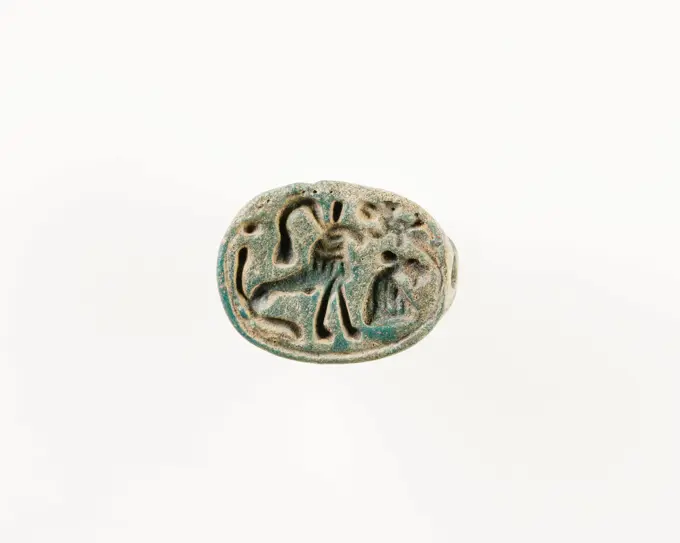
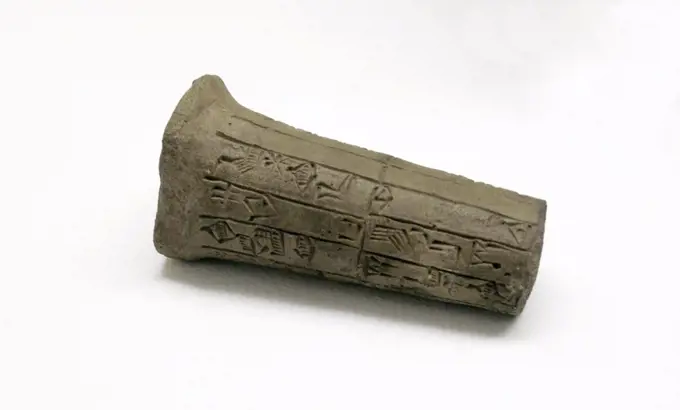
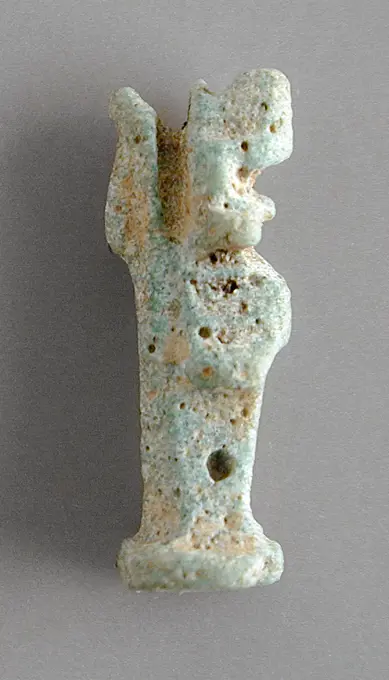
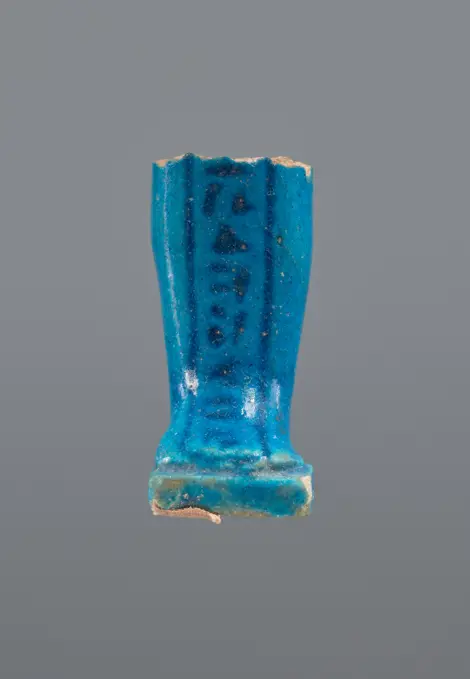
Scarab of Amenhotep III, ruler of Heliopolis. Dimensions: L. 4.7 cm (1 7/8 in.); W. 3.6 cvm (1 7/16 in.); H. 2.3 cm (7/8 in.). Dynasty: Dynasty 18. Reign: reign of Amenhotep III. Date: ca. 1390-1352 B.C.. Museum: Metropolitan Museum of Art, New York, USA.Scarab with the Throne Name of Thutmose I ca. 1504-1447 B.C. New Kingdom. Scarab with the Throne Name of Thutmose I. ca. 1504-1447 B.C.. Faience. New Kingdom. From Egypt, Upper Egypt, Thebes, Asasif, Tomb of Neferkhawet (MMA 729), west chamber A, Burial of Rennefer (II), inside box 35.3.79, MMA excavations, 1934-35. Dynasty 18, earlySkarabeuszCylinder Seal ca. 1802-1550 B.C. Middle Kingdom-Second Intermediate Period. Cylinder Seal 557033Scarab. Dimensions: L. 1.5 cm (9/16 in). Dynasty: Dynasty 12-18. Date: ca. 1981-1295 B.C.. Museum: Metropolitan Museum of Art, New York, USA.Scarab depicting a kneeling man () ca. 1492-1479 B.C. New Kingdom The motif of a seated man smelling a lotus was a common one for the base of scarabs.. Scarab depicting a kneeling man () 544666Scarab with Wedjat and Scroll Decoration ca. 1850-1640 B.C. Middle Kingdom The majority of design scarabs of the late Middle Kingdom (late Dynasty 12-Dynasty 13, ca. 1850 -1640 B.C.) are decorated with symmetric compositions of protective hieroglyphs and/or scrolls. This scarab shows wedjat-eyes on either side of a scroll. As the healed eye of Horus, the wedjat is a powerful symbol, representing health and regeneration.. Scarab with Wedjat and Scroll Decoration 557101Cowroid Seal Amulet Inscribed with the Throne Name of Thutmose III. Dimensions: L. 2.1 cm (13/16 in); w. 1.4 cm (9/16 in); h. 0.7 cm (1/4 in). Dynasty: Dynasty 18, early. Reign: Joint reign of Hatshepsut and Thutmose III. Date: ca. 1479-1458 B.C.. Museum: Metropolitan Museum of Art, New York, USA.Two Fragments of an Inscriptional Frieze. Dimensions: H. 11 in. (27.9 cm)W. 10 in. (25.4 cm). Date: 12th-13th century.This fragment, which includes three letters of the word "Allah," would have been part of a long horizontal band forming part of the decoration on the facade of a presumably religious building. Glazed tiles, especially in light or turquoise blue, were readily available from cobalt deposits in Iran and became popular in this region as early as the twelfth century, gradually replacing carved stucco as the favored medium for architectural decoration. Museum: Metropolitan Museum of Art, New York, USA.Scarab Incised with Hieroglyphs and Geometric Motif ca. 1802-1640 B.C. Middle Kingdom Some Middle Kingdom scarabs show a decorative oval motif, often accompanied by hieroglyphs. On this late Middle Kingdom scarab from Lisht, the hieroglyph for good and beautiful (nefer) is placed on either side of it. The meaning of the oval motif remains unclear, but the signs and symbols with which it is associated on seal-amulets have a positive and protective nature.. Scarab Incised with Hieroglyphs and Geometric Motif. ca. 1802-1640 B.C.. Blue faience. Middle Kingdom. From Egypt, Memphite Region, Lisht North, Cemetery, MMA excavations. Dynasty 13Cowroid Seal Inscirbed for Maatkare ca. 1479-1458 B.C. New Kingdom During the 1926-1927 excavation season, the Museum's Egyptian Expedition uncovered three foundation deposits along the eastern enclosure wall of Hatshepsut's funerary temple at Deir el-Bahri in Western Thebes. Among the contents were 299 scarabs and stamp-seals. Sixty-five of these are now in the Egyptian Museum, Cairo, and the rest were acquired by the Museum in the division of finds.Most of the amulets found in the foundation deposits were scarabs, but a hand full were carved in the shape of a cowrie shell. Like this one, the backs of most of these cowroids have been incised with a decorative pattern that suggests the setting of a swivel ring bezel (see 36.3.46). Others (27.3.180) have also been inscribed with the image of a bolti fish (a tilapia), and two have been carved with the image of a falcon, with its wings outstretched and wearing an atef-crown (27.3.164, 27.3.396).Among the inscriptions on the bases of theseScarab. Dimensions: l. 2.2 cm (7/8 in). Dynasty: Dynasty 12-18. Date: ca. 1981-1550 B.C.. Museum: Metropolitan Museum of Art, New York, USA.Uszebti. unknown, authorScarab of Sebekhotep V ca. 1720-1717 B.C. Late Middle Kingdom. Scarab of Sebekhotep V 552610Scarab ca. 1550-1458 B.C. New Kingdom. Scarab. ca. 1550-1458 B.C.. Steatite (glazed). New Kingdom. From Egypt, Upper Egypt, Thebes, Asasif, Courtyard CC 41, Tomb R 2, Burials F x (1-4), MMA excavations, 1915-16. Dynasty 18, earlyGlass head pendant 5th century B.C. Phoenician or Carthaginian Semi-opaque cobalt blue, with additions in opaque yellow, translucent pale yellow brown, and semi-opaque turquoise green, and eyes in an uncertain color, appearing black.Cylindrical with large rod hole at bottom, slightly indented on top; arched rounded edge at back, front projecting downwards; applied suspension loop on top of head.Applied row of large curls across forehead in brown; upper half of face in turquoise green, with long yellow eyebrows and black and yellow stratified eyes; yellow mouth and pairs of dots at sides of head for ears.Broken, with lower part of face and nose missing; dulling, pitting, faint iridescent weathering, and some encrustation.. Glass head pendant. Phoenician or Carthaginian. 5th century B.C.. Glass; rod-formed, trailed, and tooled. Classical. GlassScarab from Ruiu's Burial. Dimensions: L. 2.2 cm (7/8 in.); W. 1.5 cm (9/16 in.); H. 0.9 cm (3/8 in.). Dynasty: Dynasty 18, early. Reign: reign of Thutmose I-early sole Thutmose III. Date: ca. 1504-1447 B.C..The burial of Ruiu was found in the tomb of her father, Neferkhawet, which was excavated by the Museum's Egyptian Expedition in 1935. Lying against the right side of the head end of Ruiu's coffin was a small basket that contained a wooden box and a metal razor. Inside the box were four scarabs and a cowroid seal-amulet made of steatite, two ebony kohl sticks, and a small metal spoon.This scarab originally had a bright blue glaze that has largely worn off. It was inscribed the name and title of the King's Acquaintance Montuwoser, a name that was more common in the Middle Kingdom (Dynasties 11-13) than in early Dynasty 18 when Ruiu and her family lived. Museum: Metropolitan Museum of Art, New York, USA.Amulet of Thoth, 380-30 BC. Egypt, Dynasty 30 to Ptolemaic Dynasty. Gray green faience; overall: 2.9 cm (1 1/8 in.).Vase fragment ca. 1981-1640 B.C. Middle Kingdom. Vase fragment 556915Denar - Brakteat; approx. 1267/1268-OK. 1277/1278 (1267-00-00-1278-00-00);Amulet of the God Bes Flanked by the Goddess Taweret (Thoeris). Egyptian. Date: 1069 BC-664 BC. Dimensions: 1.9 × 1.4 × 0.3 cm (3/4 × 9/16 × 1/8 in.). Faience. Origin: Egypt. Museum: The Chicago Art Institute, Chicago, USA. Author: Ancient Egyptian.Scarab with Throne Name of Amenhotep I. Egypt, New Kingdom, 18th-20th dynasties (1545-1081 BCE). Sculpture. Glazed steatite with modern green colorScarab Inscribed for the King of Upper and Lower Egypt Maatkare (Hatshepsut). Dynasty: Dynasty 18, early. Reign: Joint reign of Hatshepsut and Thutmose III. Date: ca. 1479-1458 B.C.. Museum: Metropolitan Museum of Art, New York, USA.Scarabs Inscribed for the God's Wife Neferure ca. 1479-1458 B.C. New Kingdom. Scarabs Inscribed for the God's Wife Neferure. ca. 1479-1458 B.C.. Steatite (glazed). New Kingdom. From Egypt, Upper Egypt, Thebes, Deir el-Bahri, Temple of Hatshepsut, Foundation Deposit 7 (G), MMA excavations, 1926-27. Dynasty 18, earlyScarab Gods and Hieroglyphs 1550 BCE-525 BCE Egypt. Steatite . Ancient EgyptianWorker Shabti of Nany ca. 1050 B.C. Third Intermediate Period See 30.3.27.1a, b. Worker Shabti of Nany. ca. 1050 B.C.. Faience. Third Intermediate Period. From Egypt, Upper Egypt, Thebes, Deir el-Bahri, Tomb of Meritamun (TT 358, MMA 65), first corridor, burial of Nany, MMA excavations, 1928-29. Dynasty 21Amulet of a Serpent on a Stela 1070 BCE-664 BCE Egypt. Faience . Ancient EgyptianScarab Inscribed Maatkare (Hatshepsut), She Lives ca. 1479-1458 B.C. New Kingdom During the 1926-1927 excavation season, the Museum's Egyptian Expedition uncovered three foundation deposits along the eastern enclosure wall of Hatshepsut's funerary temple at Deir el-Bahri in Western Thebes. Among the contents were 299 scarabs and stamp-seals. Sixty-five of these are now in the Egyptian Museum, Cairo, and the rest were acquired by the Museum in the division of finds.Among the inscriptions on the bases of these scarabs and seals are examples of every title Hatshepsut held, from the time she was "king's daughter" during the reign of her father, Thutmose I; through the time she was queen of her half-brother, Thutmose II; and during her regency and co-reign with her nephew/step-son, Thutmose III.The inscription on the base of this scarab records Hatshepsut's throne name, Maatkare, which may be roughly translated as Maat (the goddess of truth) is the life force of Re (the sun god). The two hiAmulet, Khepera ca. 1090-1000 B.C. Egyptian. Amulet, Khepera. Egyptian. ca. 1090-1000 B.C.. Clay, glazed. Early Third Intermediate Period. Gold and SilverScarab from Ruiu's Burial ca. 1504-1447 B.C. New Kingdom The burial of Ruiu was found in the tomb of her father, Neferkhawet, which was excavated by the Museums Egyptian Expedition in 1935. Lying against the right side of the head end of Ruius coffin was a small basket that contained a wooden box and a metal razor. Inside the box were four scarabs and a cowroid seal-amulet made of steatite, two ebony kohl sticks, and a small metal spoon.This scarab originally had a bright blue glaze that has largely worn off. It was inscribed the name and title of the Kings Acquaintance Montuwoser, a name that was more common in the Middle Kingdom (Dynasties 11-13) than in early Dynasty 18 when Ruiu and her family lived.. Scarab from Ruiu's Burial. ca. 1504-1447 B.C.. Steatite (glazed). New Kingdom. From Egypt, Upper Egypt, Thebes, Asasif, Tomb of Neferkhawet (MMA 729), east chamber, Burial of Ruiu (IV), inside 35.3.45a, b, MMA excavations, 1934-35. Dynasty 18, earlyScarab of King Sekhemre Sewadjtawy Sebekhotep ca. 1748-1741 B.C. Late Middle Kingdom. Scarab of King Sekhemre Sewadjtawy Sebekhotep. ca. 1748-1741 B.C.. Glazed steatite. Late Middle Kingdom. From Egypt. Dynasty 13Scarabs Inscribed for Neferure. Dimensions: L. 1.7 cm (11/16 in.); W. 1.3 cm (1/2 in.); H. 0.8 cm (5/16 in.). Dynasty: Dynasty 18, early. Reign: Joint reign of Hatshepsut and Thutmose III. Date: ca. 1479-1458 B.C.. Museum: Metropolitan Museum of Art, New York, USA.Scarab with Hieroglyphs and Hathor Sistrum ca. 1760-1670 B.C. Middle Kingdom. Scarab with Hieroglyphs and Hathor Sistrum. ca. 1760-1670 B.C.. Green glazed steatite. Middle Kingdom. From Egypt, Memphite Region, Lisht North, cemetery (slope above "faience factory", House A1:2-5), Pit 997, MMA excavations, 1921-22. mid Dynasty 13Carbonars;  664-332 BC ; Half period (-664-00-00--332-00-00);Amulet of a Serpent on a Stela. Egyptian. Date: 1070 BC-664 BC. Dimensions: 1.6 × 1 × 0.3 cm (5/8 × 3/8 × 1/8 in.). Faience. Origin: Egypt. Museum: The Chicago Art Institute, Chicago, USA. Author: Ancient Egyptian.Scarab: The God Ptah with Name of Usermaatra Setepenra (Rameses II). Egyptian. Date: 1279 BC-1213 BC. Dimensions: 2.2 × 1.6 × 1 cm (7/8 × 5/8 × 3/8 in.). Steatite. Origin: Egypt. Museum: The Chicago Art Institute, Chicago, USA. Author: Ancient Egyptian.Bead Inscribed (Ahmose-)Nefertari ca. 1550-1479 B.C. New Kingdom. Bead Inscribed (Ahmose-)Nefertari. ca. 1550-1479 B.C.. Steatite, glazed. New Kingdom. From Egypt. early Dynasty 18Stamp Seal, Hammer-Shaped. Assyria or Mesopotamia, 8th-7th century B.C.. Tools and Equipment; seals. Jasper brecciaShu amulet 664-332 B.C. Late Period. Shu amulet. 664-332 B.C.. Faience. Late Period. From Egypt. Dynasty 26-30Scarab Inscribed with Hieroglyphs ca. 1760-1670 B.C. Middle Kingdom The scarab is inscribed with a symmetric arrangement of hieroglyphs, not meant to form words but chosen instead for their positive meaning. Such compositions are particularly prevalent on design scarabs of the late Middle Kingdom (late Dynasty 12-Dynasty 13, ca. 1850 -1640 B.C.). They serve as models for the wide array of variations seen on Egyptian scarabs of the Second Intermediate Period (Dynasty 14-17, ca. 1640-1550 B.C.) and on Canaanite scarabs (Middle Bronze Age IIB-IIC, ca. 1700-1500 B.C.).. Scarab Inscribed with Hieroglyphs 557054Boat;  664-332 BC ; Half period (-664-00-00--332-00-00);Glass bottle fragment 2nd to mid-1st century B.C. Greek, Eastern Mediterranean Translucent blue green; opaque yellow and white trails.Cylindrical, thick-walled neck, tapering at top, flaring at bottom.Spiral marvered yellow trail, with white trail laid over it at bottom of neck.Cut in half with flat sides to rough interior of neck; many bubbles; pitting and slight creamy brown weathering.Probably belonging to an amphoriskos (perfume bottle).. Glass bottle fragment. Greek, Eastern Mediterranean. 2nd to mid-1st century B.C.. Glass; core-formed, Group III. Late Hellenistic. GlassRing Fragment ca. 1390-1353 B.C. New Kingdom. Ring Fragment. ca. 1390-1353 B.C.. Faience, green. New Kingdom. From Egypt, Upper Egypt, Thebes, Malqata, Palace of Amenhotep III, MMA excavations, 1910-11. Dynasty 18Brooch, 600s. Merovingian, Burgundian, Migration period, 7th century. Bronze and silver overlay; diameter: 3.2 cm (1 1/4 in.).Bake  cylindrical with pseudo-hieroglyphs;  19th century () (1801-00-00-1900-00-00);Scarab. Dimensions: l. 1.8 cm (11/16 in). Dynasty: Dynasty 12-18. Date: ca. 1981-1295 B.C.. Museum: Metropolitan Museum of Art, New York, USA.Fragment uszebti. unknown, authorJasper triangular prism. Culture: Minoan. Dimensions: L. 1.8 cm; W. 1.05 cm. Date: ca. 1900-1750 B.C..Hieroglyphs on all three sides. Museum: Metropolitan Museum of Art, New York, USA.Glass plaque fragment depicting a trophy and captives 1st century A.D. Roman Translucent pale blue green and opaque light blue.Rectangular, thick, flat plaque, with major axis vertical; straight upper edges in light blue, with projecting rough edge and grozed back in blue green.Decoration in high relief: part of trophy, comprising a draped figure with a sword slung diagonally across the waist; on proper left arm, outstretched horizontally, is suspended an large oval shield, from behind which protrudes to right a standard with a quadruped standing in profile to left; below to right, the upper half of a draped female figure stands facing three-quarters to left; on shield a central frontal bucranium within a double circle with radiating spokes and above and below two sets of two linked rings.Fragment with weathered broken edges; left edge and small part of top edge remaining; dulling, pitting, and whitish weathering on front, of upper surface; iridescence on back.. Glass plaque fragment dSkarabeuszWorker Shabti of Nany. Dimensions: H. 8.7 × W. 3.3 × D. 1.9 cm (3 7/16 × 1 5/16 × 3/4 in.). Dynasty: Dynasty 21. Reign: reign of Psusennes I. Date: ca. 1050 B.C..See 30.3.27.1a, b. Museum: Metropolitan Museum of Art, New York, USA.Pendant: female head. Culture: Italic. Dimensions: H.: 1 5/8 in. (4.2 cm). Date: 5th century B.C..Pendant in the shape of a female head in profile, facing left. Museum: Metropolitan Museum of Art, New York, USA.Amulet - SekhmetRing Fragment with Ankh ca. 1390-1353 B.C. New Kingdom. Ring Fragment with Ankh. ca. 1390-1353 B.C.. Faience, blue. New Kingdom. From Egypt, Upper Egypt, Thebes, Malqata, Palace of Amenhotep III, MMA excavations, 1910-11. Dynasty 18Scarab ca. 1635-1458 B.C. Second Intermediate Period-Early New Kingdom. Scarab. ca. 1635-1458 B.C.. Steatite (glazed), gold. Second Intermediate Period-Early New Kingdom. From Egypt, Upper Egypt, Thebes, Asasif, Courtyard CC 41, Pit 3, Burial E 4, On body, MMA excavations, 1915-16. Dynasty 17-Early Dynasty 18Votive Harpoon. Egypt, probably Ptolemaic Period (332 - 30 BCE). Arms and Armor; harpoons. BronzeScarab ca. 1991-1450 B.C. Second Intermediate Period-Early New Kingdom. Scarab. ca. 1991-1450 B.C.. Glazed steatite. Second Intermediate Period-Early New Kingdom. From Egypt, Upper Egypt, Thebes, Asasif, Tomb CC 62, Burial G, Carnarvon excavations. Dynasty 17-18Scarab Inscribed with a Hieroglyphic Motif ca. 1479-1458 B.C. New Kingdom. Scarab Inscribed with a Hieroglyphic Motif. ca. 1479-1458 B.C.. Steatite (glazed). New Kingdom. From Egypt, Upper Egypt, Thebes, Deir el-Bahri, Temple of Hatshepsut, Foundation Deposit 7 (G), MMA excavations, 1926-27. Dynasty 18, earlyBoat;  around 945- 715 BC ; 3rd transition period, 22-23 dynasty (-945-00-00--715-00-00);Scarab: Wish Formula (). Egyptian. Date: 1550 BC-1069 BC. Dimensions: 1.3 × 1 × 0.6 cm (1/2 × 3/8 × 1/4 in.). Glazed steatite. Origin: Egypt. Museum: The Chicago Art Institute, Chicago, USA. Author: Ancient Egyptian.Scarab Wish Formula 1550 BCE-525 BCE Egypt. Steatite . Ancient Egyptian. Frog of glass.Scarab of the Steward of Cusae, Senebtifi ca. 1981-1802 B.C. Middle Kingdom Scarabs bearing the names of nonroyal individuals first appeared in the later 12th Dynasty, concurrent with other significant cultural and political developments. Thereafter scarabs were mass produced, primarily as amulets, though they often also functioned as administrative seals. Scarab beetles lay their eggs in round balls of dung from which their young emerge, actions that the ancient Egyptians equated with the sun god and rebirth, appropriate symbolism for amulets that were often placed in tombs.. Scarab of the Steward of Cusae, Senebtifi. ca. 1981-1802 B.C.. Glazed steatite. Middle Kingdom. From Egypt, Middle Egypt, Meir, Khashaba excavations, 1910-14. Dynasty 12Badge (probably from Horse Harness). Culture: Spanish (). Dimensions: H. 2 5/16 in. (5.8 cm); W. 1 5/8 in. (4.1 cm); Wt. 1 oz. (28.3 g). Date: 14th century. Museum: Metropolitan Museum of Art, New York, USA.Hematite intaglio: Lion-headed god ca. 2nd-3rd century A.D. Roman Digestive amulet: on obverse, lion-headed god standing to left and above, a scarab. At the sides, a bird, scorpion, crab and snake; below, a crocodile.. Hematite intaglio: Lion-headed god 243711Comb Top. Culture: China. Dimensions: L. 4 in. (10.2 cm). Date: 8th-9th century.From the late eighth to the tenth century, it was fashionable for Chinese women to wear decorated combs as part of their coiffure. Comb tops were made of such precious materials as gold, silver, jade, and mother-of- pearl and were ornamented with popular decorative motifs. Museum: Metropolitan Museum of Art, New York, USA.Scarab of Sebekhotep IV. Dimensions: L. 2.1 × W. 1.4 × H. 1 cm (13/16 × 9/16 × 3/8 in.). Dynasty: Dynasty 13. Reign: reign of Sebekhotep IV. Date: ca. 1731-1719 B.C..Scarab shaped seal with the nomen and filiation of Sebekhotep IV, "Son of Re Sobekhotep, born of the King's Mother Kemi.". Museum: Metropolitan Museum of Art, New York, USA.Scarab: Wish Formula. Egyptian. Date: 1295 BC-525 BC. Dimensions: 1.6 × 1.1 × 0.6 cm (5/8 × 7/16 × 1/4 in.). Steatite. Origin: Egypt. Museum: The Chicago Art Institute, Chicago, USA. Author: Ancient Egyptian.Pendant in the form of a vase Roman Blue vase pendant with handle on top.. Pendant in the form of a vase. Roman. Glass. GlassScarab Inscribed with the Throne Name of Ahmose ca. 1550-1525 B.C. New Kingdom. Scarab Inscribed with the Throne Name of Ahmose. ca. 1550-1525 B.C.. Faience. New Kingdom. From Egypt. Dynasty 18Backplate of a Belt Buckle 6th-7th century Frankish. Backplate of a Belt Buckle. Frankish. 6th-7th century. Iron, silver inlay. Metalwork-IronAnimal Ornament 6th-7th century Moche (Loma Negra). Animal Ornament. Moche (Loma Negra). 6th-7th century. Copper. Peru. Metal-OrnamentsScarab Inscribed with a Geometric Pattern ca. 1479-1458 B.C. New Kingdom. Scarab Inscribed with a Geometric Pattern. ca. 1479-1458 B.C.. Steatite (glazed). New Kingdom. From Egypt, Upper Egypt, Thebes, Deir el-Bahri, Temple of Hatshepsut, Foundation Deposit 7 (G), MMA excavations, 1926-27. Dynasty 18, earlyAmulet - plakietka z głową boga Besa. unknown, authorScarab Inscribed with S-Shaped Spirals ca. 1390-1353 B.C. New Kingdom. Scarab Inscribed with S-Shaped Spirals. ca. 1390-1353 B.C.. Steatite, glazed. New Kingdom. From Egypt, Upper Egypt, Thebes, Malqata, South Village, MMA excavations, 1911-12. Dynasty 18Worker Shabti of Nany ca. 1050 B.C. Third Intermediate Period See 30.3.28.1a, b. Worker Shabti of Nany. ca. 1050 B.C.. Faience. Third Intermediate Period. From Egypt, Upper Egypt, Thebes, Deir el-Bahri, Tomb of Meritamun (TT 358, MMA 65), first corridor, burial of Nany, MMA excavations, 1928-29. Dynasty 21Pendant, 250-900. Maya. Jadeite; overall: 6.1 x 4.2 cm (2 3/8 x 1 5/8 in.).Cylinder seal inscribed for Khaneferre Sobekhotep III ca. 1640-1550 B.C. Late Middle Kingdom. Cylinder seal inscribed for Khaneferre Sobekhotep III. ca. 1640-1550 B.C.. Glazed steatite. Late Middle Kingdom. From Egypt. Dynasty 13Cylinder seal of Senwosret I ca. 1961-1917 B.C. Middle Kingdom. Cylinder seal of Senwosret I 557034Animal Ornament 6th-7th century Moche (Loma Negra). Animal Ornament. Moche (Loma Negra). 6th-7th century. Gilded copper. Peru. Metal-OrnamentsFragment of a Small Standing Figure on Mount Indonesia (Kalimantan) ca. 8th century View more. Fragment of a Small Standing Figure on Mount. Indonesia (Kalimantan). ca. 8th century. Bronze. SculptureShawabty of Ditamenpaankh, 715-656 BC. Egypt, Late Period, Dynasty 25. Terracotta; overall: 7.1 x 2.4 x 1.6 cm (2 13/16 x 15/16 x 5/8 in.). High demand for shawabtys in the Late Period, a time when as many as 400 or more shawabtys were placed in the tomb with the deceased, gave rise to a specialized container for storing them: the shawabty box. This example is inscribed for the lady of the house, Ditamenpaankh, and was probably one of a pair originally made for her. The single-masted boat on the box's lid is perhaps an allusion to the pilgrimage of the deceased to the holy city of Abydos, the cult city of Osiris, king of the dead. The shawabtys inside are crude, mass-produced examples cast in an open mold. Made of terracotta, their blue paint imitates more costly shawabtys made of faience. As for the shawabty spell, it has been removed from its traditional location on the shawabty's front and relocated onto the sides of box, where it needed only to be written once, thus expediting proScarab Inscribed "Hatshepsut, United with Amun" ca. 1479-1458 B.C. New Kingdom During the 1926-1927 excavation season, the Museum's Egyptian Expedition uncovered three foundation deposits along the eastern enclosure wall of Hatshepsut's funerary temple at Deir el-Bahri in Western Thebes. Among the contents were 299 scarabs and stamp-seals. Sixty-five of these are now in the Egyptian Museum, Cairo, and the rest were acquired by the Museum in the division of finds.Among the inscriptions on the bases of these scarabs and seals are examples of every title Hatshepsut held, from the time she was "king's daughter" during the reign of her father, Thutmose I; through the time she was queen of her half-brother, Thutmose II; and during her co-reign with her nephew/step-son, Thutmose III.Thirteen of the scarabs (27.3.199 to 27.3.212) are inscribed with various writings of the extended form of Hatshepsuts personal name, Hatshepsut-united-with-Amun, which sometimes appears, enclosed in a cartouche, Seal Impression with Name of King Menkaure. Egypt, Old Kingdom, 4th Dynasty, reign of Menkaure, 2551-2523 B.C.. Tools and Equipment; seals. Semibaked clay of brownish red with black scorch marksBronze ring 4th century B.C. Greek Young warrior crouching in an attitude of defense.. Bronze ring. Greek. 4th century B.C.. Bronze. Late Classical. GemsSolid Bangle with Applied "S" designs 4000 B.C.-A.D. 400 Vietnam. Solid Bangle with Applied "S" designs 53355Scarab Inscribed for the God's Wife Nefertari ca. 1550-1525 B.C. New Kingdom. Scarab Inscribed for the God's Wife Nefertari. ca. 1550-1525 B.C.. Steatite, glazed. New Kingdom. From Egypt. Dynasty 18Scarab Third Intermediate Period-Late Period ca. 1070-343 B.C. View more. Scarab. ca. 1070-343 B.C.. Green Faience. Third Intermediate Period-Late Period. From Egypt, Upper Egypt, Thebes, Khokha, Tomb MMA 830, MMA excavations. Dynasty 19-20Ring Amenhotep (III), Ruler of Thebes 1390 BCE-1352 BCE Egypt. Faience . Ancient EgyptianSumer. Mesopotamia. Near East. Early Dynastic Period. Clay nail of Enanatum I with a building inscription devoted to the construction of the temple of the goddess Inanna in Lagash. Lagash. Iraq. 25th century BC. The State Hermitage Museum. Saint Petersburg. Russia.Glass head pendant 3rd-1st century B.C. Carthaginian or Eastern Mediterranean Translucent blue and opaque yellow.Oval with irregular flat back; small hole under chin; large suspension loop on top of the head.Ears as small applied trails of yellow glass over blue hair; deep-set eye sockets and prominent rounded chin.Chip down proper left side of face, and deep gouge across center of face; dulling, pitting, and slight brownish enamel-like weathering.. Glass head pendant. Carthaginian or Eastern Mediterranean. 3rd-1st century B.C.. Glass; rod-formed and trailed. Hellenistic. GlassMask, 1300-1521. Mexico, Mixtec, Monte Alban V, 14th-16th century. Jadeite; overall: 4.4 x 3.4 cm (1 3/4 x 1 5/16 in.).Amulet. Egypt, New Kingdom (1500 - 1050 BCE). Jewelry and Adornments; amulets. StoneLead ornament, possibly imitating jewelry 6th-5th century B.C. Greek, Laconian Small flat votive figurines of cast lead have been found in great quantities at the ancient sanctuaries of Laconia; over one hundred thousand, dating from the seventh century B.C. to the Classical period, were dedicated to the goddess Artemis Orthia in Sparta.. Lead ornament, possibly imitating jewelry 251685 Greek, Laconian, Lead ornament, possibly imitating jewelry, 6th5th century B.C., Lead, Height: 1 1/4 in. (3.2 cm). The Metropolitan Museum of Art, New York. Gift of A. J. B. Wace, 1924 (24.195.119)Stamp Seal. Northern Mesopotamia, circa 4th millennium B.C.. Tools and Equipment; seals. Black serpentineStamp Seal, Scaraboid. Northern Syria, 10th-8th century B.C.. Tools and Equipment; seals. Black serpentineStampCylinder Seal. Mesopotamia, Agade period, about 2334-2154 B.C.. Tools and Equipment; seals. Green jasperTile/tile fragment, Glazed earthenware, Spain or Italy, 17th century, tiles, Decorative Arts, Tile/tile fragmentBooster legs;  664-332 BC ; Half period (-664-00-00--332-00-00);