Ancient Egyptian Scarabs

A collection of ancient scarabs and seals, showcasing intricate carvings and vivid colors, representing Egyptian history and artistry from various dynasties.

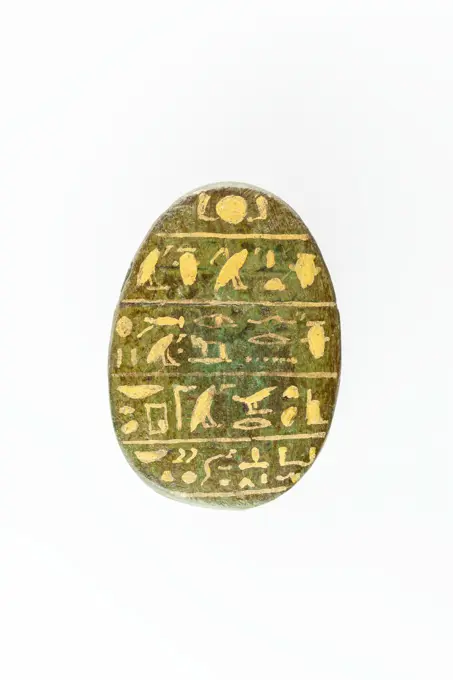
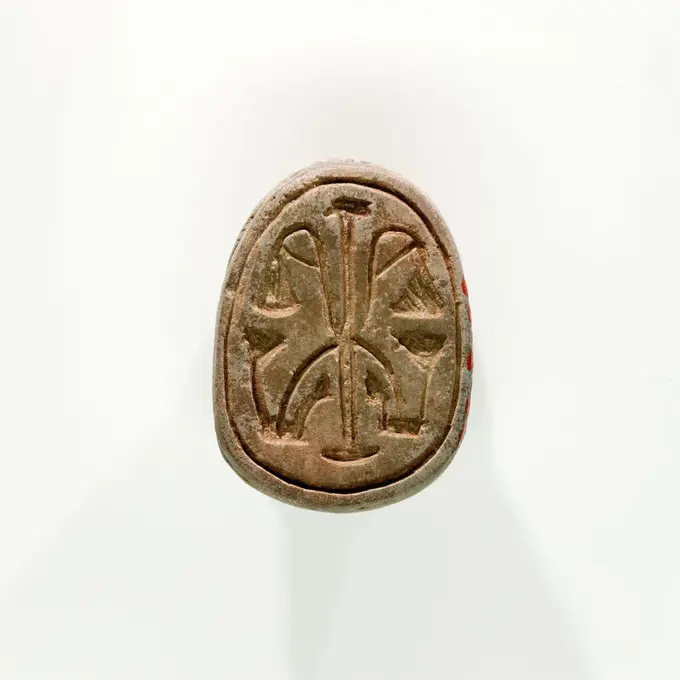
Scarab Incised with Hieroglyphs and Geometric Motif ca. 1802-1640 B.C. Middle Kingdom Some Middle Kingdom scarabs show a decorative oval motif, often accompanied by hieroglyphs. On this late Middle Kingdom scarab from Lisht, the hieroglyph for good and beautiful (nefer) is placed on either side of it. The meaning of the oval motif remains unclear, but the signs and symbols with which it is associated on seal-amulets have a positive and protective nature.. Scarab Incised with Hieroglyphs and Geometric Motif. ca. 1802-1640 B.C.. Blue faience. Middle Kingdom. From Egypt, Memphite Region, Lisht North, Cemetery, MMA excavations. Dynasty 13
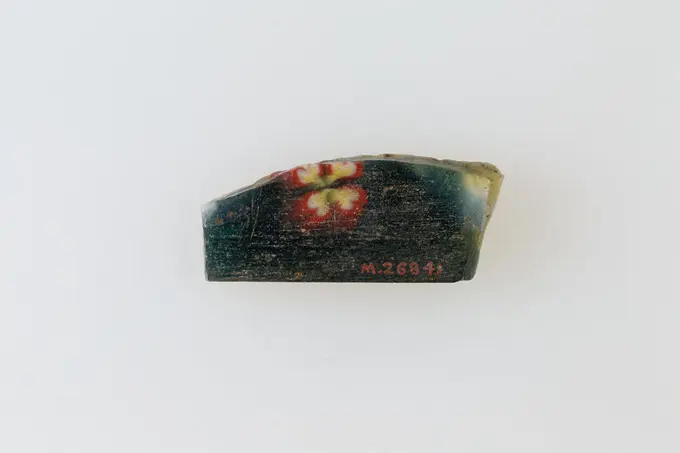
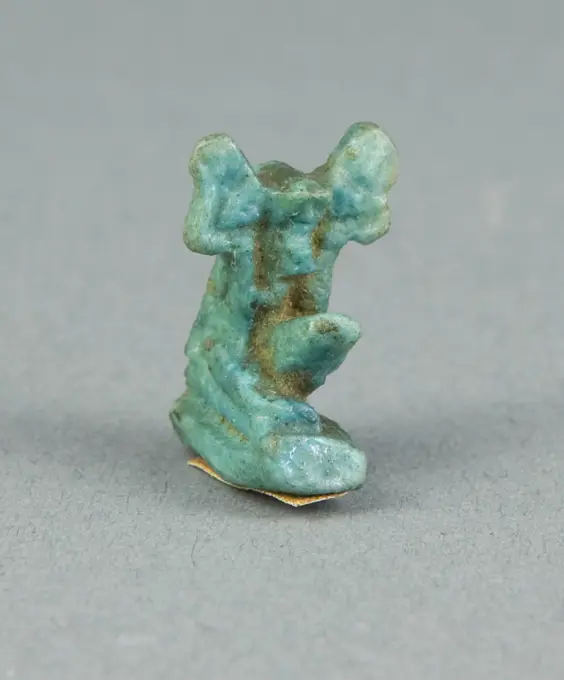
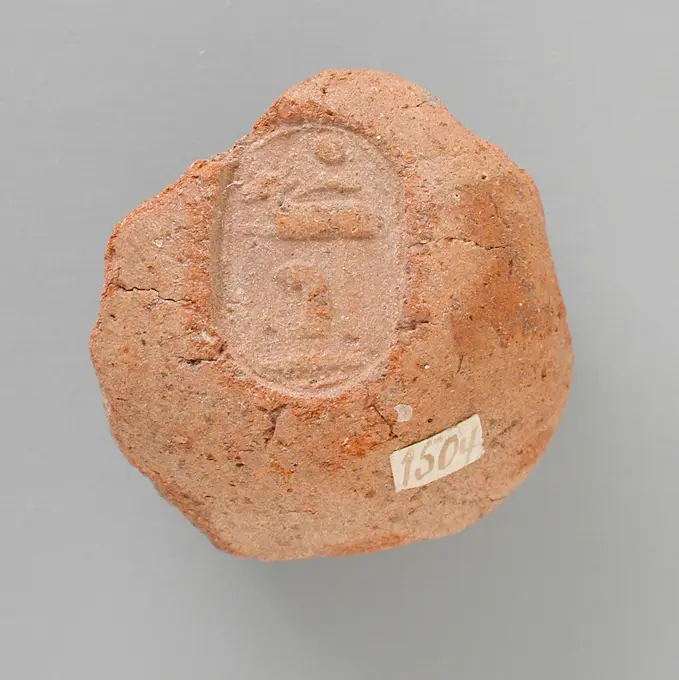
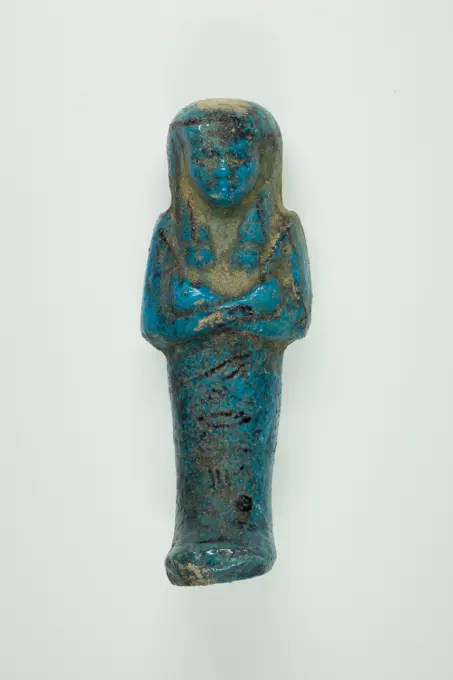
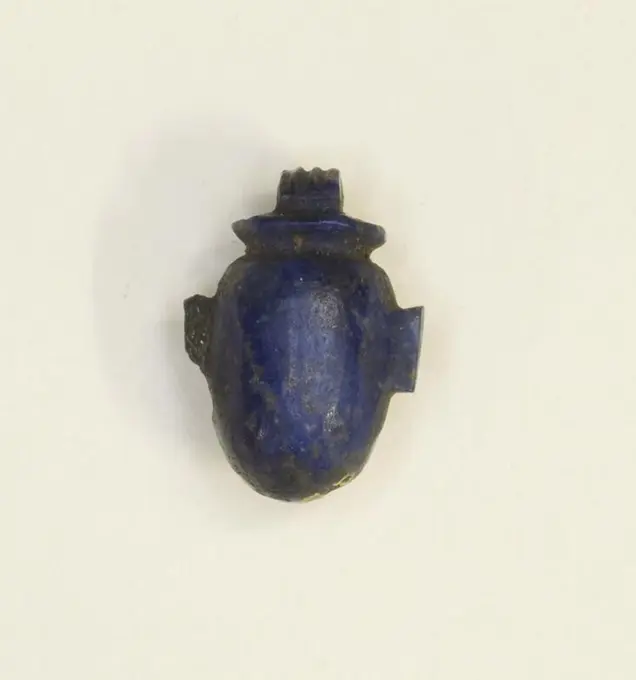
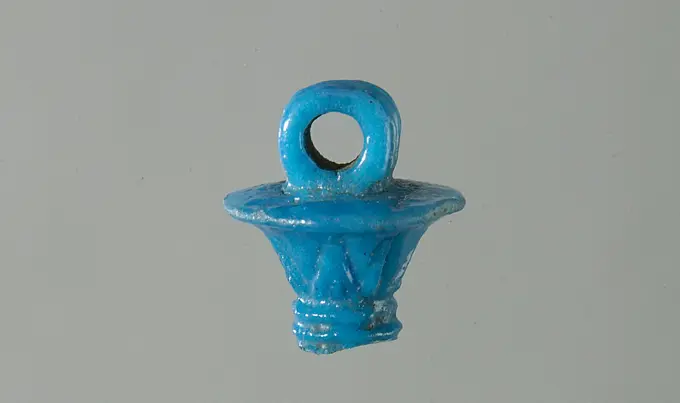
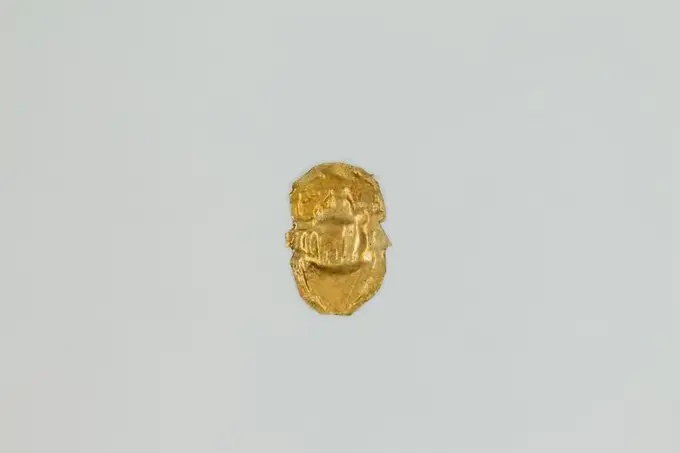
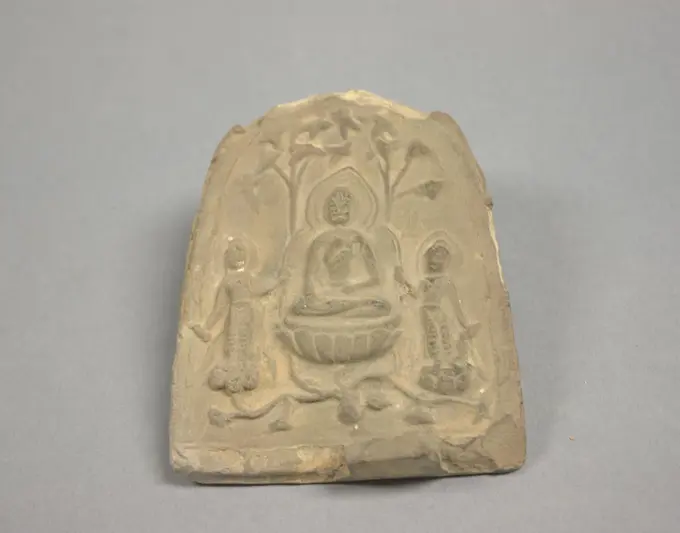
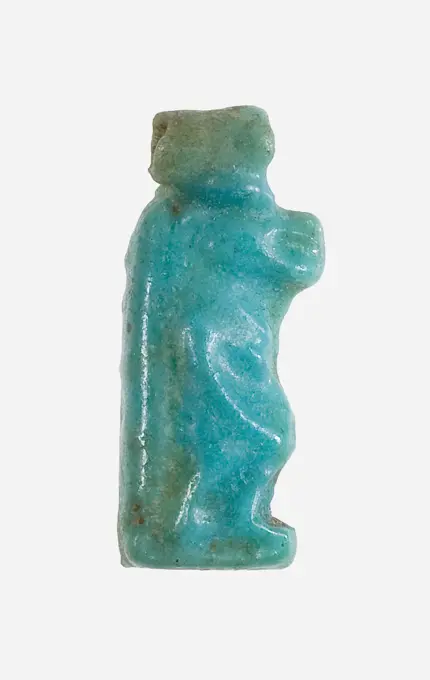
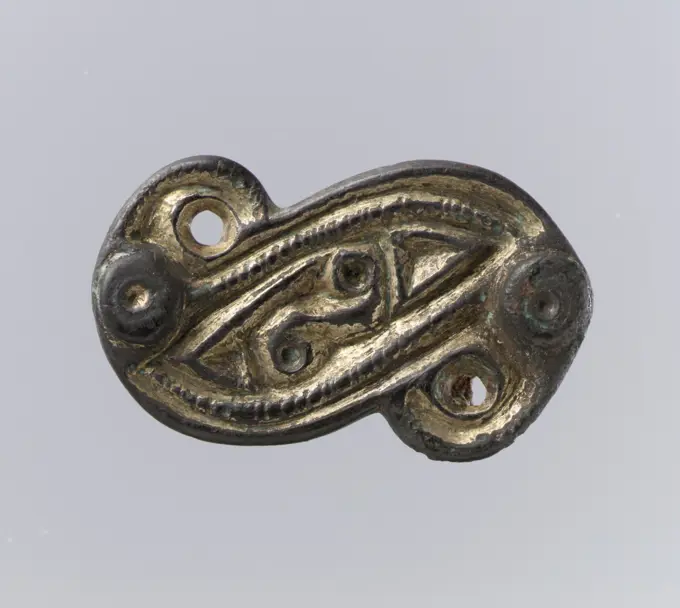
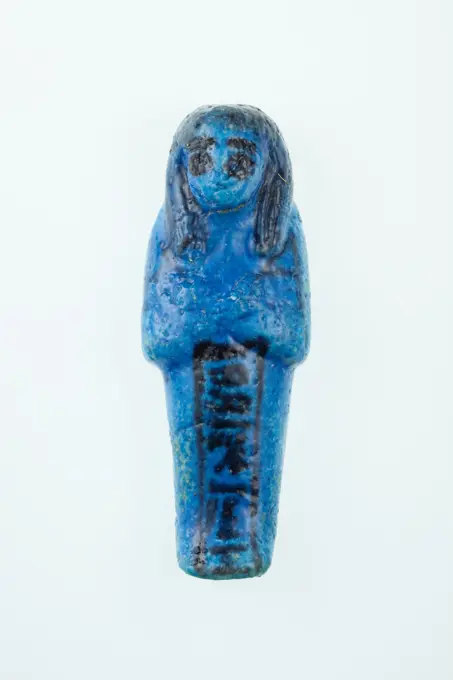
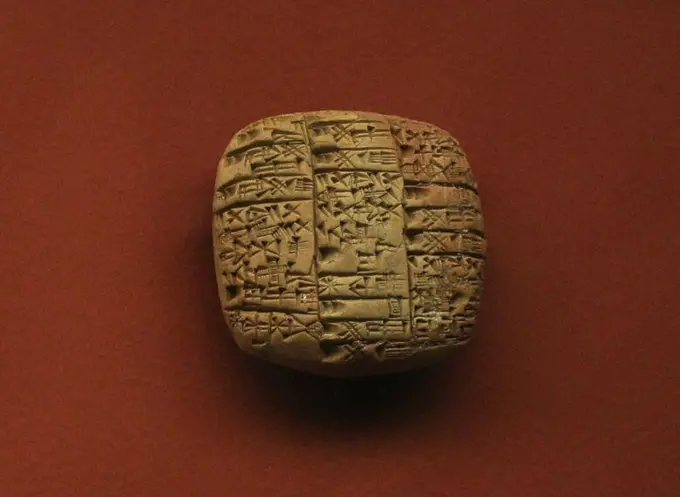
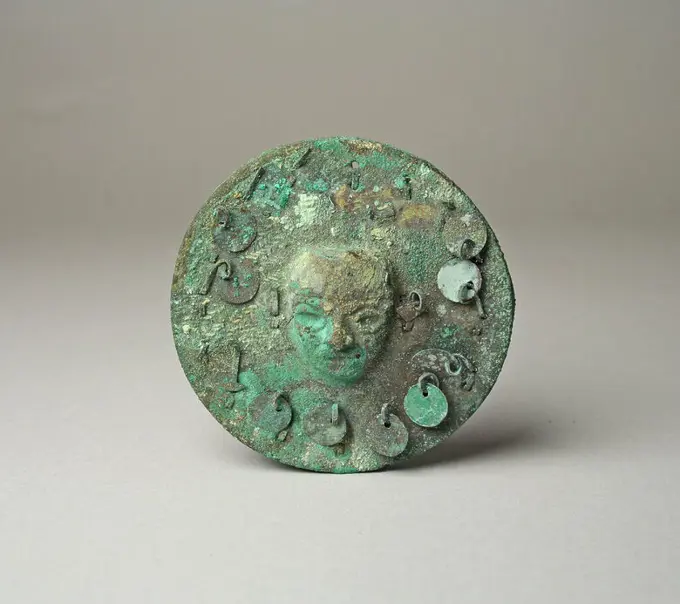
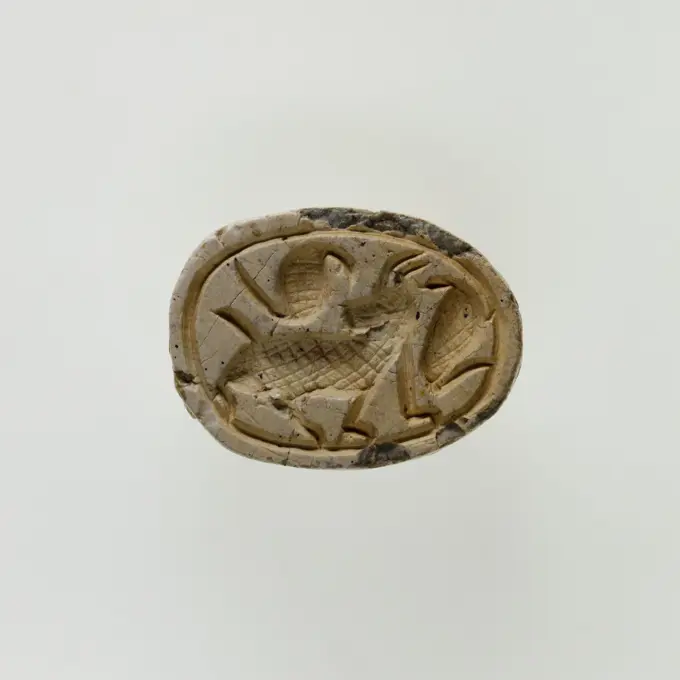
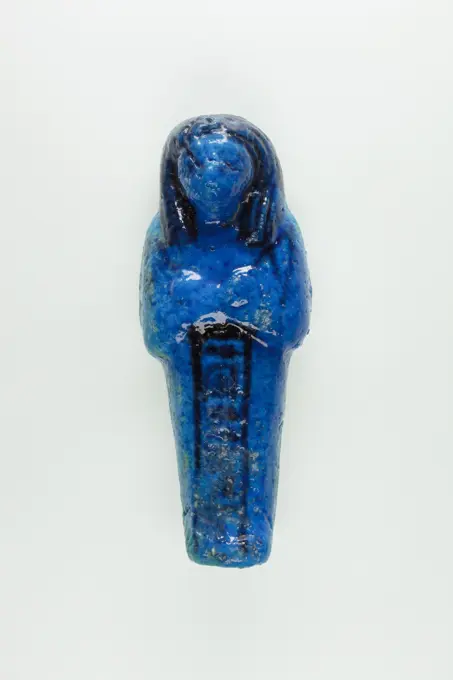
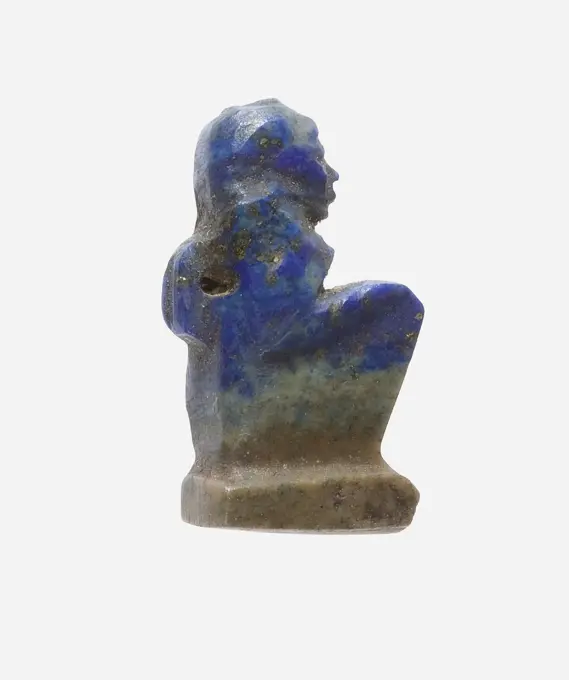
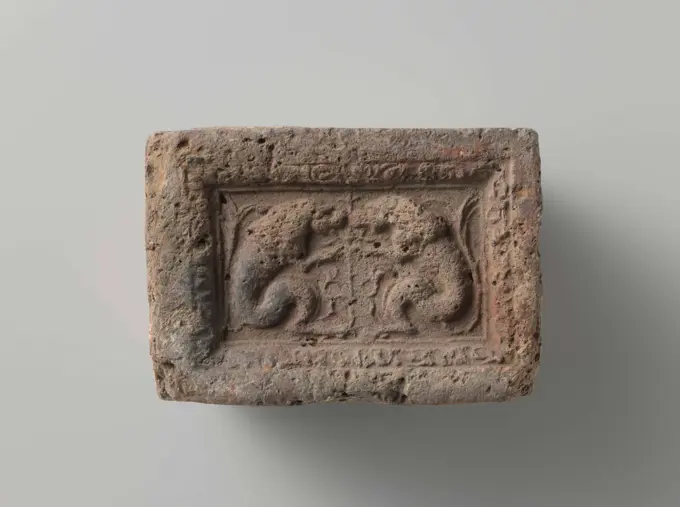
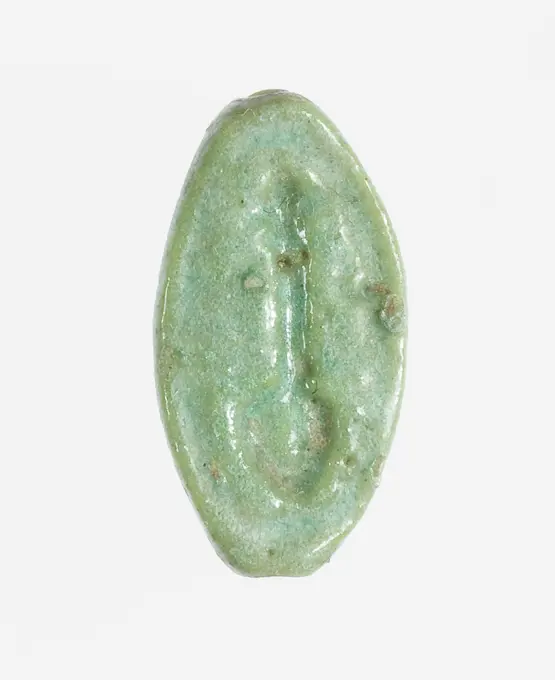
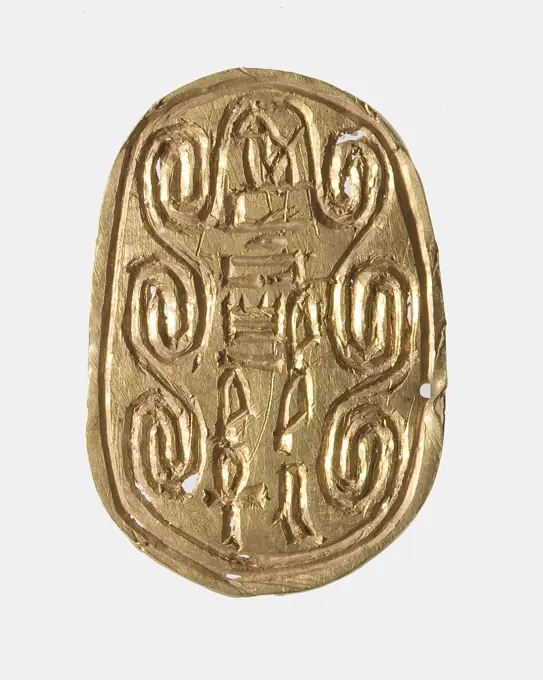
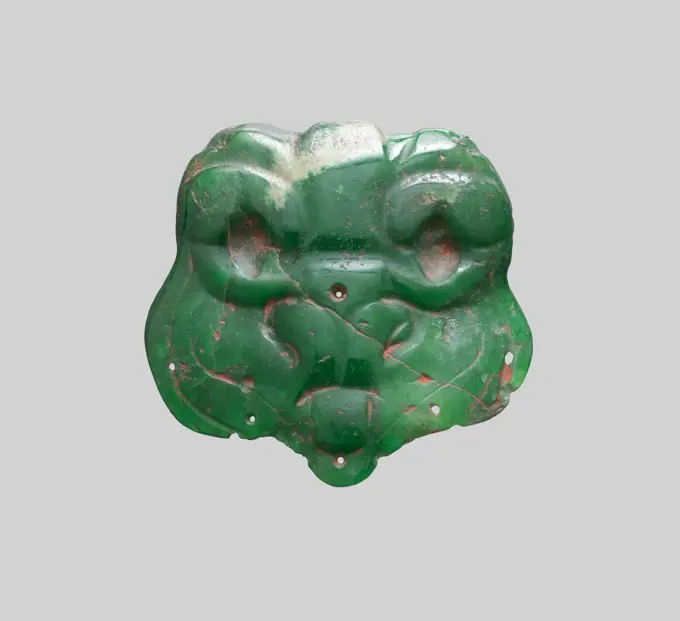
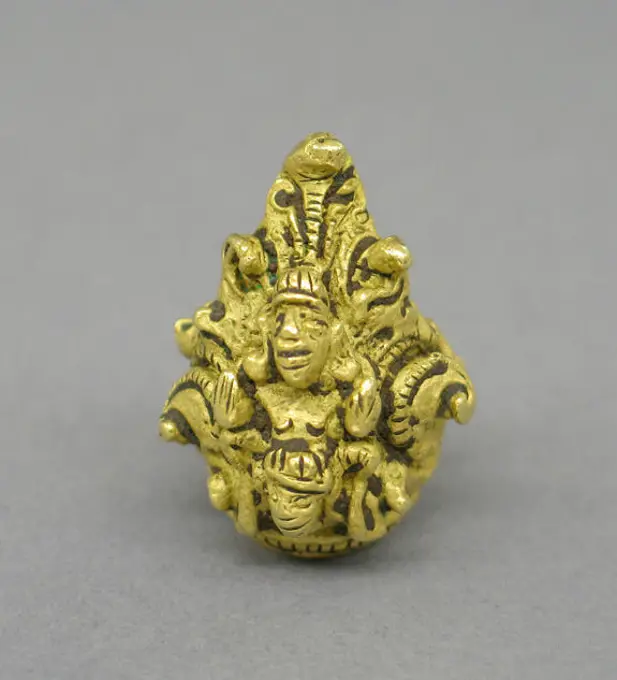
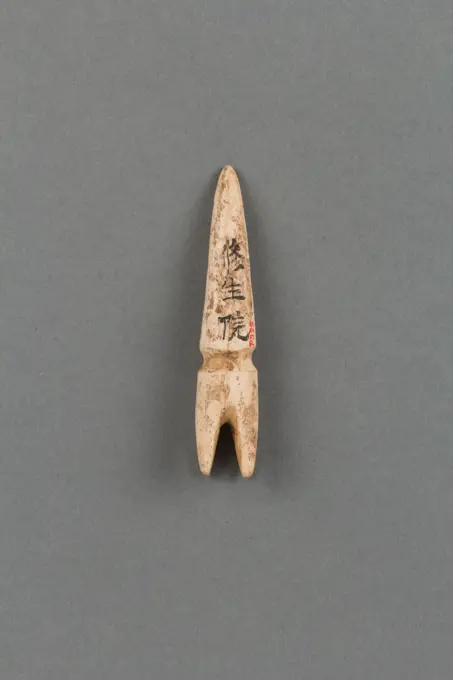
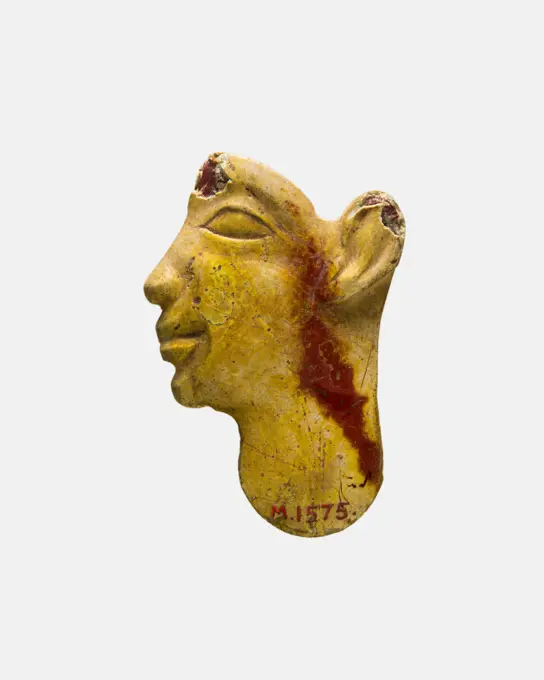
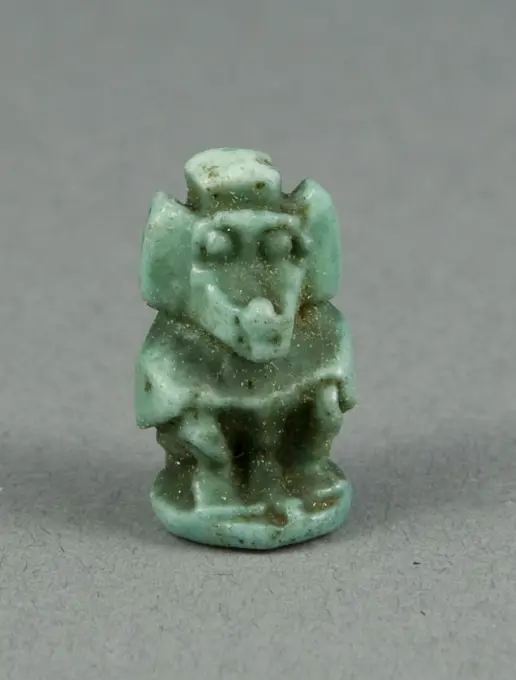
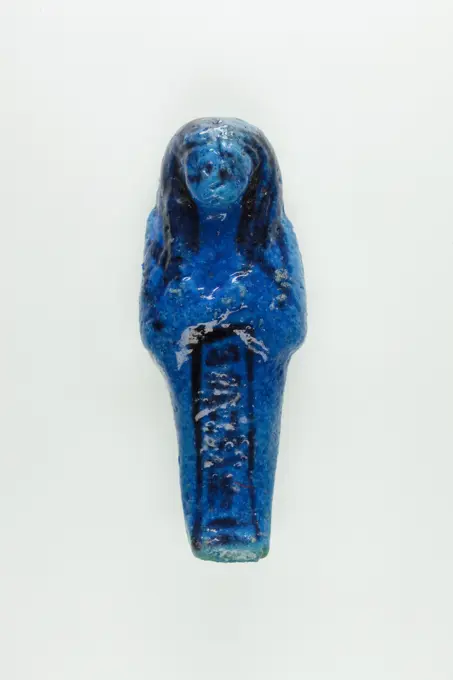
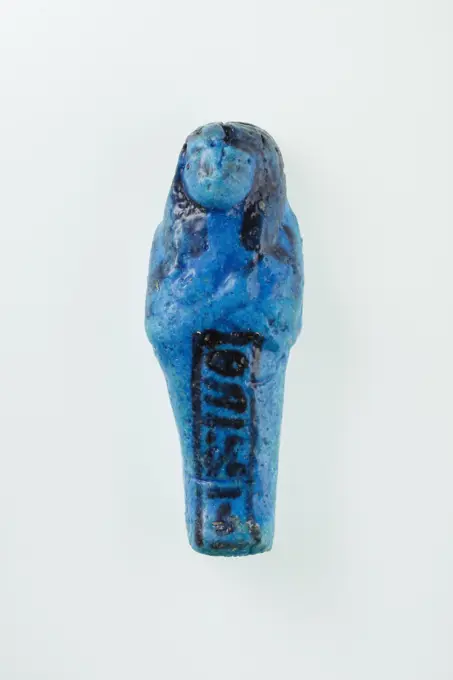
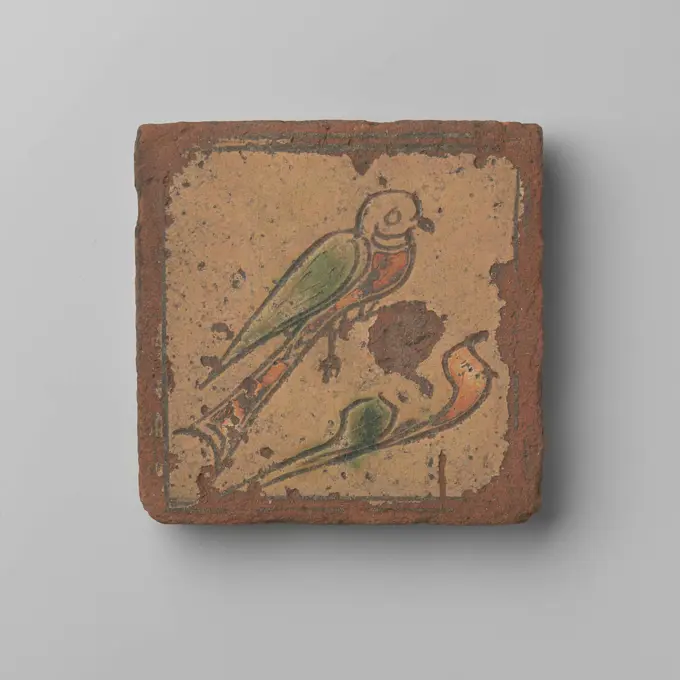
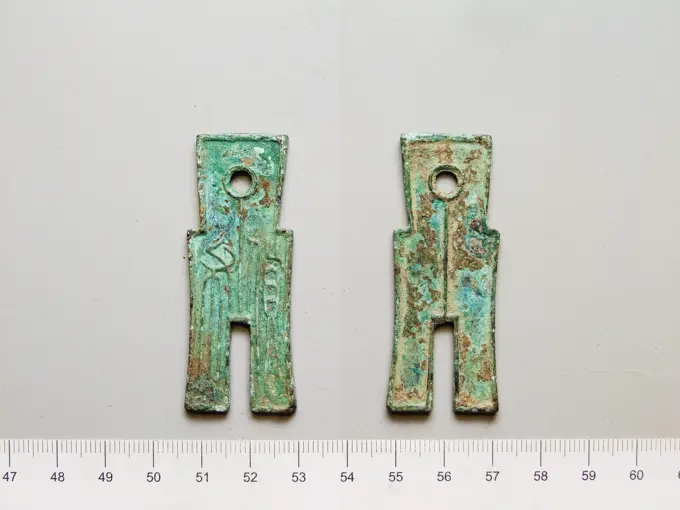
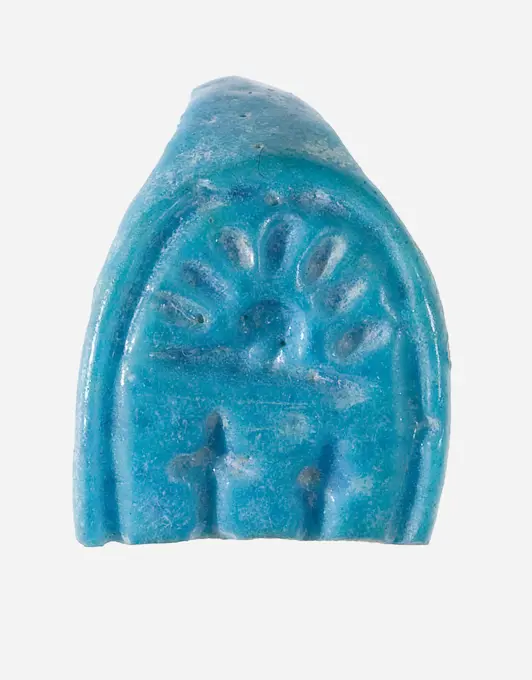
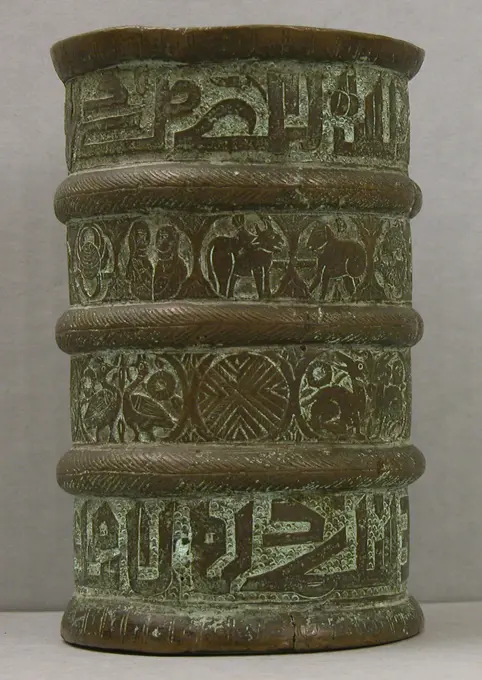
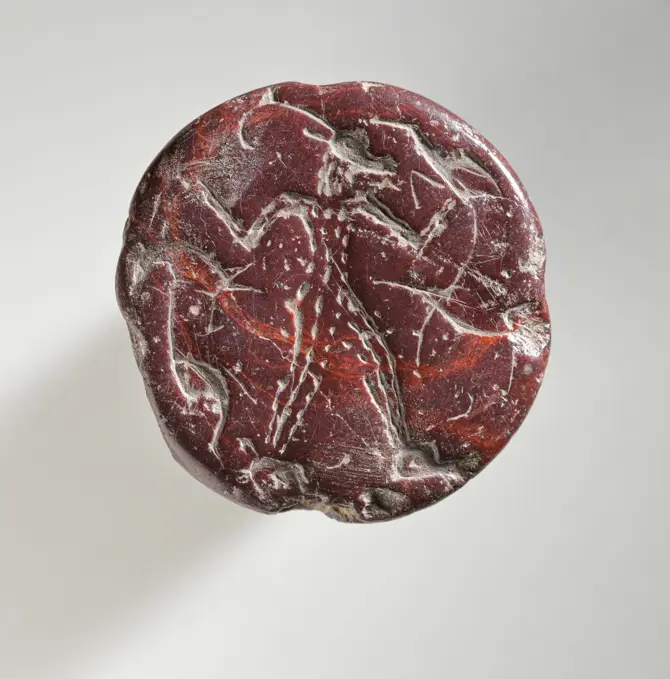
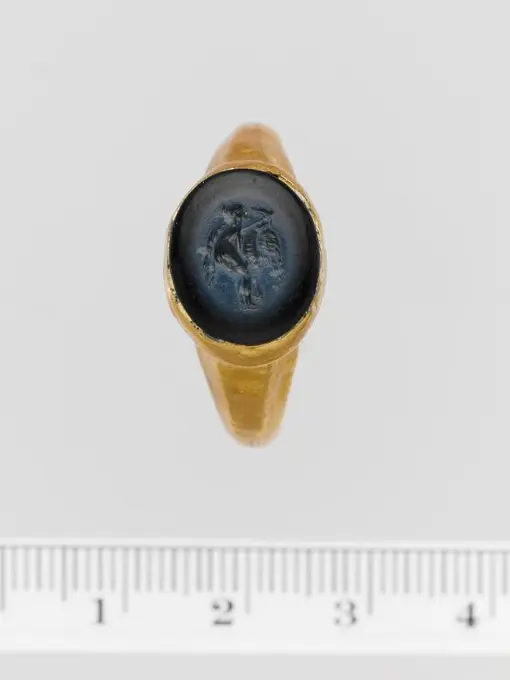
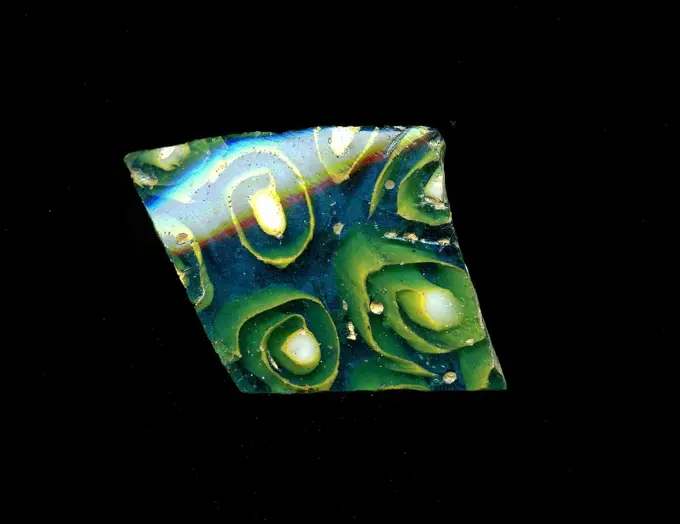
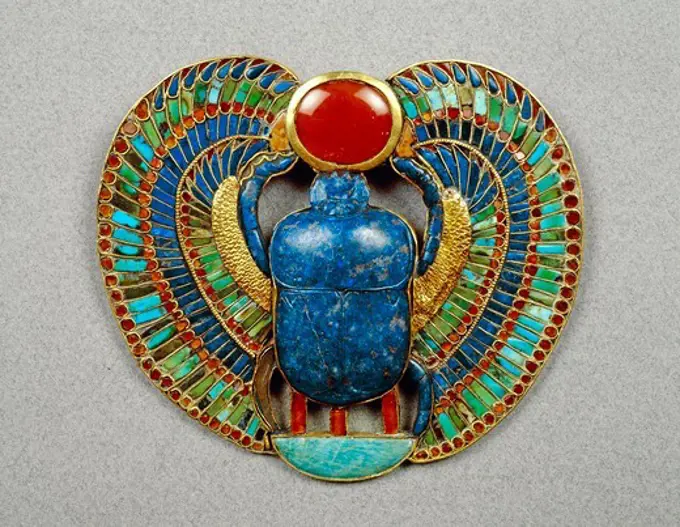
Fireplace with image. Fireplace. "A Griffin".Votive Plaque with Seated Buddhas ca. 618-906 Tibet. Votive Plaque with Seated Buddhas. Tibet. ca. 618-906. Terracotta. SculptureBoat;  664-332 BC ; Half period (-664-00-00--332-00-00);Floral plaque. Dimensions: H. 1.6 × W. 3.8 cm (5/8 × 1 1/2 in.). Date: 100 BC-100 AD. Museum: Metropolitan Museum of Art, New York, USA.Amulet of the God Shu with Disk 700 BCE-1 BCE Egypt. Faience . Ancient EgyptianMold with Gazelle and Leopard Hierolgyphs. Egypt, 18th - 26th Dynasty (1569 - 525 BCE). Tools and Equipment; molds. Baked claySteatite triangular prism ca. 1900-1750 B.C. Minoan Man with spear; bird and insect; long-horned goat.. Steatite triangular prism. Minoan. ca. 1900-1750 B.C.. Serpentine. Middle Minoan II. GemsWorker Shabti of Henettawy (C), Daughter of Isetemkheb ca. 990-970 B.C. Third Intermediate Period. Worker Shabti of Henettawy (C), Daughter of Isetemkheb 625481Amulet of a Heart. Egyptian. Date: 1070 BC-656 BC. Dimensions: 1.3 × 1 × 0.3 cm (1/2 × 3/8 × 1/8 in.). Lapis Lazuli. Origin: Egypt. Museum: The Chicago Art Institute, Chicago, USA. Author: Ancient Egyptian.Fragment of the amulet - a capitel of papyrus papyrus;  20-21 Dynasty (1900-00-00-2000-00-00);Minutes-collection, minutes, Alexander von (1806-1887), Minors, Alexander von (1806-1887)-collections, minutes, Heinrich Menu von (1772-1846), minutes, Heinrich Menu von (1772-1846)-collections, Minutes, collection, scepterBelt hook 4th-3rd century B.C. China. Belt hook 49480Jade pendant of the young maize god and a jade pendant Maya. AD 400-800. Maize tassels frame the image of the god, the river of life.Scarab amulet. Dimensions: l. 1.1 cm (7/16 in.) × h. 1.1 cm (7/16 in.). Dynasty: Dynasty 26-29. Date: 664-380 B.C.. Museum: Metropolitan Museum of Art, New York, USA.Glass Fragment 13th century French. Glass Fragment. French. 13th century. Pot metal glass. Made in Angers, France. Glass-StainedVotive Tablet China. Votive Tablet. China. Unglazed terracotta. Tang dynasty (618-907). SculptureTaweret Amulet ca. 1390-1353 B.C. New Kingdom. Taweret Amulet. ca. 1390-1353 B.C.. Faience. New Kingdom. From Egypt, Upper Egypt, Thebes, Malqata, Palace of Amenhotep III, MMA excavations, 1910-11. Dynasty 18Plaque 4th-3rd century B.C. China. Plaque 52165S-Shaped Brooch first half 6th century Frankish. S-Shaped Brooch 465345 Frankish, S-Shaped Brooch, first half 6th century, Silver-gilt, Overall: 1 x 9/16 x 1/4 in. (2.6 x 1.5 x 0.7 cm). The Metropolitan Museum of Art, New York. Gift of J. Pierpont Morgan, 1917 (17.192.39)Worker Shabti of Nauny ca. 1050 B.C. Third Intermediate Period See 30.3.28.1a, b. Worker Shabti of Nauny. ca. 1050 B.C.. Faience. Third Intermediate Period. From Egypt, Upper Egypt, Thebes, Deir el-Bahri, Tomb of Meritamun (TT 358, MMA 65), first corridor, burial of Nauny, MMA excavations, 1928-29. Dynasty 21Ornament from wig. Dimensions: d. 2 cm (13/16 in); th. 1.4 cm (9/16 in). Dynasty: Dynasty 12-13. Date: ca. 1850-1640 B.C.. Museum: Metropolitan Museum of Art, New York, USA.Coin of Vasudeva I (reigned circa 142-176). North India, 2nd century. Tools and Equipment; coins. Copper alloySumer. Mesopotamia. Near East. Clay tablet. Offerings of flour, beer, butter, fish and cattle to the god Ningirsu and the Goddess Bau, his wife, as well as to other sanctuaries on the festival of the goddess Bau. The State Hermitage Museum. Saint Petersburg. Russia.Earflare Frontal. Culture: Moche (Loma Negra). Dimensions: Diam. 3/4 in. (1.9 cm). Date: 390-450. Museum: Metropolitan Museum of Art, New York, USA.Scarab with Horned Animal and Uraei ca. 1640-1500 B.C. (late Middle Bronze Age IIB-IIC) Second Intermediate Period Canaanite scarabs of the late Middle Bronze Age (ca. 1640-1500 B.C.) frequently show scenes with a wild animal such as a lion, ibex, antelope or crocodile, or to a lesser extent with a donkey or hippo, only a few examples depict bulls. Except for the donkey and bull, these animals live in the wild and were feared as well as respected. During this period, Canaanite seal carvers decorated the interior of animals with parallel lines, or short strokes to represent their fur. It has been suggested that compositions with wild animals symbolize the successful dominance over nature and control over chaos. The animal represented on this scarab is an antelope (gazelle) or an ibex, based on its slightly curved horns. In front of and above the back of the horned animal are uraei. Scarab with Horned Animal and Uraei 545223Worker Shabti of Nauny ca. 1050 B.C. Third Intermediate Period See 30.3.26.1a, b. Worker Shabti of Nauny 625716. Incense box of stoneware in the shape of a hit wood, painted on the glaze in blue, red, green, yellow and black. A carriage on the lid. The edge with napkin. Ninsei style. Kyoyaki ?.Fragment of a Floral Ring ca. 1390-1353 B.C. New Kingdom. Fragment of a Floral Ring. ca. 1390-1353 B.C.. Faience, Blue, green. New Kingdom. From Egypt, Upper Egypt, Thebes, Malqata, Palace of Amenhotep III, MMA excavations, 1910-11. Dynasty 18Khol Jar FragmentRing: Horemheb, Beloved of Amon. Egyptian. Date: 1323 BC-1295 BC. Dimensions: H. 1.3 cm (1/2 in.); diam. 2.2 cm (7/8 in.). Faience. Origin: Egypt. Museum: The Chicago Art Institute, Chicago, USA. Author: Ancient Egyptian.Fireplace, on which Andromeda or Sint Joris. Fireplace, on which Andromeda or Sint Joris. Of fine baked earth. With some changes.Maat Amulet 664-332 B.C. Late Period. Maat Amulet. 664-332 B.C.. Lapis lazuli. Late Period. From Egypt. Dynasty 26-30Hair stone, on which two opposite lions, a plant steam in between. Hair stone, on which two opposite lions, a plant steam in between. Of fine baked earth.Cowroid Stamp Seal with a Nefer Hieroglyph Inscribed on the Base ca. 1390-1353 B.C. New Kingdom. Cowroid Stamp Seal with a Nefer Hieroglyph Inscribed on the Base. ca. 1390-1353 B.C.. Faience. New Kingdom. From Egypt, Upper Egypt, Thebes, Malqata, South Village, MMA excavations, 1911-12. Dynasty 18Gold Base Plate of a Scarab of an Official ca. 1802-1640 B.C. Middle Kingdom This gold cap originally covered the underside of a scarab (15.3.135A), inscribed for the chamber-keeper Ameny and mounted in a ring.. Gold Base Plate of a Scarab of an Official. ca. 1802-1640 B.C.. Gold. Middle Kingdom. From Egypt, Memphite Region, Lisht North, south of Tomb of Nakht (493), south cemetery, Pit 453, MMA excavations, 1913-14. Dynasty 13Foundation Deposit Plaque in the Form of a Haunch ca. 1188-1186 B.C. New Kingdom, Ramesside. Foundation Deposit Plaque in the Form of a Haunch. ca. 1188-1186 B.C.. Faience. New Kingdom, Ramesside. From Egypt, Upper Egypt, Thebes, Ramesseum Area, Temple of Tawosret, foundation deposit, Petrie excavations, 1896. Dynasty 19Amulet: Ikhneumen. Egypt, Late Period - Ptolemaic Period (724 - 30 BCE). Jewelry and Adornments; amulets. Green faiencePendantDuck-Face Ornament 10th-4th century B.C. Olmec This exquisite pendant made of high-quality translucent blue-green jadeite portrays an avian entity with a pointed duckbill. The artist portrayed the waterbird in frontal view, skillfully modeling the contours of the large eyes, nostrils, and beak; incised lines indicate the margins of the bill. A raised central portion that extends upward from the forehead may represent a feathered crest. Eight conical drill holes from the reverse side pierce the line of the bill, the center, and the upper left and right of the pendant. Affixed with fibers through these holes, the pendant likely formed part of an assemblage of jade beads as a centerpiece in ceremonial regalia. Traces of red pigment in the recesses of the relief and drill holes suggest that this treasured object also comes from a funerary context. Ducks and other waterfowl were revered by ancient Mesoamerican peoples for their ability to cross between the realms of the sky, the earth, and Baboon Late Period-Ptolemaic Period 664-30 B.C. View more. Baboon. 664-30 B.C.. Blue faience. Late Period-Ptolemaic Period. From EgyptBrown coin; Mitrydates IV (party king; 129-140); 128-147 (55-00-00-58-00-00);Rod Finial Clip with Vishnu on Garuda Second half of the 9th-first quarter of the 10th century Indonesia (Java). Rod Finial Clip with Vishnu on Garuda 49739Body ornament Japan By the Middle Jmon period, the food supply in Japan had stabilized enough that the Jmon people could focus their activities more on crafts and spiritual life. This led to the development of a wide variety of body ornaments, including necklaces and hairpins, some of which feature very elaborate designs. It is speculated that body ornamentation may have served a religious or spiritual purpose, but it may also have represented social rank and status.. Body ornament. Japan. Bone. Final Jmon period (ca. 1000-300 B.C.). BoneCylinder Seal, c. 800-400 BCE, Semi-precious stone, Mesopotamia, 9th-4th century BCEJackal head amulet ca. 2150-1950 B.C. Late Old Kingdom-Early Middle Kingdom. Jackal head amulet 555597Ornament China. Ornament 60850Ornament with Decoration of Bird among Lotuses Korea. Ornament with Decoration of Bird among Lotuses 44816Inlay profile head 500-30 BC Late Period-Ptolemaic Period Glass or stone figural inlay elements could be fitted in individual wooden cells, or placed immediately adjacent to other elements and attached to a background.. Inlay profile head. 500-30 BC. Jasper. Late Period-Ptolemaic Period. From EgyptFusion mould, from Emilia Romagna Region, ItalyFeline Head Figurine. Egypt, Roman Period (100 - 400 CE) or later. Sculpture. BronzeAmulet of a Seated Baboon 664 BCE-332 BCE Egypt. Faience . Ancient EgyptianFragment 14th-15th century. Fragment 445517Double-tier Mirror, 300s BC. China, Warring States period (475-221 BC). Bronze; diameter: 7.6 cm (3 in.); overall: 0.8 cm (5/16 in.); rim: 0.5 cm (3/16 in.).Scarab with Figure of Seth-Baal on a Lion New Kingdom ca. 1295-1070 B.C. The ancient Egyptians adored the dung beetle as a symbol of the daily passage of the sun, as it pushed the dung ball forward it mirrored the sun disk moving across the sky. From the First Intermediate Period to the Late Period, the scarab was a popular shape for small amulets and stamp seals as a symbol for creation and resurrection. Already in the early 2ndmillennium BC, Egyptian scarab seals spread to the Levant and Crete and soon local imitations began to appear.Seth-Baal is a winged deity that appears on scarabs in the late New Kingdom (ca. 1295-1070 B.C.). When the Near Eastern storm god Baal was introduced in Egypt at the end of the Middle Kingdom, he was identified with the Egyptian god of chaos (and bad weather), Seth. On this scarab, Seth-Baal spreads both his wings wide open. He wears a horned conical headdress with long streamer at the back, and he displays a very prominent pointed beard. The deity staFlat Stamp 12th-15th century Central Highlands. Flat Stamp 312931Heart Scarab ca. 945-525 B.C. Late Period. Heart Scarab. ca. 945-525 B.C.. Faience. Late Period. From Egypt, Upper Egypt, Thebes, Southern Asasif, Tomb of Meketre (TT 280, MMA 1101), later use, MMA excavations, 1920. Dynasty 22-26Scarab Uninscribed 1985 BCE-525 BCE Egypt. Stone . Ancient EgyptianEtruscan glass depicting Hermes with a woman. Cast in 18th century from a 4th century BC; Etruscan gemFish Ornament. Culture: Peru; central coast (). Dimensions: L. 1 1/2 in. (3.8 cm). Date: 11th-12th century. Museum: Metropolitan Museum of Art, New York, USA.Fragment of a Dish 10th-12th century. Fragment of a Dish 446461Scarab from Rennefer's Burial. Dimensions: L. 1.6 cm (5/8 in.); W. 1.2 cm (1/2 in.); W. 0.8 cm (5/16 in.). Dynasty: Dynasty 18, early. Reign: reign of Thutmose I-early sole Thutmose III. Date: ca. 1504-1447 B.C.. Museum: Metropolitan Museum of Art, New York, USA.Female Head. UnknownBadge or Harness Pendant ca. 1400 Spanish, Catalonia Heraldry, or coat-of-arms, were vitally important in Europe throughout the Middle Ages and the Renaissance. Heraldic emblems were used to identify noble families, cities, regions, and even countries. In addition to being displayed on shields and flags, heraldry was incorporated into architectural decoration on the interior and the exterior of buildings, on furniture, works of art, clothing, and horse equipment. Harness pendants, like this example, would have been attached to a headstall, bridle, or other straps making up the tack of a horse ridden by a nobleman or noblewoman, or a member of their household. Many harness pendants also have decoration that is simply ornamental, or have symbols that are not specifically heraldic in nature.. Badge or Harness Pendant. Spanish, Catalonia. ca. 1400. Copper, gold, enamel. Catalonia. Miscellaneous-BadgesWorker Shabti of Nauny ca. 1050 B.C. Third Intermediate Period See 30.3.26.1a, b. Worker Shabti of Nauny 625751Bracelet 500 B.C.-A.D 300 Thailand. Bracelet 37675PendantCrayfish 6th-7th century Moche (Loma Negra). Crayfish 314472Worker Shabti of Nany ca. 1050 B.C. Third Intermediate Period See 30.3.27.1a, b. Worker Shabti of Nany. ca. 1050 B.C.. Faience. Third Intermediate Period. From Egypt, Upper Egypt, Thebes, Deir el-Bahri, Tomb of Meritamun (TT 358, MMA 65), first corridor, burial of Nany, MMA excavations, 1928-29. Dynasty 21Head of a Frog 6th-7th century Moche (Loma Negra). Head of a Frog 313468Pottery Figurine (221 BC - AD 581), The Capital Museum, Beijing, ChinaTile with pigeon. Tile decorated with a pigeon on a branch.Knife of Wang Mang, Emperor of the Xin Dynasty from Board ofRevenue. Ruler: Wang Mang, Emperor of the Xin Dynasty, 45 B.C.-A.D. 23, ruled A.D. 9-23 Mint: Board of Revenue Artist: UnknownStamp, Gabled with Rounded Back. Northern Syria or southeast Anatolia, circa 3500 - 3100 B.C.. Tools and Equipment; stamps. Weathered marbleRing Fragment ca. 1390-1353 B.C. New Kingdom. Ring Fragment. ca. 1390-1353 B.C.. Faience, blue. New Kingdom. From Egypt, Upper Egypt, Thebes, Malqata, Palace of Amenhotep III, MMA excavations, 1910-11. Dynasty 18Cylinder 16th century. Cylinder 446974Stamp Seal, Hemispheroid. Western Iran, circa 4th millennium B.C.. Tools and Equipment; seals. Red steatiteNicolo ring stone set in a gold ring. Culture: Roman. Dimensions: L. of stone 1.2 cm; W. of bezel 2.9 cm. Date: ca. 1st-2nd century A.D..Leda and the swan. Museum: Metropolitan Museum of Art, New York, USA.Fragment of a vessel. A low curvature of the glass fragment allows the assignment to a vessel, possibly a shell. On a blue background, some flowers are shown in millefiori technology. They consist of a white point around which a yellow line winds as a spiral. For the production, different colored glasses into tubes and rods were formed. These were compressed and heated, causing a long bar. The glass sliced now had different amorphous or floral patterns. Thereafter, several of these platelets were folded together, heated again and pressed into the vascular shape. Burry for the elaborate manufacturing process and its fragility was one of the luxury articles of antiquity.Amulet - bóg Thot. unknown, authorPectoral made of gold, lapislazuli and semi-precious stones depicting scarab, solar disk and crescent, from Treasure of TutankhamenScarab with wing amulet (Faience). New Kingdom to Late Period .