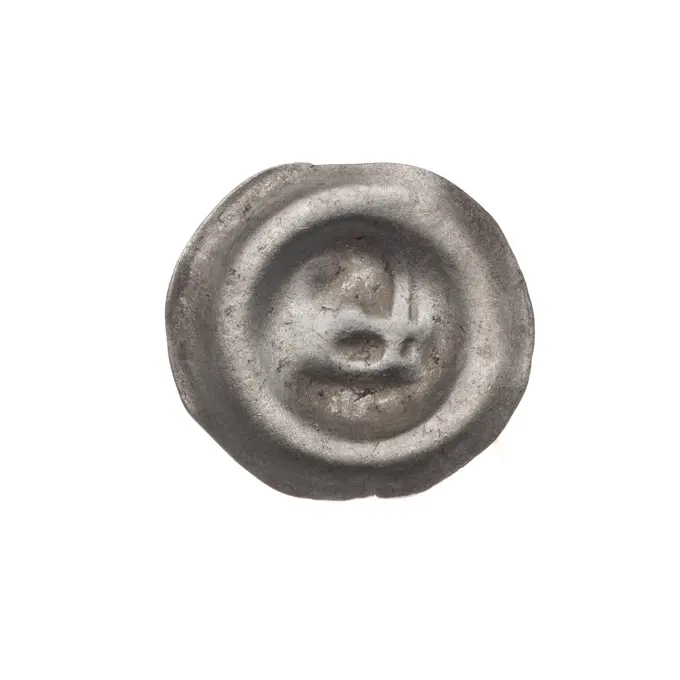
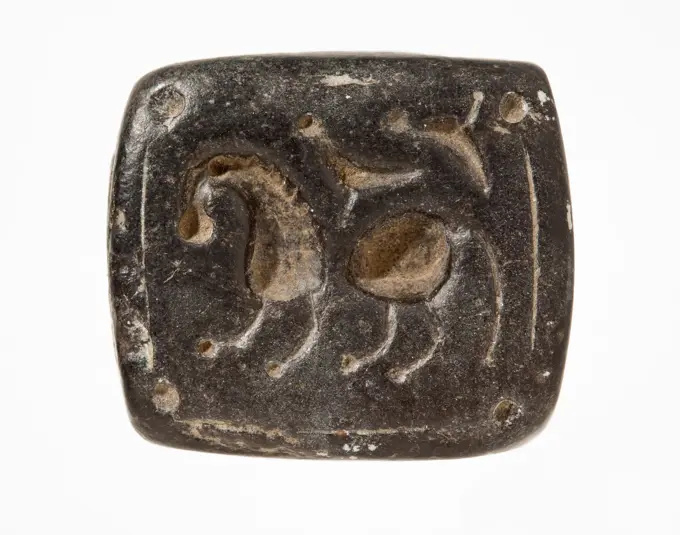
Ancient Egyptian Scarabs

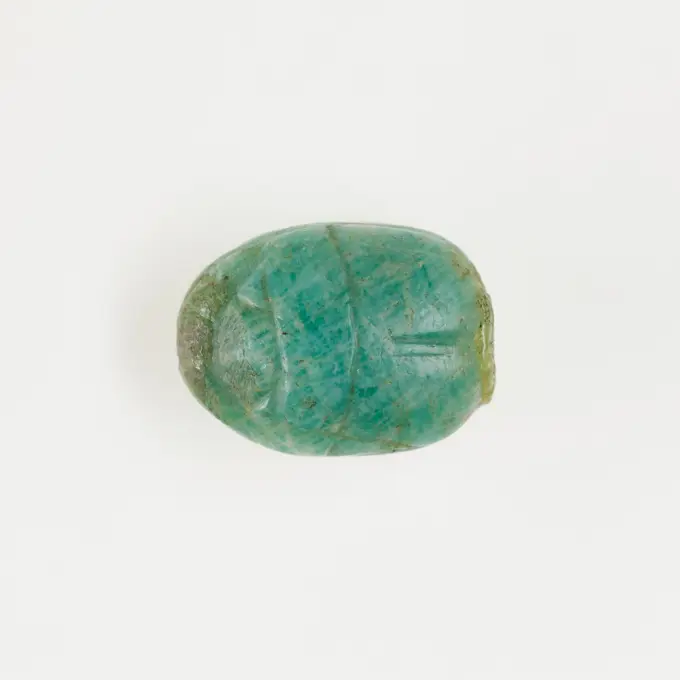
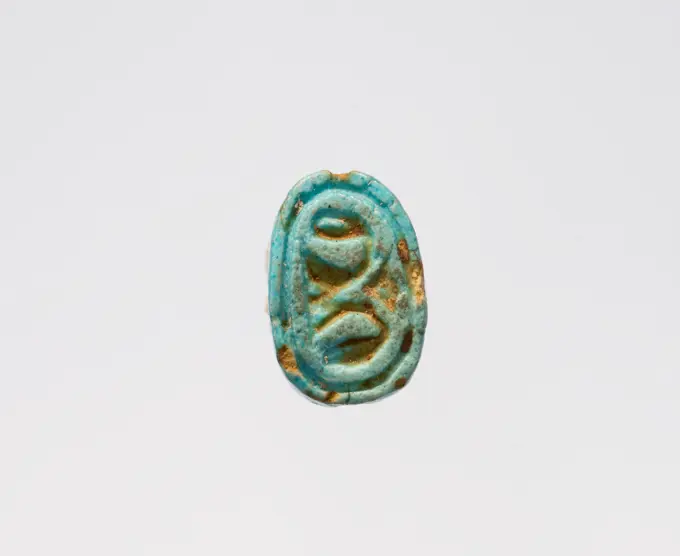
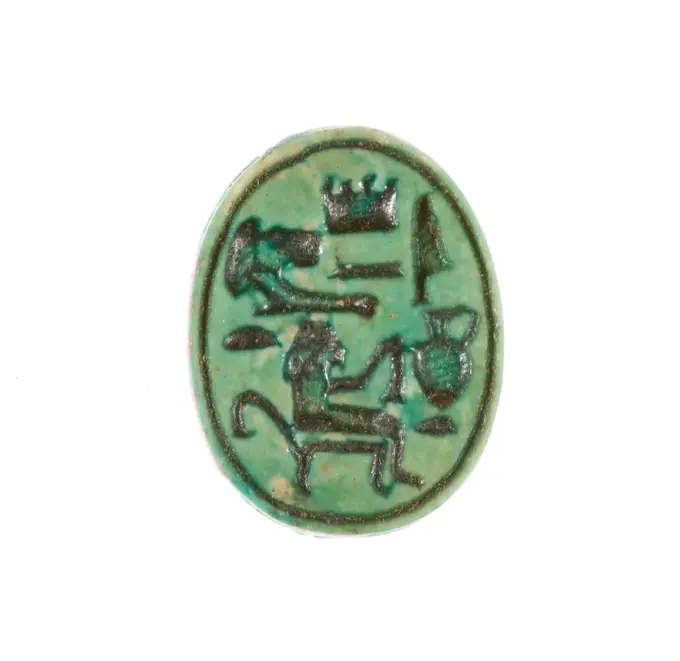
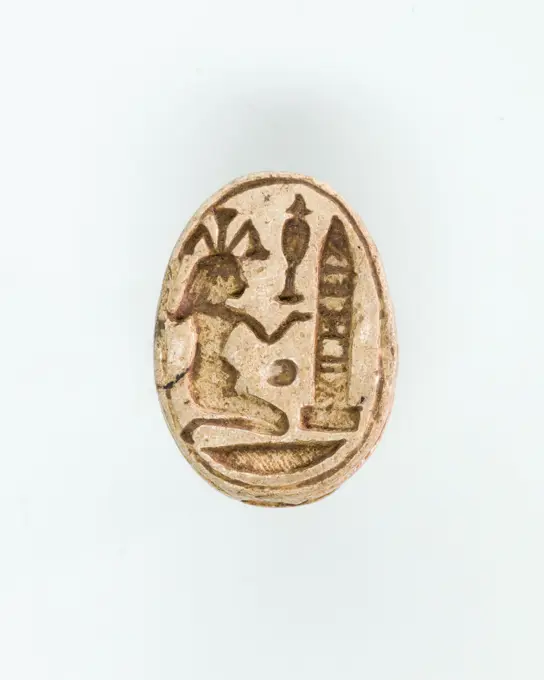
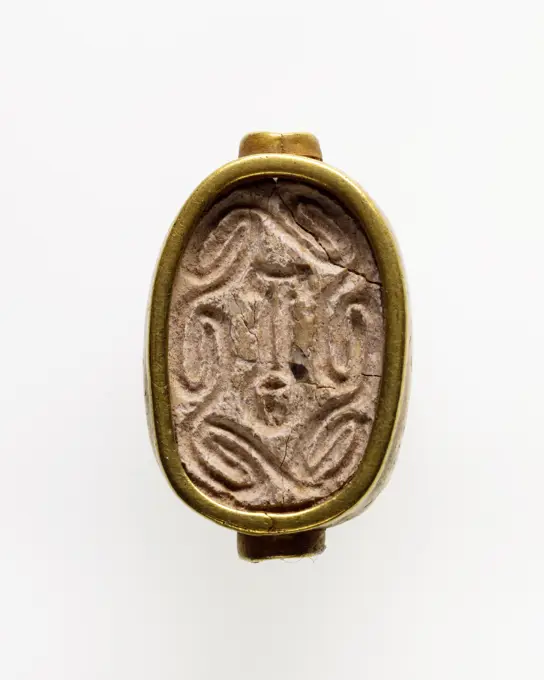
A series of scarab artifacts from ancient Egypt, showcasing intricate designs and historical inscriptions.

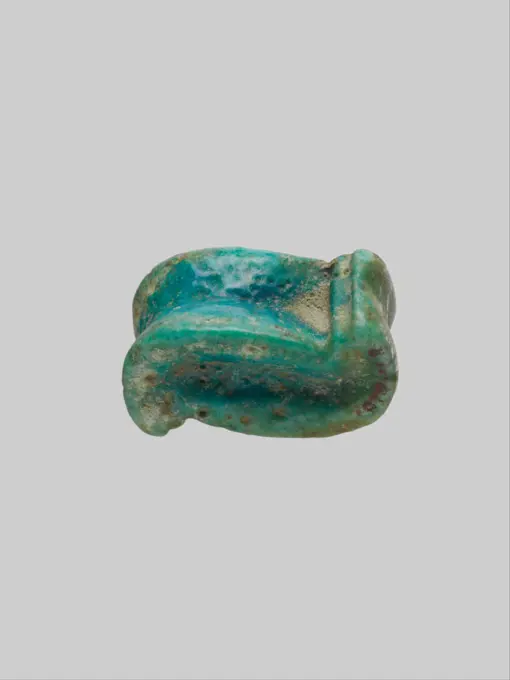
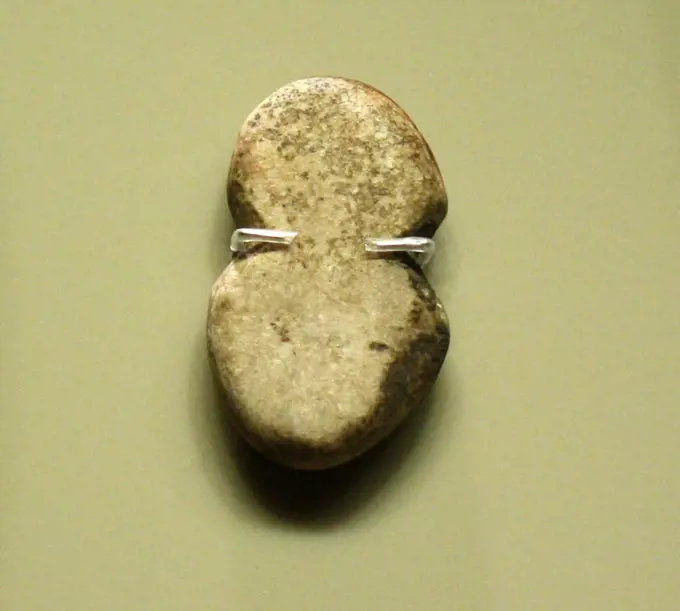
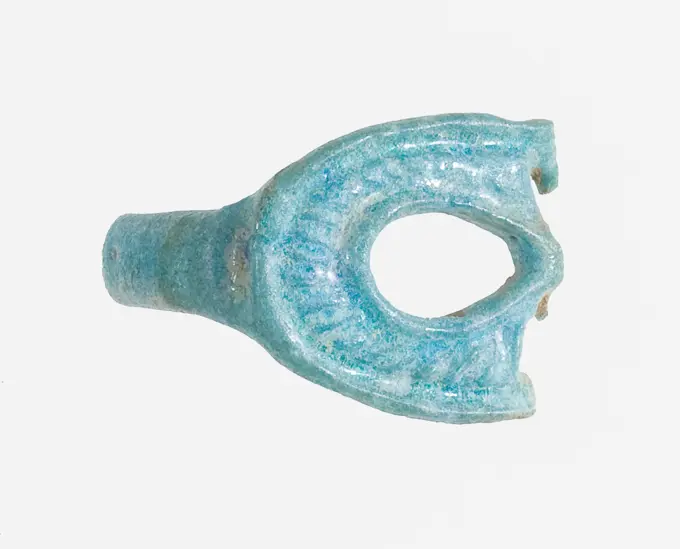
Faience astragalos (knucklebone) 3rd-2nd century B.C. Greek, Egyptian Astragal.. Faience astragalos (knucklebone) 255300
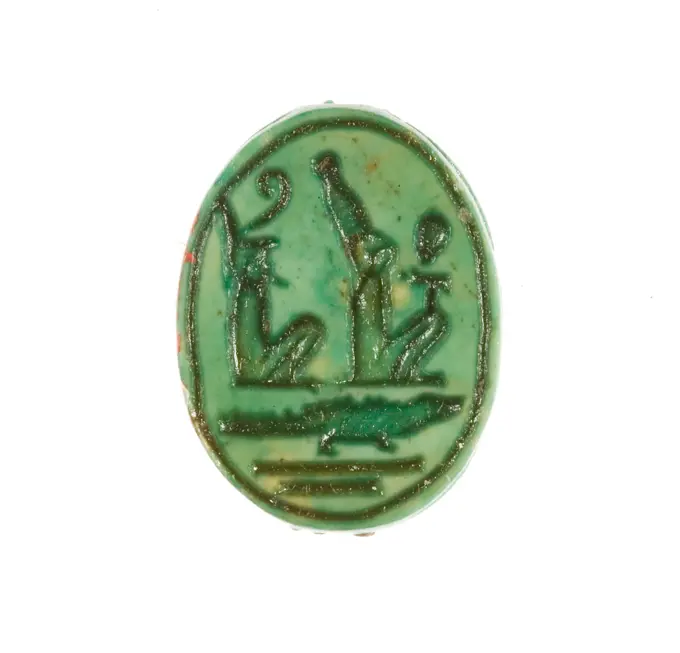
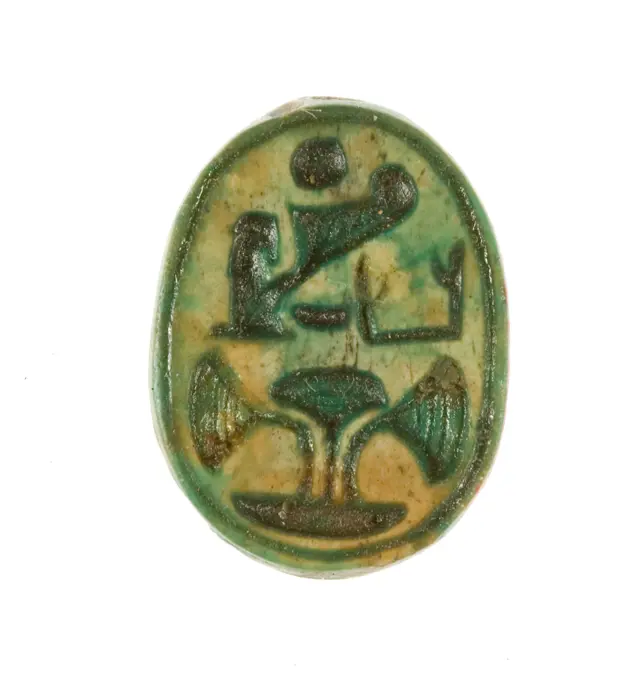
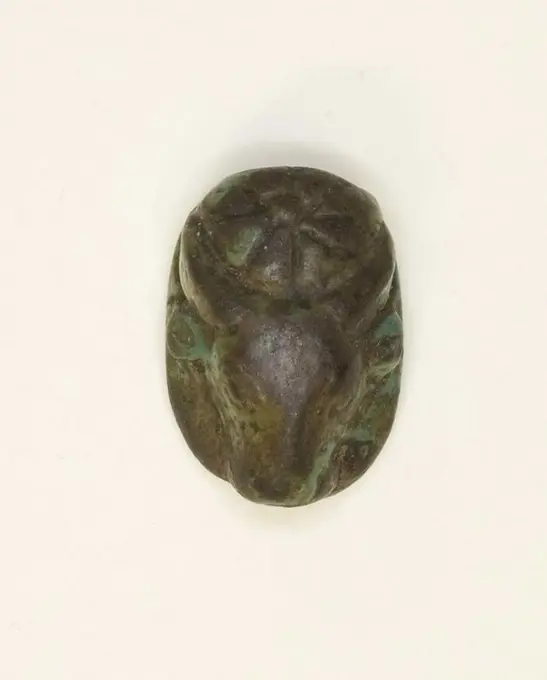
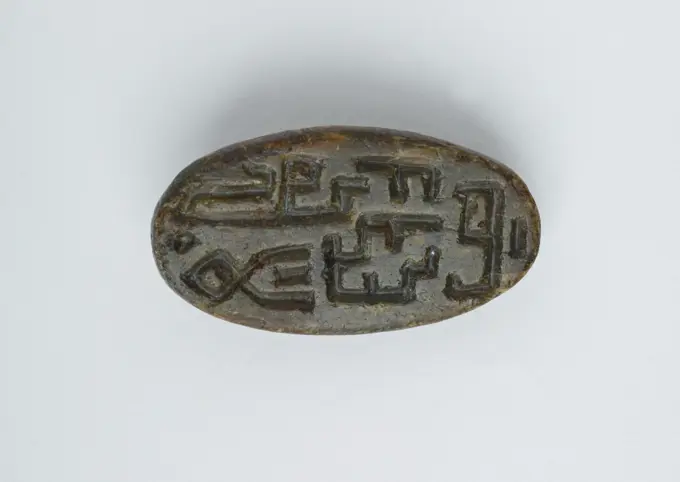
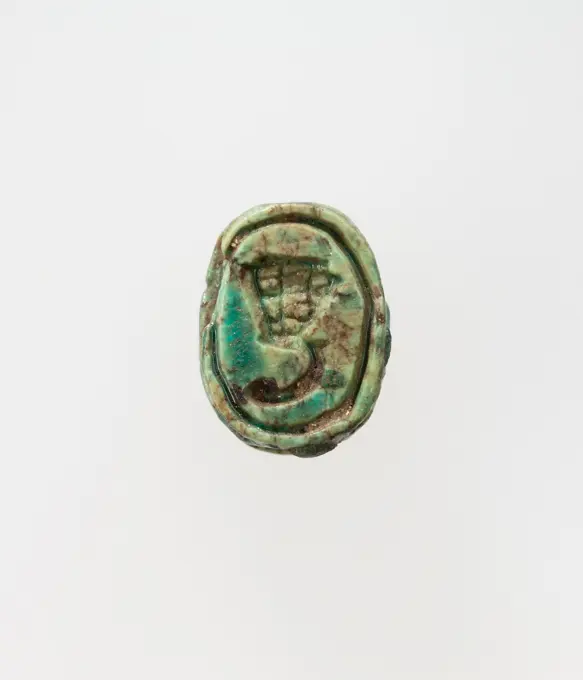
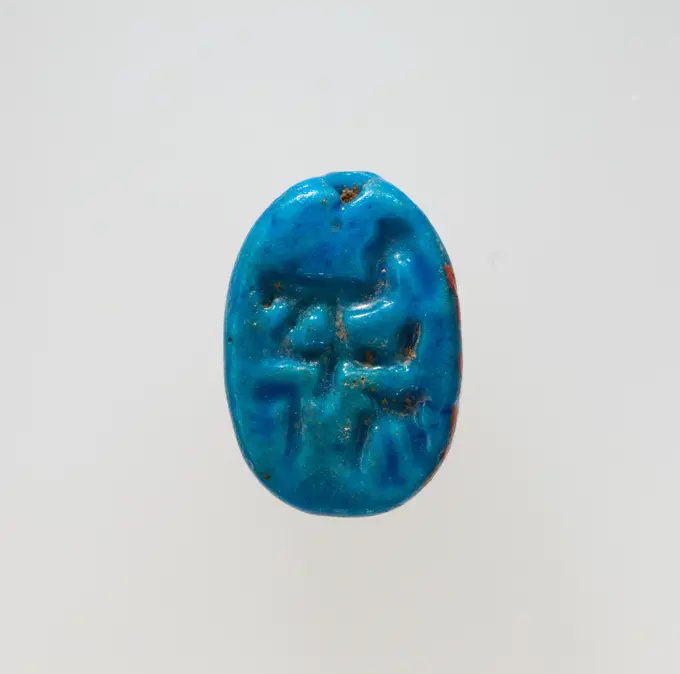
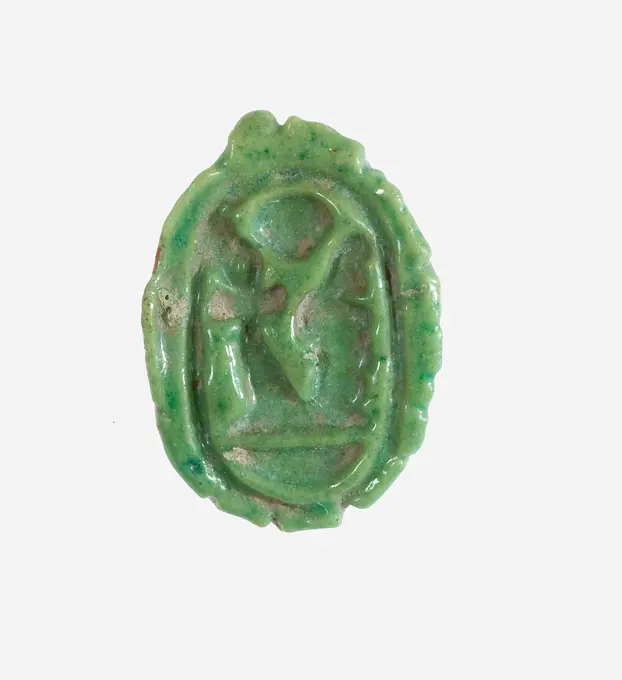
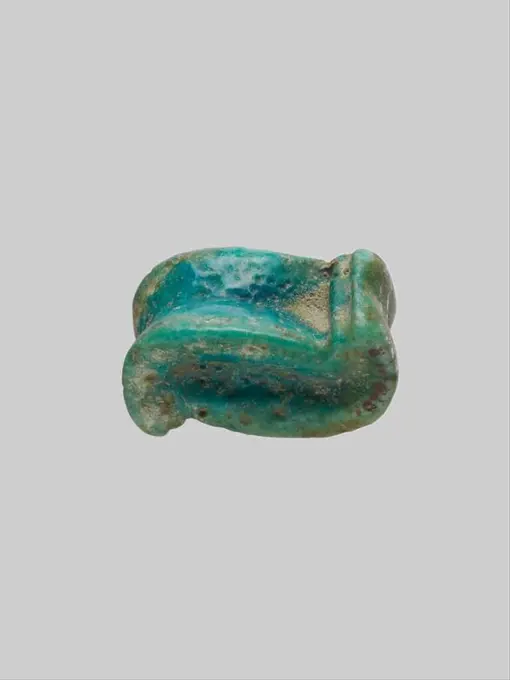
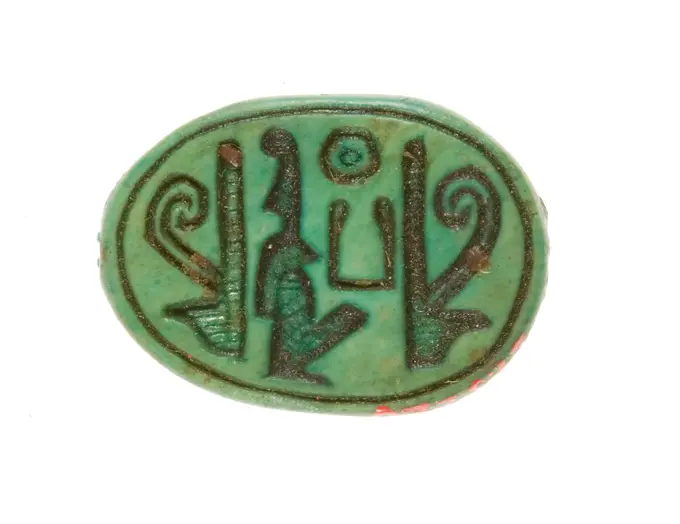
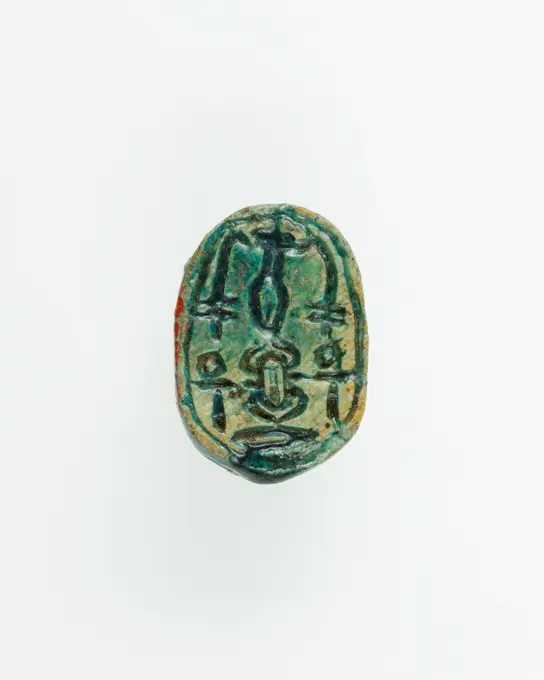
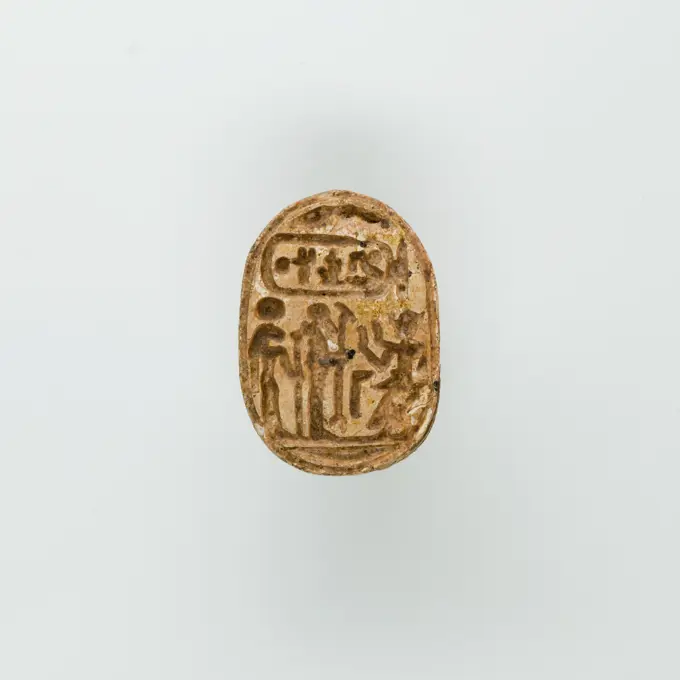
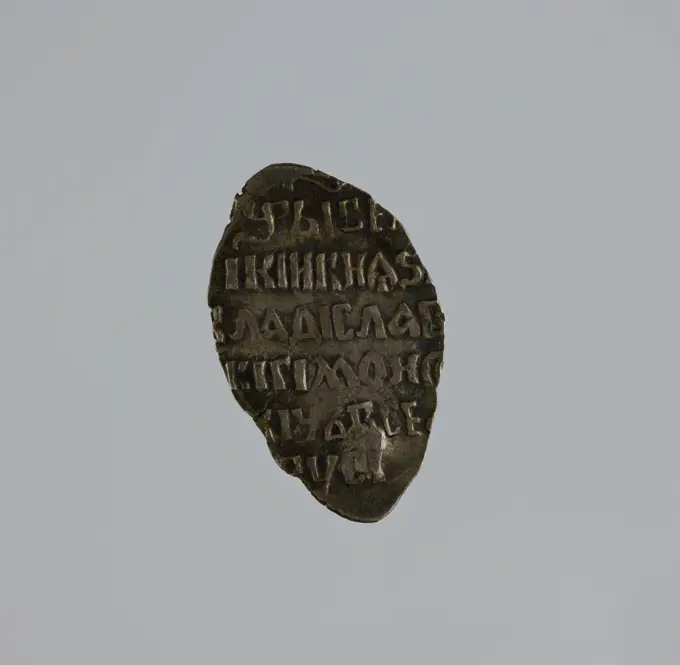
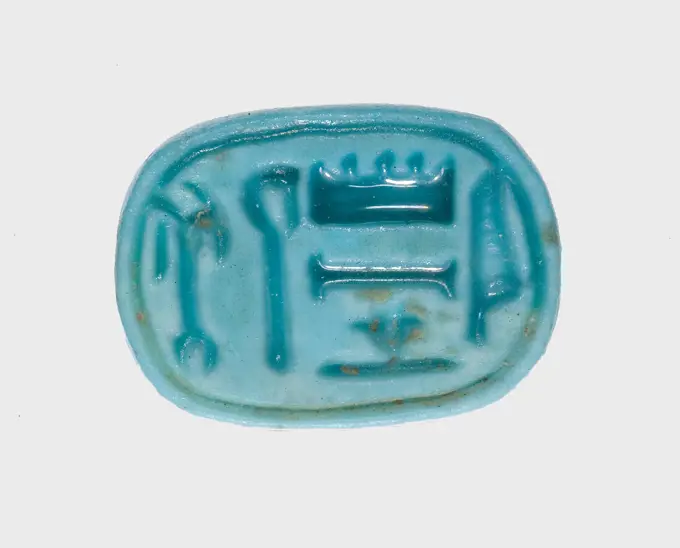
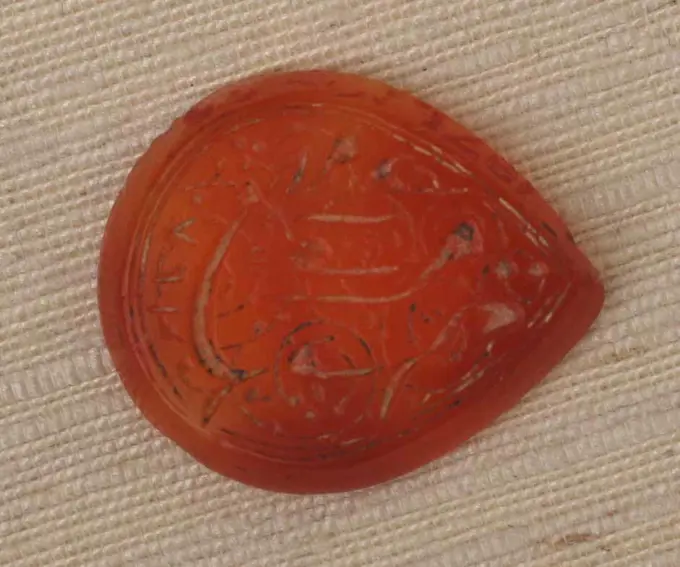
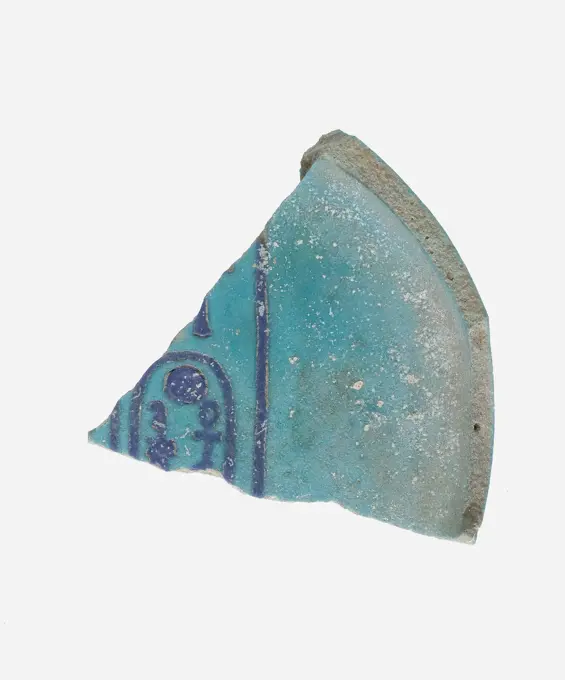
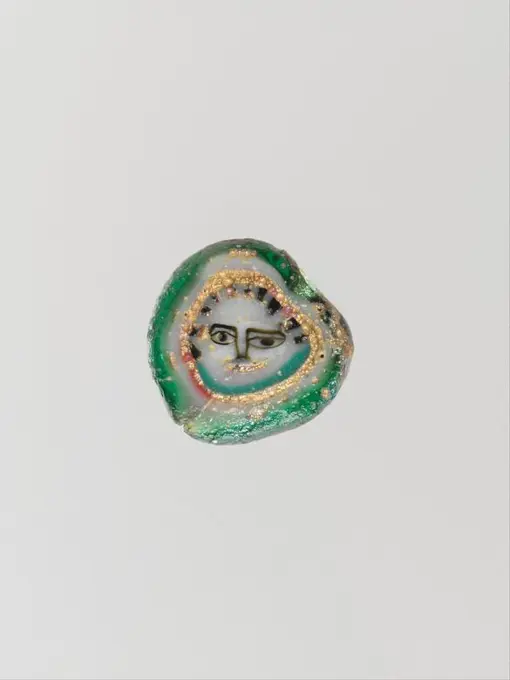
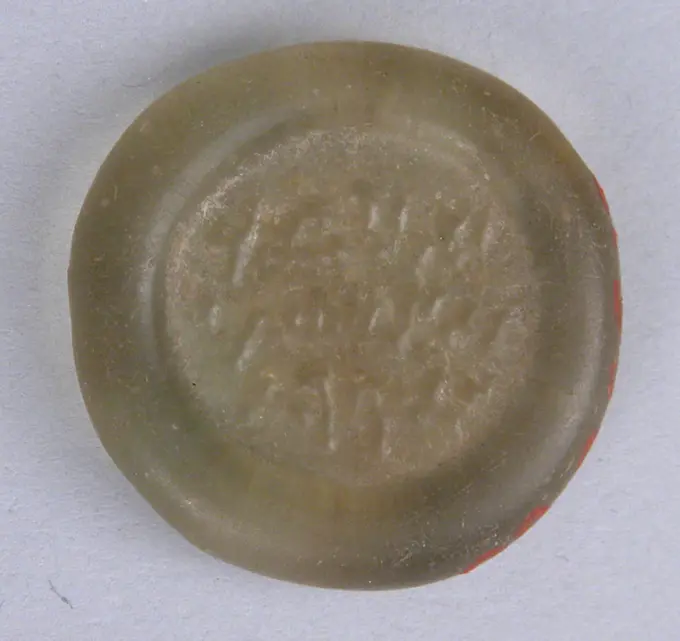
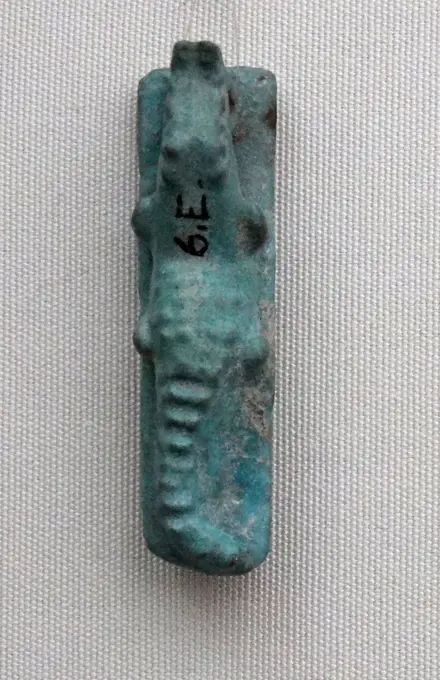
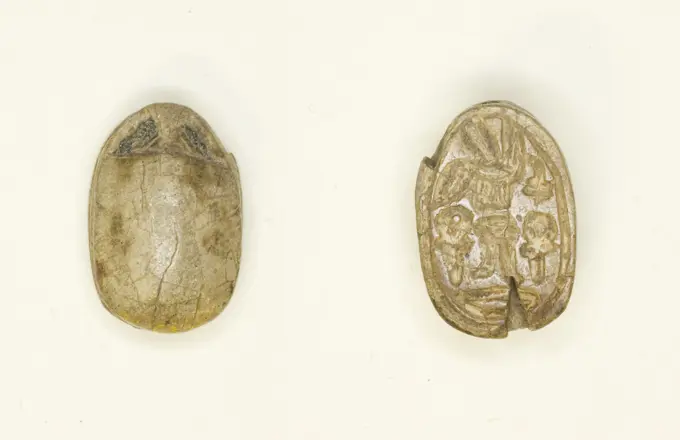
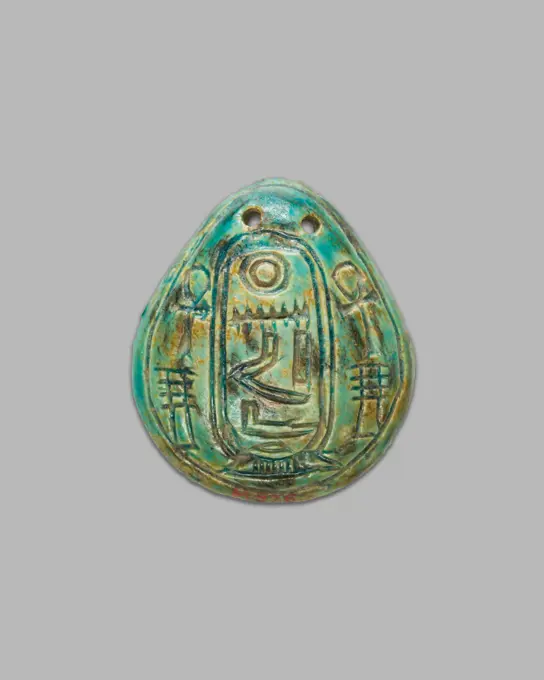
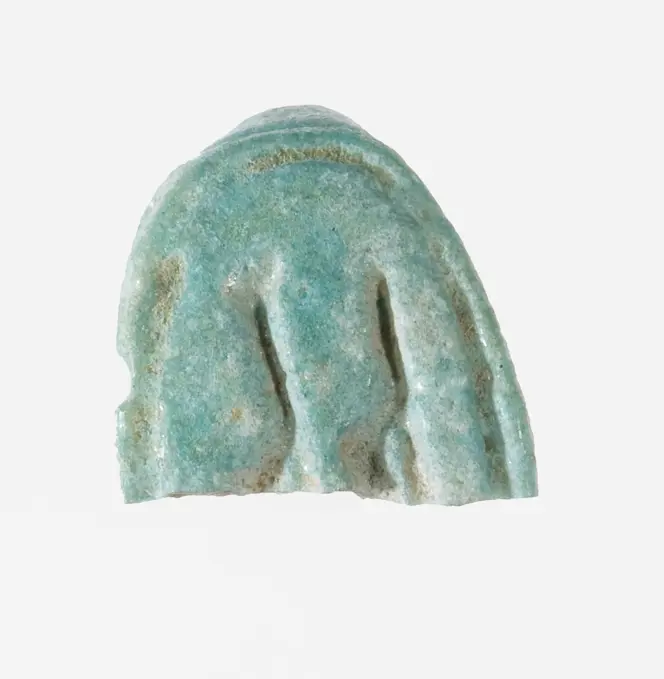
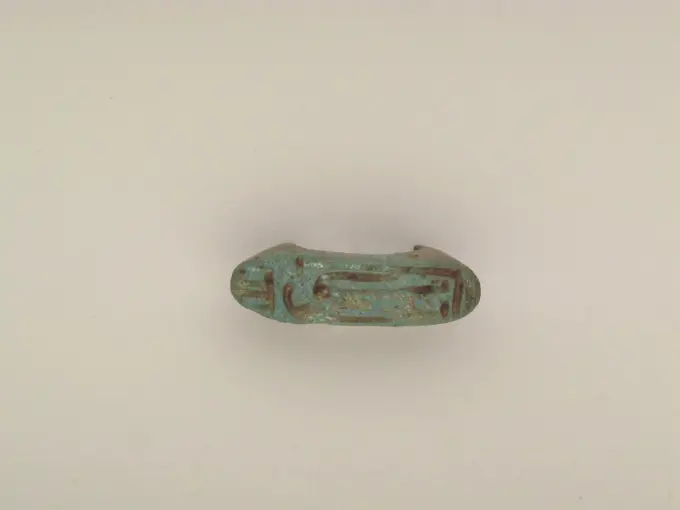
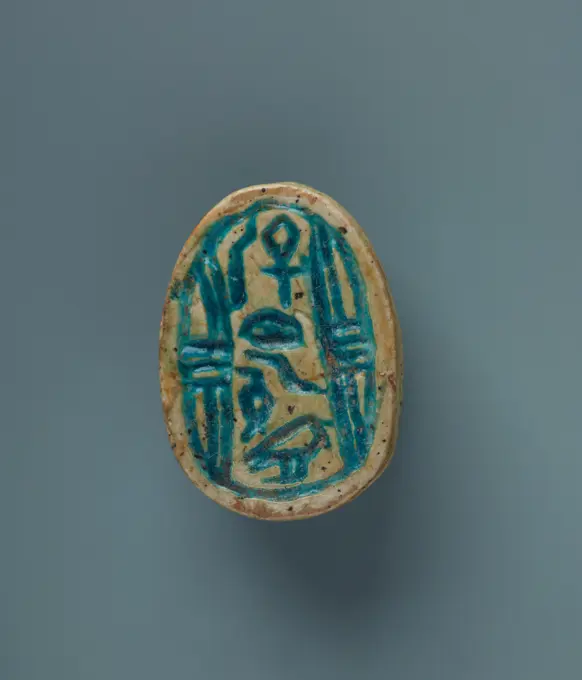
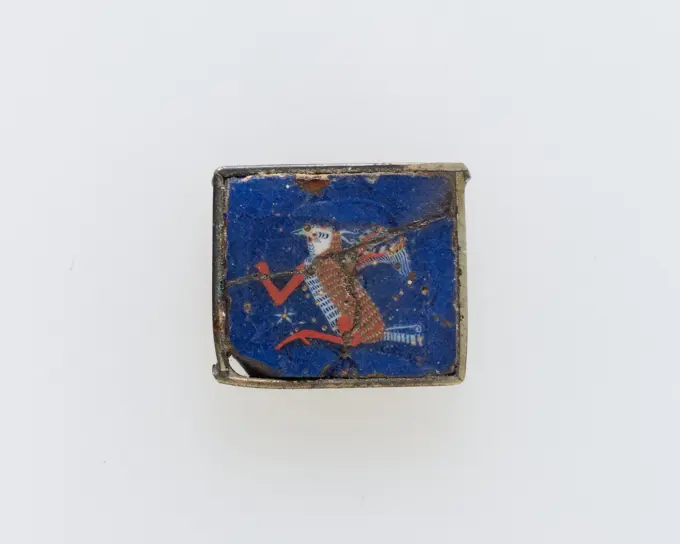
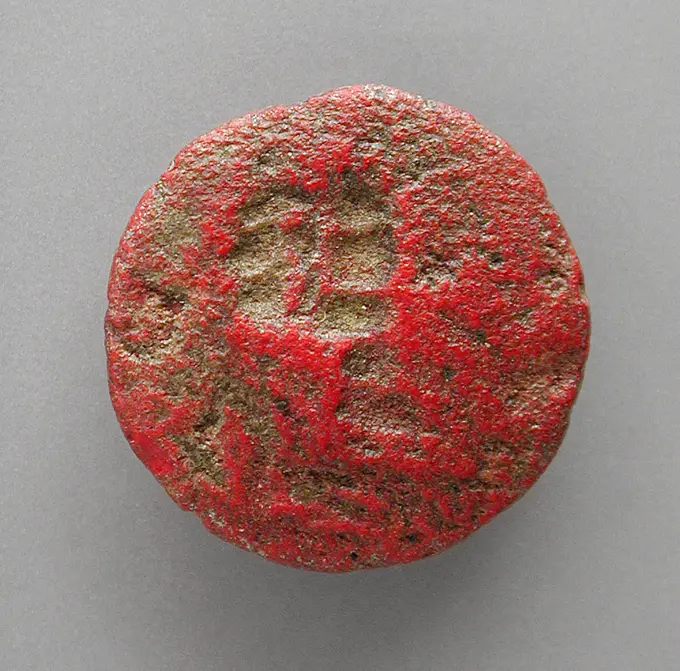
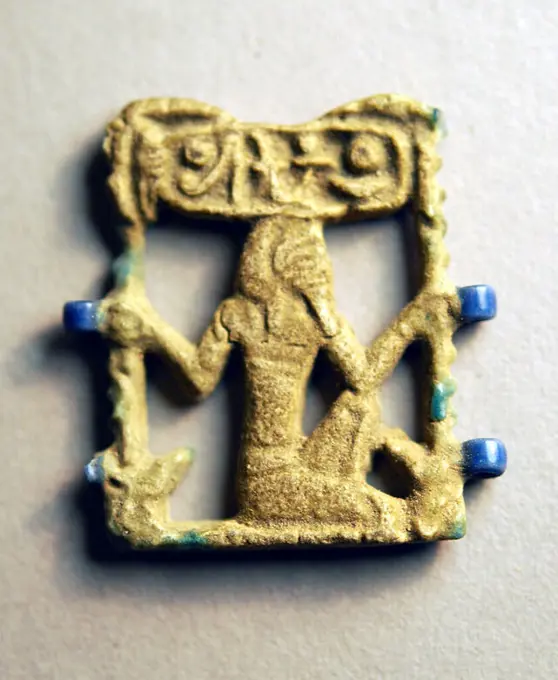
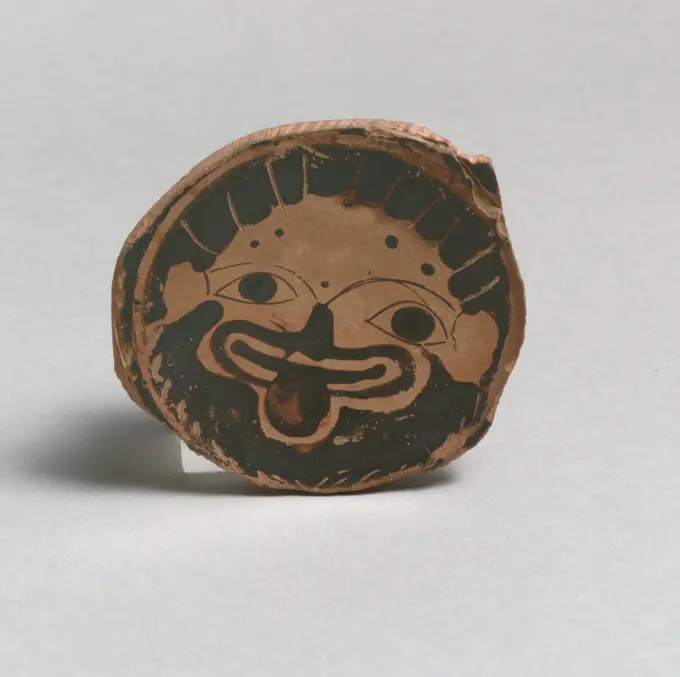
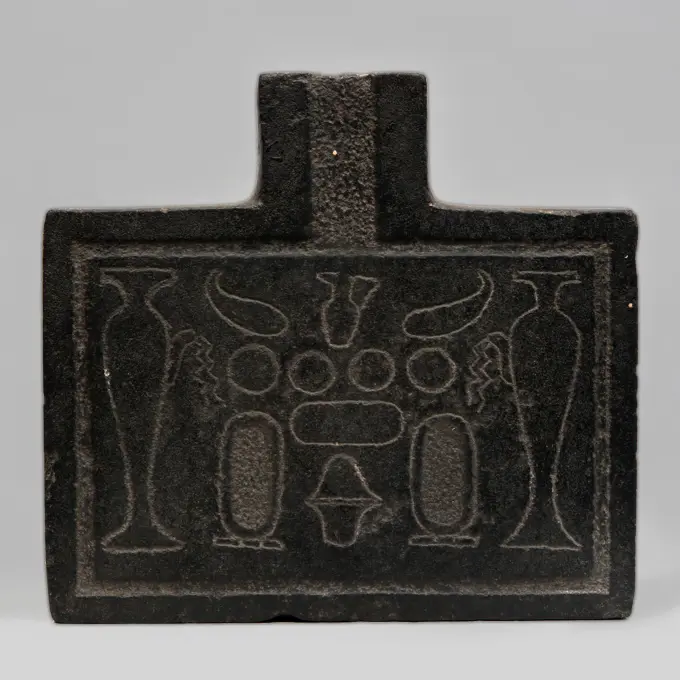
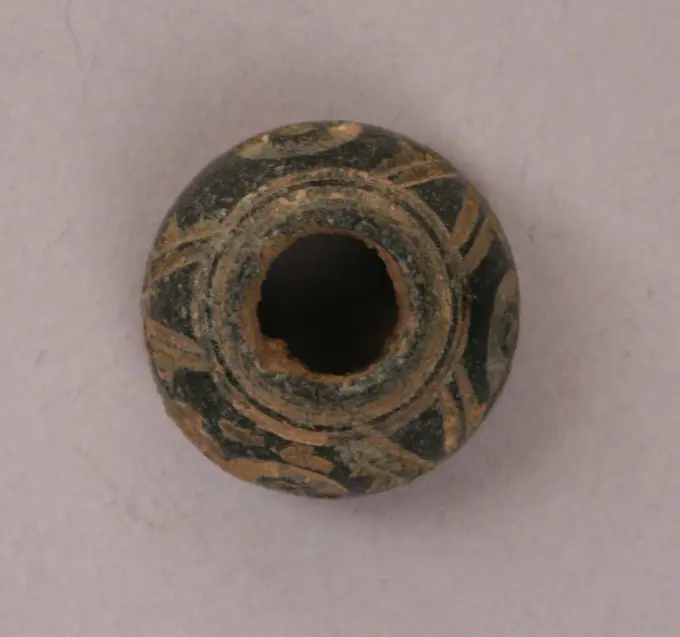
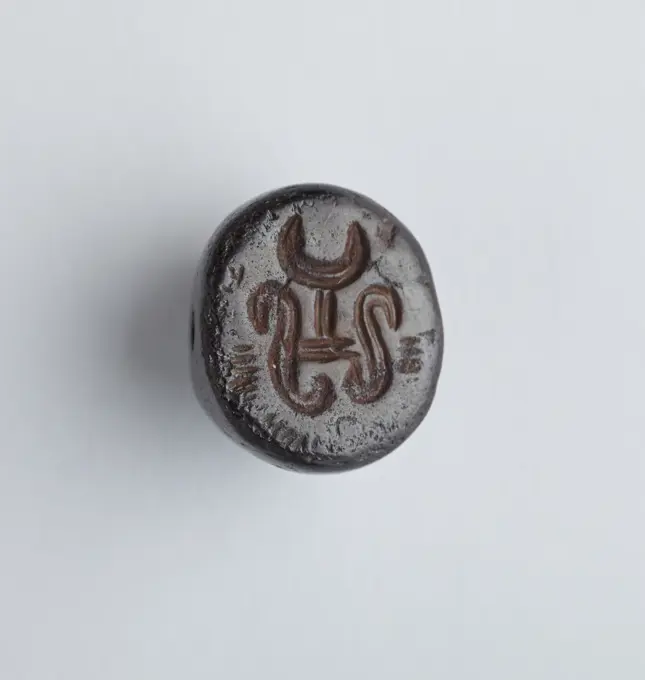
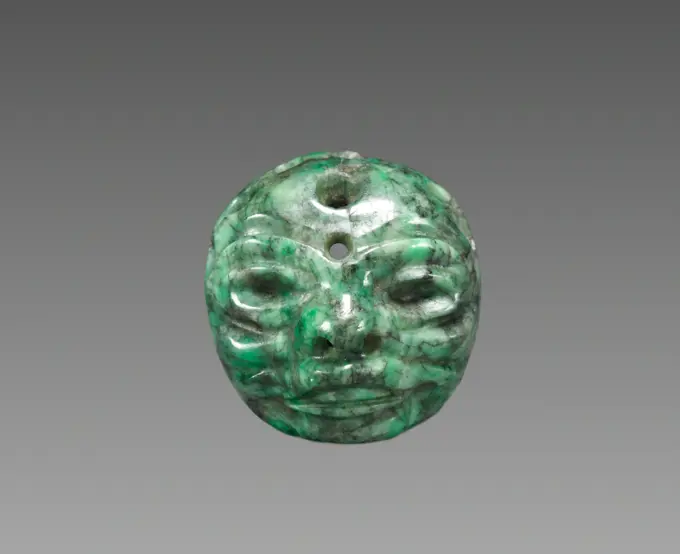
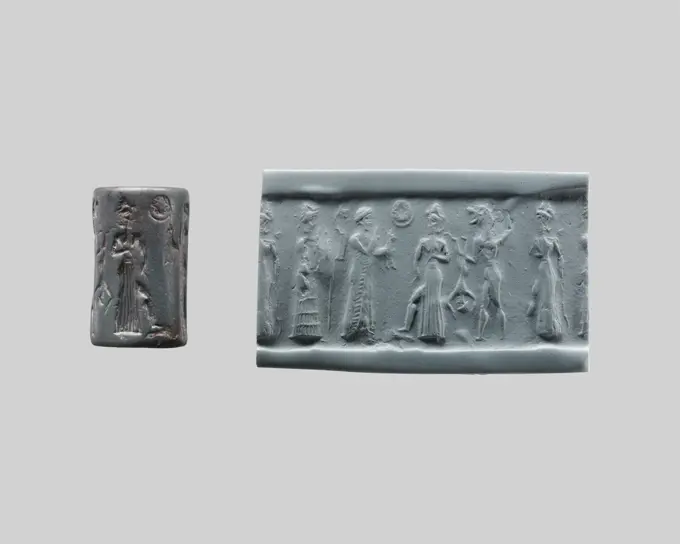
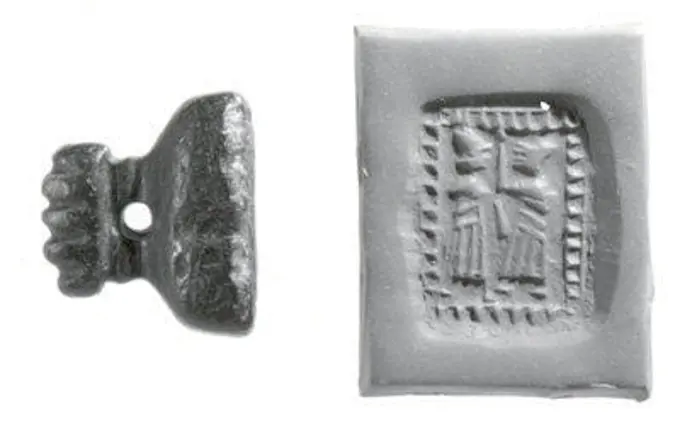
Scarab ca. 1550-1458 B.C. New Kingdom. Scarab. ca. 1550-1458 B.C.. Glazed steatite. New Kingdom. From Egypt, Upper Egypt, Thebes, Asasif, Carnarvon excavations, 1911 (). Dynasty 18, earlyScarab Inscribed King of Upper and Lower Egypt, Sobek Crocodile ca. 1479-1458 B.C. New Kingdom. Scarab Inscribed King of Upper and Lower Egypt, Sobek Crocodile. ca. 1479-1458 B.C.. Steatite (glazed). New Kingdom. From Egypt, Upper Egypt, Thebes, Deir el-Bahri, Temple of Hatshepsut, Foundation Deposit 7 (G), MMA excavations, 1926-27. Dynasty 18, earlyScarab Inscribed with the Throne Name of Thutmose III ca. 1479-1458 B.C. New Kingdom. Scarab Inscribed with the Throne Name of Thutmose III. ca. 1479-1458 B.C.. Steatite (glazed). New Kingdom. From Egypt, Upper Egypt, Thebes, Deir el-Bahri, Temple of Hatshepsut, Foundation Deposit 7 (G), MMA excavations, 1926-27. Dynasty 18, earlyScarab Inscribed with the Name Maatkare Over a Papyrus Thicket ca. 1479-1458 B.C. New Kingdom During the 1926-1927 excavation season, the Museum's Egyptian Expedition uncovered three foundation deposits along the eastern enclosure wall of Hatshepsut's funerary temple at Deir el-Bahri in Western Thebes. Among the contents were 299 scarabs and stamp-seals. Sixty-five of these are now in the Egyptian Museum, Cairo, and the rest were acquired by the Museum in the division of finds.Among the inscriptions on the bases of these scarabs and seals are examples of every title Hatshepsut held, from the time she was "king's daughter" during the reign of her father, Thutmose I; through the time she was queen of her half-brother, Thutmose II; and during her regency and co-reign with her nephew/step-son, Thutmose III.After the death of her husband, Hatshepsut became regent for her nephew who was a small child. The length of this regency period is uncertain, with estimates ranging from two to seven yeScaraboid: Cow Head with Rosette. Egyptian. Date: 1550 BC-1069 BC. Dimensions: 1.6 × 1.3 × 0.8 cm (5/8 × 1/2 × 5/16 in.). Faience. Origin: Egypt. Museum: The Chicago Art Institute, Chicago, USA. Author: Ancient Egyptian.SealFaience Scarab Depicting Thutmose IV Enthroned in the Solar Barque. Egypt, New Kingdom 18th-20th dynasties (1419 - 1080 BCE) or later. Sculpture. Blue-green faienceScarab of Ramesses II. Dimensions: L. 2 cm (13/16 in.). Dynasty: Dynasty 19-20. Date: ca. 1295-1070 B.C.. Museum: Metropolitan Museum of Art, New York, USA.Faience astragalos (knucklebone) 3rd-2nd century B.C. Greek, Egyptian Astragal.. Faience astragalos (knucklebone) 255300Scarab Inscribed Lord of the Two Lands Maatkare (Hatshepsut) ca. 1479-1458 B.C. New Kingdom. Scarab Inscribed Lord of the Two Lands Maatkare (Hatshepsut). ca. 1479-1458 B.C.. Steatite (glazed). New Kingdom. From Egypt, Upper Egypt, Thebes, Deir el-Bahri, Temple of Hatshepsut, Foundation Deposit 7 (G), MMA excavations, 1926-27. Dynasty 18, earlyScarab ca. 1479-1458 B.C. New Kingdom. Scarab. ca. 1479-1458 B.C.. Faience. New Kingdom. From Egypt, Upper Egypt, Thebes, Deir el-Bahri, Hatshepsut Hole, Hathor Shrine, MMA excavations, 1922-23. Dynasty 18Scarab ca. 1479-1458 B.C. New Kingdom. Scarab. ca. 1479-1458 B.C.. Blue faience. New Kingdom. From Egypt, Upper Egypt, Thebes, Deir el-Bahri, Hatshepsut Hole, Hathor Shrine, MMA excavations, 1922-23. Dynasty 18Scarabs Inscribed for the God's Wife Neferure ca. 1479-1458 B.C. New Kingdom. Scarabs Inscribed for the God's Wife Neferure. ca. 1479-1458 B.C.. Steatite, glazed. New Kingdom. From Egypt, Upper Egypt, Thebes, Deir el-Bahri, Temple of Hatshepsut, Foundation Deposit 7 (G), MMA excavations, 1926-27. Dynasty 18, earlyScarab ca. 1479-1458 B.C. New Kingdom. Scarab. ca. 1479-1458 B.C.. Faience. New Kingdom. From Egypt, Upper Egypt, Thebes, Deir el-Bahri, Hatshepsut Hole, Hathor Shrine, MMA excavations, 1922-23. Dynasty 18Scarab Inscribed with the Throne Name of Thutmose III ca. 1479-1458 B.C. New Kingdom. Scarab Inscribed with the Throne Name of Thutmose III. ca. 1479-1458 B.C.. Steatite (glazed). New Kingdom. From Egypt, Upper Egypt, Thebes, Deir el-Bahri, Temple of Hatshepsut, Foundation Deposit 7 (G), MMA excavations, 1926-27. Dynasty 18, earlyScarab Floral Motif 1650 BCE-1295 BCE Egypt. Glazed steatite . Ancient EgyptianScarab Inscribed with the Throne Name of Amenhotep III ca. 1390-1353 B.C. New Kingdom This scarab was made by pressing faience paste into a pottery mold. Before the paste was dry, a stamp inscribed with the throne name of Amenhotep III (Nebmaatre) was pressed onto the base, pushing some of the material over the edge of the mold. This excess material was never trimmed, leaving the ragged outline.. Scarab Inscribed with the Throne Name of Amenhotep III. ca. 1390-1353 B.C.. Faience. New Kingdom. From Egypt, Upper Egypt, Thebes, Malqata, Palace of Amenhotep III, MMA excavations, 1910-11. Dynasty 18Faience astragalos (knucklebone). Culture: Greek, Egyptian. Dimensions: H.: 1 in. (2.5 cm). Date: 3rd-2nd century B.C..Astragal. Museum: Metropolitan Museum of Art, New York, USA.Scarab Inscribed With a Hathor emblem ca. 1635-1458 B.C. Second Intermediate Period-Early New Kingdom. Scarab Inscribed With a Hathor emblem. ca. 1635-1458 B.C.. Blue faience. Second Intermediate Period-Early New Kingdom. From Egypt, Upper Egypt, Thebes, Asasif, Tomb CC 64, Burial 13, Carnarvon excavations, 1913. Dynasty 17-18Scarab ca. 1991-1450 B.C. Second Intermediate Period-Early New Kingdom. Scarab. ca. 1991-1450 B.C.. Glazed steatite. Second Intermediate Period-Early New Kingdom. From Egypt, Upper Egypt, Thebes, Asasif, Tomb CC 62, Burial G, Carnarvon excavations. Dynasty 17-18Scarab Inscribed with the Name Maatkare (Hatshepsut) Flanked by Two Red Crowns ca. 1479-1458 B.C. New Kingdom During the 1926-1927 excavation season, the Museum's Egyptian Expedition uncovered three foundation deposits along the eastern enclosure wall of Hatshepsut's funerary temple at Deir el-Bahri in Western Thebes. Among the contents were 299 scarabs and stamp-seals. Sixty-five of these are now in the Egyptian Museum, Cairo, and the rest were acquired by the Museum in the division of finds.Among the inscriptions on the bases of these scarabs and seals are examples of every title Hatshepsut held, from the time she was "king's daughter" during the reign of her father, Thutmose I; through the time she was queen of her half-brother, Thutmose II; and during her regency and co-reign with her nephew/step-son, Thutmose III.After the death of her husband, Hatshepsut became regent for her nephew who was a small child. The length of this regency period is uncertain, with estimates ranging fromScarab Inscribed with Hieroglyphs ca. 1640-1550 B.C. Second Intermediate Period The scarab is inscribed with a symmetric arrangement of hieroglyphs, not meant to form words but chosen instead for their positive meaning. Such compositions are particularly prevalent on design scarabs of the late Middle Kingdom (late Dynasty 12-Dynasty 13, ca. 1850 -1640 B.C.). They serve as models for the wide array of variations seen on Egyptian scarabs of the Second Intermediate Period (Dynasty 14-17, ca. 1640-1550 B.C.) and on Canaanite scarabs (Middle Bronze Age IIB-IIC, ca. 1700-1500 B.C.).. Scarab Inscribed with Hieroglyphs. ca. 1640-1550 B.C.. Green glazed steatite. Second Intermediate Period. From Egypt, Memphite Region, Lisht North, cemetery north of the tomb of Senwosret (758), Pit 830, fill of pit near top, MMA excavations, 1908-09Hematite intaglio: Isis and Harpocrates 3rd century A.D. Roman. Hematite intaglio: Isis and Harpocrates 245139Carnavalet Museum, Medals CollectionScarab Uraeus with Lotus 1550 BCE-1068 BCE Egypt. Glass ( ) . Ancient EgyptianScarab Inscribed King's Daughter ca. 1479-1458 B.C. New Kingdom. Scarab Inscribed King's Daughter. ca. 1479-1458 B.C.. Egyptian blue. New Kingdom. From Egypt, Upper Egypt, Thebes, Deir el-Bahri, Temple of Hatshepsut, Foundation Deposit 7 (G), MMA excavations, 1926-27. Dynasty 18, earlyScarab of Ramesses II ca. 1295-1070 B.C. New Kingdom, Ramesside. Scarab of Ramesses II 550333False Coin, Kopeck, Ladislaus IV Vasa (1633 1648)Plaque Inscribed With the Names of Amenhotep III ca. 1390-1353 B.C. New Kingdom This oval plaque has been inscribed with the two most commonly recorded names of Amenhotep III: his throne name, Nebmaatre, and his personal name, Amenhotep, which is accompanied by the epithet Ruler of Thebes.. Plaque Inscribed With the Names of Amenhotep III. ca. 1390-1353 B.C.. Mica schist, glazed. New Kingdom. From Egypt, Upper Egypt, Thebes, Malqata, Houses G-K, MMA excavations, 1910-11. Dynasty 18Stamp Seal in the Shape of a Duck. Dimensions: L. 1 cm (3/8 in.); W. 0.9 cm (3/8 in.); H. 0.7 cm (1/4 in.). Dynasty: Dynasty 18. Date: ca. 1550-1295 B.C..This seal-amulet has been carved into the form of a sleeping duck. The base is inscribed with an emblem of the goddess Hathor. Museum: Metropolitan Museum of Art, New York, USA.Scarab ca. 1981-1550 B.C. Middle Kingdom-Second Intermediate Period. Scarab 545747Greece, Sarmacja, Olmia, around the first half of the second century BC, AE MintScarab ca. 1479-1458 B.C. New Kingdom. Scarab. ca. 1479-1458 B.C.. Faience. New Kingdom. From Egypt, Upper Egypt, Thebes, Deir el-Bahri, Hatshepsut Hole, Hathor Shrine, MMA excavations, 1922-23. Dynasty 18Greece, Asian Bospor, Giftaria, Late III ii Century BC, Bronze (AE) FanagoriaBrakedate Halter; 15th century (1401-00-00-1500-00-00);Potocki, Andrzej (1861-1908), Dzik's head (iconogr.), Unilateral coins, city coinsHand Guard, Umetada Shichiza, 1675-1725 Mokko-shaped tsuba with slightly raised edge; openwork decoration of two tatebin pods in a kidney -shaped field; Details in gold nunome-zogan; Signed "Yamashiro mo kuni ju umetada shichiza". Japan iron (metal). gold (metal). silver (metal) Mokko-shaped tsuba with slightly raised edge; openwork decoration of two tatebin pods in a kidney -shaped field; Details in gold nunome-zogan; Signed "Yamashiro mo kuni ju umetada shichiza". Japan iron (metal). gold (metal). silver (metal)Scarab Inscribed Hatshepsut United with Amun ca. 1479-1458 B.C. New Kingdom During the 1926-1927 excavation season, the Museum's Egyptian Expedition uncovered three foundation deposits along the eastern enclosure wall of Hatshepsut's funerary temple at Deir el-Bahri in Western Thebes. Among the contents were 299 scarabs and stamp-seals. Sixty-five of these are now in the Egyptian Museum, Cairo, and the rest were acquired by the Museum in the division of finds.Among the inscriptions on the bases of these scarabs and seals are examples of every title Hatshepsut held, from the time she was "king's daughter" during the reign of her father, Thutmose I; through the time she was queen of her half-brother, Thutmose II; and during her co-reign with her nephew/step-son, Thutmose III.On the base of this scarab, Hatshepsut's personal name (Hatshepsut) is written with the phrase "united with Amun," thus linking her with the principal god of Thebes whom she claimed as her father. This augmented persRing with Hieroglyphs 1550 BCE-656 BCE Egypt. Faience . Ancient EgyptianScarab ca. 1492-1479 B.C. New Kingdom. Scarab 552426Stamp Seal, Tabloid. Iran, Bactria or Mesopotamia, circa 2nd millennium B.C.. Tools and Equipment; seals. Black serpentineScarab with kneeling Nile god before obelisk ca. 1295-1070 B.C. New Kingdom or early Third Intermediate Period The underside of the scarab shows the Nile god Hapy, identified by his headdress of papyrus stalks. He is the personification of the annual inundation and therefore also one of the ancient Egyptian fertility gods. He sits on his knees, offering a hes-vase, the hieroglyph of praise, while he faces an obelisk. The obelisk is one of the symbols of the sun god and can thus stand for Amun. Within the monument, however, one can also discern small hieroglyphs forming the throne name of pharaoh Thutmose III, Menkheperre (Dynasty 18, ca. 1479-1425 B.C.). He was venerated after his death and the name of this great ruler continues to appear on stamp seals long after his reign, even into the Late Period (ca. 664-525 B.C.).. Scarab with kneeling Nile god before obelisk 553438Seal Stamp dated A.H. 1270/ A.D. 1853-54. Seal Stamp 452246Buckle, 500s. Ostrogothic, Migration period, 6th century. Bronze, gold foil, traces of gilding and glass; overall: 5.5 x 4.4 cm (2 3/16 x 1 3/4 in.).Fragment of Toilet Dish ca. 1390-1353 B.C. New Kingdom. Fragment of Toilet Dish. ca. 1390-1353 B.C.. Faience. New Kingdom. From Egypt, Upper Egypt, Thebes, Malqata, Palace of Amenhotep III, MMA excavations, 1910-12. Dynasty 18StampScarab ca. 1635-1458 B.C. Second Intermediate Period-Early New Kingdom. Scarab. ca. 1635-1458 B.C.. Steatite (glazed). Second Intermediate Period-Early New Kingdom. From Egypt, Upper Egypt, Thebes, Asasif, Courtyard CC 41, Tomb R 2, Burial G 2 (or G 1), On body, MMA excavations, 1915-16. Dynasty 17-Early Dynasty 18Brakedate Halter; 15th century (1401-00-00-1500-00-00);Dzik's head (iconogr.), Unilateral coins, city coinsPlaque 7th century Frankish. Plaque 465546 Frankish, Plaque, 7th century, Copper alloy, silvered, Overall: 7/8 x 1/2 x 3/16 in. (2.2 x 1.3 x 0.4 cm). The Metropolitan Museum of Art, New York. Gift of J. Pierpont Morgan, 1917 (17.193.225)Cylindrical sealGlass mosaic face bead. Culture: Roman, Eastern Mediterranean. Dimensions: Diam.: 1/2 in. (1.2 cm). Date: 1st century B.C.-1st century A.D..Translucent deep blue green ground, with details in opaque white, red, and grayish green, and translucent purple, appearing black.Section of an irregular oval mosaic composite bar; flat with rough edges; hole diagonally through bead.Circular face, with variations on either side; hair rendered as alternating vertical black and white stripes on forehead; almond-shaped eyes, eyebrows, nose, and slit mouth in black; green stripe around chin with traces of red; circular frame in white.Intact; pitting and severe weathering of some details. Museum: Metropolitan Museum of Art, New York, USA.Coin Weight 11th century. Coin Weight 445369Crocodile amulet to provide magical protection against crocodile attacksScarab Hieroglyphs (nsw-bity, Dd, anx, nb) 1985 BCE-1650 BCE Egypt. Steatite . Ancient EgyptianMint: Cyzicus, Hekte (1/6 Stater) fromCyzicus, 500-460B.C.?, Electrum, 2.64 g, 10.6mm, Made in Cyzicus, Mysia, Greek, 5th century B.C., NumismaticsRectangular Plaque middle of 6th century Frankish. Rectangular Plaque. Frankish. middle of 6th century. Copper alloy, silvered. Metalwork-Copper alloyShell amulet inscribed with the name of Amenemhat III ca. 1981-1550 B.C. Middle Kingdom-Second Intermediate Period This amulet has been inscribed wtih the prenomen (throne name) of Amenemhat III, Nimaatre, flanked by djed pillars, symbolizing stability, and ankhs, meaning life. A number of actual oyster shells polished and engraved with royal names of the Middle Kingdom are known, and these are thought to have been worn by military personnel as pendants. This example, although smaller and of a different material is, like the shell examples, pierced with two holes so that it could be hung from a string.. Shell amulet inscribed with the name of Amenemhat III. ca. 1981-1550 B.C.. Glazed steatite. Middle Kingdom-Second Intermediate Period. From Egypt. Dynasty 12-17Ring Fragment with last letter of name Tiy ca. 1390-1353 B.C. New Kingdom. Ring Fragment with last letter of name Tiy. ca. 1390-1353 B.C.. Faience, pale blue. New Kingdom. From Egypt, Upper Egypt, Thebes, Malqata, Palace of Amenhotep III, MMA excavations, 1910-11. Dynasty 18Glass ring stone. Culture: Greek. Dimensions: Length: 1 1/4 in. (3.2 cm). Date: ca. 3rd-2nd century B.C..Aphrodite leaning on a column, holding a flower. Museum: Metropolitan Museum of Art, New York, USA.Ring, glazed signet. Ring, glazed signet. Clay, glazed. Gold and SilverDenar - Brakteat na Ladownictwo; 14th century (1301-00-00-1345-00-00);Commemoration of the Siege of Magdeburg. Diamond-shaped emergency worth of 2 dukates. Front: in a round stamp: standing St. Maurits with banner in left and coat of arms in right hand between letters S and M; In corners, with clock: letters C, E, B and I..Anthropomorphic figurines Limestone, marble and ceramic Second Half of the third Millennium BC.ScarabStamp ca. 1802-1640 B.C. Middle Kingdom. Stamp 557333Hearing stone with a mascaron between two fruiting sines, anonymous, c. 1575 - c. 1600 Hearing stone with a mascaron between two fruiting sines, the whole surrounded by a fruit festival. Antwerp (possibly) earthenware Hearing stone with a mascaron between two fruiting sines, the whole surrounded by a fruit festival. Antwerp (possibly) earthenwareInlay, rekhyt bird 100 BC-100 AD Ptolemaic Period-Roman Period A mosaic glass technique allowed multiples of an image to be created: a figural or design composition was made by bundling colored glass canes, which were then drawn out into a long bar. The bar was then sectioned at right angles, probably by striking the bar with appropriate tools, to produce small inlay tiles. The tile would then be smoothed and polished on the face intended to appear outwards.Such elements could also be used side by side to create repeating patterns.. Inlay, rekhyt bird. 100 BC-100 AD. Glass. Ptolemaic Period-Roman Period. From EgyptIntaglio. Eastern Mediterranean, Graeco-Roman or Gnostic, 332 B.C.E.-C.E.395. Tools and Equipment; seals. GlassRelief chalice rim fragment with a wedjat frieze and below that a Hathor sistrum head emerging from papyrus plants. Dimensions: 4.2 cm (1 5/8 in.). Dynasty: Dynasty 21-24. Date: ca. 1070-712 B.C..The fragment has been joined to 2010.9. Museum: Metropolitan Museum of Art, New York, USA.Bonk from 2 pennies of the VOC, 1798, United Oostindische Compagnie, 1798 coin Copper rectangular mint. Front: Within a rectangular list of pearls value indication 2 S. Down side: within a rectangular list of pearls year. Batavia copper (metal) striking (metalworking)  East-IndiaBadge (probably from Horse Harness). Culture: Spanish. Dimensions: H. 3 in. (7.6 cm); W. 2 5/8 in. (6.7 cm); Wt. 1.5 oz. (42.5 g). Date: 15th century. Museum: Metropolitan Museum of Art, New York, USA.Ankh Ring Fragment ca. 1390-1353 B.C. New Kingdom. Ankh Ring Fragment. ca. 1390-1353 B.C.. Faience, blue. New Kingdom. From Egypt, Upper Egypt, Thebes, Malqata, Palace of Amenhotep III, MMA excavations, 1910-11. Dynasty 18Denar - Brakteat; approx. 1307/1308- 1317/1318 (1307-00-00-1318-00-00);Pendant in the form of a vase. Culture: Greek. Dimensions: Other: 9/16 in. (1.4 cm). Date: 5th-4th century B.C..Gold pendant in the form of a vase. Museum: Metropolitan Museum of Art, New York, USA.Fish Ornament. Culture: Peru; central coast (). Dimensions: L. 1 3/8 in. (3.5 cm). Date: 11th-12th century. Museum: Metropolitan Museum of Art, New York, USA.Heh amulet with the Name of Amenhotep III. Dimensions: H. 2.7 cm (1 1/16 in); w. 2.5 cm (1 in); th. 0.3 cm (1/8 in). Dynasty: Dynasty 18. Reign: reign of Amenhotep III. Date: ca. 1390-1352 B.C.. Museum: Metropolitan Museum of Art, New York, USA.Kylix fragment Greek, Attic 2nd half of the 6th century BCE Interior, Gorgon's head.Scarabs with the Name of the Hyksos King Sheshi ca. 1700 B.C. Second Intermediate Period. Scarabs with the Name of the Hyksos King Sheshi. ca. 1700 B.C.. Glazed steatite. Second Intermediate Period. From Egypt, Eastern Delta. Dynasty 14Hundred Sacrifice Nesichnum;  332-30 BC ; Ptolemean period (-332-00-00--30-00-00);Nesichnum (CA 332-30 A.CH.), breads, sacrificial formulas, hieroglyphs, cartouches, ritual vessels (iconogr.), VaseButton or Bead 9th-10th century This object was excavated at Nishapur.Nishapur was a vital city in the early and middle Islamic periods, located along one of the main trajectories that connected Iran and West Asia Islamic lands with Central Asia and China. These itineraries are often referred to by the term Silk routes’ but were in fact crucial to the movement of constellations of materials and objects, as well as people and ideas. The diverse population of Nishapur and its surroundings, from the better-researched elite groups of merchants, land-owning aristocracy, and literates, to the less-known artisans, farmers, miners, and servants, were instrumental in adapting global cultural trends to create their own distinctive visual languages. This is seen in the material remains of everyday life in medieval Nishapur - from pots and pans to lighting devices, inkwells, textiles and trimmings, jewelry, games and toys, talismanic devices, weapons, coins, and architectural fragments.Nishapur lStampScarab Cross Pattern 1550 BCE-1295 BCE Egypt. Glazed steatite . Ancient EgyptianMask Ornament, c. 900-400 BC. Mexico, Olmec, 1200-300 BC. Jade; overall: 2.4 x 2.3 cm (15/16 x 7/8 in.).Denar - Brakteat; 2 after. XIII century (1233-00-00-1299-00-00);bracteate denarius. Zakon krzyżacki (1190-), issuerRing. UnknownMameita Gin = Silver Boontje from 1 BU of the Empire Japan, from the 17th, 18th and 19th centuries to 1865 ,, 1600 - 1836 coin Silver elongated mint. Front: part of a formal inscription with era indication: or: "God of the multi-feature symbol with on his belly era indication. Touring side: smooth.  silver (metal) striking (metalworking)Stamp seal ca. 3rd-7th century A.D. Sasanian. Stamp seal. Sasanian. ca. 3rd-7th century A.D.. Carnelian. Sasanian. IranSeal China. Seal 41036Badge or Harness Pendant 14th century Spanish Heraldry, or coat-of-arms, were vitally important in Europe throughout the Middle Ages and the Renaissance. Heraldic emblems were used to identify noble families, cities, regions, and even countries. In addition to being displayed on shields and flags, heraldry was incorporated into architectural decoration on the interior and the exterior of buildings, on furniture, works of art, clothing, and horse equipment. Harness pendants, like this example, would have been attached to a headstall, bridle, or other straps making up the tack of a horse ridden by a nobleman or noblewoman, or a member of their household. Many harness pendants also have decoration that is simply ornamental, or have symbols that are not specifically heraldic in nature.. Badge or Harness Pendant. Spanish. 14th century. Copper. Miscellaneous-BadgesIntaglio. Eastern Mediterranean, Graeco-Roman or Gnostic, 332 B.C.E.-C.E.395. Tools and Equipment; seals. GlassImpression Of Seal Cylinder; 1902-20-19Scarab of Sithathoryunet with the Name of Amenemhat III. Dimensions: l. 1.7 cm (11/16 in). Dynasty: Dynasty 12. Reign: reign of Senwosret II-Amenemhat III. Date: ca. 1887-1813 B.C.. Museum: Metropolitan Museum of Art, New York, USA.Solid Undecorated Bangle 4000 B.C.-A.D. 400 Thailand. Solid Undecorated Bangle 53370Seal Impression 8th-10th century. Seal Impression. 8th-10th century. Earthenware; green slip covered, unglazed. Excavated in Iran, Nishapur. CeramicsMounted Scarab Incised with Nefer Sign in Scroll Border ca. 1850-1640 B.C. Middle Kingdom The majority of design scarabs of the late Middle Kingdom (late Dynasty 12-Dynasty 13, ca. 1850-1640 B.C.) are decorated with symmetric compositions of protective hieroglyphs and/or scrolls. Decorative scroll borders are very popular and enclose one or more hieroglyphs, which usually include the sign for good and beautiful (nefer).. Mounted Scarab Incised with Nefer Sign in Scroll Border 557096Cylinder seal ca. 19th-16th century B.C. Babylonian Although engraved stones had been used as early as the seventh millennium B.C. to stamp impressions in clay, the invention in the fourth millennium B.C. of carved cylinders that could be rolled over clay allowed the development of more complex seal designs. These cylinder seals, first used in Mesopotamia, served as a mark of ownership or identification. Seals were either impressed on lumps of clay that were used to close jars, doors, and baskets, or they were rolled onto clay tablets that recorded information about commercial or legal transactions. The seals were often made of precious stones. Protective properties may have been ascribed to both the material itself and the carved designs. Seals are important to the study of ancient Near Eastern art because many examples survive from every period and can, therefore, help to define chronological phases. Often preserving imagery no longer extant in any other medium, they serve as a visuaRing with Animal Mask 2000 BCE-1500 BCE China. Jade .Cover of a Reliquary Container with the Virgin and Child on the Crescent Moon. South German. Date: 1480. Dimensions: Diameter: 4.8 cm (1 7/8 in.). Mother-of-pearl. Origin: Germany, southern. Museum: The Chicago Art Institute, Chicago, USA.Engraved Gem. UnknownPyramidal stamp seal with hammer-head handle 2nd millennium B.C.. Pyramidal stamp seal with hammer-head handle. 2nd millennium B.C.. Black chlorite. Hittite Empire, Middle Hittite. Anatolia