Ancient Egyptian Scarabs

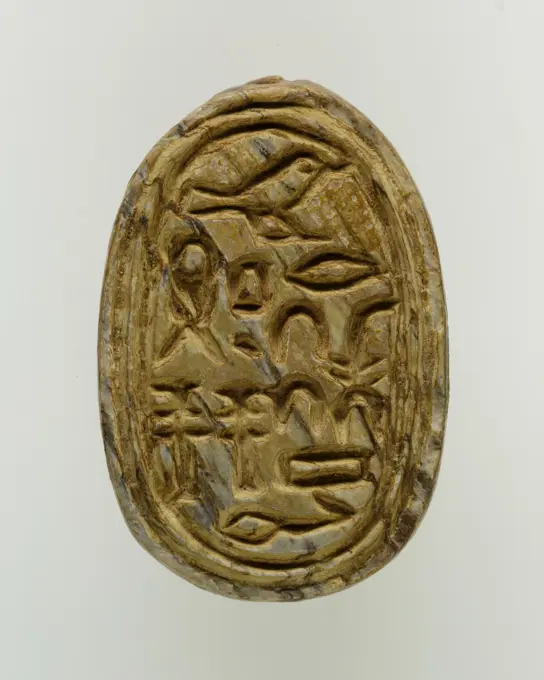
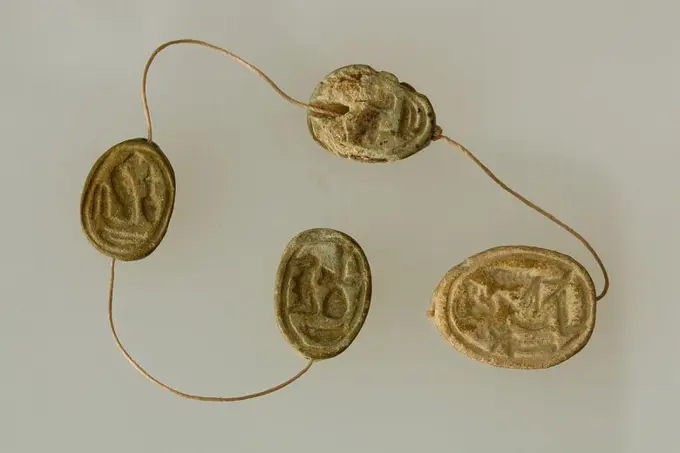
A series of scarab artifacts from ancient Egypt, showcasing intricate designs and historical inscriptions.

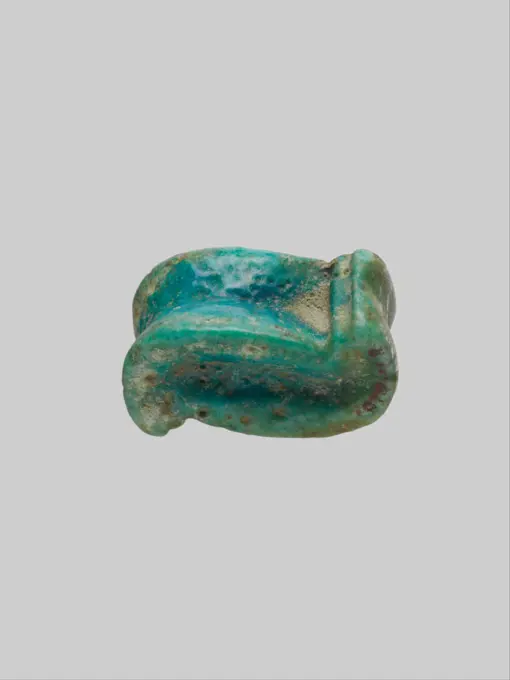
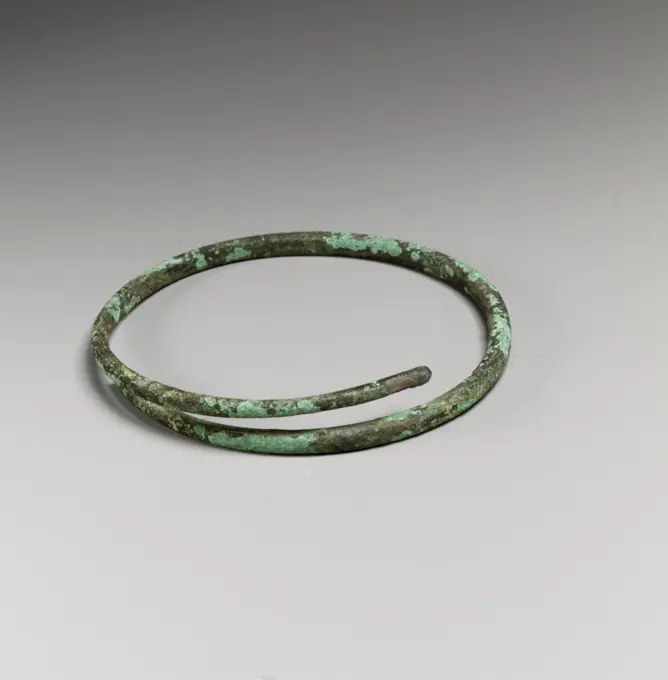
Faience astragalos (knucklebone) 3rd-2nd century B.C. Greek, Egyptian Astragal.. Faience astragalos (knucklebone) 255300
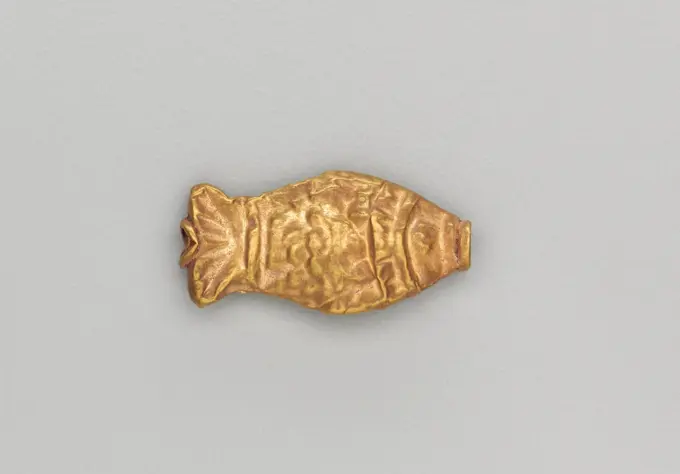
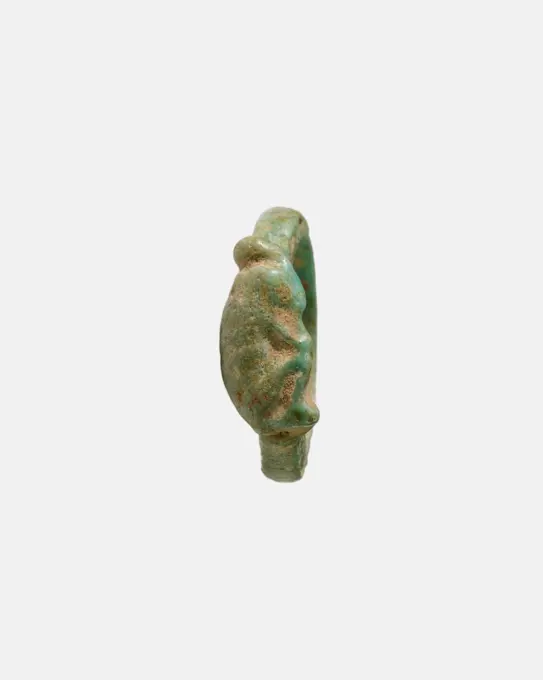
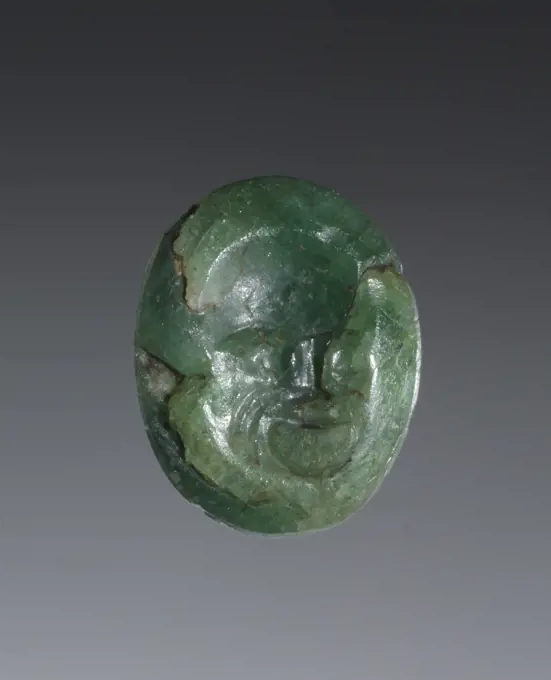
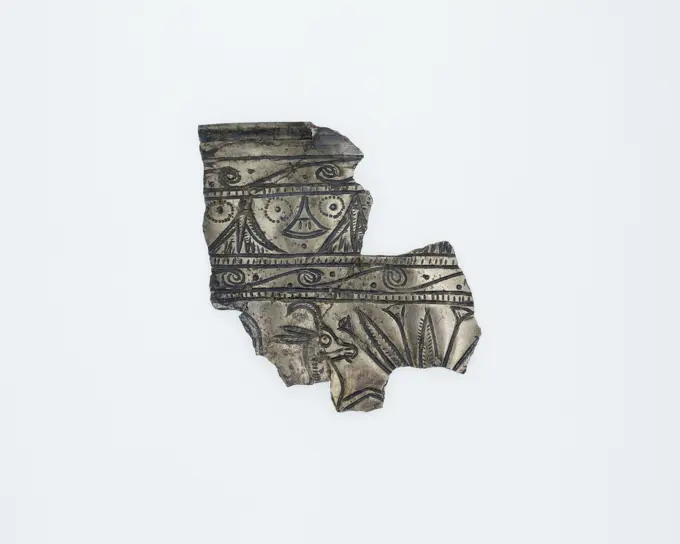
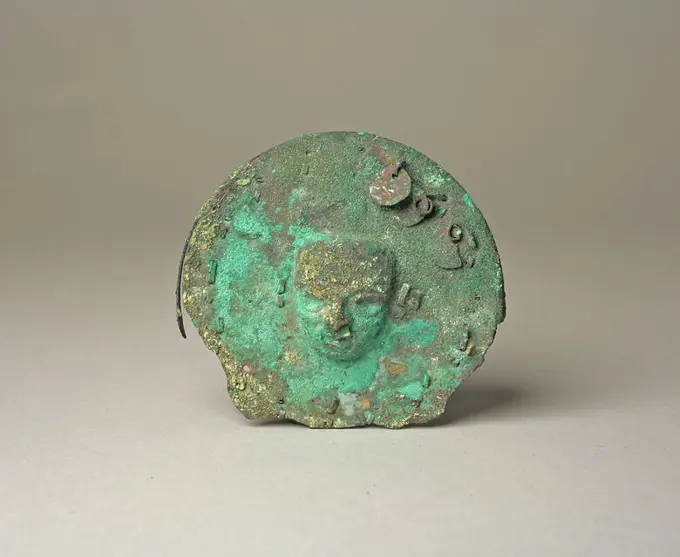
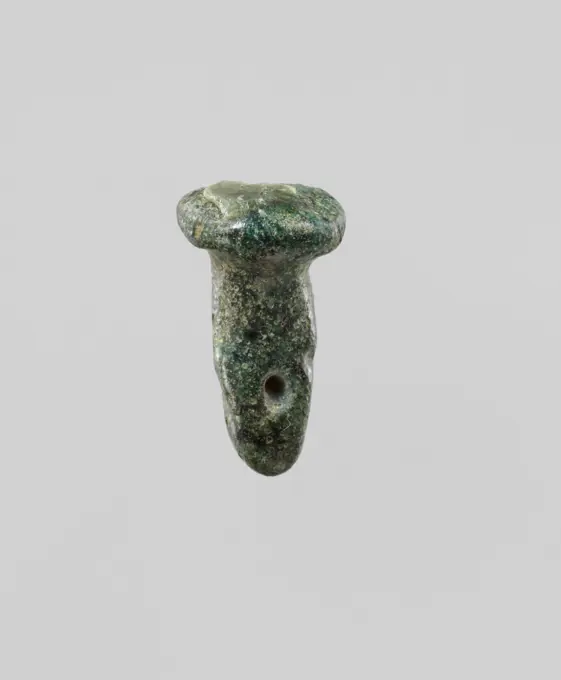
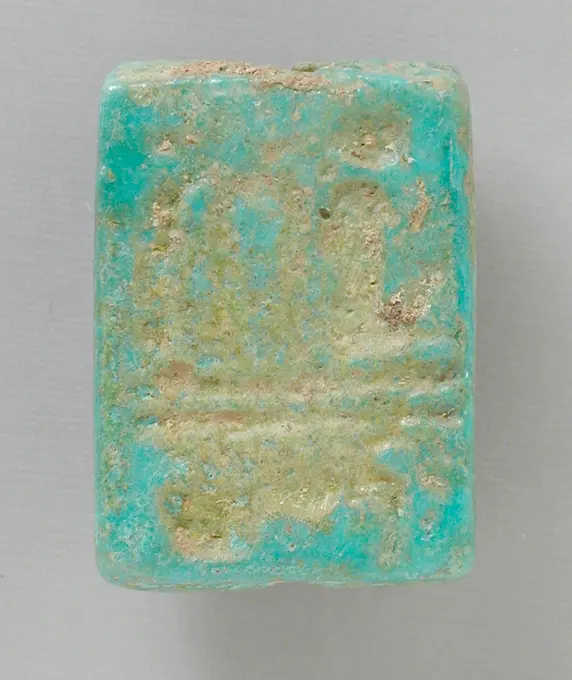
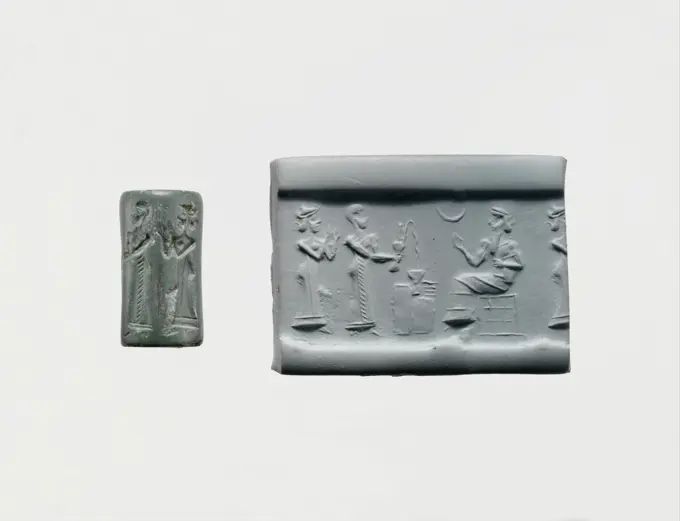
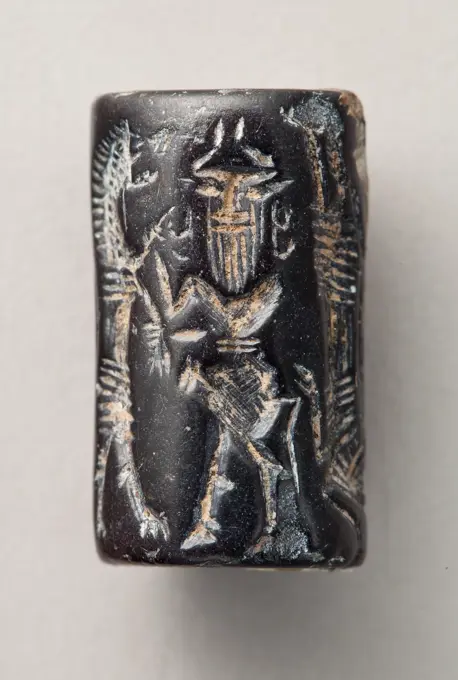
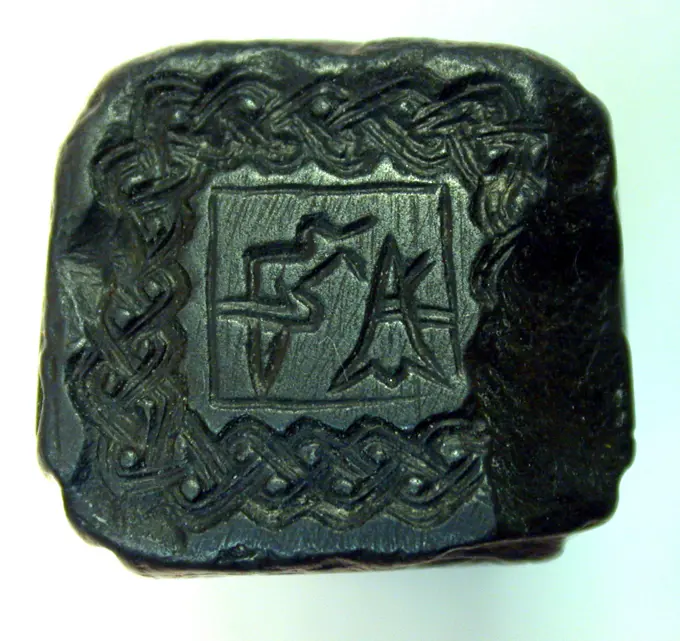
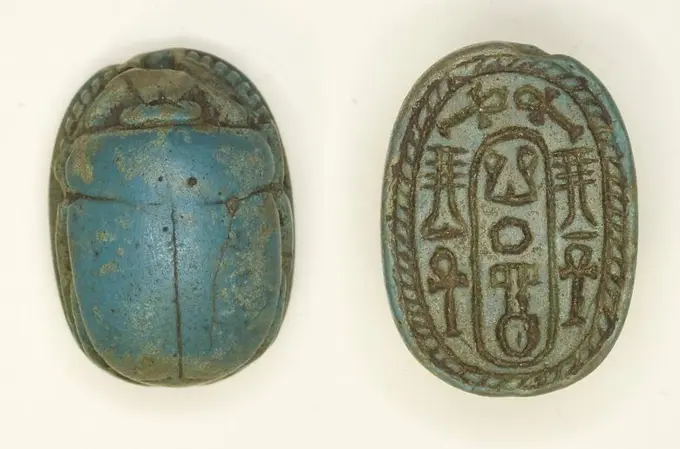
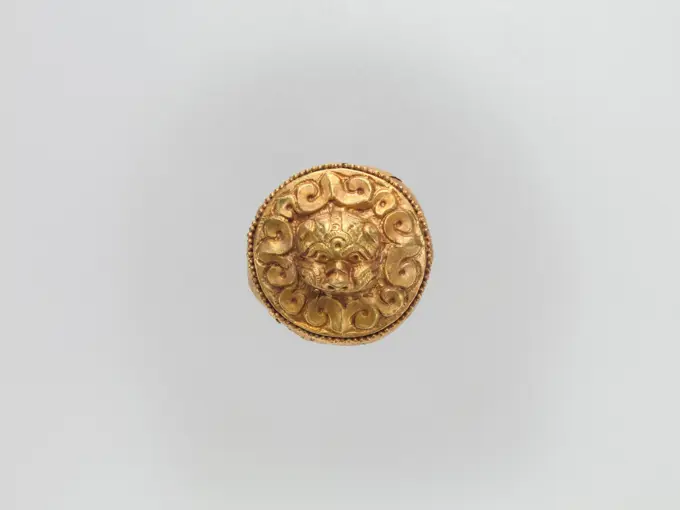
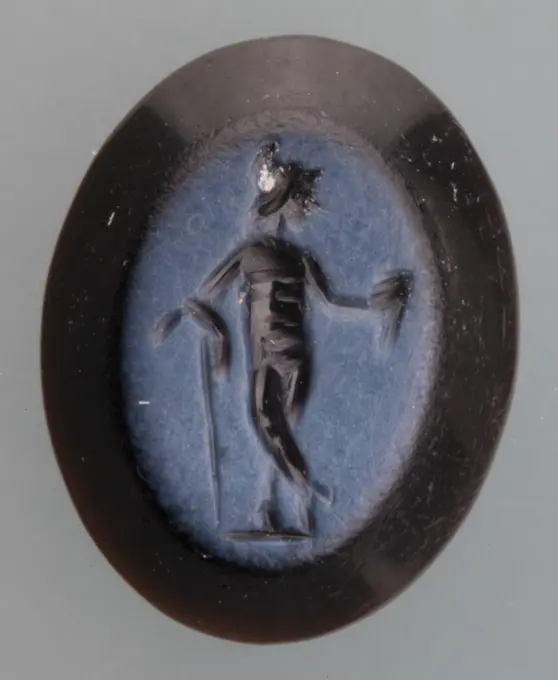
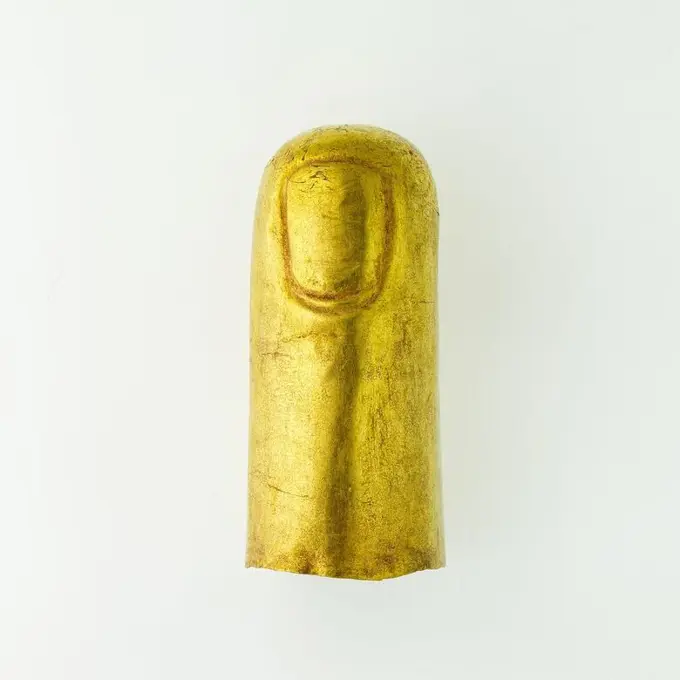
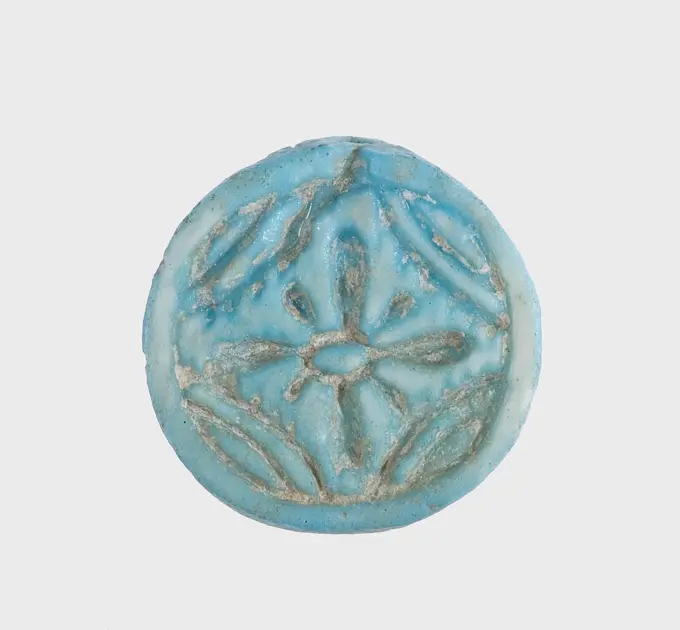
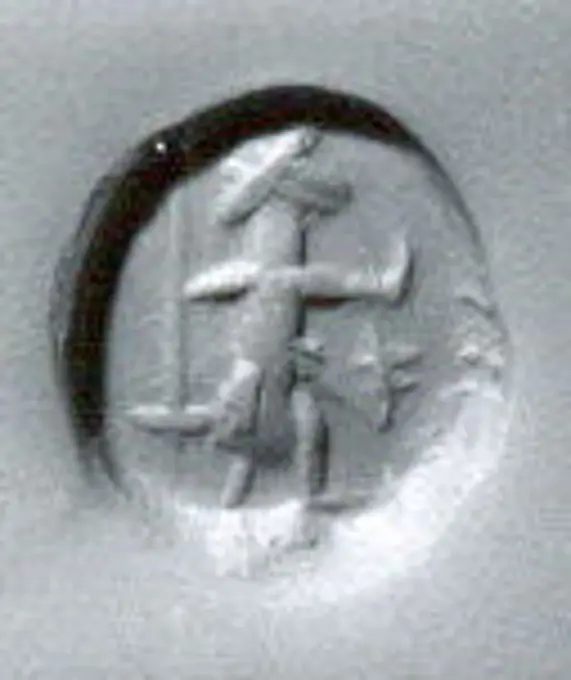
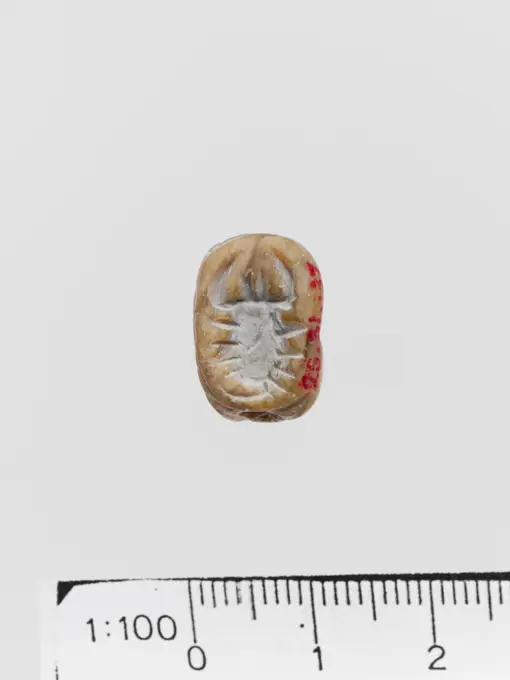
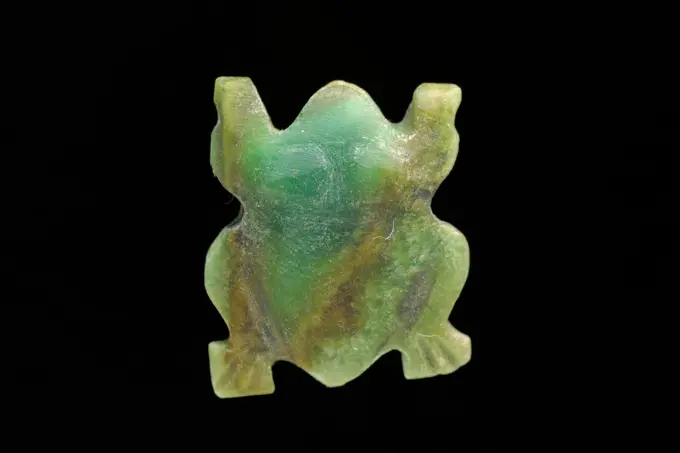
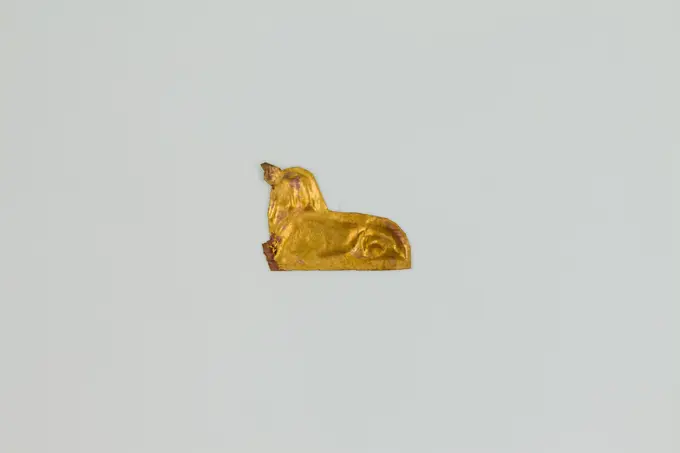
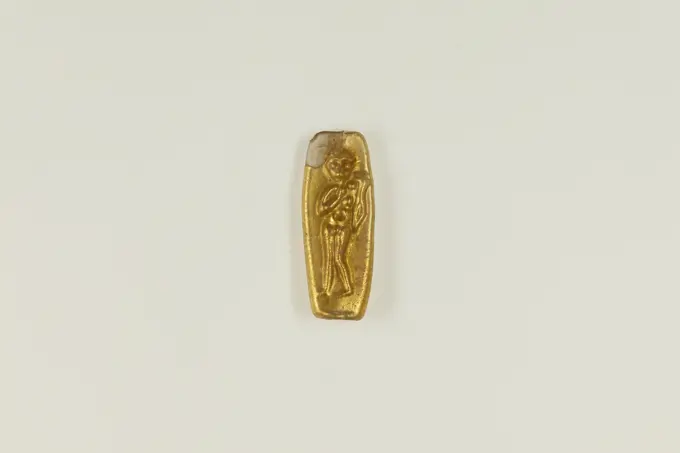
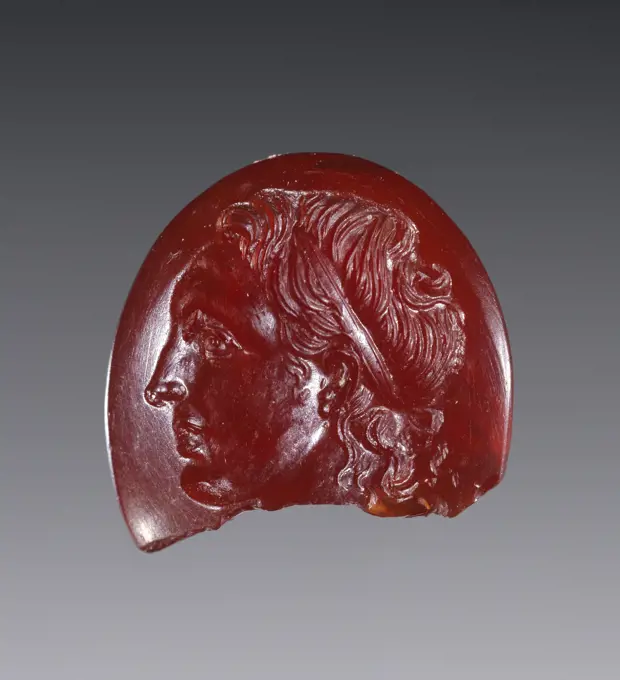
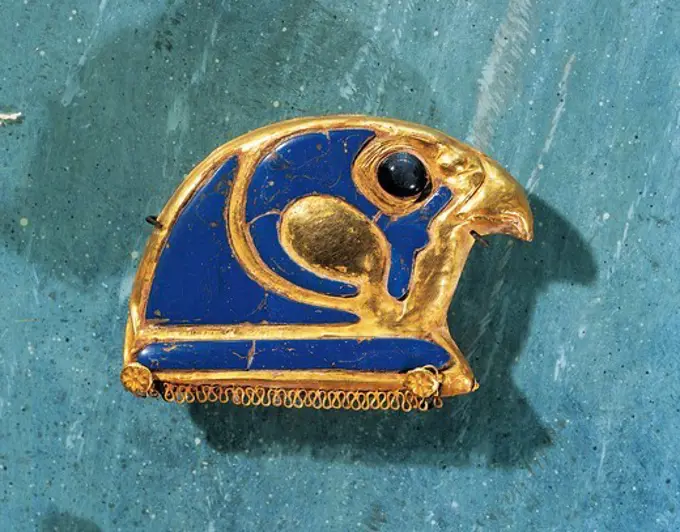
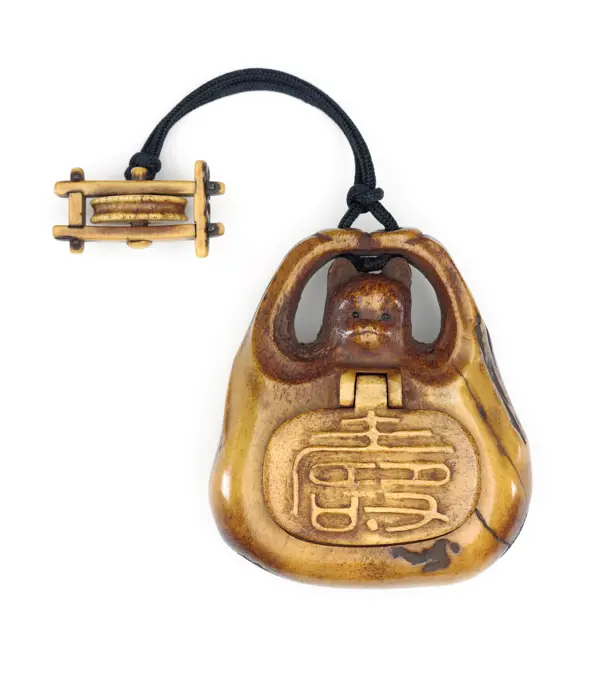
Scarab of a King Neferhotep. Egypt, Middle Kingdom, 13th dynasty (1786-1665 BCE). Sculpture. Steatite with modern green colorCostume Ornament 11th-12th century Central coast (). Costume Ornament 308783Scarab Inscribed with the Throne Name of Thutmose III ca. 1479-1458 B.C. New Kingdom. Scarab Inscribed with the Throne Name of Thutmose III. ca. 1479-1458 B.C.. Steatite (glazed). New Kingdom. From Egypt, Upper Egypt, Thebes, Deir el-Bahri, Temple of Hatshepsut, Foundation Deposit 7 (G), MMA excavations, 1926-27. Dynasty 18, earlyRing Ramesses (II), Beloved of Amun 1279 BCE-1213 BCE Egypt. Faience . Ancient EgyptianCylinder seal ca. 2700-2600 B.C. Sumerian. Cylinder seal. Sumerian. ca. 2700-2600 B.C.. Stone. Early Dynastic II. From Mesopotamia, CtesiphonEye of Horus (Wedjat) Amulet 1390 BCE-1352 BCE Egypt. Faience . Ancient EgyptianScarab. UnknownScarab of an Official ca. 1760-1670 B.C. Middle Kingdom Administrative changes during Dynasty 12 lead to an increase in bureaucracy and, subsequently, in the production and use of seals. This is reflected in the beginning of the mass production of scarabs, the most popular shape for amulets, in late Dynasty 12 through Dynasty 13 (ca. 1850-1640 B.C.). Thousands of these late Middle Kingdom scarabs bear the names and titles of officials, who would wear them as amulets, but who could also use them to seal documents, containers or doors. However, the scarabs primary function remained that of a protective amulet. Several inscriptions add a funerary epithet to the owners name, indicating that the amulet was manufactured after the owner had passed away. The scarab is inscribed for Djedptah and the inscription adds an epithet to his name and title.. Scarab of an Official 545217Necklace Bead in the Form of a Fish, 185-72 BC. India, Sunga Period (185-72 BC). Gold repoussé with granulation;Amulet of fist with thumb thrust between first two fingers 1st-mid 4th century Roman Period In this amulet the thumb is placed between the first two fingers of the fist. This is a Roman amulet connected with sexuality.. Amulet of fist with thumb thrust between first two fingers. 1st-mid 4th century. Pale green faience. Roman Period. From EgyptAmulet of the God Shu with Disk. Egyptian. Date: 700 BC-1 BC. Dimensions: 2.2 × 1.6 × 1.3 cm (7/8 × 5/8 × 1/2 in.). Faience. Origin: Egypt. Museum: The Chicago Art Institute, Chicago, USA. Author: Ancient Egyptian.Ring, seated ape ca. 1550-1295 B.C. New Kingdom. Ring, seated ape. ca. 1550-1295 B.C.. Faience. New Kingdom. From Egypt; Probably from Northern Upper Egypt, Deir el-Ballas. Dynasty 18Engraved Gem; 1st century; Emerald; 0.8 × 0.6 × 0.4 cm (5,16 × 1,4 × 1,8 in.)Anklet/BraceletRound Seal. Culture: India. Dimensions: H. 1 3/8 in. (3.5 cm); W. 1 1/8 in. (2.9 cm); D. 3/8 in. (1 cm). Date: ca. 6th century. Museum: Metropolitan Museum of Art, New York, USA.Maat amulet 664-380 B.C. Late Period. Maat amulet 561563Scarab of Ramesses II ca. 1295-1070 B.C. New Kingdom, Ramesside. Scarab of Ramesses II 550310Strainer or vase fragment ca. 1295-1070 B.C. New Kingdom, Ramesside. Strainer or vase fragment. ca. 1295-1070 B.C.. Silver. New Kingdom, Ramesside. From Egypt, Eastern Delta, Tell Basta (Bubastis). Dynasty 19Earflare Frontal. Culture: Moche (Loma Negra). Dimensions: Diam. 2 15/16 in. (7.5 cm). Date: 390-450. Museum: Metropolitan Museum of Art, New York, USA.Amulet - PigSeal amulet ca. 1295-1070 B.C. New Kingdom, Ramesside. Seal amulet. ca. 1295-1070 B.C.. Faience. New Kingdom, Ramesside. From Egypt, Memphite Region, Lisht North, Cemetery, MMA excavations. Dynasty 19-20Molded Faience Double-sided Plaque with names of Ramses III. Egypt, New Kingdom, 20th Dynasty, reign of Ramses III (1198 - 1166 BCE). Sculpture; plaques. FaienceCylinder seal and modern impression: worshiper pouring a libation before a seated god ca. 2112-2004 B.C. Neo-Sumerian Although engraved stones had been used as early as the seventh millennium B.C. to stamp impressions in clay, the invention in the fourth millennium B.C. of carved cylinders that could be rolled over clay allowed the development of more complex seal designs. These cylinder seals, first used in Mesopotamia, served as a mark of ownership or identification. Seals were either impressed on lumps of clay that were used to close jars, doors, and baskets, or they were rolled onto clay tablets that recorded information about commercial or legal transactions. The seals were often made of precious stones. Protective properties may have been ascribed to both the material itself and the carved designs. Seals are important to the study of ancient Near Eastern art because many examples survive from every period and can, therefore, help to define chronological phases. Often preserving iHeart Scarab ca. 1295-1070 B.C. New Kingdom, Ramesside. Heart Scarab. ca. 1295-1070 B.C.. Crystalline stone. New Kingdom, Ramesside. From Egypt. Dynasty 19-20Scarab ca. 1479-1458 B.C. New Kingdom. Scarab. ca. 1479-1458 B.C.. Faience. New Kingdom. From Egypt, Upper Egypt, Thebes, Deir el-Bahri, Hatshepsut Hole, Hathor Shrine, MMA excavations, 1922-23. Dynasty 18Vulture amulet. Dimensions: l. 1.8 cm (11/16 in.) × h. 1.7 cm (11/16 in.). Dynasty: Dynasty 26-29. Date: 664-380 B.C.. Museum: Metropolitan Museum of Art, New York, USA.Coin Weight probably 13th-14th century. Coin Weight 443185Cylinder Seal. Anatolia, Old Assyrian period, circa 1920-1700 B.C.. Tools and Equipment; seals. HematitePlaque with Head. Culture: China (Xinjiang Autonomous Region, Central Asia). Dimensions: H. 1 5/8 in. (4.1 cm); W. 1 in. (2.5 cm). Date: 7th-9th century.The nomadic communities of Central Asia used such plaques to embellish clothing and horse trappings. As these nomadic cultures herded animals and were constantly moving, their artistic production was expressed in portable objects that marked the wearer's status and wealth. The outstanding preservation of these fragile ornaments suggests they were used in conjunction with burials, where the body was aggrandized with valuable textiles and augmented with gold. Although it is difficult to date and place these objects geographically, their presence in Central Asia and has a long, established history. Museum: Metropolitan Museum of Art, New York, USA.Impression Of Seal Cylinder; 1902-20-26Fragment of the bowl stroke;  6,000 BC (-6000-00-00--5001-00-00);The collection of the ancient EastKohl Container Decorated with Bes-images. Dimensions: H. 6 cm (2 3/8 in); w. 4 cm (1 9/16 in); d. 3.6 cm (1 7/16 in). Dynasty: mid-Dynasty 18. Date: ca. 1400 B.C..As a measure for preventing disease, eye paint was second only to water in ancient Egypt. It was prepared from malachite and galena, ground on slate palettes, mixed with fat, and then applied around the eyes using a small stick, or applicator. Green eye paint, made from malachite, was primarily cosmetic. Galena is black in color, and the paint derived from it helped to reflect the glare of the Egyptian sun. More importantly, its lead content repelled flies and was deadly to the organisms that can cause eye disease and blindness.On this green kohl tube is the image of the god Bes, whose gruesome figure was meant to repel the supernatural forces believed to cause eye disease. Museum: Metropolitan Museum of Art, New York, USA.Bonk from 2 pennies of the Dutch East Indies, 1818, William I (King of the Netherlands), 1818 coin Copper rectangular mint. Front: Within a rectangular list value indication 2 St. Rail side: within a rectangular frame year. Surabaya copper (metal) striking (metalworking)Buckle 6th-8th century Lombard. Buckle. Lombard. 6th-8th century. Bronze. Miscellaneous-Buckles & OrnamentAmulet of a Duck 1550 BCE-1069 BCE Egypt. Glass . Ancient EgyptianSquare shaped stamp seal with loop handles ca. late 2nd millennium B.C.. Square shaped stamp seal with loop handles 327772Scarab: Neferkara and Hieroglyphs (ankh and djed signs). Egyptian. Date: 2055 BC-1550 BC. Dimensions: 2.5 × 1.9 × 1.3 cm (1 × 3/4 × 1/2 in.). Faience. Origin: Egypt. Museum: The Chicago Art Institute, Chicago, USA. Author: Ancient Egyptian.Cap-Shaped Plaque with Lion 7th-9th century China (Xinjiang Autonomous Region, Central Asia) The nomadic communities of Central Asia used such plaques to embellish clothing and horse trappings. As these nomadic cultures herded animals and were constantly moving, their artistic production was expressed in portable objects that marked the wearers status and wealth. The outstanding preservation of these fragile ornaments suggests they were used in conjunction with burials, where the body was aggrandized with valuable textiles and augmented with gold. Although it is difficult to date and place these objects geographically, their presence in Central Asia and has a long, established history.. Cap-Shaped Plaque with Lion 65190Ring; Roman Empire; 250 - 400; Gold, carnelian; 2.5 × 2.6 cm (1 × 1 in.)ScarabGlass bead ca. 2nd-4th century A.D. Roman Mosaic glass bead, blue and white in color.. Glass bead. Roman. ca. 2nd-4th century A.D.. Glass. Imperial. GlassScarab: Uninscribed. Egyptian. Date: 1985 BC-525 BC. Dimensions: 1 × 1.6 × 2.2 cm (3/8 × 5/8 × 7/8 in.). Stone. Origin: Egypt. Museum: The Chicago Art Institute, Chicago, USA. Author: Ancient Egyptian.Bracelet Etruscan. Bracelet 251438 Etruscan, Bracelet, Bronze, Diam.: 3 3/4 in. (9.5 cm). The Metropolitan Museum of Art, New York. Rogers Fund, 1923 (23.160.104)GanymedeFragment buyer from the wreck of the East Indieschief Hollandia. Parts or artifacts; eroded fragments: Materials; Copper.Toe stall. Dimensions: L. 4.5 cm (1 3/4 in.); W. 2.1 cm (13/16 in.). Dynasty: Dynasty 18. Reign: reign of Thutmose III. Date: ca. 1479-1425 B.C.. Museum: Metropolitan Museum of Art, New York, USA.Impression Of Seal Cylinder; 1902-20-14Ceramic Fragment 13th-16th century. Ceramic Fragment 452478Bell Głonka (coat of arms of the Krakow chapter)  Zygmuntów Tower, Wawel Cathedral, KrakowCowroid Seal Amulet Inscribed with a Rosette ca. 1390-1353 B.C. New Kingdom The back of this seal amulet has been carved in the form of a cowry shell. The base is inscribed with a geometric pattern suggesting a floral rosette.. Cowroid Seal Amulet Inscribed with a Rosette. ca. 1390-1353 B.C.. Mica schist, glazed. New Kingdom. From Egypt, Upper Egypt, Thebes, Malqata, Houses G-K, MMA excavations, 1910-11. Dynasty 18Small Bead 500-600 Frankish. Small Bead 465518 Frankish, Small Bead, 500600, Glass, Overall: 3/16 x 3/16 in. (0.5 x 0.5 cm). The Metropolitan Museum of Art, New York. Gift of J. Pierpont Morgan, 1917 (17.193.20)Scarab. UnknownSeal with a turtle shaped handle unknownStamp seal ca. 3rd-7th century A.D. Sasanian. Stamp seal. Sasanian. ca. 3rd-7th century A.D.. Chalcedony, brown. Sasanian. Iran or MesopotamiaAgate lentoid seal. Culture: Minoan. Dimensions: Diameter 1.55 cm. Date: ca. 1700-1450 B.C..Architectural motif. Museum: Metropolitan Museum of Art, New York, USA.Statuette of a warrior-7 Greek, Laconian. Statuette of a warrior-7 251647 Greek, Laconian, Statuette of a warrior-7, Lead, Height: 7/8 in. (2.2 cm). The Metropolitan Museum of Art, New York. Gift of A. J. B. Wace, 1924 (24.195.81)Stamp seal (conoid) with cultic scene and divine beings late 8th - 6th century B.C. Assyro-Babylonian. Stamp seal (conoid) with cultic scene and divine beings. Assyro-Babylonian. late 8th - 6th century B.C.. Neutral Chalcedony (Quartz), possibly etched to produce white mottling. Neo-Assyrian / Neo-Babylonian. MesopotamiaGroup of Four Scarabs. Dimensions: a: 1.3 cm (1/2 in.)b: 1.7 cm (11/16 in.)c: 1.3 cm (1/2 in.)d: 1.3 cm (1/2 in.). Dynasty: Dynasty 18, early. Date: ca. 1550-1458 B.C.. Museum: Metropolitan Museum of Art, New York, USA.Magic gemma with the presentation of ChnubisStamp seal ca. 5th-7th century A.D. Sasanian. Stamp seal. Sasanian. ca. 5th-7th century A.D.. Stone. Sasanian. IranRosette Decoration ca. 1390-1353 B.C. New Kingdom. Rosette Decoration. ca. 1390-1353 B.C.. Faience. New Kingdom. From Egypt, Upper Egypt, Thebes, Malqata, Palace of Amenhotep III, MMA excavations, 1910-11. Dynasty 18Ring, Hathor head. Dimensions: diam. 1.8 cm (11/16 in.). Dynasty: Dynasty 20. Date: ca. 1184-1070 B.C.. Museum: Metropolitan Museum of Art, New York, USA.Steatite triangular prism ca. 2200-1900 B.C. Minoan Scorpion; man; two insects.. Steatite triangular prism. Minoan. ca. 2200-1900 B.C.. Serpentine. Middle Minoan I. GemsScarab. UnknownEngraved Gem. UnknownBead in the Shape of a Frog, c. 6th-8th century, 3/16 x 5/8 x 1/2 in. (0.5 x 1.6 x 1.3 cm), Stone, Myanmar (Burma), 5th-9th centuryCameo 1775-1799 Burslem. Stoneware (jasperware) . Wedgwood Manufactory (Manufacturer)Dice 9th-10th century The dot-in-circle motif recalls designs presumed to be of magical significance, most likely an abstract eye to ward off the evil-eye, which serve an apotropaic function. Easily reproduced with a tool and visible in many cultures and times, this symbol may have lost its meaning, and become simply a decorative pattern, or may have one that we have not yet discovered.. Dice 449310Sphinx amulet 664-380 B.C. Late Period. Sphinx amulet. 664-380 B.C.. Gold sheet. Late Period. From Egypt, Memphite Region, Saqqara. Dynasty 26-29Bead with figure of Harpokrates 100 BC-100 AD Ptolemaic or Roman Period Gold glass beads were a Hellenistic development. They were created by combining drawn tubes of colorless glass with gold foil. The earliest examples were finished bead by bead. These are all modern stringings; most ancient stringing patterns are lost as the string decays.. Bead with figure of Harpokrates 551580Bracelet;  19th century (1801-00-00-1900-00-00);Engraved Gem; Roman Empire; first half of 1st century; Carnelian; 1.3 × 1.1 × 0.4 cm (1,2 × 7,16 × 1,8 in.)Gold and lapis lazuli jewel representing the head of HorusTonkotsu, Netsuke. Japan, mid-late 19th century. Costumes; Accessories. Tonkotsu: stag antler with inlaid tortoiseshell eyes; Netsuke: stag antlerRectangular plaque seal ca. 1479-1425 B.C. Egyptian. Rectangular plaque seal 327312Bliżej Kultury