Ancient Egyptian Scarabs and Amulets

Artifacts from ancient Egypt including scarabs and wedjat eye amulets, showcasing intricate designs and cultural significance from the New Kingdom.
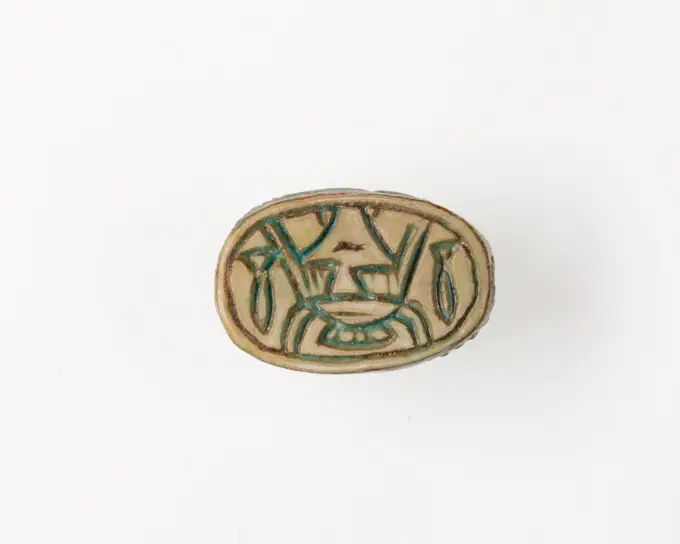
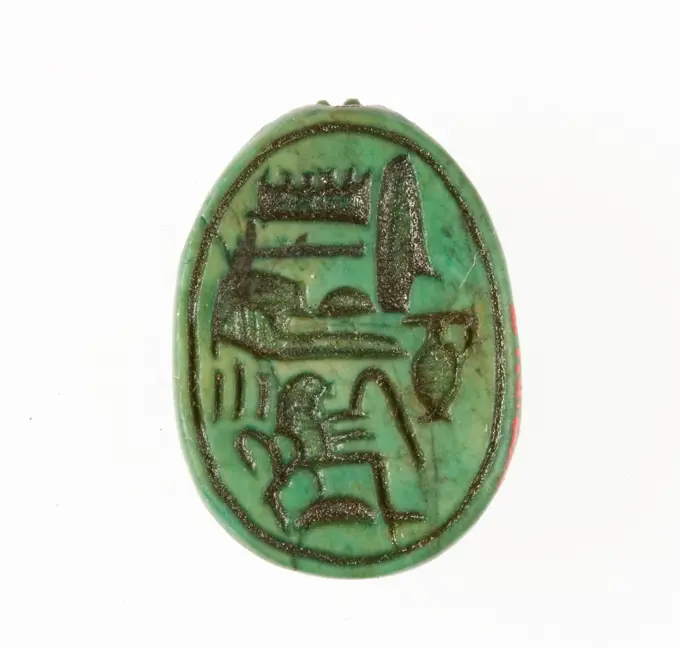
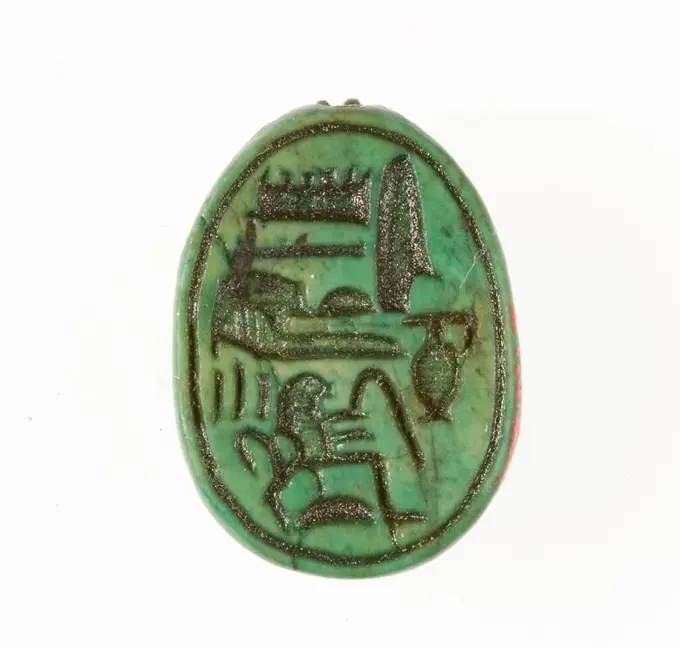
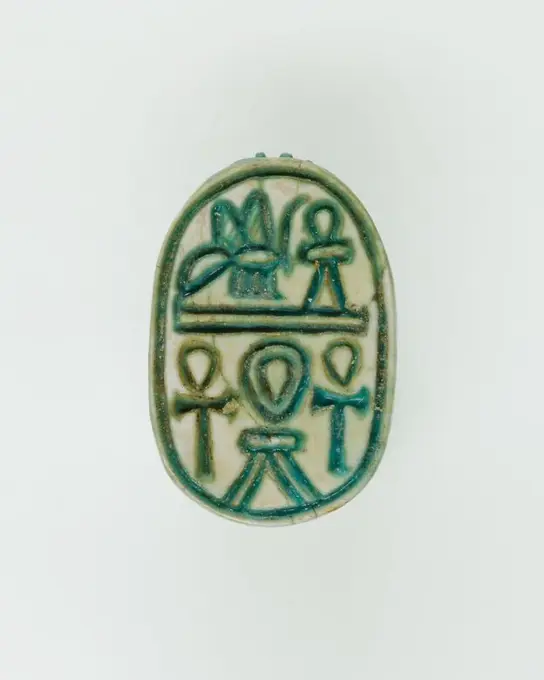
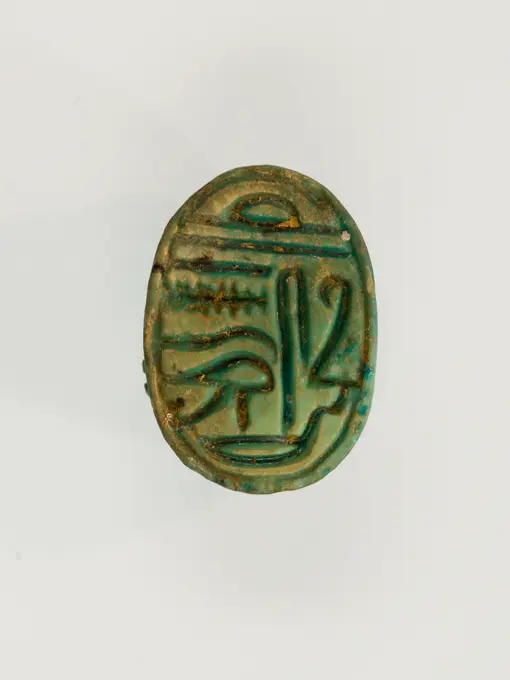
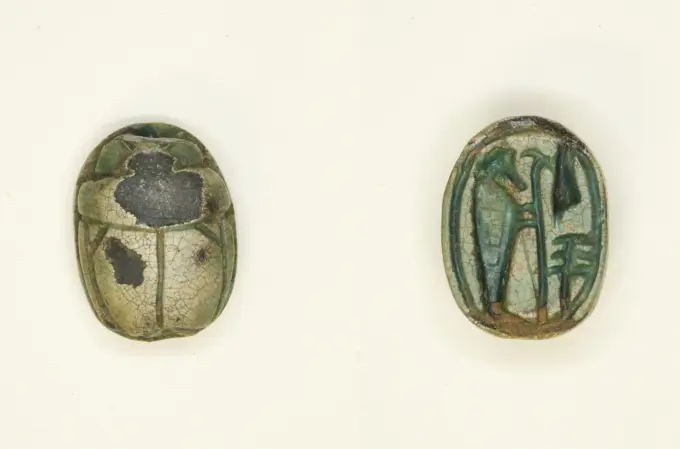
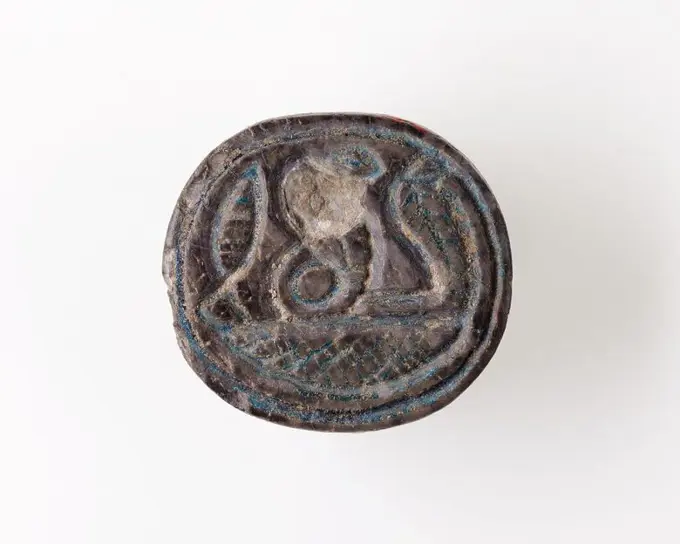
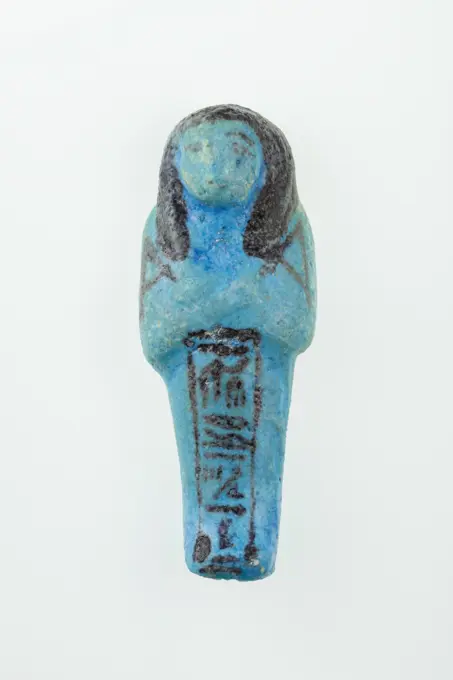
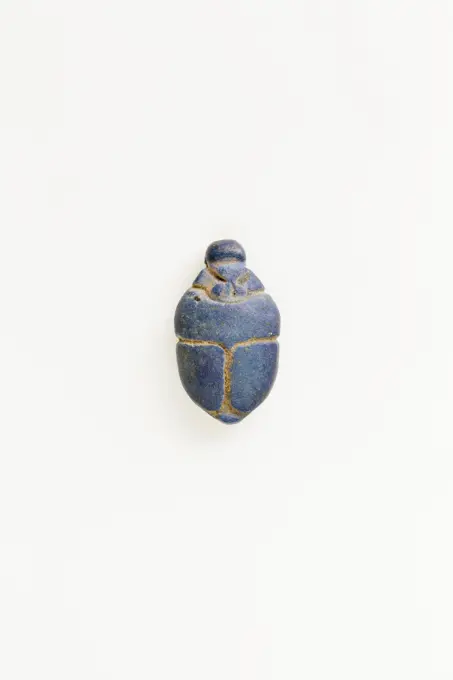
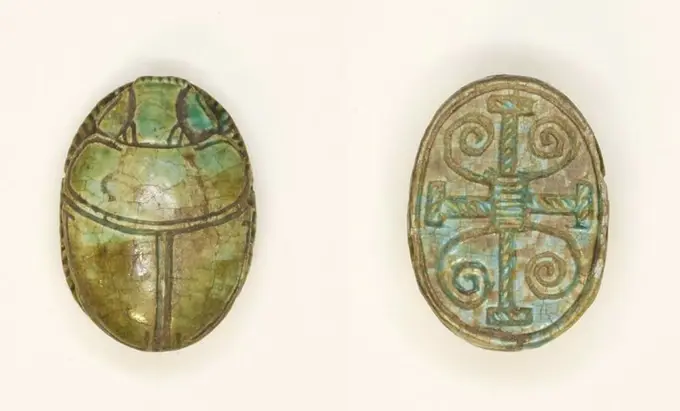
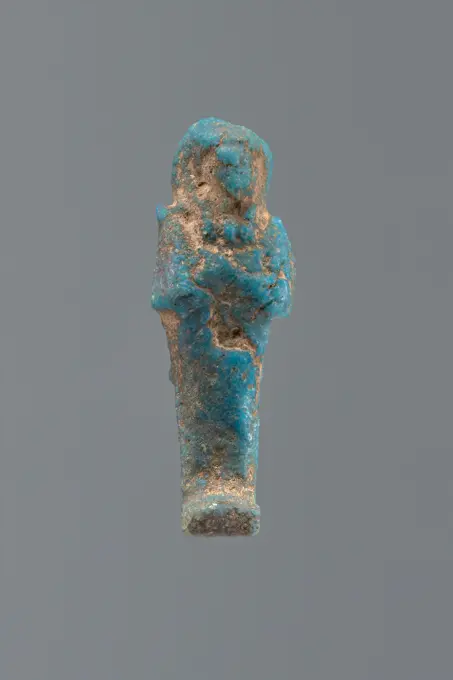
Scarab Inscribed with Hieroglyphs ca. 1740-1640 B.C. Middle Kingdom The majority of design scarabs of the late Middle Kingdom (late Dynasty 12-Dynasty 13, ca. 1850 -1640 B.C.) are decorated with symmetric compositions of hieroglyphs and/or scrolls. These signs are not meant to form words but are chosen for their positive, protective meaning. This scarab shows the hieroglyph for gold (nub) and signs placed above it, in pairs to form a balanced composition.. Scarab Inscribed with Hieroglyphs. ca. 1740-1640 B.C.. Blue glazed steatite. Middle Kingdom. From Egypt, Memphite Region, Lisht North, Cemetery, MMA excavations, 1920-22. mid to late Dynasty 13
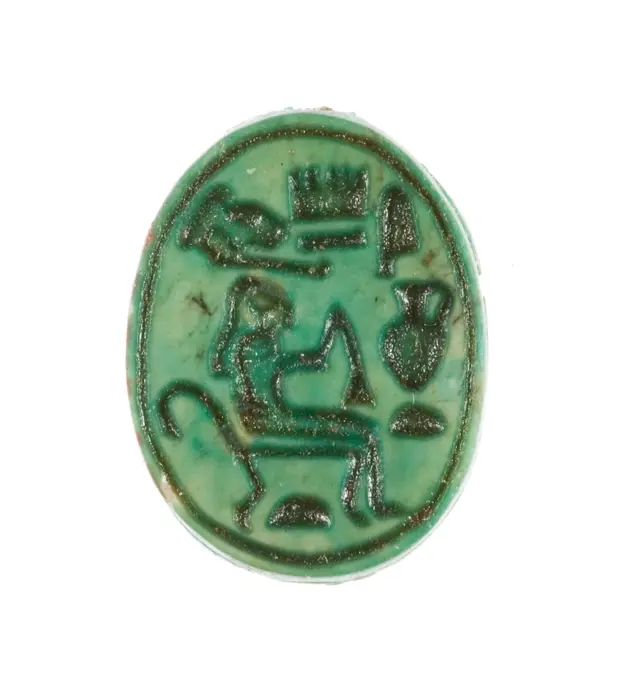
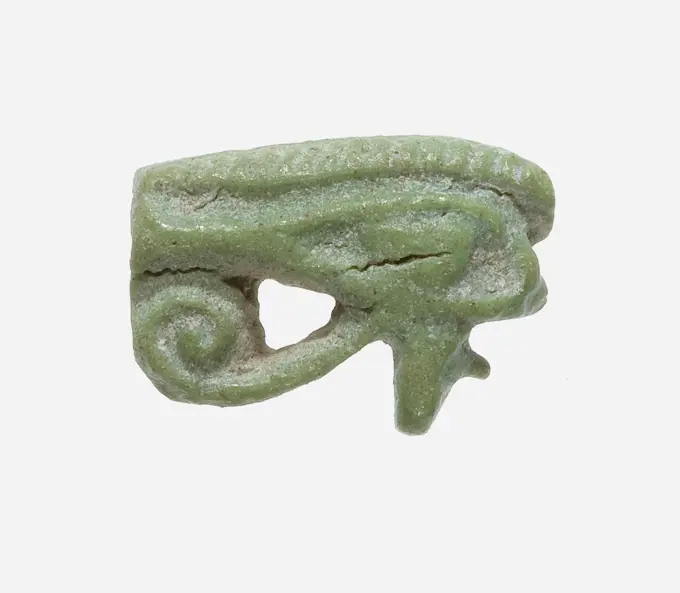
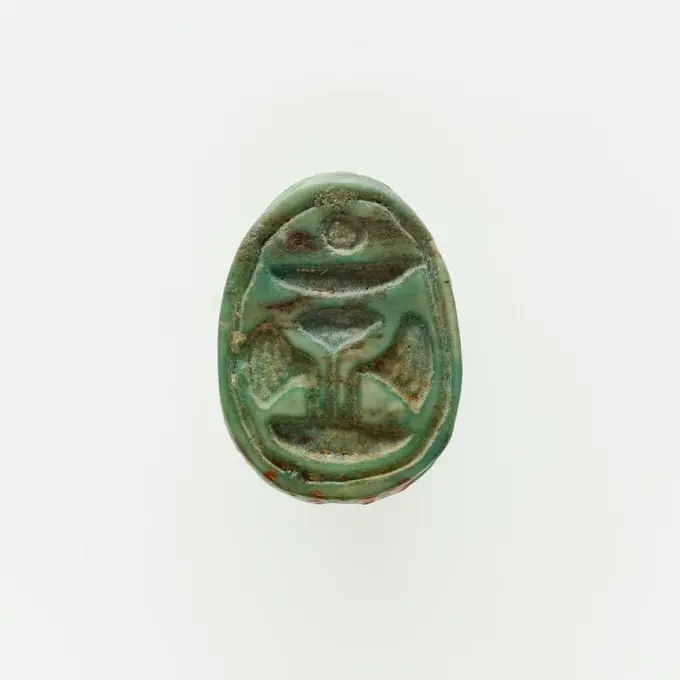
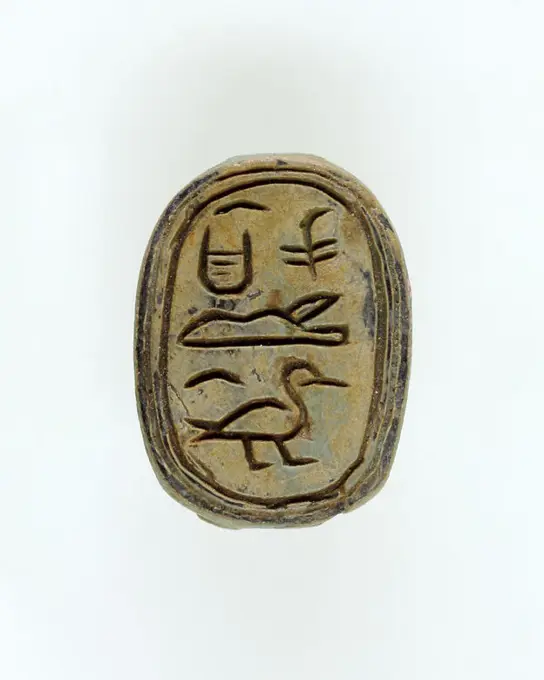
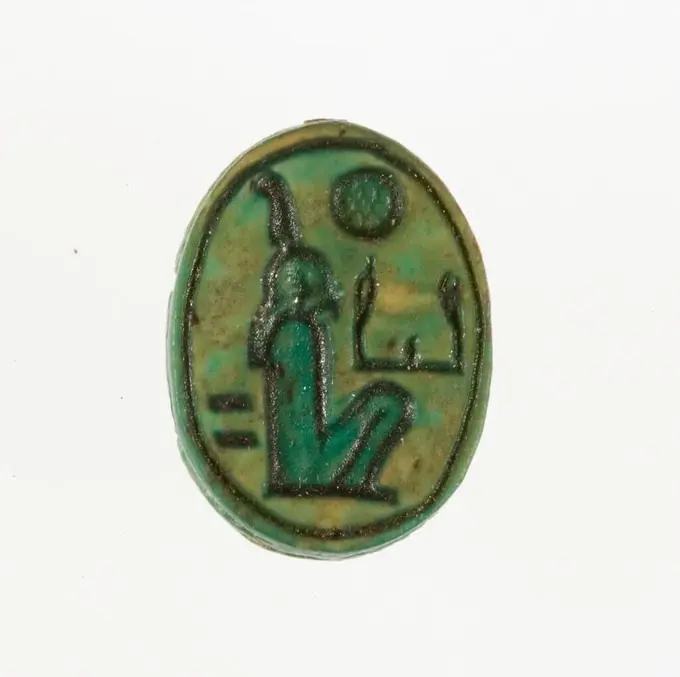
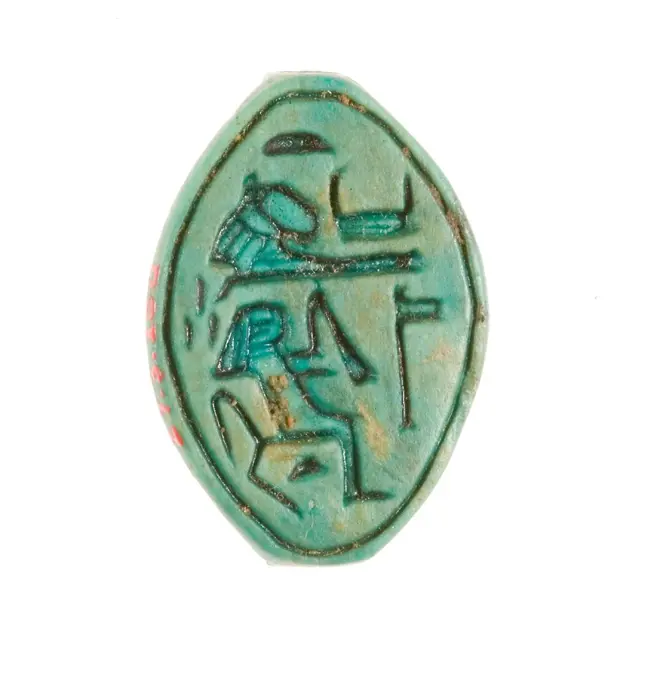
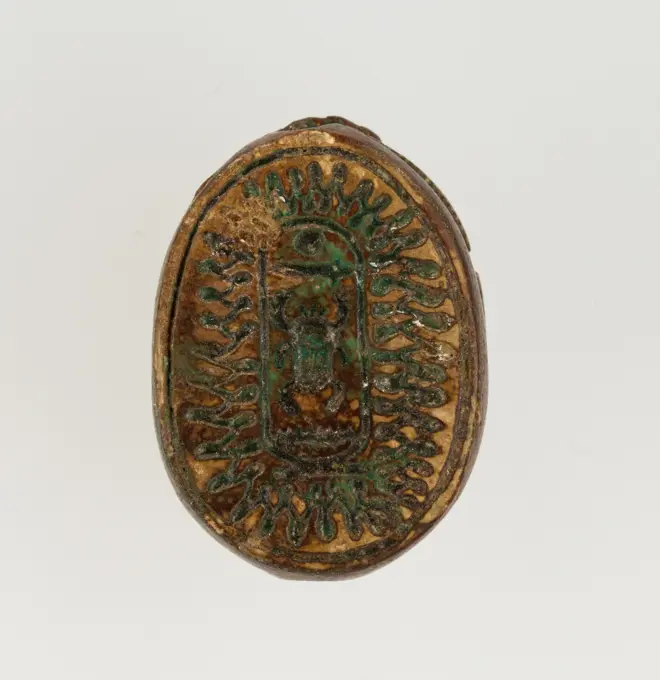
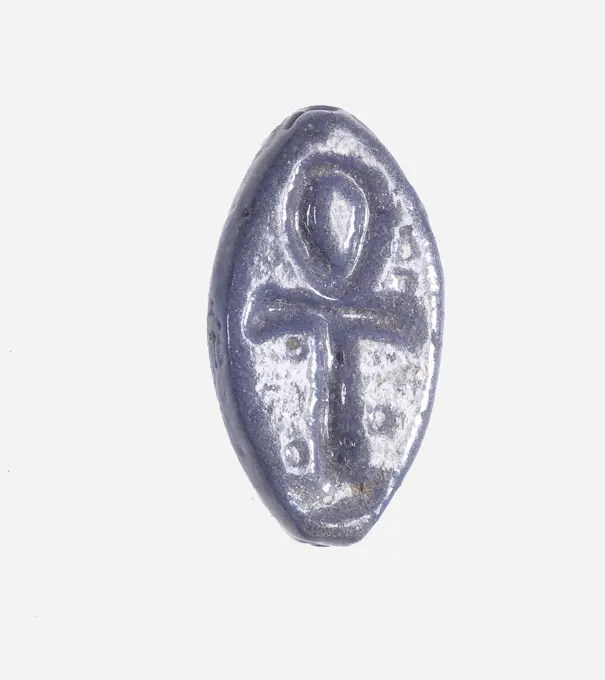
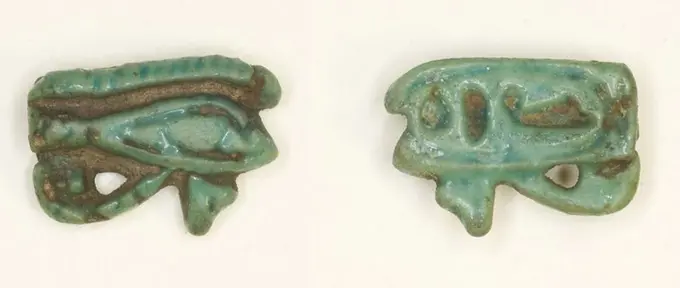
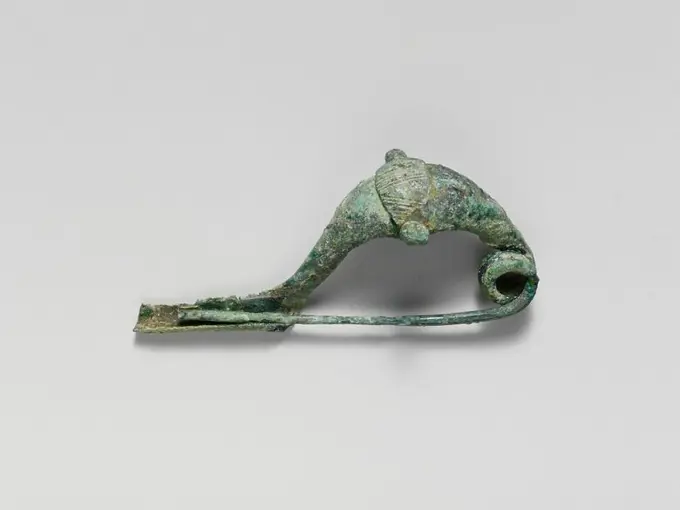
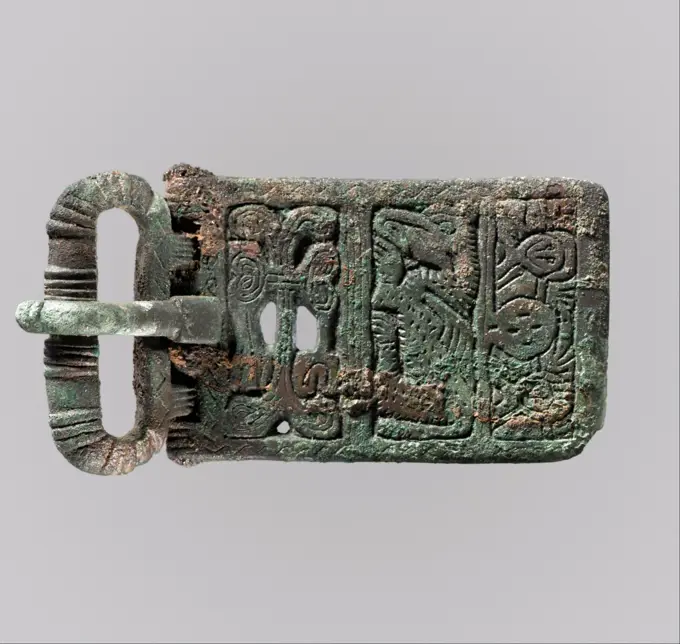
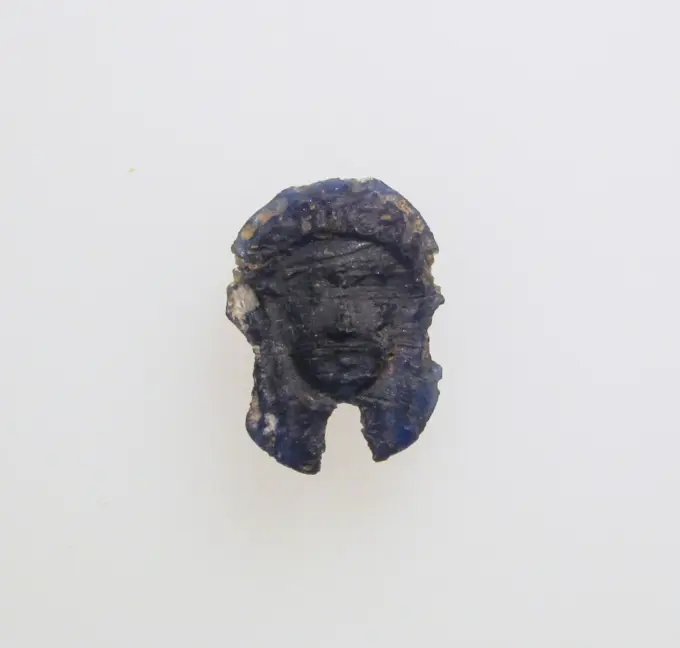
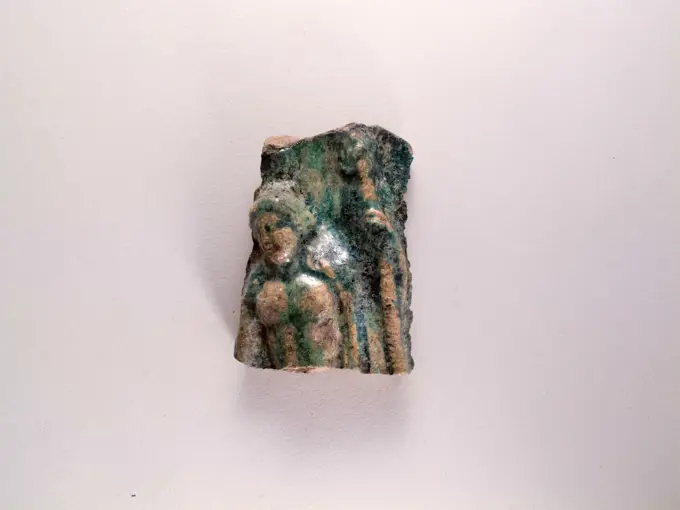
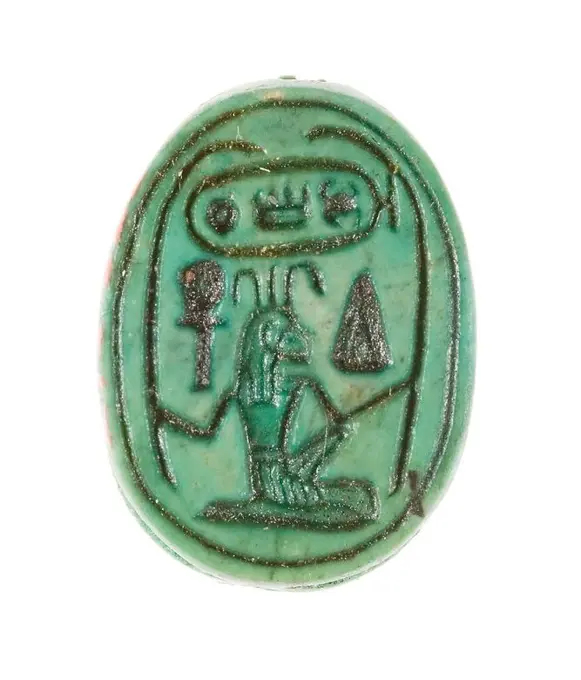
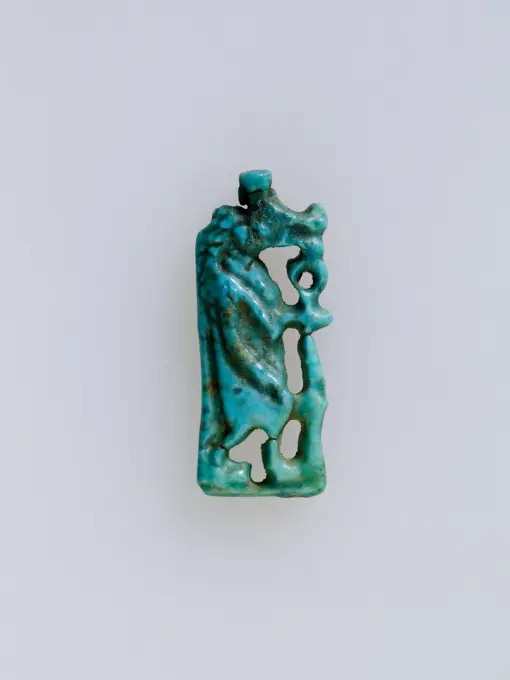
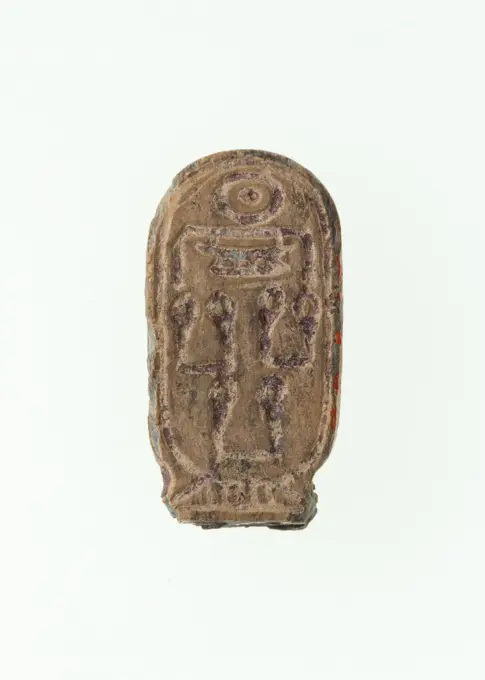
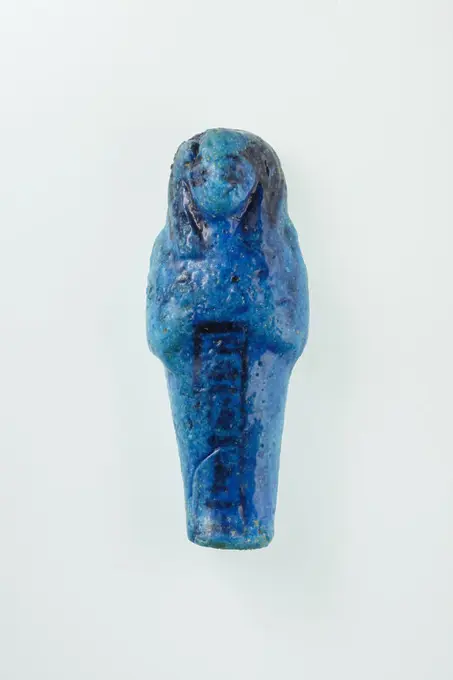
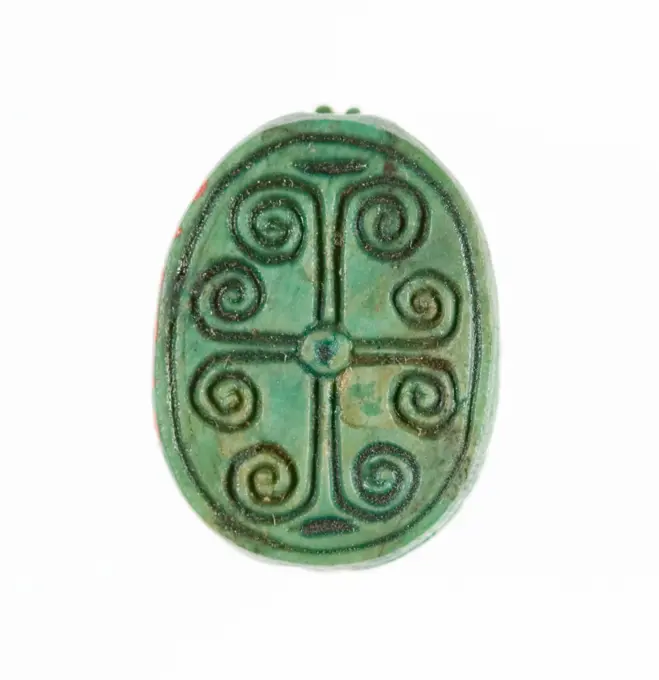
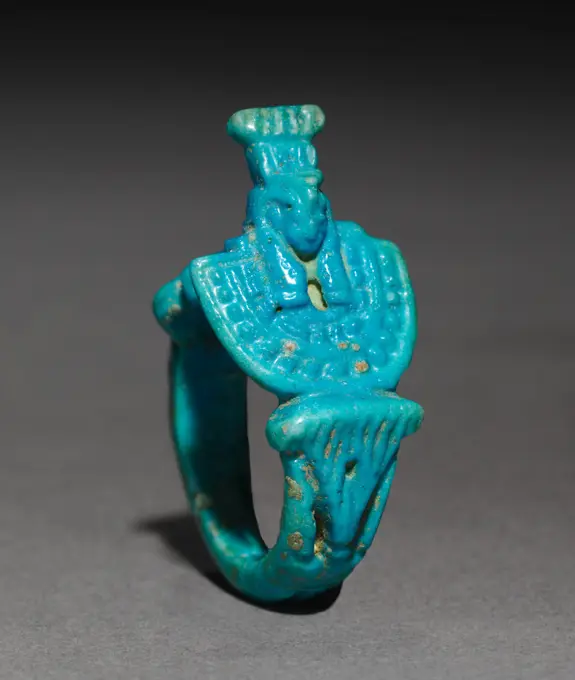
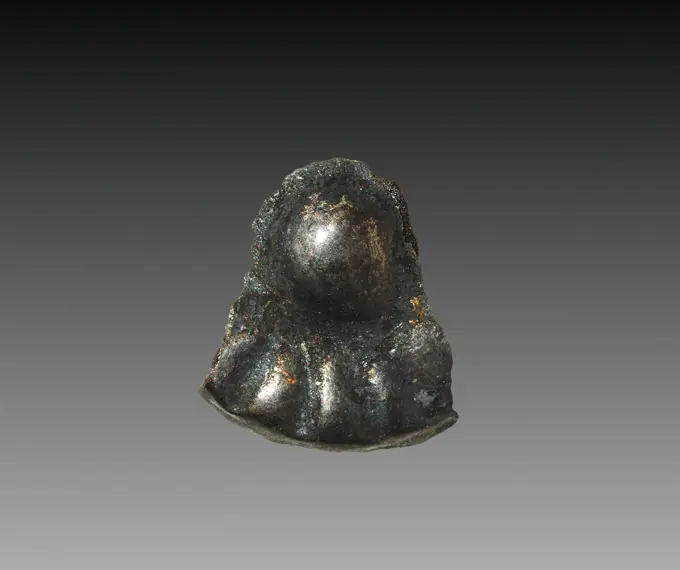
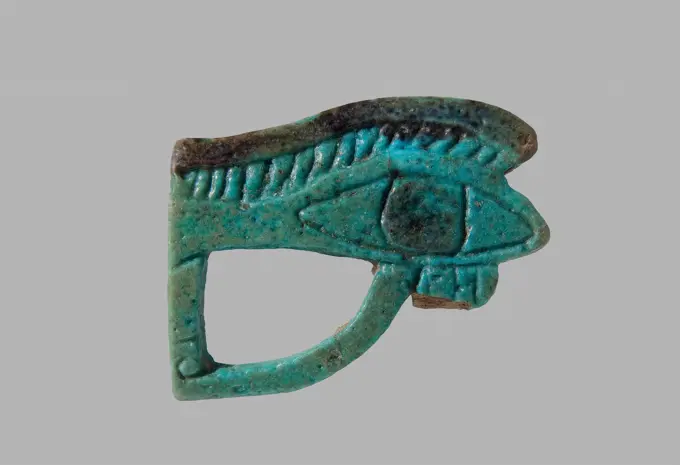
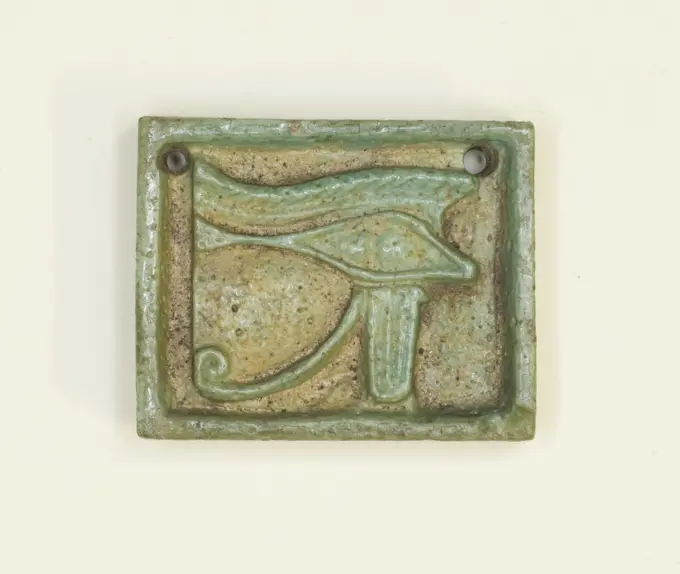
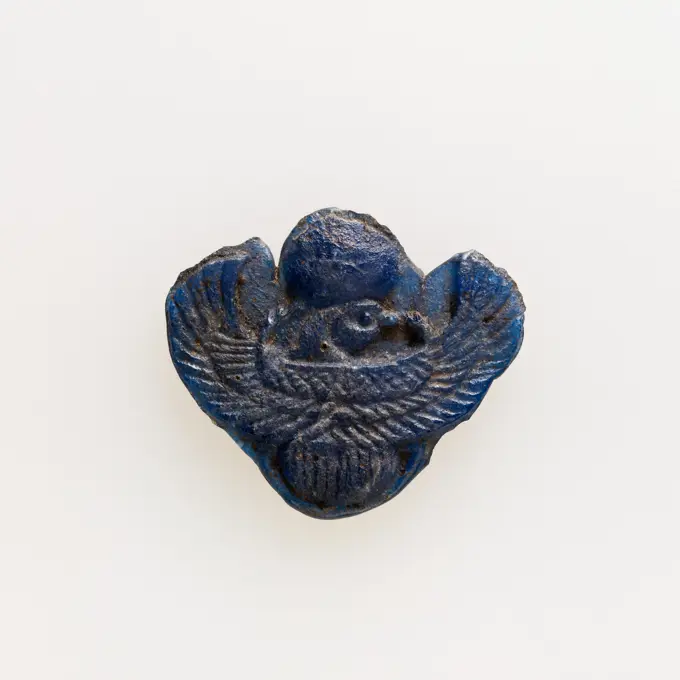
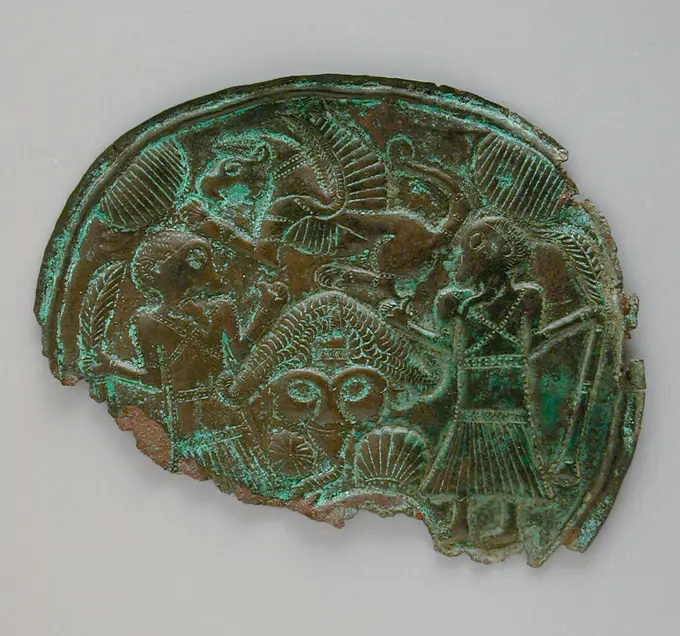
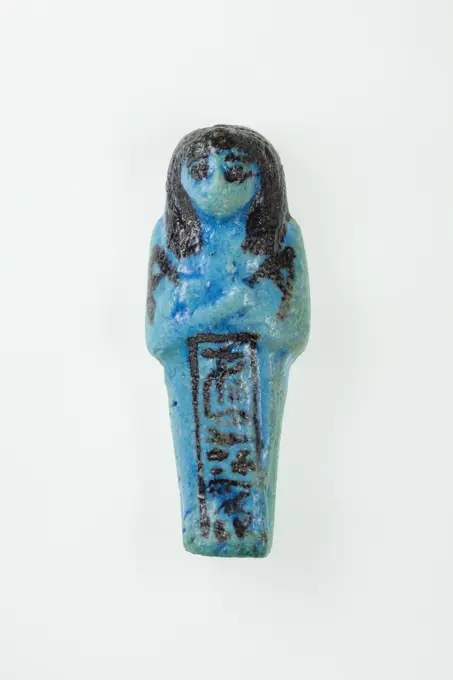
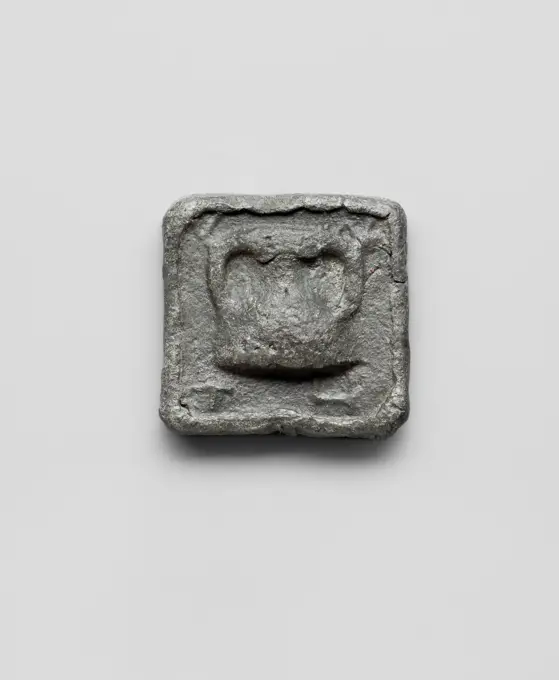
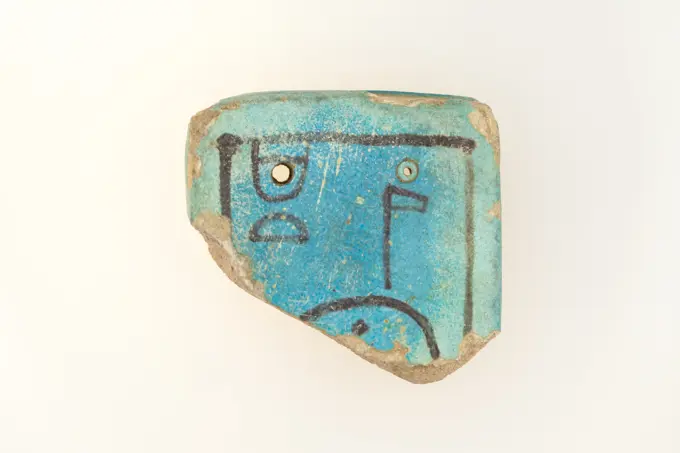
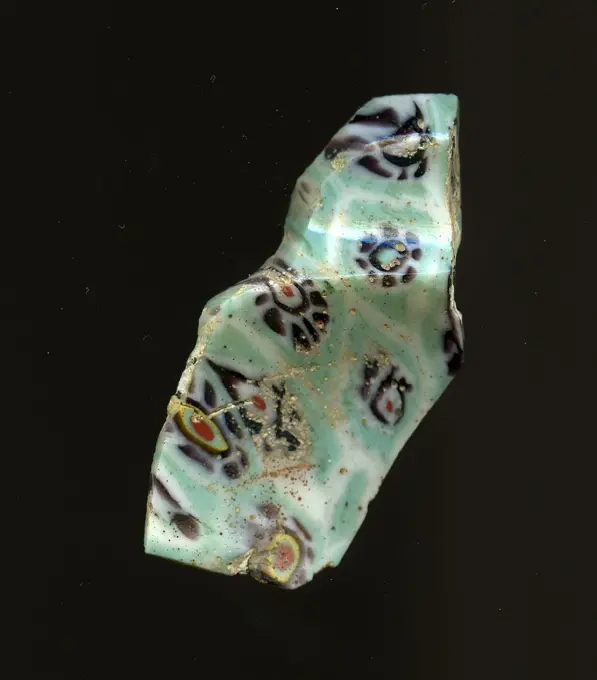
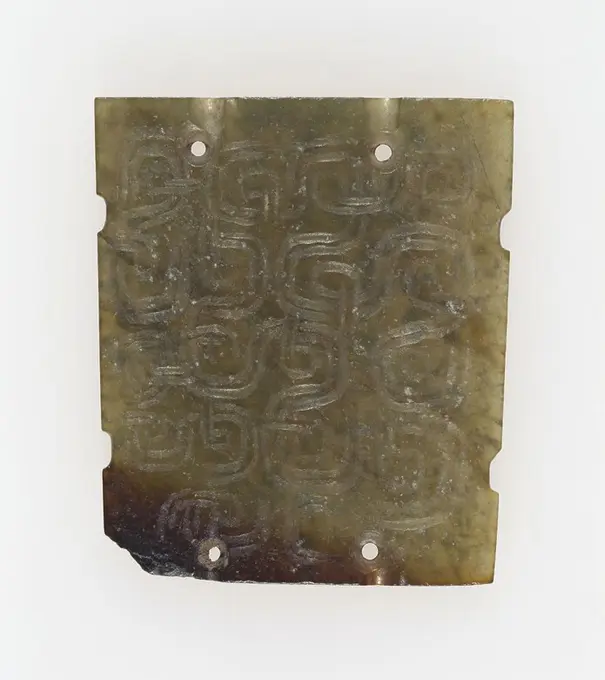
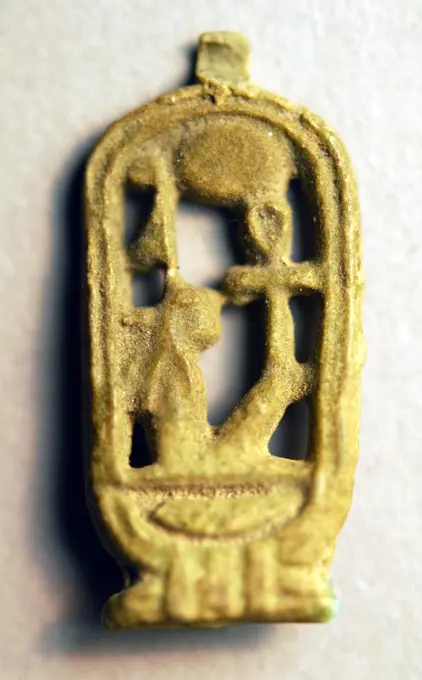
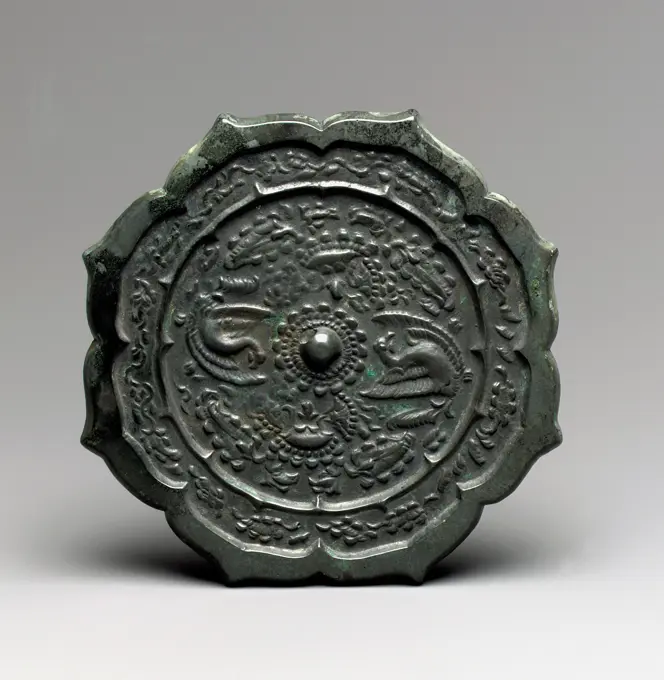
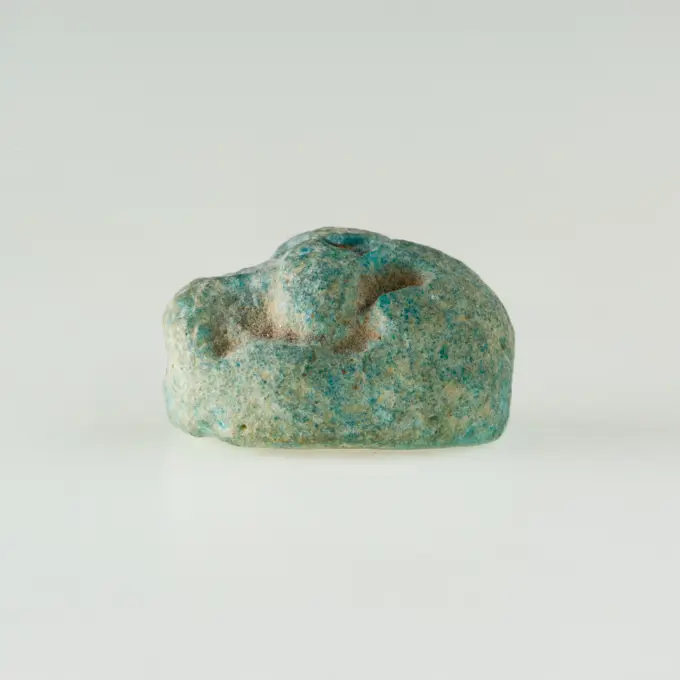
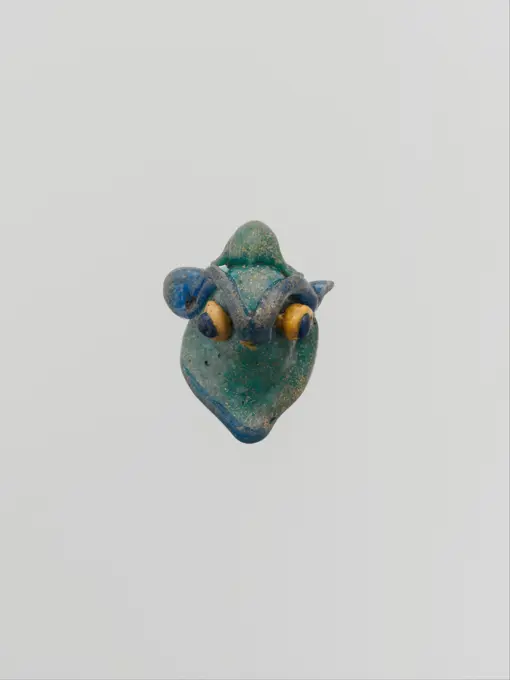
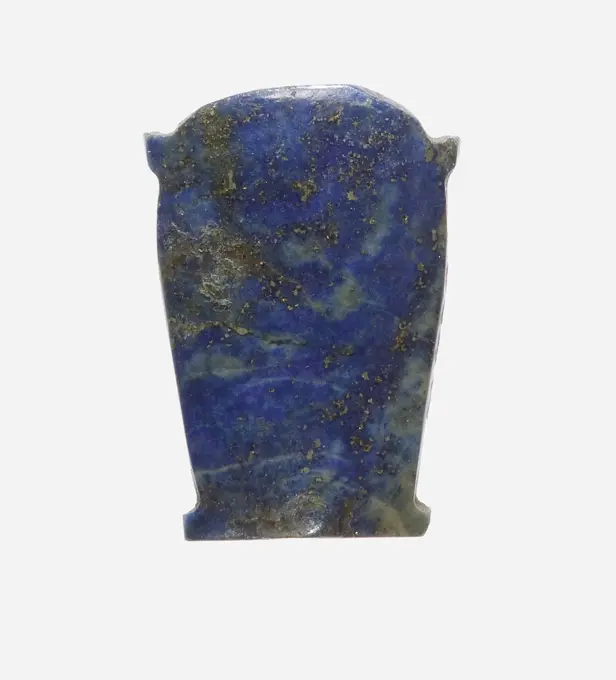
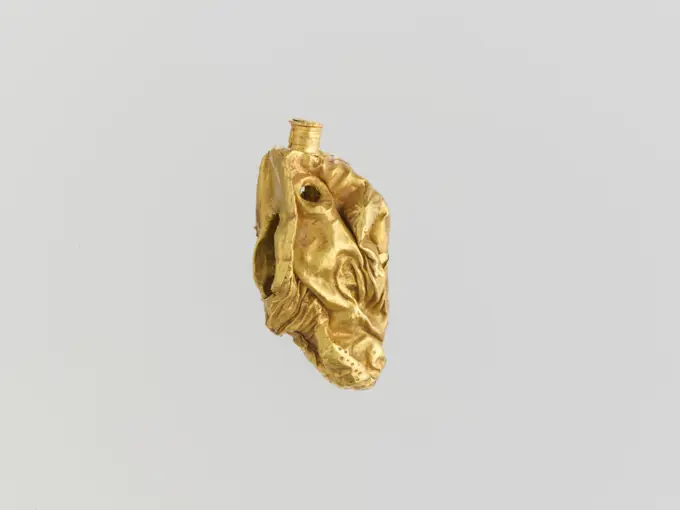
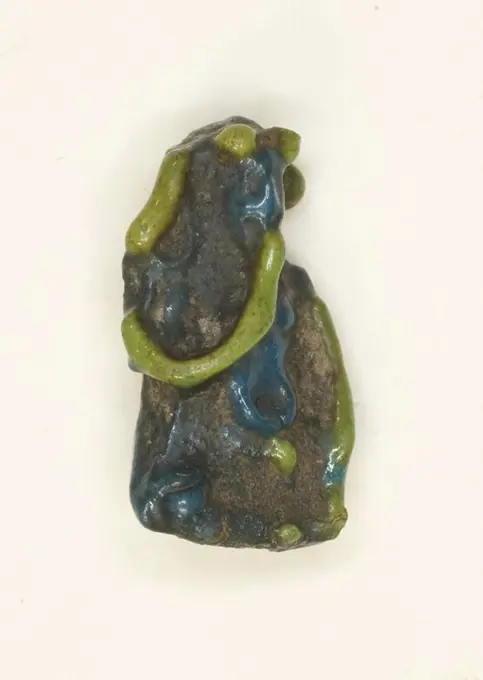
Scarab ca. 1479-1458 B.C. New Kingdom. Scarab. ca. 1479-1458 B.C.. Faience. New Kingdom. From Egypt, Upper Egypt, Thebes, Deir el-Bahri, Hatshepsut Hole, Hathor Shrine, MMA excavations, 1922-23. Dynasty 18Scarab Inscribed Hatshepsut United with Amun ca. 1479-1458 B.C. New Kingdom During the 1926-1927 excavation season, the Museum's Egyptian Expedition uncovered three foundation deposits along the eastern enclosure wall of Hatshepsut's funerary temple at Deir el-Bahri in Western Thebes. Among the contents were 299 scarabs and stamp-seals. Sixty-five of these are now in the Egyptian Museum, Cairo, and the rest were acquired by the Museum in the division of finds.Among the inscriptions on the bases of these scarabs and seals are examples of every title Hatshepsut held, from the time she was "king's daughter" during the reign of her father, Thutmose I; through the time she was queen of her half-brother, Thutmose II; and during her co-reign with her nephew/step-son, Thutmose III.Thirteen of the scarabs (27.3.199 to 27.3.212) are inscribed with various writings of the extended form of Hatshepsuts personal name, Hatshepsut-united-with-Amun, which sometimes appears, enclosed in a cartouche, as Scarab Inscribed Hatshepsut United with Amun ca. 1479-1458 B.C. New Kingdom During the 1926-1927 excavation season, the Museum's Egyptian Expedition uncovered three foundation deposits along the eastern enclosure wall of Hatshepsut's funerary temple at Deir el-Bahri in Western Thebes. Among the contents were 299 scarabs and stamp-seals. Sixty-five of these are now in the Egyptian Museum, Cairo, and the rest were acquired by the Museum in the division of finds.Among the inscriptions on the bases of these scarabs and seals are examples of every title Hatshepsut held, from the time she was "king's daughter" during the reign of her father, Thutmose I; through the time she was queen of her half-brother, Thutmose II; and during her co-reign with her nephew/step-son, Thutmose III.Thirteen of the scarabs (27.3.199 to 27.3.212) are inscribed with various writings of the extended form of Hatshepsuts personal name, Hatshepsut-united-with-Amun, which sometimes appears, enclosed in a cartouche, as Wedjat Eye Amulet ca. 1390-1353 B.C. New Kingdom One of the most popular amulets in ancient Egypt, the wedjat eye represents the healed eye of the god Horus. It depicts a combination of a human and a falcon eye, since Horus was often associated with a falcon. Its ancient Egyptian name, wedjat, means "the one that is sound (again)." In Egyptian mythology Horus eye was injured or stolen by the god Seth and then restored by Thoth. The wedjat eye embodies healing power and symbolizes rebirth. An amulet in this shape was thought to protect its wearer and to transfer the power of regeneration onto him or her. This particular wedjat eye shows the typical style of the New Kingdom, in which the spiral element sits directly underneath the cosmetic line, while in later examples it is situated much lower (see for example 89.2.415). On the backside of the piece is an ankh-sign, the hieroglyph for life.. Wedjat Eye Amulet. ca. 1390-1353 B.C.. Faience. New Kingdom. From Egypt, Upper Egypt, Thebes, MScarab Inscribed Hatshepsut United with Amun. Dimensions: L. 1.7 cm (11/16 in); w. 1.3 cm (1/2 in); h. 0.7 cm (1/4 in). Dynasty: Dynasty 18, early. Reign: Joint reign of Hatshepsut and Thutmose III. Date: ca. 1479-1458 B.C..During the 1926-1927 excavation season, the Museum's Egyptian Expedition uncovered three foundation deposits along the eastern enclosure wall of Hatshepsut's funerary temple at Deir el-Bahri in Western Thebes. Among the contents were 299 scarabs and stamp-seals. Sixty-five of these are now in the Egyptian Museum, Cairo, and the rest were acquired by the Museum in the division of finds.Among the inscriptions on the bases of these scarabs and seals are examples of every title Hatshepsut held, from the time she was "king's daughter" during the reign of her father, Thutmose I; through the time she was queen of her half-brother, Thutmose II; and during her co-reign with her nephew/step-son, Thutmose III.Thirteen of the scarabs (27.3.199 to 27.3.212) are inscribed withScarab Inscribed with the Throne Name of Amenhotep I ca. 1525-1504 B.C. New Kingdom. Scarab Inscribed with the Throne Name of Amenhotep I. ca. 1525-1504 B.C.. Steatite, glazed. New Kingdom. From Egypt, Upper Egypt, Thebes. Dynasty 18Scarab Inscribed with Hieroglyphs ca. 1740-1640 B.C. Middle Kingdom The majority of design scarabs of the late Middle Kingdom (late Dynasty 12-Dynasty 13, ca. 1850 -1640 B.C.) are decorated with symmetric compositions of hieroglyphs and/or scrolls. These signs are not meant to form words but are chosen for their positive, protective meaning. This scarab shows the hieroglyph for gold (nub) and signs placed above it, in pairs to form a balanced composition.. Scarab Inscribed with Hieroglyphs. ca. 1740-1640 B.C.. Blue glazed steatite. Middle Kingdom. From Egypt, Memphite Region, Lisht North, Cemetery, MMA excavations, 1920-22. mid to late Dynasty 13Scarab. Dimensions: l. 1.8 cm (11/16 in). Dynasty: Dynasty 12-18. Date: ca. 1981-1550 B.C.. Museum: Metropolitan Museum of Art, New York, USA.Scarab. Dimensions: L. 1.2 cm (1/2 in.); W. 0.9 cm (3/8 in.); H. 0.6 cm (1/4 in.). Dynasty: Dynasty 18, early. Reign: reign of Thutmose II-Early Joint reign. Date: ca. 1492-1473 B.C..This scarab was found with twenty-three other scarabs and seal-amulets in the coffin of a young woman who was buried in Hatnefer's tomb (see 36.3.1 and 36.3 26). The base is inscribed with a decorative pattern. Museum: Metropolitan Museum of Art, New York, USA.Scarab Inscribed Perfect God, Lord of the Two Lands Maatkare (Hatshepsut), Given Life Forever. Dynasty: Dynasty 18, early. Reign: Joint reign of Hatshepsut and Thutmose III. Date: ca. 1479-1458 B.C.. Museum: Metropolitan Museum of Art, New York, USA.Buckle With oval rim and rounded back piece with one rivet.. Buckle 246784Scarab of Queen Sitsebek. Dimensions: L. 2.2 cm (7/8 in.); W. 1.6 cm (5/8 in.); H. 0.9 cm (3/8 in.). Dynasty: Dynasty 13. Date: ca. 1802-1640 B.C.. Museum: Metropolitan Museum of Art, New York, USA.Badge or Harness Pendant 14th century possibly Spanish Heraldry, or coat-of-arms, were vitally important in Europe throughout the Middle Ages and the Renaissance. Heraldic emblems were used to identify noble families, cities, regions, and even countries. In addition to being displayed on shields and flags, heraldry was incorporated into architectural decoration on the interior and the exterior of buildings, on furniture, works of art, clothing, and horse equipment. Harness pendants, like this example, would have been attached to a headstall, bridle, or other straps making up the tack of a horse ridden by a nobleman or noblewoman, or a member of their household. Many harness pendants also have decoration that is simply ornamental, or have symbols that are not specifically heraldic in nature.. Badge or Harness Pendant. possibly Spanish. 14th century. Copper. Miscellaneous-BadgesScarab Inscribed with the Name Maatkare (Hatshepsut). Dimensions: L. 1.5 cm (9/16 in.); w. 1.1 cm (7/16 in.). Dynasty: Dynasty 18, early. Reign: Joint reign of Hatshepsut and Thutmose III. Date: ca. 1479-1458 B.C..During the 1926-1927 excavation season, the Museum's Egyptian Expedition uncovered three foundation deposits along the eastern enclosure wall of Hatshepsut's funerary temple at Deir el-Bahri in Western Thebes. Among the contents were 299 scarabs and stamp-seals. Sixty-five of these are now in the Egyptian Museum, Cairo, and the rest were acquired by the Museum in the division of finds.Among the inscriptions on the bases of these scarabs and seals are examples of every title Hatshepsut held, from the time she was "king's daughter" during the reign of her father, Thutmose I; through the time she was queen of her half-brother, Thutmose II; and during her regency and co-reign with her nephew/step-son, Thutmose III.After the death of her husband, Hatshepsut became regent for heCowroid Seal Amulet Inscribed for the God's Wife Hatshepsut. Dimensions: L. 1.9 cm (3/4 in.); W. 1.3 cm (1/2 in.); H. 0.5 cm (3/16 in.). Dynasty: Dynasty 18. Reign: Joint reign of Hatshepsut and Thutmose III. Date: ca. 1479-1458 B.C..This cowroid seal amulet (shaped like a cowrie shell) was found in a foundation deposit associated with Hatshepsut's funerary temple at Deir el-Bahri. The base is inscribed with her personal name, Hatshepsut ("foremost of noblewomen") linked with the title God's Wife. Hatshepsut inherited the title while she served as principal queen of her half-brother, Thutmose II. Later in her life, after taking on the titles of King, Hatshepsut passed the title to her daughter, Neferure (see scarab 27.3.326).The back of the seal amulet has been inscribed with the image of a tilapia fish eating water plants. Around the edge is a decorative pattern that suggests the setting of a swivel ring bezel (see 36.3.46). Museum: Metropolitan Museum of Art, New York, USA.Scarab Inscribed with the Throne Name of Thutmose I ca. 1504-1492 B.C. New Kingdom. Scarab Inscribed with the Throne Name of Thutmose I. ca. 1504-1492 B.C.. Steatite, glazed. New Kingdom. From Egypt. Dynasty 18Scarab Inscribed with the Throne Name of Thutmose I ca. 1504-1492 B.C. New Kingdom. Scarab Inscribed with the Throne Name of Thutmose I. ca. 1504-1492 B.C.. Steatite. New Kingdom. From Egypt. Dynasty 18Scarab Inscribed for Maatkare (Hatshepsut) ca. 1479-1458 B.C. New Kingdom During the 1926-1927 excavation season, the Museum's Egyptian Expedition uncovered three foundation deposits along the eastern enclosure wall of Hatshepsut's funerary temple at Deir el-Bahri in Western Thebes. Among the contents were 299 scarabs and stamp-seals. Sixty-five of these are now in the Egyptian Museum, Cairo, and the rest were acquired by the Museum in the division of finds.Among the inscriptions on the bases of these scarabs and seals are examples of every title Hatshepsut held, from the time she was "king's daughter" during the reign of her father, Thutmose I; through the time she was queen of her half-brother, Thutmose II; and during her regency and co-reign with her nephew/step-son, Thutmose III.The inscription on the base of this scarab records Hatshepsut's throne name, Maatkare, enclosed in a cartouche and flanked by feathers that symbolize the goddess Maat (truth). Above the cartouche is a wingeScarab ca. 1295-1070 B.C. New Kingdom, Ramesside. Scarab 569603Scarab Inscribed with the Throne Name of Thutmose I ca. 1504-1492 B.C. New Kingdom. Scarab Inscribed with the Throne Name of Thutmose I. ca. 1504-1492 B.C.. Steatite, glazed. New Kingdom. From Egypt. Dynasty 18Phrygian cap, s. d. (Dummy title) Anonymous. Phrygian cap (obverse).Crescent Ornaments 6th-7th century Moche (Loma Negra). Crescent Ornaments. Moche (Loma Negra). 6th-7th century. Copper. Peru. Metal-OrnamentsScarab ca. 1479-1458 B.C. New Kingdom. Scarab. ca. 1479-1458 B.C.. Faience. New Kingdom. From Egypt, Upper Egypt, Thebes, Deir el-Bahri, Hatshepsut Hole, Hathor Shrine, MMA excavations, 1922-23. Dynasty 18Stamp Seal, Hemispheroid with Flattened End, Back Reworked. Western Iran, about 4th millennium B.C.. Tools and Equipment; seals. Gray-mottled black serpentineScarab The God Ptah with Maat Feather and Djed-Pillar 1295 BCE-1069 BCE Egypt. Glazed steatite . Ancient EgyptianCowroid Stamp Seal with an Ankh Inscribed on the Base ca. 1390-1353 B.C. New Kingdom. Cowroid Stamp Seal with an Ankh Inscribed on the Base. ca. 1390-1353 B.C.. Faience. New Kingdom. From Egypt, Upper Egypt, Thebes, Malqata, Palace of Amenhotep III, MMA excavations, 1910-11. Dynasty 18Amulet of the Eye of Horus. Egyptian. Date: 1390 BC-1352 BC. Dimensions: 1.4 × 1 × 0.5 cm (9/16 × 3/8 × 3/16 in.). Faience. Origin: Egypt. Museum: The Chicago Art Institute, Chicago, USA. Author: Ancient Egyptian.Bronze navicella-type fibula (safety pin). Culture: Italic. Dimensions: Other: 2 5/8 in. (6.7 cm). Date: 8th century B.C..Navicella-type fibulae have arched bows with open undersides; embellished with two small bosses on either side. Museum: Metropolitan Museum of Art, New York, USA.Scarab. Dimensions: l. 1.6 cm (5/8 in); w. 1.7 cm (11/16 in). Dynasty: Dynasty 12-18. Date: ca. 1981-1295 B.C.. Museum: Metropolitan Museum of Art, New York, USA.S-Shaped Brooch 7th century Frankish. S-Shaped Brooch. Frankish. 7th century. Copper alloy, tinning, garnet. Metalwork-CopperStamp seal ca. 3rd-7th century A.D. Sasanian. Stamp seal. Sasanian. ca. 3rd-7th century A.D.. Glass, black. Sasanian. Mesopotamia, CtesiphonBuckle Shank 5th-7th century Visigothic. Buckle Shank. Visigothic. 5th-7th century. Bronze. Miscellaneous-Buckles & OrnamentTable screen (username). Sandstone, molding, celadon, molded and incised decor. Cernuschi Museum, Asia Museum of Asia in the city of Paris.Musketmaat, anonymous, c. 1590 - c. 1596  Musket size of brass, cap is missing. There are holes in the leather sleeve.  brass (alloy). leather soldering / striking (metalworking)  Nova Zembla. Saving HuysScarab from Rennefer's Burial ca. 1504-1447 B.C. New Kingdom. Scarab from Rennefer's Burial. ca. 1504-1447 B.C.. Faience. New Kingdom. From Egypt, Upper Egypt, Thebes, Asasif, Tomb of Neferkhawet (MMA 729), west chamber A, Burial of Rennefer (II), inside box 35.3.79, MMA excavations, 1934-35. Dynasty 18, earlyZhuizhi roller in the shape of three monkeys at a branch of the birch unknownBelt Buckle mid-500s Frankish Belts were important features of early medieval dress. Not only did they serve the practical function of holding weapons and tools, but their fittings, which could vary in terms of material, decoration, and size, were also highly visible indicators of rank and status. Iron buckles, many imposing in size, were worn by both men and women. Their intricate decoration was achieved by squeezing narrow twisted strips of silver into patterns engraved on the surface of the prefabricated iron pieces. A complete belt would have consisted of a buckle, a counter plate that was placed opposite the buckle, and sometimes a rectangular plate placed in the middle of the belt at the back for decoration.. Belt Buckle 465436 Frankish, Belt Buckle, mid-500s, Copper alloy, tinned surface, Overall: 3 9/16 x 1 7/8 x 11/16 in. (9.1 x 4.7 x 1.8 cm). The Metropolitan Museum of Art, New York. Gift of J. Pierpont Morgan, 1917 (17.193.129)Scarab ca. 1640-1550 B.C. Second Intermediate Period. Scarab. ca. 1640-1550 B.C.. Blue glazed steatite. Second Intermediate Period. From Egypt, Upper Egypt, Thebes, Asasif, Tomb CC 47, Carnarvon excavations, 1912. Dynasty 13-17Glass double-headed pendant late 4th-3rd century B.C. Punic Translucent cobalt blue.Oval disk, with flat flange at bottom. Vertical mold seams visible at sides. Vertical hole driven into disk from below.On each face of disk, female head in relief facing front, one larger than the other, with ears visible in front of locks falling to side of face, and hair drawn back from forehead, possibly in the form of snakes.Chipped around sides and suspension loop at top missing; dulling, weathering, and small patches of brilliant iridescence.. Glass double-headed pendant. Punic. late 4th-3rd century B.C.. Glass; cast in a two-part mold. Early Hellenistic. GlassVase fragment Roman Fragment of a green-glazed vase; male figure with thyrsos.. Vase fragment. Roman. Terracotta; lead-glazed ware. VasesScarab Inscribed with the Throne Name of Thutmose III. Dimensions: L. 1.6 cm (5/8 in); w. 1.2 cm (1/2 in); h. 0.7 cm (1/4 in). Dynasty: Dynasty 18, early. Reign: Joint reign of Hatshepsut and Thutmose III. Date: ca. 1479-1458 B.C.. Museum: Metropolitan Museum of Art, New York, USA.Taweret Amulet ca. 1550-1295 B.C. New Kingdom. Taweret Amulet 566849Pole End. Culture: China. Dimensions: L. 1 15/16 in. (4.9 cm); W. 1 3/8 in. (3.5 cm); Diam. 15/32 in. (4.9 cm). Museum: Metropolitan Museum of Art, New York, USA.Plaque of Amenemhat II ca. 1919-1885 B.C. Middle Kingdom. Plaque of Amenemhat II 545699Worker Shabti of Nany. Dimensions: H. 8.6 × W. 3.4 × D. 1.9 cm (3 3/8 × 1 5/16 × 3/4 in.). Dynasty: Dynasty 21. Reign: reign of Psusennes I. Date: ca. 1050 B.C..See 30.3.27.1a, b. Museum: Metropolitan Museum of Art, New York, USA.Belt Hook China. Belt Hook. China. Bronze. late Zhou dynasty (1046-256 B.C.). MetalworkScarab Inscribed with a Geometric Pattern ca. 1479-1458 B.C. New Kingdom. Scarab Inscribed with a Geometric Pattern. ca. 1479-1458 B.C.. Steatite (glazed). New Kingdom. From Egypt, Upper Egypt, Thebes, Deir el-Bahri, Temple of Hatshepsut, Foundation Deposit 7 (G), MMA excavations, 1926-27. Dynasty 18, earlyRing with Aegis of Nepthys, 945-715 BC. Egypt, Third Intermediate Period, Dynasty 22. Turquoise faience; diameter: 2.7 cm (1 1/16 in.); overall: 2.5 cm (1 in.).Rosette for Wig Decoration , 1980-1801 BC. Egypt, Middle Kingdom, Dynasty 12. Silver; diameter: 1.2 cm (1/2 in.).Amulet - eye  VII-IV century BC ; Half period (-700-00-00--301-00-00);Collection of the art of ancient Egypt, Tyszkiewicz, Michał (1828-1897) - collections, Zachęta, Dar, Oko Underwat (Amulet)Plaque fragment. Culture: Iran. Dimensions: 1.46 x 0.83 x 0.12 in. (3.71 x 2.11 x 0.3 cm). Date: ca. 9th century B.C.. Museum: Metropolitan Museum of Art, New York, USA.Eye of Horus (Wedjat) Amulet 664 BCE-343 BCE Egypt. Faience . Ancient EgyptianAmulet of winged scarab with falcon head 525-30 BC Late Period-Ptolemaic Period Starting in the later Late Period and continuing through the Ptolemaic Period, a type of glass amulet cast by pressing the glass into a shallow open mold appears. The back was left rough, and the amulets may look ragged because glass overflowed the mold around the edges. The earlier amulets are monochrome, bi- or multicolor amulets supplement the repertoire during the Ptolemaic Period.Some of the amulets can be specifically tied to spells of the Book of the Dead - for example, acc. no. 17.194.2526 - and most are clearly funerary amulets, presumably meant to be wrapped between the bandages of the mummy where the presence of the amulet would do its job irrespective of its degree of finish.. Amulet of winged scarab with falcon head. 525-30 BC. Glass. Late Period-Ptolemaic Period. From EgyptDisk. Western Iran, Luristan bronzes, circa 1000-650 B.C.. Sculpture. Bronze, hammeredScarab Cobras Addorsed and Linked 1550 BCE-1295 BCE Egypt. Glazed steatite . Ancient EgyptianDrohiczy seal;  XI-XIII century (1090-00-00-1110-00-00);guild seals, customs seals, touches, seals of customs chambers, official seals, seals with a cross, seal with an eagleWorker Shabti of Nany ca. 1050 B.C. Third Intermediate Period See 30.3.27.1a, b. Worker Shabti of Nany. ca. 1050 B.C.. Faience. Third Intermediate Period. From Egypt, Upper Egypt, Thebes, Deir el-Bahri, Tomb of Meritamun (TT 358, MMA 65), first corridor, burial of Nany, MMA excavations, 1928-29. Dynasty 21Uszebti. unknown, authorMold, Repousséd copper, In the form of a goose with ring on neck., Europe, 18th century, metalwork, Decorative Arts, MoldAmulet  touristShawabty of Ditamenpaankh, 715-656 BC. Egypt, Late Period, Dynasty 25. Terracotta; overall: 2.6 x 1.8 x 1.1 cm (1 x 11/16 x 7/16 in.).Odważnik ołowiany. unknown, authorVotive Menat fragment ca. 1479-1458 B.C. New Kingdom. Votive Menat fragment. ca. 1479-1458 B.C.. Faience. New Kingdom. From Egypt, Upper Egypt, Thebes, Deir el-Bahri, Hatshepsut Hole, Hathor Shrine, MMA excavations, 1922-23. Dynasty 18Fragment of a vessel. A low curvature of the glass fragment and a kink allow the assignment to a vessel, probably a shell. In turquoise ground, several flowers can be seen in millefiori technology. Around a core of different concentric circles in different color consequences (either from the inside outward turquoise and purple, red, white, purple or red, turquoise, yellow and purple) lay small violet dots in a white band. For the production of different colored glasses Shaped to tubes and poles. These were compressed and heated, causing a long bar. The glass sliced now had different amorphous or floral patterns. Thereafter, several of these platelets were folded, heated again and pressed into a vascular shape. Burry for the elaborate manufacturing process and its fragility was one of the luxury articles of antiquity.Plaque with Interlinked Scrolls. China. Date: 700 BC-600 BC. Dimensions: 1 3/8 × 1 × 1/8 in. Jade. Origin: China. Museum: The Chicago Art Institute, Chicago, USA.Butterfly amulet ca. 1981-1640 B.C. Middle Kingdom. Butterfly amulet. ca. 1981-1640 B.C.. Faience. Middle Kingdom. From Egypt, Memphite Region, Lisht North, Cemetery, debris, MMA excavations, 1920-22. Dynasty 12-13Worker Shabti of Nauny ca. 1050 B.C. Third Intermediate Period See 30.3.29.1a, b. Worker Shabti of Nauny. ca. 1050 B.C.. Faience. Third Intermediate Period. From Egypt, Upper Egypt, Thebes, Deir el-Bahri, Tomb of Meritamun (TT 358, MMA 65), first corridor, burial of Nauny, MMA excavations, 1928-29. Dynasty 21Scarab ca. 1479-1458 B.C. New Kingdom. Scarab. ca. 1479-1458 B.C.. Faience. New Kingdom. From Egypt, Upper Egypt, Thebes, Deir el-Bahri, Hatshepsut Hole, Hathor Shrine, MMA excavations, 1922-23. Dynasty 18Scarab Amulet Late Period ca. 712-332 B.C. View more. Scarab Amulet. ca. 712-332 B.C.. Blue paste. Late Period. From Egypt, Upper Egypt, Thebes, Sheikh Abd el-Qurna, Tomb of Dagi (MMA 807), MMA excavations. Dynasty 25-30Scarab. Dimensions: H. 2.5 × W. 1.8 × D. 1.1 cm (1 × 11/16 × 7/16 in.). Dynasty: Dynasty 13. Date: ca. 1802-1575 B.C.. Museum: Metropolitan Museum of Art, New York, USA.Figurka wotywna kobiety. unknown, authorScarab: Cross Pattern. Egyptian. Date: 1650 BC-1550 BC. Dimensions: 2.2 × 1.6 × 1 cm (7/8 × 5/8 × 3/8 in.). Glazed steatite. Origin: Egypt. Museum: The Chicago Art Institute, Chicago, USA. Author: Ancient Egyptian.Mordant 15th-17th century European. Mordant. European. 15th-17th century. Bronze, patina. Miscellaneous-Buckles & OrnamentUszebti. unknown, authorScarab of Sebekhotep III ca. 1748-1741 B.C. Middle Kingdom This scarab is inscribed with the prenomen and nomen of pharaoh Sebekhotep III (Dynasty 13, ca. 1748-1741 B.C.) and specifies his genealogy by mentioning his father, Mentuhotep.. Scarab of Sebekhotep III. ca. 1748-1741 B.C.. Steatite, traces of green glaze. Middle Kingdom. From Egypt, Memphite Region, Lisht North, Cemetery, debris, MMA excavations, 1920-22. Dynasty 13Fragments of a cart or chariot, crossed cylinders ca. 500-480 B.C. Etruscan Large collection of bronze and iron attachments once belonging to a chariot.. Fragments of a cart or chariot, crossed cylinders 253023 Etruscan, Chariot fragments, crossed cylinders, ca. 500480 B.C., Bronze, average: 2  1 13/16 in. (5.1  4.6 cm). The Metropolitan Museum of Art, New York. Fletcher Fund, 1929 (29.131.3m1m8)Glass perfume bottle. Culture: Roman. Dimensions: 1 3/16 in. (3 cm)Diam. of rim: 1/2 in. (1.2 cm)Length: 11/16 in. (1.8 cm)Width: 1/4 in. (0.6 cm). Date: 1st century A.D..Miniature perfume bottleTranslucent blue.Rim folded out, over, and in, flattened on top; long, cylindrical neck, tooled in around base; lentoid body with tooled indents in both sides; round bottom.Intact; some pinprick bubbles; dulling, pitting, and iridescent weathering. Museum: Metropolitan Museum of Art, New York, USA.Dragon Pendant. Culture: China. Dimensions: H. 3 1/8 in. (7.9 cm); W. 1 3/8 in. (3.5 cm). Date: 11th-10th century B.C.. Museum: Metropolitan Museum of Art, New York, USA.Cartouche of Amenhotep III ca. 1390-1352 B.C. New Kingdom. Cartouche of Amenhotep III. ca. 1390-1352 B.C.. Faience. New Kingdom. From Egypt, Upper Egypt, Thebes, West Valley of the Kings, Tomb of Amenhotep III (WV 22), Carnarvon/Carter excavations, 1915. Dynasty 18Mirror decorated with phoenixes and flowers first half of the 12th century Korea. Mirror decorated with phoenixes and flowers 50445Animal amulet ca. 1981-1550 B.C. Middle Kingdom-Second Intermediate Period. Animal amulet 557062Glass pendant in the form of a demonic mask 6th-5th century B.C. Phoenician Semi-opaque turquoise blue, with additions in opaque yellow and translucent cobalt blue.Conical, splayed at bottom with rounded edge; circular suspension loop applied to top; rod hole underneath.Applied large eyebrows in blue, tooled flat at outer ends to form horns (or ears), eyes as blue knobs applied over yellow circles, and blue edge at bottom.Intact; slight dulling, pitting, and weathering, with encrustation inside rod hole.. Glass pendant in the form of a demonic mask 249971Bastet Hieroglyph Amulet 664-332 B.C. Late Period. Bastet Hieroglyph Amulet. 664-332 B.C.. Lapis lazuli. Late Period. From Egypt. Dynasty 26-30Lead figure of a winged goddess, possibly Artemis Orthia. Culture: Greek, Laconian. Dimensions: Height: 1 3/8 in. (3.5 cm). Date: late 7th-6th century B.C..Small flat votive figurines of cast lead have been found in great quantities at the ancient sanctuaries of Laconia; over one hundred thousand, dating from the seventh century B.C. to the Classical period, were dedicated to the goddess Artemis Orthia in Sparta. Museum: Metropolitan Museum of Art, New York, USA.Bronze helmet attachment. Culture: Etruscan. Dimensions: H.: 1 1/4 x 1 9/16 in. (3.2 x 4 cm). Date: late 6th century B.C..Rogers Fund, 1919 (19.192.56)Arthur Darby Nock Fund, in memory of Gisela M. A. Richter, 1973 (1973.11.2) Depicted on each of these decorative bronzes (97.22.7 and 1973.11.2 are from Civita Castellana) is a satyr with long hair, heavy beard, and mule ears who extends his arms and holds his hands open. Only one satyr (19.192.56) is wingless. Museum: Metropolitan Museum of Art, New York, USA.Carnavalet museum, medal collection Bust law of Mgr Denis Affre on the right; Reverse registration on seven lines.Ornament China. Ornament 61098Gold pendant in the form of a bull's head ca. 1400-1050 B.C. Cypriot Pendant in the form of a bull's head.. Gold pendant in the form of a bull's head. Cypriot. ca. 1400-1050 B.C.. Gold. Late Bronze Age. Gold and SilverAmulet of the God Khnum 332 BCE-30 BCE Egypt. Faience . Ancient EgyptianSa Amulet ca. 1390-1353 B.C. New Kingdom. Sa Amulet. ca. 1390-1353 B.C.. Faience. New Kingdom. From Egypt, Upper Egypt, Thebes, Malqata, South Village, MMA excavations, 1910-11. Dynasty 18Plaque. Egypt, New Kingdom (circa 1569 - 1081 BCE). Sculpture. FaienceBone plaque with a hole at one end 7th century B.C. Greek, Laconian Concentric rings between groups of three lines.. Bone plaque with a hole at one end 251748 Greek, Laconian, Bone plaque with a hole at one end, 7th century B.C., Ivory, Other: 2 7/8 in. (7.3 cm). The Metropolitan Museum of Art, New York. Gift of A. J. B. Wace, 1924 (24.195.182)Ring of Sun God Ra in his Bark Being Worshipped by Baboons. Egyptian. Date: 1550 BC-1186 BC. Dimensions: 2.5 × 2.5 × 1.6 cm (1 × 1 × 5/8 in. ). Steatite. Origin: Egypt. Museum: The Chicago Art Institute, USA. Author: Ancient Egyptian.Glass Fragment ca.1300 French or British. Glass Fragment. French or British. ca.1300. Colorless glass. Glass-StainedFragment of a Mosaic Glass Vessel. Unknown 1st century B.C.-1st century A.D. Dark purple with milky white and green in a quatrefoil pattern.Recumbent bovid seal ca. early 3rd millennium B.C. () Iran. Recumbent bovid seal. Iran. ca. early 3rd millennium B.C. (). Bitumenous limestone. Early Bronze Age (). Southwestern Iran ()Carranque, Museo de los Concilios y la Cultura Visigoda, Church of San Román, Toledo, Castilla-La Mancha, Spain.Glass Refuse. Egyptian. Date: 1069 BC-525 BC. Dimensions: 1.6 × 1 × 0.6 cm (5/8 × 3/8 × 1/4 in.). Glass. Origin: Egypt. Museum: The Chicago Art Institute, Chicago, USA. Author: Ancient Egyptian.Scarab seal ca. 6th century B.C. (). Scarab seal. ca. 6th century B.C. (). Jasper, green. Iron Age, Phoenicia (). Levant or SyriaBadge or Harness Pendant ca. 1400 Spanish Heraldry, or coat-of-arms, were vitally important in Europe throughout the Middle Ages and the Renaissance. Heraldic emblems were used to identify noble families, cities, regions, and even countries. In addition to being displayed on shields and flags, heraldry was incorporated into architectural decoration on the interior and the exterior of buildings, on furniture, works of art, clothing, and horse equipment. Harness pendants, like this example, would have been attached to a headstall, bridle, or other straps making up the tack of a horse ridden by a nobleman or noblewoman, or a member of their household. Many harness pendants also have decoration that is simply ornamental, or have symbols that are not specifically heraldic in nature.. Badge or Harness Pendant. Spanish. ca. 1400. Copper, gold. Miscellaneous-Badges