Ancient Egyptian Scarabs and Amulets

Artifacts from ancient Egypt including scarabs and wedjat eye amulets, showcasing intricate designs and cultural significance from the New Kingdom.
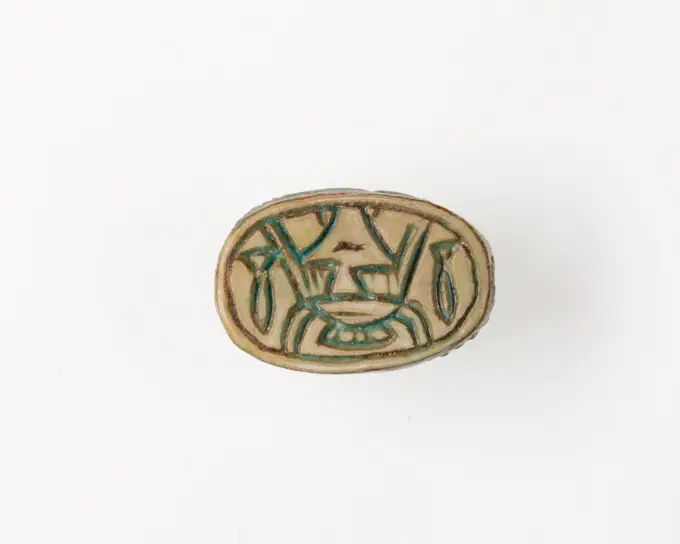
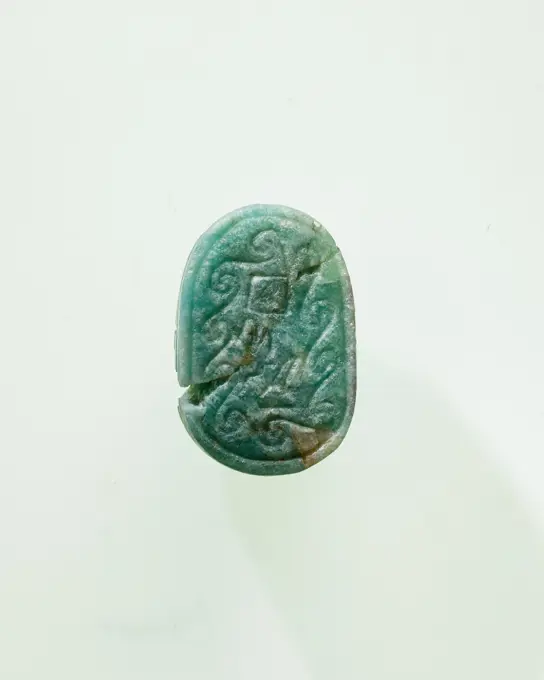
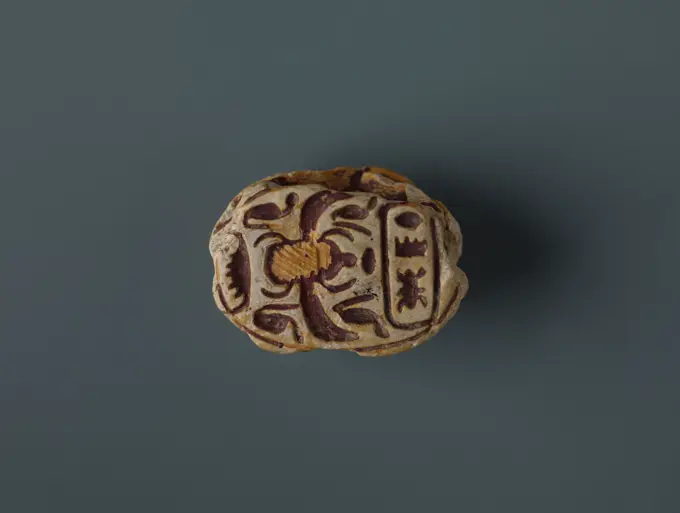
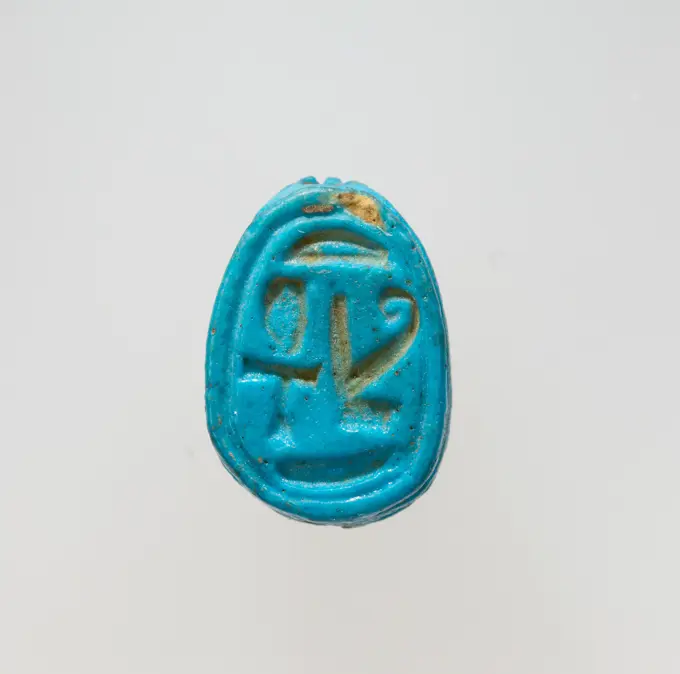
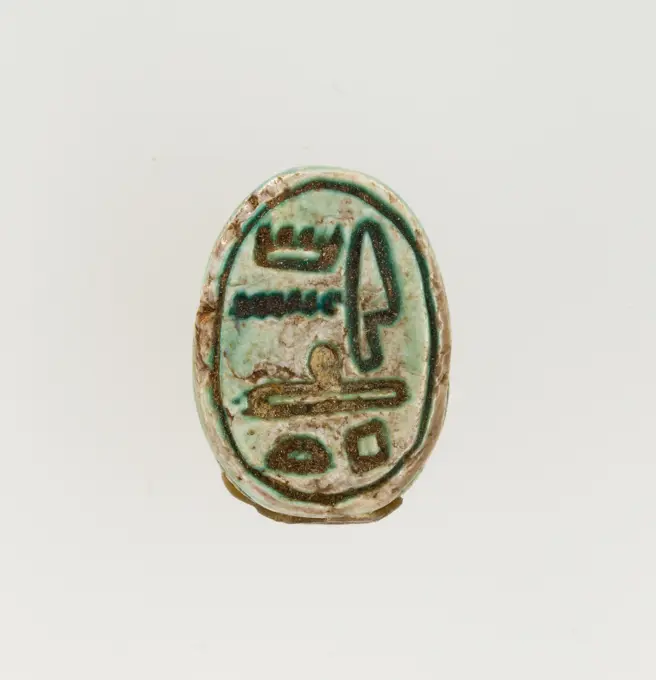
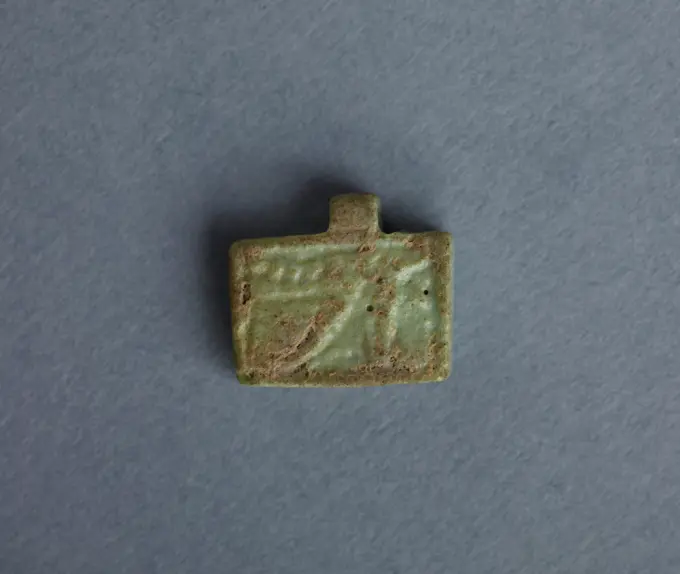
Scarab Inscribed with Hieroglyphs ca. 1740-1640 B.C. Middle Kingdom The majority of design scarabs of the late Middle Kingdom (late Dynasty 12-Dynasty 13, ca. 1850 -1640 B.C.) are decorated with symmetric compositions of hieroglyphs and/or scrolls. These signs are not meant to form words but are chosen for their positive, protective meaning. This scarab shows the hieroglyph for gold (nub) and signs placed above it, in pairs to form a balanced composition.. Scarab Inscribed with Hieroglyphs. ca. 1740-1640 B.C.. Blue glazed steatite. Middle Kingdom. From Egypt, Memphite Region, Lisht North, Cemetery, MMA excavations, 1920-22. mid to late Dynasty 13
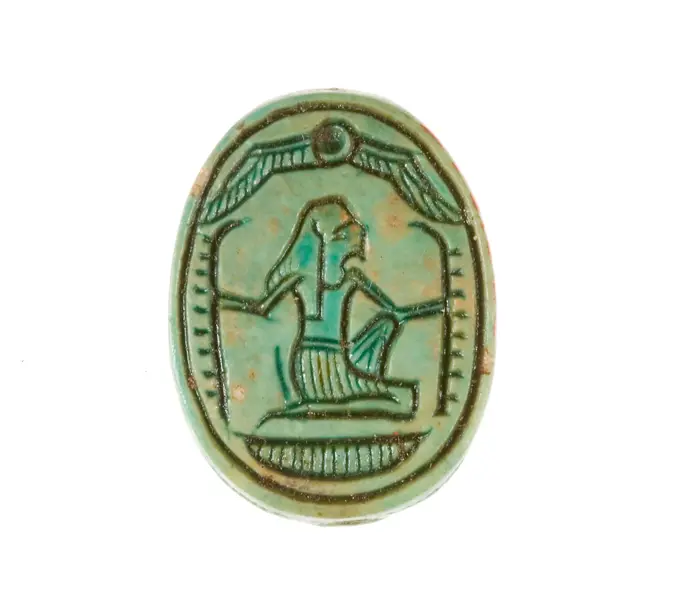
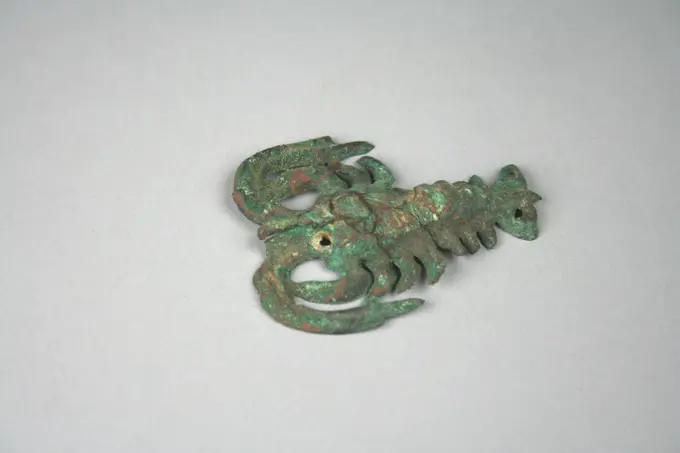
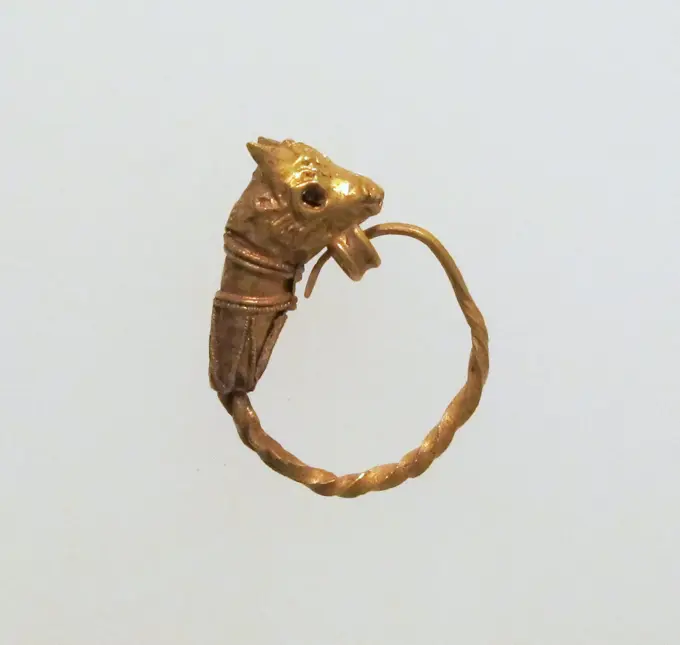
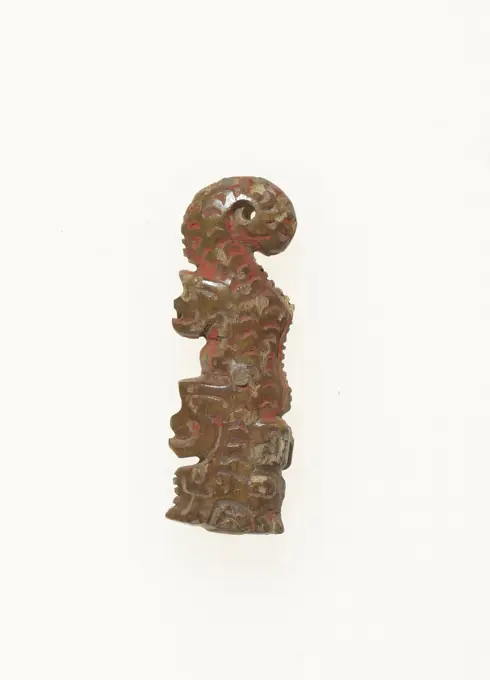
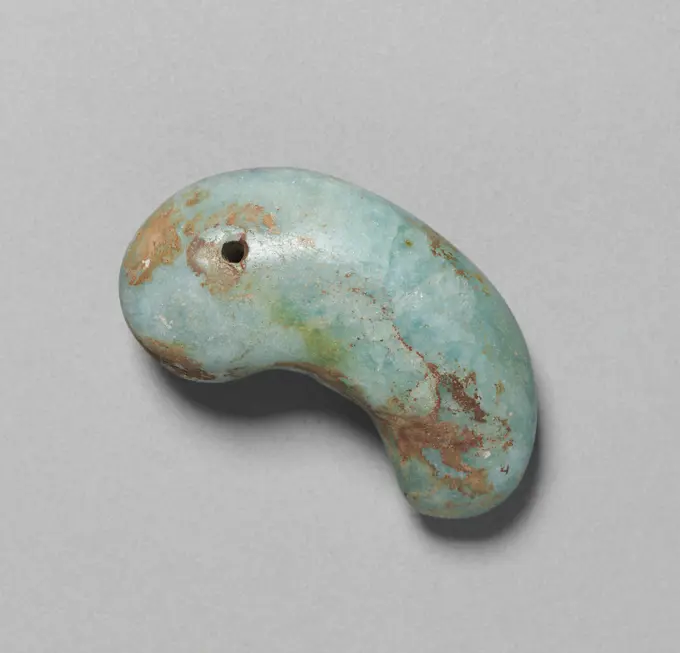
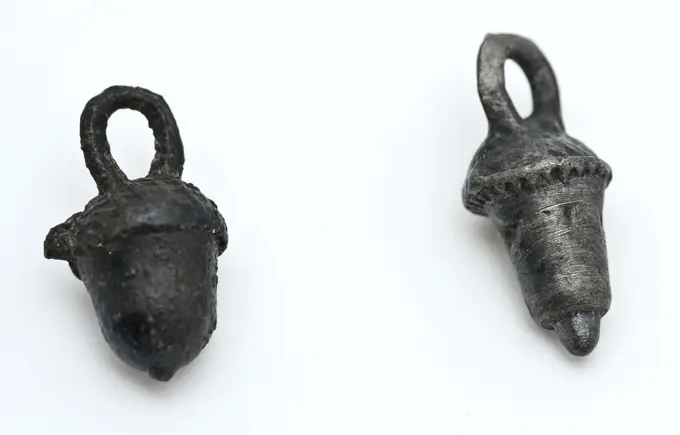
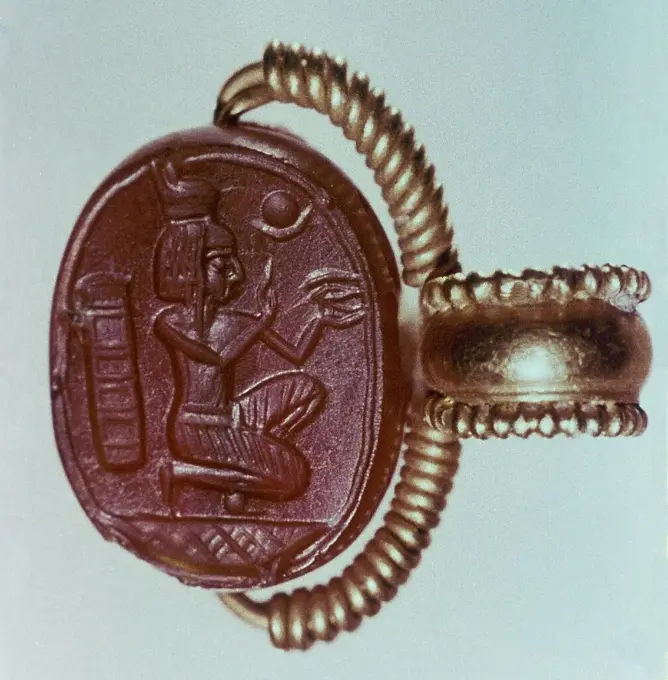
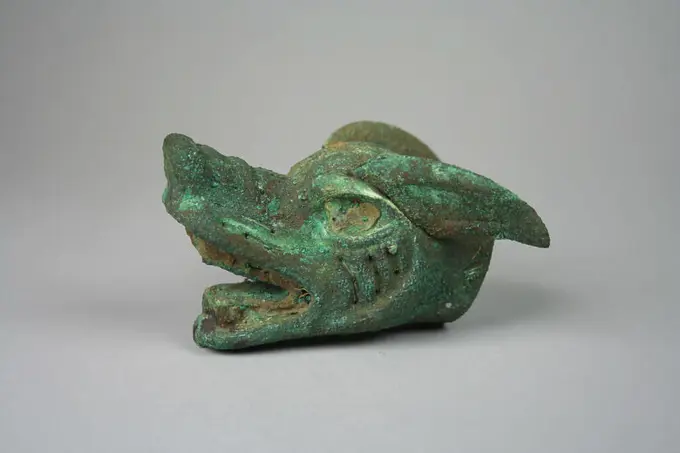
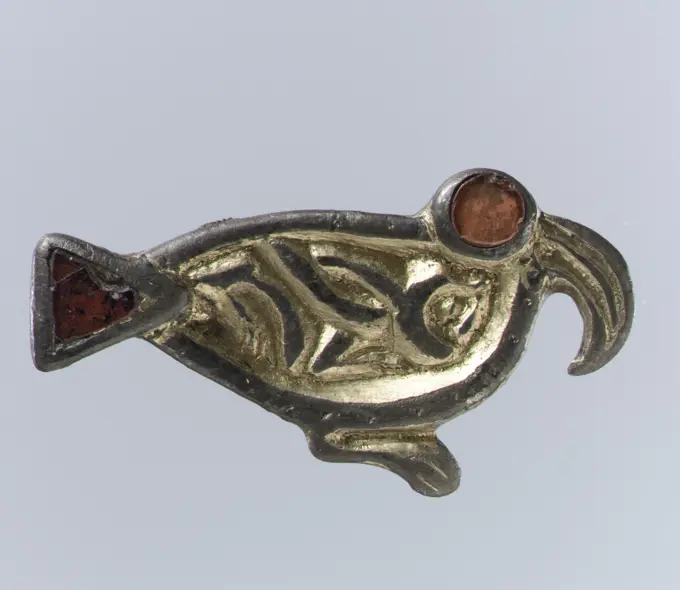
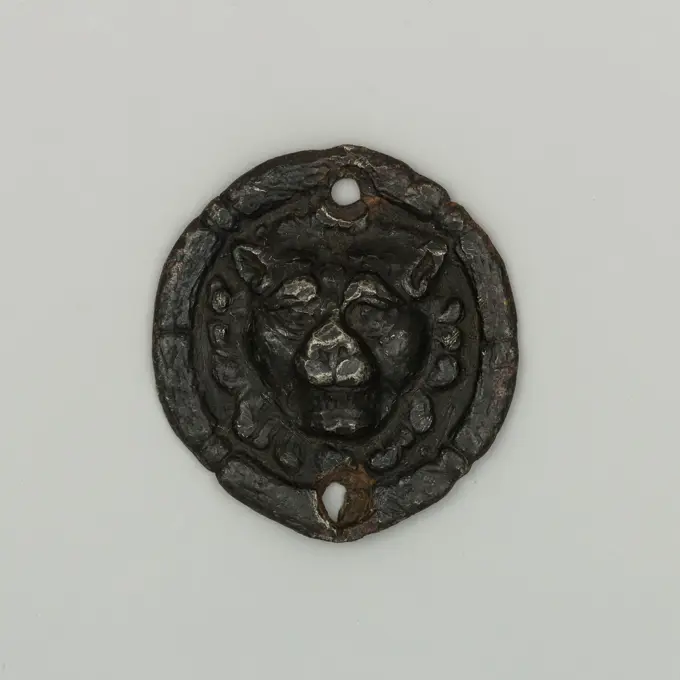
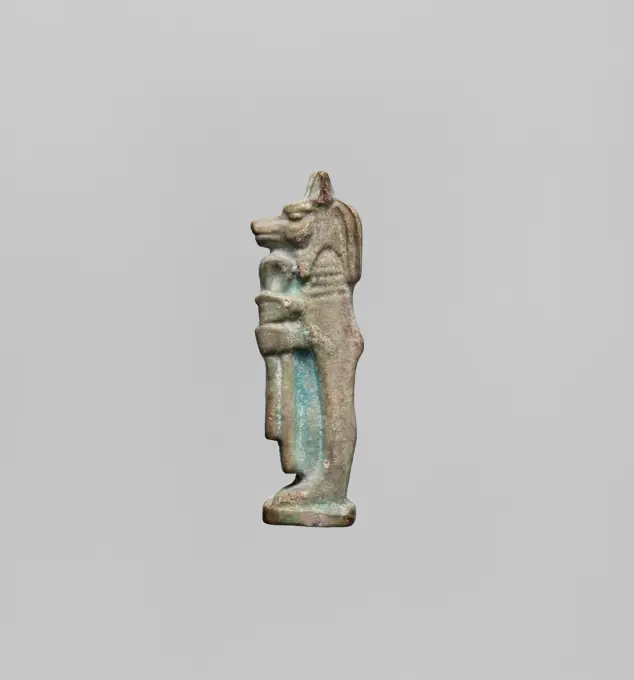
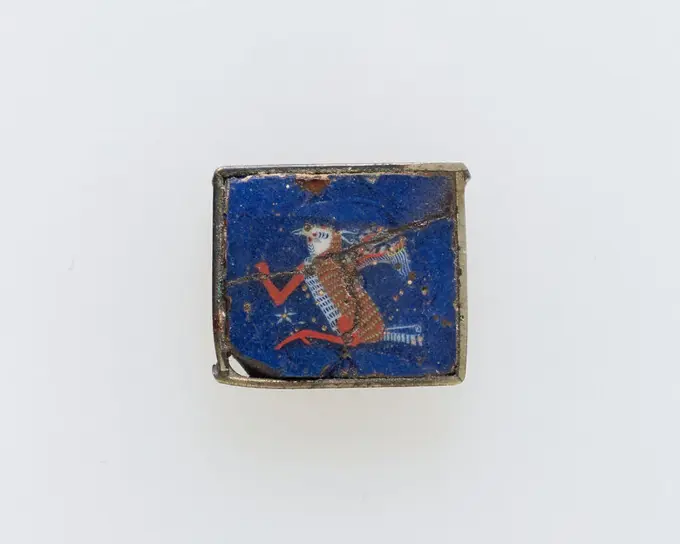
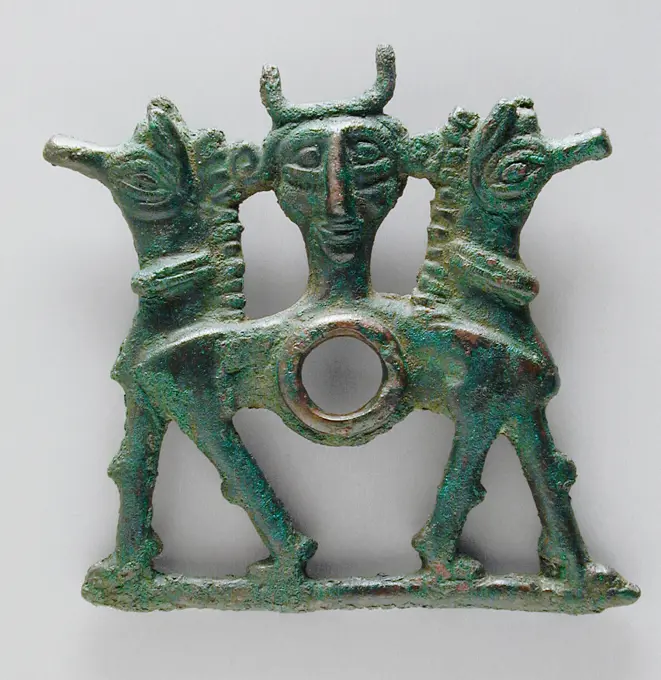
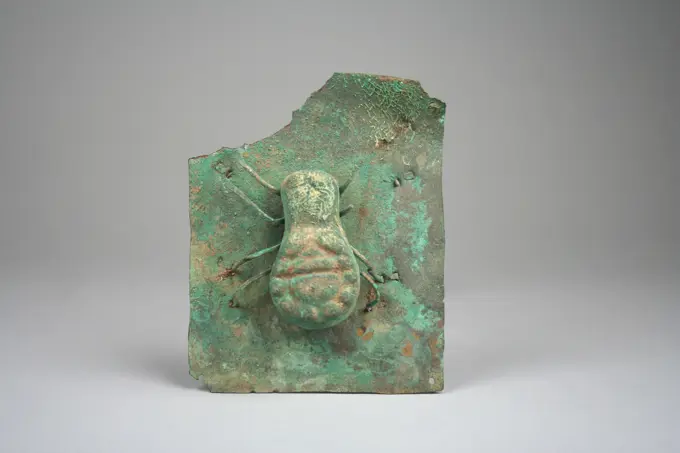
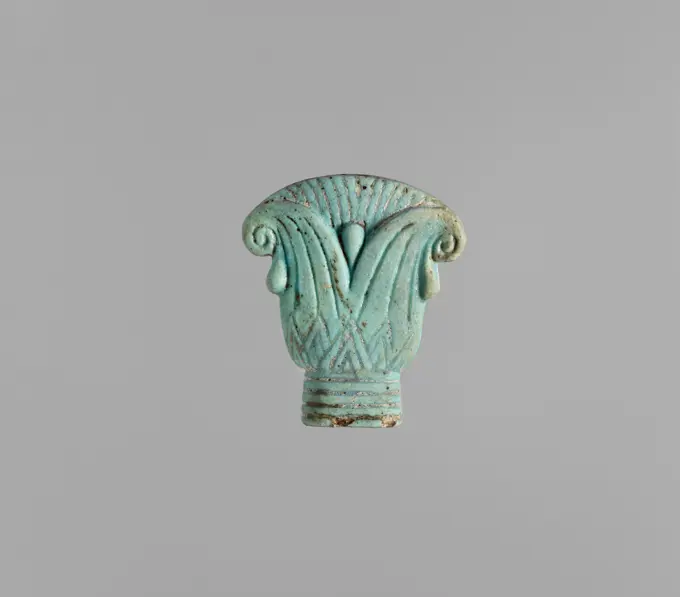
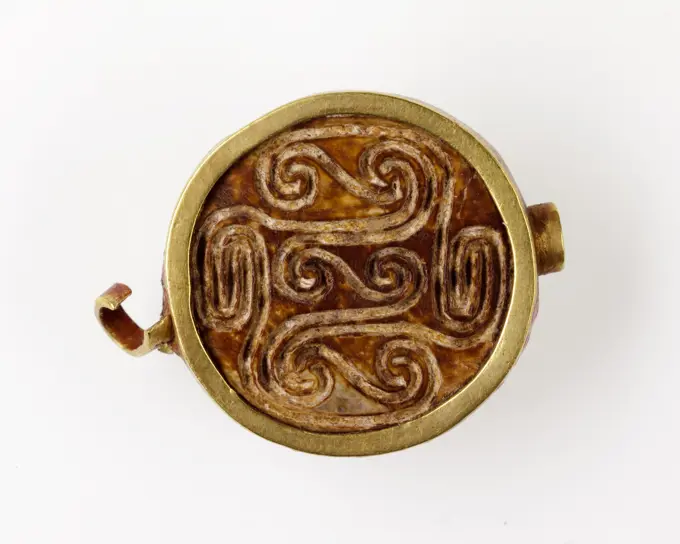
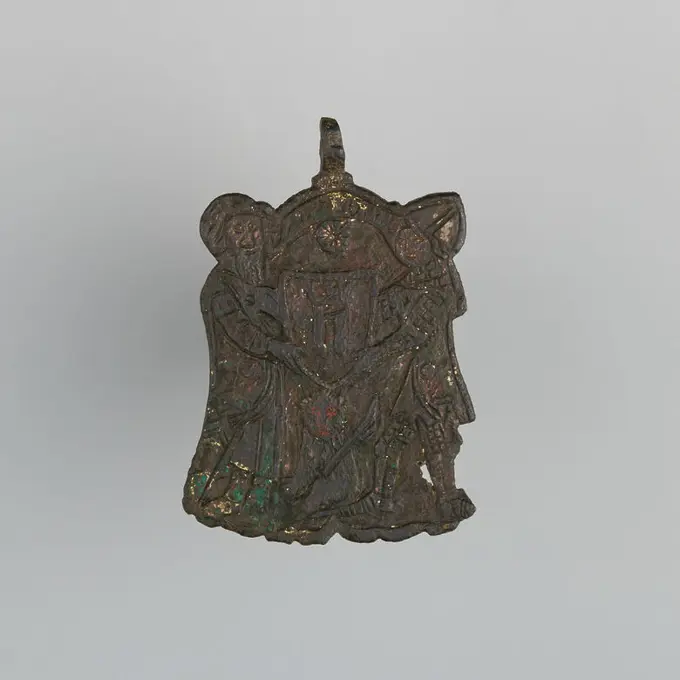
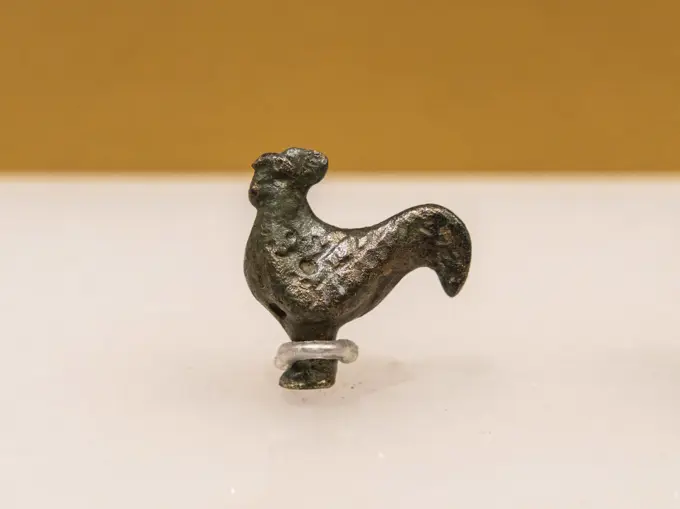
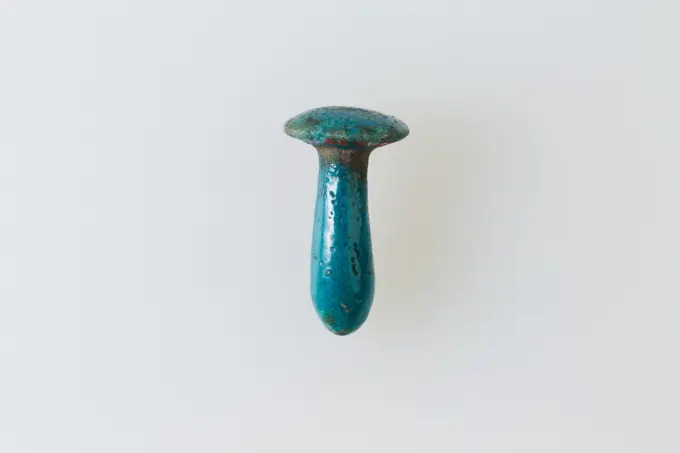
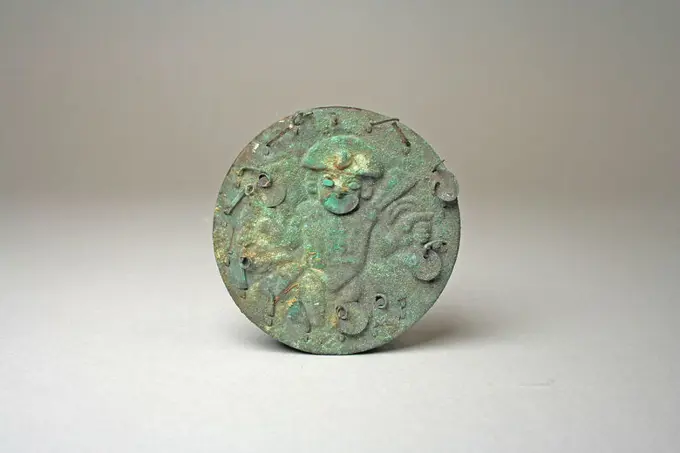
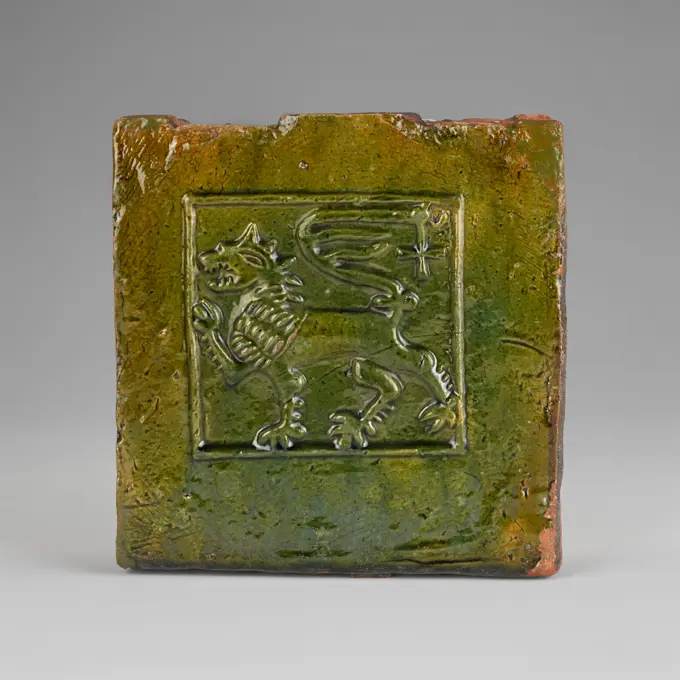
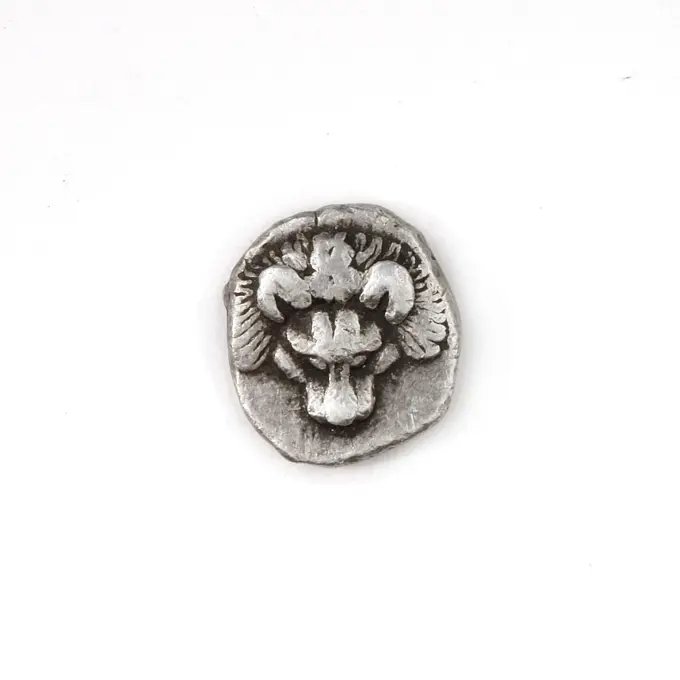
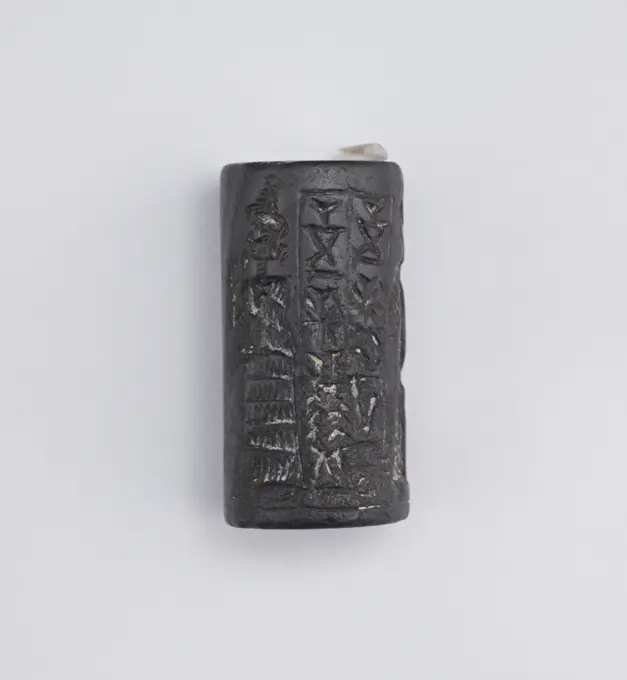
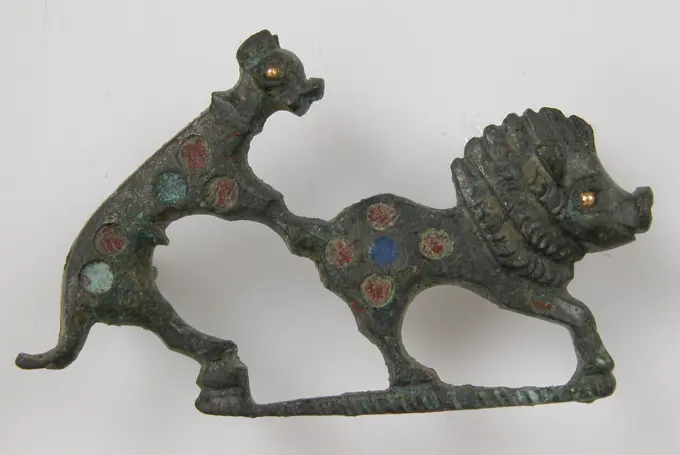
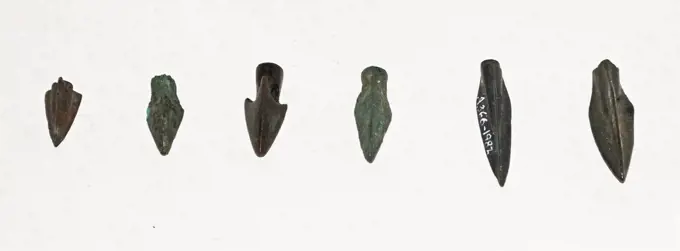
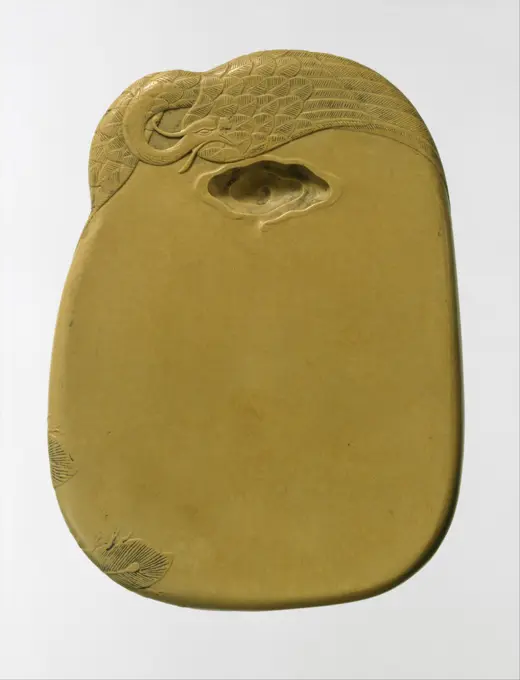
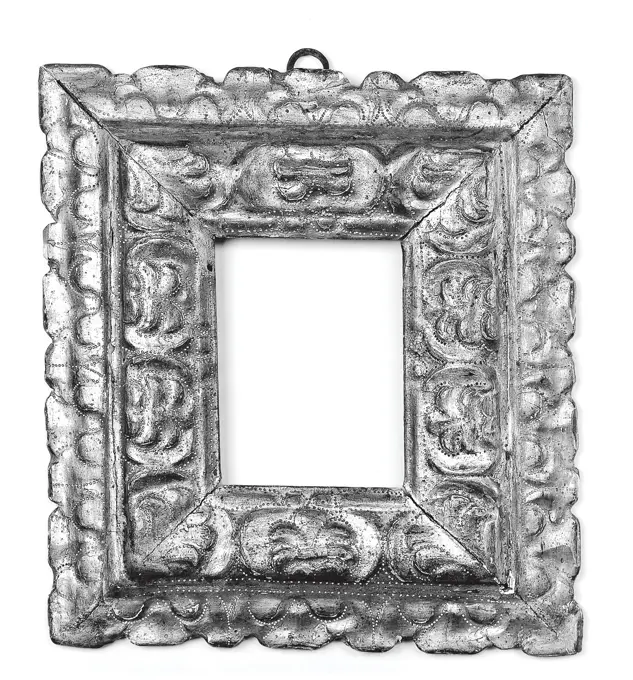
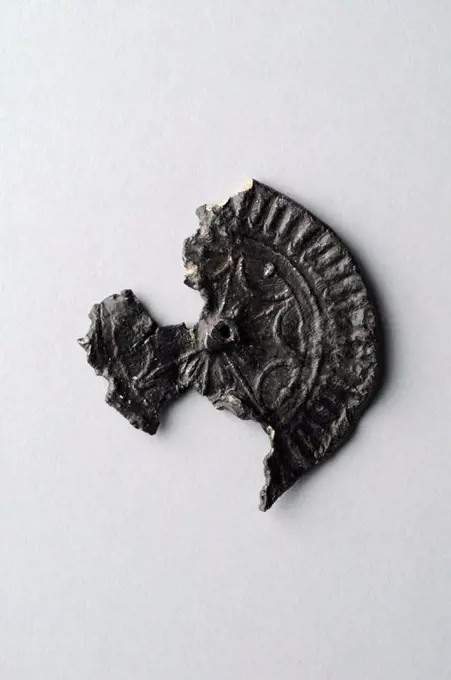
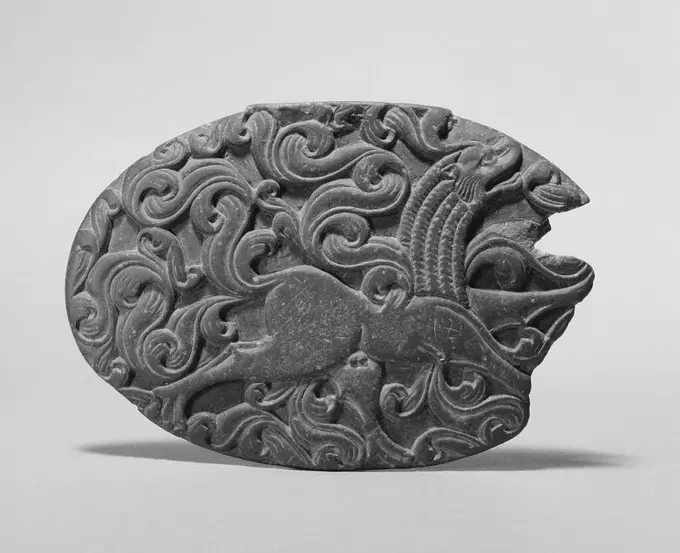
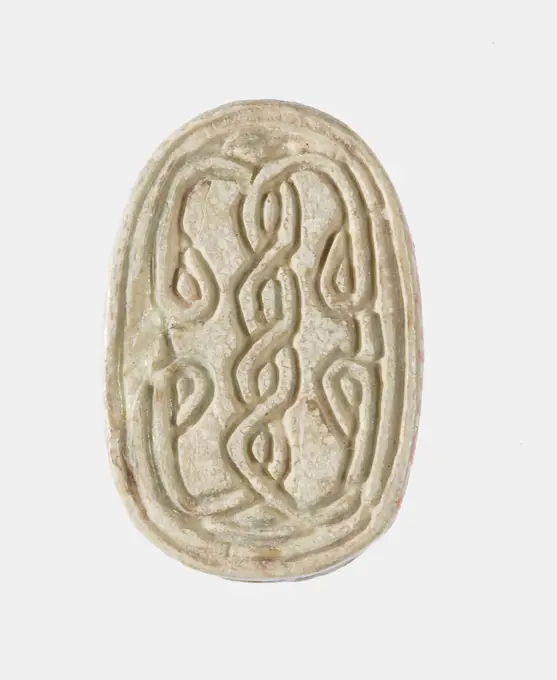
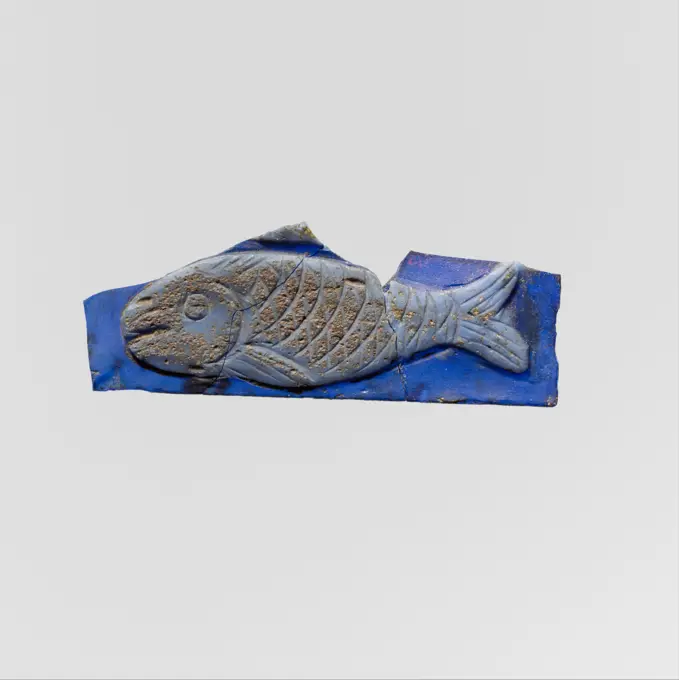
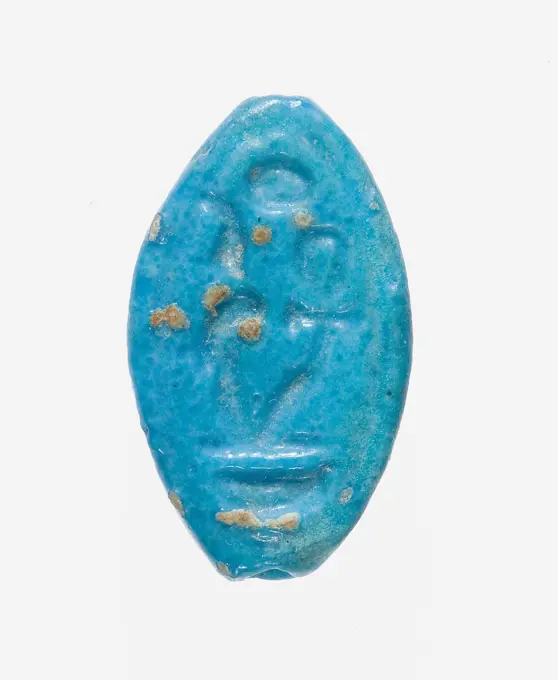
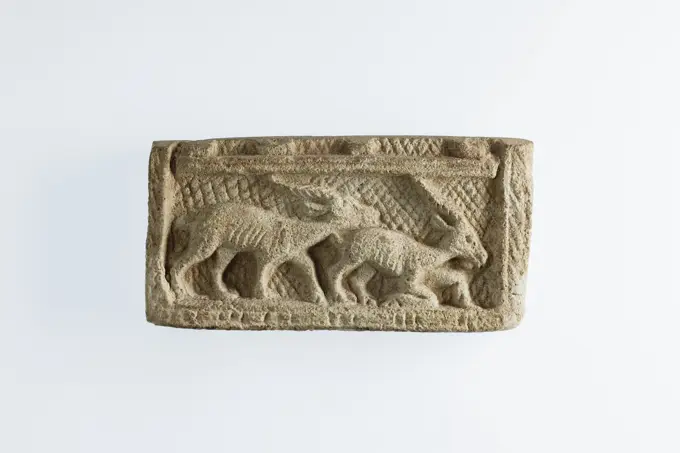
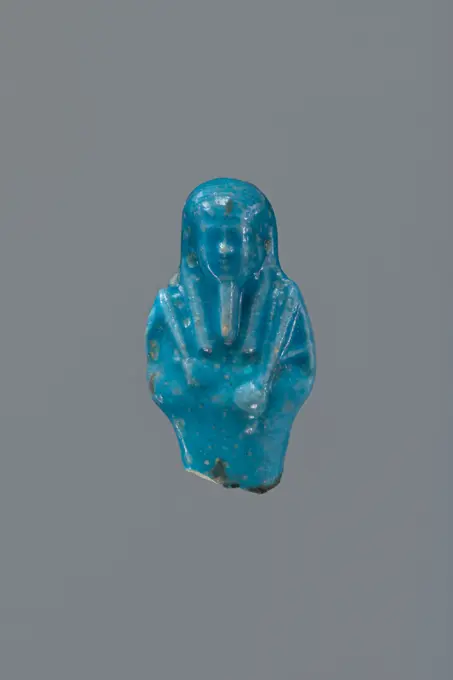
Uszebti. unknown, authorScarab Inscribed with a Hieroglyphic Motif ca. 1479-1458 B.C. New Kingdom. Scarab Inscribed with a Hieroglyphic Motif. ca. 1479-1458 B.C.. Steatite (glazed). New Kingdom. From Egypt, Upper Egypt, Thebes, Deir el-Bahri, Temple of Hatshepsut, Foundation Deposit 7 (G), MMA excavations, 1926-27. Dynasty 18, earlyHuman Head Scaraboid ca. 1295-1070 B.C. New Kingdom, Ramesside. Human Head Scaraboid. ca. 1295-1070 B.C.. Faience. New Kingdom, Ramesside. From Egypt. Dynasty 19-20Animal Ornament 6th-7th century Moche (Loma Negra). Animal Ornament 315083Bow Brooch 550-600 Visigothic. Bow Brooch 466176Scarab of a Priest of Hathor ca. 1850-1802 B.C. Middle Kingdom Administrative changes during Dynasty 12 lead to an increase in bureaucracy and, subsequently, in the production and use of seals. This is reflected in the beginning of the mass production of scarabs, the most popular shape for amulets, in late Dynasty 12 through Dynasty 13 (ca. 1850-1640 B.C.). Thousands of these late Middle Kingdom scarabs bear the names and titles of officials, who would wear them as amulets, but who could also use them to seal documents, containers or doors. However, the scarabs primary function remained that of a protective amulet. Several inscriptions add a funerary epithet to the owners name, indicating that the amulet was manufactured after the owner had passed away. This scarabs bears the name and title of a priest of the goddess Hathor. The inscription is surrounded by a scroll border.. Scarab of a Priest of Hathor. ca. 1850-1802 B.C.. Green feldspar. Middle Kingdom. From Egypt, Memphite Region,Gold earring with head of a bull 4th-3rd century B.C. Greek. Gold earring with head of a bull 242840Statuette of a warrior-11. Culture: Greek, Laconian. Dimensions: Height: 13/16 in. (2 cm). Museum: Metropolitan Museum of Art, New York, USA.Key, c. 1400 - c. 1950 Flat key () To a completely ornamented. The handle is acorn, the stem short and the beard square with some notches on two sides. Rome bronze (metal) Flat key () To a completely ornamented. The handle is acorn, the stem short and the beard square with some notches on two sides. Rome bronze (metal)Tiger amulet, 13th-12th century BCE, Carved animal bone, China, 13th-12th century BCE, The two tiger amulets, bird hairpin, and finial decorated with a composite serpent human motif, although exceptionally rare, are products of a major Shang dynasty industry, bone carving. The stylized animals and conventional motifs found on bronze vessels are also encountered in carved bone suggesting similar emblematic purposes. All of these items were likely personal adornments rather than ceremonial objects.Comma-shaped Jade, AD 400s. Korea, Three Kingdoms period (57 BC-668). Glass; overall: 7.3 x 3.9 x 2.5 cm (2 7/8 x 1 9/16 x 1 in.). Jade is one of the hardest stones and requires an intensive, arduous process of abrasioncutting, chiseling, grinding, and polishingto achieve the desired shape. A grindstone and a slurry of grit and water shape the jade into the desired form, and then a cloth dampened and rubbed with finer grit may have been used to give the jade the smooth surface. For the Silla kingdom (57 BC-985), in particular, comma-shaped jades served as an essential item for the burials of the ruling class and were luxurious accessories to decorate golden crowns. Their comma shape is thought to represent embryonic forms, symbolizing life, particularly rebirth in the afterlife.Two charms or pendants in the form of acorns, with hanging eye, charm pendant jewel clothing accessory clothing soil find tin metal, molded Two pewter charms in the shape of an acorn. Possibly part of archaeological leather fittings Rotterdam City Triangle Botersloot Binnenrotte sieren Soilfoundst pour Binnenrotte back Botersloot (savings bank) from medieval layer.ESCARABEO DE CORNALINA CON MONTURA DE ORO-S V A C. Location: MUSEO ARQUEOLOGICO / MUSEO DE PUIG DES MOLINS. IBIZA. SPANIEN.Animal Ornament. Culture: Moche (Loma Negra). Dimensions: L. 3 5/8 in. (9.2 cm). Date: 390-450. Museum: Metropolitan Museum of Art, New York, USA.Bird-Shaped Brooch 500-550 Anglo-Saxon Artistic traditions that developed at Kent spread through the export of objects. These five brooches were found in France. Their affinity with objects from Kent suggests that they were exports or copies of exports.. Bird-Shaped Brooch 465124Costume Ornament 11th-12th century North Coast (). Costume Ornament 308764Food Model Amulet: Brace of Duck, 1295-1069 BC. Egypt, New Kingdom, Dynasties 19-20. Turquoise faience; overall: 2.6 cm (1 in.).Horse harness rosette China. Horse harness rosette 61166Box with Metal Mounts ca. 11th century This box was blown into a mold as one piece and then cut in half. Metal mounts were then applied and fixed with nails. Decorations such as the circular medallions beneath the hinges and the lozenge motifs on the box were formed by the mold and by additional carving. Although similar containers are often referred to as pen boxes, they would have been too small for such use, and their specific function is not known. In Europe, they were often used as reliquaries.. Box with Metal Mounts. ca. 11th century. Glass, greenish color; mold-blown, wheel-cut decoration, metal mounts. Attributed to Egypt. GlassGlass Fragment. Culture: French or British. Dimensions: Overall: 3 1/4 x 2 3/4 inches (8.5 x 7 cm). Date: ca.1300. Museum: Metropolitan Museum of Art, New York, USA.Bit Boss or Ornamental Plaquette late 16th - 17th century possibly German This circular plaquette, cast in iron, is adorned with a lions head circled by a vegetal garland. It would have decorated the sides of a horse bit or other small object, like a powder flask or a pistol.. Bit Boss or Ornamental Plaquette. possibly German. late 16th - 17th century. Iron. Equestrian Equipment-BitsAmulet - Duamutef. unknown, authorInlay, rekhyt bird. Dimensions: H. 1.4 × W. 1.5 cm (9/16 × 9/16 in.). Date: 100 BC-100 AD.A mosaic glass technique allowed multiples of an image to be created: a figural or design composition was made by bundling colored glass canes, which were then drawn out into a long bar. The bar was then sectioned at right angles, probably by striking the bar with appropriate tools, to produce small inlay tiles. The tile would then be smoothed and polished on the face intended to appear outwards.Such elements could also be used side by side to create repeating patterns. Museum: Metropolitan Museum of Art, New York, USA.Cheekpiece from a Horse Bit. Iran, Luristan, Luristan bronzes, circa 1000-650 B.C.. Tools and Equipment; horse trappings. Bronze, castSpider Ornament 6th-7th century Moche (Loma Negra). Spider Ornament 314706Shrine amulet of Nefertum 664-332 B.C. Late Period. Shrine amulet of Nefertum 545355Obsadka wachlarza. unknown, authorMagic rod segment: lion ca. 1981-1550 B.C. Middle Kingdom-Early New Kingdom. Magic rod segment: lion 556564Worker Shabti of Nany ca. 1050 B.C. Third Intermediate Period See 30.3.26.1a, b. Worker Shabti of Nany Worker Shabti of Nany, ca. 1050 B.C. Egyptian, Third Intermediate Period Faience; 8.8 × 3.4 × 1.9 cm (3 7/16 × 1 5/16 × 3/4 in.) The Metropolitan Museum of Art, New York, Rogers Fund, 1930 (30.3.26.80) http://www.metmuseum.org/Collections/search-the-collections/625748Amulet  HatchesUszebti Nespakaiszuti. unknown, authorScarab ca. 1981-1295 B.C. Middle Kingdom-Early New Kingdom. Scarab 557115ScarabRectangular Plaque middle of 6th century Frankish. Rectangular Plaque 465570 Frankish, Rectangular Plaque, middle of 6th century, Copper alloy, Overall: 1 1/4 x 13/16 x 1/4 in. (3.1 x 2 x 0.7 cm). The Metropolitan Museum of Art, New York. Gift of J. Pierpont Morgan, 1917 (17.193.246)Scarab ca. 1479-1458 B.C. New Kingdom. Scarab. ca. 1479-1458 B.C.. Faience. New Kingdom. From Egypt, Upper Egypt, Thebes, Deir el-Bahri, Hatshepsut Hole, Hathor Shrine, MMA excavations, 1922-23. Dynasty 18Scarab of Ramesses II. Dimensions: L. 2.1 × W. 1.4 cm (13/16 × 9/16 in.). Dynasty: Dynasty 19-20. Date: ca. 1295-1070 B.C.. Museum: Metropolitan Museum of Art, New York, USA.Scarab, 1991-1786 BCE, 2 3/8 x 1 9/16 in. (6.03 x 3.97 cm), glazed steatite, Egypt, 20th-18th century BCEKey, c. 1400 - c. 1950 Key whose round eye on either side is equipped with two hooks. There is a beard with four teeth on the octagonal handle. Rome bronze (metal) Key whose round eye on either side is equipped with two hooks. There is a beard with four teeth on the octagonal handle. Rome bronze (metal)Lead figure of a warrior with spears and shield. Culture: Greek, Laconian. Dimensions: Height: 1 5/8 in. (4.2 cm). Date: 6th-5th century B.C..Small flat votive figurines of cast lead have been found in great quantities at the ancient sanctuaries of Laconia; over one hundred thousand, dating from the seventh century B.C. to the Classical period, were dedicated to the goddess Artemis Orthia in Sparta. Museum: Metropolitan Museum of Art, New York, USA.Cosmetic box in the shape of a composite capital. Dimensions: H. 8.5 cm (3 3/8 in); w. 9 cm (3 9/16 in). Date: 664-300 B.C..The lid of this delicately carved box created in glassy blue-green faience represents a column capital of a type well known from architectural examples in extant Ptolemaic Period temples. The precise date of the piece is undetermined because such boxes are extremely rare. The origin of the type can be traced back to cosmetic spoons and boxes of the late New Kingdom (ca. 1390-1070 B.C.), but the earliest representations of a similar capital is found in a fourth century B.C. tomb. Such containers may have belonged to members of Egypt's aristocracy, but research suggests that they were more likely made for use in temple rituals, a function the decoration reinforces. Although boxes generally were held shut with a string wound between two knobs, the attachment on this one was not designed to be used in this manner, emphasizing a ritual function. The hole in the lid Fragment of Statesbti;  332-30 BC ; Ptolemean period (-332-00-00--30-00-00);Djed pillar amulet 664-380 B.C. Late Period. Djed pillar amulet 561562Scarab Nefera with Hieroglyphs (kA-signs, xaw) 2055 BCE-1550 BCE Egypt. Glazed steatite . Ancient EgyptianScarab Inscribed with the Name of the God Amun-Re ca. 1479-1458 B.C. New Kingdom. Scarab Inscribed with the Name of the God Amun-Re. ca. 1479-1458 B.C.. Steatite (glazed). New Kingdom. From Egypt, Upper Egypt, Thebes, Deir el-Bahri, Temple of Hatshepsut, Foundation Deposit 7 (G), MMA excavations, 1926-27. Dynasty 18, earlyBuckle. Western Inner Mongolia, 4th-3rd century B.C.. Costumes; Accessories. Bronze, castHeart Scarab ca. 1295-1070 B.C. New Kingdom, Ramesside. Heart Scarab. ca. 1295-1070 B.C.. Limestone. New Kingdom, Ramesside. From Egypt. Dynasty 19-20Badge. Culture: Spanish, Catalonia. Dimensions: H. 3 1/16 in. (7.7 cm); W 2 1/8 in. (5.4 cm); Wt. 1 oz. (28.3 g). Date: ca. 1400. Museum: Metropolitan Museum of Art, New York, USA.Iberian votive offering in the shape of a rooster Iberian votive offering in the shape of a rooster, bronze, III BC, Las Tiesas Espeluy, Iberian Museum of Jaén, Andalusia, Spain Copyright: xZoonar.com/Tolox 21714867Pilgrim's Badge 14th-16th century French. Pilgrim's Badge. French. 14th-16th century. Lead. Metalwork-LeadAmulet of the Goddess Tawaret (Toeris) 1070 BCE-656 BCE Egypt. Faience . Ancient EgyptianRing Ankhkheprure (Smenkhkare) 1338 BCE-1336 BCE Egypt. Glazed ceramic . Ancient EgyptianFish Ornament 11th-12th century Peru; central coast (). Fish Ornament 308695Scarab Inscribed with the Name Amenhotep ca. 1525-1504 B.C. New Kingdom. Scarab Inscribed with the Name Amenhotep. ca. 1525-1504 B.C.. Steatite, glazed. New Kingdom. From Egypt. Dynasty 18Scarab with the Throne Name of Amenhotep III ca. 1390-1353 B.C. New Kingdom The Throne name of Amenhotep III, Nebmaatre, is written from right to left on the base of this scarab. The first two hieroglyphs at the right are a sun disk (for the sun god Re) over a basket (neb meaning "lord"). The third is a seated goddess holding an ankh hieroglyph (meaning "life"). The curled ostrich feather on the head of the goddess identifies her as Maat, the goddess of truth. The name is usually translated "the Lord of Truth is Re.". Scarab with the Throne Name of Amenhotep III. ca. 1390-1353 B.C.. White talc. New Kingdom. From Egypt, Upper Egypt, Thebes, Malqata, Houses G-K, MMA excavations, 1910-11. Dynasty 18Button from silver colored metal and stream. Button from silver colored metal and stream. Six rotating, ajour, spalls of metal with three bras stones standing around a large middle stone.Ear Stud ca. 1295-1070 B.C. New Kingdom, Ramesside. Ear Stud. ca. 1295-1070 B.C.. Faience. New Kingdom, Ramesside. From Egypt. Dynasty 19-20Pendant 500 B.C.-A.D. 300 Indonesia. Pendant. Indonesia. 500 B.C.-A.D. 300. Bronze. Bronze and Iron Age period. JewelryGrahal-Manzara. Carnavalet 2013-2016 collection sites. Numismatics.Amulet - WadjetEarflare Frontal. Culture: Moche (Loma Negra). Dimensions: Diam. 2 7/8 in. (7.3 cm). Date: 390-450. Museum: Metropolitan Museum of Art, New York, USA.Brick (tile) with decorations Heraldic;  XVI/XVII century (1590-00-00-1610-00-00);Strong (Herb), Herby, Kafelhemiobol; Pantikapaion; 4. 5th century BC (-425-00-00--401-00-00);Nadczarzyorze, Terlecki, Ignacy (1860-1916), Terlecki, Ignacy (1860-1916)-collection, rams, head of Aries (iconogr.), Sound square (numism.), Lions, Lion Skaalp (iconogr.), Purchase (provenance ), AnimalsCylindrical sealRing with Incised C-Scrolls 8th-12th century Indonesia (Central Java). Ring with Incised C-Scrolls 64323Amulet of the Double Crown 305 BCE-30 BCE Egypt. Small-scale Egyptian figurines, known as amulets, were thought to promote health and good luck. Amulets were such an important part of Egyptian religious beliefs that they were worn by both the living and the dead. They could be mounted on rings or strung as bracelets or necklaces and were placed among the mummy wrappings to secure the deceasedís rebirth and well-being in the afterlife. Many varieties of amulets survive, including figures of deities, parts of the human (ordivine) body, animals, plants, and objects of daily life. The crowns of Northern and Southern Egypt are shown atop a half basket which is the hieroglyph for ìallî or ìlord.î Therefore, this amulet may express the wish that the deceased, as a form of Osiris, rule over all Egypt.. Gold . Ancient EgyptianBird Pendant 1300 BCE-1000 BCE China. Jade .Scarab Finger Ring Inscribed "God's Wife Hatshepsut" ca. 1479-1458 B.C. New Kingdom This ring is typical in shape for New Kingdom rings having a mounted scarab. The inscription names the "God's Wife" Hatshepsut. It was discovered on the third finger of a man's left hand.. Scarab Finger Ring Inscribed "God's Wife Hatshepsut" 547603Netsuke in the form of a Nut Containing a Carved Landscape 19th century Japan. Netsuke in the form of a Nut Containing a Carved Landscape. Japan. 19th century. Wood. Edo (1615-1868) or Meiji period (1868-1912). NetsukeBrooch in the Form of a Dog Attacking a Boar 2nd century Roman Small brooches, often in whimsical animal forms, were worn both by Roman soldiers stationed in the provinces and by the native population. Though brooches in these forms appear throughout the Roman world, the distribution of finds and the archaeological remains of workshops suggest that the major centers of production were Britain and Gaul.. Brooch in the Form of a Dog Attacking a Boar 465206Bronze arrow heads. Dated 400 BCInkstone with phoenix design 18th century Attributed to Gu Erniang Chinese. Inkstone with phoenix design. Attributed to Gu Erniang (Chinese, active early 18th century). China. 18th century. Limestone. Qing dynasty (1644-1911). InkstoneScarab Inscribed with a Hieroglyphic Motif ca. 1479-1458 B.C. New Kingdom. Scarab Inscribed with a Hieroglyphic Motif. ca. 1479-1458 B.C.. Steatite (glazed). New Kingdom. From Egypt, Upper Egypt, Thebes, Deir el-Bahri, Temple of Hatshepsut, Foundation Deposit 9 (I), MMA excavations, 1926-27. Dynasty 18, earlySteatite pyramidal seal ca. 2400-1900 B.C. Minoan Circular and linear motifs.. Steatite pyramidal seal. Minoan. ca. 2400-1900 B.C.. Serpentine. Early Minoan III-Middle Minoan I. GemsStamp Seal. Western Iran, Iron Age I-II, about 1350-800 B.C.. Tools and Equipment; seals. Bronze, castBeam. Date/Period: Before 1862. Ethnological object. Author: Micronesia Palau Islands.Astragal frame mid--17th century Italian, Veneto. Astragal frame. Italian, Veneto. mid--17th century. Pine. FramesAmulet - oko udżat. unknown, authorSeal with a unicorn shaped handle 'Qilin unknownBelt Buckle Fragment. UnknownTin plaque fracture with circular shape and geometric decoration. Diameter 4,3 cms. ( 1 St - 4 Th CE ) - Roman period, from the " Miracle Wall " ( Martyrdom of Saints Children ; Justo y Pastor ) - Archaeological site of Complutum in Alcalá de Henares ( Madrid ). SPAIN.Box Lid with a Winged Lion and Remnant of an Iron Hinge. Culture: Pakistan (ancient region of Gandhara). Dimensions: W. 4 3/8 in. (11.1 cm). Date: ca. 5th century.Box lids are rare examples of nonreligious art of the fifth century, little of which has survived. They are closely related in style and imagery. Their dating is based on the decorative scrolls of the Gupta period. Museum: Metropolitan Museum of Art, New York, USA.Scarab Inscribed with a Hieroglyphic Motif ca. 1479-1458 B.C. New Kingdom. Scarab Inscribed with a Hieroglyphic Motif. ca. 1479-1458 B.C.. Steatite (glazed). New Kingdom. From Egypt, Upper Egypt, Thebes, Deir el-Bahri, Temple of Hatshepsut, Foundation Deposit 7 (G), MMA excavations, 1926-27. Dynasty 18, earlyScarab Ring of the Sealer Khensu ca. 1802-1640 B.C. Middle Kingdom. Scarab Ring of the Sealer Khensu 545541Molded Faience Plaque with Birth Name of Ramses III. Egypt, 20th Dynasty New Kingdom, reign of Ramses III (1198 - 1166 BCE). Sculpture. FaienceLead figure of a woman late 7th-early 6th century B.C. Greek, Laconian Small flat votive figurines of cast lead have been found in great quantities at the ancient sanctuaries of Laconia; over one hundred thousand, dating from the seventh century B.C. to the Classical period, were dedicated to the goddess Artemis Orthia in Sparta.. Lead figure of a woman 251589 Greek, Laconian, Lead figure of a woman, late 7thearly 6th century B.C., Lead, Height: 1 5/16 in. (3.3 cm). The Metropolitan Museum of Art, New York. Gift of A. J. B. Wace, 1924 (24.195.23)Scarab with Coil Design ca. 1850-1640 B.C. Middle Kingdom Designs with twirling continuous lines and coils, sometimes forming complicated woven patterns, appear on scarabs in the early Middle Kingdom and become particularly popular from the later part of Dynasty 12 onward, during the late Middle Kingdom (late Dynasty 12-Dynasty 13, ca. 1850-1640 B.C.). In some cases they are accompanied by hieroglyphs with protective meaning. Soon afterwards, these often complex linear designs were imitated on Canaanite scarabs of the Middle Bronze Age (contemporary with the Second Intermediate Period in Egypt, ca. 1640-1550 B.C.). This scarab shows morphologic details that are characteristic for the late Middle Kingdom.. Scarab with Coil Design. ca. 1850-1640 B.C.. Steatite. Middle Kingdom. From Egypt, Memphite Region, Lisht North, Expedition House area, House pit 2, MMA excavations, 1933-34. Late Dynasty 12-13Glass cameo fragment 1st half of 1st century A.D. Roman Translucent cobalt blue and opaque light blue.Flat plaque or inlay, decorated with an upper layer carved out in relief; smooth, flat back.On cobalt blue ground, a fish in profile facing left, with fins, scales, gills, eye, mouth carved as shallow cuts in surface of the upper opaque light blue layer; above fish, bottom edge of a second relief, perhaps another fish.Bottom straight edge, irregular breaks on sides and top; broken into two fragments and repaired; very few bubbles; dulling, limy weathering, and faint iridescence.. Glass cameo fragment 250117Prehistory, Italy, 7th century b.C. Bronze pendant.Cowroid Stamp Seal Inscribed with the Throne Name of Amenhotep III ca. 1390-1353 B.C. New Kingdom The bottom of this seal amulet bears the throne name of pharaoh Amenhotep III "Nebmaatre" that can be translated as "(The god) Re is the lord of truth," written here with three hieroglyphs. A sun disk for the name of the sun god Re is at the top. In the center is a large depiction of the goddess Maat that is used as a hieroglyph for the concept of truth, as she embodied the principle of world order, truth, and justice. She is depicted squatting and with the sign of life (ankh) on her knees. The ostrich plume that signifies her name is on her head. At the very bottom is a rounded sign that reads "neb" meaning "lord." Every Egyptian king had five names and four of them, including the throne name that is used here, were chosen when a king ascended the throne. Therefore they often bear a political message that describes the rulers program. In this case Amenhotep III associated himself with thPectoral of Huynefer Third Intermediate Period or later ca. 1070-664 B.C. View more. Pectoral of Huynefer. ca. 1070-664 B.C.. Glazed steatite, glass, faience, paste. Third Intermediate Period or later. From Egypt; Probably from Southern Upper Egypt, near Edfu (Apollonopolis Magna), Tomb of Huynefer. Dynasty 21-25Lead figure of a woman. Culture: Greek, Laconian. Dimensions: Height: 1 5/16 in. (3.3 cm). Date: late 7th-early 6th century B.C..Small flat votive figurines of cast lead have been found in great quantities at the ancient sanctuaries of Laconia; over one hundred thousand, dating from the seventh century B.C. to the Classical period, were dedicated to the goddess Artemis Orthia in Sparta. Museum: Metropolitan Museum of Art, New York, USA.Scarab ca. 1492-1473 B.C. New Kingdom Twenty-three scarabs and seal-amulets and numerous loose beads were found scattered between the knees and right hand of the mummy of a young woman buried in Hatnefer's tomb. All of these amulets had been strung on linen cord. Some may have been worn as rings, others may have been strung together with the beads to form one or more bracelets.This scarab is inscribed on the back with an heraldic design that may be a stylized representation of two red crowns (the crown of Lower Egypt). Other scarabs and seal-amulets from this group include 36.3.28, 36.3..31-.37, 36.3.39-.41, 36.3.43-.48.. Scarab. ca. 1492-1473 B.C.. Faience. New Kingdom. From Egypt, Upper Egypt, Thebes, Sheikh Abd el-Qurna, Tomb of Hatnefer and Ramose (below TT 71), coffin IV, burial 1, MMA excavations, 1935-36. Dynasty 18, earlyTwo-Sided Plaque with Gazelles ca. 1550-664 B.C. New Kingdom-Third Intermediate Period This two-sided plaque is decorated with incised scenes, depicting a pair of gazelles on each side. Residues of green glaze suggest it was once pale blue-green in color. Dorcas gazelles can be recognized here, with their distinctive lyre-shaped horns bent backwards in a slight S-shape. They are depicted with different attitudes that are related to the gazelles behavior in the context of the desert hunt. Although it is difficult to reconstitute the appearance of the object to which it belonged originally, faience bowls and chalices with similar incised scenes representing the desert and the marshes were produced in the Late Periods, reminiscent of the New Kingdom and its "bucolic" representations of nature.. Two-Sided Plaque with Gazelles. ca. 1550-664 B.C.. Faience. New Kingdom-Third Intermediate Period. From EgyptFigure Pendant 4th-8th century Atlantic Watershed. Figure Pendant 313019Rintintin” Figural Pin.  Designer Alfred Philippe, American, born France, 1900-1970 Manufacturer: Trifari, American, founded 1925