Ancient Egyptian Scarabs and Amulets

Scarabs and amulets from ancient Egypt, featuring inscriptions and symbolic designs, revealing their cultural and historical importance.
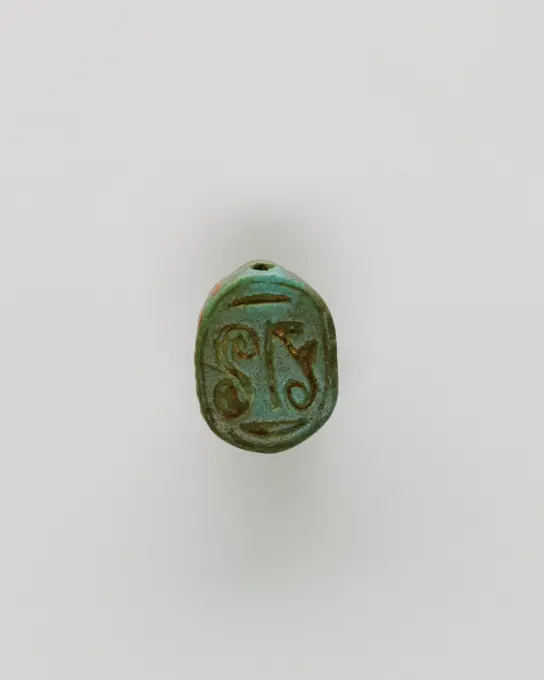
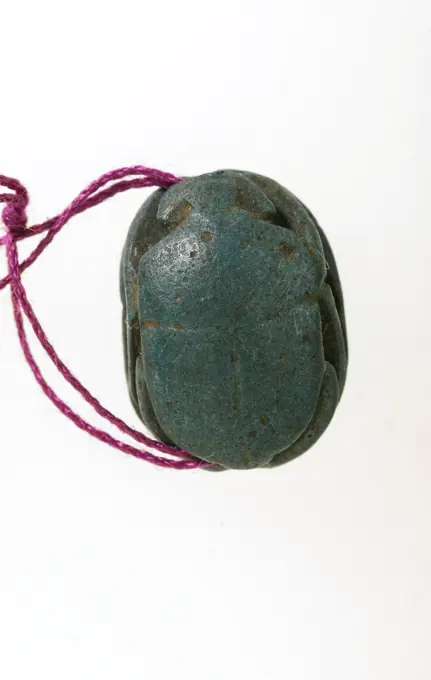
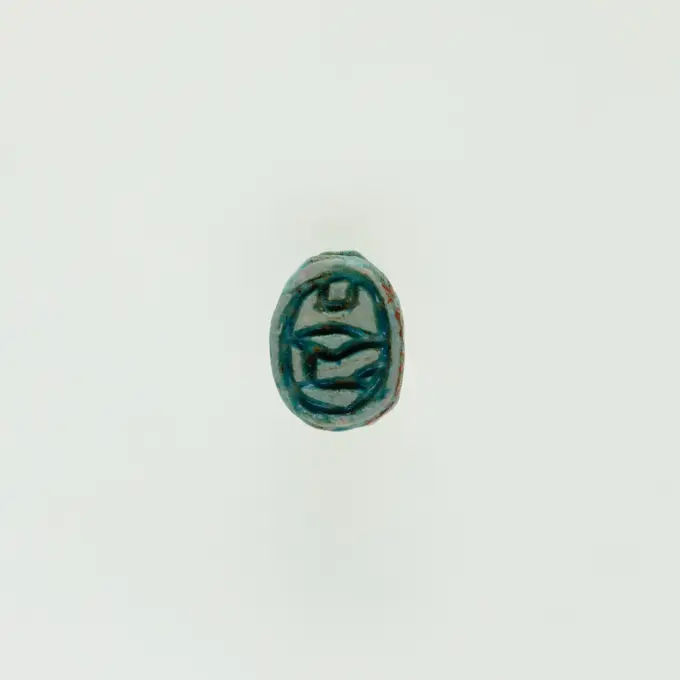
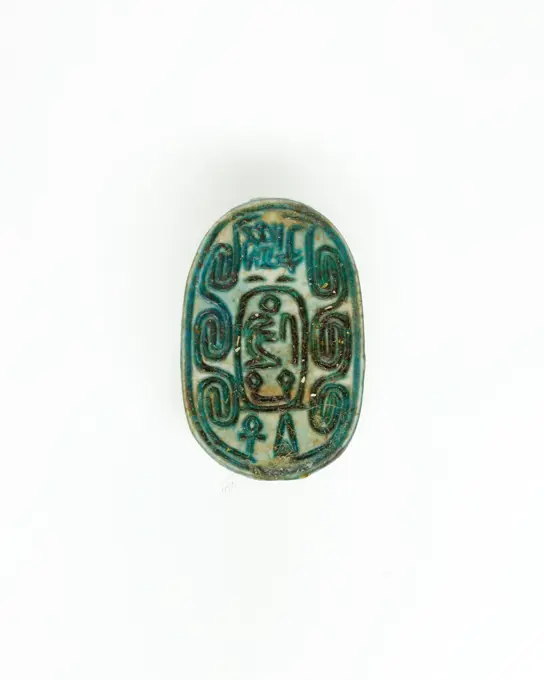
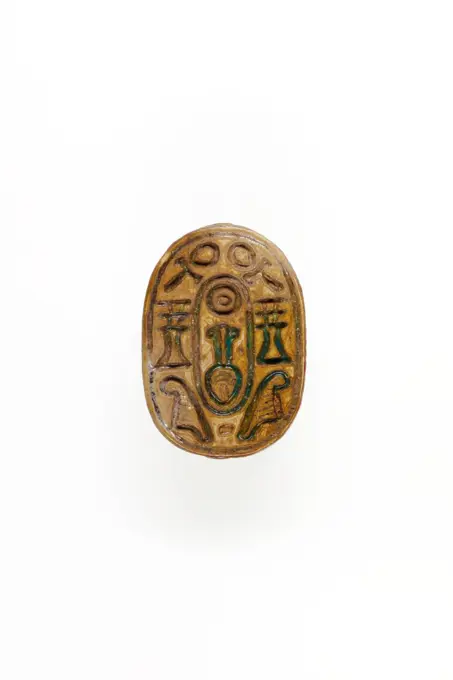
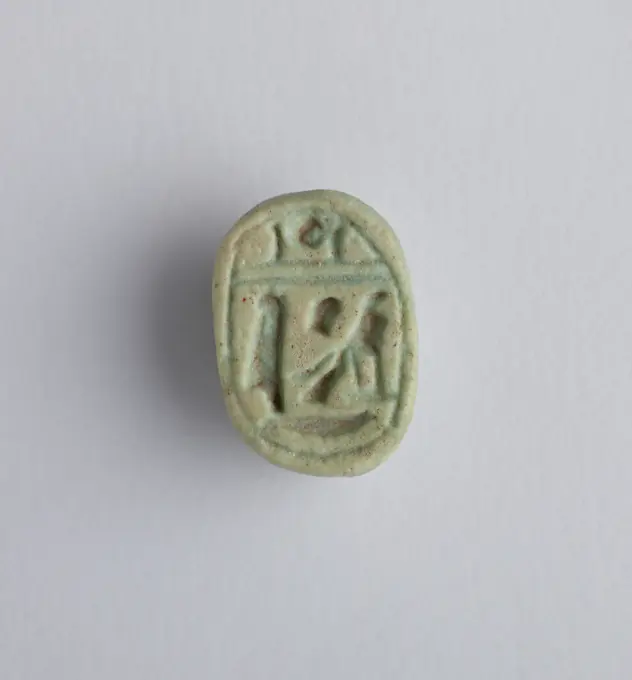
Scarabs ca. 1492-1473 B.C. New Kingdom This scarab was found with twenty-three other scarabs and seal-amulets in the coffin of a young woman who was buried in Hatnefer's tomb (see 36.3.1 and 36.3 26). The base is inscribed with a decorative pattern.. Scarabs. ca. 1492-1473 B.C.. Glazed steatite. New Kingdom. From Egypt, Upper Egypt, Thebes, Sheikh Abd el-Qurna, Tomb of Hatnefer and Ramose (below TT 71), coffin IV, burial 1, MMA excavations, 1935-36. Dynasty 18, early
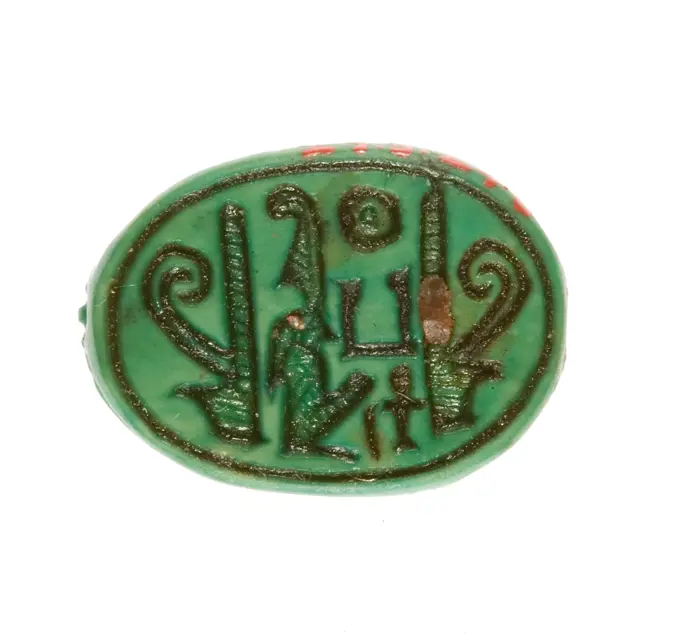
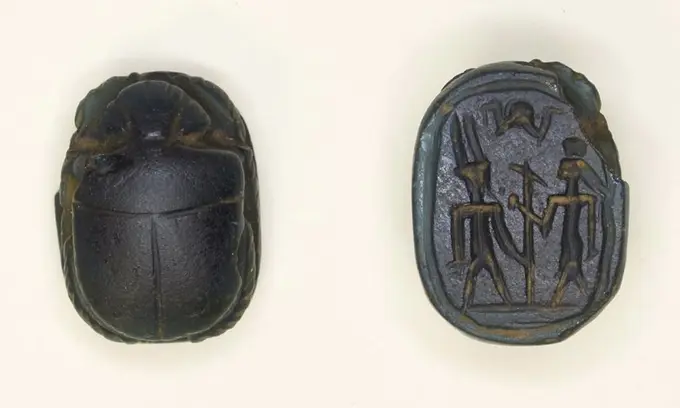
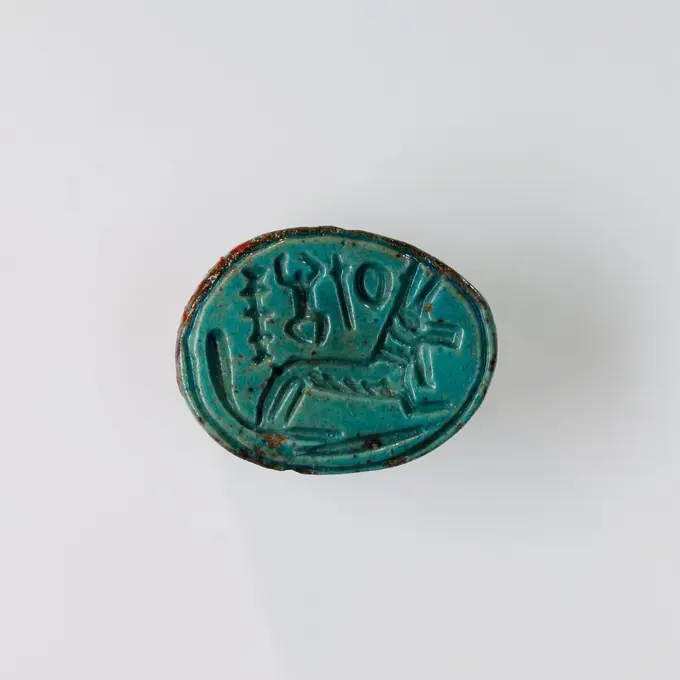
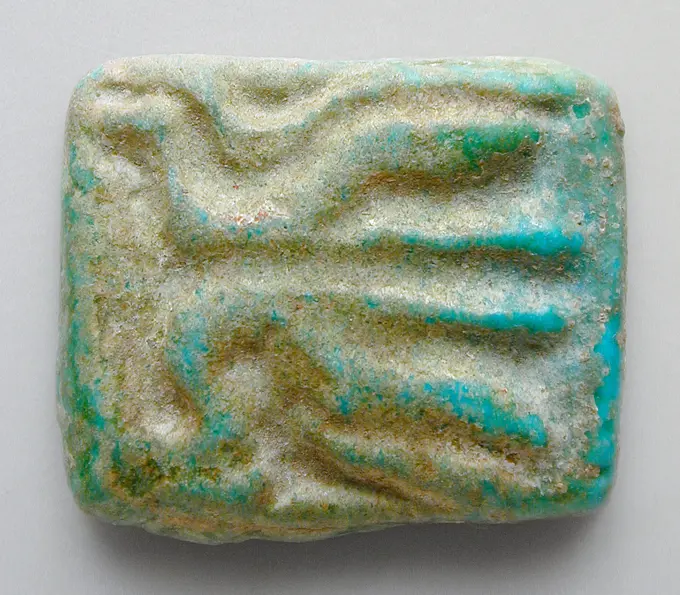
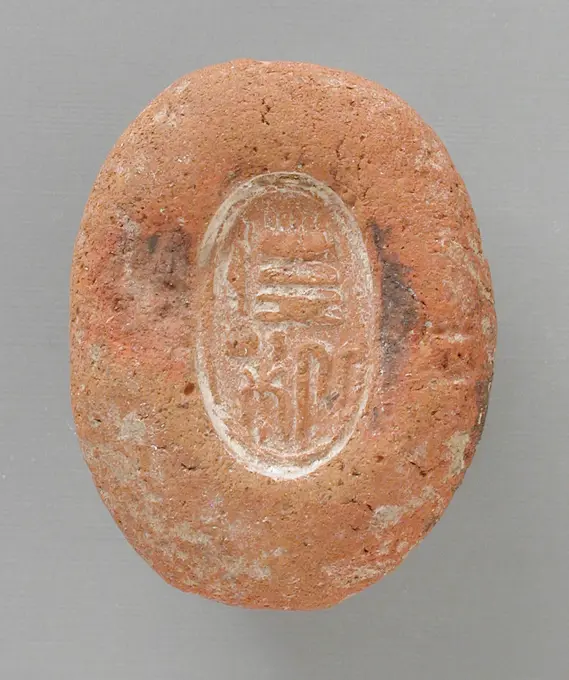
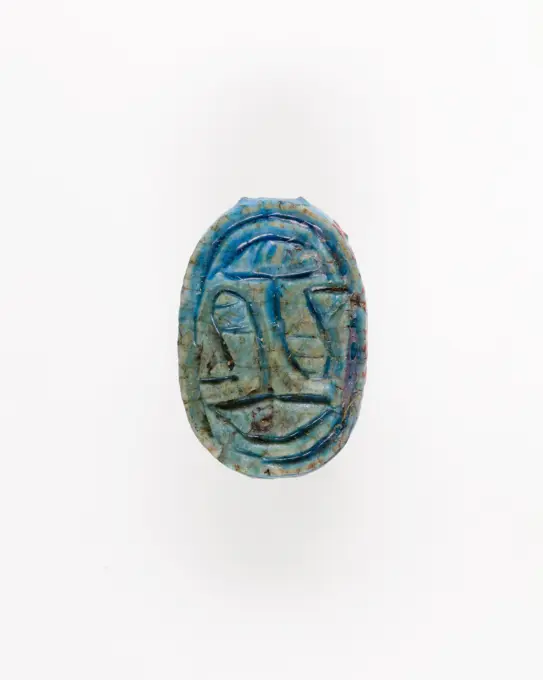
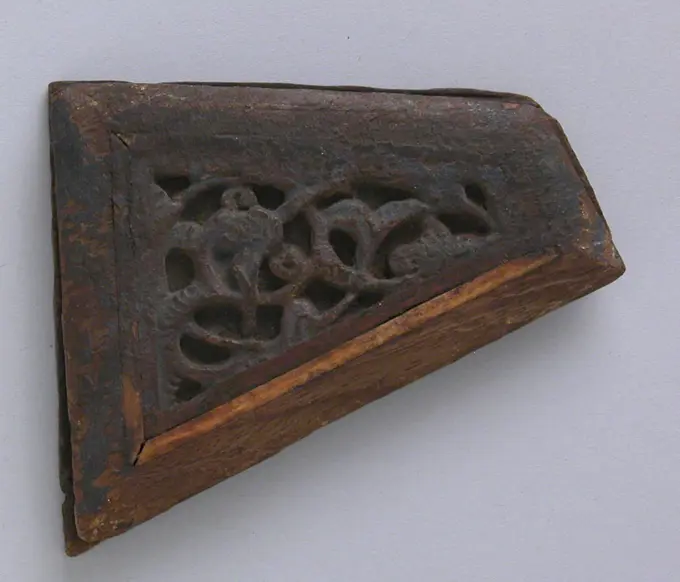
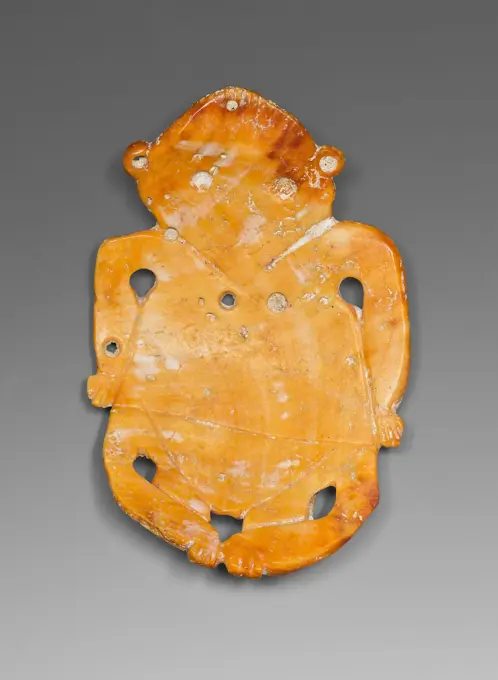
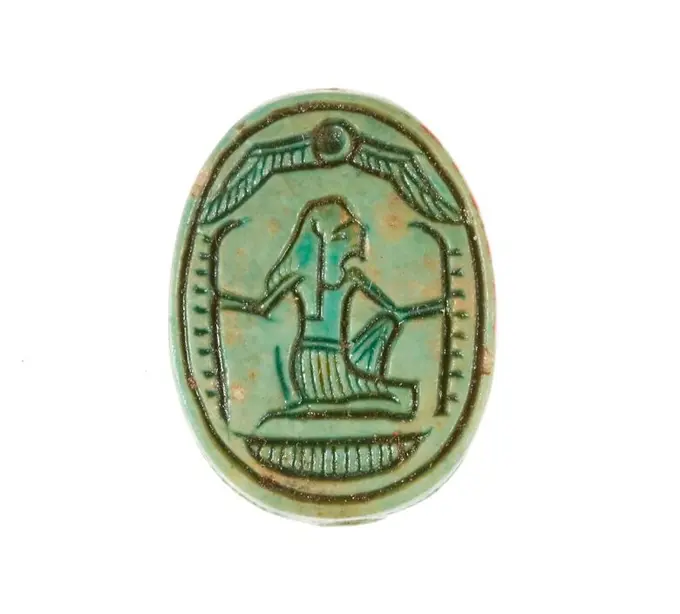
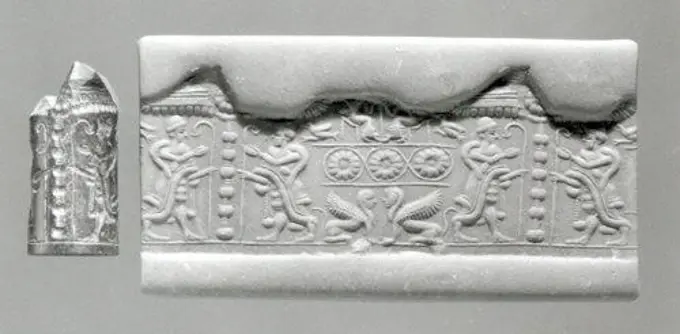
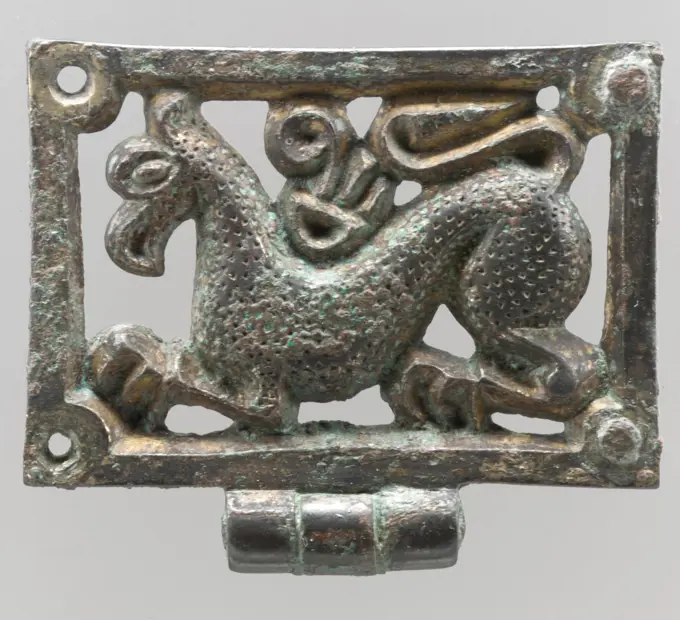
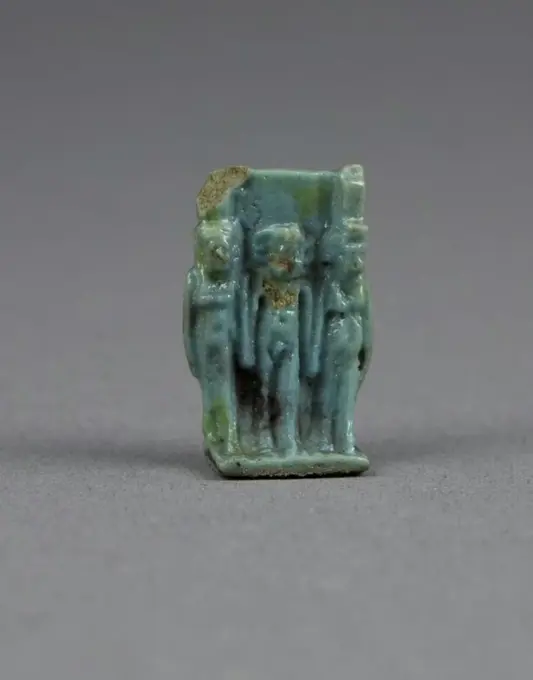
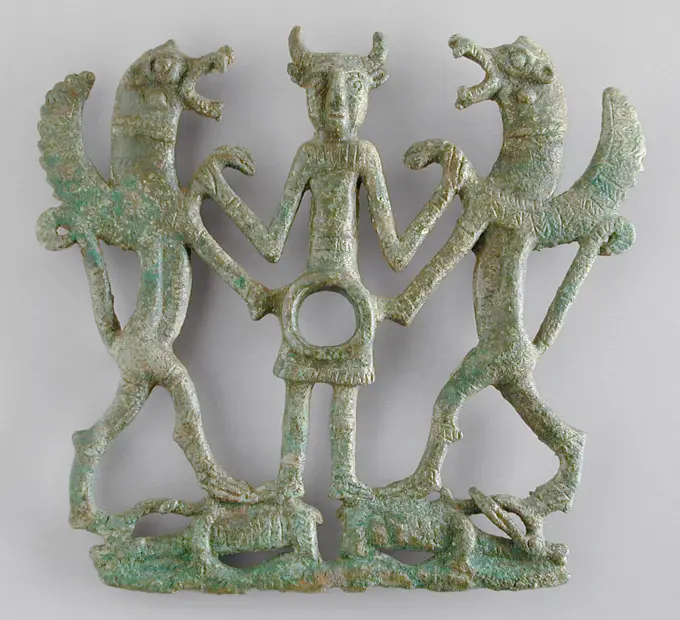
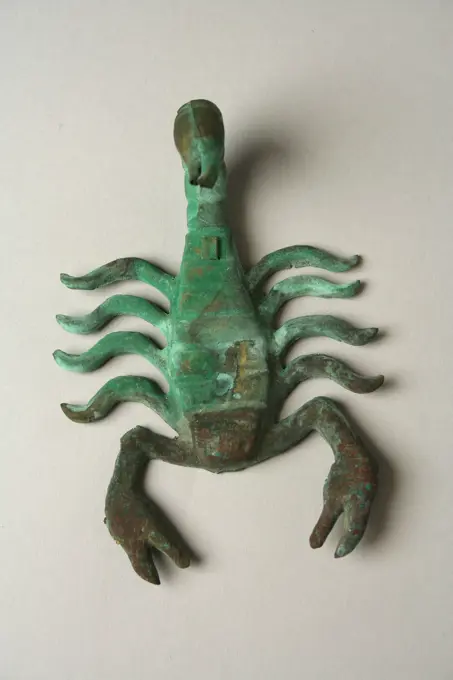
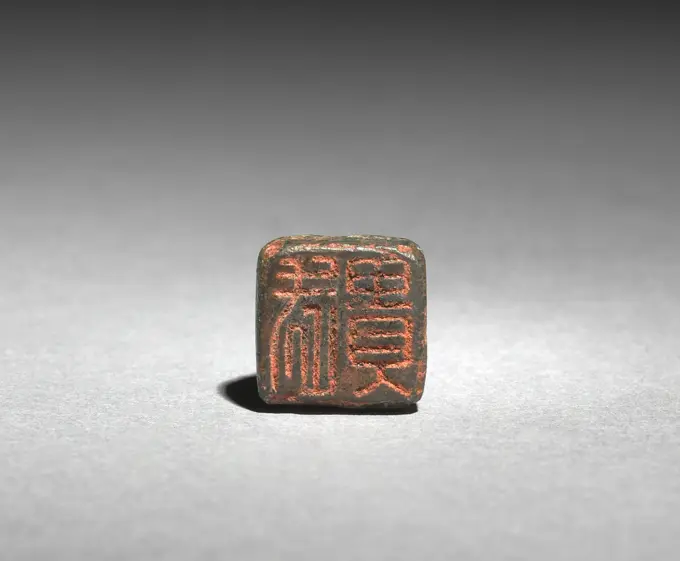
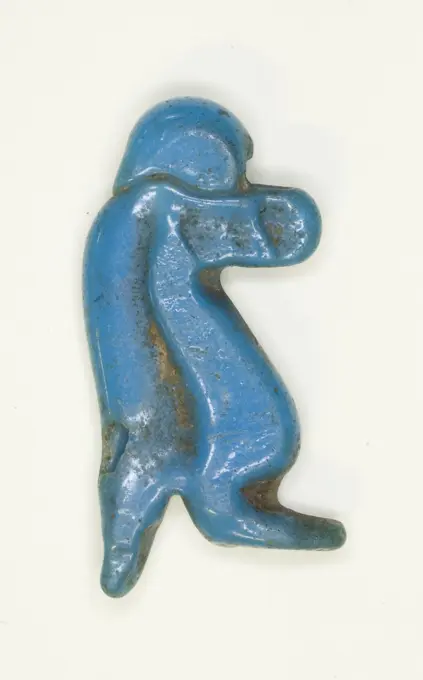
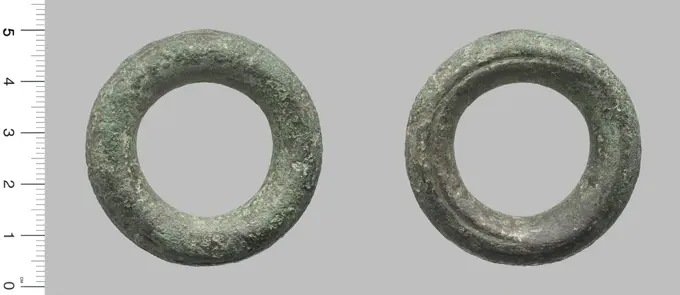
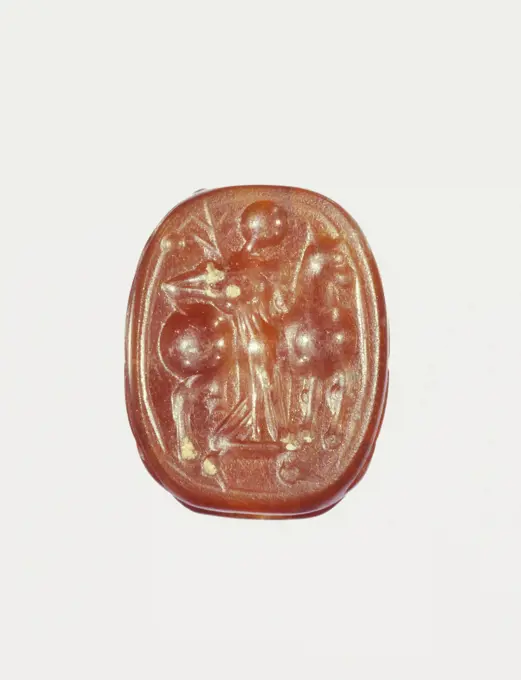
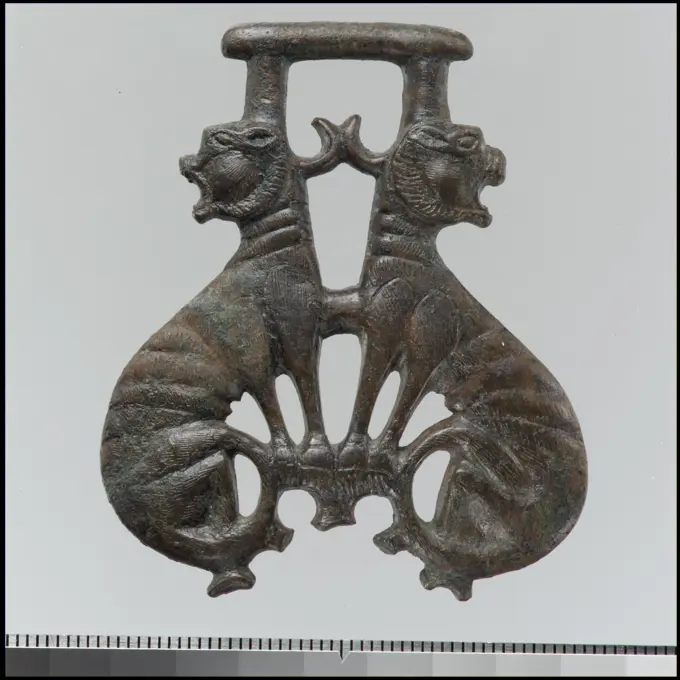
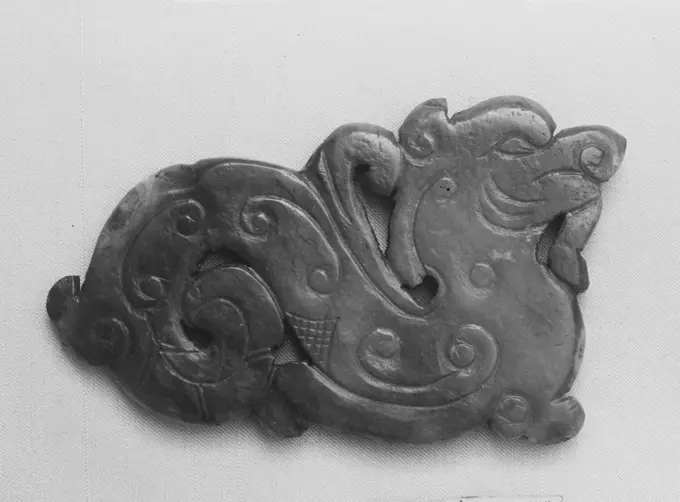
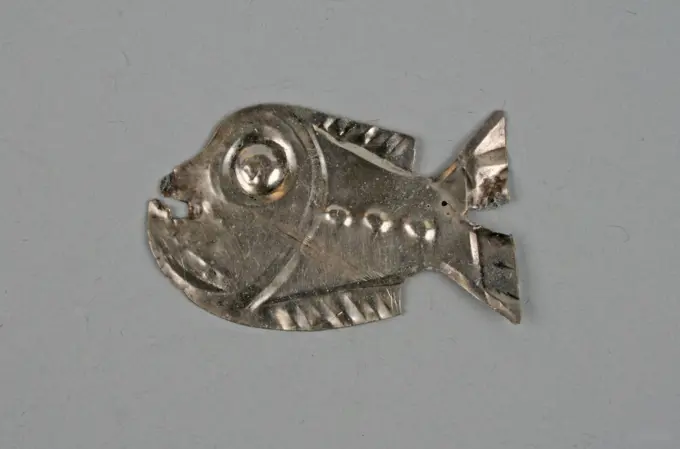
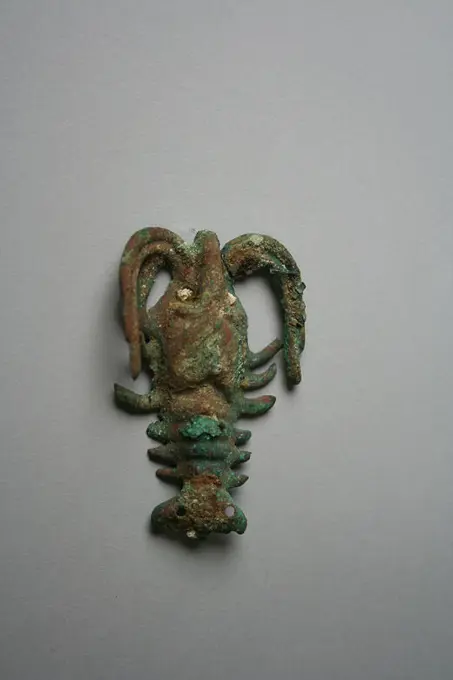
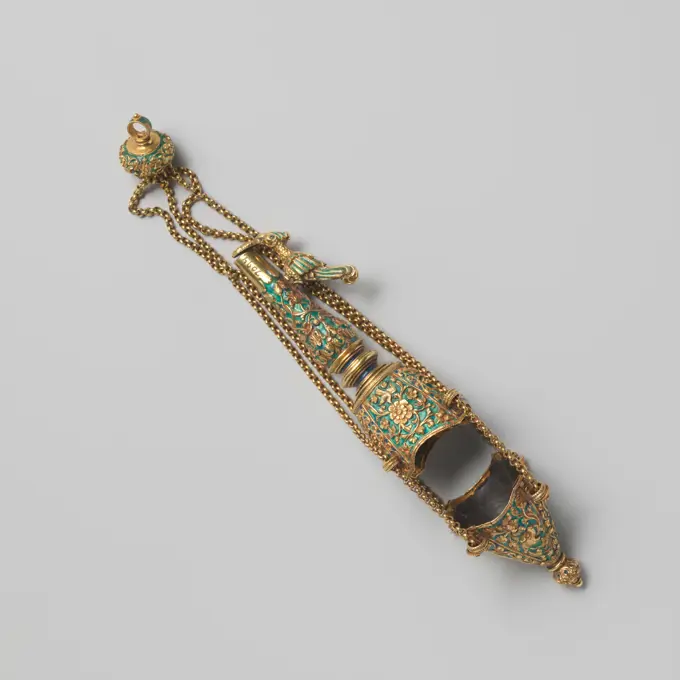
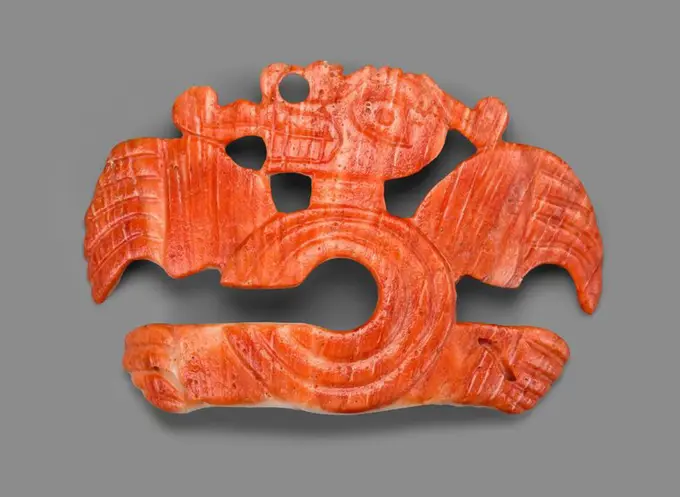
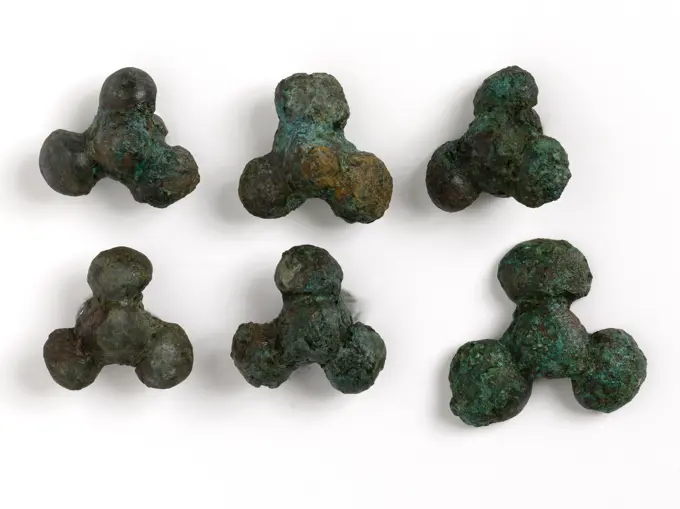
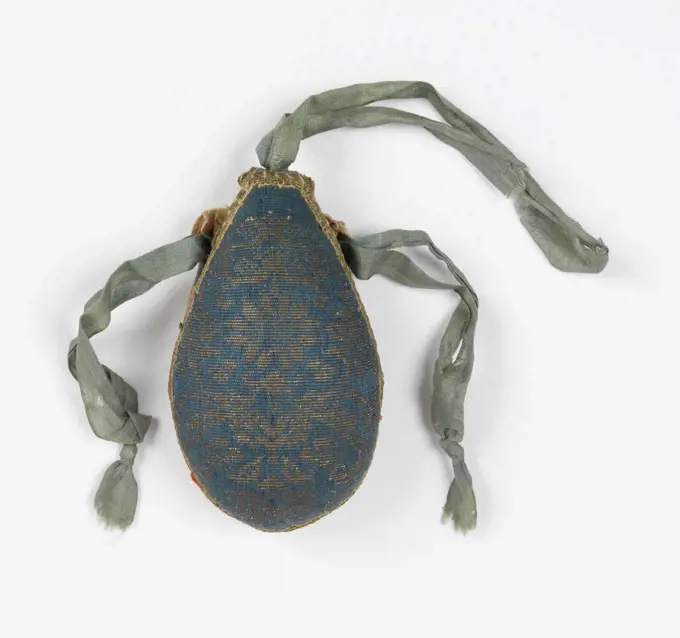
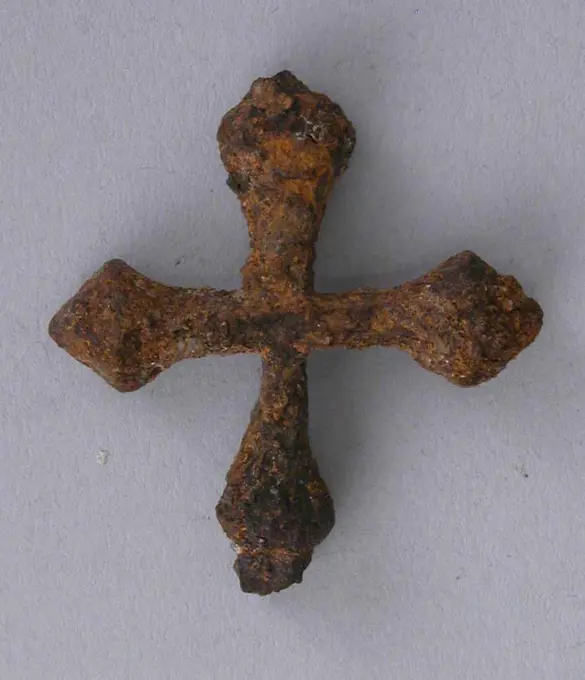
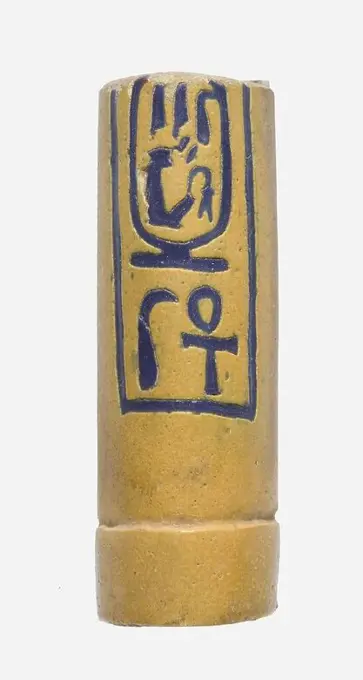
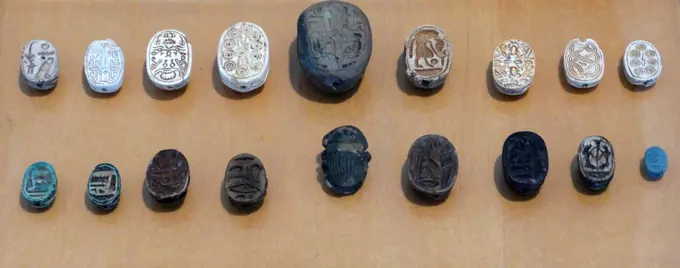
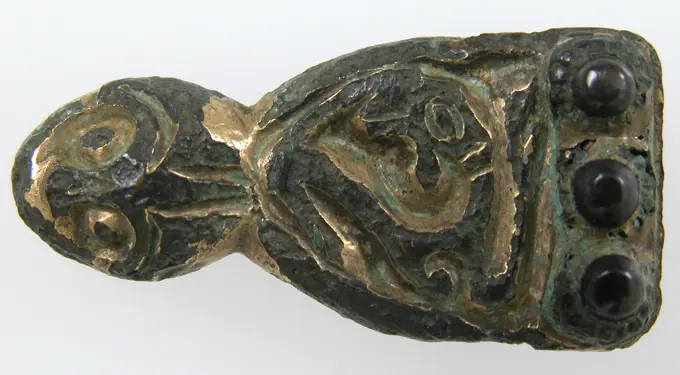
Clasp 6th-8th century British or European (). Clasp 469008Shawabty of Ditamenpaankh, 715-656 BC. Egypt, Late Period, Dynasty 25. Terracotta; overall: 3.8 x 1.8 x 1.1 cm (1 1/2 x 11/16 x 7/16 in.).Scarab Inscribed for the Perfect God Maatkare (Hatshepsut), Flanked by Two Red Crowns ca. 1479-1458 B.C. New Kingdom During the 1926-1927 excavation season, the Museum's Egyptian Expedition uncovered three foundation deposits along the eastern enclosure wall of Hatshepsut's funerary temple at Deir el-Bahri in Western Thebes. Among the contents were 299 scarabs and stamp-seals. Sixty-five of these are now in the Egyptian Museum, Cairo, and the rest were acquired by the Museum in the division of finds.Among the inscriptions on the bases of these scarabs and seals are examples of every title Hatshepsut held, from the time she was "king's daughter" during the reign of her father, Thutmose I; through the time she was queen of her half-brother, Thutmose II; and during her regency and co-reign with her nephew/step-son, Thutmose III.After the death of her husband, Hatshepsut became regent for her nephew who was a small child. The length of this regency period is uncertain, with estimates rangiAmulet of the God Bes 1069 BCE-656 BCE Egypt. Faience . Ancient EgyptianFrieze depicting the Eye of Horus or Ra, an ancient Egyptian symbol of protection, royal power, and good healthScarab: Two Standing Deities. Egyptian. Date: 1550 BC-1069 BC. Dimensions: 1.9 × 1.6 × 1.3 cm (3/4 × 5/8 × 1/2 in.). Glass. Origin: Egypt. Museum: The Chicago Art Institute, Chicago, USA. Author: Ancient Egyptian.Hieroglyphic Amulet ca. 1390-1352 B.C. New Kingdom. Hieroglyphic Amulet. ca. 1390-1352 B.C.. Faience. New Kingdom. From Egypt, Upper Egypt, Thebes, West Valley of the Kings, Tomb of Amenhotep III (WV 22), Carnarvon/Carter excavations, 1915. Dynasty 18Sistrum amulet Third Intermediate Period-Late Period ca. 1070-343 B.C. View more. Sistrum amulet. ca. 1070-343 B.C.. Blue-green faience. Third Intermediate Period-Late Period. From Egypt, Upper Egypt, Thebes, Deir el-Bahri, Tomb TT 117, MMA excavations, 1926-27. Dynasty 21-30Scarab Inscribed With the Name Aakheperenre (Thutmose II). Dimensions: L. 1.6 cm (5/8 in); W. 1.2 cm (1/2 in); Th. 0.8 cm (5/16 in). Dynasty: Dynasty 18. Reign: reign of Thutmose II. Date: ca. 1492-1479 B.C..This scarab shows a reclining jackal, probably representing Anubis, with the prenomen of Thutmose II, Aakheperenre, above it. Museum: Metropolitan Museum of Art, New York, USA.Mayan Stone mask and pottery mask Teotihuacan, Mexico 150 BC - AD 750Plaque with Dragons Design. China. Date: 800 BC-600 BC. Dimensions: 1 5/8 × 1 1/4 × 1/32 in. Jade. Origin: China. Museum: The Chicago Art Institute, Chicago, USA.Plaque with Affronted Birds. Egypt, New Kingdom (circa 1569 - 1081 BCE). Sculpture; plaques. FaienceFireplace of baked earth, divided into two ovals with wide edges with a vase with flowers in it. Fireplace of baked earth, divided into two ovals with wide edges with a vase with flowers in it.Costume Ornament 11th-12th century North Coast (). Costume Ornament 308763Disc, Chariot Wheel 800 BCE-700 BCE Thessaly. This precious bronze object is a votive, or devotional gift, made as an offering to the gods. They come in many forms, such as animals, beads and brooches. Many seem once to have been attached to something else. Votives were hung from sacred trees or placed in sanctuaries around Greece. Once a shrine was full, the votives were ceremonially buried to make room for more offerings.. Bronze . Ancient GreekNew Year's Ring, 664-525 BC. Egypt, Late Period, Dynasty 26 or later. Dark turquoise green faience; diameter: 2.5 cm (1 in.); overall: 2 cm (13/16 in.).Mold with Ramesside Birth Name. Egypt, New Kingdom, Ramesside Period, 20th Dynasty from reign of Ramses IV to Ramses X (1166-1111 BCE). Tools and Equipment; molds. TerracottaSealing pistonScarab, 1/4 x 1/2 x 3/8 in. (0.6 x 1.3 x 1 cm), Blue-green stone, EgyptScarab with Papyrus Motif ca. 1850-1640 B.C. Middle Kingdom Plants are a popular theme on the underside of ancient Egyptian seal-amulets because they refer to life, renewal, and regeneration. They mainly consist of representations of papyrus plants, and lotus flowers and their buds. This late Middle Kingdom scarab (late Dynasty 12-Dynasty 13, ca. 1850-1640 B.C.) shows two papyrus stems emerging from baskets (neb), each placed at opposite sides of the composition. Parallel lines connect the fanning, flowering end with the stem of the plant.. Scarab with Papyrus Motif. ca. 1850-1640 B.C.. Blue faience. Middle Kingdom. From Egypt, Memphite Region, Lisht North, Cemetery, debris, MMA excavations, 1920-22. late Dynasty 12-13Plaque with Animal Mask 1300 BCE-1000 BCE China. Jade .Scarab Inscribed with a Blessing Related to Re ca. 1740-1640 B.C. Middle Kingdom During the late Middle Kingdom (late Dynasty 12-13, ca. 1850-1640 B.C.), numerous scarabs were incised with inscriptions related to the sun god Re. These scarabs are often quite small. The precise meaning of the inscriptions remains unclear: they can be interpreted as forming the name Re, or as a phrase or wish meaning (may) Re give. Such inscriptions summon the sun gods protection. These so-called ‘rdi ra scarabs continue to be manufactured during the Second Intermediate Period (ca. 1640-1550 B.C.), but show different details on the back and sides.. Scarab Inscribed with a Blessing Related to Re 545712Plaque with Interlinked Scrolls. China. Date: 700 BC-600 BC. Dimensions: 15/16 × 3/4 × 1/8 in. Jade. Origin: China. Museum: The Chicago Art Institute, Chicago, USA.Stone Pendant 9th-15th century Costa Rica. Stone Pendant 315816Eye of Horus Amulet, 945-715 BC. Egypt, Third Intermediate Period, Dynasties 22-25. Turquoise faience; overall: 2 x 0.6 cm (13/16 x 1/4 in.).Plaque (Feline). Western Inner Mongolia, 5th-4th century B.C.. Sculpture; plaques. BronzeAmulet Depicting the Crown of Lower Egypt. Egypt, circa 1550 - 625 BCE. Jewelry and Adornments; amulets. FaienceFalcon amulet 664-380 B.C. Late Period. Falcon amulet 561549Hook of a cooking pot from the wreck of the East Indians Hollandia, Anonymous, 1700 - in Or Before 1743 hook Suspension cauldron, suspension hook; oblong fitting, sim. NG 1979-511H, central part, curved extension; riveted to a fragm of cauldron body on a riveted seam. Netherlands copper (metal)   SecondFragment 6th-7th century Byzantine. Fragment 467423Amulet, Taweret ca. 1550-1295 B.C. New Kingdom. Amulet, Taweret 554461Panel 14th-15th century. Panel 445056Mold with Cartouche of Birth Name of Ramses IX or XI. Egypt, New Kingdom, 20th Dynasty, reign of Ramses IX (1139 - 1120 BCE) or Ramses XI (1111 - 1081 BCE). Tools and Equipment; molds. TerracottaPendant Depicting a Seated Figure 200 BCE-200 CE Western Mexico. Figures and jewelry made of spondylus (spiny oyster) shell developed as a specialization in what are today the Mexican states of Colima and Jalisco. Like greenstone, jade, and colorful feathers, this bright orange shell was a luxury item sought by maritime merchants from Ecuador and Central America, who found it in warm Pacific waters as far north as the West Mexican coast. As emblems of authority and status, exotic materials were displayed by rulers during ceremonial events. Spondylus-shell jewelry carved with symbolic designs found in West Mexican tombs indicates the high esteem in which this valued material was held.. Spondylus shell . ColimaFemale figurine - fragment. unknown, craftsmanScarab with Coil and Scrolls Design ca. 1850-1802 B.C. Middle Kingdom Designs with twirling continuous lines and coils, sometimes forming complicated woven patterns, appear on scarabs in the early Middle Kingdom and became very popular in late Dynasty 12-Dynasty 13 (ca. 1850-1640 B.C.). On this late Middle Kingdom scarab, the coils are combined with scrolls.. Scarab with Coil and Scrolls Design. ca. 1850-1802 B.C.. Blue glazed steatite. Middle Kingdom. From Egypt, Memphite Region, Lisht North, Old Kingdom Cemetery, Pit 7, MMA excavations, 1930-31. Late Dynasty 12Scarab Inscribed with a Hieroglyphic Motif. Dimensions: L. 1.7 cm (11/16 in); w. 1.2 cm (1/2 in); h. 0.8 cm (5/16 in). Dynasty: Dynasty 18, early. Reign: Joint reign of Hatshepsut and Thutmose III. Date: ca. 1479-1458 B.C.. Museum: Metropolitan Museum of Art, New York, USA.Bead Plaque ca. 1295-1185 B.C. New Kingdom, Ramesside. Bead Plaque. ca. 1295-1185 B.C.. Steatite. New Kingdom, Ramesside. From Egypt. Dynasty 19Cylinder seal and modern impression: royal figures flanking a standard; sphinxes ca. 1720-1650 B.C. Although engraved stones had been used as early as the seventh millennium B.C. to stamp impressions in clay, the invention in the fourth millennium B.C. of carved cylinders that could be rolled over clay allowed the development of more complex seal designs. These cylinder seals, first used in Mesopotamia, served as a mark of ownership or identification. Seals were either impressed on lumps of clay that were used to close jars, doors, and baskets, or they were rolled onto clay tablets that recorded information about commercial or legal transactions. The seals were often made of precious stones. Protective properties may have been ascribed to both the material itself and the carved designs. Seals are important to the study of ancient Near Eastern art because many examples survive from every period and can, therefore, help to define chronological phases. Often preserving imagery no longer ePlaque. Egypt, Amarna, New Kingdom (circa 1569 - 1081 BCE). Sculpture. FaienceLamp Handle with a Griffin's Head. Culture: Byzantine. Dimensions: Overall: 6 15/16 x 1 7/8 x 6 7/16 x 1 1/4 in. (17.6 x 4.7 x 16.4 x 3.2 cm). Date: 6th-7th century.The size and weight suggest that this handle was fastened to a large standing lamp. Museum: Metropolitan Museum of Art, New York, USA.Belt Mount 8th century Avar. Belt Mount. Avar. 8th century. Copper alloy, gilt. Metalwork-CopperAmulet of the Goddesses Isis and Nephthys with Horus Standing Between. Egyptian. Date: 1070 BC-656 BC. Dimensions: 2.25 × 1.5 × 1 cm (7/8 × 9/16 × 3/8 in.). Faience. Origin: Egypt. Museum: The Chicago Art Institute, Chicago, USA. Author: Ancient Egyptian.Cheekpiece from a Horse Bit. Iran, Luristan, Luristan bronzes, circa 1000-650 B.C.. Tools and Equipment; horse trappings. Bronze, castOrnéed book clasp (common name). Metal, copper alloy, iron. Carnavalet museum, history of Paris.Cylinder seal ca. 2960-2649 B.C. Early Dynastic Period. Cylinder seal. ca. 2960-2649 B.C.. Stone. Early Dynastic Period. From Egypt. Dynasty 2Scarab Finger Ring Inscribed for Nakht ca. 1640-1550 B.C. Second Intermediate Period Blue glazed steatite scarab inscribed with "Nakht, justified," mounted on a ring of silver wire.. Scarab Finger Ring Inscribed for Nakht. ca. 1640-1550 B.C.. Glazed steatite, silver. Second Intermediate Period. From Egypt, Upper Egypt, Thebes, Asasif, Courtyard CC 41, Radim, Carnarvon excavations. Dynasty 17Perforated pottery tube from the Roman Baths at Bath. Designed to disperse steam through ts apertures.Molded Faience Plaque with Ramesside Throne Name. Egypt, New Kingdom, 19th - 20th Dynasty (1304 - 1081 BCE). Sculpture; plaques. FaienceScorpion 6th-7th century Moche (Loma Negra). Scorpion 314466Two bronze bits, one with cheek pieces. Western Zhou period 11th-10th century, BC.Seal, 1100s. Korea, Goryeo period (918-1392). Bronze; overall: 1.4 cm (9/16 in.); base: 1.5 x 1.5 cm (9/16 x 9/16 in.).Amulet of the Goddess Tawaret (Thoeris) 1550 BCE-1295 BCE Egypt. Faience . Ancient EgyptianCoin fromBritain, 800-500 B.C., Bronze, 74.98 g, 45.3mm, Made in Britain, Celtic, 1st millennium B.C., NumismaticsCostume Ornament. Culture: Peru; central coast (). Dimensions: Overall: 2 5/8 in. (6.67 cm). Date: 11th-12th century. Museum: Metropolitan Museum of Art, New York, USA.Openwork Copper Bead with Bird Design 12th-15th century Chimú. Openwork Copper Bead with Bird Design. Chimú. 12th-15th century. Copper. Peru. Beads-OrnamentsScarab; Etruria; 4th - 3rd century B.C; Carnelian; 1.2 × 1 × 7.2 cm (1,2 × 3,8 × 2 13,16 in.)Harness Pendant with Confronted Beasts 500-600 Visigothic The Visigoths enjoyed lively commercial contacts with lands all around the Mediterranean. This pendant reveals the familiarity of their artists with motifs from Greece and the Near East. Above the heads of the beasts is the loop through which a harness strap could be passed.. Harness Pendant with Confronted Beasts 466183Bronze vessel, Fu Wu fang ding, Shang period, Shanghai Museum, China.Carnelian scarab ca. 480-450 B.C. Etruscan, Populonia Kapaneus (inscribed in Etruscan letters as Capne) struck by Zeus' thunderbolt. Carnelian scarab 254596 Etruscan, Populonia, Carnelian scarab, ca. 480450 B.C., Carnelian, H.: 9/16 x 7/8 in. (1.5 x 2.3 cm). The Metropolitan Museum of Art, New York. Rogers Fund, 1948 (48.11.1)Girdle ornament China. Girdle ornament. China. Jade. Han dynasty (206 B.C.-A.D. 220). Jadeface of Hathor/Astarte on a bronze brazier handle finish face of Hathor/Astarte on a bronze brazier handle finish, 8th-6th century BC, Los Castellares, Puente Genil, Iberian culture, Iberian Museum of Jaén, Andalusia, Spain Copyright: xZoonar.com/BartomeuxBalaguerxRotgerx 21704924Scarab ca. 1802-1640 B.C. Middle Kingdom. Scarab. ca. 1802-1640 B.C.. Glazed steatite. Middle Kingdom. From Egypt. Dynasty 13Fish Ornament 11th-12th century Peru; central coast (). Fish Ornament 308696Crayfish. Culture: Moche (Loma Negra). Dimensions: Length 2-7/16 in. (6.3 cm). Date: 390-450. Museum: Metropolitan Museum of Art, New York, USA.Kruithoorn; Jewelry of driven gold with green and blue email. Jewelry of driven gold with green and blue email. The belly is missing. With four golden chains.Bronze belt end tip ca. 7th-9th century A.D. Alanic. Bronze belt end tip. Alanic. ca. 7th-9th century A.D.. Metal. Caucasus regionThree Ornaments 4th-8th century Atlantic Watershed. Three Ornaments. Atlantic Watershed. 4th-8th century. Jadeite. Costa RicaNose Ornament in the Form of an Long-Nosed Saurian with C-shaped Body 750 CE-1250 Venado Beach. Spondylus shell . CocléFinger Ring of Shoshenq I, 945-715 BC. Egypt, Third Intermediate Period, Dynasty 22. Dark purple faience; diameter: 2.2 cm (7/8 in.); overall: 1.5 cm (9/16 in.).Cross 3rd-12th century. Cross 446054Date Pendant ca. 1390-1353 B.C. New Kingdom. Date Pendant. ca. 1390-1353 B.C.. Faience. New Kingdom. From Egypt, Upper Egypt, Thebes, Malqata, Palace of Amenhotep III, MMA excavations, 1910-11. Dynasty 18Scarab With Throne Name of Amenemhat VII (Sedjefakare) ca. 1768-1765 B.C. Late Middle Kingdom. Scarab With Throne Name of Amenemhat VII (Sedjefakare). ca. 1768-1765 B.C.. Blue glazed steatite. Late Middle Kingdom. From Egypt. Dynasty 13-17Heart Scarab of Djehutyemheb ca. 1550-1186 B.C. New Kingdom. Heart Scarab of Djehutyemheb. ca. 1550-1186 B.C.. Faience. New Kingdom. From Egypt. Dynasty 18-19Nose Ornament in the Form of an Long-Nosed Saurian with C-shaped Body. Coclé; Venado Beach, Coclé province, Panama. Date: 750 AD-1250. Dimensions: W. 7.9 cm (3 1/8 in.). Spondylus shell. Origin: Venado Beach. Museum: The Chicago Art Institute, Chicago, USA.StampMolded Faience Plaque with throne name of Queen Tawosret. Egypt, New Kingdom, 19th Dynasty, reign of Tawosret (1209 - 1201 BCE). Sculpture; plaques. FaiencePins, ornaments. Bronze. Caucasus. Second half of the 1st millennium BC. Paris, Cernuschi museum. 35407-8 Spindle, bronze, ornamentStone Ear Flare before 16th century Mexican. Stone Ear Flare 317427Sewing case, Medium: silk, metal, wool Technique: woven, Small, egg-shaped case, flat on one side with a top of blue silk and metallic thread in a small stylized floral design. The back is faced with a fragment of patterned silk. Attached to this a small faded pink taffeta case with a drawstring closure. Case holds three pieces of bright red wool, probably for needles., France, early 17th century, costume & accessories, Sewing caseBalance Weight with a Cross and an Architectural Setting 5th-7th century Byzantine Here a cross stands before the outline of a sanctuary. In Byzantium, precise measurement of goods was achieved by a set of standard balance weights.. Balance Weight with a Cross and an Architectural Setting 466698Axe, 1766-1045 BC. China, Shang dynasty (c.1600-c.1046 BC). Bronze; overall: 21.2 x 14.2 cm (8 3/8 x 5 9/16 in.).Pendant 11th century. Pendant. 11th century. Earthenware; turquoise blue glaze. Excavated in Iran, Nishapur. CeramicsHeart Scarab of the Worker Amun-Mes Made 1279 BCE-1213 BCE Egypt. Steatite . Ancient EgyptianRing: Rameses-mry-Amun. Egyptian. Date: 1147 BC-1143 BC. Dimensions: W. 0.8 cm (5/16 in.); diam. 2.1 cm (13/16 in.). Faience. Origin: Egypt. Museum: The Chicago Art Institute, Chicago, USA. Author: Ancient Egyptian.Scarab Inscribed with Hieroglyphs ca. 1850-1640 B.C. Middle Kingdom The majority of design scarabs of the late Middle Kingdom (late Dynasty 12-Dynasty 13, ca. 1850-1640 B.C.) are decorated with symmetric compositions of protective hieroglyphs and/or scrolls. This scarab shows the sign for good and beautiful (nefer) and a sun disk placed inside an oval, which is a debased version of the royal cartouche. The combination of signs possibly forms an inscription referring to the sun god Re. The oval is surrounded by symmetrically arranged hieroglyphs such as the sign of life (ankh), the djed-pillar (stability), and the ostrich feather (maat), adding to the protective nature of the amulet.. Scarab Inscribed with Hieroglyphs 545230Cross 3rd-12th century. Cross 446051Lower Half of Kohl Tube. Dimensions: H. 6.5 cm (2 9/16 in), Diam. 2 cm (13/16 in). Dynasty: Dynasty 18. Reign: reign of Amenhotep III. Date: ca. 1390-1353 B.C.. Museum: Metropolitan Museum of Art, New York, USA.Scarab ca. 1479-1458 B.C. New Kingdom. Scarab. ca. 1479-1458 B.C.. Faience. New Kingdom. From Egypt, Upper Egypt, Thebes, Deir el-Bahri, Hatshepsut Hole, Hathor Shrine, MMA excavations, 1922-23. Dynasty 18Wooden comb with handle shaped as an ibexMolded Faience Plaque with throne name of Queen Tawosret. Egypt, New Kingdom, 19th Dynasty, reign of Tawosret (1209 - 1201 BCE). Sculpture; plaques. FaienceAncient Egyptian Heart scarabs from the reigns of Thutmose III and Ramesses II. The dung beetle was one of the creatures with the greatest symbolic weight in ancient Egyptian culture.SkarabeuszPlaque with Anthropomorphic Face 11th-10th century B.C. China. Plaque with Anthropomorphic Face. China. 11th-10th century B.C.. Bronze. late Shang (ca. 1600-1046 B.C.)-Western Zhou (1046-771 B.C.). MetalworkInscription in Greek