Ancient Egyptian Scarabs and Seals

A collection of ancient scarabs and seals from Egypt, featuring inscriptions, symbols, and depictions of significant figures from various periods, showcasing historical artistry.

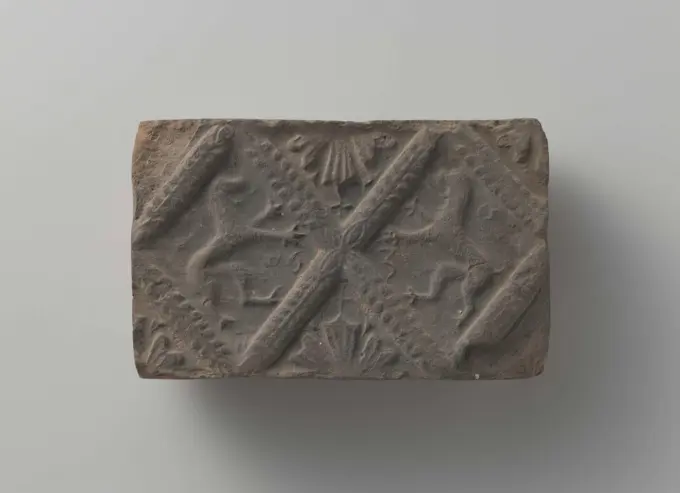
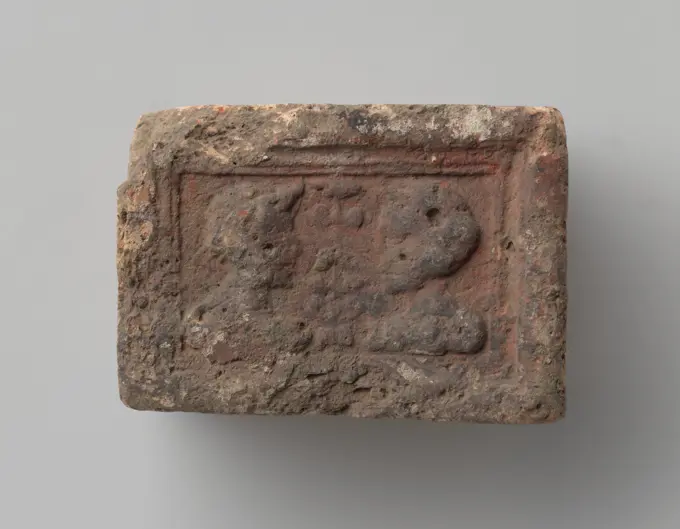
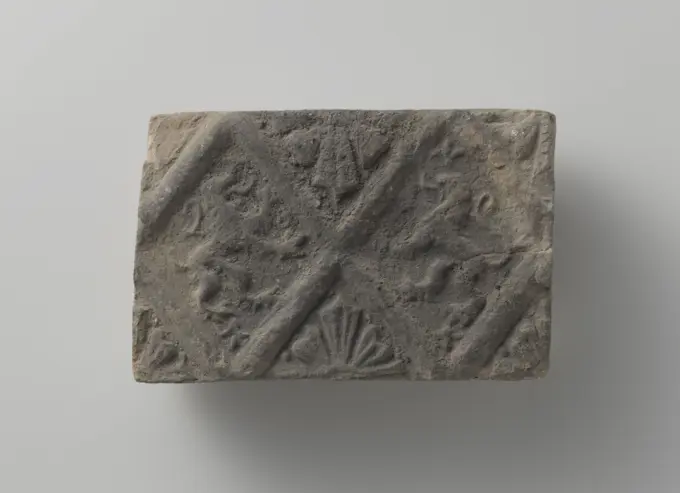
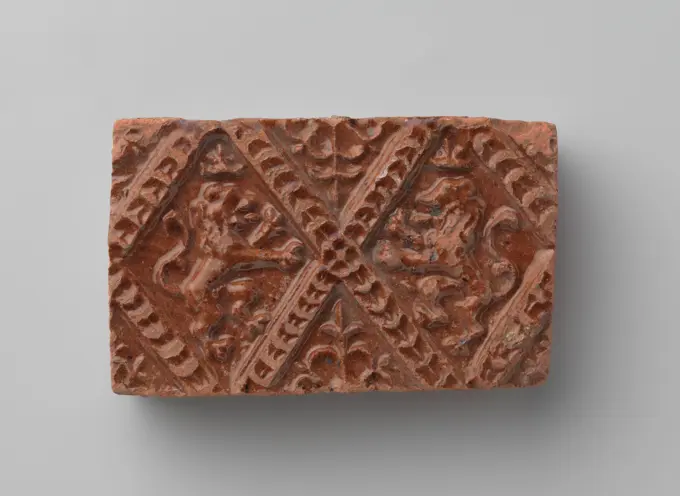
Hearing stone with representation of two winged deer, placed in two windows, Anonymous, 1606 Hearing stone with representation of two winged deer, placed in two windows. With the year 1606. Southern Netherlands earthenware Hearing stone with representation of two winged deer, placed in two windows. With the year 1606. Southern Netherlands earthenware
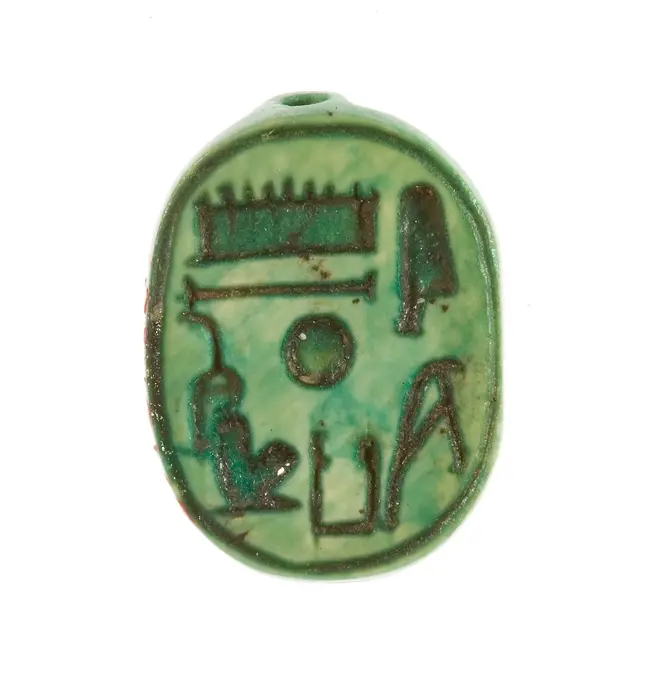
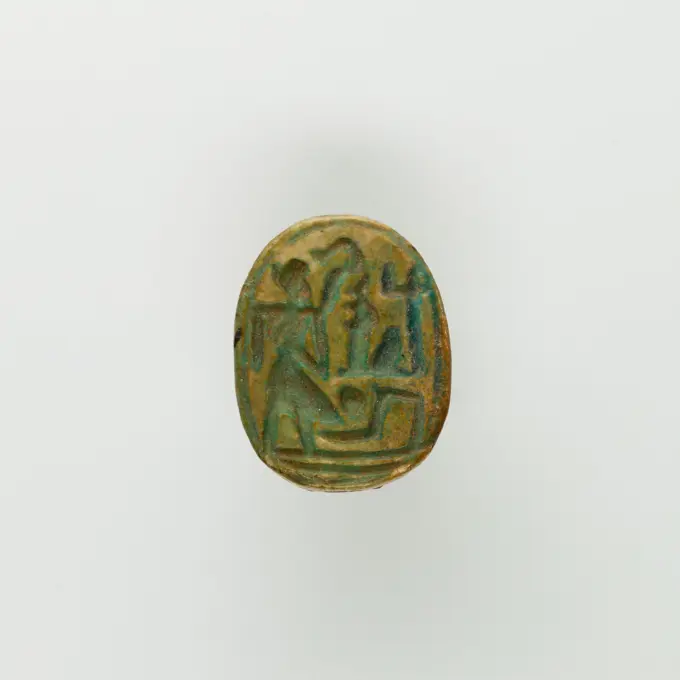
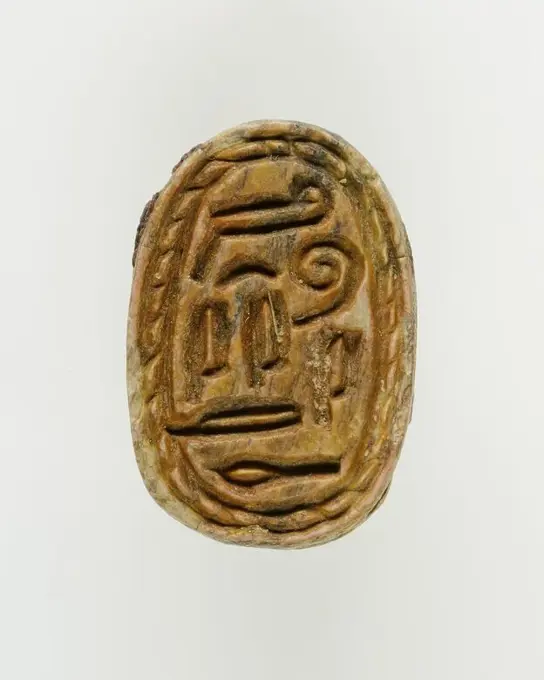
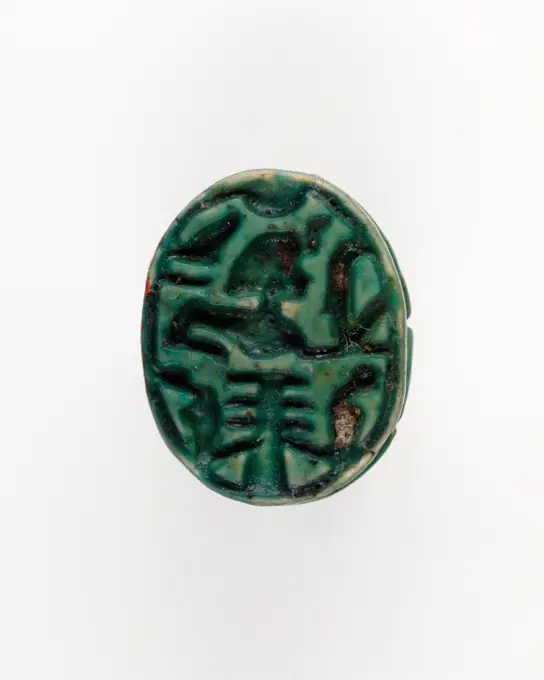
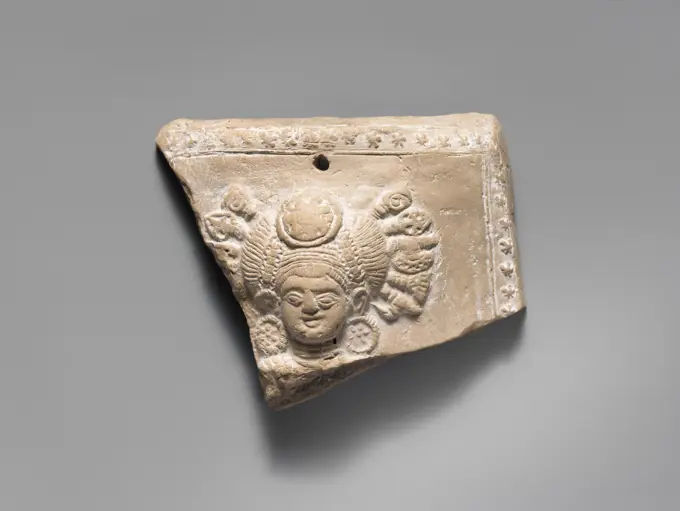
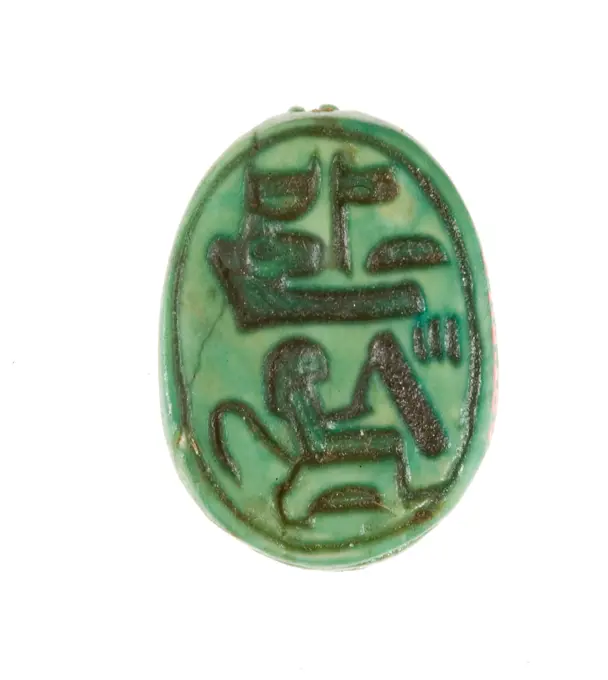
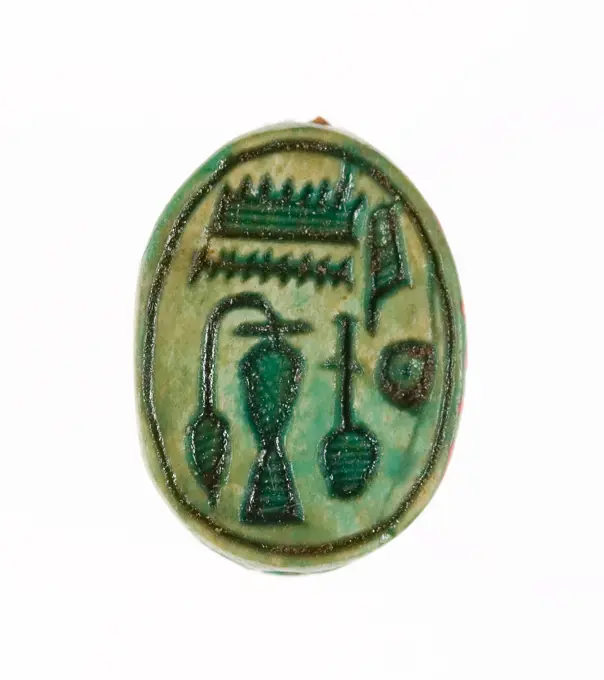
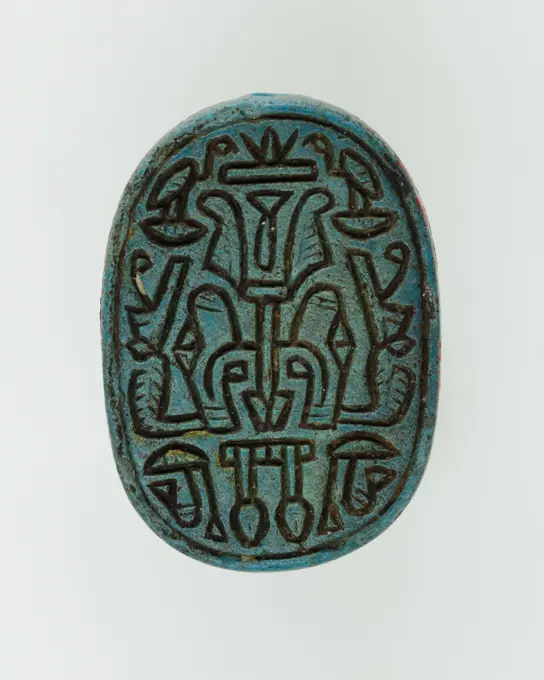
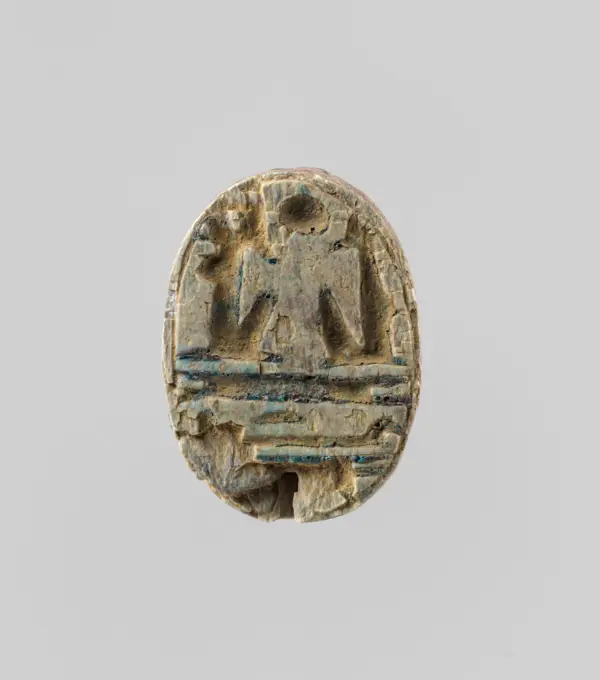
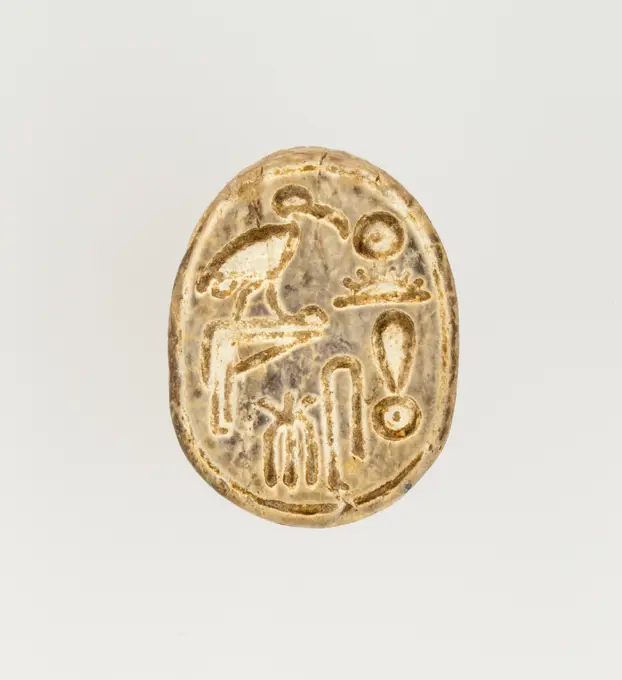
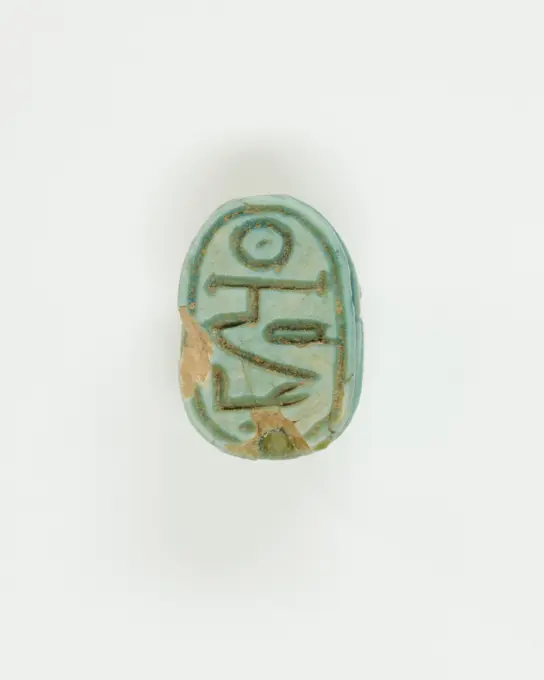
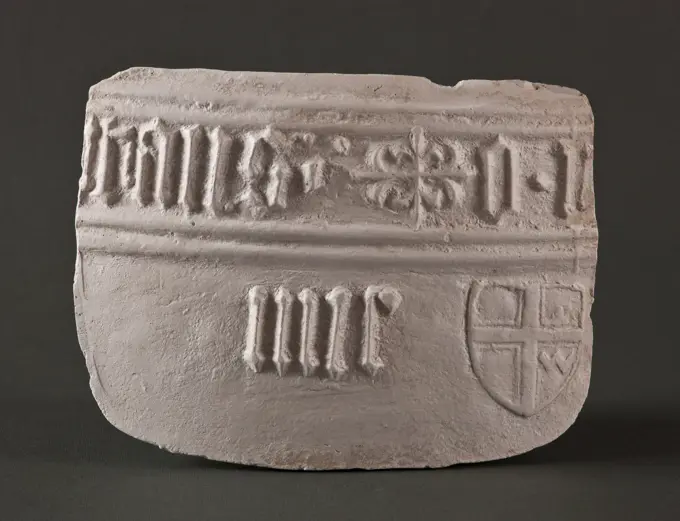
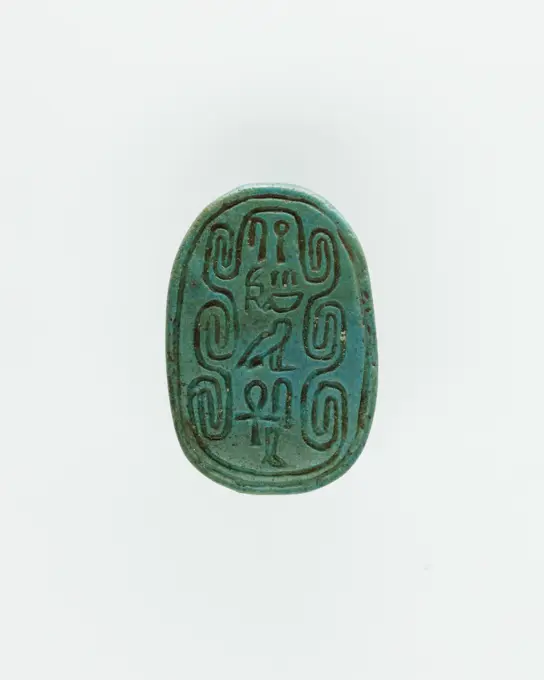
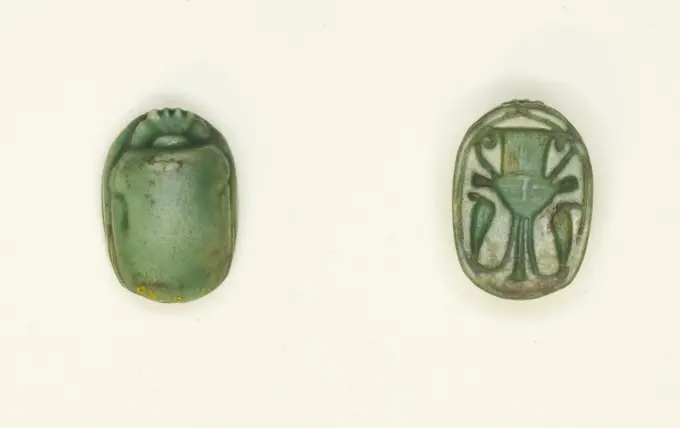
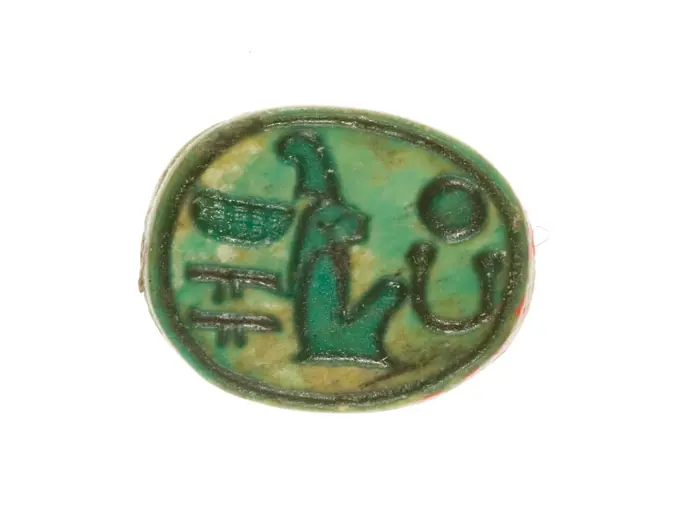
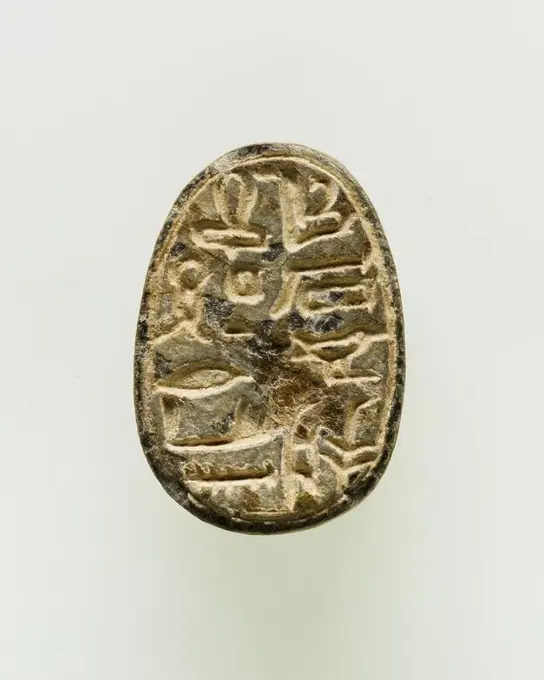
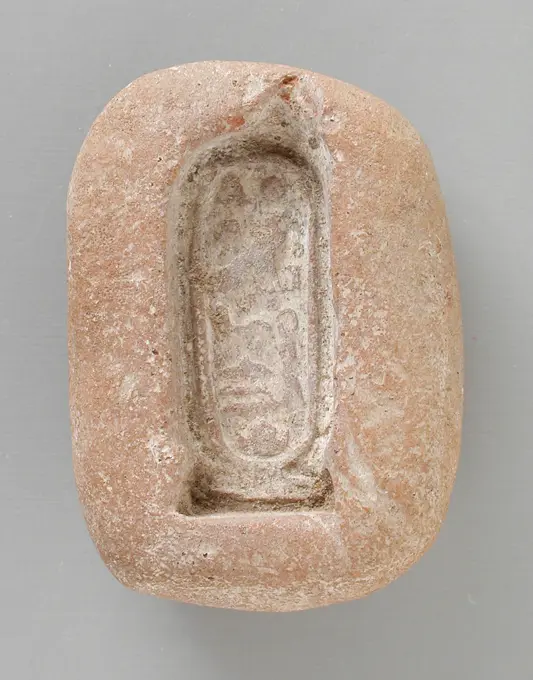
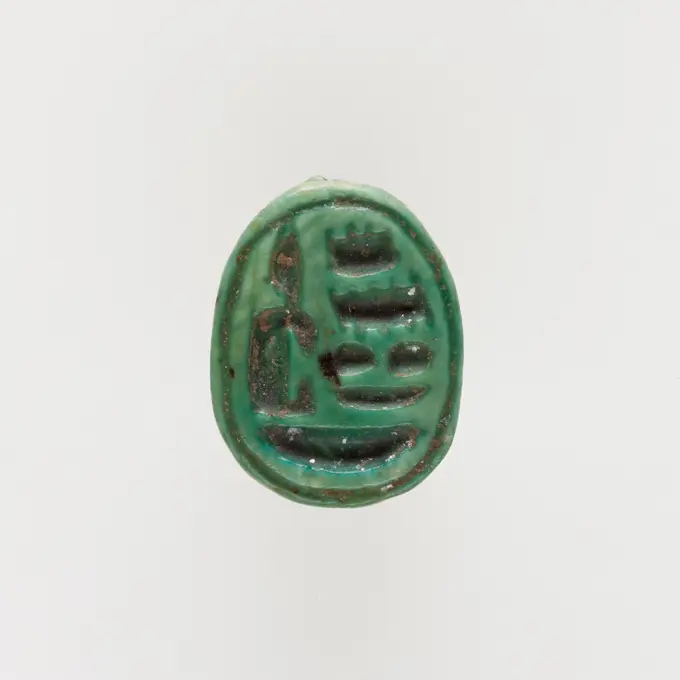
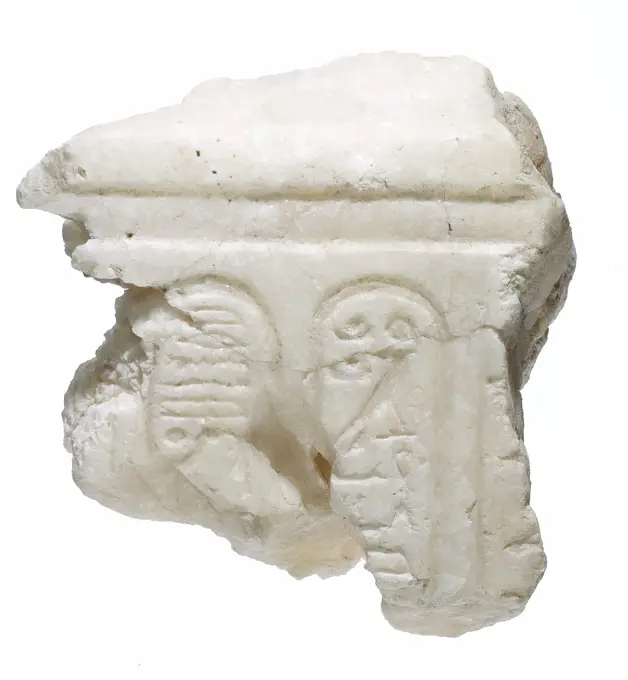
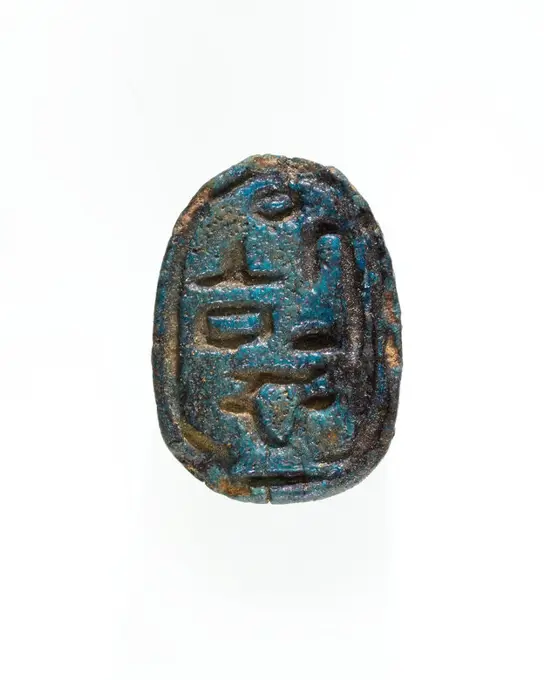
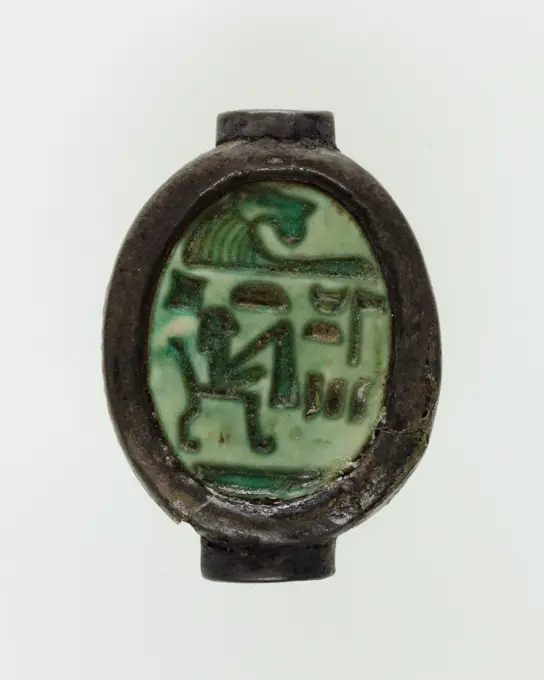
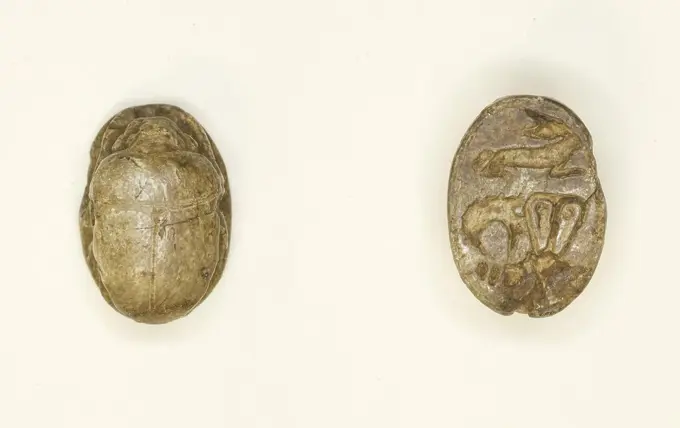
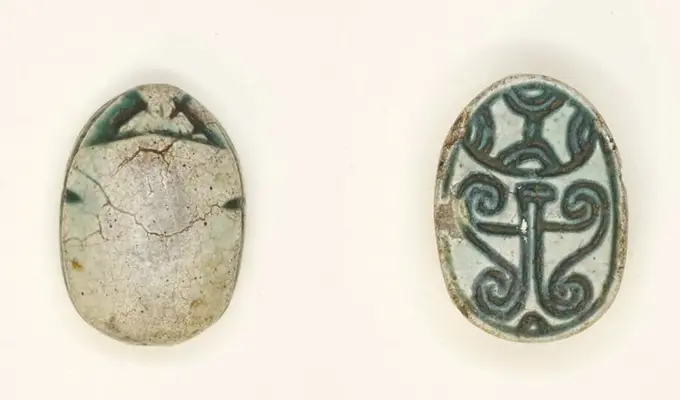
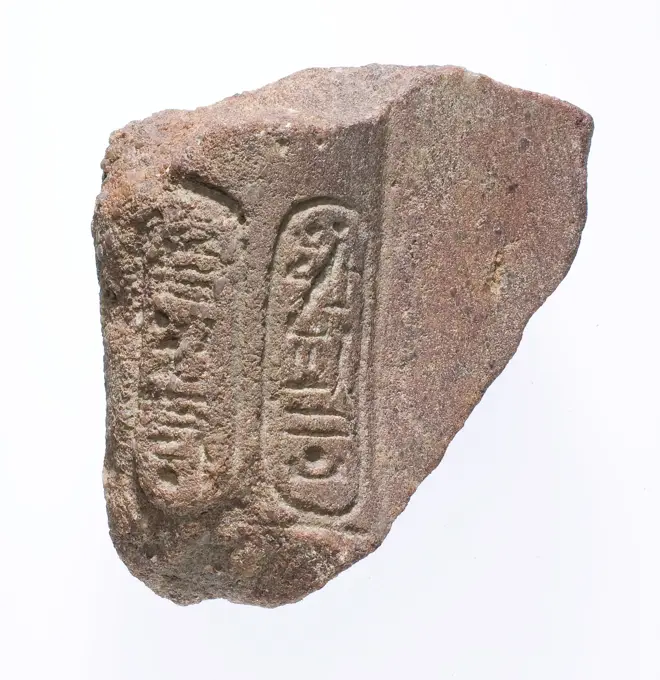
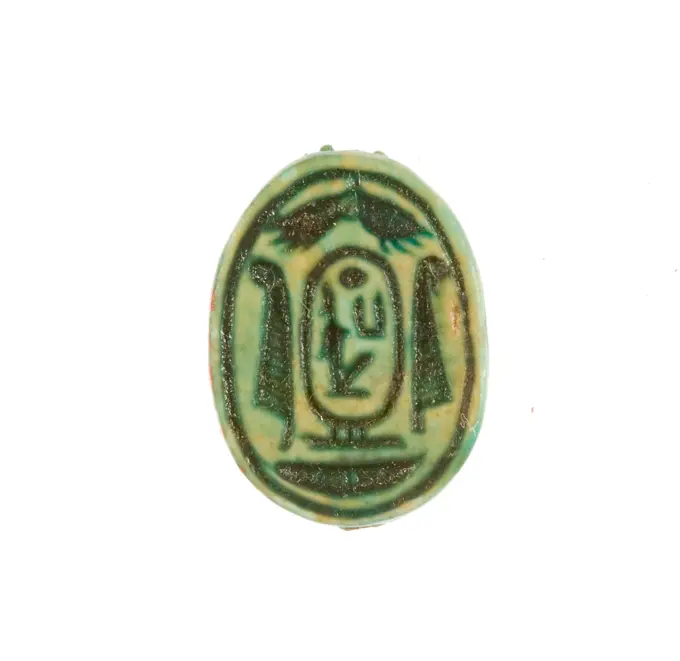
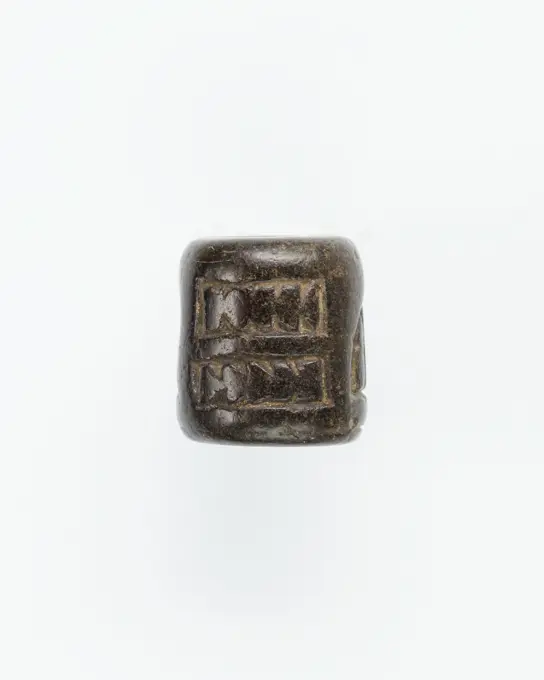
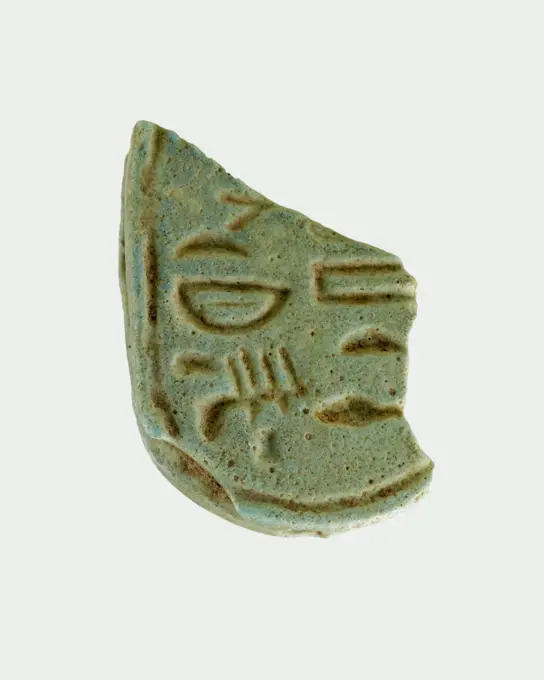
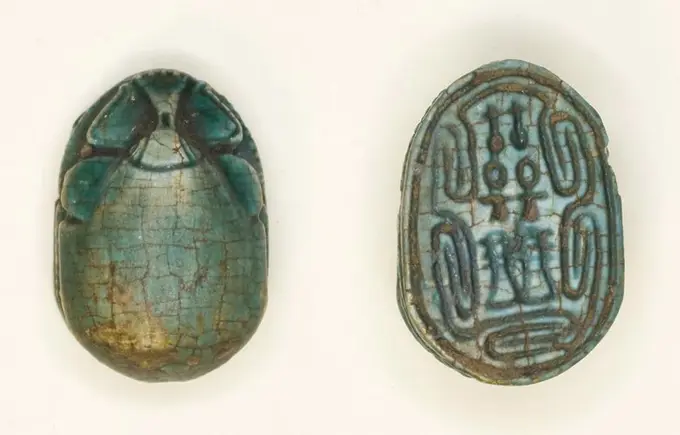
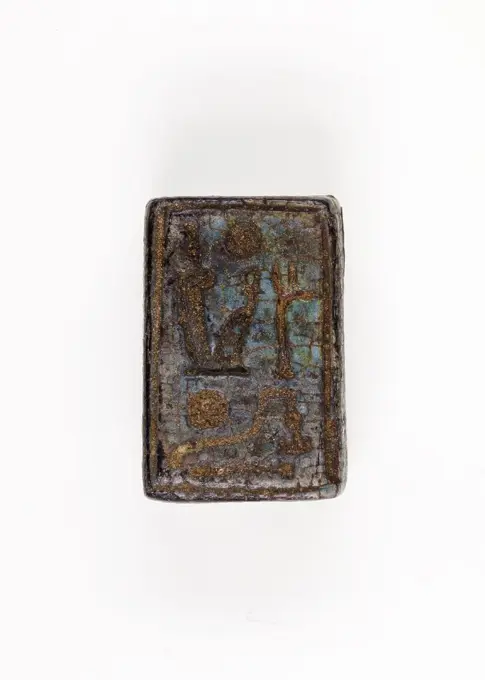
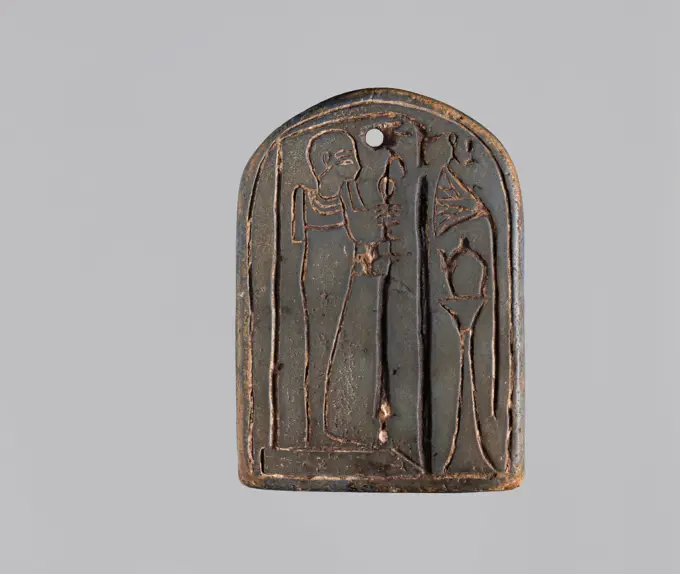
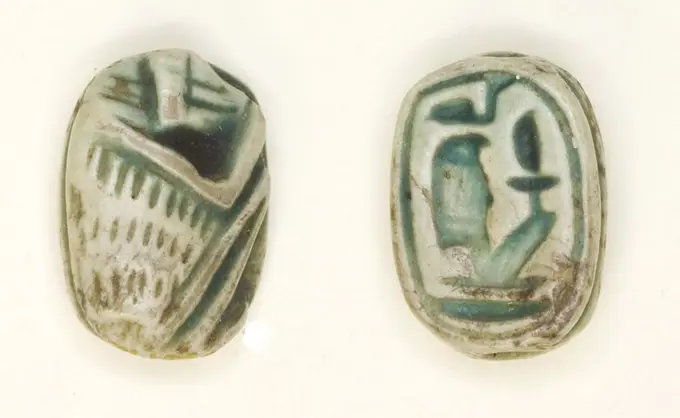
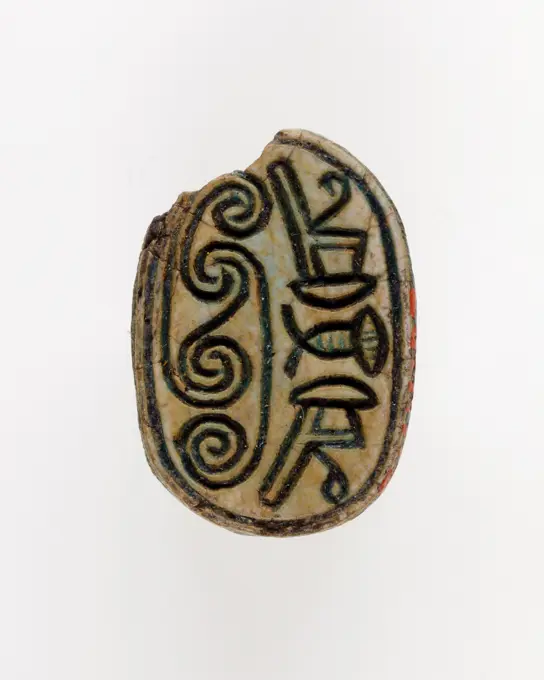
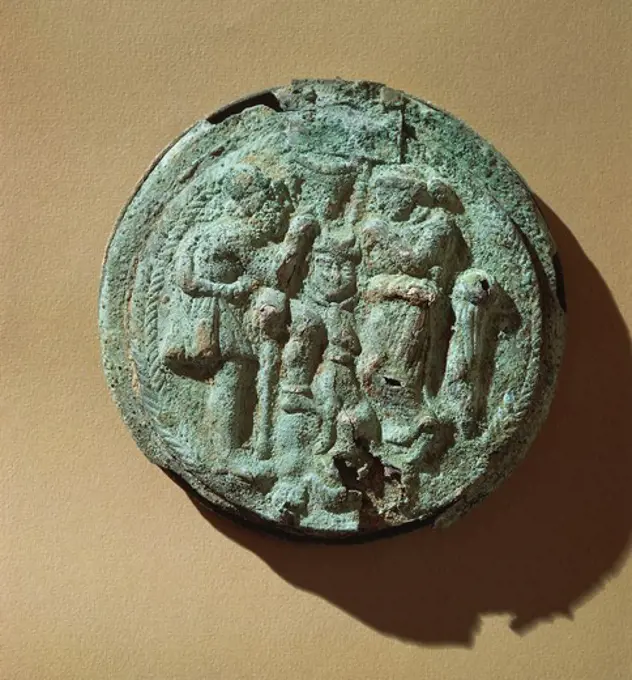
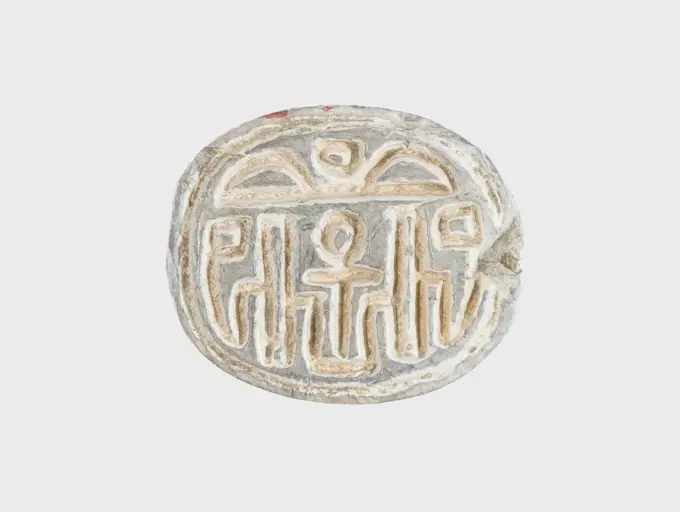
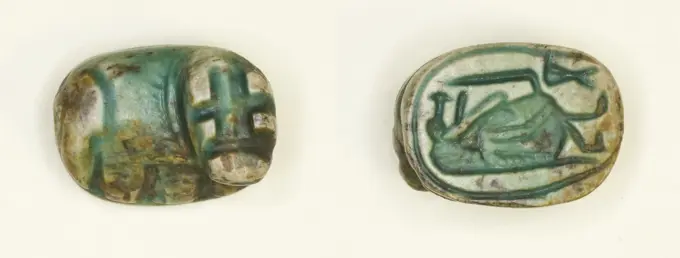
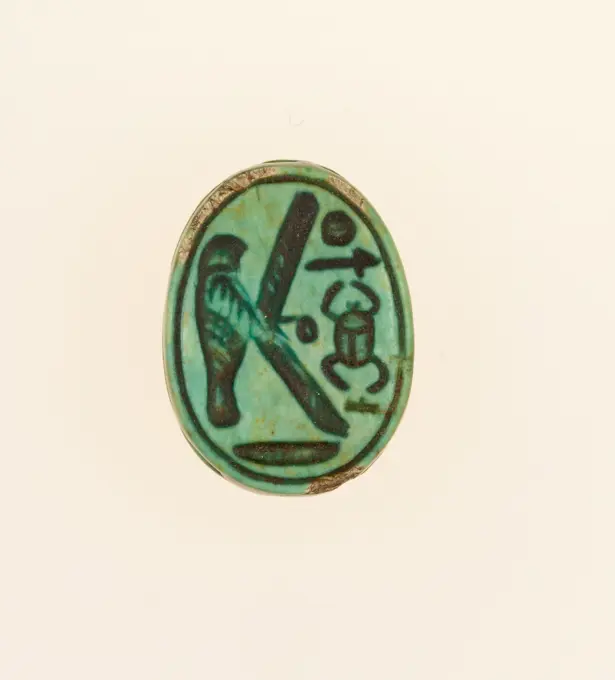
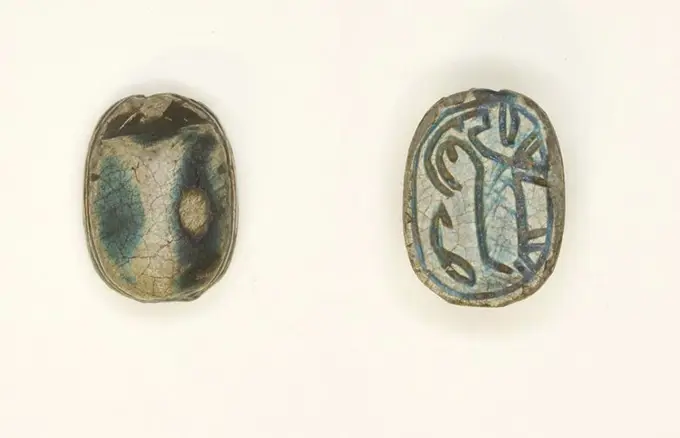
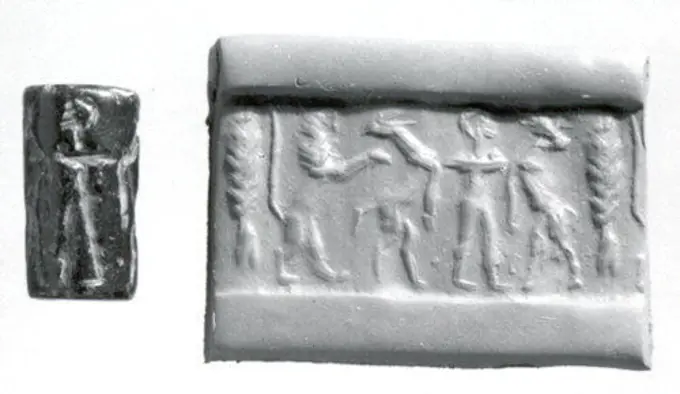
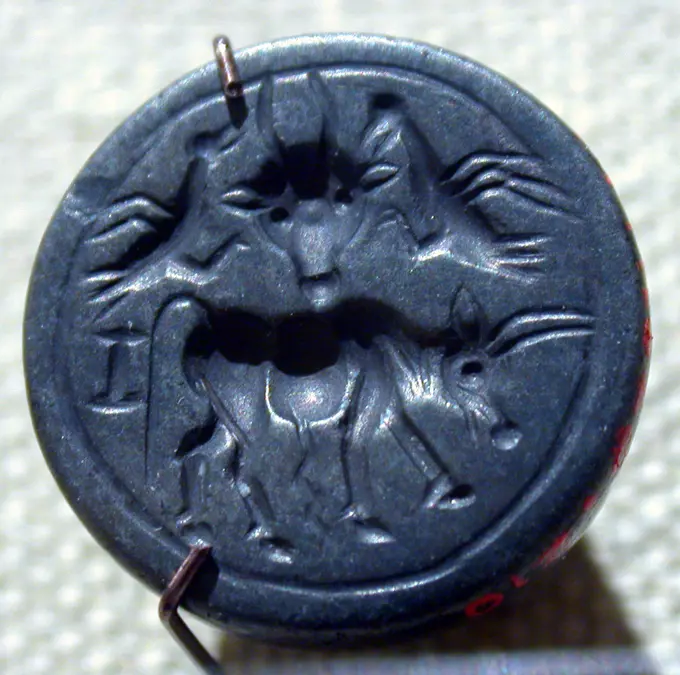
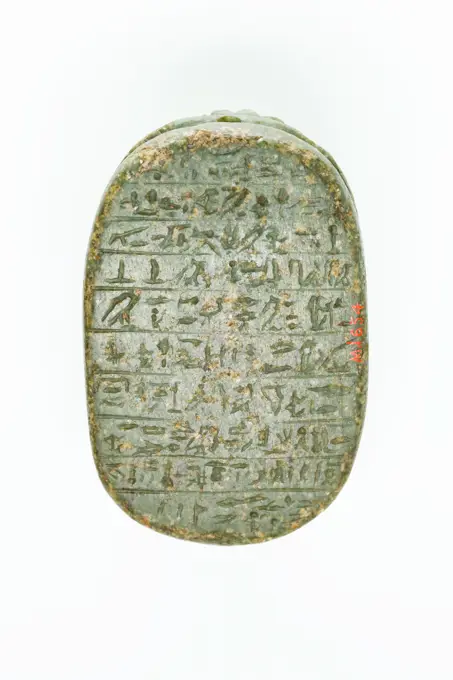
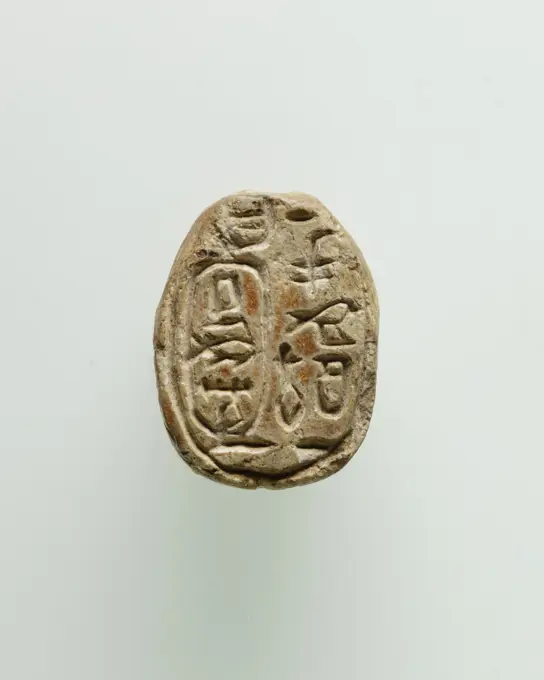
Scarab of the "Great Royal Wife" Ini ca. 1640-1550 B.C. Second Intermediate Period. Scarab of the "Great Royal Wife" Ini. ca. 1640-1550 B.C.. Brown steatite. Second Intermediate Period. From Egypt. Dynasty 13-17Indie, Bundi, Raghubir Singh (vs 1946 1984 = 1889 1927 ad)/Idhwari Singh (vs 1984 2004 = 1927 1947 ad), 1 Paisa, Bundi, 1910 1936Wadjet-eye Stamp Seal inscribed "Maatkare, Beloved of Amun" ca. 1479-1458 B.C. New Kingdom. Wadjet-eye Stamp Seal inscribed "Maatkare, Beloved of Amun". ca. 1479-1458 B.C.. Steatite (glazed). New Kingdom. From Egypt, Upper Egypt, Thebes, Deir el-Bahri, Temple of Hatshepsut, Foundation Deposit 7 (G), MMA excavations, 1926-27. Dynasty 18Printing Block (Egypt); woodScarab of Ramesses II ca. 1295-1070 B.C. New Kingdom, Ramesside. Scarab of Ramesses II 550311Cylinder seal ca. 2649-2100 B.C. Old Kingdom. Cylinder seal. ca. 2649-2100 B.C.. Steatite. Old Kingdom. From Egypt. Dynasty 3-5Scarab Inscribed Amunrehotep ca. 1525-1504 B.C. New Kingdom. Scarab Inscribed Amunrehotep. ca. 1525-1504 B.C.. Pottery. New Kingdom. From Egypt. Dynasty 18Hearing stone with representation of two winged deer, placed in two windows, Anonymous, 1606 Hearing stone with representation of two winged deer, placed in two windows. With the year 1606. Southern Netherlands earthenware Hearing stone with representation of two winged deer, placed in two windows. With the year 1606. Southern Netherlands earthenwareScarab of Ramesses II. Dimensions: L. 1.8 cm (11/16 in.). Dynasty: Dynasty 19-20. Date: ca. 1295-1070 B.C.. Museum: Metropolitan Museum of Art, New York, USA.Scarab of an Official. Dimensions: l. 2 cm (13/16 in). Dynasty: Dynasty 12-18. Date: ca. 1981-1550 B.C.. Museum: Metropolitan Museum of Art, New York, USA.Human-face Scarab with Sphinx and Hieroglyphs ca. 1295-1070 B.C. New Kingdom The underside of this scarab shows a recumbent human-headed sphinx, wearing a nemes-headcloth with a uraeus on the front. The sphinx is a popular motif on scarabs, especially during the New Kingdom and the Late Period, and embodies the pharaoh. Here it holds a seated figure of the goddess Maat in his front paws, while a sun disk is placed above, and below the sphinx the sign of endurance (djed) is flanked by two uraei. On the back, a single line divides the wing cases of the scarab, but a human face with ribbed head band replaces the head and shoulders of the beetle. The earliest examples of human-face scarabs date to the late Middle Kingdom and the Second Intermediate Period (ca. 1850-1550 B.C.) but they are also well attested during the late New Kingdom.. Human-face Scarab with Sphinx and Hieroglyphs. ca. 1295-1070 B.C.. Dark green glazed steatite. New Kingdom. From Egypt, Memphite Region, Lisht North, CemetHead of a Goddess with Weapons in her Hair 1st century B.C.-1st century A.D. India (West Bengal, Chandraketugarh). Head of a Goddess with Weapons in her Hair. India (West Bengal, Chandraketugarh). 1st century B.C.-1st century A.D.. Molded terracotta. SculptureScarab of Ramesses II ca. 1295-1070 B.C. New Kingdom, Ramesside. Scarab of Ramesses II 550312Scarab Inscribed for the God's Wife Hatshepsut ca. 1479-1458 B.C. New Kingdom This scarab was found in a foundation deposit associated with Hatshepsut's funerary temple at Deir el-Bahri. The base is inscribed with her personal name, Hatshepsut ("foremost of noblewomen") linked with the title God's Wife. Hatshepsut inherited the title while she served as principal queen of her half-brother, Thutmose II. Later in her life, after taking on the titles of King, Hatshepsut passed the title to her daughter, Neferure (see scarab 27.3.326).. Scarab Inscribed for the God's Wife Hatshepsut. ca. 1479-1458 B.C.. Steatite (glazed). New Kingdom. From Egypt, Upper Egypt, Thebes, Deir el-Bahri, Temple of Hatshepsut, Foundation Deposit 7 (G), MMA excavations, 1926-27. Dynasty 18, earlyScarab Inscribed with the Name of the God Amun-Re ca. 1479-1458 B.C. New Kingdom. Scarab Inscribed with the Name of the God Amun-Re. ca. 1479-1458 B.C.. Steatite (glazed). New Kingdom. From Egypt, Upper Egypt, Thebes, Deir el-Bahri, Temple of Hatshepsut, Foundation Deposit 9 (I), MMA excavations, 1926-27. Dynasty 18, earlyScarab Inscribed with Hieroglyphs and Symbols ca. 1850-1640 B.C. Middle Kingdom The majority of design scarabs of the late Middle Kingdom (late Dynasty 12-Dynasty 13, ca. 1850 -1640 B.C.) are decorated with symmetric compositions of hieroglyphs and/or scrolls. These signs are not meant to form words but are chosen for their positive, protective meaning.The center of the design shows the sema-tawy, the symbol of the unification of Egypt. It is flanked by crowned uraei and surrounded by pairs of vultures, papyrus plants, and hieroglyphs.. Scarab Inscribed with Hieroglyphs and Symbols 557056Ring of Seti II New Kingdom, Ramesside ca. 1295-1070 B.C. View more. Ring of Seti II. ca. 1295-1070 B.C.. Bronze or copper alloy. New Kingdom, Ramesside. From Egypt. Dynasty 19-20Scarab Inscribed with the Name of Sethnakht ca. 1186-1184 B.C. New Kingdom The hieroglyphs form the nomen of Sethnakht (ca. 1186-1184 B.C.), the first ruler of Dynasty 20, Sethnakht Merire Meramun. His name includes epithets referring to Amun and Re, who are embodied in the sun disk and the seated figure in the upper left part of the composition. The seated Amun is facing a seated figure of the god Seth.. Scarab Inscribed with the Name of Sethnakht. ca. 1186-1184 B.C.. Steatite, traces of green glaze. New Kingdom. From Egypt, Memphite Region, Lisht North, Cemetery, MMA excavations, 1906-07. Dynasty 20 (Ramesside)Scarab of an Official. Dimensions: L. 2.3 cm (7/8 in). Dynasty: Dynasty 12-18. Date: ca. 1981-1550 B.C.. Museum: Metropolitan Museum of Art, New York, USA.Scarab Inscribed for Thutmose I ca. 1504-1492 B.C. New Kingdom. Scarab Inscribed for Thutmose I. ca. 1504-1492 B.C.. Steatite (glazed). New Kingdom. From Egypt. Dynasty 18Scarab Inscribed for Thutmose I ca. 1504-1492 B.C. New Kingdom. Scarab Inscribed for Thutmose I. ca. 1504-1492 B.C.. Steatite, glazed. New Kingdom. From Egypt. Dynasty 18Scarab of Amenemhat III ca. 1859-1813 B.C. Middle Kingdom This scarab is inscribed with the prenomen of pharaoh Amenemhat III (Dynasty 12, ca. 1859-1813 B.C.), Nimaatre.. Scarab of Amenemhat III. ca. 1859-1813 B.C.. Green glazed steatite. Middle Kingdom. From Egypt, Memphite Region, Lisht North, Cemetery, MMA excavations. Dynasty 12Bell Goworek (inscription: Talis o r)  Silver Eagles Tower, Wawel Cathedral, KrakowScarab ca. 1850-1640 B.C. Middle Kingdom. Scarab. ca. 1850-1640 B.C.. Blue glazed steatite. Middle Kingdom. From Egypt. late Dynasty 12-13Fireplace with presentation of two climbing lions, placed in two windows. Fireplace with presentation of two climbing lions, placed in two windows. The half windows at the top and bottom are filled with diamond-shaped flowers.Scarab Hathor Sistrum 1550 BCE-1295 BCE Egypt. Faience . Ancient EgyptianScarab Inscribed for Maatkare (Hatshepsut), Lord of the Two Lands ca. 1479-1458 B.C. New Kingdom. Scarab Inscribed for Maatkare (Hatshepsut), Lord of the Two Lands. ca. 1479-1458 B.C.. Steatite (glazed). New Kingdom. From Egypt, Upper Egypt, Thebes, Deir el-Bahri, Temple of Hatshepsut, Foundation Deposit 9 (I), MMA excavations, 1926-27. Dynasty 18, earlyScarab of an Official. Dimensions: l. 1.9 cm (3/4 in). Dynasty: Dynasty 12-18. Date: ca. 1981-1550 B.C.. Museum: Metropolitan Museum of Art, New York, USA.Fragment of tile ca. 1295-1070 B.C. New Kingdom, Ramesside. Fragment of tile 558741Terracotta seal with a male cult figure; from the Indus Valley civilization at Mohenjo Daro; Indian Sub-continent; 2500-2300 B.C.Scarab Inscribed Perfect God, Lord of the Two Lands Maatkare (Hatshepsut) ca. 1479-1458 B.C. New Kingdom. Scarab Inscribed Perfect God, Lord of the Two Lands Maatkare (Hatshepsut). ca. 1479-1458 B.C.. Steatite (glazed). New Kingdom. From Egypt, Upper Egypt, Thebes, Deir el-Bahri, Temple of Hatshepsut, Foundation Deposit 7 (G), MMA excavations, 1926-27. Dynasty 18, earlyMold with Cartouche containing Early Form of the God Aten's Name. Egypt, New Kingdom, 18th Dynasty, reign of Akhenaten, year 6-10 (circa 1366 - 62 BCE). Tools and Equipment; molds. TerracottaHearing cover with the coat of arms of Karel V., Anonymous, 1500 - 1558  Semi -round fireplace with Charles V weapon of Habsburg; Crowned shield with two -headed eagle with shield on the chest, on either side columns, left with Griffioen on the right with lion, around columns and behind Schild Banderol with inscription: Plus Oltre, decorated edge in relief; Blacked black, back under fault line, behind and top right, crumbled off, edge and breast shield. Southern Netherlands brick (clay product)Plaque from a Tantric Ritual Apron with a Skeleton 16th century or later Tibet. Plaque from a Tantric Ritual Apron with a Skeleton. Tibet. 16th century or later. Bone. BoneThokcha with image of human figure. unknown, craftsmanStamp Seal with Cartouche. Egypt, Late Period (724 - 333 BCE) or modern. Tools and Equipment; seals. TerracottaScarab with a Representation of Maat ca. 1550-1070 B.C. New Kingdom Here a seated figure of the goddess of truth and order, Maat, may be identified by the ostrich feather on her head. She faces a group of hieroglyphs that may refer to one of her divine epithets.. Scarab with a Representation of Maat 557078Fragment of a jug, anonymous, c. 1550 - c. 1599 Fragment of a jug, covered with a brown engobe. On the shard in relief a printed and imposed decoration of a magazine and part of a inscription, "... s". Frechten. Cheek stoneware. glaze. engobe vitrification Fragment of a jug, covered with a brown engobe. On the shard in relief a printed and imposed decoration of a magazine and part of a inscription, "... s". Frechten. Cheek stoneware. glaze. engobe vitrificationFireplace with presentation of two climbing lions, placed in two windows. Fireplace with a show of two climbing lions, placed in two windows and accompanied by the year 161 .... The half windows at the top and bottom are filled with diamond-shaped flowers.Scarab ca. 1479-1458 B.C. New Kingdom. Scarab. ca. 1479-1458 B.C.. Faience. New Kingdom. From Egypt, Upper Egypt, Thebes, Deir el-Bahri, Hatshepsut Hole, Hathor Shrine, MMA excavations, 1922-23. Dynasty 18Balustrade fragment with cartouches of the Aten ca. 1352-1336 B.C. New Kingdom, Amarna Period. Balustrade fragment with cartouches of the Aten 567616Scarab of Amenemhat I. Dimensions: L. 2.4 × W. 1.7 × H. 1.1 cm (15/16 × 11/16 × 7/16 in.). Dynasty: Dynasty 13-17. Date: ca. 1802-1550 B.C.. Museum: Metropolitan Museum of Art, New York, USA.Scarab Inscribed with Hieroglyphs ca. 1640-1550 B.C. Second Intermediate Period The scarab is inscribed with a symmetric arrangement of hieroglyphs, not meant to form words but chosen instead for their positive meaning. Such compositions are particularly prevalent on design scarabs of the late Middle Kingdom (late Dynasty 12-Dynasty 13, ca. 1850 -1640 B.C.). They serve as models for the wide array of variations seen on Egyptian scarabs of the Second Intermediate Period (Dynasty 14-17, ca. 1640-1550 B.C.) and on Canaanite scarabs (Middle Bronze Age IIB-IIC, ca. 1700-1500 B.C.).. Scarab Inscribed with Hieroglyphs 545246Scarab Inscribed for the God's Wife Hatshepsut ca. 1492-1473 B.C. New Kingdom Two ring bezels were found among the hand bones of a child who was buried in the tomb of Hatnefer, the mother of Senenmut who was an important official in the reign of Hatshepsut (see 30.3 1 and 30.3.17). This bezel contains a beautifully carved scarab inscribed with Hatshepsut's personal name and her title God's Wife. This title was acquired by Hatshepsut while she was the principal queen of her half-brother, Thutmose II. Soon after taking on the titles of king, the title passed to Hatshepsut's daughter, Neferure (see 27.3.324-27.3.327). The scarab is similar in style and quality to those found in the foundation deposits of Hatshepsut's temple at Deir el-Bahri, but the inscription differs slightly (see esp. 27.3.174-27.3.191). Scarab Inscribed for the God's Wife Hatshepsut 547682Scarab: Rabbit with Hathor Sistrum. Egyptian. Date: 1550 BC-525 BC. Dimensions: 1.6 × 1 × 0.6 cm (5/8 × 3/8 × 1/4 in.). Steatite. Origin: Egypt. Museum: The Chicago Art Institute, USA. Author: Ancient Egyptian.Crescent Ornaments 6th-7th century Moche (Loma Negra). Crescent Ornaments. Moche (Loma Negra). 6th-7th century. Copper. Peru. Metal-OrnamentsScarab: Unlinked Scrolls and Spirals. Egyptian. Date: 1650 BC-1550 BC. Dimensions: 1.9 × 1.3 × 1 cm (3/4 × 1/2 × 3/8 in.). Glazed steatite. Origin: Egypt. Museum: The Chicago Art Institute, Chicago, USA. Author: Ancient Egyptian.right arm with Aten cartouches ca. 1353-1336 B.C. New Kingdom, Amarna Period. right arm with Aten cartouches 549689Scarab Inscribed for Maatkare (Hatshepsut) ca. 1479-1458 B.C. New Kingdom During the 1926-1927 excavation season, the Museum's Egyptian Expedition uncovered three foundation deposits along the eastern enclosure wall of Hatshepsut's funerary temple at Deir el-Bahri in Western Thebes. Among the contents were 299 scarabs and stamp-seals. Sixty-five of these are now in the Egyptian Museum, Cairo, and the rest were acquired by the Museum in the division of finds.Among the inscriptions on the bases of these scarabs and seals are examples of every title Hatshepsut held, from the time she was "king's daughter" during the reign of her father, Thutmose I; through the time she was queen of her half-brother, Thutmose II; and during her regency and co-reign with her nephew/step-son, Thutmose III.The inscription on the base of this scarab records Hatshepsut's throne name, Maatkare, enclosed in a cartouche and flanked by feathers that symbolize the goddess Maat (truth). Above the cartouche is a wingeCylinder seal ca. 2960-2649 B.C. Early Dynastic Period. Cylinder seal. ca. 2960-2649 B.C.. Steatite. Early Dynastic Period. From Egypt. Dynasty 2Seal Impression with Cartouches of Ptolomy I Soter. Egypt, Ptolemaic Period, reign of Ptolemy I (305 - 282 BCE). Tools and Equipment; seals. Baked clayBlame hardstone., Anonymous, c. 1575 - c. 1625 Glazed fireplace with two climbing lions, placed in two diamonds with bay leaf motif. The half and quarter windows on the top and bottom are filled with a flower pattern. Southern Netherlands earthenware Glazed fireplace with two climbing lions, placed in two diamonds with bay leaf motif. The half and quarter windows on the top and bottom are filled with a flower pattern. Southern Netherlands earthenwareScarab;The collection of ancient EgyptHearing stone with representation of two portrait medallions, placed in two windows, anonymous, c. 1400 - c. 1950 Hearing stone with representation of two portrait medallions, placed in two windows. Southern Netherlands earthenware Hearing stone with representation of two portrait medallions, placed in two windows. Southern Netherlands earthenwareFragment of a Scarab of a Lady ca. 1850-1640 B.C. Middle Kingdom This fragment of a scarab is inscribed for a woman, as indicated by the female epithets that follow her name, which is not preserved.. Fragment of a Scarab of a Lady 557053Plaque fragment ca. 9th century B.C. Iran. Plaque fragment 325746Scarab: Hieroglyphs (nfr-signs, anx-signs, Dd-signs). Egyptian. Date: 2055 BC-1550 BC. Dimensions: 1.9 × 1.3 × 1 cm (3/4 × 1/2 × 3/8 in.). Glazed steatite. Origin: Egypt. Museum: The Chicago Art Institute, Chicago, USA. Author: Ancient Egyptian.Amuletic plaque of Paser, the Vizier of Seti I and Ramesses II. Dimensions: H. 1.7 cm (11/16 in.); W. 1.1 cm (7/16 in.); D. 0.7 cm (1/4 in.). Dynasty: Dynasty 19. Patron: Paser (vizier under Seti I and Ramesses II). Date: ca. 1294-1213 B.C..A steatite amuletic plaque bearing Paser's name and titles as the mayor of the town (Thebes) and the (southern) vizier on one side, and portraying him adoring Ptah on the other. Museum: Metropolitan Museum of Art, New York, USA.Amulet - stela z przedstawieniem boga Ptaha i sokołem (na odwrocie). unknown, authorTygrys - figurka grobowa. unknown, craftsmanScarab with seated griffin ca. 1635-1458 B.C. Second Intermediate Period-Early New Kingdom. Scarab with seated griffin. ca. 1635-1458 B.C.. Glazed steatite. Second Intermediate Period-Early New Kingdom. From Egypt, Upper Egypt, Thebes, Asasif, Courtyard CC 41, Burial C 4, on body, MMA excavations, 1915-16. Dynasty 17-18Fragment of a Bowl 14th-15th century. Fragment of a Bowl 446488Hearing stone, on which a bird on a branch and two clovers in the corners, anonymous, c. 1500 - c. 1600 Hearing stone, on which a bird on a branch and two clovers in the corners. From fine baked earth. Southern Netherlands earthenware Hearing stone, on which a bird on a branch and two clovers in the corners. From fine baked earth. Southern Netherlands earthenwareScaraboid: Monkey. Egyptian. Date: 1550 BC-1186 BC. Dimensions: 0.3 × 1.3 × 0.8 cm (1/8 × 1/2 × 5/16 in.). Glazed steatite. Origin: Egypt. Museum: The Chicago Art Institute, Chicago, USA. Author: Ancient Egyptian.Scarab with Scrolls and Hieroglyphs ca. 1850-1640 B.C. Middle Kingdom Scrolls and spirals -whether single or interlocking, or in combination with hieroglyphs or floral motifs- already decorate the earliest types of scarabs and are common throughout the first half of the second millennium B.C. While their meaning and source of inspiration remains unknown, scroll designs are also appealing to the eye. A wide variety of combinations, some of which more complex than others, is found on Egyptian scarabs of the Middle Kingdom and scrolls become particularly popular during late Dynasty 12 and Dynasty 13 (ca. 1850-1640 B.C.). While these designs continue to appear on scarabs in the Second Intermediate Period (ca. 1640-1550 B.C.) and on contemporary Canaanite imitations, details in the composition or on the scarabs back or its legs allow the seal-amulet to be more precisely dated.. Scarab with Scrolls and Hieroglyphs 557511Hearing stone with representation of a men's and women's head from the side, separated by a flowering plant, c. 1525 - c. 1575 Hearing stone with the representation of a men's and women's head from the side, separated by a flowering plant. Southern Netherlands earthenware Hearing stone with the representation of a men's and women's head from the side, separated by a flowering plant. Southern Netherlands earthenwareEtruscan civilization, Embossed bronze mirror casket depicting Ulysses, Penelope and dog Argus.Scarab Inscribed with a Geometric Pattern ca. 1390-1353 B.C. New Kingdom. Scarab Inscribed with a Geometric Pattern. ca. 1390-1353 B.C.. Mica schist. New Kingdom. From Egypt, Upper Egypt, Thebes, Malqata, Houses G-K, MMA excavations, 1910-11. Dynasty 18Foundation Deposit Plaque with the Throne Name of Ramesses II ca. 1279-1213 B.C. New Kingdom, Ramesside. Foundation Deposit Plaque with the Throne Name of Ramesses II. ca. 1279-1213 B.C.. Faience. New Kingdom, Ramesside. From Egypt. Dynasty 19Scaraboid Hippopotamus 1550 BCE-1069 BCE Egypt. Glazed steatite . Ancient EgyptianPlaque fragment ca. 9th century B.C. Iran. Plaque fragment 325755Fireplace with men's and women's head, placed in two windows. Fireplace with man's and women's head, placed in two windows and accompanied by the year ... 81.Hearing stone, on which a man and woman, looking at each other, between their heads a small tree, anonymous, c. 1400 - c. 1950 Hearing stone, on which a man and woman, looking at each other, a small tree between their heads. Around a bead edge. From fine baked earth. Southern Netherlands earthenware Hearing stone, on which a man and woman, looking at each other, a small tree between their heads. Around a bead edge. From fine baked earth. Southern Netherlands earthenwareScarab Inscsribed With the Name Aakheperkare (Thutmose I) ca. 1504-1492 B.C. New Kingdom. Scarab Inscsribed With the Name Aakheperkare (Thutmose I). ca. 1504-1492 B.C.. glazed steatite. New Kingdom. From Egypt. Dynasty 18Plaque King in Chariot Shoots Enemy/King Seated in the Barque of Amun 1570 BCE-1186 BCE Egypt. Steatite . Ancient EgyptianScarab Inscribed with the Name of the God Amun-Re ca. 1479-1458 B.C. New Kingdom. Scarab Inscribed with the Name of the God Amun-Re. ca. 1479-1458 B.C.. Steatite (glazed). New Kingdom. From Egypt, Upper Egypt, Thebes, Deir el-Bahri, Temple of Hatshepsut, Foundation Deposit 7 (G), MMA excavations, 1926-27. Dynasty 18, earlyFragment of sitle. Bronze. Cernuschi Museum, Asia Museum of Asia in the city of Paris.Cylinder bead inscribed with the name Amenhotep ca. 1525-1504 B.C. New Kingdom. Cylinder bead inscribed with the name Amenhotep. ca. 1525-1504 B.C.. Steatite, glazed. New Kingdom. From Egypt, Upper Egypt, Thebes. Dynasty 18Hearing stone with representation of two climbing lions, placed in two windows, Anonymous, c. 1575 - c. 1625 Hearing stone with representation of two climbing lions, placed in two windows. Southern Netherlands earthenware Hearing stone with representation of two climbing lions, placed in two windows. Southern Netherlands earthenwareAmulet. Iran, 11th century. Jewelry and Adornments; amulets. Silver, castScarab: Antelope with Foliage Motif. Egyptian. Date: 1650 BC-1550 BC. Dimensions: 1.6 × 1.3 × 1 cm (5/8 × 1/2 × 3/8 in.). Glazed steatite. Origin: Egypt. Museum: The Chicago Art Institute, Chicago, USA. Author: Ancient Egyptian.Copper plate of a buckle, anonymous, c. 1200 - c. 1300 Copper picture of a buckle on which the shape of a bird has been saved. France copper (metal) Copper picture of a buckle on which the shape of a bird has been saved. France copper (metal)Stones Man;  XIX-XX century (1890-00-00-1910-00-00);Magic rod fragment ca. 1981-1640 B.C. Middle Kingdom. Magic rod fragment 556923. Fragment of the bottom of a small bin of quartz frying goods. In the middle a hare in blue and brown within a serrated frame. Gray yellow earth. The foot unglazed. The fragment is found in Cairo.The Snake and The Bird, Gilgal and Netiv Hagedud. From the Sultanian culture 10,000 years ago made from river pebbles and soft limestone.Scarab Inscribed King of Upper and Lower Egypt ca. 1479-1458 B.C. New Kingdom. Scarab Inscribed King of Upper and Lower Egypt. ca. 1479-1458 B.C.. Steatite (glazed). New Kingdom. From Egypt, Upper Egypt, Thebes, Deir el-Bahri, Temple of Hatshepsut, Foundation Deposit 7 (G), MMA excavations, 1926-27. Dynasty 18, earlyBase fragment, Aten cartouche ca. 1353-1336 B.C. New Kingdom, Amarna Period. Base fragment, Aten cartouche 550051Cylinder seal ca. 2350-2150 B.C. Akkadian. Cylinder seal 324950Funerary Cone of Montuemhat. Egypt, 25th - 26th Dynasty (circa 755 - 525 BCE). Tools and Equipment; cones. TerracottaStamp seal: bull, bucranium, and birds ca. late 2nd millennium B.C. Cypriot. Stamp seal: bull, bucranium, and birds 327806Head of knife, knife cutlery soil find wood copper metal, Lifting handle in the shape of crown to which part of the plate girdle has remnant of wood nail and on both sides half heart of metal wire archeology Rotterdam rail tunnel cutting food Soil discovery: trajectory Rotterdam rail tunnel.Molded Faience Plaque with throne name of Queen Tawosret. Egypt, New Kingdom, 19th Dynasty, reign of Tawosret (1209 - 1201 BCE). Sculpture; plaques. FaienceStamp Seal, Tabloid. Western Iran, circa 4th millennium B.C.. Tools and Equipment; seals. Dark brown serpentineScabbard Chape (Kojiri) ca. 1615-1868 Japanese. Scabbard Chape (Kojiri). Japanese. ca. 1615-1868. Copper-silver alloy (shibuichi), gold. Sword FurnitureScarab Inscribed with a Geometric Pattern ca. 1479-1458 B.C. New Kingdom. Scarab Inscribed with a Geometric Pattern. ca. 1479-1458 B.C.. Steatite (glazed). New Kingdom. From Egypt, Upper Egypt, Thebes, Deir el-Bahri, Temple of Hatshepsut, Foundation Deposit 9 (I), MMA excavations, 1926-27. Dynasty 18, earlyHearing stone with representation of two climbing lions, c. 1875 - c. 1900 Hearing stone with representation of two climbing lions, placed in profiled window. The half windows at the top and bottom are filled with arrow pattern. Glazed. Netherlands earthenware vitrification Hearing stone with representation of two climbing lions, placed in profiled window. The half windows at the top and bottom are filled with arrow pattern. Glazed. Netherlands earthenware vitrificationAnonymous, jade in the shape of a bird (common name). Jade engraved. Cernuschi Museum, Asia Museum of Asia in the city of Paris.Trimming (France); silk and metallic thread; 1907-30-4Heart Scarab ca. 1295-1070 B.C. New Kingdom, Ramesside. Heart Scarab. ca. 1295-1070 B.C.. Green serpentinite. New Kingdom, Ramesside. From Egypt. Dynasty 19-20