Ancient Egyptian Scarabs and Seals

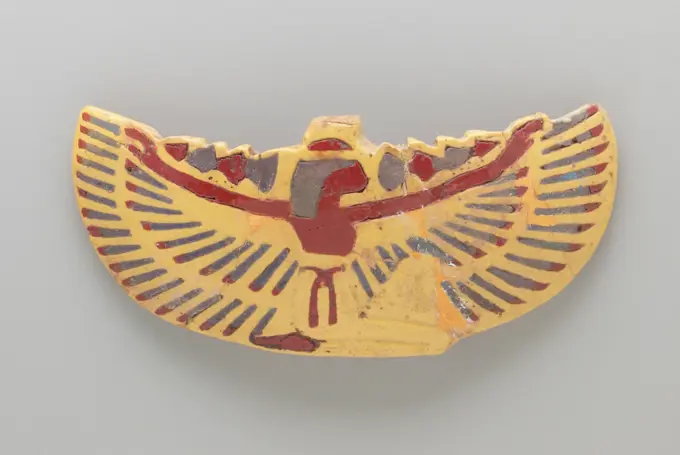
A collection of ancient scarabs and seals from Egypt, featuring inscriptions, symbols, and depictions of significant figures from various periods, showcasing historical artistry.

Hearing stone with representation of two winged deer, placed in two windows, Anonymous, 1606 Hearing stone with representation of two winged deer, placed in two windows. With the year 1606. Southern Netherlands earthenware Hearing stone with representation of two winged deer, placed in two windows. With the year 1606. Southern Netherlands earthenware
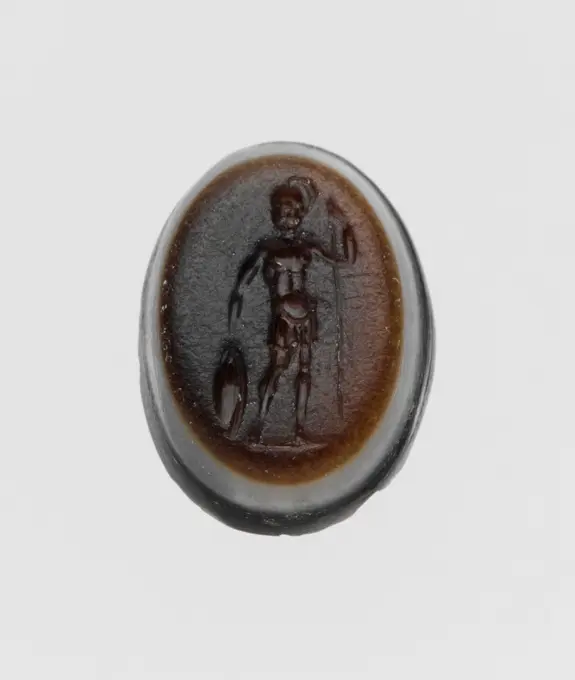
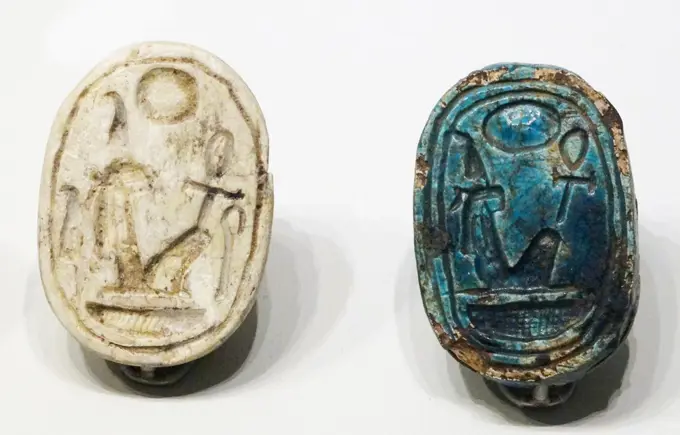
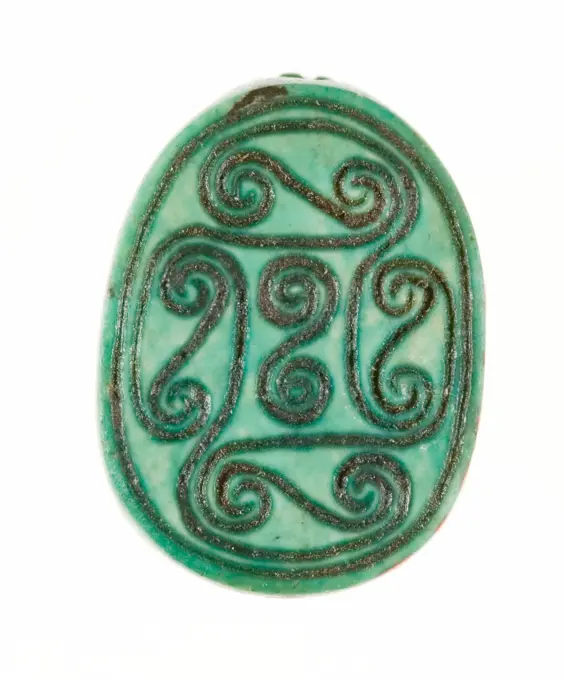
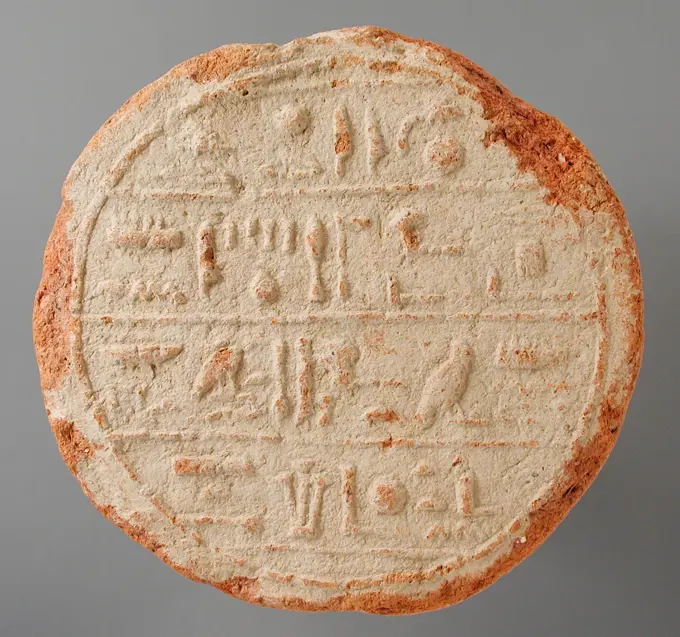
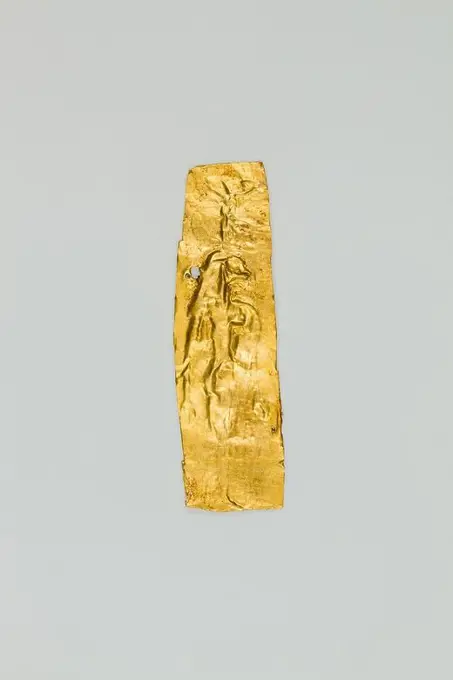
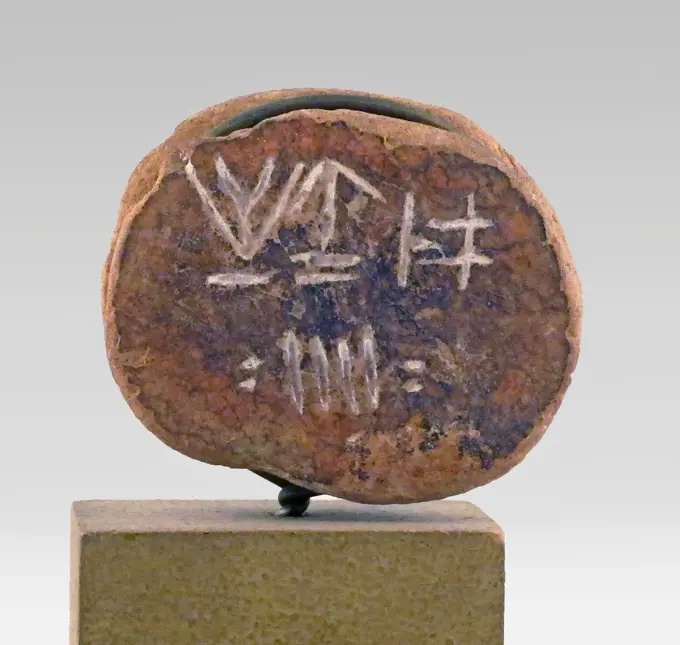
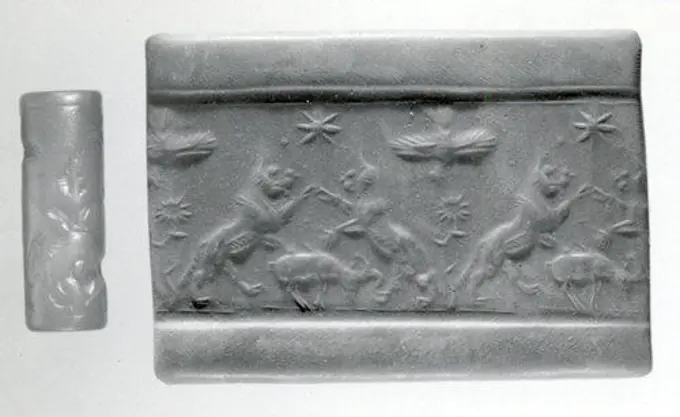
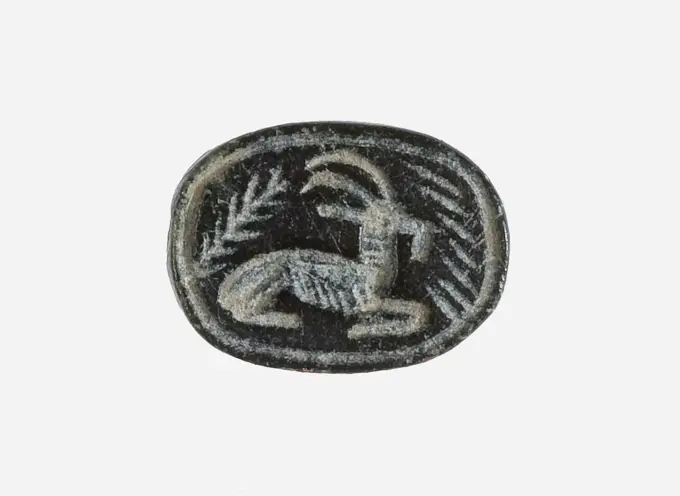
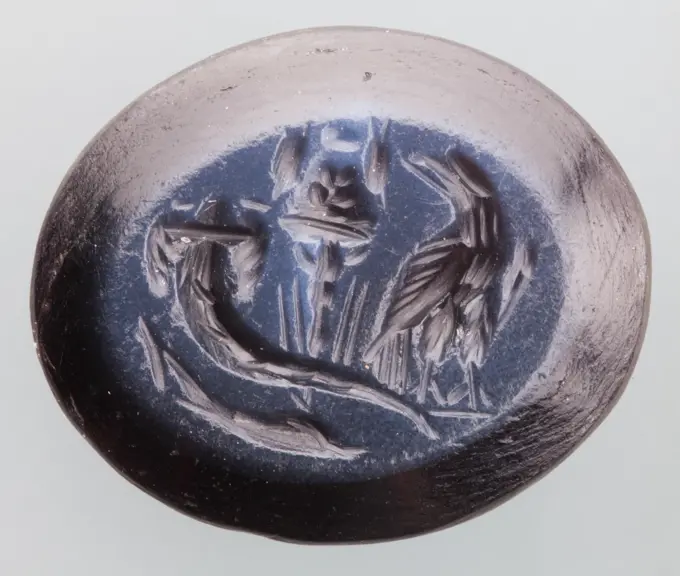
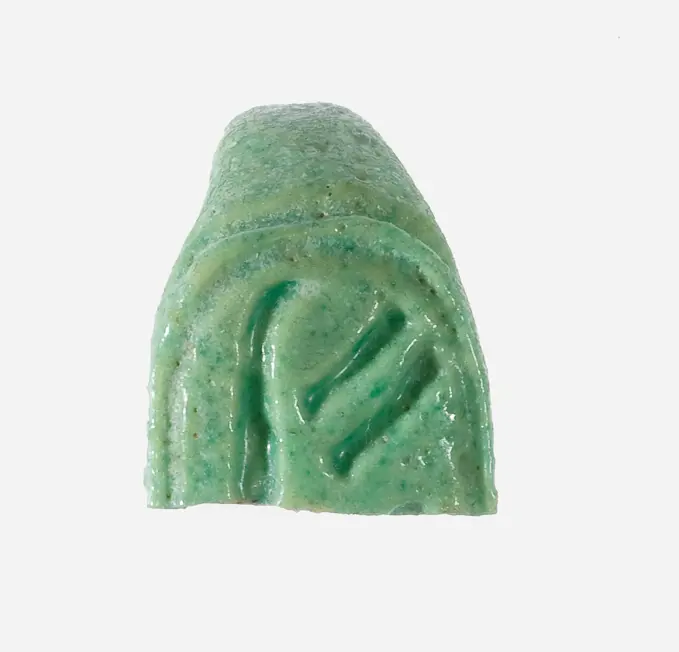
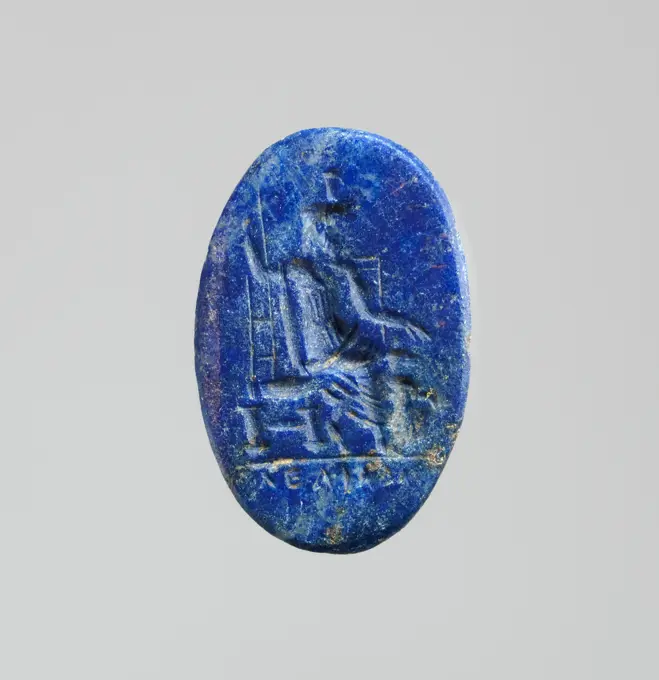
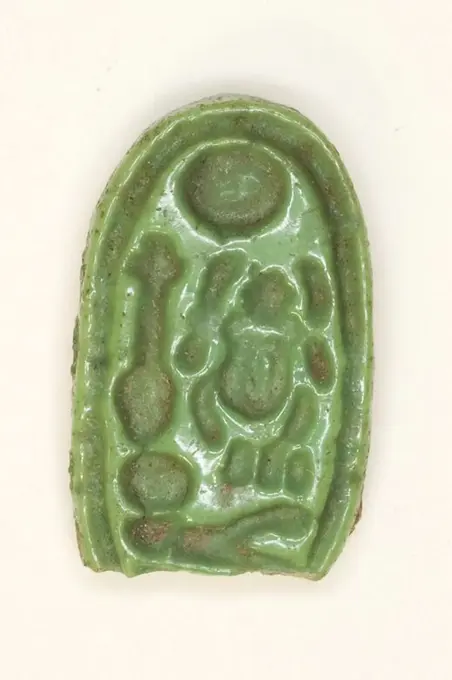
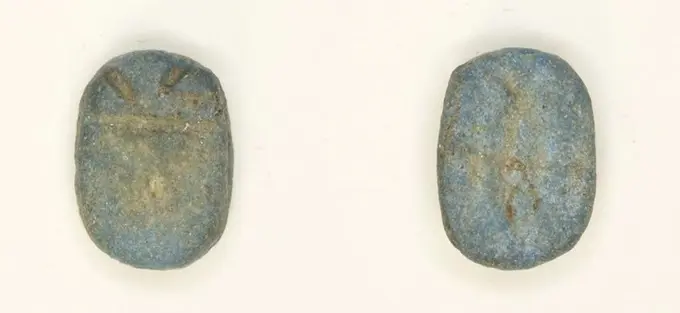
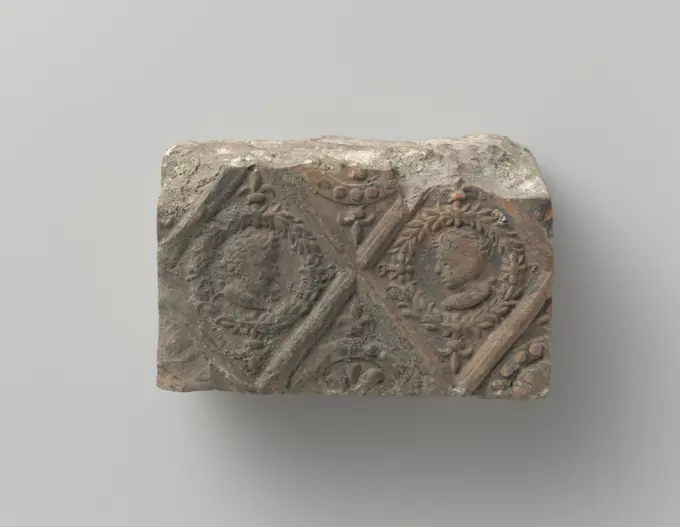
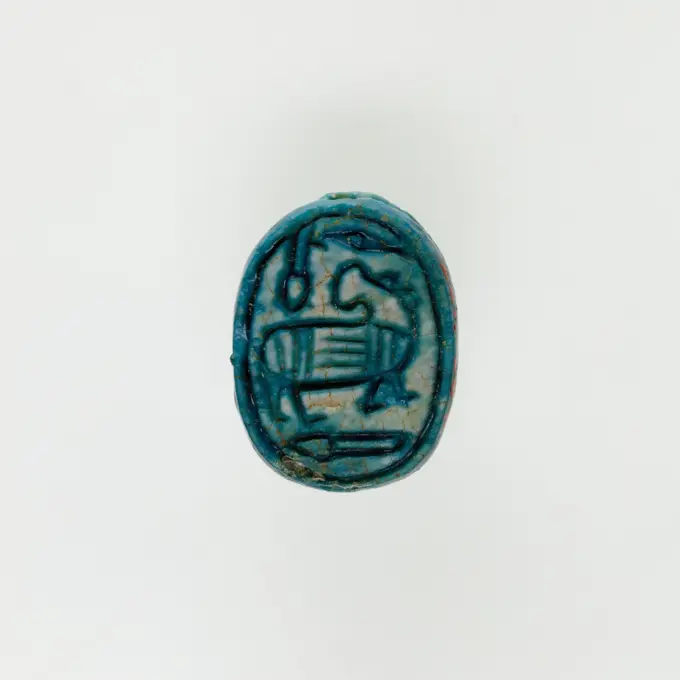
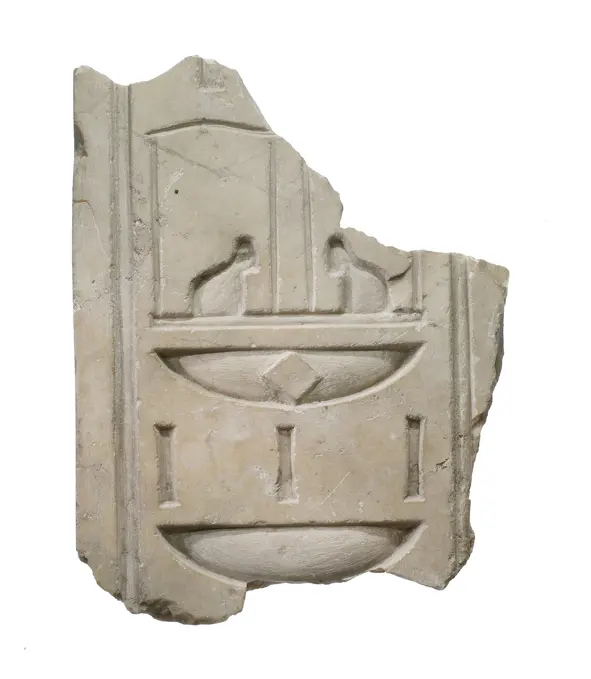
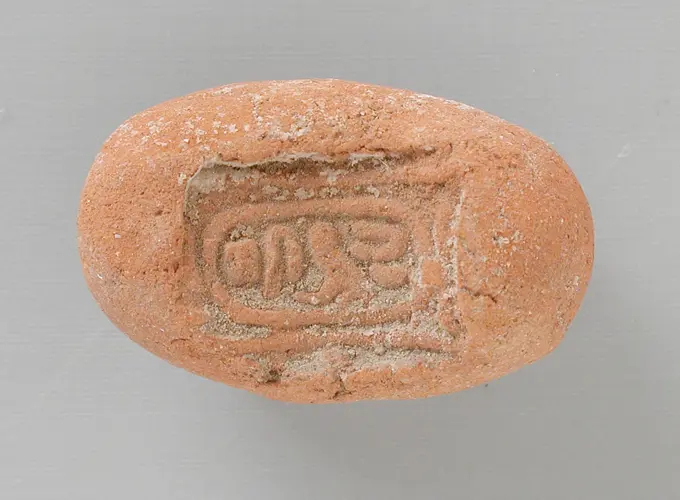
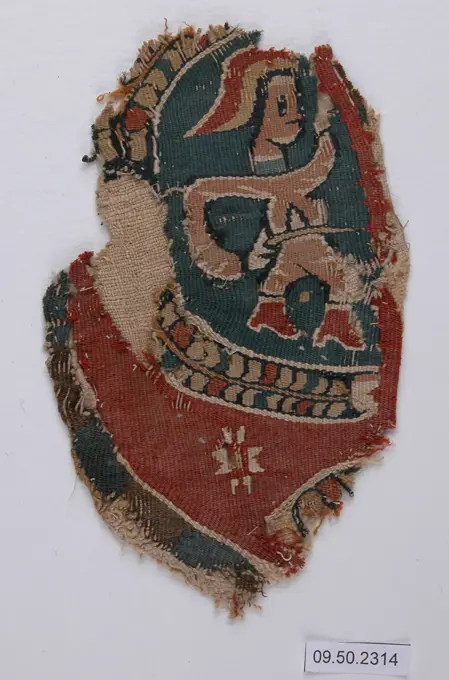
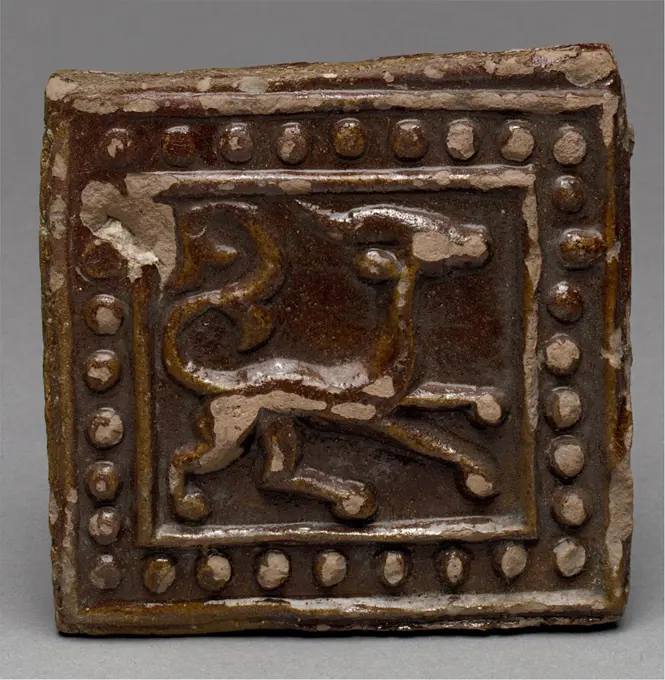
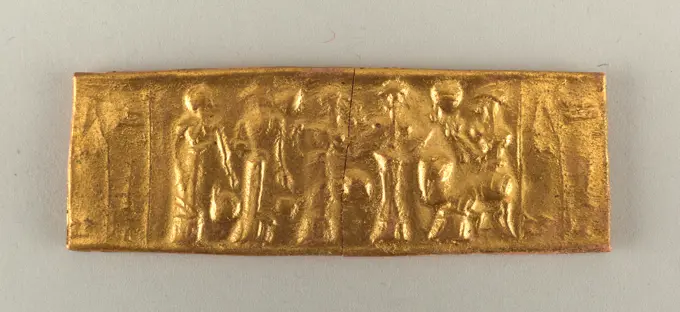
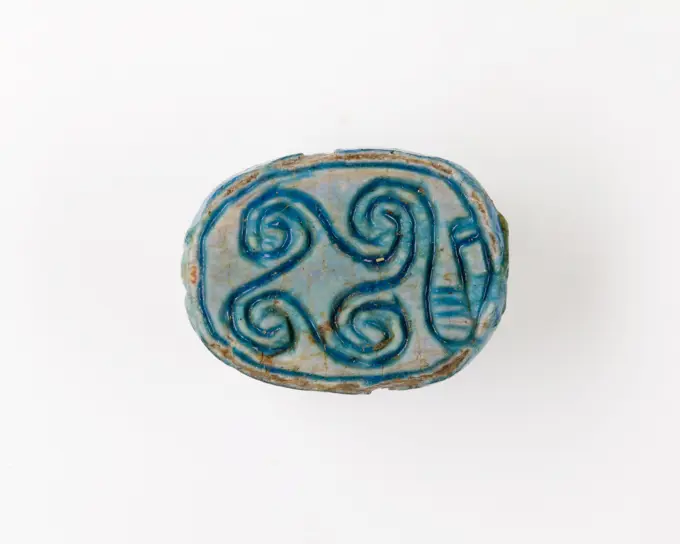
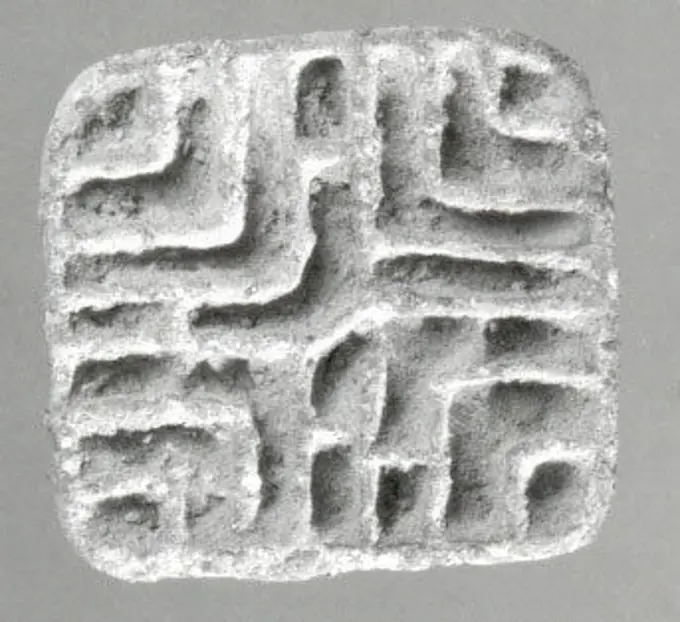
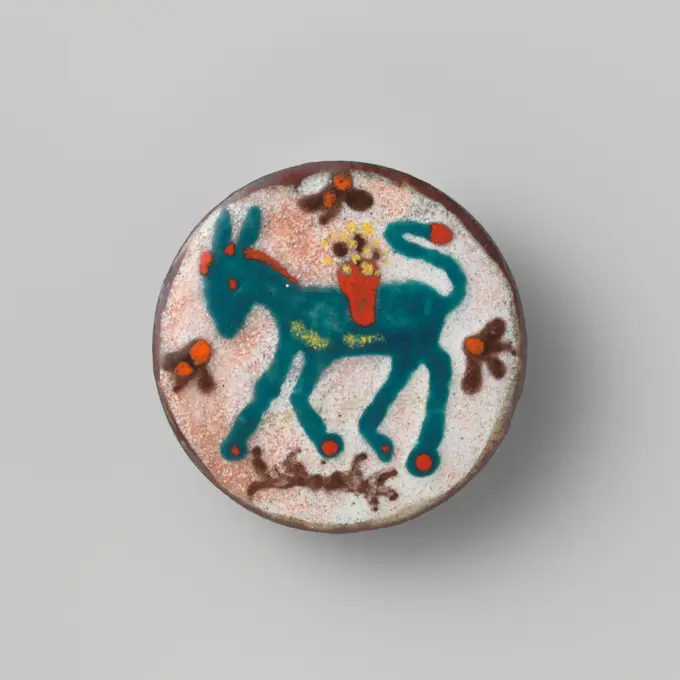
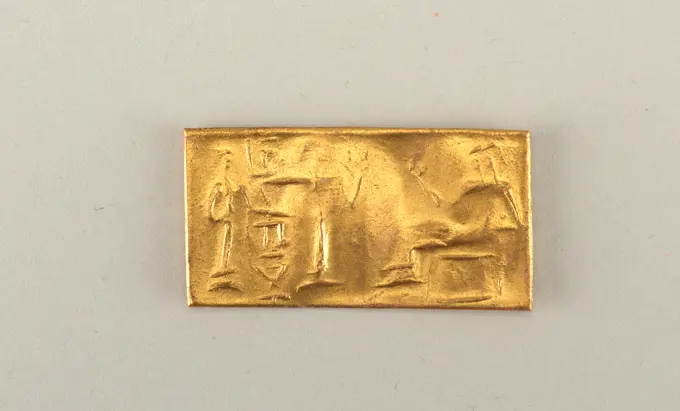
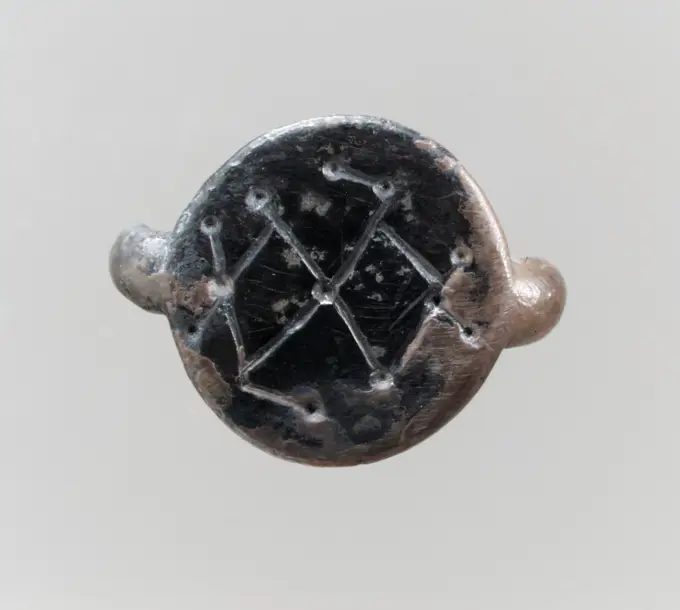
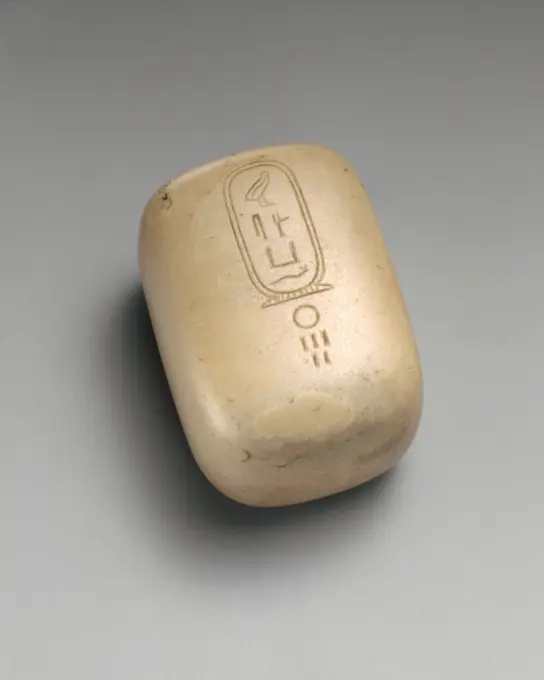
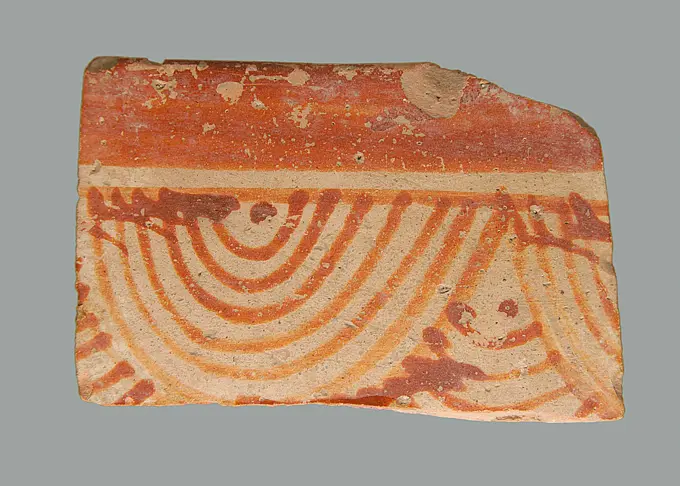
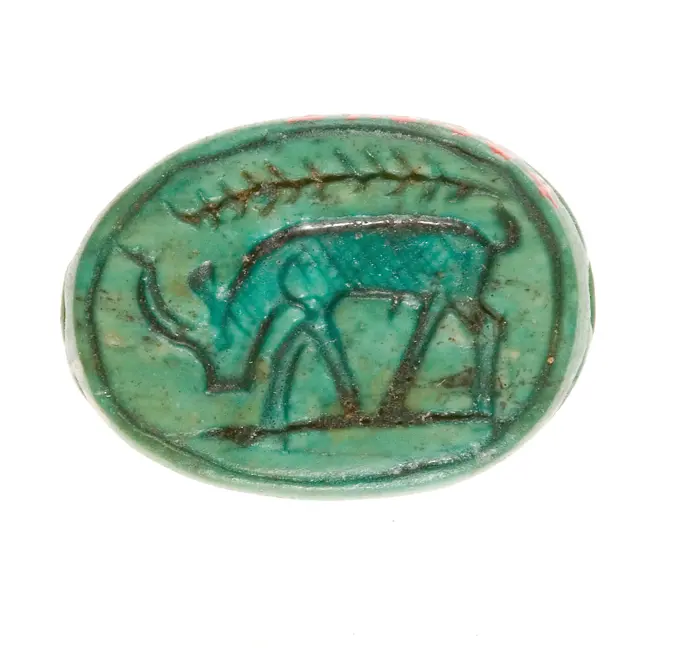
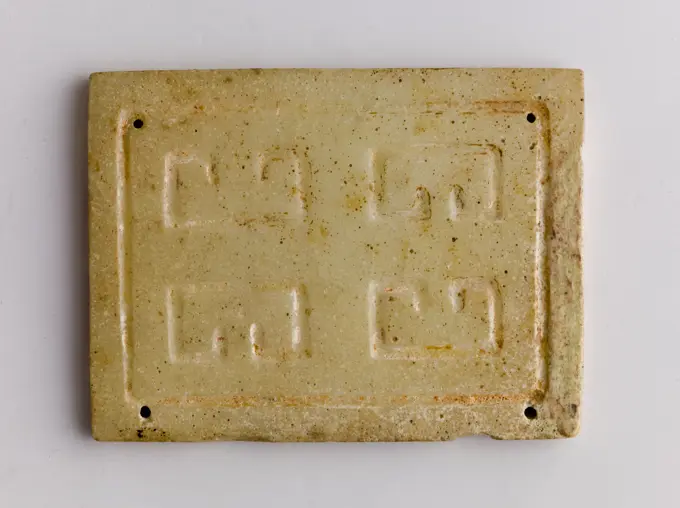
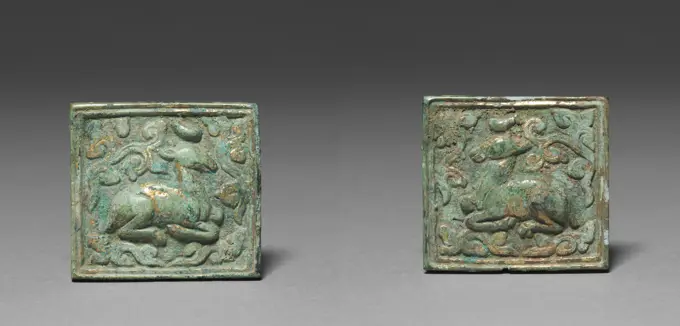
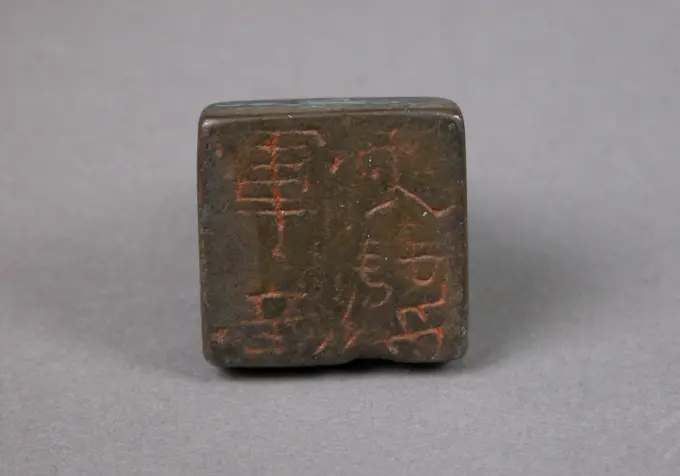
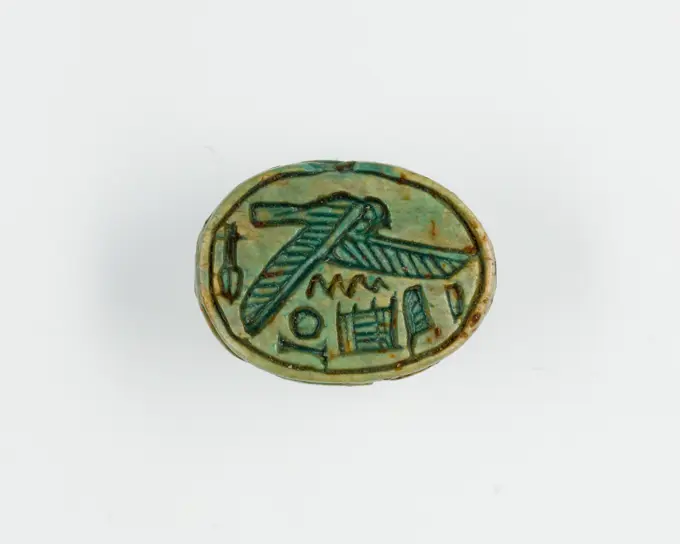
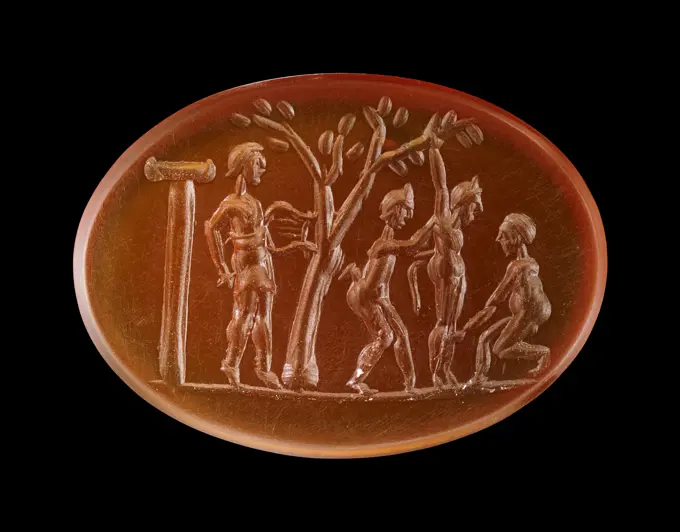
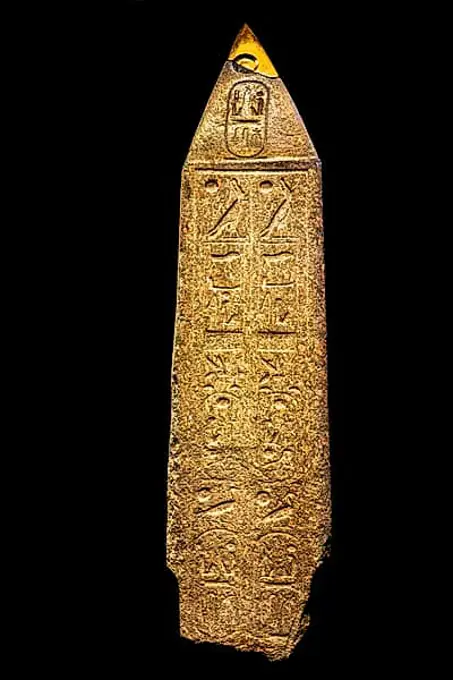
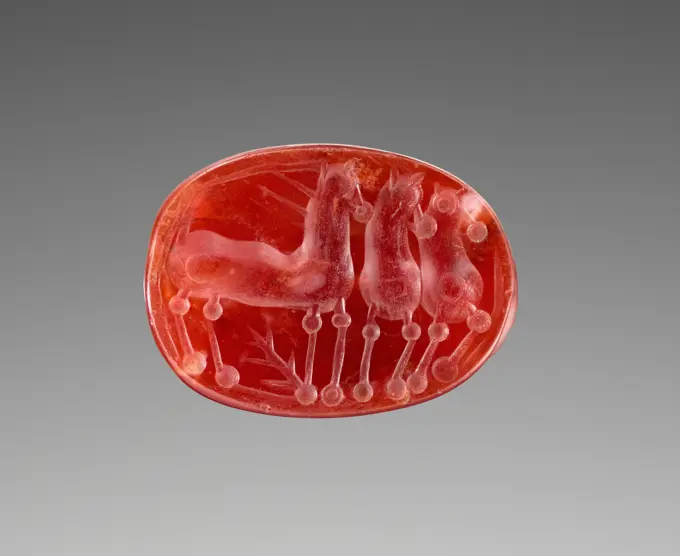
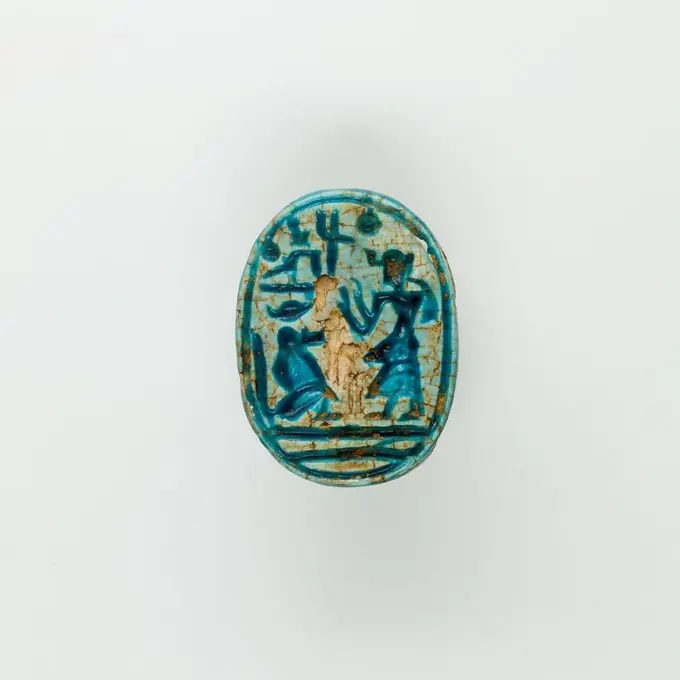
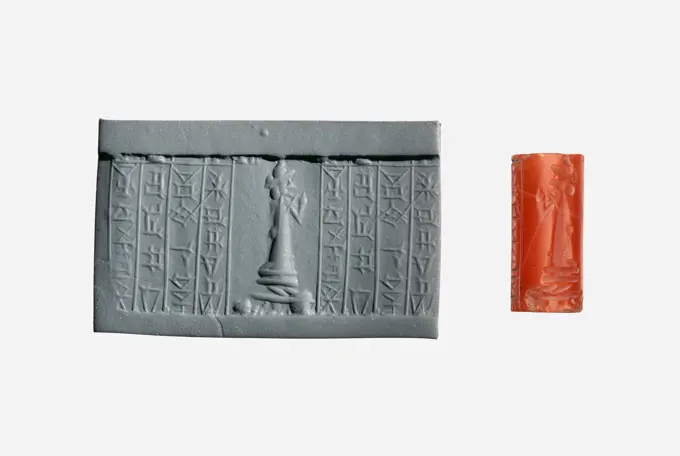
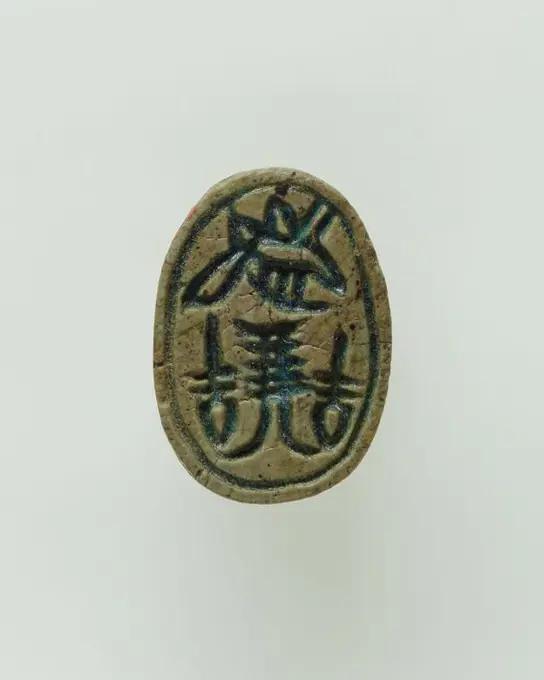
Scarab. Dimensions: l. 1.6 cm (5/8 in). Dynasty: Dynasty 12-18. Date: ca. 1981-1550 B.C.. Museum: Metropolitan Museum of Art, New York, USA.Sardonyx ring stone ca. 1st century B.C.-3rd century A.D. Roman Ares (mars) standing, fully armed with spear and shield.. Sardonyx ring stone 244994Scarab Inscribed with the Throne Name of Thutmose I ca. 1504-1492 B.C. New Kingdom. Scarab Inscribed with the Throne Name of Thutmose I. ca. 1504-1492 B.C.. Steatite, glazed. New Kingdom. From Egypt. Dynasty 18Funerary Cone of Wsr-hat. Egypt, New Kingdom (1569 - 1081 BCE). Tools and Equipment; cones. Terracottatumbled Tinguaite gemstone on dark background macro shooting of natural mineral rock specimen - tumbled Tinguaite gemstone on dark granite background from Khibiny Mountains, Kola Peninsula, Russia Copyright: xZoonar.com/ValeryxVoennyyx 11392321Stamp Seal. Iran, circa 1350-1000 B.C. or earlier. Tools and Equipment; seals. Bronze, castFireplace of baked earth with diamond-shaped distribution with two medallions of a man and woman. Fireplace of baked earth with diamond-shaped distribution. Two medallions of a man and woman, and the number "81", probably the year 1581.Selection of scarabs depicting the goddess Ma'at as a component of the throne name of King Amenhotep III. From the 14th century.Scarab Inscribed with a Geometric Pattern ca. 1479-1458 B.C. New Kingdom. Scarab Inscribed with a Geometric Pattern. ca. 1479-1458 B.C.. Steatite (glazed). New Kingdom. From Egypt, Upper Egypt, Thebes, Deir el-Bahri, Temple of Hatshepsut, Foundation Deposit 7 (G), MMA excavations, 1926-27. Dynasty 18, earlyStamped silver foil. Dated 18th CenturyFragment 9th-10th century. Fragment 450340Funerary Cone of Mentuemhet. Egypt, 25th-26th Dynasty (circa 755-525 B.C.). Tools and Equipment; cones. TerracottaNephthys amulet. Dimensions: l. 3.7 cm (1 7/16 in.) × h. 1.1 cm (7/16 in.). Dynasty: Dynasty 26-29. Date: 664-380 B.C.. Museum: Metropolitan Museum of Art, New York, USA.Terracotta disk Cypriot Inscription reads, "Of Phantasios.". Terracotta disk. Cypriot. Terracotta. Cesnola InscriptionsScaraboid Duck with Head Resting on Back 1550 BCE-1295 BCE Egypt. Glazed steatite . Ancient EgyptianCylinder seal and modern impression: rampant lions over grazing ram ca. 13th century B.C. Assyrian. Cylinder seal and modern impression: rampant lions over grazing ram 327227Scarab Inscribed with a Crouching Ibex ca. 1390-1353 B.C. New Kingdom The base of this scarab is decorated with the image of an Ibix lying down among plants.. Scarab Inscribed with a Crouching Ibex. ca. 1390-1353 B.C.. Steatite. New Kingdom. From Egypt, Upper Egypt, Thebes, Malqata, Palace of Amenhotep III, South of Ezbet Basili, MMA excavations, Jan. 9, 1912. Dynasty 18Eagle, trophy and the horn of plentyBorder fragment Werra plate, mirror-painted lady with millstone collar and glass in hand, pale yellow and green glaze, plate crockery holder earth discovery ceramic earthenware glaze, Red earthenware with drawing in light yellow and green glaze archeologyRing Fragment With the Name Tiye ca. 1390-1353 B.C. New Kingdom. Ring Fragment With the Name Tiye. ca. 1390-1353 B.C.. Faience, green. New Kingdom. From Egypt, Upper Egypt, Thebes, Malqata, MMA excavations, 1910-11; Probably from King's Palace (Harim). Dynasty 18Plaque with Ceres. UnknownLapis lazuli intaglio: Serapis enthroned 2nd century A.D. Roman Serapis enthroned.. Lapis lazuli intaglio: Serapis enthroned 248220Coin Weight 11th century. Coin Weight 453542Votive Tablet dated 870 China. Votive Tablet 61594Fragment fryzu z absydy I Katedry. warsztat nubijski, workshopOffering Table from Defdji, Egypt. Plaque with figure of Atlas Cypriot. Plaque with figure of Atlas. Cypriot. Gold. Gold and SilverRing: Neferkheprure-Waenre (Akhenaton). Egyptian. Date: 1352 BC-1336 BC. Dimensions: 1.9 × 1.1 × 0.5 cm (3/4 × 7/16 × 3/16 in.). Faience. Origin: Egypt. Museum: The Chicago Art Institute, Chicago, USA. Author: Ancient Egyptian.Scarab: Central Cable (). Egyptian. Date: 1650 BC-1550 BC. Dimensions: 1.6 × 1 × 0.5 cm (5/8 × 3/8 × 3/16 in.). Faience. Origin: Egypt. Museum: The Chicago Art Institute, Chicago, USA. Author: Ancient Egyptian.Scarab. UnknownTegelfragment, anonymous, 1450 - 1500 Tile fragment with a green and purple painted decor of stylized leaves. France earthenware Tile fragment with a green and purple painted decor of stylized leaves. France earthenwareHearing stone with a representation of two man's heads in windows, c. 1499 - c. 1699 Highstone with a representation of two man's heads in windows Southern Netherlands earthenware Highstone with a representation of two man's heads in windows Southern Netherlands earthenwareScarab with the Representation of a Hippo ca. 1740-1640 B.C. Middle Kingdom A hippo turns its head towards the hieroglyph for good and beautiful (nfr). More signs are placed above and below. The hippo has an ambivalent meaning in ancient Egypt. While it was considered one of the countrys most dangerous animals, the hippo was also a symbol for rebirth and regeneration. The positive nature of the accompanying hieroglyphs indicates that the representation of a hippo had a protective function for the scarabs owner.. Scarab with the Representation of a Hippo 557093Sherd with a star-shaped panel, anonymous (possibly), c. 1600 - c. 1799 Sharp of earthenware, painted in the glaze with a decoration in a star -shaped box. The performance is based on Chinese Kraakporcelain. Majolica. Netherlands earthenware. tin glaze. lead glaze painting / vitrification Sharp of earthenware, painted in the glaze with a decoration in a star -shaped box. The performance is based on Chinese Kraakporcelain. Majolica. Netherlands earthenware. tin glaze. lead glaze painting / vitrificationPurse-Shaped Vinaigrette 1818-1819 Birmingham. Silver and silver gilt .half penny, anonymous, 1575 coin. siege coin Unilateral, diamond -shaped, tin emergency coin of half a penny from Woerden. Front: coat of arms between II and S. downside: blank. Woerden tin (metal) striking (metalworking)  WoerdenElement inscribed with Aten epithets ca. 1353-1336 B.C. New Kingdom, Amarna Period. Element inscribed with Aten epithets 549663Sealing pistonMold with Cartouche bearing Name of King Psamtik. Egypt, Late Period, 26th Dynasty, reign of Psamtik I, II or III (664 - 525 BCE). Tools and Equipment; molds. TerracottaScribe tools, clay seal pad, Egyptian civilizationTextile Fragment 6th-8th century. Textile Fragment 445906Square Tile late 12th-early 13th century This tile belong to a series found in Ghazni, the capital of the Ghaznavid dynasty (977-1186), in a house destroyed during the Mongol invasion of 1221. Most of the tiles in the series are square, some are polygonal, and are molded in relief with animals, plants, or occasionally inscriptions. Although these tiles are unique in style, their decoration shows affinities with classical pre-Islamic motifs from Iran, such as the "pearl" borders and the animals in profile within a frame.. Square Tile 452772Sealing pistonBelted Tobacco Pouch Matchsafe; USA; silver; 5.2 x 3.8 x 1.3 cm (2 1/16 x 1 1/2 x 1/2 in. )Scarab Inscribed with the Name Amenhotep ca. 1525-1504 B.C. New Kingdom. Scarab Inscribed with the Name Amenhotep. ca. 1525-1504 B.C.. Steatite, glazed. New Kingdom. From Egypt. Dynasty 18Relief, Babylonian Seal; plaster; 1902-20-1Pa. German Stove Plate. Dated: c. 1942. Dimensions: overall: 28.6 x 26.4 cm (11 1/4 x 10 3/8 in.) Original IAD Object: 22 1/2" wide; 21" high. Medium: black and white photograph. Museum: National Gallery of Art, Washington DC. Author: Charles Von Urban.Scarab Decorated with Scrolls ca. 1740-1640 B.C. Middle Kingdom Scrolls and spirals -whether single or interlocking, or in combination with hieroglyphs or floral motifs- already decorate the earliest types of scarabs and are common throughout the first half of the second millennium B.C. While their meaning and source of inspiration remains unknown, scroll designs are also appealing to the eye. A wide variety of combinations, some of which more complex than others, is found on Egyptian scarabs of the Middle Kingdom and scrolls become particularly popular during late Dynasty 12 and Dynasty 13 (ca. 1850-1640 B.C.). While these designs continue to appear on scarabs in the Second Intermediate Period (ca. 1640-1550 B.C.) and on contemporary Canaanite imitations, details in the composition or on the scarabs back or its legs allow the seal-amulet to be more precisely dated. This scarab shows, for example, features on its back and sides that are characteristic for mid to late Dynasty 13 scarabStamp seal ca. late 3rd-early 2nd millennium B.C. Bactria-Margiana Archaeological Complex. Stamp seal 326803Carnavalet museum, medal collection Right bust of Pius IX in priestly clothes on the right above a banner, in a oak crown.Round brooch from email on copper with donkey, c. 1950 - c. 1960 Round brooch made of email on copper with a hook closure. The donkey is blue -green with red details on a floor of white and salmon pink. The whole is brown. Netherlands copper (metal). Round brooch made of email on copper with a hook closure. The donkey is blue -green with red details on a floor of white and salmon pink. The whole is brown. Netherlands copper (metal).Relief, Babylonian Seal; plaster; 1902-20-3Finger Ring 7th century Frankish. Finger Ring. Frankish. 7th century. Silver. Made in Niederbreisig, Germany. Metalwork-SilverAmulet of the Soul as a Human-Headed Bird 780 BCE-343 BCE Egypt. Glass . Ancient EgyptianWeight equal to five deben ca. 2649-2100 B.C. Old Kingdom. Weight equal to five deben. ca. 2649-2100 B.C.. Yellow jasper or opal. Old Kingdom. From Egypt. Dynasty 5Fragment of a bowl; Unknown Night -Tamanian workshop; approx. 6500 5500 BC ; Halaf culture (-6505-00-00--5495-00-00);Szarzyńska, Krystyna (1918-), Painted ceramics, gift (provenance), Halaf culture (approx. 6500-ok. 5500 BC), bowls, geometric motifs, fish scales (ornament)FaiencePectoralSeal China. Seal 41025Stamp seal ca. 3rd-7th century A.D. Sasanian. Stamp seal 322315Fireplace with a representation of two men's heads in windows. Fireplace with a representation of two man's heads in windowsFragment of Coptic fabric unknownPlaque fragment ca. 18th century B.C. Old Assyrian Trading Colony. Plaque fragment 323592Arm at shoulder, Aten cartouches ca. 1353-1336 B.C. New Kingdom, Amarna Period. Arm at shoulder, Aten cartouches 549677Seal China. Seal 41024Scarab Inscribed with a Grazing Antelope ca. 1479-1458 B.C. New Kingdom. Scarab Inscribed with a Grazing Antelope. ca. 1479-1458 B.C.. Steatite (glazed). New Kingdom. From Egypt, Upper Egypt, Thebes, Deir el-Bahri, Temple of Hatshepsut, Foundation Deposit 7 (G), MMA excavations, 1926-27. Dynasty 18Plate. Nephritis, China, Han dynasty (206 BC AP.J.-C.). Paris, Cernuschi museum. Asian art, Chinese art, han, nephrite dynasty, rectangle, plaqueSmiling Figurine. Japan. Date: 1000 BC-300 BC. Dimensions: H. 11.5 cm (4 1/2 in.). Earthenware. Origin: Japan. Museum: The Chicago Art Institute, Chicago, USA.Scarab. UnknownBelt Ornament, 918-1392. Korea, Goryeo period (918-1392). Gilt bronze with repoussé relief; overall: 4.8 x 4.8 cm (1 7/8 x 1 7/8 in.). Metallurgy advanced remarkably in the Goryeo period (918-1392), explaining why a large quantity of sophisticated metal artifacts with delicate designs were used not only as daily accessories but also as burial goods. Belt ornaments like this example were fixed to leather belts. Surround by intricate arabesque patterns, a seated dear was done in the repoussé technique. Such animal motifs were widely shared among Eastern Eurasian tribes, from where the first settlers in the Korean peninsula originated.Carved Intaglio Gemstone with standing figure ofFortunaSeal China. Seal 41044AchillesCoin Weight 11th century. Coin Weight 453543Mirror fragment. Mirror fragment 253036 Mirror fragment, Bronze, Height (.c w/ handle): 6 5/8 in. (16.8 cm) Diameter (c): 6 in. (15.2 cm). The Metropolitan Museum of Art, New York. Anonymous Gift, 1929 (29.141c)Clavus band, Medium: Warp; S-spun, two ply Z-twist linen. Wefts; Z-spun linen, S-spun wools., Band with attached ovate medallion. Design of animals and figure with a nimbus., 6th-7th century, woven textiles, Clavus bandScarab Inscribed With the Name of Amun-Re ca. 1479-1458 B.C. New Kingdom. Scarab Inscribed With the Name of Amun-Re 547595Casket 3rd-12th century. Casket. 3rd-12th century. Bronze. From Egypt. MetalCarnavalet museum, medal collection Right public investigation in the guise of a woman standing from the front, holding with the left hand open the first page of a thick manuscript placed on a writing, in front of which a young boy is encouraged to learn reading; At the rear, a library; Reverse registration on ten lines accosted with a branch of palm.Scarab Linear Motifs 2160 BCE-1773 BCE Egypt. Stone . Ancient EgyptianEngraved Gem with the Flaying of Marsyas; 1st century; Carnelian; 1.8 × 1.3 × 0.3 cm (11,16 × 1,2 × 1,8 in.)Part of an obelisk with inscription for Ramses II from the exhibition: Ramses the Great and the Gold of the Pharaohs, Cologne, North Rhine-Westphalia, Germany, EuropeEngraved Gem. UnknownScarab of Ramesses II ca. 1295-1070 B.C. New Kingdom, Ramesside. Scarab of Ramesses II 550332Intaglio with carving ofTycheTobaccoBoxAgate oval gem 3rd-2nd century B.C. Greek Aphrodite holding a fan. Agate oval gem. Greek. 3rd-2nd century B.C.. Agate. Hellenistic. GemsSarcophagus foot panel (attributed title). Molded plaster. Carnavalet museum, history of Paris. Fragment of sarcophagus foot decorated with a pointed Saint-André cross inscribed in a circle, surrounded by a second circle, wide and flat, adorned with a frieze of small squares.Inlay, hieroglyph 664-610 B.C. Late Period, Saite A quantity of faience hieroglyphs and border elements was found in the tomb or courtyard of Nespekashuty. These are displayed in galleries 127 and 130. They are of similar size and manufacture, so seem to have belonged to a single object, likely of wood. Some of the signs belong to the standard offering formula, others mention Osiris and Anubis, so they certainly suggest an item of funerary furniture - a box, a screen, or a coffin although coffins are not usually inlaid in faience and remnants of Nespekashuty's were painted.Unfortunately, there are no signs indisputably pointing to Nespekashuty's names or titles. Although it seems likely that the fairly elaborate piece of equipment to which they testify belonged to the main burial of this tomb, and not to the Third Intermediate Period burials found in the courtyard or to the material apparently cleared from the Hathor Shrine at Deir el Bahri or to the other sets of late shabtis found inEngraved Scarab with Nike crowning Hercle. UnknownBell Break (Herb Dębno)  Zygmuntów Tower, Wawel Cathedral, KrakowPlaque with Loving Couple (Mithuna) 1st-3rd century Afghanistan, possibly of West Indian manufacture. Plaque with Loving Couple (Mithuna). Afghanistan, possibly of West Indian manufacture. 1st-3rd century. Bone. BonePapyrus charm 664-525 B.C. Late Period. Papyrus charm 553679Scarab. UnknownScarab of Ramesses II. Dimensions: L. 1.8 cm (11/16 in.). Dynasty: Dynasty 19-20. Date: ca. 1295-1070 B.C.. Museum: Metropolitan Museum of Art, New York, USA.Figur aus dem Kölner Workshop figure from the Cologne workshop, year one thousand two hundred, archaeological pass, Girona art museum, Girona, Catalonia, Spain Copyright: xZoonar.com/Tolox 22283082Cylinder seal and modern impression: suppliant goddess ca. 17th-16th century B.C. Babylonian or Kassite Although engraved stones had been used as early as the seventh millennium B.C. to stamp impressions in clay, the invention in the fourth millennium B.C. of carved cylinders that could be rolled over clay allowed the development of more complex seal designs. These cylinder seals, first used in Mesopotamia, served as a mark of ownership or identification. Seals were either impressed on lumps of clay that were used to close jars, doors, and baskets, or they were rolled onto clay tablets that recorded information about commercial or legal transactions. The seals were often made of precious stones. Protective properties may have been ascribed to both the material itself and the carved designs. Seals are important to the study of ancient Near Eastern art because many examples survive from every period and can, therefore, help to define chronological phases. Often preserving imagery no longStrap-Crossing in the Shape of Three Bears 5th century B.C. Eastern Eurasia. Strap-Crossing in the Shape of Three Bears 59571Stuif van Ceylon, 179 , United Oostindische Compagnie, 1790 - 1795 coin Copper mint. Front: monogram of the VOC, above which letter C. Reverside: one-line inscription: Value designation Stuiver, above which I and including partially visible year. Smooth edge. Colombo copper (metal) striking (metalworking)antique chinese print lettersTutankhamun isolated egyptian funeral mask of pharaoh. Vector burial mask of Egypt king. Ancient Egypt Tutankhamun burial funeral mask