Ancient Egyptian Seal Impressions

A variety of seal impressions from ancient Egypt, showcasing inscriptions and carvings from different periods, conveying cultural and historical significance.
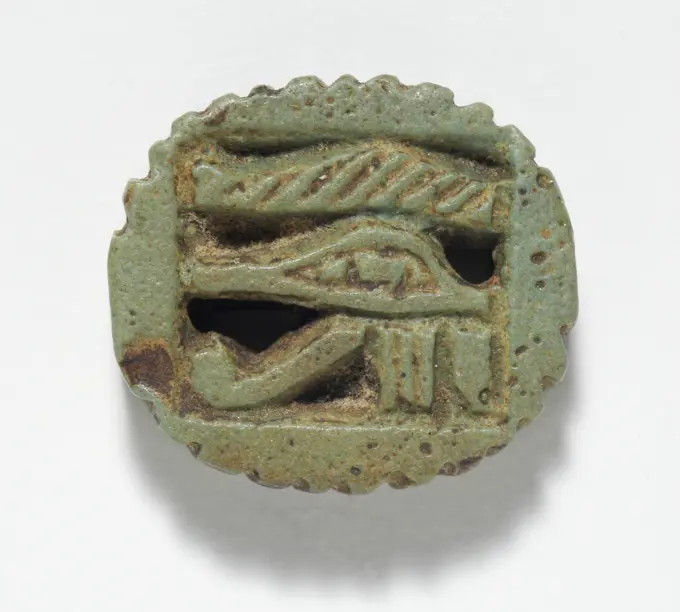
Eye of Horus Amulet. Egypt, Late Period - Ptolemaic Period (724 - 31 BCE). Jewelry and Adornments; amulets. Faience green
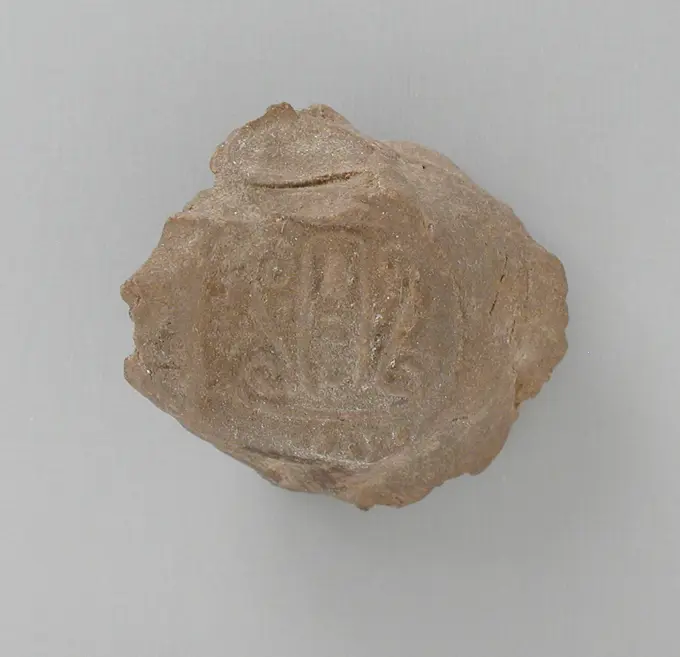
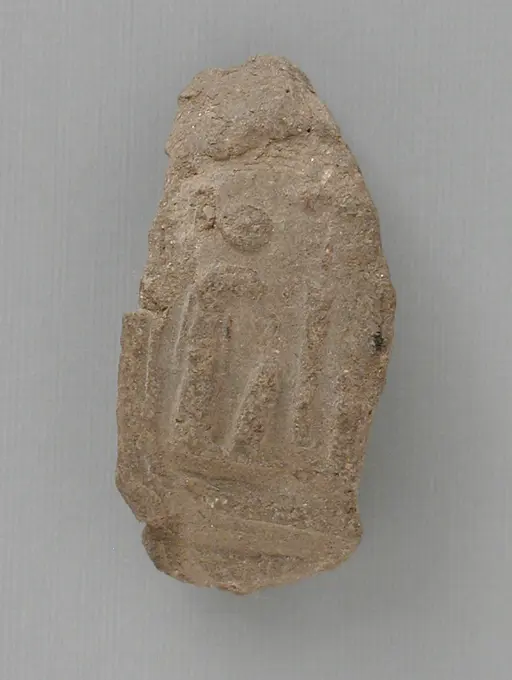
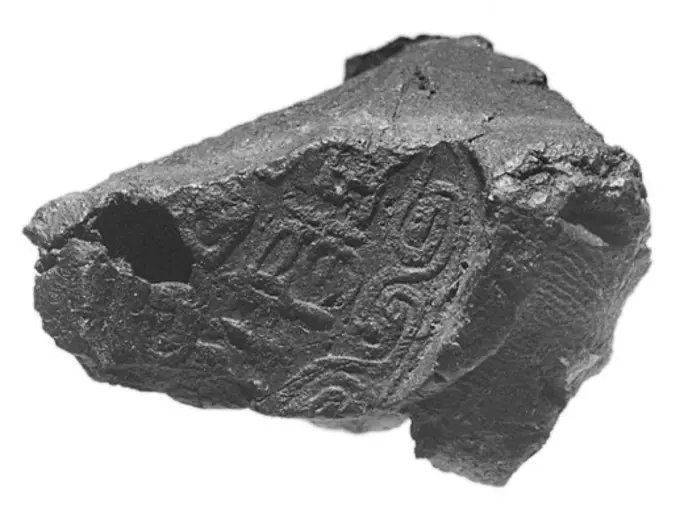
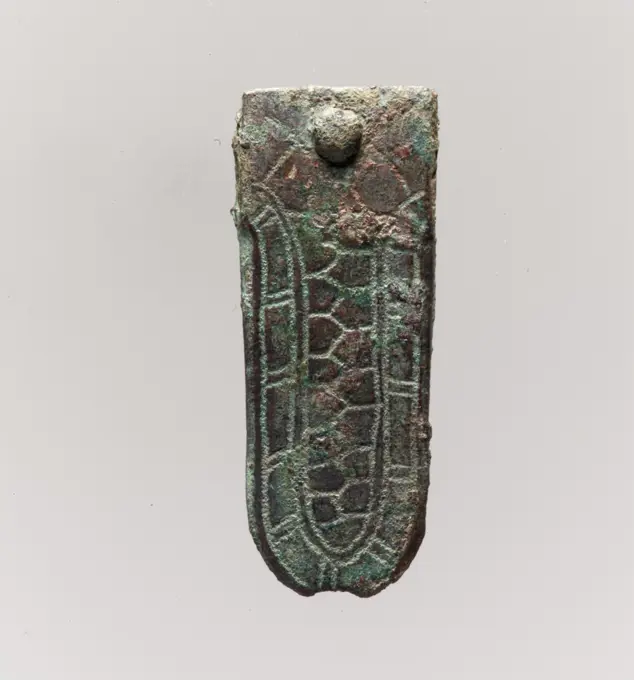
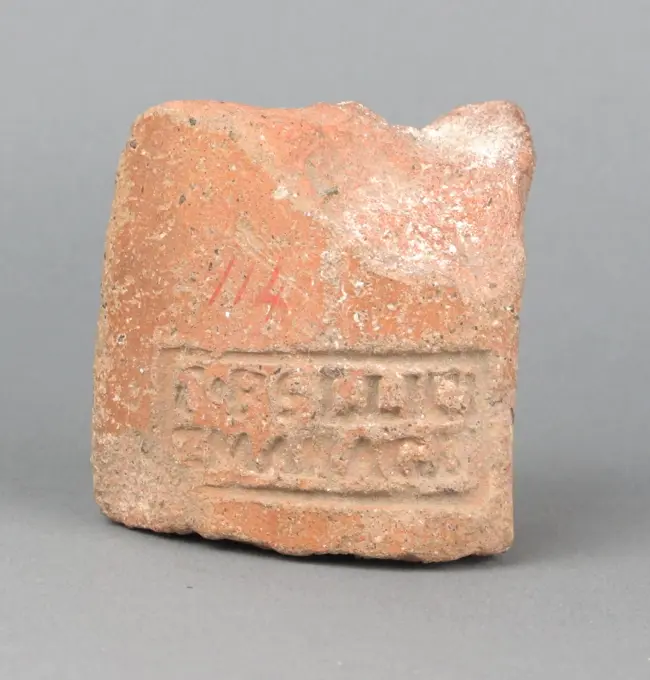
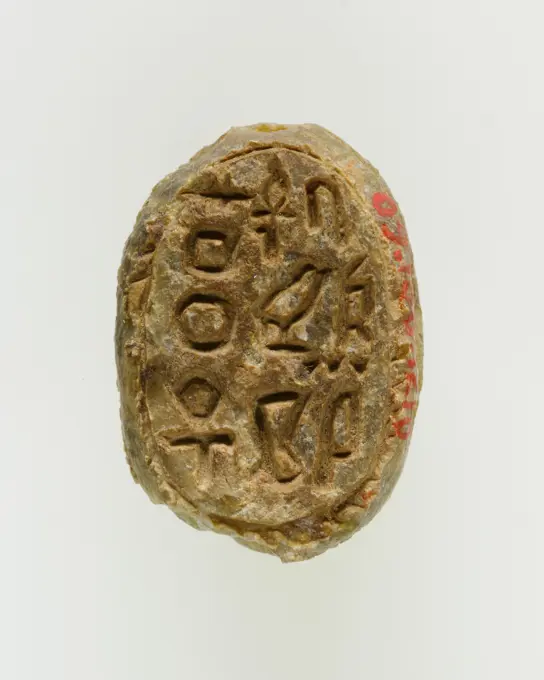
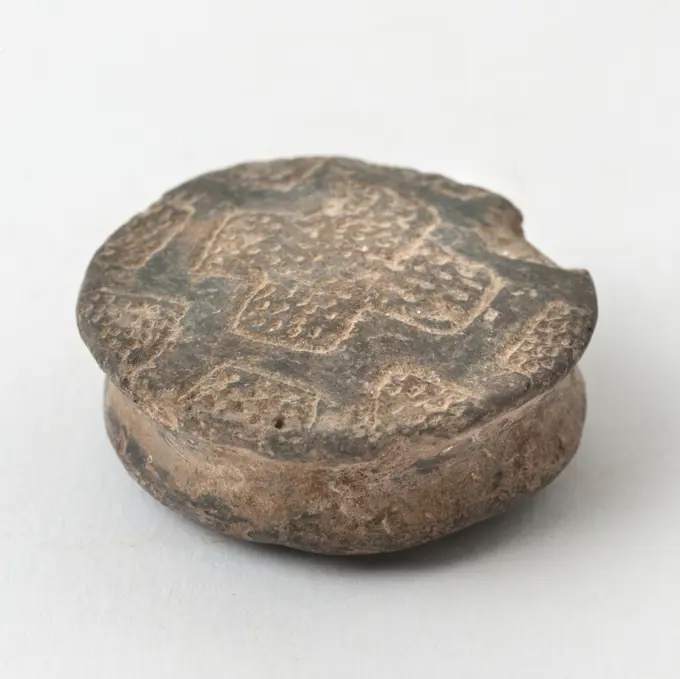
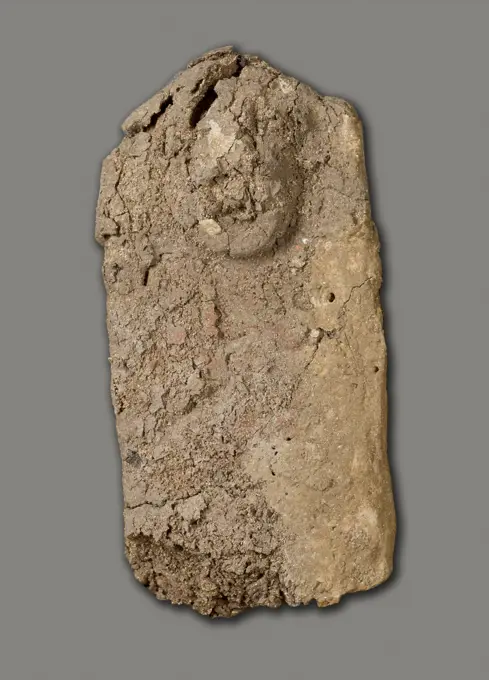
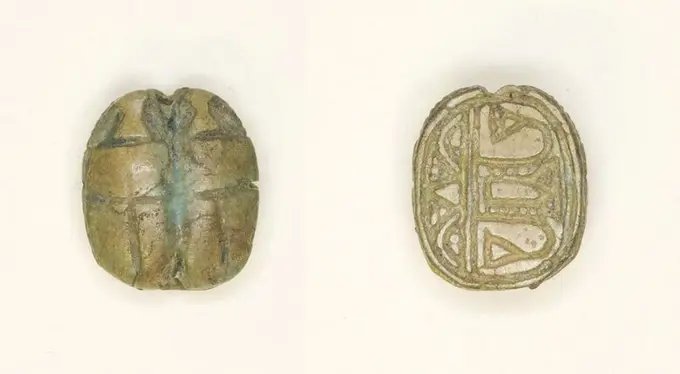
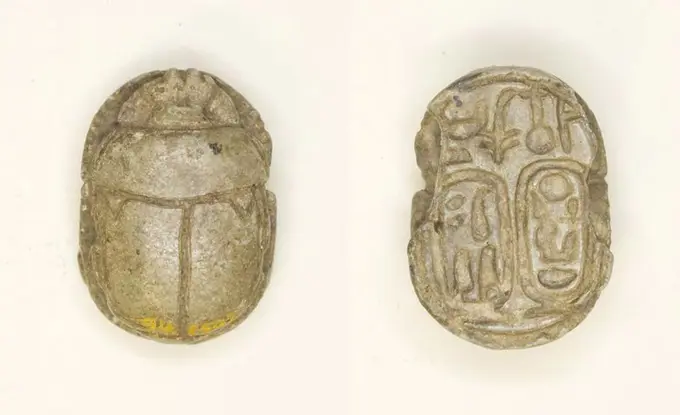
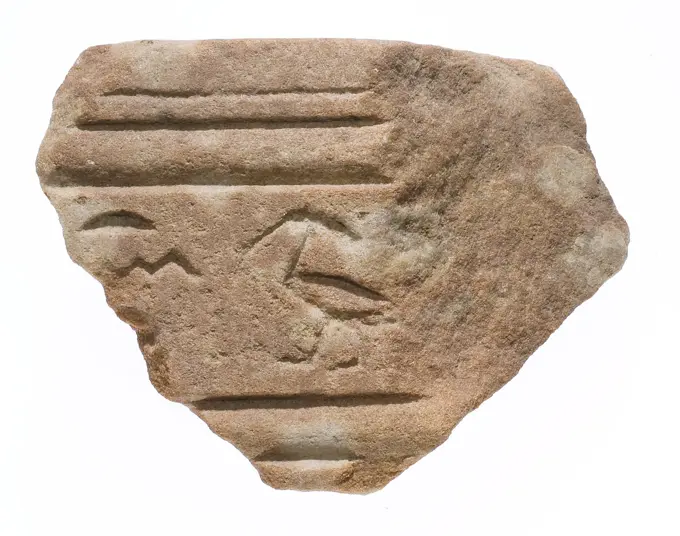
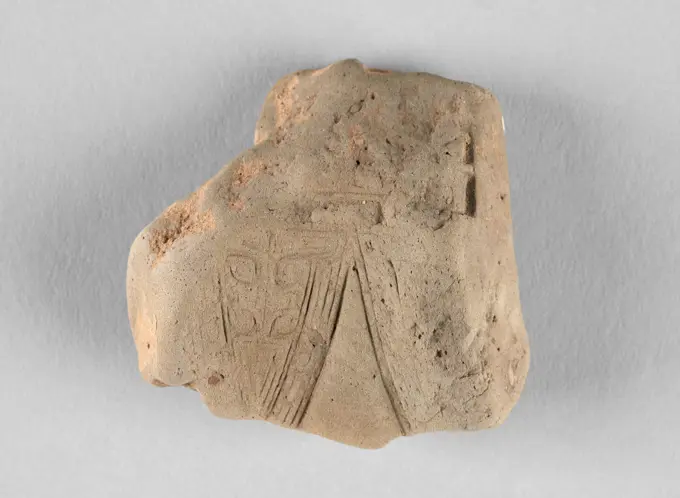
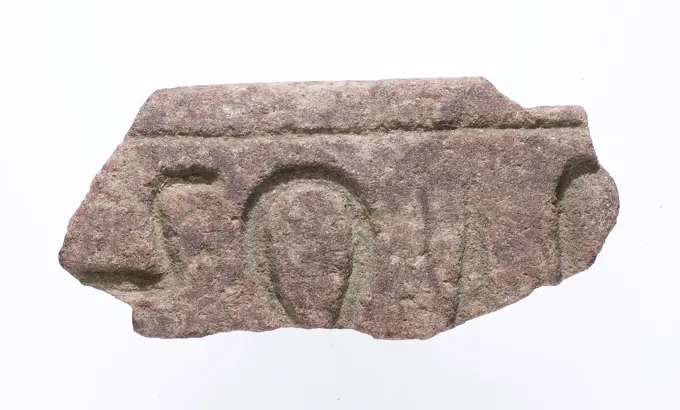
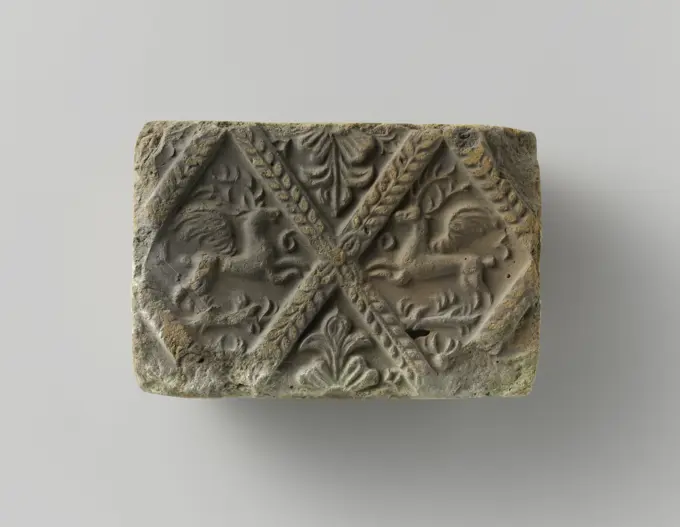
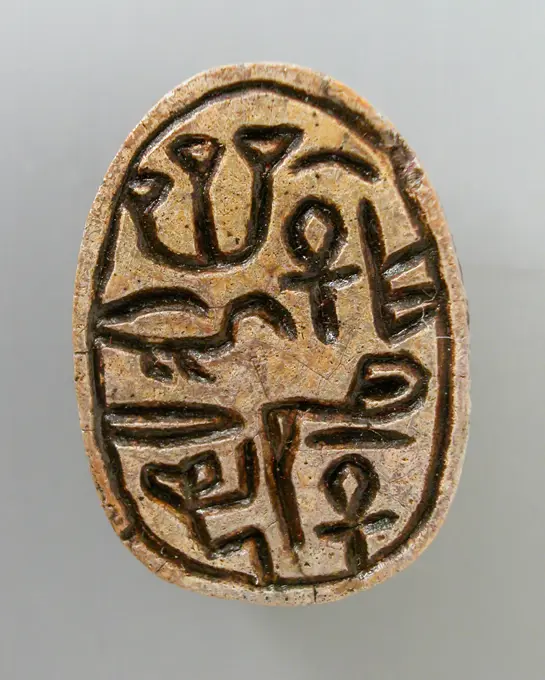
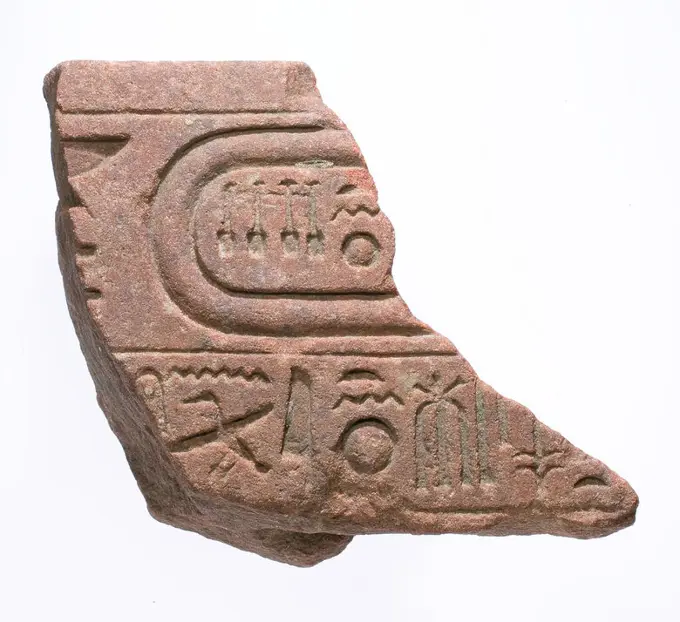
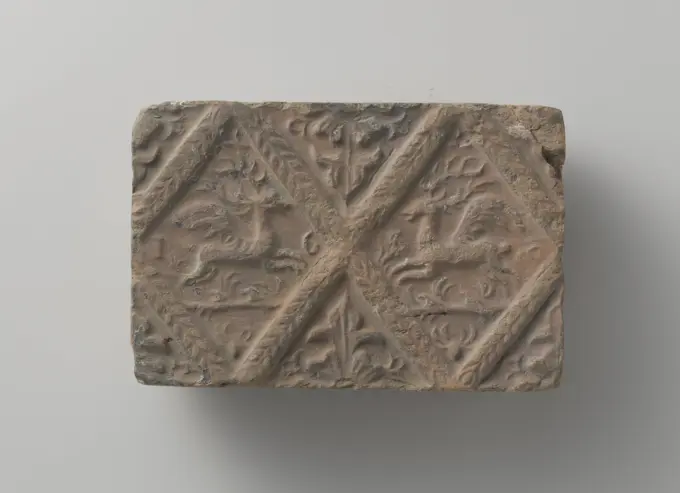
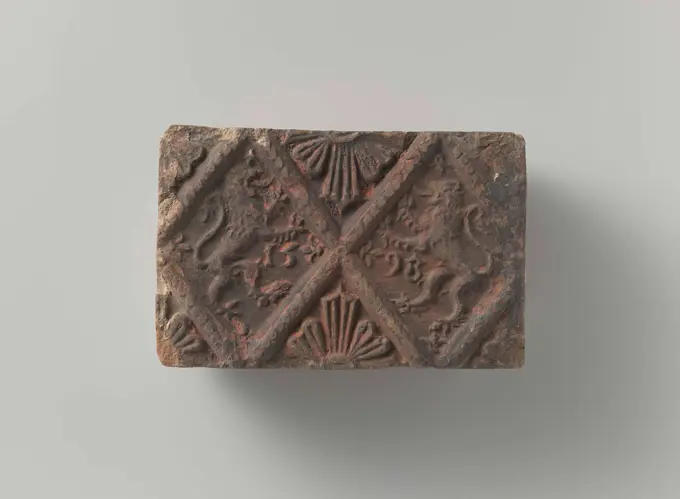
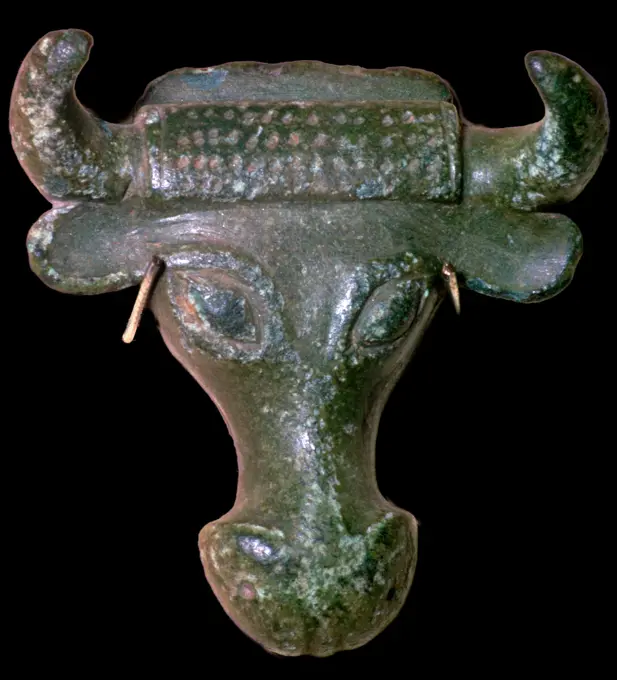
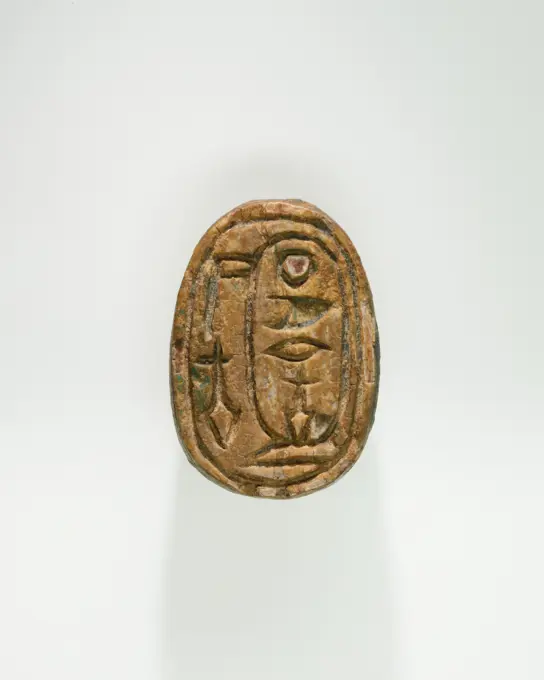
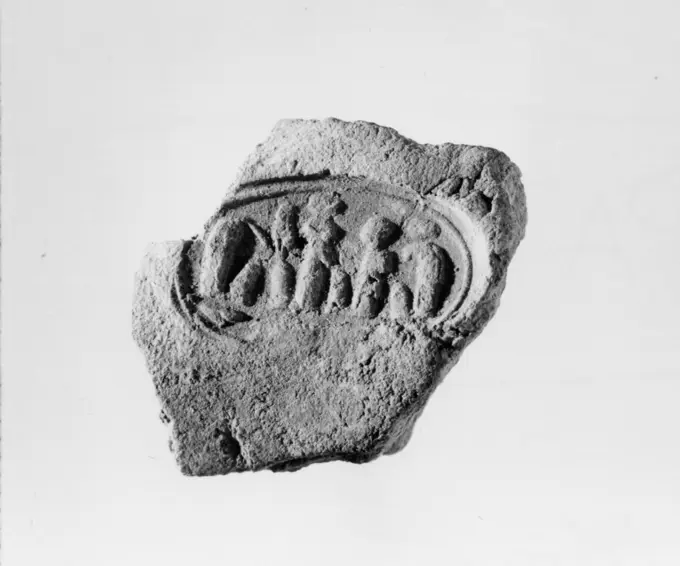
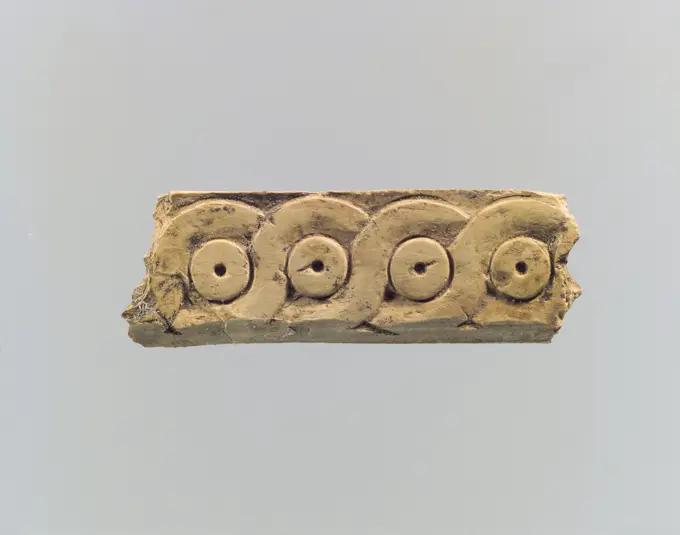
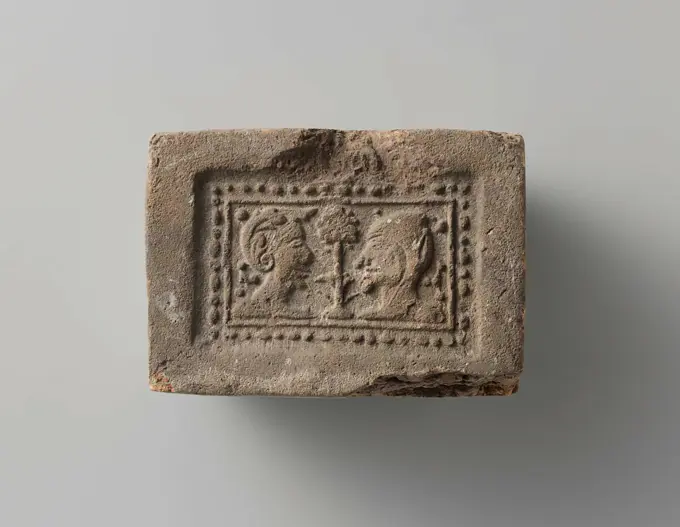
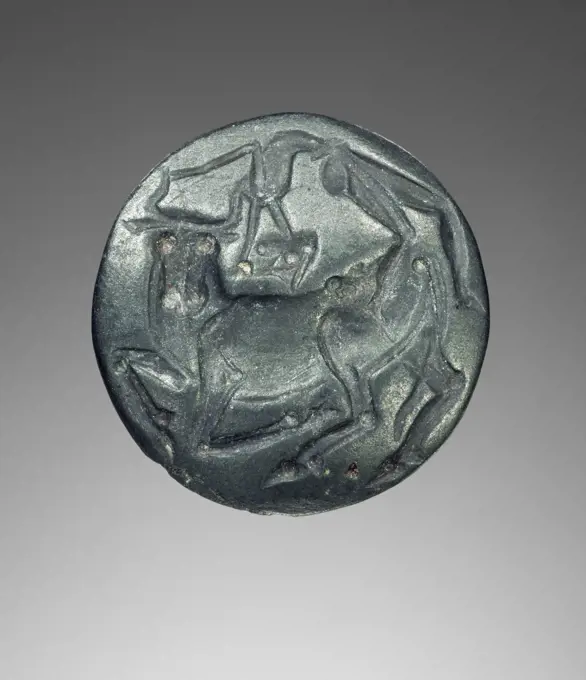
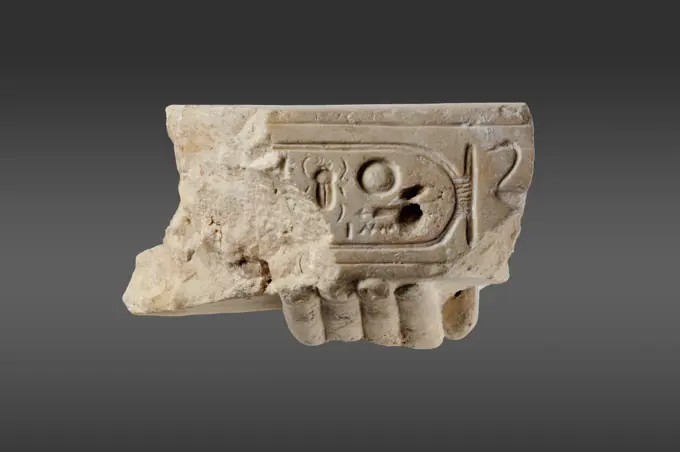
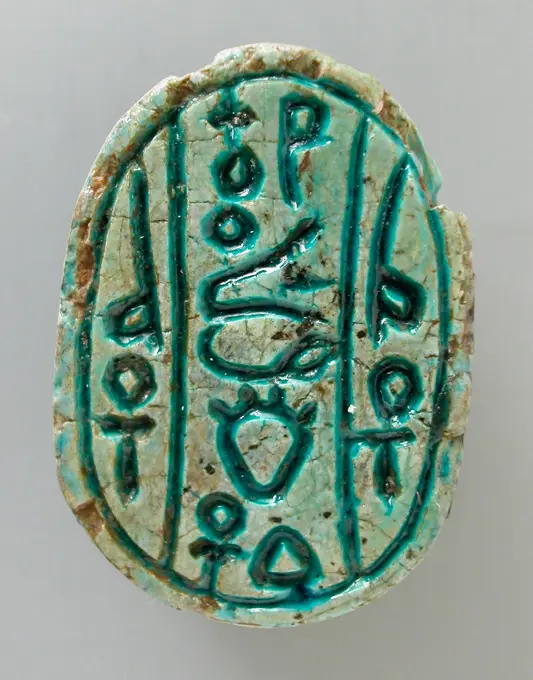
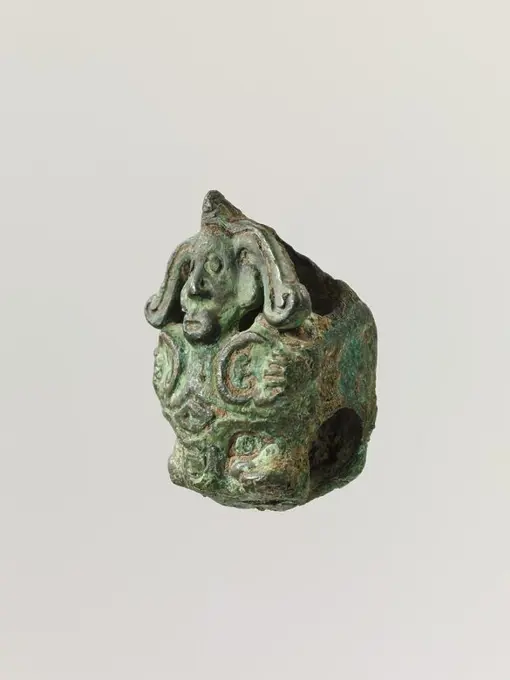
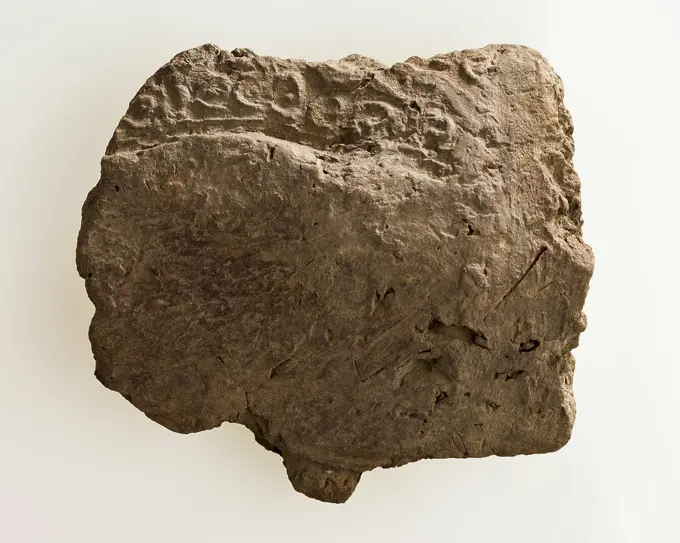
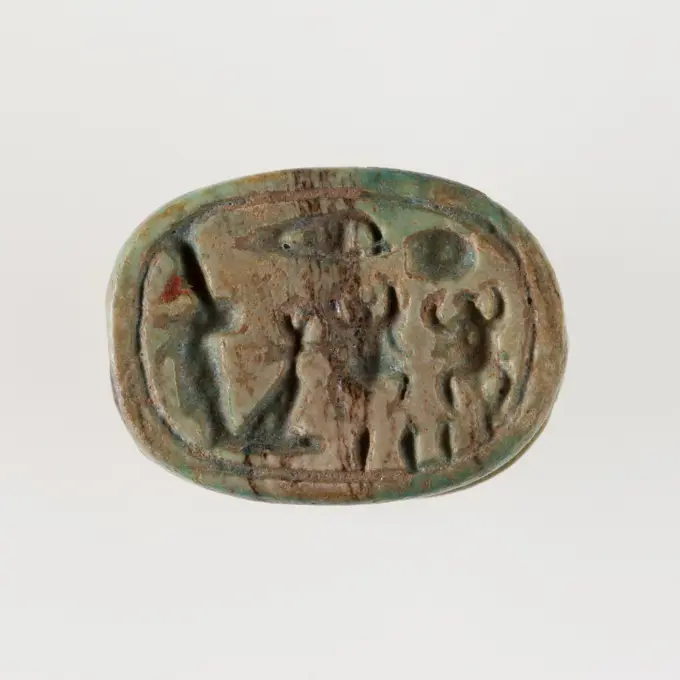
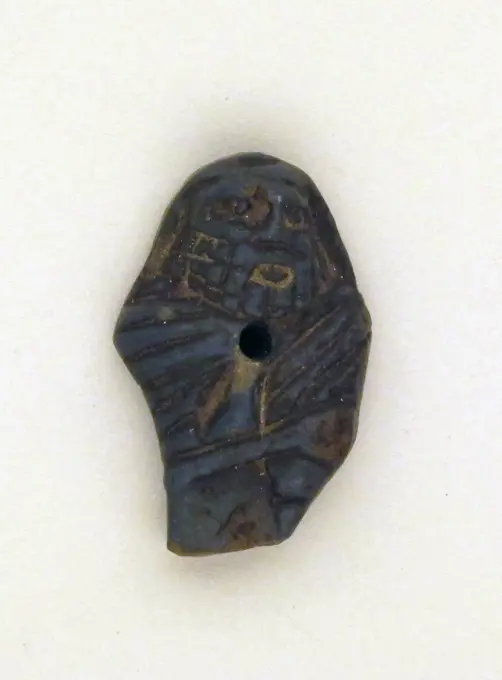
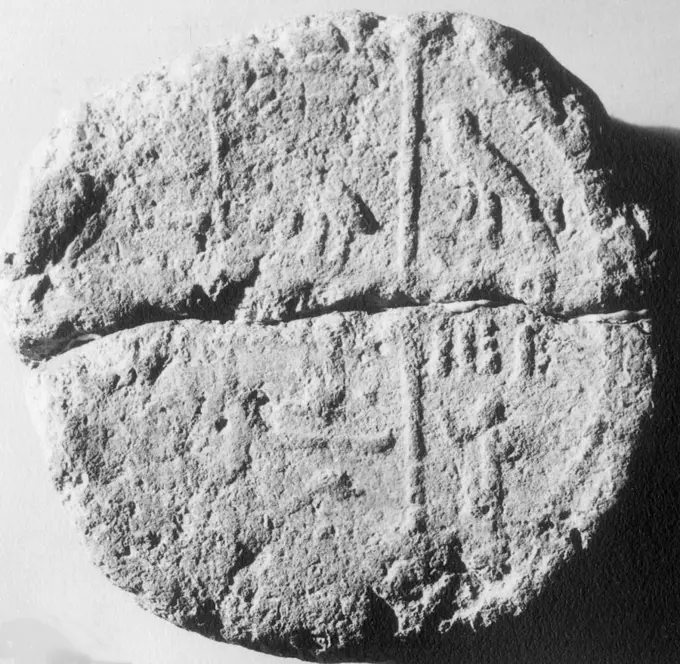
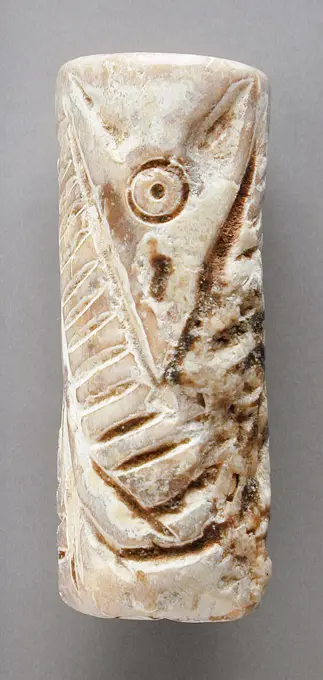
Sealing ca. 2030-1640 B.C. Middle Kingdom. Sealing 565362Seal impression with Throne Name of Thutmose III. Egypt, New Kingdom - Late Period (1504 - 333 BCE). Tools and Equipment; seals. Semi-baked clay with scorch marksSeal Impression with Throne Name and Epithet of Ramses VI. Egypt, New Kingdom, 20th Dynasty, reign of Ramses VI (1156 - 1149 BCE). Tools and Equipment; seals. Semi-baked clay with grayish scorched colorSealing fragment ca. 2030-1640 B.C. Middle Kingdom. Sealing fragment. ca. 2030-1640 B.C.. Clay (unfired). Middle Kingdom. From Egypt, Memphite Region, Lisht South, South of the tomb of Imhotep, north of the royal causeway, MMA excavations, 1930-31. Dynasty 12-13Furniture element. Culture: Old Assyrian Trading Colony. Dimensions: 0.94 x 1.38 x 0.16 in. (2.39 x 3.51 x 0.41 cm). Date: ca. 18th century B.C.. Museum: Metropolitan Museum of Art, New York, USA.Sealing ca. 2030-1640 B.C. Middle Kingdom. Sealing. ca. 2030-1640 B.C.. Clay (unfired). Middle Kingdom. From Egypt, Memphite Region, Lisht South, Pyramid complex of Senwosret I, north temple gateway, MMA excavations, 1913-14. Dynasty 12-13right upper arm with Aten cartouches ca. 1353-1336 B.C. New Kingdom, Amarna Period. right upper arm with Aten cartouches 549692Eye of Horus Amulet. Egypt, Late Period - Ptolemaic Period (724 - 31 BCE). Jewelry and Adornments; amulets. Faience greenFerret 7th century () Frankish. Ferret 464979 Frankish, Ferret, 7th century (), Copper alloy, Overall: 1 11/16 x 11/16 x 3/16 in. (4.3 x 1.7 x 0.5 cm). The Metropolitan Museum of Art, New York. Gift of J. Pierpont Morgan, 1917 (17.191.272)Sealing ca. 2030-1640 B.C. Middle Kingdom. Sealing 565773Terracotta stamped mortarium fragment late 3rd-4th century A.D. Roman, North Syrian Most examples of this type of Syrian mortarium have their makers' names stamped in Greek. This rim fragment is more unusual since it has an oblong stamp in Latin: C.BELLICI / ZMARAGDI.. Terracotta stamped mortarium fragment. Roman, North Syrian. late 3rd-4th century A.D.. Terracotta. Late Imperial. Cesnola InscriptionsStożek pogrzebowy Czay. unknown, authorMagic wand fragment ca. 1802-1640 B.C. Middle Kingdom. Magic wand fragment 557362Hearing stone, on which a man and woman who look at each other, between them a flower in a vase, anonymous, c. 1400 - c. 1950 Hearing stone, on which a man and woman who look at each other, between them a flower in a vase. Southern Netherlands earthenware Hearing stone, on which a man and woman who look at each other, between them a flower in a vase. Southern Netherlands earthenwareScarab of an Official ca. 1760-1670 B.C. Middle Kingdom Administrative changes during Dynasty 12 lead to an increase in bureaucracy and, subsequently, in the production and use of seals. This is reflected in the beginning of the mass production of scarabs, the most popular shape for amulets, in late Dynasty 12 through Dynasty 13 (ca. 1850-1640 B.C.). Thousands of these late Middle Kingdom scarabs bear the names and titles of officials, who would wear them as amulets, but who could also use them to seal documents, containers or doors. However, the scarabs primary function remained that of a protective amulet. Several inscriptions add a funerary epithet to the owners name, indicating that the amulet was manufactured after the owner had passed away. The scarab was inscribed for an official named Sepi, and an epithet at the end of the inscription indicated this scarab served as his funerary amulet.. Scarab of an Official 557041Terracotta jug fragment. Culture: Roman, Gaul. Dimensions: Overall: 2 3/8 x 2 3/4 in. (6 x 7 cm). Date: 1st half of 2nd century A.D..Lower part of nude male. Museum: Metropolitan Museum of Art, New York, USA.Sealing ca. 7th century A.D. Sasanian. Sealing 323381A vessel in the shape of a guilty group;  Hellenistic period (-323-00-00--30-00-00);Weight. Terracotta. Provenance: Vietnam. Paris, Cernuschi museum. 78813-4 Measurement instrument, archeological object, weigh, weightAccount Token with Cross in a Quadrilobe, Xive-Xve Centuries Anonymous. "Account token with Cross in a quadrilobe, XIVE-XVe centuries". Copper.CIMACIO VISIGODO - SEVILLA SIGLO VI. Location: MUSEO ARQUEOLOGICO-COLECCION. Sevilla. Seville. SPAIN.Magical Figure ca. 1802-1550 B.C. Late Middle Kingdom-Second Intermediate Period These tablets of unfired clay with attached crude faces were found as a group by the Museum's excavators at Lisht South in loose surface sand west of the mastaba of Senwosretankh, a high official and possibly the architect of the pyramid complex of Senwosret I (ca. 1961-1917 B. C.), east of which he erected his own very elaborate mastaba tomb (see acc. nos. 33.1.2 and other pieces). The mud figures and little coffin (acc. no. 33.1.66) that had contained some of them must have been buried, however, considerably later than the early twelfth dynasty tomb close to which they were found. In fact, during the thirteenth and following dynasties people deposited a number of objects in the by then sacred area around a legendary ruler's pyramid and its dependant monuments, believing conceivably that potent magical powers could thus be released. These flat mud figures, for instance, are inscribed in now much-faded redFragment 9th century. Fragment 451516Scaraboid: Two Scarabs Side By Side. Egyptian. Date: 1550 BC-1069 BC. Dimensions: 0.5 × 1.3 × 1 cm (3/16 × 1/2 × 3/8 in.). Glazed steatite. Origin: Egypt. Museum: The Chicago Art Institute, Chicago, USA. Author: Ancient Egyptian.Sealing ca. 1981-1640 B.C. Middle Kingdom. Sealing 560403Scarab: Nebmaatra (Amenhotep III) and Queen Tiye. Egyptian. Date: 1390 BC-1352 BC. Dimensions: 1.6 × 1.3 × 0.6 cm (5/8 × 1/2 × 1/4 in). Steatite. Origin: Egypt. Museum: The Chicago Art Institute, Chicago, USA. Author: Ancient Egyptian.Fragment 15th century. Fragment 446302Cylinder seal ca. 3100-2900 B.C.. Cylinder seal 324129Base fragment with cartouche of Akhenaten ca. 1353-1336 B.C. New Kingdom, Amarna Period. Base fragment with cartouche of Akhenaten 550050Double-Sided Engraved Gem with Magical Inscription. UnknownSealing fragment ca. 2030-1640 B.C. Middle Kingdom. Sealing fragment 565744Anonymous, mold fragment for bronze (common name). Cernuschi Museum, Asia Museum of Asia in the city of Paris.Scarab With Depiction of the Hippo Goddess Taweret. Egypt, probably 18th - 20th Dynasty (1569 - 1081 BCE). Sculpture. Blue-green faienceBase fragment with cartouche ending and following epithets ca. 1353-1336 B.C. New Kingdom, Amarna Period. Base fragment with cartouche ending and following epithets. ca. 1353-1336 B.C.. Red quartzite. New Kingdom, Amarna Period. From Egypt, Middle Egypt, Amarna (Akhetaten), Great Temple of the Aten, pit outside southern wall, Petrie/Carter excavations, 1891-92. Dynasty 18Octagonal Capital ca. 1130-40 Catalan. Octagonal Capital 470749Bliżej Kultury Orodes IIIHearing stone with image, anonymous, c. 1400 - c. 1950 Highstone. "Two deer in windows". Southern Netherlands earthenware Highstone. "Two deer in windows". Southern Netherlands earthenwareRing. UnknownKnob with Inscription of Nefertiti. Egypt, 18th Dynasty (1550 - 1307 BCE). Sculpture. FritMold for an Ornamented Disc. UnknownCylinder seal ca. 6th-4th century B.C. Achaemenid. Cylinder seal 324959Scarab of a Seal Bearer. Egypt, 13th - 16th Dynasties (1786 - 1600 BCE). Sculpture. Steatite with modern brown colorBelt plaque 3rd-6th century China. Belt plaque 61164Oracle bone fragment China. Oracle bone fragment. China. Inscribed bone. Shang dynasty (ca. 1600-1046 B.C.). BoneKey Handle. Culture: Roman. Dimensions: Overall: 2 5/8 x 1 7/8 x 7/8 in. (6.6 x 4.8 x 2.2 cm). Date: 1st-7th century. Museum: Metropolitan Museum of Art, New York, USA.Base fragment with the names of Nefertiti and Ankhesenpaaten. Dimensions: H. 13.5 × W. 15 × D. 8 cm (5 5/16 × 5 7/8 × 3 1/8 in.); cartouche: W. 6 cm (2 3/8 in.). Dynasty: Dynasty 18. Reign: reign of Akhenaten. Date: ca. 1353-1336 B.C.. Museum: Metropolitan Museum of Art, New York, USA.Molded Faience Plaque with Throne name of Ramses II. Egypt, New Kingdom, 19th Dynasty, reign of Ramses II (1304 - 1237 BCE) of later. Sculpture; plaques. FaienceStamp seal ca. A.D. 787-8 Islamic. Stamp seal 327822Hearing stone of baked earth with diamond -shaped distribution, with two winged deer, Anonymous, 1605 in two diamonds Two hairstones of baked soil with diamond -shaped distribution, with two winged deer in two rides. One with the year 1605. The other with the year 161 .. Southern Netherlands earthenware Two hairstones of baked soil with diamond -shaped distribution, with two winged deer in two rides. One with the year 1605. The other with the year 161 .. Southern Netherlands earthenwareMold with Cartouche of the God Aten. Egypt, New Kingdom, 18th Dynasty, reign of Akhenaten (1372 - 1355 BCE). Tools and Equipment; molds. TerracottaFireplace with presentation of two climbing lions, placed in two windows. Fireplace with a show of two climbing lions, placed in two windows and accompanied by the year 1598. The half and a quarter windows on the top and bottom are filled with a diamond-shaped flower.Unattributed Trebizond Coin. UnknownBronze Bull's head escutcheon. Artist: UnknownScarab Inscribed for Pharaoh Aya (I) ca. 1700-1676 B.C. Middle Kingdom This scarab is inscribed with a royal title and a cartouche encompassing the prenomen of pharaoh Aya (Dynasty 13, ca. 1700-1676 B.C.).. Scarab Inscribed for Pharaoh Aya (I). ca. 1700-1676 B.C.. Green glazed steatite. Middle Kingdom. From Egypt, Memphite Region, Lisht North, Cemetery, debris, MMA excavations, 1920-22. mid Dynasty 13Scarab Menkheperra (Thutmose III) 1479 BCE-1425 BCE Egypt. Steatite . Ancient EgyptianDocument Sealing With the Throne Name of Amenhotep III ca. 1390-1353 B.C. New Kingdom. Document Sealing With the Throne Name of Amenhotep III. ca. 1390-1353 B.C.. Mud. New Kingdom. From Egypt, Upper Egypt, Thebes, Malqata, King's Palace, West magazine, MMA excavations, 1910-12. Dynasty 18Engraved Gem. UnknownVault Key 14th century French. Vault Key. French. 14th century. Stone. Sculpture-Architectural-StoneStół ofiarny z wyrzeźbionymi ofiarami. unknown, authorBorder strip ca. 9th-8th century B.C. Assyrian This fragment of a narrow strip is decorated with an incised row of connected circles, called a guilloche pattern. Carved ivory pieces such as this were widely used in the production of elite furniture during the early first millennium B.C. They were often inlaid into a wooden frame using joinery techniques and glue, and could be overlaid with gold foil or inlaid with colored glass or stone pieces to create a dazzling effect of gleaming surfaces and bright colors. This strip has light horizontal scratches on the back, probably to help the glue join the surface of the ivory to another element made out of wood or ivory.Built by the Assyrian king Ashurnasirpal II, the palaces and storerooms of Nimrud housed thousands of pieces of carved ivory. Most of the ivories served as furniture inlays or small precious objects such as boxes. While some of them were carved in the same style as the large Assyrian reliefs lining the walls of the Northwest PFunerary Cone of Djehutynefer ca. 1550-1352 B.C. New Kingdom. Funerary Cone of Djehutynefer. ca. 1550-1352 B.C.. Pottery. New Kingdom. From Egypt, Upper Egypt, Thebes, Sheikh Abd el-Qurna. Dynasty 18Hair stone, on which a man and woman, watching each other, between their heads a small tree. Hair stone, on which a man and woman, watching each other, between their heads a small tree. Around a bead edge. Of fine baked earth.Tile fragment New Kingdom, Ramesside ca. 1200-1085 B.C. View more. Tile fragment. ca. 1200-1085 B.C.. Faience. New Kingdom, Ramesside. From Egypt; Probably from Eastern Delta, Tell el-YahudiyaSealing pistonLentoid engraved seal; Crete, Greece; 1450 - 1300 B.C; Blue-gray haematite; 7 × 1.9 cm (2 3,4 × 3,4 in.)Fragment of a stone with inscription., Anonymous, 1500 - 1700 Fragment of a slate with inscription, possibly a part of a burial.  slate (rock) Fragment of a slate with inscription, possibly a part of a burial.  slate (rock)Funerary Cone of Djehutynefer ca. 1550-1352 B.C. New Kingdom. Funerary Cone of Djehutynefer. ca. 1550-1352 B.C.. Pottery. New Kingdom. From Egypt, Upper Egypt, Thebes, Sheikh Abd el-Qurna. Dynasty 18Bliżej KulturyTabliczka z pismem klinowym. Ur-Baba (Ur-d.ba-ba6) XXI w. p.n.e., authorOffering table with hand, Akhenaten names ca. 1353-1336 B.C. New Kingdom, Amarna Period. Offering table with hand, Akhenaten names. ca. 1353-1336 B.C.. Indurated () limestone. New Kingdom, Amarna Period. From Egypt, Middle Egypt, Amarna (Akhetaten), Great Temple of the Aten, pit outside southern wall, Petrie/Carter excavations, 1891-92. Dynasty 18Scarab With King's Throne Name, 'Maa-ib-re' (Sheshi). Egypt, Second Intermediate Period, 15th dynasty (1664-1555 BCE). Sculpture. Steatite with blue-green glaze, inlaid with lapisStamp seal (ovoid) with deity () 9th - 7th century B.C. Canaanite (). Stamp seal (ovoid) with deity () 327771Fragment 14th-15th century. Fragment 446451Stamp seal (bell-shaped with loop handle) with divine being ca. 8th-7th century B.C. Urartian. Stamp seal (bell-shaped with loop handle) with divine being. Urartian. ca. 8th-7th century B.C.. Copper/bronze alloy. Iron Age II. UrartuFireplace with a show of a lion's head in a medallion. Fireplace with a show of a lion's head in a medallion. On the corners horns of abundance.Stamp Seal. Northern Afghanistan, Circa 2500-1500 B.C.. Tools and Equipment; seals. FaienceFunerary Cone of the Goldsmith Nebseny ca. 1550-1295 B.C. New Kingdom This funerary cone is stamped with a seal inscribed for a man named Nebseny who was chief goldsmith of Amun. For a drawing of this impression see http://www.funerarycones.com/, number 266. Another example of this seal is on cone 30.6.177.. Funerary Cone of the Goldsmith Nebseny Funerary Cone of the Goldsmith Nebseny ca. 1550-1295 B.C. New Kingdom This funerary cone is stamped with a seal inscribed for a man named Nebseny who was chief goldsmith of Amun. For a drawing of this impression see http://www.funerarycones.com/, number 266. Another example of this seal is on cone 30.6.177.. Funerary Cone of the Goldsmith Nebseny. ca. 1550-1295 B.C.. Pottery. New Kingdom. From Egypt, Upper Egypt, Thebes. Dynasty 18Small Figure. Culture: China. Dimensions: H. 1 7/8 in. (4.8 cm); W. 1 3/8 in. (3.5 cm). Museum: Metropolitan Museum of Art, New York, USA.Mold with Cartouche of Queen Tiy. Egypt, New Kingdom, 18th Dynasty (1410 - 1355 BCE). Tools and Equipment; molds. TerracottaChisel China. Chisel 42775Engraved Gem. UnknownMud jar sealing impressed with a row of spiral signs. Dimensions: W: 11.9 cm (4 11/16 in.). Date: ca. 3100 B.C.. Museum: Metropolitan Museum of Art, New York, USA.Scarab of Pharaoh Aya (II) ca. 1327-1323 B. C. New Kingdom The scarab is inscribed with the prenomen pharaoh Aya, the penultimate ruler of Dynasty 18 (ca. 1327-1323 B.C.). To his name is added a royal epithet praising him for safeguarding order and balance (Maat).. Scarab of Pharaoh Aya (II) 557077Amulet, figure. Amulet, figure. Clay, glazed. Gold and SilverFunerary Cone ca. 1550-1295 B.C. New Kingdom. Funerary Cone. ca. 1550-1295 B.C.. Pottery. New Kingdom. From Egypt, Upper Egypt, Thebes. Dynasty 18Fragment węgara. warsztat nubijski, workshopFragment of a Jar 12th century. Fragment of a Jar. 12th century. Earthenware; molded and unglazed. Found Iraq, Arbil. CeramicsStamp Seal, Tabloid. Iran or Mesopotamia, late 4th-2nd millennium B.C.. Tools and Equipment; seals. Black serpentineFunerary Cone ca. 1550-1295 B.C. New Kingdom. Funerary Cone. ca. 1550-1295 B.C.. Pottery. New Kingdom. From Egypt, Upper Egypt, Thebes. Dynasty 18Basement with hourglass, basement ornament building component limestone stone, sculptured Basement with rectangular top and bottom. In the middle inverted balustrade. At the front an hourglass flanked by curls. Roughly made timePLATO DE CERAMICA VERDE. Location: ALHAMBRA-MUSEO-CERAMICA. GRANADA. SPAIN.False Coin, Penny, Mieszko II (1025 1031)Funerary Cone ca. 1550-1295 B.C. New Kingdom. Funerary Cone. ca. 1550-1295 B.C.. Pottery. New Kingdom. From Egypt, Upper Egypt, Thebes. Dynasty 18Finial with ram's head 3rd-1st century B.C. China. Finial with ram's head 49512Bliżej Kultury Kazimierz Jagiellończyk (1447 92)Table screen (username). Sandstone, molding, celadon, molded and incised decor. Cernuschi Museum, Asia Museum of Asia in the city of Paris.Cylinder Seal. Mesopotamia, circa 3000 B.C.. Tools and Equipment; seals. StoneFragment of a Molded Vessel with Birds in Combat 10th century. Fragment of a Molded Vessel with Birds in Combat 449480Molded Faience Plaque with No Glaze and Throne Name of Ramses II. Egypt, New Kingdom, 19th Dynasty, reign of Ramses II (1304 - 1237 BCE) or after. Sculpture; plaques. FaienceForma do uszebti. unknown, author