Ancient Egyptian Seal Impressions

A variety of seal impressions from ancient Egypt, showcasing inscriptions and carvings from different periods, conveying cultural and historical significance.
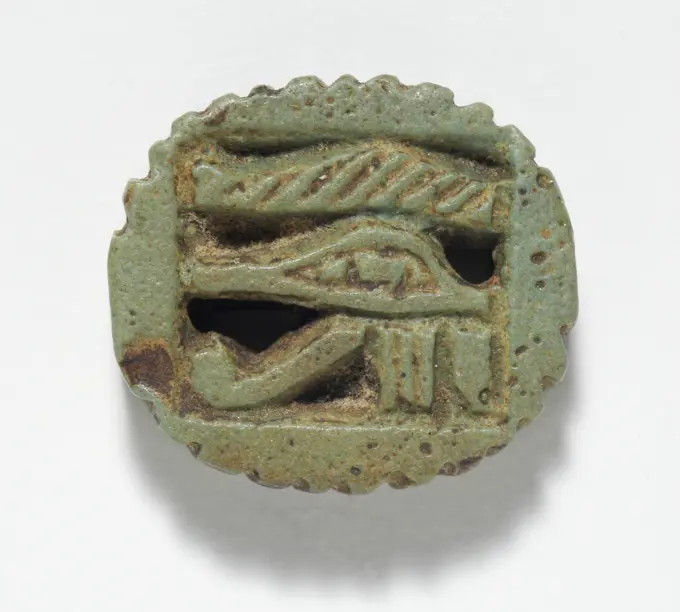
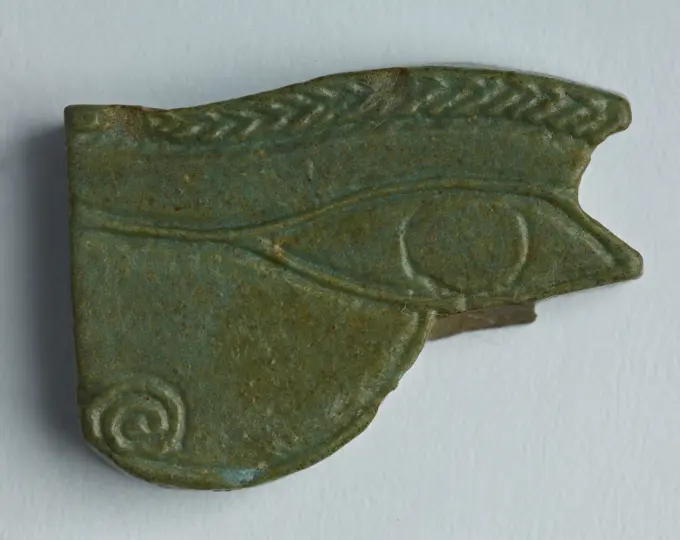
Eye of Horus Amulet. Egypt, Late Period - Ptolemaic Period (724 - 31 BCE). Jewelry and Adornments; amulets. Faience green
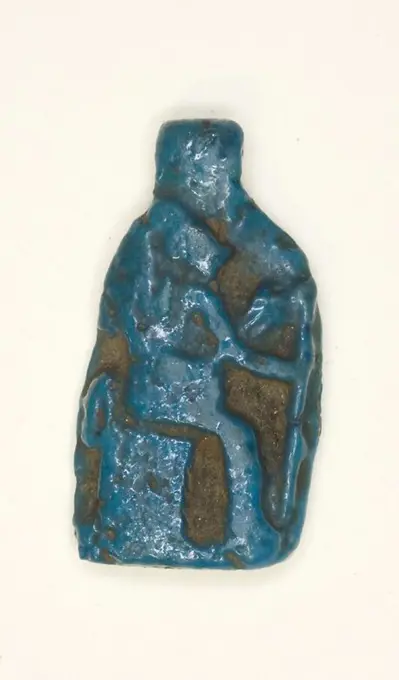
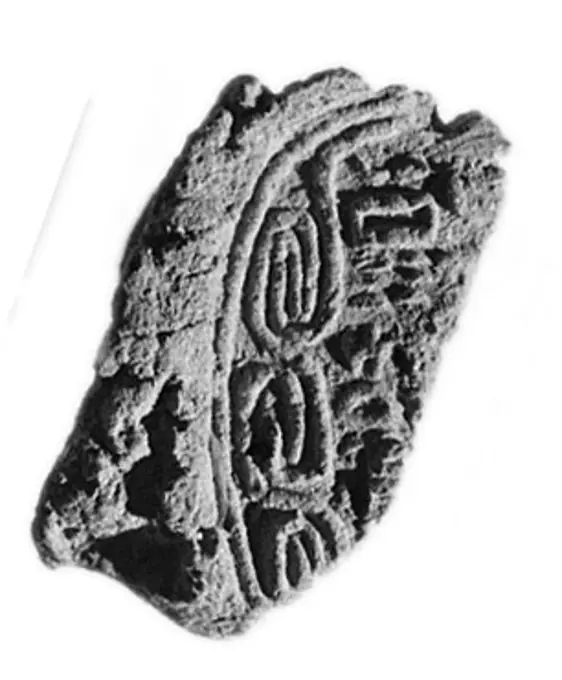
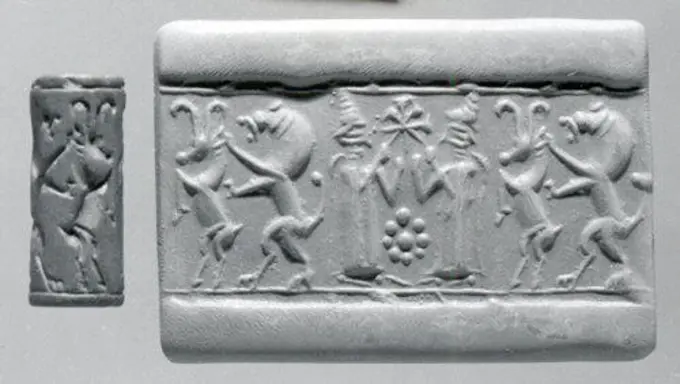
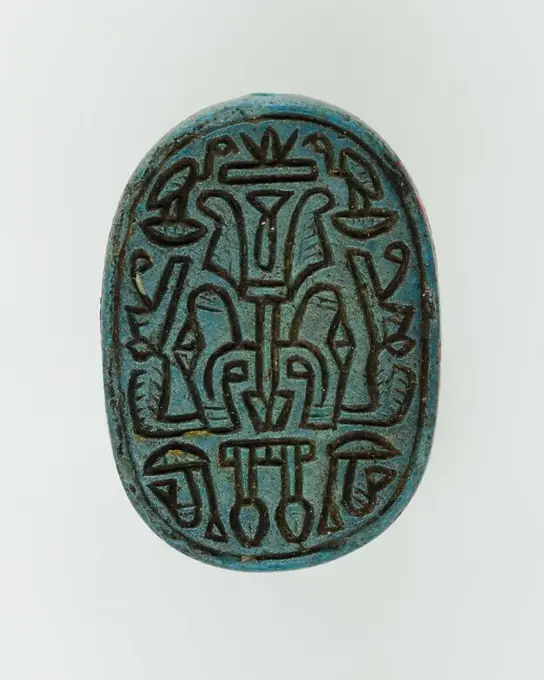
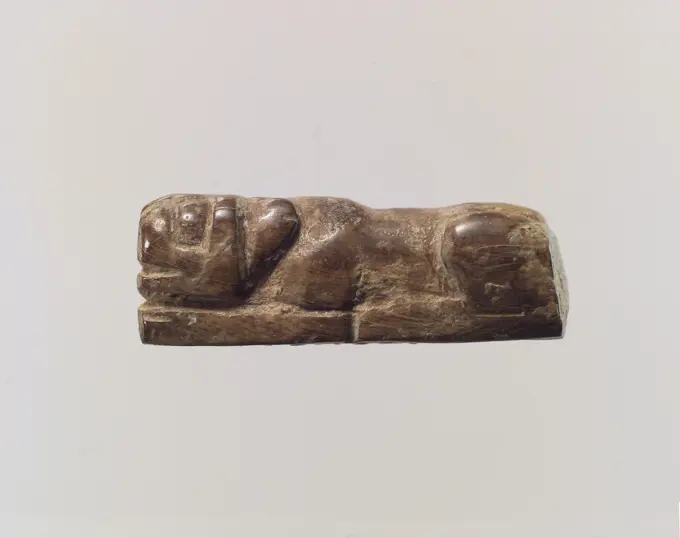
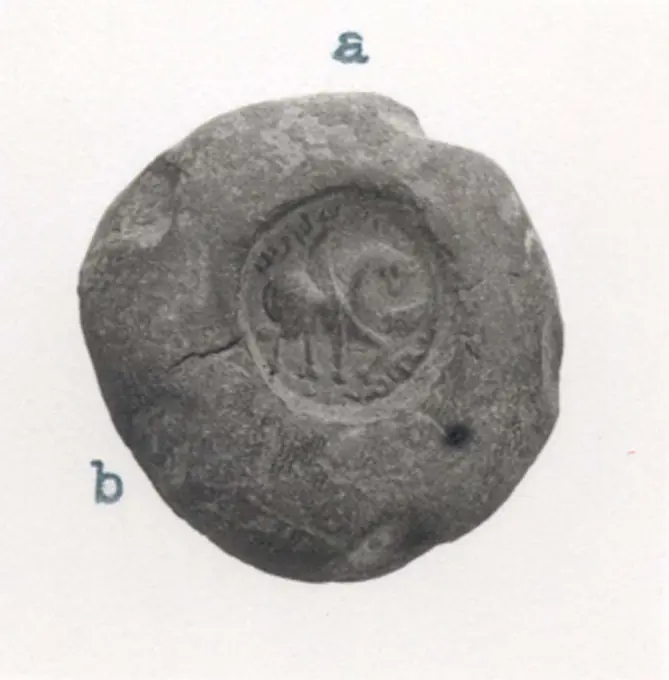
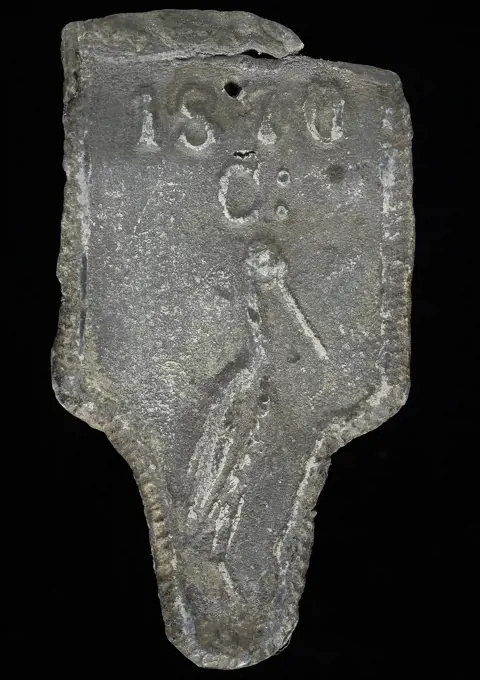
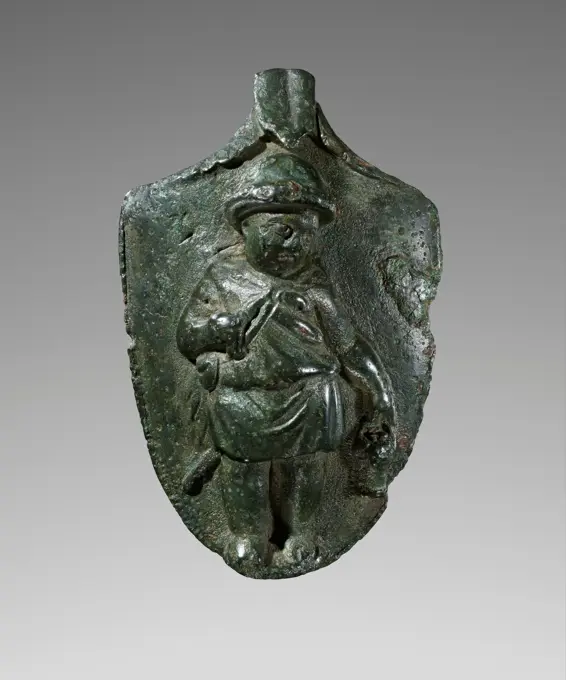
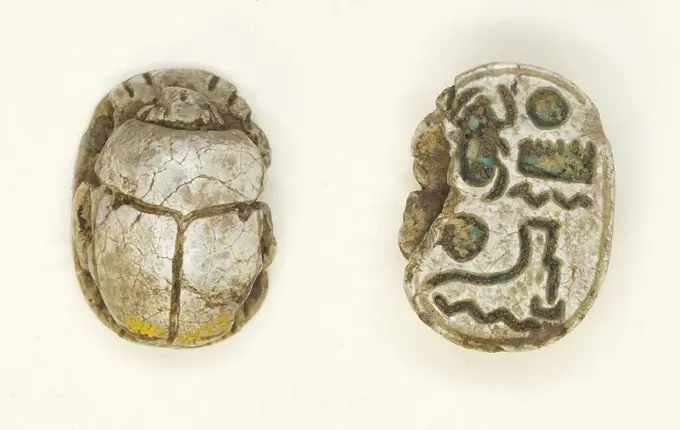
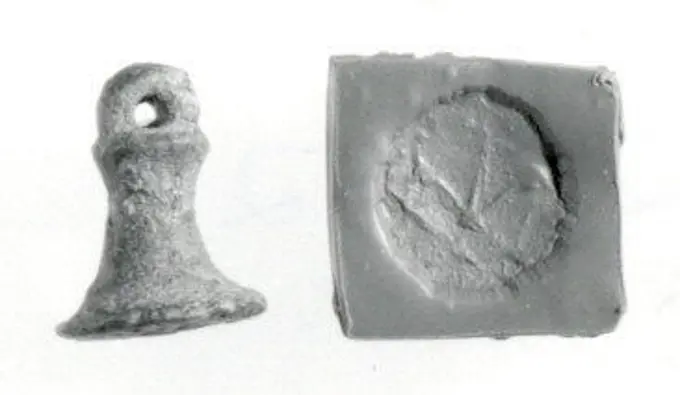
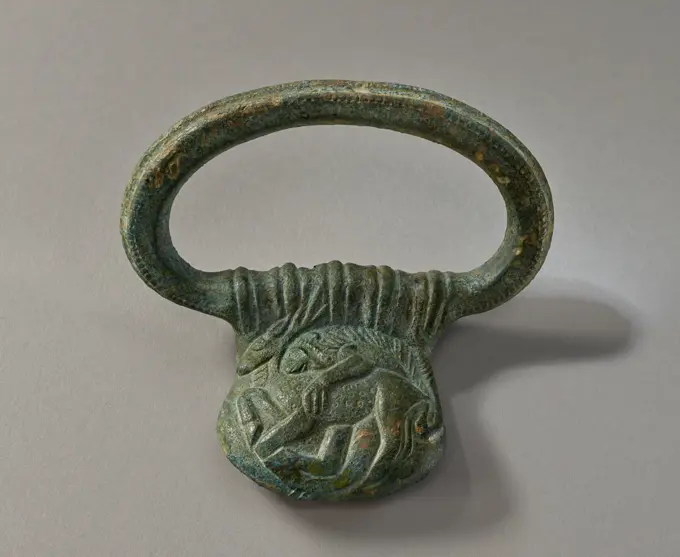
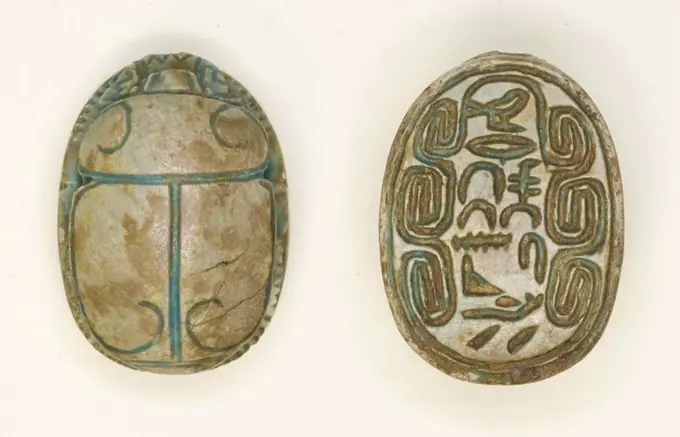
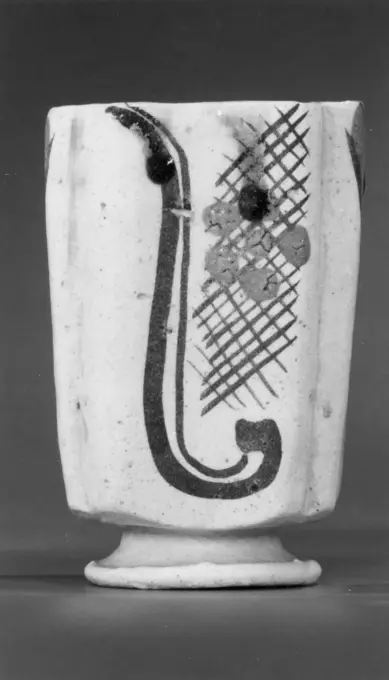
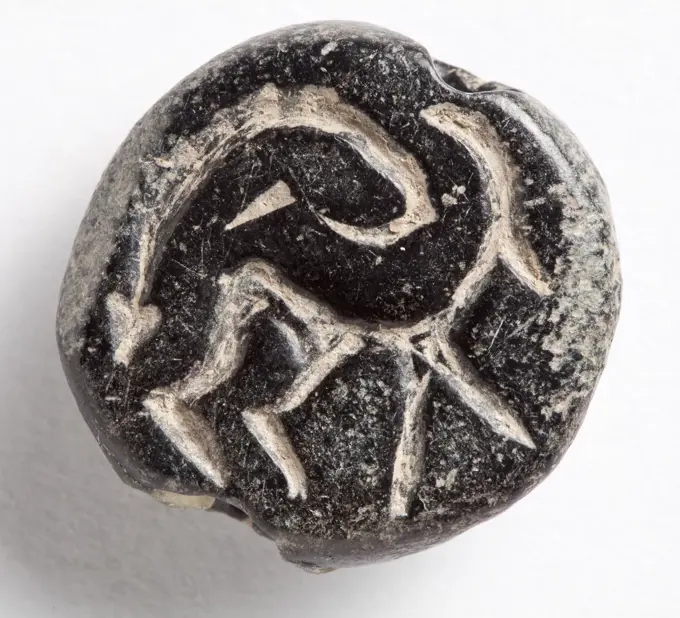
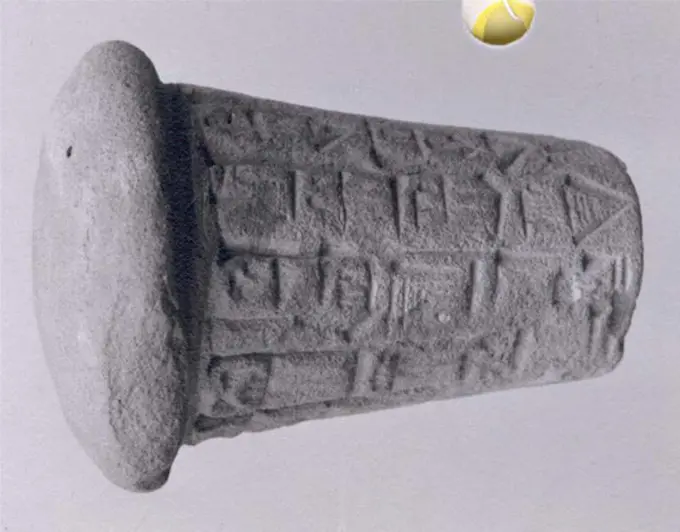
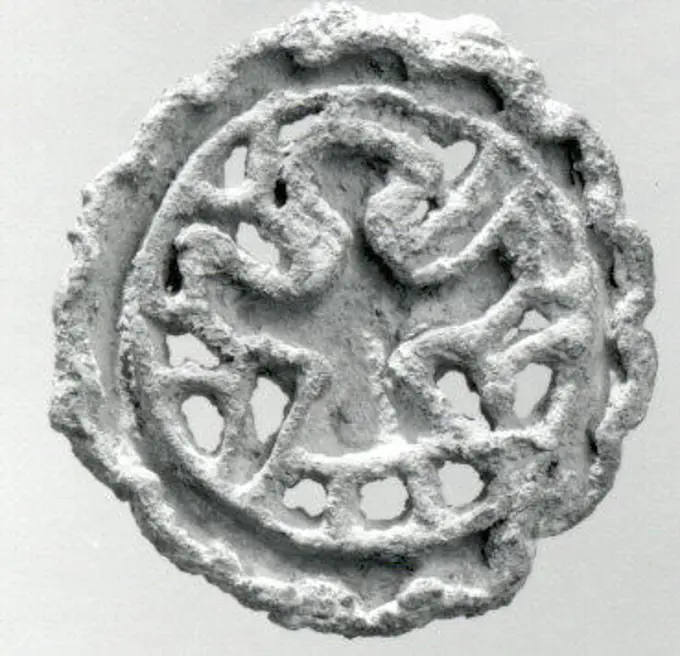
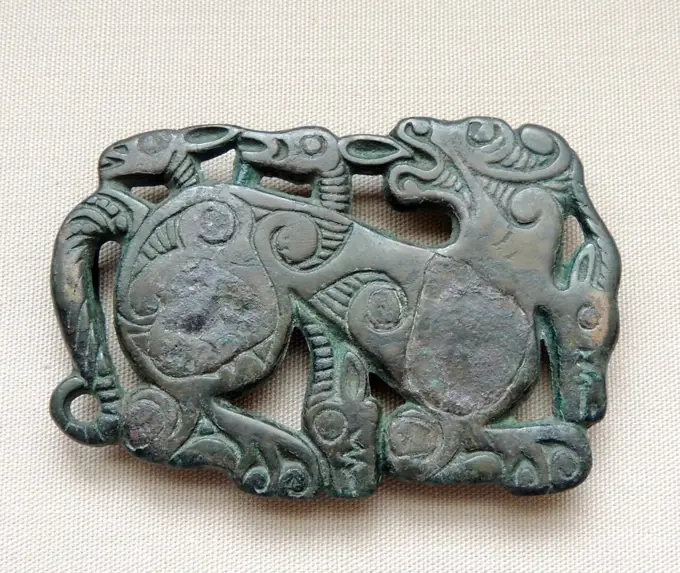
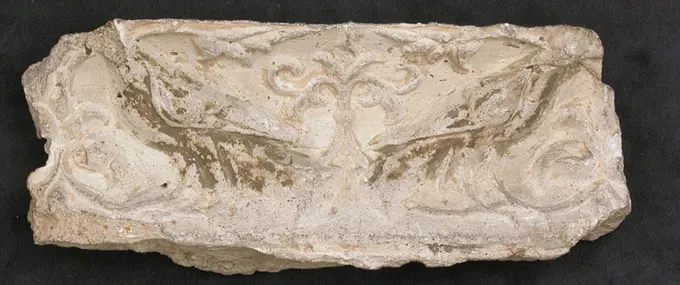
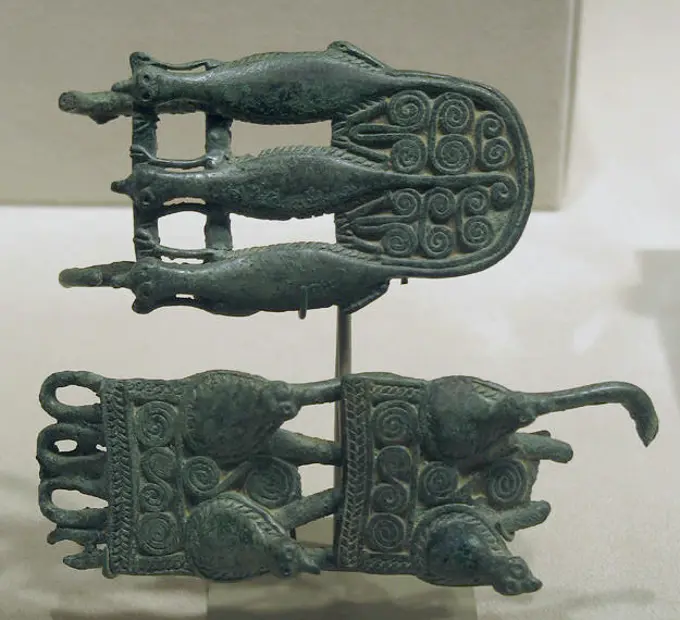
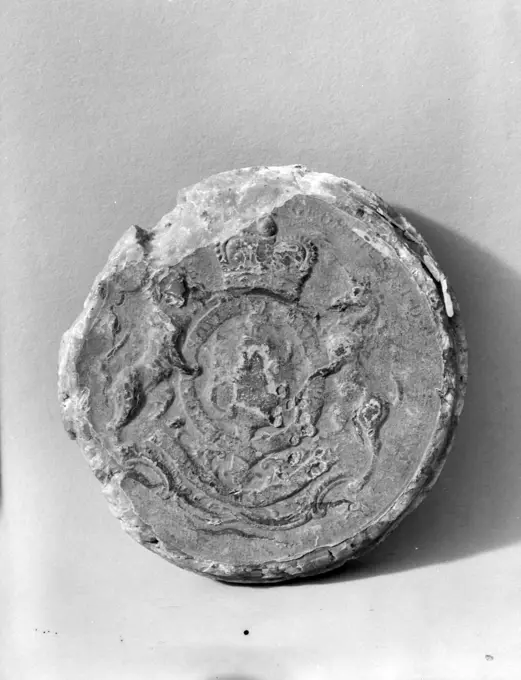
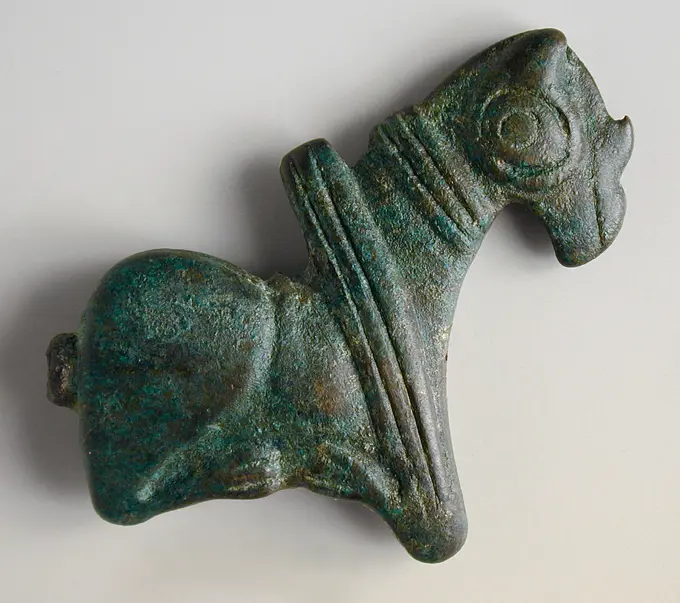
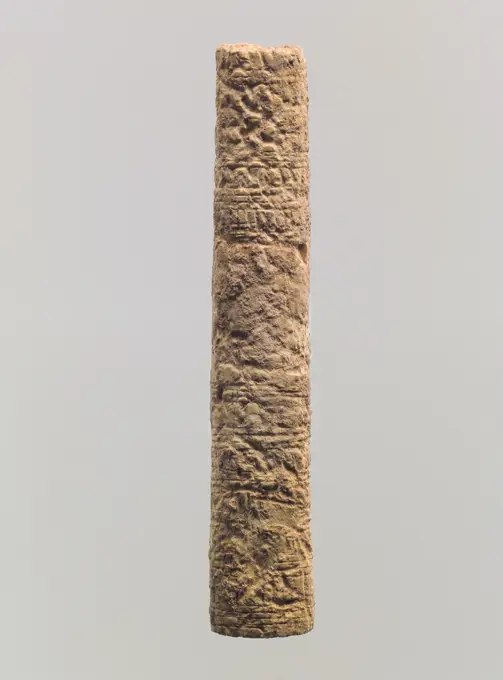
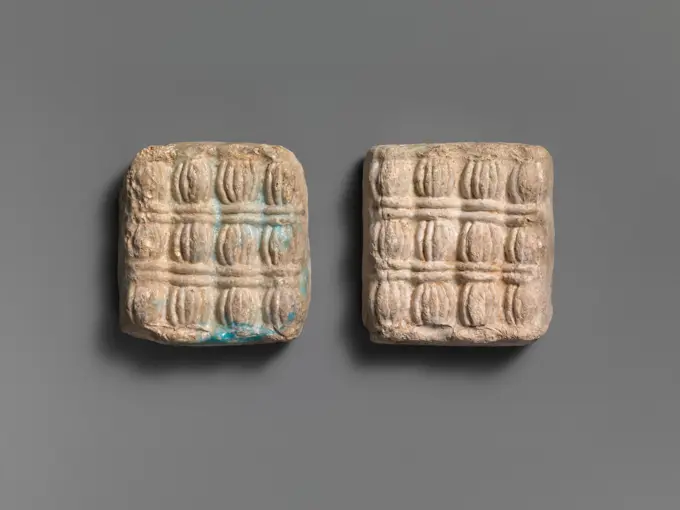
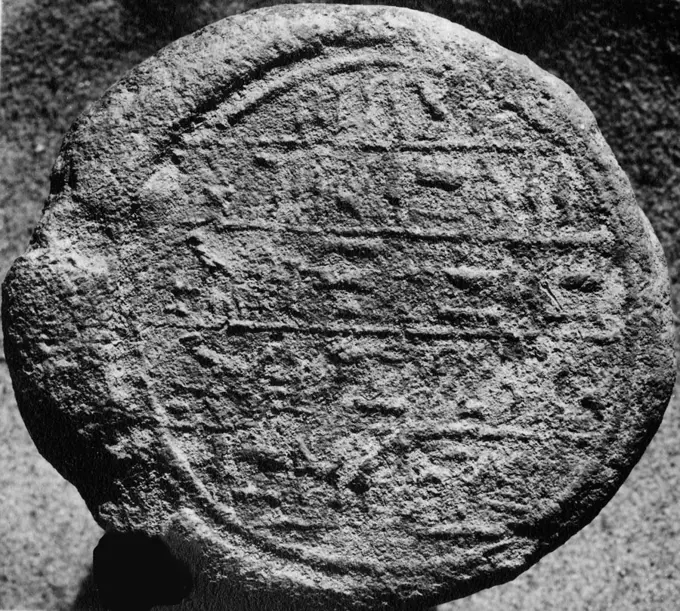
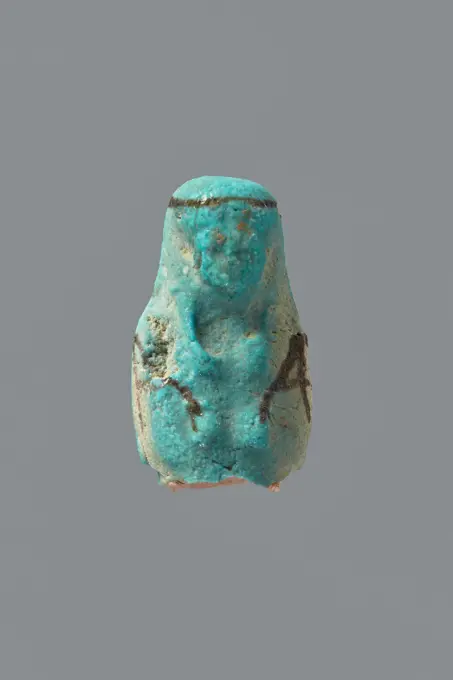
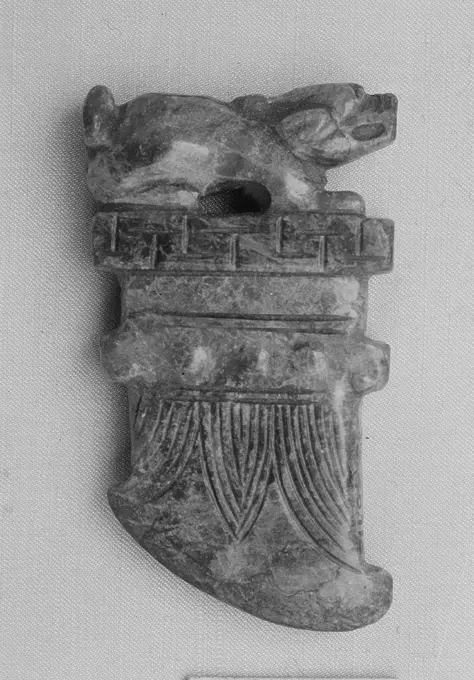
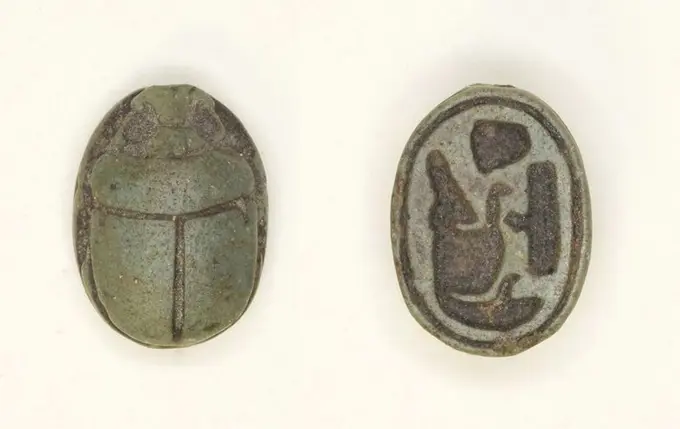
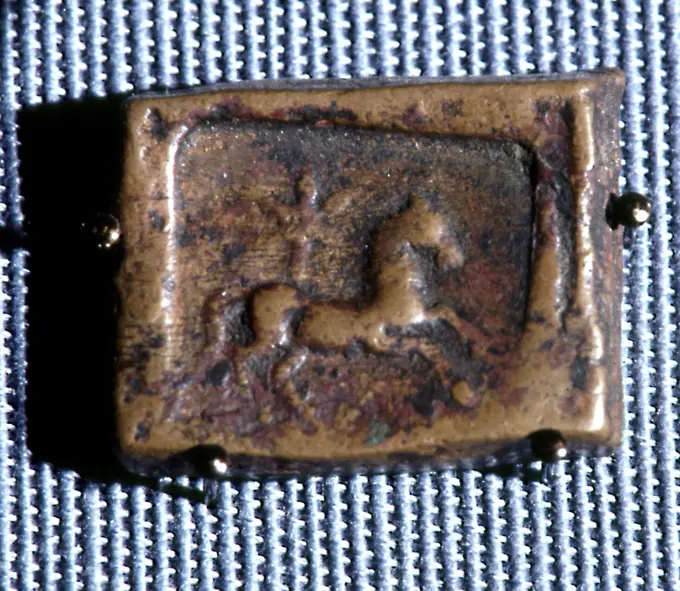
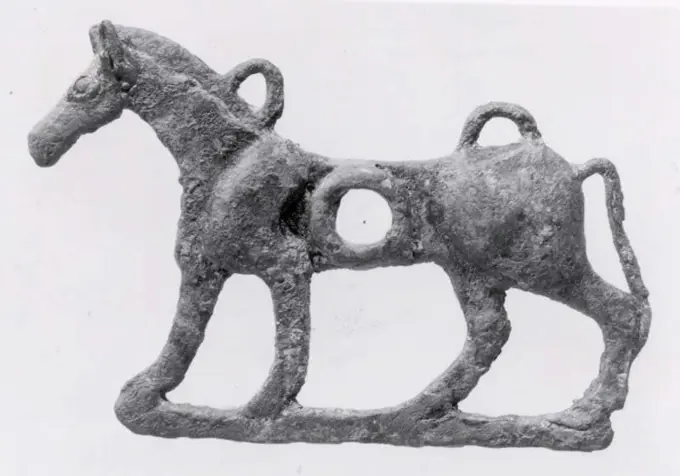
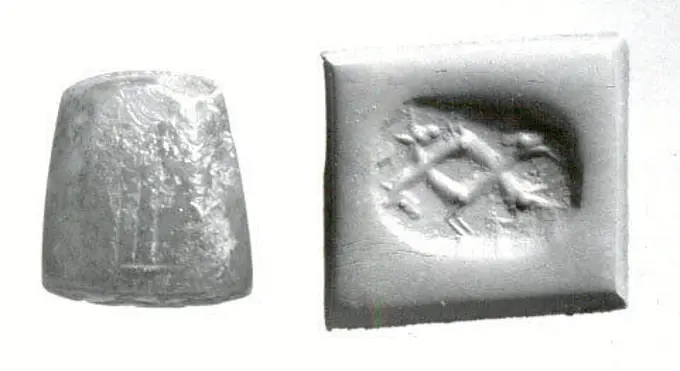
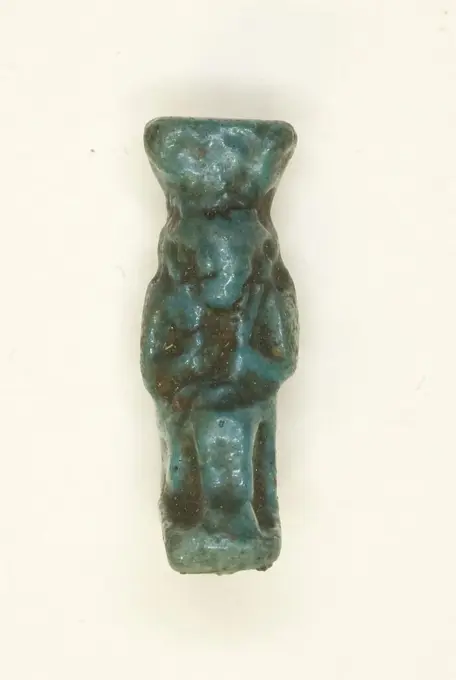
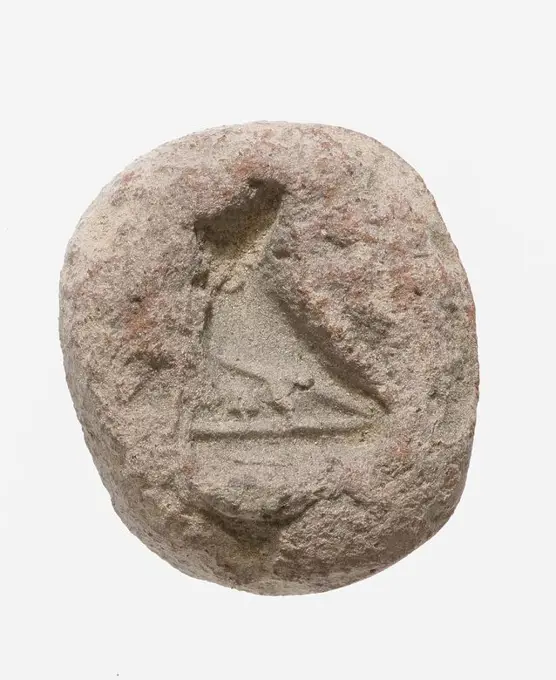
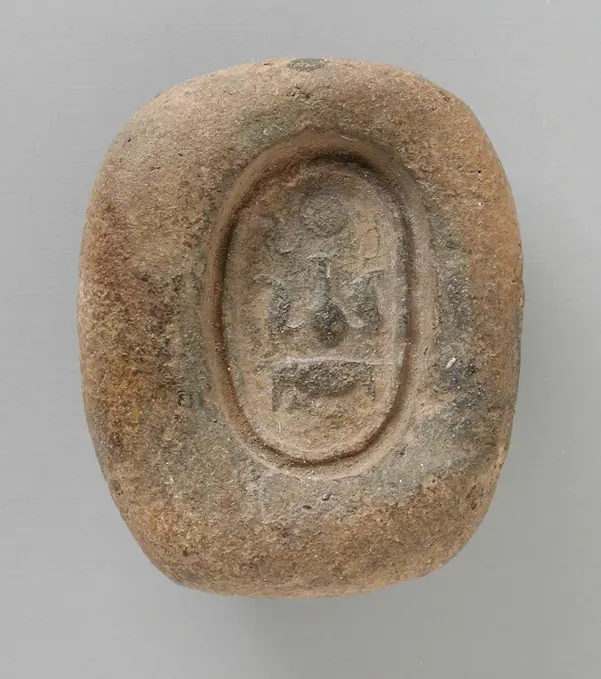
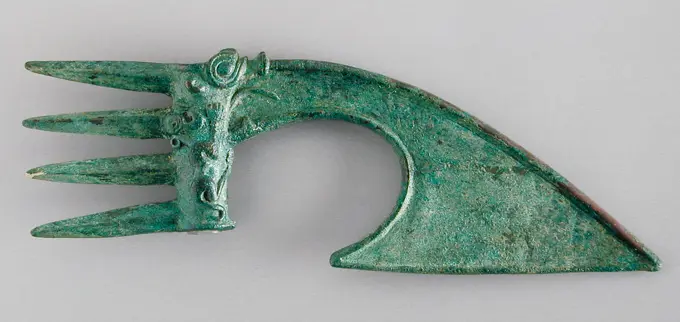
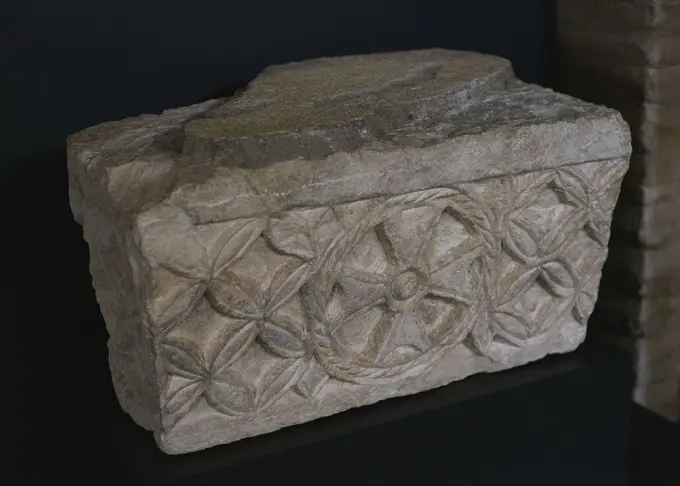
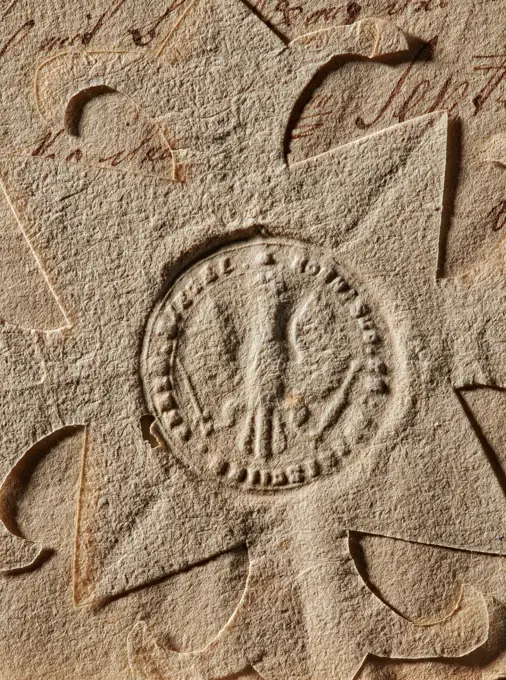
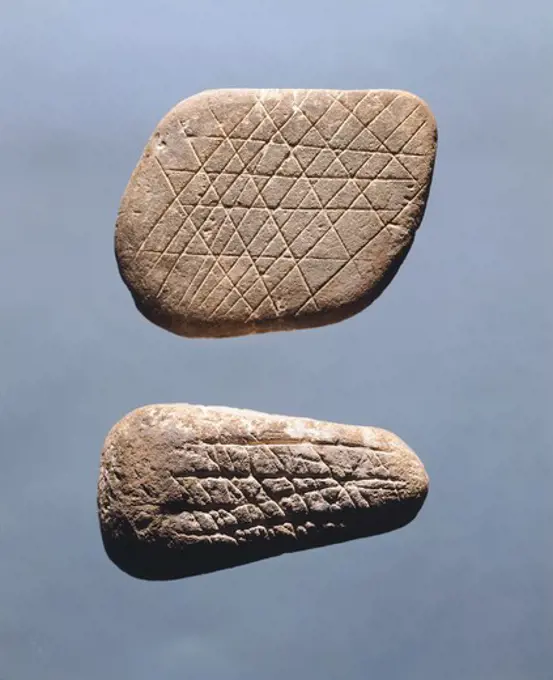
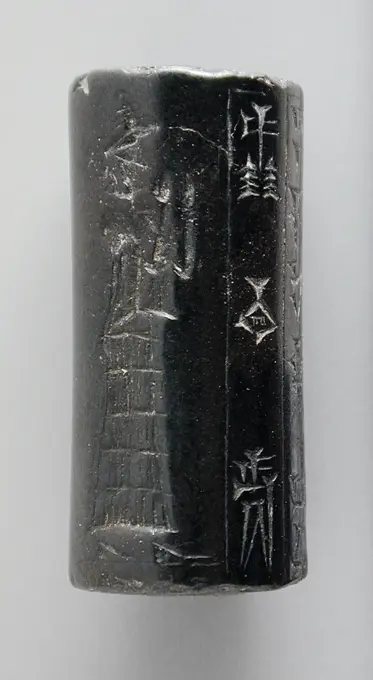
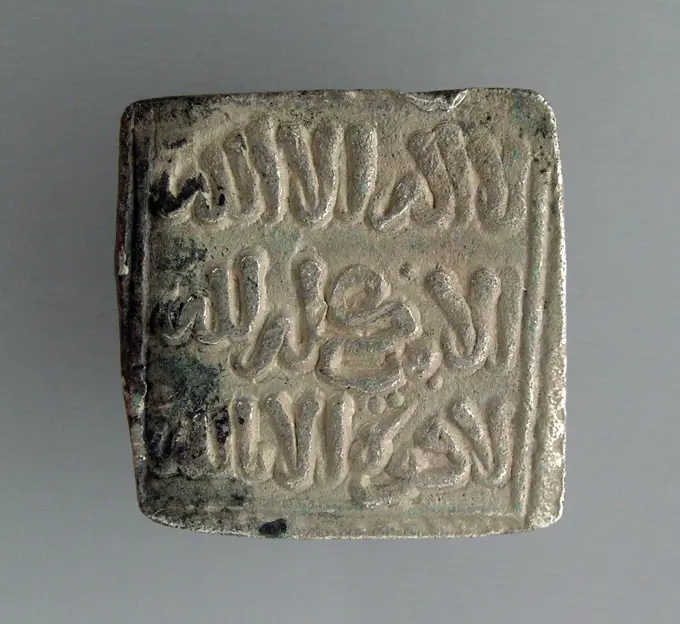
Plaque China. Plaque 52108Fragment of a Bowl. Culture: China. Dimensions: 6 x 3 in. (15.2 x 7.6 cm). Museum: Metropolitan Museum of Art, New York, USA.Amulet of the Goddess Bastet. Egyptian. Date: 1070 BC-656 BC. Dimensions: 2.4 × 1.3 × 0.3 cm (15/16 × 1/2 × 1/8 in.). Faience. Origin: Egypt. Museum: The Chicago Art Institute, Chicago, USA. Author: Ancient Egyptian.Sealing ca. 1981-1640 B.C. Middle Kingdom. Sealing 560446WadjetCylinder seal ca. 16th-14th century B.C. Mitanni. Cylinder seal 327191Three Round Copper-Alloy Balance Weights with Crosses 8th-9th century Byzantine These objects are decorated with a cross and their respective weights in Greek initials-six ounces, two ounces, and one ounce-within a herringbone wreath. Most round weights were turned on a lathe, but the smallest of these three appears to have been cast in a mold instead. In Byzantium, precise measurement of goods was achieved by a set of standard balance weights.. Three Round Copper-Alloy Balance Weights with Crosses. Byzantine. 8th-9th century. Copper alloy. Metalwork-Copper alloyLamp (comprised of 2 Joined Fragments). UnknownPilgrim's Badge. Culture: French. Dimensions: Overall: 13/16 x 9/16in. (2.1 x 1.4cm). Date: 15th century. Museum: Metropolitan Museum of Art, New York, USA.Scarab. Dimensions: L. 2.5 cm (1 in). Dynasty: Dynasty 12-18. Date: ca. 1981-1550 B.C.. Museum: Metropolitan Museum of Art, New York, USA.FWB, Roof lead, shield-shaped cover plate with initials FWB and various guide tools, bracing lead quality mark metal lead, Roof bonnet shield shaped cover of the nails with the initials of the plumber F.W.. and above various guide tools, F.W.. slate From the roof of the Courthouse on the Kloosterlaan in Breda.Figure of crouching lion ca. 8th-7th century B.C. Iran This is a small crouching ivory lion. The lion has large round eyes, triangular ears and an open mouth. Its shoulders and hindquarters are rounded. It rests on a flat base with two holes. Presumably it was originally attached to something, but it is impossible to say what at this point. Possibly it was the handle for an ivory container of some kind.This lion was excavated at Surkh Dum, a settlement site in Luristan in the Zagros Mountains of western Iran. It was part of a large hoard of objects buried beneath a doorjamb in a structure interpreted as a sanctuary; thus the objects were probably offerings made for a god.Lions were native to Iran until the 20th century A.D. As a result they appear frequently in ancient Iranian art, as symbols of strength, kingship or the raw power of the natural world. Given how little is known of the Iron Age inhabitants of Luristan it is difficult to say what significance this lion had for them.. FigSealing ca. 7th century A.D. Sasanian. Sealing. Sasanian. ca. 7th century A.D.. Un-baked clay. Sasanian. Iran, Qasr-i Abu NasrBelt Plate Fragment. Culture: Frankish. Dimensions: Overall: 3 7/16 x 2 3/16 x 5/16 in. (8.7 x 5.5 x 0.8 cm). Date: 4th-7th century. Museum: Metropolitan Museum of Art, New York, USA.C., Roof bonnet, shield-shaped cover plate with 1870 C and stork, lead mark lead metal, Roof bonnet shield-shaped cover of the nails with embossed year 1870 the initial C: of the plumber and below stork looking to the right on plate: 1870 C: leaderHandle Attachment Plate. Unknown 1st century B.C.-1st century A.D.Scarab with Throne Name of Thutmose III. Egypt, New Kingdom 19th - 20th Dynasty (1315 - 1081 BCE). Sculpture. FaienceCoin dated 347 AH/958 CE This coin was excavated at the site of Qanat Tepe in Nishapur. Nishapur was a vital city in the early and middle Islamic periods, located along one of the main trajectories that connected Iran and West Asia Islamic lands with Central Asia and China. The term "Silk routes" often refers to these itineraries, but these were, in fact, crucial to the movement of constellations of materials and objects, as well as people and ideas. The diverse population of Nishapur and its surroundings, from the better-researched elite groups of merchants, land-owning aristocracy, and literates, to the lesser-known artisans, farmers, miners, and servants, were instrumental to adapting global cultural trends that led to the creation of a distinctive visual language. This is seen in the material remains of everyday life in medieval Nishapur - from pots and pans to lighting devices, inkwells, textiles and trimmings, jewelry, games and toys, talismanic devices, weapons, coins, and archiScarab: Menkheperra (Thutmose III). Egyptian. Date: 1295 BC-1069 BC. Dimensions: 1.4 × 1 × 0.6 cm (9/16 × 3/8 × 1/4 in.). Glazed steatite. Origin: Egypt. Museum: The Chicago Art Institute, USA. Author: Ancient Egyptian.Stamp seal (bell-shaped with loop handle) with animal ca. 8th-7th century B.C. Urartian. Stamp seal (bell-shaped with loop handle) with animal. Urartian. ca. 8th-7th century B.C.. Copper/bronze alloy. Iron Age II. UrartuHeart Scarab of Ramesses ca. 1295-1070 B.C. New Kingdom, Ramesside. Heart Scarab of Ramesses. ca. 1295-1070 B.C.. Serpentinite. New Kingdom, Ramesside. From Egypt. Dynasty 19-20Mold with Throne Name of King Smenkare. Egypt, New Kingdom, 18th Dynasty, reign of Smenkare (1355 BCE). Tools and Equipment; molds. TerracottaHandle. UnknownScarab: Title (Greatest of the Tens of Upper Egypt) and Personal Name. Egyptian. Date: 1870 BC-1773 BC. Dimensions: 2.2 × 1.6 × 1.3 cm (7/8 × 5/8 × 1/2 in.). Steatite. Origin: Egypt. Museum: The Chicago Art Institute, Chicago, USA. Author: Ancient Egyptian.Karanovo seal, stamped seal with incised signs, Chalcolithic, fifth millennium BC, Bulgarian National Archaeological Museum, Sofia, Republic of Bulgaria, Europe.Squared Food Vessel with Stem ca. 1610-1630s Japan These piece from a set of five dishes would be used during the kaiseki stage of the tea ceremony to hold a small portion of food.. Squared Food Vessel with Stem 45517Stamp Seal, Hemispheroid. Western Iran, about 4th millennium B.C.. Tools and Equipment; seals. Black serpentinePlaque Two Baboons Back to Back/Cartouches 1550 BCE-1069 BCE Egypt. Steatite . Ancient EgyptianVotive cone with cuneiform inscription of Gudea ca. 2090 B.C. Neo-Sumerian. Votive cone with cuneiform inscription of Gudea 321895Compartmented stamp seal ca. late 3rd-early 2nd millennium B.C. Bactria-Margiana Archaeological Complex. Compartmented stamp seal 326876Group of Revetment Tiles (11). UnknownBronze harness plaque in the form of a tiger attacking an ibex. Ordos type, 4th-3rd century BC.Dish ca. 2nd-7th century A.D. Parthian or Sasanian. Dish 322960Ring 3rd-12th century. Ring. 3rd-12th century. Bronze; gilded. Found Egypt, Maghagha. JewelrySpindle Whorl 10th-16th century () Peruvian. Spindle Whorl. Peruvian. 10th-16th century (). Ceramic. Peru. Ceramics-ImplementsFragment of a Frieze with Addorsed Birds 12th century This piece and objects 18.37 and 37.55 speak to two transformation” trends of the early twentieth century: the improvement” (if not forging) of artifacts, and the application of a limited number of geographical attributions (galvanized by a discovery and then standardized in the trade). This frieze and 18.37 are said to have come from Rayy, a claim made about many artifacts traded at the time. Spontaneous digs and organized, legal commercial excavations were carried out on the site from the nineteenth century, but their details went undocumented. In this case, comparison with artifacts unearthed in scientific excavations in the 1930s substantiates the attribution to Rayy.. Fragment of a Frieze with Addorsed Birds 447061bake  Miejska M.Gda Gda 1667 (1667-00-00-1667-00-00);urban seals, seals at documents, official seals, seals with the city of the city, Żurakowski, Witold ( -1927)- collectionPortions of a Buckle 500 B.C.-A.D. 300 Vietnam. Portions of a Buckle. Vietnam. 500 B.C.-A.D. 300. Bronze. Bronze and Iron Age period, Dongson culture. MetalworkStamp seal (bell-shaped with loop handle) with monster ca. 8th-7th century B.C. Urartian. Stamp seal (bell-shaped with loop handle) with monster. Urartian. ca. 8th-7th century B.C.. Copper/bronze alloy. Iron Age II. UrartuScaraboid seal ca. 6th century B.C. (). Scaraboid seal. ca. 6th century B.C. (). Serpentine, green. Iron Age, Phoenicia (). Levant or SyriaStamp, Gabled with Rounded Back. Northern Syria or southeast Anatolia, circa 3500 - 3100 B.C.. Tools and Equipment; stamps. Black serpentine rockStamp Seal. Assyria or Mesopotamia, 8th-7th century B.C.. Tools and Equipment; seals. Brownish marbleHat of cream-colored synthetic () Fabric, composed of many ruffles, cream silk ribbon and intermediate sinks from Valenciennes side, anonymous, c. 1900 - c. 1925  Hat of cream-colored synthetic () Fabric, composed of many ruffles, cream silk ribbon and intermediate side-sets of Valenciennes side. Belgium . Valenciennes laceSeal of the Colony of Virginia 1767-76. Seal of the Colony of Virginia. 1767-76. Paper-covered waxGrotesque Head early 12th century Central Asia. Grotesque Head 40030Pinhead. Iran, Luristan, about 1350-800 B.C.. Jewelry and Adornments; pins. Bronze, castRoman oil lamp depicting scenes of daily life. Man carrying two baskets. Roman-Germanic Museum. Cologne. Germany.Fragment of the base leg;  3 thousand BC (-3000-00-00--2001-00-00);The collection of the ancient EastFragment 11th-12th century. Fragment 445211Fragment of a Bowl 9th-10th century. Fragment of a Bowl 450195Ring with Rounded Bezel, Floral Design 8th-12th century Indonesia (Central Java). Ring with Rounded Bezel, Floral Design 64197Comb fragment ca. 1635-1458 B.C. Second Intermediate Period-Early New Kingdom. Comb fragment 546925Hearing stone with the representation of the two elders from the history of Suzanna, who are stoned by two soldiers, c. 1875 - c. 1900 Hearing stone with the representation of the two elders from the history of Suzanna, who are stoned by two soldiers. In the background a basket with stones and a tree. Netherlands earthenware Hearing stone with the representation of the two elders from the history of Suzanna, who are stoned by two soldiers. In the background a basket with stones and a tree. Netherlands earthenwareHandle ca. 8th-7th century B.C. Iran This is an ivory cylinder made decorated with lines and zigzags. There is a hole at one end, suggesting it was originally a handle of some kind. Possibly it was the handle of a flywhisk. It was excavated at Surkh Dum, a settlement site in Luristan in the Zagros Mountains of western Iran. It was found in a structure interpreted as a sanctuary and was thus probably an offering to a god.. Handle 323987Cylinder seal ca. 16th-15th century B.C. Mitanni. Cylinder seal 327193Engraved Ring with Dancing Maenad. UnknownStove tile of earthenware with lead glaze, anonymous, c. 1500 tile Stove tile of earthenware with lead glaze. The tile is glazed green and has a harnessed knight with shield and spear on a prancing horse in relief, surrounded by a arc resting on columns. The tile was dug up in Doorn. Germany earthenware. lead glazeFragment of Statesbti;  332-30 BC ; Ptolemean period (-332-00-00--30-00-00);Glass bead ca. 1500-1350 B.C. Probably western Asiatic or Levantine Opaque turquoise blue.Roughly square; flat back; slightly beveled sides; two holes pierced vertically through bead with openings larger at one end.On front, impressed design comprising twelve vertically ribbed bulbous shapes, arranged in three horizontal rows of four, each divided by two horizontal parallel ribs, and a single horizontal rib running along top and bottom edges.Intact, but with slight chips on front edges, and a large chip on back; pitting, dulling, and all surfaces covered with creamy weathering, except for part of back.Made in the same mold as 74.51.4536.. Glass bead. Probably western Asiatic or Levantine. ca. 1500-1350 B.C.. Glass; mold-pressed. Late Bronze Age. GlassFunerary Cone ca. 1550-1295 B.C. New Kingdom. Funerary Cone. ca. 1550-1295 B.C.. Pottery. New Kingdom. From Egypt, Upper Egypt, Thebes. Dynasty 18Vessel fragment with a stag flanked by long-necked birds ca. 1600-1400 B.C.. Vessel fragment with a stag flanked by long-necked birds 325357Belt Attachment. UnknownUszebti Anchrena. unknown, authorUszebti. unknown, authorStamp seal ca. 3rd-7th century A.D. Sasanian. Stamp seal. Sasanian. ca. 3rd-7th century A.D.. Carnelian. Sasanian. Iran or MesopotamiaDouble Capital late 13th-early 14th century French. Double Capital. French. late 13th-early 14th century. Marble. Sculpture-ArchitecturalReaal van Achten, beaten in Potosi, mint from the wreck of the East Indians' t Vliegend Hart, Y (Essayeur), 1701  Drained silver coin, beaten on irregular coin plate. Front: columns of Herkules, standing in waves; between columns: inscription in three lines; top rule, v.l.n.r. Mint sign p, (not visible) figure 8, Ensayadors letter Y; Middle rule: Habsburgs motto; bottom line v.l.n.r.: (not visible) Ensayadors letter, year, mint sign P. downside: cross; Between cross arms: arms figures. Potosi silver (metal) striking (metalworking)  BoliviaBarnabite Bell Foundry Badge, 1791 (Title Title) Badge of the Barnabite Bell Currency Foundry. Bronze, 1791.Implement to loosen knots. Culture: China. Dimensions: H. 2 1/8 in. (5.4 cm); W. 1 1/8 in. (2.9 cm). Museum: Metropolitan Museum of Art, New York, USA.Scarab: Sobekhotep. Egyptian. Date: 1550 BC-1069 BC. Dimensions: 1.3 × 1 × 0.6 cm (1/2 × 3/8 × 1/4 in.). Glazed steatite. Origin: Egypt. Museum: The Chicago Art Institute, Chicago, USA. Author: Ancient Egyptian.Spindle Whorl 10th-early 16th century Mexican. Spindle Whorl 307552Pana of mauryan emperors of India. 2nd cent. BC.Pilgrim's Badge 14th-16th century French. Pilgrim's Badge. French. 14th-16th century. Lead. Metalwork-LeadAmulets of an oryx and of god Horus portrayed as a hawkTray. Culture: Cypriot. Dimensions: H. 5 7/16 in. (13.8 cm).Tray with two horned handles and geometric ornament in black and red. Museum: Metropolitan Museum of Art, New York, USA.Scaraboid seal with relief of udjat eye ca. mid 22nd-20th century B.C. Egyptian. Scaraboid seal with relief of udjat eye. Egyptian. ca. mid 22nd-20th century B.C.. Stone. First Intermediate Period-early Middle Kingdom. EgyptGermany, Mainz, Relief pedestal depicting an auxiliary troopAmulet - przeciwwaga menit. unknown, authorRoller Stamp with Engraved Designs. Colombia, Middle Cauca, Middle Cauca, 700-1600 CE. Ceramics. CeramicHorse bit cheekpiece in form of a striding horse ca. 8th-7th century B.C. Iran. Horse bit cheekpiece in form of a striding horse 324552Character holding a palm, s. d. (Dummy title) Anonymous. Character holding a palm (obverse).Lid or bottom of an mother of pearl snuffbox from the wreck of the Dutch East Indiaman 't Vliegend Hart, , 1700 - 1735 lid Pairy nut lid or bottom of a pinch box. In VOC setup with V83-153. Middelburg mother of pearlFeature with image, Anonymous, 1587 Fireplace with an image of two royal busts; A man and a woman and the year 1587. Southern Netherlands earthenware Fireplace with an image of two royal busts; A man and a woman and the year 1587. Southern Netherlands earthenwareStamp seal (octagonal pyramid) with animals and divine symbols late 8th - 6th century B.C. Assyro-Babylonian. Stamp seal (octagonal pyramid) with animals and divine symbols. Assyro-Babylonian. late 8th - 6th century B.C.. Banded neutral Chalcedony (Quartz). Neo-Assyrian / Neo-Babylonian. MesopotamiaGrahal-Manzara. Carnavalet 2013-2016 collection sites. Numismatics.Two-Colored Tile late 14th century British. Two-Colored Tile. British. late 14th century. Fired earthenware with slip decoration and lead glaze. Ceramics-TilesAmulet of the Goddess Hathor with Menat and Sistrum. Egyptian. Date: 664 BC-332 BC. Dimensions: 1.6 x 1 x 0.3 cm (5/8 x 3/8 x 1/8 in.). Faience. Origin: Egypt. Museum: The Chicago Art Institute, USA. Author: Ancient Egyptian.Paired Bone OrnamentsMold for a Horus Amulet. Dimensions: H. 1.9 cm (3/4 in); w. 1.7 cm (11/16 in). Dynasty: Dynasty 18. Reign: reign of Amenhotep III. Date: ca. 1390-1353 B.C.. Museum: Metropolitan Museum of Art, New York, USA.Mold with Epithet or Name. Egypt, 18th - 26th Dynasty (1569 - 525 BCE). Tools and Equipment; molds. ClayShaft-hole Axehead. Iran, Luristan, circa 1350-1000 B.C.. Arms and Armor; axes. Bronze, castFrieze decorated with a cross pattée with a central button. Limestone. 7th century. Provenance unknown. Museum of Visigoth Councils and Culture. Toledo, Castile-La Mancha, Spain.Official seal of the Brest poviat;  1802 (1802-00-00-1802-00-00);Fragment with the cartouche of Nefertit, probably from a base ca. 1353-1336 B.C. New Kingdom, Amarna Period. Fragment with the cartouche of Nefertit, probably from a base 567651Pebbles engraved with geometric patterns, probably used in rituals, from Lagozza di Besnate, Lombardy, Italy. Lagozza Civilization, Upper Neolithic.Fragment of a Bowl or Cup 13th-16th century. Fragment of a Bowl or Cup. 13th-16th century. Stonepaste; painted under transparent glaze. Attributed to Egypt. CeramicsCylinder Seal. Mesopotamia, Old Babylonian period, circa 2000-1600 B.C.. Tools and Equipment; seals. HematiteAlmohad silver dirham. Spain or North Africa, second half of 12th-first half of 13th century. Tools and Equipment; coins. CoinBox 1st-5th century Tolita-Tumaco. Box 313564Display in Carr Maritime Gallery, Grytviken (abandoned whaling station), South Georgia, Antarctica