Ancient Egyptian Seal Impressions

A variety of seal impressions from ancient Egypt, showcasing inscriptions and carvings from different periods, conveying cultural and historical significance.
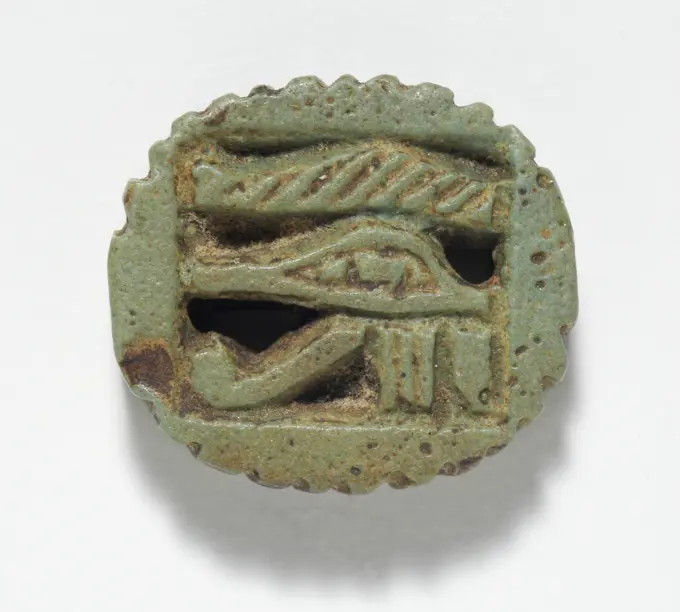
Eye of Horus Amulet. Egypt, Late Period - Ptolemaic Period (724 - 31 BCE). Jewelry and Adornments; amulets. Faience green
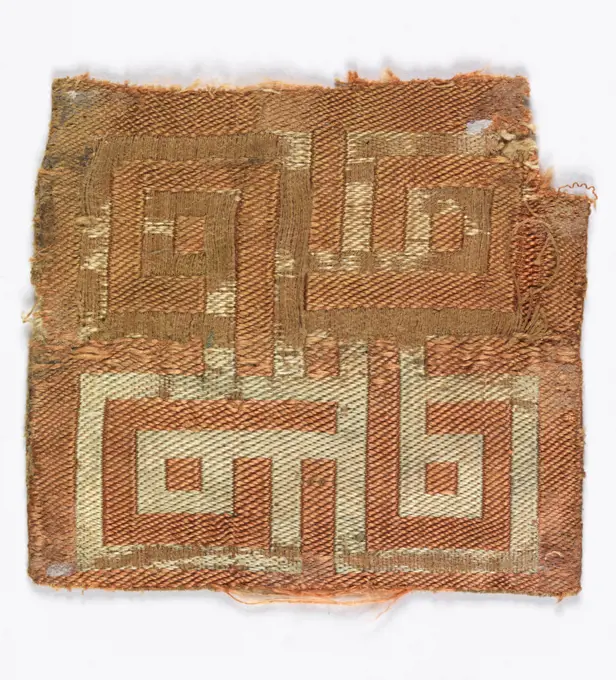
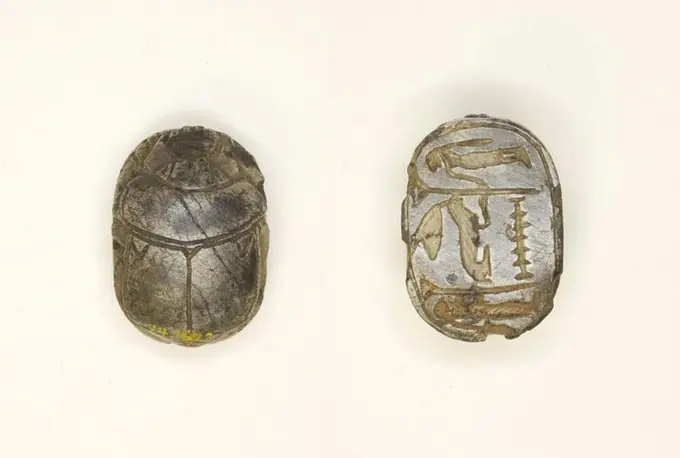
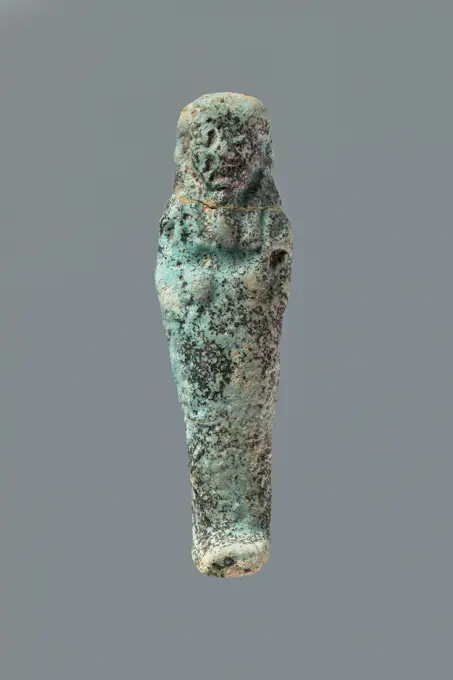
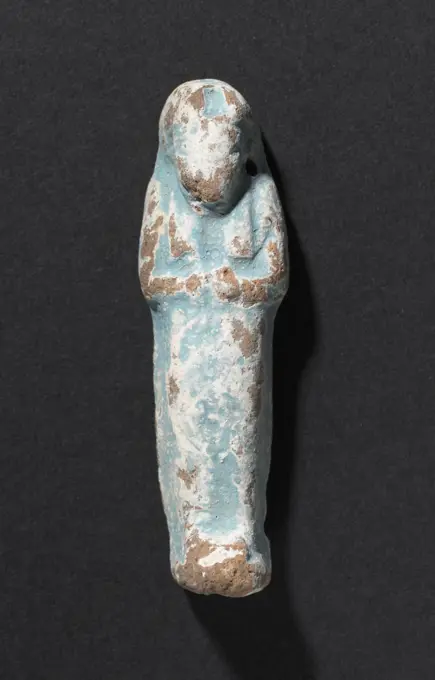
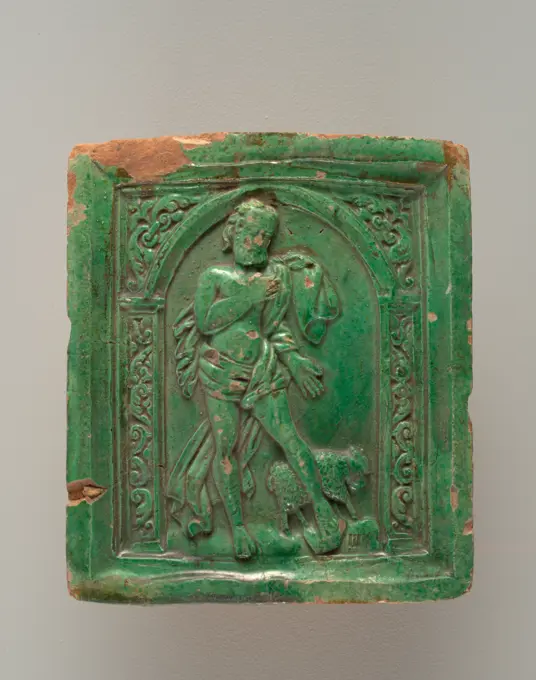
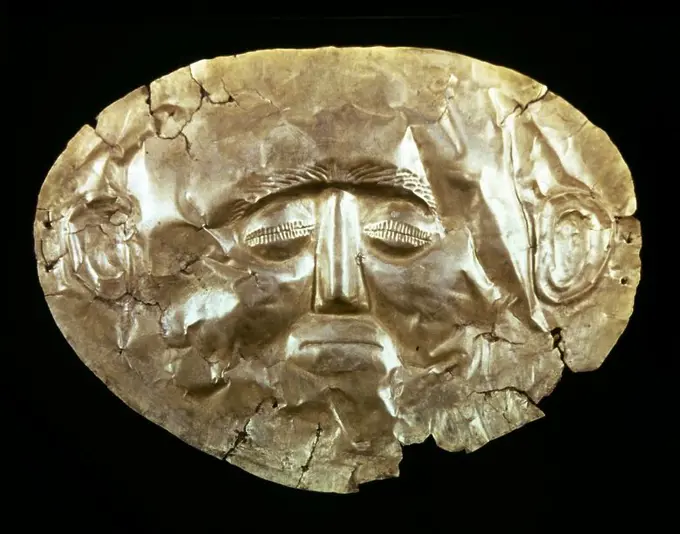
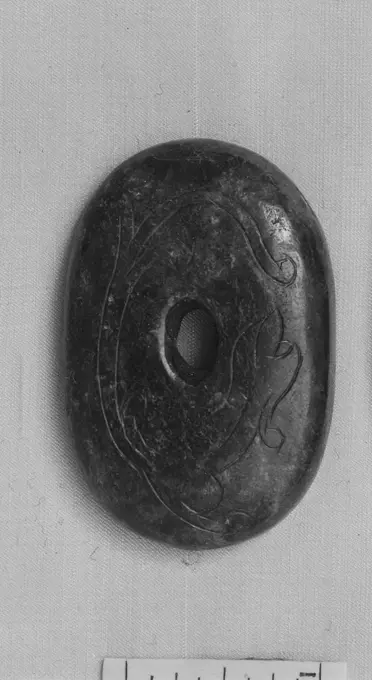
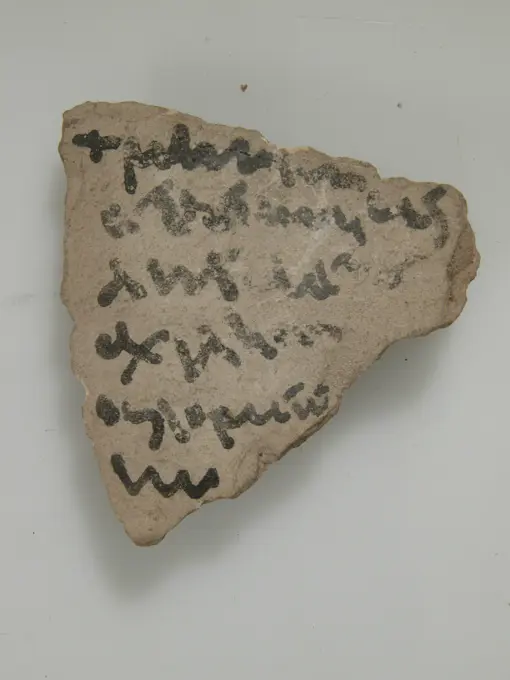
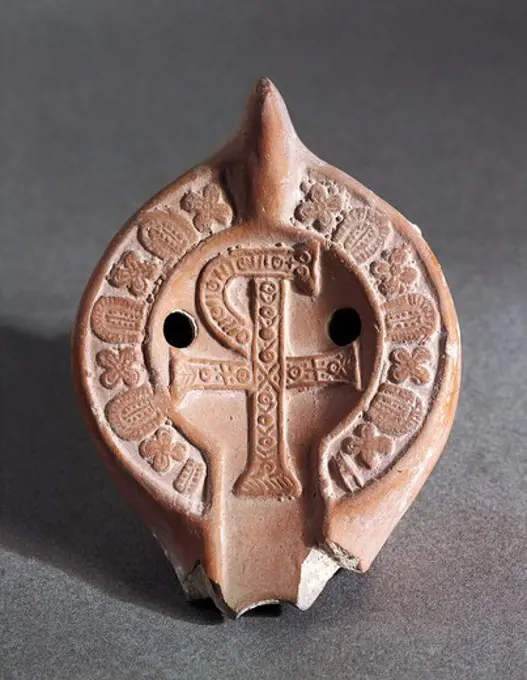
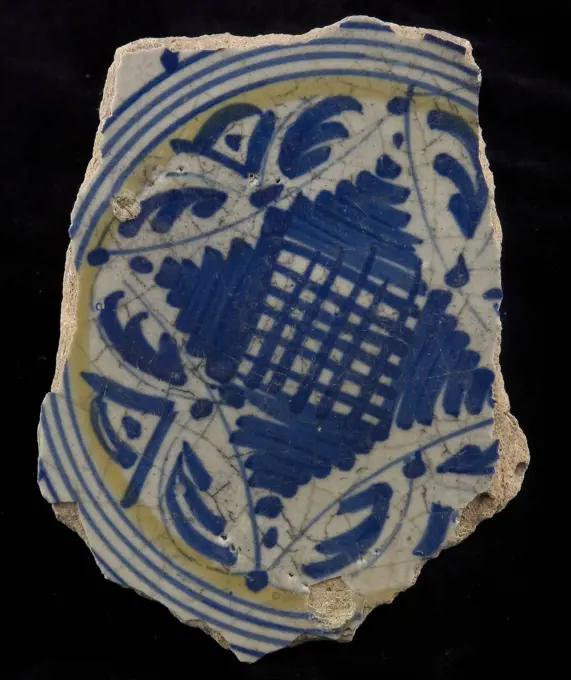
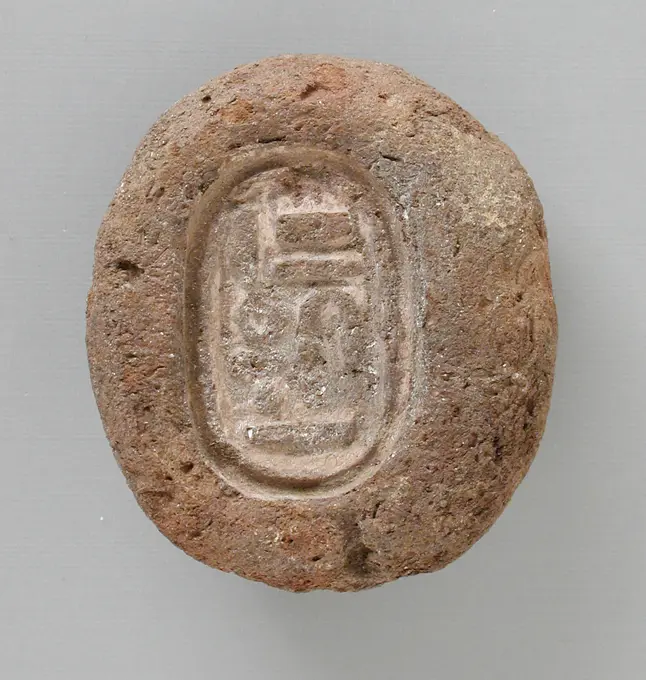
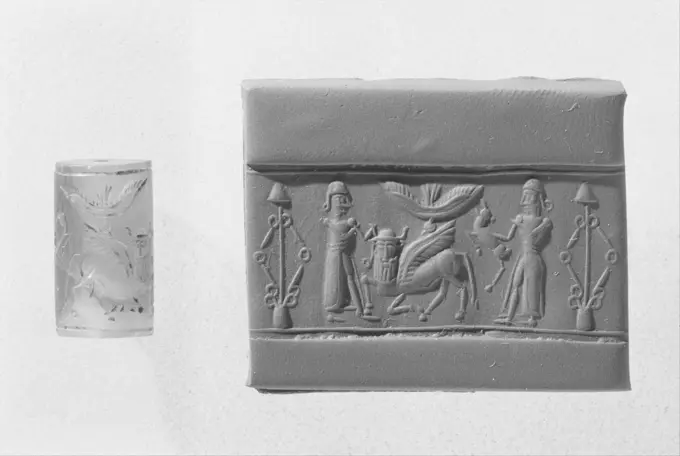
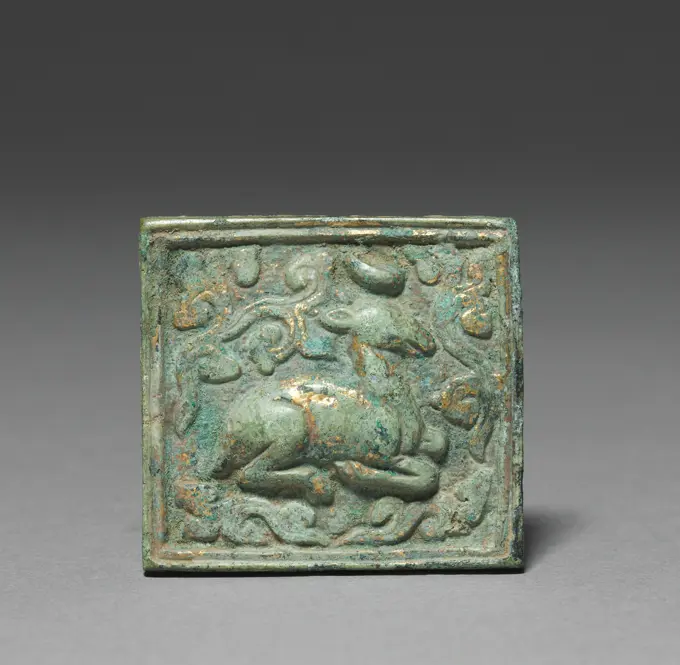
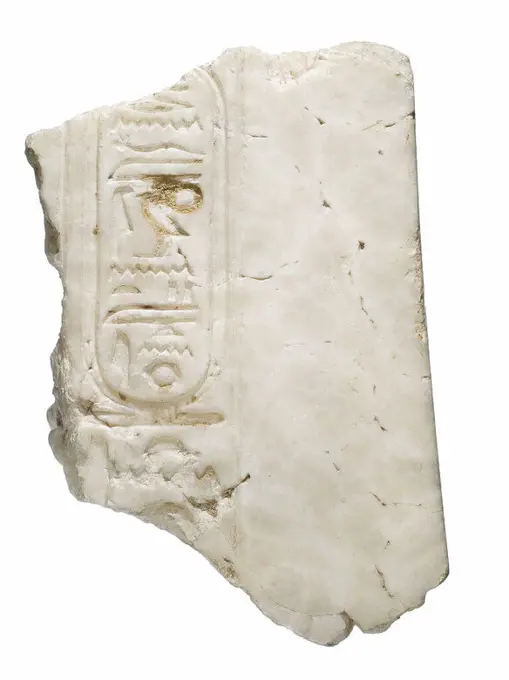
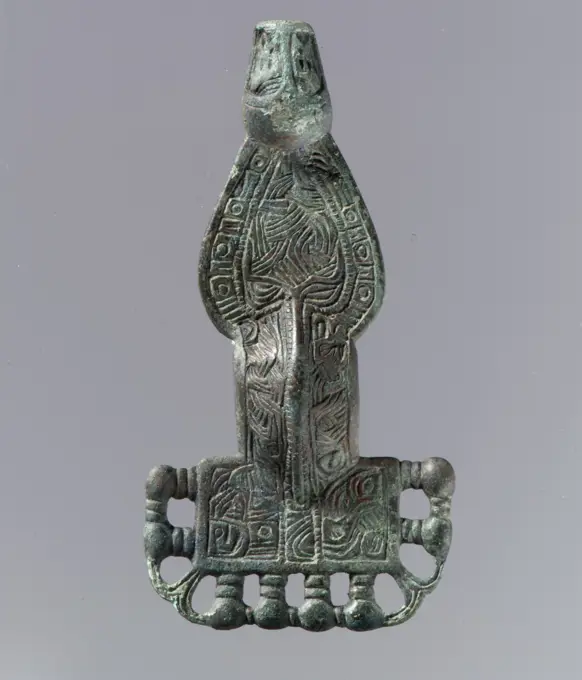
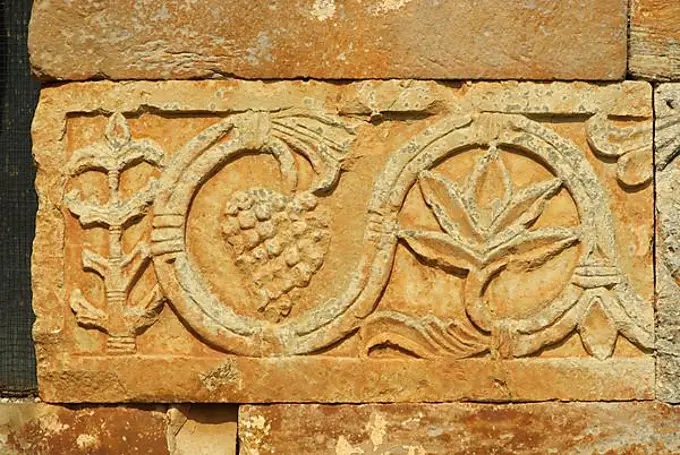
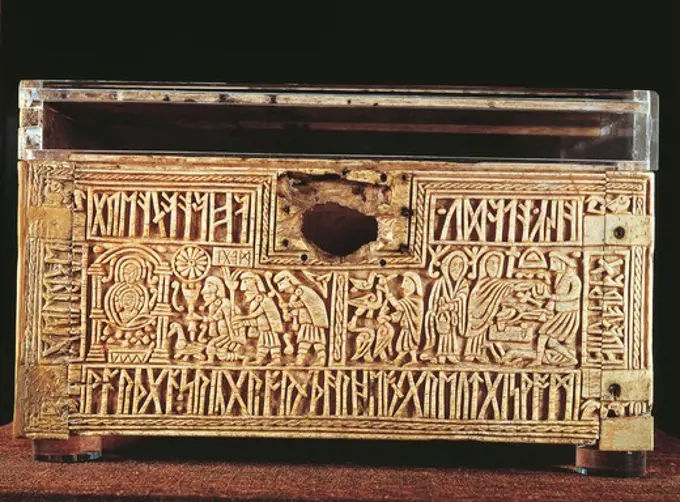
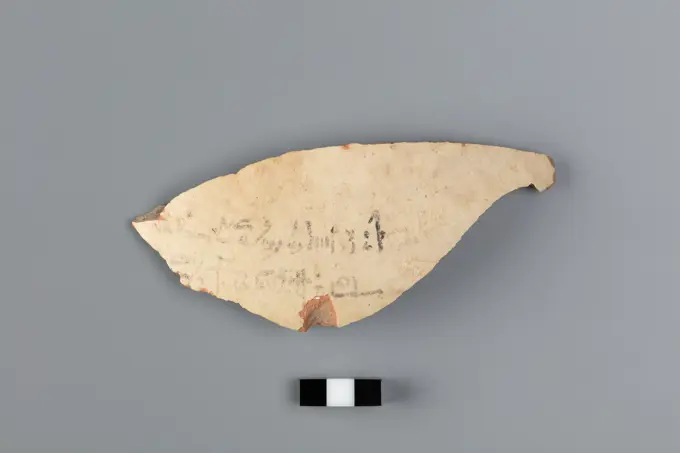
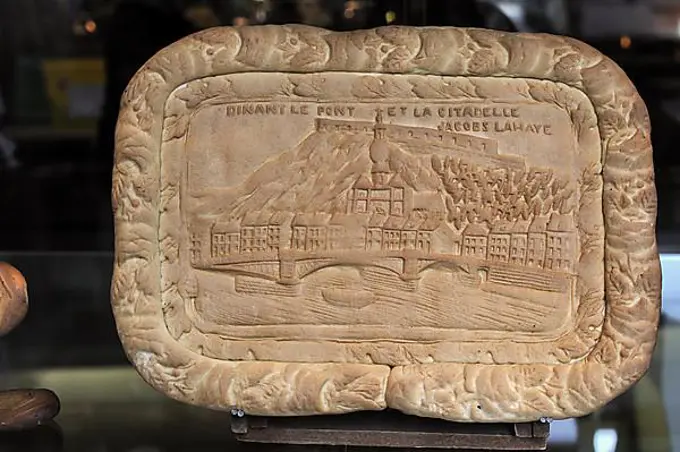
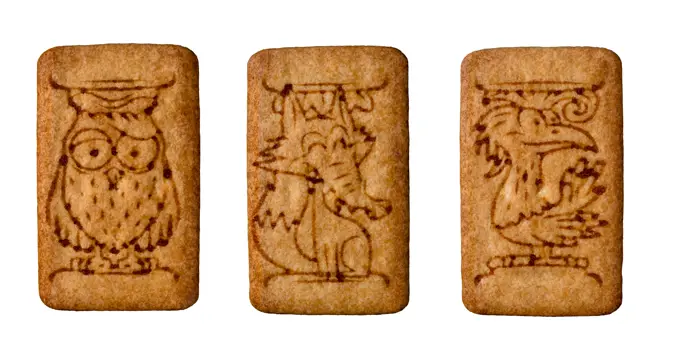
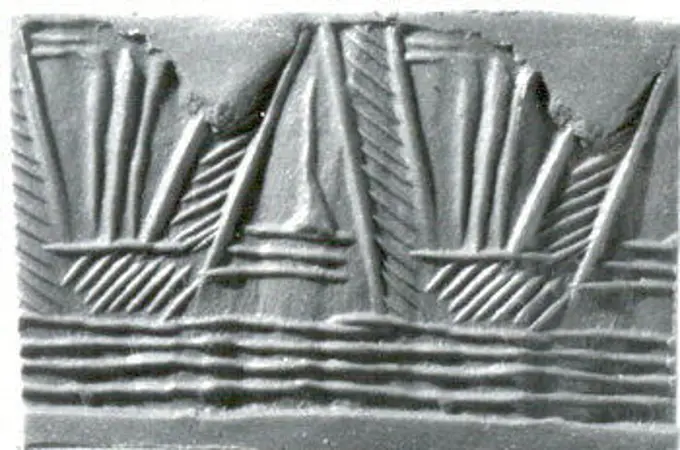
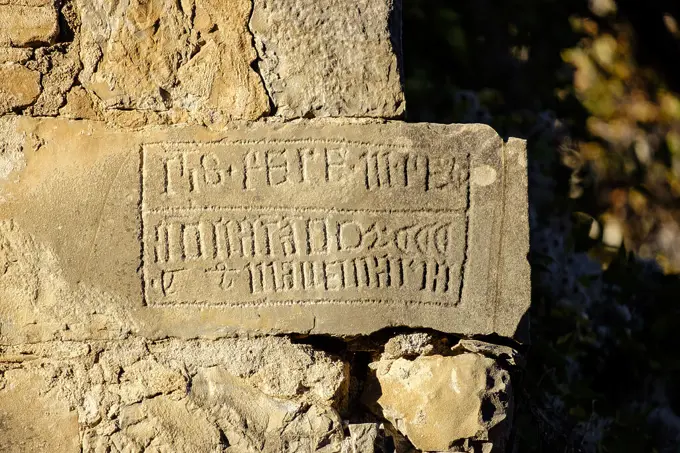
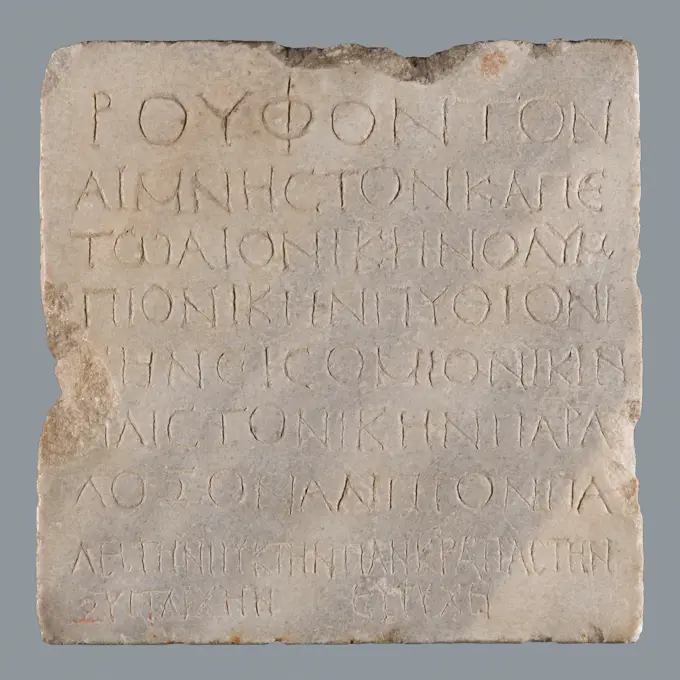
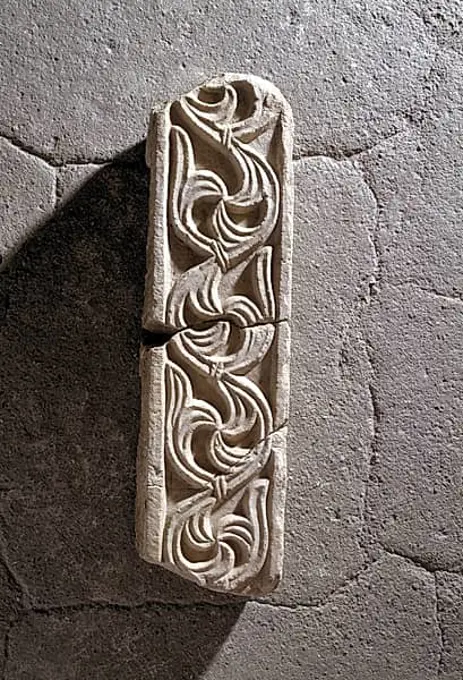
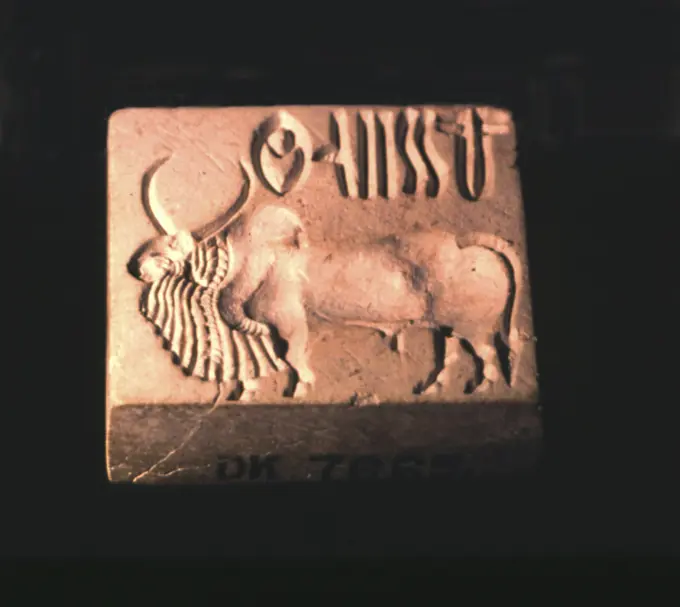
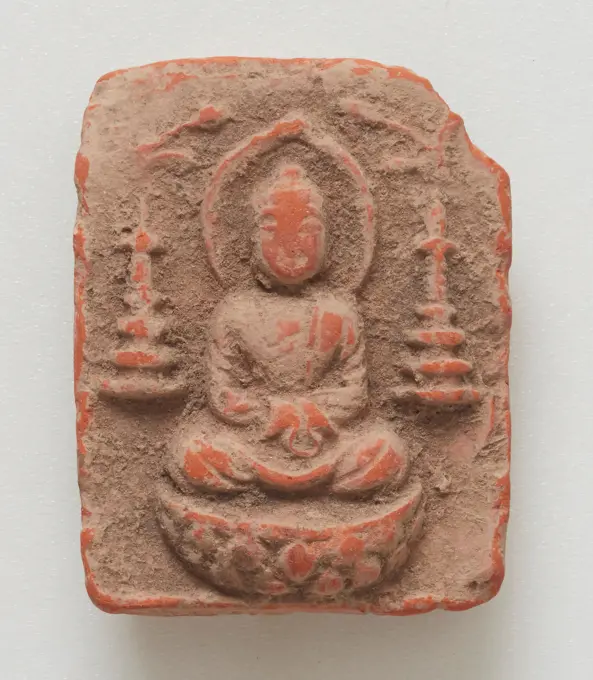
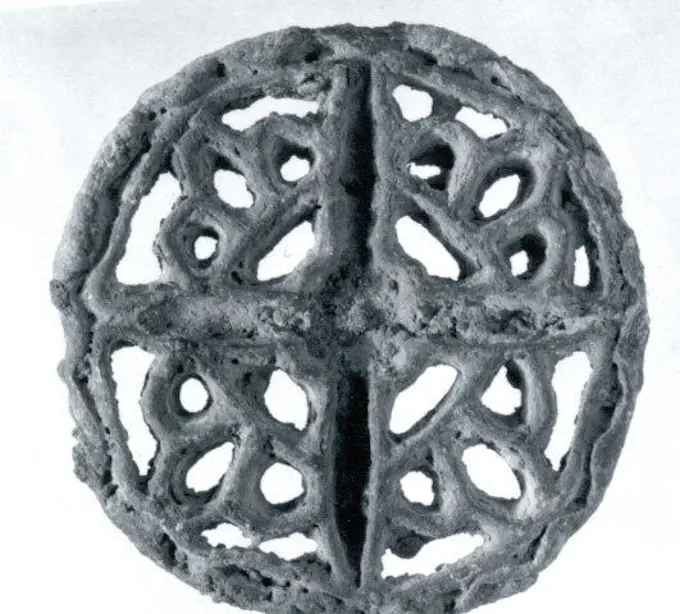
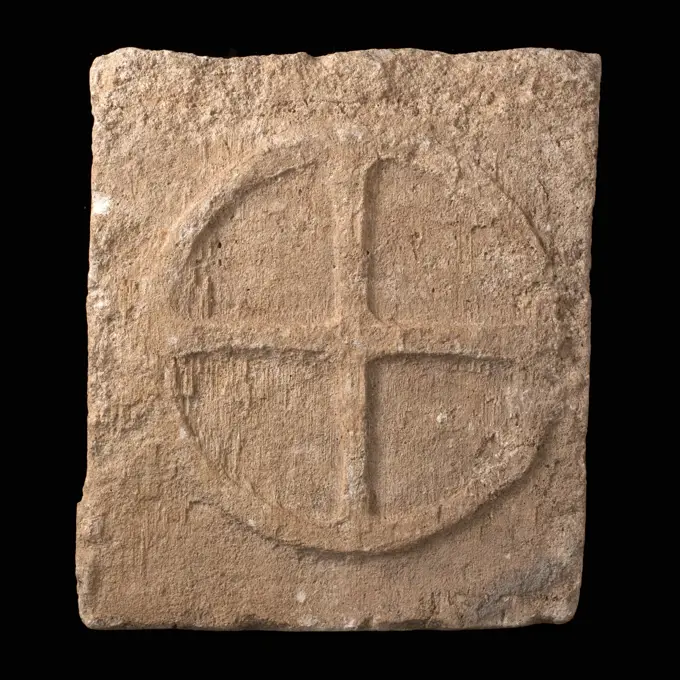
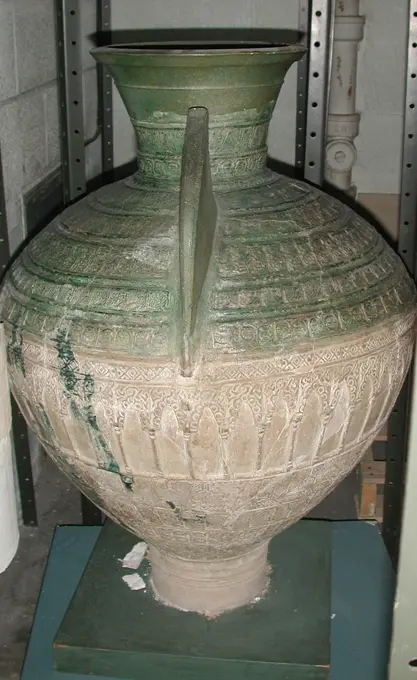
Cylinder Seal. Iran, no date. Tools and Equipment; seals. BronzeHearthstone, Luiks, from Luik, Liege Belgium, with wide frame, with crowned coat of arms, hearth fireplace component ceramics brick, fired Hearth of the Liege type with wide frame depicting crowned coat of arms with weapon divided into four quarters with two crowned lions as shield holders and two crossed swords behind building history heat heraldryCopper Tweezers before 15th century Peruvian. Copper Tweezers 315658Gable seal ca. 3500-3100 B.C.. Gable seal. ca. 3500-3100 B.C.. Chlorite or steatite, black. Late Uruk. Mesopotamia or SyriaCoin dated A.H. 376/ A.D. 986. Coin 457197Fragment, Medium: linen warp, silk weft Technique: 2/1 twill patterned by complementary wefts, Terra cotta ground with white fretwork motif., Germany or Spain, 13th-14th century, woven textiles, FragmentBabylonian cylinder seal.Cylinder Seals from Mesopotamia, Neo-Babylonian period circa 500 BCScarab: Wish Formula (). Egyptian. Date: 1069 BC-343 BC. Dimensions: 1.6 × 1.1 × 0.8 cm (5/8 × 7/16 × 5/16 in.). Stone. Origin: Egypt. Museum: The Chicago Art Institute, Chicago, USA. Author: Ancient Egyptian.Vishnus Feet or Visnupada, North India, 5th century or later. Miniature copies of the Lords feet were made for pilgrims.Fireplace with a representation of two men's heads in windows. Fireplace with a representation of two man's heads in windowsUszebti. unknown, authorQuadrans (Coin) Depicting the Hero Hercules. Roman. Date: 225 BC-217 BC. Dimensions: Diam. 4.5 cm; 77.39 g. Bronze. Origin: Italy. Museum: The Chicago Art Institute, Chicago, USA. Author: ANCIENT ROMAN.Shawabty of Ditamenpaankh, 715-656 BC. Egypt, Late Period, Dynasty 25. Terracotta; overall: 5.8 x 1.7 x 1.5 cm (2 5/16 x 11/16 x 9/16 in.).Tile (Germany); glazed earthenwareFragment 8th-9th century. Fragment 448850Funerary mask in gold foil by embossing. Tomb IV. Circle A. 16th century BC. Royal Tombs of Mycenae. National Archaeological Museum. Athens, Greece.Fragment of a Relief 7th-8th century Central Asia. Fragment of a Relief 39912Girdle ring China. Girdle ring 42869Ostrakon with Lines from Homer's Iliad 600 Coptic. Ostrakon with Lines from Homer's Iliad 474832Decorated lamp, terracottaFragment majolica dish, yellow and blue on white, four-sided ground surface with brush strokes, plate crockery holder earth discovery ceramics pottery glaze, baked Symmetric brushstrokes Italian decor Polychrome archeology Italy serve garnish servingShip corbita , small coastal vessel, Roman Carthage, 200 AD. Tunisia.Finial in the shape of dragons head China. Finial in the shape of dragons head 61181Mold with Epithet mentioning the God Amen. Egypt, New Kingdom, 18th Dynasty (1569 - 1315 BCE). Tools and Equipment; molds. ClayFRAGMENTOS CERAMICOS DE LA EDAD DEL BRONCE. Location: MUSEO ARQUEOLOGICO / CASTILLO. LA CORUNA. A CORUÑA. SPAIN.Hearthstone, from Antwerp Belgium, without frame, with flower in oval, hearth hearth part ceramic brick, fried Hearth stone of the Antwerp type without frame with flower in oval in the middle and all in diamond-shaped frame and with leafy branches filled up building history heatingCylinder seal ca. 1500-1350 B.C. Mitanni. Cylinder seal 327286Stamp, Gabled with Rounded Back. Northern Syria or southeast Anatolia, circa 3500 - 3100 B.C.. Tools and Equipment; stamps. Dark brown serpentineBelt Ornament, 1100s. Korea, Goryeo period (918-1392). Gilt bronze with repoussé relief; overall: 4 x 4.6 x 0.7 cm (1 9/16 x 1 13/16 x 1/4 in.).Belt Buckle with Walking Tigers 3rd century B.C. North China. Belt Buckle with Walking Tigers. North China. 3rd century B.C.. Bronze. MetalworkElement with cartouche of Akhenaten and of Aten on opposite sides. Dimensions: H. 21 × W. 14.5 × D. 18 cm (8 1/4 × 5 11/16 × 7 1/16 in.); cartouche: W. 4.8 cm (1 7/8 in.). Dynasty: Dynasty 18. Reign: reign of Akhenaten. Date: ca. 1353-1336 B.C.. Museum: Metropolitan Museum of Art, New York, USA.Village parish church of Saint Peter benchmark symbol on wall, Cockfield, Suffolk, England, UKSquare-Headed Bow Brooch 6th century Frankish. Square-Headed Bow Brooch 465820 Frankish, Square-Headed Bow Brooch, 6th century, Copper alloy, Overall: 4 5/8 x 2 5/16 x 13/16 in. (11.7 x 5.9 x 2.1 cm). The Metropolitan Museum of Art, New York. Gift of J. Pierpont Morgan, 1917 (17.193.92)Female Musicians ca. 1353-1336 B.C. New Kingdom, Amarna Period Female musicians who play during festivities or leisure time in the palace. The varied hand positions of the five give an illusion of movement. The second woman from the right is obscured by the lyre; she is possibly a singer, as she does not seem to hold an instrument.. Female Musicians. ca. 1353-1336 B.C.. Limestone, paint. New Kingdom, Amarna Period. From Egypt; Probably from Middle Egypt, Hermopolis (Ashmunein; Khemenu); Probably originally from Amarna (Akhetaten). Dynasty 18Sweden, Blekinge, Blekinge, Karlskrona, Karlskrona, external marina (depicted, town).Sweden, Blekinge, Blekinge, Karlskrona, Karlskrona, External War Gogs (depicted, City)Quintanilla de las Viinas Church Ornament, Quintanilla de las Viinas Church OrnamentFragment. Dimensions: L 17 cm x W 17 x H 5. Date: probably 8th-12th century. Museum: Metropolitan Museum of Art, New York, USA.Stamp seal (octagonal pyramid) with cultic scene 7th - 6th century B.C. Assyro-Babylonian. Stamp seal (octagonal pyramid) with cultic scene. Assyro-Babylonian. 7th - 6th century B.C.. Neutral Chalcedony (Quartz), possibly etched to produce yellow mottling. Neo-Assyrian / Neo-Babylonian. MesopotamiaAmulet of the Goddesses Isis and Nephthys with Horus Standing Between 1070 BCE-656 BCE Egypt. Faience . Ancient EgyptianGoldsmithery, Damascened gold dagger with shell ornament, from Pylos, GreeceWhale bone case representing the Adoration of the Magi and the mithology figure Wayland in his forgePale Christian decorative brace Pale Christian decorative brick copyright: xzoonar.com/tolox 22568858lápida de piedra arenisca, 150-200 d.C, Museo arqueológico de Ibiza y Formentera, Patrimonio de la Humanidad «Ibiza, biodiversidad y cultura», Ibiza, balearic islands, Spain.Fragment. Dimensions: L 37 x W 14 x H 5.5. Date: probably 8th-12th century. Museum: Metropolitan Museum of Art, New York, USA.Fragment of an amphitheater seat with inscription. 2nd century AD. Indicates the fith of the seats of the cavea reserved for the Sodales Augustales. Tarragona. National Archaeological Museum. Tarragona. Spain.Jar Label ca. 1390-1352 B.C. New Kingdom. Jar Label. ca. 1390-1352 B.C.. Pottery and ink, paint. New Kingdom. From Egypt, Upper Egypt, Thebes, Malqata, Palace of Amenhotep III, MMA excavations. Dynasty 18Fragment of a Bowl 12th-13th century. Fragment of a Bowl 447197Remains of a column with the text of a peace treaty. Provenance unknown. First half of the 9th century AD. National Archaeological Museum. Sofia. Bulgaria.Fragment of a Ceremonial Ballgame Yoke 700 CE-800 CE El Tajín. Played throughout Mesoamerica, the ceremonial ballgame was a sport as well as a ritual substitute for war in which sacrifice was often the final outcome. Players were required to propel a heavy rubber ball with their hips, thighs, shoulders, and lower arms. A yoke, made of padded leather or wood, was worn at mid-body to protect the torso and direct the ball. Carved stone yokes were intended as ceremonial emblems or trophies and were not used in actual play. At least eleven ballcourts have been discovered at El TajÌn, suggesting that the city may have been a sort of Olympic center as well as a ruling capital.. Stone . Veracruz, ClassicGame objects made from ivory, dice, From Volubilis (Morocco)Textile Fragment 5th century. Textile Fragment 443711Fragment 14th-15th century. Fragment 446388Couque de Dinant, Dinant Biscuit, Europe's hardest biscuit, in shop-window, Belgium, EuropeCracker mit Totem auf weißem Hintergrund Cracker mit Totem auf weißem Hintergrund LicenseRF Copyright: xZoonar.com/SorinxOpreanuxRobertox 23255602ESTELA CON ESCUDO "3 Dª". Location: CASA DE CULTURA. DON BENITO. Badajoz. SPAIN.Cylinder seal ca. 3100-2900 B.C. Iran. Cylinder seal 324508Bobrowniki town seal. Bobrowniki, signatoryRing Inscribed Amenhotep Ruler of Thebes ca. 1390-1353 B.C. New Kingdom. Ring Inscribed Amenhotep Ruler of Thebes. ca. 1390-1353 B.C.. Faience. New Kingdom. From Egypt, Upper Egypt, Thebes, Malqata, Palace of Amenhotep III, MMA excavations, 1910-11. Dynasty 18Bergua, uninhabited village, Sobrarbe, Huesca, Aragon, Pyrenees mountain range, Spain.Epitaph of Rufus Athleta;  horse. II - early 3rd century AD (180-00-00-212-00-00);Carolingian marble fragment, St., Saint, SaintUnknown photographer, stone fragment with inscription in Baalbek (without dat.): View. Photo, 20.1 x 20.2 cm (including scan edges) unbek. Fotograf : Steinfragment mit Inschrift in Baalbek (ohne Dat.)Steatite seal. Bull. 2500- 2000 BC. Mohenjo Daro. Indus Valley civilization.RELOJ DE SOL PROCEDENTE DE ZAMARRACIN, EN EL MUSEO DE SANTA CRUZ.Stele, 1 7/8 x 1-7/16 in. (4.8 x 3.7 cm), Ceramic, ChinaCompartmented stamp seal ca. late 3rd-early 2nd millennium B.C. Bactria-Margiana Archaeological Complex. Compartmented stamp seal 326664Sarcophagus foot panel, cross in a circle, Saint-Germain-des-Prés necropolis. Plaster, 500-800. Paris, Carnavalet museum. 77958-28 Archeology Medievale, Circle, Cross, Millennium, Middle Ages, Necropolis Saint-Germain-des-Prres, panel, medieval period, sarcophagus, XVIth centuryGarment Plaque in the Shape of a Wild Boar 5th-4th century B.C. Northwest China. Garment Plaque in the Shape of a Wild Boar 59487Jar 15th century. Jar 454610Mold for a Buddhist Votive Tablet. Thailand, Mon-Khmer, 12th-13th century. Tools and Equipment; molds. Copper alloy