Ancient Egyptian Sealings

A series of ancient sealings and funerary cones with inscriptions, highlighting the rich history of Egypt's Middle and New Kingdoms.

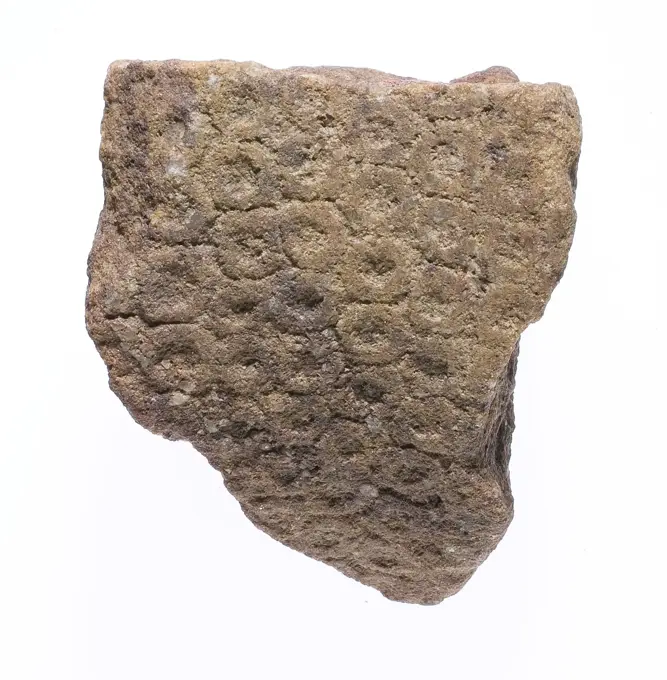
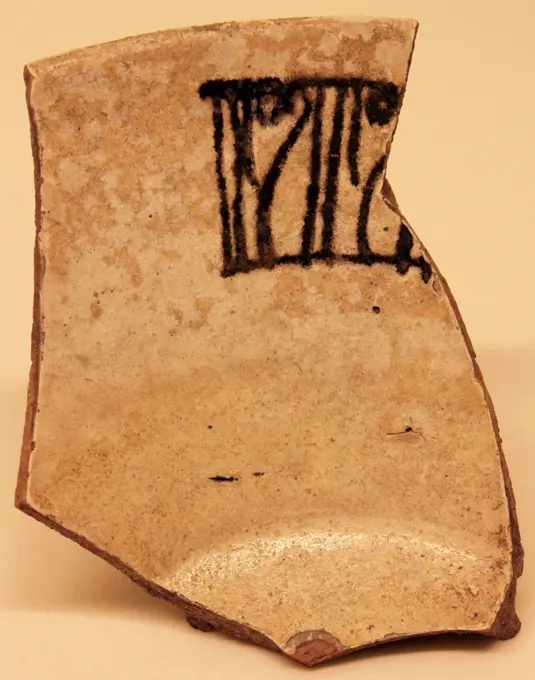
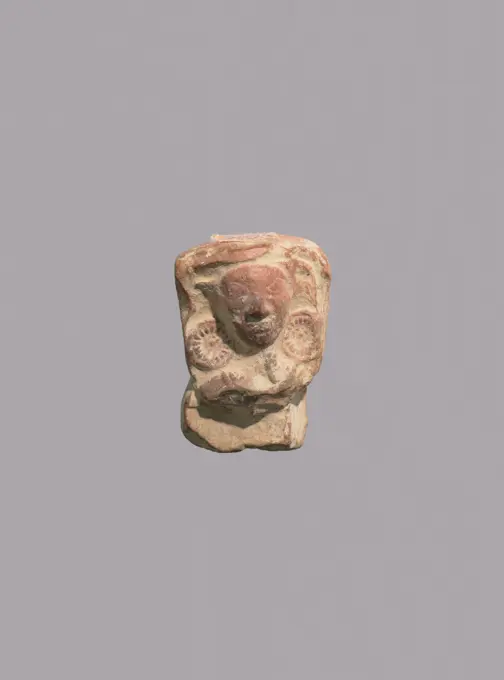
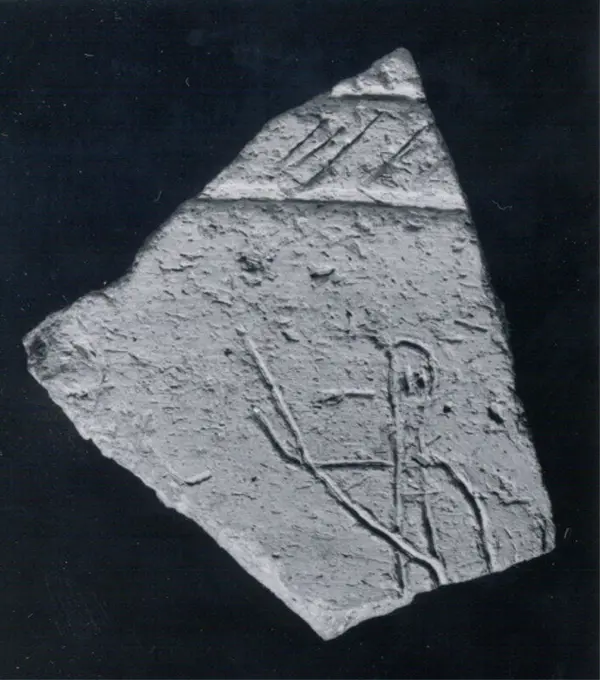
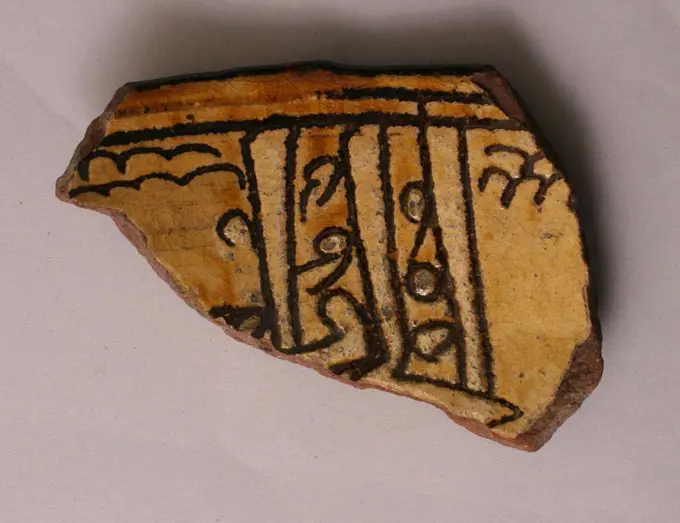
Tile Fragment. Unknown
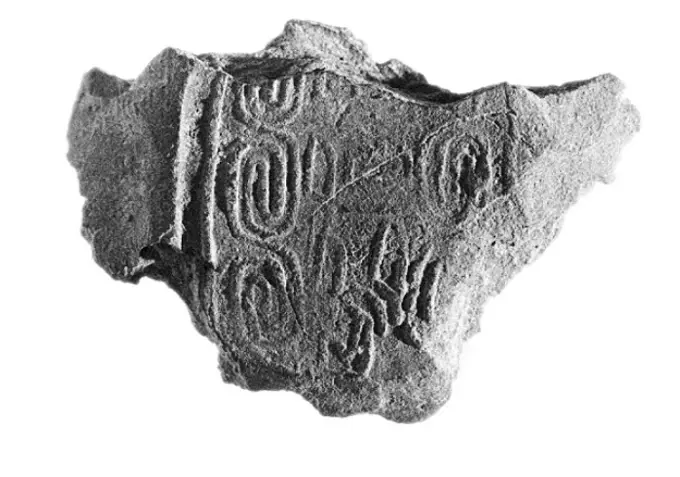
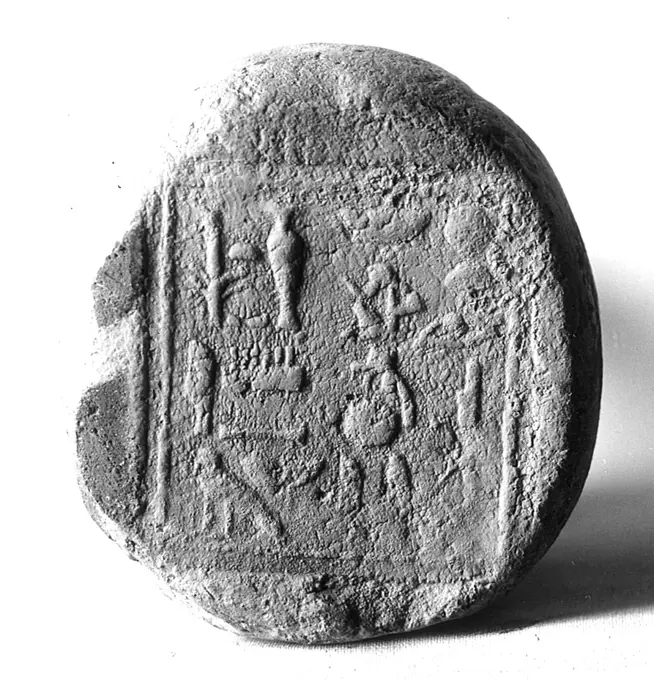
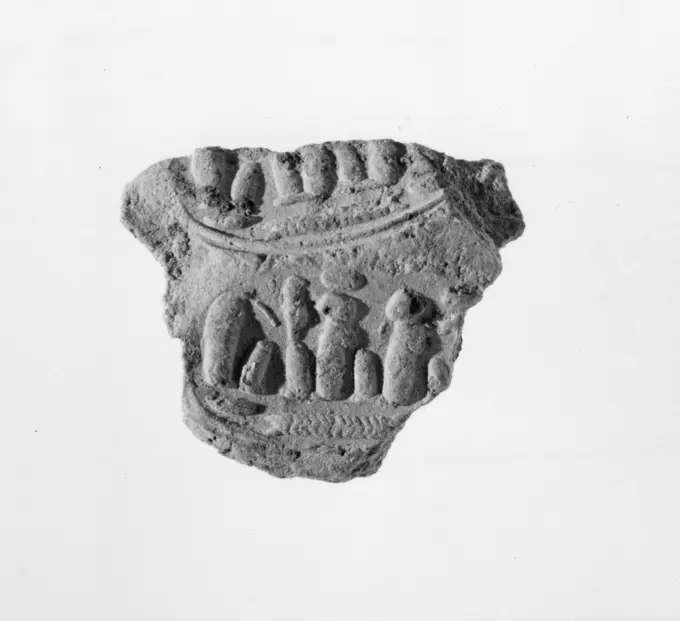
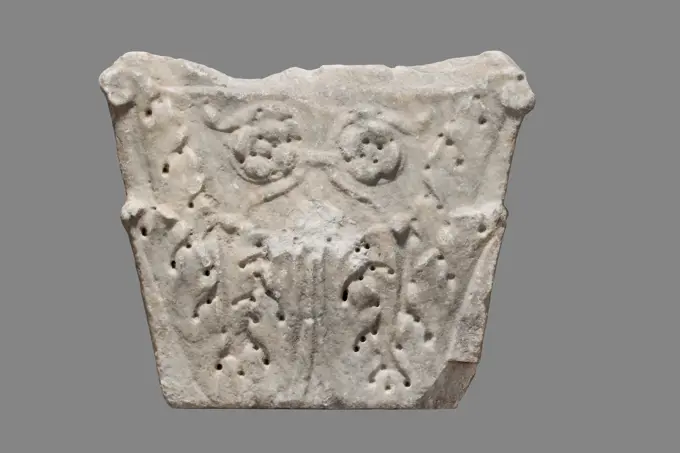
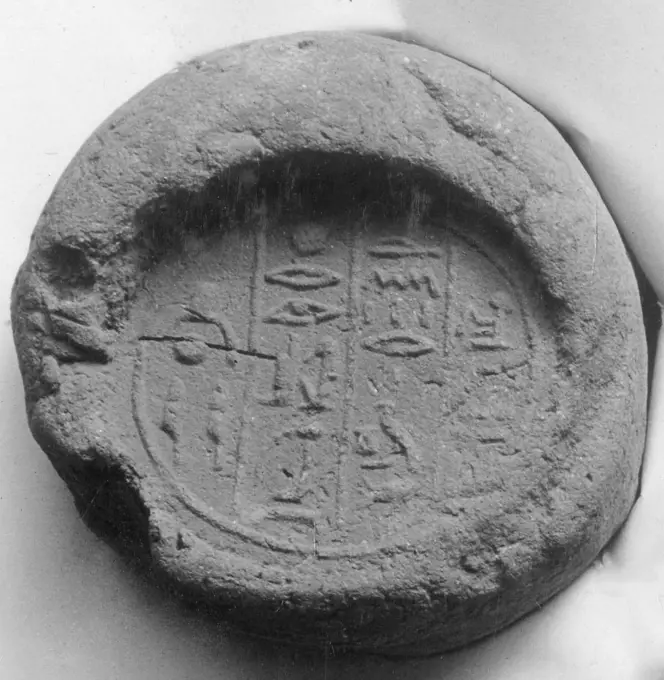
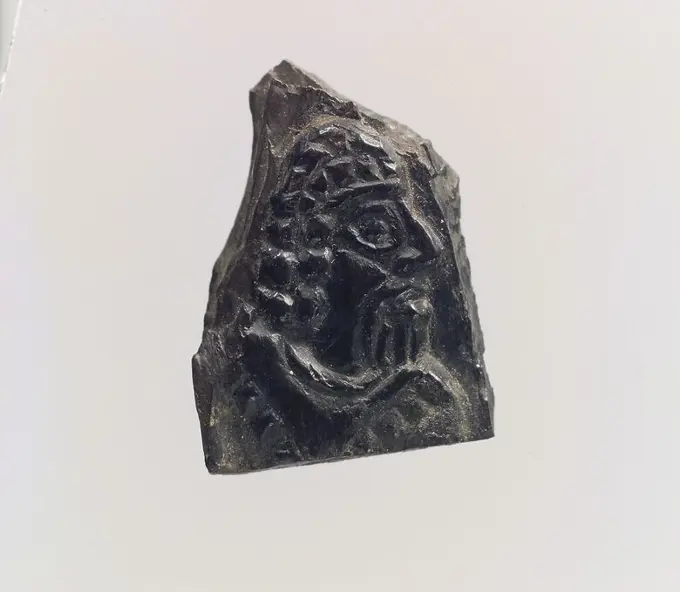
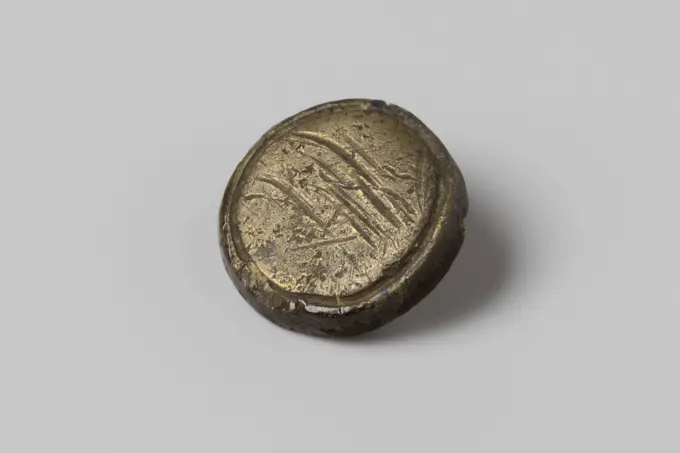
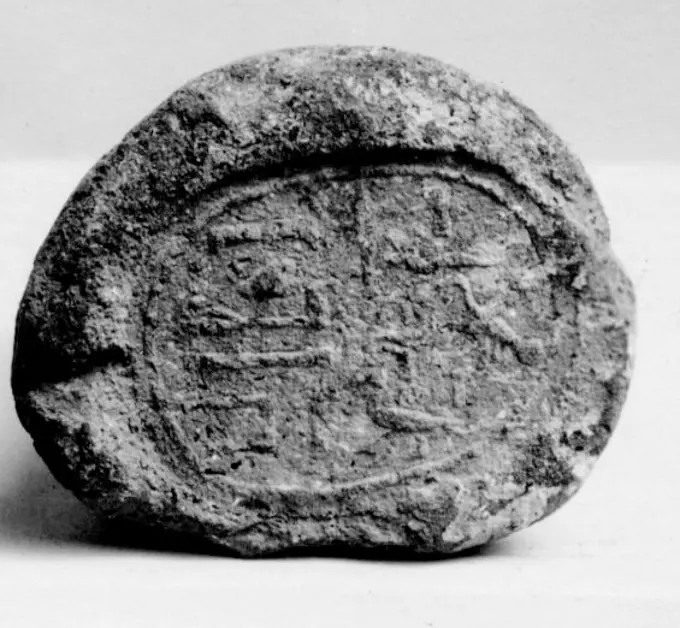
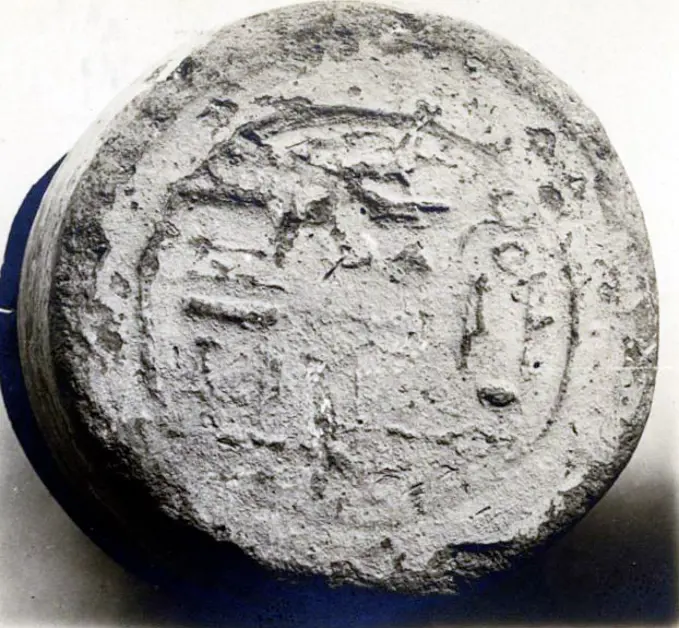
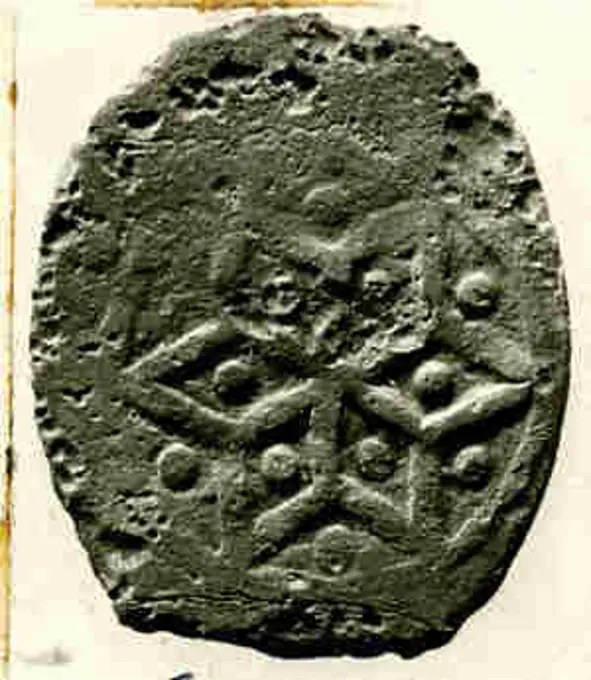
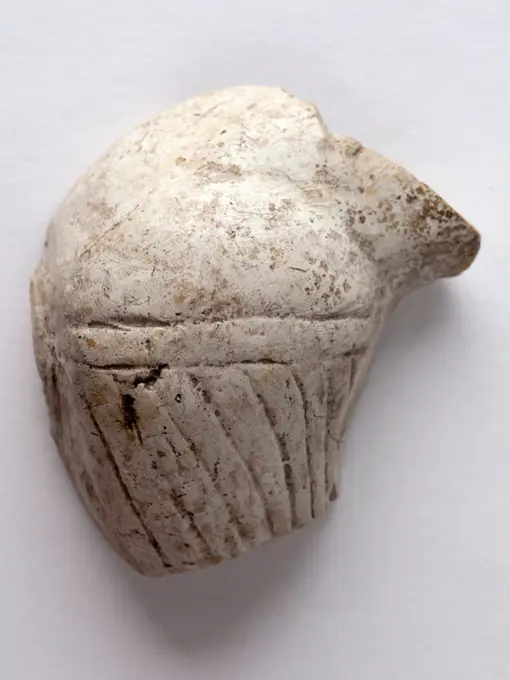
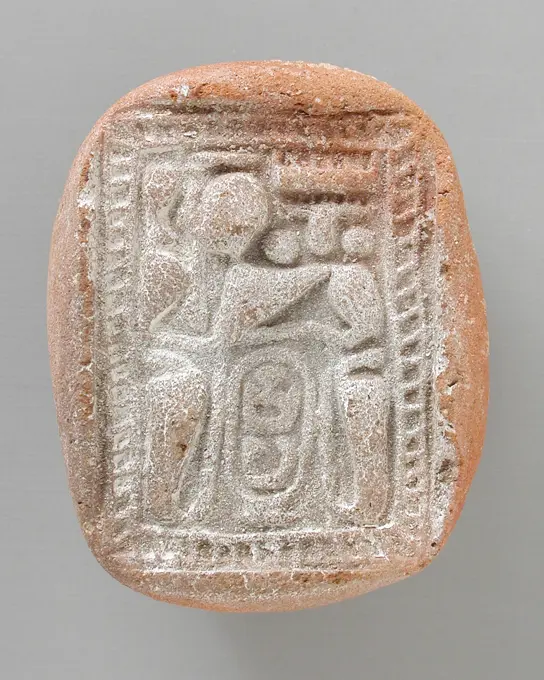
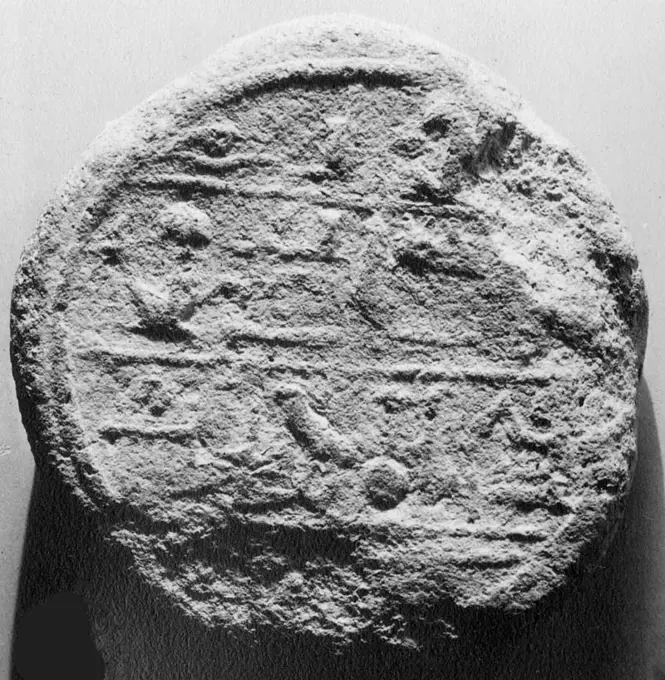
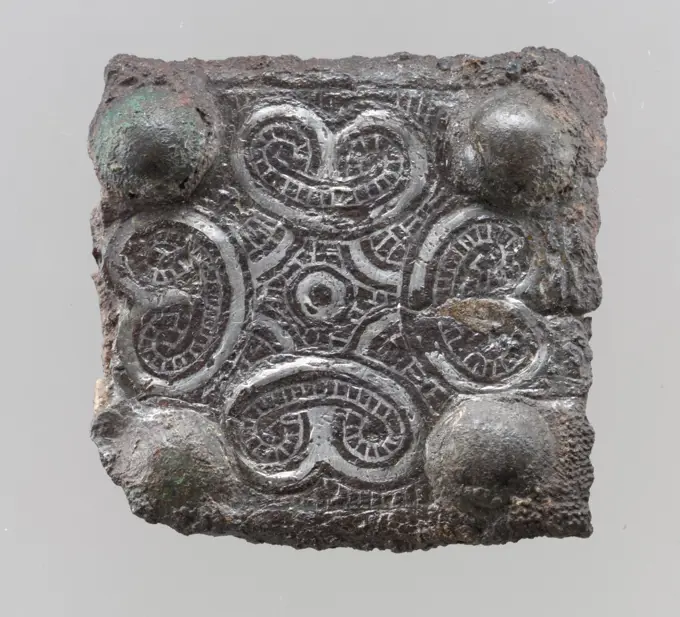
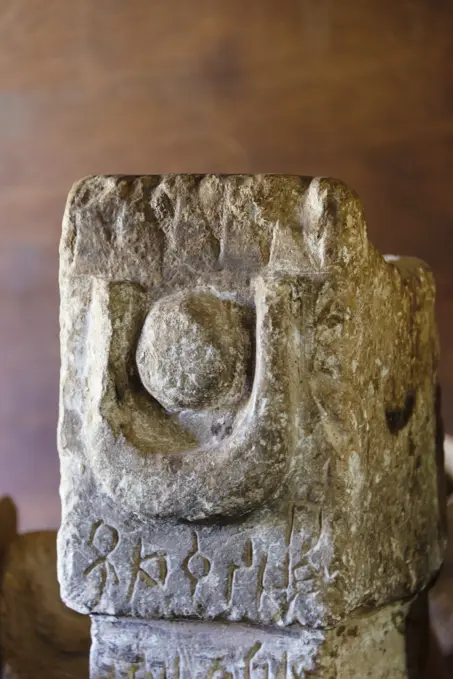
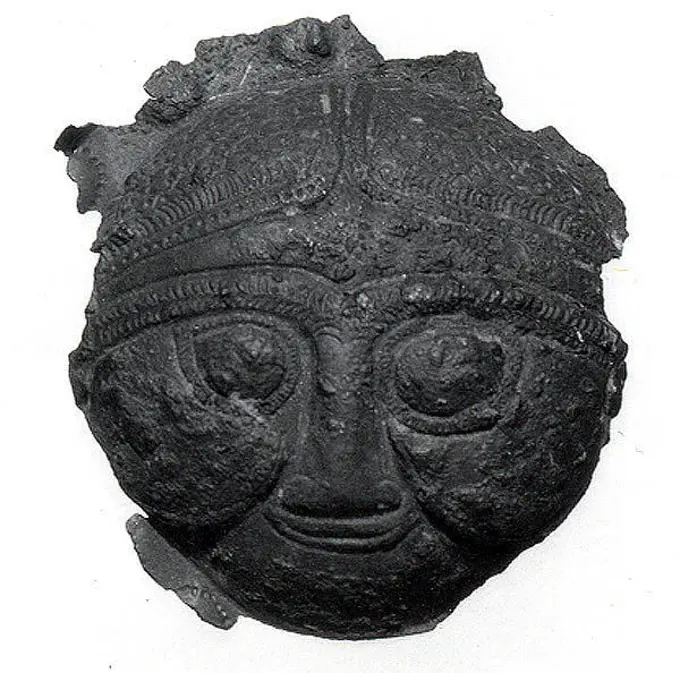
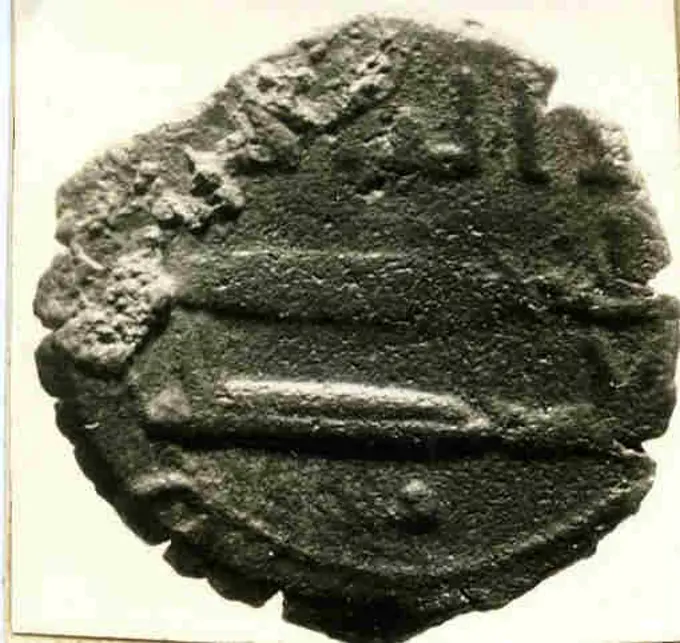
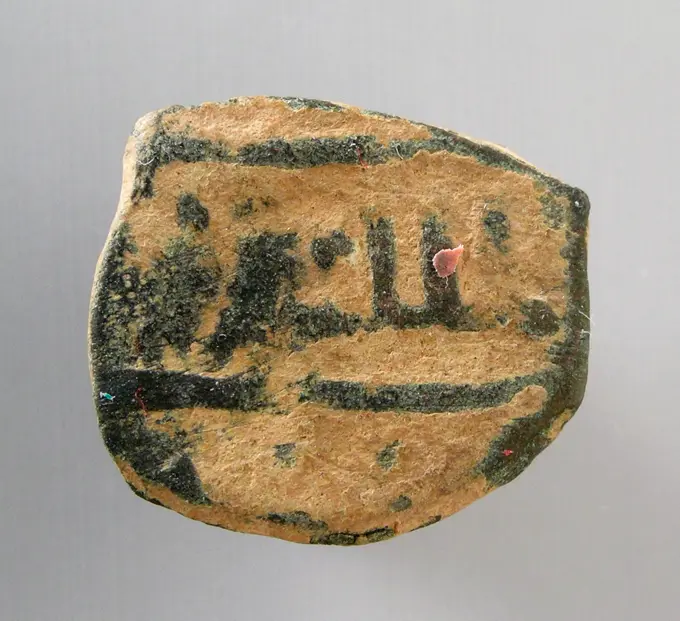
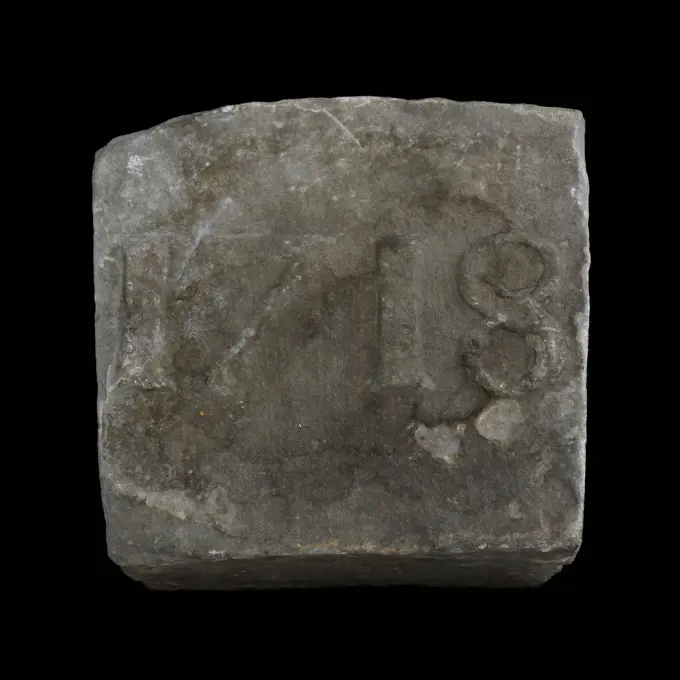
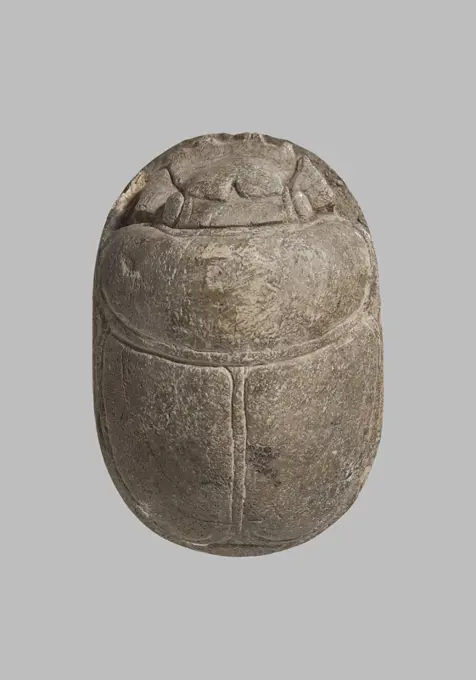
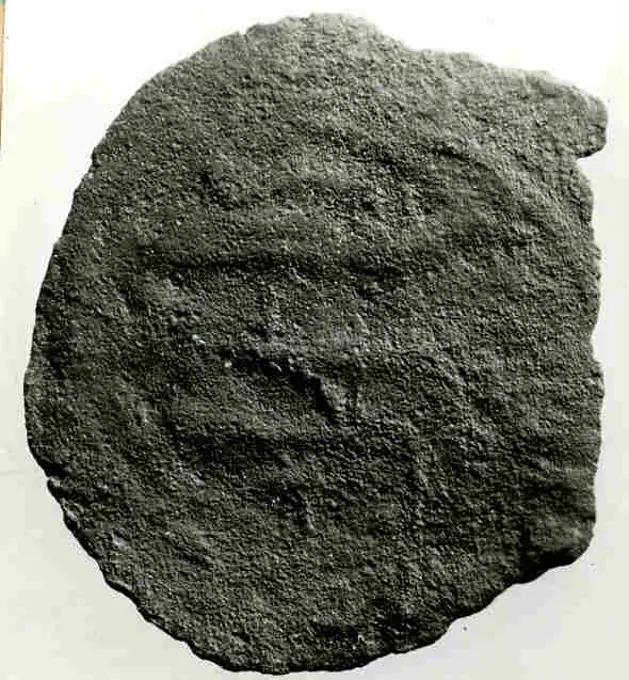
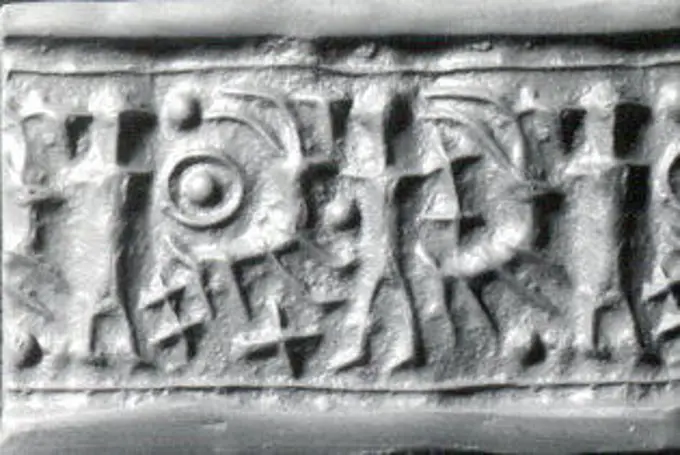
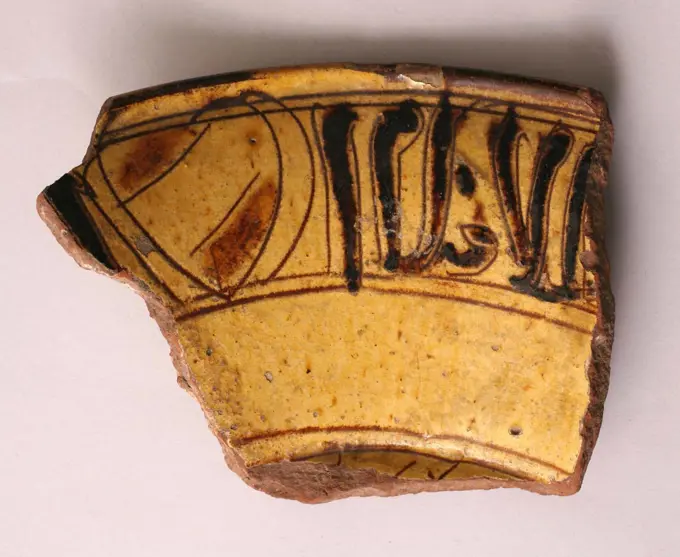
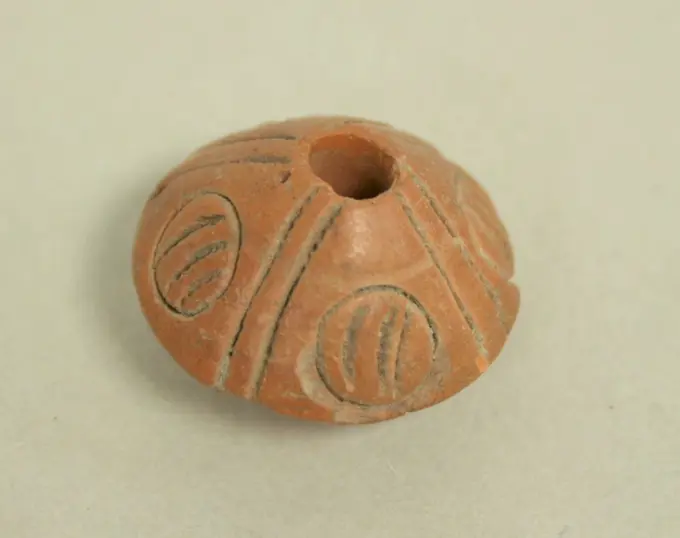
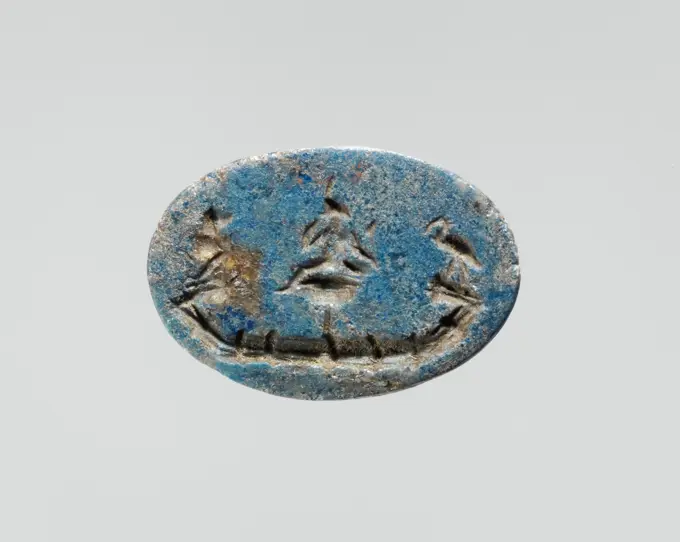
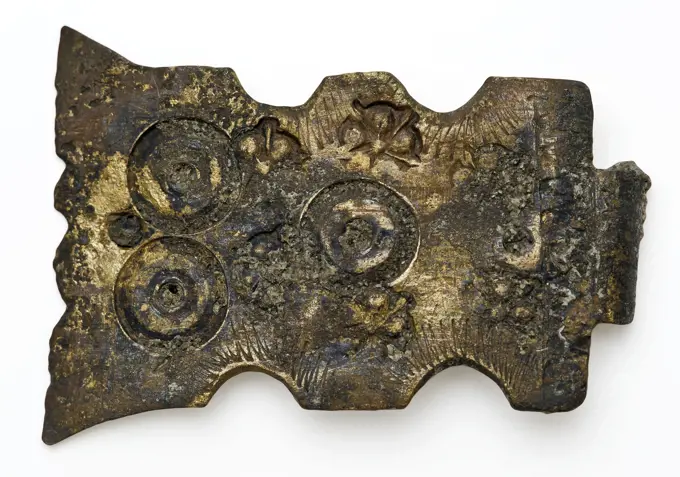
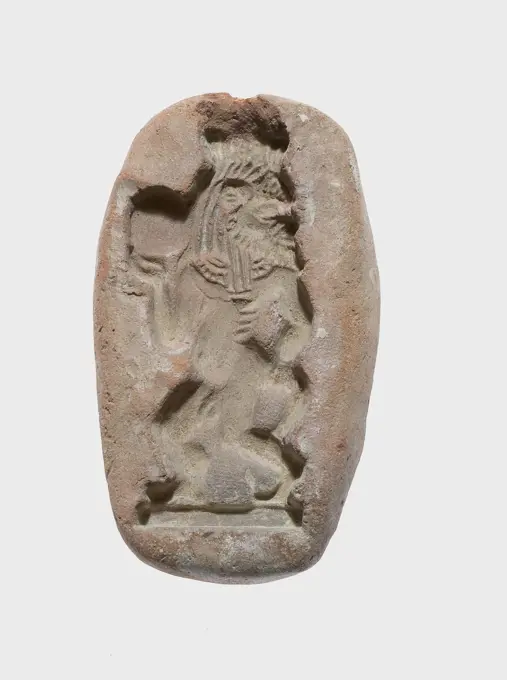
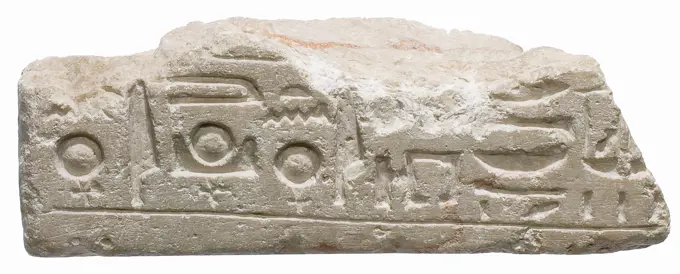
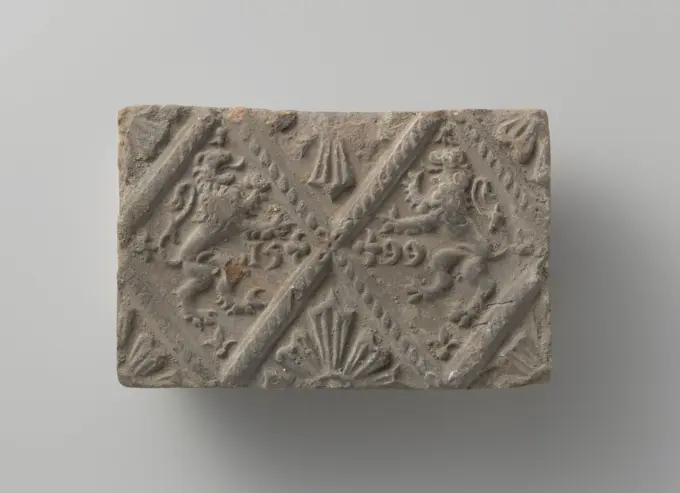
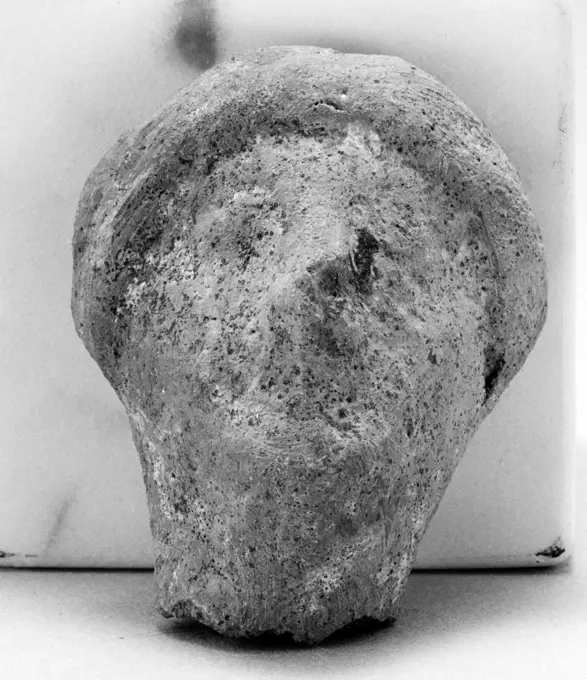
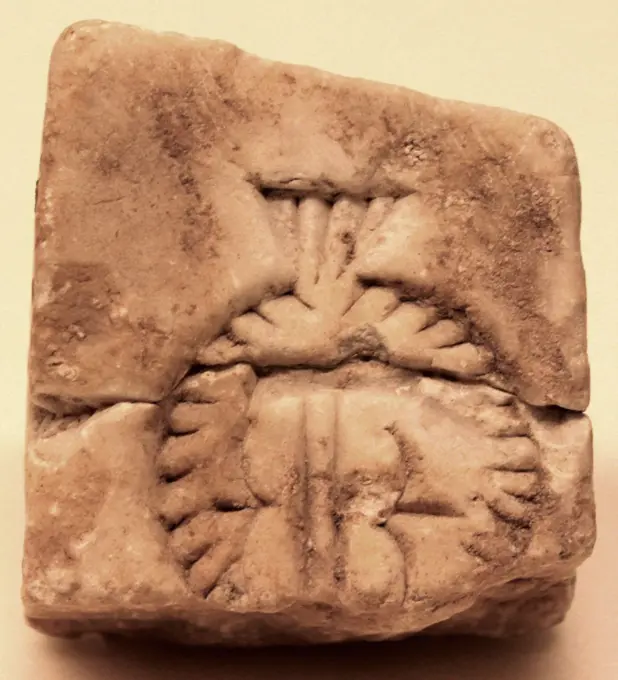
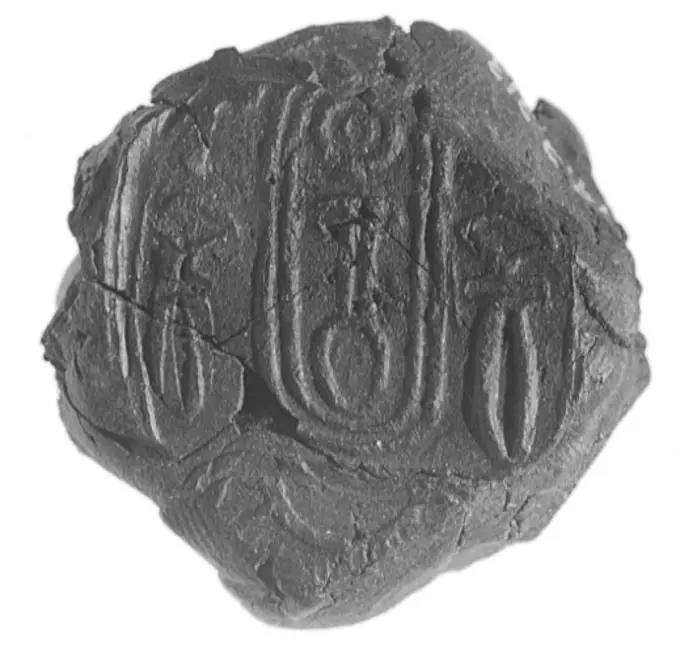
Sealing ca. 2030-1640 B.C. Middle Kingdom. Sealing 546548Sealing ca. 1981-1640 B.C. Middle Kingdom. Sealing 560328Funerary Cone of the Scribe of Accounts Qenamun ca. 1550-1295 B.C. New Kingdom This cone has the impression of a stamp seal inscribed for a man named Qenamun who was scribe of accounts of the grain of the god Amun. For a drawing of this impression see http://www.funerarycones.com/, number 72.. Funerary Cone of the Scribe of Accounts Qenamun Funerary Cone of the Scribe of Accounts Qenamun ca. 1550-1295 B.C. New Kingdom This cone has the impression of a stamp seal inscribed for a man named Qenamun who was scribe of accounts of the grain of the god Amun. For a drawing of this impression see http://www.funerarycones.com/, number 72.. Funerary Cone of the Scribe of Accounts Qenamun. ca. 1550-1295 B.C.. Pottery. New Kingdom. From Egypt, Upper Egypt, Thebes. Dynasty 18Sealing ca. 2030-1640 B.C. Middle Kingdom. Sealing 546578Funerary Cone of the King's Minstrel Amenemhab ca. 1550-1352 B.C. New Kingdom This cone has the impression of a stamp seal inscribed for a man named Amenemhab who was a royal minstrel. For a drawing of this impression see http://www.funerarycones.com/, number 231.. Funerary Cone of the King's Minstrel Amenemhab Funerary Cone of the King's Minstrel Amenemhab ca. 1550-1352 B.C. New Kingdom This cone has the impression of a stamp seal inscribed for a man named Amenemhab who was a royal minstrel. For a drawing of this impression see http://www.funerarycones.com/, number 231.. Funerary Cone of the King's Minstrel Amenemhab. ca. 1550-1352 B.C.. Pottery. New Kingdom. From Egypt, Upper Egypt, Thebes, Sheikh Abd el-Qurna. Dynasty 18Document Sealing With the Throne Name of Amenhotep III ca. 1390-1353 B.C. New Kingdom. Document Sealing With the Throne Name of Amenhotep III. ca. 1390-1353 B.C.. Mud. New Kingdom. From Egypt, Upper Egypt, Thebes, Malqata, King's Palace, West magazine, MMA excavations, 1910-12. Dynasty 18Tile Fragment. UnknownSealing ca. 2030-1640 B.C. Middle Kingdom. Sealing 565390Head Fragment. UnknownSealing ca. 1981-1640 B.C. Middle Kingdom. Sealing 560304Koryntyzujący kapitel pilastra. unknown, authorRing. UnknownSemi-Circular Loom Weight. UnknownSeal Impression Fragment with Birth and Throne Name of King Hakoris of Dynasty 29. Egypt, Late Period, 29th Dynasty, reign of Hakoris (392 - 380 BCE). Tools and Equipment; seals. ClayHearing stone of representations of two kings, placed in two windows, Anonymous, 1561 Hearing stone of two kings, placed in two windows and accompanied by the year 1561. The half and quarter windows on the top and bottom are filled with rosettes. Southern Netherlands earthenware Hearing stone of two kings, placed in two windows and accompanied by the year 1561. The half and quarter windows on the top and bottom are filled with rosettes. Southern Netherlands earthenwareOctagonal Capital. Culture: Catalan. Dimensions: Overall: 16 1/4 x 11 1/4 x 15 1/2 in. (41.3 x 28.6 x 39.4 cm). Date: ca. 1130-40. Museum: Metropolitan Museum of Art, New York, USA.Unattributed Trebizond Coin. UnknownCrown with discs and frontlet or rear edging ca. 1353-1336 B.C. New Kingdom, Amarna Period. Crown with discs and frontlet or rear edging 567665Highstone with a HermkariaTide with leaf vines, c. 1575 - c. 1600 Hemmkariaatide with a hermkario peat with a leaf vank. Southern Netherlands earthenware Hemmkariaatide with a hermkario peat with a leaf vank. Southern Netherlands earthenwareFunerary Cones ca. 1550-1295 B.C. New Kingdom. Funerary Cones. ca. 1550-1295 B.C.. Pottery. New Kingdom. From Egypt, Upper Egypt, Thebes. Dynasty 18Plaque fragment. Culture: Iran. Dimensions: 0.98 x 0.75 x 0.2 in. (2.49 x 1.91 x 0.51 cm). Date: ca. 9th century B.C.. Museum: Metropolitan Museum of Art, New York, USA.Mal for a relief with Cecilia. The sacred plays on an organ that she has on her lap.Capital decorated with a row of stalks from which emerge caulicules topped with volutes. Marble. 7th century. From the Church of St Just and St Rufina. Toledo, Spain. Museum of Visigoth Councils and Culture. Toledo, Castile-La Mancha, Spain.Button from the wreck of the East Indians Hollandia, Anonymous, 1700 - in or before 1743 button Knoop. (1) sim. NG 1980-27H1306 (1.6d) shank broken Netherlands copper (metal)   SecondShawabty of Ditamenpaankh, 715-656 BC. Egypt, Late Period, Dynasty 25. Terracotta; overall: 4.4 x 1.6 x 1.2 cm (1 3/4 x 5/8 x 1/2 in.).Female Figurine. Egypt, New Kingdom (1550 - 1070 BCE). Sculpture. CeramicUnattributed Trebizond Coin. UnknownBliżej Kultury Władysław Jagiełło (CA 1351 1434), Mint of KrakówCoin 8th-9th century. Coin 457651Funerary Cone of Amenemhat and His Wife Tahut ca. 1550-1295 B.C. New Kingdom This cone has the impression of a stamp seal inscribed for a goldsmith of Amun-Re named Amenemhat and his wife, the housemistress Tahut. For a drawing of this impression see http://www.funerarycones.com/, number 220.. Funerary Cone of Amenemhat and His Wife Tahut Funerary Cone of Amenemhat and His Wife Tahut ca. 1550-1295 B.C. New Kingdom This cone has the impression of a stamp seal inscribed for a goldsmith of Amun-Re named Amenemhat and his wife, the housemistress Tahut. For a drawing of this impression see http://www.funerarycones.com/, number 220.. Funerary Cone of Amenemhat and His Wife Tahut. ca. 1550-1295 B.C.. Pottery. New Kingdom. From Egypt, Upper Egypt, Thebes. Dynasty 18Sealing ca. 2030-1640 B.C. Middle Kingdom. Sealing 565395Sealing ca. 2030-1640 B.C. Middle Kingdom. Sealing 546556Funerary Cone of Pasanesut ca. 1550-1295 B.C. New Kingdom See 15.10.35. Funerary Cone of Pasanesut. ca. 1550-1295 B.C.. Pottery. New Kingdom. From Egypt, Upper Egypt, Thebes, Khokha, Tomb MMA  2 A, sloping passage, MMA excavations, 1911. Dynasty 18Funerary Cone of the Overseer of the Ships of Amun Seshi ca. 1550-1295 B.C. New Kingdom This cone and three others in the collection (15.2.67, .69; 30.6.61) have the impression of a seal inscribed for a man named Seshi who was overseer of the ships of the god Amun. Compared to other cones in the collection, these are larger in both diameter and length. They also differ in shape and manufacture. Whereas most funerary cones are solid and roughly conical in shape, these are hollow and become wider towards the middle before they taper to a blunt end. This cone is the only one preserved for its full length, but the best preserved impression is on cone 15.2.67. The tomb of Seshi has not been identified and most of the cones impressed with his seal have no archaeological context. However, two examples were uncovered during excavations in the Dira Abu el-Naga area by Henri Gauthier in 1906 and it is possible that Seshis tomb was in this part of the Theban necropolis.. Funerary Cone of the OveCoin late 11th-early 13th century. Coin. late 11th-early 13th century. Copper. Excavated in Iran, Nishapur. CoinsFragment of a Frame late 8th-9th century. Fragment of a Frame 449045Statuette. Terracotta. High Empire. Bird. Paris, Carnavalet museum. 50054-9 High-Empire, bird, statuette, terracottaBase fragment with names of Akhenaten and Meketaten ca. 1353-1336 B.C. New Kingdom, Amarna Period. Base fragment with names of Akhenaten and Meketaten 567661Amulet - zwielokrotnione oko iret. unknown, authorUnattributed Trebizond Coin. UnknownSealing ca. 1981-1640 B.C. Middle Kingdom. Sealing 560309Crown with discs, two adjoining surfaces ca. 1353-1336 B.C. New Kingdom, Amarna Period. Crown with discs, two adjoining surfaces. ca. 1353-1336 B.C.. Red quartzite. New Kingdom, Amarna Period. From Egypt, Middle Egypt, Amarna (Akhetaten), Great Temple of the Aten, pit outside southern wall, Petrie/Carter excavations, 1891-92. Dynasty 18Mold with Illegible Cartouche, but probably Throne Name of Thutmose III. Egypt, New Kingdom, 18th - 20th Dynasty (1569 - 1081 BCE). Tools and Equipment; molds. TerracottaAdministrative Seal ca. 1981-1640 B.C. Middle Kingdom. Administrative Seal 565811Funerary Cone ca. 1550-1295 B.C. New Kingdom. Funerary Cone. ca. 1550-1295 B.C.. Pottery. New Kingdom. From Egypt, Upper Egypt, Thebes. Dynasty 18Beer carriers guild of Amsterdam, knot by members of the guild on hat, Anonymous, c. 1600 - c. 1800 button Unilateral leather knot with embroidered decoration, around the edge of braided rope and bearing stick. Reverse: piece of textile secured. Amsterdam leather sewing  AmsterdamBelt Plate Back 7th century Frankish. Belt Plate Back 465061 Frankish, Belt Plate Back, 7th century, Iron with silver inlays, copper alloy rivets, Overall: 2 1/8 x 2 1/16 x 9/16 in. (5.4 x 5.2 x 1.4 cm). The Metropolitan Museum of Art, New York. Gift of J. Pierpont Morgan, 1917 (17.191.344)Stone with ancient carving in the Great Temple of Yeha, EthiopiaBoss from a disc-headed pin ca. 8th-7th century B.C. Iran This round plaque is head of a bronze pin. It features an image of a human in repousse, facing forward. The face has a broad nose, almond-shaped eyes, a thin, smiling mouth and a prominent unibrow. The hair is parted in the middle. None of the pins shaft remains.This pinhead was excavated at Surkh Dum, a settlement site in Luristan in the Zagros Mountains of western Iran. It was found in a structure interpreted as a sanctuary and was thus probably an offering to a god. Such pins were probably used to fasten clothing and as objects of adornment in their own right.. Boss from a disc-headed pin 323971Umajjadzi ziszpanii, al Haitm 2 al Muayyad Billāh (366 399 AH = 976 1009), Dirham (fragm.), Al Endalus, 976 1009 Al HišCoin ca. 815. Coin 457553Plus Ołowiana, La Chaux de Fonds / Ferret Cartier unknownFunerary Cone of the Tutor Nesuterneheh ca. 1550-1295 B.C. New Kingdom. Funerary Cone of the Tutor Nesuterneheh. ca. 1550-1295 B.C.. Pottery. New Kingdom. From Egypt, Upper Egypt, Thebes, Khokha, Tomb of Nebamun and Ipuky (TT 181), courtyard and nearby, MMA excavations, 1910. Dynasty 18Fragment of a fireplace with image. Fragment of a fireplace with an image of two royal bubbles; a man and a woman.Fragment of a Bowl late 10th-11th century. Fragment of a Bowl 450228Hardstone, pleases, anonymousous, c. 1575 - c. 1625 Glazed fireplace with two climbing lions, placed in two diamonds with bay leaf motif. The half and quarter windows on the top and bottom are filled with a flower pattern. Southern Netherlands earthenware Glazed fireplace with two climbing lions, placed in two diamonds with bay leaf motif. The half and quarter windows on the top and bottom are filled with a flower pattern. Southern Netherlands earthenwareWomans head - figurine fragment. unknown, craftsmanBliżej Kultury Mint of Kraków, Władysław Warneńczyk (King of Poland, 1434 1444)Bronze Fals. Unknown, Burji Mamluk, second half of 14th century. Tools and Equipment; coins. CoinPendant or Button. UnknownFragment of a Lamp 9th century. Fragment of a Lamp 447661Female Head. UnknownKeystone with date 1718, keystone building block building component sandstone stone, minced In high relief: 1718 Koedood Barendrecht Rotterdam From the bar of the water board De Koedood in Barendrecht.Cuneiform tablet impressed with seals: administrative document inscribed in Achaemenid Elamite. Culture: Achaemenid. Dimensions: 0.98 x 1.38 x .67 in. (2.49 x 3.51 x 1.7 cm). Date: ca. 500 B.C.. Museum: Metropolitan Museum of Art, New York, USA.Scarab of an Official. Dimensions: L. 2.3 cm (7/8 in). Dynasty: Dynasty 12-18. Date: ca. 1981-1550 B.C.. Museum: Metropolitan Museum of Art, New York, USA.Skarabeusz sercowy. unknown, authorVase fragment Minoan. Vase fragment 247795Plate of a Belt Buckle 6th-7th century Frankish. Plate of a Belt Buckle 465019 Frankish, Plate of a Belt Buckle, 6th7th century, Iron, silver, brass, Overall: 1 5/8 x 1 9/16 x 5/16 in. (4.1 x 3.9 x 0.8 cm). The Metropolitan Museum of Art, New York. Gift of J. Pierpont Morgan, 1917 (17.191.308)Coin 8th-9th century. Coin 457643Cylinder seal ca. 15th-12th century B.C. Cypriot. Cylinder seal 321435Female Head Fragment. UnknownSealing ca. 1981-1640 B.C. Middle Kingdom. Sealing 559506Lámpara de aceite romana. Can Serra Museu de Mataró.Fragment 14th-15th century. Fragment 445333Spindle Whorl A.D.1-500 Peruvian; north coast (). Spindle Whorl 308854Funerary Cone of the Fourth Prophet of Amun Kaemamun ca. 1425-1400 B.C. New Kingdom This cone has the impression of a stamp seal inscribed for a fourth prophet (priest) of Amun named Kaemamun who was also seal-bearer of the king of Lower Egypt. For a drawing of this impression see http://www.funerarycones.com/, number 246.. Funerary Cone of the Fourth Prophet of Amun Kaemamun Funerary Cone of the Fourth Prophet of Amun Kaemamun ca. 1425-1400 B.C. New Kingdom This cone has the impression of a stamp seal inscribed for a fourth prophet (priest) of Amun named Kaemamun who was also seal-bearer of the king of Lower Egypt. For a drawing of this impression see http://www.funerarycones.com/, number 246.. Funerary Cone of the Fourth Prophet of Amun Kaemamun. ca. 1425-1400 B.C.. Pottery. New Kingdom. From Egypt, Upper Egypt, Thebes. Dynasty 18Jar sherd with incised decoration ca. late 3rd millennium B.C.. Jar sherd with incised decoration 326100Hearing stone with a lion's head in a medallion, anonymous, c. 1400 - c. 1950 Hearing stone with a lion's head in a medallion. Horn on the corners of abundance. Southern Netherlands earthenware Hearing stone with a lion's head in a medallion. Horn on the corners of abundance. Southern Netherlands earthenwareHearing stone with lion's head in profiled diamond, c. 1575 - c. 1625 Hearing stone with a representation of Leeuwenkop in Lauwerkrans, placed in profiled diamond, which motif repeated itself in the half windows on the sides. The Hale windows at the top and bottom are filled with half medallions with star motif. Southern Netherlands earthenware Hearing stone with a representation of Leeuwenkop in Lauwerkrans, placed in profiled diamond, which motif repeated itself in the half windows on the sides. The Hale windows at the top and bottom are filled with half medallions with star motif. Southern Netherlands earthenwareLapis lazuli intaglio: Harpocrates in a papyrus boat 2nd century A.D. Roman Harpocrates seated on a lotus flower in papyrus boat; ibis on one end of boat, on the other a dog-headed figure.. Lapis lazuli intaglio: Harpocrates in a papyrus boat 248221Sealing ca. 7th century A.D. Sasanian. Sealing 323269Relief fragment ca. 6th-8th century A.D. Sasanian or Islamic. Relief fragment 322680Brass decorative fittings with engraved decoration, decorative fittings soil found brass copper metal, whipped engraved Only fittings with hook at the end Other end woadens into two dots. Hole with pin archeology Rotterdam rail tunnel decorate Soil discovery: trajectory rail tunnel Rotterdam.Mold for an Amulet of Bes with a Tambourine ca. 1390-1353 B.C. New Kingdom. Mold for an Amulet of Bes with a Tambourine. ca. 1390-1353 B.C.. Pottery. New Kingdom. From Egypt, Upper Egypt, Thebes, Malqata, various, MMA excavations, probably 1910-11. Dynasty 18Hooded Female Head. UnknownFunerary Cone ca. 1550-1295 B.C. New Kingdom. Funerary Cone. ca. 1550-1295 B.C.. Pottery. New Kingdom. From Egypt, Upper Egypt, Thebes. Dynasty 18Offering table, titulary of Aten ca. 1353-1336 B.C. New Kingdom, Amarna Period. Offering table, titulary of Aten 549829Ring; Greece; 525 - 500 B.C; Silver; 1.6 × 1.1 cm (5,8 × 7,16 in.)Hearing stone with representation of two climbing lions, placed in two windows, Anonymous, 1599 Hearing stone with representation of two climbing lions, placed in two windows and accompanied by the year 1599. The half windows on the top and bottom are filled with diamond-shaped flowers. Southern Netherlands (possibly) earthenware Hearing stone with representation of two climbing lions, placed in two windows and accompanied by the year 1599. The half windows on the top and bottom are filled with diamond-shaped flowers. Southern Netherlands (possibly) earthenwarePectoral with scarab Third Intermediate Period-Late Period ca. 1070-525 B.C. View more. Pectoral with scarab. ca. 1070-525 B.C.. Faience. Third Intermediate Period-Late Period. From Egypt. Dynasty 26-30Human Head. UnknownHighstone with two climbing lions, anonymous, c. 1400 - c. 1950 Highstone. Divided in windows with two climbing lions turned towards each other. Southern Netherlands earthenware Highstone. Divided in windows with two climbing lions turned towards each other. Southern Netherlands earthenwareTriangle-Shaped Object with Human Head on Front. Egypt, Ptolemaic Period - Byzantine Period (332 BCE - 641 CE). Sculpture. TerracottaFragment 14th-15th centuryScaraboid seal ca. 7th-6th century B.C. Cypriot. Scaraboid seal. Cypriot. ca. 7th-6th century B.C.. Steatite. Cypro-Archaic. CyprusStone probably 8th-12th century This object was excavated at Nishapur.Nishapur was a vital city in the early and middle Islamic periods, located along one of the main trajectories that connected Iran and West Asia Islamic lands with Central Asia and China. These itineraries are often referred to by the term Silk routes’ but were in fact crucial to the movement of constellations of materials and objects, as well as people and ideas. The diverse population of Nishapur and its surroundings, from the better-researched elite groups of merchants, land-owning aristocracy, and literates, to the less-known artisans, farmers, miners, and servants, were instrumental in adapting global cultural trends to create their own distinctive visual languages. This is seen in the material remains of everyday life in medieval Nishapur - from pots and pans to lighting devices, inkwells, textiles and trimmings, jewelry, games and toys, talismanic devices, weapons, coins, and architectural fragments.Nishapur lUnattributed Trebizond Coin. UnknownPottery stamp; Aztec, Isla de Sacrificios, Mexico. AD 900 1521. the seal perhaps represents a plant deity. Seals were used to imprint designs on textiles as well as for body ornamentStamp seal ca. 3rd-7th century A.D. Sasanian. Stamp seal. Sasanian. ca. 3rd-7th century A.D.. Bronze. Sasanian. Iran or MesopotamiaCuneiform tablet: messenger tablet ca. 2112-2004 B.C. Neo-Sumerian. Cuneiform tablet: messenger tablet 327068