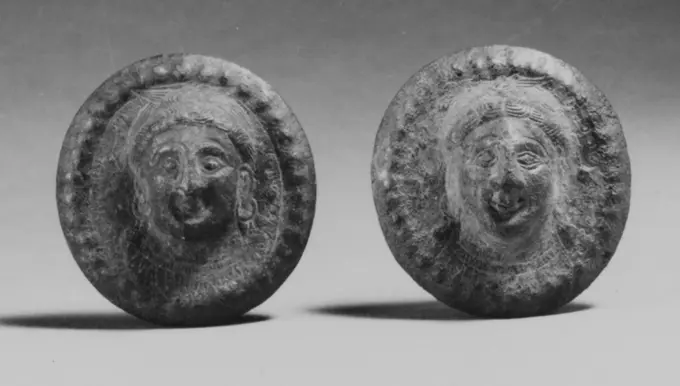
Ancient Egyptian Sealings

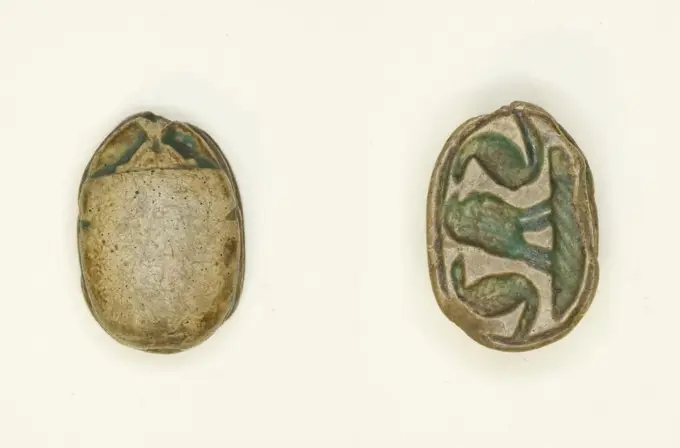
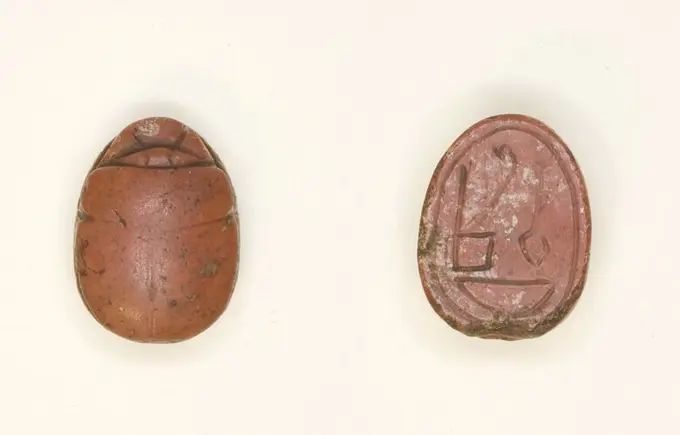
A series of ancient sealings and funerary cones with inscriptions, highlighting the rich history of Egypt's Middle and New Kingdoms.

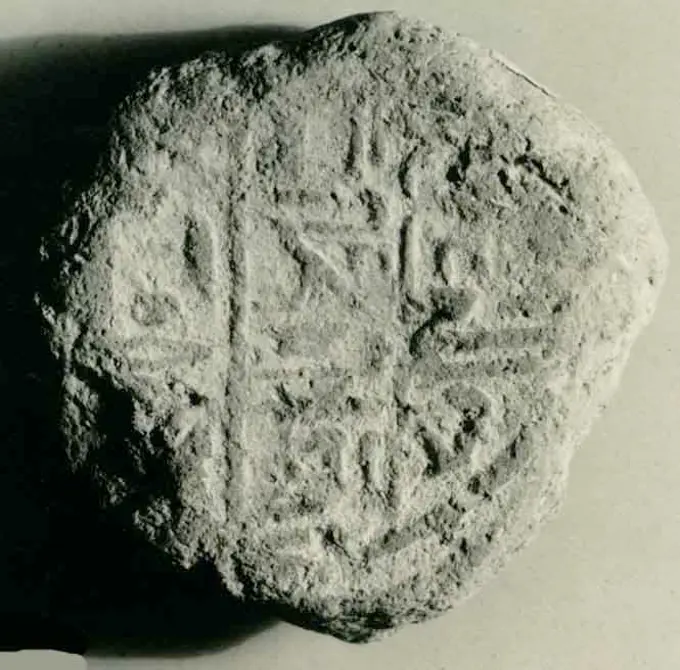
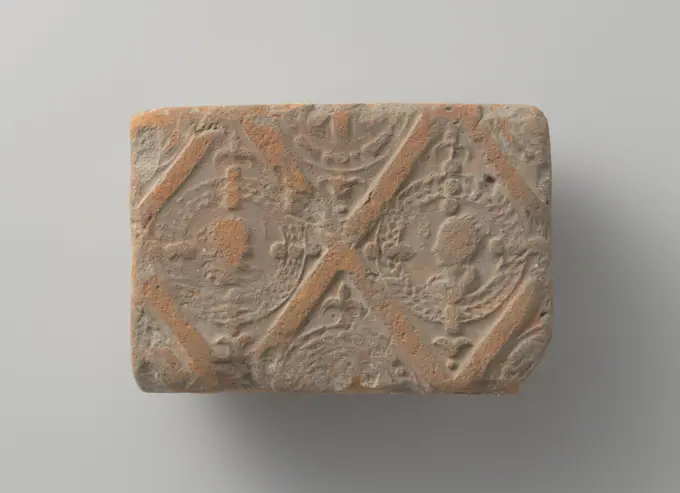
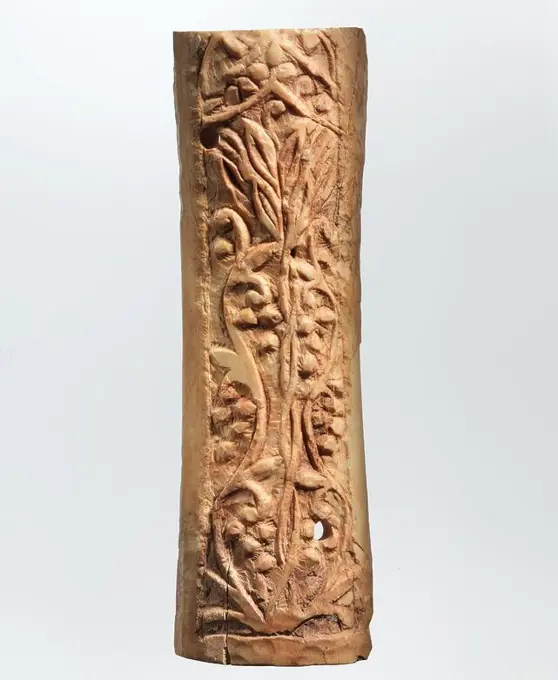
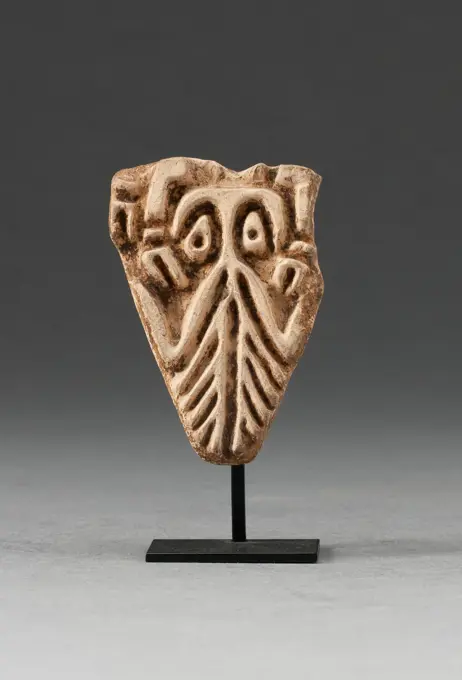
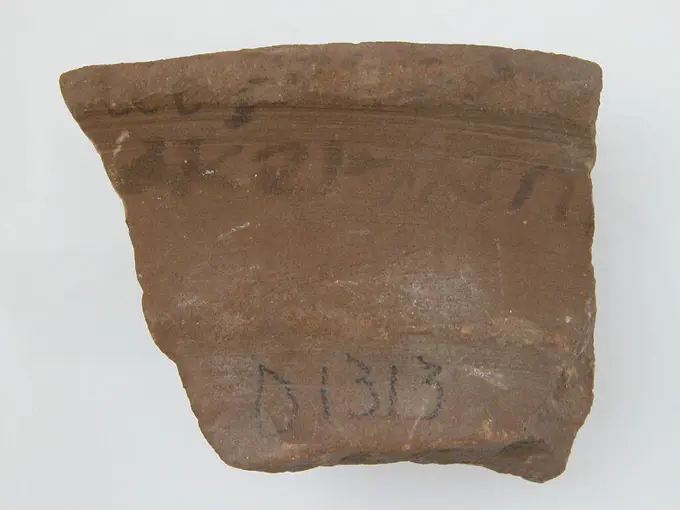
Tile Fragment. Unknown
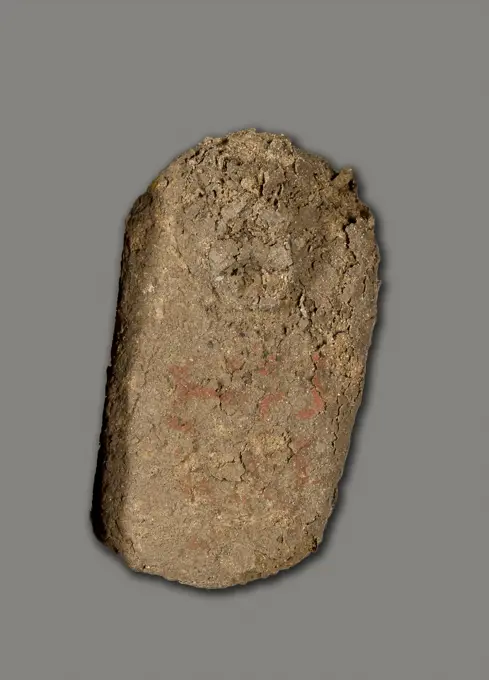
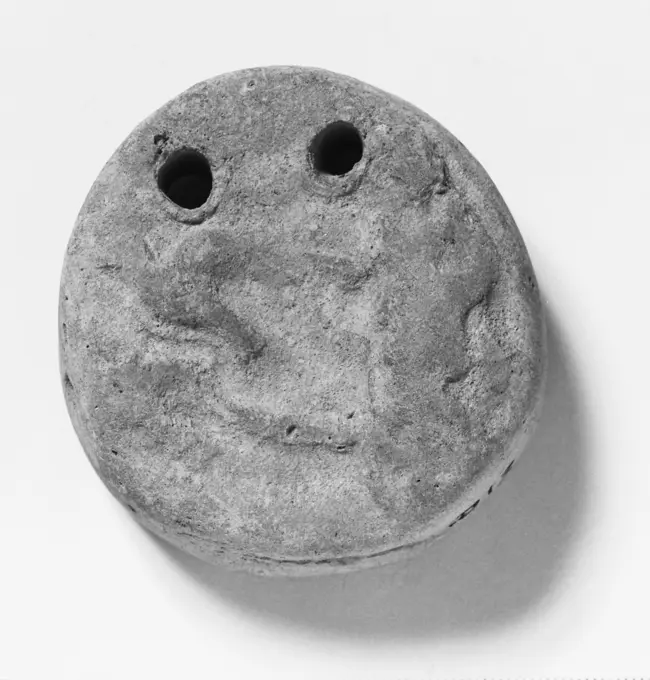
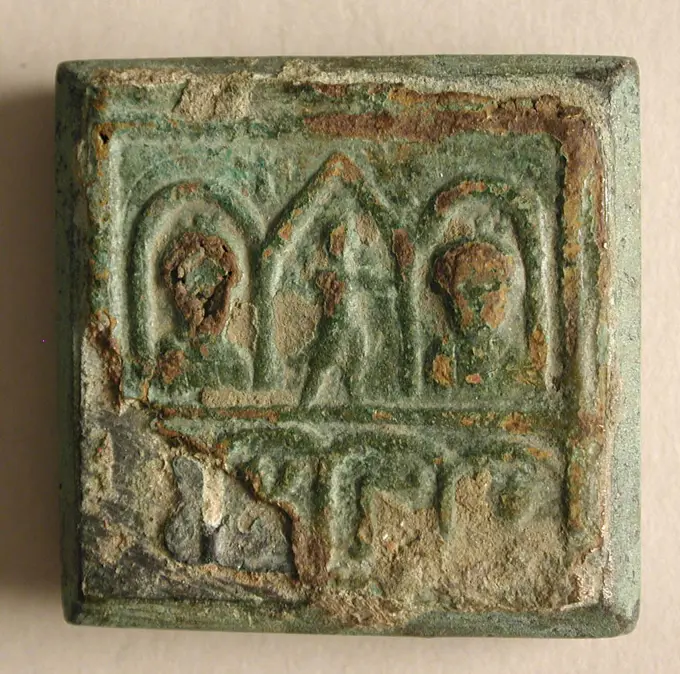
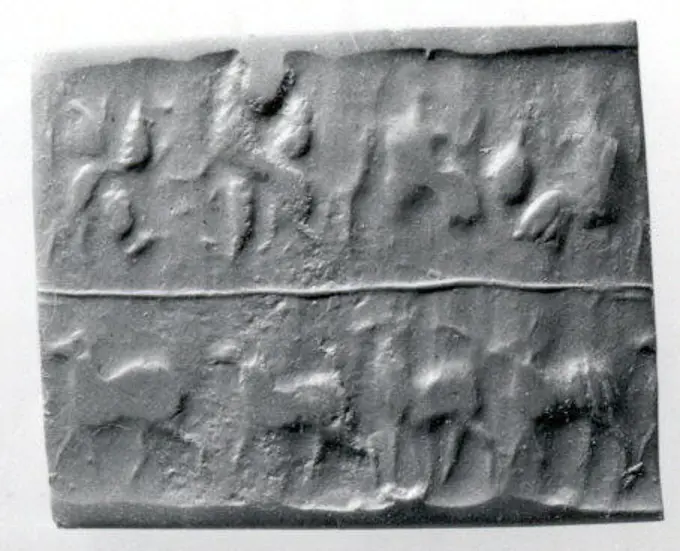
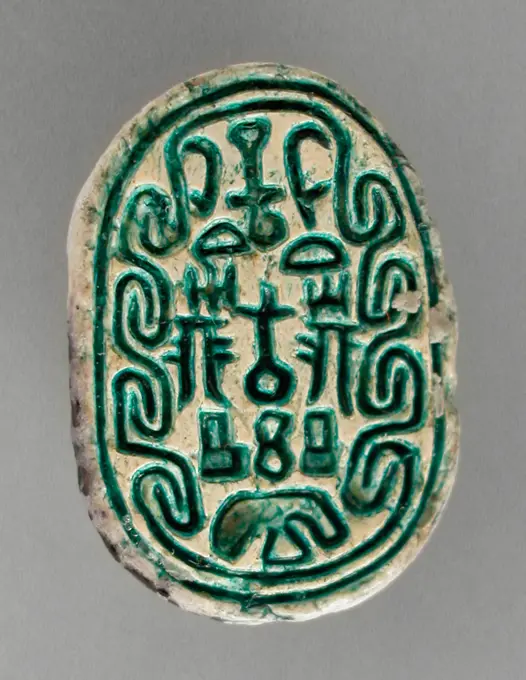
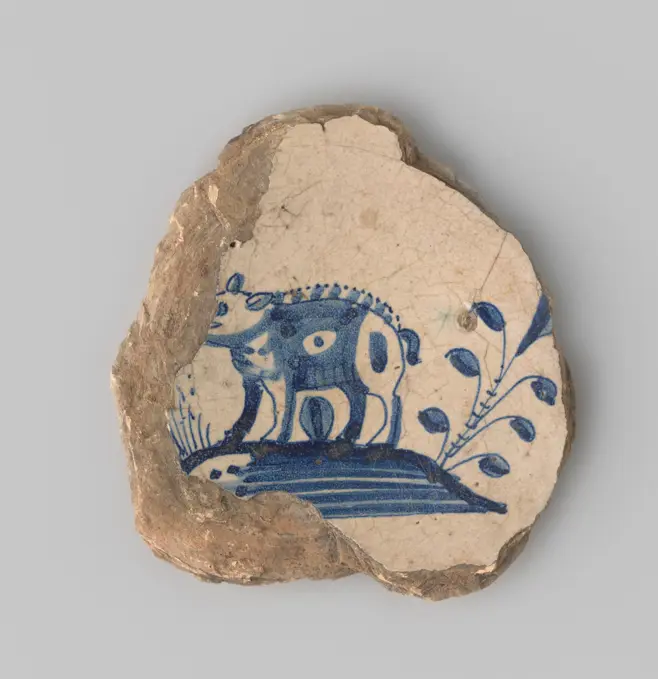
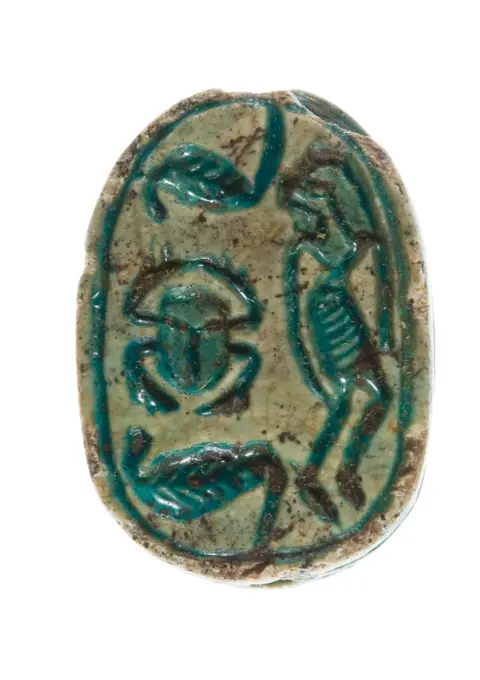
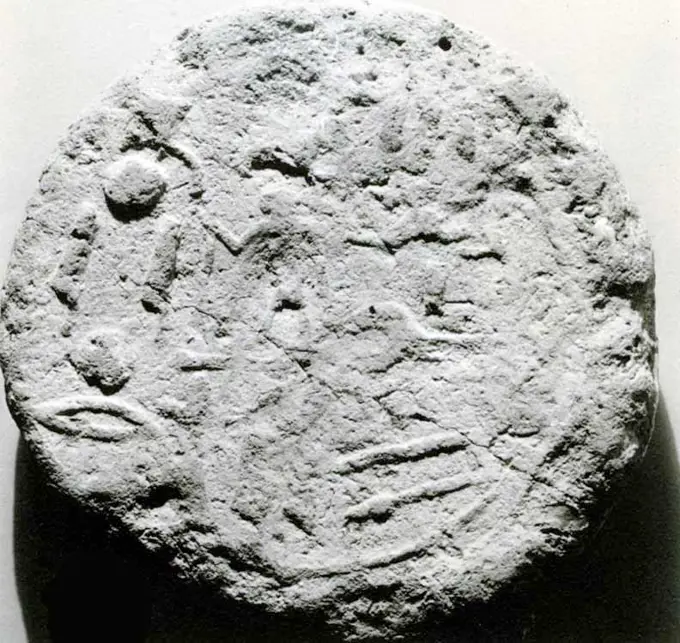
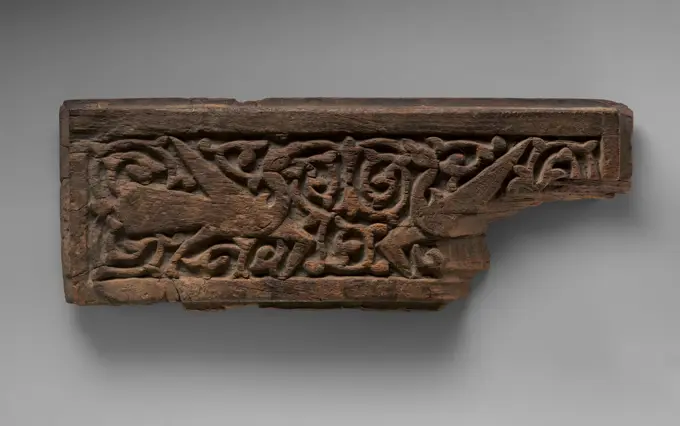
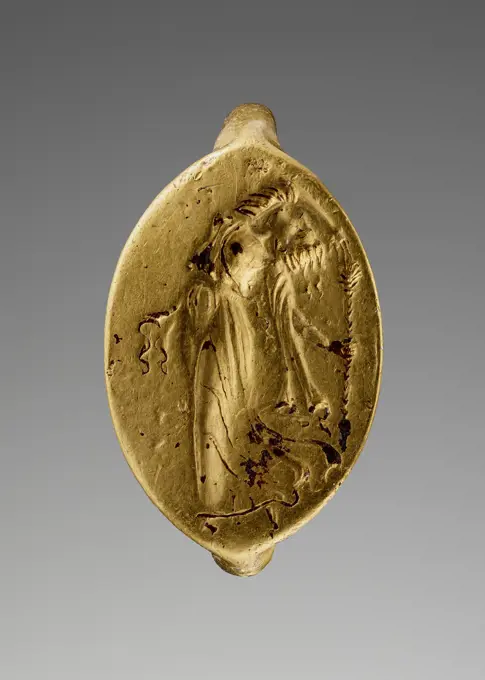
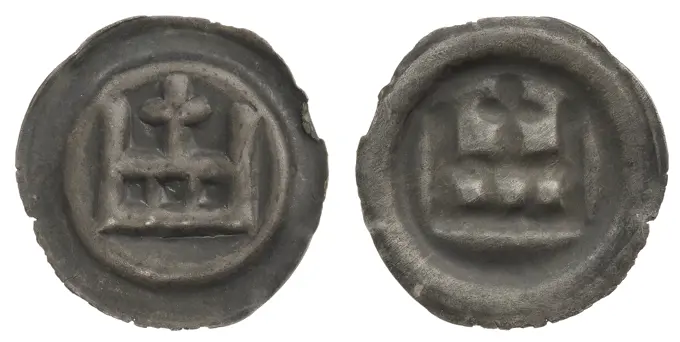
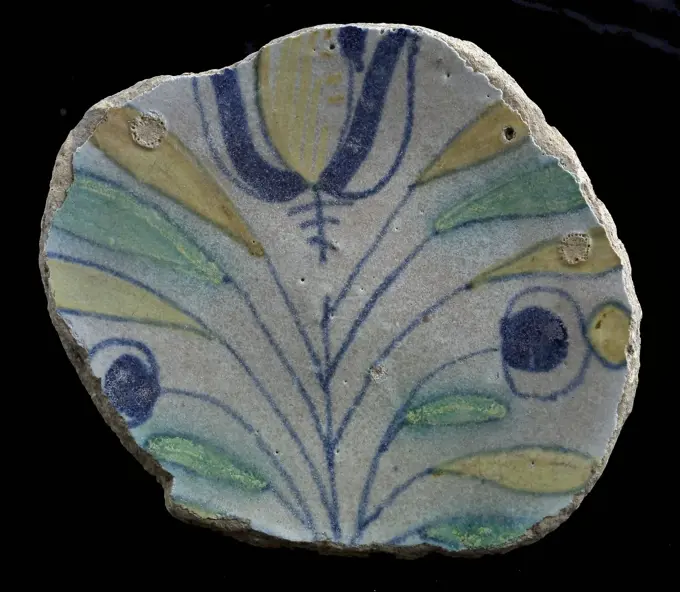
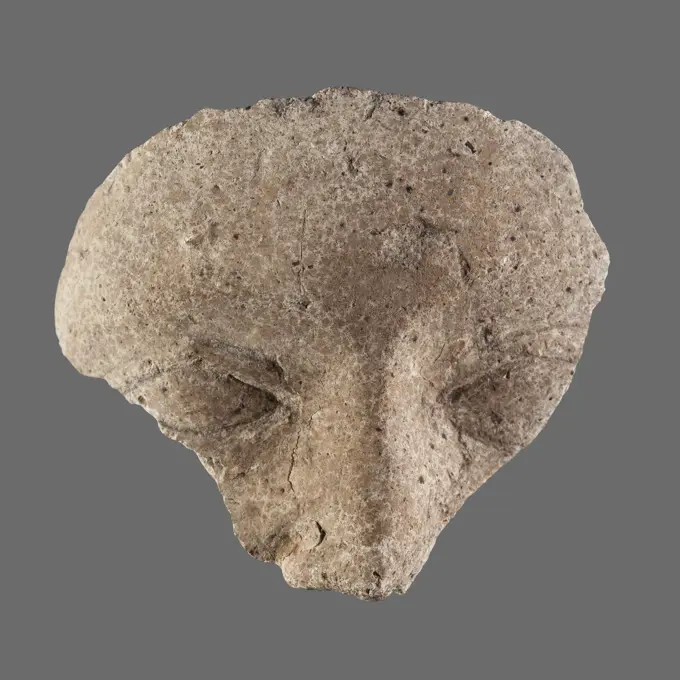
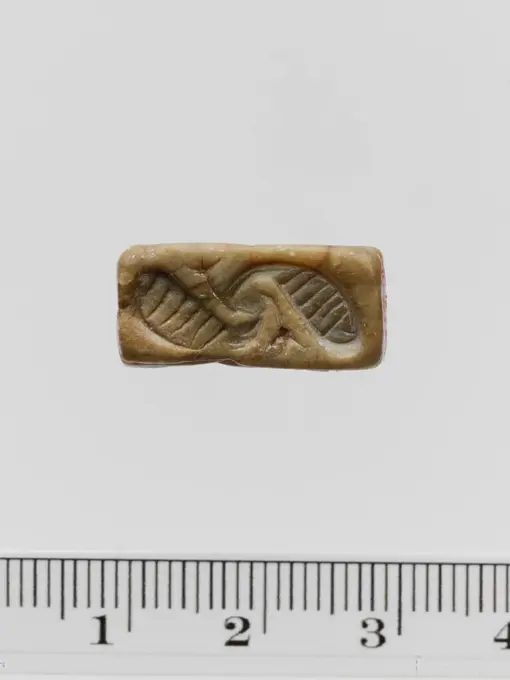
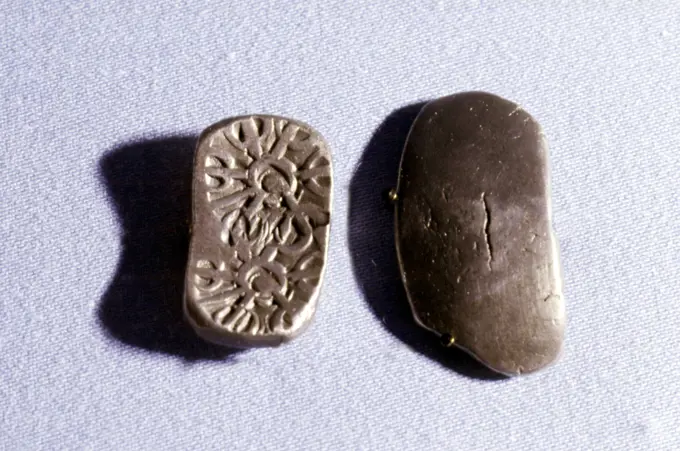
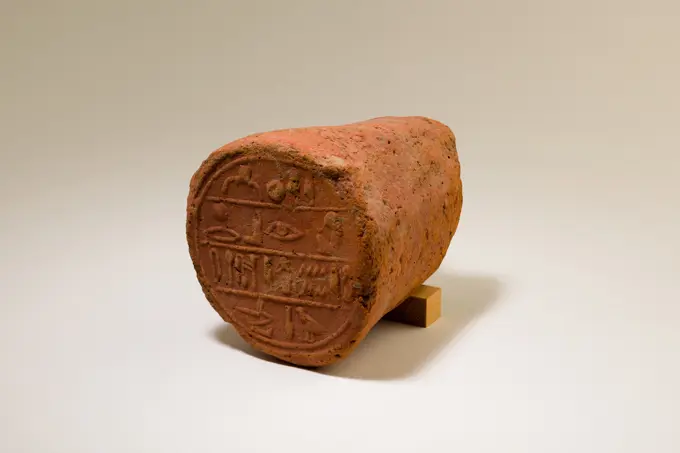
Funerary Cone of Kha ca. 1550-1295 B.C. New Kingdom This cone has the impression of a stamp seal inscribed for a man named Kha. For a drawing of this impression see http://www.funerarycones.com/, number 168.. Funerary Cone of Kha Funerary Cone of Kha ca. 1550-1295 B.C. New Kingdom This cone has the impression of a stamp seal inscribed for a man named Kha. For a drawing of this impression see http://www.funerarycones.com/, number 168.. Funerary Cone of Kha. ca. 1550-1295 B.C.. Pottery. New Kingdom. From Egypt, Upper Egypt, Thebes. Dynasty 18Bracelet with lion mask terminals ca. 8th-7th century B.C. Iran. Bracelet with lion mask terminals 322869Fireplace of baked earth with diamond-shaped distribution, with two winged deer in two windows. Two fires of baked earth with diamond-shaped distribution, with two winged deer in two diamonds. One with the year 1605. The other with the year 161 ..Magical Figure ca. 1802-1550 B.C. Late Middle Kingdom-Second Intermediate Period These tablets of unfired clay with attached crude faces were found as a group by the Museum's excavators at Lisht South in loose surface sand west of the mastaba of Senwosretankh, a high official and possibly the architect of the pyramid complex of Senwosret I (ca. 1961-1917 B. C.), east of which he erected his own very elaborate mastaba tomb (see acc. nos. 33.1.2 and other pieces). The mud figures and little coffin (acc. no. 33.1.66) that had contained some of them must have been buried, however, considerably later than the early twelfth dynasty tomb close to which they were found. In fact, during the thirteenth and following dynasties people deposited a number of objects in the by then sacred area around a legendary ruler's pyramid and its dependant monuments, believing conceivably that potent magical powers could thus be released. These flat mud figures, for instance, are inscribed in now much-faded redRing. UnknownLoom-Weight. UnknownCopper-Alloy Balance Weight with Figures in an Architectural Setting 5th-6th century Byzantine Symbols and people are often depicted within an architectural setting on Byzantine weights. Under an arcaded ceiling on this three-ounce weight are two imperial bust portraits and a standing figure between them. This figure, partially worn away, is most likely an angel or a winged victory. In Byzantium, precise measurement of goods was achieved by a set of standard balance weights.. Copper-Alloy Balance Weight with Figures in an Architectural Setting 473639Part of the neck and handle of an Attic marble funerary loutrophoros 4th C BCStele, 1-3/8 x 1-1/4 in. (3.5 x 3.2 cm), Ceramic, Chinabiberon, siglos VII - V a.C. Procedente de Numancia, museo Numantino de Soria, Soria, Comunidad Autónoma de Castilla, Spain, Europe.Filter. Egypt, late 10th or early 11th century. Ceramics. Earthenware, unglazedPierce;  Unknown (0-00-00-0-00-00);Antical Art Collection, Piątkowski A., PurchaseLamp;  III-IV century (201-00-00-300-00-00);ceramics, lamp, lightingArm with garment, Aten cartouche ca. 1353-1336 B.C. New Kingdom, Amarna Period. Arm with garment, Aten cartouche 549675Raised relief fragment 664-610 B.C. Late Period, Saite see 23.3.468. Raised relief fragment. 664-610 B.C.. Limestone. Late Period, Saite. From Egypt, Upper Egypt, Thebes, Deir el-Bahri, Tomb of Nespekashuty (TT 312, MMA 509), 1st chamber E. wall; 8th register (middle), MMA excavations, 1922-23. Dynasty 26Coin dated A.H. 131/ A.D. 749. Coin 457079Scaraboid Fish 1550 BCE-1186 BCE Egypt. Glazed steatite . Ancient EgyptianHearing stone with representation of two climbing lions, placed in two windows, Anonymous, 1621 Hearing stone with representation of two climbing lions, placed in two windows and accompanied by the year 1621. Southern Netherlands (possibly) earthenware Hearing stone with representation of two climbing lions, placed in two windows and accompanied by the year 1621. Southern Netherlands (possibly) earthenwareRelief fragment ca. 6th-8th century A.D. Sasanian or Islamic. Relief fragment 322687Offering table. Dimensions: L. 47 × W. 48.5 × H. 6.2 cm, 25.3 kg (18 1/2 × 19 1/8 × 2 7/16 in., 55.8 lb.). Dynasty: Dynasty 12. Date: ca. 1981-1802 B.C.. Museum: Metropolitan Museum of Art, New York, USA.Vessel fragment with painted decoration ca. early to mid-3rd millennium B.C. Indus. Vessel fragment with painted decoration 324710Fragment of a Bowl 15th century. Fragment of a Bowl 445205Heart scares;  664-332 BC ; Half period (-664-00-00--332-00-00);Book of the Dead, Padujedchbsujufanch (private name), Scene.gal.Eg., Society for the Encouragement of Fine Arts (Warsaw - 1860-1940) - collection, Tyszkiewicz, Michał (1828-1897), Tyszkiewicz, Michał (1828-1897) - collections, collections, gift (provenance)Hearing stone with men's and women's heads, placed in two windows, 1581 Hearing stone with representation of men's and women's heads, placed in two windows and accompanied of the year ... 81. Southern Netherlands earthenware Hearing stone with representation of men's and women's heads, placed in two windows and accompanied of the year ... 81. Southern Netherlands earthenwareBell from 1763 (Bell and Letter: Y)  Parish Church Saint. Saint. Katarzyna Aleksandryjska and Małgorzata at the Augustian Monastery, Krakow Roszkiewicz, Baltazar (Fl. Ca 1763)Belt Plate. Culture: Frankish. Dimensions: Overall: 1 3/4 x 1 3/4 x 3/8 in. (4.5 x 4.4 x 1 cm). Date: 6th-7th century. Museum: Metropolitan Museum of Art, New York, USA.Cylinder seal ca. 2600-2350 B.C. Sumerian. Cylinder seal 324550Fragment of a Bowl 14th-15th century. Fragment of a Bowl 445467Menhir with female features from archaeological site of Genna Arrele in the surroundings of Laconi, Oristano provinceCuneiform tablet impressed with seal: letter order, Ebabbar archive ca. 553 B.C. Babylonian. Cuneiform tablet impressed with seal: letter order, Ebabbar archive 322127Scarab Belonging to a King's Brother. Egypt, 12th - 16th Dynasty (1991 - 1600 BCE). Sculpture. White steatite with modern green colorSeal amulet in the form of a recumbent fox ca. 3500-2900 B.C.. Seal amulet in the form of a recumbent fox 321880SCHOOD CRIGHT OF EARTHER WITH LEAD GLAZER ON THE REFTER SIDE AND TINGLAZEUL with blue decoration with an animal at the front, Anonymous, 1600 - 1620   Northern Netherlands earthenwareSherd ca. 3rd-7th century A.D. Sasanian. Sherd 322816Canaanite Scarab Showing a Prostrate Man under Two Cobras and a Scarab (Emblems of a Ruler) ca. 1600-1500 B.C. Early New Kingdom. Canaanite Scarab Showing a Prostrate Man under Two Cobras and a Scarab (Emblems of a Ruler). ca. 1600-1500 B.C.. Steatite (glazed). Early New Kingdom. From Egypt, Eastern Delta. Dynasty 18Kist, 1604 Chest of wood. The soil can be opened. In side walls and soil the following inscriptions: Godt Segen Valle Lief di () To mi; To deser spasi as I am for due; Who here Vrolick as sweet to love; IS Versaemt that pray ick due. Gerrit Hendricktz van Harlin Anno 1604. On the inside of the soil there is ink: Duco d'Haan in Doccum b. 1708  wood (plant material) Chest of wood. The soil can be opened. In side walls and soil the following inscriptions: Godt Segen Valle Lief di () To mi; To deser spasi as I am for due; Who here Vrolick as sweet to love; IS Versaemt that pray ick due. Gerrit Hendricktz van Harlin Anno 1604. On the inside of the soil there is ink: Duco d'Haan in Doccum b. 1708  wood (plant material)Funerary Cone ca. 1550-1295 B.C. New Kingdom. Funerary Cone. ca. 1550-1295 B.C.. Pottery. New Kingdom. From Egypt, Upper Egypt, Thebes. Dynasty 18Funerary Cone of the Chief of the Medjay Ruru ca. 1550-1295 B.C. New Kingdom See 30.6 49. Funerary Cone of the Chief of the Medjay Ruru. ca. 1550-1295 B.C.. Pottery. New Kingdom. From Egypt, Upper Egypt, Thebes. Dynasty 18Molded Faience Plaque with Throne Name of Tawosret. Egypt, New Kingdom, 19th Dynasty, reign of Tawosret (1209 - 1201 BCE). Sculpture; plaques. FaienceHeart Scarab ca. 990-970 B.C. Third Intermediate Period. Heart Scarab. ca. 990-970 B.C.. Green feldspar. Third Intermediate Period. From Egypt, Upper Egypt, Thebes, Deir el-Bahri, Tomb MMA 60, Chamber, Burial of Henettawy daughter of Isetemheb (Ch4), MMA excavations, 1923-24. Dynasty 21Fragment of Statesbti;  332-30 BC ; Ptolemean period (-332-00-00--30-00-00);Scarab Inscribed with a Protective Inscription including the Underworld Deity Maahis. Egypt, 18th - 24th Dynasty (1569 - 711 BCE). Sculpture. Steatite with modern brown colorRelief fragment, tomb of Meketre ca. 1981-1975 B.C. Middle Kingdom. Relief fragment, tomb of Meketre 562138Coin dated A.H. 156/ A.D. 773. Coin 457560Cyrek;  Unknown (0-00-00-0-00-00);Bednarek-03, Dar, Etruria, Antical Art Collection, DarFragment of Carved Wood Panel with Two Birds 11th-12th century The two birds on this panel have long legs and are shown as if opening their wings; their wide tail suggests that they may be peacocks. Similar small rectangular panels with figural representation were widely employed in the architectural furniture in Fatimid and Ayyubid Cairo, for example in doors or church screens. The closest parallel for this example is a screen from the Sitt Barbara Church in Cairo (possibly made in 1072-75).. Fragment of Carved Wood Panel with Two Birds. 11th-12th century. Wood; carved. Country of Origin Egypt. WoodLimestone votive thumb 4th-3rd century B.C. Cypriot The thumb is vertical and painted red. The nail is well articulated; two incisions indicate the folds of skin.. Limestone votive thumb 244054Ram amulet 664-332 B.C. Late Period. Ram amulet 558454Dancing Maenad; 400-350 B.C; Gold; 1.9 × 1.3 cm (3,4 × 1,2 in.)Cap. Culture: American. Date: ca. 1830. Museum: Metropolitan Museum of Art, New York, USA.Scarab with Royal Names of Seti I and the Deified King Thutmose III. Egypt, New Kingdom, 19th dynasty, 1314-1304 B.C. or later. Sculpture. Steatite with modern green colorWhite clay pipe with an embossed steam train and steamer on the boiler, clay pipe smoking equipment smoking ground find ceramics pottery, pressed baked White clay pipe with embossed and steam train and steamship ship with side vanes on the boiler Under the scenes curled tendrils archeology Rotterdam City center Stadsdriehoek Goudsesingel indigenous pottery tobacco smoking industry Soil discovery: Goudse Singel Rotterdam.bracteate denarius. Zakon krzyżacki (1190-), issuerScarab Confronted Cobras with Falcon 1650 BCE-1550 BCE Egypt. Glazed steatite . Ancient EgyptianFragment majolica dish, polychrome, tulip with leaves and buds, plate crockery holder earth discovery ceramic earthenware glaze, Cooked on the underside covered with lead glaze. Polychrome archeology tulip tuliprasernery adorn serving foodDiscoidea stela, Museo Histórico Arqueológico Najerillense, Nájera, La Rioja, Spain.Pyramid-Shaped Stamp Seal Inscribed With A Labyrinth Design ca. 2150-2040 B.C. First Intermediate Period. Pyramid-Shaped Stamp Seal Inscribed With A Labyrinth Design. ca. 2150-2040 B.C.. Brown limestone, Indurated. First Intermediate Period. From EgyptFragment of a Small Bowl or Kyathos. UnknownOk, baked;  19th century (1801-00-00-1900-00-00);plaque of a portable oratory, 15th century, Muñatones castle, Muskiz, Arkeologi Museoa, museum aqueologico, Bilbao, Bizkaia, Basque Country, Spain.Grahal-Manzara. Carnavalet 2013-2016 collection sites. Numismatics.BoneCounterFragment of the stucco mask;  2nd century; Roman period (101-00-00-200-00-00);Genius, Mieczysław (1852-1920), Geniusz, Mieczysław (1852-1920)-collection, gift (provenance), fragments of sarcophagus, masks, facesEngraved Gem. UnknownPlaque. Dimensions: D. 7/8 in. (2.2 cm) W. 1 7/8 in. (4.8 cm) H. 5 13/16 in. (14.8 cm). Date: 7th-8th century.These plaques, one with an unusual purple hue, were attached to wooden furniture with nails or pegs. They are made from the cylindrical shafts of animal bones sawn in half and carved on the smooth outer side. Both examples have the same motif: two vines twisted together that blossom into leaves at their tops under a pointed arch. Museum: Metropolitan Museum of Art, New York, USA.Stamp Depicting a Plant-like Motf 1000-1500 México. Ceramic with pigment . ZapotecCoin A.H. 596-616/ A.D. 1199-1219. Coin 457383Ostrakon. Culture: Coptic. Dimensions: 1 3/4 x 2 3/16 in. (4.4 x 5.6 cm). Date: 7th century. Museum: Metropolitan Museum of Art, New York, USA.Roof Tile Fragment. Culture: China. Dimensions: Diam. 7 3/4 in. (19.7 cm). Museum: Metropolitan Museum of Art, New York, USA.Funerary Cone of Amenemka and His Wife Meryre ca. 1425-1400 B.C. New Kingdom This cone has the impression of a stamp seal inscribed for a second prophet of Menkheperre (Thutmose III) Kaemamun and his wife, the singer of Amun, Meryre. For another example of this impression see 15.2.64 and for a drawing see http://www.funerarycones.com/, number 228.. Funerary Cone of Amenemka and His Wife Meryre Funerary Cone of Amenemka and His Wife Meryre ca. 1425-1400 B.C. New Kingdom This cone has the impression of a stamp seal inscribed for a second prophet of Menkheperre (Thutmose III) Kaemamun and his wife, the singer of Amun, Meryre. For another example of this impression see 15.2.64 and for a drawing see http://www.funerarycones.com/, number 228.. Funerary Cone of Amenemka and His Wife Meryre. ca. 1425-1400 B.C.. Pottery. New Kingdom. From Egypt, Upper Egypt, Thebes; Probably from Asasif. Dynasty 18Pottery mold for pipe image, representing Neptune or mermaid and latex casting, mold tools equipment earth finding ceramics earthenware, hand-formed baked Pottery mold, for pipe sculpture image representing Neptune or mermaid and recently made latex casting (). Probably the complete mold consists of two parts. Image consists of man figure with fish tail with spear and shield in his hands On the surface wave motifs Pottery yellow gray shard archeology indigenous earthenware forms NeptuneFRAGMENTO CERAMICA CAMPANIFORME-DECORACION EXTE. Location: MUSEO ARQUEOLOGICO-COLECCION. CORDOBA. SPAIN.Scarab: Hieroglyphs (Red Crown, nfr- and nb-Signs: Trigramme of Amun). Egyptian. Date: 1550 BC-1186 BC. Dimensions: 1.6 × 1.3 × 1 cm (5/8 × 1/2 × 3/8 in.). Stone. Origin: Egypt. Museum: The Chicago Art Institute, Chicago, USA. Author: Ancient Egyptian.Plaque, sima 5th century B.C. Etruscan. Plaque, sima 256178Fragment of Roman architecture, 2nd century, from Roman villa of Can Llauder. Museum: MUSEO DE MATARÓ.Double Column. Culture: French. Dimensions: Overall (a: Capital): 17 1/4 x 24 5/8 x 17 in. (43.8 x 62.5 x 43.2 cm)Overall (b: Base): 8 1/8 x 20 x 11 1/2 in. (20.6 x 50.8 x 29.2 cm). Date: 13th-14th century. Museum: Metropolitan Museum of Art, New York, USA.Bronze belt buckle from the Parthian period. Dated 1st Century ADSteatite rectangular prism. Culture: Minoan. Dimensions: L. 1.9 cm; W. of each side 0.8 cm. Date: ca. 1900-1750 B.C..Two hieroglyphs, leaf fronds and flowers antithetically disposed; seated man. Museum: Metropolitan Museum of Art, New York, USA.Campania Caserta Capua Museo Campano44. Hutzel, Max 1960-1990 Medieval: Byzantine architectural fragments; parchment fragments with miniatures (12th century) from Montecassino; painted wooden crucifix (13th century); Carolingian crucifixes; Bishop's miter (11th century) of gold and silver damask; fresco (13th century). Post-medieval: Architecture (15th century). Formerly the Palazzo Antignano. Unusual Catalan/Moorish-style portal; Paintings on panel and canvas (15th-18th centuries); marble intarsia (16th century); marble sculpture: busts of Christ and Mary (17th century); sculpture of saints in marble and in wood (15th century); painted and gilded sculpture in wood; marble grave sculpture (16th century); sarcophagus with allegorical carvings; gold reliquary "Rosa d'Oro"; crucifix made of elephant tusk Specific Location: Pianterreno Antiquities: Italic sculpture (seated women holding babies); inscription. Photo campaign #1: 533 photos. Roman relief and sculpture; cinerary urns; Greek anVASO DE FINALES DEL BRONCE. Location: MUSEO ARQUEOLOGICO-COLECCION. Sevilla. Seville. SPAIN.NUMISMATICA. MONEDA VISIGODA. MOLDE.Silver Coins from Pakistan, 350 BC.Fragment of a mummy label Roman Period 30 B.C.-A.D. 364 View more. Fragment of a mummy label. 30 B.C.-A.D. 364. Wood, ink. Roman Period. From Egypt, Middle Egypt, Oxyrhynchus (Bahnasa), EEF excavations 1904-05bracteate denarius. Zakon krzyżacki (1190-), issuerHair stone, which is stoned. Hair stone, which is stoned. Of fine baked earth.bracteate denarius. Zakon krzyżacki (1190-), issuerCovering of a prismatic pillar. 1st-2nd centuries AD. From Póvoa de Santo Adriao, Loures, Lisbon district, Portugal. National Archaeology Museum. Lisbon, Portugal.Funerary Cone of the Overseer of Scribes Ineni ca. 1550-1295 B.C. New Kingdom. Funerary Cone of the Overseer of Scribes Ineni 559224Fossil Ammonite isolate background with clipping pathScarab: Wish Formula. Egyptian. Date: 1295 BC-525 BC. Dimensions: 1.6 × 1 × 0.6 cm (5/8 × 3/8 × 1/4 in.). Glass (). Origin: Egypt. Museum: The Chicago Art Institute, Chicago, USA. Author: Ancient Egyptian.Coin 8th-9th century. Coin 457090Mold for an Ankh Amulet ca. 1390-1353 B.C. New Kingdom. Mold for an Ankh Amulet. ca. 1390-1353 B.C.. Pottery. New Kingdom. From Egypt, Upper Egypt, Thebes, Malqata, various, MMA excavations, probably 1910-11. Dynasty 18Reformed Diakonie in Amsterdam, Bobe that gave the needy church limbs in the event of a bit of bread. One-sided, rectangular bob. Front: letters slide in a wreath above year and rectangular bread inside. Downside: blankMold for a Lion Amulet. Dimensions: L. 1.7 cm (11/16 in); w. 1.5 cm (9/16 in). Dynasty: Dynasty 18. Reign: reign of Amenhotep III. Date: ca. 1390-1353 B.C.. Museum: Metropolitan Museum of Art, New York, USA.Scaraboid seal ca. 6th-5th century B.C. Achaemenid. Scaraboid seal 327718Two Rondels with Heads ca. 1st century Pakistan (ancient region of Gandhara). Two Rondels with Heads. Pakistan (ancient region of Gandhara). ca. 1st century. Bronze. Metalwork'Boy (fragment of a statuette)'. Cyprus, 4th century BC ( ). Dimensions: h. 10 cm. Museum: State Hermitage, St. Petersburg.Engraved Gem. UnknownStamp seal (scaraboid) with animal 9th - 7th century B.C. Assyrian or Syro-Anatolian-Levantine. Stamp seal (scaraboid) with animal. Assyrian or Syro-Anatolian-Levantine. 9th - 7th century B.C.. Mottled Greenstone. Iron Age II. Northern Syria or southeastern AnatoliaFragment stemplowanego imadła amfory. Nikias (ca 280-ca 205 a.C.), potter's workshop