Ancient Egyptian Sealings

A series of ancient sealings and funerary cones with inscriptions, highlighting the rich history of Egypt's Middle and New Kingdoms.

Tile Fragment. Unknown
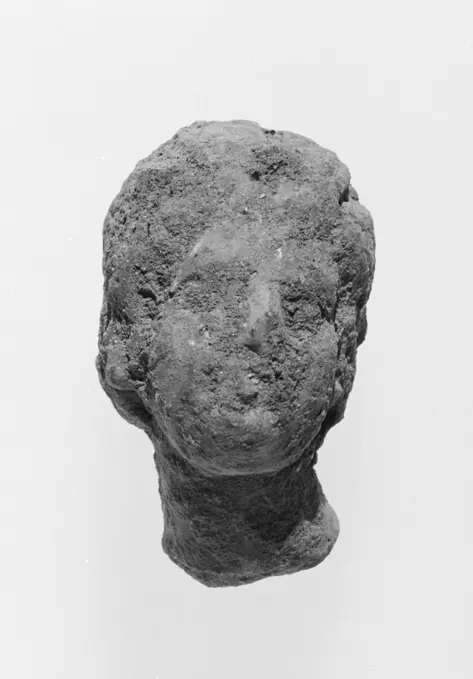
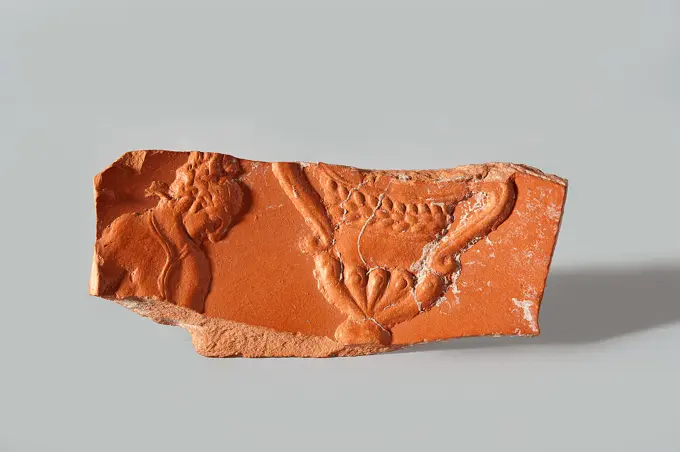
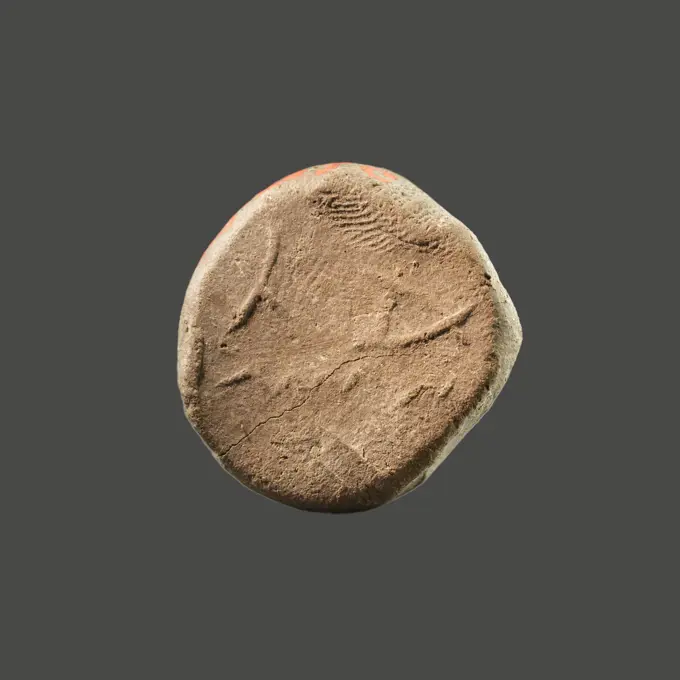
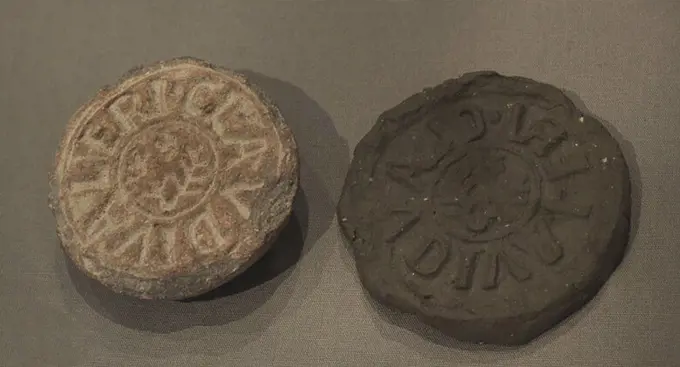
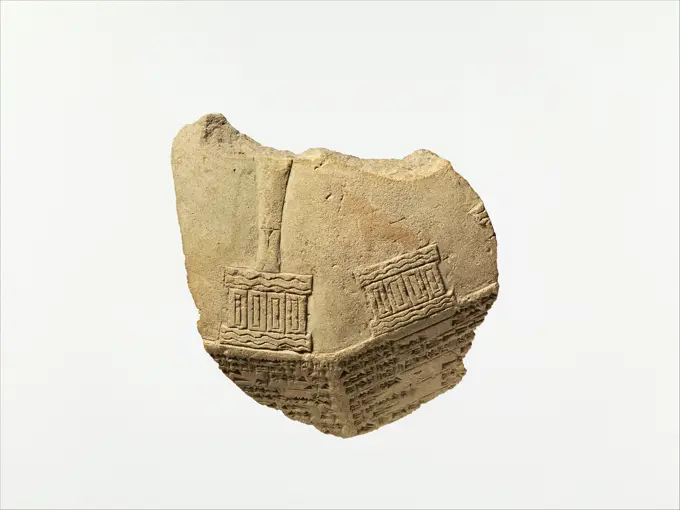
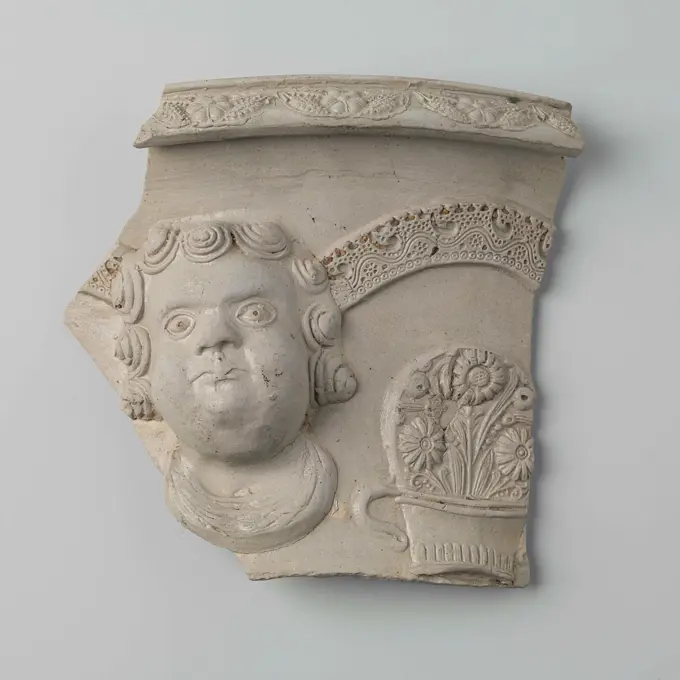
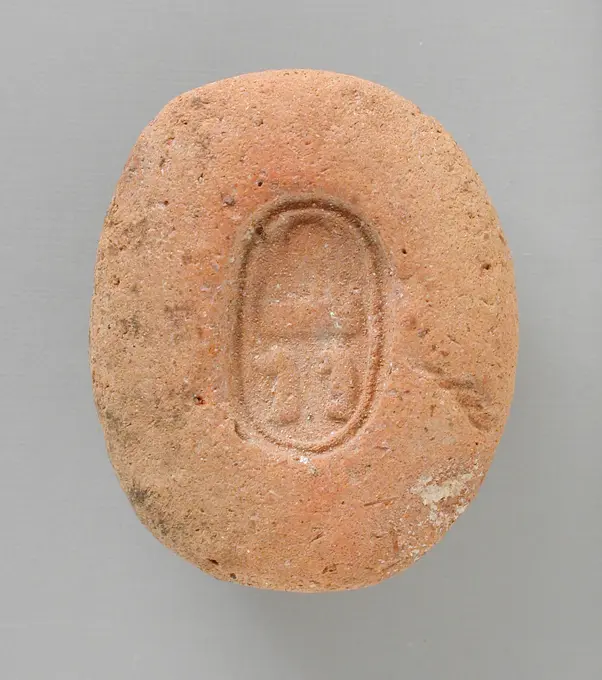
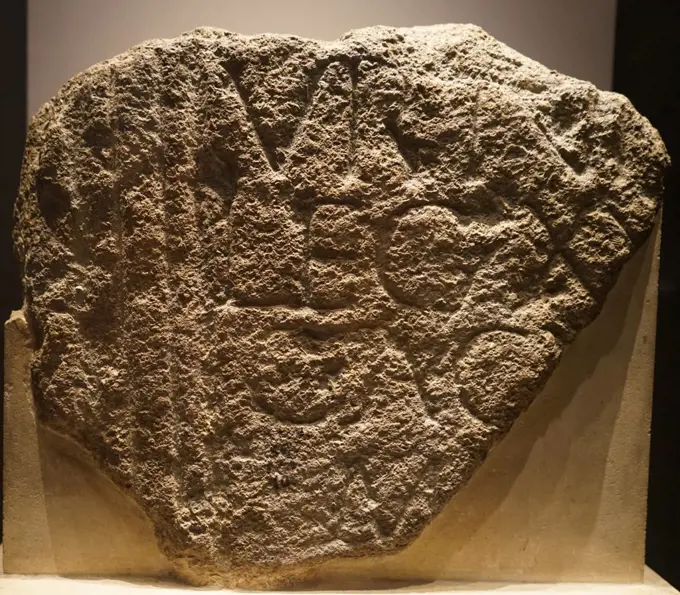
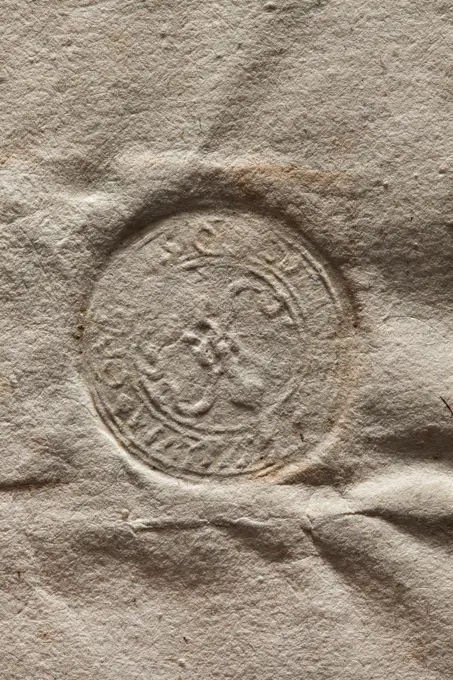
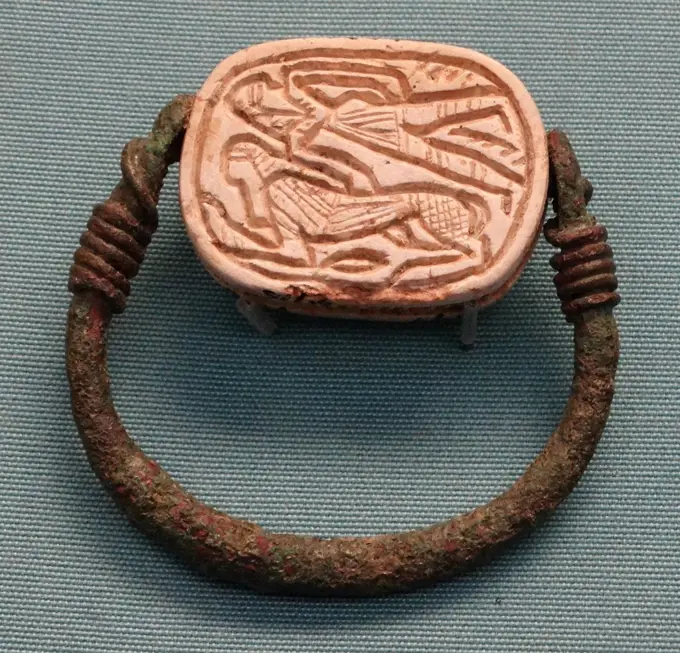
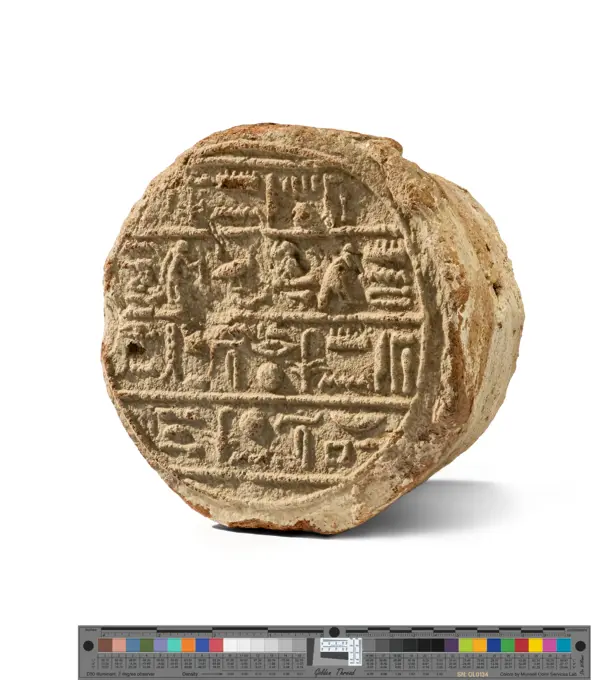
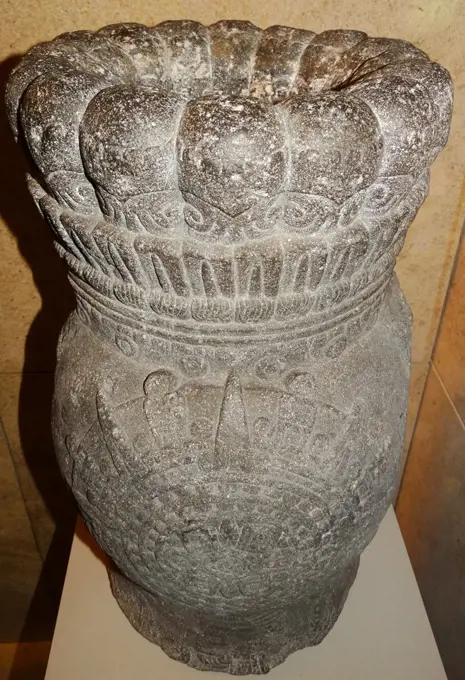
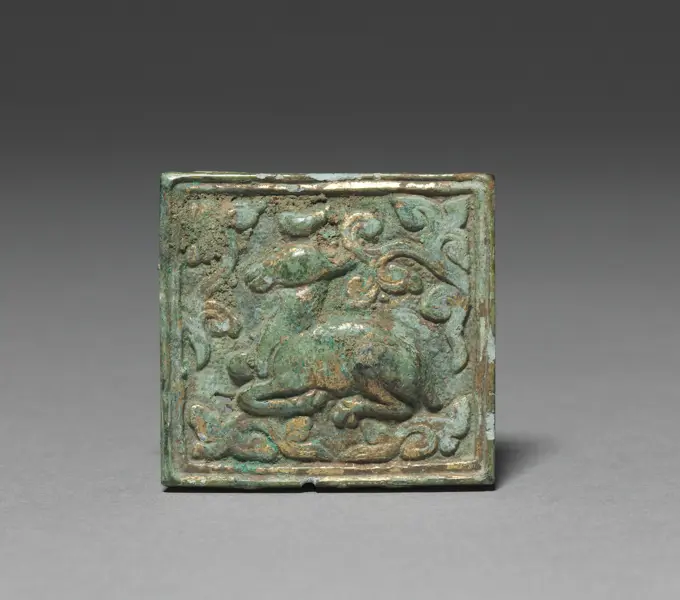
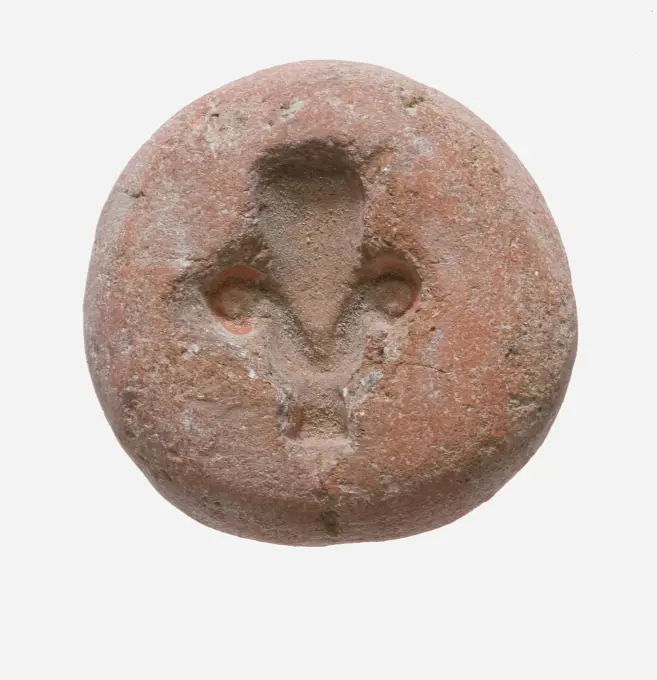
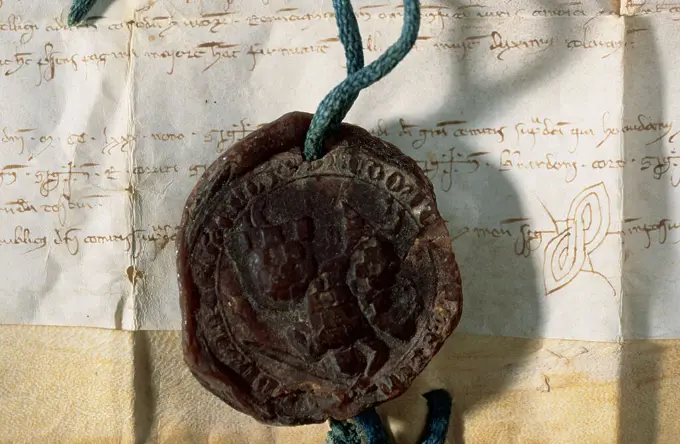
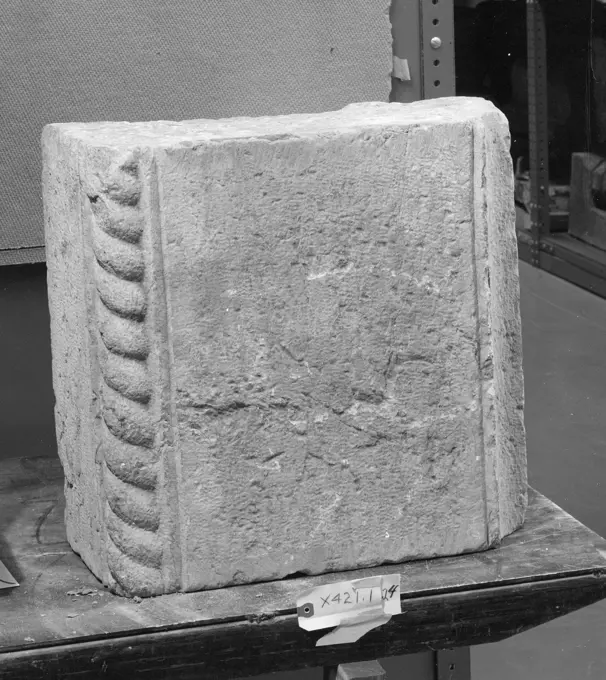
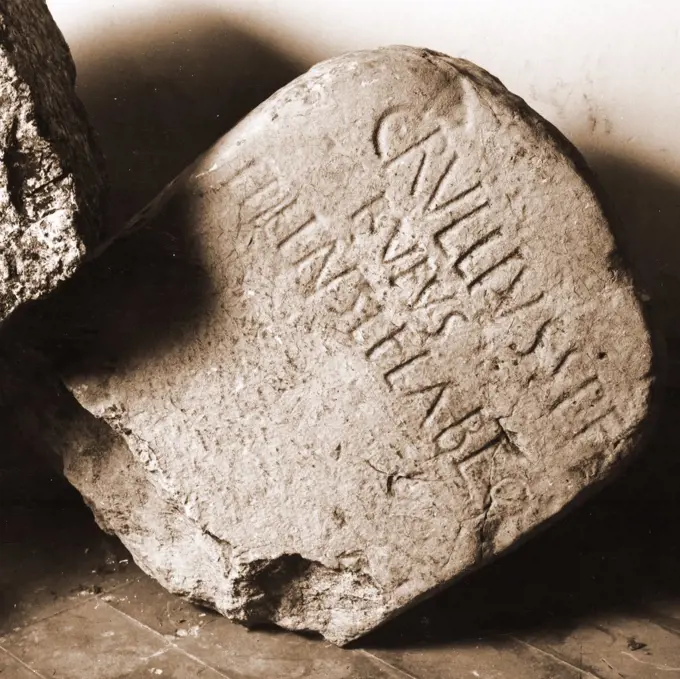
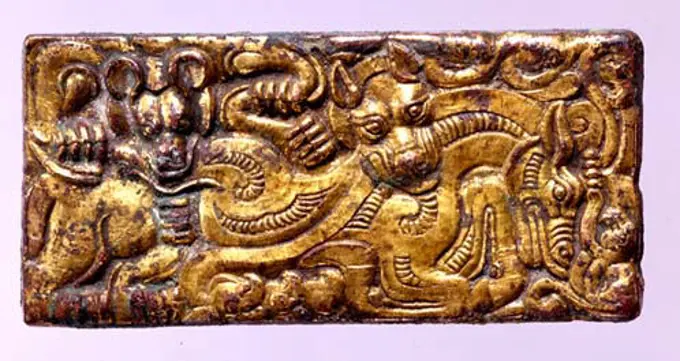
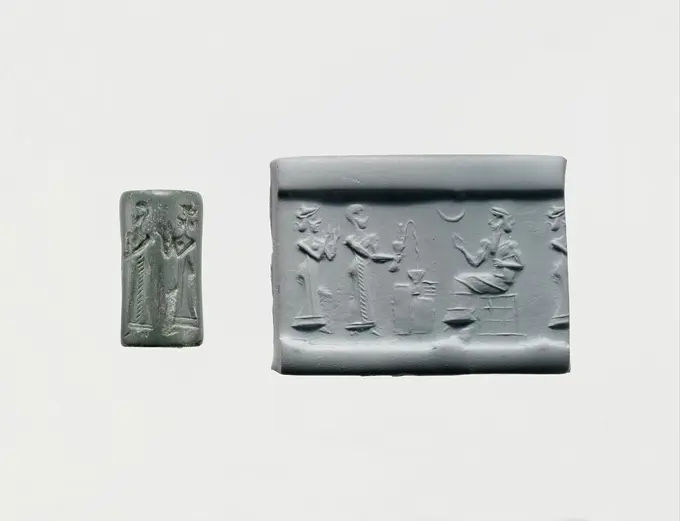
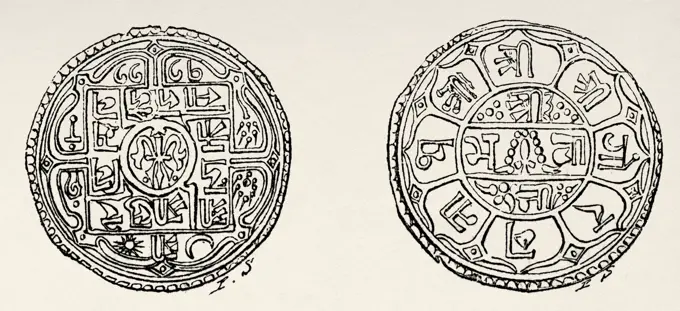
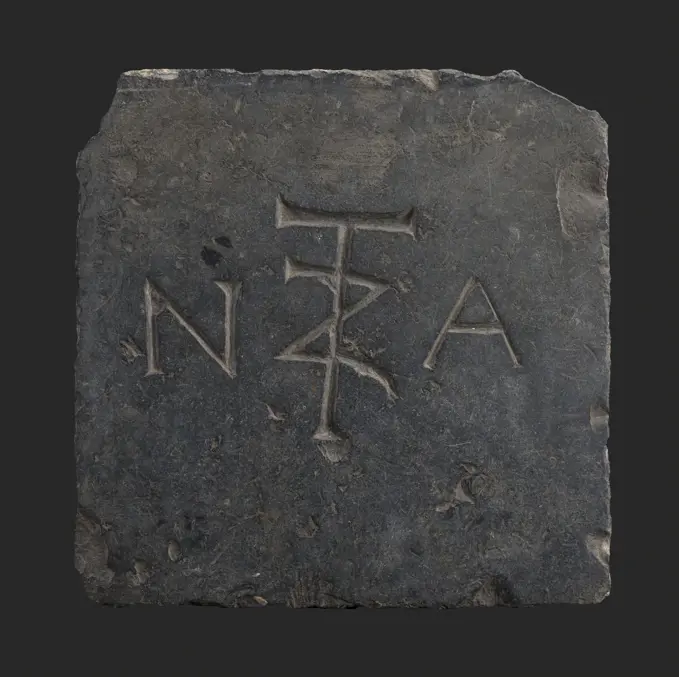
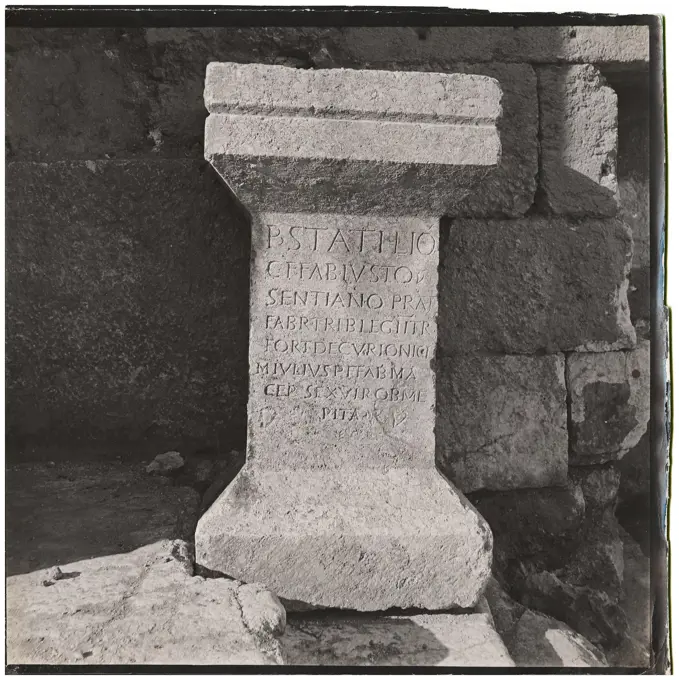
Ring; Greece; 525 - 500 B.C; Silver; 1.6 × 1.1 cm (5,8 × 7,16 in.)Scarab ca. 1991-1450 B.C. Second Intermediate Period-Early New Kingdom. Scarab. ca. 1991-1450 B.C.. Green glazed steatite. Second Intermediate Period-Early New Kingdom. From Egypt, Upper Egypt, Thebes, Asasif, Tomb CC 62, Burial G, Carnarvon excavations. Dynasty 17-18Badge with Cockney 15th century British. Badge with Cockney 474366Roman Period (30 BC-330 AD). Pamukkale Hierapolis Archeological Museum. Turkey.Construction clip. Balcony key with carving. The balcony key shows two portraits and two angels that hold a weapon, on which three crosses, hold.Head with Melon Coiffeur. UnknownFragment talerza czerwonopokostowanego (terra sigillata). unknown, authorReference sealing ca. 1961-1954 B.C. Middle Kingdom Small lumps of clay were often used to seal goods or documents. They are called sealings. On one side they often bear an impression of the seal used, while another side can show an impression of the object itself or of its closing mechanism (such as a string). This lump of clay bears a seal impression, but its conical shape suggests that it was never attached to an object. It can therefore be identified as a reference sealing, which was used to verify the authenticity of sealings that were attached to documents or goods. Or it could have been used as proof of authorization for certain dealings. This reference seal was found together with two others (25.3.267a, b) and a third one (26.3.282) was discovered in another area of the same tomb. The reference sealing here shows an impression from the same seal as 25.3.267a that reads "Storehouse of the Great (Goddess).". Reference sealing. ca. 1961-1954 B.C.. Mud. Middle Kingdom. From Egypt, Terracotta stamp, and modern impression, with the name Claudius Valerius. Such stamps (signacula) were largely used as trademarks or advertisements. Roman Imperial period. Gozo Museum of Archaeology. Cittadella de Victoria. Gozo, Malta.Corner fragment of inscribed prism (kudurru) ca. 7th-6th century B.C. Babylonian The invention of writing in approximately 3300 B.C. was one of many developments in administrative technology--including the use of geometric tokens for counting and cylinder seals to guarantee transactions--that accompanied the growth of the first cities and states in southern Mesopotamia. Proto-cuneiform is the name given to the earliest form of writing--pictograms that were drawn on clay tablets. Gradually, the pictograms became abstracted into cuneiform (Latin, "wedge-shaped") signs that were impressed rather than drawn. At its greatest extent, cuneiform writing was used from the Mediterranean coast of Syria to western Iran and from Hittite Anatolia to southern Mesopotamia. It was adapted to write at least fifteen different languages. The last dated cuneiform text has a date corresponding to A.D. 75, although the script probably continued in use over the next two centuries.This object is a fragment of Cuneiform tablet: slave sale, Egibi archive ca. 547 BC Babylonian. Cuneiform tablet: slave sale, Egibi archive 321724Bleompot, fragment, embossed decorated with children's head and pot with flowers. Fragment of a flowerpot of stoneware. The fragment is in relief decorated with a children's head and a pot of flowers.Mold with Cartouche containing Throne Name of Ramses I. Egypt, New Kingdom, early 19th Dynasty, reign of Ramses I or Seti I (1315 - 1304 BCE). Tools and Equipment; molds. TerracottaNUMISMATICA. MONEDA REPUBLICA ROMANA. SEXTANS DE BRONCE. REVERSO. PROA DE NAVE A LA DERECHA, DEBAJO DOS GLOBULILLOS. 225 A.C. (DEPOSITO: MUSEO ARQUEOLOGICO NACIONAL).Belt Plate 4th-7th century Frankish. Belt Plate 469782Campania Caserta Capua Museo Campano17. Hutzel, Max 1960-1990 Medieval: Byzantine architectural fragments; parchment fragments with miniatures (12th century) from Montecassino; painted wooden crucifix (13th century); Carolingian crucifixes; Bishop's miter (11th century) of gold and silver damask; fresco (13th century). Post-medieval: Architecture (15th century). Formerly the Palazzo Antignano. Unusual Catalan/Moorish-style portal; Paintings on panel and canvas (15th-18th centuries); marble intarsia (16th century); marble sculpture: busts of Christ and Mary (17th century); sculpture of saints in marble and in wood (15th century); painted and gilded sculpture in wood; marble grave sculpture (16th century); sarcophagus with allegorical carvings; gold reliquary "Rosa d'Oro"; crucifix made of elephant tusk Specific Location: Pianterreno Antiquities: Italic sculpture (seated women holding babies); inscription. Photo campaign #1: 533 photos. Roman relief and sculpture; cinerary urns; Greek anFragmented gravestone in memory of a Roman soldier. Dated 1st Century ADOgrodzieniec town seal. Ogrodzieniec, signatoryAntefija, templo griego, Empúries, siglo V a.c. Museum: Museu d'Arqueologia de Catalunya, Empúries.Scarab from Lachish (1750-1550 BC). Based on the dung-beetle, scarabs were first produced in Egypt in the 21st century as amuletic seals.Tel Lachish, also Tell ed-Duweir, is the site of an ancient Near East city, now an archaeological site and an Israeli national park.Harness and strap buckles Japan. Harness and strap buckles. Japan. Gilt bronze. Kofun period (ca. 300-710). MetalworkFunerary Cone of Mentuemhat. Egypt, 25th-26th Dynasty (circa 755-525 B.C.). Tools and Equipment; cones. TerracottaPetal-Shaped Bead, c. 1391-1353 BC. Egypt, New Kingdom, Dynasty 18, reign of Amenhotep III. Faience; overall: 3 x 1 cm (1 3/16 x 3/8 in.).Stone offering vessel, Aztec, AD 1300-1521Cylinder Seal. Mesopotamia, 7th century B.C.. Tools and Equipment; seals. CarnelianBelt Ornament, 1100s. Korea, Goryeo period (918-1392). Gilt bronze with repoussé relief; overall: 4.7 x 4.9 cm (1 7/8 x 1 15/16 in.).Mold for a Lily Bead ca. 1390-1353 B.C. New Kingdom. Mold for a Lily Bead. ca. 1390-1353 B.C.. Pottery. New Kingdom. From Egypt, Upper Egypt, Thebes, Malqata, Khor west of camp or E. side of S. Village, MMA excavations, probably 1911-12. Dynasty 18Ermengol X of Urgell (1260-1314). A pendant wax seal on a parchment with the figure of the count with his mount. Manuscript where the count approves the accounts of his administrator, 1289. Arxiu Comarcal de la Noguera, Balaguer, Catalonia, Spain.Bell (inscription: Mi, plaque with a saint with folded hands, inscription: Millo, plaque with a head of the ox, inscription: c)  parish church Nativity of Miss Maria, LibuszaParapet Block ca. 1130-40 French. Parapet Block. French. ca. 1130-40. Stone. Made in Roussillon, France. Sculpture-ArchitecturalBlock from an Arch with a Rosette Medallion 6th-7th century The more important buildings were decorated with courses of sculpted stone freely combining floral and geometric motifs inspired by classical art - rosettes, acanthus leaves, meander patterns - with more recent Christian themes. These sculptural elements, demonstrating the Byzantine love of complex patterning with lush textures, were originally painted in rich, vibrant colors like those surviving in textiles.. Block from an Arch with a Rosette Medallion 446104Abruzzo, L'Aquila, Albe, S. Pietro, Italy, 20th century, photo, photography, EuropeFragmentary marble votive altar. Culture: Roman. Dimensions: H.,9 1/2", W.,5 3/4", D.,3 5/8". Date: late 3rd-early 4th century A.D..This small altar was set up to the Everlasting Gods for the well-being of two men, Flavius Arsinoe and Flavius Appon, probably of Egyptian origin. The inscription testifies to the continued worship of pagan gods in late Roman times. Museum: Metropolitan Museum of Art, New York, USA.Bell Cardinal (Herb Dębno)  Zygmuntów Tower, Wawel Cathedral, Krakow B KOWSKI, J.Head with Wreath. UnknownBelt Buckle with Animal-Combat Scene 3rd-2nd century B.C. North China. Belt Buckle with Animal-Combat Scene 65283Unknown photographer, beam fragment in Baalbek (without dat.): Detail. Photo, 19.9 x 20.1 cm (including scan edges) unbek. Fotograf : Gebälkfragment in Baalbek (ohne Dat.)Cylinder seal and modern impression: worshiper pouring a libation before a seated god. Culture: Neo-Sumerian. Dimensions: H. 1 in. (2.6 cm). Date: ca. 2112-2004 B.C..Although engraved stones had been used as early as the seventh millennium B.C. to stamp impressions in clay, the invention in the fourth millennium B.C. of carved cylinders that could be rolled over clay allowed the development of more complex seal designs. These cylinder seals, first used in Mesopotamia, served as a mark of ownership or identification. Seals were either impressed on lumps of clay that were used to close jars, doors, and baskets, or they were rolled onto clay tablets that recorded information about commercial or legal transactions. The seals were often made of precious stones. Protective properties may have been ascribed to both the material itself and the carved designs. Seals are important to the study of ancient Near Eastern art because many examples survive from every period and can, therefore, help tCylinder seal ca. 15th-13th century B.C. Cypriot. Cylinder seal 321423Seal with standing Bull 2000 B.C.Head with Melon Coiffure. UnknownStamp seal (grooved circular base with loop handle) with cultic scene 7th - 6th century B.C. Assyro-Babylonian. Stamp seal (grooved circular base with loop handle) with cultic scene. Assyro-Babylonian. 7th - 6th century B.C.. Flawed neutral Chalcedony (Quartz). Neo-Assyrian / Neo-Babylonian. Northern Syria or southeastern AnatoliaPavement tiles 16th-17th century Spanish, Seville. Pavement tiles 187930Steatite seals. Bulls. 2500- 2000 BC. Mohenjo Daro. Indus Valley civilisation.Engraved Gem. UnknownVase China. Vase 41951Flower and dog, fragments of Romanesque decorative stuccoes, after its restoration, recto, basilica of Santa Maria Maggiore, Lomello, Lombardy. Italy, 11th century.Conoid seal ca. 15th-13th century B.C. Cypriot. Conoid seal. Cypriot. ca. 15th-13th century B.C.. Steatite, light brown. Late Cypriot. CyprusOld Silver coin of Nepal. Asia. Drawing by P. Sellier. Travel to Nepal by Doctor Gustave Le Bon (1841-1931) Le Tour du Monde 1886Tombstone with initials N TZ , tombstone slate stone, minced Square tombstone with initials in bas-relief In the middle T with Z through it on the left N on the right dead mourning Delfshaven Rotterdam Gravestone from courtyard (just like invnr 10126 10190 10191) from house on the Achterhaven. Possibly originally from the church at the Kolk in Delfshaven.Spain, Galicia, Santiago de Compostela. Sign indicating the way of Santiago de Compostela. UNESCOSeal from Mojendro Daro, Indus Valley, Harappa period, ca. 2500 B.C.seal of the Civil-Military Order Commission of the Płock Voivodeship. Komisja Porządkowa Cywilno Wojskowa, signatoryBaking city M. Granica; Border; 1781 (1781-00-00-1781-00-00);Starykoń (coat of arms), urban seals, seals at documents, official seals, seals with the city of the city, Żurakowski, Witold ( -1927)- collectionUnknown photographer, stone fragment with inscription in Baalbek (without dat.): View. Photo, 20.2 x 20.2 cm (including scan edges) unbek. Fotograf : Steinfragment mit Inschrift in Baalbek (ohne Dat.)