Ancient Egyptian Seals

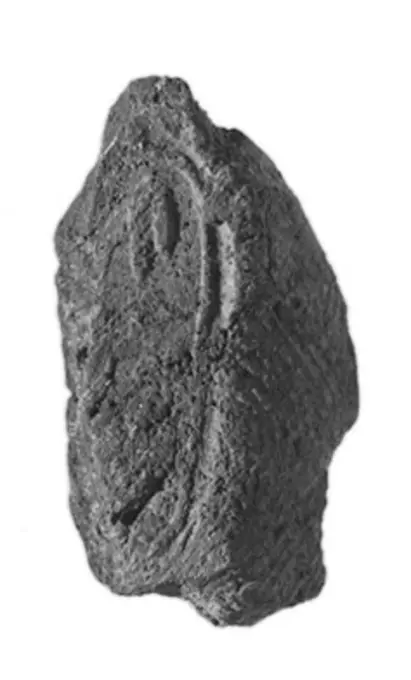
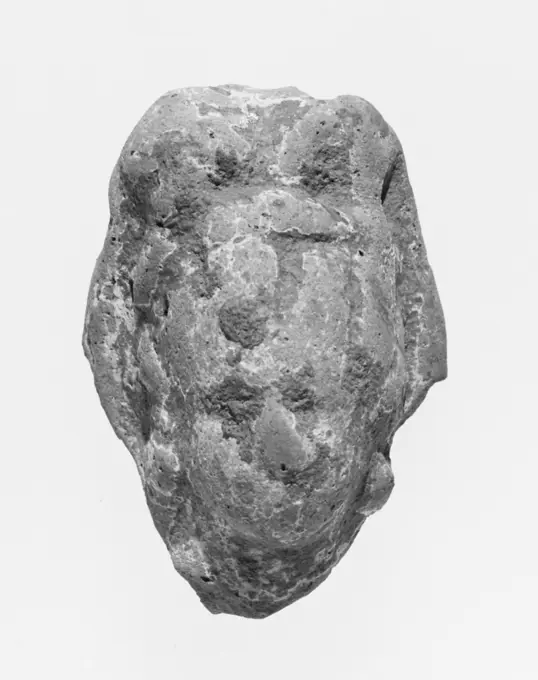
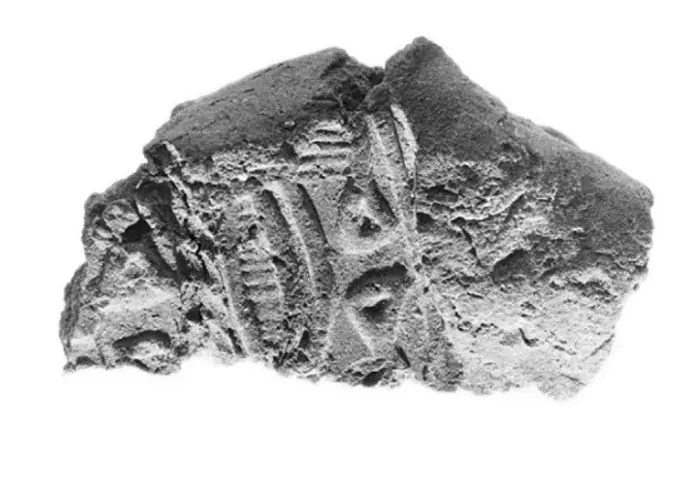
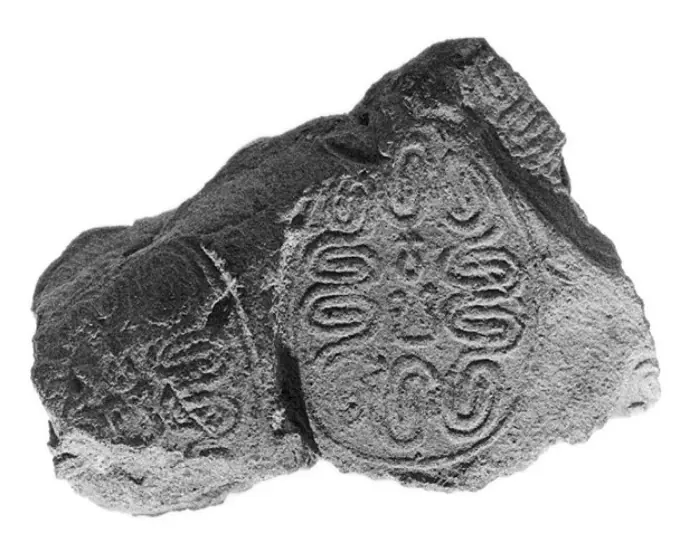
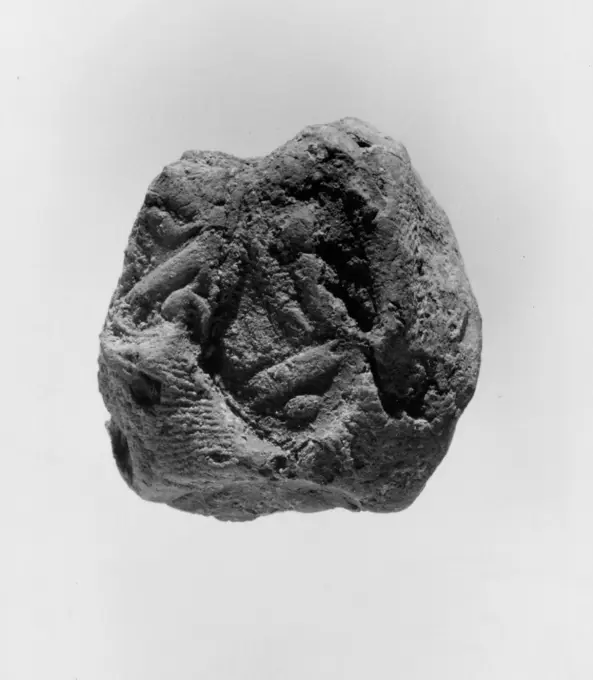
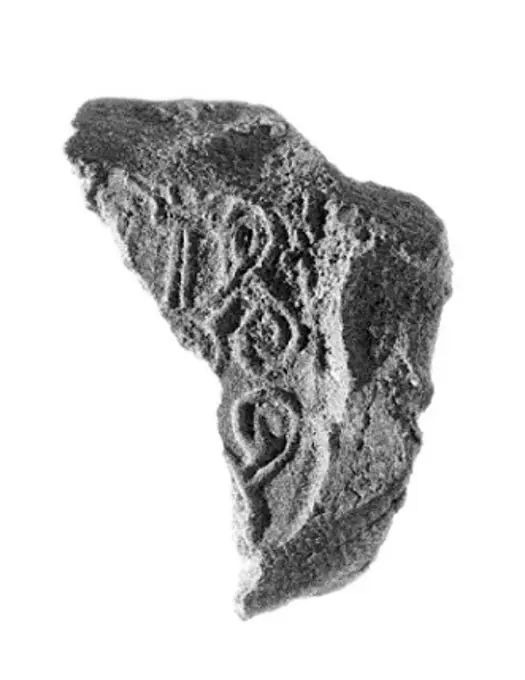
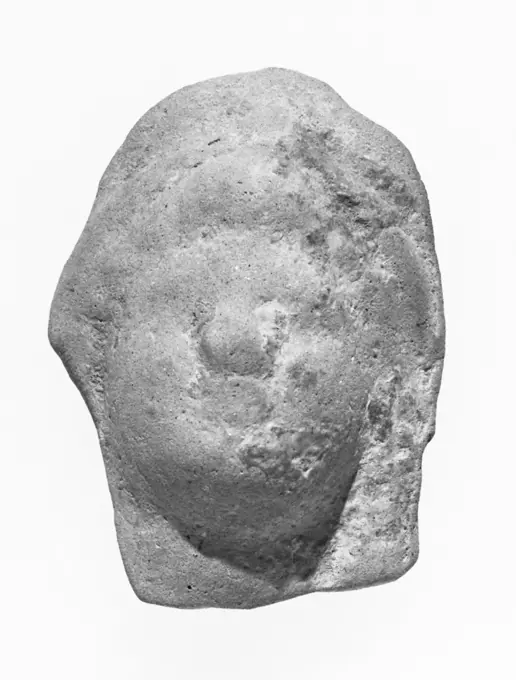
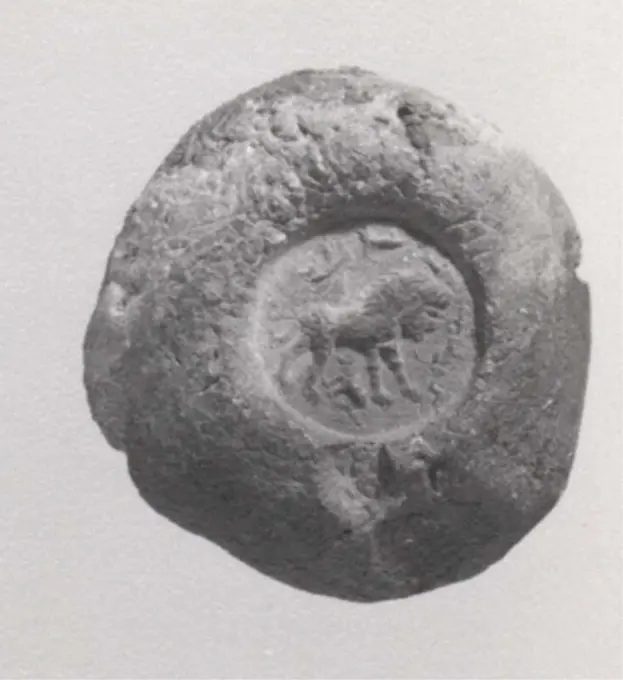
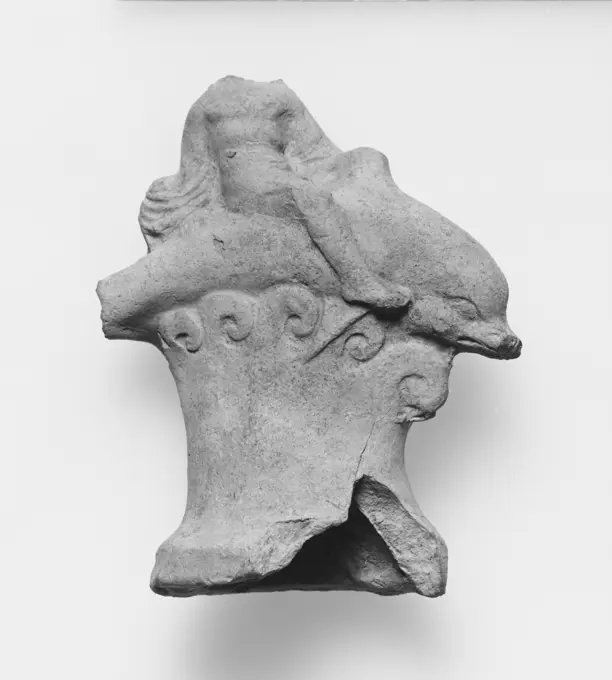
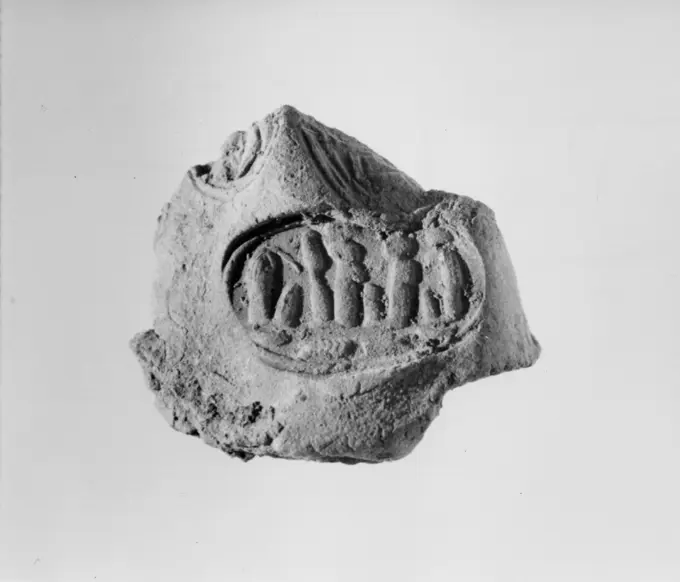
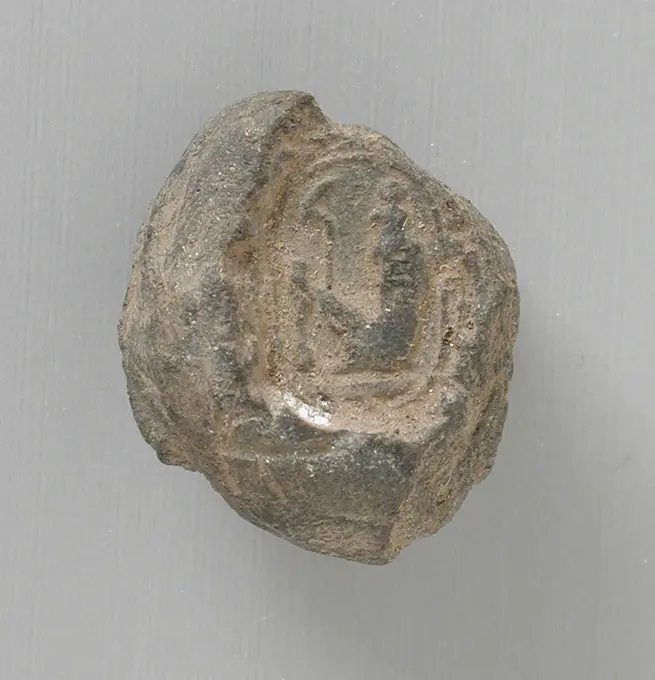
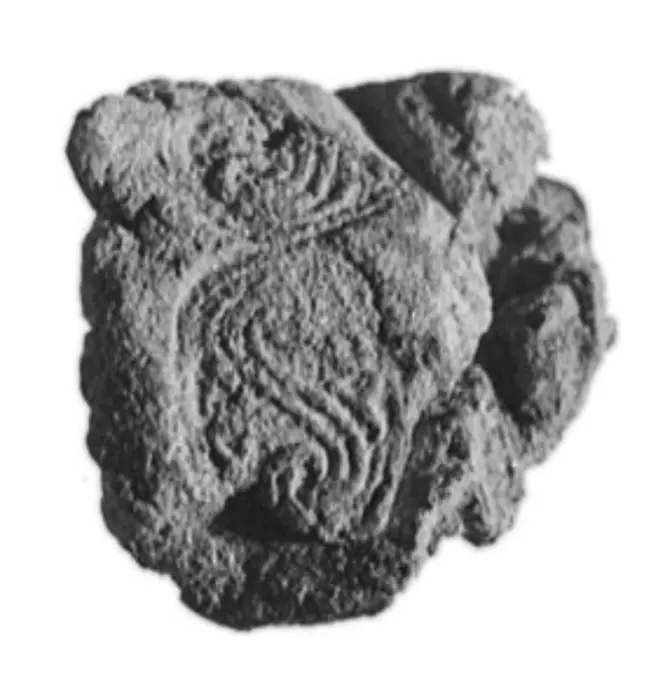
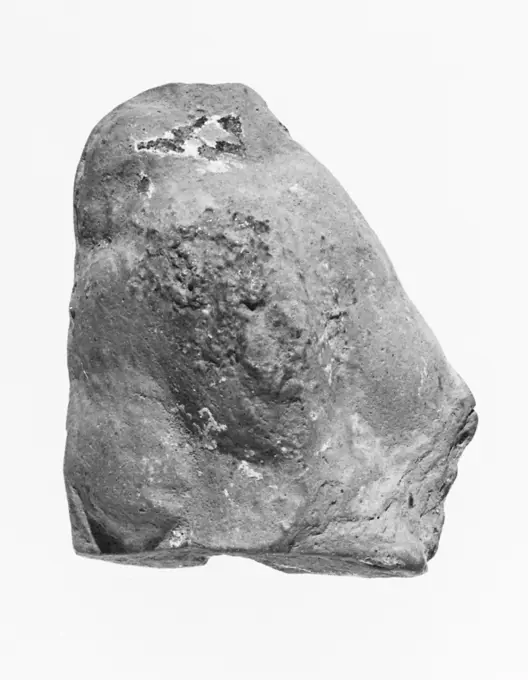
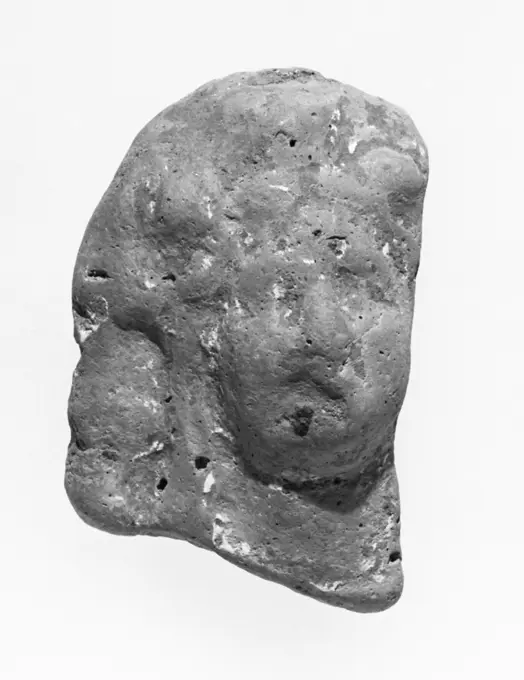
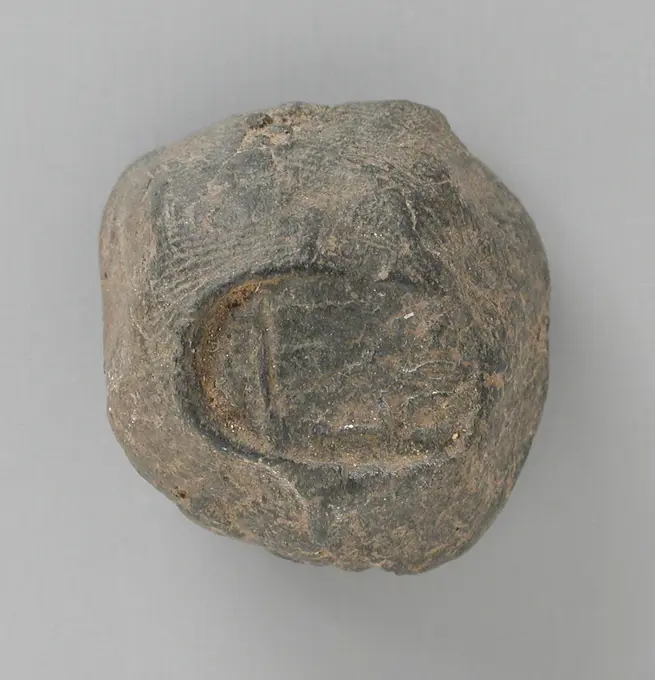
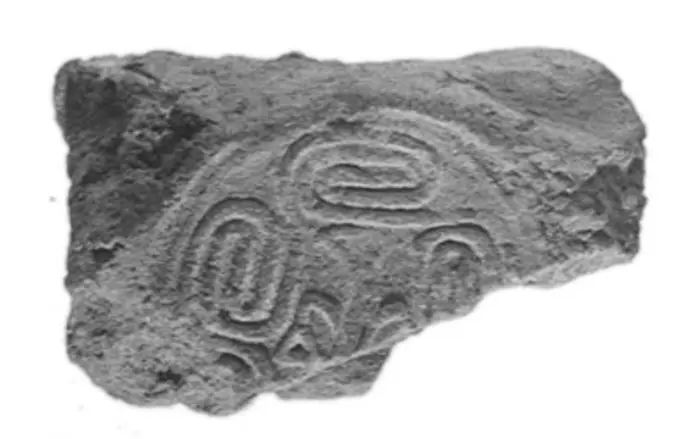
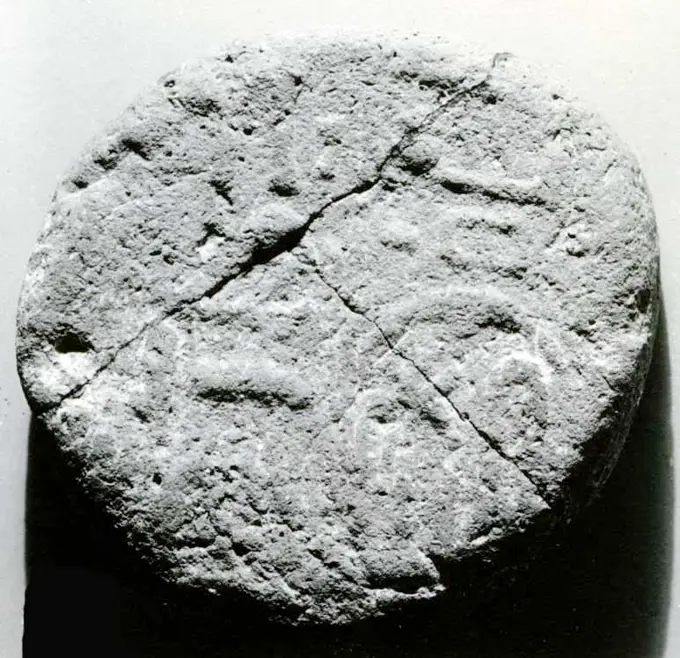
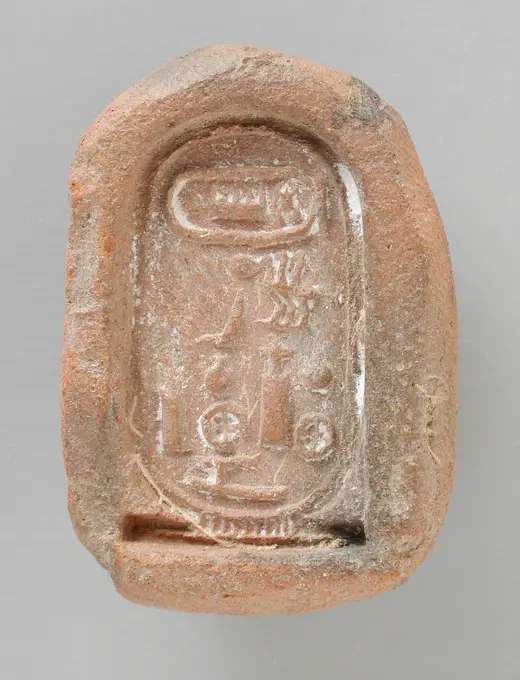
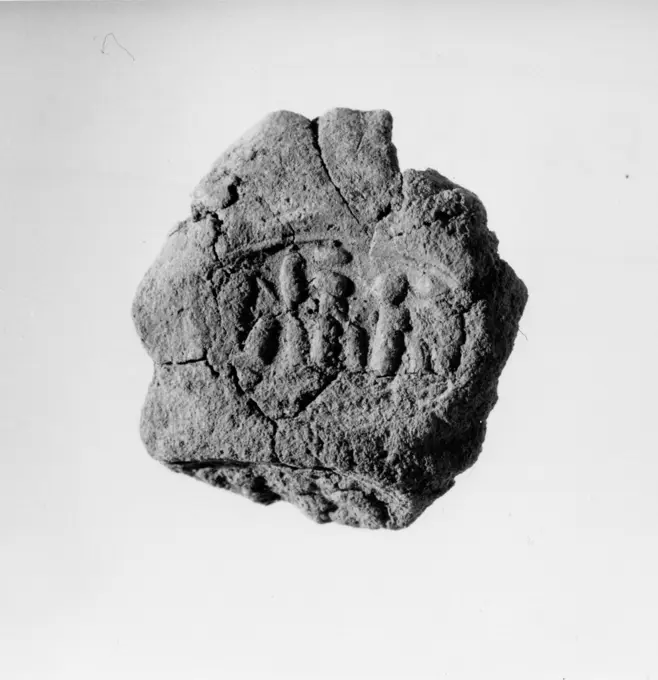
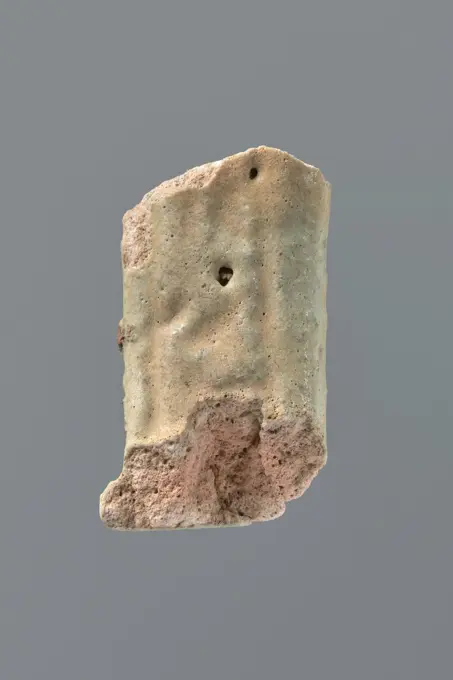
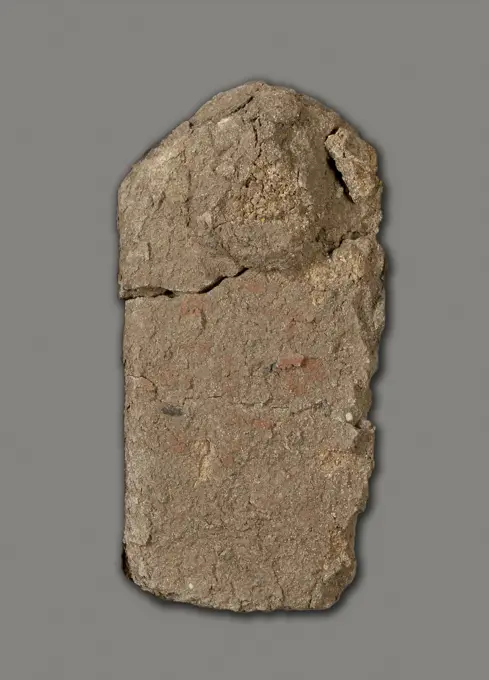
A variety of ancient sealing artifacts from the Middle Kingdom, showcasing intricate designs carved in mud, representing historical significance.

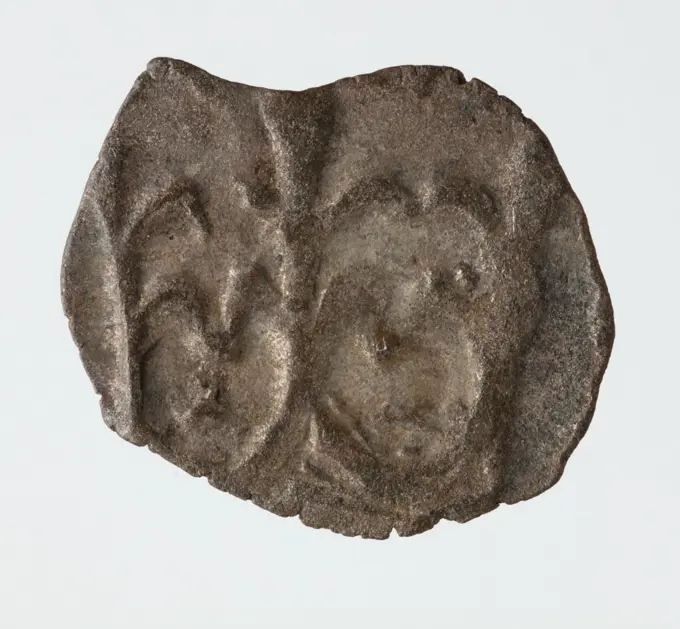
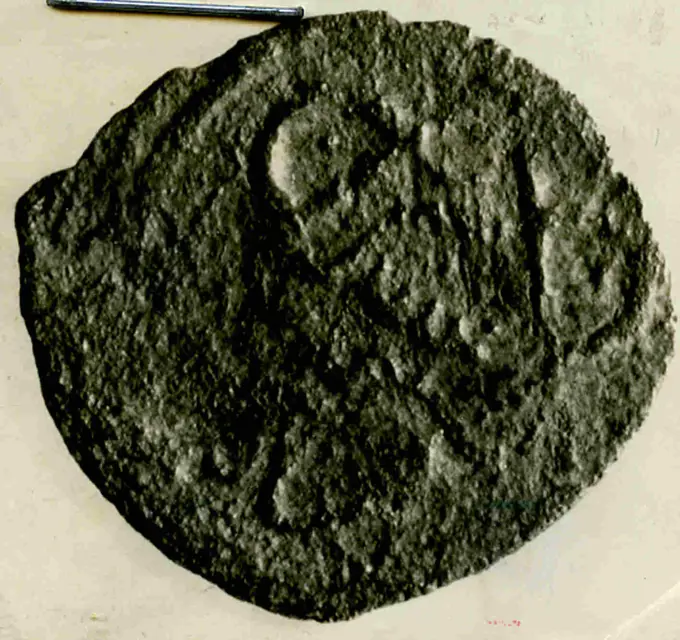
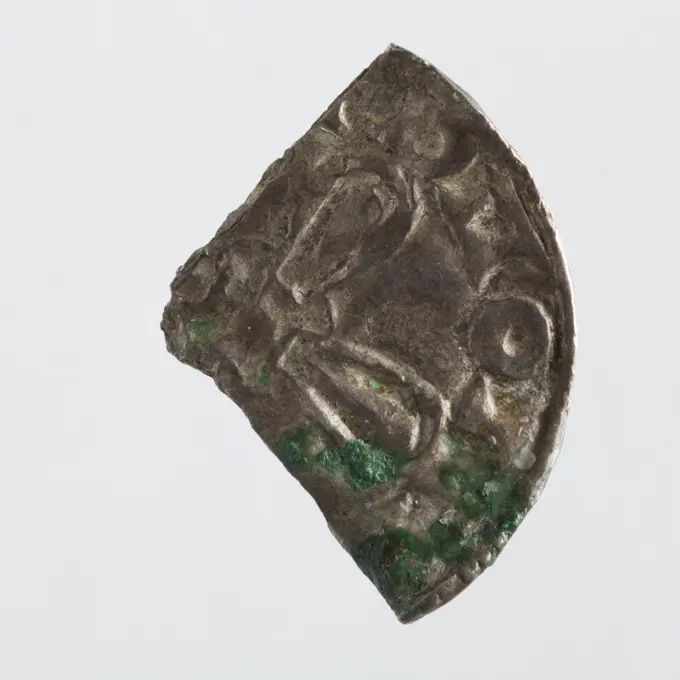
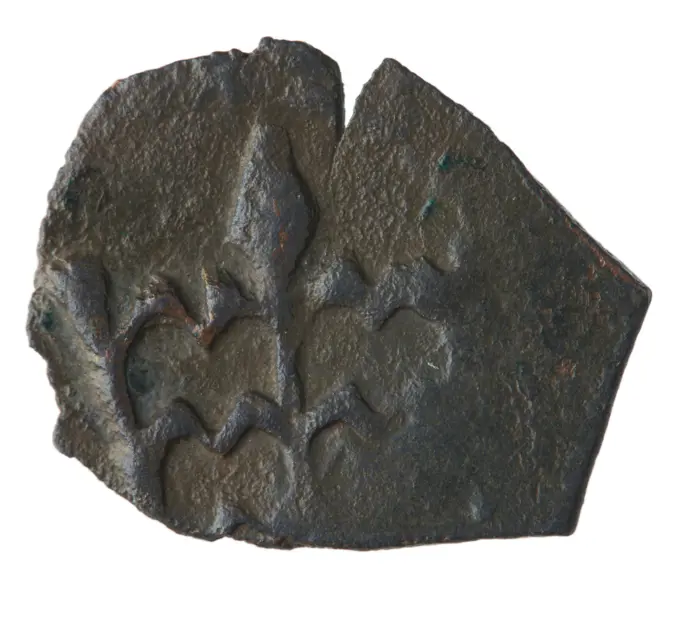
Bliżej Kultury Władysław Jagiełło (CA 1351 1434), Mint of Kraków
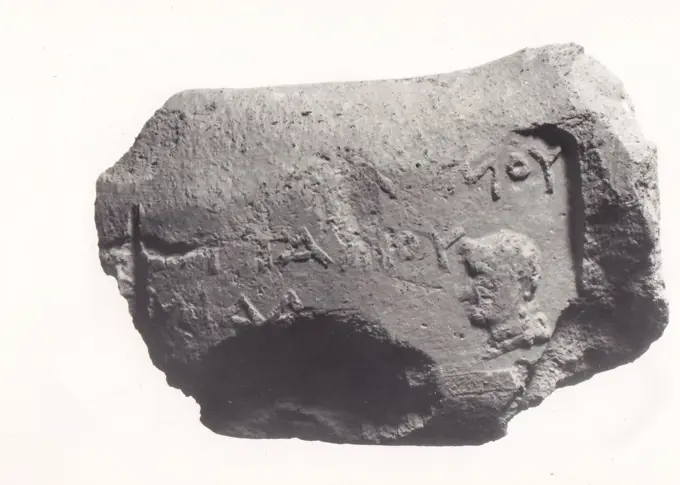
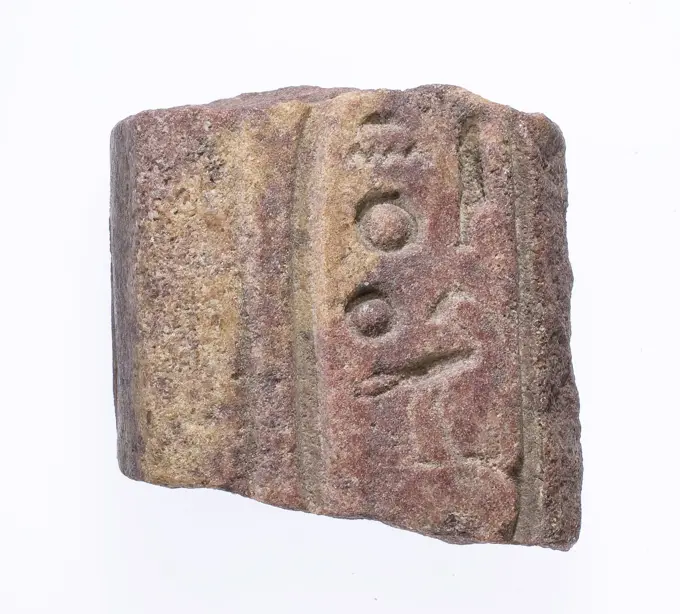
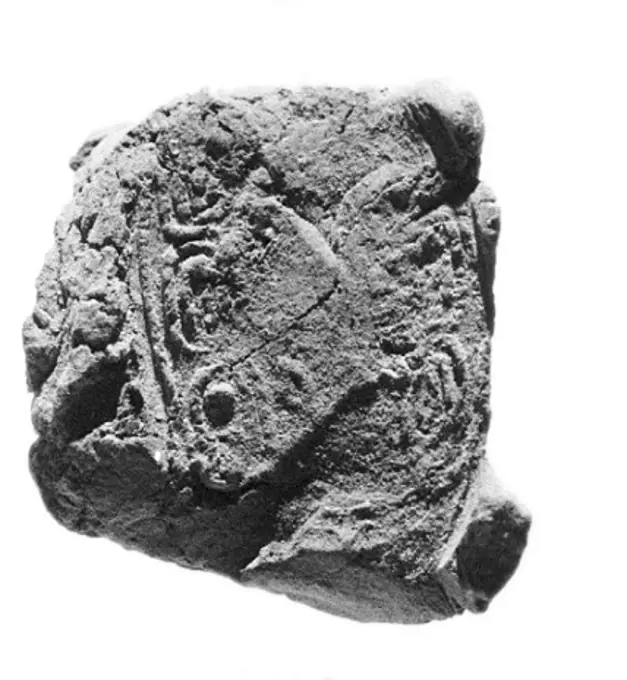
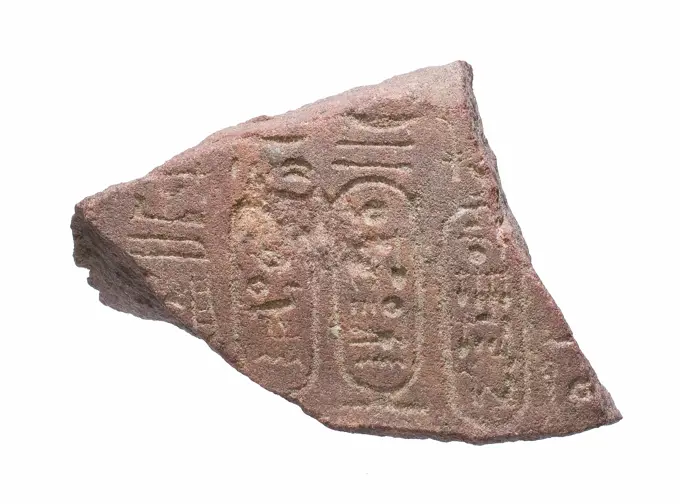
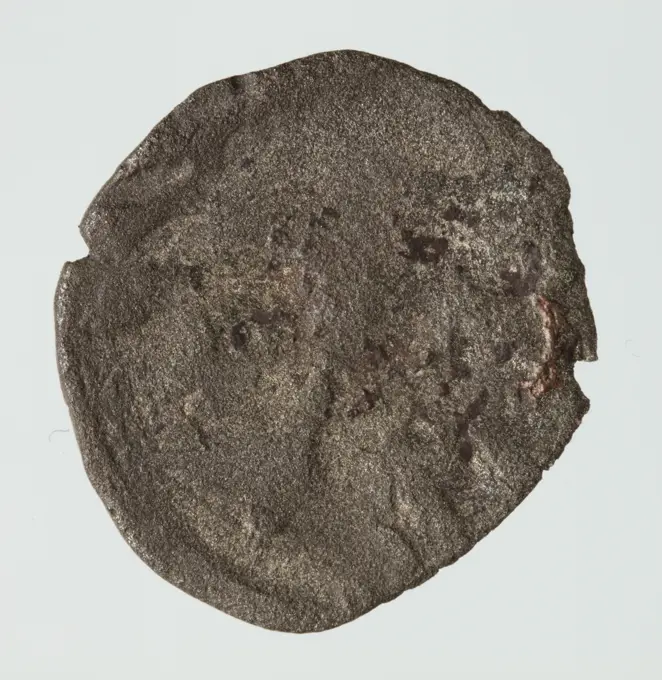
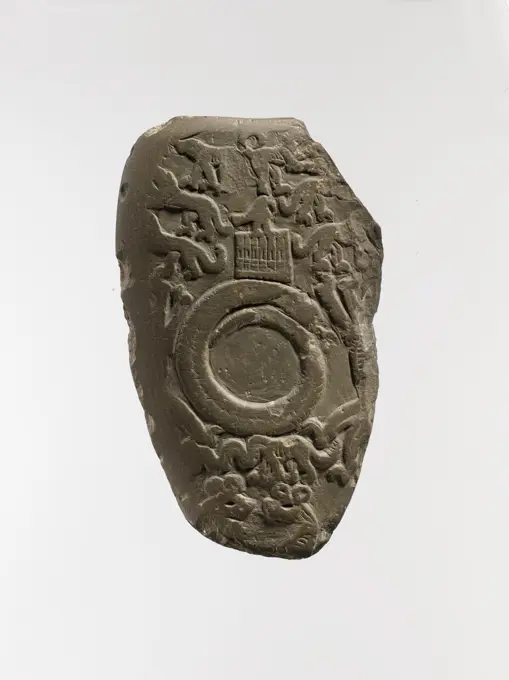
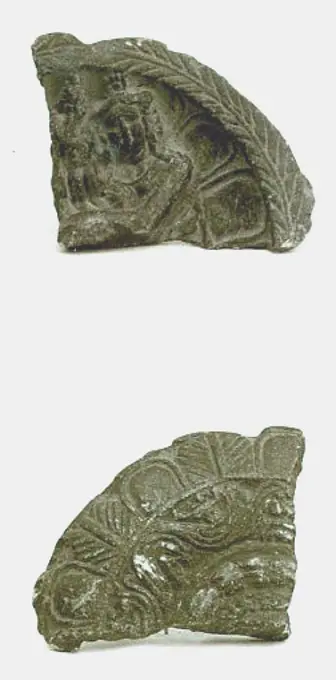
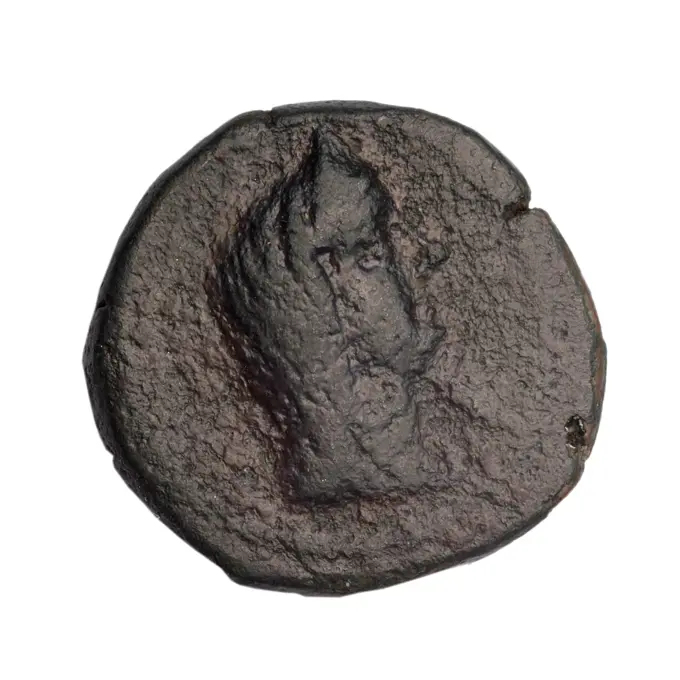
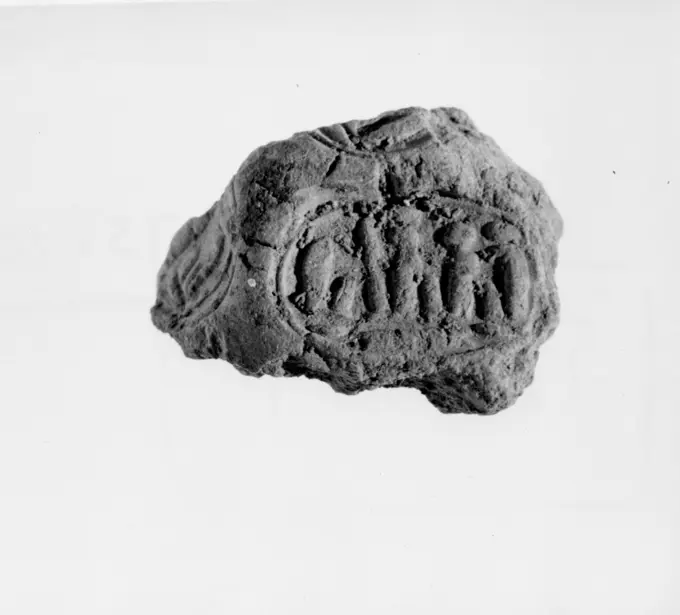
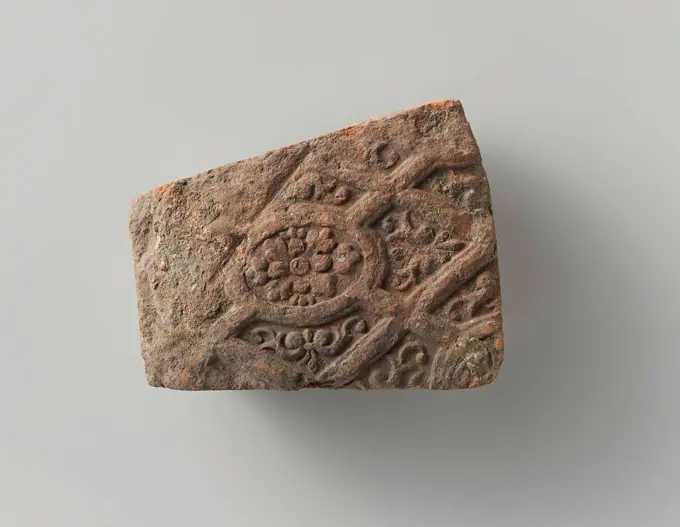
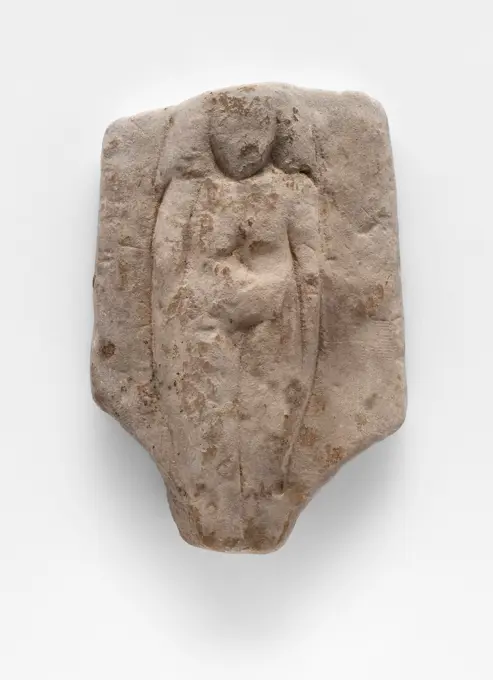
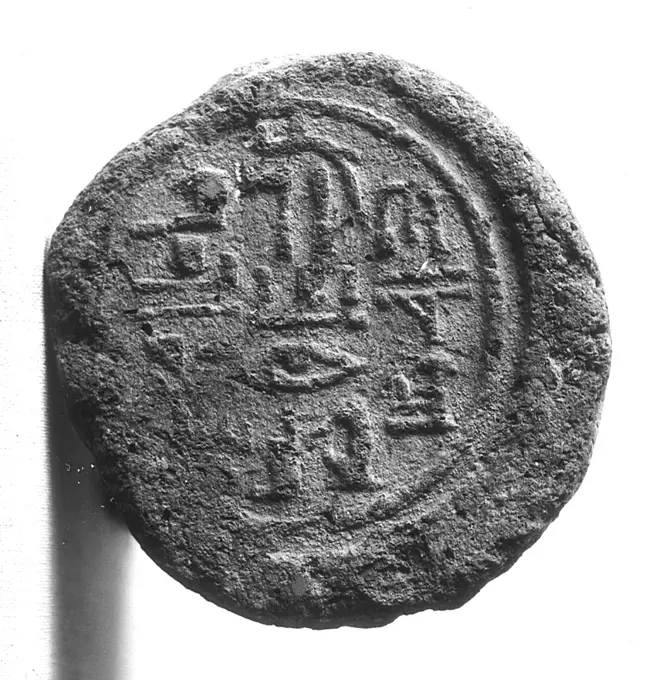
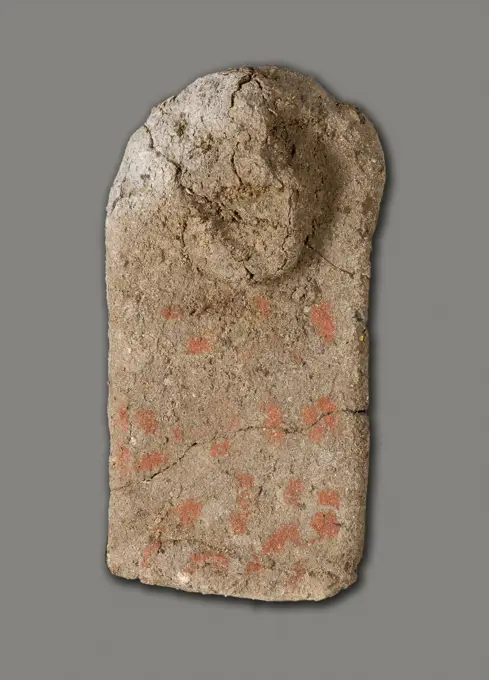
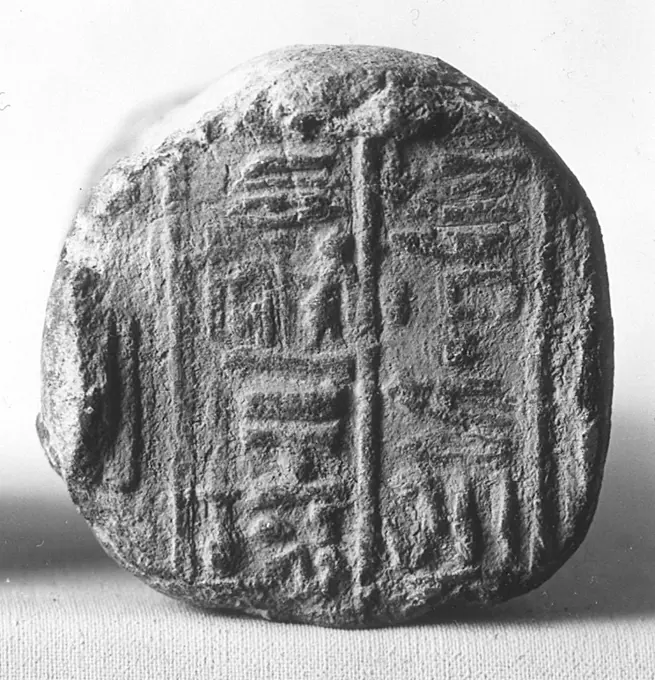
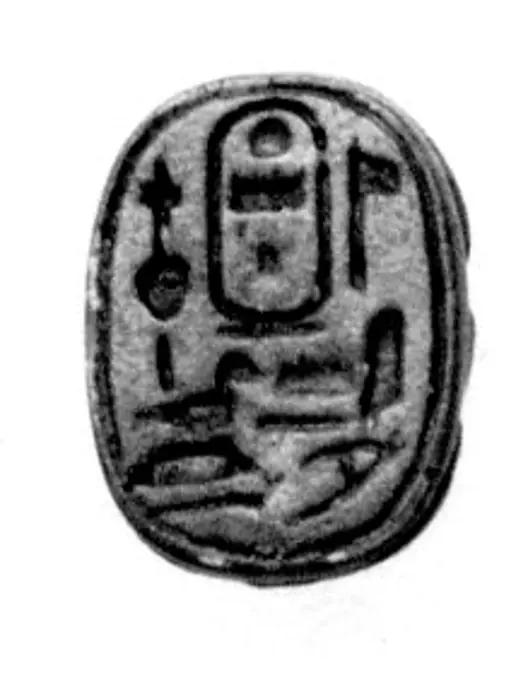
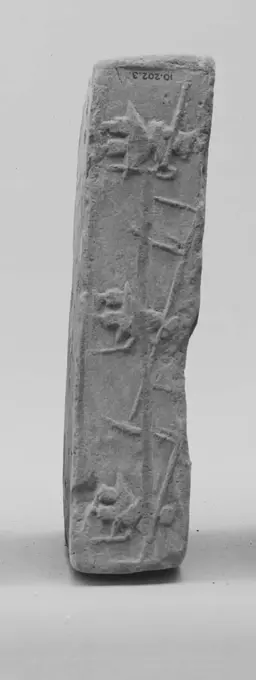
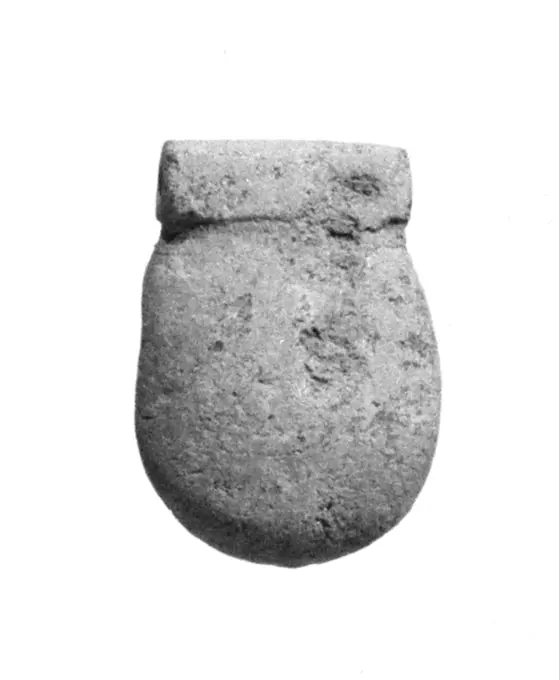
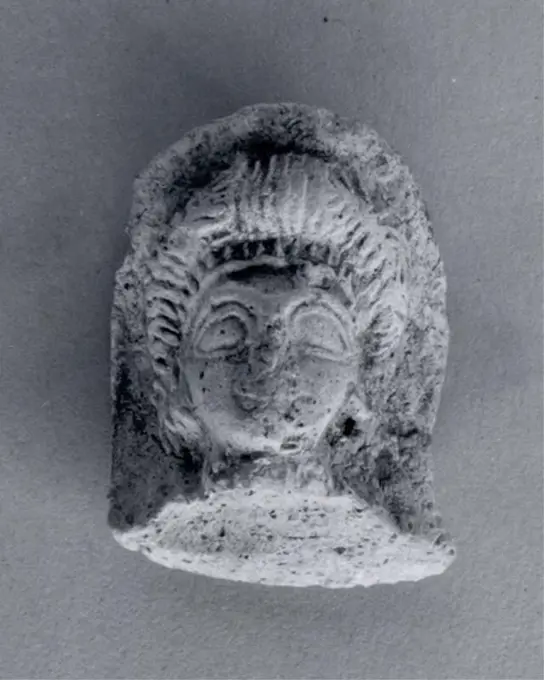
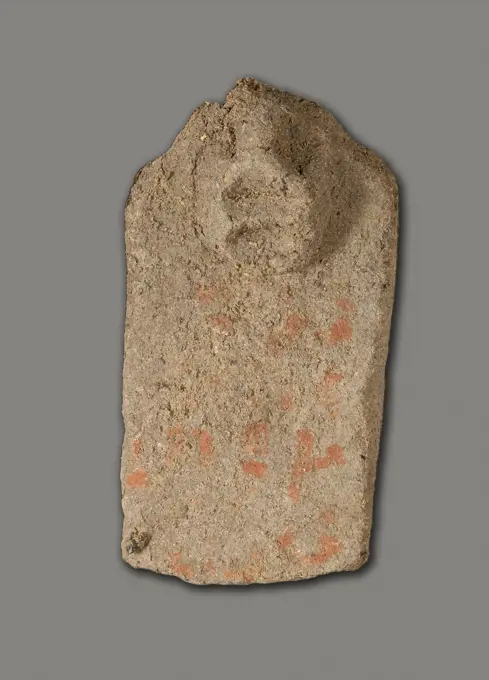
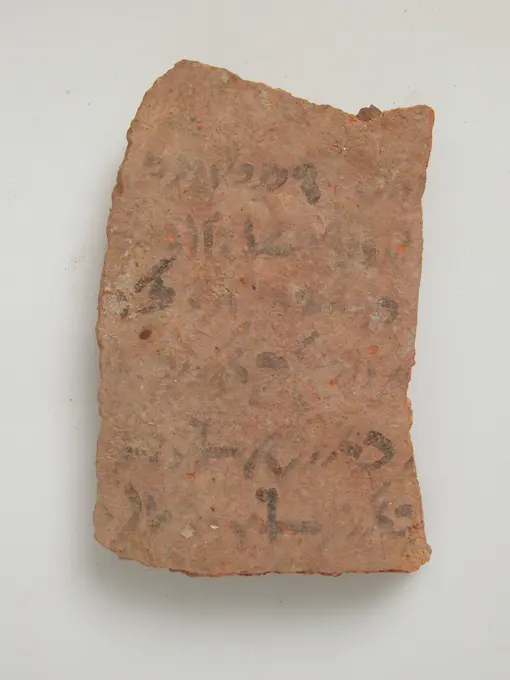
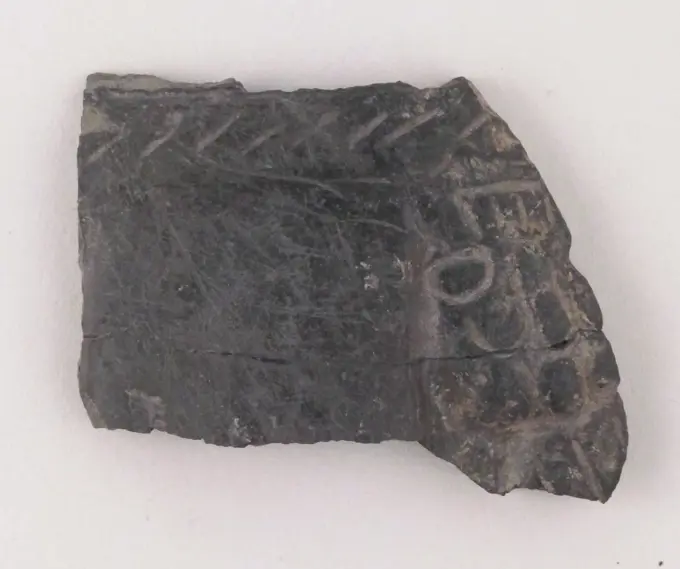
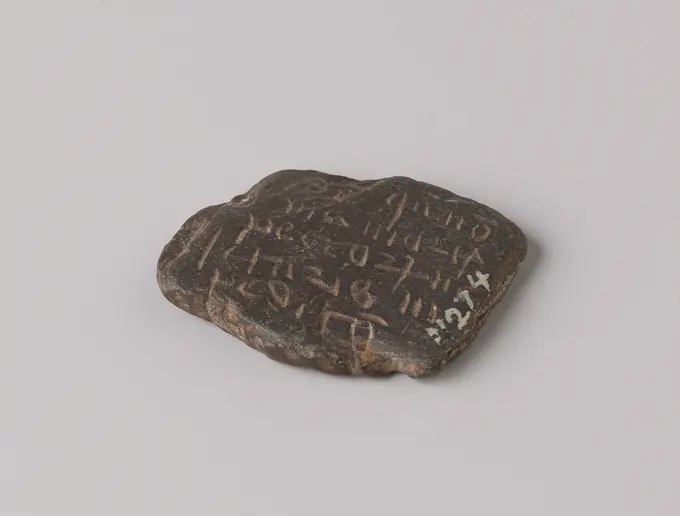
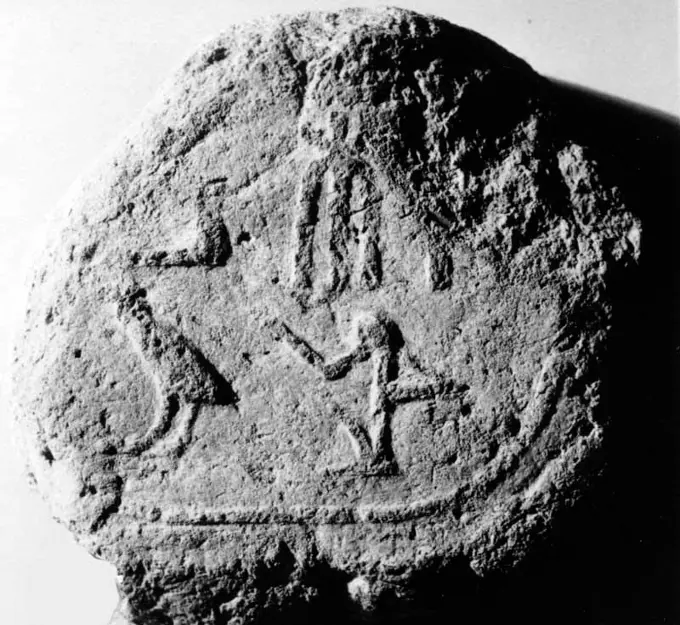
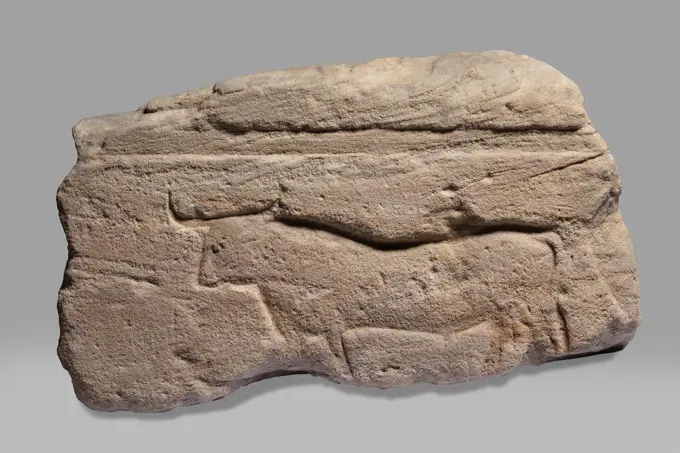
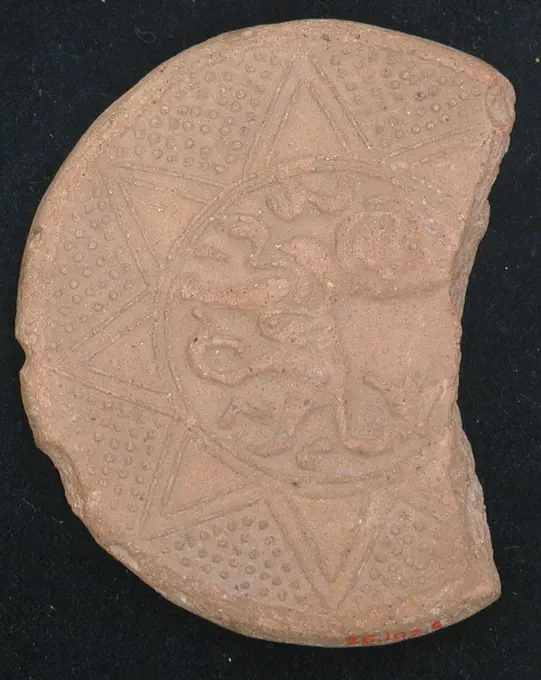
Administrative Seal ca. 1981-1640 B.C. Middle Kingdom. Administrative Seal 565812Sealing ca. 1981-1640 B.C. Middle Kingdom. Sealing. ca. 1981-1640 B.C.. Mud. Middle Kingdom. From Egypt, Memphite Region, Lisht North, Cemetery, MMA excavations, 1920-22. Dynasty 12-13Sealing fragment ca. 2030-1640 B.C. Middle Kingdom. Sealing fragment 565861Bliżej Kultury Władysław Jagiełło (CA 1351 1434), Mint of KrakówUnattributed Trebizond Coin. UnknownSealing ca. 2030-1640 B.C. Middle Kingdom. Sealing 546569Female Head. UnknownSealing ca. 1981-1640 B.C. Middle Kingdom. Sealing 557513Sealing ca. 2030-1640 B.C. Middle Kingdom. Sealing 565767Cuneiform tablet: label ca. 20th-16th century B.C. Babylonian. Cuneiform tablet: label 322466Female Head. UnknownSealing ca. 1981-1640 B.C. Middle Kingdom. Sealing 559503Document Sealing With the Throne Name of Amenhotep III ca. 1390-1353 B.C. New Kingdom. Document Sealing With the Throne Name of Amenhotep III. ca. 1390-1353 B.C.. Mud. New Kingdom. From Egypt, Upper Egypt, Thebes, Malqata, West Villas, West Villa B, MMA excavations, 1910-12. Dynasty 18Sealing ca. 1981-1640 B.C. Middle Kingdom. Sealing 560391Bliżej Kultury Władysław Jagiełło (CA 1351 1434)Female Head. UnknownBliżej Kultury Mint of Kraków, Władysław Warneńczyk (King of Poland, 1434 1444)Female Head. UnknownSealing Sasanian ca. 7th century CEBliżej Kultury Mint of Kraków, Władysław Warneńczyk (King of Poland, 1434 1444)Fragment stemplowanego imadła amfory. Midas I (ca 280-ca 260 a.C.), potter's workshopFragment with the cartouche of Akhenaten ca. 1353-1336 B.C. New Kingdom, Amarna Period. Fragment with the cartouche of Akhenaten 567657Sealing ca. 1981-1640 B.C. Middle Kingdom. Sealing 560367Fragmentary Figurine. UnknownFragment figurki kobiety na łożu. unknown, authorFunerary Cippus with Inscription. UnknownPlaque fragment ca. 9th century B.C. Iran. Plaque fragment 325741Coin 12th century. Coin 457086Sealing with stamp seal impressions: radiating griffins; banquet scene ca. 18th century B.C. Old Assyrian Trading Colony. Sealing with stamp seal impressions: radiating griffins; banquet scene 323538Seal Impression Mentioning Horus Son of Isis. Egypt, Late Period - Ptolemaic Period (714 - 30 BCE). Tools and Equipment; seals. Gray semi-baked clayFemale Head. UnknownBronze Senones (meaning) Bronze Senones (meaning). Bronze. Around 100 av.j.-C.Fragment of image. .Document Sealing With the Throne Name of Amenhotep III ca. 1390-1353 B.C. New Kingdom. Document Sealing With the Throne Name of Amenhotep III. ca. 1390-1353 B.C.. Mud. New Kingdom. From Egypt, Upper Egypt, Thebes, Malqata, King's Palace, West magazine, MMA excavations, 1910-12. Dynasty 18Seal Impression with Figure of the King (). Egypt, Late Period - Ptolemaic Period (714 - 30 BCE). Tools and Equipment; seals. Blackened claySealing ca. 2030-1640 B.C. Middle Kingdom. Sealing 565410Clay jar sealing ca. 2650 B.C. Early Dynastic Period This jar sealing bears an impression reading "for oil or fat.". Clay jar sealing. ca. 2650 B.C.. Clay (unfired). Early Dynastic Period. From Egypt, Northern Upper Egypt, Abydos, Umm el-Qaab, Tomb of Khasekhemui, Egypt Exploration Fund excavations. Dynasty 2Two-sided curved element with names of Akhenaten and Nefertiti on both sides ca. 1353-1336 B.C. New Kingdom, Amarna Period. Two-sided curved element with names of Akhenaten and Nefertiti on both sides 567649Bliżej Kultury Władysław Jagiełło (CA 1351 1434), Mint of KrakówOstracon 400-30 B.C. Late Period-Ptolemaic Period. Ostracon 588382Plaque with decoration China. Plaque with decoration. China. Jade (Nephrite). Eastern Zhou dynasty (770-256 B.C.). JadeBLIŻEJ KULTURY Mint of Kraków, Władysław Jagiełło (King of Poland, 1386 1434)Inscribed element ca. 1353-1336 B.C. New Kingdom, Amarna Period. Inscribed element 549666Goblet ca. 9th century B.C. Iran. Goblet 326002Carved ceremonial palette ca. 3200-3100 B.C. Predynastic, Late Naqada III. Carved ceremonial palette. ca. 3200-3100 B.C.. Greywacke. Predynastic, Late Naqada III. From EgyptFemale Head. UnknownFemale Head. UnknownFragment of a bowl 30 B.C.-A.D. 364 Roman Period The interior of this elaborate bowl is carved with the figure of a woman, perhaps the goddess Isis, supporting a smaller standing figure, possibly her son Horus, who is represented naked with his finger to his mouth in a pose traditionally associated with childhood. On the center of the exterior is a rosette surrounded by laurel wreath, grape vine, and loop borders. Small dishes of this type were particularly popular in Upper Egypt during the Roman period.. Fragment of a bowl. 30 B.C.-A.D. 364. Black stone (possibly soapstone). Roman Period. From EgyptIllegible Seal Impression. Egypt, Middle Kingdom - Late Period (1991 - 333 BCE). Tools and Equipment; seals. Semi-baked clay with black scorchingBrown coin; Fanagoria; End of the first century BC (-10-00-00--1-00-00);Aphrodite (mitol.), Aphrodite Urania (iconogr.), Nadczarzyorze, Terlecki, Ignacy (1860-1916), Terlecki, Ignacy (1860-1916)-collection, head of Aphrodite (iconogr.), Head of Aphrodite Urania (iconogr.), Woman's head (iconogr.), Women's head in diadem and veil (iconogr.), Balls, ships, prora (iconogr.), Ships, purchase (provenance)Unattributed Trebizond Coin. UnknownSealing ca. 2030-1640 B.C. Middle Kingdom. Sealing 565322Aes signatum (stamped bronze), bronze-cast ingot, Emilia-Romagna, Italy. Italic Civilisation, 6th century BC.Document Sealing With the Throne Name of Amenhotep III ca. 1390-1353 B.C. New Kingdom. Document Sealing With the Throne Name of Amenhotep III. ca. 1390-1353 B.C.. Mud. New Kingdom. From Egypt, Upper Egypt, Thebes, Malqata, King's Palace, West magazine, MMA excavations, 1910-12. Dynasty 18Bow stone with image of flower work and windows. Bow stone with image of flower work and windowsFragment figurki kobiety na łożu. unknown, authorSealing ca. 1981-1640 B.C. Middle Kingdom. Sealing 565807Sealing Middle Kingdom ca. 2030-1640 B.C.Pens Harold I ( moneta) Harold I 1035  1040Funerary Cone of Min ca. 1479-1425 B.C. New Kingdom See 09.185.6. Funerary Cone of Min. ca. 1479-1425 B.C.. Pottery. New Kingdom. From Egypt, Upper Egypt, Thebes, Sheikh Abd el-Qurna. Dynasty 18Funerary Cone of Ahmose ca. 1479-1425 B.C. New Kingdom. Funerary Cone of Ahmose. ca. 1479-1425 B.C.. Pottery. New Kingdom. From Egypt, Upper Egypt, Thebes; Probably from Tomb of Ahmose (TT 121). Dynasty 18Magical Figure ca. 1802-1550 B.C. Late Middle Kingdom-Second Intermediate Period These tablets of unfired clay with attached crude faces were found as a group by the Museum's excavators at Lisht South in loose surface sand west of the mastaba of Senwosretankh, a high official and possibly the architect of the pyramid complex of Senwosret I (ca. 1961-1917 B. C.), east of which he erected his own very elaborate mastaba tomb (see acc. nos. 33.1.2 and other pieces). The mud figures and little coffin (acc. no. 33.1.66) that had contained some of them must have been buried, however, considerably later than the early twelfth dynasty tomb close to which they were found. In fact, during the thirteenth and following dynasties people deposited a number of objects in the by then sacred area around a legendary ruler's pyramid and its dependant monuments, believing conceivably that potent magical powers could thus be released. These flat mud figures, for instance, are inscribed in now much-faded redFunerary Cone of Neferhotep and His Wife Meryre ca. 1550-1352 B.C. New Kingdom This funeerary cone is inscribed for a man named Neferhotep who was chief scribe of Amun and owner of Theban tomb 49. His wife, the house mistress Meryre, is also named. For a drawing of this impression see http://www.funerarycones.com/, number 291.. Funerary Cone of Neferhotep and His Wife Meryre Funerary Cone of Neferhotep and His Wife Meryre ca. 1550-1352 B.C. New Kingdom This funeerary cone is inscribed for a man named Neferhotep who was chief scribe of Amun and owner of Theban tomb 49. His wife, the house mistress Meryre, is also named. For a drawing of this impression see http://www.funerarycones.com/, number 291.. Funerary Cone of Neferhotep and His Wife Meryre. ca. 1550-1352 B.C.. Pottery. New Kingdom. From Egypt, Upper Egypt, Thebes, Sheikh Abd el-Qurna. Dynasty 18Scarab, Thutmose III ca. 1479-1425 B.C. New Kingdom. Scarab, Thutmose III. ca. 1479-1425 B.C.. Glazed steatite. New Kingdom. From Egypt. Dynasty 18Tile China. Tile 51961Bead. UnknownFunerary Cone ca. 1550-1295 B.C. New Kingdom. Funerary Cone. ca. 1550-1295 B.C.. Pottery. New Kingdom. From Egypt, Upper Egypt, Thebes. Dynasty 18Figurine ca. 1500-1100 B.C. Elamite. Figurine 324301Magical Figure ca. 1802-1550 B.C. Late Middle Kingdom-Second Intermediate Period These tablets of unfired clay with attached crude faces were found as a group by the Museum's excavators at Lisht South in loose surface sand west of the mastaba of Senwosretankh, a high official and possibly the architect of the pyramid complex of Senwosret I (ca. 1961-1917 B. C.), east of which he erected his own very elaborate mastaba tomb (see acc. nos. 33.1.2 and other pieces). The mud figures and little coffin (acc. no. 33.1.66) that had contained some of them must have been buried, however, considerably later than the early twelfth dynasty tomb close to which they were found. In fact, during the thirteenth and following dynasties people deposited a number of objects in the by then sacred area around a legendary ruler's pyramid and its dependant monuments, believing conceivably that potent magical powers could thus be released. These flat mud figures, for instance, are inscribed in now much-faded redPoland, Władysław Warneńczyk (1434 1444), Denar, 1434 1444, Town of Krakow Mint of Kraków, W Adys Aw Warne Czyk (King of Poland, 1434 1444)Pilgrim's Badge 14th-16th century French. Pilgrim's Badge. French. 14th-16th century. Lead. Metalwork-LeadFemale Head. UnknownPlaque fragment. Culture: Iran. Dimensions: 0.87 x 0.83 x 0.24 in. (2.21 x 2.11 x 0.61 cm). Date: ca. 9th century B.C.. Museum: Metropolitan Museum of Art, New York, USA.Sealing ca. 1981-1640 B.C. Middle Kingdom. Sealing 560408Sealing ca. 1981-1640 B.C. Middle Kingdom. Sealing 560319Ostracon A.D. 4th century Late Period-Ptolemaic Period. Ostracon. A.D. 4th century. Pottery, ink. Late Period-Ptolemaic Period. From Egypt, Western Desert; Kharga Oasis, Hibis, MMA excavations, 1908-10Vase fragment ca. 575-550 B.C. Etruscan Head of lion facing foward.. Vase fragment. Etruscan. ca. 575-550 B.C.. Terracotta. Archaic. VasesRelief fragment ca. 6th-8th century A.D. Sasanian or Islamic. Relief fragment 322689Relief fragment ca. 6th-8th century A.D. Sasanian or Islamic. Relief fragment 322703Finger Ring with a head of Horus on the bezel 1-200 Roman Period A number of small amulets or other items were found in the excavation of Nespekashuty's tomb, spanning its long use life. This ring appears to be Roman Period in date. See the discussion under 23.3.468.. Finger Ring with a head of Horus on the bezel 561752Relief fragment ca. 6th-8th century A.D. Sasanian or Islamic. Relief fragment 322685Crown with discs ca. 1353-1336 B.C. New Kingdom, Amarna Period. Crown with discs 553776Sealing ca. 2030-1640 B.C. Middle Kingdom. Sealing 546532Funerary Cone of the Steward of Amun Sobeknakht ca. 1550-1295 B.C. New Kingdom This cone has the impression of a stamp seal inscribed for a man named a steward of the god Amun named Sobeknakht. For a drawing of this impression see http://www.funerarycones.com/, number 144.. Funerary Cone of the Steward of Amun Sobeknakht Funerary Cone of the Steward of Amun Sobeknakht ca. 1550-1295 B.C. New Kingdom This cone has the impression of a stamp seal inscribed for a man named a steward of the god Amun named Sobeknakht. For a drawing of this impression see http://www.funerarycones.com/, number 144.. Funerary Cone of the Steward of Amun Sobeknakht. ca. 1550-1295 B.C.. Pottery. New Kingdom. From Egypt, Upper Egypt, Thebes. Dynasty 18Unattributed Trebizond Coin. UnknownLatin gravitation. Piece of Lei with curved inscription. From Deventer. Once together with two others were wrapped in a piece of paper.Raised relief fragment 664-610 B.C. Late Period, Saite see 23.3.468. Raised relief fragment. 664-610 B.C.. Limestone, varnish. Late Period, Saite. From Egypt, Upper Egypt, Thebes, Deir el-Bahri, Tomb of Nespekashuty (TT 312, MMA 509), 1st chamber N. door, MMA excavations, 1922-23. Dynasty 26Funerary Cone of the Sealer Ahmose ca. 1550-1295 B.C. New Kingdom This cone has the impression of a stamp seal inscribed for a man named Ahmose who was a sealer. For a drawing of this impression see http://www.funerarycones.com/, number 328.. Funerary Cone of the Sealer Ahmose Funerary Cone of the Sealer Ahmose ca. 1550-1295 B.C. New Kingdom This cone has the impression of a stamp seal inscribed for a man named Ahmose who was a sealer. For a drawing of this impression see http://www.funerarycones.com/, number 328.. Funerary Cone of the Sealer Ahmose. ca. 1550-1295 B.C.. Pottery. New Kingdom. From Egypt, Upper Egypt, Thebes. Dynasty 18Mold with Cartouche Bearing Throne Name of Thutmose III. Egypt, probably New Kingdom,18th Dyn., reign of Thutmose III (1504-1452 BCE) or later into Ramesside Period. Tools and Equipment; molds. TerracottaFragment of architerava with a bull from the temple of God Horus in Buuhen;  around 1479 1425 BC ; New state, 18 dynasty () (-1484-00-00--1420-00-00);Scene.gal.eg., Totmes III (Lord of Egypt - CA 1479-1425 A.C.)Base fragment with cartouche of Nefertiti ca. 1353-1336 B.C. New Kingdom, Amarna Period. Base fragment with cartouche of Nefertiti 550064Bath Scraper 12th-13th century Prolonged exposure to water and steam in a hammams hot rooms loosens dead skin and forces impurities out of the body, which are then wiped or scrubbed away with any number of exfoliating implements, such as a mitt or sponge. A group of ceramic scrapers similar to this one are believed to come from Iran. Their decoration includes a variety of animal, floral, and geometric patterns, suggesting customers could select their own designs.. Bath Scraper 447929Funerary Cone of the High Priest of Amun Menkheperresonb ca. 1479-1425 B.C. New Kingdom This cone has the impression of a stamp seal inscribed for the high priest of Amun Menkheperresonb who owned Theban tomb 86 and was also seal-bearer of the king of Lower Egypt. For a drawing of this impression see http://www.funerarycones.com/, number 100.. Funerary Cone of the High Priest of Amun Menkheperresonb Funerary Cone of the High Priest of Amun Menkheperresonb ca. 1479-1425 B.C. New Kingdom This cone has the impression of a stamp seal inscribed for the high priest of Amun Menkheperresonb who owned Theban tomb 86 and was also seal-bearer of the king of Lower Egypt. For a drawing of this impression see http://www.funerarycones.com/, number 100.. Funerary Cone of the High Priest of Amun Menkheperresonb. ca. 1479-1425 B.C.. Pottery. New Kingdom. From Egypt, Upper Egypt, Thebes; Probably from Asasif. Dynasty 18Document Sealing With the Throne Name of Amenhotep III ca. 1390-1353 B.C. New Kingdom. Document Sealing With the Throne Name of Amenhotep III. ca. 1390-1353 B.C.. Mud. New Kingdom. From Egypt, Upper Egypt, Thebes, Malqata, King's Palace, West magazine, MMA excavations, 1910-12. Dynasty 18Hearing stone with image, anonymous, c. 1400 - c. 1950 Hardstones. "One griphood". Southern Netherlands earthenware Hardstones. "One griphood". Southern Netherlands earthenwareFragment of Statesbti;  332-30 BC ; Ptolemean period (-332-00-00--30-00-00);Magical Figure ca. 1802-1550 B.C. Late Middle Kingdom-Second Intermediate Period These tablets of unfired clay with attached crude faces were found as a group by the Museum's excavators at Lisht South in loose surface sand west of the mastaba of Senwosretankh, a high official and possibly the architect of the pyramid complex of Senwosret I (ca. 1961-1917 B. C.), east of which he erected his own very elaborate mastaba tomb (see acc. nos. 33.1.2 and other pieces). The mud figures and little coffin (acc. no. 33.1.66) that had contained some of them must have been buried, however, considerably later than the early twelfth dynasty tomb close to which they were found. In fact, during the thirteenth and following dynasties people deposited a number of objects in the by then sacred area around a legendary ruler's pyramid and its dependant monuments, believing conceivably that potent magical powers could thus be released. These flat mud figures, for instance, are inscribed in now much-faded redCoin dated A.H. 164/ A.D. 780. Coin. dated A.H. 164/ A.D. 780. Copper. Excavated in Iran, Nishapur. CoinsCoin dated A.H. 204/ A.D. 820. Coin 457552Raised relief fragment 664-610 B.C. Late Period, Saite see 23.3.468. Raised relief fragment. 664-610 B.C.. Limestone. Late Period, Saite. From Egypt, Upper Egypt, Thebes, Deir el-Bahri, Tomb of Nespekashuty (TT 312, MMA 509), 1st chamber E. wall; 3rd register, MMA excavations, 1922-23. Dynasty 26