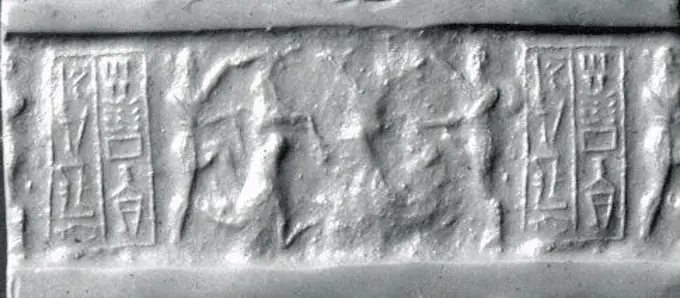
Ancient Egyptian Seals

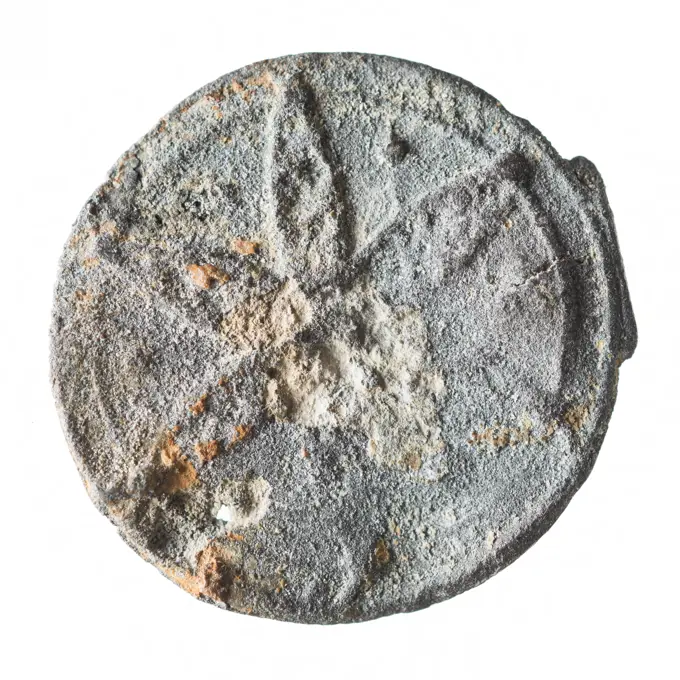
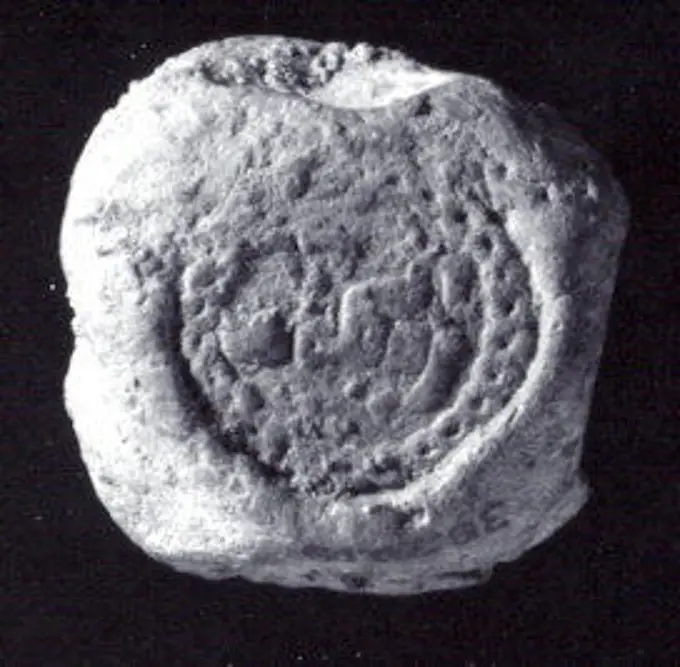
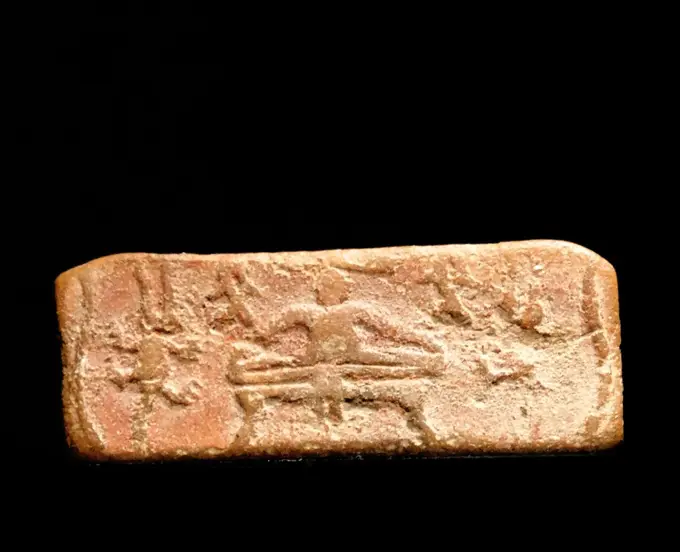
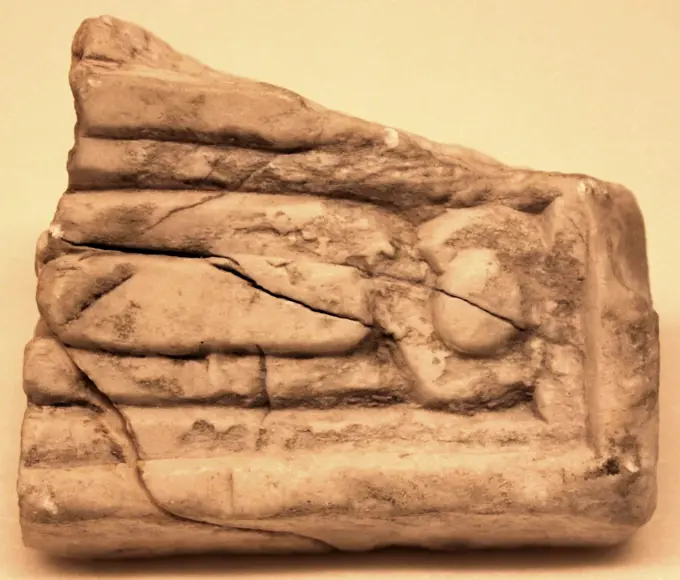
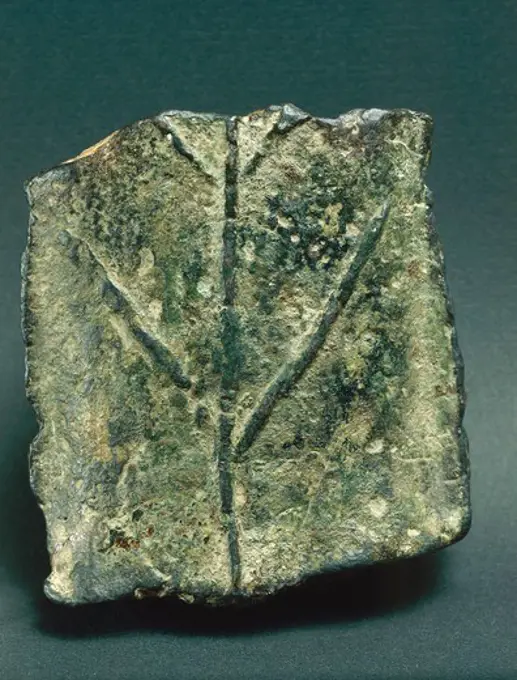
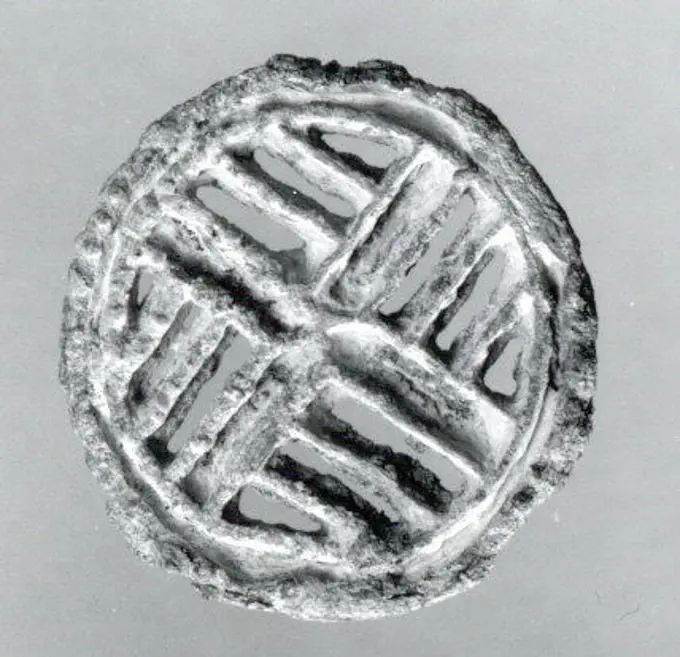
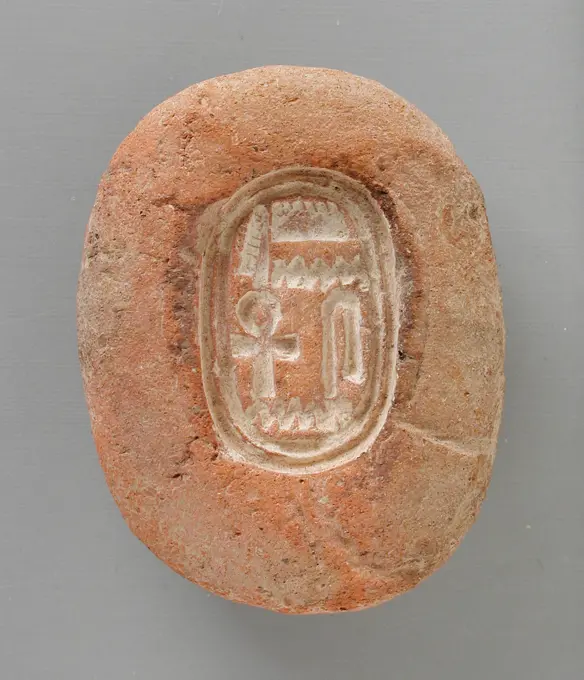
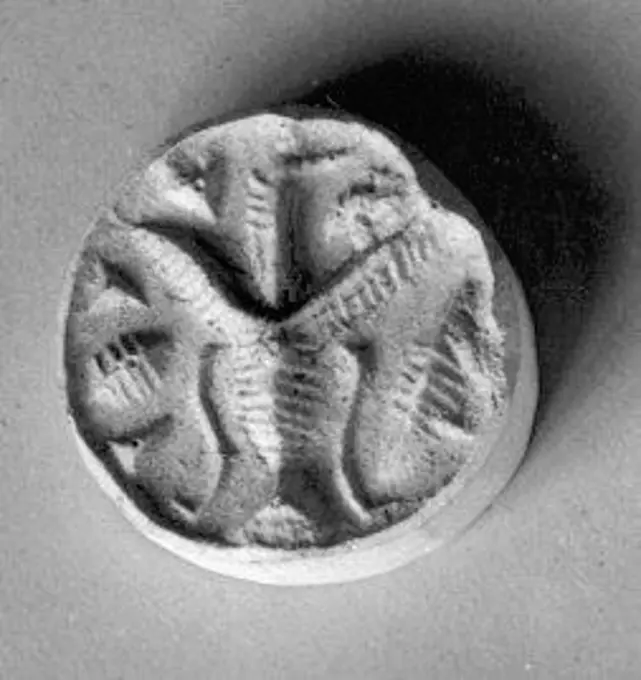
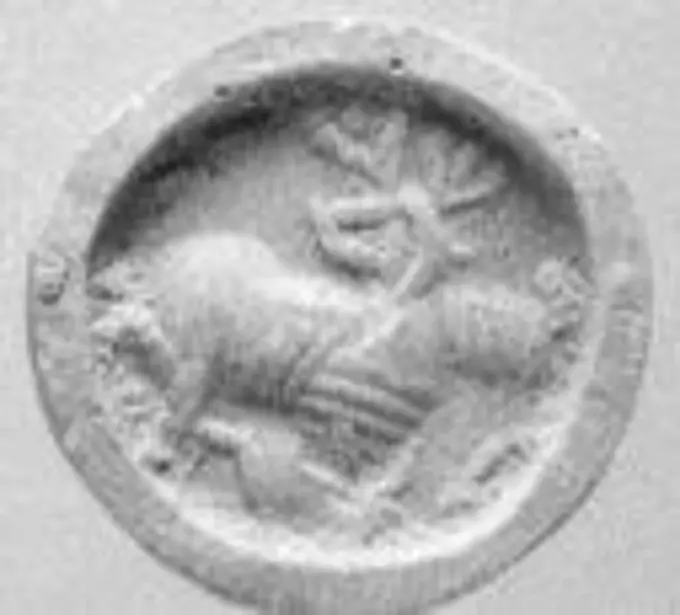
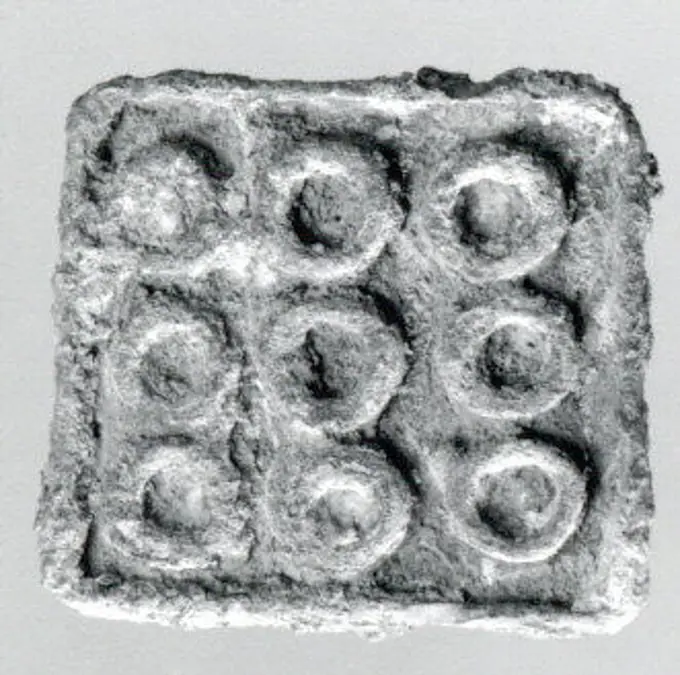
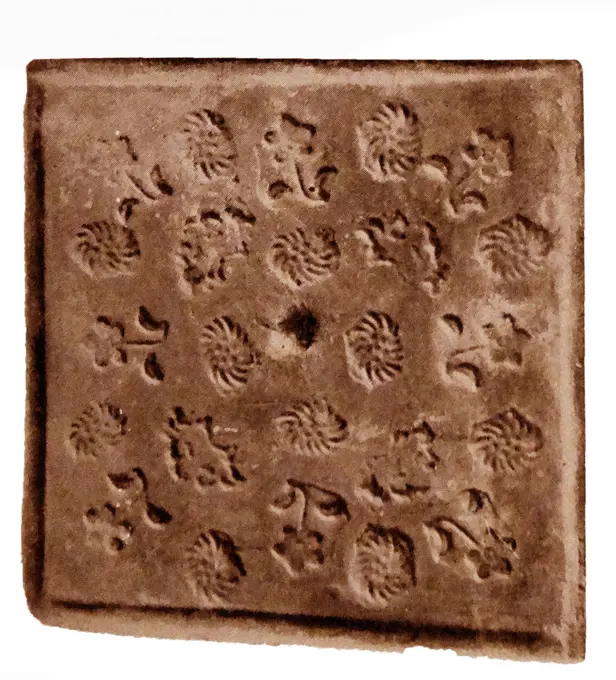
A variety of ancient sealing artifacts from the Middle Kingdom, showcasing intricate designs carved in mud, representing historical significance.

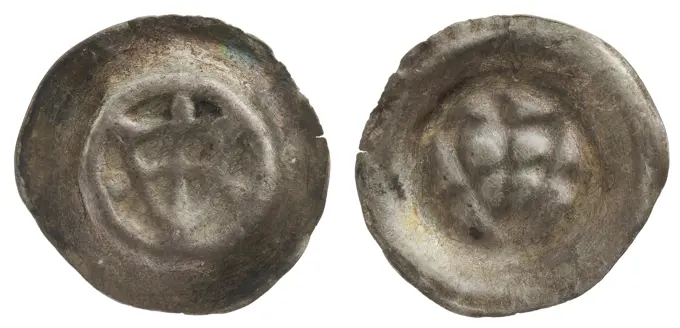
Bliżej Kultury Władysław Jagiełło (CA 1351 1434), Mint of Kraków
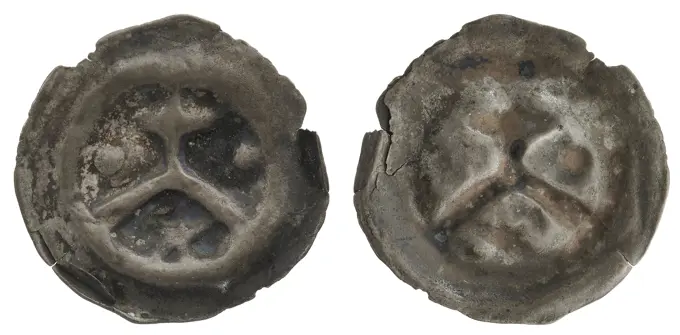
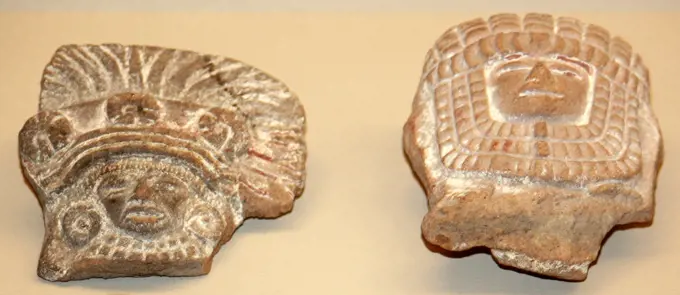
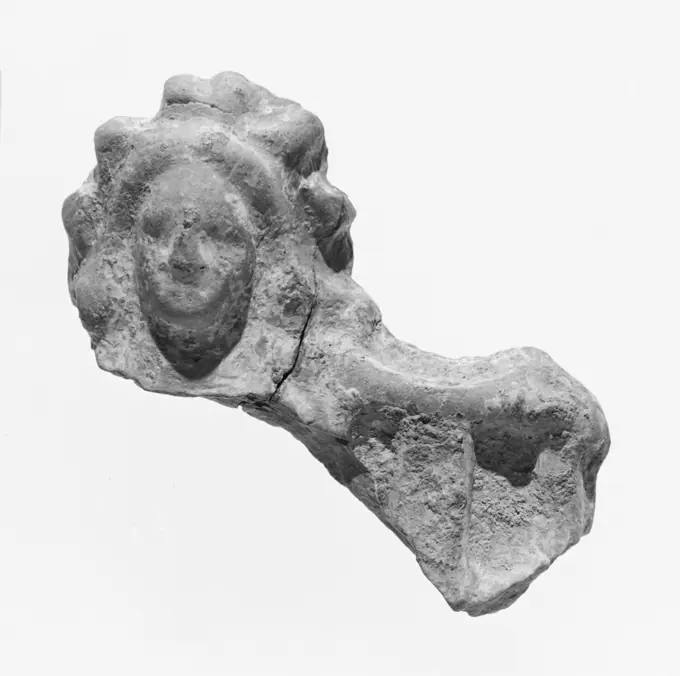
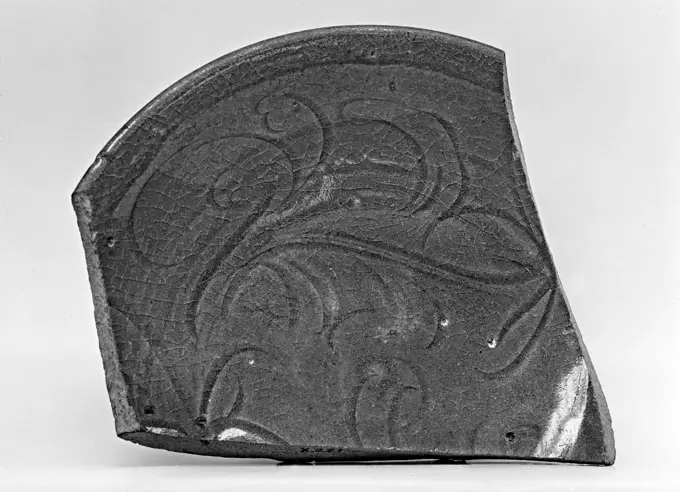
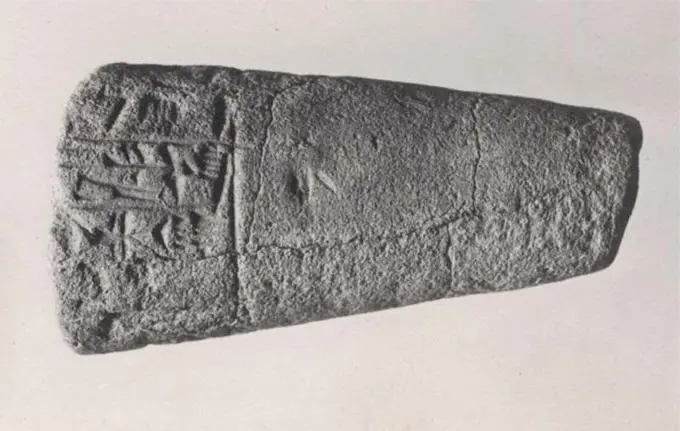
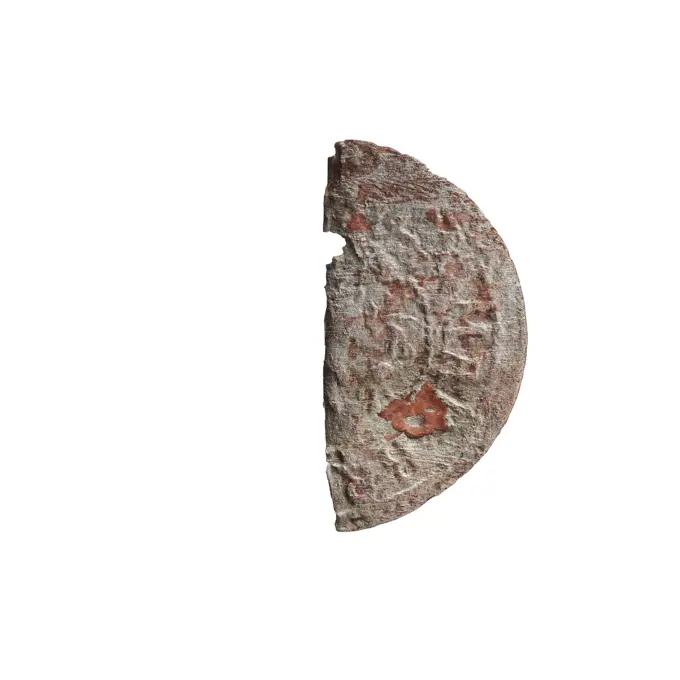
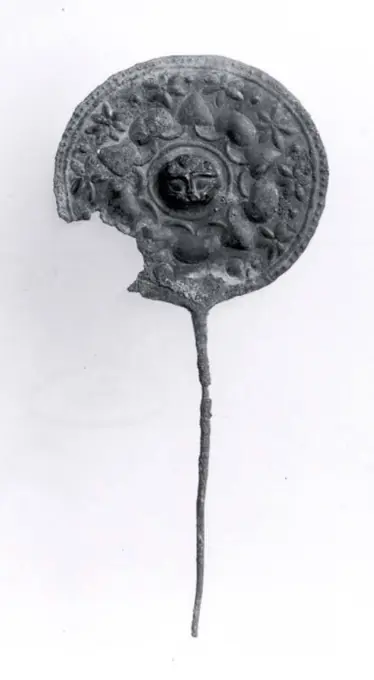
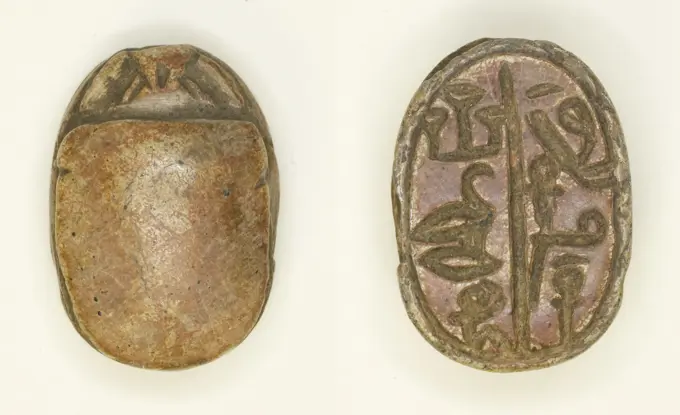
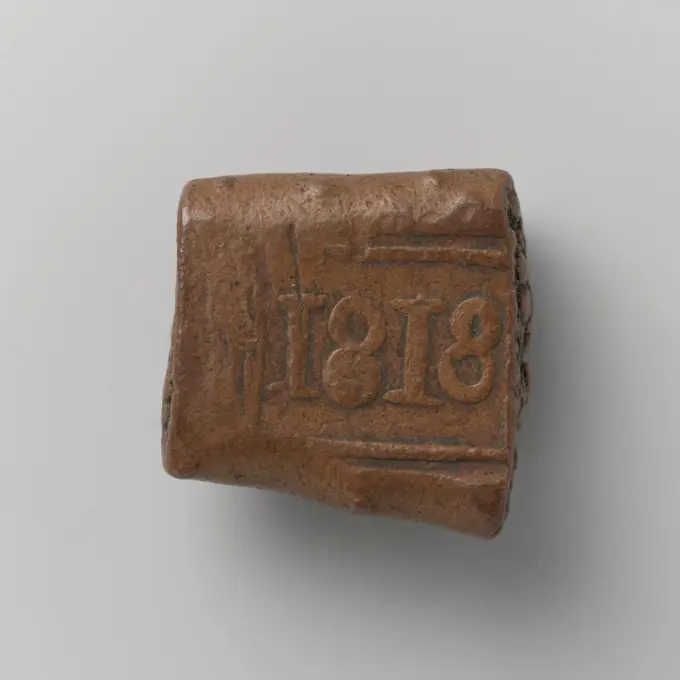
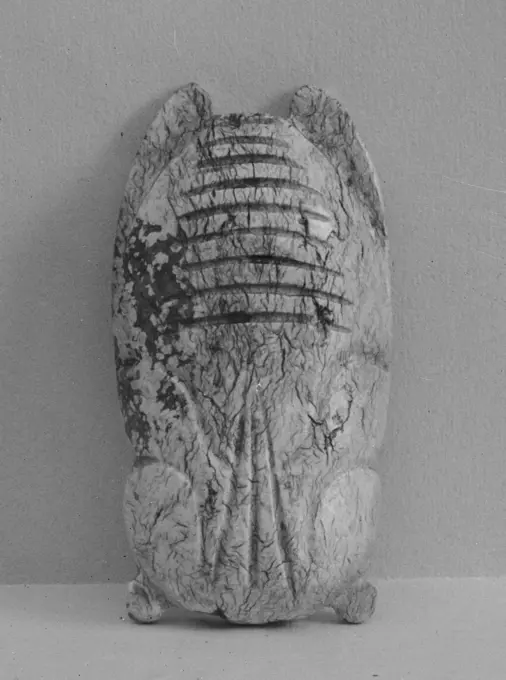
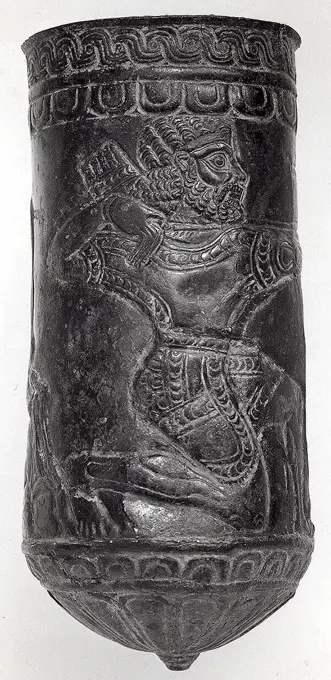
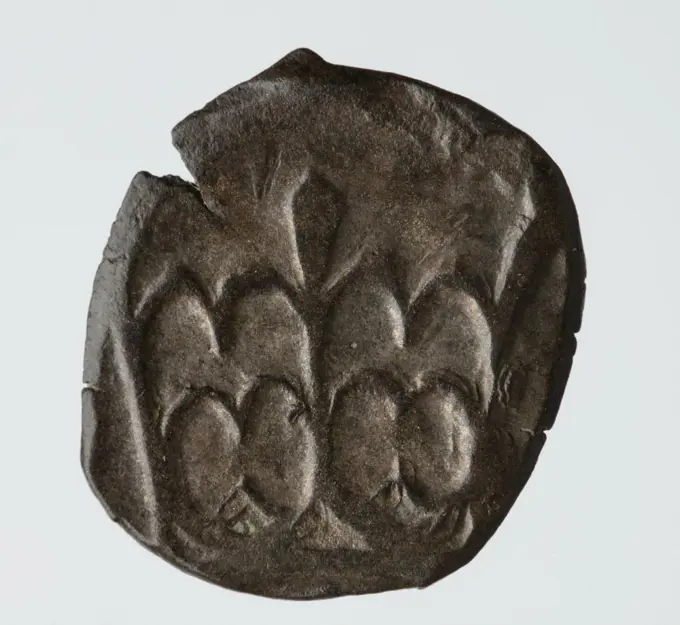
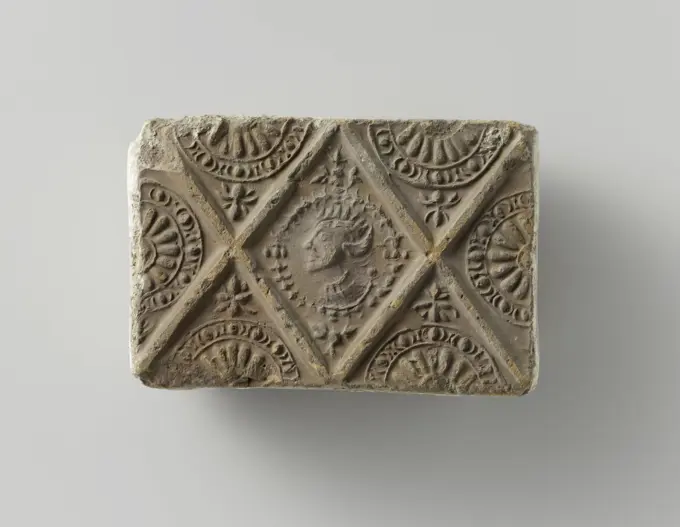
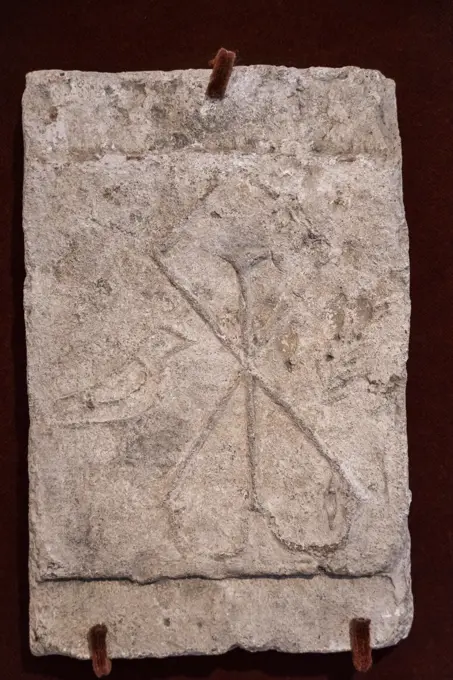
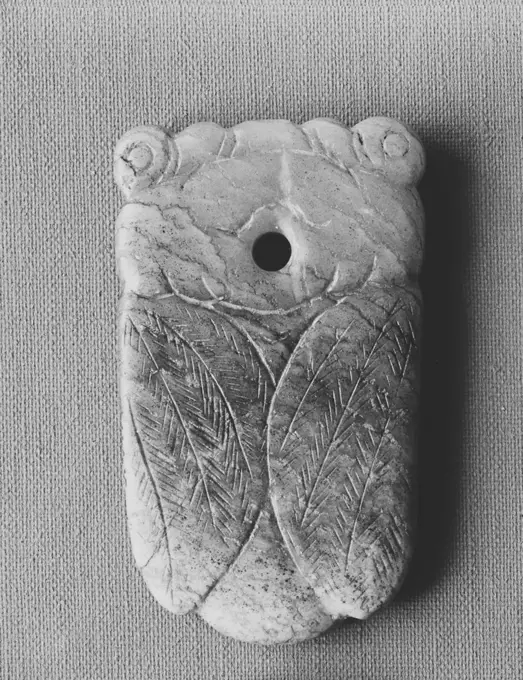
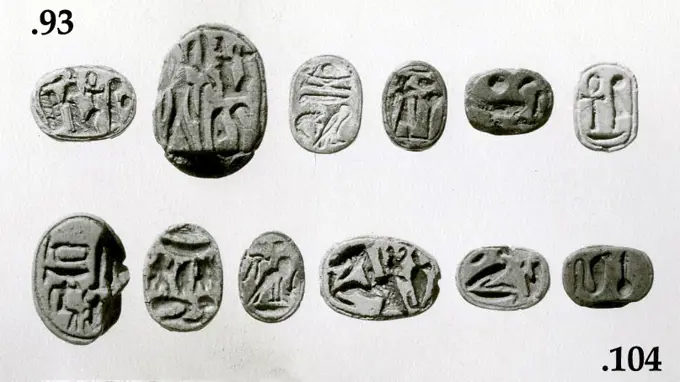
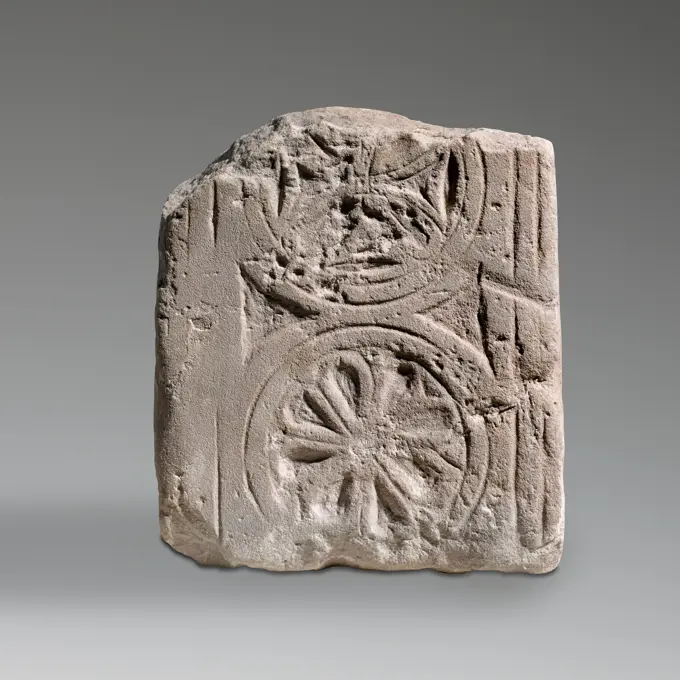
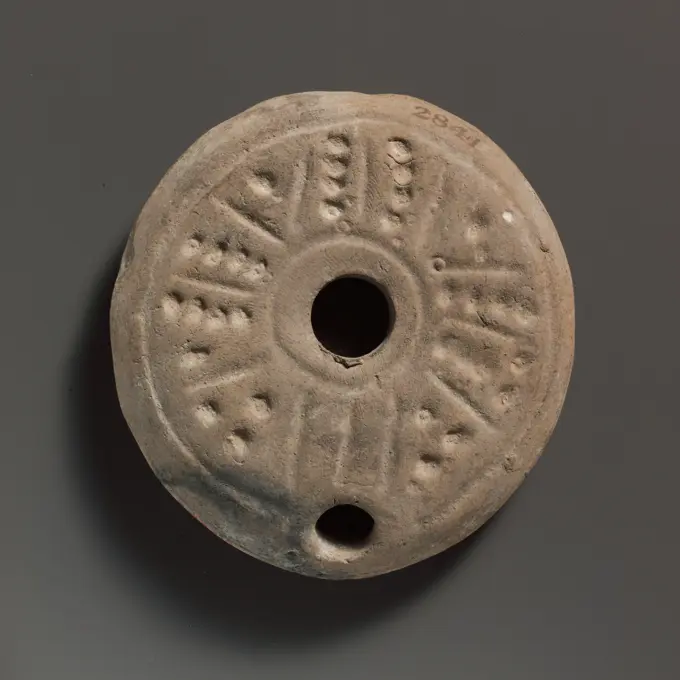
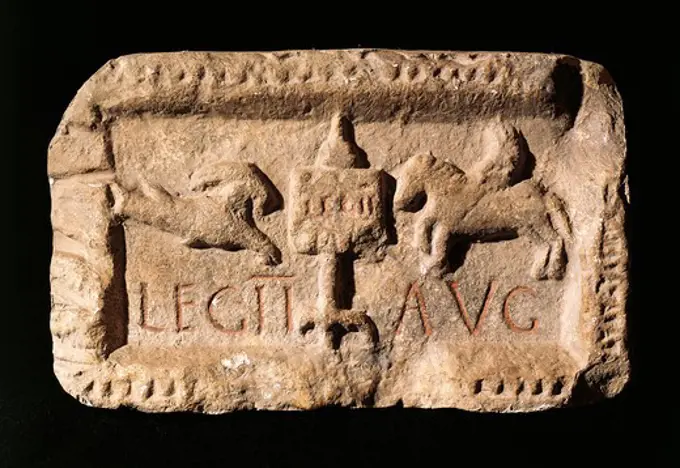
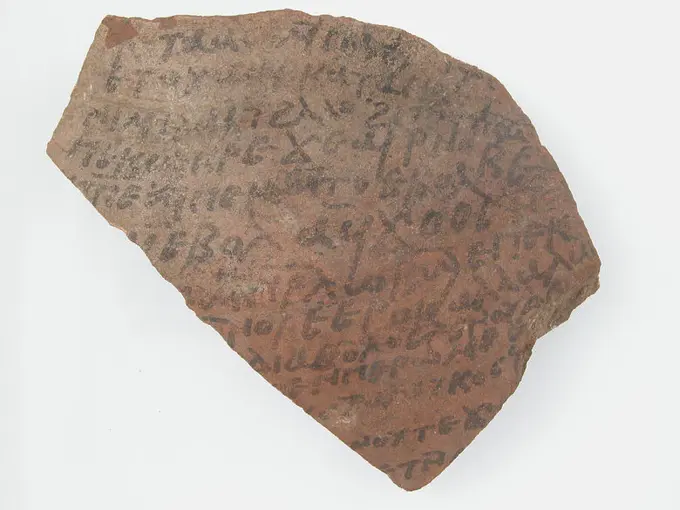
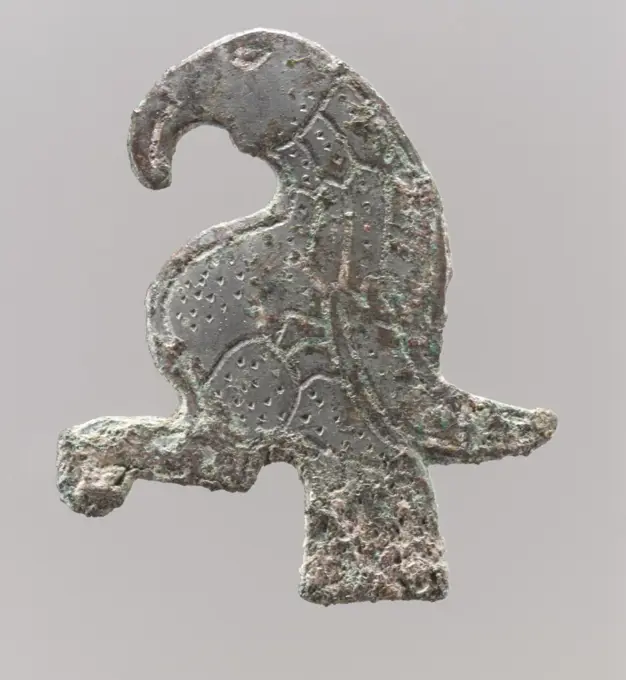
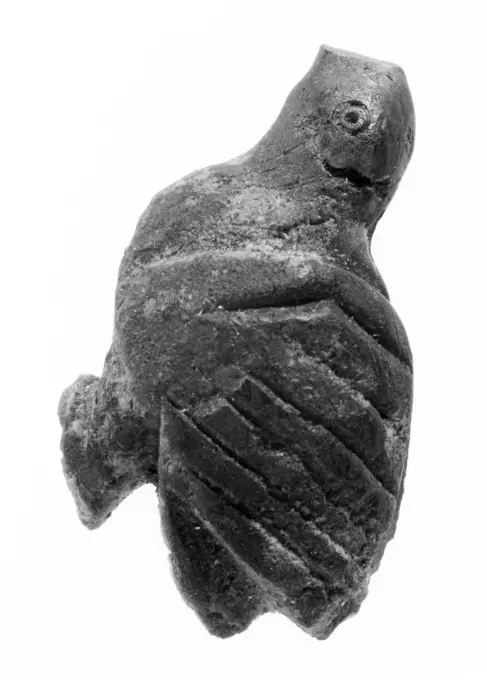
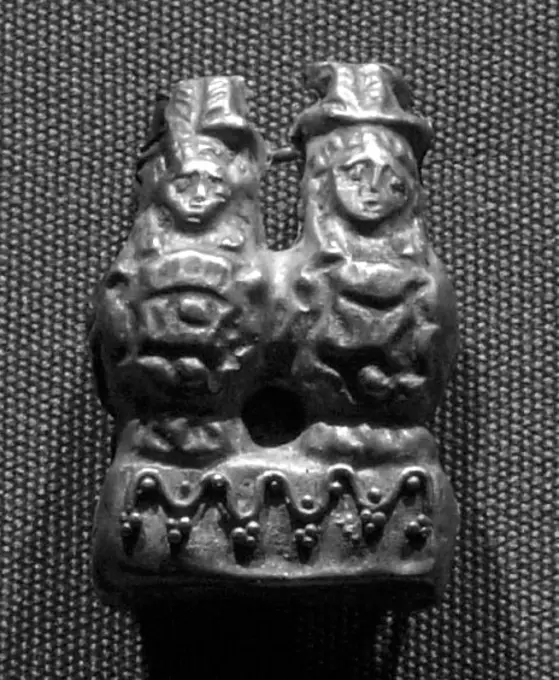
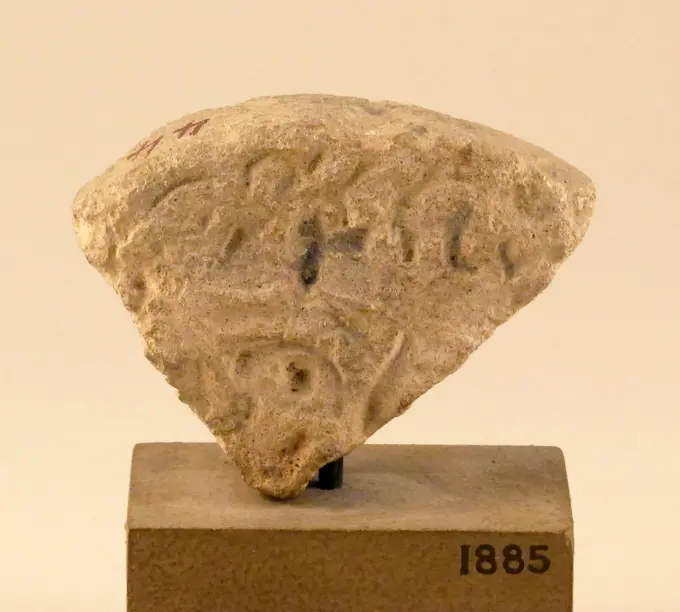
Lazio Roma Subiaco Monastery of S. Scolastica Archaeological Museum46. Hutzel, Max 1960-1990 Antiquities: Views of antiquities in museum, including sarcophagi, plates, vases, coins. General Notes: Hutzel guide says we have negatives, but we cannot find them. German-born photographer and scholar Max Hutzel (1911-1988) photographed in Italy from the early 1960s until his death. The result of this project, referred to by Hutzel as Foto Arte Minore, is thorough documentation of art historical development in Italy up to the 18th century, including objects of the Etruscans and the Romans, as well as early Medieval, Romanesque, Gothic, Renaissance and Baroque monuments. Images are organized by geographic region in Italy, then by province, city, site complex and monument.Hearing stone with men's head and the letters V i in Lauwerkrans, c. 1575 - c. 1625 Hearing stone with men's head and the letters V i in Lauwerkrans, placed in profiled window. A double -headed eagle in the half windows on the sides. The half windows on the top and bottom are filled with half medallions with star motif. Southern Netherlands earthenware Hearing stone with men's head and the letters V i in Lauwerkrans, placed in profiled window. A double -headed eagle in the half windows on the sides. The half windows on the top and bottom are filled with half medallions with star motif. Southern Netherlands earthenwareFemale Head. UnknownCroican Croix, XIII-XIVth centuries Anonymous. "Croix Croix Cross, XIII-XIVth centuries". Lead. 1200-1350.Female Head. Unknownbracteate denarius. Zakon krzyżacki (1190-), issuerPottery heads. Teotihuacan, 150 BC-AD 750 The great variety of headdress and facial ornament on small figurines reflects the different roles and offices represented in the social hierarchy at this great metropolis.Buckle 6th-7th century Frankish. Buckle 465365 Frankish, Buckle, 6th7th century, Iron, gold foil, copper alloy rivets, Overall: 1 15/16 x 1 5/16 x 1/4 in. (4.9 x 3.3 x 0.6 cm). The Metropolitan Museum of Art, New York. Gift of J. Pierpont Morgan, 1917 (17.192.6)Sealing ca. 2030-1640 B.C. Middle Kingdom. Sealing 565381Female Head. UnknownFragment of a Bowl China. Fragment of a Bowl. China. Stoneware with incised design under celadon glaze (Northern celadon ware). Song dynasty (960-1279). CeramicsSealing with stamp seal impression: seated figure ca. 18th century B.C. Old Assyrian Trading Colony. Sealing with stamp seal impression: seated figure 323537Votive cone with cuneiform inscription of Gudea ca. 2090 B.C. Neo-Sumerian. Votive cone with cuneiform inscription of Gudea 321899szel g - destruct; Pfahler, Ernest; 1623-1633 (1623-00-00-1633-00-00);Disc-headed pin ca. 8th-7th century B.C. Iran. Disc-headed pin 323721Scarab Title (Seal-Bearer of the King of Lower Egypt, Overseer of Sealed Goods) and Personal Name (Har) 1650 BCE-1550 BCE Egypt. Steatite . Ancient EgyptianBronze of Suession (Soissons) Bronze of the Suession (Soissons). Imprecized identification.Bonk from 2 pennies of the Dutch East Indies, 1818, William I (King of the Netherlands), 1818 coin Copper rectangular mint. Front: Within a rectangular list value indication 2 St. Rail side: within a rectangular frame year. Surabaya copper (metal) striking (metalworking)Fireplace, on which a climbing lion between two lilies, anonymous, 1564 Hearing stone, on which a climbing lion between two lilies and the year 1564. From fine baked earth. Southern Netherlands earthenware Hearing stone, on which a climbing lion between two lilies and the year 1564. From fine baked earth. Southern Netherlands earthenwareCicada late 19th to early 20th century China. Cicada. China. late 19th to early 20th century. Jade (nephrite). Late Qing dynasty (1644-1911). JadeJackal amulet 664-332 B.C. Late Period. Jackal amulet 555310Stamp Seal. Northern Mesopotamia, circa 4th millennium B.C.. Tools and Equipment; seals. Black serpentineFragment węgara. warsztat nubijski, workshopCobra amulet 400-30 BC Ptolemaic Period Starting in the later Late Period and continuing through the Ptolemaic Period, a type of glass amulet cast by pressing the glass into a shallow open mold appears. The back was left rough, and the amulets may look ragged because glass overflowed the mold around the edges. The earlier amulets are monochrome, bi- or multicolor amulets supplement the repertoire during the Ptolemaic Period. Most are clearly funerary amulets, presumably meant to be wrapped between the bandages of the mummy where the presence of the amulet would do its job irrespective of its degree of finish.. Cobra amulet. 400-30 BC. Glass. Ptolemaic Period. From Egypt. Dynasty 26-30Scaraboid Face Motif on Top; Two Figures Holding Flower on Base 1650 BCE-1550 BCE Egypt. Steatite . Ancient EgyptianTerracotta seal with a male cult figure; from the Indus Valley civilization at Mohenjo Daro; Indian Sub-continent; 2500-2300 B.C.Mold with Cartouche containing Birth Name of Ramses VIII. Egypt, New Kingdom, 20th Dynasty, reign of Ramses VIII (1141 - 1139 BCE). Tools and Equipment; molds. TerracottaOlive lamp;  II century (101-00-00-200-00-00);Queen Tiy, seal. EGYPT.Bliżej Kultury Mint of Kraków, Władysław Warneńczyk (King of Poland, 1434 1444)Counter Plate of a Belt Buckle last quarter 7th century Frankish. Counter Plate of a Belt Buckle 472620Oko prawe - inkrustacja z sarkofagu. unknown, authorRelief fragment, tomb of Meketre ca. 1981-1975 B.C. Middle Kingdom. Relief fragment, tomb of Meketre 562216Document Sealing With Multiple Seal Impressions ca. 1390-1353 B.C. New Kingdom. Document Sealing With Multiple Seal Impressions. ca. 1390-1353 B.C.. Mud. New Kingdom. From Egypt, Upper Egypt, Thebes, Malqata, MMA excavations, 1910-12; Presumably from West Villas, West Villa B. Dynasty 18Fireplace with presentation of two climbing lions, placed in two windows. Fireplace with a show of two climbing lions, placed in two windows and accompanied by the year 1621.Document Sealing With the Throne Name of Amenhotep III ca. 1390-1353 B.C. New Kingdom. Document Sealing With the Throne Name of Amenhotep III. ca. 1390-1353 B.C.. Mud. New Kingdom. From Egypt, Upper Egypt, Thebes, Malqata, West Villas, West Villa B, MMA excavations, 1910-12. Dynasty 18Mold for a Wedjat-Eye Amulet ca. 1390-1353 B.C. New Kingdom. Mold for a Wedjat-Eye Amulet. ca. 1390-1353 B.C.. Pottery. New Kingdom. From Egypt, Upper Egypt, Thebes, Malqata, S. Magazines or Factories, MMA excavations, 1910-12. Dynasty 18Min amulet 664-332 B.C. Late Period. Min amulet. 664-332 B.C.. Faience. Late Period. From Egypt. Dynasty 26-30Stone probably 8th-12th century This object was excavated at Nishapur.Nishapur was a vital city in the early and middle Islamic periods, located along one of the main trajectories that connected Iran and West Asia Islamic lands with Central Asia and China. These itineraries are often referred to by the term Silk routes’ but were in fact crucial to the movement of constellations of materials and objects, as well as people and ideas. The diverse population of Nishapur and its surroundings, from the better-researched elite groups of merchants, land-owning aristocracy, and literates, to the less-known artisans, farmers, miners, and servants, were instrumental in adapting global cultural trends to create their own distinctive visual languages. This is seen in the material remains of everyday life in medieval Nishapur - from pots and pans to lighting devices, inkwells, textiles and trimmings, jewelry, games and toys, talismanic devices, weapons, coins, and architectural fragments.Nishapur lGold leaf frontlet (band for forehead) 7th-6th century B.C. Cypriot Addorsed palmettesSheet gold ornaments made for the grave are decorated in low relief. The motifs were cut into a concave mold, and the sheet metal was pressed into the forms. The sheet was then cut to the desired shape. The vegetal decoration here is characteristic especially of East Greek art of the seventh century B.C.. Gold leaf frontlet (band for forehead). Cypriot. 7th-6th century B.C.. Gold. Archaic. Gold and SilverAes Signatum ingot depicting a dry bough, stamped copper, republican ageCoin. UnknownCoin 8th-early 9th century. Coin. 8th-early 9th century. Copper. Excavated in Iran, Nishapur. CoinsAdministrative Seal ca. 1981-1640 B.C. Middle Kingdom. Administrative Seal 565823Compartmented stamp seal ca. late 3rd-early 2nd millennium B.C. Bactria-Margiana Archaeological Complex. Compartmented stamp seal 326866Tile China. Tile 52520Mold with Name of Queen Ankhesenamen. Egypt, New Kingdom, probably late 18th or early 19th Dynasty (1355 - 1198 BCE). Tools and Equipment; molds. TerracottaPost base from Greek inscription votive; Demetrios; 1st century BC / 1st century AD (-99-00-00-100-00-00);Deposit of the University of Warsaw from 1937-1939Fragment of a Votive Relief with Griffins; Greece (Attica); second half of 4th century B.C; Marble; 19 × 24 × 6.6 cm (7 1,2 × 9 7,16 × 2 5,8 in.)Beaker with archer and bull ca. 10th-9th century B.C. Iran. Beaker with archer and bull 324053Bliżej Kultury Mint of Kraków, Władysław Warneńczyk (King of Poland, 1434 1444)Mask of a Male Face. UnknownAntefija, templo griego, Empúries, siglo V a.c. Museum: Museu d'Arqueologia de Catalunya, Empúries.Fragment imadła amfory ze stemplem. unknown, potter's workshopFireplace with presentation of two climbing lions, placed in two windows. Fireplace with a show of two climbing lions, placed in two windows and accompanied by the year 1598. The half and a quarter windows on the top and bottom are filled with a diamond-shaped flower.Stamp seal with loop handle 2nd millennium B.C. () Iran. Stamp seal with loop handle. Iran. 2nd millennium B.C. (). Steatite, black. Old Elamite (). Iran ()Weights Pharmacist Balance from the wreck of the East Indieschief Hollandia. ID. NG 1980-27H2750, Drachms and Scruple.Plaque fragment ca. 9th century B.C. Iran. Plaque fragment 325753Hearing stone with a crowned men's head in a profiled diamond., Anonymous, c. 1550 - c. 1599 Hearing stone with a representation of a crowned men's head and profil in a lauwkrans, placed in a profiled diamond. The half windows on the top and bottom and on the sides are filled with half medallions with floral pattern. Southern Netherlands earthenware Hearing stone with a representation of a crowned men's head and profil in a lauwkrans, placed in a profiled diamond. The half windows on the top and bottom and on the sides are filled with half medallions with floral pattern. Southern Netherlands earthenwareStamp, Gabled with Rounded Back. Northern Syria or southeast Anatolia, circa 3500 - 3100 B.C.. Tools and Equipment; stamps. Black chloritePale Christian decorative brace Pale Christian decorative brick copyright: xzoonar.com/tolox 22568821Bonk from 1 penny from the Dutch East Indies, 1810, Louis Napoleon (King of Holland), 1810 coin Copper rectangular mint. Front: within a rectangular list of pearls value indication S. Rail side: within a rectangular list of pearls year. Batavia copper (metal) striking (metalworking)Stamp seal ca. late 3rd-early 2nd millennium B.C. Bactria-Margiana Archaeological Complex. Stamp seal. Bactria-Margiana Archaeological Complex. ca. late 3rd-early 2nd millennium B.C.. Copper alloy. Bronze Age. Bactria-MargianaRam amulet 664-332 B.C. Late Period. Ram amulet 555348Document Sealing With the Throne Name of Amenhotep III ca. 1390-1353 B.C. New Kingdom. Document Sealing With the Throne Name of Amenhotep III. ca. 1390-1353 B.C.. Mud. New Kingdom. From Egypt, Upper Egypt, Thebes, Malqata, West Villas, West Villa B, MMA excavations, 1910-12. Dynasty 181 Drachm of Apollodotus I fromBactria. Ruler: Apollodotus I, ca. 180-160 B.C. Mint: Bactria Artist: UnknownOval plaque ca. 733-664 B.C. Third Intermediate Period. Oval plaque. ca. 733-664 B.C.. Glazed steatite. Third Intermediate Period. From Egypt. Dynasty 25Plaque fragment. Culture: Iran. Dimensions: 0.63 x 2.05 x 0.31 in. (1.6 x 5.21 x 0.79 cm). Date: ca. 9th century B.C.. Museum: Metropolitan Museum of Art, New York, USA.Head with Wreath. UnknownCicada late 19th to early 20th century China. Cicada 43032Scarab ca. 1295-1070 B.C. New Kingdom, Ramesside. Scarab. ca. 1295-1070 B.C.. Steatite. New Kingdom, Ramesside. From Egypt. Dynasty 19-20Stamp seal ca. 3rd-7th century A.D. Sasanian. Stamp seal. Sasanian. ca. 3rd-7th century A.D.. Hematite. Sasanian. Iran or MesopotamiaJar Sealing with Two Impressions from Reign of Akhenaten. Egypt, New Kingdom, 18th Dynasty, reign of Akhenaten (1372 - 1355 BCE). Furnishings; Serviceware. Semi-baked clay of gray colorbracteate denarius. Zakon krzyżacki (1190-), issuerFragment of Gara; Unknown Nubian workshop; VII century (601-00-00-700-00-00);Faras (Sudan), relief decorations, architectural elements, crosses, frames, Nubian art, rosettes (ornament), Nubian crafts, Polish excavations in Faras (Sudan), HungarySealing ca. 2030-1640 B.C. Middle Kingdom. Sealing 546523Wall pocket, Medium: linen Technique: embroidered, Wall pocket with three pockets in quilted white linen. Two sections have symmetrical floral patterns; the top, or flap if folded, has a floral spray with birds. Lined on back with cream-colored silk., Switzerland, 17th-18th century, embroidery & stitching, Wall pocketShield Strap Fragment. Signed by Aristodamos of Argos (Greek (Argive), active 590 - 570 B.C.)Terracotta oil lamp late 5th-6th century A.D. Roman Vessberg Type 20. Mold-made. Shallow, lentoid shape, with impressed decoration. Large, oval central filling hole, surrounded by a broad band containing a star pattern between two circular grooves; the star pattern comprising four linear radiating spokes, each consisting of two rows of small impressed circles flanking a central groove and, between the spokes, four triangles (the two at back, containing a single impressed circle, and the two at front, three impressed circles; the outer circular groove broken by the wick hole. On the uneven base, a disk pattern, poorly executed, comprising a central dot with a circular groove, surrounded by a row of impressed dots and another circular groove, with a linear spoke at front, and traces of dots at back.Intact.. Terracotta oil lamp 241599Stamp seal ca. late 3rd-early 2nd millennium B.C. Bactria-Margiana Archaeological Complex. Stamp seal 326867Tile Fragments 13th century. Tile Fragments. 13th century. Stonepaste; glazed and luster-painted. Made in Iran. Ceramics-TilesStamp seal (ovoid, in grooved mount with loop handle) with cartouches 9th - 7th century B.C. Phoenician. Stamp seal (ovoid, in grooved mount with loop handle) with cartouches. Phoenician. 9th - 7th century B.C.. Steatite, white; copper alloy mount. Iron Age II. Levant or SyriaBead ca. 9th century B.C. Iran. Bead 325210Plate with insignia of II Legion and figures of Pegasus and Capricorn, Legion emblemsBronze mirror from Koryo (Goreyo) (Goreyo) dynasty (918-1392).Fragment 8th-9th century. Fragment 448874Relief fragment ca. 6th-8th century A.D. Sasanian or Islamic. Relief fragment 322693Ostrakon. Culture: Coptic. Dimensions: 4 x 3 1/4 in. (10.1 x 8.3 cm). Date: 7th century. Museum: Metropolitan Museum of Art, New York, USA.Coin 9th-14th century. Coin 457617Volute from Architectonic Fragment (from an altar). UnknownTabliczka klinowa z rachunkiem rozliczeniowym kupca z podaniem wartości towarów w przeliczeniu na srebro. nieznany urzędnik sumeryjski, authorPurse Mount in the Form of a Bird first half 6th century Frankish These objects were used as decorative appliqués on a purse that would have hung from a strap.. Purse Mount in the Form of a Bird 464903 Frankish, Purse Mount in the Form of a Bird, first half 6th century, Copper alloy, tinned surface, Overall: 1 5/16 x 1 9/16 x 1/4 in. (3.4 x 4 x 0.7 cm). The Metropolitan Museum of Art, New York. Gift of J. Pierpont Morgan, 1917 (17.191.203)Engraved Gem. UnknownBead. UnknownFragment. Dimensions: L 9cm x W 5x H 2. Date: probably 8th-12th century. Museum: Metropolitan Museum of Art, New York, USA.Pendant: Osiris and Isis of Canopus A.D. 2nd century Roman Period The meaning of this small pendant is not entirely clear, and even the images are difficult to read because of the size of the object and the crushing of the hollow sheet gold. It seems to show two vessel-like forms with crowned heads, a form that relates to Osiris-Canopus, who was worshipped in the form of a jar with a human head in the coastal city of Canopus. The jar of Osiris-Canopus may signify the abundance brought by Nile water or may have been dervied from a reliquary form. Imagery of the god appears on Alexandrian coins in the 1st century AD and thrived in the 2nd century AD in Egypt and beyond. Indeed the Roman emperor Hadrian had visited and enjoyed Canopus and replicated aspects of the city, including an image of Osiris-Canopis, at his estate Tivoli near Rome.Representations of two such jars together are known on coins and elsewhere, but there their attributes can be more clearly differentiated than they seem Head with Melon Coiffure and Wreath. UnknownLimestone inscribed disk fragment Cypriot With uncertain sign.. Limestone inscribed disk fragment. Cypriot. Limestone. Cesnola InscriptionsScarab Inscribed With the Cartouche of Sebekemsaf Second Intermediate Period ca. 1635-1550 B.C. View more. Scarab Inscribed With the Cartouche of Sebekemsaf. ca. 1635-1550 B.C.. Jasper, gold. Second Intermediate Period. From Egypt. Dynasty 17Cylinder seal ca. 2350-2150 B.C. Akkadian. Cylinder seal 323882