Ancient Egyptian Seals

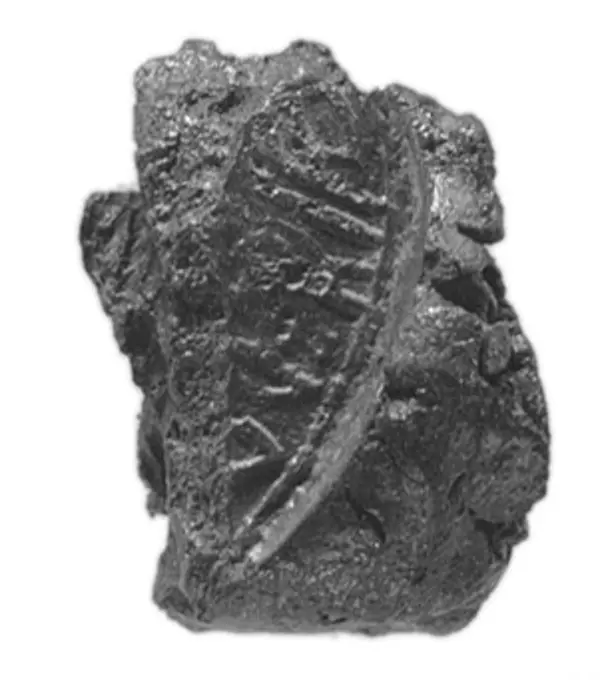
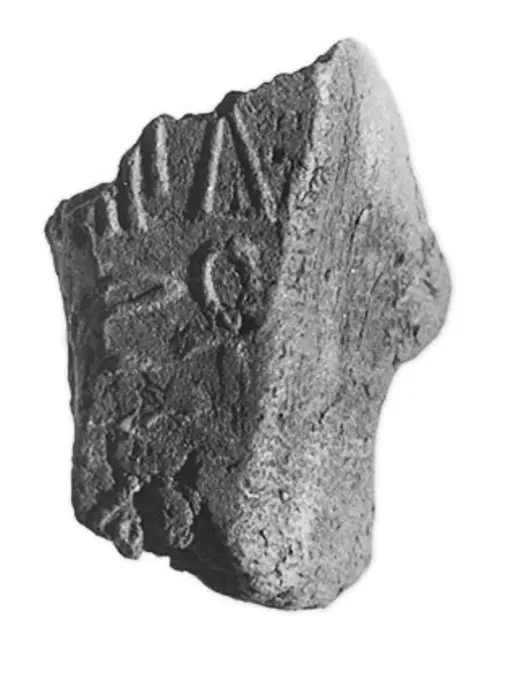
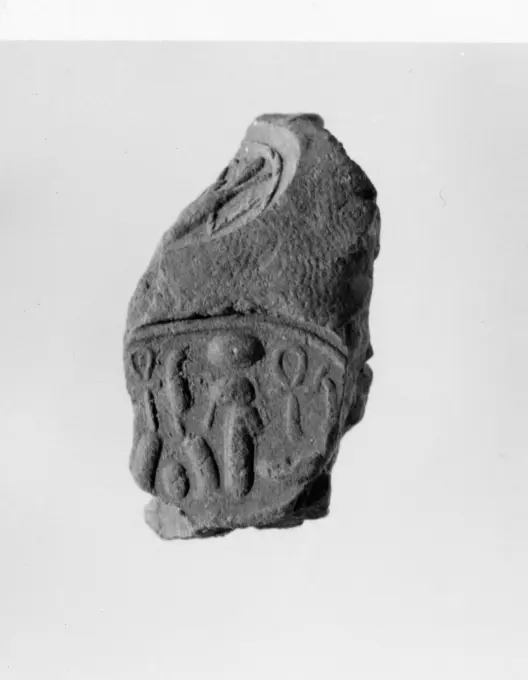
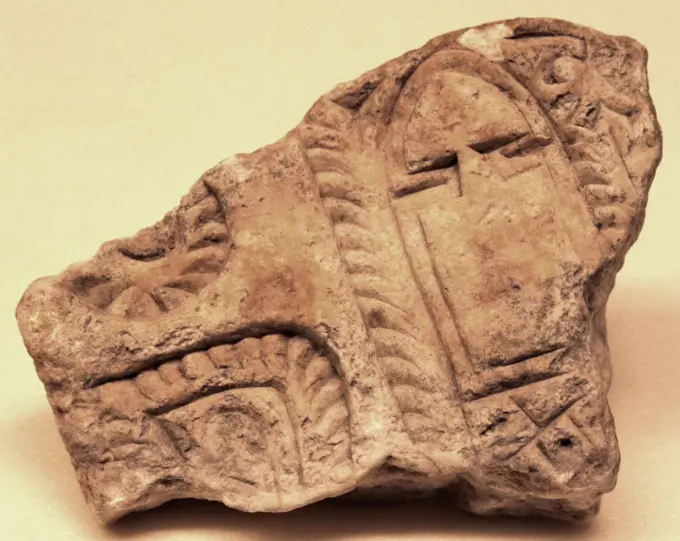
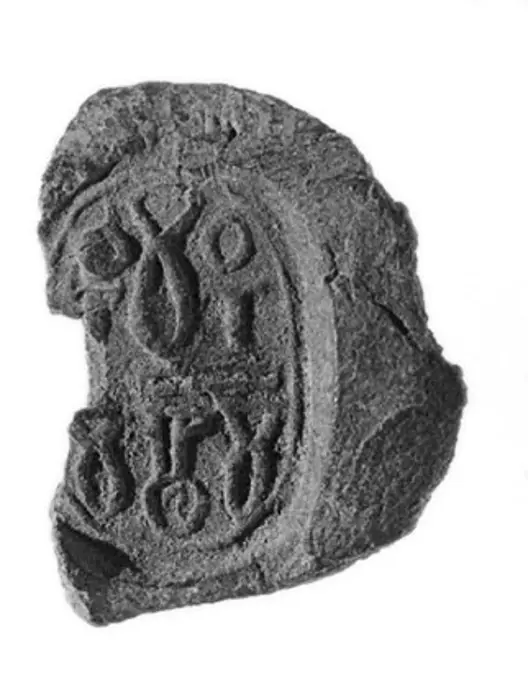
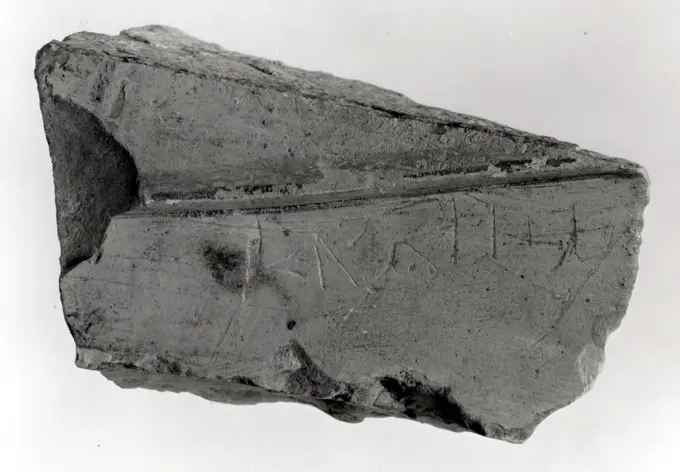
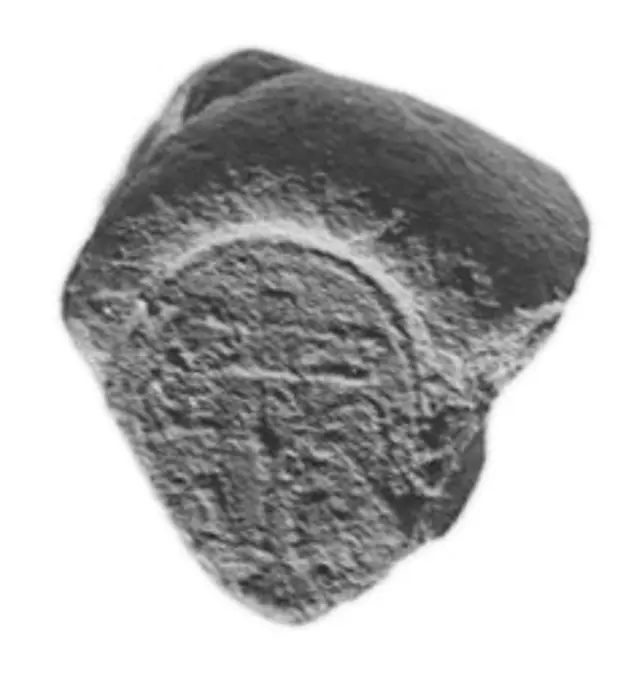
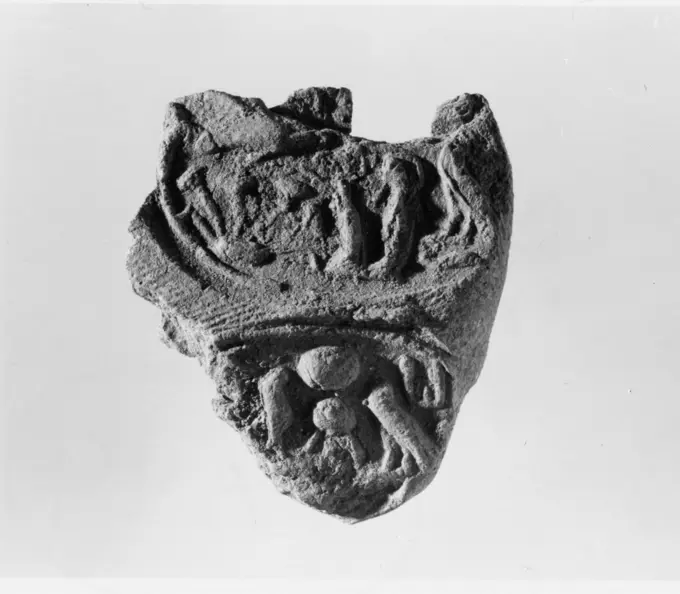
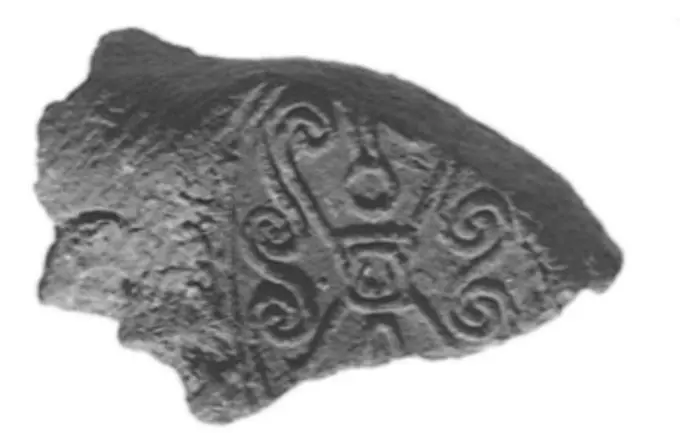
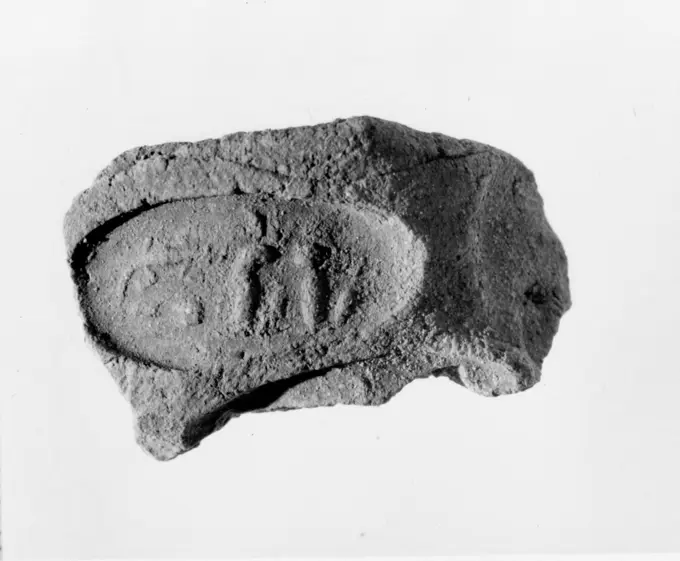
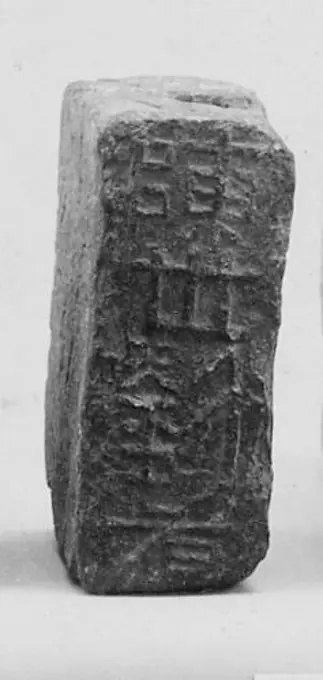
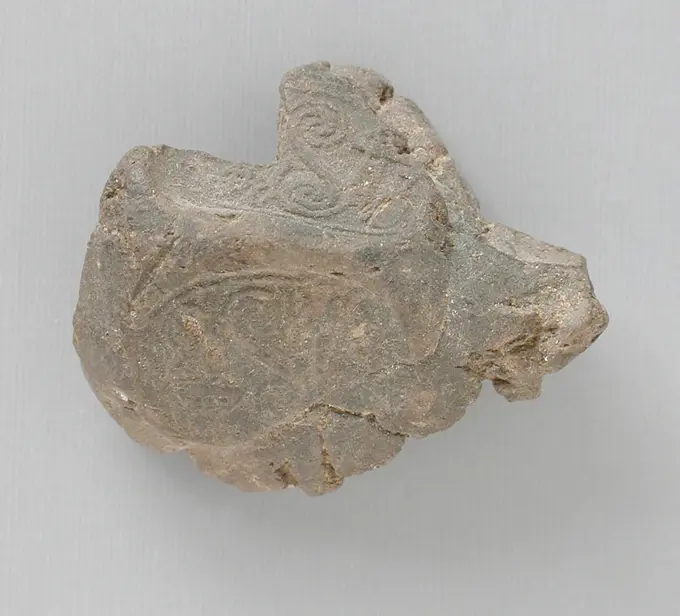
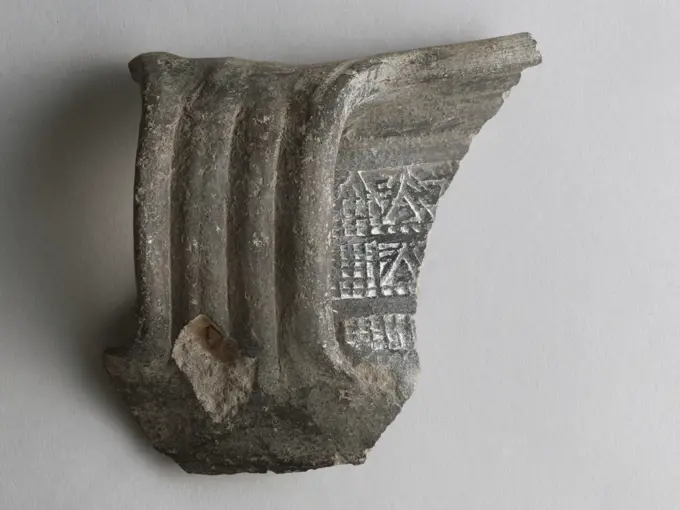
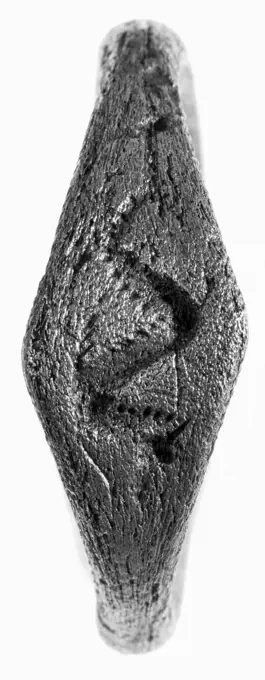
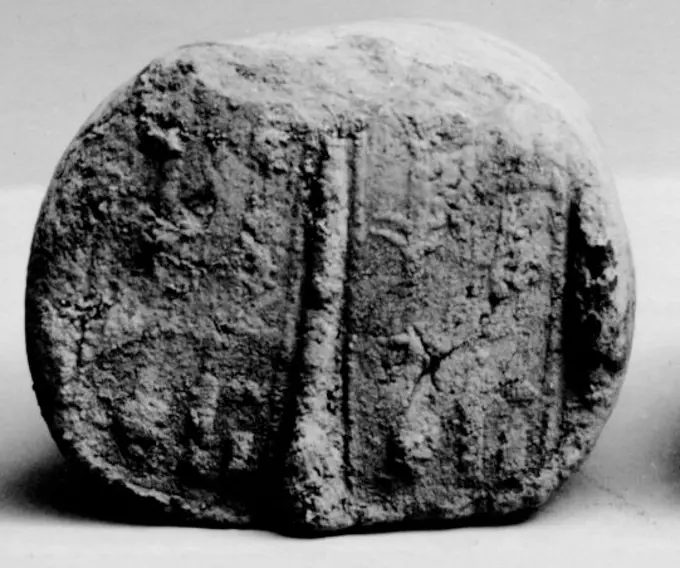
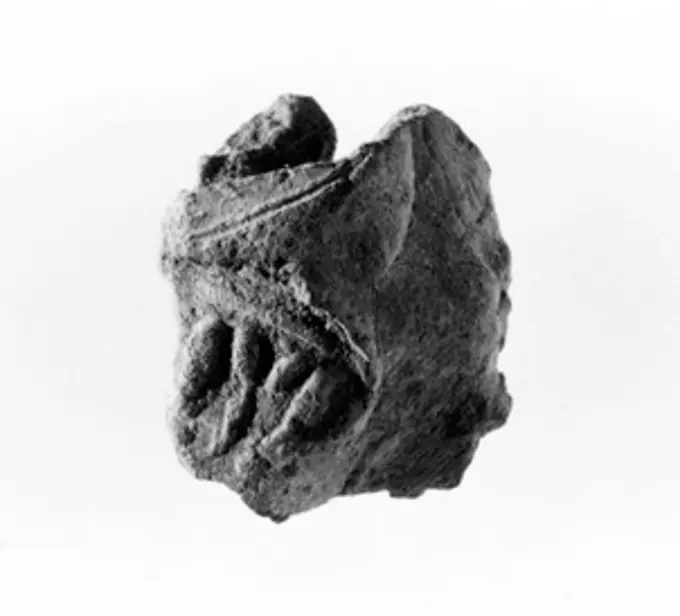
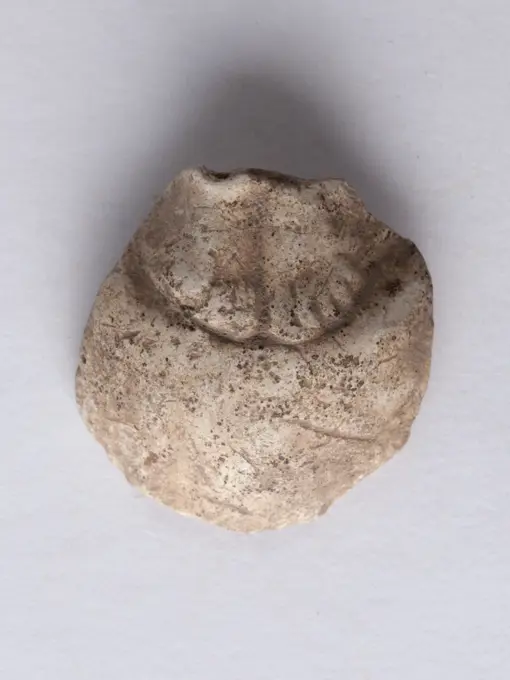
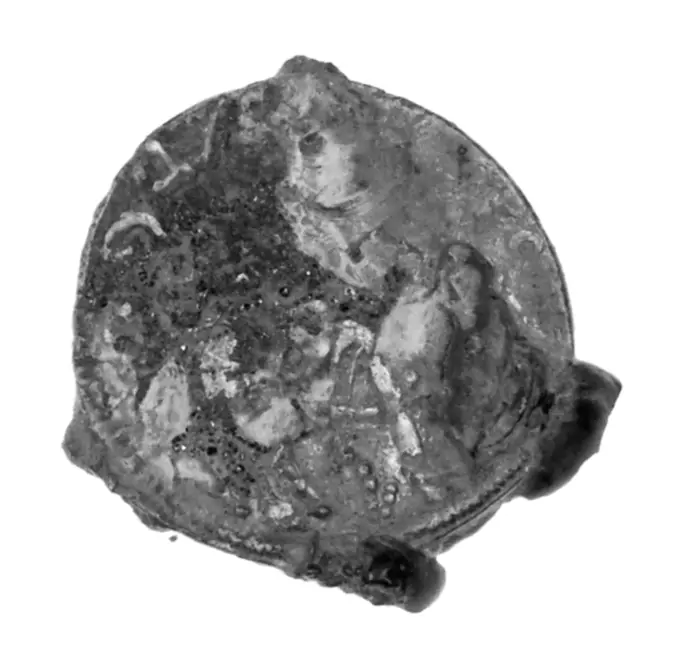
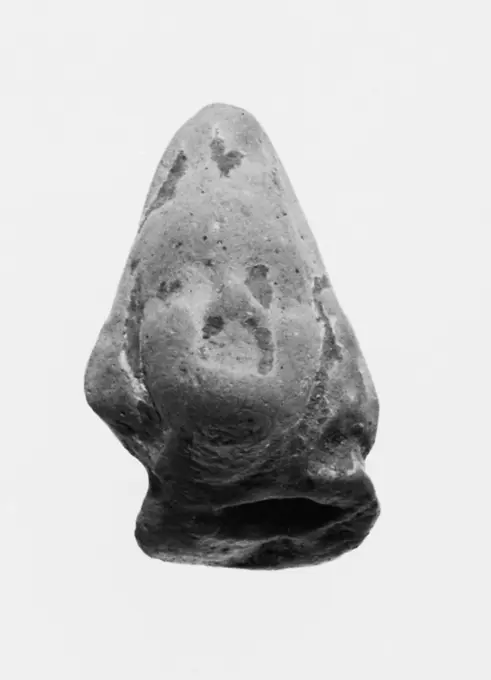
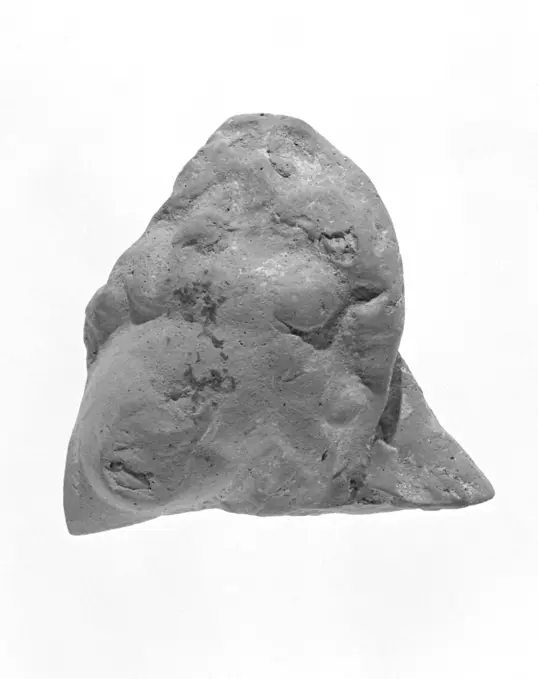
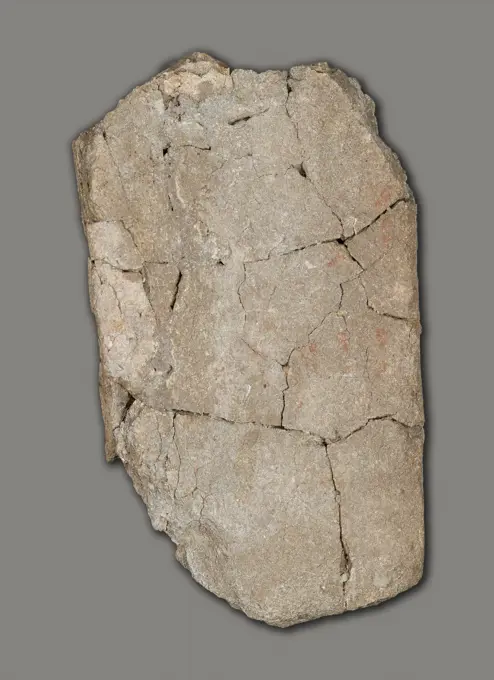
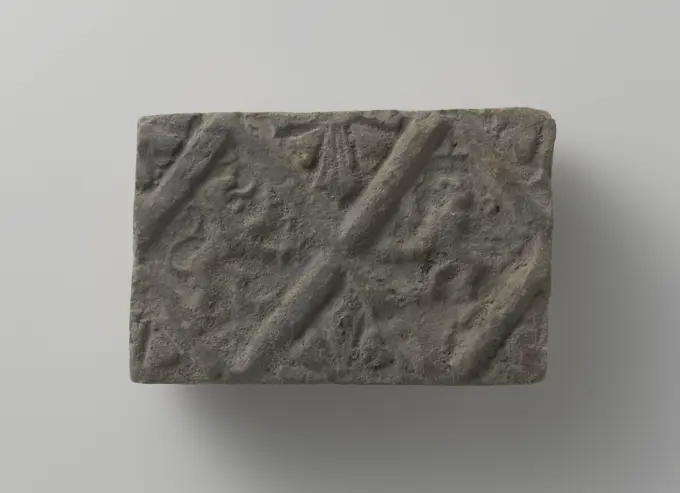
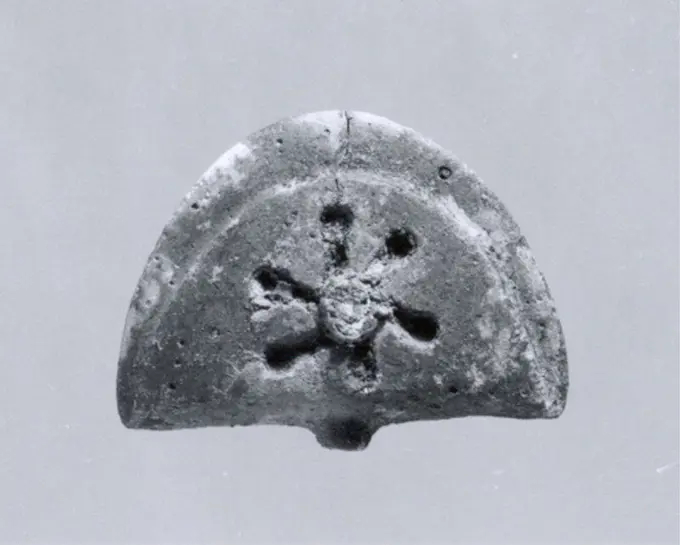
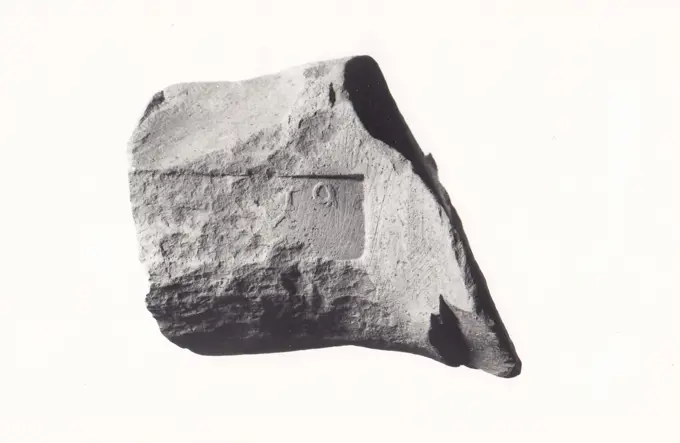
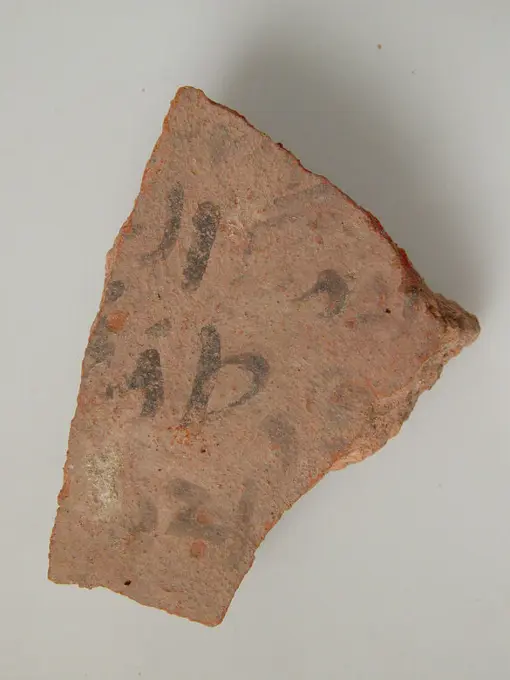
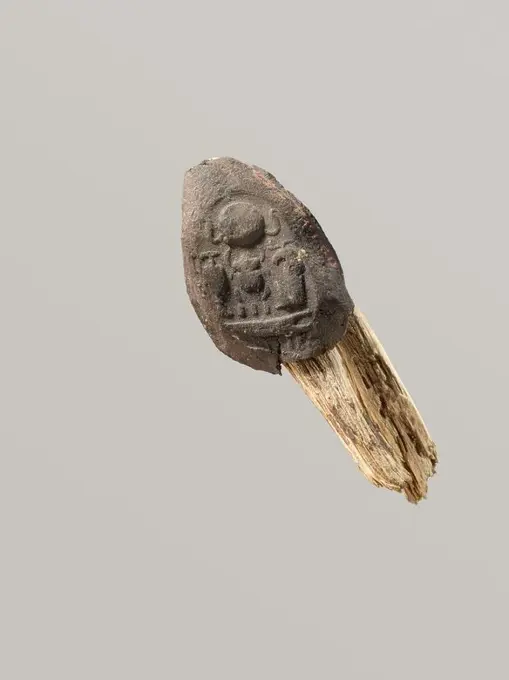
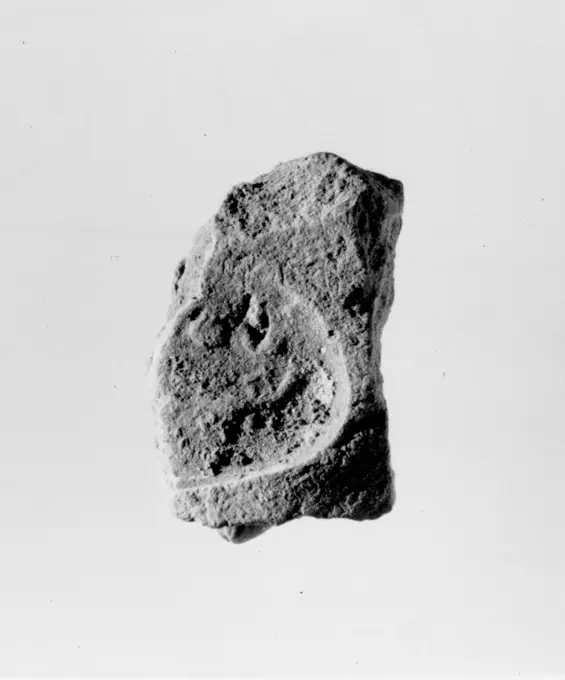
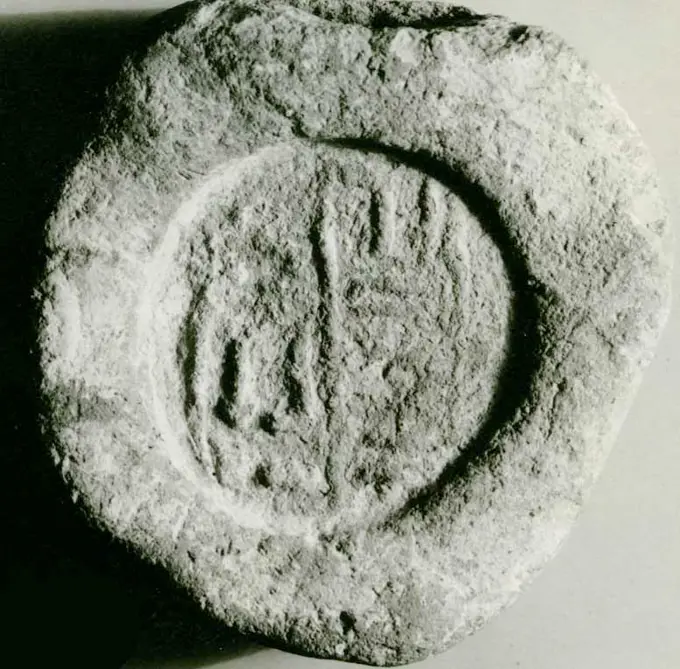
Mud and clay document seals from ancient Egypt, dating back to the Middle and New Kingdoms, showcasing intricate inscriptions and carvings.
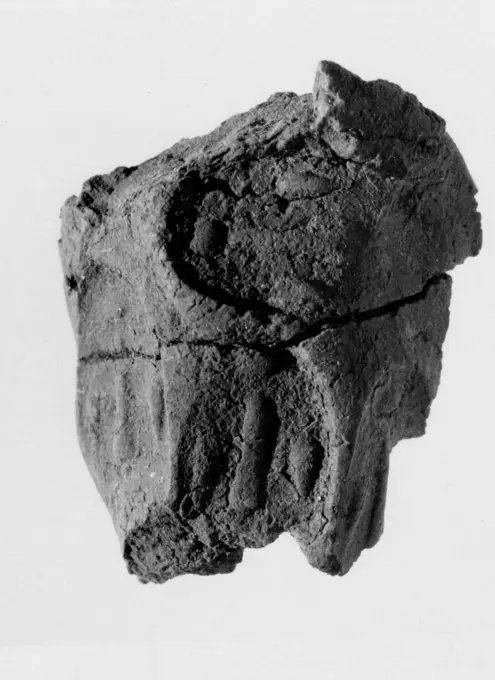
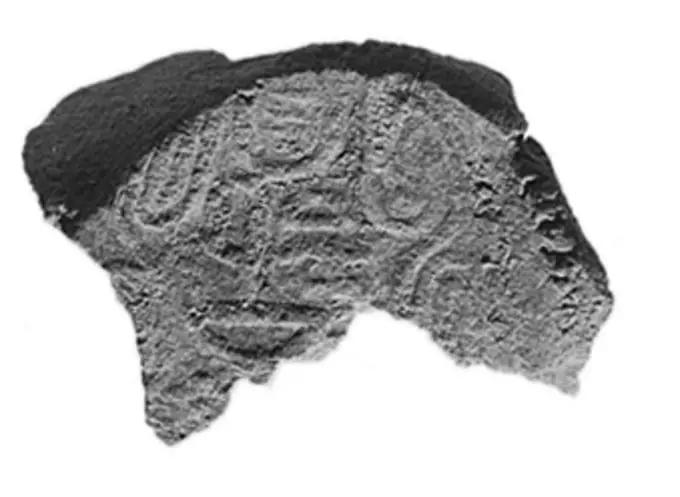
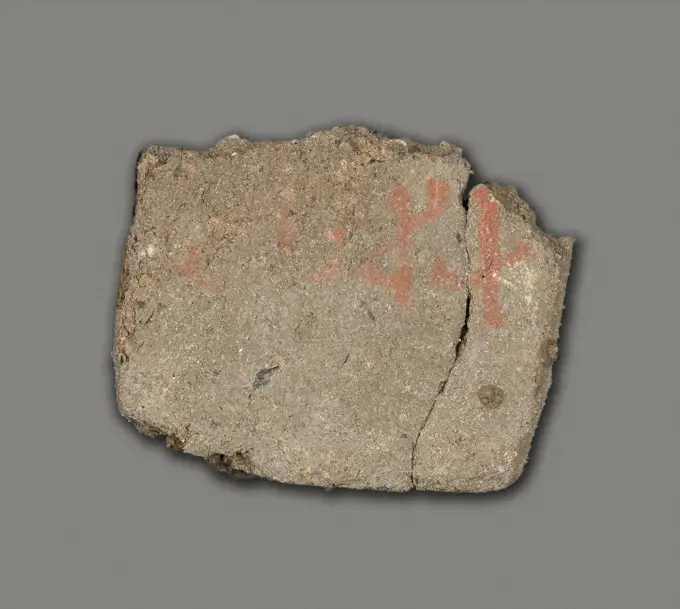
Document Sealing ca. 1390-1353 B.C. New Kingdom. Document Sealing. ca. 1390-1353 B.C.. Mud. New Kingdom. From Egypt, Upper Egypt, Thebes, Malqata, King's Palace, West magazine, MMA excavations, 1910-12. Dynasty 18
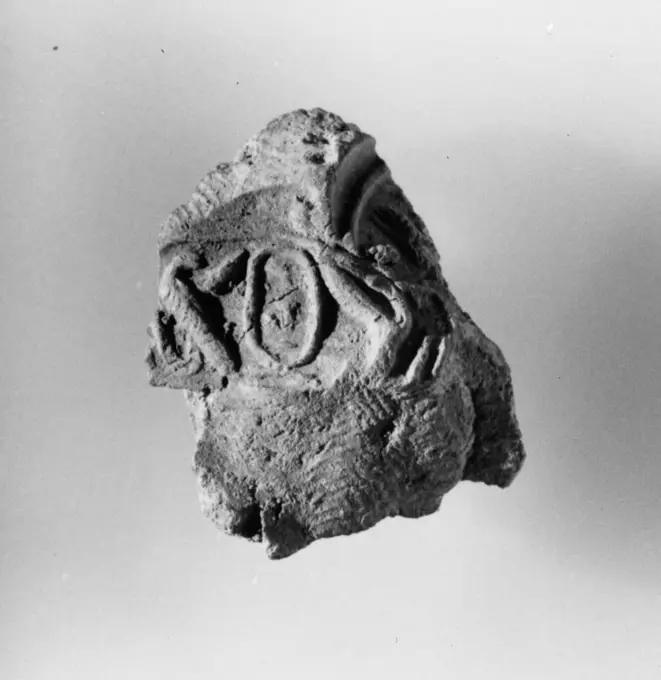
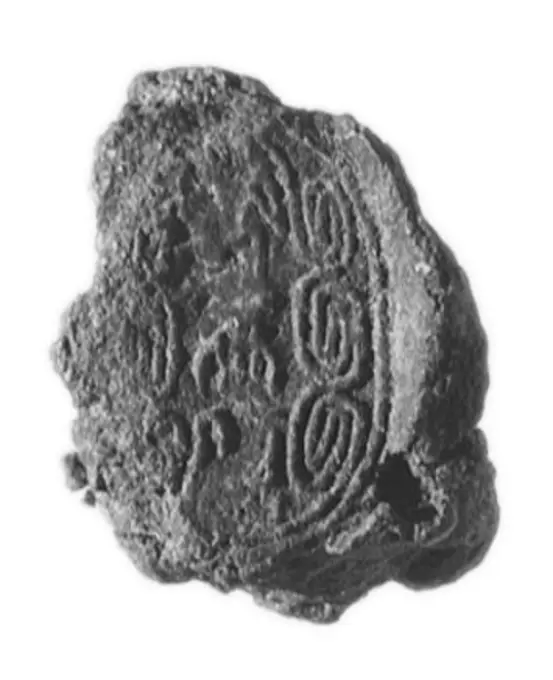
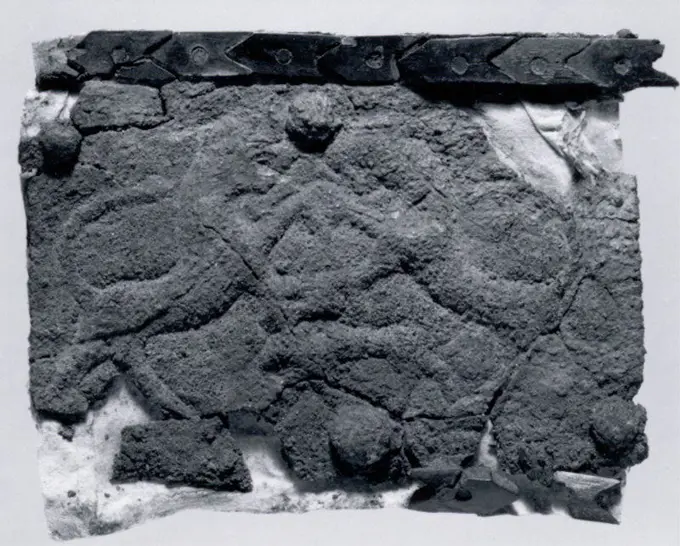
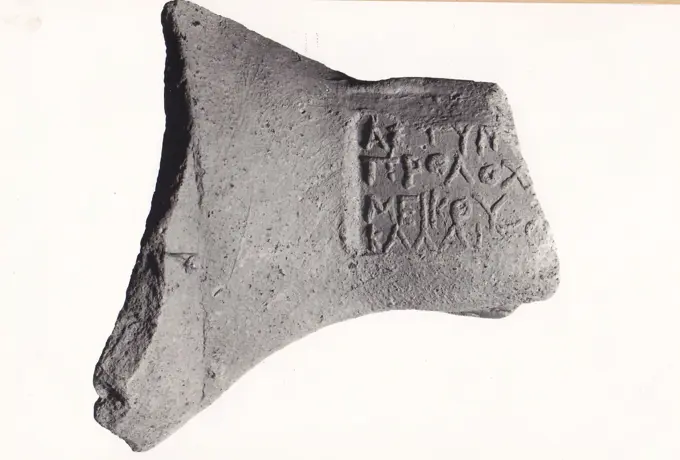
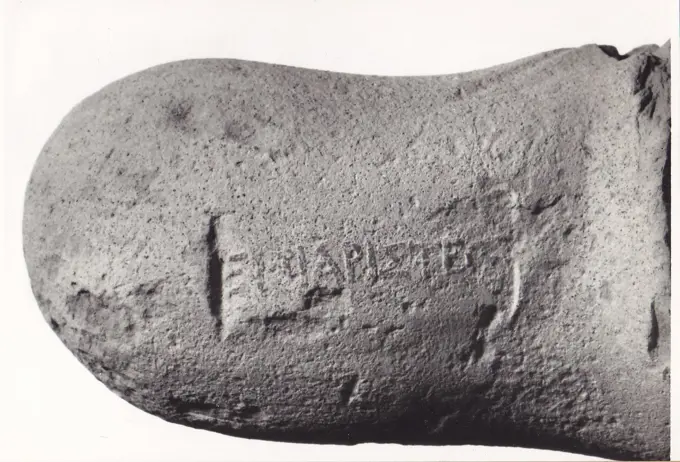
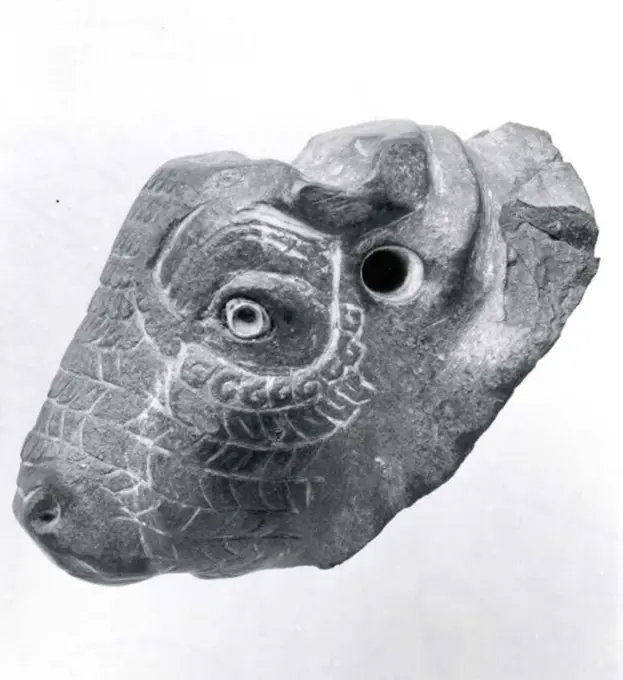
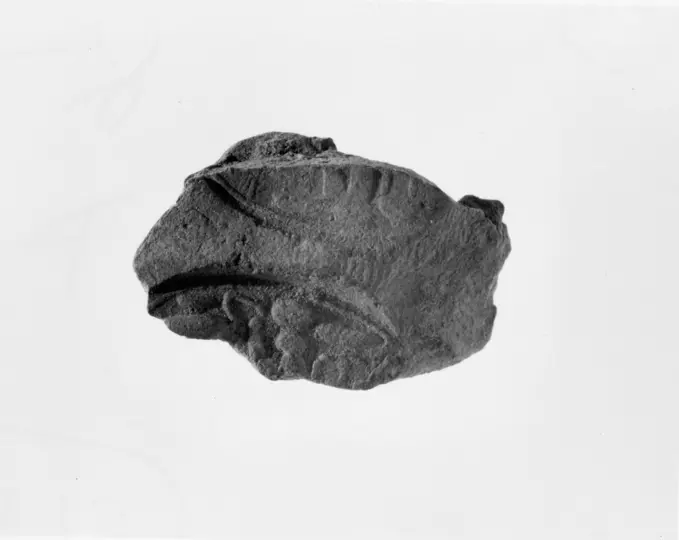
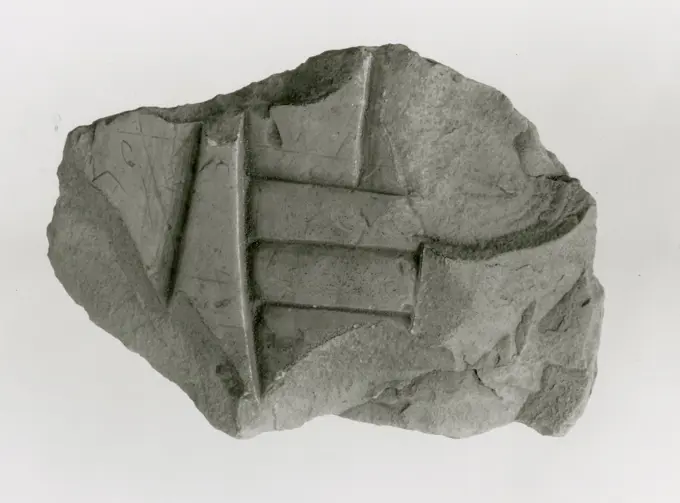
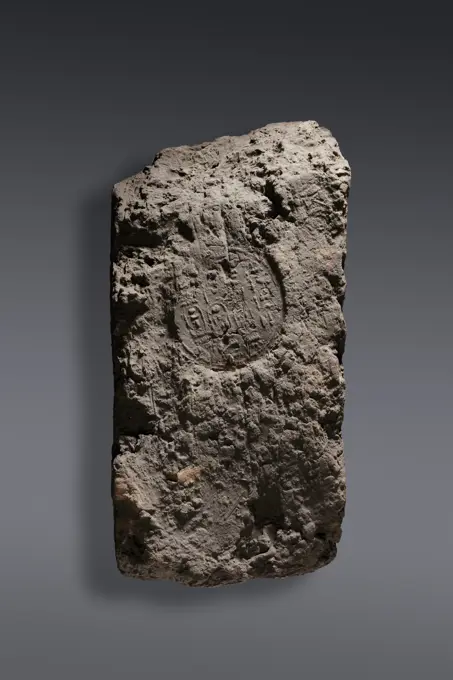
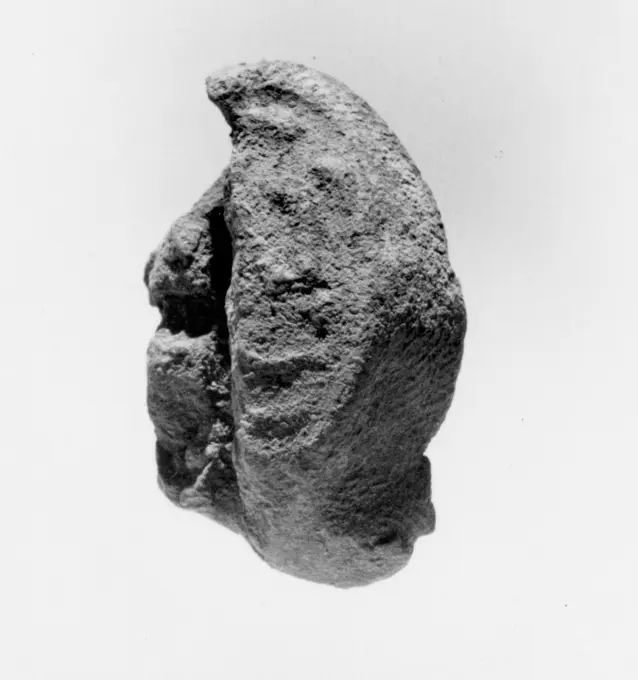
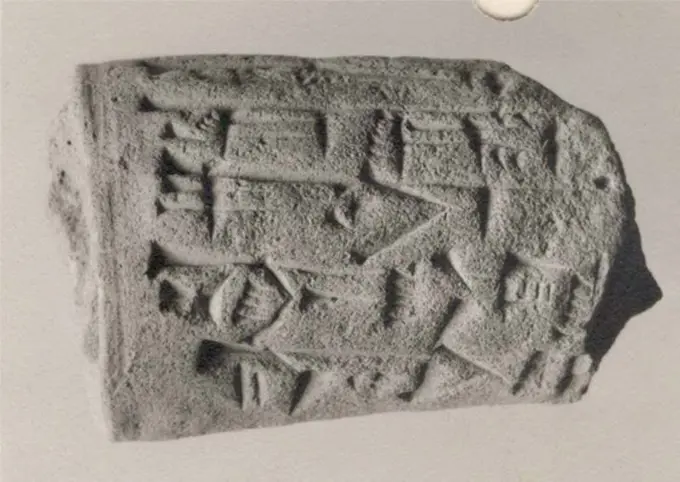
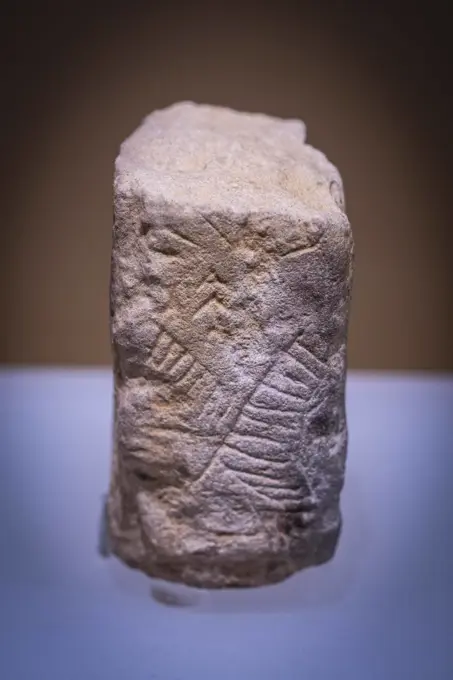
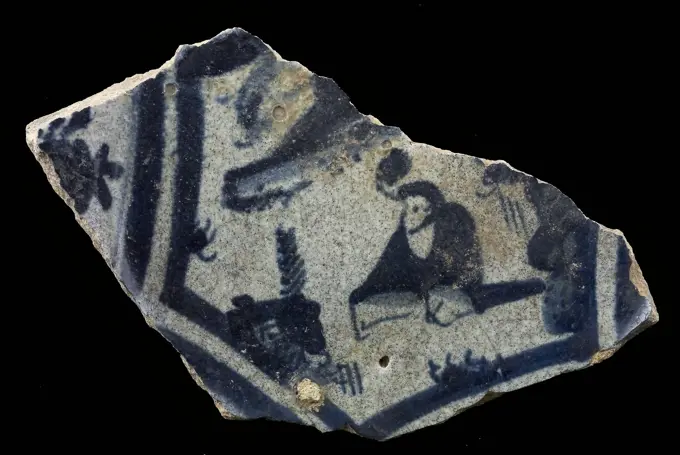
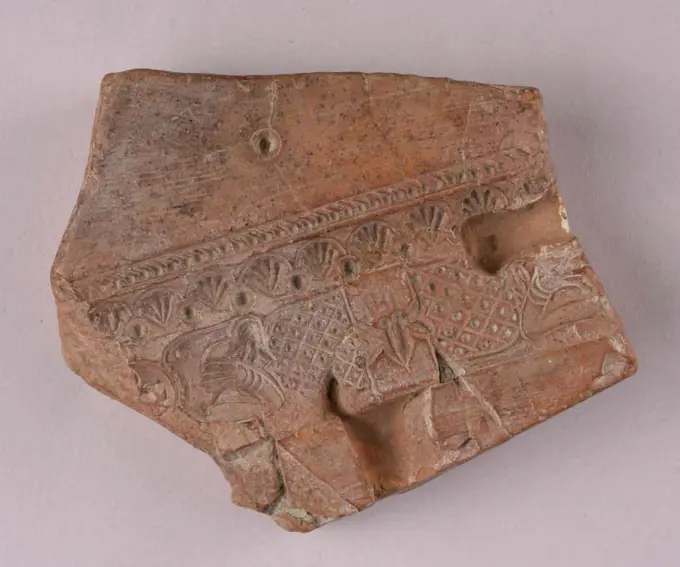
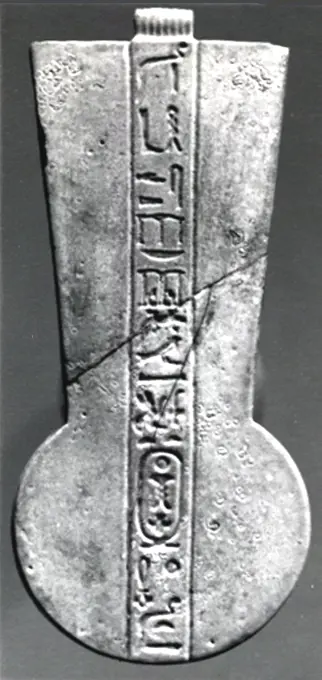
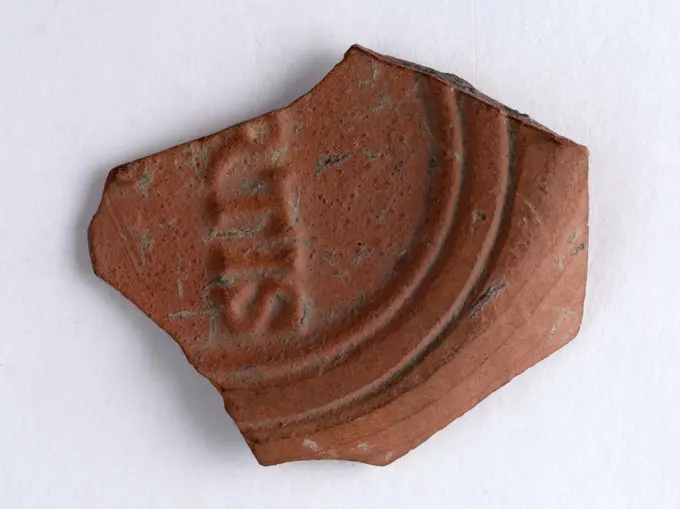
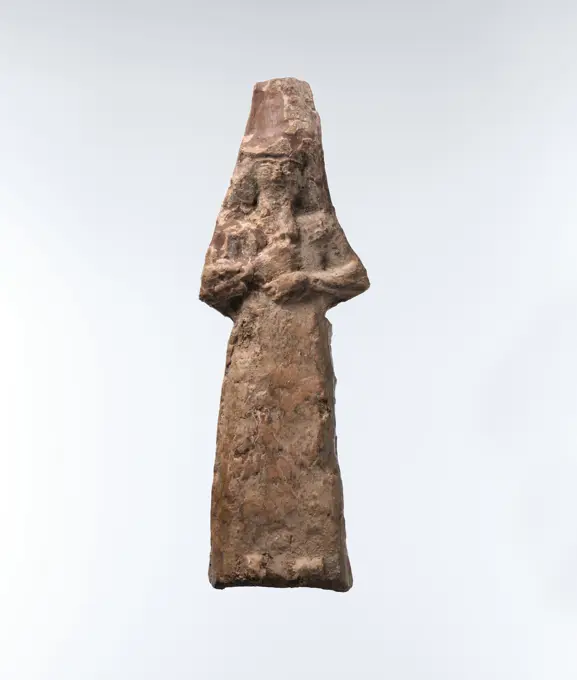
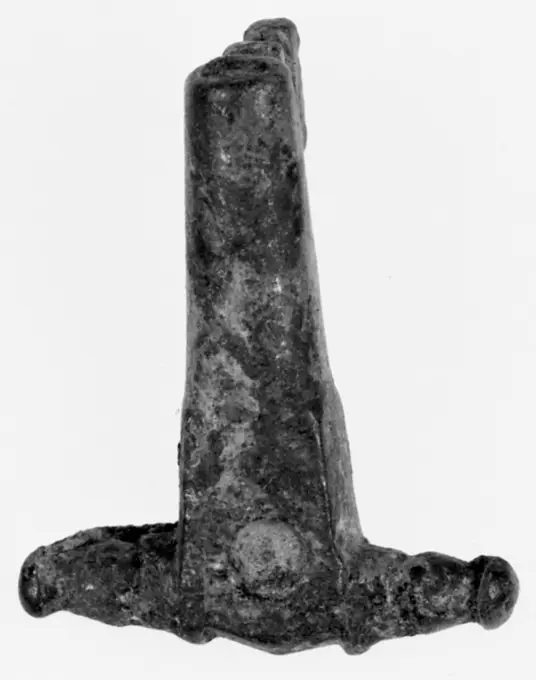
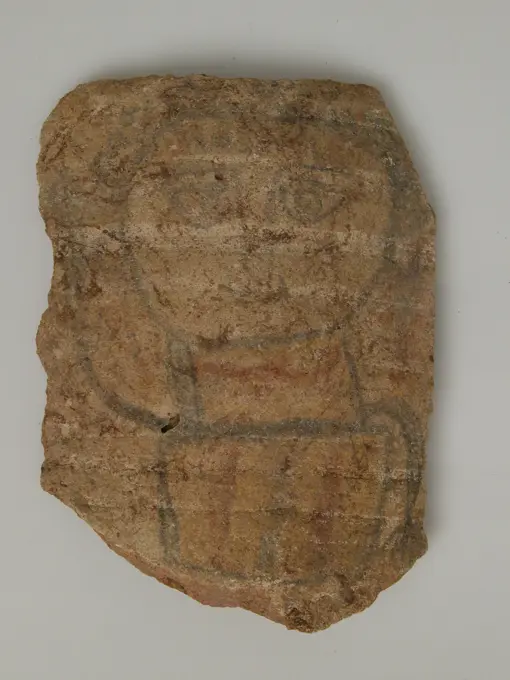
Document Sealing ca. 1390-1353 B.C. New Kingdom. Document Sealing. ca. 1390-1353 B.C.. Mud. New Kingdom. From Egypt, Upper Egypt, Thebes, Malqata, King's Palace, West magazine, MMA excavations, 1910-12. Dynasty 18Sealing ca. 2030-1640 B.C. Middle Kingdom. Sealing 565361Sealing ca. 2030-1640 B.C. Middle Kingdom. Sealing. ca. 2030-1640 B.C.. Clay (unfired). Middle Kingdom. From Egypt, Memphite Region, Lisht South, Pyramid complex of Senwosret I, north temple gateway, MMA excavations, 1913-14. Dynasty 12-13Sealing ca. 2030-1640 B.C. Middle Kingdom. Sealing 565775Sealing ca. 2030-1640 B.C. Middle Kingdom. Sealing 565771Administrative Seal ca. 1981-1640 B.C. Middle Kingdom. Administrative Seal 565820Sealing ca. 2030-1640 B.C. Middle Kingdom. Sealing 565363Document Sealing With Multiple Seal Impressions ca. 1390-1353 B.C. New Kingdom. Document Sealing With Multiple Seal Impressions. ca. 1390-1353 B.C.. Mud. New Kingdom. From Egypt, Upper Egypt, Thebes, Malqata, No exact find spot determined, MMA excavations, 191-12. Dynasty 18Sealing ca. 1981-1640 B.C. Middle Kingdom. Sealing. ca. 1981-1640 B.C.. Mud. Middle Kingdom. From Egypt, Memphite Region, Lisht North, Cemetery, MMA excavations, 1920-22. Dynasty 12-13Fragment stemplowanego imadła amfory. Demosthenes (ca 255-ca 205 a.C.), potter's workshopSealing ca. 1981-1640 B.C. Middle Kingdom. Sealing 560302Stone probably 8th-12th century. Stone 453610Sealing ca. 2030-1640 B.C. Middle Kingdom. Sealing 565341Document Sealing With Multiple Seal Impressions ca. 1390-1353 B.C. New Kingdom. Document Sealing With Multiple Seal Impressions. ca. 1390-1353 B.C.. Mud. New Kingdom. From Egypt, Upper Egypt, Thebes, Malqata, MMA excavations, 1910-12; Presumably from West Villas, West Villa B. Dynasty 18Sealing fragment ca. 2030-1640 B.C. Middle Kingdom. Sealing fragment 565746Sealing ca. 1981-1640 B.C. Middle Kingdom. Sealing 560458Raised relief fragment 664-610 B.C. Late Period, Saite see 23.3.468. Raised relief fragment. 664-610 B.C.. Limestone. Late Period, Saite. From Egypt, Upper Egypt, Thebes, Deir el-Bahri, Tomb of Nespekashuty (TT 312, MMA 509), 1st chamber N. door, MMA excavations, 1922-23. Dynasty 26Plaque ca. 9th century B.C. Iran. Plaque 325610Seal. UnknownSealing ca. 1981-1640 B.C. Middle Kingdom. Sealing 559508Raised relief fragment 664-610 B.C. Late Period, Saite see 23.3.468. Raised relief fragment. 664-610 B.C.. Limestone. Late Period, Saite. From Egypt, Upper Egypt, Thebes, Deir el-Bahri, Tomb of Nespekashuty (TT 312, MMA 509), 1st chamber W. wall; 2nd register, MMA excavations, 1922-23. Dynasty 26Sealing ca. 2030-1640 B.C. Middle Kingdom. Sealing 565876Coin dated A.H. 376/ A.D. 986. Coin 457110Sealing ca. 2030-1640 B.C. Middle Kingdom. Sealing. ca. 2030-1640 B.C.. Clay (unfired). Middle Kingdom. From Egypt, Memphite Region, Lisht South, Pyramid complex of Senwosret I, north temple gateway, MMA excavations, 1913-14. Dynasty 12-13Sealing ca. 2030-1640 B.C. Middle Kingdom. Sealing 546565Bliżej Kultury Mint of Kraków, Władysław Warneńczyk (King of Poland, 1434 1444)Document Sealing With the Throne Name of Amenhotep III ca. 1390-1353 B.C. New Kingdom. Document Sealing With the Throne Name of Amenhotep III. ca. 1390-1353 B.C.. Mud. New Kingdom. From Egypt, Upper Egypt, Thebes, Malqata, West Villas, West Villa B, MMA excavations, 1910-12. Dynasty 18Sealing ca. 2030-1640 B.C. Middle Kingdom. Sealing. ca. 2030-1640 B.C.. Clay (unfired). Middle Kingdom. From Egypt, Memphite Region, Lisht South, Pyramid complex of Senwosret I, north temple gateway, MMA excavations, 1913-14. Dynasty 12-13Sealing ca. 2030-1640 B.C. Middle Kingdom. Sealing 546595Document Sealing With the Throne Name of Amenhotep III ca. 1390-1353 B.C. New Kingdom. Document Sealing With the Throne Name of Amenhotep III. ca. 1390-1353 B.C.. Mud. New Kingdom. From Egypt, Upper Egypt, Thebes, Malqata, West Villas, West Villa B, MMA excavations, 1910-12. Dynasty 18Tile China. Tile. China. Earthenware. Qin-Han dynasty (221 B.C.-A.D. 220). CeramicsSeal Impression with Iconographic Design. Egypt, perhaps Middle Kingdom or Second Intermediate Period (1991 - 1600 BCE). Tools and Equipment; seals. Semi-baked clay of grayish-black scorched colorHead with Lampadion Knot Projected Forward (Mistake). UnknownSealing ca. 1981-1640 B.C. Middle Kingdom. Sealing 560392Merovingian gray pot (fragment: handle), dial decor. Terracotta. Paris, Carnavalet museum. 54612-18 Handle, gray care, dial dial, Meroviangian time, fragment, Merovingian pot, terracotta, front viewSealing ca. 1981-1640 B.C. Middle Kingdom. Sealing 560527Ring; second half of 6th century B.C; Silver; 2.3 cm, 0.0061 kg (15,16 in., 0.0134 lb.)Sealing ca. 1981-1640 B.C. Middle Kingdom. Sealing 557535Throne fragment with inscription ca. 1353-1336 B.C. New Kingdom, Amarna Period. Throne fragment with inscription 549871Funerary Cone of the Royal Cup-Bearer Neferrenpet ca. 1390-1352 B.C. New Kingdom. Funerary Cone of the Royal Cup-Bearer Neferrenpet. ca. 1390-1352 B.C.. Pottery. New Kingdom. From Egypt, Upper Egypt, Thebes, Khokha, Tomb of Tjanefer (TT 297, MMA 831, MMA 5), in front of, MMA excavations, 1911. Dynasty 18Appliqué for a funeral couch. UnknownDocument Sealing ca. 1390-1353 B.C. New Kingdom. Document Sealing. ca. 1390-1353 B.C.. Mud. New Kingdom. From Egypt, Upper Egypt, Thebes, Malqata, King's Palace, West magazine, MMA excavations, 1910-12. Dynasty 18Statuette. Feet. Terracotta. High Empire. Toulouze collection (Anc. Dr Martin), acquisition 1889. Paris, Carnavalet Museum. 50209-3 Toulouze collection, High Empire, foot, statuette, terracotta, ancientUnattributed Trebizond Coin. UnknownFunerary Cone of the Overseer of the Double Granary Menkheperresonb ca. 1479-1425 B.C. New Kingdom This cone has the impression of a stamp seal inscribed for the overseer of the double granary of Upper and Lower Egypt Menkheperresonb who owned Theban Tomb 79 and was also and scribe of the divine offerings of Amun in the mortuary temple of Thutmose III. For a drawing of this impression see http://www.funerarycones.com/, number 90.. Funerary Cone of the Overseer of the Double Granary Menkheperresonb Funerary Cone of the Overseer of the Double Granary Menkheperresonb ca. 1479-1425 B.C. New Kingdom This cone has the impression of a stamp seal inscribed for the overseer of the double granary of Upper and Lower Egypt Menkheperresonb who owned Theban Tomb 79 and was also and scribe of the divine offerings of Amun in the mortuary temple of Thutmose III. For a drawing of this impression see http://www.funerarycones.com/, number 90.. Funerary Cone of the Overseer of the Double Granary MenkheperrBliżej Kultury Mint of Kraków, Władysław Jagiełło (CA 1351 1434)Female Head. UnknownTarantine Head Fragment. UnknownCounter Plate of a Belt Buckle. Culture: Frankish. Dimensions: Overall: 3 9/16 x 1 7/8 x 1/2 in. (9 x 4.7 x 1.3 cm). Date: 7th century. Museum: Metropolitan Museum of Art, New York, USA.Magical Figure ca. 1802-1550 B.C. Late Middle Kingdom-Second Intermediate Period These tablets of unfired clay with attached crude faces were found as a group by the Museum's excavators at Lisht South in loose surface sand west of the mastaba of Senwosretankh, a high official and possibly the architect of the pyramid complex of Senwosret I (ca. 1961-1917 B. C.), east of which he erected his own very elaborate mastaba tomb (see acc. nos. 33.1.2 and other pieces). The mud figures and little coffin (acc. no. 33.1.66) that had contained some of them must have been buried, however, considerably later than the early twelfth dynasty tomb close to which they were found. In fact, during the thirteenth and following dynasties people deposited a number of objects in the by then sacred area around a legendary ruler's pyramid and its dependant monuments, believing conceivably that potent magical powers could thus be released. These flat mud figures, for instance, are inscribed in now much-faded redDocument Sealing With the Throne Name of Amenhotep III ca. 1390-1353 B.C. New Kingdom. Document Sealing With the Throne Name of Amenhotep III. ca. 1390-1353 B.C.. Mud. New Kingdom. From Egypt, Upper Egypt, Thebes, Malqata, West Villas, West Villa B, MMA excavations, 1910-12. Dynasty 18Attachment. UnknownAdministrative Seal ca. 1981-1640 B.C. Middle Kingdom. Administrative Seal 565828Fired clay jar sealing ca. 3100 B.C. Early Dynastic Period. Fired clay jar sealing. ca. 3100 B.C.. Clay (fired). Early Dynastic Period. From Egypt, Northern Upper Egypt, Naqada, "The Royal Tomb", Garstang excavations 1904. Dynasty 1Female Head. UnknownFragment imadła amfory ze stemplem. Kallisthenes IV-VI (ca 290-ca 190 a.C.), potter's workshopCoin 13th-14th century. Coin. 13th-14th century. Copper. Excavated in Iran, Nishapur. CoinsCoin A.H. 153/ A.D. 770. Coin. A.H. 153/ A.D. 770. Silver (). Excavated in Iran, Nishapur. CoinsFragment imadła amfory ze stemplem. unknown, potter's workshopBull head-shaped spout of vessel ca. early 2nd millennium B.C. Elamite This object is a spout, probably from a vessel, in the shape of a bulls head. The musculature and nostrils on the bulls face are carefully modeled, while the hair on the forehead and snout are rendered with incised crosshatching and curlicues. The eyes, originally inlaid, are now missing, as are the horns. The spout is made of bitumen, an asphalt-like substance that occurs naturally in the Near East. Mixed with ground calcite and quartz it forms a hard, gray substance which can be shaped like clay.Bitumen vessels were made in many places in the ancient Near East, especially in Susa in southwestern Iran, the capital of the ancient Elamite kingdom. Beginning in the third millennium BCE the Elamites developed an especially sophisticated recipe for bitumen compound, which they used to make a range of vessels, most decorated with animal foreparts, as well as other objects, a practice which continued into the first millSeal Impression with Horus Name of Unknown King. Egypt, Old to Middle Kingdoms () (2659 - 1664 BCE). Tools and Equipment; seals. Semi-baked clay with dark black scorchingDocument Sealing With the Throne Name of Amenhotep III ca. 1390-1353 B.C. New Kingdom. Document Sealing With the Throne Name of Amenhotep III. ca. 1390-1353 B.C.. Mud. New Kingdom. From Egypt, Upper Egypt, Thebes, Malqata, West Villas, West Villa B, MMA excavations, 1910-12. Dynasty 18Seal Impression of the 26th Dynasty. Egypt, Late Period, 26th Dynasty (664 - 525 BCE). Tools and Equipment; seals. Gray semi-bakedCoin dated A.H. 166/ A.D. 782. Coin 457092Female Head. UnknownSealing ca. 2030-1640 B.C. Middle Kingdom. Sealing 546577Raised relief fragment 664-610 B.C. Late Period, Saite see 23.3.468. Raised relief fragment. 664-610 B.C.. Limestone. Late Period, Saite. From Egypt, Upper Egypt, Thebes, Deir el-Bahri, Tomb of Nespekashuty (TT 312, MMA 509), 1st chamber E. wall; N. section, MMA excavations, 1922-23. Dynasty 26Fragment; (possibly) belonging to the Retable of Soest. .Mud Brick of Senimen ca. 1479-1458 B.C. New Kingdom. Mud Brick of Senimen. ca. 1479-1458 B.C.. Mud. New Kingdom. From Egypt, Upper Egypt, Thebes, Sheikh Abd el-Qurha, area of the monastery of Epiphanius, MMA excavations, 1913-14. Dynasty 18Funerary Cone of the Chief Bowman Paser ca. 1425-1400 B.C. New Kingdom This cone has the impression of a stamp seal inscribed for a chief bowman named Paser who owned Theban tomb 367 and was also a child of the nursery and chief of followers. For a drawing of this impression see http://www.funerarycones.com/, number 230.. Funerary Cone of the Chief Bowman Paser Funerary Cone of the Chief Bowman Paser ca. 1425-1400 B.C. New Kingdom This cone has the impression of a stamp seal inscribed for a chief bowman named Paser who owned Theban tomb 367 and was also a child of the nursery and chief of followers. For a drawing of this impression see http://www.funerarycones.com/, number 230.. Funerary Cone of the Chief Bowman Paser. ca. 1425-1400 B.C.. Pottery. New Kingdom. From Egypt, Upper Egypt, Thebes. Dynasty 18Magical Figure ca. 1802-1550 B.C. Late Middle Kingdom-Second Intermediate Period These tablets of unfired clay with attached crude faces were found as a group by the Museum's excavators at Lisht South in loose surface sand west of the mastaba of Senwosretankh, a high official and possibly the architect of the pyramid complex of Senwosret I (ca. 1961-1917 B. C.), east of which he erected his own very elaborate mastaba tomb (see acc. nos. 33.1.2 and other pieces). The mud figures and little coffin (acc. no. 33.1.66) that had contained some of them must have been buried, however, considerably later than the early twelfth dynasty tomb close to which they were found. In fact, during the thirteenth and following dynasties people deposited a number of objects in the by then sacred area around a legendary ruler's pyramid and its dependant monuments, believing conceivably that potent magical powers could thus be released. These flat mud figures, for instance, are inscribed in now much-faded redFunerary Cone of Iby Late Period ca. 712-525 B.C. View more. Funerary Cone of Iby. ca. 712-525 B.C.. Pottery. Late Period. From Egypt, Upper Egypt, Thebes. Dynasty 25-26Document Sealing With the Throne Name of Amenhotep III ca. 1390-1353 B.C. New Kingdom. Document Sealing With the Throne Name of Amenhotep III. ca. 1390-1353 B.C.. Mud. New Kingdom. From Egypt, Upper Egypt, Thebes, Malqata, no exact location recorded, MMA excavations, 1910-12. Dynasty 18Votive cone with cuneiform inscription of Gudea ca. 2090 B.C. Neo-Sumerian. Votive cone with cuneiform inscription of Gudea 321898Funerary Cone of Amenhotep ca. 1550-1352 B.C. New Kingdom. Funerary Cone of Amenhotep. ca. 1550-1352 B.C.. Pottery. New Kingdom. From Egypt, Upper Egypt, Thebes, Sheikh Abd el-Qurna. Dynasty 18fragments of an altar or small decorated cipo fragments of an altar or small decorated cipo, hero emerging from the vegetation surrounded by rays, 5th century BC, Oppidum de Puente Tablas, Iberian culture, Iberian Museum of Jaén, Andalusia, Spain Copyright: xZoonar.com/BartomeuxBalaguerxRotgerx 21704888Sealing ca. 1981-1640 B.C. Middle Kingdom. Sealing 560487Hearing stone with representation of two climbing lions, placed in two windows, c. 1575 - c. 1625 Hearing stone with representation of two climbing lions, placed in two windows. Southern Netherlands earthenware Hearing stone with representation of two climbing lions, placed in two windows. Southern Netherlands earthenwareOrnament ca. 9th century B.C. Iran. Ornament 325782Vase fragment ca. 575-550 B.C. Etruscan Full-face human figure in relief.. Vase fragment. Etruscan. ca. 575-550 B.C.. Terracotta. Archaic. VasesFragment imadła amfory ze stemplem. unknown, potter's workshopOstracon. Dimensions: 4.7 x 3.5 x 1 cm (1 7/8 x 1 3/8 x 3/8 in.). Date: 400-30 B.C.. Museum: Metropolitan Museum of Art, New York, USA.Fragment majolica dish, blue on white, with Chinese in landscape in hexagon, dish crockery holder earth discovery ceramics earthenware glaze, W ater baked hexagon belongs to decor from the wanli period archeology Rotterdam City triangle Haagseveer Doele Goals decorate serving food China Soil discovery: Doelen Rotterdam .Ivory Fragment. UnknownMold late 9th-early 10th century This object was excavated at the site of Tepe Madrasaa site with the spatial attributes of a mosque and residential buildings that were thought to have originally been a school. One of several similar fragments unearthed at Nishapur, Iran, it likely functioned as a mold. Made of red clay, it features a repeated border decorated with chevrons, palmettes, and small circles. Below the border are two figures whose feet soles meet at the middle of the fragment with their bodies extending in opposite directions; each is draped in checkered fabric with arms and fingers outstretched. The unusual imagery of the mold does not point to a specific use. This object was acquired by the Museum in 1939 through a division of finds with the Iranian government.. Mold 449857Skarabeusz z naturalistycznie oddanym modelunkiem. unknown, authorMenat Inscribed for Psamtik or Apries 664-525 B.C. Late Period, Saite. Menat Inscribed for Psamtik or Apries 558354Workshop of Lezoux. Lamp (fr.). Terracotta. High Empire. Paris, Carnavalet museum. 50036-14 Fragment, high-empire, lamp, terracottaFemale Head. UnknownSeal Impression Attatched to a Fiber Tie from Tutankhamun's Embalming Cache. Dimensions: Seal and tie: L. 4.2 cm (1 5/8 in.)Seal: L. 2.5 cm (1 in.); W. 1.8 cm (11/16 in.). Dynasty: Dynasty 18. Reign: reign of Tutankhamun. Date: ca. 1336-1327 B.C..This mud sealing is still attached to a piece of the papyrus tie that was used to secure a container. The impression preserves the throne name of Tutankhamun, Nebkheperure, and the epithets "beloved of Khnum" and "manifold of praises." For a similar impression, see 09.184.263. Museum: Metropolitan Museum of Art, New York, USA.Sealing ca. 1981-1640 B.C. Middle Kingdom. Sealing 560449Apkallu figure: male with a fish-skin hood ca. 9th-8th century B.C. Assyrian This small baked clay figurine takes the form of a male figure with long hair and beard, staring straight ahead with large, wide-open eyes beneath arched eyebrows. A prominent nose and small, closed mouth can also be seen, although the level of detail in the features is minimal. He presses both fists to his chest, right above left. Shiny areas of the surface are modern restorations in wax. His tall rounded headdress indicates that he is wearing a fish-skin cloak, a garment associated with Assyrian priests that likely connects them with the ancient sages of Mesopotamian mythology who lived in the Apsu, a subterranean realm of fresh water. The figurine was made by pressing clay into a mold, a common method of manufacturing plaques and figurines in Mesopotamia since at least the Ur III period (ca. 2100-2000 B.C.). A thousand years later, during the Neo-Assyrian period, practitioners of magic had developed techniqKey. UnknownPottery Fragment with Figure 4th-7th century Coptic. Pottery Fragment with Figure 478451Document Sealing With the Throne Name of Amenhotep III ca. 1390-1353 B.C. New Kingdom. Document Sealing With the Throne Name of Amenhotep III. ca. 1390-1353 B.C.. Mud. New Kingdom. From Egypt, Upper Egypt, Thebes, Malqata, West Villas, West Villa B, MMA excavations, 1910-12. Dynasty 18Fragment of a Seated Female Figure. UnknownCapital 12th century French. Capital. French. 12th century. Stone. Made in Languedoc. Sculpture-Architectural-StoneTile p Ask (Tegula);  1. W. III century (201-00-00-225-00-00);Sling Projectile. UnknownFunerary Cone of the Royal Cup-Bearer Senemnetjer () ca. 1550-1295 B.C. New Kingdom This cone has the impression of a stamp seal inscribed for a man named Senemnetjer who was royal cup-bearer. For a drawing of this impression see http://www.funerarycones.com/, number 279.. Funerary Cone of the Royal Cup-Bearer Senemnetjer () Funerary Cone of the Royal Cup-Bearer Senemnetjer () ca. 1550-1295 B.C. New Kingdom This cone has the impression of a stamp seal inscribed for a man named Senemnetjer who was royal cup-bearer. For a drawing of this impression see http://www.funerarycones.com/, number 279.. Funerary Cone of the Royal Cup-Bearer Senemnetjer (). ca. 1550-1295 B.C.. Pottery. New Kingdom. From Egypt, Upper Egypt, Thebes. Dynasty 18