Ancient Egyptian Seals

Mud and clay document seals from ancient Egypt, dating back to the Middle and New Kingdoms, showcasing intricate inscriptions and carvings.
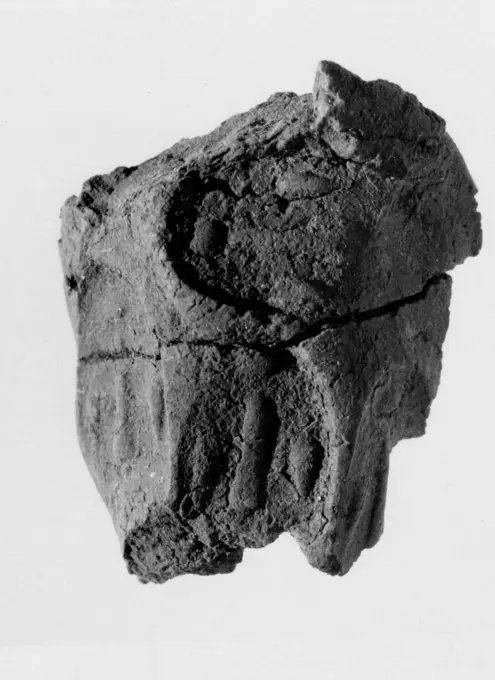
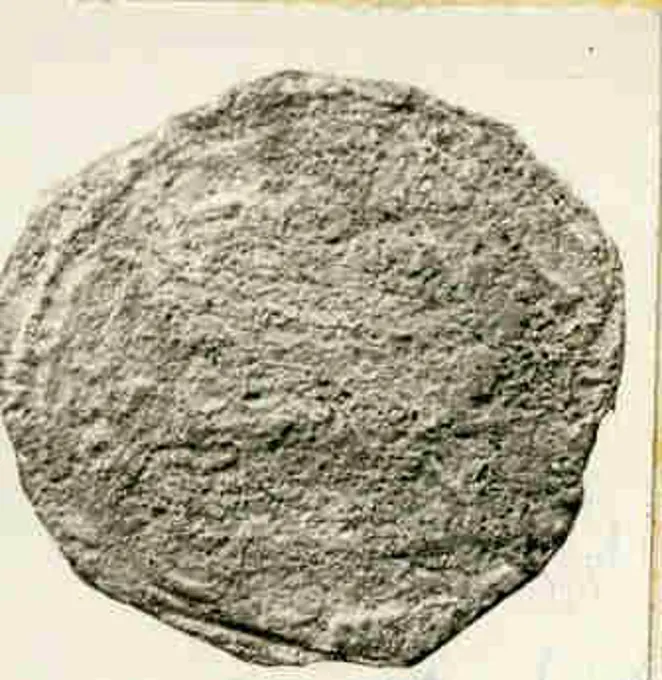
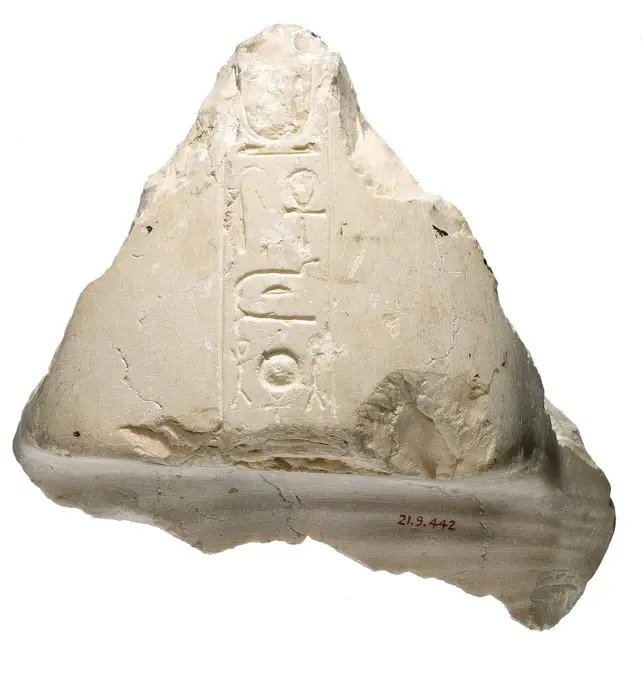
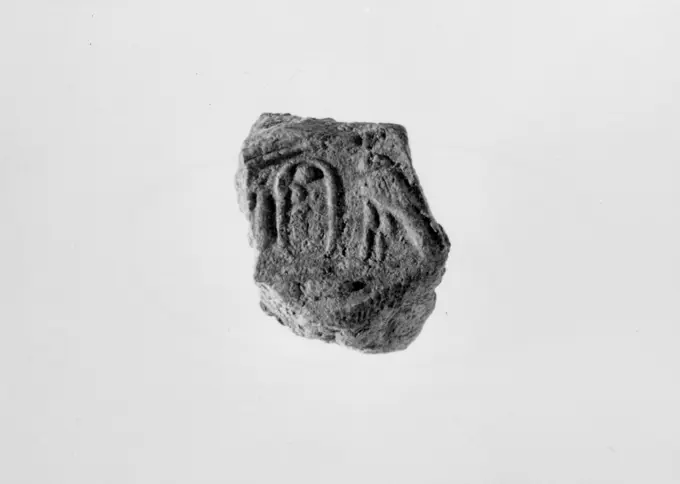
Document Sealing ca. 1390-1353 B.C. New Kingdom. Document Sealing. ca. 1390-1353 B.C.. Mud. New Kingdom. From Egypt, Upper Egypt, Thebes, Malqata, King's Palace, West magazine, MMA excavations, 1910-12. Dynasty 18
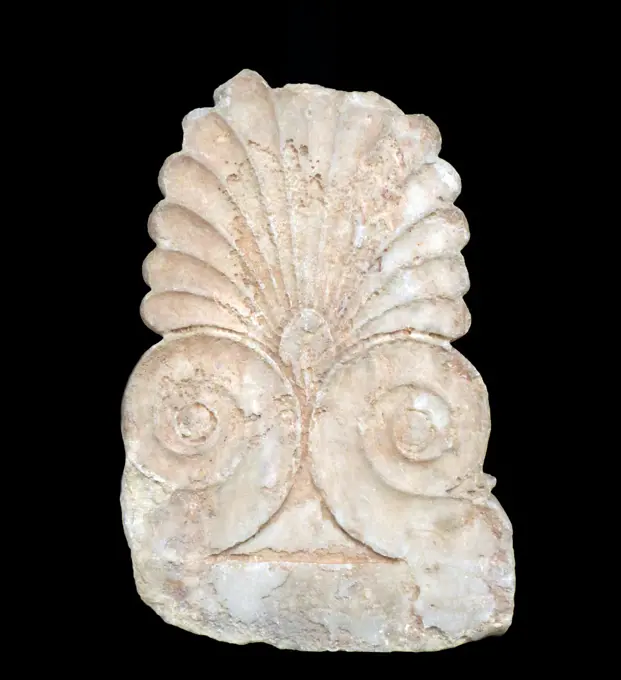
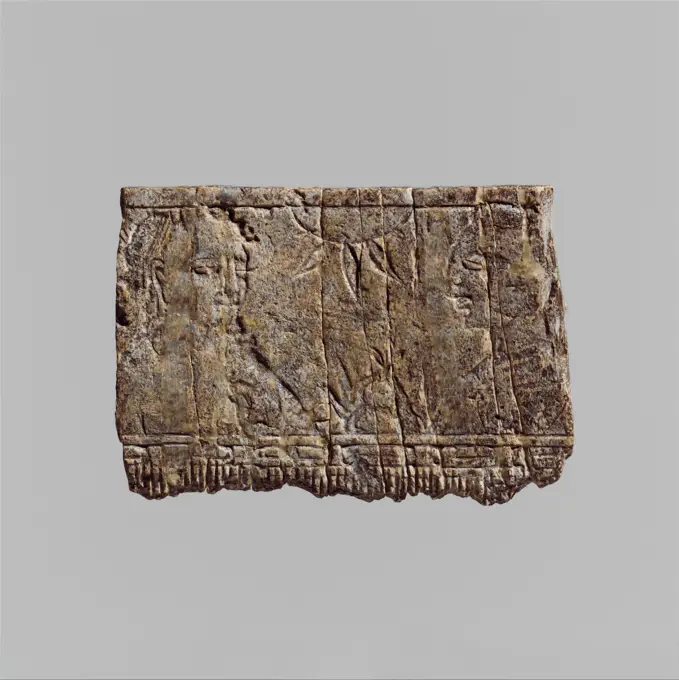
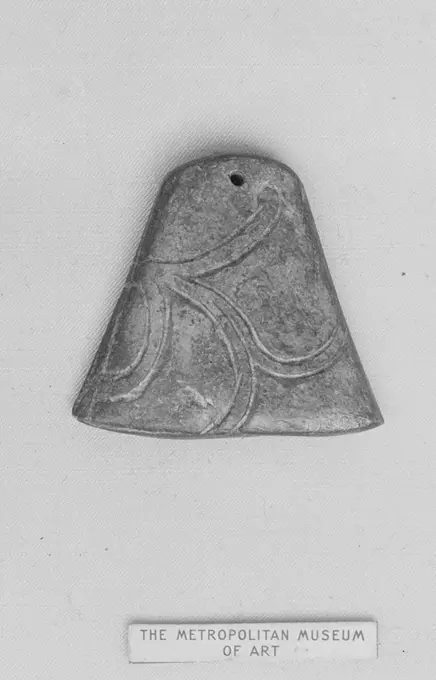
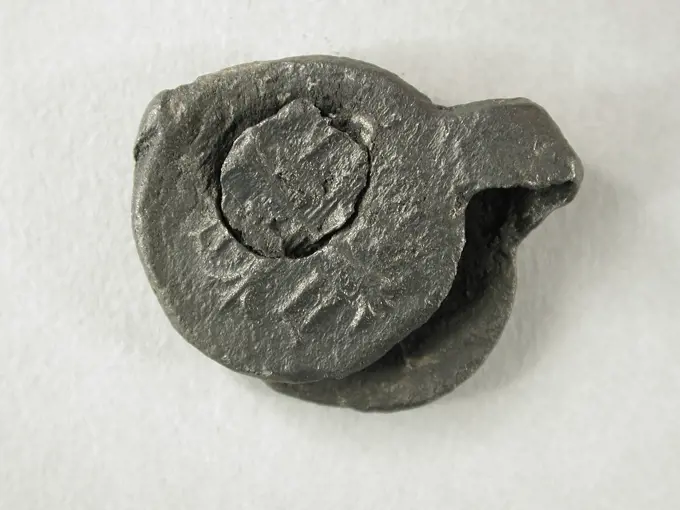
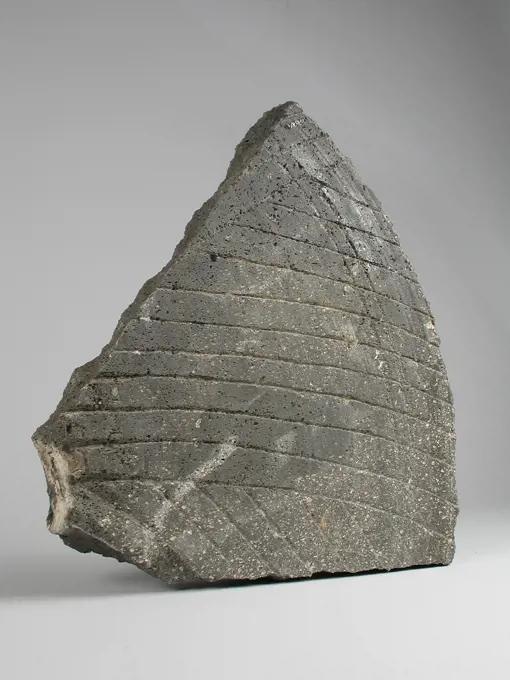
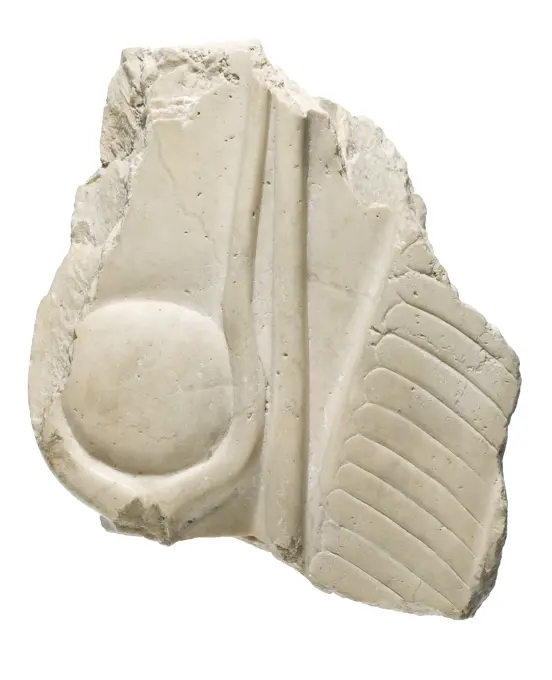
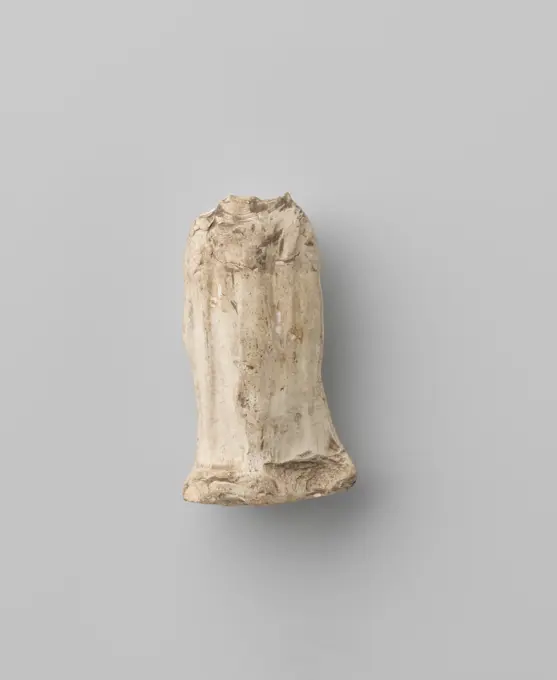
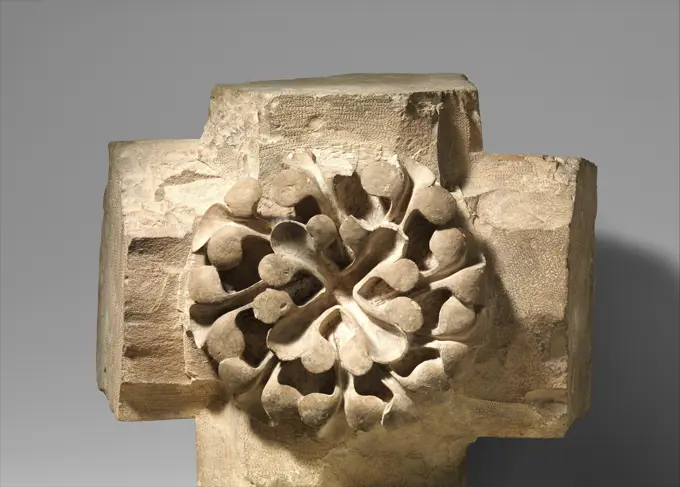
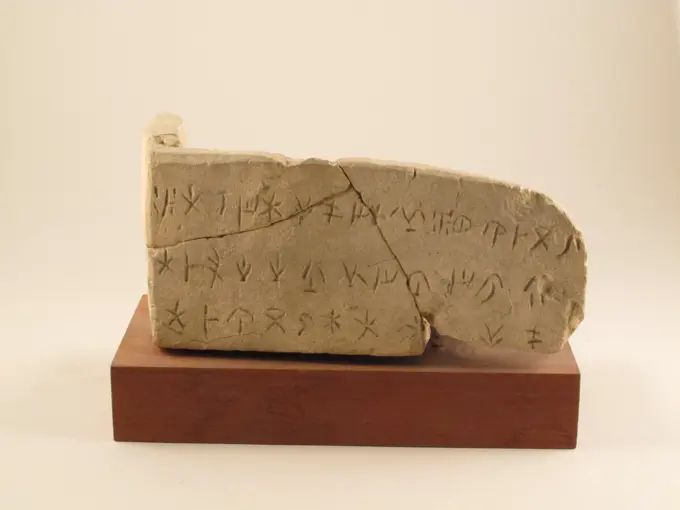
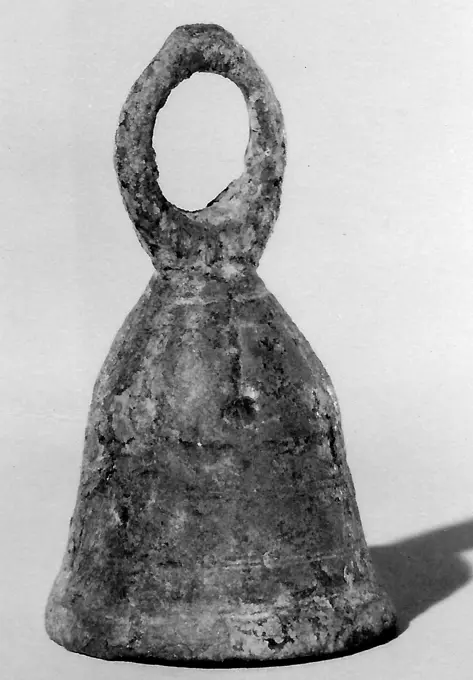
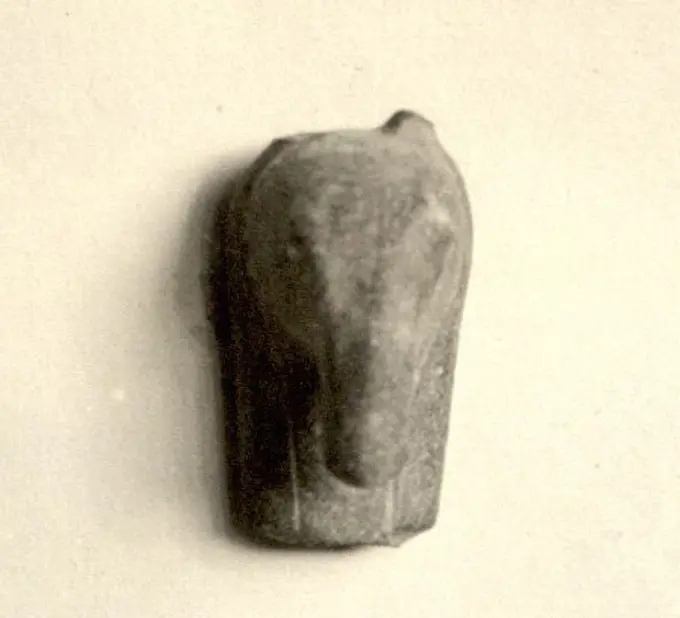
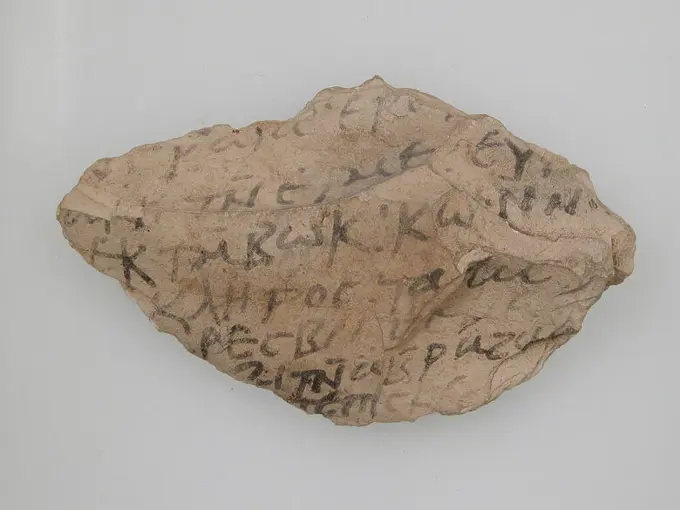
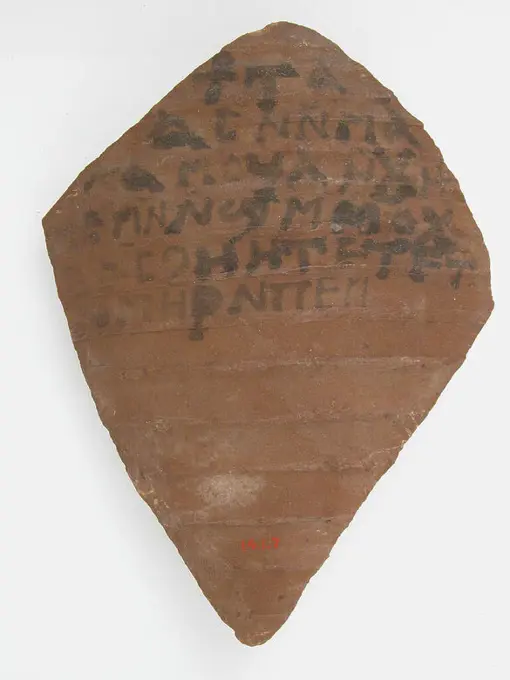
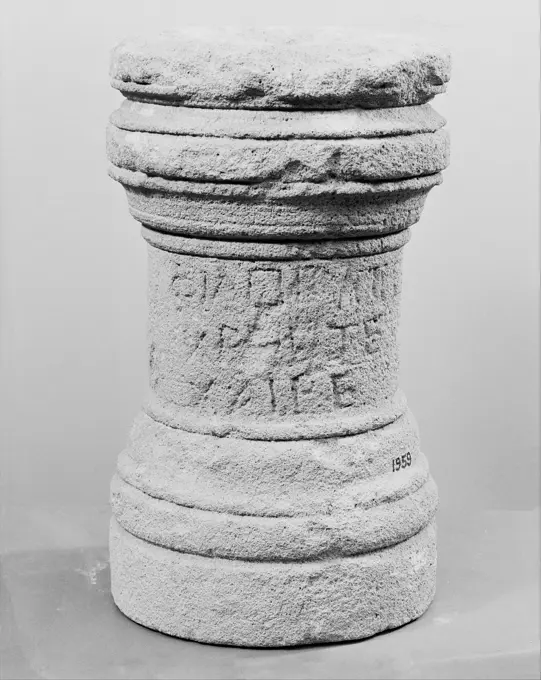
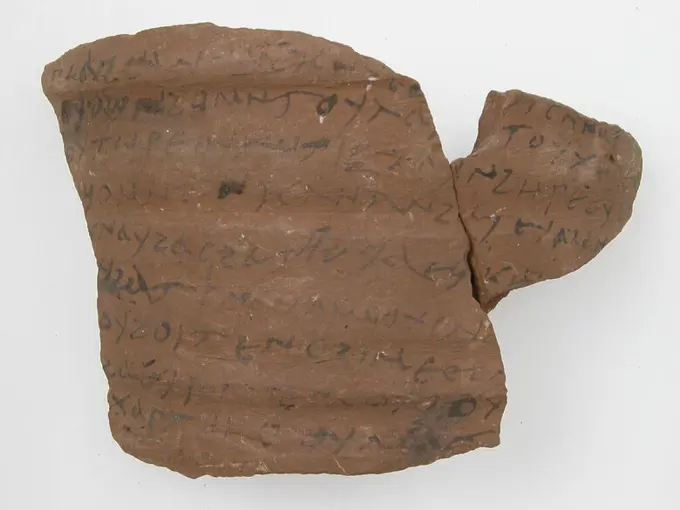
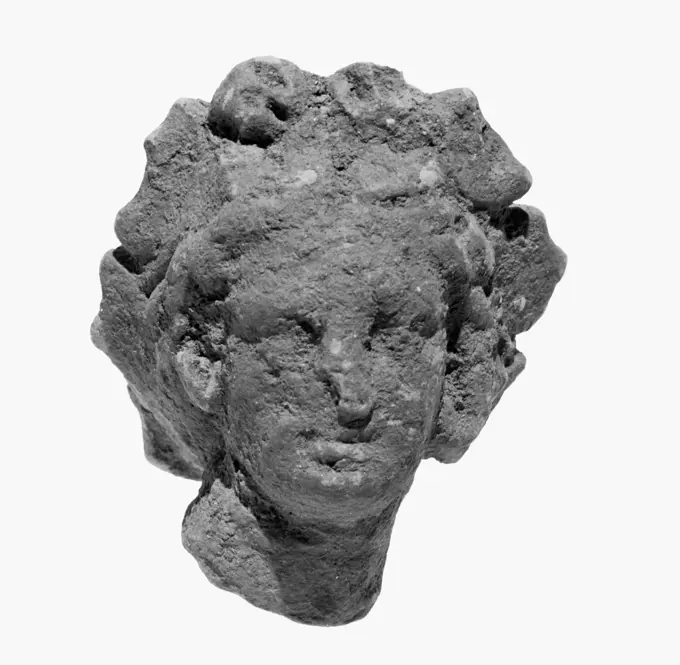
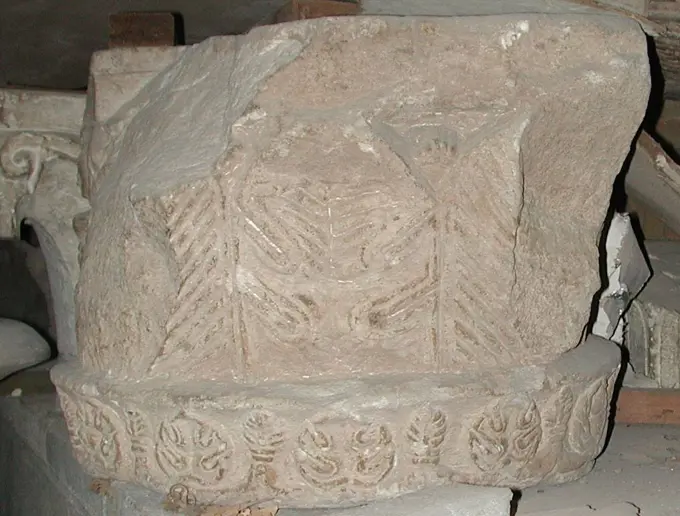
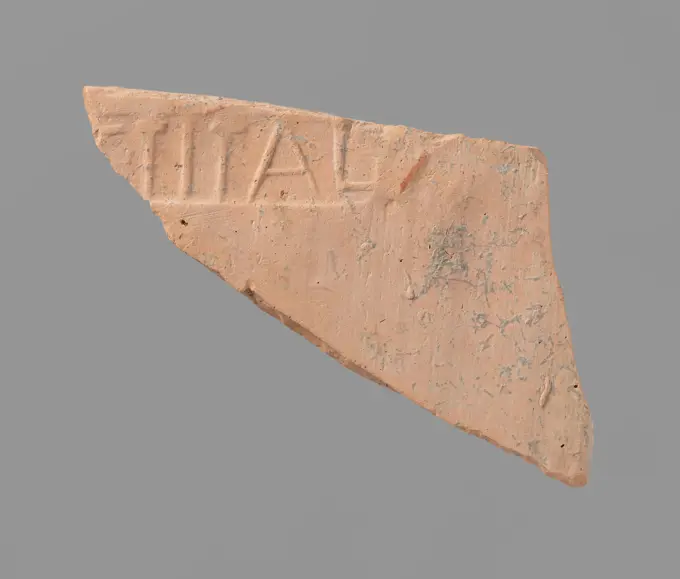
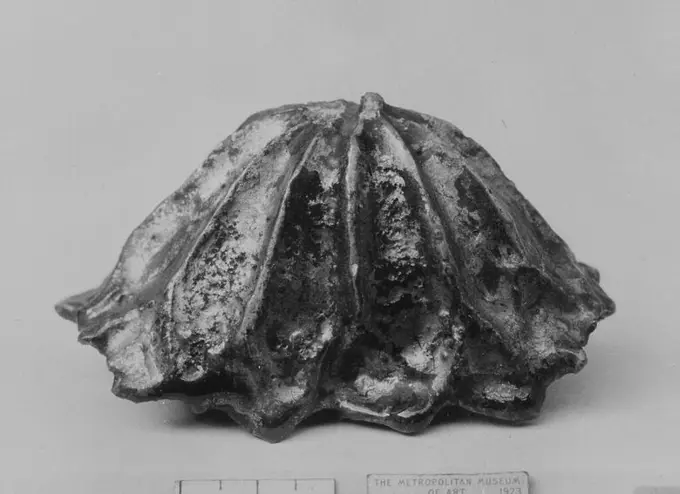
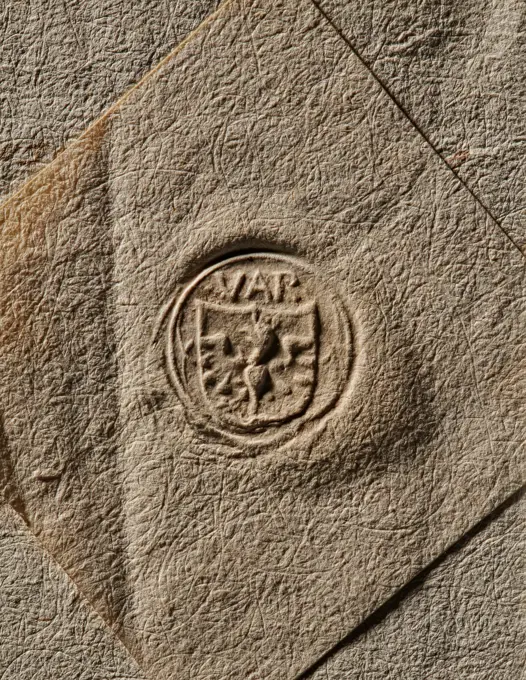
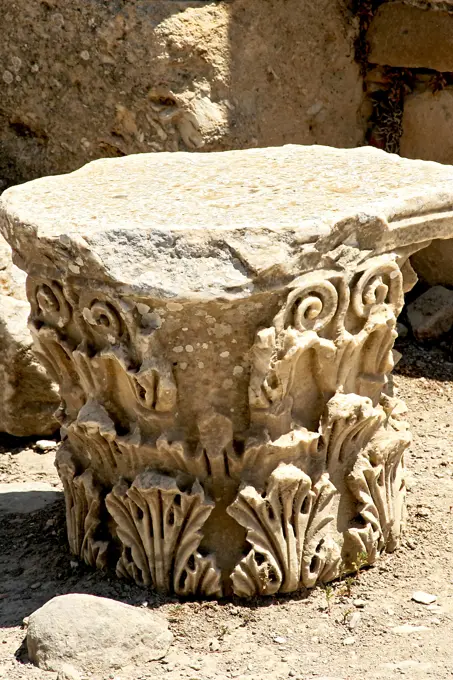
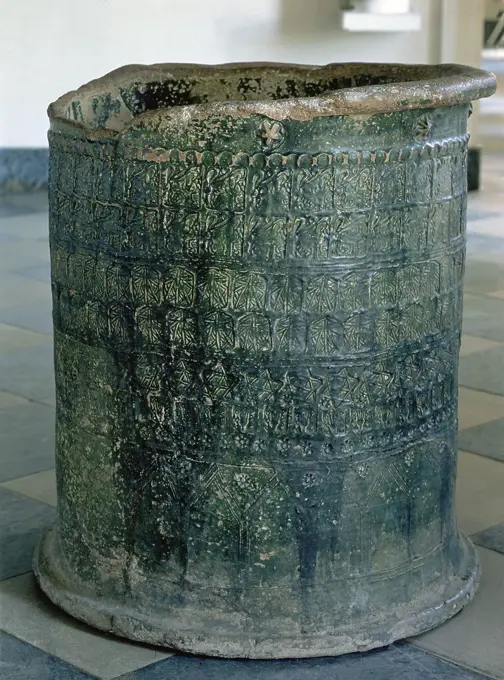
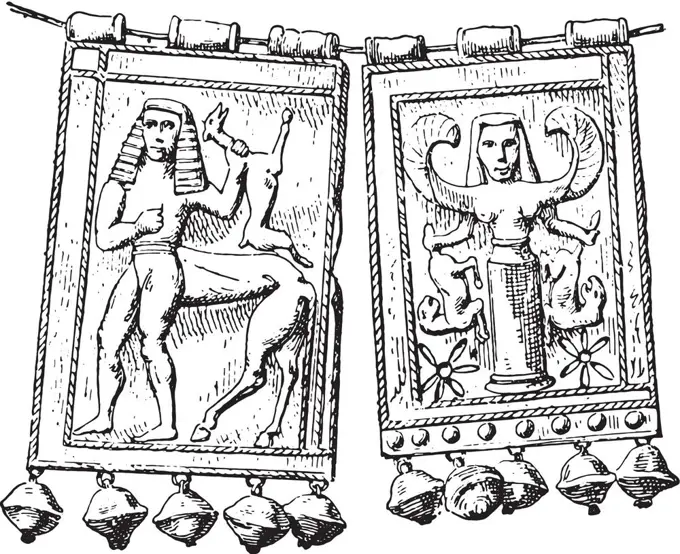
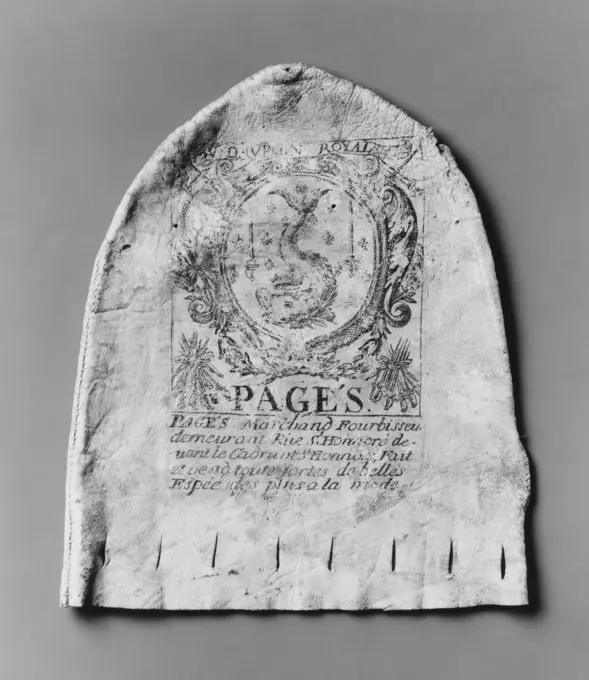
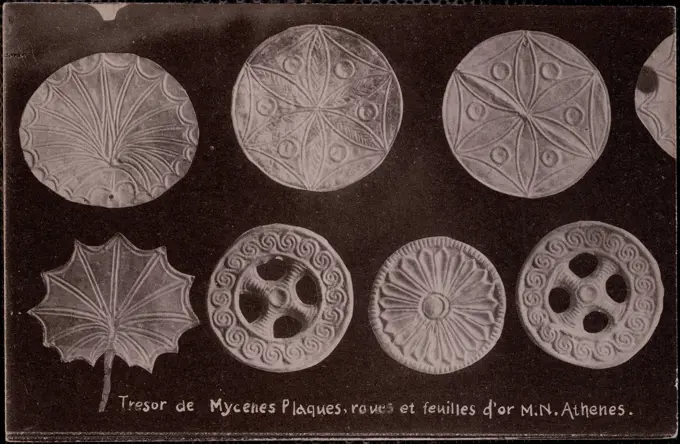
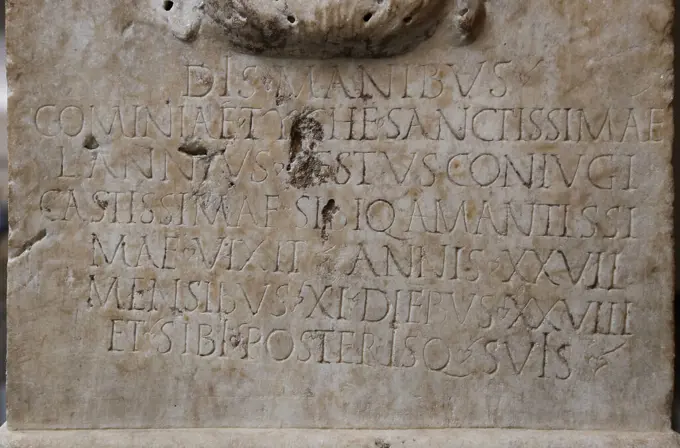
Jewelry mold fragment n.d.a.. Jewelry mold fragment 326045marble antefix from the Parthenon temple, Athens. The decorations comprise spirals and leaf patternsHooded Female Head. UnknownFragment of an Ivory Comb 1st-3rd century Afghanistan, possibly of West Indian manufacture. Fragment of an Ivory Comb 37411Lamp 5th-7th century. Lamp. 5th-7th century. Earthenware; unglazed. From Palestine, Sbaita. CeramicsGirdle ornament China. Girdle ornament. China. Jade. Han dynasty (206 B.C.-A.D. 220). JadeCloth seal with old weapon Of Rotterdam and Gothic letters, cloth seal hallmark ground find lead metal, poured beaten Cloth lead with at the front probably the old coat of arms of Rotterdam deepened pile with on each side the climbing lions and on the other side split cross that is on the end splits into three twigs with probably gothic letter on each side and closed, D  archeology Rotterdam heraldry authenticate government textile trade textile textile trade trade guild city gothicTorso/Belt of the king with cartouches of the Aten ca. 1353-1336 B.C. New Kingdom, Amarna Period. Torso/Belt of the king with cartouches of the Aten 549763Funerary Cone ca. 1550-1295 B.C. New Kingdom. Funerary Cone. ca. 1550-1295 B.C.. Pottery. New Kingdom. From Egypt, Upper Egypt, Thebes. Dynasty 18ISIS DE BARRO COCIDO-IBERICO. Location: MUSEO ARQUEOLOGICO-COLECCION. MURCIA. SPANIEN. ISIS DIOSA.Funerary Cone the Cup-Bearer Neferperet ca. 1550-1295 B.C. New Kingdom. Funerary Cone the Cup-Bearer Neferperet. ca. 1550-1295 B.C.. Pottery. New Kingdom. From Egypt, Upper Egypt, Thebes, Khokha, Tomb of Nebamun and Ipuky (TT 181), courtyard and nearby, MMA excavations, 1910. Dynasty 18Fragment millstone of dark gray natural stone, millstone tools equipment soil finds natural stone stone 38.0 w 45.7 sawn chiselled Fragment millstone of dark gray natural stone probably applied in rosm mill or horse mill archeology Rotterdam Noord Provenierswijk Schefferstraat milling craft mill paint lead white Soil discovery: Schefferstraat Rotterdam. Lead white factory.Coin probably 8th-9th century. Coin. probably 8th-9th century. Copper. Excavated in Iran, Nishapur. CoinsCrown with disks ca. 1353-1336 B.C. New Kingdom, Amarna Period. Crown with disks 549637Miniature Altar with Animal Combat. UnknownFragmentary Stamnoid Krater. UnknownCoin A.H. 141-51/ A.D. 758-68. Coin. A.H. 141-51/ A.D. 758-68. Copper. Excavated in Iran, Nishapur. CoinsComposite crown ca. 1353-1336 B.C. New Kingdom, Amarna Period. Composite crown 549630Male Head. UnknownCoin late 12th-early 13th century. Coin 457389 in phaselis temple turkey asia old ruined column and destroyed stoneStamp seal ca. 3rd century B.C.-3rd century A.D. Parthian. Stamp seal 322159Coin A.H. 169-70/A.D. 785-86. Coin. A.H. 169-70/A.D. 785-86. Copper. Excavated in Iran, Nishapur. CoinsFunerary mask, representing a tragedy actor, from Lipari, Sicily, Italy. Magna Graecia civilization, 4th century BC.Sealing ca. 1981-1640 B.C. Middle Kingdom. Sealing 560432Boat;  664-525 BC ; Half period, 26 dynasty (-664-00-00--525-00-00);Fragment (part of a set) 17th century French, Nevers Faience, or tin-glazed and enameled earthenware, first emerged in France during the sixteenth century, reaching widespread usage among elite patrons during the seventeenth and early eighteenth centuries, prior to the establishment of soft-paste porcelain factories. Although characterized as more provincial in style than porcelain, French faience was used at the court of Louis XIV as part of elaborate meals and displays, with large-scale vessels incorporated into the Baroque garden designs of Versailles. Earlier examples of French faience attest to the strong influence of maiolica artists from Italy. Later works demonstrate the ways in which cities such as Nevers, Rouen, Lyon, Moustiers, and Marseille developed innovative vessel shapes and decorative motifs prized among collectors throughout Europe. While faience can be created from a wide mixture of clays, it is foremost distinguished by the milky opaque white color achieved by the aWig of Nefertiti, inscribed. Dimensions: H. 21 × W. 21 × D. 10 cm (8 1/4 × 8 1/4 × 3 15/16 in.). Dynasty: Dynasty 18. Reign: reign of Akhenaten. Date: ca. 1352-1336 B.C.. Museum: Metropolitan Museum of Art, New York, USA.Mirror plaque decorated with crosses, birds, and flowers. Date/Period: 300/399. Plaster and pigment. Author: UNKNOWN.Document Sealing With the Throne Name of Amenhotep III ca. 1390-1353 B.C. New Kingdom. Document Sealing With the Throne Name of Amenhotep III. ca. 1390-1353 B.C.. Mud. New Kingdom. From Egypt, Upper Egypt, Thebes, Malqata, No exact location recorded, MMA excavations, 1910-12. Dynasty 18Relief fragment, tomb of Meketre ca. 1981-1975 B.C. Middle Kingdom. Relief fragment, tomb of Meketre 562147Fragment of a Bowl 10th-12th century. Fragment of a Bowl 447260Stamp Seal. Northern Syria or Southeast Anatolia, circa 6th-4th millennium B.C.. Tools and Equipment; seals. ClayDaunian Kyathos. UnknownFragment 8th-13th century. Fragment 450317Fireplace with a representation of two men's heads in windows. Fireplace with a representation of two man's heads in windowsFragment 8th-9th century. Fragment 448885Clock with dedication; Unknown, Hephaestation (son of Herod); 153-87 BC (-153-00-00--87-00-00);Scen.Gal.Eg.Stone marker from a Mayan Ball Court at Chichen Itza, Yucatan, Mexico 900-1250 ADCartouche of Akhenaten ca. 1353-1336 B.C. New Kingdom, Amarna Period. Cartouche of Akhenaten 550057Drohiczyn seal. unknown, managerSealing ca. 1981-1640 B.C. Middle Kingdom. Sealing 560469Marble fragment of an Ionic column capital 3rd-1st century B.C. Greek This fragment is from a column capital whose scale is too small to be associated with the architecture of the Temple of Artemis proper. Since it was excavated within the temple site, it could belong to a votive column or to a small building such as a treasury located within the sanctuary.. Marble fragment of an Ionic column capital 252838 Greek, Marble fragment of an Ionic column capital, 3rd1st century B.C., Marble, Other: 11 7/8 in. (30.2 cm). The Metropolitan Museum of Art, New York. Gift of The American Society for the Excavation of Sardis, 1926 (26.199.275)Image of a figure in a cloak; The head is missing. .Barkcloth Fragment (Kapa) 19th century Hawai'i. Barkcloth Fragment (Kapa) 310419Siana Cup Fragment. UnknownKeystone from a Vaulted Ceiling ca. 1220-30 German During the 1100s and 1200s, fortified settlements were built in the Holy Land by knights from western Europe trying to establish a Christian kingdom with Jerusalem as its capital. Founded by French Crusaders in the 1100s, Castle Montfort was purchased in the 1220s by the Teutonic Knights, German Crusaders who rebuilt it and renamed it Starkenberg. This keystone was probably carved during the Teutonic Knights restoration of the site. In 1272 after a heavy siege, the castle fell to Baybars, the Mamluk sultan of Egypt. The surviving knights retired to Acre (now Akko, Israel), the last Christian stronghold in the Holy Land. In 1926 the Museum took part in the excavation of the ruined castle.. Keystone from a Vaulted Ceiling 466803Limestone inscribed box fragment Cypriot Fragment of an inscribed box (ex-voto), dedicated to the Lady of Paphos.. Limestone inscribed box fragment. Cypriot. Stone. Cesnola InscriptionsBell 100 BC-200 AD Italian (Ancient Roman). Bell. Italian (Ancient Roman). 100 BC-200 AD. Metal. Rome, Italy. Idiophone-Struck-bell-clapperBeads (2). UnknownFigurine of Seth ca. 1981-1640 B.C. Middle Kingdom. Figurine of Seth. ca. 1981-1640 B.C.. Serpentinite. Middle Kingdom. From Egypt, Memphite Region, Lisht North, Cemetery, MMA excavations, 1906-07. Dynasty 12-13Ostrakon. Culture: Coptic. Dimensions: 3 3/4 x 2 1/2 in. (9.5 x 6.3 cm). Date: 7th century. Museum: Metropolitan Museum of Art, New York, USA.Ostrakon. Culture: Coptic. Dimensions: 4 1/4 x 17 11/16 in. (10.8 x 45 cm). Date: 600. Museum: Metropolitan Museum of Art, New York, USA.placa nicho, siglo VII, Cigarral del aserradero, Museo de los Concilios y la Cultura Visigoda, Iglesia de San Román,Toledo, Castilla-La Mancha, Spain.Tombstone dated June 4, 1036. Tombstone 444407Limestone cippus of Philokypros ca. 2nd-3rd century A.D. Roman, Cypriot The Greek inscription reads: "Good Philokypros, farewell!". Limestone cippus of Philokypros 241936Stamp seal (octagonal pyramid) with cultic scene 7th - 6th century B.C. Assyro-Babylonian. Stamp seal (octagonal pyramid) with cultic scene. Assyro-Babylonian. 7th - 6th century B.C.. Variegated neutral Chalcedony (Quartz). Neo-Assyrian / Neo-Babylonian. MesopotamiaFragment imadła amfory ze stemplem. Aristokles II (ok. 175/173-108 p.n.e.), potter's workshopOstrakon. Culture: Coptic. Dimensions: 5 1/4 x 3 5/8 in. (13.3 x 9.2 cm). Date: 7th century. Museum: Metropolitan Museum of Art, New York, USA.Temple Fragments, Museo Archeologico Regionale Antonino Salinas, Collection of Etruscan, Roman, Egyptian and Greek Works, Palermo, Palermo, Sicily, Italy, EuropeBliej Kultury unknownStone Plate with a Sepulchral InscriptionBack Plate of a Belt Buckle late 6th-7th century Frankish Belts were important features of early medieval dress. Not only did they serve the practical function of holding weapons and tools, but their fittings, which could vary in terms of material, decoration, and size, were also highly visible indicators of rank and status. Iron buckles, many imposing in size, were worn by both men and women. Their intricate decoration was achieved by squeezing narrow twisted strips of silver into patterns engraved on the surface of the prefabricated iron pieces. A complete belt would have consisted of a buckle, a counter plate that was placed opposite the buckle, and sometimes a rectangular plate placed in the middle of the belt at the back for decoration.. Back Plate of a Belt Buckle 465827 Frankish, Back Plate of a Belt Buckle, late 6th7th century, Iron with silver inlay, Overall: 1 7/8 x 1/4 x 1 3/4 in. (4.7 x 0.7 x 4.5 cm). The Metropolitan Museum of Art, New York. Gift of J. Pierpont Morgan, 1Stucco Fragment probably 8th-12th century. Stucco Fragment 741523Head with Melon Coiffure and Wreath. UnknownPolished ax and arrowhead of flint; 1. Hache Polie and Silex 2. Pointe and Silex 1/1 Nature. .Capital with Leaves 3rd-12th century. Capital with Leaves 456135Tile p Ask (Tegula);  1. W. III century (201-00-00-225-00-00);Covered Vessel with Design of Horizontal Bands of Diaper Patterns. Culture: Japan. Dimensions: H. 1 3/8 in. (3.5 cm); W. sq. 8 in. (20.3 cm). Date: 1830. Museum: Metropolitan Museum of Art, New York, USA.Miniature vessel from Tomb of Perneb ca. 2381-2323 B.C. Old Kingdom Almost 400 miniature pottery vessels were found during the clearing of Pernebs tomb, the majority in the rubble fill of the interior chambers and shafts, with the rest picked up around the outside. It is likely that these came originally from the above-ground chapel, as they would have been used for the offering cult. Since this cult would have been celebrated repeated over time, large numbers of these vessels accumulated around the tomb. Mass-produced, they do have some interior volume and might have held small amounts of liquids or solid foodstuffs such as grain. Perneb could thus have partaken magically in whatever types of food and drink were offered. The shapes of these jars and bowls bear more resemblance in some cases to earlier vessels than to receptacles in daily use during Perneb's era. This example is a saucer.. Miniature vessel from Tomb of Perneb. ca. 2381-2323 B.C.. Pottery. Old Kingdom. From Egypt, MempCopper ingot engraved to look like animal skin, imported from CreteJewellery from Tomb No. 7 of Monte Alban, Museum, Church of the former Dominican Monastery of Santo Domingo in Oaxaca de Juárez, Oaxaca, Mexico, Central AmericaHead with Melon Coiffure. UnknownMayan Clay Figurine c. 700-1000 A.D. Campeche, Mexico Pre-Columbian Collection of The Museum of Contemporary Art, Jacksonville, FloridaFish Ornament. Culture: China. Dimensions: L. 4 in. (10.2 cm); W. 3/4 in. (1.9 cm). Museum: Metropolitan Museum of Art, New York, USA.recipientes de ceramica, Museo arqueologico Son Fornes, sala de época talayótica (1300-123 a. C.), Montuiri, Comarca de Es Pla, Mallorca, Spain.BROCAL DE POZO NAZARI CON DECORACION DE ESTAMPILLAS, ATAURIQUES Y MANOS DE FATIMA - SIGLO XIV-XV. Location: MUSEO DE CERAMICA-CERAMICA DE AL ANDALUS Y MUDEJAR. Barcelona. SPAIN.seal of Franciszek Radzikowski. Królestwo Polskie (1815-1831), signatory, Radzikowski, Franciszek, signatoryCylinder seal ca. 1720-1650 B.C.. Cylinder seal. ca. 1720-1650 B.C.. Hematite. Old Syrian. SyriaPipes head. Pipes head with the letters A C S depicted in a triangle. Of the excavations at the Hofstede Arentsburg 1827-1831 under the supervision of professor Reuvens.Visigothic Spain. Laureate cross with dowel stem, 7th century. Carved on a white marble gravestone featuring an script from an earlier period (mid-5th or early 6th century). Height: 54.5 cm, diameter: 39 cm, thickness: 4 cm. From Garrovillas de Alconétar (Cáceres province, Extremadura, Spain). National Archaeological Museum. Madrid. Spain.seal of Bartłomiej Żabczyński, Starost of Warsaw. Żabczyński, Bartłomiej (fl. ca 1584), signatoryEngraved Gem. UnknownPortugal, Azores, Terceira Island, Angra do Heroismo, Museo de Angra do Heroismo museum, Roman-era stonesseal of the Confederation of the Czernihiv Voivodeship. Konfederacja województwa czerniechowskiego, signatoryKapitell Korinthisches Kapitell mit Akanthusornamenten. Corinthian capital with acanthus ornaments. Copyright: xZoonar.com/IngridxRuchx 21726351BROCAL DE ALJIBE DE CERAMICA ESMALTADA. Location: MUSEO HOSPITAL DE SANTA CRUZ. Toledo. SPAIN.Seal China. Seal. China. Bamboo. Qing dynasty (1644-1911), Qianlong period (1736-95). SealsStatue lying on the ground near Abu Nasser Mosque, Jajpur, IndiaNecklace fragment Embossed Plate, vintage engraved illustration.Cover for a Smallsword Hilt ca. 1725-50 Guillaume Pagés French (Paris) By the early seventeenth century, the rapier, a long slender thrusting sword, began to dominate as the gentlemans weapon of choice. During the course of the century, however, as civilian fencing techniques became more specialized and refined, the rapier developed into a lighter, trimmed-down weapon known by about 1700 as the smallsword. Smallswords, often richly decorated, remained an integral part of a gentlemans wardrobe until the wearing of swords in civilian settings went out of fashion at the end of the eighteenth century, at which time pistols were replacing swords as arms most frequently used in personal duels. The majority of smallsword hilts are made of silver or steel, but many also employ a wide variety of luxurious materials, such as gold, porcelain, and enamel. At their best, smallswords combine the crafts of swordsmith, cutler, and jeweler to create an elegant weapon that was also a wearable work of Tresor de Mycenes plaques, roues et feuilles d'or M. N. Athenes , Antiquities, Flowers, Leaves. Nicholas Catsimpoolas CollectionTresor de Mycenes plaques, roues et feuilles d'or M. N. Athenes , Antiquities, Flowers, Leaves. Nicholas Catsimpoolas CollectionMarble funerary altar of Cominia Tyche. Roman, Flavian or Trajanic period. 90-100 AD. Who livid 27 years, 11 months, and 28 days. Museum Metropolitan of Art. NY. USA.