Ancient Egyptian Seals

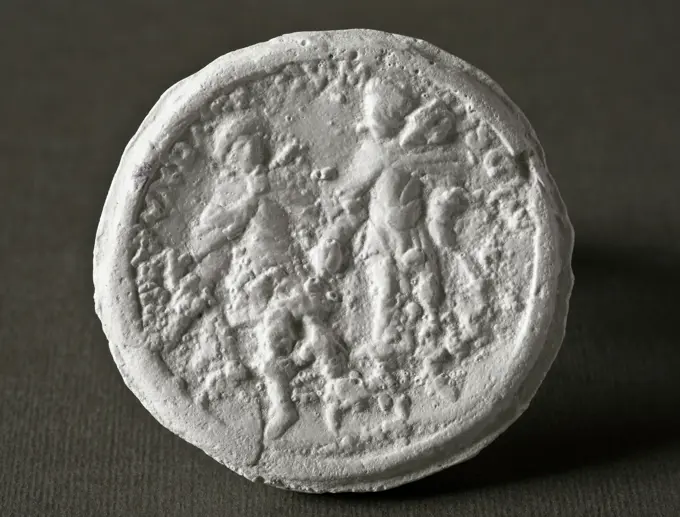
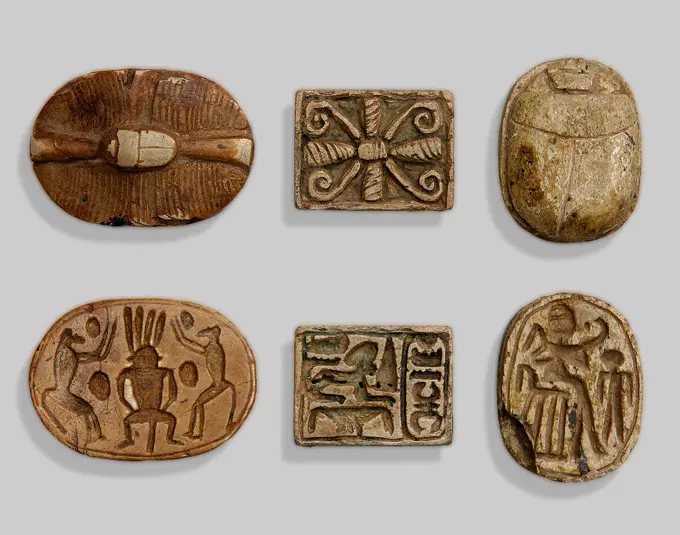
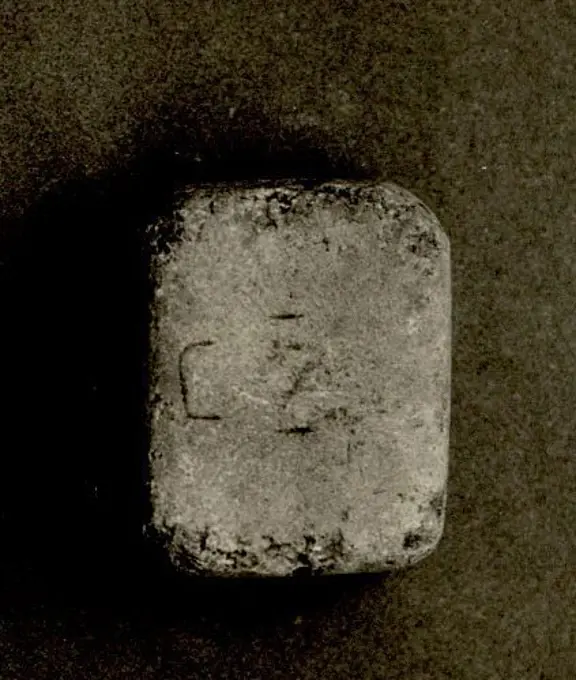
A variety of ancient sealing artifacts from the Middle Kingdom, showcasing intricate designs carved in mud, representing historical significance.

Bliżej Kultury Władysław Jagiełło (CA 1351 1434), Mint of Kraków
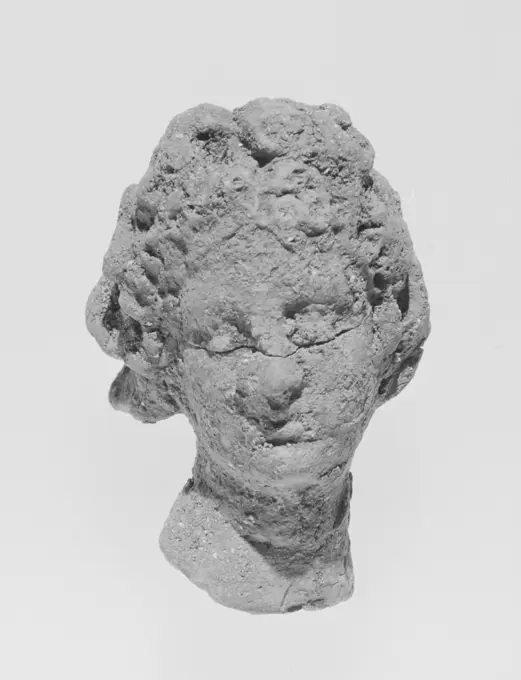
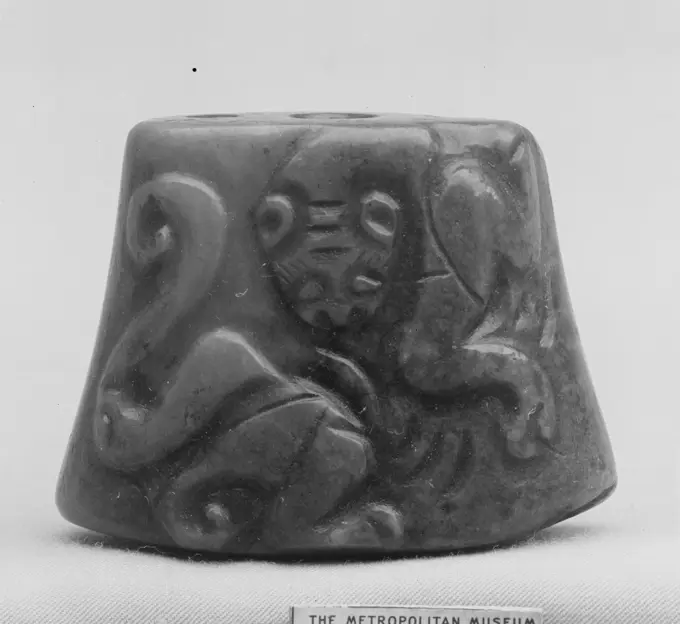
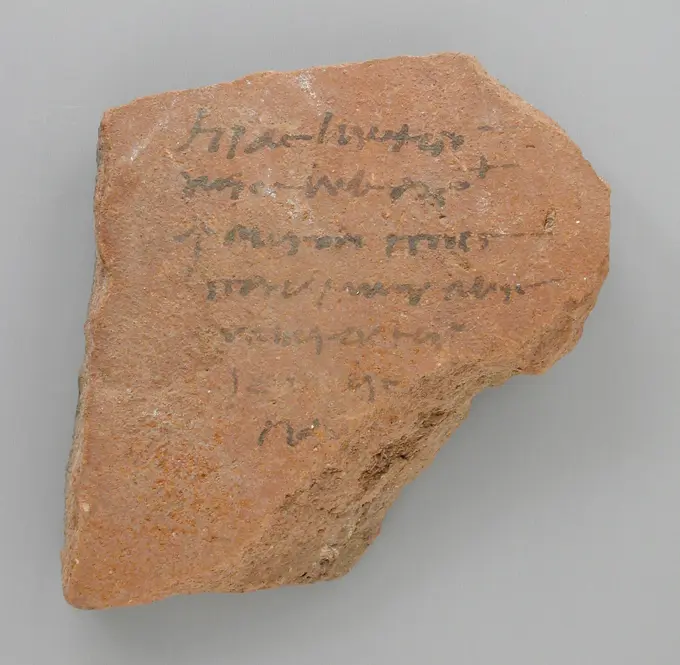
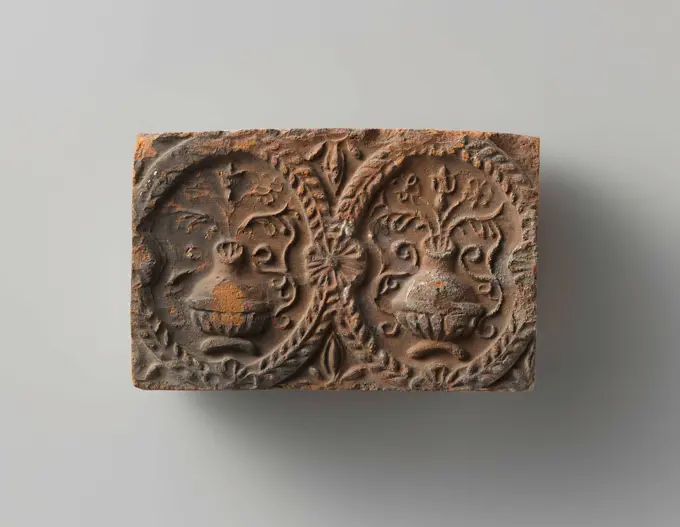
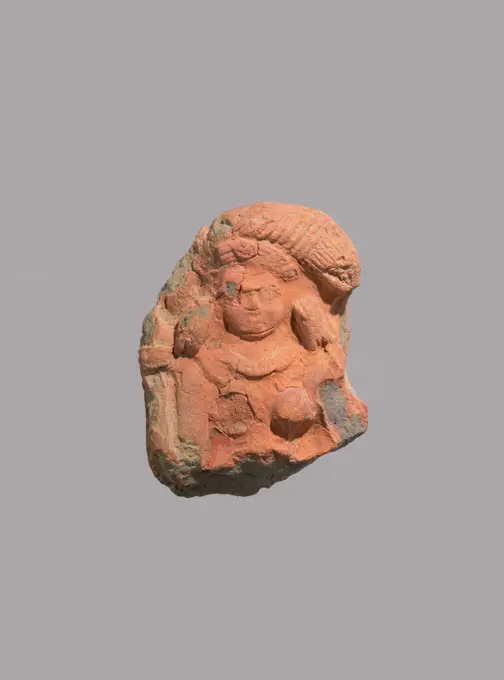
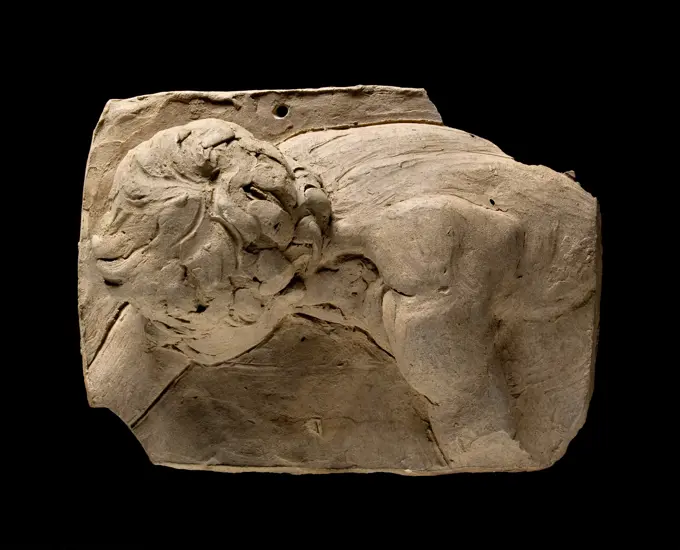
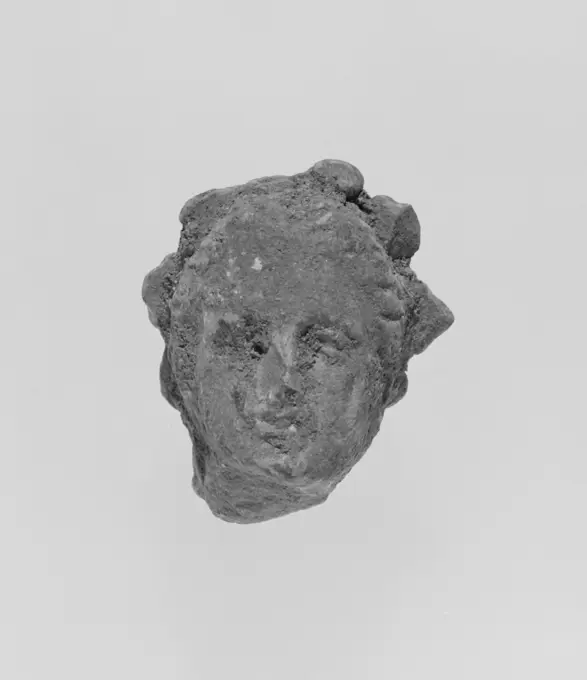
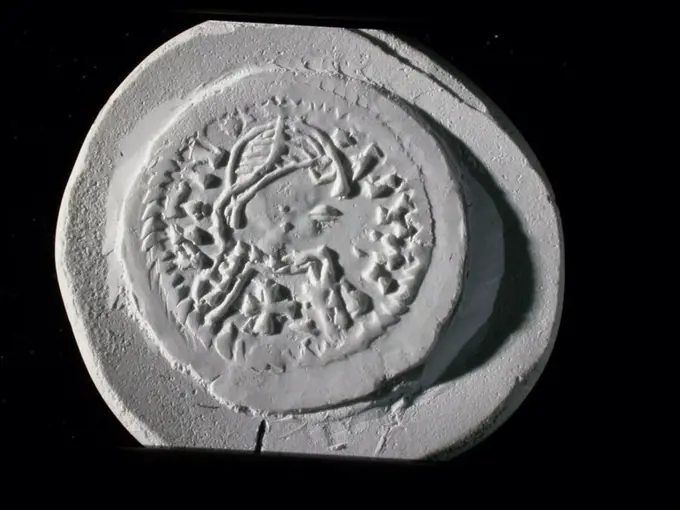
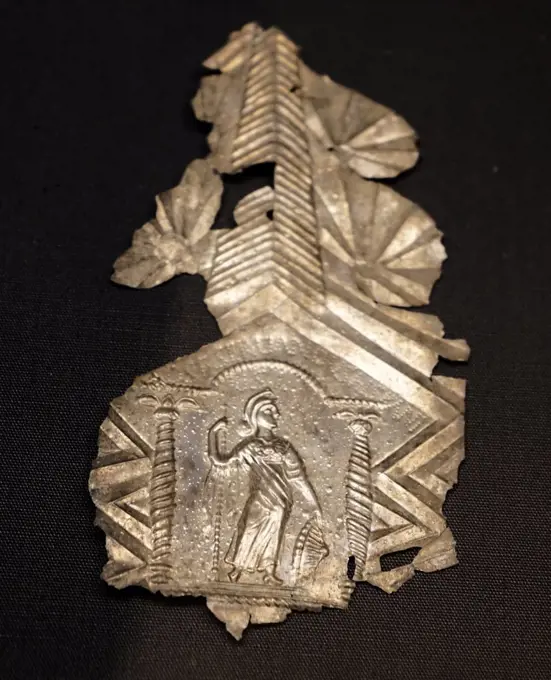
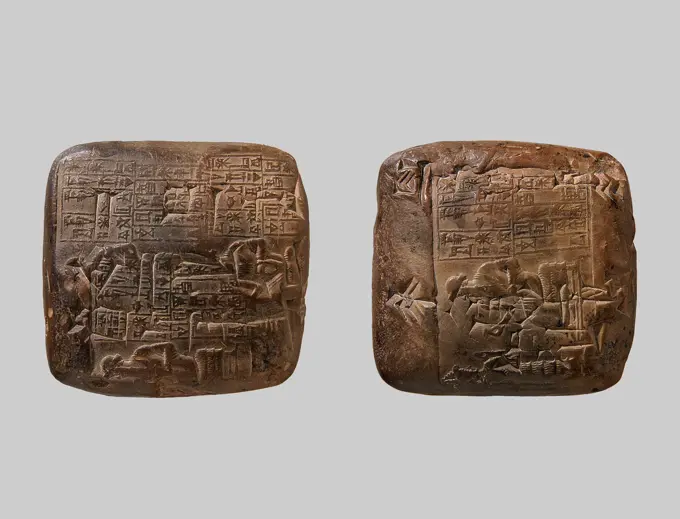
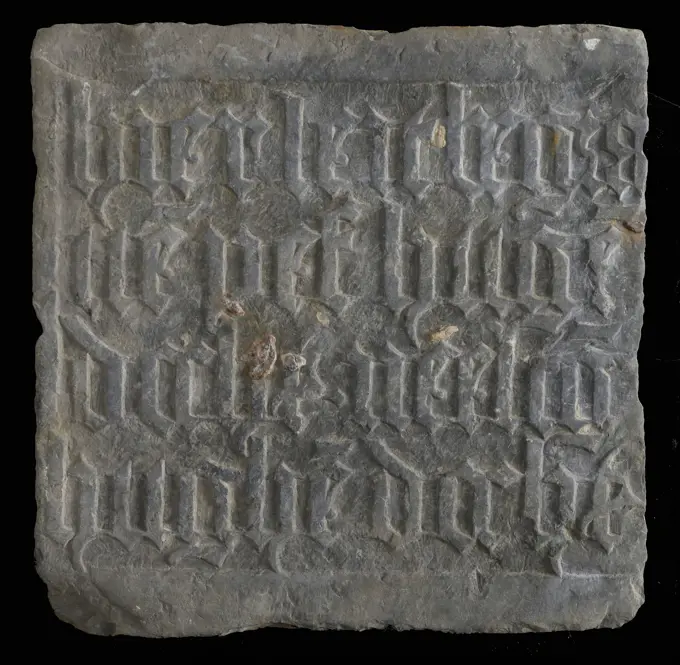
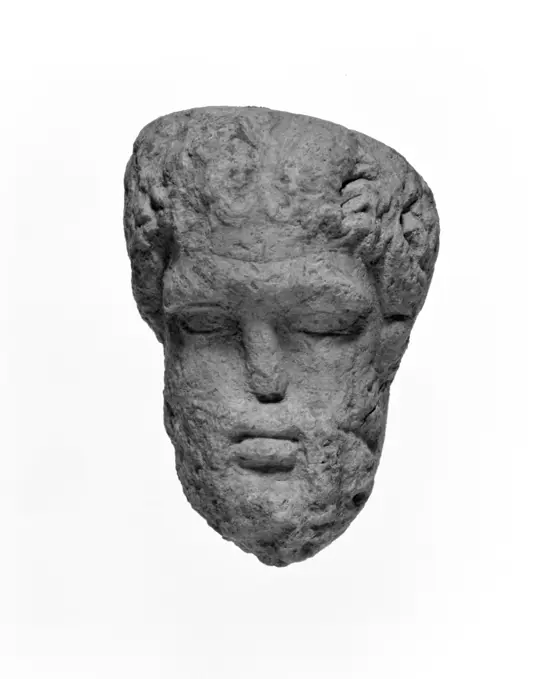
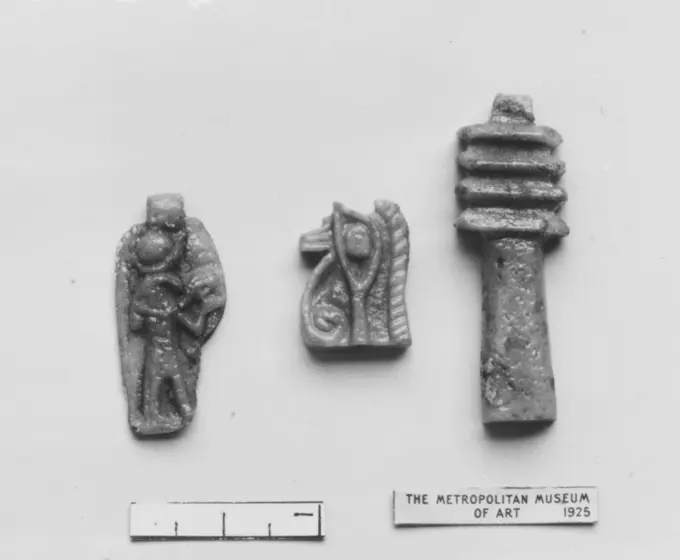
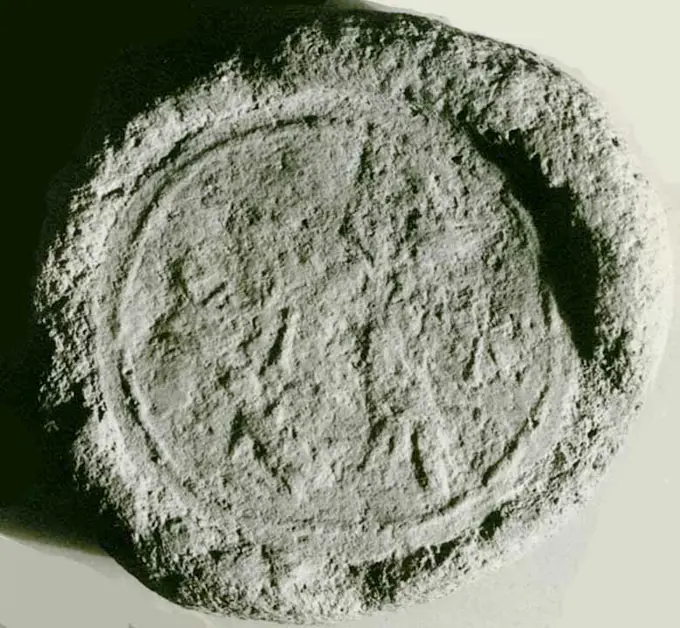
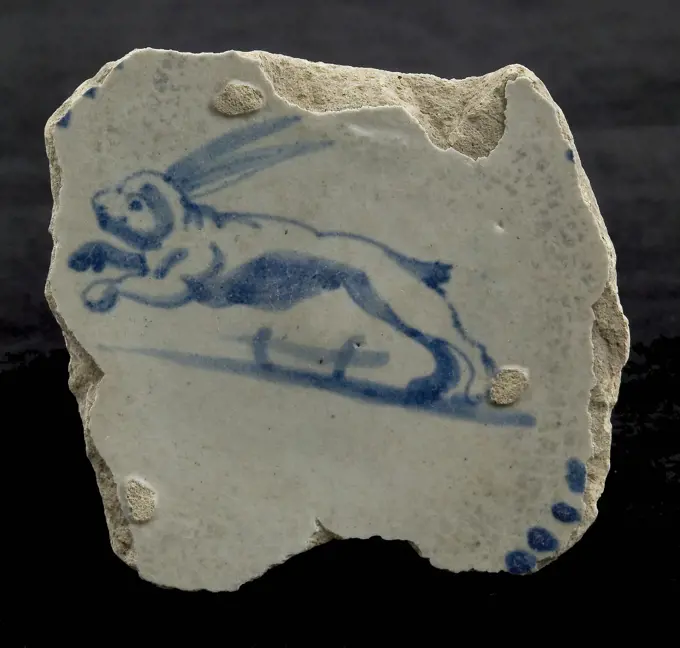
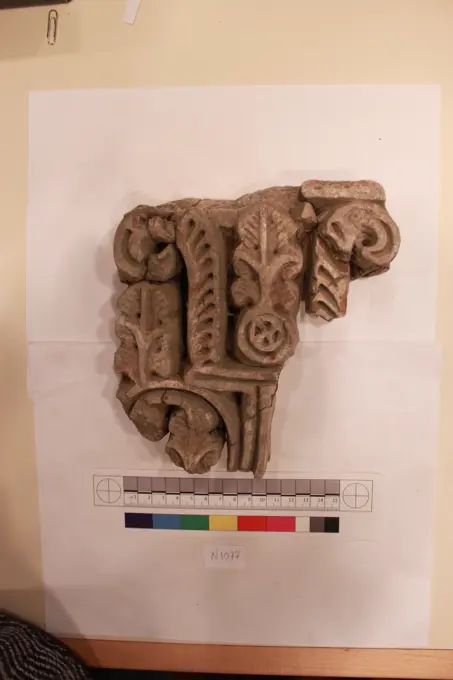
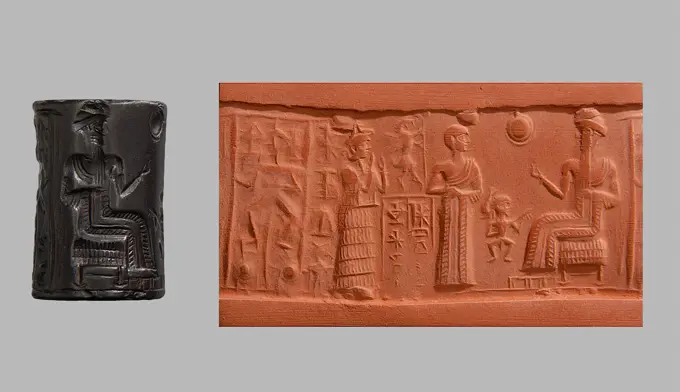
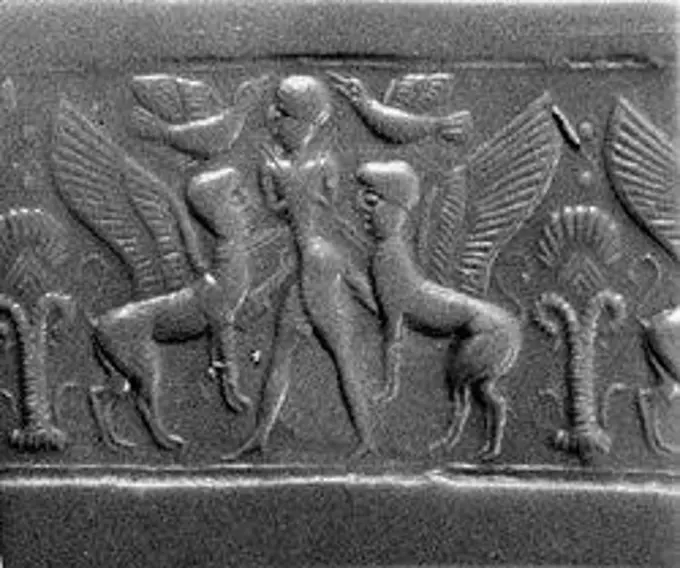
Cylinder seal ca. 2150-2100 B.C.. Cylinder seal. ca. 2150-2100 B.C.. Lapis lazuli. Post-Akkadian. MesopotamiaHead with Wreath. UnknownDocument Sealing ca. 1390-1353 B.C. New Kingdom. Document Sealing. ca. 1390-1353 B.C.. Mud. New Kingdom. From Egypt, Upper Egypt, Thebes, Malqata, King's Palace, West magazine, MMA excavations, 1910-12. Dynasty 18Glass bead. Culture: Probably western Asiatic or Levantine. Dimensions: H.: 1 7/16 in. (3.7 cm). Date: ca. 1500-1350 B.C..Opaque turquoise blue.Roughly square; flat back; slightly beveled sides; two holes pierced vertically through bead with openings larger at one end.On front, impressed design comprising twelve vertically ribbed bulbous shapes, arranged in three horizontal rows of four, each divided by two horizontal parallel ribs, and a single horizontal rib running along top and bottom edges.Intact, but with slight chips on front edges, and a large chip on back; pitting, dulling, and all surfaces covered with creamy weathering, except for part of back.Made in the same mold as 74.51.4536. Museum: Metropolitan Museum of Art, New York, USA.Sword Guard 16th-17th century European. Sword Guard 207594Block Fragment. Culture: French. Date: ca. 1130-40. Museum: Metropolitan Museum of Art, New York, USA.Scabbard ornament China. Scabbard ornament. China. Jade. Han dynasty (206 B.C.-A.D. 220). JadeConoid seal ca. 12th-9th century B.C.. Conoid seal. ca. 12th-9th century B.C.. Steatite, brown. Late Cypriot III-Cypro-Geometric III. CyprusDoor of a cupboard, c. 1500   wood (plant material)   wood (plant material)Attic Red-Figure Oinochoe  Fragment. Unknown 5th century B.C. The fragment preserves just over half of the vessel's circular base, with black on what remains of its outer edge. The undecorated interior surface is slightly domed, and bears some drips of black gloss. An inset around the edge provides the thickness of the vessel's walls. The underside is undecorated, and its reddish color suggests the application of miltos. An Etruscan graffito is partially preserved.Engraved Gem. UnknownVotive Plaque 11th-12th century Thailand or India. Votive Plaque. Thailand or India. 11th-12th century. Terracotta. CeramicsOstracon Inscribed with a Greek Inscription. Egypt, Roman Period (332 BCE - 400CE). Tools and Equipment; ostraka. TerracottaBell Urban (medallion; casting of Jan III Sobieski's medal from 1686  Reverse)  Zygmuntów Tower, Wawel Cathedral, KrakowHorse Bell Japan. Horse Bell. Japan. Bronze. Kofun period (ca. 300-710). MetalworkFireplace of baked earth, divided into two ovals with wide edges with a vase with flowers in it. Fireplace of baked earth, divided into two ovals with wide edges with a vase with flowers in it.Woman - a fragment of the figurine;  II-I century BC (-200-00-00-00--1-00-00);Aimé-Jules Dalou (1838-1902). "Mason worker". Terracotta, between 1891 and 1896. Museum of Fine Arts of the city of Paris, Petit Palais. Arms, macon worker, lift, terracottaCrown penny - era wide; Zygmunt I Stary (King of Poland; 1506-1548); 1506-1548 (1506-00-00-1548-00-00);Head with Wreath. UnknownNUMISMATICA. MONEDA VISIGODA. MOLDE.Monument 9, Palo Godo, Suchitepeques, Late Classic 600-900, National Museum of Archaeology and Ethnology, Guatemala City, Guatemala, Central AmericaAnglo-Roman votive plaques found as part of the Ashwell Hoard, England 3rd to 4th century ADSherd ca. 1600 B.C. Assyrian. Sherd 327059V -plate with a baking impression of the device: receiving the edition of two sheep and one goat; Urnungal (fl. Around 2045-ok. 2020 BC); around 2031 BC ; Novosumen period (-2036-00-00--2026-00-00);ADU (fl. CA 2040-Ca 2020 A.C.), III dynasty with UR (around 2113-OK. 2005 BC), Mesopotamia, Semerau-Siemianowski, Władysław (1849-1938), Semerau-Siemianowski, Władysław (1849-1938) -collection, Sumerians, szuuen (Flow. CA 2038-Ca 2030 A.C), UR-Szara (Flow. CA 2060-Ca 2030 A.C.), Urnungal (Flow. CA 2045-Ca 2020 A.C.), Dar (provenance), ITI D. DUMU-ZZI (12th month of the calendar from UMMA), MA2-gur8-mah ba-dim3 (annual term), cylindrical seals, annual terms, presentation scenes, Sumerian art, wedge platesStone with Gothic letters, Agnietenklooster, tombstone slate stone, minced Square left above and below edges. Gothic letters in high relief. Tombstone ever supplemented with other stone slate. here leit den .. yef (pef) hugjayer hedgehogs hughdaughter death mourning burial gothic Agnietenklooster Rotterdam City Triangle Cheese Market Botersloot Stadhuissteeg Zerk was discovered in Amsterdam (built in 1587) of Kaasmarkt (as well as inv 10101) near Gedempte Botersloot and the Stadhuissteeg Rotterdam.Skarabeus with the presentation of two babes adoring, amulet - plaque with rosette And named Mencheperre, a score with a silhouette on the throne;  around 1295 1186 BC ; New PA 1295 BC ; New PA 1295 BC ; New PABes (Mitol.), Majewski, Erazm (1858-1922), Majewski, Erazm (1858-1922)-collections, mencheperre cryptograms, scenes.gal.eg., Band of Heka, Bicz Nechacha (iconogr.), Egyptian deities, decorations Ryte, hieroglyphs, cartouches, cryptogram, kings, pavian (iconogr.), plaques, message (provenance), rosettes, tronaHead Fragment from a Double-Headed Herm. UnknownWall plaque ca. 9th century B.C. Iran. Wall plaque 325812Djed Pillar Amulet ca. 1000-945 B.C. Third Intermediate Period This djed pillar amulet was found on the left arm of the mummy together with a wedjat eye amulet and a Thoth amulet (see 25.3.170a, c).Amulets were thought to magically transfer their power to the wearer. Such power often derived from their shape, material, color, and/or the recitations spoken over them. This amulet depicts the so-called djed pillar that ensured permanence. From the New Kingdom on it was also closely connected to Osiris, the god revived after death.. Djed Pillar Amulet 587566Figure of a ram, 5th century, 10 3/4 x 26 1/2 x 5 in. (27.3 x 67.3 x 12.7 cm), Limestone, Egypt, CopticFunerary Cone of the Vizier Amenemopet ca. 1479-1400 B.C. New Kingdom This cone has the impression of a stamp seal inscribed for the vizier, Amenemopet, who owned Theban tomb 29. For a drawing of this impression see http://www.funerarycones.com/, number 265.. Funerary Cone of the Vizier Amenemopet Funerary Cone of the Vizier Amenemopet ca. 1479-1400 B.C. New Kingdom This cone has the impression of a stamp seal inscribed for the vizier, Amenemopet, who owned Theban tomb 29. For a drawing of this impression see http://www.funerarycones.com/, number 265.. Funerary Cone of the Vizier Amenemopet. ca. 1479-1400 B.C.. Pottery. New Kingdom. From Egypt, Upper Egypt, Thebes. Dynasty 18Fragment majolica dish, blue on white, jumping hare on little piece with fence, plate dish crockery holder soil find ceramic earthenware glaze, baked underside covered with lead glaze. Monochrome archeology adorn serving foodFragment of a Bowl 9th-10th century. Fragment of a Bowl 454759Landau 2 florins and 8 kreutzers - siege klippe. Karl Alexander von Württemberg (1684-1737), ruler, Miasto Landavia, issuerBlock from an Arch with a Cross 6th-7th century The more important buildings were decorated with courses of sculpted stone freely combining floral and geometric motifs inspired by classical art - rosettes, acanthus leaves, meander patterns - with more recent Christian themes. These sculptural elements, demonstrating the Byzantine love of complex patterning with lush textures, were originally painted in rich, vibrant colors like those surviving in textiles.. Block from an Arch with a Cross. 6th-7th century. Sandstone; carved in relief. Said to be from Egypt, Aswan. SculptureStucco Fragment probably 8th-12th century. Stucco Fragment 740855Stamp seal ca. 5th-7th century A.D. Sasanian. Stamp seal. Sasanian. ca. 5th-7th century A.D.. Carnelian. Sasanian. IranStamp seal ca. 6th-4th century B.C. Achaemenid. Stamp seal. Achaemenid. ca. 6th-4th century B.C.. Chert, red white. Achaemenid. IranTombstone altar;  II century (101-00-00-200-00-00);Bake  cylindrical; Unknown workshop Starobabilo XX-XIX century BC (-2000-00-00--1801-00-00);Czartoryska, Maria Ludwika (1883-1958), Czartoryska, Maria Ludwika (1883-1958)-collection, Działyńska, Izabela (1830-1899), Działyńska, Izabela Elżbieta née Czartoryski (1830-1899)-collection, III dynasty with born ( appro BCE), Newsumenian period (approVASO DE BARRO CON DECORACION ZOOMORFA. Location: MUSEO NACIONAL DE AZERBAIYAN. BAKU. Azerbaijan.Scarab seal ca. 1700-1560 B.C.. Scarab seal. ca. 1700-1560 B.C.. Faience, white. Dynasty 15-17, 2nd Intermediate Period, Hyksos. Levant or SyriaWeight: 4 deben ca. 1981-1640 B.C. Middle Kingdom. Weight: 4 deben. ca. 1981-1640 B.C.. Travertine (Egyptian alabaster). Middle Kingdom. From Egypt, Memphite Region, Lisht North, Cemetery, MMA excavations, 1920-22. Dynasty 12-13Cylinder seal and modern impression: human figure flanked by sphinxes, birds ca. 14th century B.C. Cypriot Although engraved stones had been used as early as the seventh millennium B.C. to stamp impressions in clay, the invention in the fourth millennium B.C. of carved cylinders that could be rolled over clay allowed the development of more complex seal designs. These cylinder seals, first used in Mesopotamia, served as a mark of ownership or identification. Seals were either impressed on lumps of clay that were used to close jars, doors, and baskets, or they were rolled onto clay tablets that recorded information about commercial or legal transactions. The seals were often made of precious stones. Protective properties may have been ascribed to both the material itself and the carved designs. Seals are important to the study of ancient Near Eastern art because many examples survive from every period and can, therefore, help to define chronological phases. Often preserving imagery no lToken with an Egyptian Obelisk and a Temple; early 1st century A.D; Ivory; 2.9 cm (1 1,8 in.)Head with Melon Coiffure. UnknownStamp seal ca. 5th-7th century A.D. Sasanian. Stamp seal. Sasanian. ca. 5th-7th century A.D.. Stone. Sasanian. Iranseal of the Department of Military Needs. Wydział Potrzeb Wojskowych, Deputacja Centralna W.X.L, administrator, Rada Najwyższa Narodowa, signatory