My Boards
View Pictures
  • My Boards
← Artworks

Ancient Egyptian Statues

Statuary representing kings and deities from Ancient Egypt, characterized by regal postures and elaborate detailing reflecting royal significance.
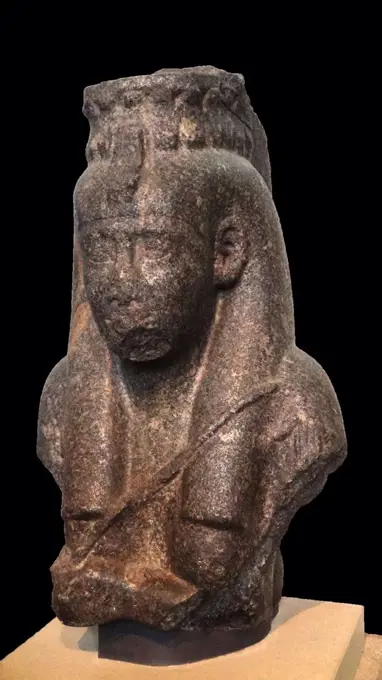
The Kingís Mother Tasherenese 26th Dynasty, reign of Amasis (570-526 BC), Granodiorite, Egypt
282 assets in this story
6145-29755824
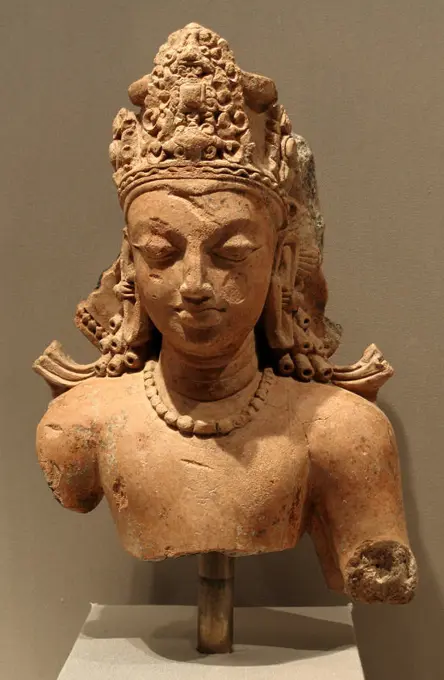
Bust of Vishnu 5th-6th century India (Bengal) or Bangladesh. Bust of Vishnu. India (Bengal) or Bangladesh. 5th-6th century. Terracotta. Gupta period. Sculpture
4409-17431270
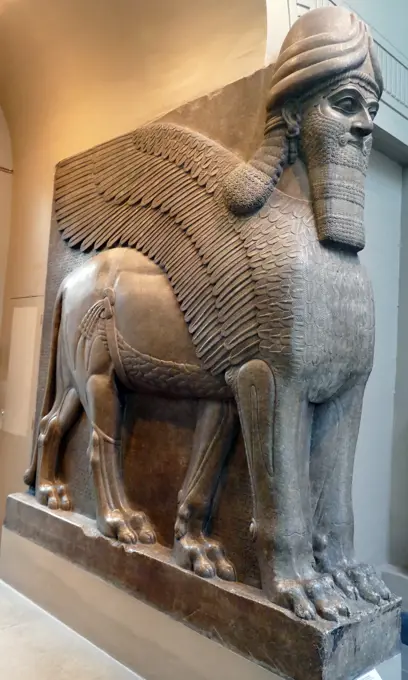
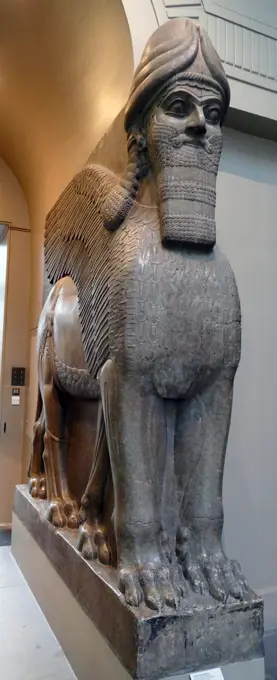
Human-headed winged bull (lamassu). Culture: Assyrian. Dimensions: H. 123 1/2 x W. 26 1/2 x D. 122 in., 15999.8 lb. (313.7 x 67.3 x 309.9 cm, 7257.4 kg). Date: ca. 883-859 B.C..From the ninth to the seventh century B.C., the kings of Assyria ruled over a vast empire centered in northern Iraq. The great Assyrian king Ashurnasirpal II (r. 883-859 B.C.), undertook a vast building program at Nimrud, ancient Kalhu. Until it became the capital city under Ashurnasirpal, Nimrud had been no more than a provincial town.The new capital occupied an area of about nine hundred acres, around which Ashurnasirpal constructed a mudbrick wall that was 120 feet thick, 42 feet high, and five miles long. In the southwest corner of this enclosure was the acropolis, where the temples, palaces, and administrative offices of the empire were located. In 879 B.C. Ashurnasirpal held a festival for 69,574 people to celebrate the construction of the new capital, and the event was documented by an inscription that
1848-55209943
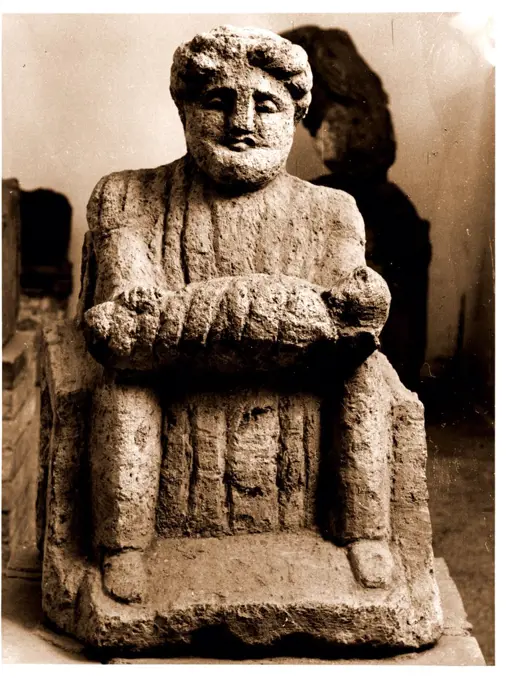
Semi-recumbent figure with naked torso, 5th century a.C., Archaeological Museum, Castello di Udine, seat of the State Museums, Udine, most important historical city of Friuli, Italy, Udine, Friuli, Italy, Europe
4409-20139388
figure of a squatting baboon, red quartzite, 18th dynasty reigning Amenhotep III, collection of the British Museum.
4409-137520
TORO ANDROCEFALO DE BALAZOTE (S.VI.A.C.). (BICHA DE BALAZOTE). IBERICO.(DEPOSITO: MUSEO ARQUEOLOGICO NACIONAL).
1848-50393422
Stone sculpture Chac Mool, National Museum Museo Nacional de Antropologia, Mexico City, Mexico, Central America
4292-70281
Italy, Lazio, Rome, Villa Giulia, the Etruscan Museum, Etruscan Art.
4443-75473750
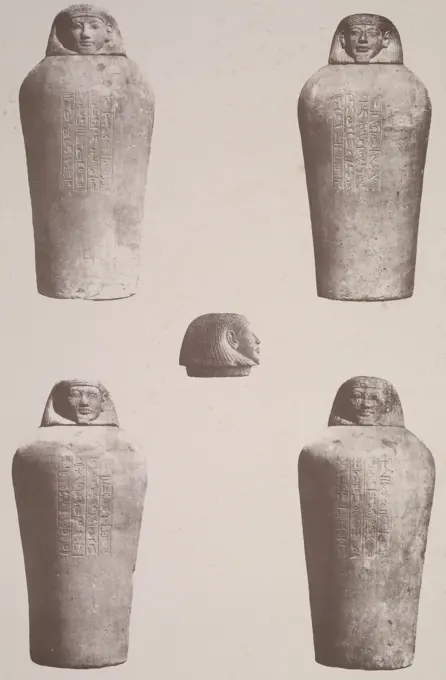
XVIIIe dynastie Apis V, mort sous Rathothis, 1857, Paris, Publisher, Gide, Serapeum (aqqārah, Egypt), Canopic Jars -- Egypt -- To 499, Photolithographs
1746-19697802
Stone statue of Head miter bishop by Picardy, third quarter of the 12th century.
1746-21112782
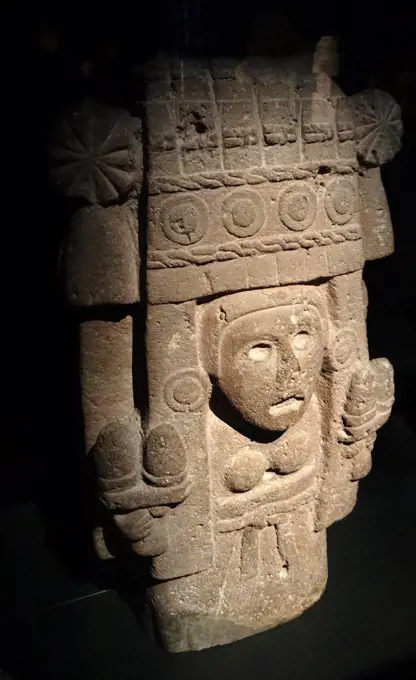
Aztec volcanic rock statue of Chicomecoatl the Goddess of maize and groundwater. Dated 14th Century
4409-26380
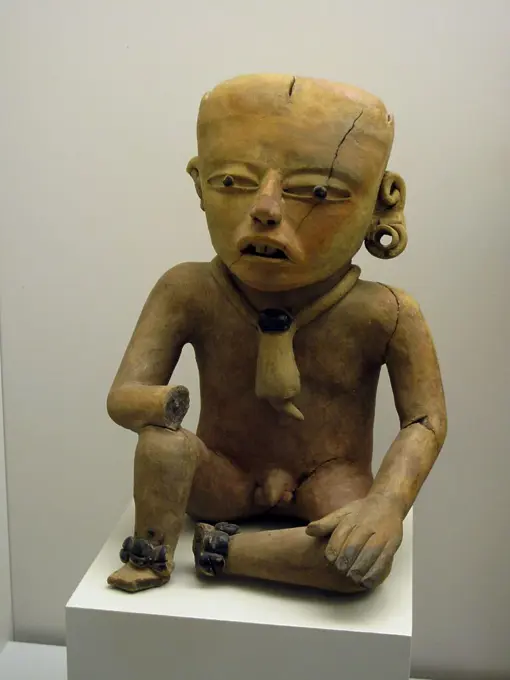
FIGURA HUMANA SEDENTE - CERAMICA - CULTURA EL TAJIN - FASE REMOJADAS SUP I Y II - PERIODO CLASICO MEDIO (400-700 DC) - MEXICO - COSTA. Location: MUSEO DE AMERICA-COLECCION. MADRID. SPAIN.
6145-29788578
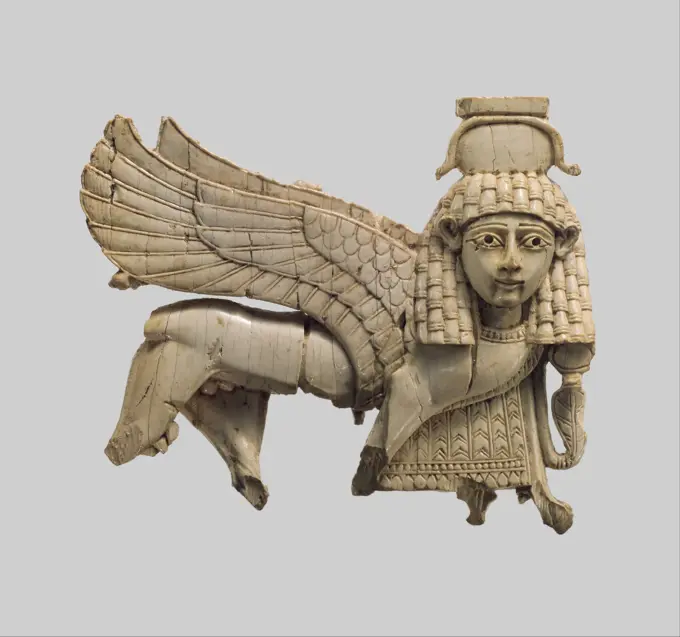
Openwork plaque with a striding sphinx ca. 9th-8th century B.C. Assyrian Sphinxes, creatures that combine a lions body, often winged, with a human head, appear frequently on the ivory plaques from Nimrud. Because this sphinx combines Egyptian elements typically found on Phoenician style ivories, such as the wig and solar-disc headdress, with the arresting frontal gaze characteristic of North Syrian ivories, it has been classified as South Syrian, a style that occupies an intermediate position between the two. Considerable carving skill is evident in the elongated feline body and extended curving wings. The figure is carved in high relief in the openwork technique, in which the background is cut away, giving it nearly the depth of a sculpture in the round. The Egyptian style wig suggests a female face, while the body is male, creating an image of elegant androgyny.Built by the Assyrian king Ashurnasirpal II, the palaces and storerooms of Nimrud housed thousands of pieces of carved ivor
4409-21480365
museo arqueologico y de historia de Elche Alejandro Ramos Folqués, Elche, Alicante, comunidad Valenciana, Spain, Europe.
4409-63015031
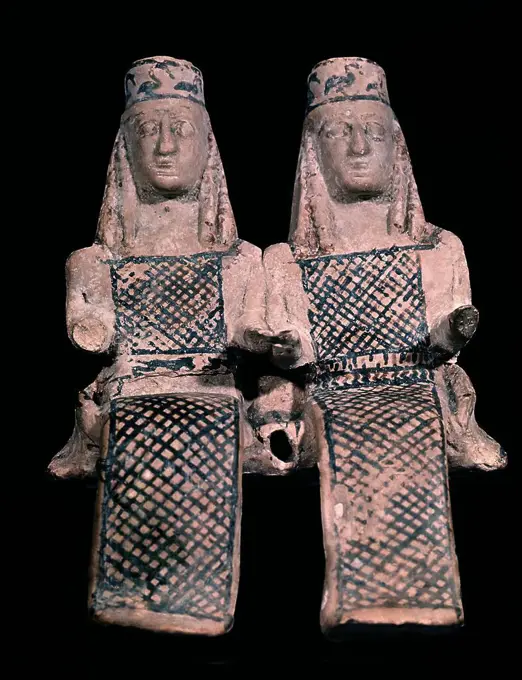
Terracottas. Clay. 4th-3rd century BC. Necropolis of Puig des Molins, Ibiza, Spain. National Archaeological Museum, Madrid. Spain.
1746-19676657
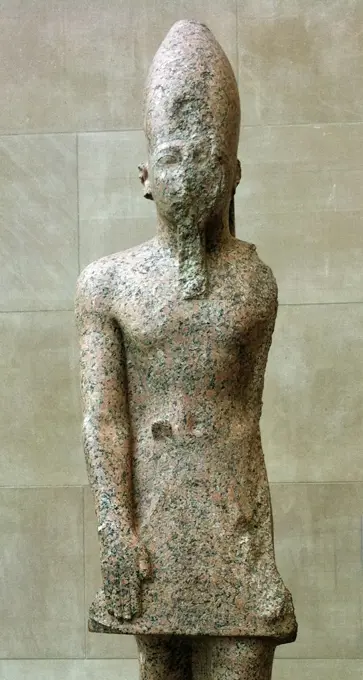
Colossal Red Granite Statue of Thutmose III 1438 B.C. Pharaoh of Egypt.
4409-17323910
ESTATUA DE PENANHURT. IMPERIO NUEVO EPOCA BAJA. DINASTIA XVIII 1437-1410 A.C. Location: EGYPTIAN MUSEUM. KAIRO. EGYPT.
1890-59761660
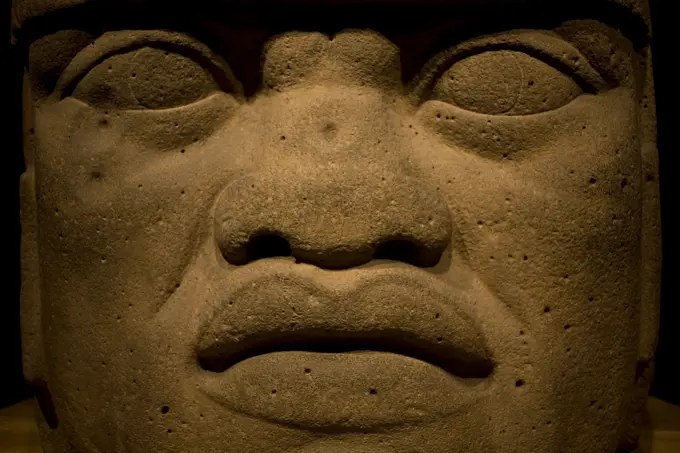
Olmec Colossal Head, 1200-600 BC, from San Lorenzo, Veracruz, National Museum of Anthropology, Mexico City, Mexico, North America
1746-19665276
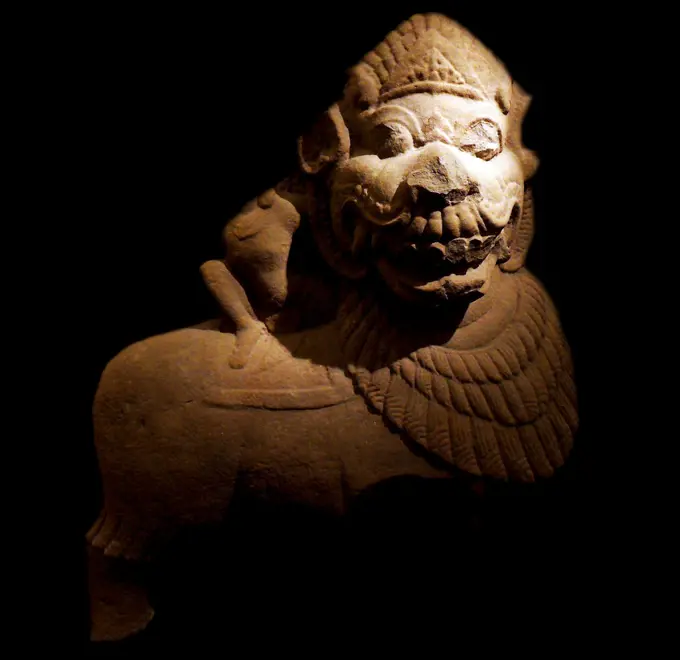
Basement decor. lion passant overlapped by a small person. Tra Kieu Style (10th century) Sandstone sculpture from Tra Kieu in Vietnam
4409-17279265
ESCRIBA EN GRANITO GRIS (V DINASTIA-ANTIGUO IMP). Location: EGYPTIAN MUSEUM. KAIRO. EGYPT.
4443-21200702
Campania Caserta Capua Museo Campano, Italy, 20th century, photo, photography, Europe
4409-63012589
Smiling face. Vera Cruz culture. Mexico. American Museum of Natural History. New York. Unites States.
1746-29962537
Winged Human headed Lion statue guarding the entrance to the North-West Palace of Nimrud. 865-860 BC, Assyrian, Iraq
6188-62292622
Stone Sphinx on the University embankment Stone Sphinx on the University embankment in St. Petersburg Copyright: xZoonar.com/MaximxMitsunx 9816710
4409-63014054
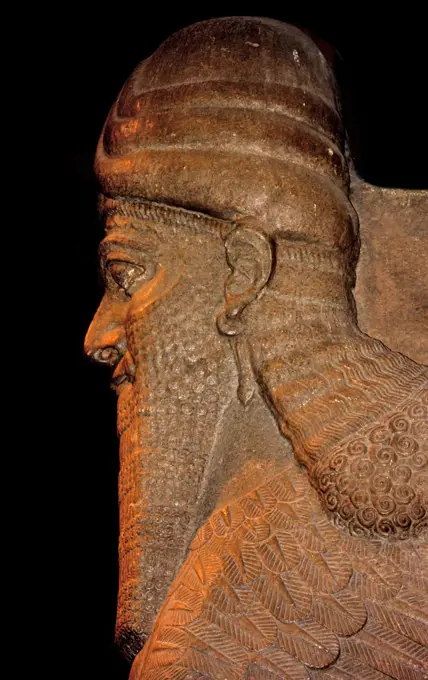
Human-headed winged lion (lamassu). 883-859 BC. Neo-Assyrian. Reign of Ashurnasirpal. Nimrud (ancient Kalhu). Northern Mesopotamia. Alabaster. Metropolitan Museum of Art. Ny. USA.
1746-19669477
Profile of Human-headed winged bull (or edu) statue. Assyrian (circa 710-705 BC). Taken from Khorsabad. A protective spirit statue used to guard palace doorways.
7203-70650544
King Tutankhamun, the Golden King and Great Pharaohs exhibition, Seattle Center, Washington State
1746-29955287
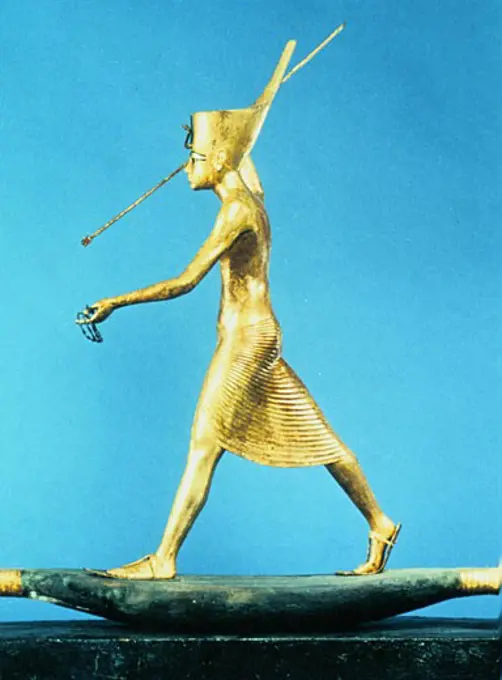
Gilded statuette of Tutankhamen, from the tomb of King Tutankhamen. 1323 BC. 18th dynasty, New Kingdom
7208-70657687
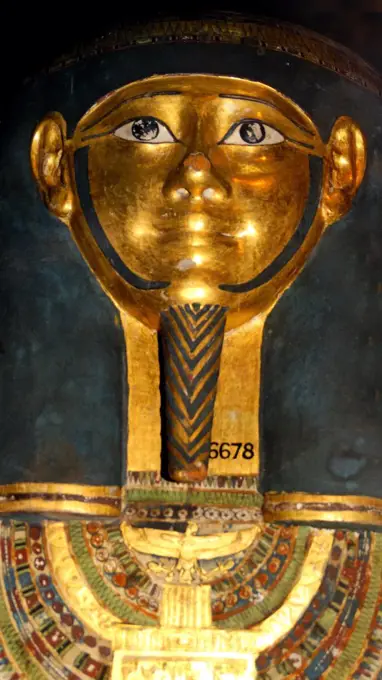
Egypt, Bahariya Oasis, Valley of the Golden Mummies, Mummy with mask and painted cartonnage chest plate
1558-12673452
male and female statuettes for toilets, Larco Museum of Pre-Columbian Art
4409-17279252
FARAONES SENTADOS. Location: EGYPTIAN MUSEUM. KAIRO. EGYPT.
6188-68136638
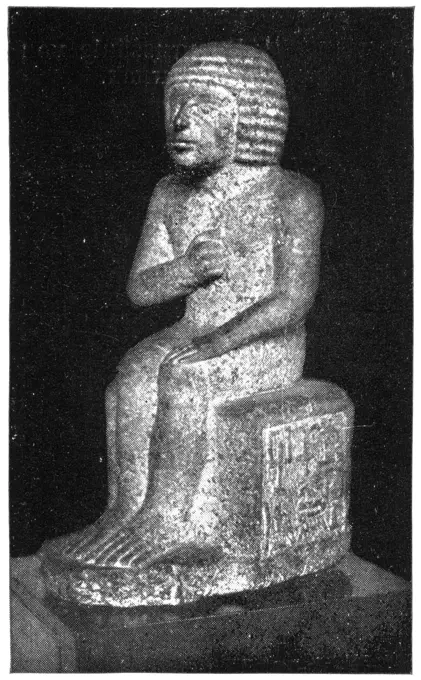
Die Statue von Metjen, Sakkara, Metjens Grab, altes Ägypten. The Statue of Metjen, Sakkara, Metjens tomb, ancient Egypt. Publication of the Meyers encyclopedia, Vol. 7, Leipzig, Germany, 1910. LicenseRF Copyright: xZoonar.com/SergeyxKohlx 23252667
1886-7322
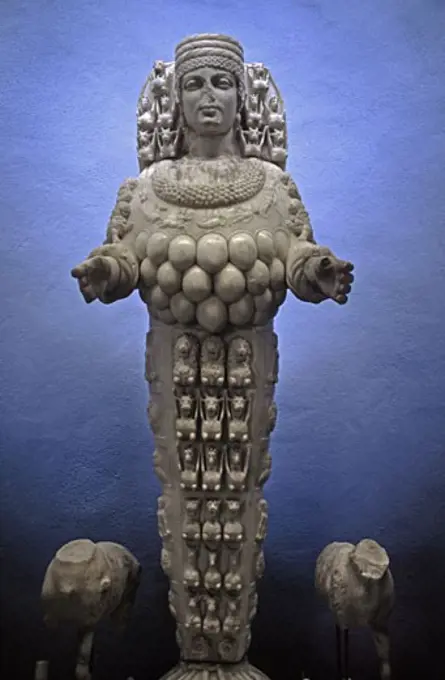
Statue of Artemis in the EPHESUS MUSEUM - TURKEY
6145-29235057
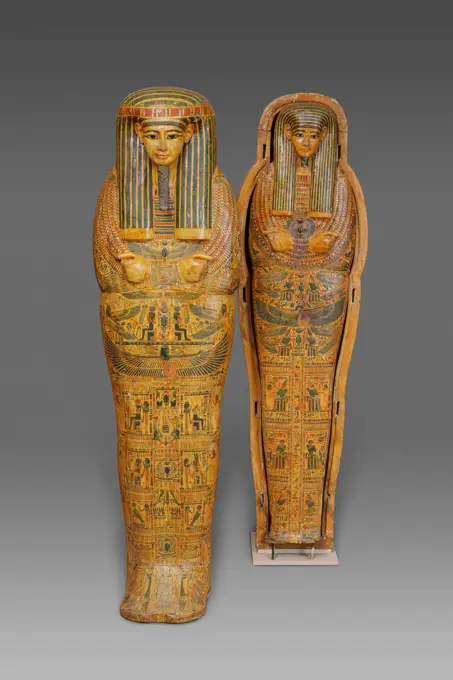
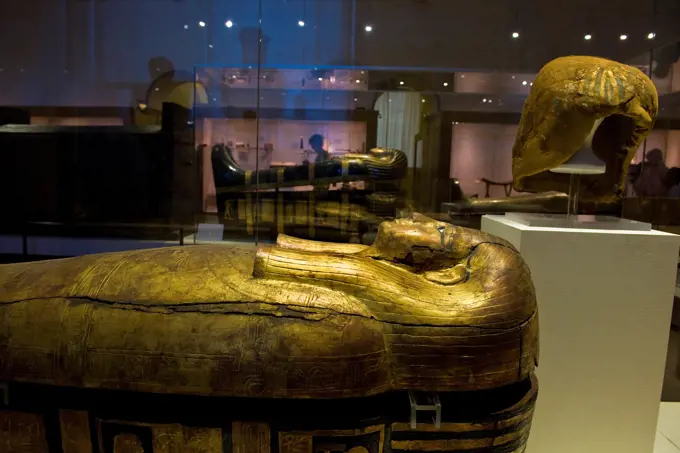
Inner Coffin of Menkheperre (C), usurped from Ahmose ca. 1000-945 B.C. Third Intermediate Period This is the inner of the two nested coffins of the God's Father, Priest of Amun-Re, Menkheperre, son of Fai-Mut (), that was found in the far left corner of the chamber of Tomb MMA 60. It is similar in shape, style, and decoration to the outer coffin, with the deceased shown in a long striated wig bound by a fillet and the cycle of decoration on the lid and the box similar to that of the outer coffin. A long curled beard is still attached to Menkheperre's chin, indicating that he is divine. The name of the original owner, Ahmose, was in some places painted over and substituted with that of Menkheperre. The face on the lid of this coffin was repaired after the usurpation: the nose, the chin, and the beard were restored and never varnished.. Inner Coffin of Menkheperre (C), usurped from Ahmose. ca. 1000-945 B.C.. Wood, paste, paint. Third Intermediate Period. From Egypt, Upper Egypt, Thebes,
1788-23103
Attic black-figure krater (vase used to mix wine and water), painted by Lydos (Athenian vase painter), fragment
6145-29722606
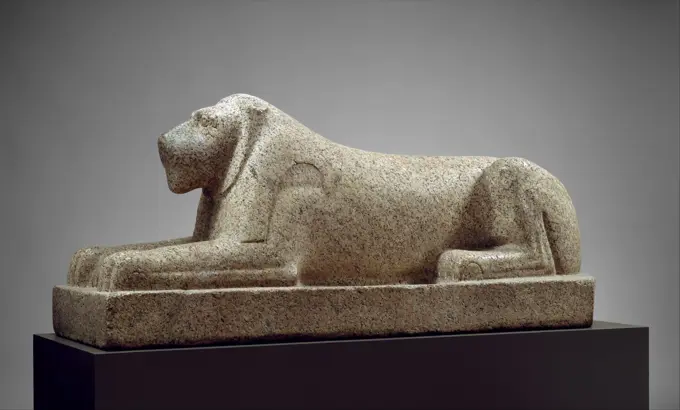
Recumbent Lion ca. 2575-2450 B.C. Old Kingdom This imposing lion figure must once have guarded the entrance to a pyramid-age sanctuary. As the most powerful predator of the steppe bordering the Nile valley, the lion was a symbol of royalty from early on. The animal-especially the female-also embodied a number of deities. This sculpture is the earliest extant example of monumental size that has been preserved almost in its entirety. It was excavated by the British Egypt Exploration Fund in 1891 at Herakleopolis Magna, southeast of the Fayum oasis. Listen to experts illuminate this artwork's story Listen Play or pause #3212. Recumbent Lion Play or pause #810. Recumbent Lion Supported by Bloomberg Philanthropies We're sorry, the transcript for this audio track is not available at this time. We are working to make it available as soon as possible.. Recumbent Lion. ca. 2575-2450 B.C.. Granite. Old Kingdom. From Egypt, Fayum Entrance Area, Herakleopolis (Ihnasya el-Medina), EEF excavations 1
1746-19674477
Statue of a lions head of the corner piece of the temple of Barcino. Barcelona. Spain 2013
1788-18582
Anthropomorphic stone statue of goddess of the night in form of owl
7155-70382213
Aylesford Bucket detail. Celtic warrior. 1st cent. BC. metalwork. ENGLAND.
6176-67035905
The Academician's' animal head-post from the Oseburg ship burial. Artist: Unknown
4409-50051029
Madrid, 11/12/2013. Inauguration of the Terracotta Army exhibition, Warriors of Xiam. Photo: Isabel Permuy ARCHDC.
4430-3694
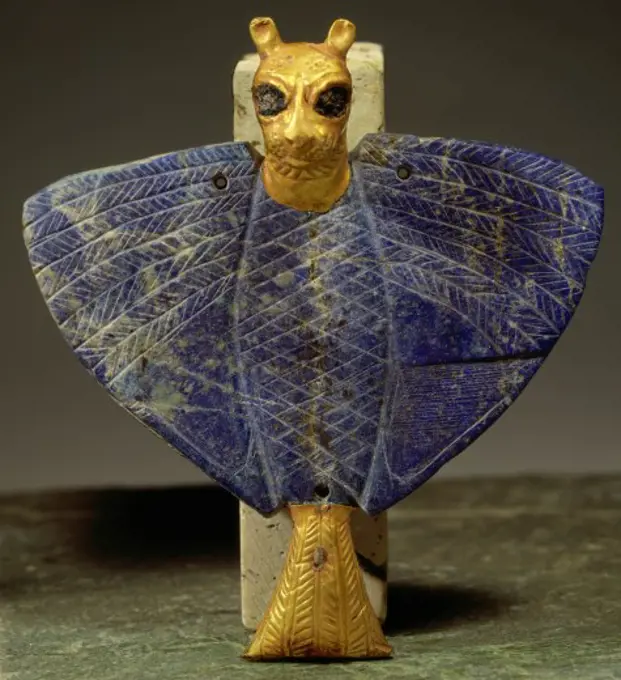
fine arts, ancient world, Sumerians, lion-headed eagle, lapis-lazuli, gold, bitumen and copper, Mari (Tel Hariri), circa 2650 BC, National Museum, Damascus,
1606-198635
England, London, British Museum. Huastec
6145-29818162
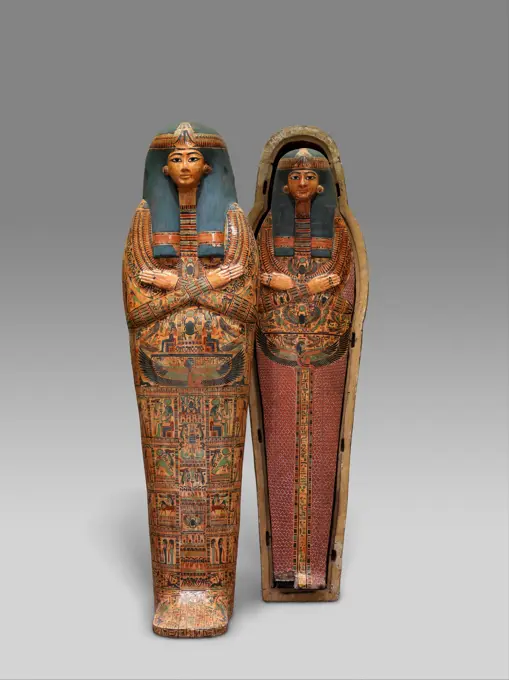
Inner Coffin of the Singer of Amun-Re, Henettawy ca. 1000-945 B.C. Third Intermediate Period The "mistress of the house and singer of Amun-Re," Henettawy died, still in her twenties, during a time of political change (the so-called Third Intermediate Period). This was a period when the art of coffin decoration was at its height. Such decoration was especially important at the time because no images enriched the simple underground chambers in which even high-status people were buriedoften whole families together.Henettawy's funerary equipment included two splendid coffins (25.3.182a, b; 25.3.183a, b) and a mummy board (25.3.184), all of which are shaped like wrapped mummies with elaborate masks fastened over the heads.Henettawy's inner coffin lid is painted yellow all over, imitating royal coffins made of solid gold or gilded wood. The pectoral is only slightly less elaborate than the one on her outer lid (25.3.182a, b). Its main feature is a large scarab that pushes a sun disk upward
1788-41268
Relief depicting a winged bull, drawing by Eugene Flandin from Monuments of Nineveh by Paul-Emile Botta, 1849. Assyrian civilisation.
6019-55427857
Interior of Pre Colombian Museum of Santiago, Chile
1746-21109110
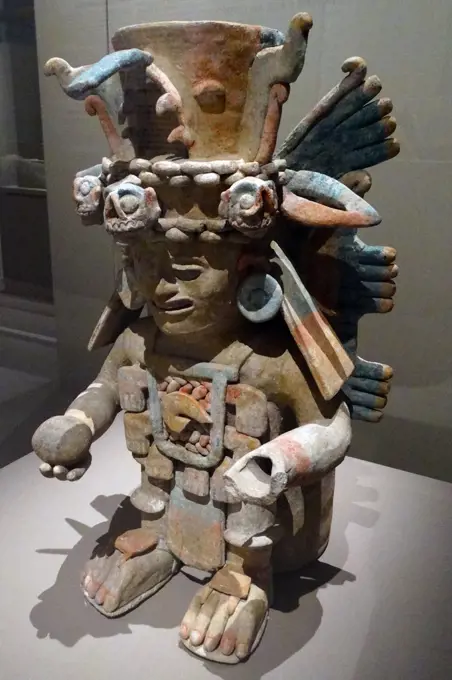
Mayan ceramic Chen Mul effigy censer, from Quintana Roo, Mexico Post-classical Maya period 1250-1550 AD
5514-55414928
The site of Persepolis, Fars Province, Marvdasht, Iran
1746-1638
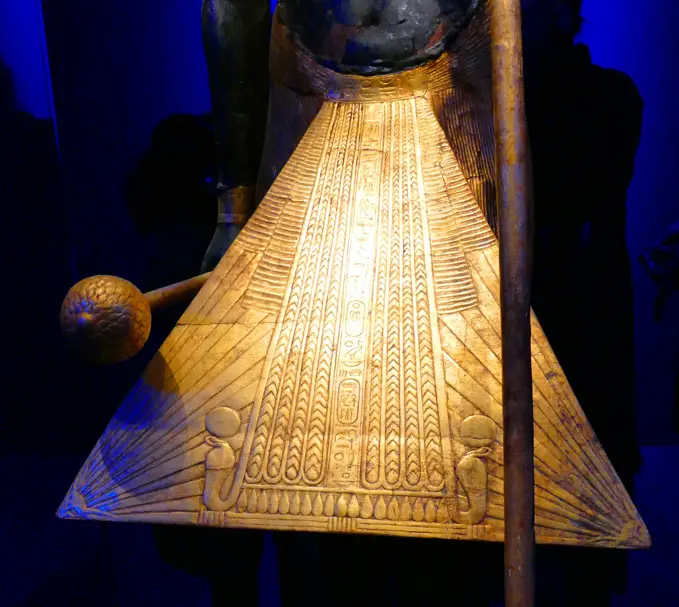
Tutankhamun (Tutenkamen) d.c.1340 BC 18th dynasty Egyptian Pharaoh. Guardian figure on his golden sarcophagus Photograph.
1848-56131976
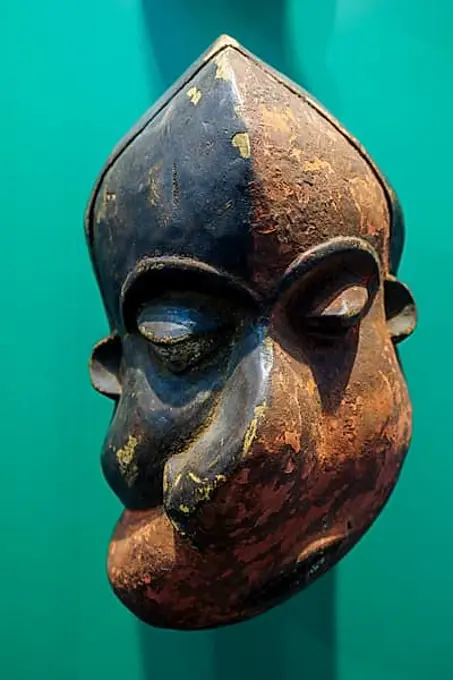
African sick mask, Pende del Zaire ethnicity, 19th century, polychrome wood, Sa Bassa Blanca Museum (msbb) Yannick Vu and Ben Jakober, Alcudia, Majorca, Spain, Europe
1525-25144614
Painting portrait illustration of ancient queen nefertiti
1746-29962536
Winged Human headed Lion statue guarding the entrance to the North-West Palace of Nimrud. 865-860 BC, Assyrian, Iraq
4443-75475775
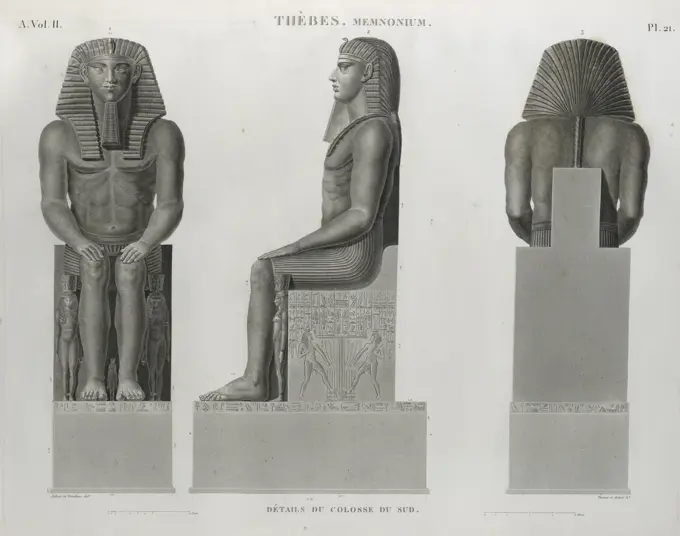
Colossal statue detail from the southern colossus of the Memnonium Ramesseum in Thebes. The restoration took place between 1809 and 1828. The image was published in Paris by Impr. impériale. It features elements related to the ancient Egyptian colossi and statues, specifically referencing Amenhotep III, King of Egypt. The dimensions of the image are 51 x 70 cm
1746-29955550
Statue of Menkheperraseneb (Menkheperraseneb), a high official under the reign of king (pharaoh) Thutmose III and Amenhotep II. He was a High Priest of Amun. 18th Dynasty 1400 BC
1746-19664242
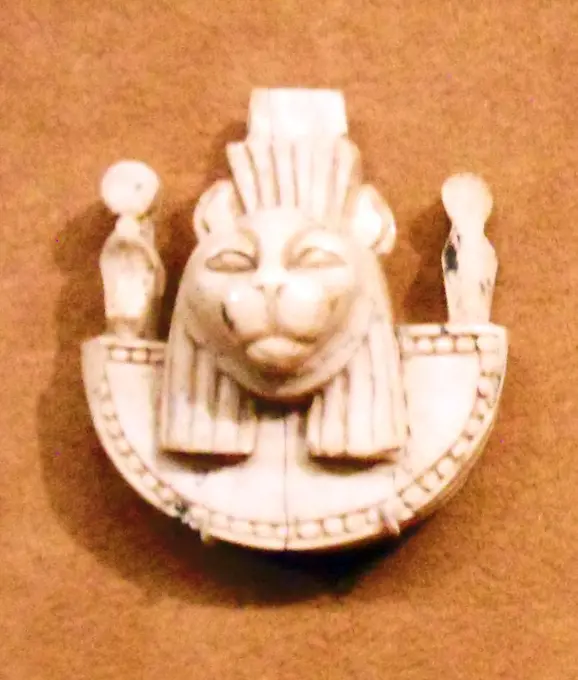
Ivory figure depicting the Egyptian goddess Bastet. Neo-Assyrian, ca. 9th8th century B.C.
1848-50931243
Temple of Hatshepsut at Deir el-Bahari near Luxor, Egypt, Africa
1848-50872373
Sanxingdui-Museum, Statue_1, Xinping, Chengdu, Sichuan, China, Asia
4435-5779
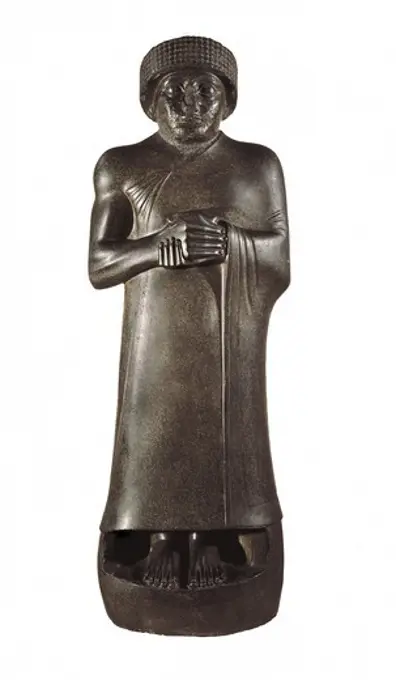
Statue of a King with clasped hands, possibly Gudea, Prince of Lagash. 2130 BC. Mesopotamian art. Sculpture on rock. FRANCE. ëLE-DE-FRANCE. Paris. Louvre Museum. Proc: IRAQ. Tello. Girsu.
1848-50261647
Ramses II isolated
1848-50228989
Dhutmes III's head of a colossal statue of the king, found in Karnat, Egypt, Historical, digitally restored reproduction from a 19th century original, exact date unknown, Africa
1788-18101
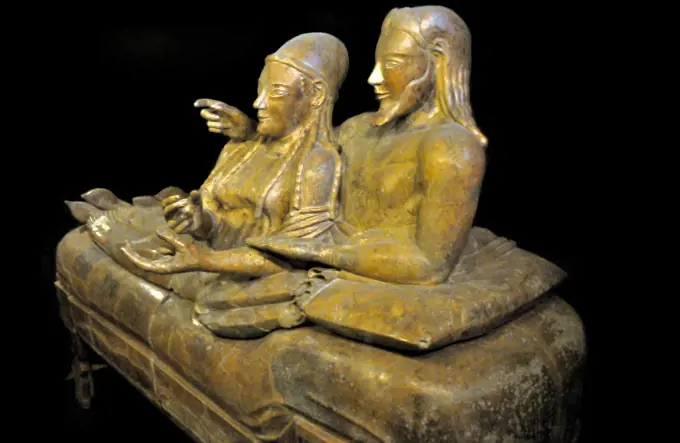
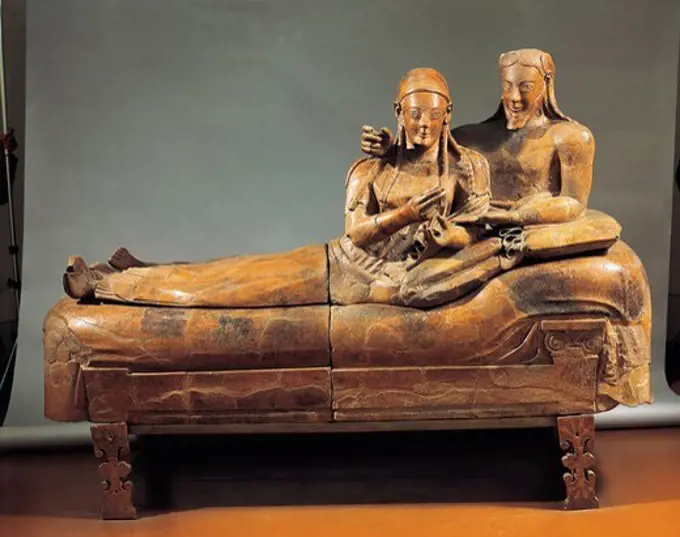
Painted terracotta Sarcophagus of the Spouses, from Cerveteri, Rome province, Italy, detail, 520 B.C.
1848-62773091
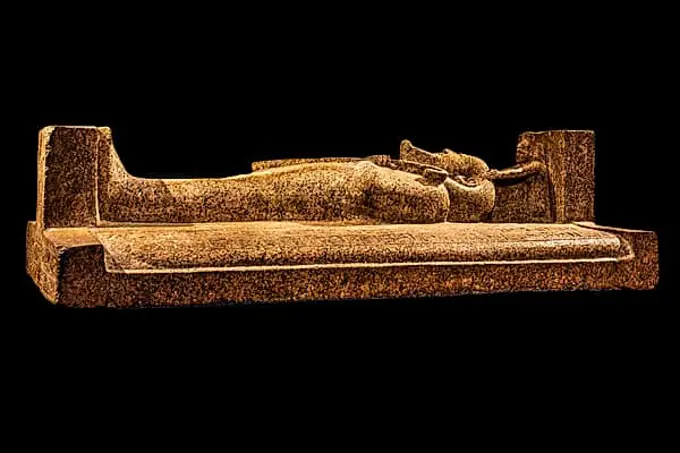
Lid of the sarcophagus of Merenptah, reused for Psusennes I from the exhibition: Ramses the Great and the Gold of the Pharaohs, Cologne, North Rhine-Westphalia, Germany, Europe
6145-29838638
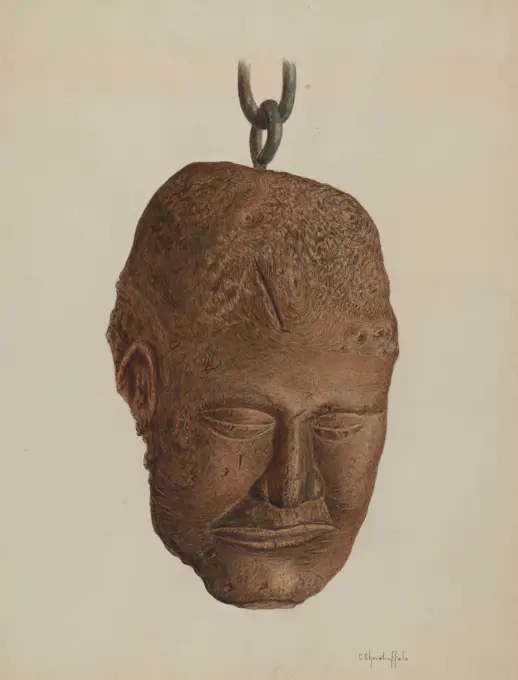
Cornelius Christoffels, Carved Wooden Head, c 1940 Carved Wooden Head
4409-9554
EL ESCRIBA SENTADO - V DINASTIA. Location: EGYPTIAN MUSEUM. KAIRO. EGYPT.
1746-29955194
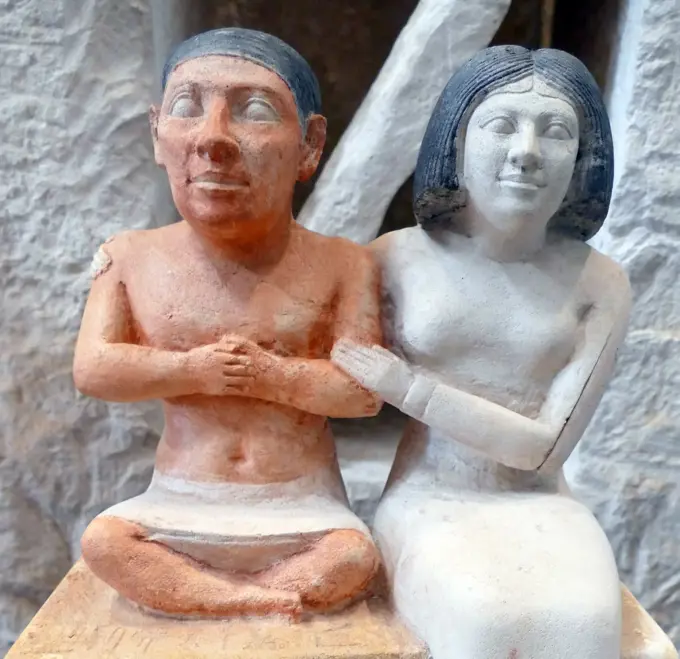
The dwarf Seneb, Chief of all the Dwarfs of the Clothing, and his wife. found, in the stone naos embedded in the brickwork of his tomb. Painted Limestone, V th dynasty; Giza. The Fifth Dynasty of ancient Egypt, approximately 2494 to 2345 BC.
4409-63013071
Human-headed winged lion (lamassu). 883-859 BC. Neo-Assyrian. Reign of Ashurnasirpal. Nimrud (ancient Kalhu). Northern Mesopotamia. Alabaster. Metropolitan Museum of Art. Ny. USA.
1890-108738
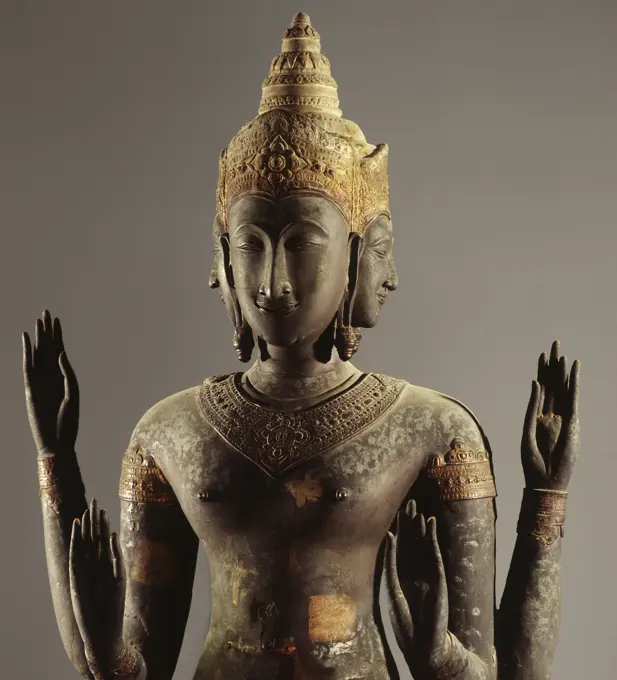
Bronze Brahma cast in Sukhothai in the 14th century, Bangkok National Museum, Thailand, Southeast Asia, Asia
6145-45974139
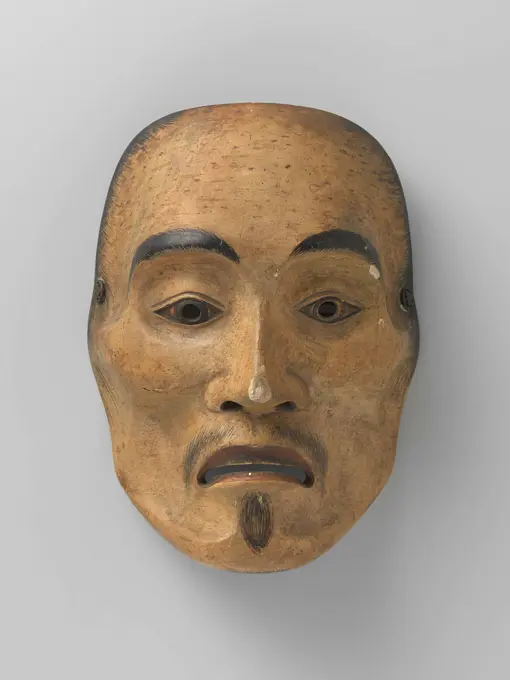
Mask. No-mask, representing Yase-Otoko, the skinny man. The black dots are a copy of the damages / restorations of an earlier original that has been copied here in its entirety. Typically for Mitsunaga, the nose incision, which is sloping on the underside and the top of which goes through to the top of the eye.
1746-29955371
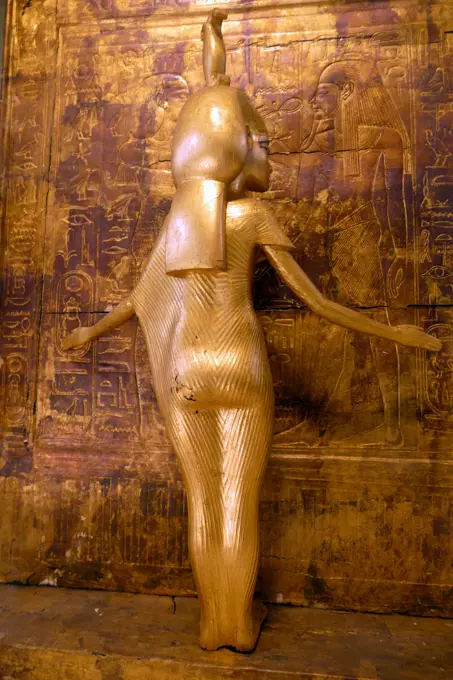
Guardian goddess protecting the gilded case housing the canopic shrine and jars, of King Tutankhamen. 18th Dynasty, Egyptian tomb treasure. 1323 BC
1746-21111329
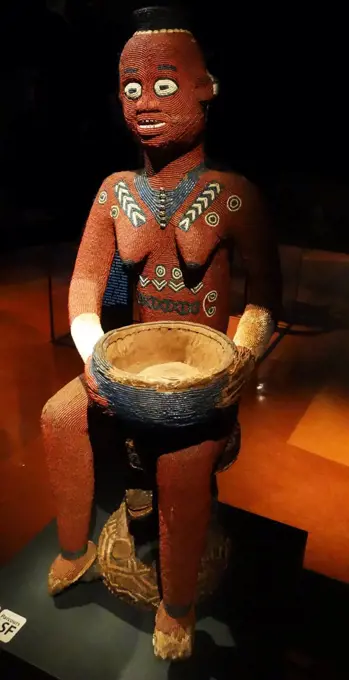
Wooden Royal Statue from Cameroon, Republic of Cameroon, Africa. Dated 19th Century
4409-20920666
PERSEFONO Y DEMETRIO EN UN CARRO (TERRACOTA). Location: BRITISH MUSEUM. LONDON. ENGLAND.
1746-111347833
Third gold sarcophagus for the mummy of Tutankhamen, From the tomb treasures of Tutankhamen, discovered in 1922. Tutankhamen was an Egyptian pharaoh of the 18th dynasty (ruled c. 1332-1323 BC). Now on display in the Cairo Museum.
1746-564
Skull covered in turquoise mosaic. Mixtec 1400-152l, southern Mexico
4292-159377
Italy, Piedmont, Turin, Egyptian Museum, Merit sarcophagus
5514-65781499
National Museum of Anthropology, Mexico City
7003-69673241
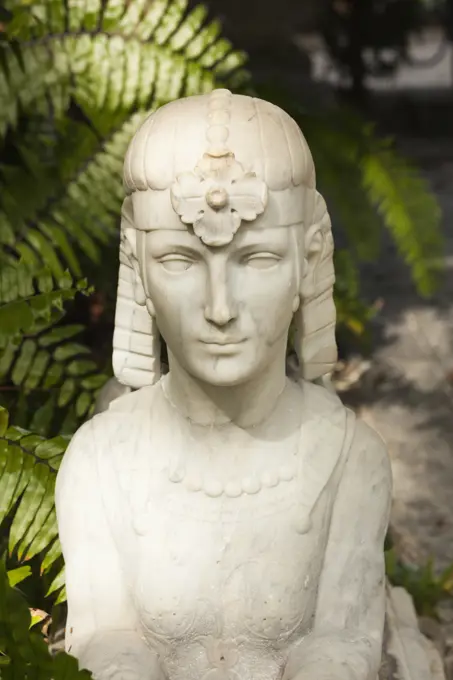
USA, Florida, Miami-area, Coconut Grove, Vizcaya Museum and Gardens, garden Sphinx statue.
6176-66088558
Winged human headed bull Neo Assyrian palace of Sargon II 721-705 BC. Chambranle de porte a Khorsabad ancient Dur Sharrukin Assyria, Iraq. Journey to Mesopotamia 1840-1842 by Eugene Flandin
4409-17284486
ESCULTURA NATURALISTA DE MUJER ORIENTAL. Location: BRITISH MUSEUM. LONDON. ENGLAND.
1746-21110808
Lid of the painted wooden outer coffin of Hornedjítef. Reign of Ptolemy III, 246-222 BC, From Asasif, Thebes, Egypt
4220-21921299
Sphinx at Memphis.          Date: circa 1910
6176-66916733
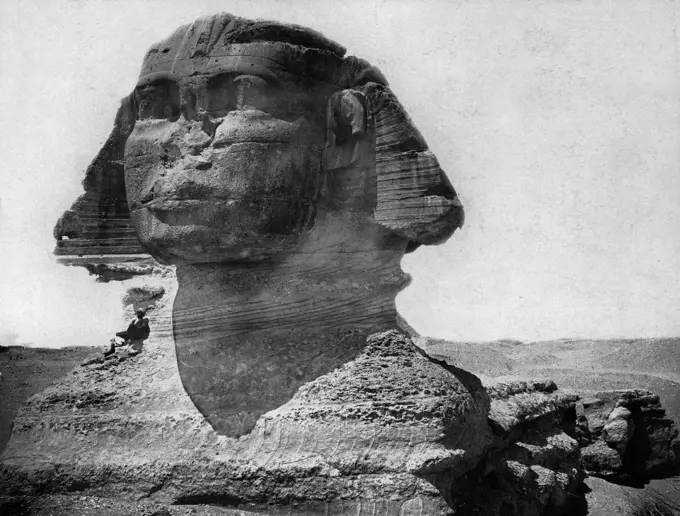
The Sphinx, Egypt, circa 1875
1746-30015667
Gilded wooden statue of the Ka of King Tutankhamun from the tomb of the king. 1326 BC
1746-19677035
Scribe sitting cross-legged with a papyrus in his lap 2350 B.C. Egypt
PREVIOUS
of 3
NEXT
2401 S. Ervay, Suite 206
Dallas, Texas 75215
United States
Get Started
Free ResearchMy BoardsMy Cart
For Creators
How To License Your ContentContributor PortalFrame of Mind
Resources
API accessPricing
Contact
+1 866 236 0087help@viewpictures.co.uk Contact form
©2026 View Pictures. All Rights Reserved. -A
This site is protected by reCAPTCHA and Google Privacy Policy and Terms of Service apply.