My Boards
View Pictures
  • My Boards

Ancient Egyptian Tomb Art

Reliefs and hieroglyphics from ancient Egyptian tombs, depicting deities and rituals in rich historical detail.

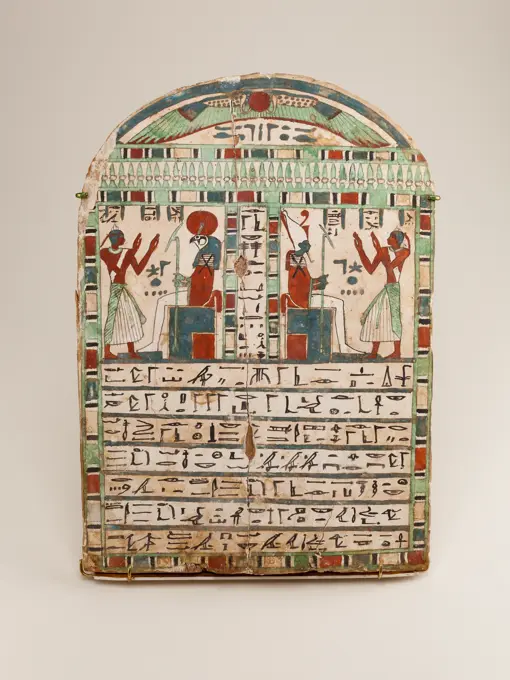
Funerary stele of the priest Hor depicted presenting offerings to two manifestations of the sun god. From the 7th-6th century.
192 assets in this story
900-131628
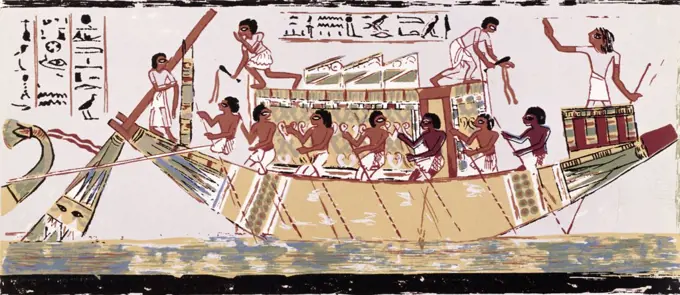
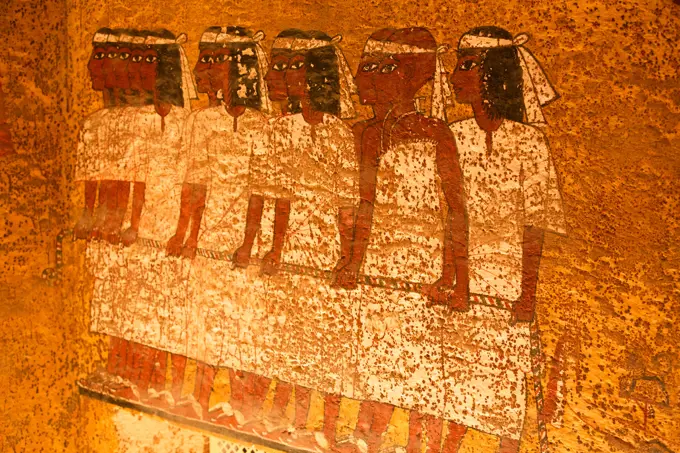
Funeral Procession Scene with Nile Boats and Crew  Egyptian Art
1746-30000390
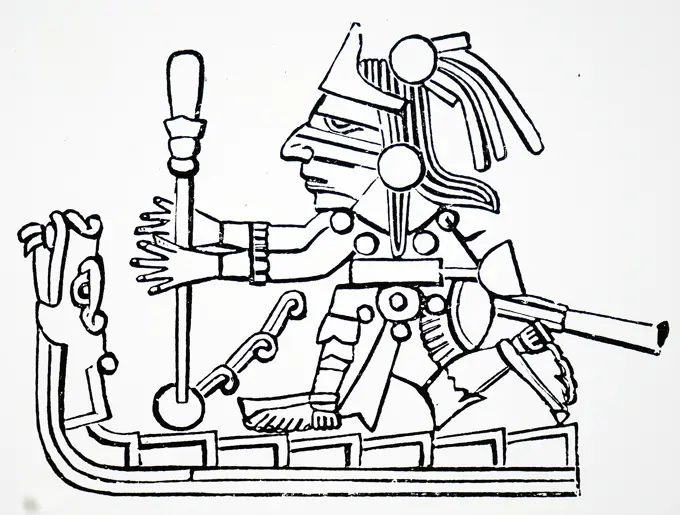
Illustration showing a simple form of fire drill. Woodcut after a Mexican painting. This shows Xuihtecuhtli, Aztec Lord of Fire. 1519
1899-18854882
Angkor Wat was built for King Suryavarman II (ruled 1113-50) in the early 12th century as his state temple and capital city. As the best-preserved temple at the Angkor site, it is the only one to have remained a significant religious centre since its foundation - first Hindu, dedicated to the god Vishnu, then Buddhist. It is the world's largest religious building. The temple is at the top of the high classical style of Khmer architecture. It has become a symbol of Cambodia, appearing on its national flag, and it is the country's prime attraction for visitors. Angkor Wat combines two basic plans of Khmer temple architecture: the temple mountain and the later galleried temple, based on early South Indian Hindu architecture. It is designed to represent Mount Meru, home of the devas in Hindu mythology: within a moat and an outer wall 3.6 kilometres (2.2 mi) long are three rectangular galleries, each raised above the next. At the centre of the temple stands a quincunx of towers.
1746-19985115
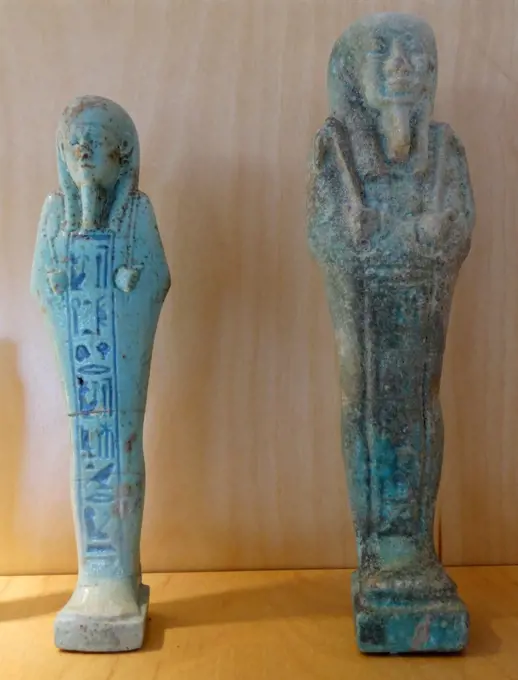
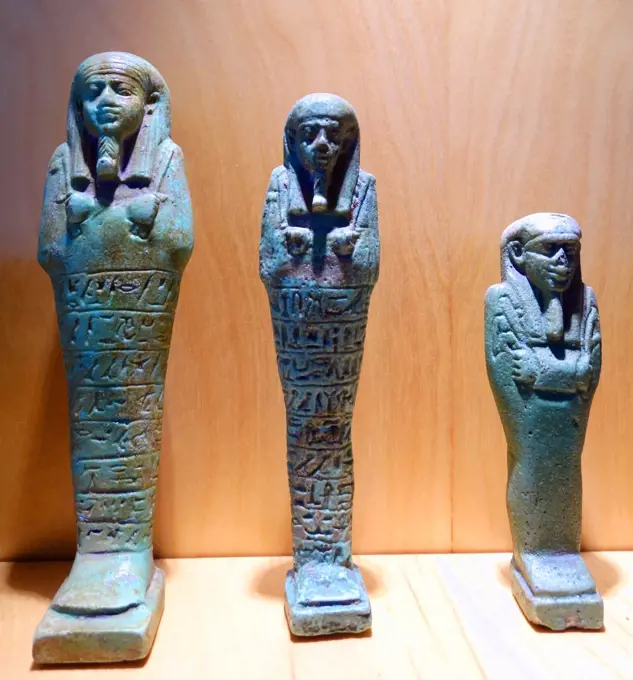
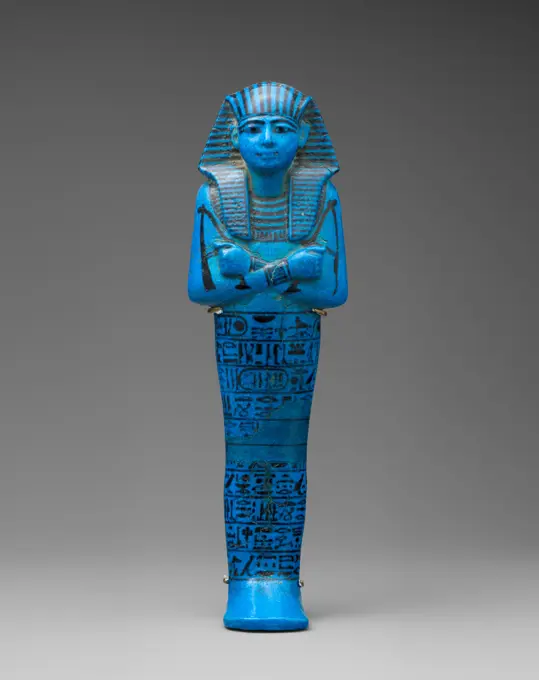
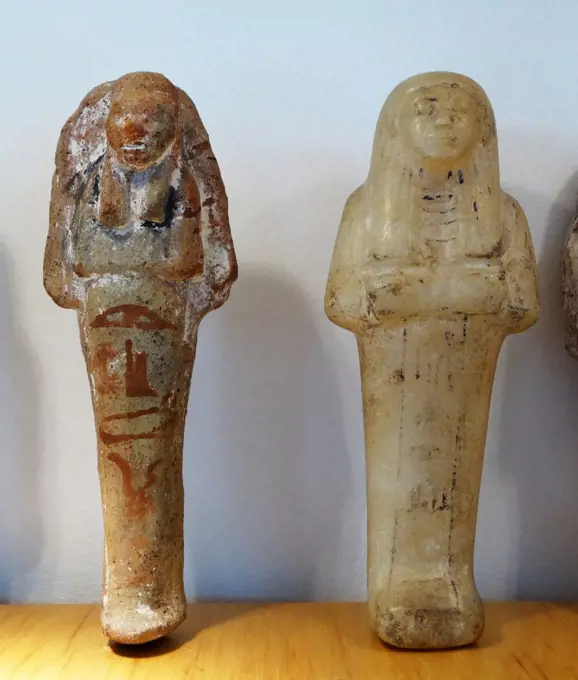
Egyptian Ushabti or ushabtis. The ushabti also called shabti or shawabti, was an Ancient Egyptian funerary figurine
1525-25340933
Egyptian history concept with papyrus
1746-19697912
guardian figure of a god from the Coffin of Djedjehutyiuefankh, from the Great temple at Deir el Bahri, Thebes; Egypt. Dated to 25th Dynasty circa 770-712 BC
1788-17258
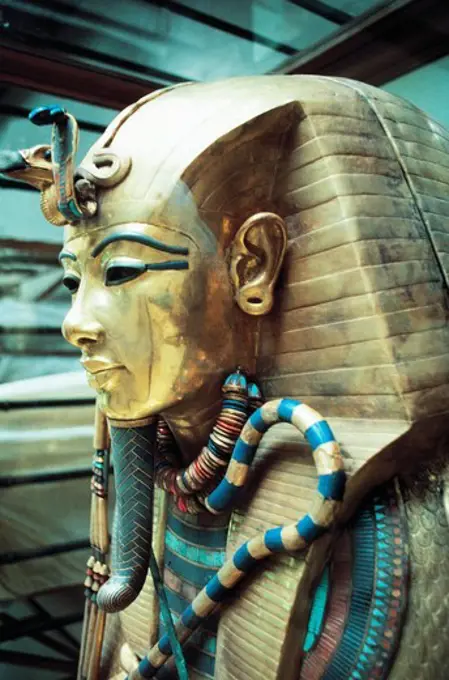
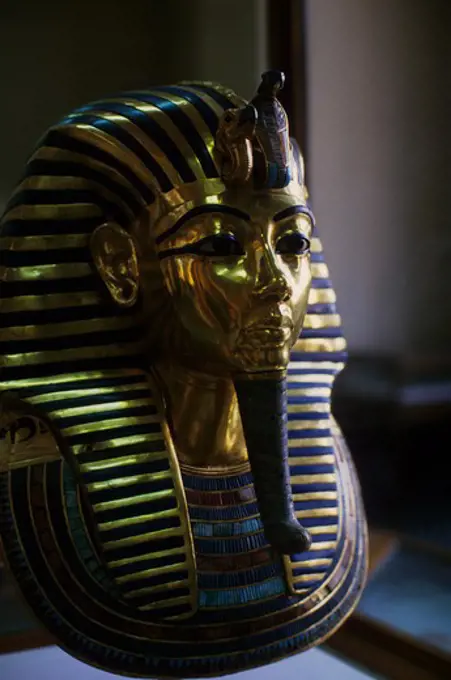
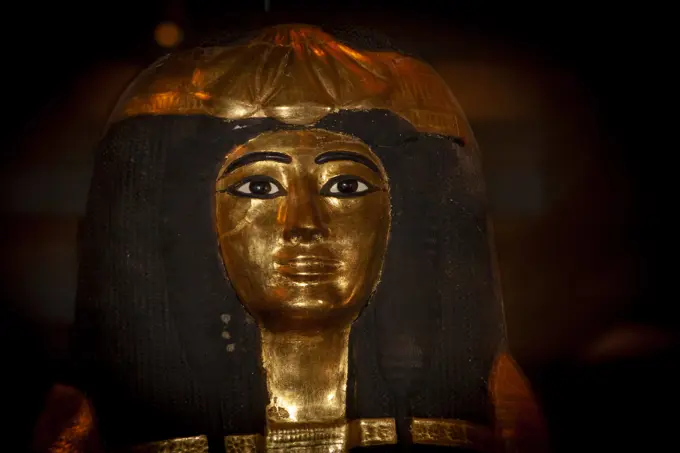
Treasure of Tutankhamen, burial mask made of gold, lapis lazuli, carnelian, quartz, obsidian, vitreous pastes and turquoises, detail
4409-73996727
Book of the Dead of Nakht; frame 21; offering-vignette. Papyrus. 18Th dinasty. Museum: Bristish Museum of Natural History, LONDRES, UK.
1525-25161272
Egyptian hieroglyphs and fresco. Vector illustration.
4409-13876
SARCOFAGO PALEOCRISTIANO DE ECIJA - SIGLO V. Location: HOLY CROSS CHURCH. ECIJA. Seville. SPAIN. Abraham. ISAAC. Daniel.
6019-49644929
Horus hieroglyph, Valley of the Kings, Luxor
1890-174450
Egyptian man standing guard in King Seti's tomb in the Valley of the Kings, Luxor, Egypt
1788-19011
Sarcophagus of Imeneminet, detail of the ram god Khnum
4163-7114
EGYPT, CAIRO, EGYPTIAN MUSEUM OF ANTIQUITIES, TUTANKHAMUN'S GOLD MASK
1848-49514623
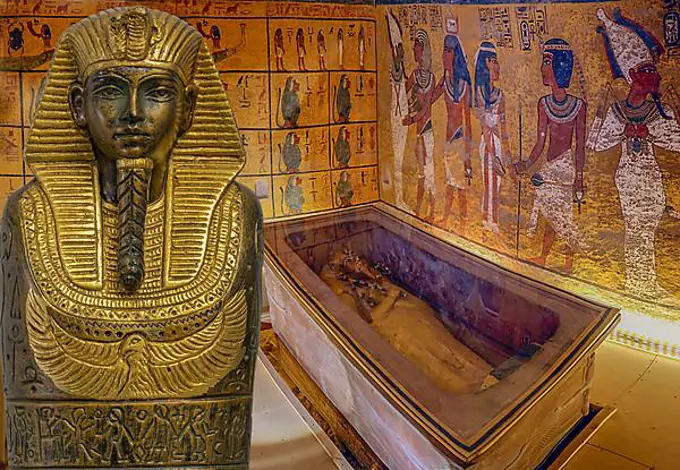
Egypt burial chamber with statue Tutankhamun
1525-57368978
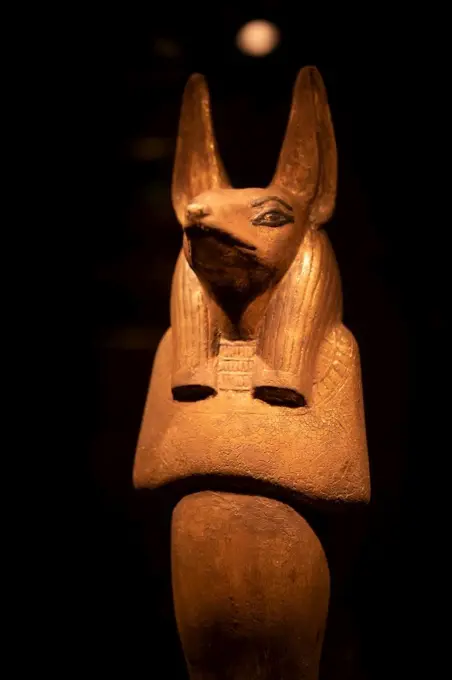
replica statue of Egyption God Anubis. Tutankhumen’s tomb
7208-70657636
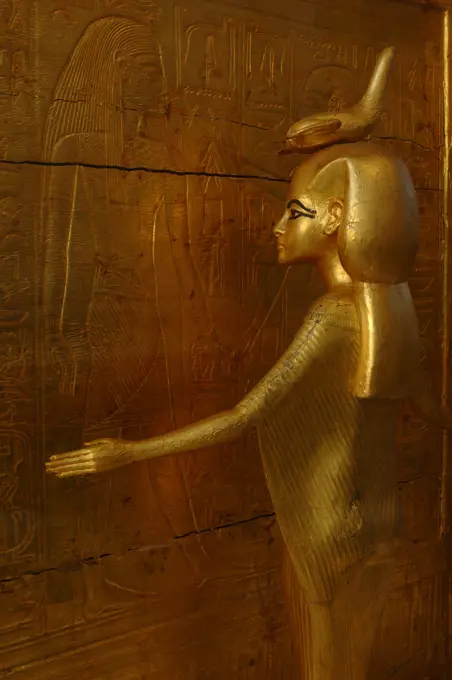
Egypt, Cairo, Egyptian Museum, Goddess Selket, Tutankhamun gold canopic shrine
1746-30016335
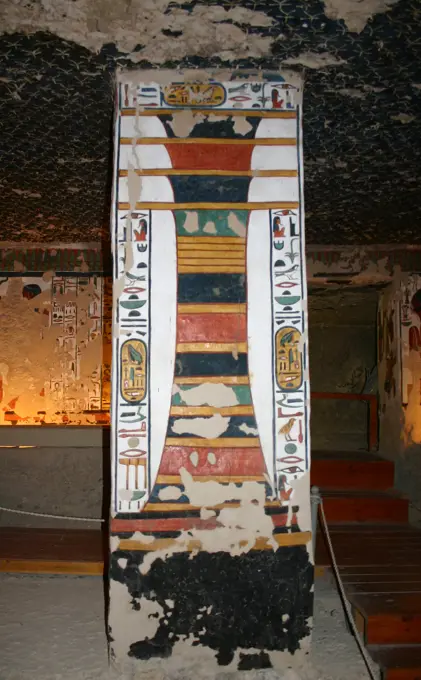
The Djed pillar a symbol in Ancient Egypt, representing stability. It is associated with the creator god Ptah and Osiris. Wall painting in the Egyptian god of the afterlife, the underworld, and the dead Wall Painting Inside the tomb (QV66) of Nefertari, in Egypt's Valley of the Queens. It was discovered by Ernesto Schiaparelli in 1904. It is called the Sistine Chapel of Ancient Egypt. In the Valley of the Queens, Nefertari's tomb once held the mummified body and representative symbolisms of her, like what most Egyptian tombs consisted of. Now, everything had been looted except for two thirds of the 5,200 square feet of wall paintings. ca. 1255 BC
1848-50678039
Hatshepsut Chapel, Sacrificial Scenes, Karnak Temple, Luxor, Thebes, Egypt, Luxor, Thebes, Egypt, Africa
1899-18854545
The Bayon was originally the official state temple of the Mahayana Buddhist King Jayavarman VII. The Bayon, at the centre of Angkor Thom (Great City), was established in the 12th century by King Jayavarman VII. Angkor Thom, meaning The Great City’, is located one mile north of Angkor Wat. It was built in the late 12th century CE by King Jayavarman VII, and covers an area of 9 km², within which are located several monuments from earlier eras as well as those established by Jayavarman and his successors. It is believed to have sustained a population of 80,000-150,000 people. At the centre of the city is Jayavarman's state temple, the Bayon, with the other major sites clustered around the Victory Square immediately to the north. Angkor Thom was established as the capital of Jayavarman VII's empire, and was the centre of his massive building programme. One inscription found in the city refers to Jayavarman as the groom and the city as his bride. Angkor Thom seems not to be the first Khmer
7155-70383940
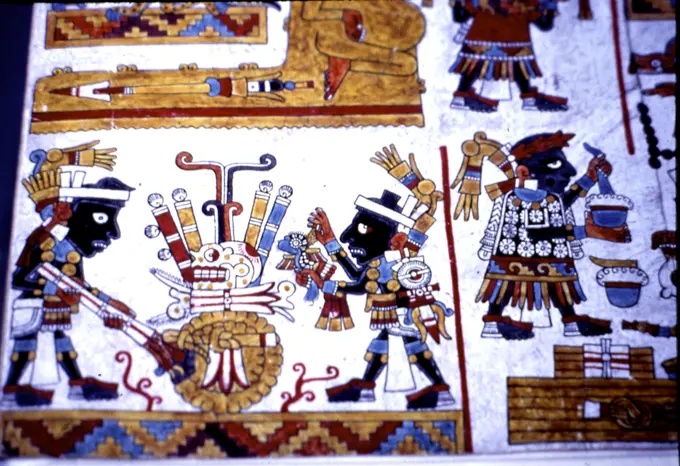
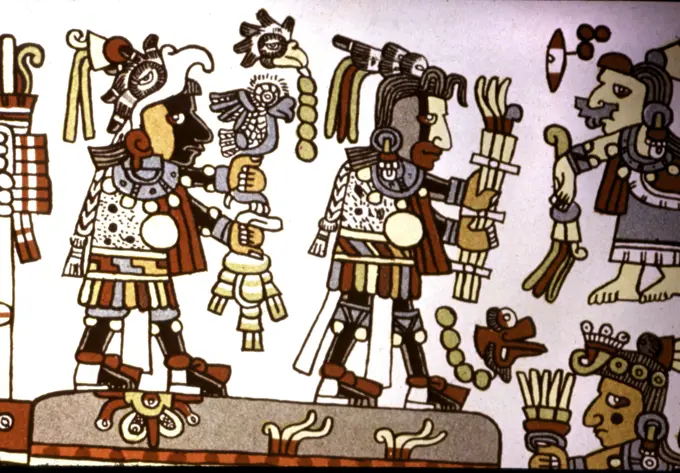
Mexican painted book, Codex Zouche. Pre-Columbian. Mixtec Aztec. Warriors at an altar & ceremonial rights with priests.
1746-30020293
Wadjet (Wedjat, Uadjet, and Udjo) eye. Wadjet was said to be the matron and protector of Lower Egypt, and upon unification with Upper Egypt, the joint protector and patron of all of Egypt
6145-59549580
Detail of an Egyptian sculpture, anonymous, c. 1870 - c. 1890 photograph   paper albumen print piece of sculpture, reproduction of a piece of sculpture. Egyptian religion
6145-29164645
Stela of the Temple-Servant of Amun, Irtihareru ca. 750-525 B.C. Kushite Period-Saite Period As part of the burial equipment, funerary stelae made a prayer for offerings for the maintenance of the deceased. In addition to forms of Osiris, Re-Harakhty and Atumas the rising and setting sun and thus connected with continued lifeare particularly favored focal gods. In contrast to stelae of the Third Intermediate Period, subdued coloring and a more standardized style are adopted in this period.Here the temple-servant of Amun Irtihareru, son of the temple-servant of Amun Ankhnidi and the lady of the house Tatjenfi, adores Osiris on the right side and Atum on the left side.. Stela of the Temple-Servant of Amun, Irtihareru 550792
6188-62401309
Ancient Egyptian pharaoh mythology archeology ancient civilization, sarcophagus mummification of human as part of Egyptian culture Ancient Egyptian pharaoh mythology archeology ancient civilization, sarcophagus mummification of human as part of Egyptian culture, good for multimedia content creation Copyright: xZoonar.com/unknownx 22143570
442-37910
UK, England, London, British Museum, Egyptian Room, Display of Egyptian Mummies
6145-29185479
Coffin of Khnumnakht ca. 1850-1750 B.C. Middle Kingdom The brilliantly painted exterior of the coffin of Khnumnakht, an individual unknown except for his name, displays the multiplicity of texts and decorative panels characteristic of coffin decoration in the late Middle Kingdom. It has at least one featurethe figure of the goddess on the head endthat is rare before the late Middle Kingdom. The figures and hieroglyphs have been drawn by the confident hand of a skilled artist and each hieroglyph has been carefully painted in the prescribed manner of the time and place in which the coffin was made.On the left side of the coffin box there is an architectural facade with a small doorway in the center at the bottom. This is the equivalent of the Old Kingdom false door, which allowed the spirit of the deceased to move between the land of the dead and the land of the living. In this case, it is painted to resemble two wooden door leaves secured with two door bolts. Above the door are two ey
1746-21101858
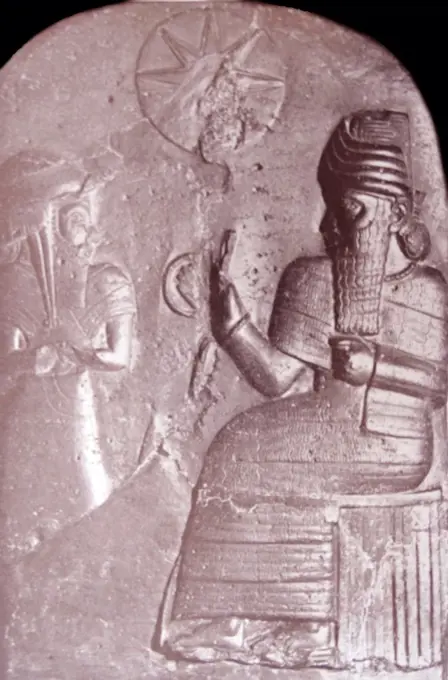
Worshipper before Shamash, The Sun God. Early second millennium B.C.
4163-16307864
Woodcarvings at a small store near Djenne, a town in the Sahel zone in central Mali.
4409-17267335
RELIEVES DE LA SALA HIPOSTILA - FOTO AÑOS 80. Location: TEMPLO DE SETHI I. ABIDOS. EGYPT.
1746-29966364
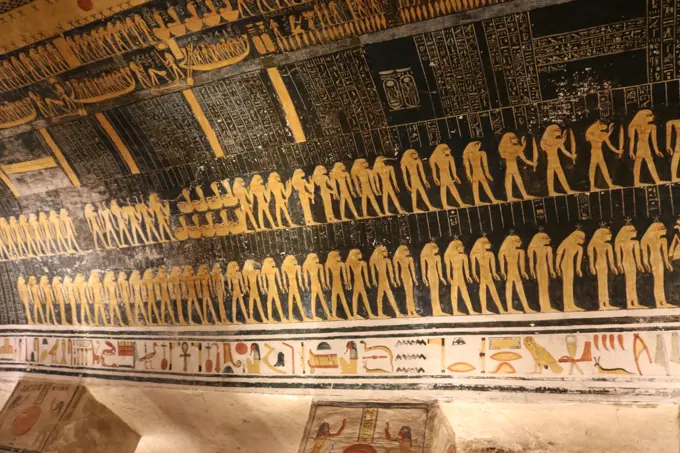
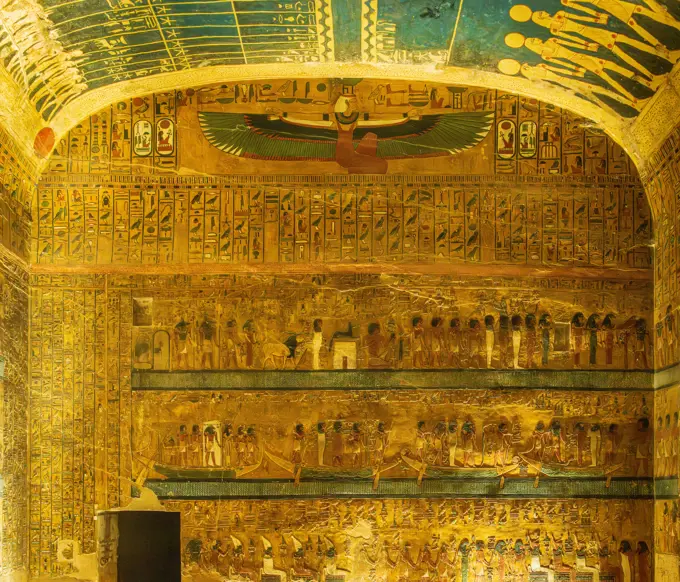
Tomb KV9 in Egypt's Valley of the Kings was originally constructed by Pharaoh Ramesses V. He was interred here, but his uncle, Ramesses VI, later reused the tomb as his own. The layout is typical of the 20th dynasty - the Ramesside period 1145 BC
1890-23646
Young monk offers flowers, Aukana Buddha, 39 ft high, Sri Lanka, Asia
1746-30005178
Stone Huaxtec female deity
1746-30015852
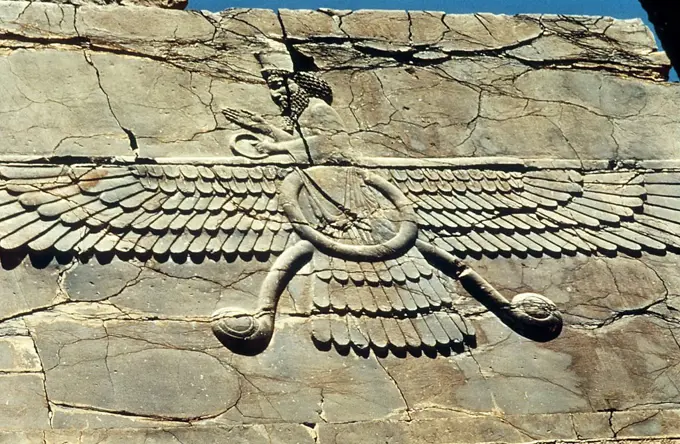
Photograph of the carved relief of a Fravashi (the Zoroastrian concept of a personal spirit or soul), at Persepolis, Iran.
1746-28999425
Engraving depicting Xiuhtecuhtli using a bow drill, a prehistoric form of drilling tool, which was used to produce fire. Xiuhtecuhtli was the Aztec Lord of Fire. Dated 19th Century
6188-60942082
Image of High Ranking Officials, Tomb of Tutankhamun King Tut, KV62, Valley of the Kings, Ancient Thebes, UNESCO World Heritage Site, Luxor, Egypt, North Africa, Africa Copyright: RichardxMaschmeyer 801-4120
6176-66089235
The Weighing of Souls, from the Egyptian Book of the Dead. Egypt. Old 19th century engraved illustration from La Nature 1884
6176-66918744
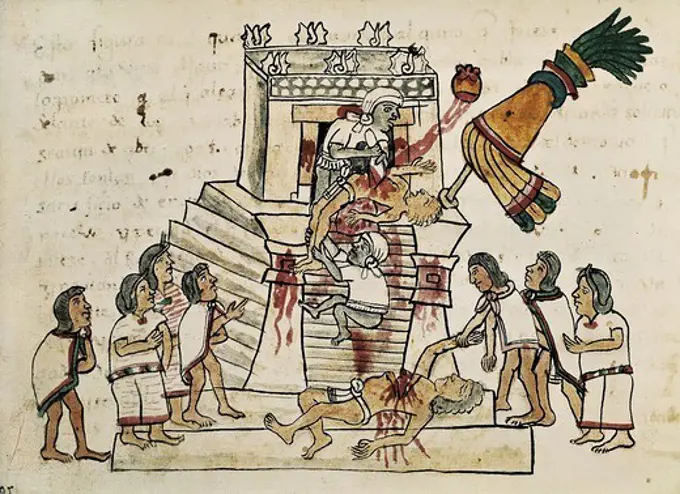
Aztec priest performing the sacrificial offering of a living human's heart to the war god Huitzilopochtli
4449-61796
Hieroglyphics in Hathor temple Sinai, Egypt, Africa
4409-63011091
Bel-harran-beli-usur is praying in front of divine symbols. Stele with inscription and relief. 8th BCE. Limestone. Tel-Abda. Marble. Iraq. Detail.
1746-30014190
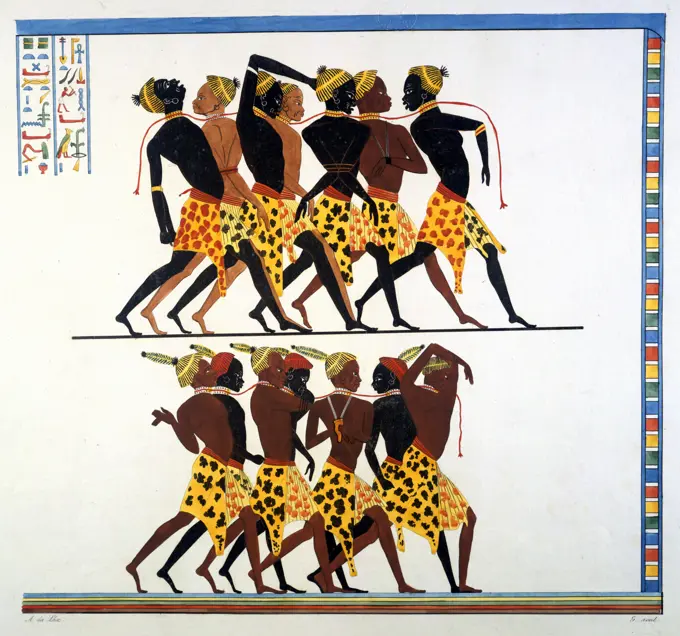
Nubian Slaves', 1832-1840.
6188-67455127
Ornate carvings and paintings on tomb of Seti I in Luxor Ornate carvings and paintings on tomb of Seti I in Luxor Copyright: xZoonar.com/StevenxHeapx 23008014
1746-21114866
Egyptian Ushabti or ushabtis. The ushabti also called shabti or shawabti, was an Ancient Egyptian funerary figurine
1788-19336
Replica of temple, entrance to shrine housing sacred boat
1848-50228746
Chnum, Chenemu, is an ancient Egyptian god attested since the Old Kingdom, Egypt, Historical, digitally restored reproduction of a 19th century original, exact date unknown, Africa
1746-19670313
Painted wooden coffin of Denytenamun, Incense-Bearer of the temple of Amun. Early 22nd Dynasty, about 945-850 BC from Thebes. The decoration of the lid includes many allusions to rebirth through the agency of the sun god.
6145-29720277
Shabti of Seti I ca. 1294-1279 B.C. New Kingdom, Ramesside This shabti was one of hundreds made for the pharaoh Seti I, the father of Ramesses II. Shabtis were placed in a tomb so the owner's spirit would not have to perform manual labor in the afterlife. The figurines were often inscribed with the "shabti text" - chapter 6 of the Book of the Dead - a spell that exhorts the shabti to substitute itself if the owner is asked to till the fields, irrigate the land, or transport sand from east to west. To this end, even royal shabtis are often depicted clutching a pick and a hoe, and with a basket hanging over one or both shoulders. In this example, the king holds the hoe in his left hand and the pick in his right, but there is no basket on the back. Listen to experts illuminate this artwork's story Listen Play or pause #3360. Shabti of Seti I Supported by Bloomberg Philanthropies We're sorry, the transcript for this audio track is not available at this time. We are working to make it avail
4292-40344
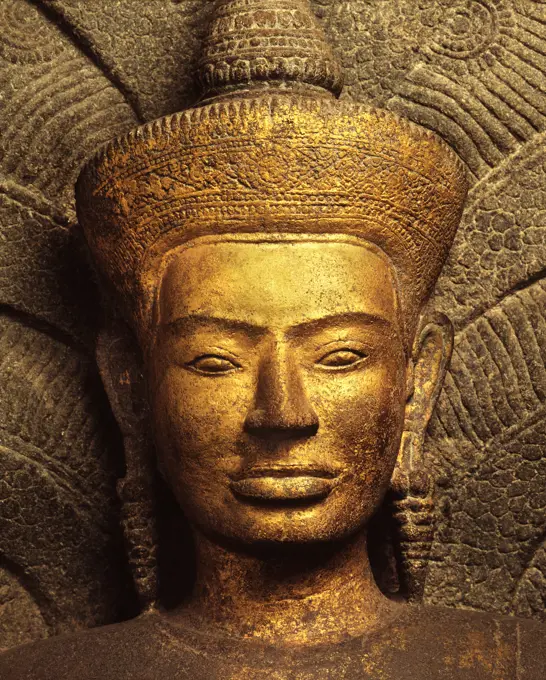
Head of a meditating Buddha seated under Naga (12th Century), Lopbury style, Bangkok National MuseumThailand.
6176-66097575
God Khons Nefer hotep
1848-61864660
Thoth, Thoth, Tehut, Tahuti, in Egyptian mythology the ibis-headed or pavian-shaped god of the moon, magic, science, scribes, wisdom and the calendar, historical, digital reproduction of an original from the 19th century
1746-19676964
Stone Carved Coptic Cross 7th Century. Cross used by Coptic Christians.
1848-50259820
King Unas, 5 Dynasty, Egypt, with consort. Costume of the oldest period of the Memphis Empire, History of Fashion, Costume History, Historical, digital reproduction of an original 19th century pattern, Africa
1899-65659767
The Egyptian god Harsaphes was the local deity of Heracleopolis Magna in the Faiyum district. He was worshipped as a god of fertility and associated with water, his name translating 'he who is on a lake.' In art, he was depicted as a ram-headed man. He was also considered to be a form of Horus.
1899-18720906
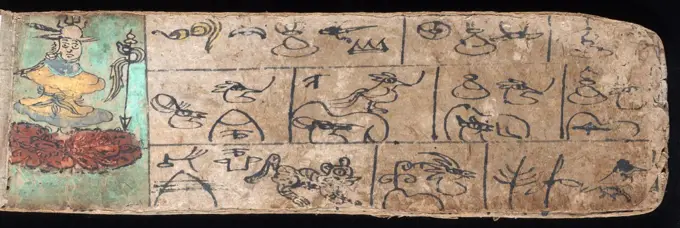
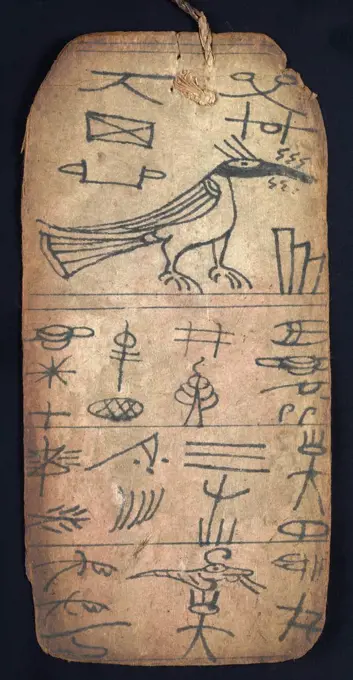
The Naxi or Nakhi are an ethnic group inhabiting the foothills of the Himalayas in the northwestern part of Yunnan Province, as well as the southwestern part of Sichuan Province in China. The Naxi are thought to have come originally from Tibet and, until recently, maintained overland trading links with Lhasa and India. The Naxi form one of the 56 ethnic groups officially recognized by the People's Republic of China. The Naxi are traditionally followers of the Dongba religion. Through both Han Chinese and Tibetan cultural influences, they adopted Tibetan Buddhism and, to a lesser extent, Taoism, in the 10th century.
1848-49210525
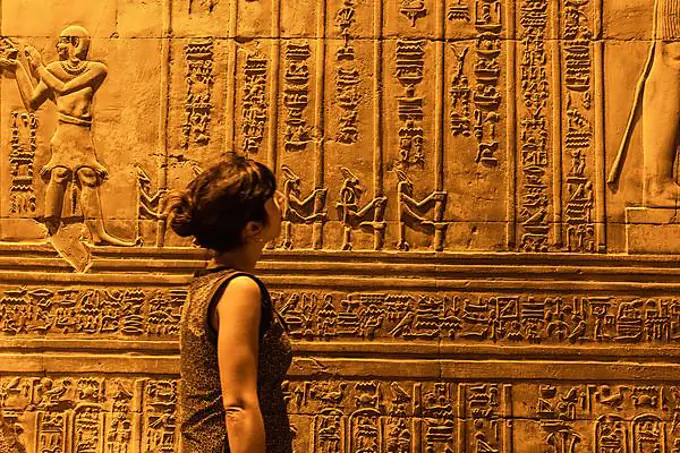
A young woman looking at Egyptian drawings and hieroglyphs at the Temple of Kom Ombo, the temple dedicated to the gods Sobek and Horus. In the town of Kom Ombo near Aswer, Egypt, Africa
1848-50260120
Assyrian Men of the People Bear Fruit, History of Fashion, Historical, Digital Reproduction of an Original 19th century Artwork
6145-30176414
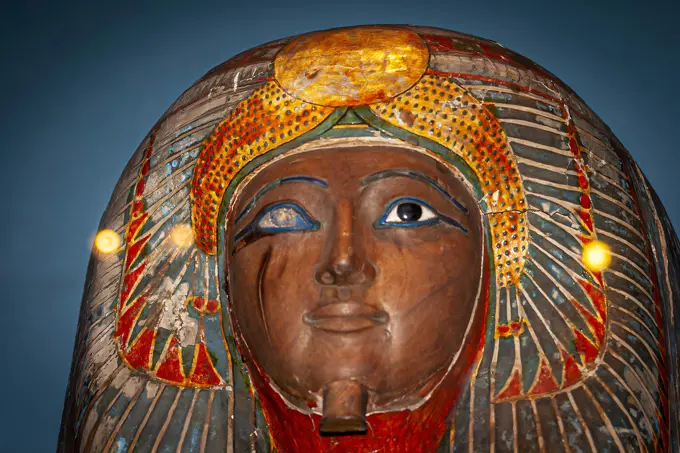
Mummy Mask 100 BCE-1 BCE Egypt. Designed to sheath and protect the head and upper torso of a mummy, this mask ensured that vital functions such as seeing, breathing, and eating would be restored to its owner after death. The face is not a portrait of the deceased but instead an idealized representation expressing the desire to be reborn into the afterlife as a divine being, complete with the gold skin of the gods. At the bottom center of the mask the god Osiris, ruler of the underworld, sits flanked by deities, many of whom carry strips of linen to be used as mummy wrappings.. Cartonnage, gold leaf, and pigment . Ancient Egyptian
6145-29203370
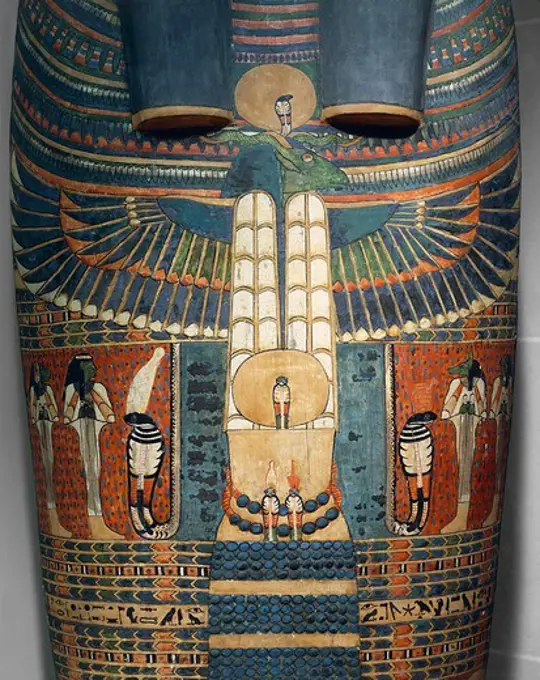
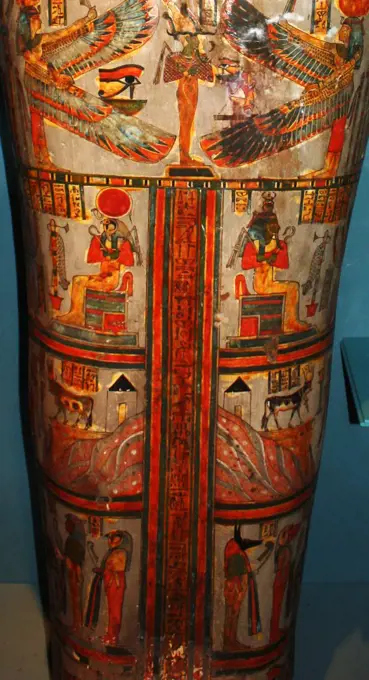
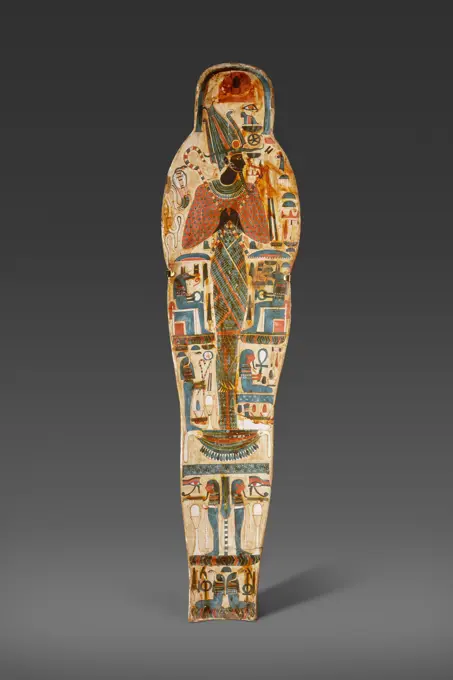
Mummy board of Djedmutesankh ca. 1000-945 B.C. Third Intermediate Period The priestess Djedmutesankh was buried with a number of other members of her wealthy extended family in a tomb in on the West Bank at Thebes. Her exalted position is reflected by her titles, which include First Great Chief of the Musical Troupe of Amun." This indicates that she was likely a daughter or wife of a High Priest of Amun. Her burial assemblage includes a set of nested coffins; an Osiris shroud; leather braces; amulets; wax viscera figures; two funerary papyri: an Osiris figure; and two wooden boxes full of shabti figures.The decoration of this mummy board is similar in color and style to that of the inner and outer coffins in which it was nested. The space is divided into small vignettes on either side of a central inscription that provides a long list of Djedmutesankh's titles. It is the god Osiris, ruler of the dead, who is represented in the majority of these vignettes, and this is the theme echoed o
6176-66915551
Offering of Flowers and Fruits (Necropolis of Thebes, XIX Dynasty)
1899-18720890
The Naxi or Nakhi are an ethnic group inhabiting the foothills of the Himalayas in the northwestern part of Yunnan Province, as well as the southwestern part of Sichuan Province in China. The Naxi are thought to have come originally from Tibet and, until recently, maintained overland trading links with Lhasa and India. The Naxi form one of the 56 ethnic groups officially recognized by the People's Republic of China. The Naxi are traditionally followers of the Dongba religion. Through both Han Chinese and Tibetan cultural influences, they adopted Tibetan Buddhism and, to a lesser extent, Taoism, in the 10th century.
7155-70384021
Mixtec/ Aztec codex- priests, MEXICO.
1848-50260110
King's Head with the Uraeus Serpent and Shoulder Collar, 19th Dynasty, Ancient Egypt, Thebes, Fashion History, Historical, Digital Reproduction of an Original 19th century Artwork
1885-27833
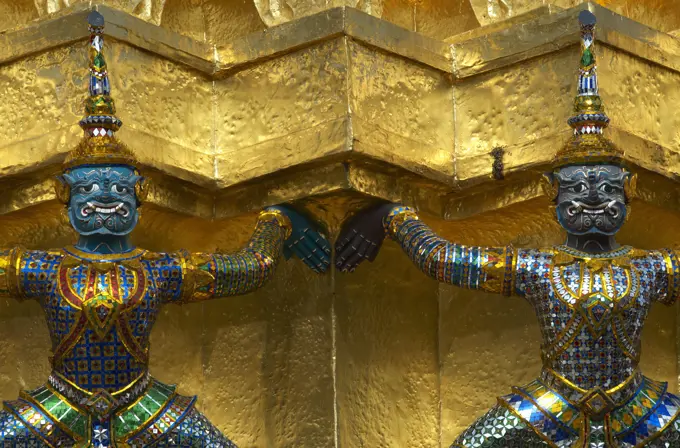
Thailand, Bangkok, The Grand Palace - colourful statues
6176-67064258
Egyptian cosmos. Artist: Unknown
4409-17301203
FIGURA DEL DIOS HORUS (HALCON) - FOTO AÑOS 80. Location: HORUS TEMPLE. EDFU. EGYPT. HORUS DIOS EGIPCIO.
4042-17885166
The Burial of Senenmut's Parents, Metropolitan Museum of Art, Manhattan, New York City, USA, North America
1907-1291
A man in front of the temple of  Musawwarat
4409-17242776
statuettes of the goddess Bastet, Gregorian Egyptian Museumn Musei Vaticani, State of the Vatican City, Roma, Lazio, Italia.
1848-49787284
Egyptian idols, 3rd book of Moses, chapter 26, verse 1, Bible, Egypt, Athyr or Athor (1), goddess of heaven (2), Neith or Neitha, patron goddess of the Sais (5), Bubastis, cat (6), bull (7), sparrowhawk (8), sacred ibis (9), sacred cat, symbol of the goddess Bubastis (10), beetle (11), historical illustration 1850, Africa
1746-21114864
Egyptian Ushabti or ushabtis. The ushabti also called shabti or shawabti, was an Ancient Egyptian funerary figurine
1746-19630982
Winged symbol of Ahura Mazda, worshipped by the Zoroastrians. Persepolis: Royal Audience Hall of Darius, c500 BC.
1788-10611
Egypt, Thebes, Luxor, Valley of the Queens, Tomb of Nefertari, Djed pillar representing Osiris' backbone bearing resurrection bone marrow within, from 19th dynasty
6188-62401313
Ancient Egyptian pharaoh mythology archeology ancient civilization, sarcophagus mummification of human as part of Egyptian culture Ancient Egyptian pharaoh mythology archeology ancient civilization, sarcophagus mummification of human as part of Egyptian culture, good for multimedia content creation Copyright: xZoonar.com/AntokxSenax 22143849
4435-8223
Codex Magliabecchi. 16th c. Ritual human sacrifice to god Huitzilopochtli. Aztec art. Miniature Painting. ITALY. TUSCANY. Florence. National Library.
6145-29780981
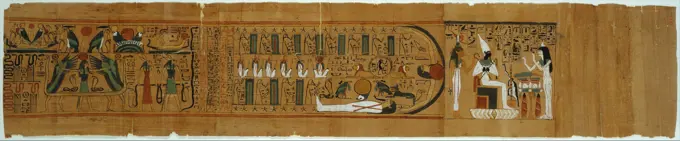
Amduat (Netherworld) Papyrus Inscribed for Gautsoshen ca. 1000-945 B.C. Third Intermediate Period This copy of the book of the Amduat, or "What is in the Underworld," was found rolled up and placed between the thighs of Gautsoshen's mummy. The papyrus, whose left part is missing, contains three scenes. On the right is the deceased adoring Osiris and the scorpion goddess Selket. The next scene shows Shu, the god of the atmosphere, holding the starstudded skies, which envelop the gods of the twelve hours of the night who are guarding the secret gates to the region of Ikheret. The middle register has a row of deities who will destroy the one who is not justified before Osiris. The scene on the left contains cobras as doorkeepers of the Underworld, the morning and evening barks of Re, and depictions and emblems of the patron goddesses of Upper and Lower Egypt, Nekhbet and Neith.Although the presentations of the figures on the papyrus are formal, the draftsman's choice of colors and some of
4220-21834670
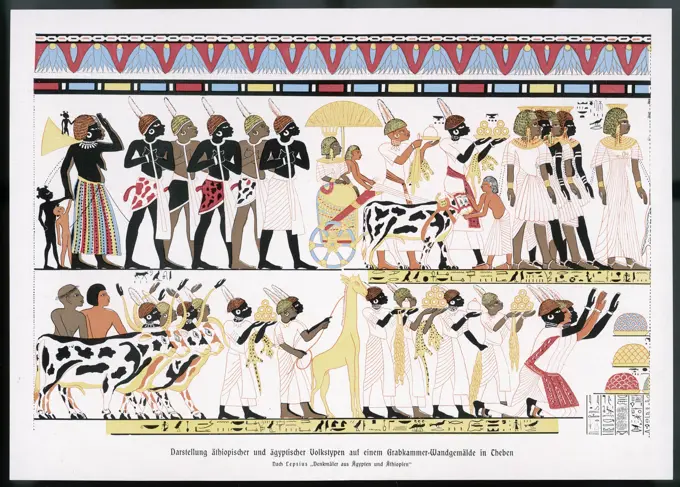
Nubian nobles bring tribute to  the Pharoah         Date: circa 1380 BC
1788-10636
Egypt, Thebes, Luxor, Valley of the Kings, Tomb of Ramses VI, painted ceiling illustrating Book of the Day and Book of the Night cosmology from 20th dynasty
1788-10779
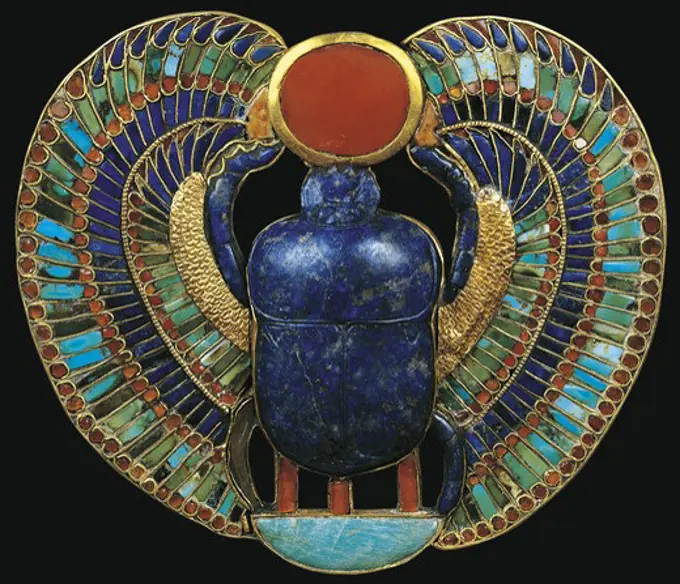
Egypt, Thebes, Luxor, Valley of the Kings, Tomb of Tutankhamon, Scarab beetle holding the solar disk, from Tutankhamon period
7070-70143906
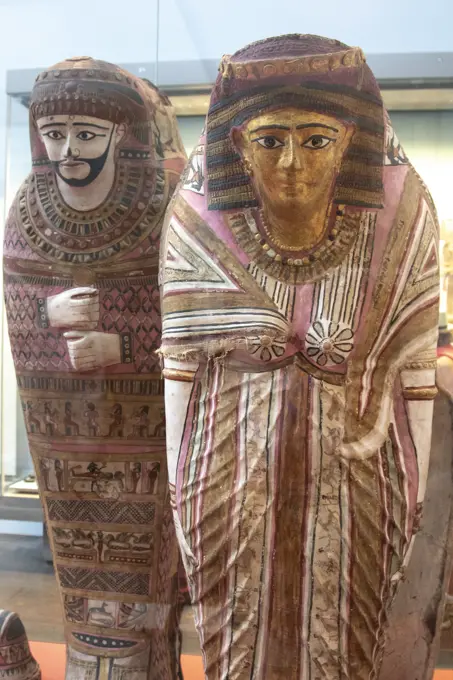
Mummies in the British Museum. They are thought to be priests of the 21st and 22nd Dynasties in Thebes.
1848-19325299
Nergal as a man-lion, Nergal, a deity of the Sumerian-Akkadian, Babylonian and Assyrian religions and model and component of other deities of other an...
1525-57365587
ancient famous Egyptian  bust of Queen Nefertiti around black background. close up
6176-67079534
The god Horus weighing the heart of the dead in a balance, Ancient Egyptian, 28th Dynasty, c400 BC. Artist: Unknown
1746-19628769
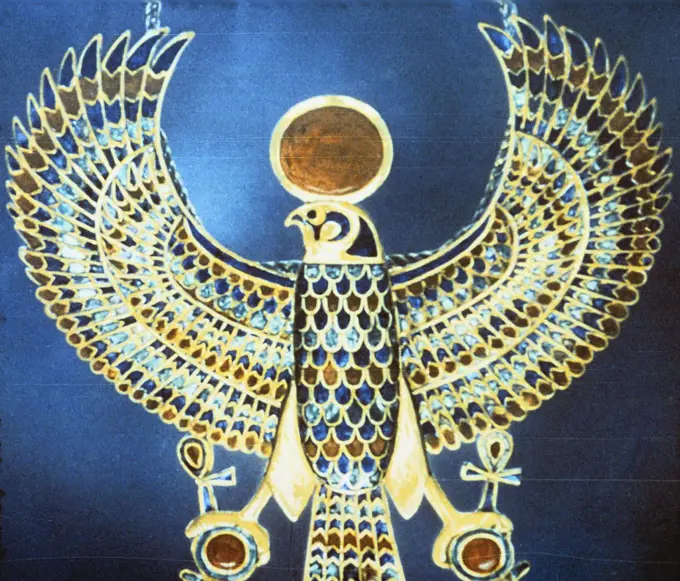
Treasure of Tutankhamun (dc1340 BC): Pectoral jewel of gold, semi-precious stone and faience showing Horus, falcon-headed god crowned with sun disc with ankh, symbol of life, attached to each claw. Once great sky and sun-god, became combined with Horus the son of Isis and Osiris. Cairo Museum, Egypt
1899-65659765
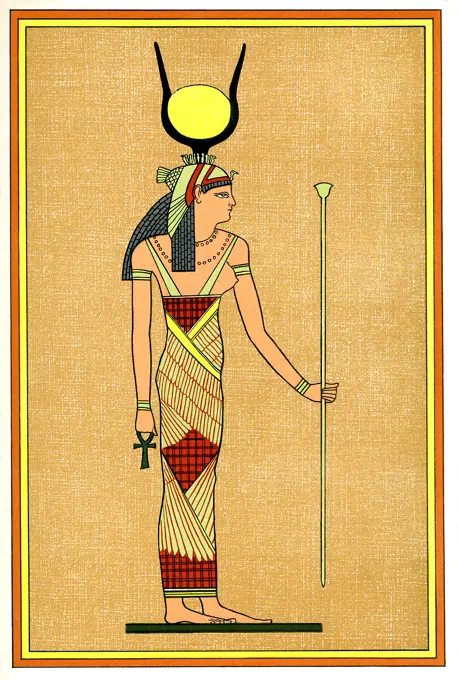
In ancient Egyptian mythology, Isis was the great mother goddess. She was revered as the wife of Osiris, the god of the dead, and with him the mother of Horus. Here her headdress is a disk with cow's horns, from her identification with the Hathor (the sky goddess who was represented by a cow and worshipped as a universal mother goddess).
4409-62730251
Ancient Times. Egypt. court of the dead. Ancient Times. Engraving. (Later colouration). Iconographic Enclyclopaedia of science, Literature and Art. 19th century. Illustrated by Johan George Heck (1801-1857). Engraved by Henry Winkles (1801-1860).
1848-54930001
Statues of Pharaoh Ramses II at the Great Temple, Abu Simbel, Nubia, Egypt, Africa
7174-70553948
Egypt, Aswan. Traditionally robed Egyptian women share a snack in front of Abu Simbel Temple, said to be the most astounding piece of Pharaonic architecture.
1746-21115072
Egyptian Ushabti or Ushabti. The Ushabti also called Ushabti or shawabti, was an Ancient Egyptian funerary figurine
4286-76938
Egyptian in blue robe facing the ancient pyramids of Giza
1746-111942597
Tutankhamen's canopic jars, Western Thebes, ca. 1325 B.C.
7058-70082576
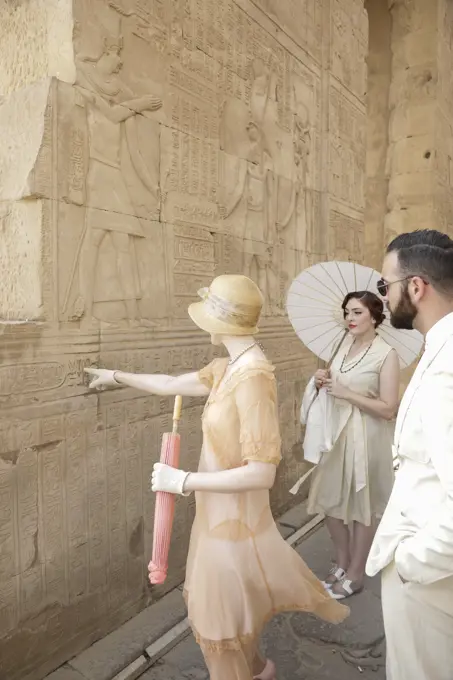
Vintage Egyptologist explains hieroglyphs at Kom Obo Temple. Aswan, Egypt.
1850-1523
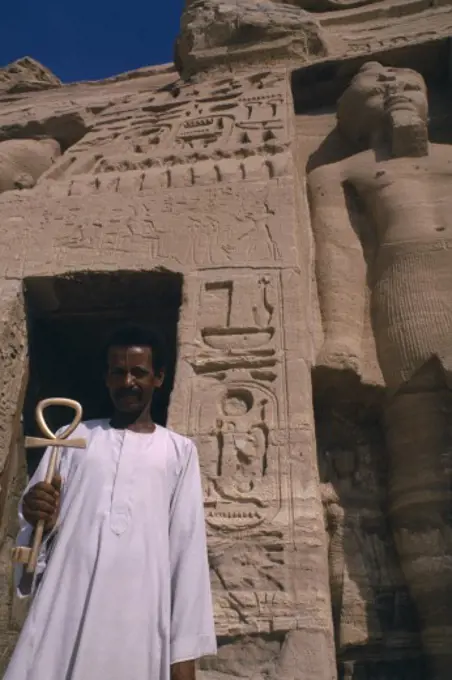
Egypt, Abu Simbel, Man Holding Key Of Life In Front Of Temple Statue And Hieroglyphics
PREVIOUS
of 2
NEXT
2401 S. Ervay, Suite 206
Dallas, Texas 75215
United States
Get Started
Free ResearchMy BoardsMy Cart
For Creators
How To License Your ContentContributor PortalFrame of Mind
Resources
API accessPricing
Contact
+1 866 236 0087help@viewpictures.co.uk Contact form
©2026 View Pictures. All Rights Reserved. -A
This site is protected by reCAPTCHA and Google Privacy Policy and Terms of Service apply.