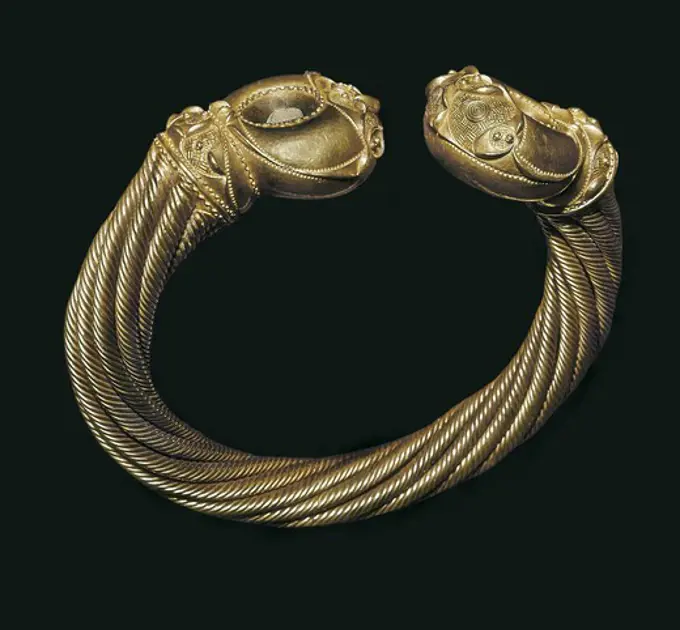
Ancient Etruscan Jewelry

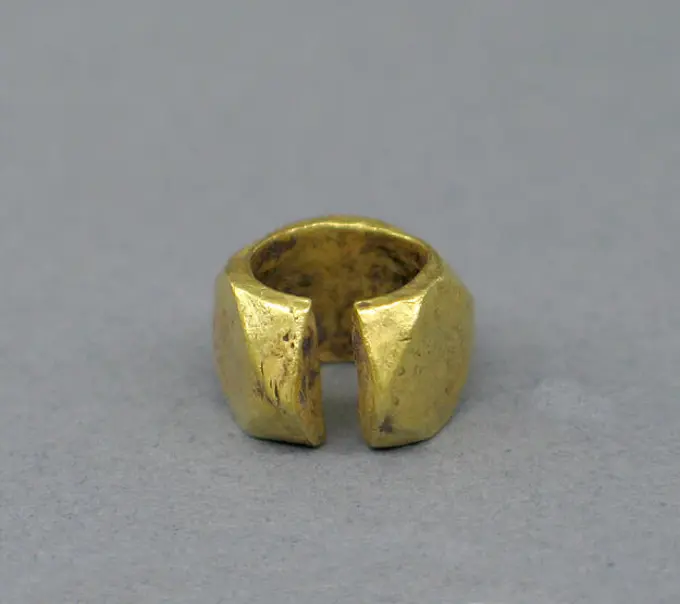
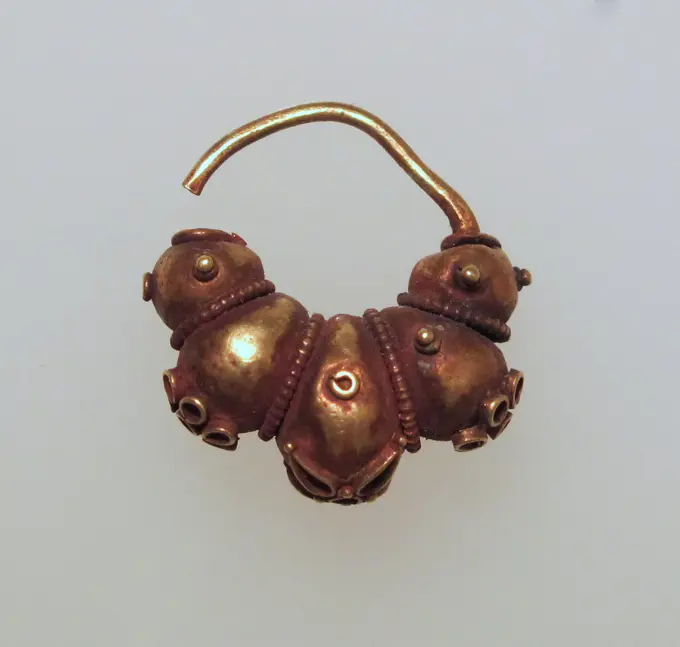
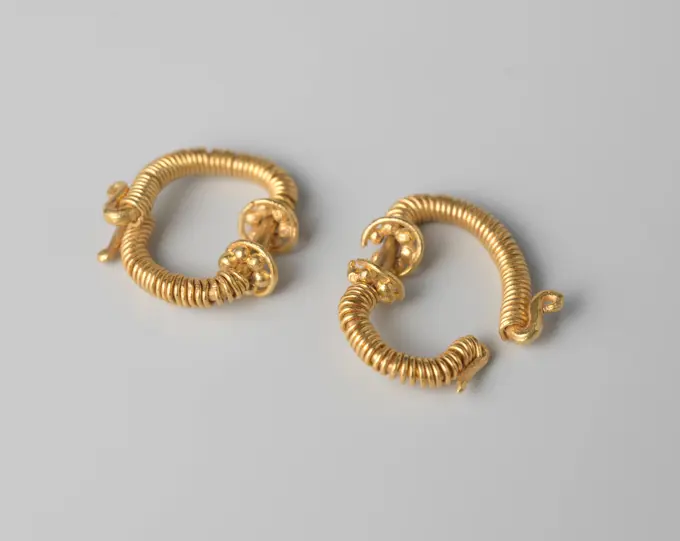
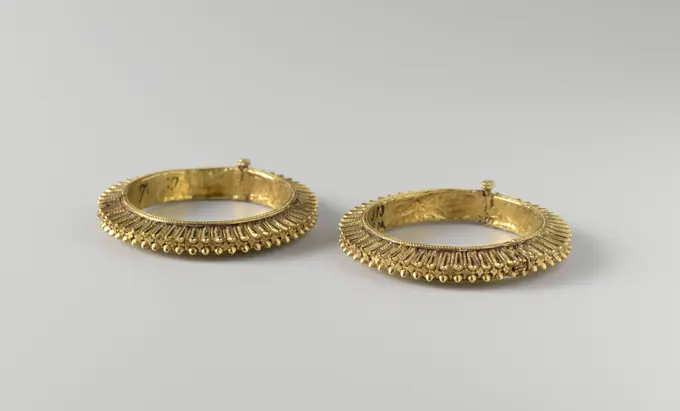
Gold earrings and ear clips from the Etruscan era, featuring intricate designs and unique shapes, showcasing historical craftsmanship.

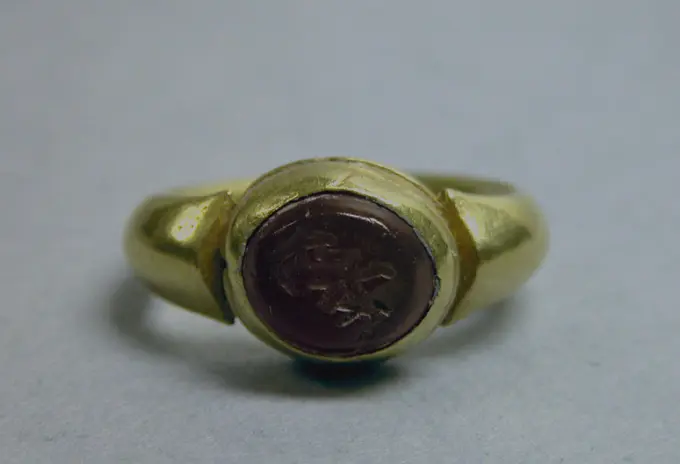
Gold wedding ring, wedding ring ring ornament clothing accessory men's clothing clothes gold, forged Round continuous band smooth inside (debossed) wedding ring man adorn symbolize remember marriage
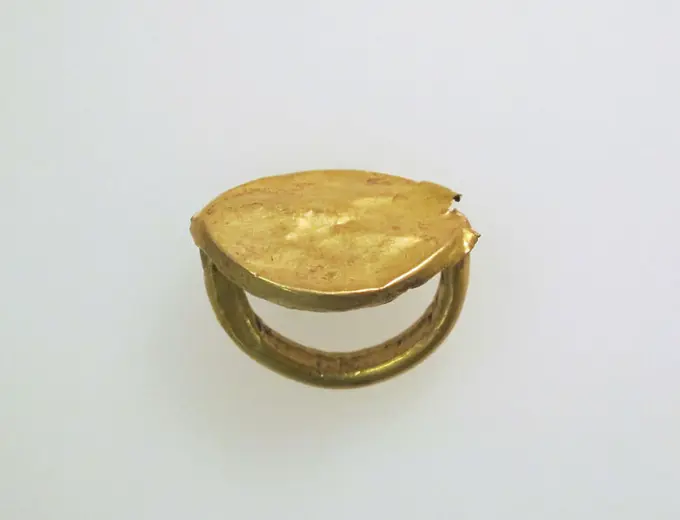
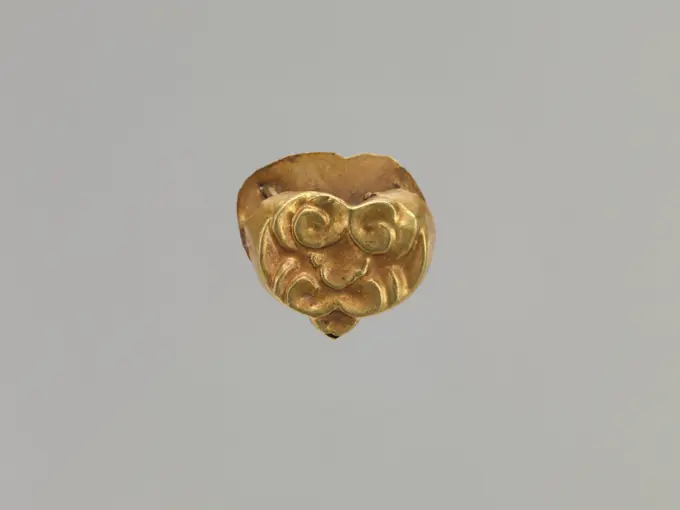
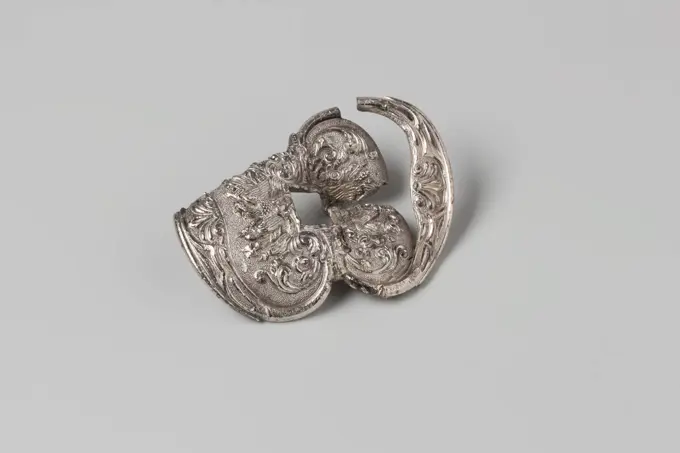
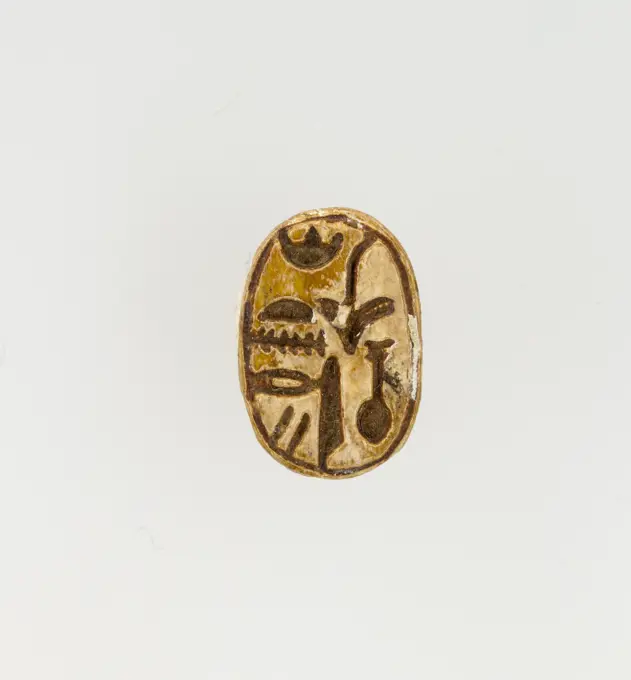
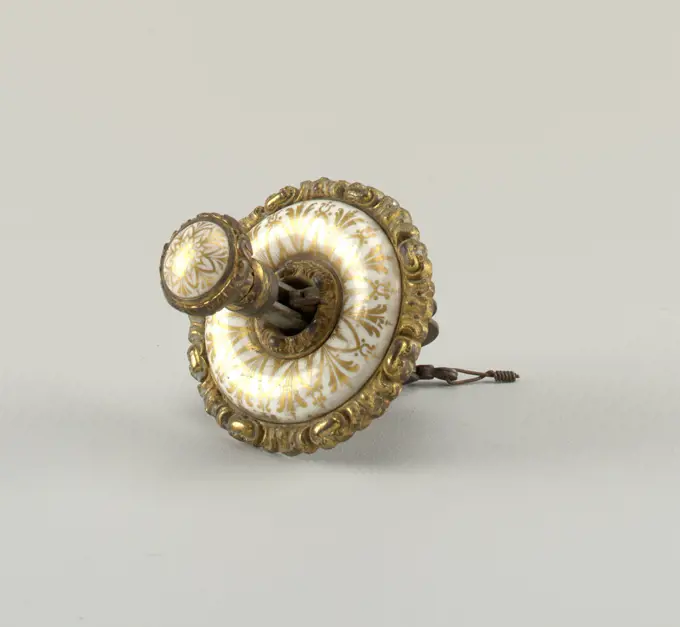
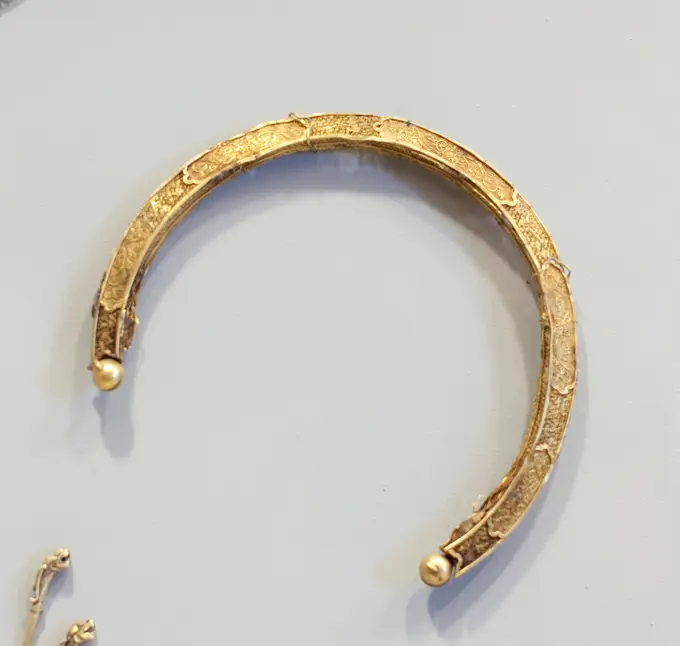
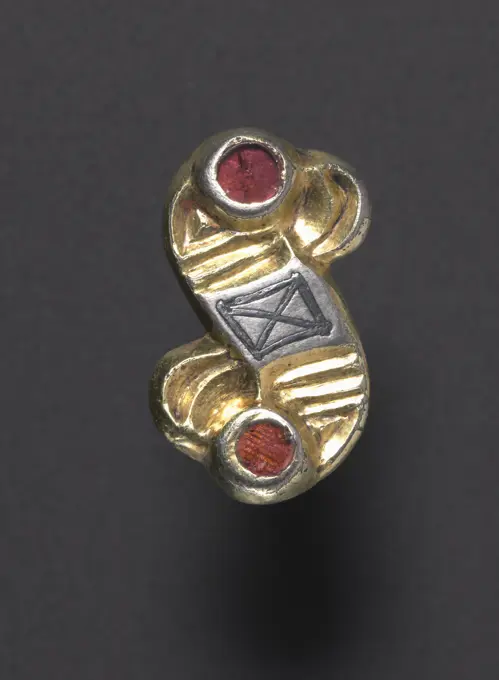
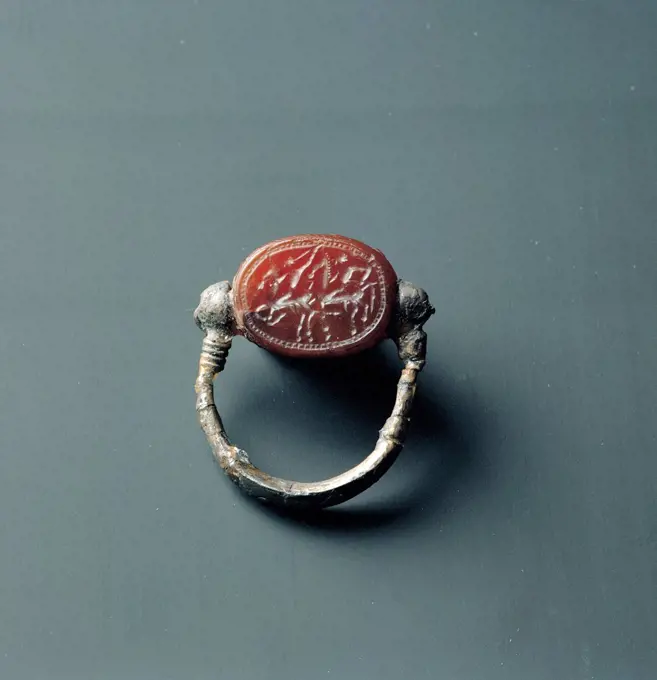
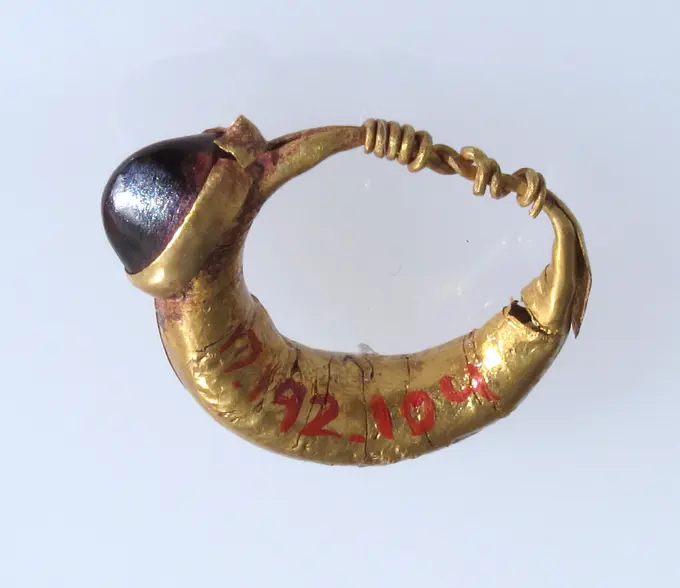
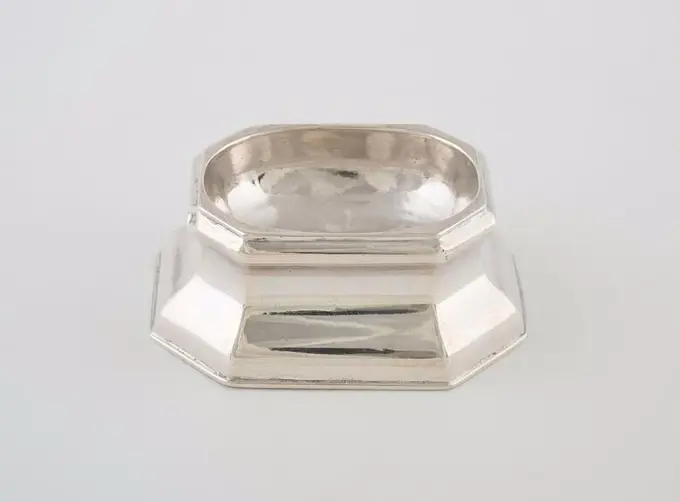
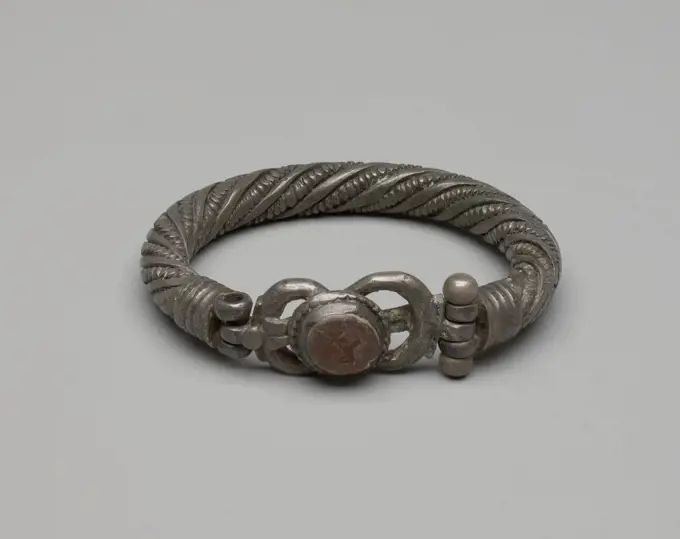
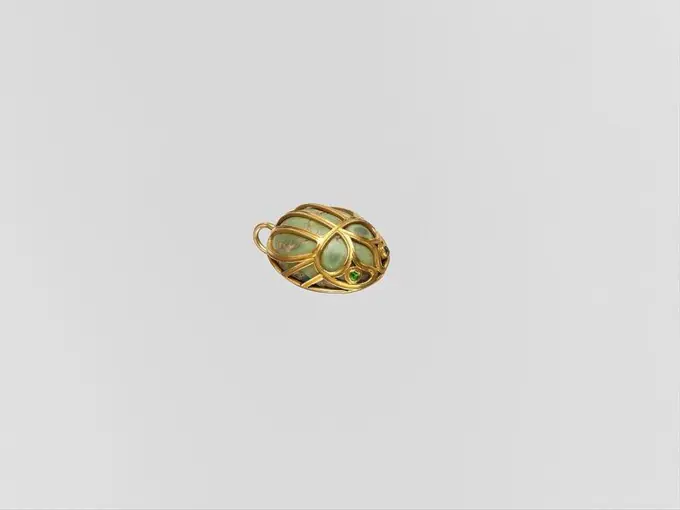
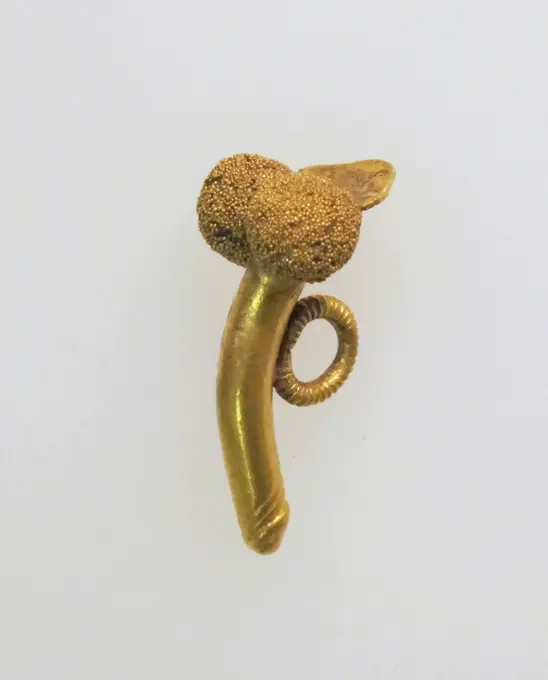
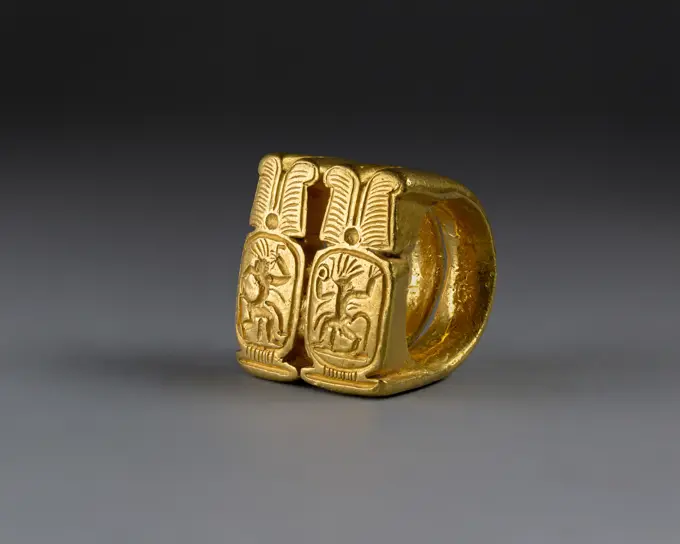
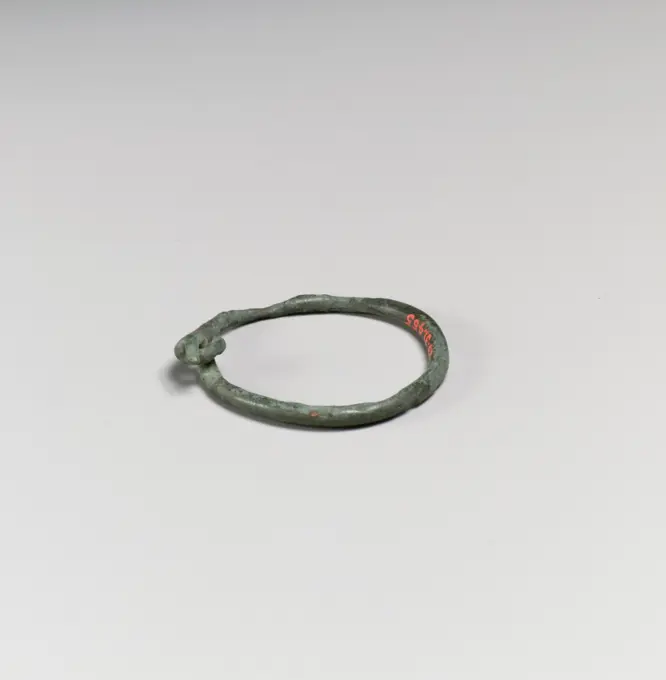
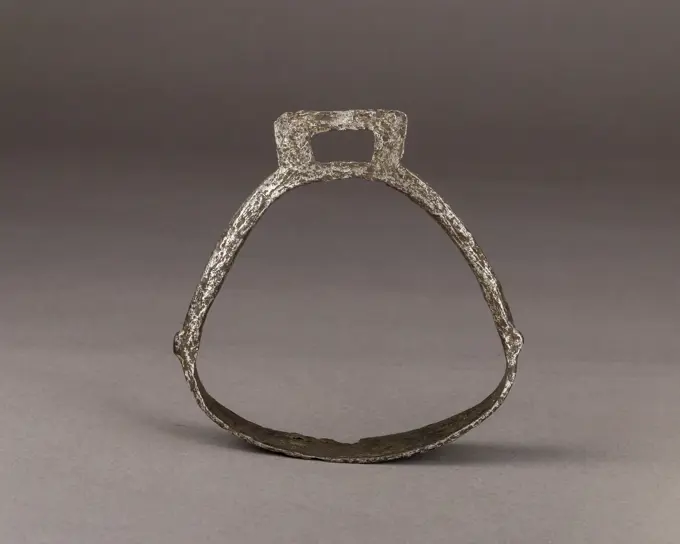
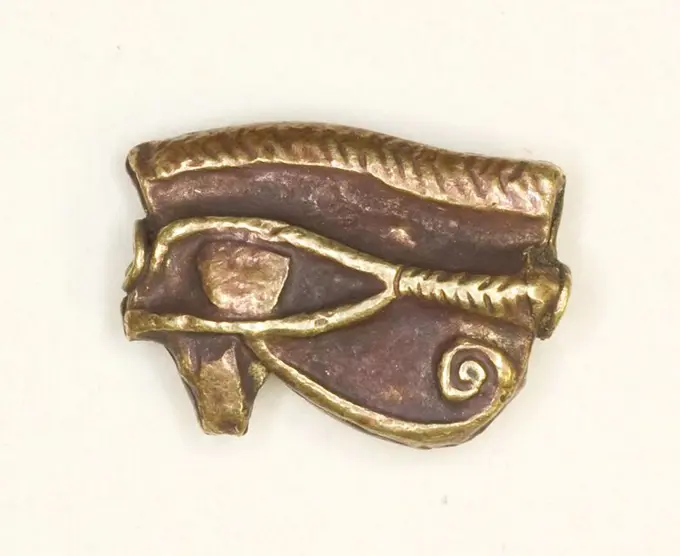
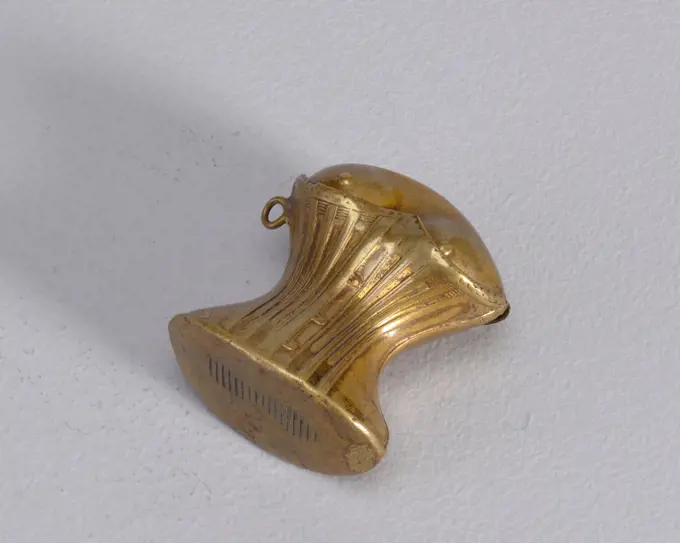
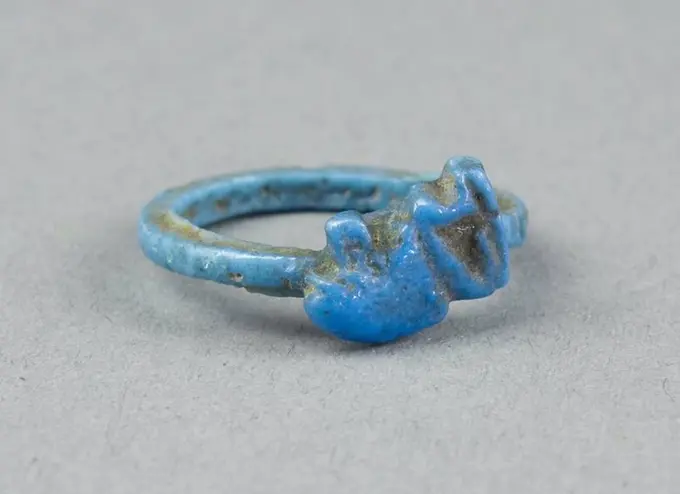
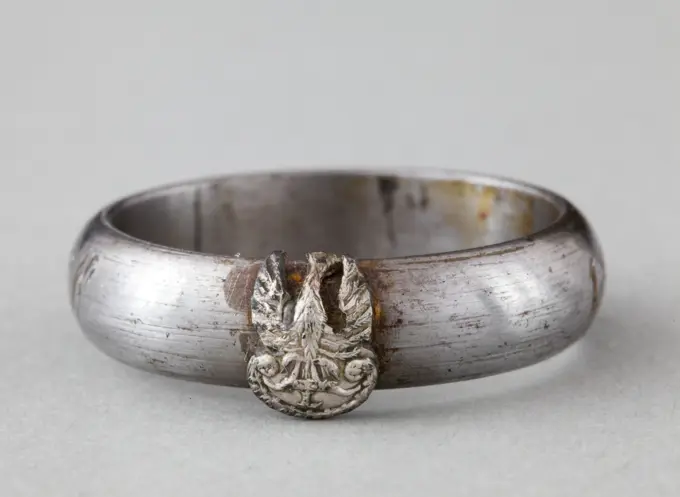
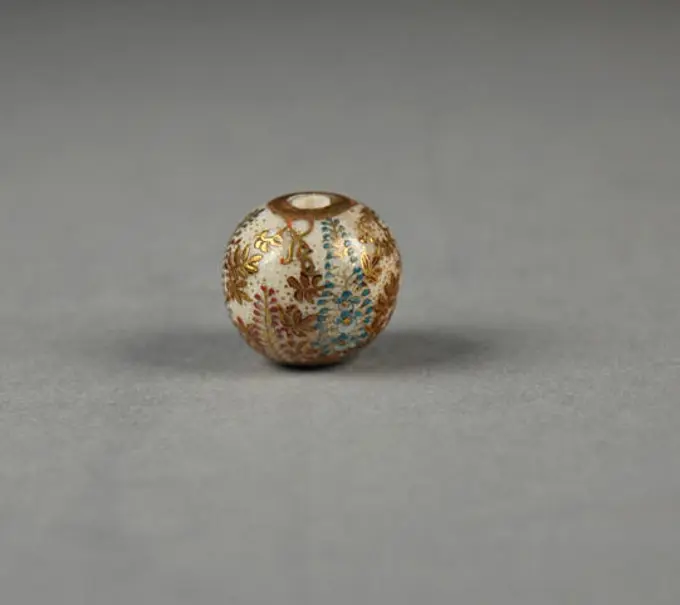
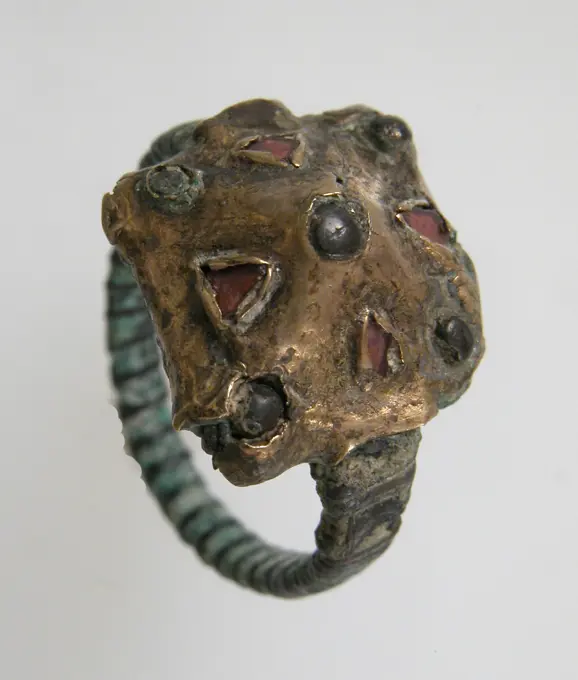
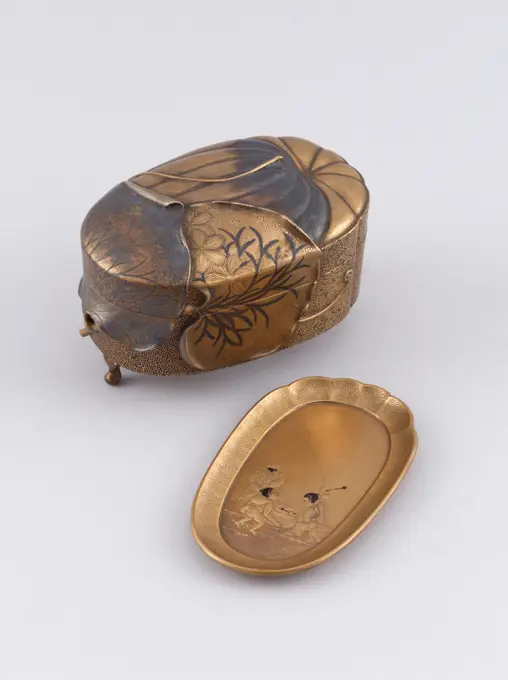
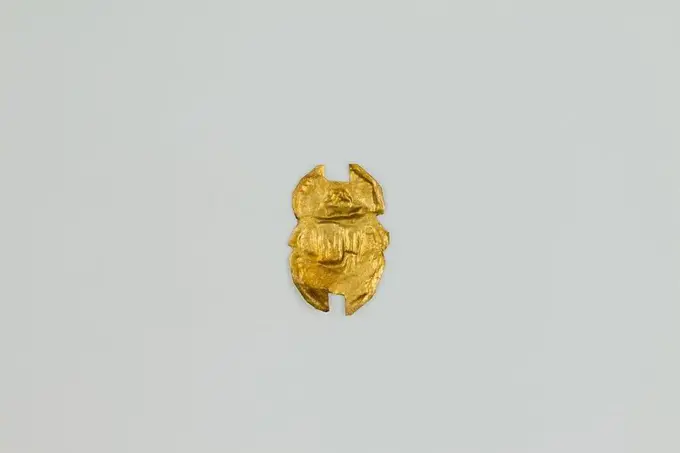
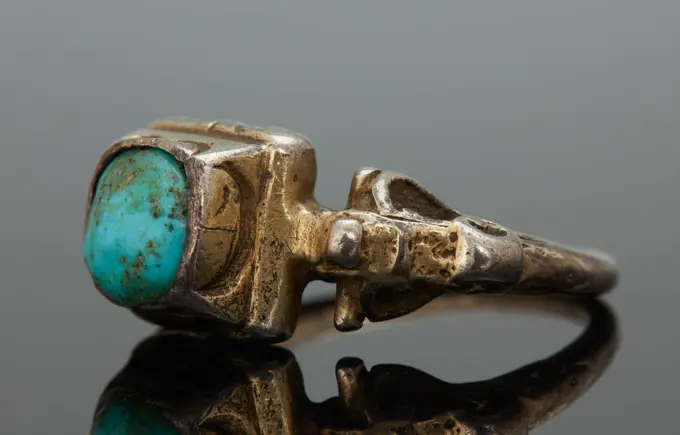
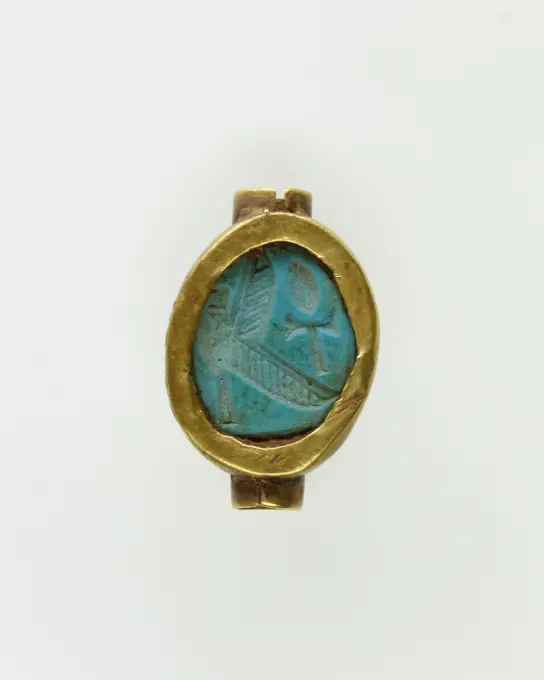
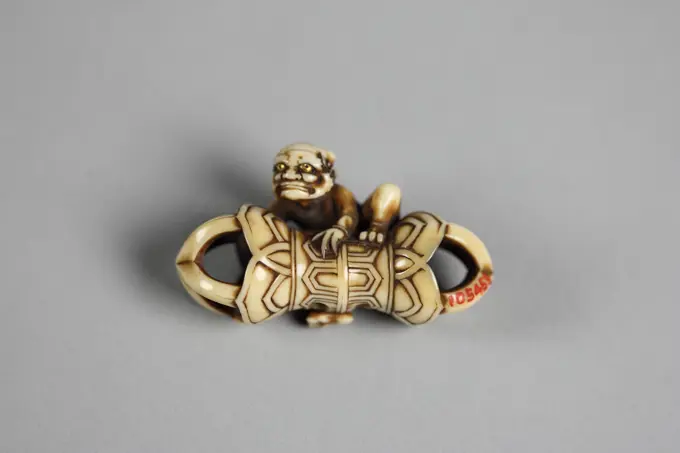
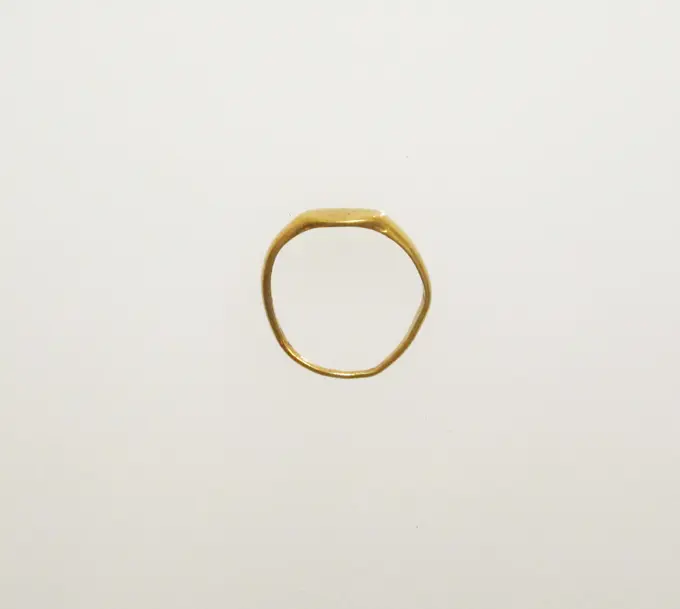
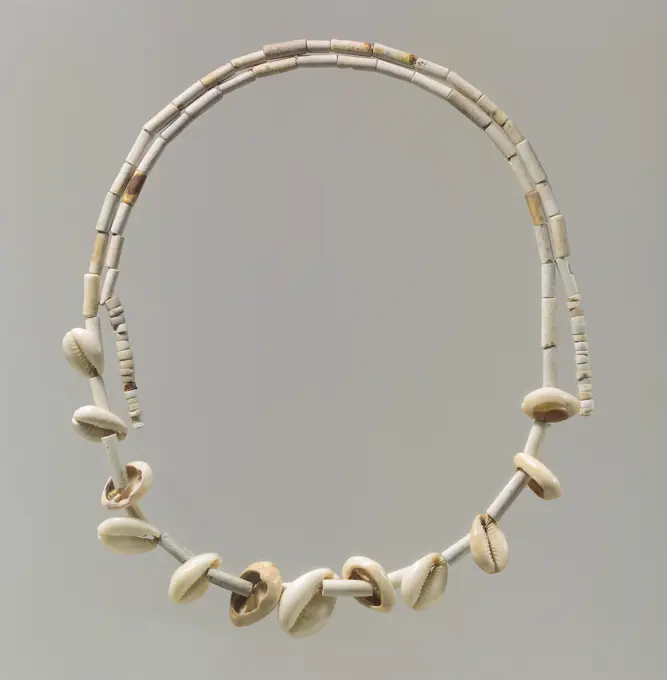
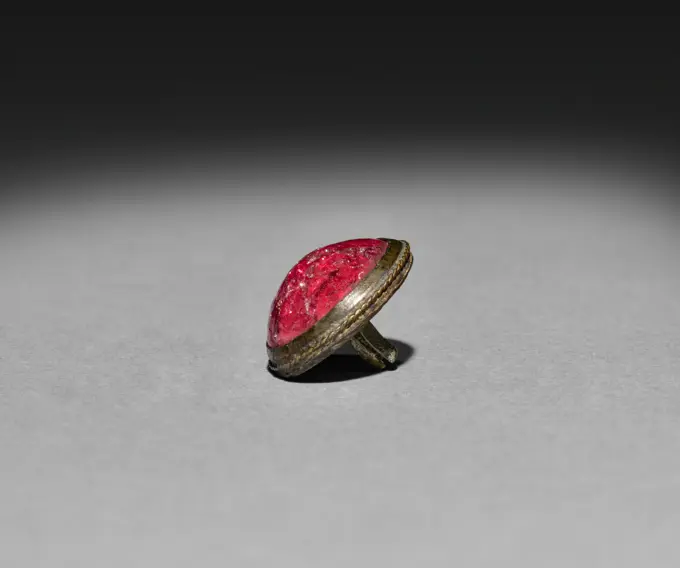
Earring, trumpet-shaped 5th-3rd century B.C. Etruscan. Earring, trumpet-shaped 245953Pair of Triangular Ear Clips with Circular Openings second half of the 8th-second half of the 10th century Indonesia (Java). Pair of Triangular Ear Clips with Circular Openings 50088Earring Etruscan Ring form with twisted ends.. Earring 245964Gold earring with filigree decoration 5th-4th century B.C. Etruscan Hollow gold, with filigree decoration.. Gold earring with filigree decoration 245952Gold ring with elliptical bezel. Culture: Etruscan. Dimensions: Other: 13/16 × 1 3/16 × 13/16 in. (2.1 × 3.1 × 2.1 cm). Date: probably 5th century B.C.. Museum: Metropolitan Museum of Art, New York, USA.Gold earring with head of a lion 4th-3rd century B.C. Greek. Gold earring with head of a lion 242874Ring with Ribbed Hoop and Incised Floral Motif Second half of the 8th-second half of the 10th century Indonesia (Java). Ring with Ribbed Hoop and Incised Floral Motif 50413Circular Ear Ornament Indonesia (Java) Second half of the 8th-second half of the 10th centuryEarring-loop type, plain. Earring-loop type, plain 243245Gold wedding ring, wedding ring ring ornament clothing accessory men's clothing clothes gold, forged Round continuous band smooth inside (debossed) wedding ring man adorn symbolize remember marriageBracelet, gilded bronze Cypriot. Bracelet, gilded bronze 242993Heart-Shaped Plaque 7th-9th century China (Xinjiang Autonomous Region, Central Asia) The nomadic communities of Central Asia used such plaques to embellish clothing and horse trappings. As these nomadic cultures herded animals and were constantly moving, their artistic production was expressed in portable objects that marked the wearers status and wealth. The outstanding preservation of these fragile ornaments suggests they were used in conjunction with burials, where the body was aggrandized with valuable textiles and augmented with gold. Although it is difficult to date and place these objects geographically, their presence in Central Asia and has a long, established history.. Heart-Shaped Plaque 65098Silver crossbar of a sword from the wreck of the Dutch East Indiaman Hollandia, anonymous, 1700 - in or before 1743  Hilt, guard; fragm, shells, broken, squashed; consisting of two curved oval plates, raised rim, relieved decoration of martial attributes with scrolling floral motifs on both sides, square central hole with 3 marks on the edge on the concave (rear) side, 2 legible coat of arms of Amsterdam, Z. Netherlands silver (metal)   SecondGlass eye bead. Glass eye bead. Glass. GlassGold earring with figure 3rd2nd century B.C. Greek. Gold earring with figure 242944Ornament 8th-12th century Indonesia (Central Java). Ornament 64200Bowl. unknown, craftsmanScarab Inscribed for Queen (Ahmose-)Nefertari ca. 1550-1525 B.C. New Kingdom. Scarab Inscribed for Queen (Ahmose-)Nefertari. ca. 1550-1525 B.C.. Steatite, glazed. New Kingdom. From Egypt. Dynasty 18Earring-loop type, plain. Earring-loop type, plain 243258Knob with Escutcheon and Lock Mechanism, hard paste porcelain, bronze, gold, metal, Escutcheon, convex, with inner and outer ring of bronze cast in foliate design; backed with brass plate to which pulley is attached. Knob of bell pull in foliate bronze with inset porcelain button, terminating in u-shaped brass channel through which runs a transmission chain. Porcelain portions decoration with gilt palmette and lotus motifs., England, ca. 1835, interiors, Decorative Arts, knob, escutcheon, and lock, knob, escutcheon, and lockBangle 500 B.C.-A.D. 300 Vietnam. Bangle. Vietnam. 500 B.C.-A.D. 300. Bronze. Bronze and Iron Age period. JewelryMessenlift ring from the wreck of the East Indians Hollandia, Anonymous, 1700 - in Or Before 1743  Knife-handle, ferrule; ring, circular. Netherlands copper (metal)   SecondEarring with head of lion, pair 4th-3rd century B.C. Greek . Earring with head of lion, pair. Greek . 4th-3rd century B.C.. Gold. Late Classical or Hellenistic. Gold and SilverRing with intaglio of schematic figure 1st century A.D. Roman Gem within hollow bezel.. Ring with intaglio of schematic figure. Roman. 1st century A.D.. Gold, gem. Gold and SilverNecklace, 1644-1912, 6 x 7 7/16 in. (15.2 x 18.9 cm), Gold, China, 17th-20th centuryS-Shaped Fibula, 500s. Alemannic, 6th century. Silver gilt with garnets and niello; overall: 2.2 x 1.6 x 0.8 cm (7/8 x 5/8 x 5/16 in.).Ring with Bezel Composed of Tiered Lozenge Motif Second half of the 8th-second half of the 10th century Indonesia (Java). Ring with Bezel Composed of Tiered Lozenge Motif 50136Woman in Barrel Smoking Matchsafe; USA; silver; 6 x 4.1 x 1.3 cm (2 3/8 x 1 5/8 x 1/2 in. )Pomander (Germany); molded and engraved silver, parcel giltSeal ring with gemstone, by Unknown artist, 4th Century b.C.,, . Italy: Puglia: Taranto: Taranto: National Archaeological Museum. Whole artwork. Ring gemstone cornelian engraved double sphere ringEarring 3rd century Pontic. Earring 465158 Pontic, Earring, 3rd century, Gold, garnet or glass paste cabochon, Overall: 1/2 x 7/16 x 1/8 in. (1.3 x 1.1 x 0.3 cm). The Metropolitan Museum of Art, New York. Gift of J. Pierpont Morgan, 1917 (17.192.104)Trencher Salt. Edward Wood; English, active 1722-40; London, England. Date: 1726-1727. Dimensions: 2.9 x 7.6 x 6 cm (1 1/8 x 3 x 2 3/8 in.). Silver. Origin: London. Museum: The Chicago Art Institute, Chicago, USA.Finger Ring 250-500 Roman. Finger Ring 464992 Roman, Finger Ring, 250500, Copper alloy, traces of gilding (), Overall: 1 x 13/16 x 1/2 in. (2.6 x 2.1 x 1.3 cm) bezel: 1/2 x 1/4 in. (1.3 x 0.6 cm). The Metropolitan Museum of Art, New York. Gift of J. Pierpont Morgan, 1917 (17.191.284)SilverBracelet, mid 3rdCentury, Silver with carnelian intaglio, 5.7 × 6.6 cm (2 1/4 × 2 5/8in.), Yale-French Excavations atDura-Europos, This heavy silver bracelet is decorated with a diagonal ribbed pattern alternating with rows of dots. The hinge is in the form of a Herakles knot, in the center of which is a carved intaglio. This knot was a popular design in Greek, Egyptian, and Roman jewelry. Formed of two intertwined ropes, it sometimes had marital significance (tying the knot) or was used as a protective amulet to ward off evil. The symbol later became purely decorative. Such bracelets were worn by women in the upper classes of Roman society and can be seen in images of women in sculpture, painting, and mosaic (some examples are on view) as indications of their elevated socialstatus. , Excavated in Dura-Europos, Syria, Syrian,Dura-Europos, Greco-Roman orParthian, JewelryRing with Braided Wire Hoop and Circular Bezel Second half of the 8th-second half of the 10th century Indonesia (Java). Ring with Braided Wire Hoop and Circular Bezel. Indonesia (Java). Second half of the 8th-second half of the 10th century. Gold. Central Javanese period. JewelryRing with Oblong Bezel and "Sri" Inscription Second half of the 9th-first quarter of the 10th century Indonesia (Java). Ring with Oblong Bezel and "Sri" Inscription. Indonesia (Java). Second half of the 9th-first quarter of the 10th century. Gold. late Central Javanese period. JewelryPendant. Culture: American. Dimensions: 3/4 x 1 1/4 in. (1.9 x 3.2 cm). Maker: Marcus and Co. (American, New York, 1892-1942). Date: 1891-1902."Although diamond jewelry was especially revered, late nineteenth-century Americans became increasingly interested in colored stones, both precious and semiprecious. The publication in 1890 of George Kunz's "Gems and Precious Stones of North America" heightened interest in such native American gems as tourmaline, opal, moonstone, and turquoise. By mounting an oval cabochon turquoise in a cage of yellow gold, Marcus & Company transformed a gemstone mined in Arizona into an imitation scarab, set with fiery demantoid garnet eyes. A gold loop at one end enabled the stone to be worn as a pendant."1Prior to establishing Marcus & Co with his sons in 1892, German immigrant Herman Marcus (1828 - 1899) was employed by the prestigious New York City firms Tiffany & Co. and Black, Starr & Frost, and for a time partnered with the jeweler Theodore B. StarrPendant in the form of a phallos Etruscan Ornamented with granulation. View more. Pendant in the form of a phallos. Etruscan. Gold. Gold and SilverEarring with ball pendant and paste setting 1st-2nd century A.D. Roman. Earring with ball pendant and paste setting. Roman. 1st-2nd century A.D.. Gold, glass paste. Imperial. Gold and SilverRing, anonymous, 1736 Gold ring, decorated with windows and stars. Amsterdam gold (metal) filigree Gold ring, decorated with windows and stars. Amsterdam gold (metal) filigreeGold plated wooden picture frame isolated on whiteBracelet, Twisted Wire and Foliate 8th-12th century Indonesia (Central Java). Bracelet, Twisted Wire and Foliate 64275Ear Ornament Second half of the 8th-second half of the 10th century Indonesia (Java). Ear Ornament 49993Signet ring ca. 1353-1323 B.C. New Kingdom, Amarna Period The ring bezel is decorated with the royal device of two cartouches topped by ostrich plumes. The cartouches frame dancing figures of Bes, a minor god who frightened away demons and killed snakes and other harmful animals. Bes was closely associated with women in labor and with small children, and use of his image on this ring suggests that it belonged to a queen.. Signet ring. ca. 1353-1323 B.C.. Gold. New Kingdom, Amarna Period. From Egypt; Said to be from Middle Egypt, Amarna (Akhetaten). Dynasty 18Box open decorative ancient with pieces of marbleSmall bronze annular bangle with clasp 2nd millennium B.C. Minoan Child's bracelet.. Small bronze annular bangle with clasp 252387 Minoan, Small bronze annular bangle with clasp, 2nd millennium B.C., Bronze, Diam. 1 1/2 in. (3.8 cm). The Metropolitan Museum of Art, New York. Bequest of Richard B. Seager, 1926 (26.31.465)Ring met arabesken, anonymous, c. 1620 - c. 1640 Golden (hoop) ring decorated with dark blue enamel in a pattern of arabesks. Northern Netherlands gold (metal). casting Golden (hoop) ring decorated with dark blue enamel in a pattern of arabesks. Northern Netherlands gold (metal). castingOrnament in Shape of BovineHeadGlass stamped disk pendant with gold hoop late 4th-5th century A.D. Roman Pendant:Translucent greenish yellow.Slightly oval disk with rounded edge and flat underside; at top, flattened suspension tab pierced with small hole sideways.Stamped in sharp detail with a lion advancing right; above, crescent and star.Intact, except for small chip in edge of disk; some bubbles; faint weathering.. Glass stamped disk pendant with gold hoop. Roman. late 4th-5th century A.D.. Gold, glass; stamped. Late ImperialInvention Horn Crook, Carl Gottlob Schüster, 1850 - 1950 Bracket of Invention horn. Marked: AS.2  copper (metal) Bracket of Invention horn. Marked: AS.2  copper (metal)Maker: Daniel Russell, Sr., American, 1698-c. 1780, Patron: John Burrington, American, ca. 1687-1756, Clasp, Gold, 5/8 × 1 in. (1.59 × 2.54 cm, 4g), Made in Newport, Rhode Island, American, 18thcentury, JewelryBracelet 20th century. Bracelet 451790Stirrup 10th-11th century West Slavic Horses had great importance in Slavic society, in both its social and religious aspects. Equestrian equipment, like stirrups, spurs and bits, are regularly found in their burials, even after their Christianization, among the goods warriors wanted to bring with them to the afterlife. The elite would sometimes even be accompanied by sacrificed horses, a meaningful practice at that time, considering the high economic value of horses.. Stirrup. West Slavic. 10th-11th century. Iron, silver. East Prussia. Equestrian Equipment-StirrupsGlass bracelet. Culture: Roman. Dimensions: W.: 1/8 in. (0.3 cm)Diam.: 1 7/8 in. (4.8 cm). Date: ca. 2nd-4th century A.D..Translucent dark cobalt blue, appearing black.Irregular oval band; semicircular in section but misshapen where tooled; no visible seam.Intact; dulling and faint iridescence. Museum: Metropolitan Museum of Art, New York, USA.'Full of the D', Gorham Manufacturing Company, Providence, Rhode Island, USA, founded 1818, Silver, Rectangular, rounded corners and sides, featuring raised relief of devil poking his head and hand through a jagged or torn edged reserve, inscribed 'Full of the D' on upper left of lid, just above his head. Reverse features raised relief of hand bursting through small torn edged reserve, clutching three burning matches, also visible is devil's tail bursting through area to the upper-left of hand, interwined around the matches. Lid hinged on side. Striker in recessed groove on bottom., copyrighted 1888, containers, Decorative Arts, Matchsafe, MatchsafeElectrum earring with lobes and rosettes 6th century B.C. Cypriot. Electrum earring with lobes and rosettes 242683Ring with Inset Oval-Shaped Stone Second half of the 8th-second half of the 10th century Indonesia (Java). Ring with Inset Oval-Shaped Stone. Indonesia (Java). Second half of the 8th-second half of the 10th century. Gold and stone. Central Javanese period. JewelryAmulet of the Eye of the God Horus (Wedjat). Egyptian. Date: 332 BC-30 BC. Dimensions: 0.9 x 1.2 x 0.3 cm (3/8 x 1/2 x 1/8 in.). Gold. Origin: Egypt. Museum: The Chicago Art Institute, Chicago, USA. Author: Ancient Egyptian.Ojime 19th century Japan. Ojime. Japan. 19th century. Edo period (1615-1868). OjimeWeighted Fastener Second half of the 8th-second half of the 10th century Indonesia (Java). Weighted Fastener 49746Gold earring with pendant 2nd century A.D. Roman. Gold earring with pendant 243185Earring-hook type with emerald setting. Earring-hook type with emerald setting 243372Bracelet 3rd-4th century Roman. Bracelet 465328 Roman, Bracelet, 3rd4th century, Gold, Overall: 2 11/16 x 2 1/2 x 9/16 in. (6.8 x 6.4 x 1.4 cm). The Metropolitan Museum of Art, New York. Gift of J. Pierpont Morgan, 1917 (17.192.258)Earrings in the shape of lions;  horse. 4th century BC (-400-00-00--380-00-00);Collection of ancient artCorsetted Female Torso, Brass, In the form of a corsetted female torso, featuring simulated stays and buttons down front of corset, lacing down reverse side; top of corset meets upper part of box where female's bare chest is revealed, hinged at back, it may be flipped open as lid. Small link attached at upper left. Striker on bottom., late 19th century, containers, Decorative Arts, Matchsafe, MatchsafePlaque Inscribed with the Name Nefertari ca. 1550-1525 B.C. New Kingdom. Plaque Inscribed with the Name Nefertari. ca. 1550-1525 B.C.. Steatite, glazed. New Kingdom. From Egypt. Dynasty 18, earlyPair of ears. A pair of earrings, composed of wound wire.Ring with Circular Bezel and "Sri" Inscription Second half of the 9th-first quarter of the 10th century Indonesia (Java). Ring with Circular Bezel and "Sri" Inscription. Indonesia (Java). Second half of the 9th-first quarter of the 10th century. Gold. late Central Javanese period. JewelryRing with Notched Circle 8th-12th century Indonesia (Central Java). Ring with Notched Circle. Indonesia (Central Java). 8th-12th century. Gold, solid cast. JewelryRing: Figure of Seated Baboon (Thoth). Egyptian. Date: 1390 BC. Dimensions: W. 1 cm (3/8 in.); diam. 2.5 cm (1 in.). Faience. Origin: Egypt. Museum: The Chicago Art Institute, Chicago, USA. Author: Ancient Egyptian.RingBracelet ca. 1880 George W. Shiebler & Co.. Bracelet. American. ca. 1880. Silver. Made in New York, United StatesOjime 18th century Japan. Ojime. Japan. 18th century. Ceramic with overglaze enamels. Edo period (1615-1868). OjimeRoundel, disk with figure and column 4th century B.C.. Roundel, disk with figure and column 243084Finger Ring ca. 600 Frankish. Finger Ring 465293 Frankish, Finger Ring, ca. 600, Copper alloy band, silver bezel coated with gold, garnet or glass paste, Overall: 1 x 13/16 x 1/2 in. (2.6 x 2.1 x 1.3 cm) bezel: 1/2 x 1/2 x 1/4 in. (1.3 x 1.3 x 0.7 cm). The Metropolitan Museum of Art, New York. Gift of J. Pierpont Morgan, 1917 (17.192.226)Pair of Bracelets and Two Necklaces, anonymous, c. 1750 Miss. Surat gold (metal) Miss. Surat gold (metal)Round cufflink of Niellozilver with star pattern, 1900 - 1925 Round cufflink of Niellozilver with star pattern West-Europa silver (metal). Niello (technique) Round cufflink of Niellozilver with star pattern West-Europa silver (metal). Niello (technique)Glass mosaic fragment late 1st century B.C.-early 1st century A.D. Roman Thick-walled rim fragment.Translucent deep purple, turquoise blue, light blue mixed with opaque yellow and appearing green, opaque white; yellow, and red.Vertical rim with flat tope edge; side tapering downward.Mosaic pattern formed from polygonal sections of a distorted cane or canes: one in a purple ground with a ring of white rods surrounding a confused pattern of turquoise blue rods outlined in yellow with red splashes and a central red rod.Polished exterior; pitting and weathering of surface bubbles on exterior; dulling, pitting, and iridescent weathering on interior, edge of rim, and jagged edges.. Glass mosaic fragment. Roman. late 1st century B.C.-early 1st century A.D.. Glass; cast. Early Imperial. GlassAnonymous. Golden lacquer perfume box in the shape of a double squash mounted on 3 feet. Lacquer. Museum of Fine Arts of the City of Paris, Petit Palais. Perfume box, double squash, lacquer object, goldGeuzenolenning with Napje and gourds, Anonymous, 1800 - 1900 copy Geuzen medal with net and gourds, silver oval medal with carrier and carrying ring. On one side the portrait of a man (Philip II), profile to the left, on the other side two collapsed hands around which a double begging bag. On either side a bearing eye with gourd on eight-shaped link, under a bearing eye with begging snap on Ditto Schakel. Front edge: and Fidelles AV Roy. Reversal inscription: Ivsqves A Porter La Besace. Low Countries silver (metal) casting / forging  SpainSnuff Box (France); carved bloodstone, chased and engraved gold, cut diamonds, rubies, emeraldsScarab amulet. Dimensions: l. 1.1 cm (7/16 in.) × h. 1 cm (3/8 in.). Dynasty: Dynasty 26-29. Date: 664-380 B.C.. Museum: Metropolitan Museum of Art, New York, USA.RingCowroid Set in a Ring Bezel ca. 1492-1473 B.C. New Kingdom This ring bezel contains a cowrie-shaped amulet. The heraldic design inscribed on its base includes an ankh hieroglyph (life) protected by a falcon with outspread wings. Two bezels were found among the hand bones of an unidentified children who was buried in the tomb of Hatnefer (see 36.3.1 and 36.3.14)).. Cowroid Set in a Ring Bezel. ca. 1492-1473 B.C.. Gold, glassy faience. New Kingdom. From Egypt, Upper Egypt, Thebes, Sheikh Abd el-Qurna, Tomb of Hatnefer and Ramose (below TT 71), coffin III, burial 1b, hands, MMA excavations, 1935-36. Dynasty 18, earlyNetsuke of Demon with Gold Eyes 19th century Japan. Netsuke of Demon with Gold Eyes. Japan. 19th century. Ivory. Edo (1615-1868) or Meiji period (1868-1912). NetsukeAmatory Brooch. Culture: German. Dimensions: Overall (closed): 1 1/4 x 7/8 x 1 1/2 in. (3.2 x 2.2 x 3.8 cm). Date: ca. 1340-60.In terms of its function, decoration, and inscription, this intimate piece of jewelry conveys the chivalric ideal of love. Made in the shape of the letter E, the brooch has a hinged cover that allowed it to function as a locket. The cover bears the figure of a man holding arrows aimed at his heart, while the interior inscription (in a Saxon dialect) reads: o V/REWELININ o VRME DEI + HRZE o LEVEo /NSTE o MOIS IC IN o /oSIN (Fair lady, may I always remain close to your heart.). Museum: Metropolitan Museum of Art, New York, USA.Ring with inscription 1st century B.C.-3rd century A.D. Roman. Ring with inscription. Roman. 1st century B.C.-3rd century A.D.. Gold. Gold and SilverRing with Raised Quatrefoil Design Second half of the 8th-second half of the 10th century Indonesia (Java). Ring with Raised Quatrefoil Design 50148Fragment. Culture: European or Middle Eastern. Dimensions: L. 1 1/2 in. (3.8 cm). Date: ca. 1150-ca. 1250. Museum: Metropolitan Museum of Art, New York, USA.Baldric. Culture: Spanish. Dimensions: L. 35 in. (88.9 cm.); W. 1 in. (2.5 cm.). Date: first half 17th century.Much of our knowledge of jewelry fashions is derived from contemporary portraits. Although chains of solid gold were especially prized, an enameled example very much like this one, worn diagonally across the chest, appears in the portrait of a young man dating from the early seventeenth century. The enameling technique is similar to that of the brass veneras also in this case. Museum: Metropolitan Museum of Art, New York, USA.Ring with Inset Blue Stone in Circular Mount Second half of the 8th-second half of the 10th century Indonesia (Java). Ring with Inset Blue Stone in Circular Mount 50139. Gold with a ribbed closure on both sides, including braided hair.Scarab from Rennefer's Burial ca. 1504-1447 B.C. New Kingdom. Scarab from Rennefer's Burial. ca. 1504-1447 B.C.. Faience. New Kingdom. From Egypt, Upper Egypt, Thebes, Asasif, Tomb of Neferkhawet (MMA 729), west chamber A, Burial of Rennefer (II), inside box 35.3.79, MMA excavations, 1934-35. Dynasty 18, earlyButtons (2), Stamped and painted brass, cut steel, (a) Brass button with design resembling Persian Cone stamped and painted in color, surrounded by facetted boses of cut steel in various colors; brass shank., (b) Similar button in smaller size. Component -b is on card 42., France, ca. 1880, costume & accessories, Decorative Arts, Buttons (2)Beads ca. 9th century B.C. Iran Three different types of beads have been strung together in this necklace: long tubular stone beads, smaller circular spacers, and cowrie shells. It is not known how the beads were originally worn in antiquity, since any string or other material that would have held them together has long since disintegrated. Beads were worn as jewelry and sewn to clothing as early as the Neolithic period in the ancient Near East.. Beads 325321Snuff Bottle (stopper), 1644-1911. China, Qing dynasty (1644-1911). Glass; overall: 6.4 cm (2 1/2 in.).Finger Ring 1st-4th century Frankish. Finger Ring 465268 Frankish, Finger Ring, 1st4th century, Silver, carnelian, Overall: 13/16 x 3/4 x 3/8 in. (2.1 x 1.9 x 1 cm) bezel: 1/2 x 3/8 x 3/16 in. (1.3 x 1 x 0.5 cm). The Metropolitan Museum of Art, New York. Gift of J. Pierpont Morgan, 1917 (17.192.203)Thimble from the wreck of the East Indies Hollandia, Anonymous, c. 1700 - In or Before 1743  Tools and instruments, sewing and sailmaking, thimble; fragm: circular rim with fragm of body, tapering, top missing, pitted surface. Netherlands copper (metal)   SecondThe Great Torc from Snettisham. 75 BC. Gold. Iron Age. Jewelry. UNITED KINGDOM. ENGLAND. London. The British Museum. Proc: UNITED KINGDOM. ENGLAND. EAST OF ENGLAND. Snettisham.Finger Ring with the Throne Name of King Psusennes II. Egyptian. Date: 959 BC-945 BC. Dimensions: W. 0.5 cm (3/16 in.); diam. 1.9 cm (3/4 in.). Faience. Origin: Egypt. Museum: The Chicago Art Institute, Chicago, USA. Author: Ancient Egyptian.