Ancient Figurative Artifacts

A collection of ancient figurines and ceramic musical instruments, showcasing historical craftsmanship from various cultures, including amulets and standing figures.

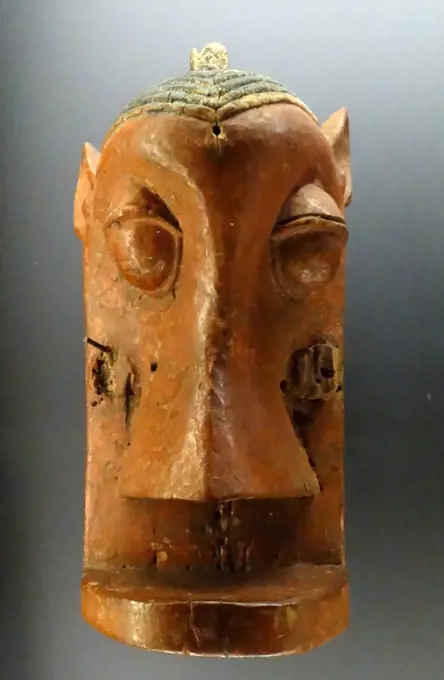
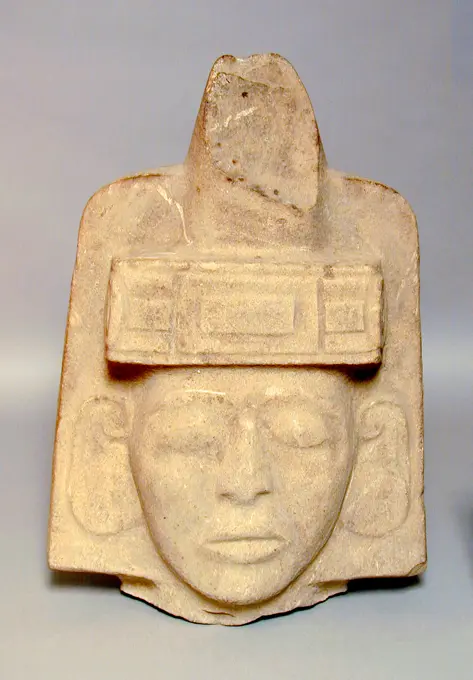
Palma in the Form of an Owl's Head. Mexico, Veracruz, Veracruz, Veracruz, 600-1000 CE. Stone. Basalt
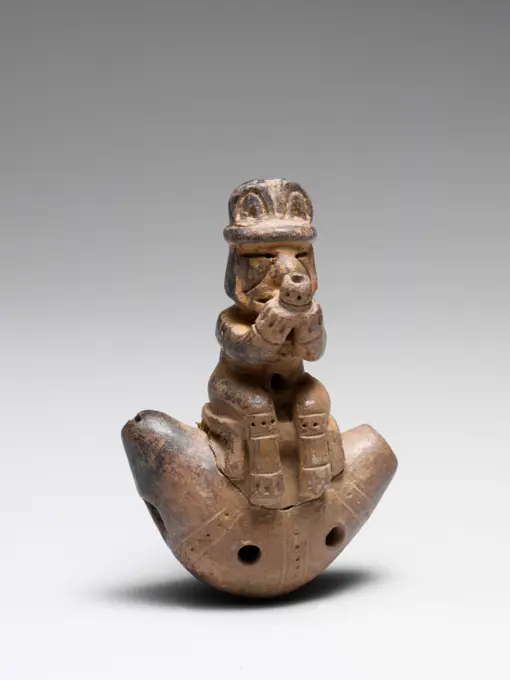
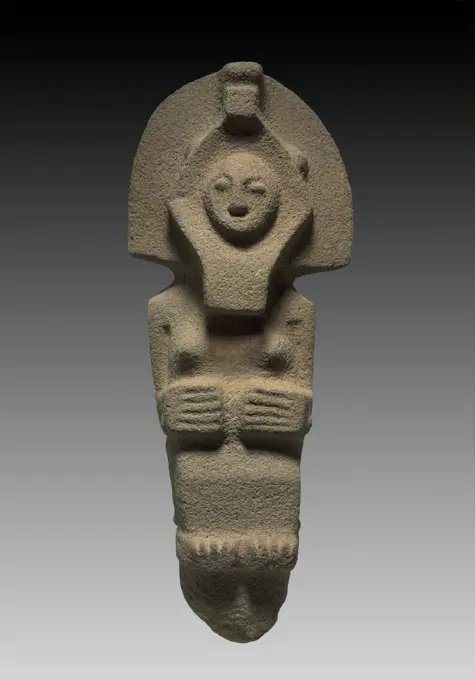
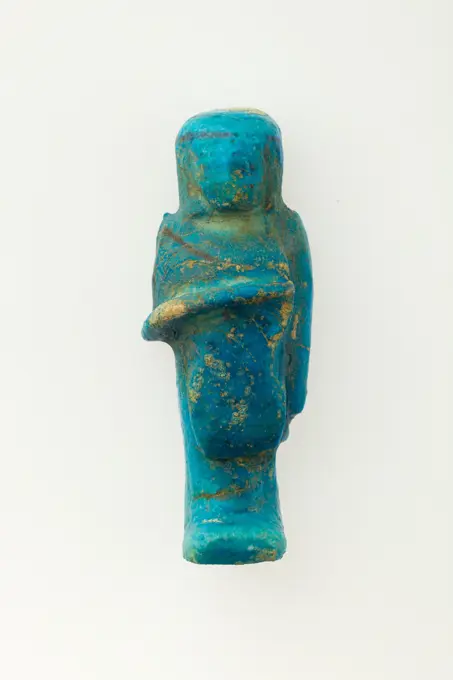
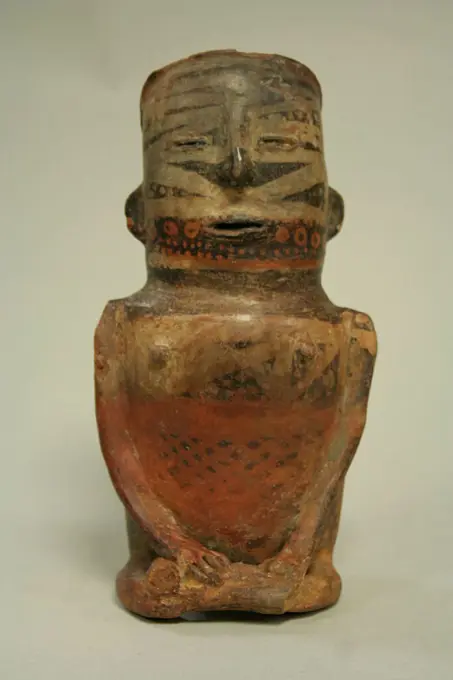
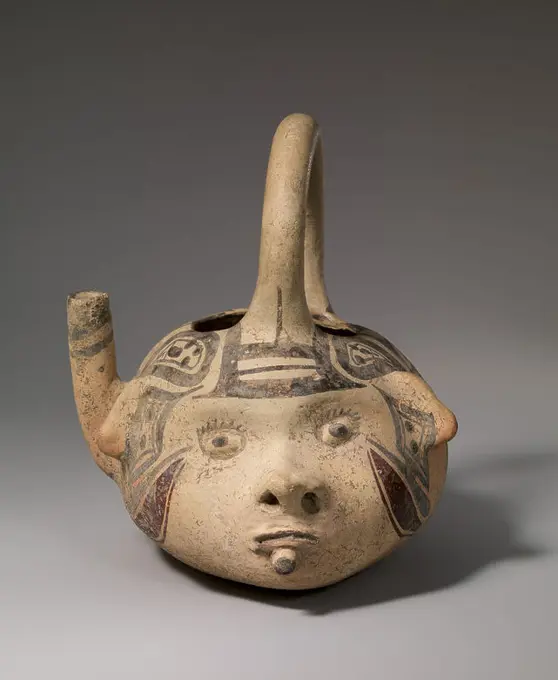
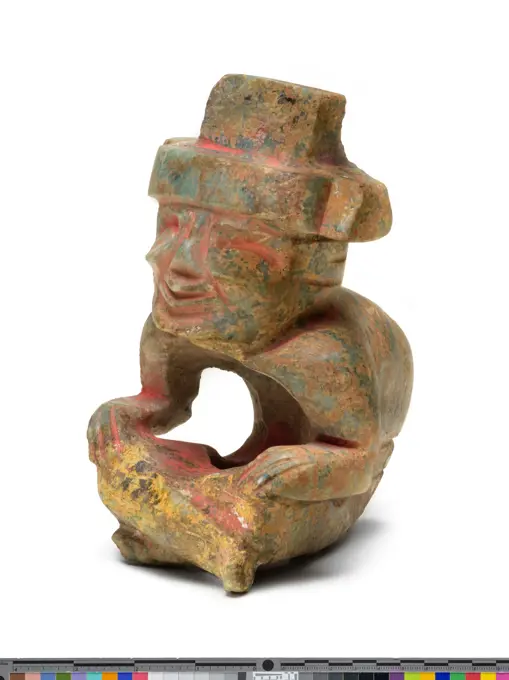
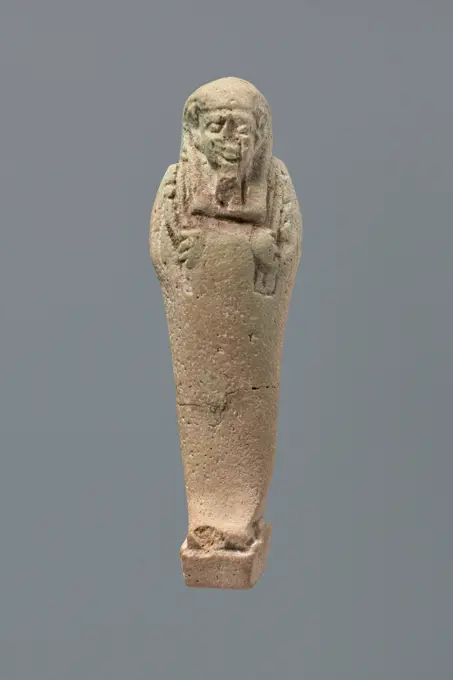
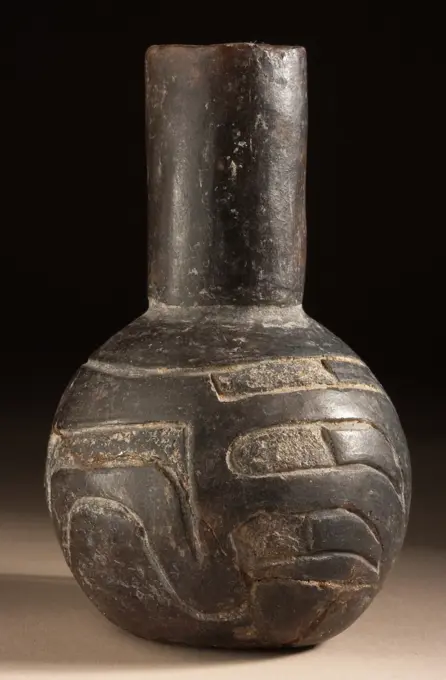
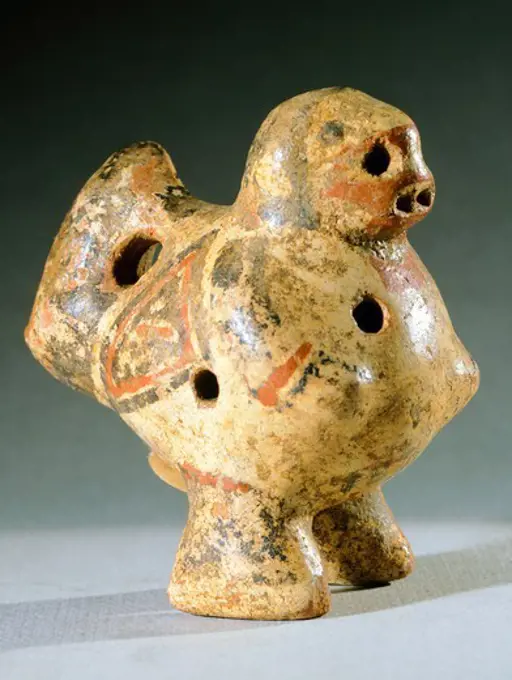
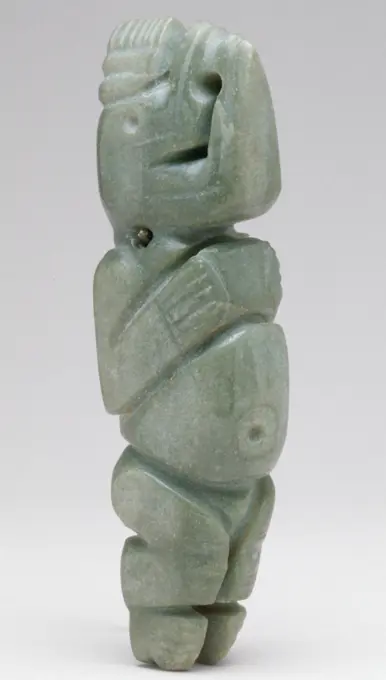
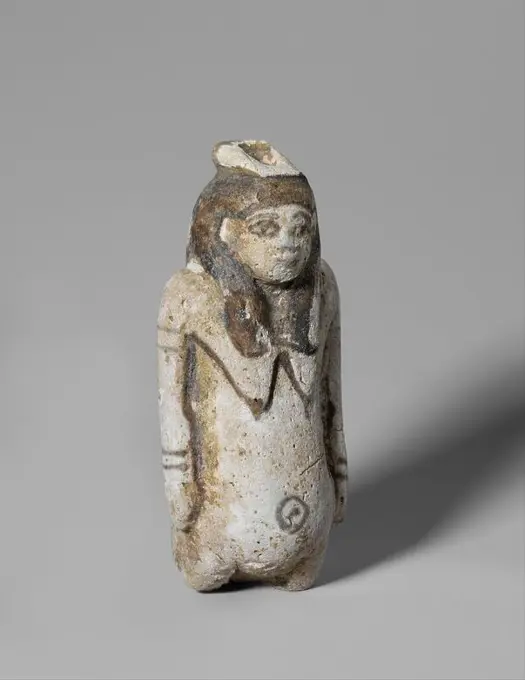
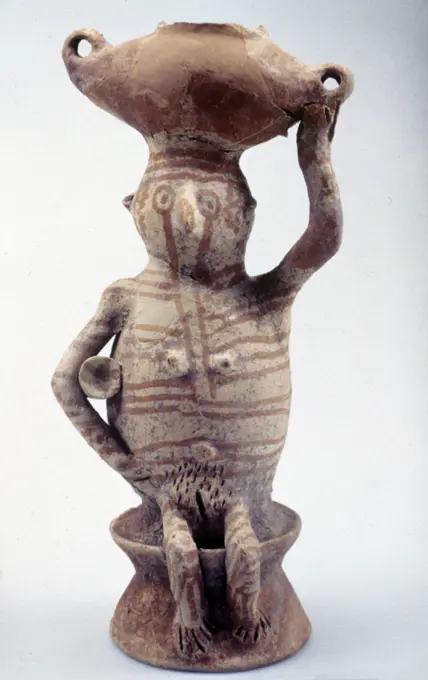
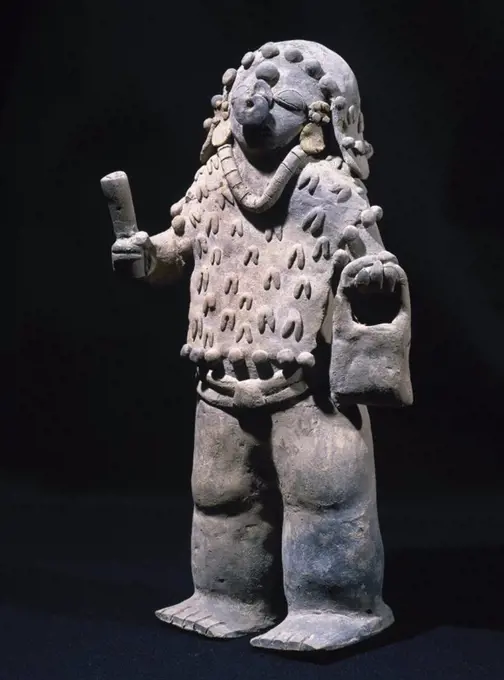
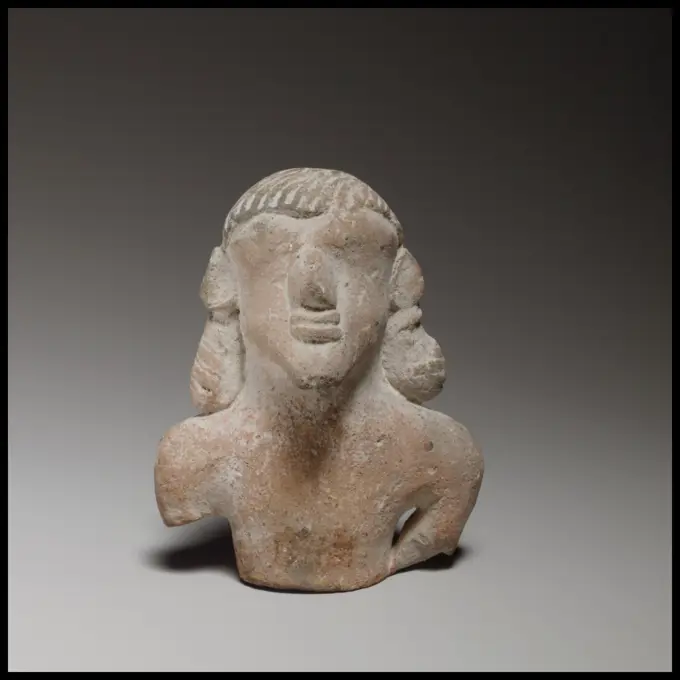
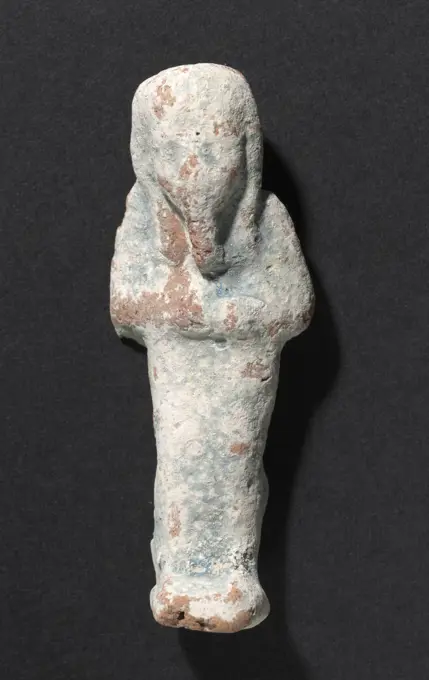
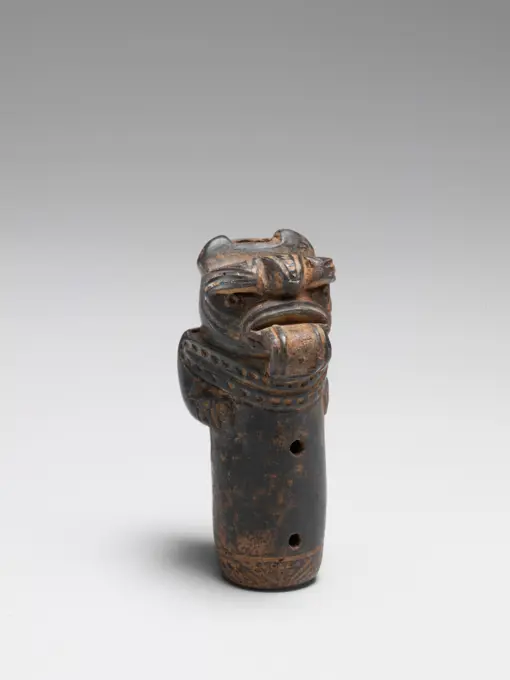
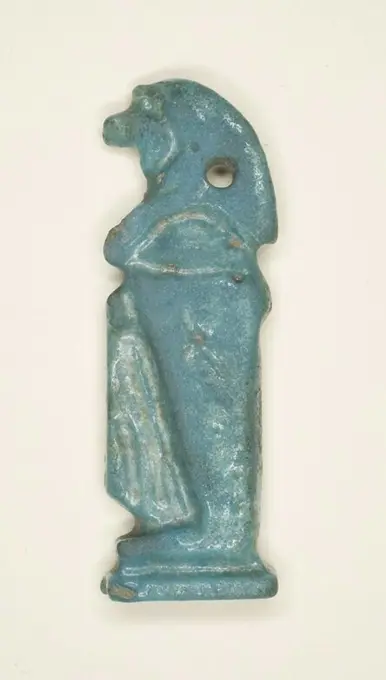
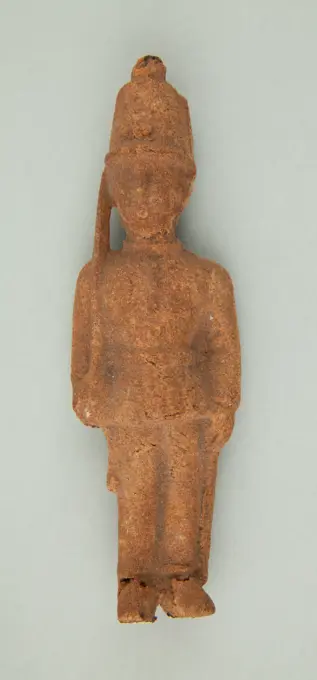
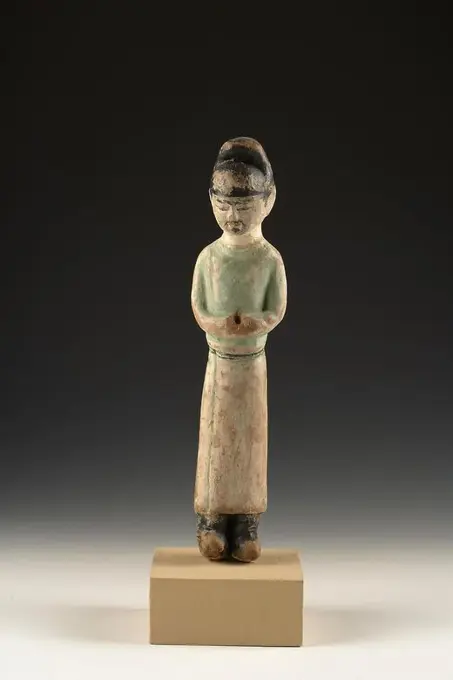
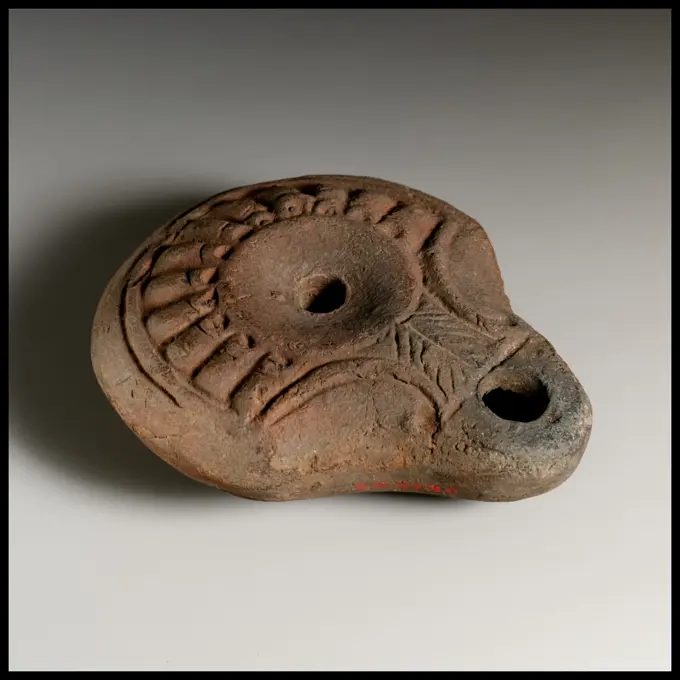
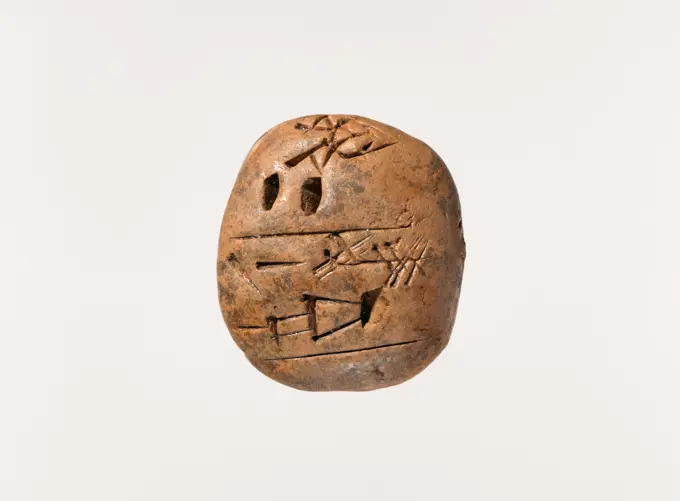
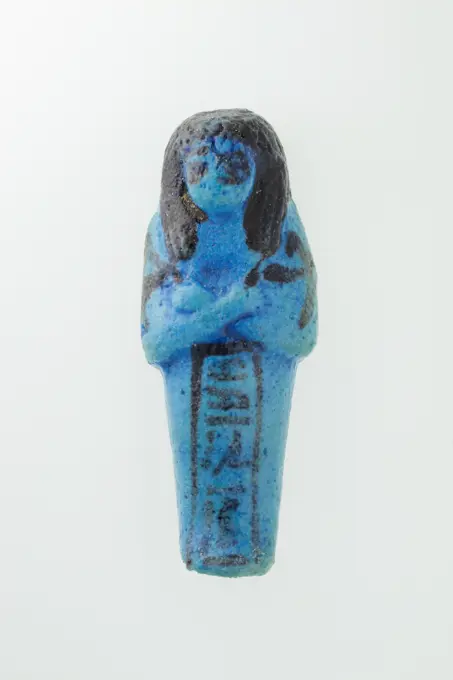
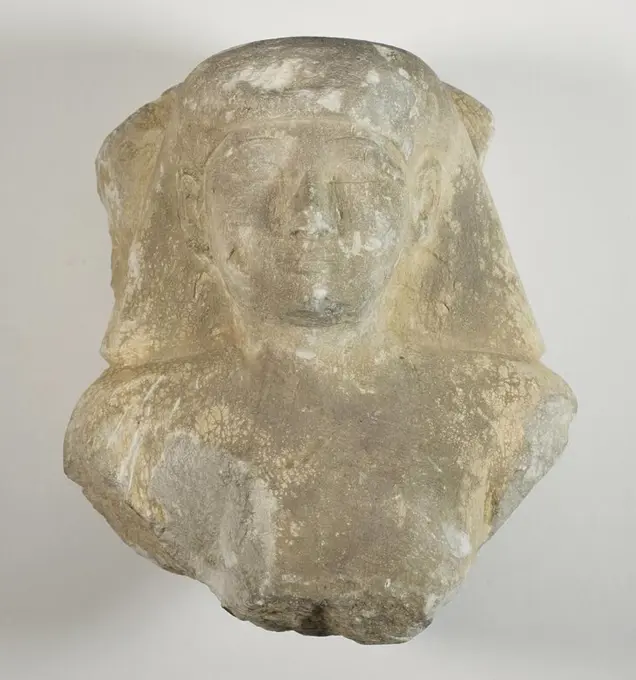
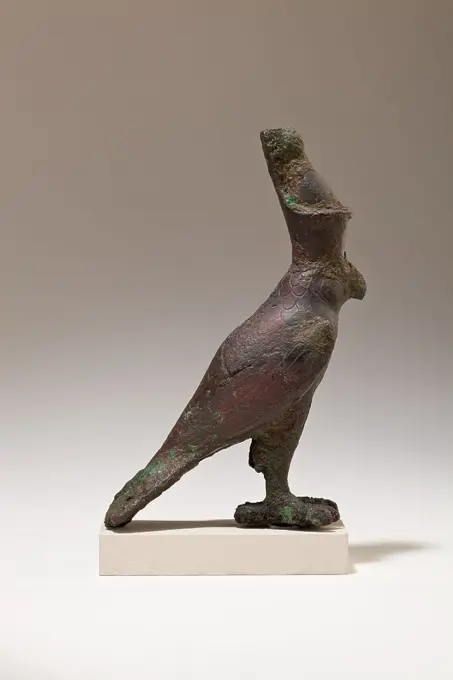
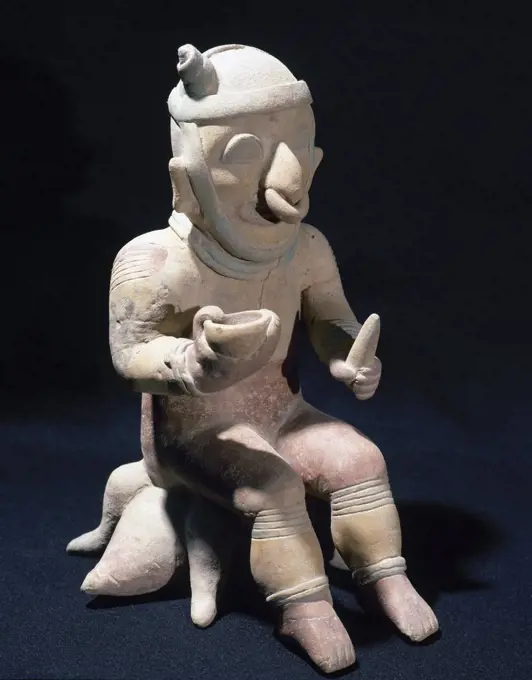
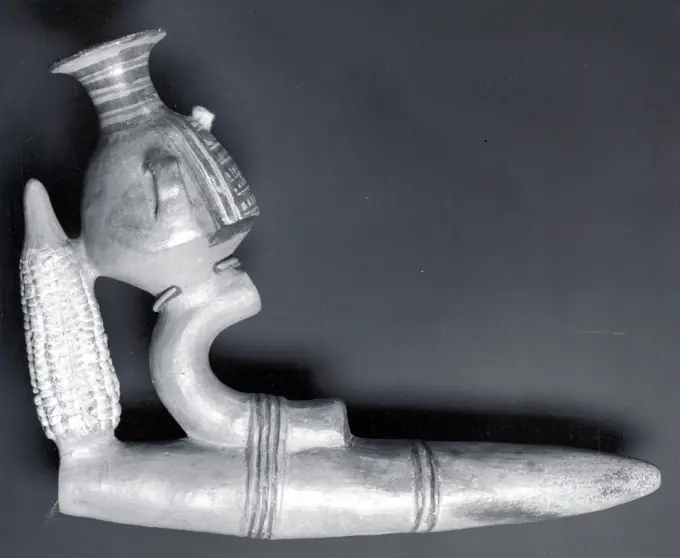
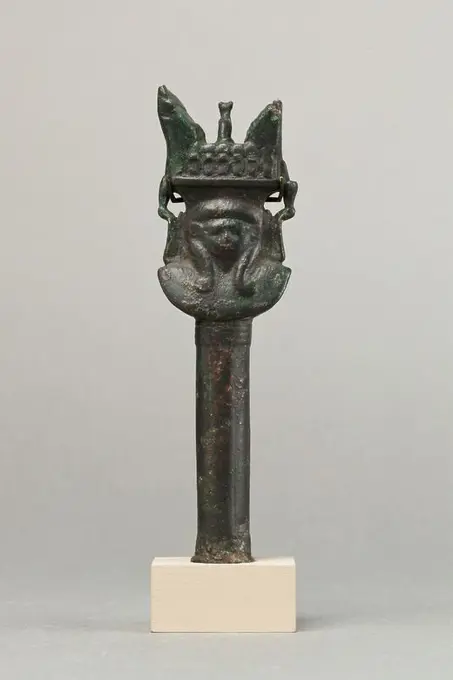
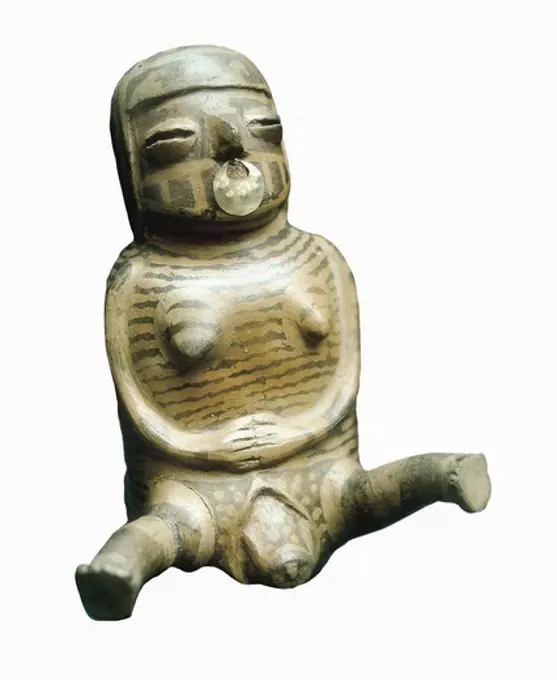
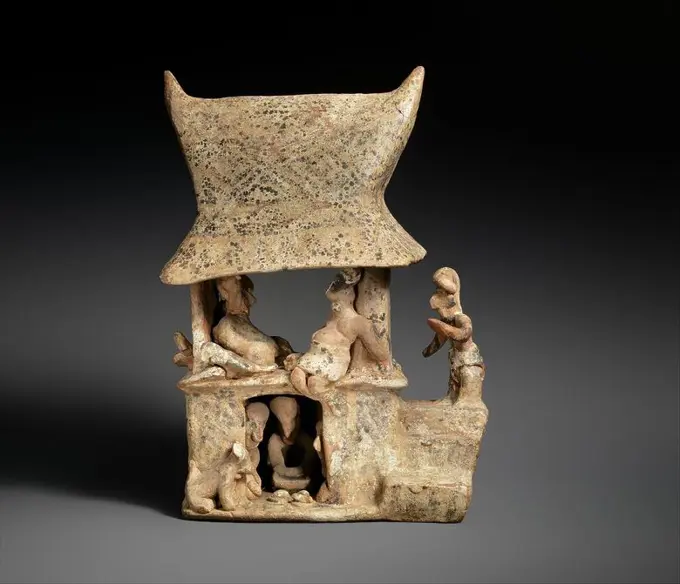
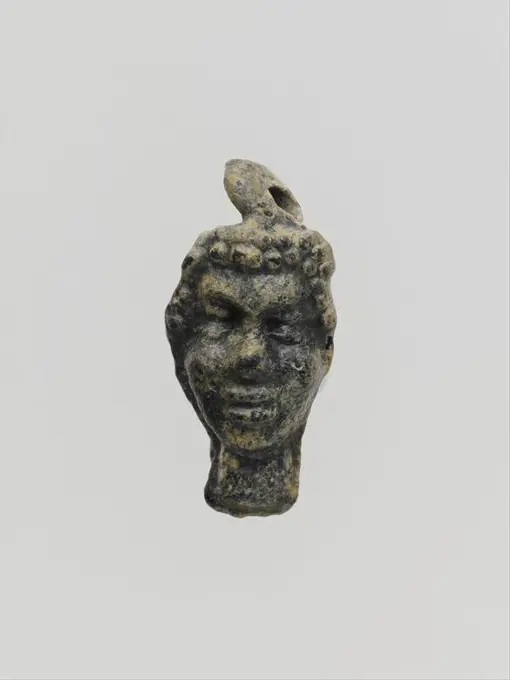
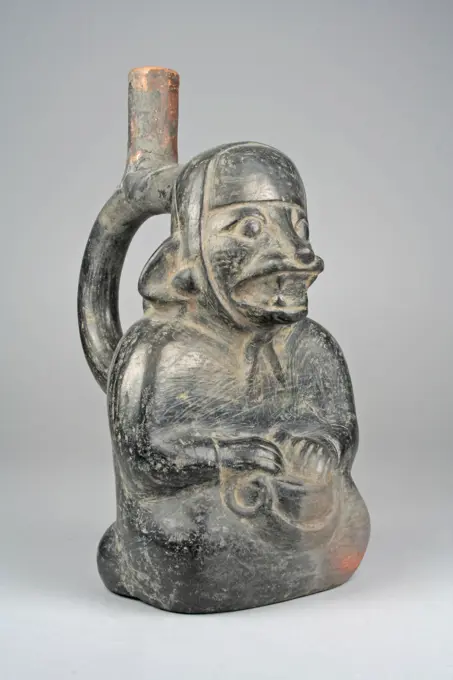
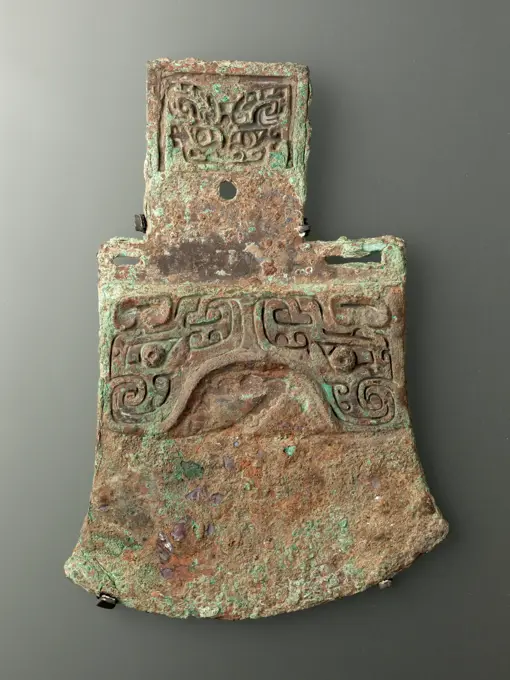
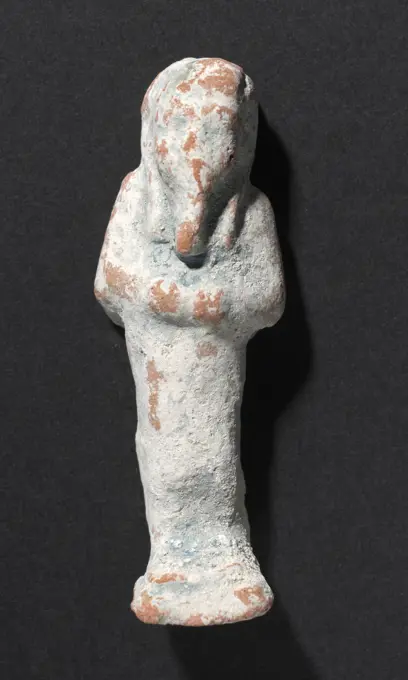
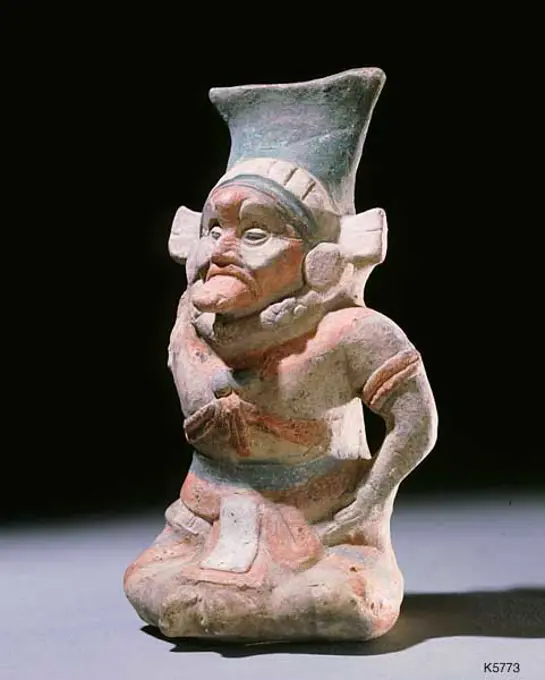
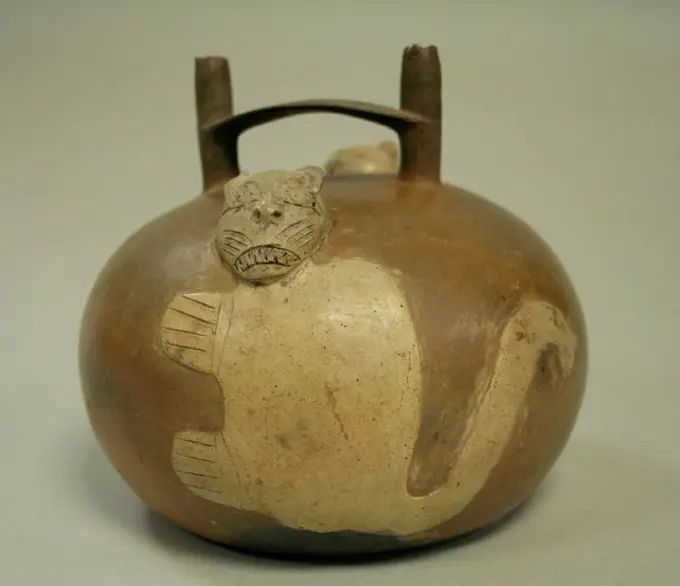
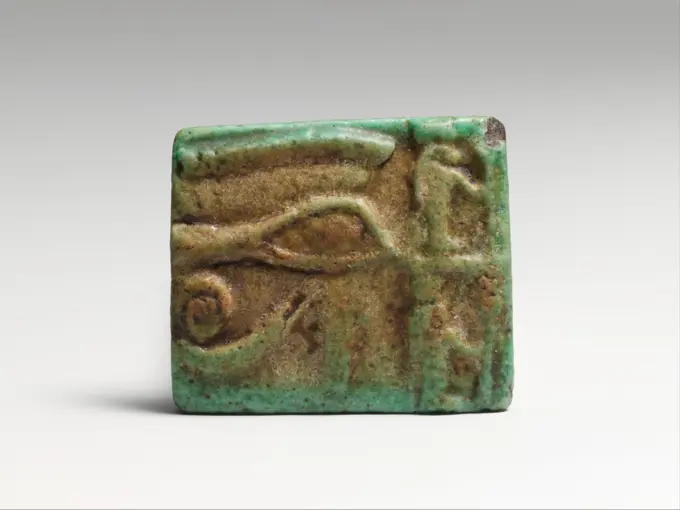
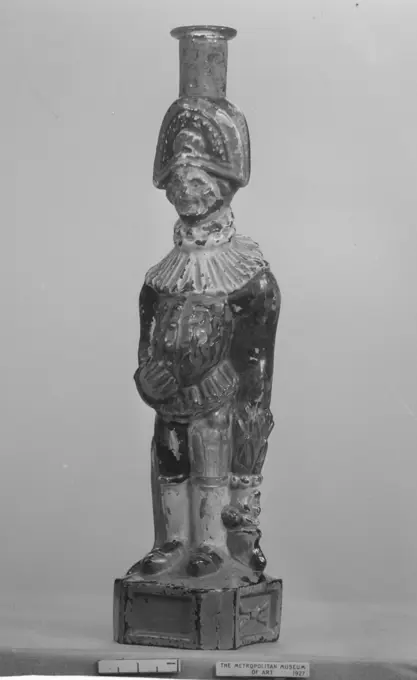
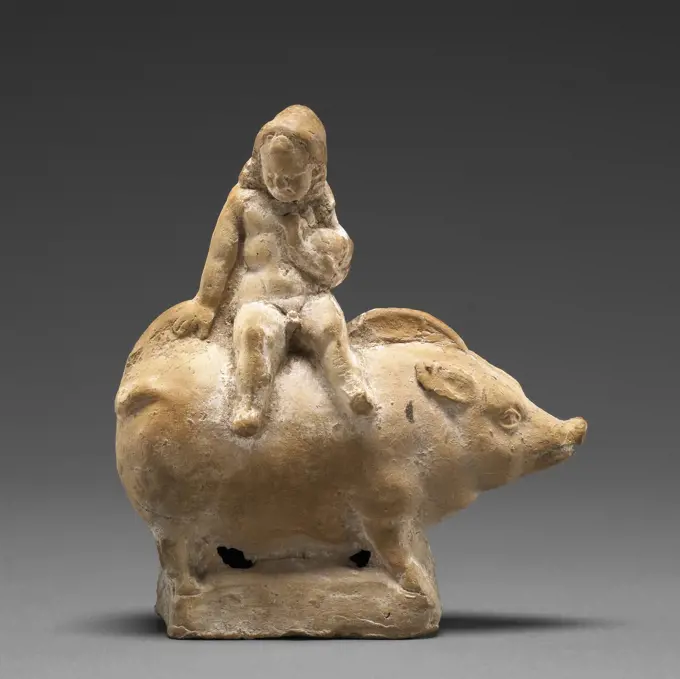
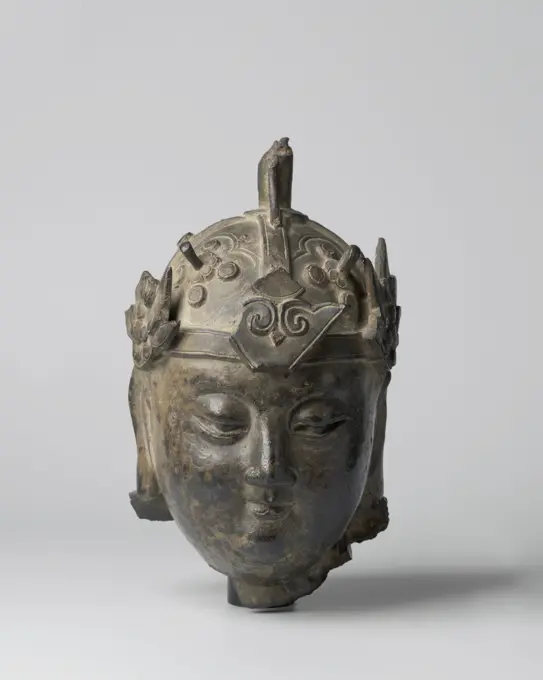
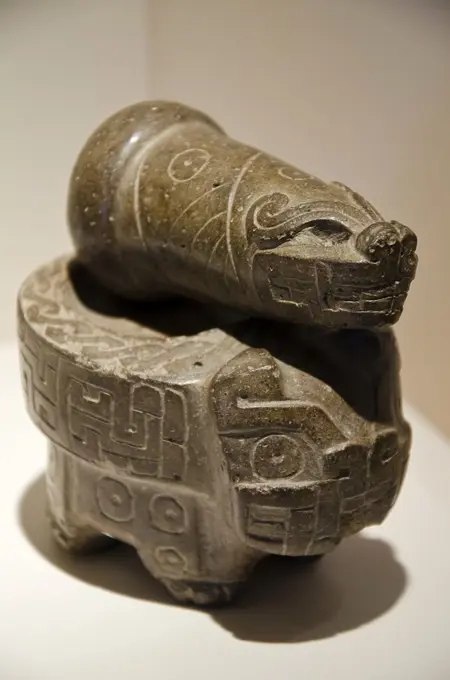
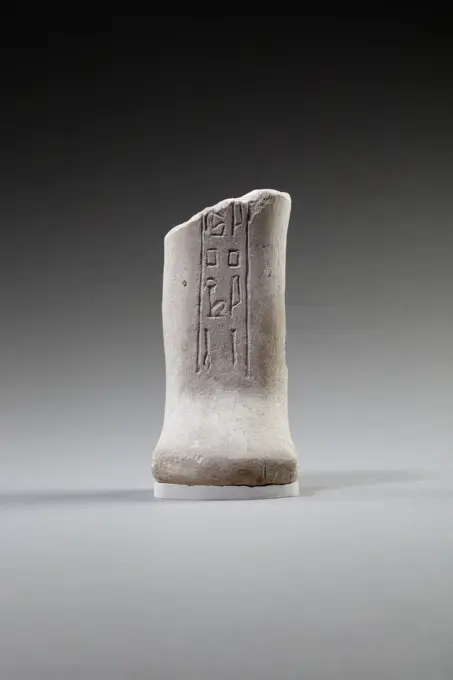
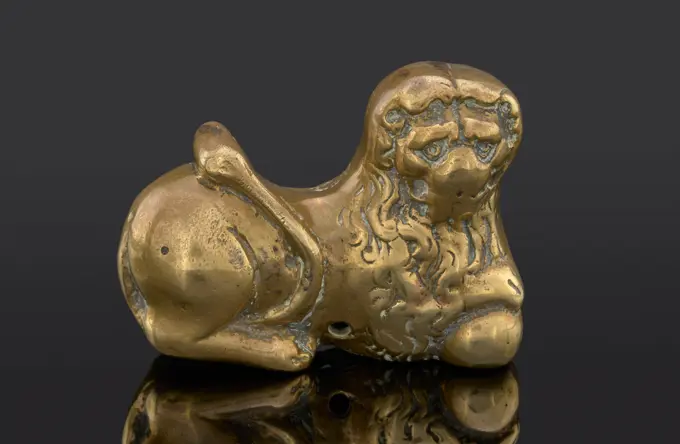
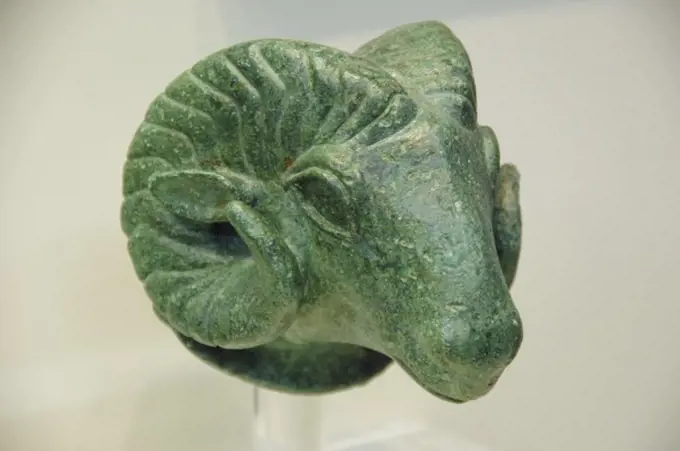
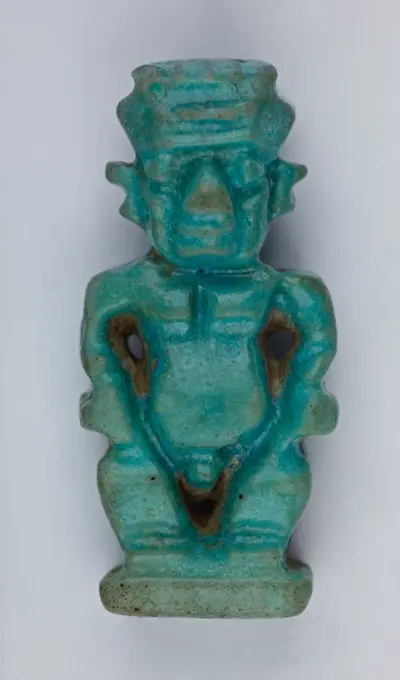
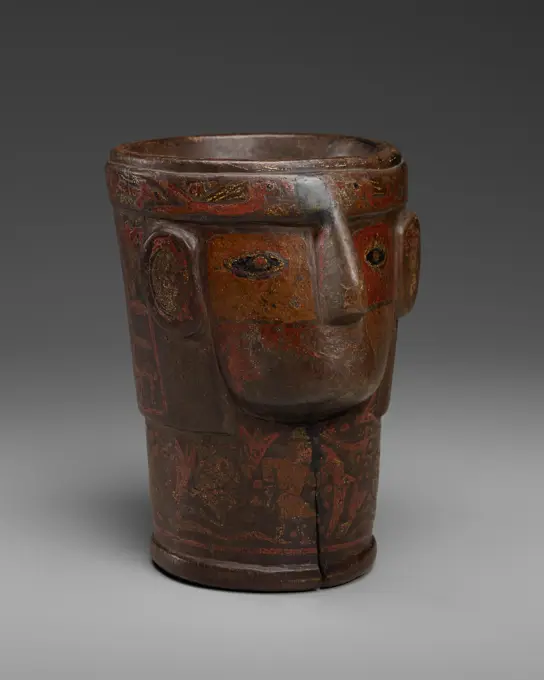
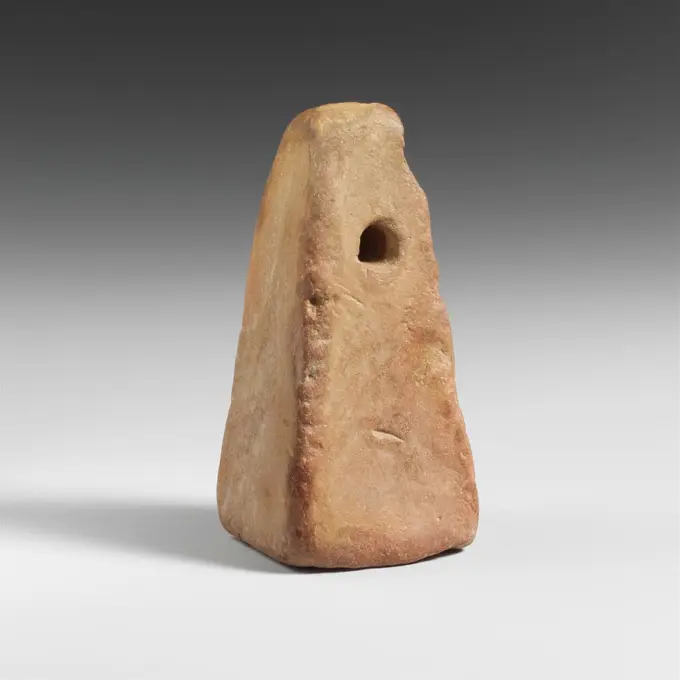
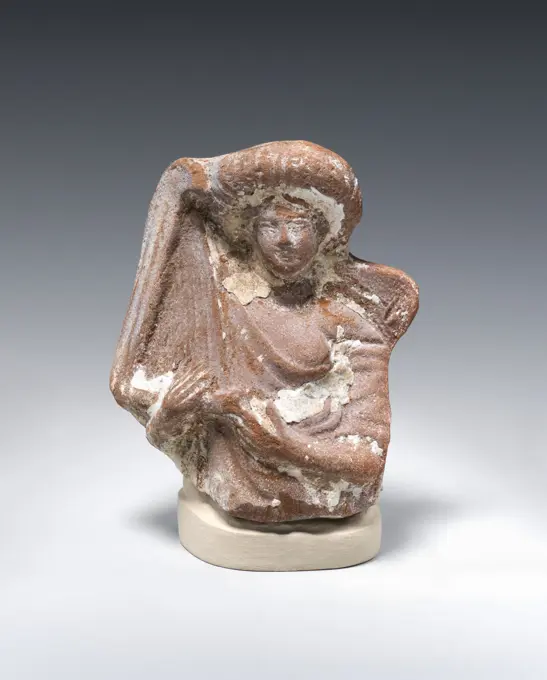
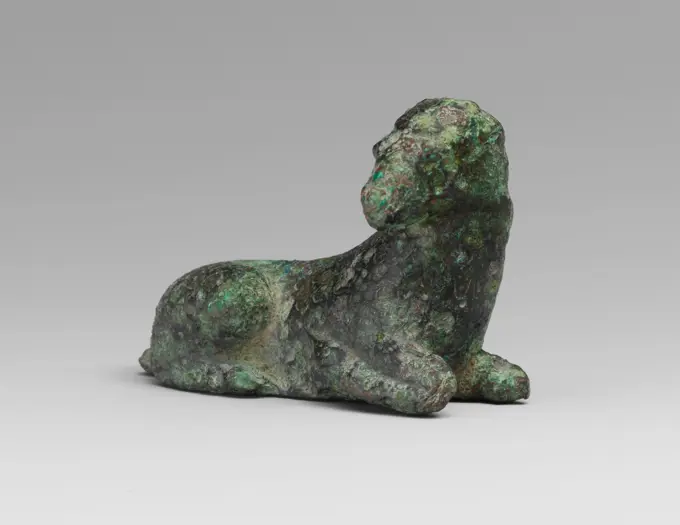
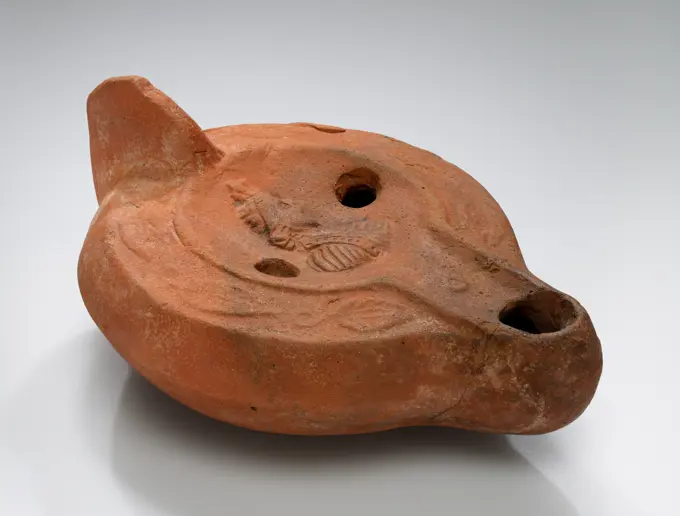
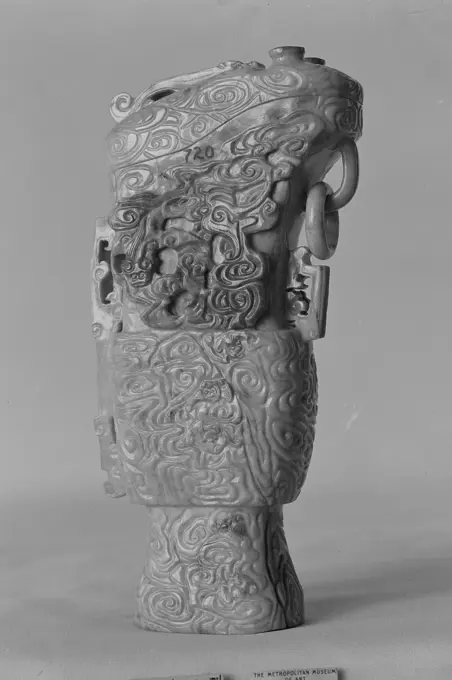
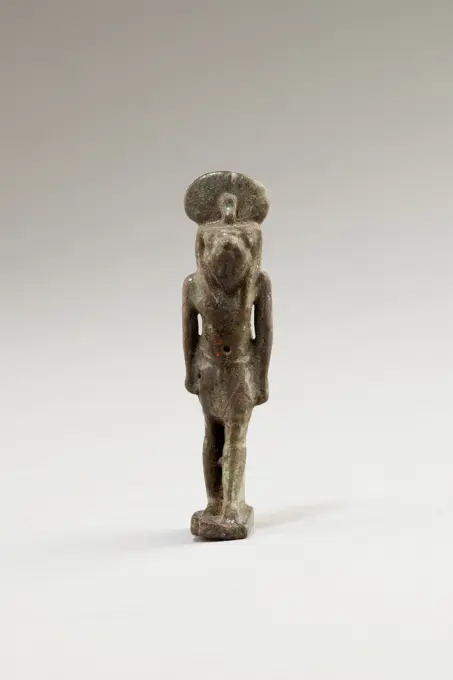
Amulet 664-30 B.C. Late Period-Ptolemaic Period. Amulet 552886Kneeling HumanFigureOcarina 1300-1500 Tairona People; Gayraca style Although numerous types of instruments survive from pre-conquest South and Central America, little is known of how they were used. Whistles, trumpets, and rattles in animal or human form probably had ceremonial functions or served as playthings. Smaller whistles in animal shapes, perhaps worn suspended from the neck, frequently have fingerholes that allow variation of pitch.Flutes and bells are all that remain of many musical traditions of the Tairona people of the Sierra Nevada de Santa Marta region, Colombia. The importance of these metal, terracotta, and blackware instruments is evident in their carefully detailed incising and punctuation. The symbolic meanings of the effigies are obscure, and the relationship between the forms and their musical functions is unclear. It is believed that musical effigies served as talismans and were played to link the mortal and immortal realms.. Ocarina. Tairona People; Gayraca style. 1300-1500. CeramiStanding Female Figure, c. 1000-1500. Mexico, Gulf Coast, Huastec. Stone; overall: 70 x 33 x 22.5 cm (27 9/16 x 13 x 8 7/8 in.).Overseer Shabti of Henettawy (C), Daughter of Isetemkheb ca. 990-970 B.C. Third Intermediate Period See 25.3.19.. Overseer Shabti of Henettawy (C), Daughter of Isetemkheb 590980Palma in the Form of an Owl's Head. Mexico, Veracruz, Veracruz, Veracruz, 600-1000 CE. Stone. BasaltFigure Vessel. Culture: Quimbaya. Dimensions: Height 9-1/8 in.. Date: 9th-14th century. Museum: Metropolitan Museum of Art, New York, USA.Spouted Vessel. Culture: Huastec. Dimensions: H. 7 1/2 x W. 6 5/16 in. (19.1 x 16 cm). Date: 13th-15th century.The vessel is in the shape of a human head with wide open, staring eyes, a small pug nose, and closed mouth. A lip plug is worn in the lower lip. A handle extends from the forehead to the back of the head. On the right side behind the ear projects a single spout pointing upward. On the sides of the face and back of the head the cream-colored surface is covered with geometric motifs including dots, circles, diamonds and crosses in dark brown and purple. Museum: Metropolitan Museum of Art, New York, USA.Seated Figurine of an Old God. Mexico, Basin of Mexico, Teotihuacan, Teotihuacan, 200-350 CE. Stone. Greenstone with pigmentBoat;  525-343 BC ; Half period, 27-30 dynasty (-525-00-00--343-00-00);Bottle with Stylized Jaguar Paw. Mexico, Valley of Mexico, Olmec, 1200-800 BCE. Ceramics. CeramicStanding Figure 1st-8th century Mezcala. Standing Figure 317739Vase in the form of an ocarina, artifact originating from Chiriqui (Costa Rica). Pre-Colombian Civilization.Masked Figure Pendant 4th-8th century Atlantic Watershed Excavations in Costa Rica have revealed that jade objects worn in life were consistently placed as offerings in burials; in some instances, they were found on the neck of the deceased. This standing masked figure with bent knees has arms raised to chest level, holding something between his hands or simply resting them on his plump abdomen. The figure is unclothed except for the mask, with its large upturned snout or beak and a tripartite crested headdress. Carved from a light green jade, shallow incisions and deep grooves interrupt the highly polished surface to delineate anatomy and ornament. A drill hole through the neck allows for suspension.. Masked Figure Pendant 317715Male figurine. Culture: Inca. Dimensions: H. 2 7/16 in. (6.2 cm). Date: 1400-1533.This figurine depicts a man wearing a llautu, an Inca headdress often made of camelid wool, who is otherwise naked. The almond-shaped eyes, nose, and mouth, along with the ears with extended lobes that suggest they were fitted with spools and a small raised region on the proper left of mouth, indicating that the person depicted is actively chewing coca, a sacred plant whose consumption helps to fortify relationships among Andean peoples to the natural world and with each other (Allen 2002). The male figure stands upright with arms and hands brought in close to the chest. The figurine was likely fabricated and deposited as a huaca, a Quechua and Aymara term for a sacred being, and may have been part of a wider Inca offering to a huaca. One such type of offering was the Inca imperial practice of capac hucha, or royal obligation, involving the collection of materials and human beings to be offered in Cusco aFigure vase in the form of Taweret with a human head. Dimensions: H. 9.5 × W. 4.2 × D. 4.2 cm (3 3/4 × 1 5/8 × 1 5/8 in.). Dynasty: Dynasty 20. Date: ca. 1184-1070 B.C..Although certainly derived from an Egyptian form, the style and faience of this figure vase are not characteristic of Egyptian production. It may have been produced in another area of the Mediterranean. Museum: Metropolitan Museum of Art, New York, USA.Asia, Israel. Woman with churn statuette, 4th mill. BC Israel.Pre-Columbian art. Pre-Incan. Jama-Coaque Culture. 500 BC-1531 AD. From Ecuador. Male figurine. 36 x 16 cm (diamer). Stye chone. Private collection.Male figurine ca. 600-480 B.C. Cypriot The fragmentary figurine is handmade and solid.. Male figurine 241038Shawabty of Ditamenpaankh, 715-656 BC. Egypt, Late Period, Dynasty 25. Terracotta; overall: 6.7 x 2.4 x 1.6 cm (2 5/8 x 15/16 x 5/8 in.). High demand for shawabtys in the Late Period, a time when as many as 400 or more shawabtys were placed in the tomb with the deceased, gave rise to a specialized container for storing them: the shawabty box. This example is inscribed for the lady of the house, Ditamenpaankh, and was probably one of a pair originally made for her. The single-masted boat on the box's lid is perhaps an allusion to the pilgrimage of the deceased to the holy city of Abydos, the cult city of Osiris, king of the dead. The shawabtys inside are crude, mass-produced examples cast in an open mold. Made of terracotta, their blue paint imitates more costly shawabtys made of faience. As for the shawabty spell, it has been removed from its traditional location on the shawabty's front and relocated onto the sides of box, where it needed only to be written once, thus expediting produLamp. UnknownShu Amulet 664-332 B.C. Late Period. Shu Amulet 553347Flute 1300-1500 Tairona People; La Aguja Style. Flute. Tairona People; La Aguja Style. 1300-1500. Ceramic. Pre-Columbian. Sierra Nevada de Santa Marta, Colombia. Aerophone-Whistle Flute-recorderSeated Male Deity. Culture: Aztec. Dimensions: Overall: 9 1/2 x 5 1/4 in. (24.13 x 13.34 cm)Other: 5 1/4 in. (13.34 cm). Date: 15th-16th century. Museum: Metropolitan Museum of Art, New York, USA.Standing Monkey Amulet 664-332 B.C. Late Period. Standing Monkey Amulet 550993Squatting Female Figurine 101 CE-600 CE Costa Rica. Greenstone .Toggle forSwordFigure of the God Onuris with Plumed Headress. Egypt, Late Period - Ptolemaic Period (664 - 30 BCE). Jewelry and Adornments. BronzeAmulet of the God Hapy (one of the four Sons of Horus). Egyptian. Date: 1069 BC-656 BC. Dimensions: 3.8 × 1 × 0.5 cm (1 1/2 × 3/8 × 3/16 in.). Faience. Origin: Egypt. Museum: The Chicago Art Institute, Chicago, USA. Author: Ancient Egyptian.Face Jar. Culture: Monte Alban. Dimensions: H x W x D: 4 x 3 3/4 x 4 in. (10.2 x 9.5 x 10.2 cm). Date: 1st-10th century. Museum: Metropolitan Museum of Art, New York, USA.Soldier's figurineFigurine of a Seated Man. Egypt, Ptolemaic Period - early Roman Period (200 BCE - 100 CE). Sculpture. Bronze'Funeral Figurine'. China, 8th century. Dimensions: h. 24,5 cm. Museum: State Hermitage, St. Petersburg.Terracotta oil lamp 2nd-early 3rd century A.D. Roman Carinated body. Mold-made. Small, plain discus with central filling hole; channel incised with diagonal lines between discus and nozzle, flanked by large volutes. Broad, sloping shoulder decorated with a row of twelve cylindrical shapes decorated at tops with incised lines and impressed circles. Raised base ring with incised letter  (or V) with circles as serifs at center.. Terracotta oil lamp. Roman. 2nd-early 3rd century A.D.. Terracotta. Imperial. TerracottasCuneiform tablet: genre uncertain ca. 2600-2350 B.C. Sumerian. Cuneiform tablet: genre uncertain. Sumerian. ca. 2600-2350 B.C.. Clay. Early Dynastic III. Mesopotamia, NippurAmulet: Harpokrates 664-332 B.C. Late Period. Amulet: Harpokrates 550960Monkey Pendant, c. 400-900. Panama, International Style, 5th-10th Century. Stone; overall: 6.8 x 4.6 cm (2 11/16 x 1 13/16 in.).Worker Shabti of Nany ca. 1050 B.C. Third Intermediate Period See 30.3.30.1a, b. Worker Shabti of Nany. ca. 1050 B.C.. Faience. Third Intermediate Period. From Egypt, Upper Egypt, Thebes, Deir el-Bahri, Tomb of Meritamun (TT 358, MMA 65), first corridor, burial of Nany, MMA excavations, 1928-29. Dynasty 21Bust of a Statuette of a Man. Egyptian. Date: 664 BC-525 BC. Dimensions: 19.4 × 16.5 × 12.4 cm (7 5/8 × 6 1/2 × 4 7/8 in.). Limestone. Origin: Egypt. Museum: The Chicago Art Institute, Chicago, USA. Author: Ancient Egyptian.Amulet of the Goddess Taweret (Thoeris) 1069 BCE-332 BCE Egypt. Faience . Ancient EgyptianQuadrupod Vessel with Chahk and Peccaries. Guatemala or Mexico, Petén or Campeche, Maya, 250-450 CE. Ceramics. Slip-painted ceramicHead, c. 1600 BCE, 3 3/8 x 1 3/4 in. (8.6 x 4.4 cm), Earthenware, Mexico, 17th-16th century BCEFalcon in double crown. Dimensions: H. 13.2 cm (5 3/16 in.); W. 3.8 cm (1 1/2 in.); L. 9.1 cm (3 9/16 in.). Date: 664-30 B.C..The falcon god Horus stands with his wings swept back. He wears the double crown of Egypt, a royal crown that symbolizes the union of Lower and Upper Egypt, and highlights Horus' role as the legitimate ruler of the entire land. The falcon wears the double crown because Horus and the concept of kingship were closely tied, as early as the Predynastic Period. Despite corrosion, this falcon preserves some careful detail including the falcon's facial markings, as well as the long and short feathers of the body. The figure probably originally stood on a standard or on a small box that would have held an animal mummy, like falcon 26.7.856. Such falcon mummy boxes, or sarcophagi, would have been offered for deposition in animal necropoleis, not just in relation to the cult of Horus, but also more broadly in association with solar cult. Museum: Metropolitan Museum of ArtPre-Columbian art. Pre-Incan. Jama-Coaque Culture. 500 BC-1531 AD. From Ecuador.  Sitting male figurine. 15 x 8 x 25 cm (diamer). Stye chone. Private collection.Paccha 15th-16th century Inca. Paccha 314955Amulet of Mut with Khonsu 1070 BCE-332 BCE Egypt. Faience . Ancient EgyptianHandle of sistrum. Dimensions: H. 13.3 cm (5 1/4 in.); W. 4 cm (1 9/16 in.); D. 1.7 cm (11/16 in.). Date: 664-30 B.C.. Museum: Metropolitan Museum of Art, New York, USA.Limestone statuette of a temple boy 4th century B.C. Cypriot Seated figure with elaborate necklace holding a cock.. Limestone statuette of a temple boy 242310Yue-axe-shaped Pendant with Hydra Design, Green nephrite, (1368 - 1644 AD) The Capital Museum, Beijing, ChinaBottle with female form and gold nose ring. Childbirth scene. Viru Culture of the Chicama and Viru, Peru, 3rd c. A.D. Pre-Columbian art. Ceramics. PERU. Lima. Peruvian Gold Museum.House Model. Culture: Nayarit. Dimensions: H.11 15/16 x W. 8 5/8 x D. 6 1/8 in. (30.3 x 21.9 x 15.5 cm). Date: A.D. 100-300.This two-story house is filled with activity surrounding the preparation and enjoyment of a feast. Below, a woman prepares corn on a grinding stone (metate), with plates of food laid out in front of her; a dog sits at the entryway waiting for precious crumbs to fall. Upstairs, the feast is in full swing. The slightly larger figure resting against the back wall may be the host or head of the family. Museum: Metropolitan Museum of Art, New York, USA.Glass pendant in the shape of an African's head. Culture: Greek, Eastern Mediterranean. Dimensions: 7/8 × 7/16 × 3/8 in. (2.3 × 1.1 × 1 cm). Date: 2nd-1st century B.C..Uncertain color, possibly deep purple, appearing black.Solid, vertical pendant, with prominent mold marks running up sides of head and under neck; aslant suspension loop on top of head.Shaped like the head of an African, with prominent brows, sunken eyes, chubby cheeks, large lips, tightly curled hair, and a long neck.Intact; most of surface covered in enamel-like greenish weathering.With handle on top; head of a youth; opaque brown. Museum: Metropolitan Museum of Art, New York, USA.Stirrup Spout Bottle with Seated Figure 5th-7th century Moche. Stirrup Spout Bottle with Seated Figure 309373Figure Lime Container 6th-10th century Wari. Figure Lime Container 310590Cylinder Vessel with Supernatural Crocodile and Captured Deer. Guatemala, Escuintla, Maya, 600-900 CE. Ceramics. Slip-painted ceramicElephant Figurine ca. 3700-3450 B.C. Late Naqada I-Early Naqada II. Elephant Figurine 547205Hache blade ". Bronze. China, Shang Dynasty. Paris, Cernuschi Museum. 72199-35 Weapon, bronze, shang dynasty, ax, bladeWooden Otomporo Mask from Yoruba, Sud-Ouest, Nigeria, Africa. Dated 20th CenturyIdol, before 1942. Mexico, Oaxaca, La Mixteca. Terracotta; overall: 11.5 x 7 cm (4 1/2 x 2 3/4 in.).Shawabty of Ditamenpaankh, 715-656 BC. Egypt, Late Period, Dynasty 25. Terracotta; overall: 6.7 x 2.2 x 1.6 cm (2 5/8 x 7/8 x 5/8 in.). High demand for shawabtys in the Late Period, a time when as many as 400 or more shawabtys were placed in the tomb with the deceased, gave rise to a specialized container for storing them: the shawabty box. This example is inscribed for the lady of the house, Ditamenpaankh, and was probably one of a pair originally made for her. The single-masted boat on the box's lid is perhaps an allusion to the pilgrimage of the deceased to the holy city of Abydos, the cult city of Osiris, king of the dead. The shawabtys inside are crude, mass-produced examples cast in an open mold. Made of terracotta, their blue paint imitates more costly shawabtys made of faience. As for the shawabty spell, it has been removed from its traditional location on the shawabty's front and relocated onto the sides of box, where it needed only to be written once, thus expediting productWhistle Figurine of an Old ManDouble Spout Bottle, Felines 2nd century B.C.-A.D. 1st century Topará. Double Spout Bottle, Felines 308355War Mask Tibetan 14th-16th century This exceptionally rare war mask is one of only two known examples from Tibet. It is subtly forged in iron to represent a human or divine visage, boldly damascened in gold with flame-like tendrils for eyebrows, around the mouth, and framing the face. By contrast, the second example, although equally rare and important, and also in The Mets collection (acc. no. 2007.10), is intentionally plain in its design and virtually without decoration. War masks made of metal, usually iron or copper alloys, and intended specifically as armor, existed in many cultures for nearly 2,000 years, from Roman Britain in the 1st century A.D. to Japan up to the end of the Edo period in the late nineteenth century. They were probably introduced into Tibet by the Mongols by the fourteenth century and were used in Central Asia and West Asia until at least the sixteenth century. While many types of Tibetan dance and ritual masks exist, this mask is the only known example of a dFaience Wedjat-eye amulet 664-30 B.C. Egyptian In relief.. Faience Wedjat-eye amulet. Egyptian. 664-30 B.C.. Clay, glazed. Late Dynastic-Hellenistic. Gold and SilverBottle first half 19th century possibly French. Bottle. possibly French. first half 19th century. Glass. GlassMask 100 BCE-500 CE North Coast. Copper, shell, and pyrite . MocheRattle in the Shape of a Boy Sitting on a Pig; Rhodes (), Greece; 2nd - 1st century B.C; Terracotta with Polychromy; 12 × 10.6 cm (4 3,4 × 4 3,16 in.)Head, anonymous, c. 1000 - c. 1200 Fragment (head) of a warrior (). China cast iron Fragment (head) of a warrior (). China cast ironStone mortar Chavin culture 900 BC-200 BC Perú.Caddoan Jar, c. 1100-1200 CE, 8 x 6 in. (20.32 x 15.24 cm), Earthenware clay, United States, 12th-13th centuryMiniature Group of Four Figures in a Circle with Linked Arms Made 500 BCE-300 BCE Chupicuaro. Ceramic and pigment . ChupícuaroLower body of a shabti of a man called Apepi Middle Kingdom to Second Intermediate Period ca. 1981-1550 B.C. View more. Lower body of a shabti of a man called Apepi. ca. 1981-1550 B.C.. Limestone. Middle Kingdom to Second Intermediate Period. From Egypt, Memphite Region, Lisht North, Cemetery, debris, MMA excavations, 1906-07. Dynasty 12-15Decorated Predynastic Vessel. Egypt, Predynastic, 5500-3050 B.C.. Furnishings; Serviceware. CeramicShawabty of Ditamenpaankh, 715-656 BC. Egypt, Late Period, Dynasty 25. Terracotta; overall: 4 x 1.8 x 1.1 cm (1 9/16 x 11/16 x 7/16 in.).Paper button in the form of a lion;  2. PO. 19th century (1855-00-00-1860-00-00);Ram's head from the early 6th century B.C .Olympia Archaeological Museum. Ilia Province. Peloponnese region. Greece.Female Head. UnknownTerracotta female figurine, Amlash, Northern Iran, 1000 BC.Clay funerary pots richly decorated with relief patterns. Dated 16th CenturyAnthropomorphic lid, classic, Santa María Nebaj, anthropology museum, department of El Quiché, Guatemala, Central America.Mask 6th-7th century Moche (Loma Negra). Mask 313447Globular Bowl, 6 3/4 x 6 1/2 in. (17.15 x 16.51 cm), Earthenware, MexicoAmfora. warsztat asuański, factoryAmulet of the God Shu 664 BCE-332 BCE Egypt. Faience . Ancient EgyptianFigure 1st-8th century Guerrero. Figure 318676Cylinder Bead Inscribed with the Throne Name of Amenhotep I ca. 1525-1504 B.C. New Kingdom. Cylinder Bead Inscribed with the Throne Name of Amenhotep I. ca. 1525-1504 B.C.. Steatite, glazed. New Kingdom. From Egypt. Dynasty 18Human Head with Ceremonial RegaliaPellet Bell in the Form of a Kala Head ca. 12th century Indonesia (Java). Pellet Bell in the Form of a Kala Head 39485Etruscan Beak-Spouted Oinochoe; Etruria; early 5th century B.C; Bronze; 24.6 cm (9 11,16 in.)Amulet  HatchesKero (Ceremonial DrinkingVessel).  Artist: UnknownTerracotta loom weight. Culture: Lydian. Dimensions: Length: 2 in. (5 cm). Date: 6th century B.C. or later.Loom weight with hole. Museum: Metropolitan Museum of Art, New York, USA.Stirrup Spout Bottle with Figure 4th-7th century Moche. Stirrup Spout Bottle with Figure 309376Seated Figure 1st-8th century Mezcala. Seated Figure 313005Figurine Roman Period 30 B.C.-A.D. 364 View more. Figurine. 30 B.C.-A.D. 364. Terracotta. Roman Period. From EgyptBronze statuette of a sheep 6th-5th century B.C. Greek Statuette of a recumbent sheep with head turned to the right.. Bronze statuette of a sheep 255602Mask, 1-550. Central Mexico, Teotihuacán style, Classic Period. Stone; overall: 13.4 x 12.8 x 6.7 cm (5 1/4 x 5 1/16 x 2 5/8 in.).Appliqué for a funeral couch. UnknownLamp. UnknownSacrificial Vessel with Cover 1796-1875 China. Sacrificial Vessel with Cover. China. 1796-1875. Jadeite, creamy white with cloudings, veinings and streaks of bright emerald green. Qing dynasty (1644-1911). Jade