Ancient Figurative Artifacts

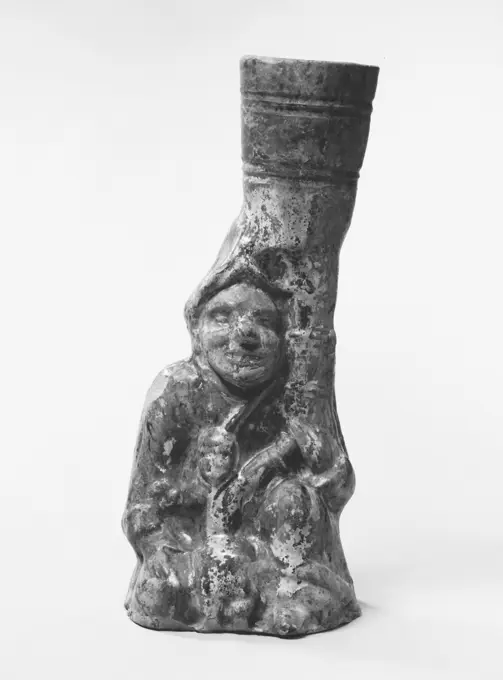
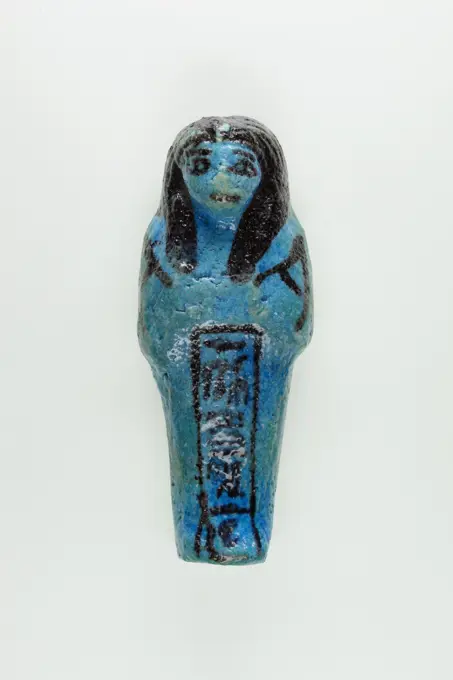
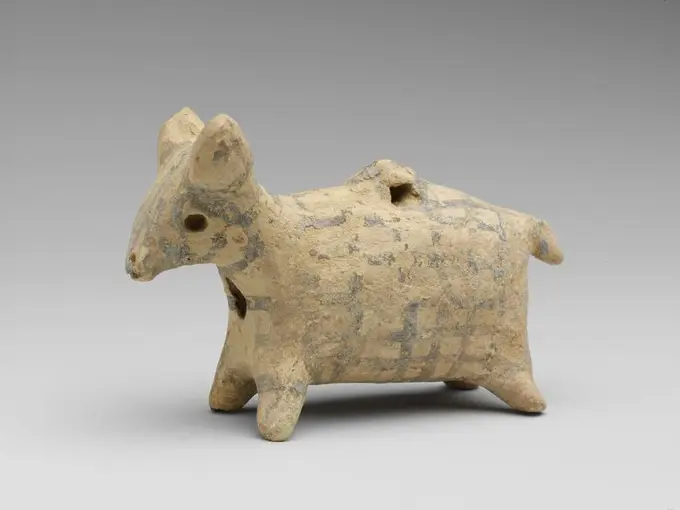
A collection of ancient figurines and ceramic musical instruments, showcasing historical craftsmanship from various cultures, including amulets and standing figures.

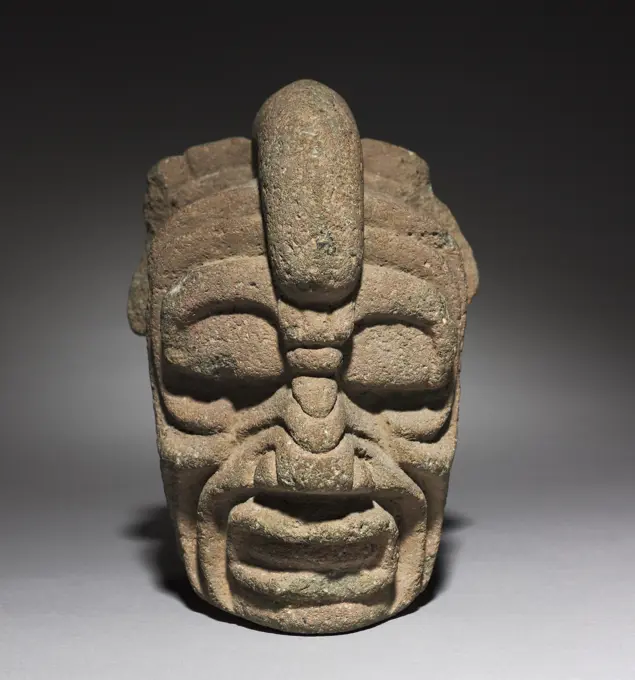
Palma in the Form of an Owl's Head. Mexico, Veracruz, Veracruz, Veracruz, 600-1000 CE. Stone. Basalt
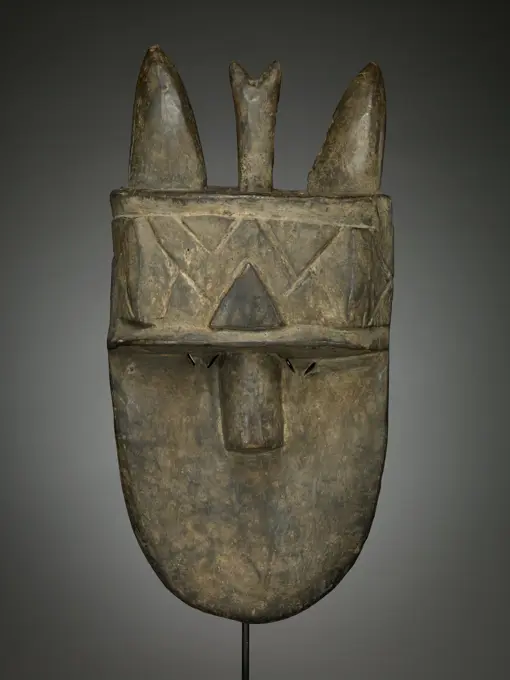
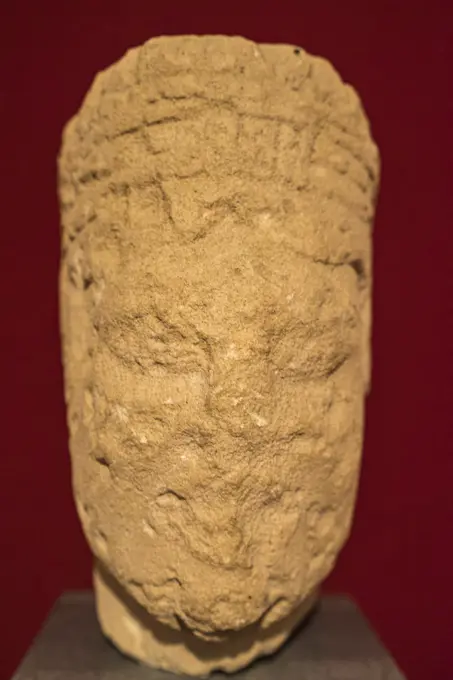
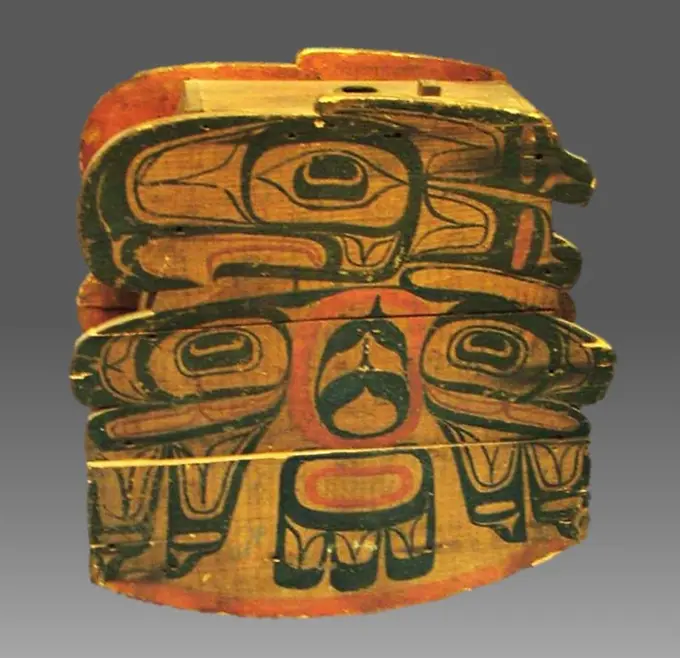
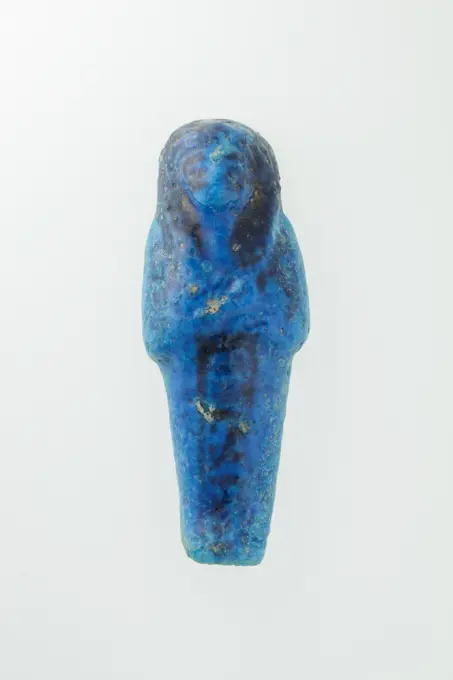
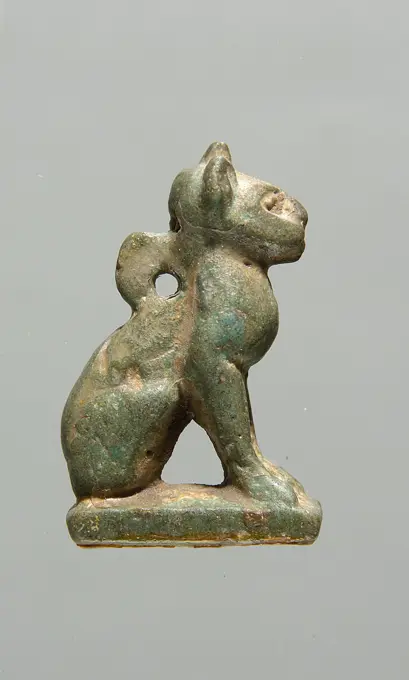
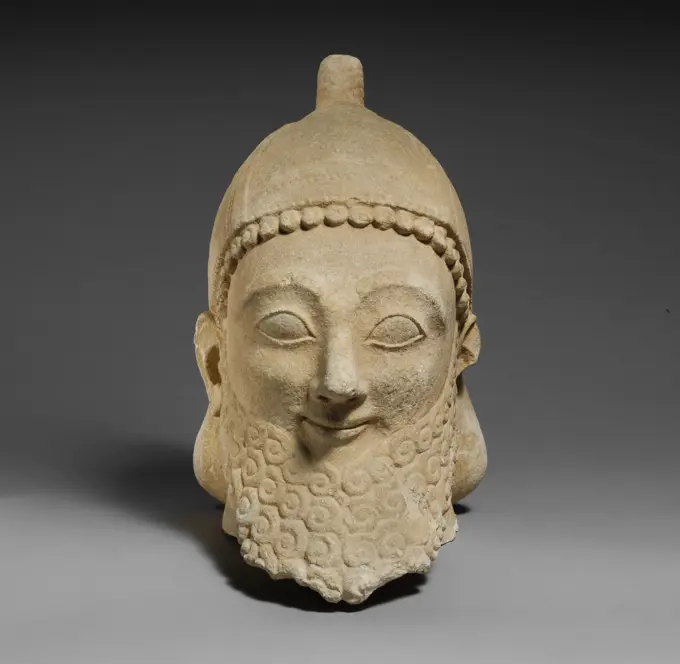
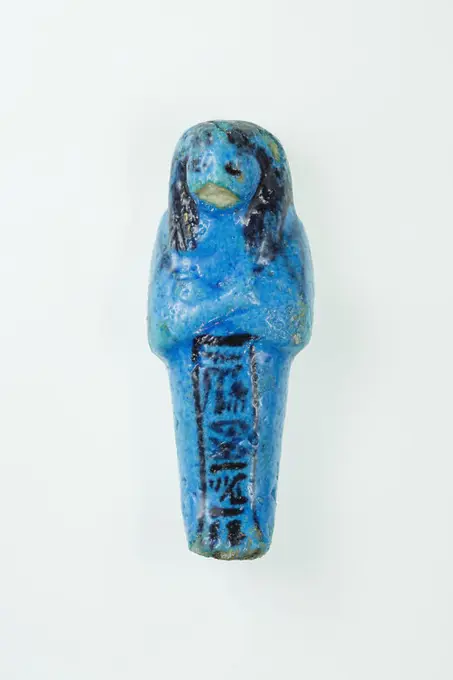
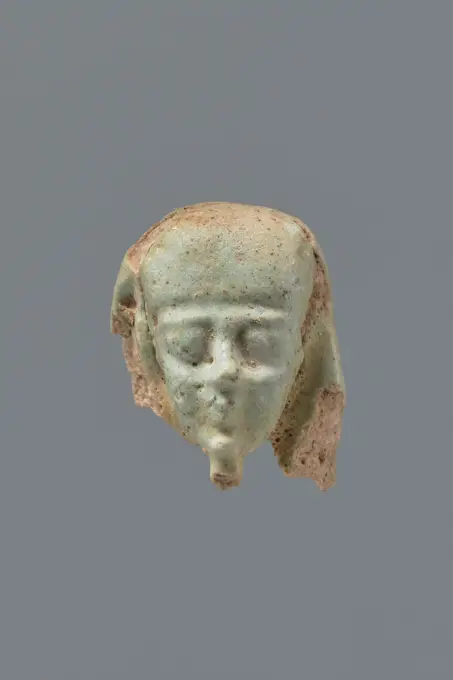
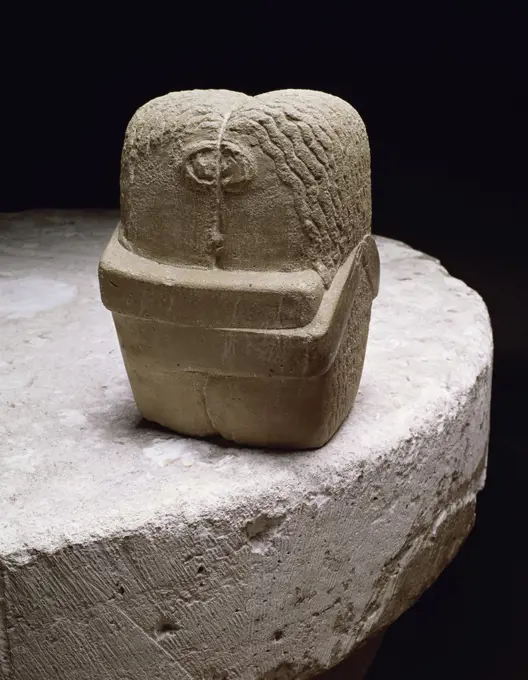
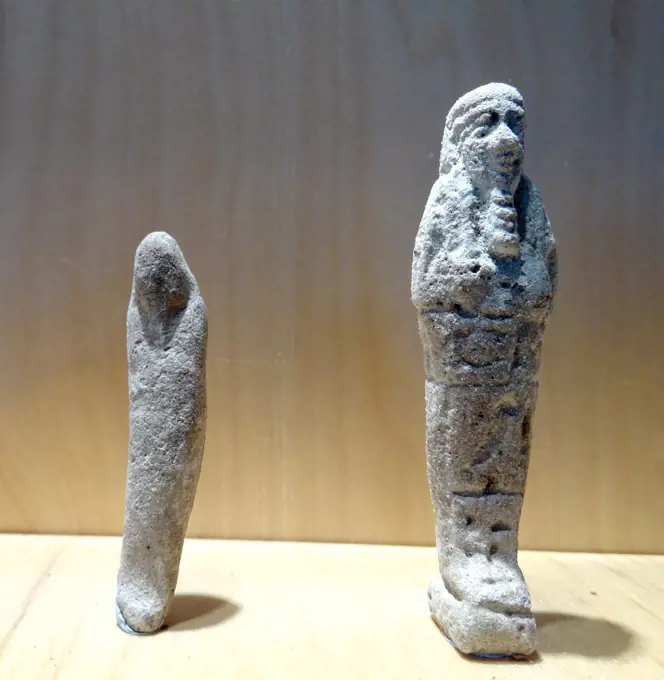
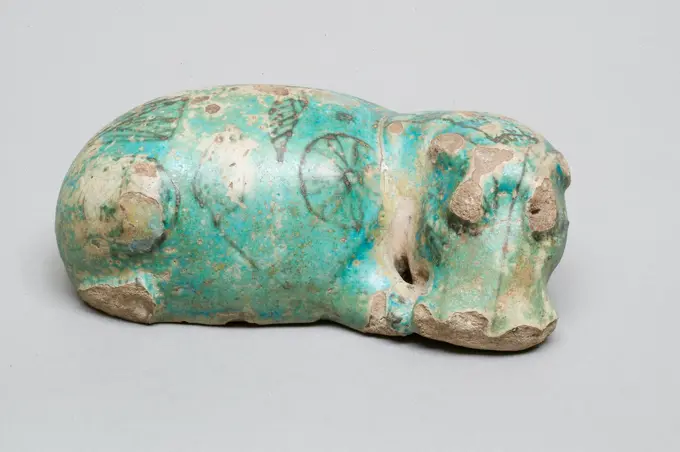
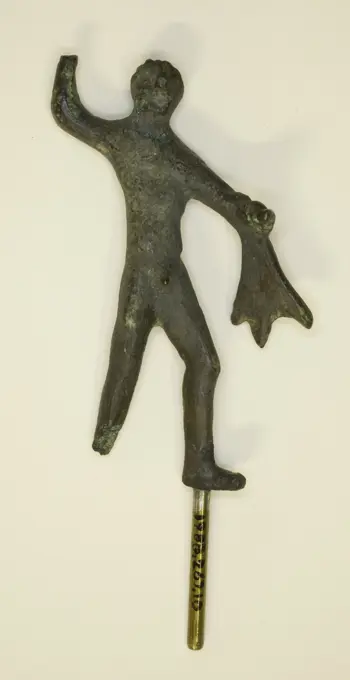
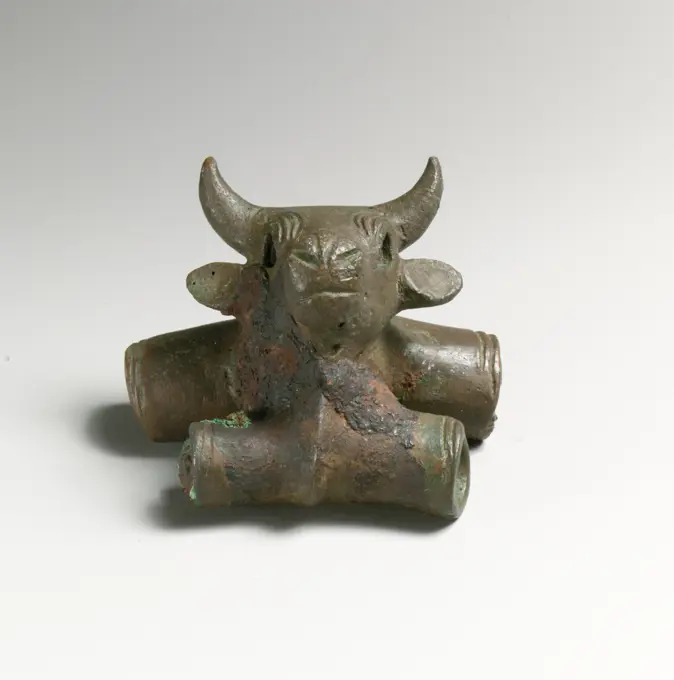
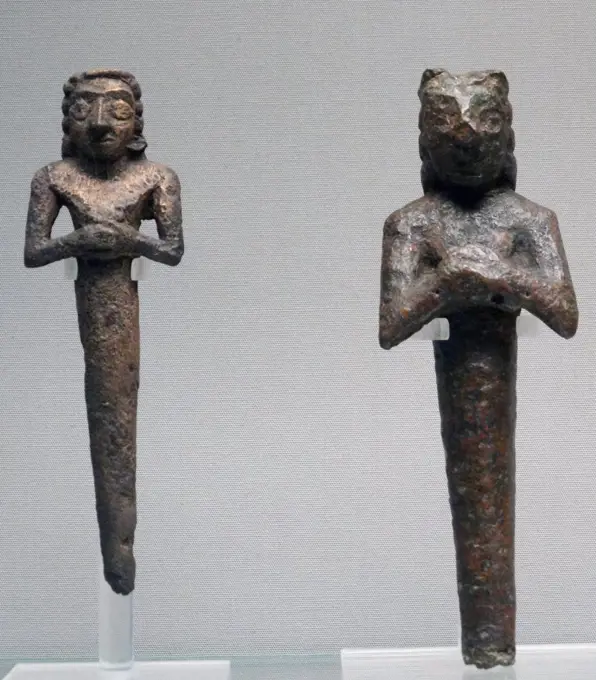
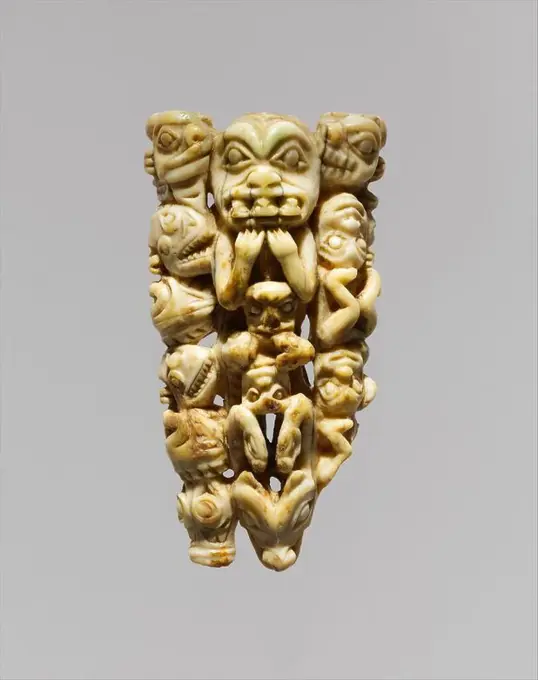
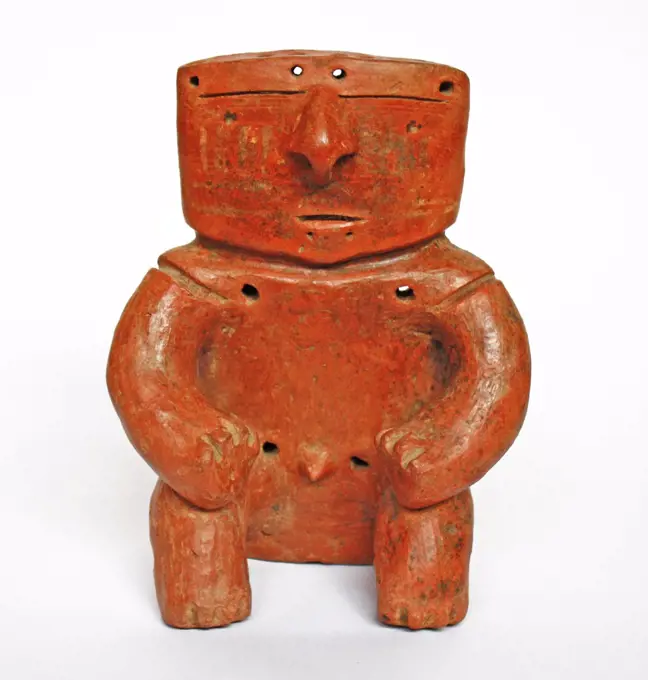
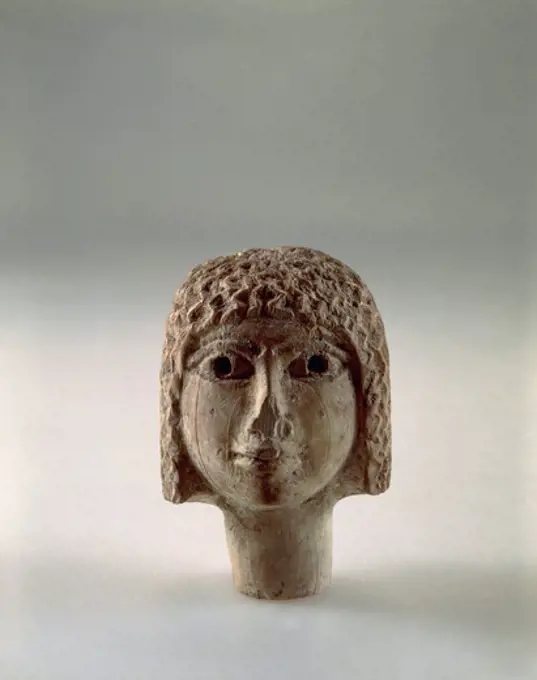
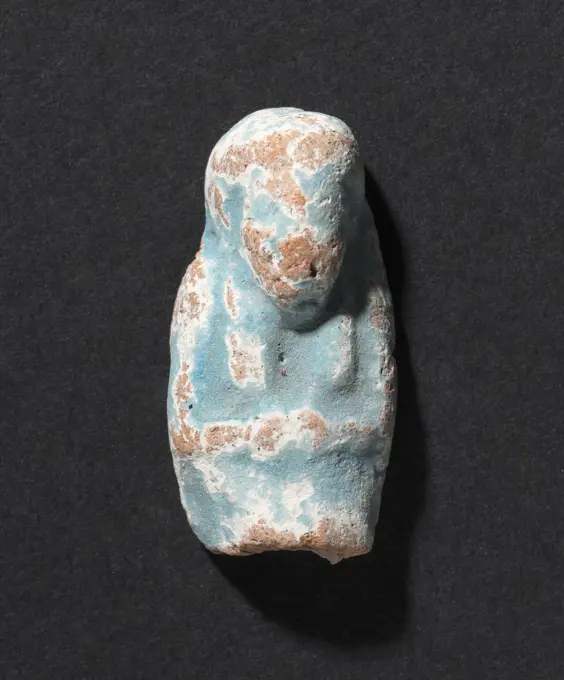
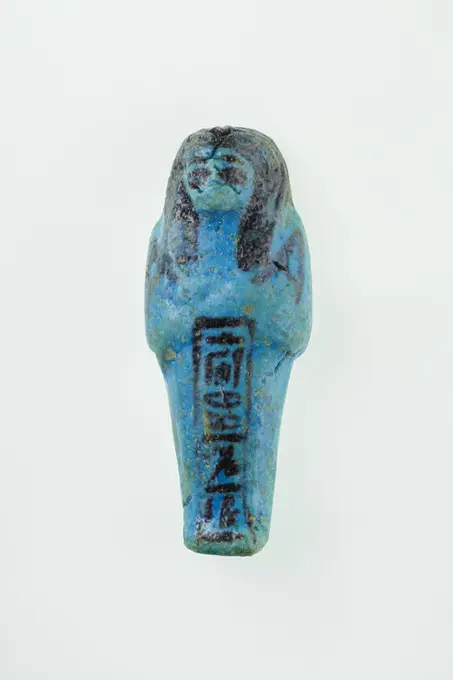
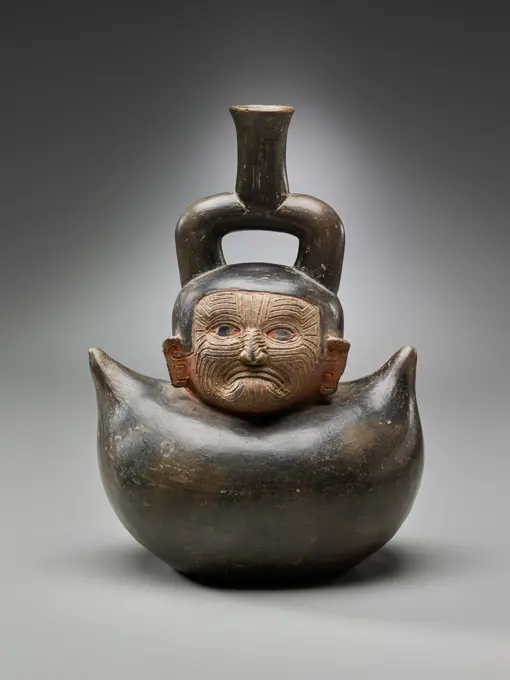
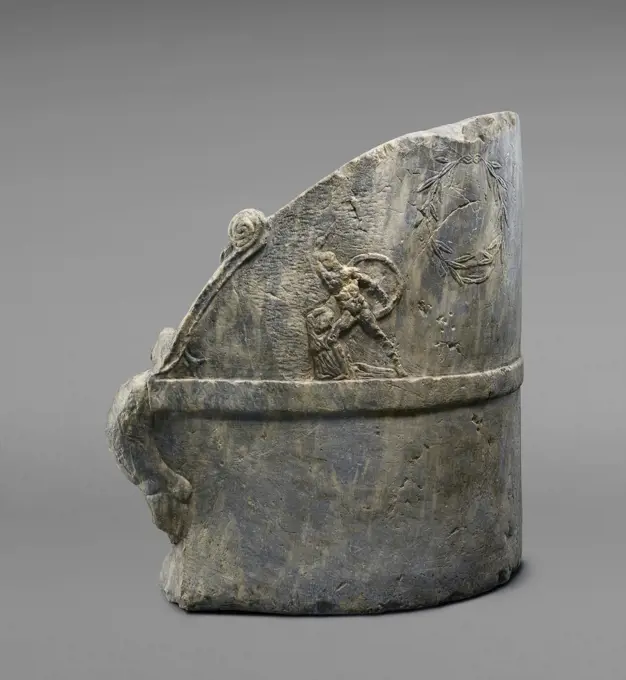
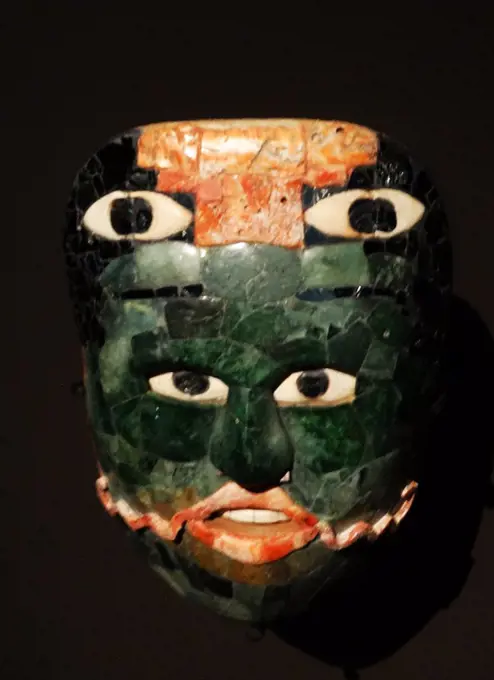
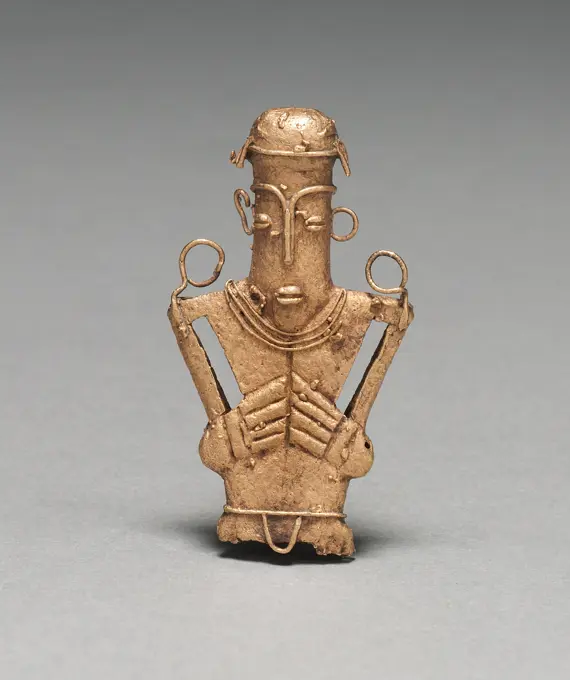
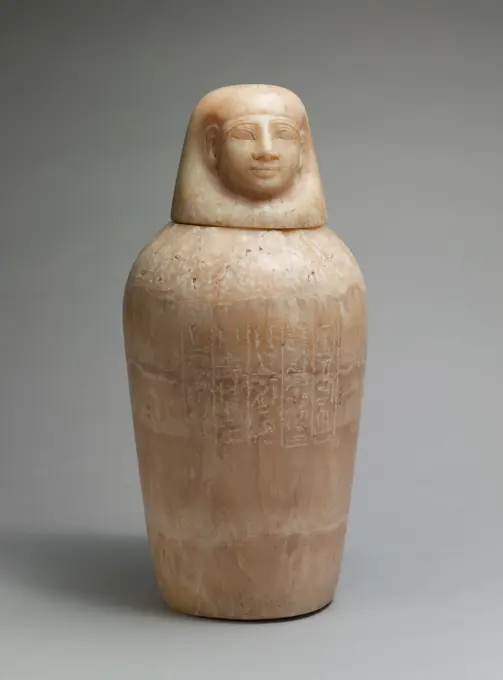
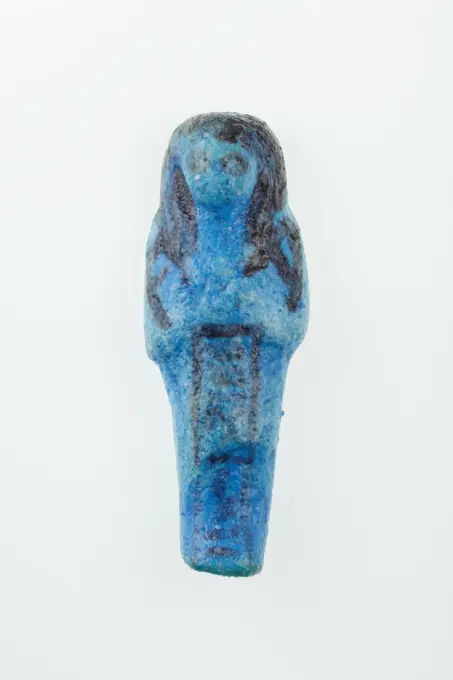
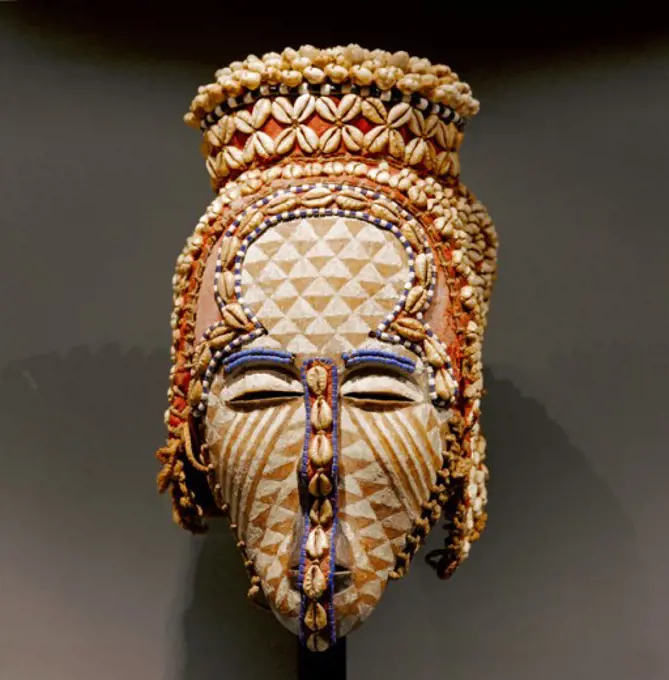
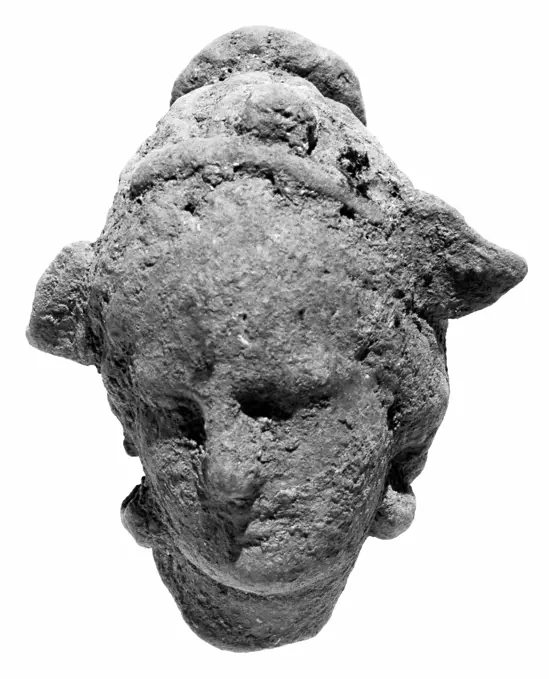
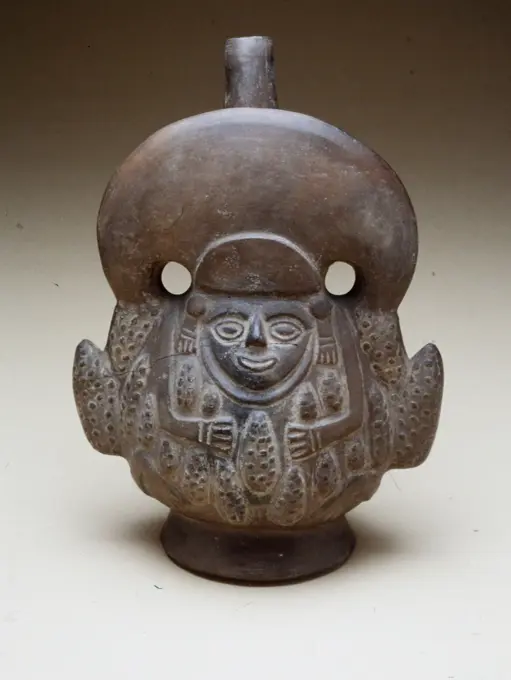
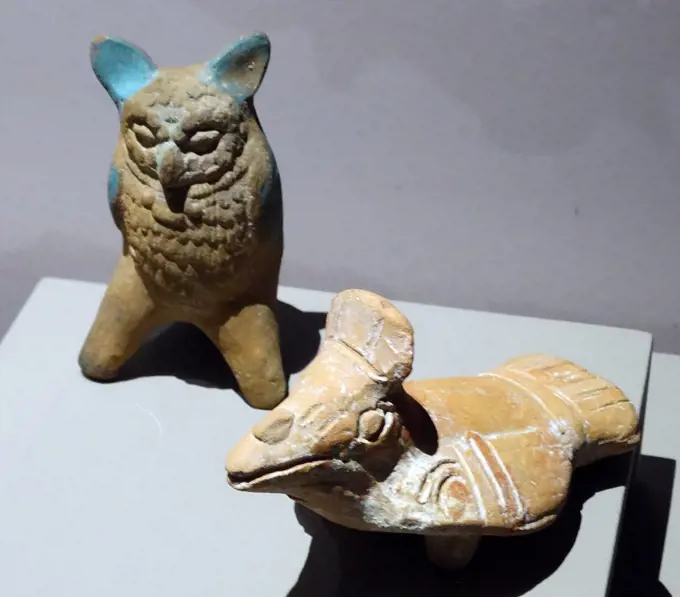
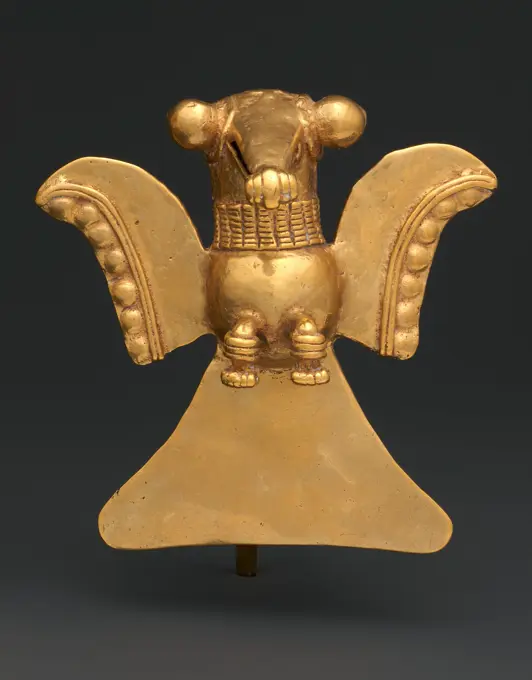
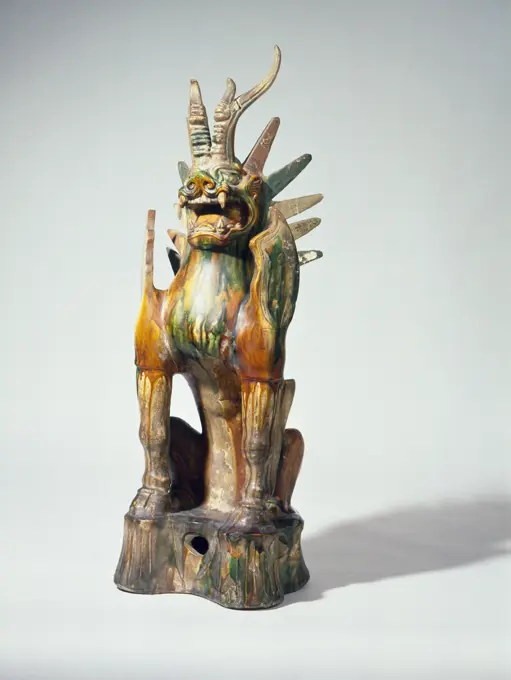
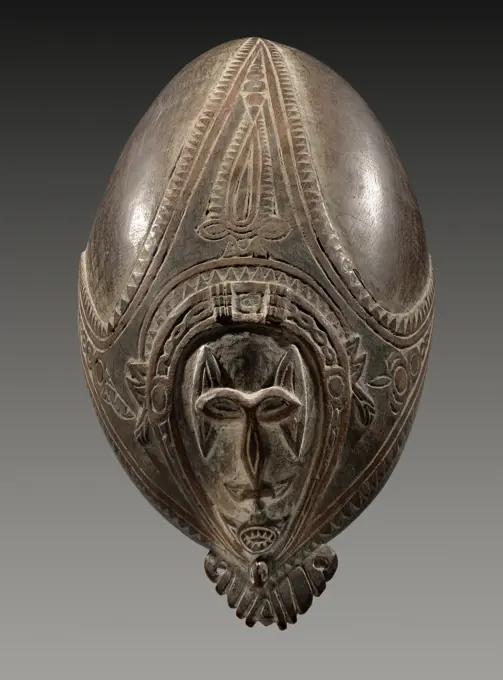
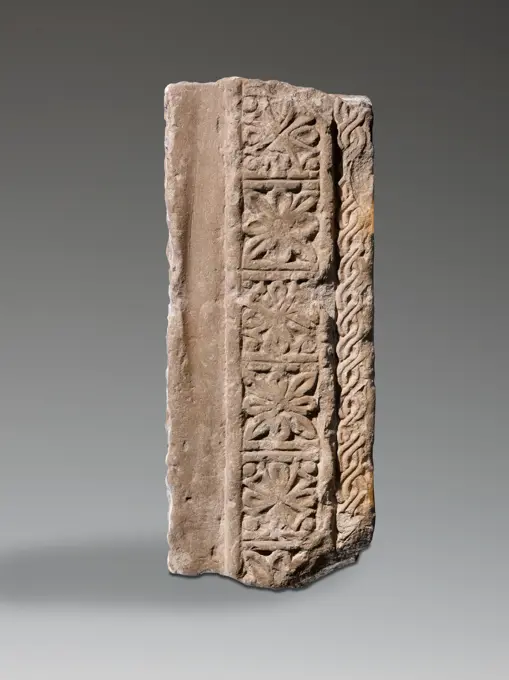
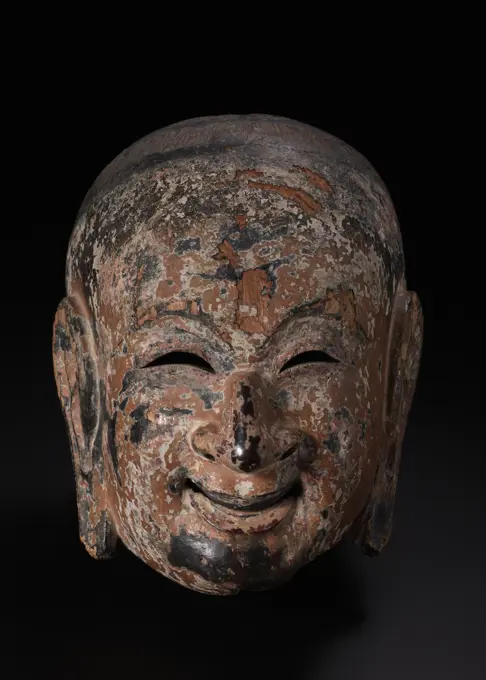
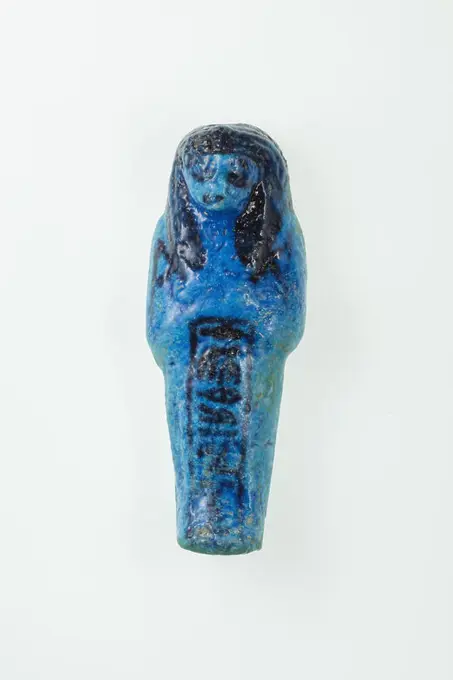
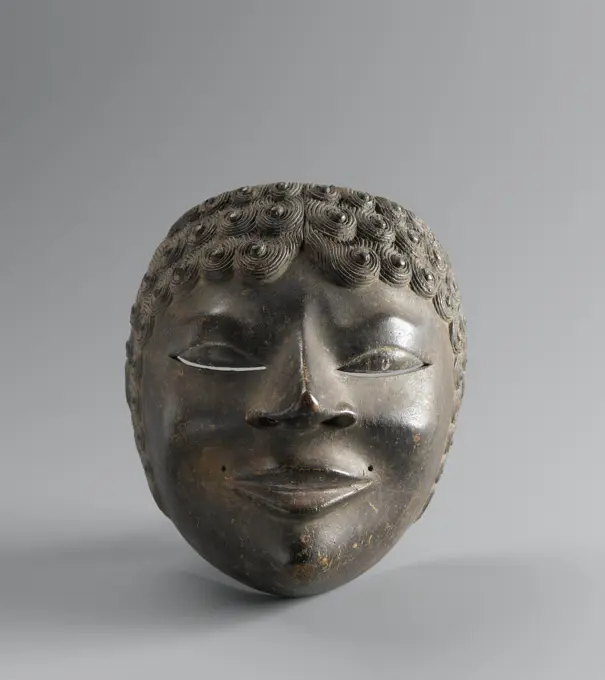
Mask, before 1519. Mesoamerica (or Mexico), 16th century or earlier. Turquoise and terracotta; overall: 13 x 14.1 x 8 cm (5 1/8 x 5 9/16 x 3 1/8 in.).Mask, 18 5/16 x 8 15/16 x 6 3/16 in. (46.51 x 22.7 x 15.72 cm), Wood, LiberiaMask Made 100 BCE-500 CE Peru. Copper, shell, and pyrite with pigment . MocheBronze pendant in the form of a human figure ca. 1050-900 B.C. Cretan Hole in the center of body.. Bronze pendant in the form of a human figure 252398 Cretan, Bronze pendant in the form of a human figure, ca. 1050900 B.C., Bronze, 1in. (2.5cm). The Metropolitan Museum of Art, New York. Bequest of Richard B. Seager, 1926 (26.31.478)Iberian head Iberian head, Limestone. 5th-4th centuries BC Iberian oppidum from Úbeda la Vieja, Iberian culture, Archeological Museum. Úbeda, Jaén province, Andalusia, Spain Copyright: xZoonar.com/BartomeuxBalaguerxRotgerx 21702695Fish Pendant, 100 BC - 300. Mexico, Guerrero, Mezcala. Serpentine; overall: 6.4 x 3.7 x 1.5 cm (2 1/2 x 1 7/16 x 9/16 in.).Rattle 19th century Native American (Tlingit or Koluschan, probably). Rattle 502031Plaque with Ibex and Kid 5th-4th century B.C. North China. Plaque with Ibex and Kid 59469Worker Shabti of Nauny ca. 1050 B.C. Third Intermediate Period See 30.3.30.1a, b. Worker Shabti of Nauny. ca. 1050 B.C.. Faience. Third Intermediate Period. From Egypt, Upper Egypt, Thebes, Deir el-Bahri, Tomb of Meritamun (TT 358, MMA 65), first corridor, burial of Nauny, MMA excavations, 1928-29. Dynasty 21Amulet - cat;  Half-ny-ptojejski period (0-00-00-0-00-00);Collection of ancient Egypt, cat, amulet, purchaseKipoko Helmet mask, Democratic Republic of Congo;Head with Hat 2nd-3rd century India. Head with Hat 38738Limestone head of a bearded male wearing a conical helmet 6th-5th century B.C. Cypriot The beard, broken around the lower edge, is divided into rows of large curled strands. He has a smiling curved mouth, a pointed nose with hollowed nostrils, wide-open eyes with almost flat eyeballs and delicate eyelids, thick, high-set eyebrows, and well-defined ears. A row of curled locks projects below the helmet. The surface is covered with diamond-shaped lozenges.. Limestone head of a bearded male wearing a conical helmet 242400Worker Shabti of Nany. Dimensions: H. 9 × W. 3.5 × D. 2.2 cm (3 9/16 × 1 3/8 × 7/8 in.). Dynasty: Dynasty 21. Reign: reign of Psusennes I. Date: ca. 1050 B.C..See 30.3.27.1a, b. Museum: Metropolitan Museum of Art, New York, USA.Fragment uszebti. unknown, authorFemale Figurine, 1325-1519. Central Mexico, Aztec, Post-Classic Period. Jadeite; overall: 6.6 x 3.4 x 4.2 cm (2 5/8 x 1 5/16 x 1 5/8 in.).Mask, 1-550. Central Mexico, Teotihuacán (from Guerrero), Classic Period. Green stone; overall: 13.7 x 12.7 x 4 cm (5 3/8 x 5 x 1 9/16 in.).The Kiss by Constantin Brancusi, 1923-25, 1876-1957, France, Paris, Centre Georges Pompidou, Musee National d'Art ModerneStatuette of a Priest. Etruscan. Date: 300 BC-201 BC. Dimensions: 9 × 4 × 2 cm (3 1/2 × 1 1/2 × 3/4 in.). Bronze. Origin: Etruria. Museum: The Chicago Art Institute, Chicago, USA. Author: Ancient Etruscan.Egyptian Ushabti or Ushabti. The Ushabti also called Ushabti or shawabti, was an Ancient Egyptian funerary figurineTerracotta oinochoe (jug) in the form of a woman's head. Culture: Greek, Attic. Dimensions: H. 7 5/16 in. (18.6 cm). Date: 2nd quarter of 5th century B.C..Head vases became important in Attic vase-painting at the end of the sixth century B.C. and continued almost through the fifth. Considerable numbers of these small examples exist, mostly with the head of a woman but occasionally with that of Herakles or another male figure. Since the Greeks tended not to waste valuable materials on funerary offerings, one wonders whether such pieces contained a token dedication. Museum: Metropolitan Museum of Art, New York, USA.Hippopotamus figurine ca. 1981-1550 B.C. Middle Kingdom-Second Intermediate Period Hippopotamus statuettes made out of faience (a non-clay ceramic material) occur in four different positions: standing, walking, seated, and reclining. This reclining hippopotamus is decorated with lotus flowers and leaves, and the depiction of a bird with outstretched wings can be found on its back.. Hippopotamus figurine. ca. 1981-1550 B.C.. Faience. Middle Kingdom-Second Intermediate Period. From Egypt. Dynasty 12-17Standing Figurine, c. 150-1 BC. Mexico, Veracruz, Remojadas, 2nd-1st Century BC. Earthenware with asphalt paint; overall: 14 x 7.4 x 3.6 cm (5 1/2 x 2 15/16 x 1 7/16 in.).Head 13th-15th century Taíno This work from Puerto Rico may be what is known as a guaíza, a category of objects in stone, wood, or shell that feature rounded heads and zemí faces. Zemí (or cemí) is a term used by Taíno peoples, the diverse societies that inhabited the Antilles archipelago before European contact, that linguistically relates to a quality akin to sweetness. Zemí refers not to an object or image but to an immaterial, spiritual, and vital force pertaining to deities and ancestors. There are several known zemí identities recorded by the Spanish, some of which have been linked to archaeological images.. Head 312807Statuette of Herakles 400 BCE-200 BCE Etruria. Bronze . Ancient EtruscanBronze bull's head early 7th century B.C. Possibly Cypriot Bull's head attachment from a tripod with horizontal tubular socket. Painstaking scholarship over twenty years has discovered that these pieces and others now in Berlin originally belonged to one bronze and iron rod tripod. Luigi Palma di Cesnola and his brother Alessandro divided their finds made in Kourion in 1873-74 and sold them to New York and Berlin, respectively. Bronze tripods represent one of the most prestigious and costly creations of the Archaic period. While they originated in the Near East, by the eighth century B.C. they were exported westward to the Greeks and Etruscans as well as copied locally. Thanks to its copper mines, Cyprus was probably an important production center; numerous examples have come to light on the island.The tripod originally had six bulls' heads at the top and three bovine hooves forming the feet. The missing heads and feet are in Berlin.. Bronze bull's head 244502Foundation peg and Figurine from a temple. Dated to the Early Dynastic III period.Standing Stone Figure. Culture: Bahia. Dimensions: H. 4 1/4 x W. 2 in. (10.8 x 5.1 cm). Date: 5th century B.C.-A.D. 4th century. Museum: Metropolitan Museum of Art, New York, USA.Cicada late 19th to early 20th century China. Cicada 43020Amulet. Culture: Tlingit. Dimensions: H. 3 7/8 x W. 2 1/8 x D. 7/8 in. (9.9 x 5.4 x 2.2cm). Date: 1820-50. Museum: Metropolitan Museum of Art, New York, USA.Figurine. UnknownSlab-head figure from Quimbaya, Colombia, AD 1000. Seated pottery figure with stylized, rectangular head and hands on knees.Amphor funéraire , Urns, Antiquities. Nicholas Catsimpoolas CollectionFemale Figure (tunjo) 10th-16th century Muisca. Female Figure (tunjo) 309951Stirrup Spout Bottle with Figure 2nd-5th century Moche. Stirrup Spout Bottle with Figure 309325Baboon figurine ca. 2030-1640 B.C. Middle Kingdom. Baboon figurine 561162Embossed plate. Gold. Inca civilization (1400-1533 AD). Cuzco. Peru. Museum of the Americas. Madrid, Spain.Israel, Megiddo, Ivory female headPottery urn, Zapotec, Mexico, AD 500-800Head of a Wind God, 400-600. Mexico, Classic Veracruz (Totonac or Tajin), Early Classic, 5th-7th Century. Gray volcanic stone; overall: 21.1 x 15.3 x 16.2 cm (8 5/16 x 6 x 6 3/8 in.).Shawabty of Ditamenpaankh, 715-656 BC. Egypt, Late Period, Dynasty 25. Terracotta; overall: 3.2 x 1.6 x 1.2 cm (1 1/4 x 5/8 x 1/2 in.).Decorated horse's bit carved from reindeer horn, from Castelliere dei Cjastiei, Friuli Venezia Giulia region, ItalyDeer-Shaped Garment Plaque 6th-4th century B.C. Kazakhstan. Deer-Shaped Garment Plaque 65347Worker Shabti of Nany. Dimensions: H. 8.8 × W. 3.5 × D. 2.3 cm (3 7/16 × 1 3/8 × 7/8 in.). Dynasty: Dynasty 21. Reign: reign of Psusennes I. Date: ca. 1050 B.C..See 30.3.27.1a, b. Museum: Metropolitan Museum of Art, New York, USA.Appliqué for a funeral couch. UnknownStirrup Vessel with WrinkledFace.  Artist: UnknownFigurine ca. 1500 B.C. Canaanite. Figurine 322600Ceremonial Chair (The Elgin Throne); 300 - 200 B.C; Marble; 81.5 × 70 × 66 cm (32 1,16 × 27 9,16 × 26 in.)Jar with pointed base and intact seal ca. 2649-2100 B.C. Old Kingdom. Jar with pointed base and intact seal. ca. 2649-2100 B.C.. Pottery. Old Kingdom. From Egypt, Memphite Region, Saqqara, Egyptian Antiquities Service excavations. Dynasty 3-4Limestone fragment of a sphinx supporting an incense burner mid-5th century B.C. Cypriot The incense burner, with traces of red paint on the edges, the tips of the wings, and the head of the sphinx, remain. The sphinx shows a serious expression.. Limestone fragment of a sphinx supporting an incense burner 242105Cylinder Vessel. Culture: Maya. Dimensions: Height 5-1/2 in.. Date: 8th century. Museum: Metropolitan Museum of Art, New York, USA.Mayan Jade and shell funeral mask - Dzibanche, Quintara Roo, Mexico 600-900 ADTunjos (Votive Offering Figurine), c. 900-1550. Colombia, Muisca style, 10th-16th century. Cast gold; overall: 5.6 x 3.1 x 0.9 cm (2 3/16 x 1 1/4 x 3/8 in.). Unlike the other gold ornaments in this gallery, tunjos were not worn; instead, they served as offerings that were deposited in sacred places, such as lagoons and caves. They often depict humans who hold something-here a container with a head (1947.22), a spear thrower (1947.19), and a bird-tipped (1957.25). The subject must have corresponded to a benefit being asked from the gods. Perhaps because they were not meant for display, tunjos were not finished after lost-wax casting. Flaws remain uncorrected, surfaces are unpolished, and gold that backed into the sprue (pouring channel) was left in place, creating the button-like form at the bottoms of 1947.24 and 1947.17, which were cast upside down.Faience amulet plaque of Isis nourishing a pharaoh ca. 1090-900 B.C. Egyptian Amulet plaque, Isis nourishing a king.. Faience amulet plaque of Isis nourishing a pharaoh 243801Canopic jar inscribed for Minmose ca. 1450-1400 B.C. New Kingdom The owner of this canopic jar was Minmose, a troop captain whose name and title appear in the left hand column of the inscription. The rest of the text invokes the goddess Nephthys and the god Imsety, asking their protection for the contents of the jar. Nephthys was one of the four goddesses who protected the dead, and Imsety was one of the "four sons of Horus" who protected the four internal organs that were removed from the body during mummification. Imsety was usually linked with the goddess Isis to protect the canopic jar that held a person's liver. The association of Nephthys with Imsety in this inscription is a variant that is sometimes found in the New Kingdom.Traces of a pigment known as Egyptian blue are still visible in the hieroglyphs. The eyebrows, the pupils, and the cosmetic lines around the eyes were also originally painted.. Canopic jar inscribed for Minmose. ca. 1450-1400 B.C.. Travertine (Egyptian alabasGoddess amulet Third Intermediate Period-Late Period ca. 1070-343 B.C. View more. Goddess amulet. ca. 1070-343 B.C.. faience. Third Intermediate Period-Late Period. From Egypt, Upper Egypt, Thebes, Deir el-Bahri, Tomb TT 310 (MMA 505), MMA excavations, 1926-27. Dynasty 21-30Crib with Christ Child, anonymous, c. 1475 - c. 1525  Northern Netherlands pipe clay  Northern Netherlands pipe claySnuff Tray. Culture: Wari. Dimensions: H. 3 3/8 x W. 5 1/8 in. (8.6 x 13 cm). Date: 4th-10th century.Snuff inhaled through tubes from small trays or tablets such as this one was a widespread practice in Precolumbian South America. In the San Pedro de Atacama region of northern Chile a large number of snuff trays have been found in burials in association with other paraphernalia, such as inhaling tubes, spatulas, small mortars and pestles, and snuff-powder containers. The snuff was prepared from the leaves, resin, and seeds of plants, many of them hallucinogenic, which were dried and finely ground. Historic and current data suggest that snuff had many purposes in the Andes: it was used to cure various ailments, to alleviate pain and hunger, to provide alertness in war and hunting, and to induce trances during rituals and religious ceremonies. The tray is decorated at one end with three carved figures. At the opposite end are the remains of an indigenous repair, a tie preventing a splitWorker Shabti of Nany ca. 1050 B.C. Third Intermediate Period See 30.3.28.1a, b. Worker Shabti of Nany. ca. 1050 B.C.. Faience. Third Intermediate Period. From Egypt, Upper Egypt, Thebes, Deir el-Bahri, Tomb of Meritamun (TT 358, MMA 65), first corridor, burial of Nany, MMA excavations, 1928-29. Dynasty 21Scarab Inscribed with the Throne Name of Thutmose I ca. 1504-1492 B.C. New Kingdom. Scarab Inscribed with the Throne Name of Thutmose I. ca. 1504-1492 B.C.. Steatite, glazed. New Kingdom. From Egypt. Dynasty 18Soldier's figurineNgaady a Mwaash Mask-Kuba, Zaire  African Art  Wood & beads Private Collection, Geneva, SwitzerlandHead with Melon Coiffure and Wreath. UnknownBlue Faience Shabti Late Period, Blue, Ceramics, inscription, Hieroglyphics, Antiquities, Ancient Egypt, Antiquities, North AfricaFunerary urn from Lebak area. 6th century. Sultan Kudarat province, Mindanao Island, Philippines.Fragment of a limestone naiskos () ca. 5th century B.C. Cypriot The syllabic inscription is in three lines with deeply inscribed signs: an offering of wine to Zeus.. Fragment of a limestone naiskos () 241910Recipiente en forma de caimán. Cerámica. Cultura Chimú-Inca. Horizonte Tardío (1400-1533 d. C). Cuzco, Perú. Museo de América. Madrid. España.Vessel, 11th-15th century, 8 in. (20.3 cm), Ceramic, Peru, 11th-15th century, With roots in earlier Andean cultures, the Chimu practiced a polytheistic religion with the Moon God as the supreme deity. This vessel may depict the Corn God. Corn was a prevalent crop with sacred associations. It was fermented to make chicha, a frothy beverage consumed at ceremonial occasions and celebrations. Chicha and maize flour were also common offerings to departed relatives and to the gods. More than fifty varieties of corn are grown in Peru today, however, corn is not indigenous to the Andes region. First cultivated in Mexico 10,000 years ago, corn migrated to the Andes 3500-4000 years ago, where it remains a staple of Andean cuisine today.Miniature mask, 1500 BCE, Earthenware, Mexico, Pre-ClassicIron Razor or Folding Knife with Ivory Handle A.D. 2nd-4th century Roman Period The ivory handle has a tiger or panther carved three dimensionally on the outer edge. On its face is Herakles with his club, resting after cleaning the Augean stables. On the lower right is the container he used to capture the river water, which, according to the myth, he diverted for that purpose. Notched decoration occurs at the lower edge, and notched and crossed decoration is visible on the back. An iron blade extends almost two-thirds of the way into the handle, although the blade and details of its fitting are obscured by heavy corrosion.. Iron Razor or Folding Knife with Ivory Handle 551158Zoomorphic whistle and crested bird figurine. The whistle has the appearance of an owl with blue ears and the beak is where the sound is produced through. The figurine is likely to have been used in burial ceremonies as it was able to enter the sacred space of the sky that was forbidden to ordinary mortals. 600-900 A.D.Terracotta mask in the form of a bull. Culture: Cypriot. Dimensions: H. 3 1/4 in. (8.3 cm). Date: ca. 600-480 B.C..The mask is handmade. It has prominent horns, ears, and muzzle. Museum: Metropolitan Museum of Art, New York, USA.Knee Fragment 4th-7th century Coptic. Knee Fragment 478940Eagle Pendant A.D. 800-1519 Chiriquí These pendants combine physical characteristics of several birds, including double crests reminiscent of harpy eagles. Sometimes, these pendants functioned as bells: there are tiny clappers within the bulbous eyes of the two smaller eagles. One of the last kings of the Bribris of Costa Rica, Antonio Saldaña, was photographed around the turn of the century wearing a cluster of such pendants.. Eagle Pendant. Chiriquí. A.D. 800-1519. Gold. Costa Rica; Costa Rica, Diquis Delta. Metal-OrnamentsMythical Guardian Spirit, statuette, Chinese ArtCylindrical sealBowl, 1800s. Melanesia, Papua New Guinea, Huon Gulf, Tami Islands, 19th century. Painted wood; overall: 9.9 x 40.3 x 17.4 cm (3 7/8 x 15 7/8 x 6 7/8 in.). The people of the Tami Islands manufactured canoes, house beams, drums, bowls, lime spatulas, and neckrests using tools such as stone axes, bamboo knives, tree-bear teeth, and pig, cassowary, and dog bones. Tami bowls were carved from the hard wood of the azalea and decorated with patterns that vary from deep etching to high relief. Many bowls were blackened with a graphite compound and highly polished. Decorative patterns were owned by specific families, and could not be used by other carvers.Ploty input housing; Unknown Nubian workshop; 2. PO. VI-1. after. VII century (551-00-00-650-00-00);Architectural elements, frames, Nubian art, braid, rosettes (ornament)Mask, 10th Century. China, Tang dynasty (618-907). Earthenware; overall: 17.2 x 14 cm (6 3/4 x 5 1/2 in.).Ivory Salt Cellar used for holding and dispensing salt. From the Republic of Benin, Nigeria, Africa. Dated 16th CenturyNetsuke with Carved Demon 18th century Japan. Netsuke with Carved Demon. Japan. 18th century. Bone. Edo period (1615-1868). NetsukeCandlestick (3200-2000 B.C.) - (1368-1644 A.D.) China. Candlestick 44394Gikaku Mask of Young Persian Boy (Taikōji), 710-94. Japan, Nara period (710-94). Paulownia wood, lacquered and painted; overall: 28 x 21 x 18.5 cm (11 x 8 1/4 x 7 5/16 in.).Jar 1830-70 American. Jar 4500Hedgehog, c. 1391-1353 BC. Egypt, New Kingdom, Dynasty 18, reign of Amenhotep III. Steatite, originally glazed; overall: 1.7 x 1.8 cm (11/16 x 11/16 in.).Fragment figurki kobiety. unknown, authorWeight in the Form of a Bull or Cow, 1540-1296 BC. Egypt, New Kingdom, Dynasty 18. Tin-bronze, solid cast; overall: 1.3 cm (1/2 in.).Wooden Yina figure used for the yam-harvest ritual cycles, from Papua New Guinea. Dated 20th CenturyMummy Mask. Peru, Central Coast, Chancay, 1100-1440. Wood. Wood with inlaid shellWorker Shabti of Nany. Dimensions: H. 8.9 × W. 3.4 × D. 2.2 cm (3 1/2 × 1 5/16 × 7/8 in.). Dynasty: Dynasty 21. Reign: reign of Psusennes I. Date: ca. 1050 B.C..See 30.3.27.1a, b. Museum: Metropolitan Museum of Art, New York, USA.Candlestick, 1800s - early 1900s. Italy, 15th century style (possibly 19th-early 20th century). Ivory; overall: 31.1 cm (12 1/4 in.).Standing Attendant Chang ShaVan Astina Mask / Prinses Sikandi ,, 1800 - 1900 Mask from Astina / Princess Sikandi, one of the wives of Arjuna. Java wood (plant material). dye Mask from Astina / Princess Sikandi, one of the wives of Arjuna. Java wood (plant material). dyeScarab Inscribed with Hieroglyphs in Rope Border ca. 1700-1600 B.C. (Middle Bronze Age IIB) Second Intermediate Period A decorative rope border surrounds an oval (a debased version of the royal cartouche) containing hieroglyphs. The signs do not form words or a royal name, but are chosen for their protective value. The finely incised branches that decorate the back of the scarab are characteristic for Canaanite scarabs of the Middle Bronze Age (ca. 1700-1500 B.C.). Such scarabs often imitate Egyptian Middle Kingdom models, but do not always correctly render the hieroglyphs or symbols.. Scarab Inscribed with Hieroglyphs in Rope Border 557109Worker Shabti of Nany ca. 1050 B.C. Third Intermediate Period See 30.3.26.1a, b. Worker Shabti of Nany 625714Lamp. UnknownBell ca. 300 B.C.-A.D. 200 Thailand (Ban Chiang). Bell. Thailand (Ban Chiang). ca. 300 B.C.-A.D. 200. Bronze. Late period. MetalworkStirrup Spout Bottle with Deer 4th-7th century Moche. Stirrup Spout Bottle with Deer 309484Male attendant 8th century China. Male attendant 49550Terracotta zoomorphic askos (vessel). Culture: Cypriot. Dimensions: H. 2 3/16 in. (5.6 cm). Date: 1900-1600 B.C..With string-hole and cross-hatching. Museum: Metropolitan Museum of Art, New York, USA.