Ancient Figurative Artifacts

A collection of ancient figurines and ceramic musical instruments, showcasing historical craftsmanship from various cultures, including amulets and standing figures.

Palma in the Form of an Owl's Head. Mexico, Veracruz, Veracruz, Veracruz, 600-1000 CE. Stone. Basalt
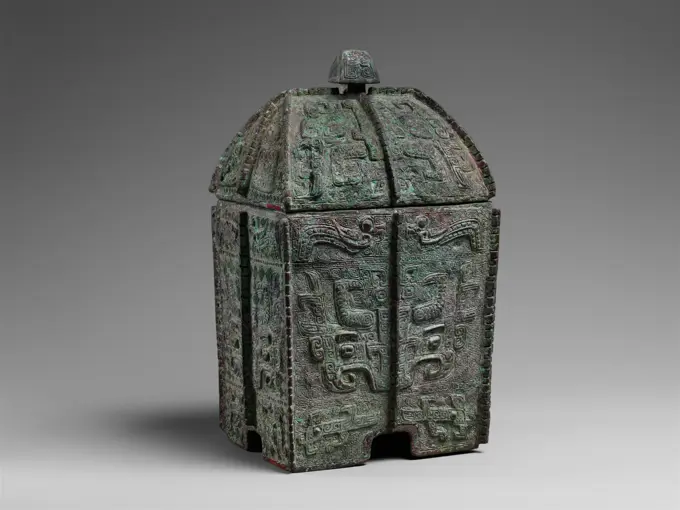
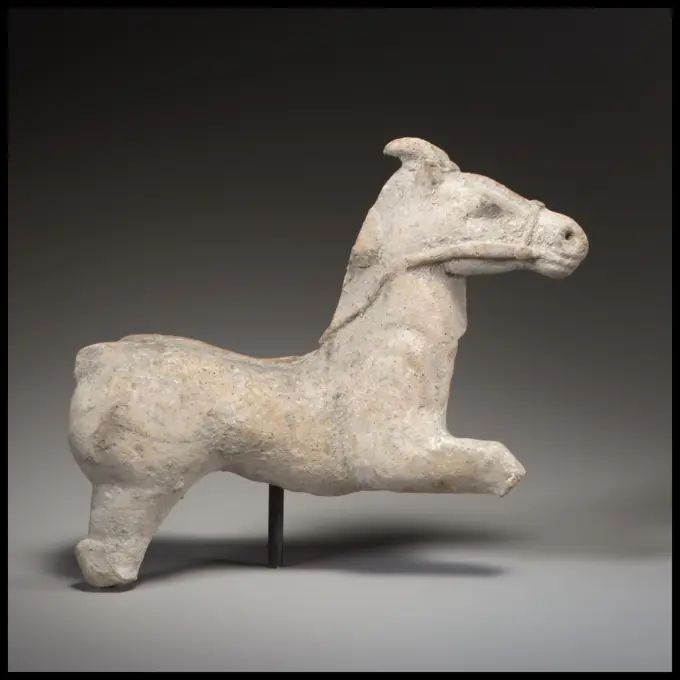
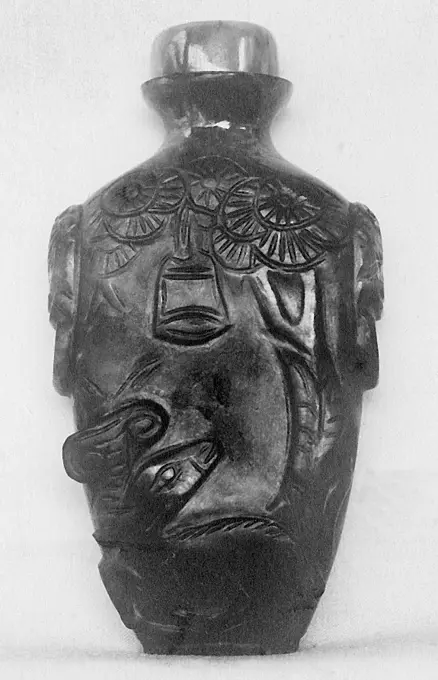
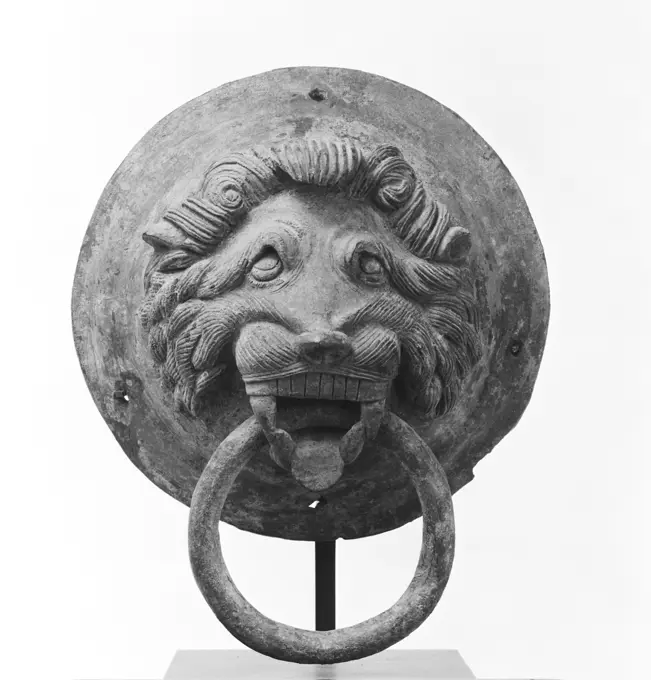
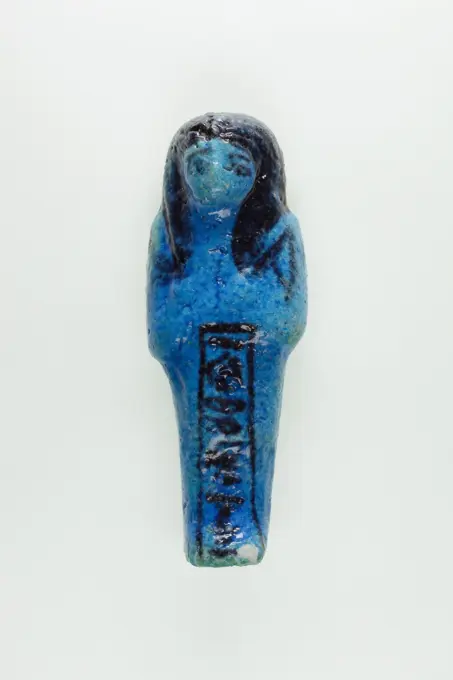
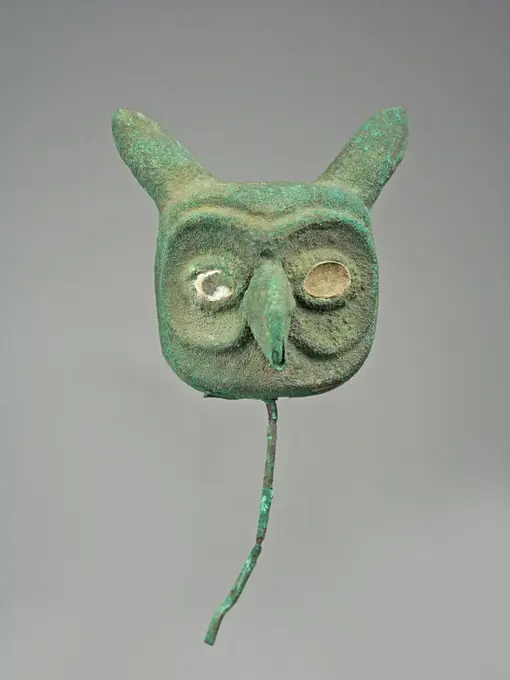
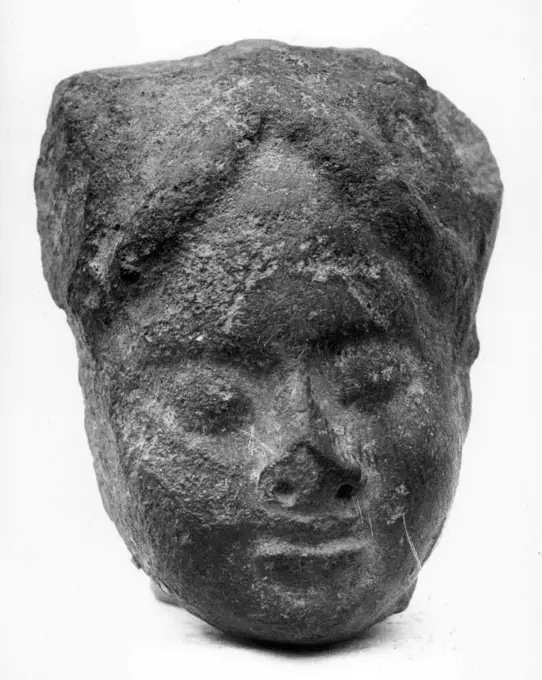
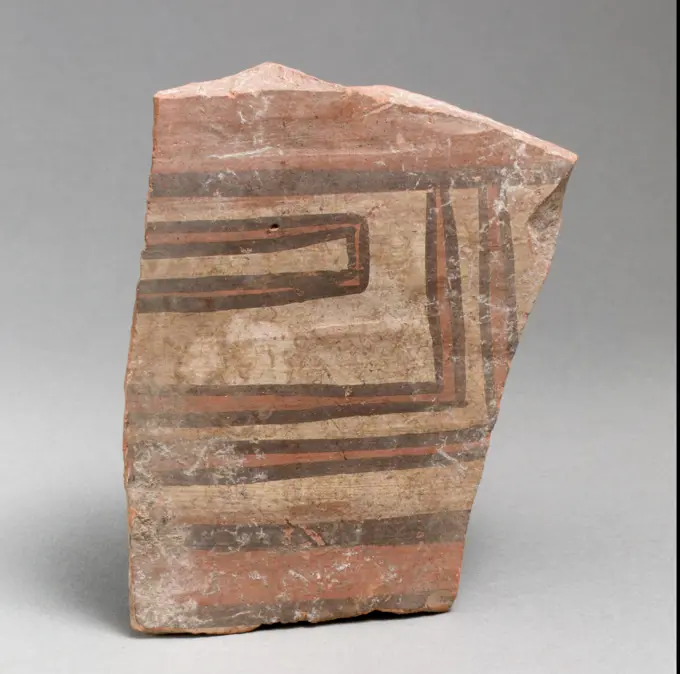
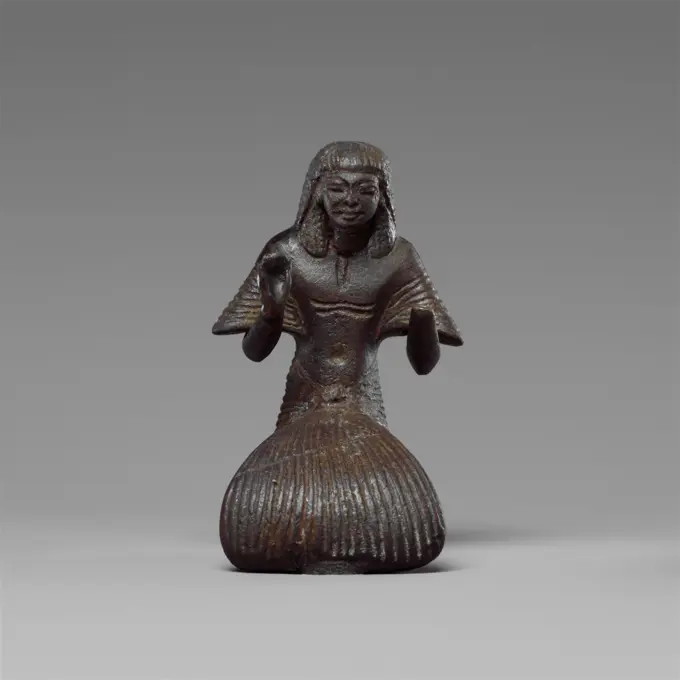
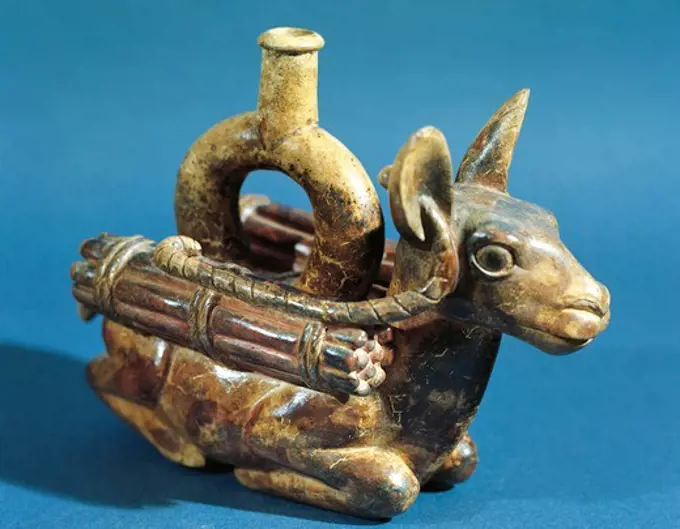
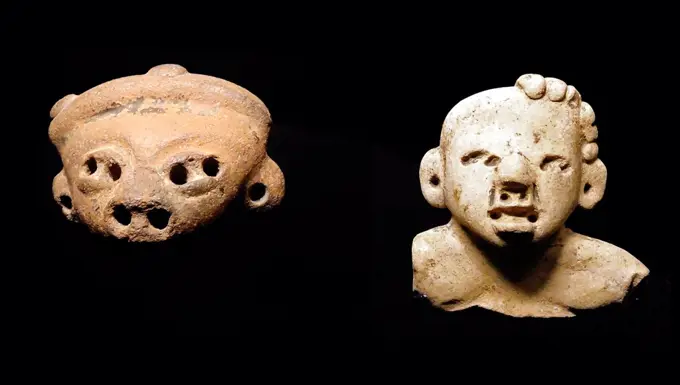
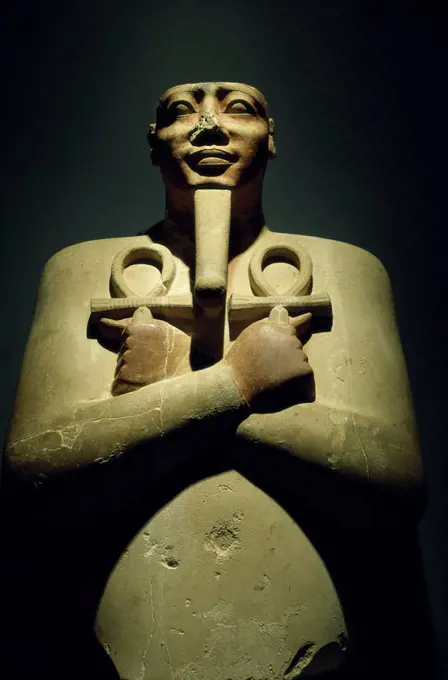
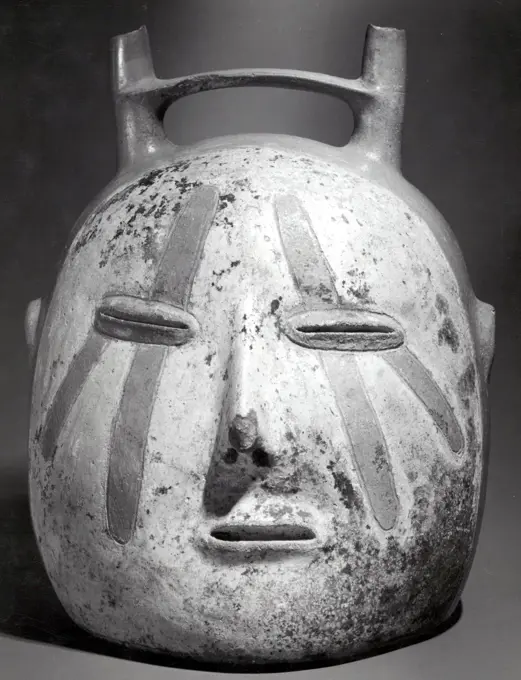
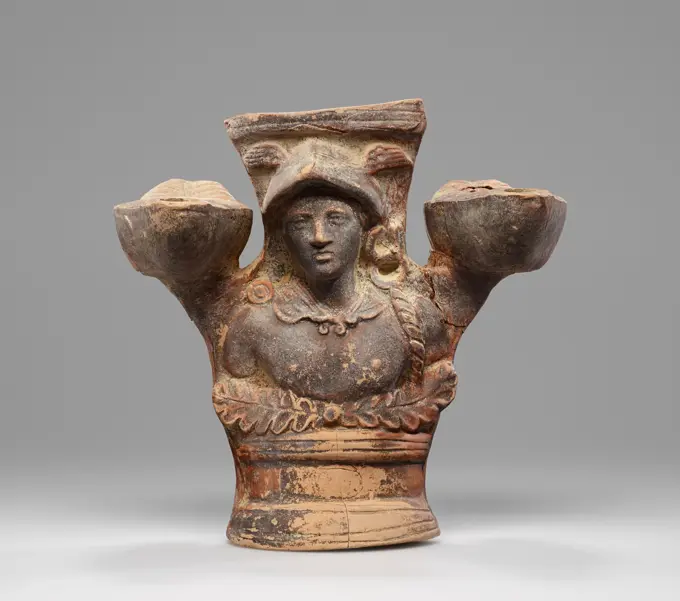
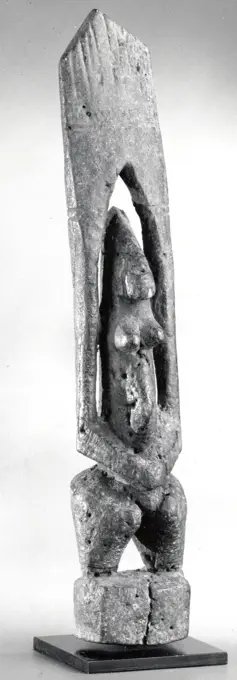
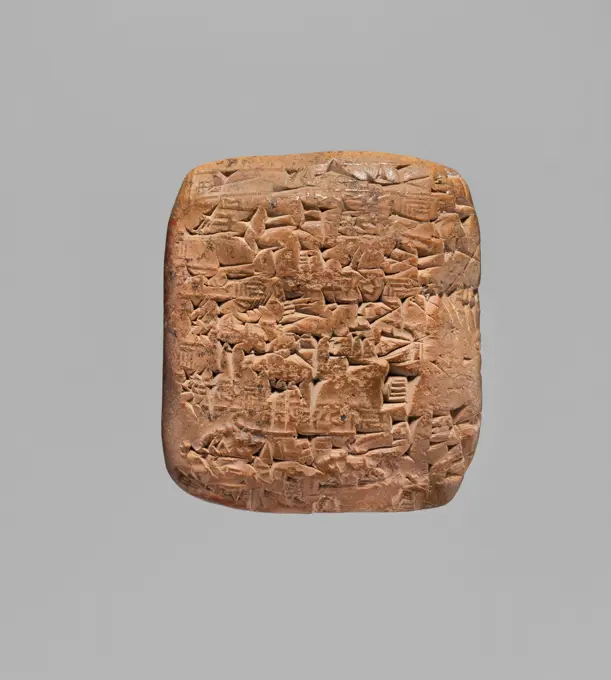
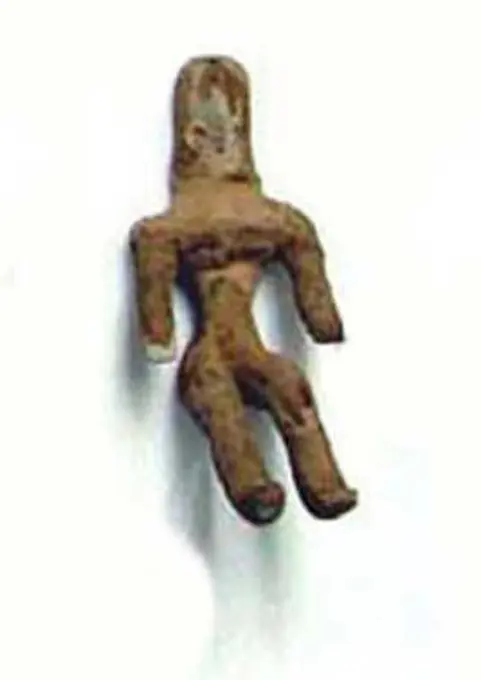
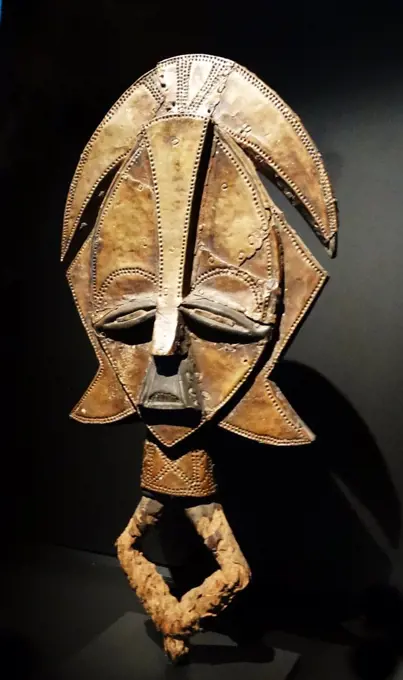
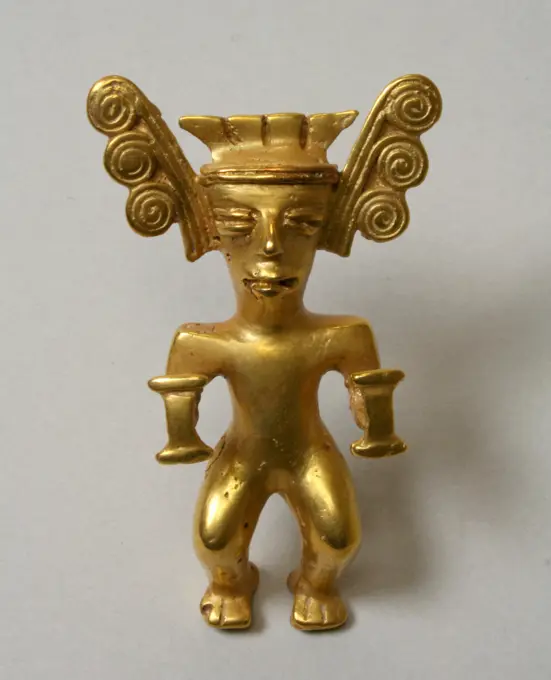
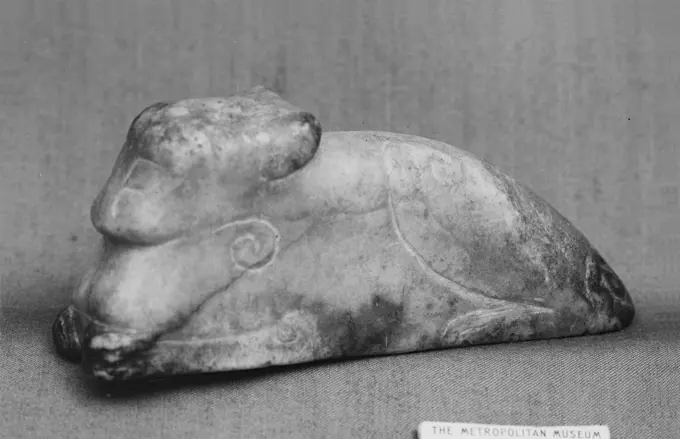
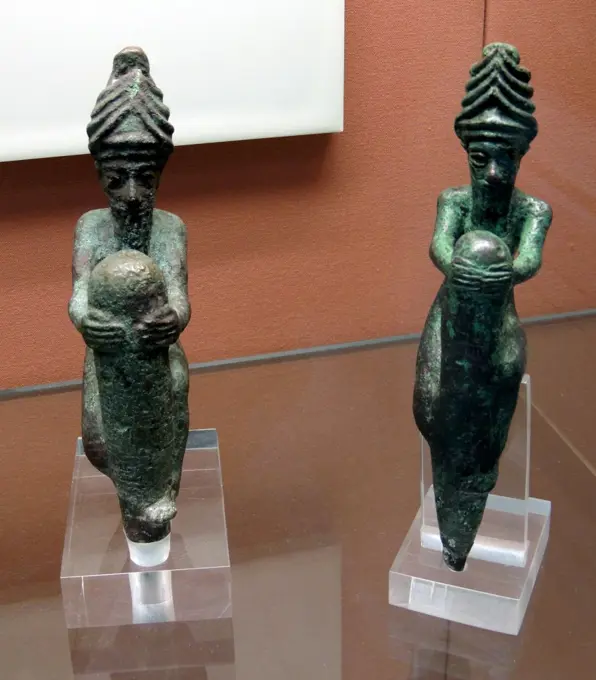
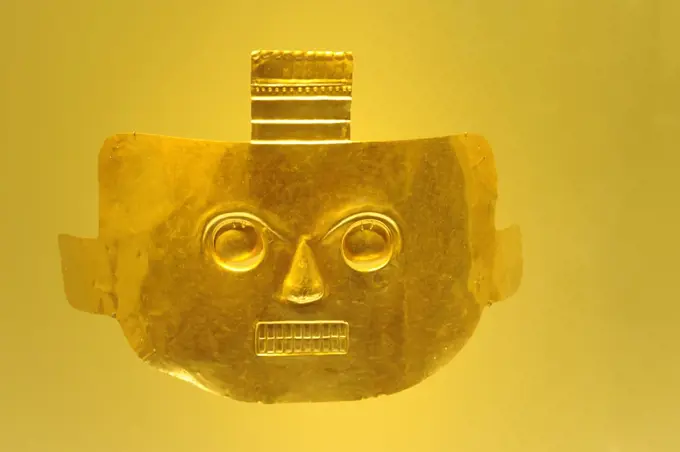
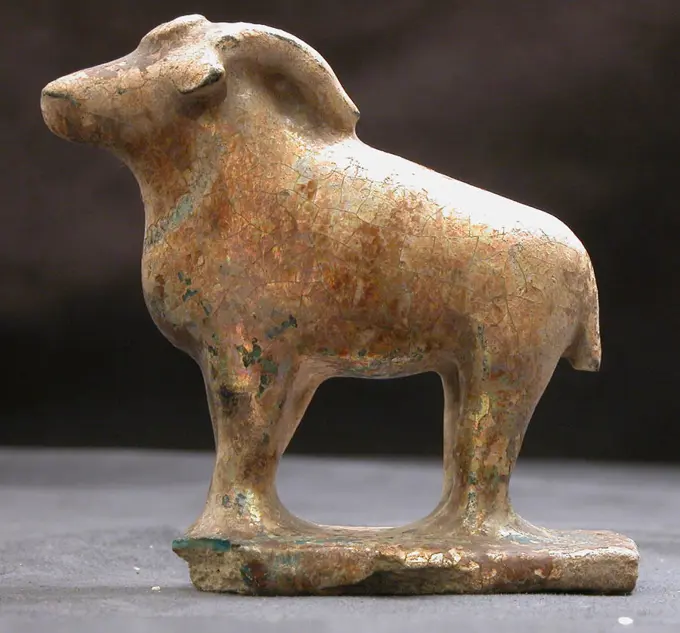
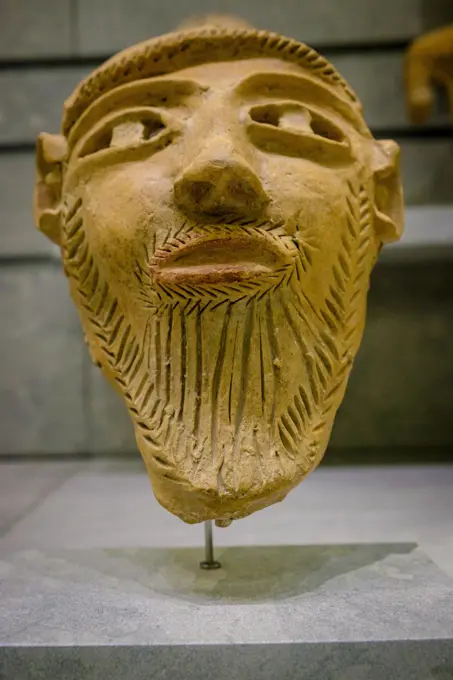
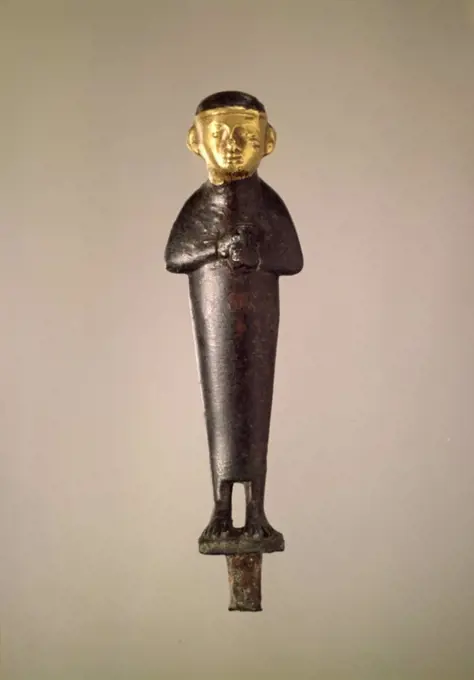
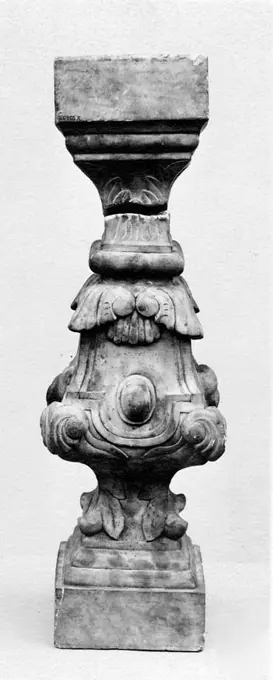
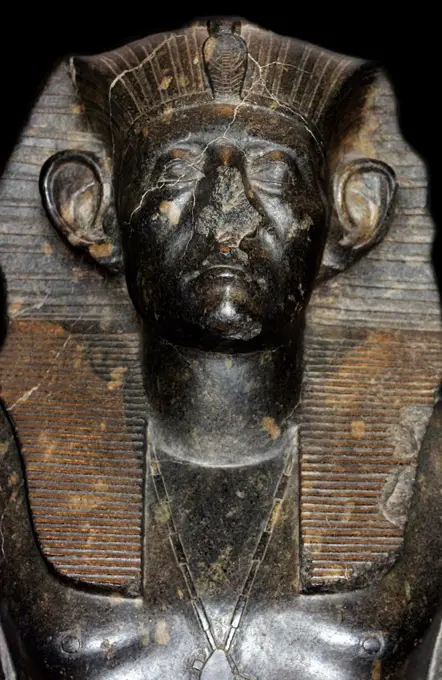
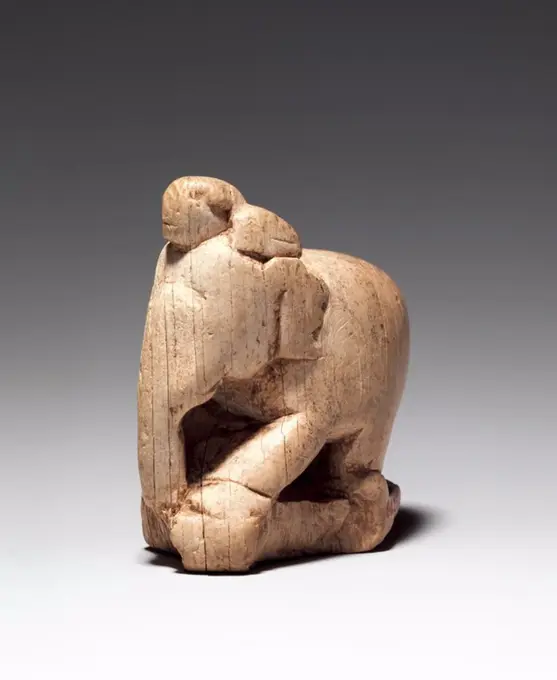
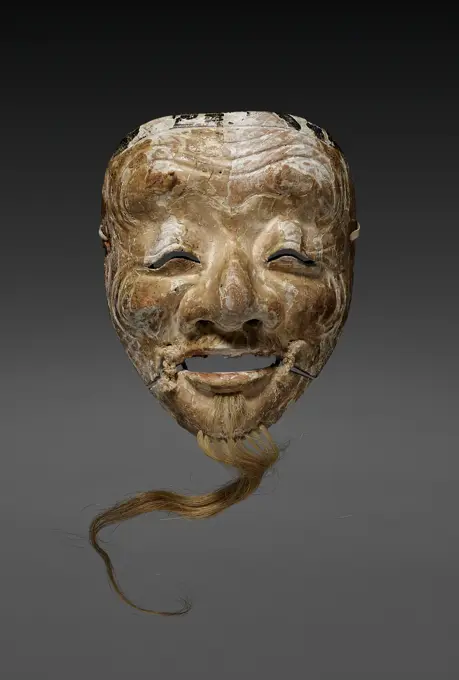
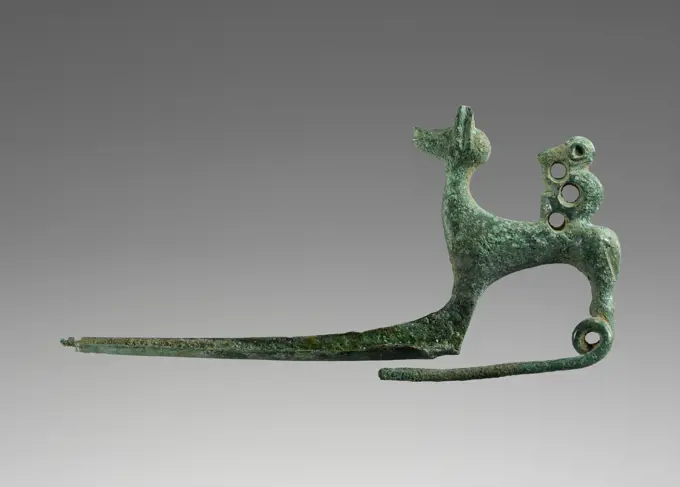
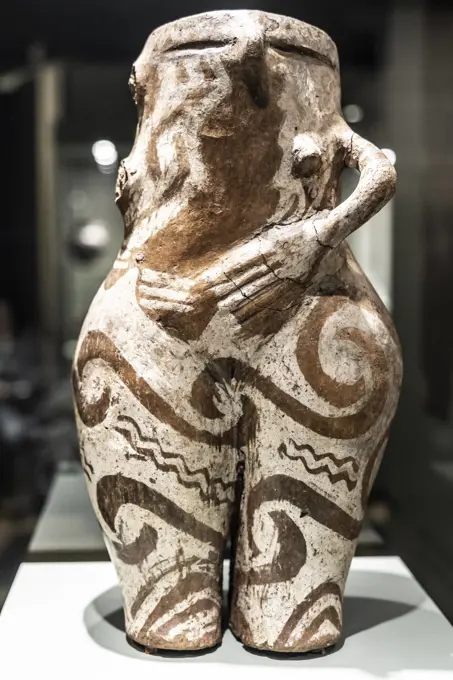
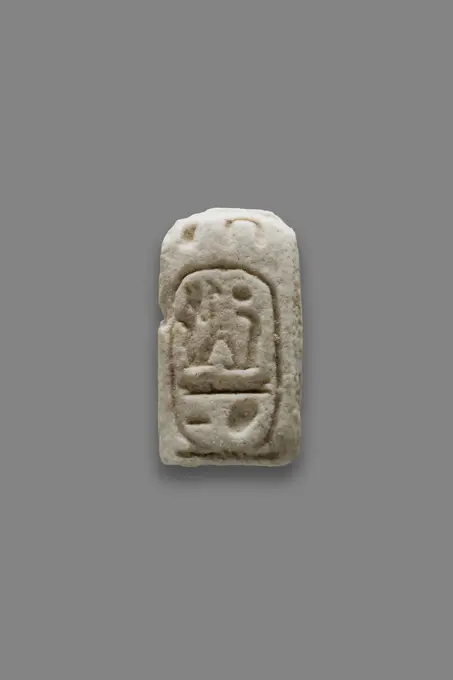
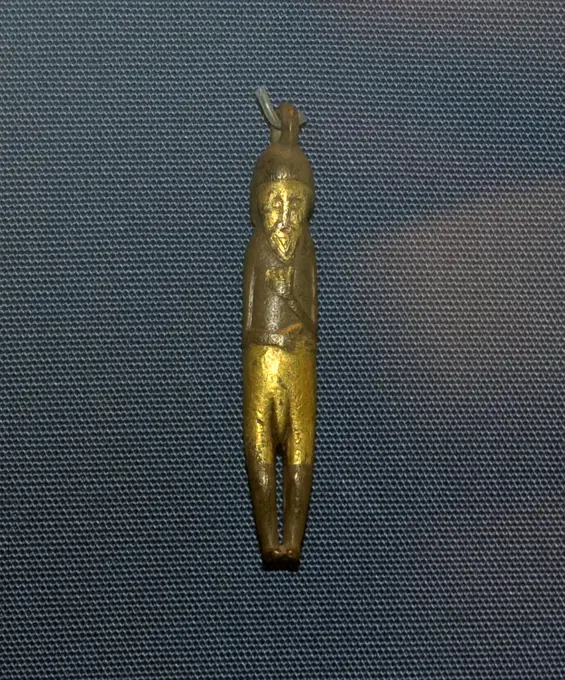
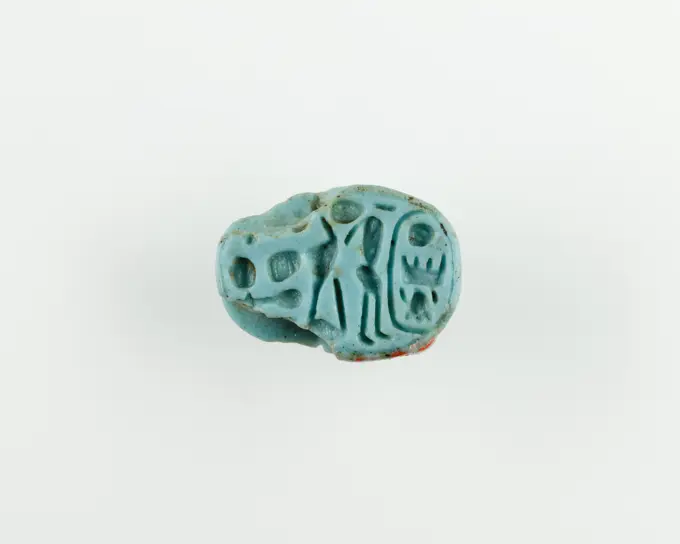
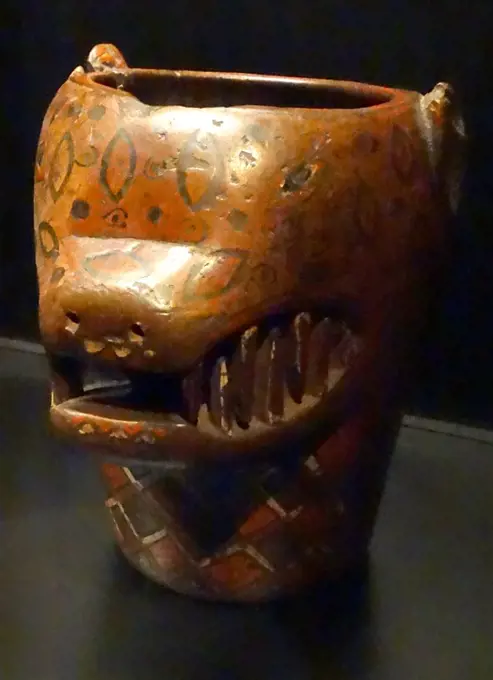
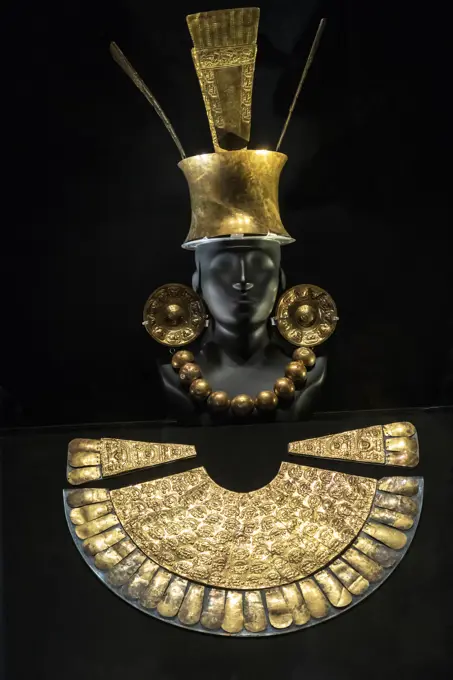
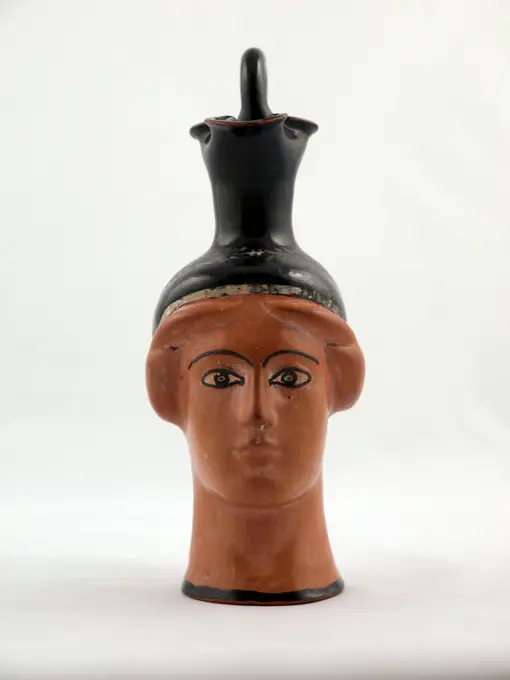
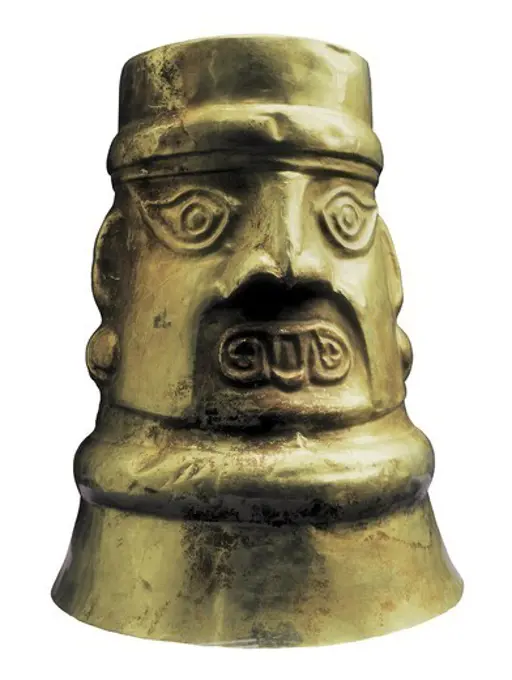
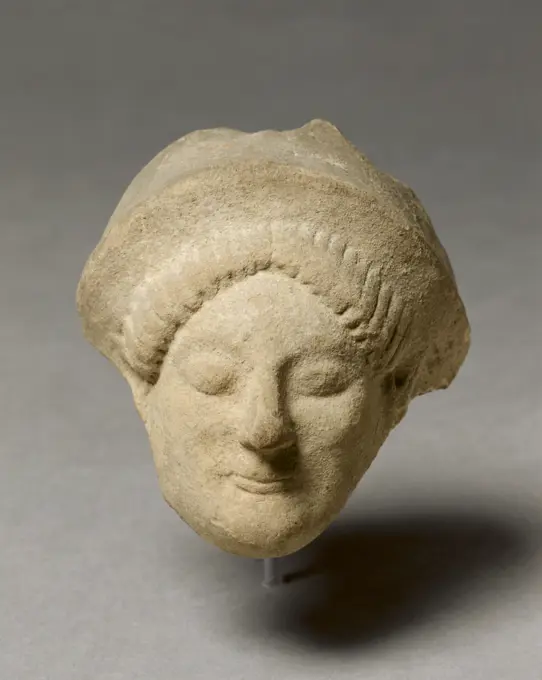
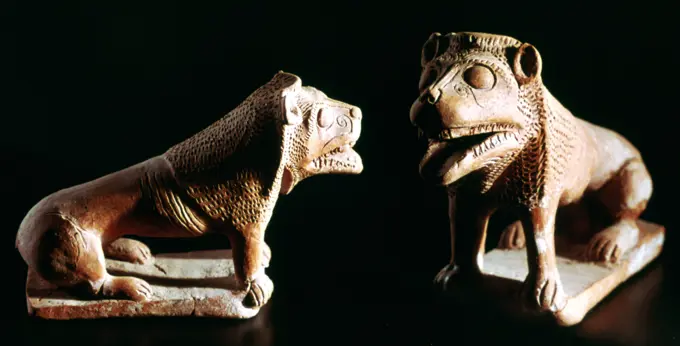
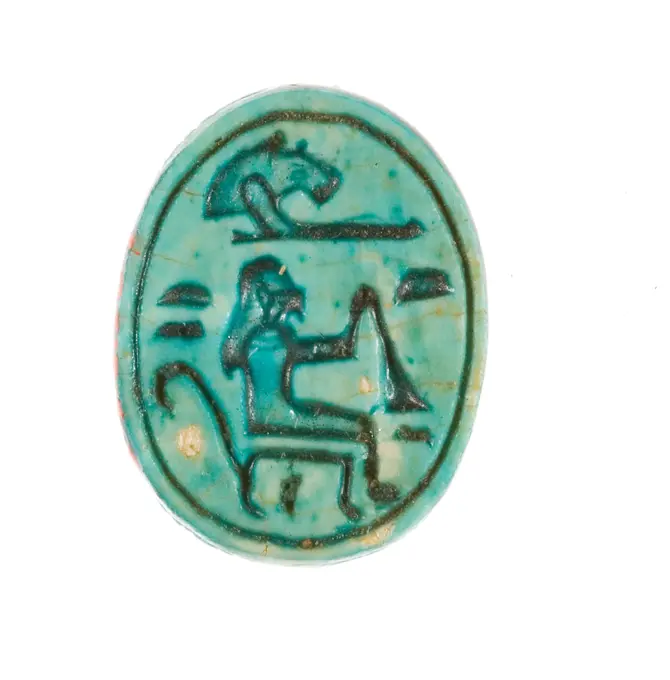
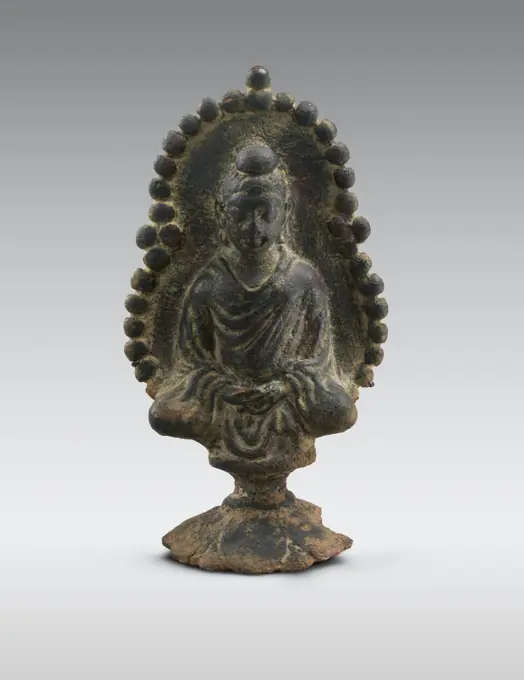
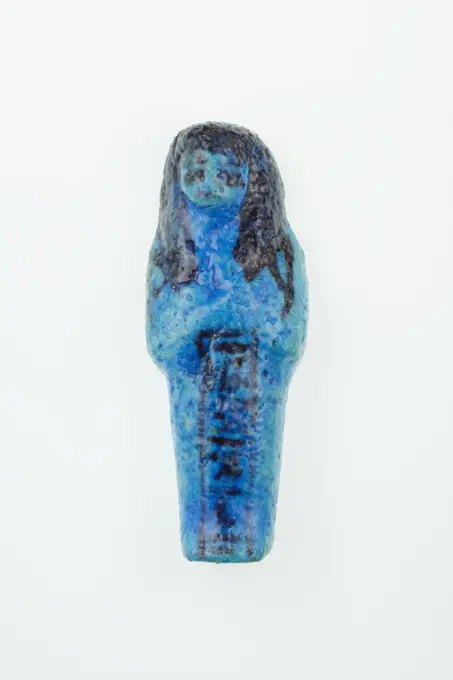
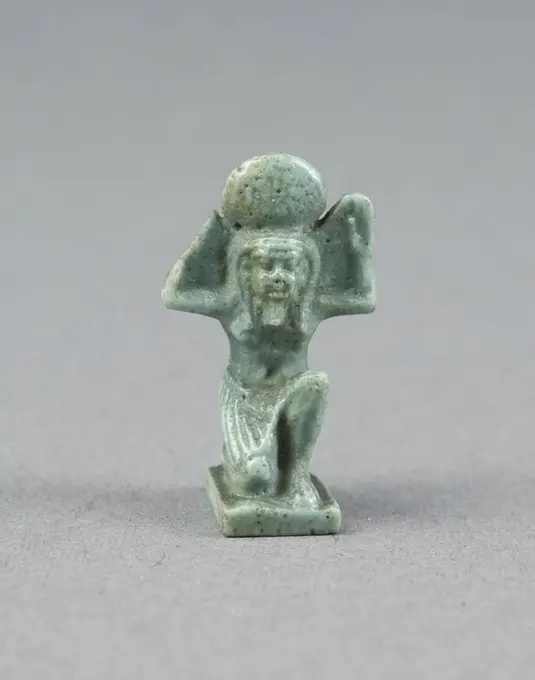
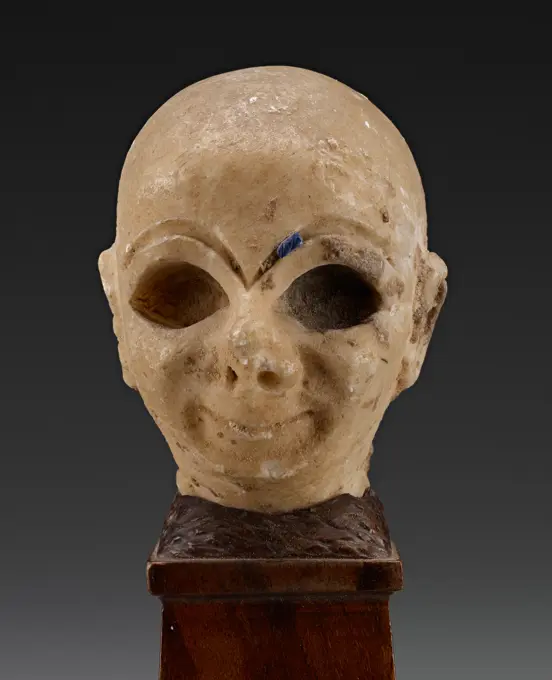
Head of a Man, possibly KingLugal?DalouDancing Group, 400s-500s. Mexico, Western Nyarit, 5th-6th Century. Terracotta; overall: 8.5 x 9.5 cm (3 3/8 x 3 3/4 in.).Rectangular wine container (fangyi) China 13th-11th century BCEESTATUILLA DE LA DINASTIA TCHEOU-ALT 130 MM-. Location: MUSEO REAL ARTE CHINO. STOCKHOLM.Votive main;  III-II century BC (-300-00-00--101-00-00);Terracotta statuette of a horse late 4th century B.C. Cypriot The solid horse was originally part of a chariot group. The fabric, a grayish buff with abundant small dark inclusions, is consistent with the reported provenance of the figurine, Kourion.. Terracotta statuette of a horse 241364Snuff Bottle 19th century China. Snuff Bottle 41196Vessel leg in the form of a bird 5th-3rd century B.C. China. Vessel leg in the form of a bird 61250Ivory needle cooker with in relief butterflies, anonymous, 1800 - 1900 Ivory needle cooker with ornaments in relief, including butterflies. China ivory Ivory needle cooker with ornaments in relief, including butterflies. China ivoryHead of a Statuette 664-332 B.C. Late Period. Head of a Statuette. 664-332 B.C.. Faience. Late Period. From Egypt. Dynasty 26-29Amulet of a Situla (Jar) 1070 BCE-664 BCE Egypt. Faience . Ancient EgyptianOne pair of Bronze Door Knobs Designed as Lions Heads. UnknownLibre. Location: EXTERIOR. Soria. SPAIN.Worker Shabti of Nauny ca. 1050 B.C. Third Intermediate Period See 30.3.26.1a, b. Worker Shabti of Nauny 625706HeadGold statue of Netjer-Ankh (living god) made of gilded wood. found in the tomb of Tutankhamen (KV62) in the Valley of the Kings in West Thebes. dates from the 18th dynasty (New Kingdom).Pacific Islander Using Spyglass. Ryūkei I (Japan, active late 18th-early 19th century). Japan, late 18th-early 19th century. Costumes; Accessories. WoodOcarina 6th-12th century Costa Rica. Ocarina 315709Beaker with Figure Displaying a Shell. Culture: Lambayeque (Sicán). Dimensions: H. 10 3/8 x Diam. 8 in. (26.4 x 20.3 cm). Date: A.D. 900-1100.These drinking vessels were likely used in ceremonial feasts before they were deposited in a high-status tomb. The beaker shows an individual clasping a Spondylus shell. Production of silver and gold objects in the Lambayeque culture reached epic proportions, and dozens, even hundreds, of vessels were placed in a single burial. Beakers were created in a centralized workshop.Estas copas de oro eran probablemente utilizadas en festines ceremoniales antes de ser colocadas en tumbas de personajes de alto rango. La producción de objetos de oro y plata en la cultura Lambayeque alcanzó proporciones históricas, con decenas o incluso centenares de vasijas colocadas en una única tumba. Sin duda las copas eran fabricadas en talleres centralizados, en los que los lingotes de dimensiones estándar eran transformados en objetos. Una de las copas presenta un Owl Head. Culture: Moche (Loma Negra). Dimensions: Height 3-3/16 in. (8 cm). Date: 390-450. Museum: Metropolitan Museum of Art, New York, USA.Rattle, anonymous, 1200 - 1500 Rinkelbel in the form of a demon head, characterized by a V-shaped opening at the bottom and a small loop on top of the head. East Java bronze (metal) Rinkelbel in the form of a demon head, characterized by a V-shaped opening at the bottom and a small loop on top of the head. East Java bronze (metal)Head of a Female 2nd-3rd century India. Head of a Female 38733Wooden festival mask from the Republic of Vanuatu. The mask is known as chubwan and are rare. Dated 18th CenturyPottery Whistle 19th century Mexican. Pottery Whistle. Mexican. 19th century. clay. Mexico. Aerophone-Whistle Flute-whistleFace Mask Ornament 6th-7th century Moche (Loma Negra). Face Mask Ornament 315163Vase fragment East Greek/Sardis, Lydian Red and black lines.. Vase fragment 252696 East Greek/Sardis, Lydian, Vase fragment, Terracotta, Overall: 4 5/8 x 3 7/16in. (11.7 x 8.8cm). The Metropolitan Museum of Art, New York. Gift of The American Society for the Excavation of Sardis, 1926 (26.199.128)Kneeling official ca. 1250-1070 B.C. New Kingdom, Ramesside The number of examples of nonroyal statuettes in poses and stances typical for use in burials diminishes greatly in the New Kingdom, reflecting a general shift in funerary practices away from the deposition of statuary in tombs and toward placement in temples. This figure is the earliest metal statuette of a nonroyal man that can be ascribed to a shrine or temple provenance because of its ritual worshipping pose. It is datable to the late Nineteenth or Twentieth Dynasty based on the style of the official's hair and garments as well as the style of his face, which shows no influences of the earlier Amarna period. The statuette's open core cavity, without core supports, and its long, irregularly shaped tangs (not visible when the figure is displayed) also support such a date.. Kneeling official 547899Lamp. UnknownVictoriaWine Container (Fangyi) 13th-11th century B.C. China. Wine Container (Fangyi). China. 13th-11th century B.C.. Bronze. Shang dynasty (ca. 1600-1046 B.C.). MetalworkZoomorphic polychrome terracotta vessel in shape of seated llama with load on its back, Vicus culture, circa 100 B.C.Olmec figurines, made from terracotta. From Mexico or Guatemala. 1500-600 BCAmenhotep II  Egyptian Art  Luxor Museum, EgyptBottle, Trophy-Head 2nd century B.C.-A.D. 1st century Topará This bottle with a bridged double-spout depicts a human head with sculpted and incised mouth, nose, and eyeholes in relief. The back of the bottle is covered in orange slip while the bottles face is covered in white slip and decorated with orange stripes with incised borders. The head, with its closed eyes and expressionless face is consistent with the depiction of trophy heads in the ceramic arts of early South Coast Peru. The ritualistic taking of real human heads is a recurring symbol of spirit and power in iconography of the Paracas and related Topará culture. Evidence of trophy head-taking is found in almost every pre-Incan culture in the central Andes, and is associated with deities and human sacrifice. Mythical figures in Paracas and Nasca textiles are depicted with trophy heads either held with the hands or attached to the waist, as seen in a Paracas mantle border fragment in The Mets collection 1994.35.120. BottlesLamp. UnknownScaraboid. Pendants GroupFigure 16th-19th century Dogon peoples. Figure. Dogon peoples. 16th-19th century. Wood, sacrificial patina. Mali. Wood-SculptureCavalry sports helmet, Roman Britain, late 1st or early 2nd century. Artist: UnknownTabliczka klinowa z odciskiem pieczęci urzędnika. Akalla (a-kal-la) syn Uree (ur-e11-e), authorWooden Sowei Helmet mask for a female ritual dancer, Sierra Leone or Liberia; West Africa 20th centuryTit (Isis knot) amulet 664-332 B.C. Late Period. Tit (Isis knot) amulet. 664-332 B.C.. Green faience. Late Period. From Egypt. Dynasty 26-29Figure of Fertility Goddess ca. 2700-2000 B.C. Baluchistan. Figure of Fertility Goddess. Baluchistan. ca. 2700-2000 B.C.. Terracotta. CeramicsFigure from reliquaries ensemble. From the Ondumbo people. Made from wood, copper and brass. From Gabon.Nepali ritual mask, 19th century, Sa Bassa Blanca Museum (msbb). Yannick Vu and Ben Jakober , Alcudia, Majorca, Spain.Stamp Seal, Plaque. Western Iran, circa 4th millennium B.C.. Tools and Equipment; seals. Black serpentineFigure Pendant A.D. 6th-16th century Central Caribbean or Greater Chiriquí Metalworkers in the Central American Isthmus made this figure pendant by casting an alloy of gold through the lost-wax process. A thick, horizontal loop on the back of the figures head suggests that it could have been worn by a person, but without archaeological context, it is difficult to suggest who wore it or in what setting. People may have circulated and displayed such objects to produce or reinforce power for their clan, or group of specialists (Ibarra 2003; also see Bozzoli 1975). These gold objects would have been accessible to a wide array of people and not concentrated in the hands of a select few.The present figure wears a headdress that includes a trapezoidal element at center, a double band lower at center, and spiral-ended plumes that extend from either side of the head and out above it. The eyes and mouth are partially or completely closed, and there is a triangular nose between them. The arms ofTerracotta statuette of a woman reclining on a couch. Culture: East Greek. Dimensions: Overall: 3 5/8 x 6 1/2 in. (9.2 x 16.6 cm). Date: probably late 3rd-2nd century B.C..Draped, reclining on couch, vase in right hand. Museum: Metropolitan Museum of Art, New York, USA.Tiger: emblem of the West China. Tiger: emblem of the West. China. Jade. Han dynasty (206 B.C.-A.D. 220). JadeFour copper alloy foundation figurines representing gods. About 2150 BC (reign of Gudea). From the temple of Ningirsu, Girsu.Limestone cippus of Marciana ca. 2nd-3rd century A.D. Roman, Cypriot The Greek inscriptions reads: "Good Marciana, farewell!". The deceased woman has a Roman name.. Limestone cippus of Marciana 241963Figure of a child China. Figure of a child. China. Baked clay. Eastern Zhou dynasty (770-256 B.C.). Tomb PotteryVessel in the Form of a Seated Ruler 180 BCE-500 CE Peru. Ceramic and pigment . NazcaGolden Artifact In The Gold Museum In La Candelaria, The Old Town Of Bogota, ColombiaTripode vase. Bronze. Chine. Par musée musée malée. 70004-11 Asian art, bronze, detail, close -up, Chinese object, container, tripod vaseRussian terracotta figurines of animals.Figurine of a Bovine 12th century The relatively simple and unadorned style of Syrian figurines, as well as their often iridized and whitened glaze, could not be improved” by early twentieth-century restorers. Objects like this figurine did not meet the taste of collectors to the same extent as the more extravagant Iranian works (whether medieval or modern). As a result, fewer Syrian figurines are present in today’s collections and displays, and their cultural background needs more research.. Figurine of a Bovine 448425Bearded funerary mask Bearded funerary mask, Punic-Ebusitan style, 400-300 BC, Archaeological Museum of Ibiza and Formentera, Ibiza, Balearic Islands, Spain Copyright: xZoonar.com/Tolox 23005406Sacerdote de Cádiz. Figura realizada en bronce, con una máscara de oro aplicada sobre la cara. Siglo VII a.C. Edad de hierro. Museum: MUSEO ARQUEOLOGICO, MADRID, SPAIN.Baluster 17th-18th century China. Baluster 61504Black granite statue of King Sesostris III, 12th Dynasty (approx. 1850 BC). One of three taken from Deir el-Bahri.Chess Piece, Bishop. Dimensions: H. 2 3/16 in. (5.5 cm)L. 1 15/16 in. (5 cm). Date: 7th-8th century. Museum: Metropolitan Museum of Art, New York, USA.Noh Mask of Okina, 1400s. Japan, Muromachi period (1392-1573). Polychromed wood and hemp; overall: 20.4 x 16.1 cm (8 1/16 x 6 5/16 in.).Scarab. Dimensions: L. 1 cm (3/8 in). Dynasty: Dynasty 12-18. Date: ca. 1981-1295 B.C.. Museum: Metropolitan Museum of Art, New York, USA.Pin Shaped as a Dog with a Monkey; Etruria; 700 - 650 B.C; Bronze; 3.8 × 7.6 × 2 cm (1 1,2 × 3 × 13,16 in.)Neolithic fertility goddess, 6000 BC, from Horvat Minha, Jordan Valley, IsraelPeruvian earthenware bottle in the form of a squatting figure, 5th century. Artist: Unknownweibliches anthropomorphes Gefäß weibliches anthropomorphes Gefäß Copyright: xZoonar.com/Tolox 22682399Plaque with the Cartouche of Tawosret New Kingdom, Ramesside ca. 1188-1186 B.C. View more. Plaque with the Cartouche of Tawosret. ca. 1188-1186 B.C.. Faience. New Kingdom, Ramesside. From Egypt, Upper Egypt, Thebes, Ramesseum Area, Temple of Tawosret, foundation deposit, Petrie excavations, 1896. Dynasty 19Figurine of a Seated Man. Egyptian. Date: 2055 BC-1650 BC. Dimensions: 2.5 × 1.3 × 1.3 cm (1 × 1/2 × 1/2 in.). Faience. Origin: Egypt. Museum: The Chicago Art Institute, Chicago, USA. Author: Ancient Egyptian.Small figurine Amulets 600 A.D. Thought to have fertility properties. Made from beaver teeth with a gold setting. Anglo Saxon. Scarab Inscribed with the Name Menkheperre (Thutmose III) ca. 1479-1425 B.C. New Kingdom. Scarab Inscribed with the Name Menkheperre (Thutmose III). ca. 1479-1425 B.C.. Glass. New Kingdom. From Egypt, Upper Egypt, Thebes. Dynasty 18Painted Wooden Model of a 12th Dynasty Egyptian Boat with Crew. Information office and radio broadcaster Dutch New Guinea. Wooden ancestor figurines, the middle one comes from Biak and the right hand of the Geelvink Bay. October 1957. New GuineaFemale Saint, anonymous, c. 1450 - c. 1500  Low Countries pipe clay  Low Countries pipe clayFace Rattle mid-19th century Tsimshian. Face Rattle 310549Peruvian, Spanish Colonial-Inca culture, ceremonial goblet; (kero) wood with encrusted resins 18th century.Lima, Peru. Gold Funerary Offering at the Larco Museum (Museo Arqueologico Rafael Larco Herrera). Complete set of gold Chimu clothing. Chimu Imperial Epoch (1300-1532 AD). (Editorial Use Only) in phaselis temple turkey asia old ruined column and destroyed stoneOinochoe (Pitcher) in the Shape of a Female Head 450 BCE Athens. Three manufacturing techniques were employed to produce this vessel. The lower portion, in the shape of a womanís face, was made in a mold; the shoulder, neck, and mouth of the pitcher were formed on a potterís wheel; and the handle was fashioned by hand. The womanís flesh and thick, centrally parted hair are the natural color of the clay, but her brows and the contours of her eyes and irises are drawn in black. Her sclerae are white, and her irises are brown.. terracotta, decorated in the red-figure technique . Ancient GreekCanaanite Scarab of the "Anra" Type ca. 1648-1540 B.C. Second Intermediate Period. Canaanite Scarab of the "Anra" Type. ca. 1648-1540 B.C.. Steatite. Second Intermediate Period. From Canaan, Levant. Dynasty 15Bronze statue roman emperor, thoracato (wiht armor), 2th century, Provincial Museum, Cadiz, Region of Andalusia, Spain, Europe.Romania, Bucharest, Muzeul National de Istorie al Romaniei, Bronze figure of Anaitis, Goddess of huntingGold Ceremonial Vase. 12th-14th c. Chimu art. Jewelry. PERU. Lima. Peruvian Gold Museum.Archaic Mask, 500s BC. Greece, Sicily, 6th Century BC. Terracotta; overall: 9.5 cm (3 3/4 in.).Fragment 10th-12th century. Fragment 452723Two lion figures in fired clay, from the Punic city of Kerkouane, in the north-eastern region of Tunisia. Once a thriving Phoenician metropolis, Kerkouane became a ghost town when its inhabitants abandoned it while battling the invading Roman Empire. This Phoenician city was probably abandoned during the First Punic War (c. 250 BC) and, as a result, was not rebuilt by the Romans. It had existed for almost 400 years.Limestone cippus of Eupraxia. Culture: Roman, Cypriot. Dimensions: 25 x 12 in. (63.5 x 30.5 cm). Date: ca. 2nd-3rd century A.D..The Greek inscription reads: "Good Eupraxia, farewell!". Museum: Metropolitan Museum of Art, New York, USA.Treasure of Tanis, vulture shaped gold breastplate belonged to King Sheshong III, close-upWomen's head - a fragment of the figurine;  III-II century BC () (-300-00-00--201-00-00);Face of sandstone. Front portion of a head in red and yellow dotted sandstone.African maskGreen figurines of Kap Aa;  around 747-656 BC ; 3rd passage period, 25 dynasty (-752-00-00--656-00-00);Scenes.gal.eg., men's figurines, priestsRoman bronze magic hand of fortune. Artist: UnknownThree fisherman , Fishermen. The Massachusetts WPA Federal Art Project Photograph CollectionAsia, Israel. Stelae temple from Hazor, Canaanite, Israel.Scarab Inscribed for Hatshepsut ca. 1479-1458 B.C. New Kingdom This scarab was found in one of the foundation deposits located along the front wall of the lower court of Hatshepsut's funerary temple at Deir el-Bahri. The inscription on the base records Hatshepsut's personal name (Hatshepsut). Two other scarabs from this group have variations of the same inscription that show a very similar style (27.3.170, 27.3.171). The backs of these three scarabs are also quite similar.. Scarab Inscribed for Hatshepsut. ca. 1479-1458 B.C.. Steatite (glazed). New Kingdom. From Egypt, Upper Egypt, Thebes, Deir el-Bahri, Temple of Hatshepsut, Foundation Deposit 7 (G), MMA excavations, 1926-27. Dynasty 18, earlyEnthroned Buddha Finial 4th-5th century Pakistan (ancient region of Gandhara) A diminutive image of a Buddha in meditation, on a lotus petal-waisted pedestal, framed by a pearl-bordered aureole. The distinctive folds of the upper robe, pleated with V-front in a style familiar from late Kushan stone versions of this subject, points to an early date for Gandharan metal imagery, perhaps 4th century. Whilst this object may have functioned as an independent icon, it is also likely that it was part of an ensemble, perhaps serving as a finial atop a bronze container for Buddha relics. The early date of this work adds to its significance, given the scarcity of Gandharan world bronzes up to around this period. Bronzes images do occur earlier, but they are extremely rare and point to this medium being of lesser importancesmall scale and essentially portable icons were variously made, according to the written sources, in sandalwood, ivory, gold and silver.. Enthroned Buddha Finial. Pakistan (ancWorker Shabti of Nauny ca. 1050 B.C. Third Intermediate Period See 30.3.28.1a, b. Worker Shabti of Nauny. ca. 1050 B.C.. Faience. Third Intermediate Period. From Egypt, Upper Egypt, Thebes, Deir el-Bahri, Tomb of Meritamun (TT 358, MMA 65), first corridor, burial of Nauny, MMA excavations, 1928-29. Dynasty 21Amulet of the God Shu. Egyptian. Date: 664 BC-525 BC. Dimensions: 2.25 × 1.25 × 1 cm (7/8 × 1/2 × 3/8 in.). Faience. Origin: Egypt. Museum: The Chicago Art Institute, Chicago, USA. Author: Ancient Egyptian.Bronze statuette portraying Eros riding dolphin, from Trajan's Fountain, Ephesus, Turkey