Ancient Figurative Artifacts

A collection of ancient figurines and ceramic musical instruments, showcasing historical craftsmanship from various cultures, including amulets and standing figures.

Palma in the Form of an Owl's Head. Mexico, Veracruz, Veracruz, Veracruz, 600-1000 CE. Stone. Basalt
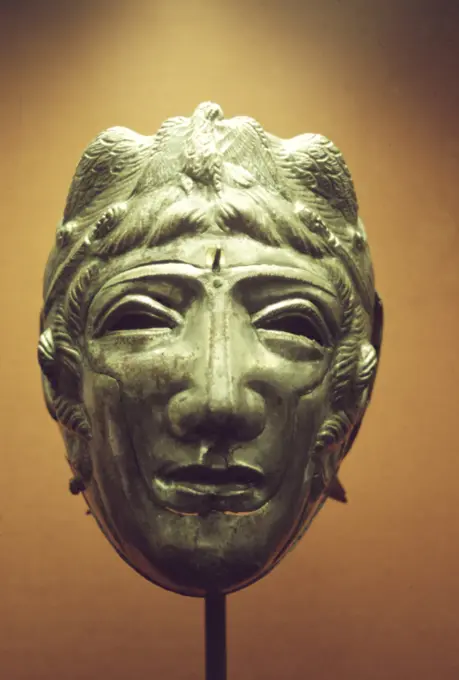
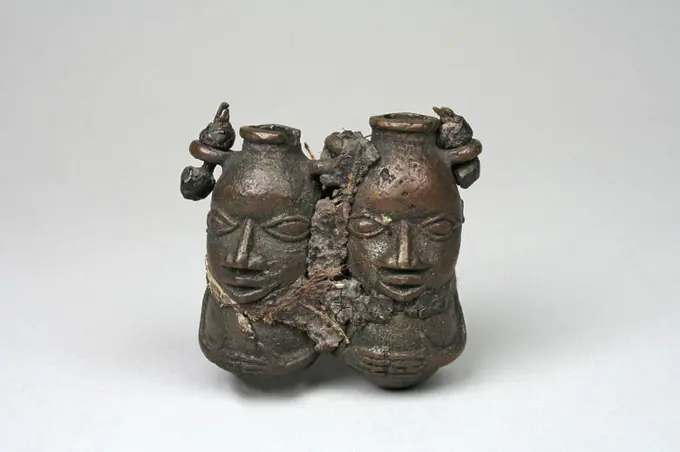
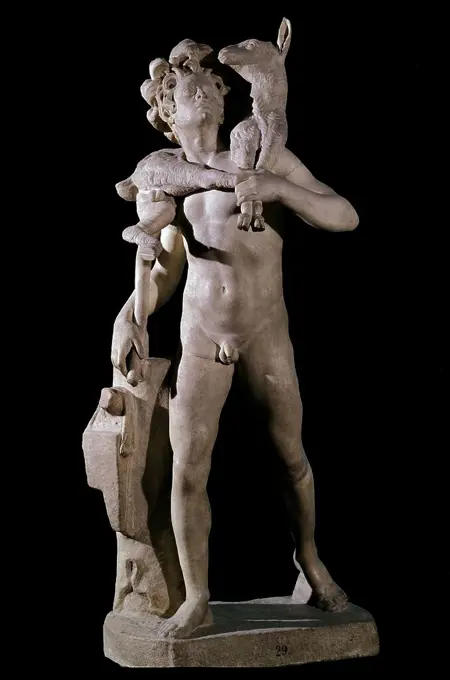
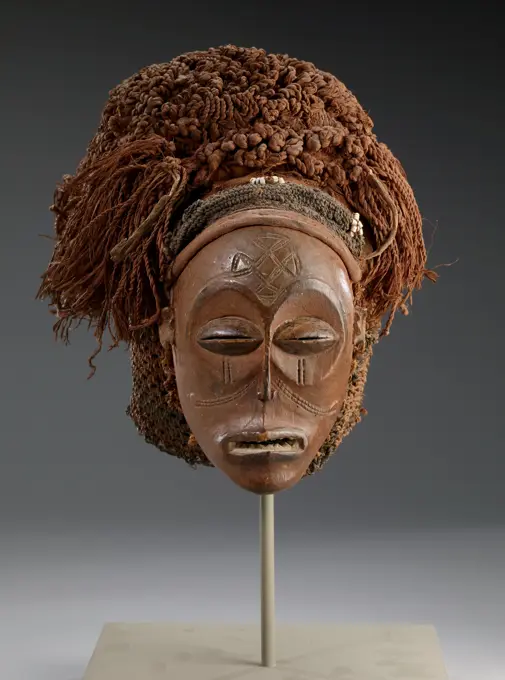
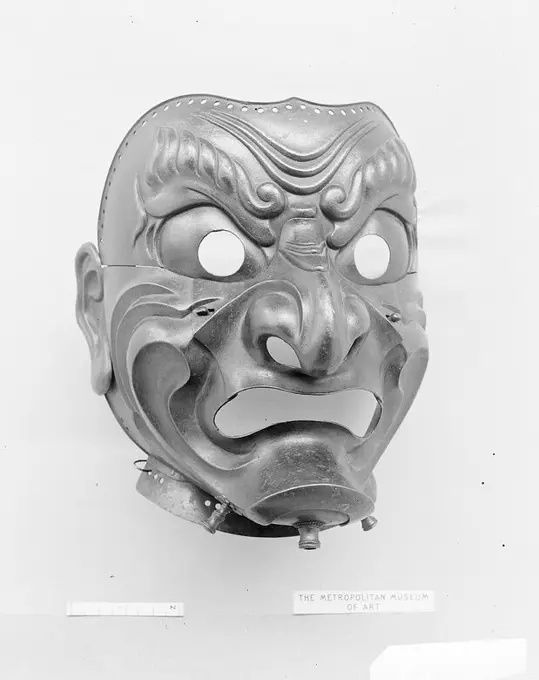
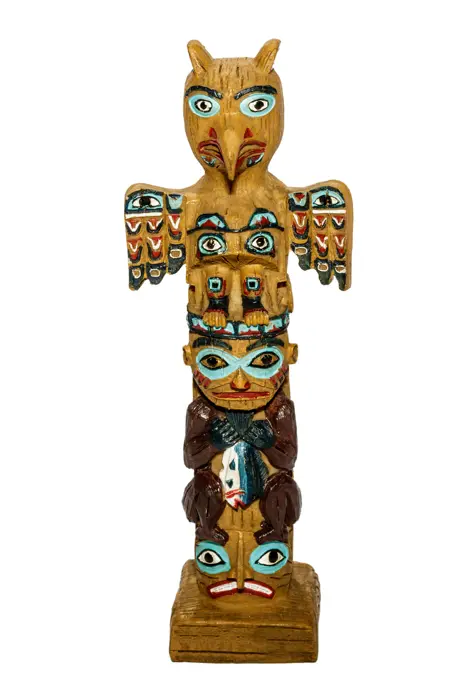
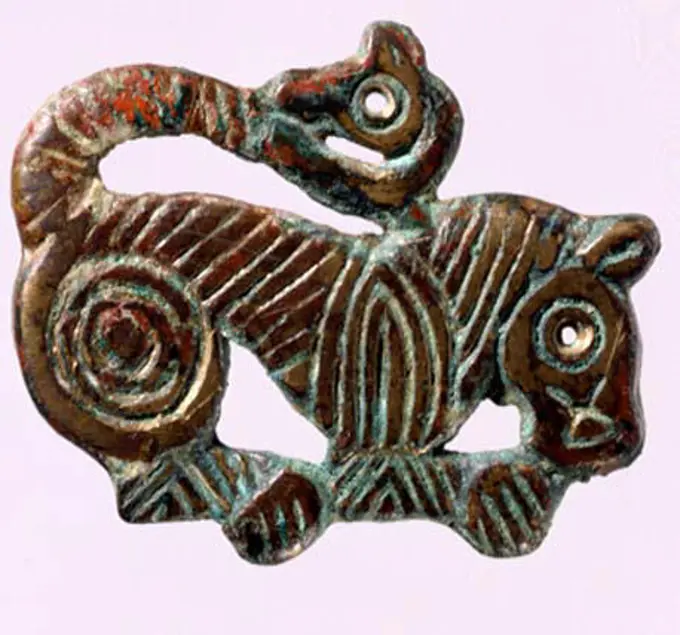
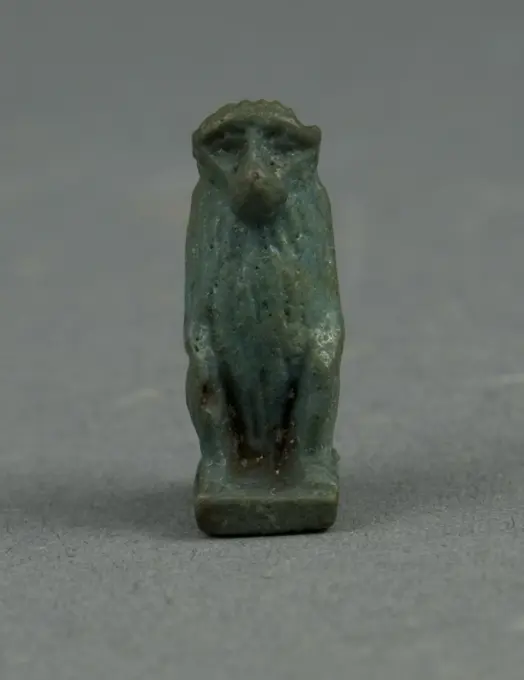
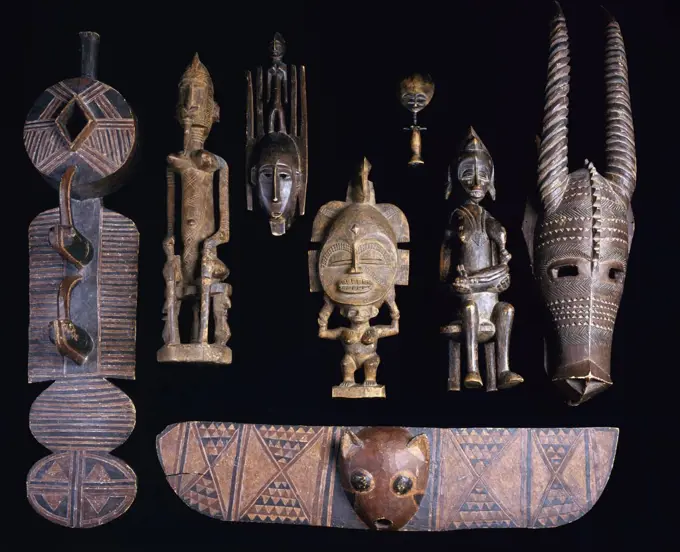
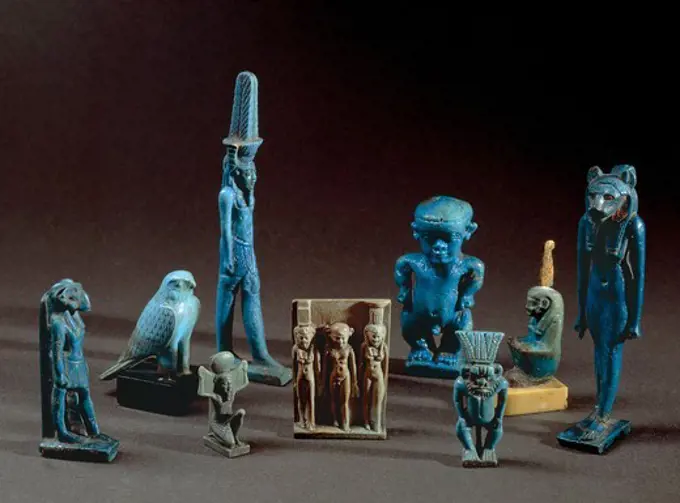
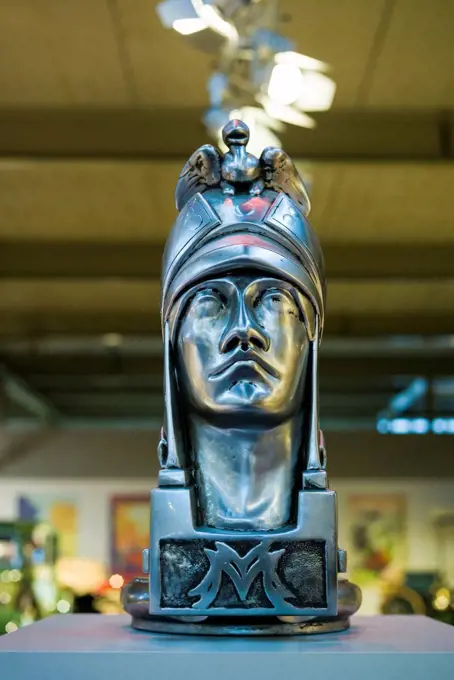
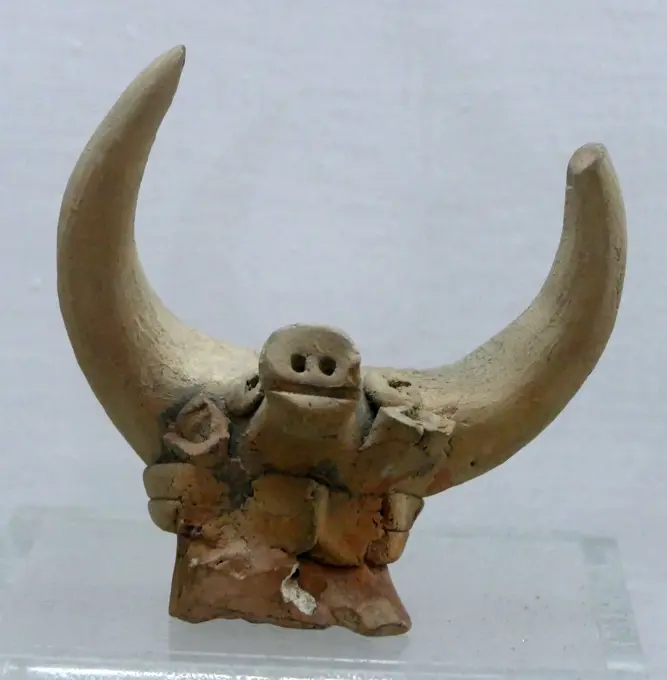
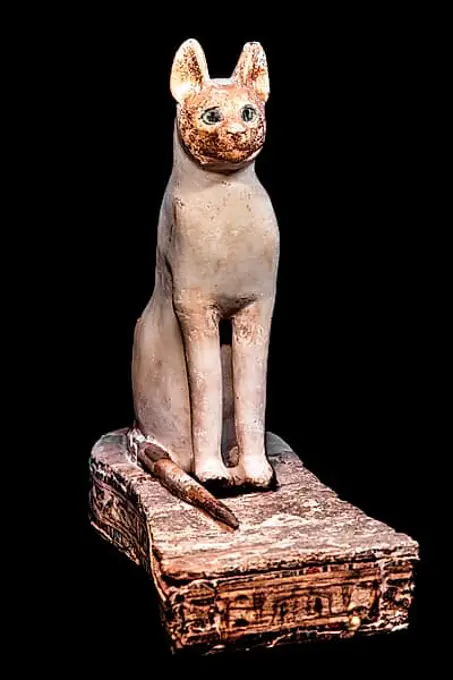
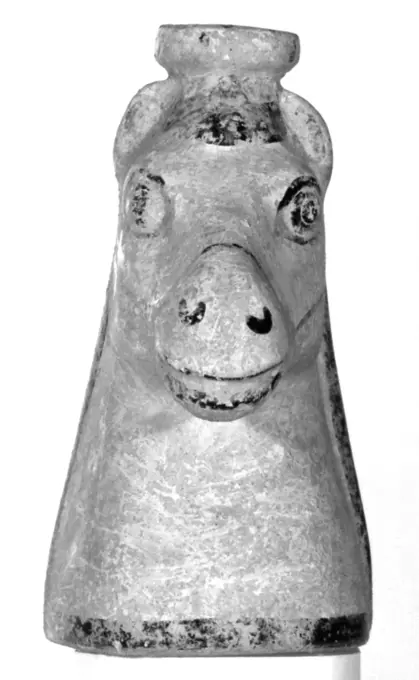
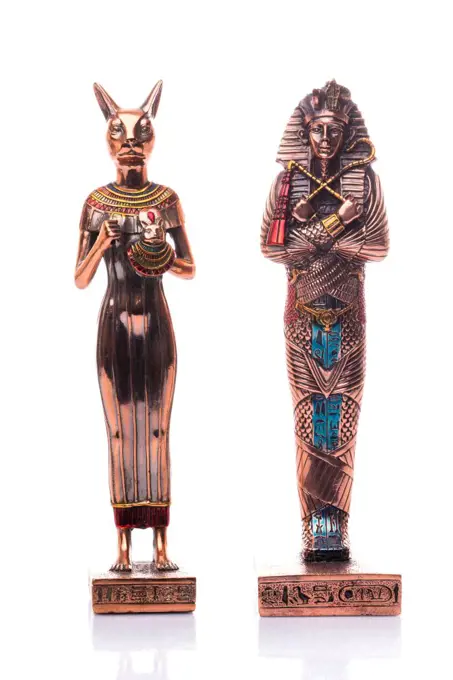
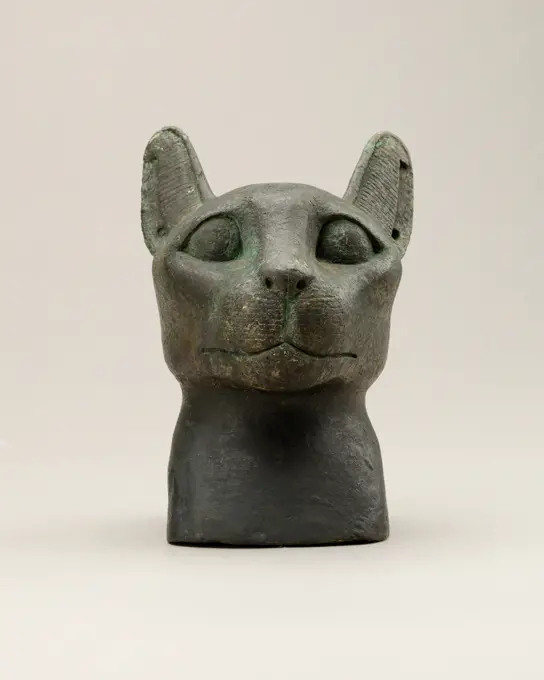
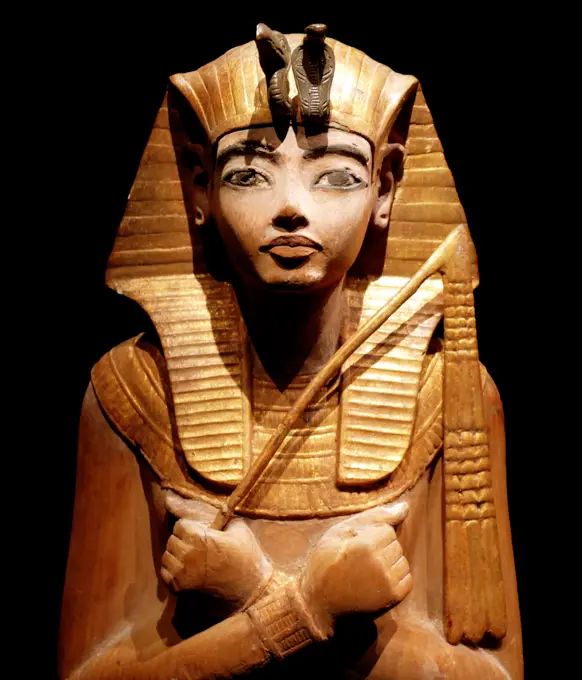
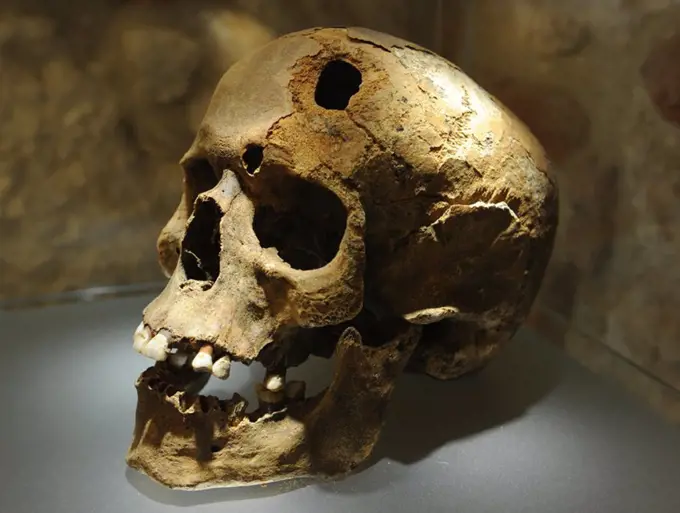
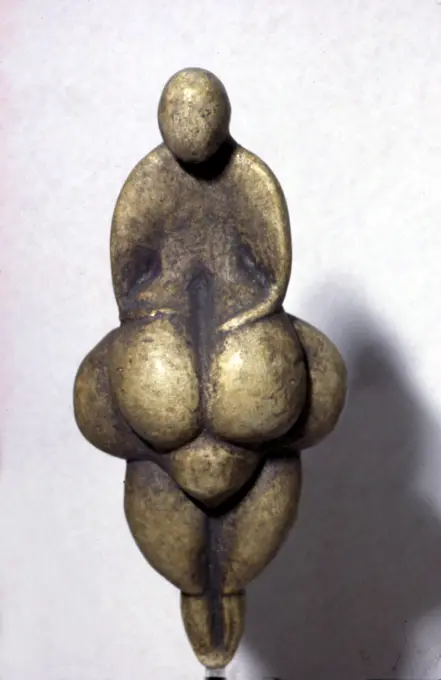
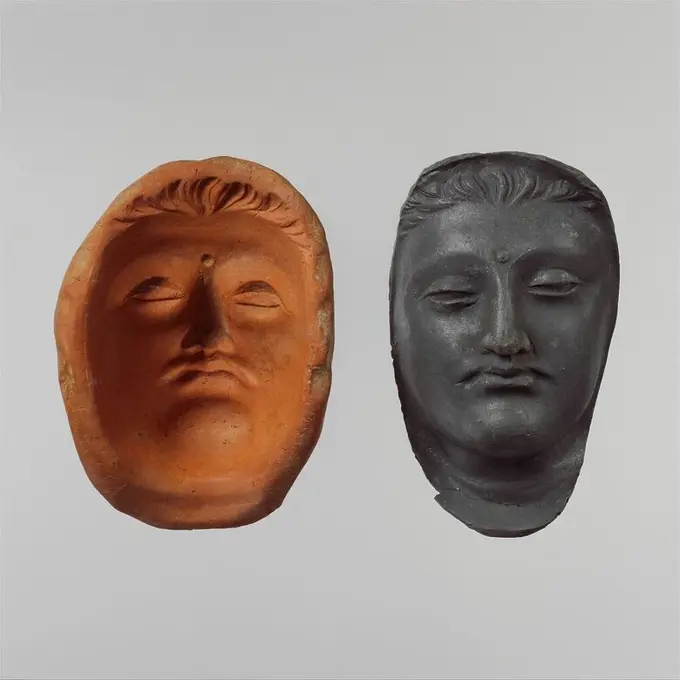
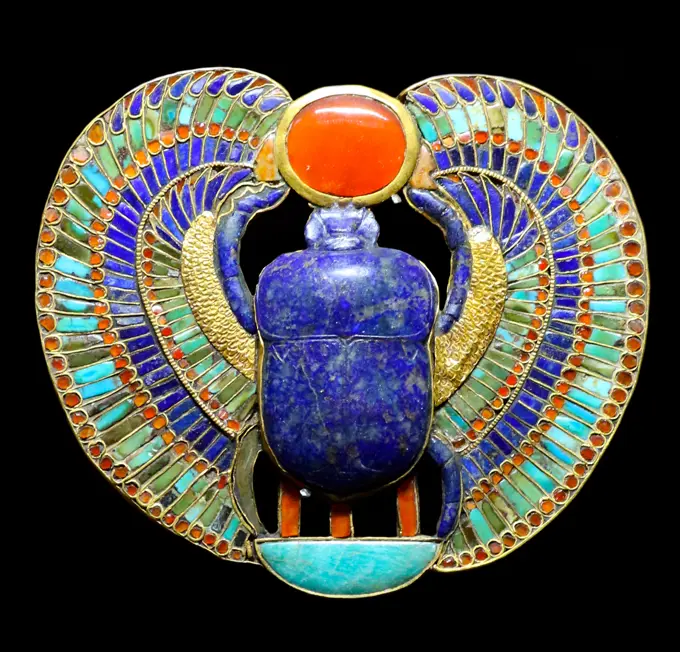
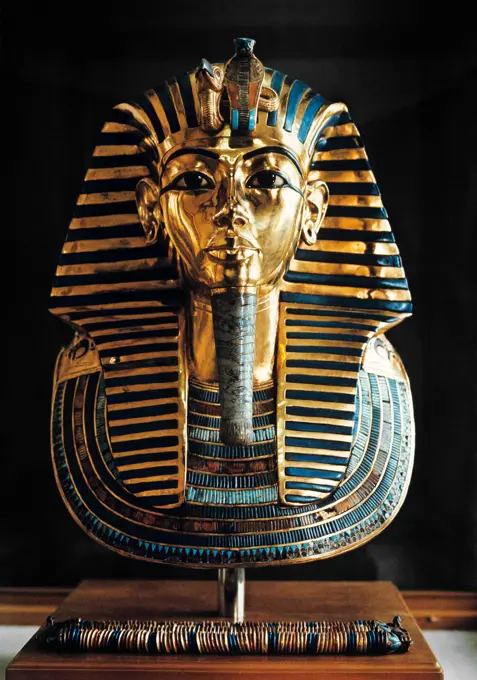
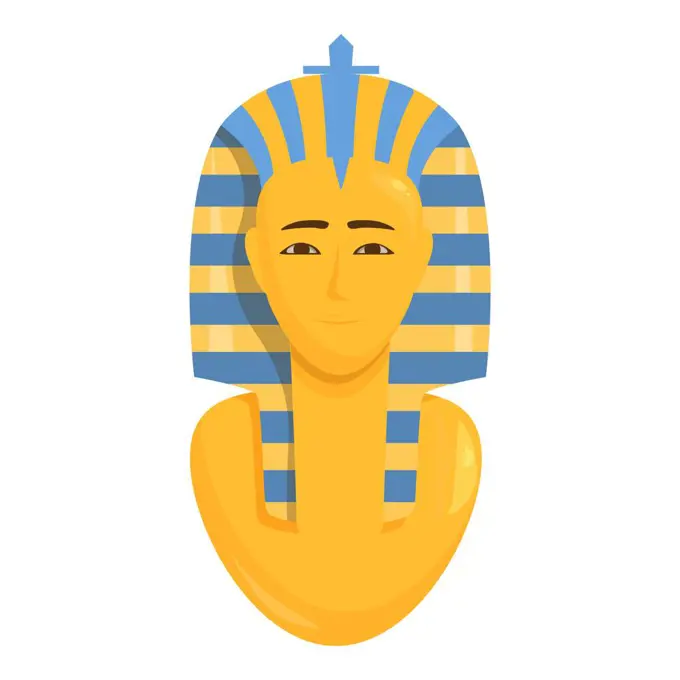
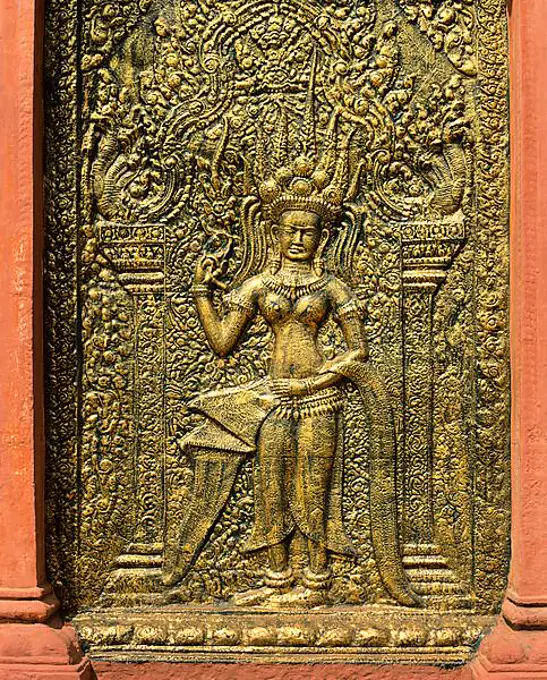
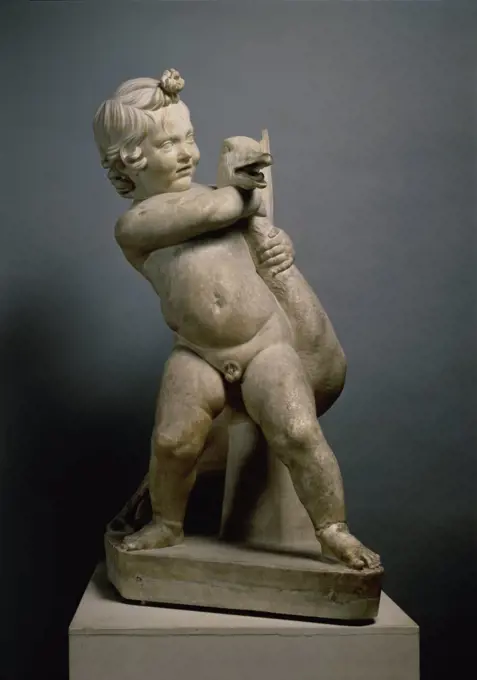
Eros Playing with a Swan  Greek Art  Musee du Louvre, Paris Roman parade helmet with Imperial Eagle decoration. ITALY.Iberian bronze votive offerings, Luz sanctuary, Murcia,, Valladolid Museum - Provincial Museum of Antiquities, Autonomous Community of Castile and Leon, Spain.Pre-Hispanic artifacts are on display in the small museum of the former mining village of Lachatao, in the Sierra Juarez mountain range, near Oaxaca, southern Mexico.Medicine Vessel: Two Figures. Culture: Edo peoples. Dimensions: Height 2 in.. Date: 18th-19th century. Museum: Metropolitan Museum of Art, New York, USA.Pre_Columbian Indian artefact, from the Hodges Collection, Haiti, West Indies, Caribbean, Central AmericaFAUNO DEL CABRITO - 130-150 DC - MARMOL BLANCO - REPLICA ROMANA SEGUN MODELO HELENISTICO DE 160-150 AC. Author: ANONYMOUS. Location: MUSEO DEL PRADO-ESCULTURA. MADRID. SPAIN.Foreign horse groom 7th-8th century China. Foreign horse groom 63016Traditional Mexican Patterned Ceramic Day of the Dead Skull Sculpture. Traditional Mexican Patterned Ceramic Day of the Dead SkullWooden statuettes depicting Gods Ptah, Osiris and Seker bird. Archaeological Museum. Istanbul. Turkey.Treasure of Tanis, breastplate of Psusennes I in form of winged scarabMask, 1920-1930, 10 1/2 x 10 1/2 in. (26.67 x 26.67 cm) (headdress), Wood, vegetable fiber, glass beads, metal, Angola or Democratic Republic of Congo, 20th century, Known as pwo (woman) or mwana pwo (young woman), this type of mask is worn by men whose outfits include breasts carved in wood and fastened to their netted costume. The masks evoke female ancestors, who are responsible for guarding the communitys fertility. They are represented as beautiful women with balanced features, filed teeth, and delicate scarifications on their cheeks and forehead. This example includes an elaborate hairstyle, consisting of hundreds of strands and knots, embellished with red camwood powder.Wood Gigaku Mask, Kamakura Period (13th - 14th Century) Japanese Art WoodMask. Armorer: Inscribed by Myochin Muneakira (Japanese, Edo period, 1673-1745). Culture: Japanese. Dimensions: H. 7 3/4 in. (19.7 cm); W. 6 3/4 in. (17.2 cm). Date: dated 1715.Masks have long played an important role in Japanese culture: in religious ceremonies, dance, Noh theater, and military costume. For samurai, masks served as a principal face defense and helped secure the helmet to the head more firmly.The majority of masks were half-length (mempo), covering the nose and the face below the eyes. Their iron surfaces are either lacquered or a dark russet finish; the interiors are usually lacquered red. In addition to half masks, the Metropolitan Museum's collection is unusual in possessing numerous full masks (somen). The majority date from the peaceful Edo period. During that time, armorers like the Myochin clan took pride in making ever more varied masks as a demonstration of their creativity and their famous metalworking skills. Museum: Metropolitan Museum of ArTotem Pole isolated on white backgroundFoundation Deposit Plaque ca. 1153-1147 B.C. New Kingdom, Ramesside. Foundation Deposit Plaque. ca. 1153-1147 B.C.. Faience. New Kingdom, Ramesside. From Egypt, Upper Egypt, Thebes, Asasif, Ramesses IV temple over Valley Temple of Hatshepsut, foundation deposit, Carnarvon excavations, 1911. Dynasty 20Plaque in the Shape of a Tiger 6th century B.C. Northeast China. Plaque in the Shape of a Tiger 65239Amulet of an Ape 1070 BCE-656 BCE Egypt. Faience . Ancient EgyptianMask from a Cavalry Helmet; Asia Minor; 75 - 125; Bronze; 28 × 17.8 cm (11 × 7 in.)Statues and masks on black background,  USA,  Florida,  Jacksonville,  The Museum of Contemporary Art,  African Teaching CollectionPhrenology HeadOrnament of a mummy: necklace with scarabIron age basalt stellar found in Camlidere, Sanliurfa Museum, Sanliurfa, Turkey. (Editorial Use Only)Ceramic amulets depicting deities Taweret, Horus, Thoth, Maat, Sekhmet, Bes. Late Period.Limestone grave marker 4th century B.C. Cypriot The influence of Greek grave monuments can be seen in this relief of a seated woman with her right hand raised to lift her himation (cloak) over her head, as though preparing for departure. Greek artists, however, rarely showed such figures in a frontal position.. Limestone grave marker 242037Belgium, Brussels, Autoworld, one of the largest automotive museums in Europe, 1930s-era Belgian-built Minerva car hood ornamentTerracotta animal figurines from the Indus Valley Civilisation at Mohenjo-Daro, Pakistan. The Indus Valley Civilisation was a Bronze Age culture, (33001300 BCE; mature period 26001900 BCE) mainly in the north-western regions of South Asia, extending from what today is northeast Afghanistan to Pakistan and northwest IndiaMexico, Puebla, Cholula archaeological site museum small clay figures.Coffin for a cat mummy, from the exhibition: Ramses the Great and the Gold of the Pharaohs, Cologne, North Rhine-Westphalia, Germany, EuropeImitation Corinthian Vase. UnknownKachina, 20th century, 11 1/2 in. (29.2 cm), Wood, cloth, natural fibers feathers, paint, United States, 20th centuryHead of a Woman. UnknownTreasure of Tutankhamen, Miniature Sarcophagus from New KingdomEgyptian cats and pharaon on a white background. Egyptian pharaoh StatueHead of a cat 664-30 B.C. Late Period-Ptolemaic Period The cat was sacred to the goddess Bastet, and was offered in sanctuaries and deposited in animal necropoleis throughout Egypt. This cat has bold features including large, deeply-inset eyes and strong cheekbones. Close, repeated incised lines mark the hairs in the ears and the whiskers below the nose. Both ears are pierced and would have had earrings, probably of precious metal.The function of these large cat heads is ambiguous. They have been found in offering contexts, and it is commonly assumed that they formed part of a composite statuette; the full statuette, when intact, probably would have had a hollow wooden body and held a cat mummy inside, much as similar large hollow copper alloy statuettes did. However, these figures are almost never found with the composite bodies, even at sites where wood is relatively well preserved. It is possible that in some cases these cat heads were dedicated on their own, or were purposefully dipainted wooden Shabti figure, with gilded nemes headdress and collar. from the reign of Tutankhamun 1336-1326 BC.Wine jug shaped as a male head. Bronze, Greek, 5th century BCPoland. Krakow. Rynek Underground or the Underground Square Central Museum. Located below of the Market Square. Medieval archaeological remains of the commercial area of the city, 4 meters below the square. A cementery was also found. Human skull with trepanation. Age 40 years. 11th century. It is believed that the type of trepanation was therapeutic because of the scarring of the bone, and that the patient lived several weeks after the operation.Venus of Lespugues. Prehistoric figurine, 20 000 BC. FRANCE.Rostrate altar dedicated to calmness, relief depicting ship at seaClose up of an African maskSix Zodiac Figures 386 CE-550 CE China. Earthenware with traces of slip .Tutankhamun Gold Mask.Mold for a Buddha's Head. Culture: Pakistan (ancient region of Gandhara). Dimensions: 5 x 3 17/32 in. (12.7 x 9 cm). Date: ca. 3rd century. Museum: Metropolitan Museum of Art, New York, USA.Netsuke, anonymous, c. 1800 - c. 1900 Devil mask. Japan ivory Devil mask. Japan ivoryScary, sinister nightmare dollPectoral in the Form of a Winged Scarab. Made from gold, carnelian, turquoise, green feldspar, lapis lazuli, calcite. Height 9 cm; width 10.5 cm, found in the tomb of King Tutankhamun. 18th Dynasty reign of Tutankhamun (1333-1323 BC)Colored Indian Totem. Wooden object symbol animal plant representation family clan tribe. Flat vector illustration isolated on white background.Prehistoric Egyptian necklace. Badarian Period (circa 4000 BC) and Predynastic Period (4000-3000 BC). The jewellery of prehistory uses elements like shells, tusks and beads made of different stones (limestone, basalt, alabaster or greywacke).KING TUT'S MASK CAIRO MUSEUM EGYPTWooden model of fishing boats and net, detailUs-Khatyn festival site, ceremonial post (serge), sculptor William Yakovlev, Yakutsk, Russia. Brumfield photograph collection. Ceremonial objects,Russia Federation,2000-2010. , Russia Federation,Republic of Sakha-Yakutiia,Yakutsk.Golden tutankhamun death mask representing ancient egyptian civilization, isolated on a white background. Golden tutankhamun death mask representing ancient egyptian civilizationApsara relief at Wat Phnom, Phnom Penh, Phnom Penh Province, Cambodia, AsiaGreek marble statues aesthetic vector hand drawn illustration set. sculptures of human body and architectural elements.Antoninus Pius (86-161 AD). 15th emperor of Roman Empire. Nerva-Antonine Dynasty. Colossal head portrait. 2nd century. National Archaeological Museum, Naples, Italy.