Ancient Figurine Fragments

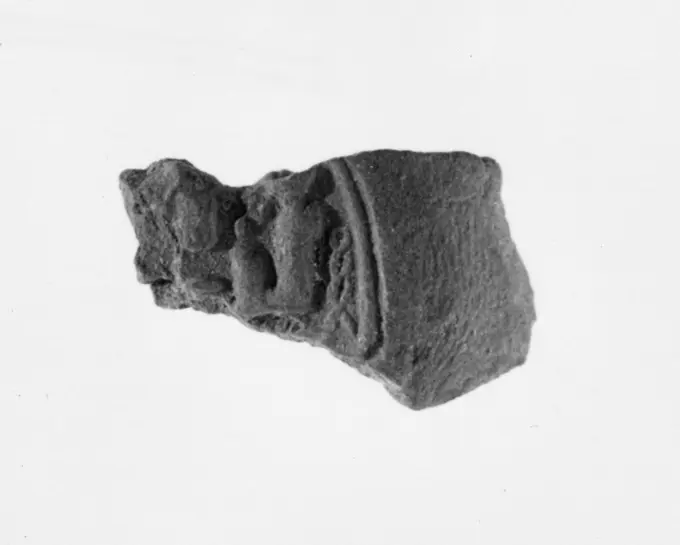
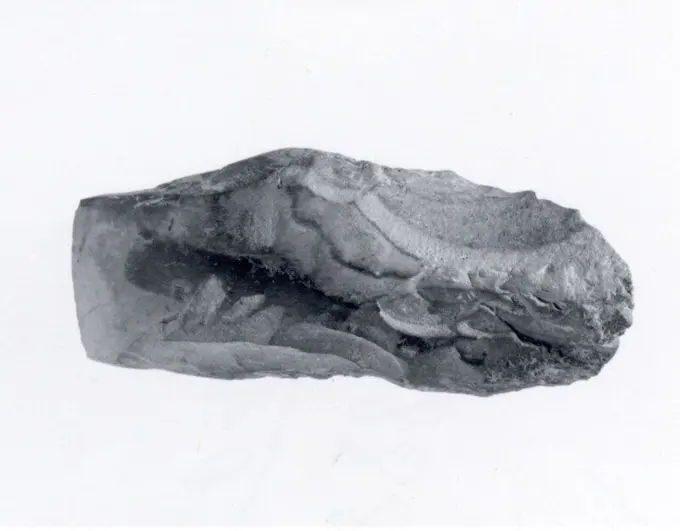
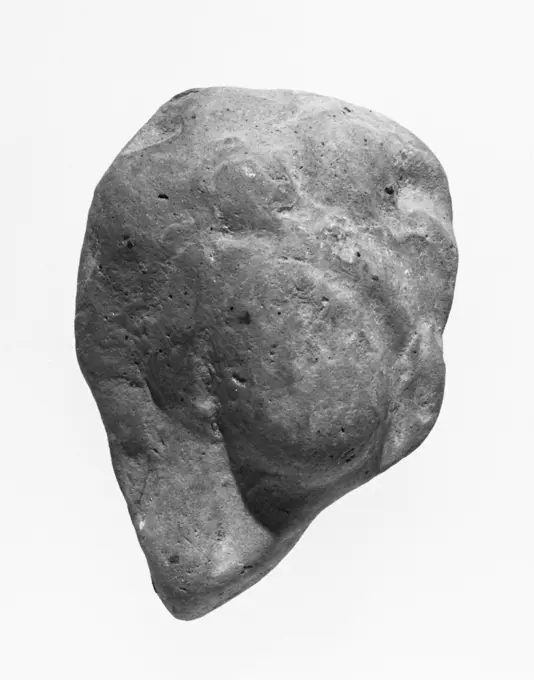
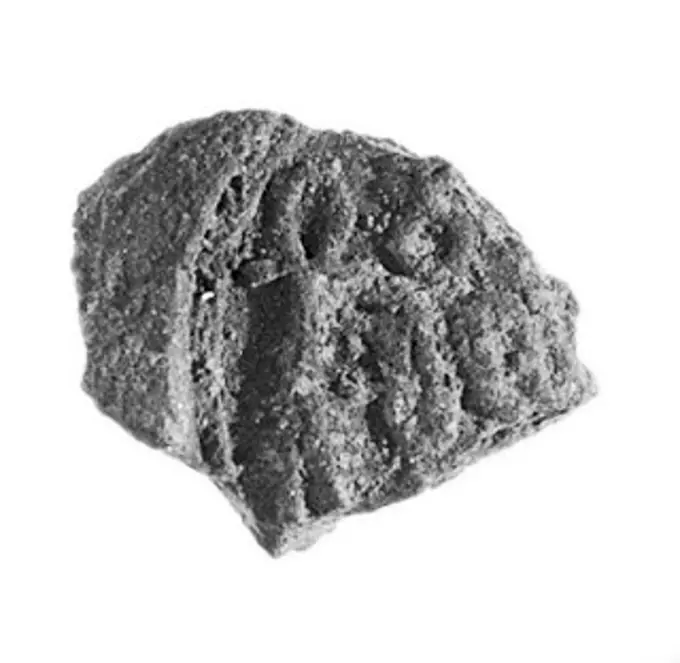
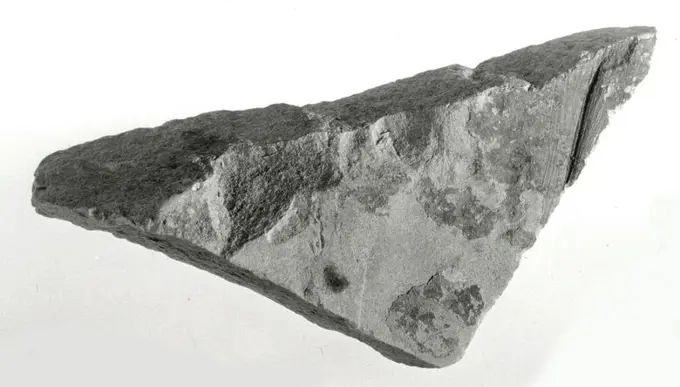
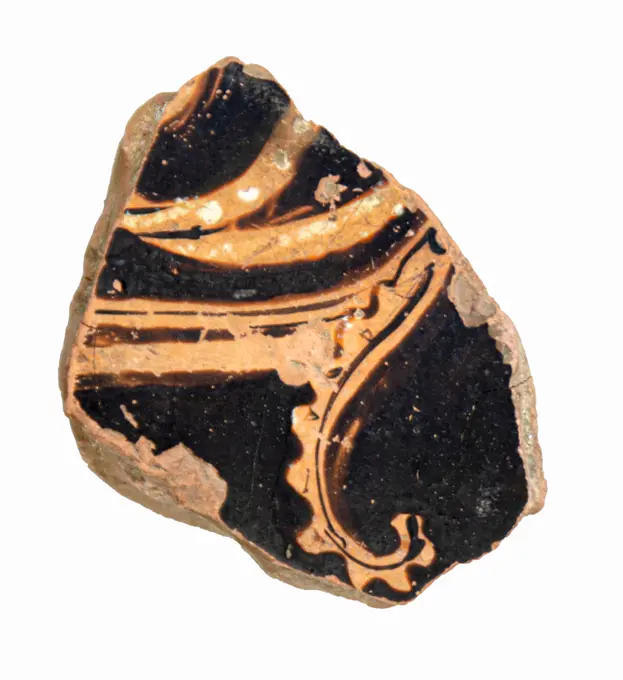
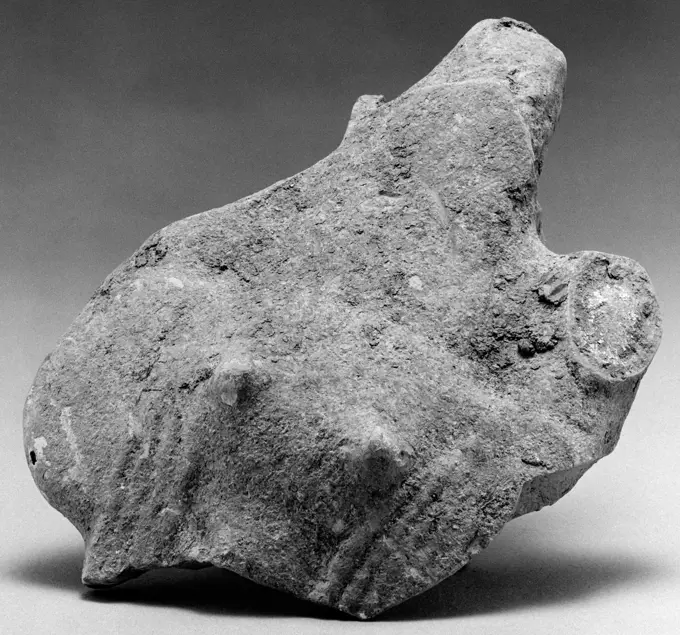
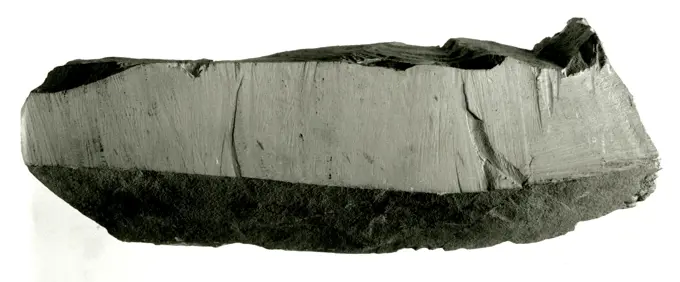
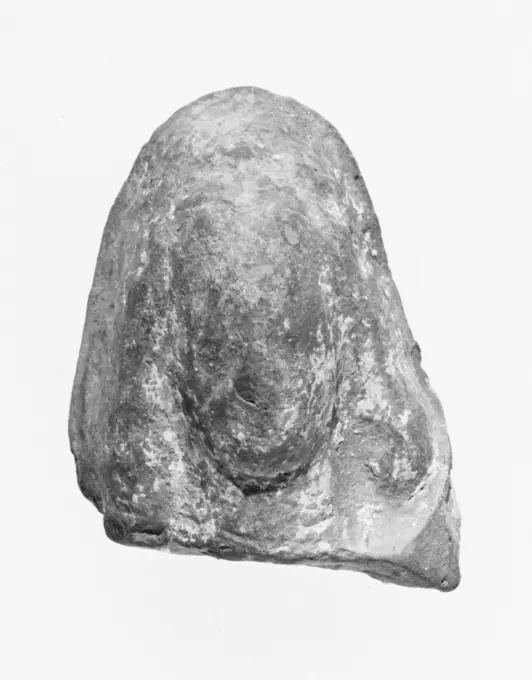
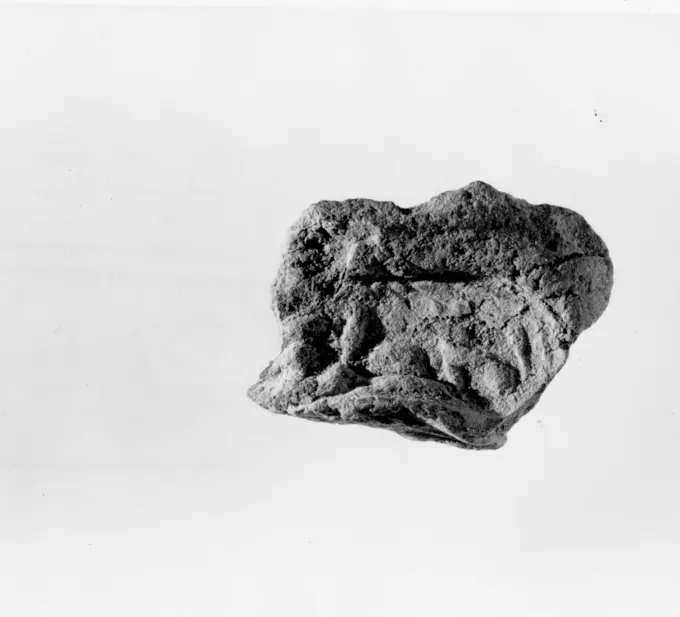
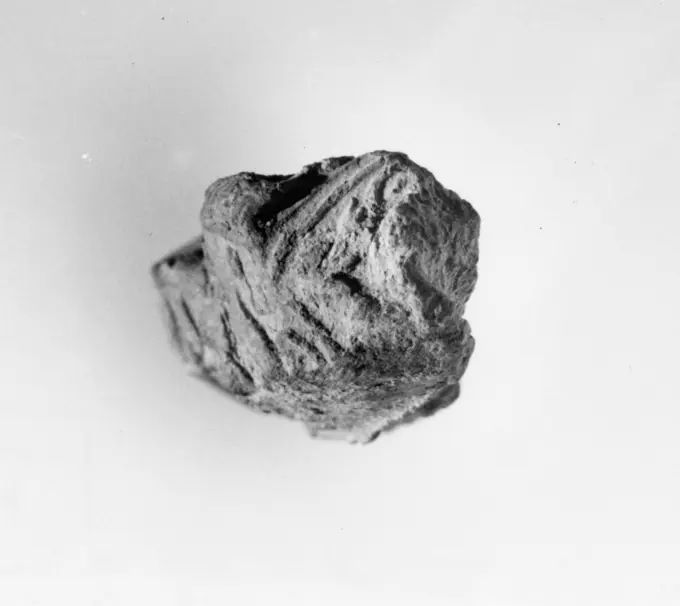
A collection of eroded fragments resembling ancient figurines, including female heads. Varied textures and shapes highlight their historical significance.

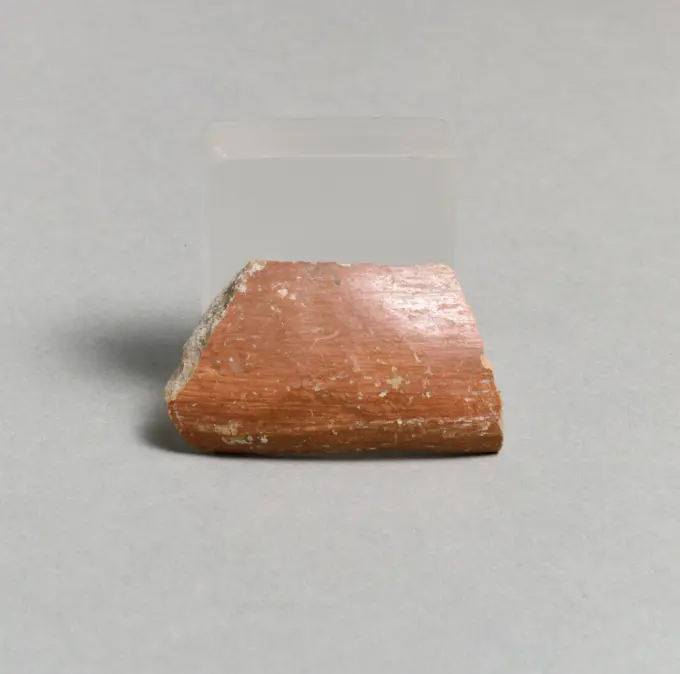
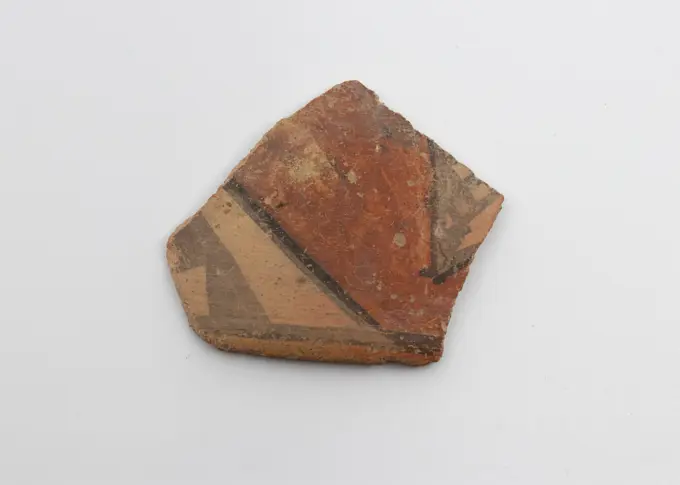
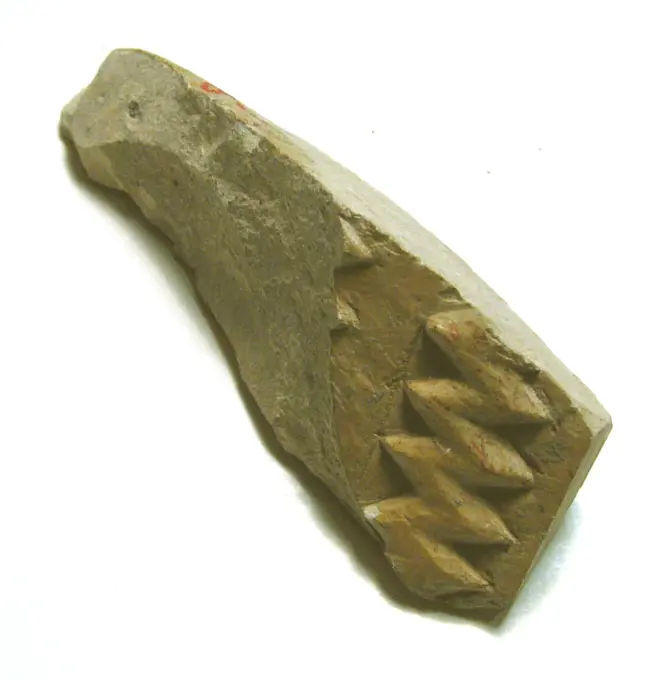
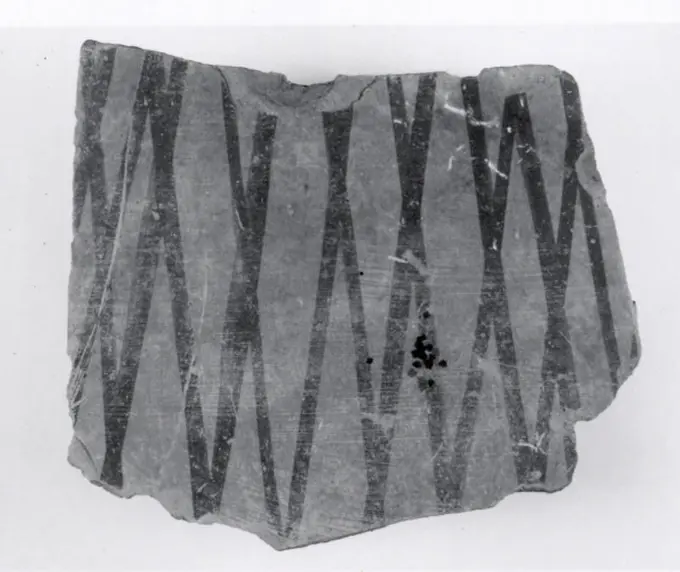
Vase fragment East Greek/Sardis, Lydian. Vase fragment 252752 East Greek/Sardis, Lydian, Vase fragment, Terracotta, Overall: 2 1/4 x 13/16in. (5.7 x 2cm). The Metropolitan Museum of Art, New York. Gift of The American Society for the Excavation of Sardis, 1926 (26.199.185)
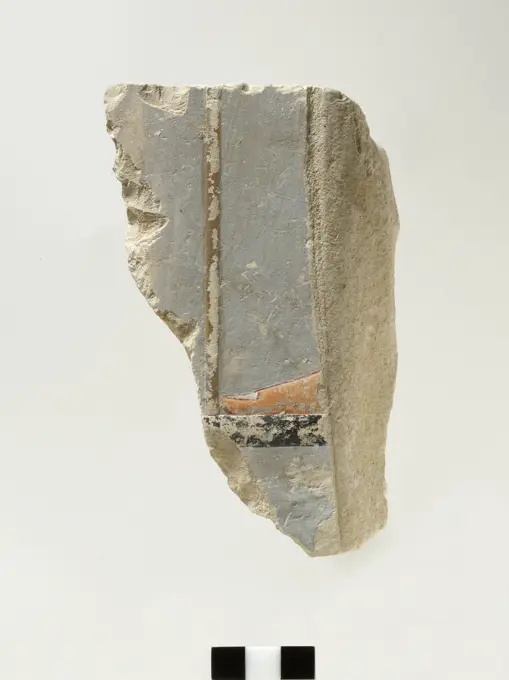
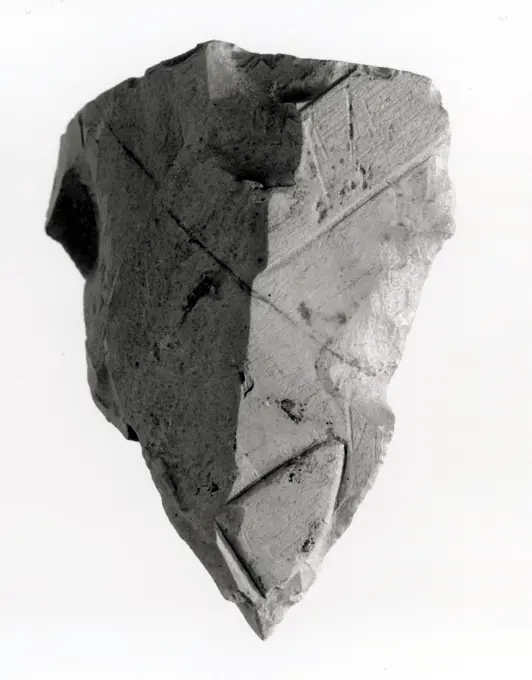
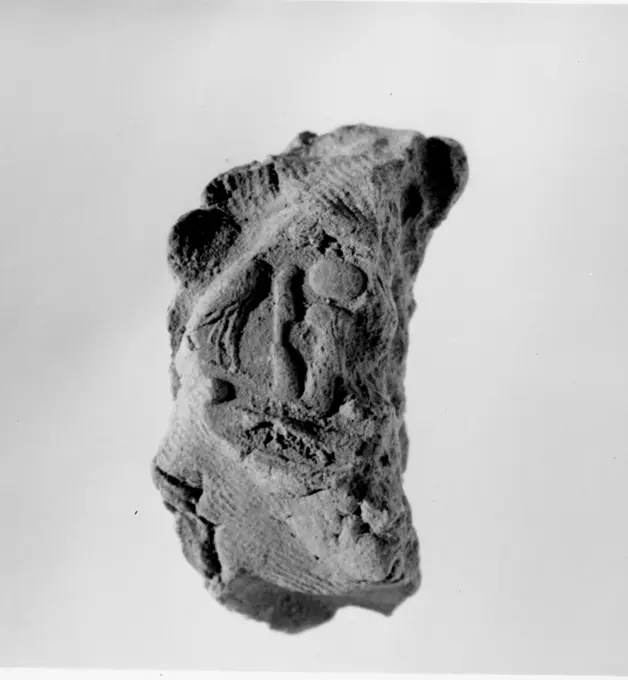
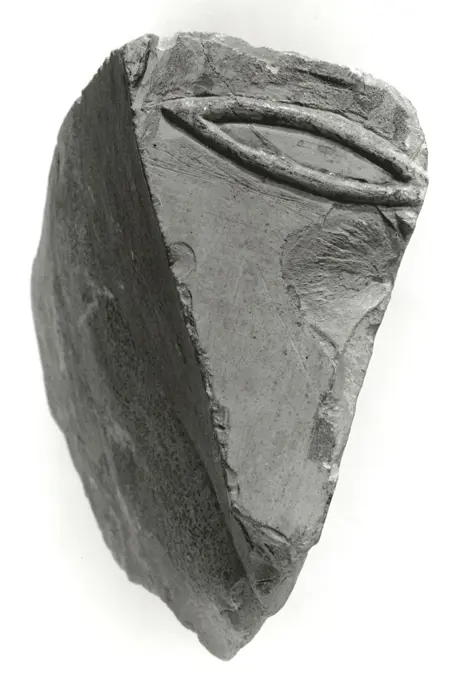
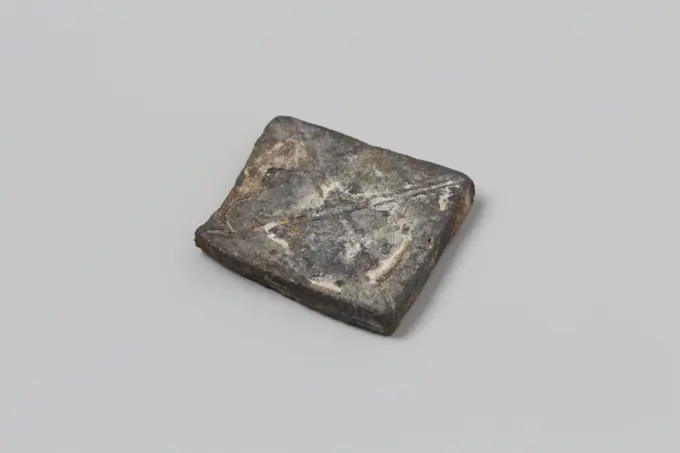
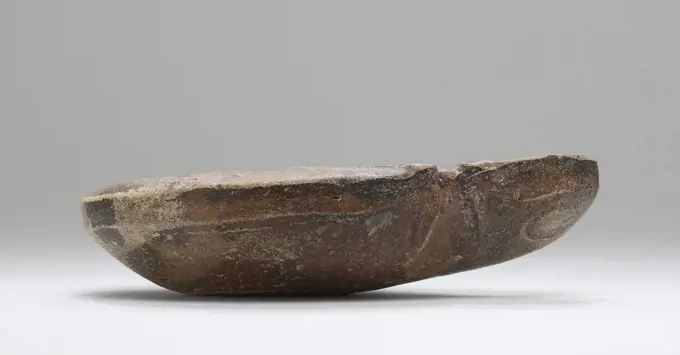
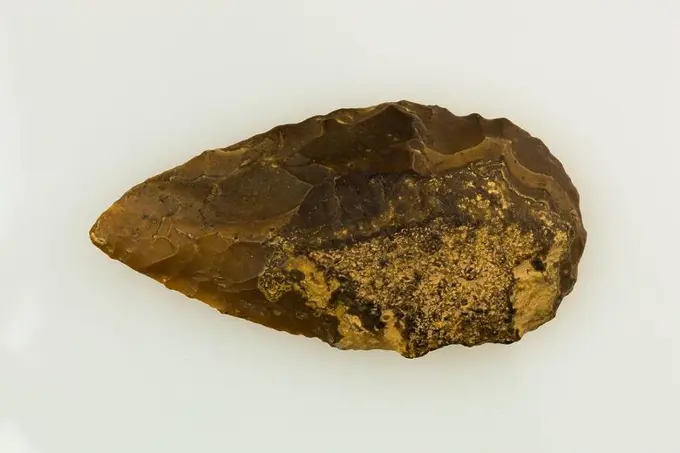
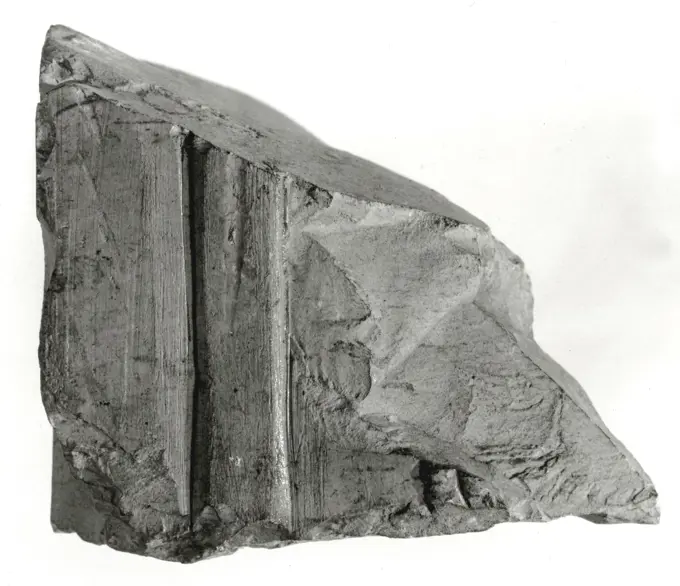
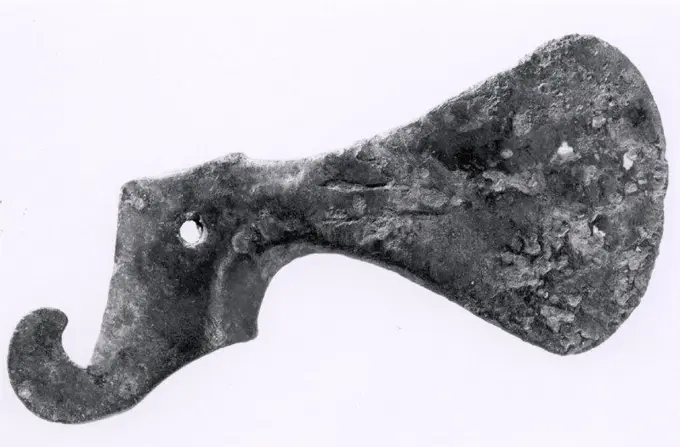
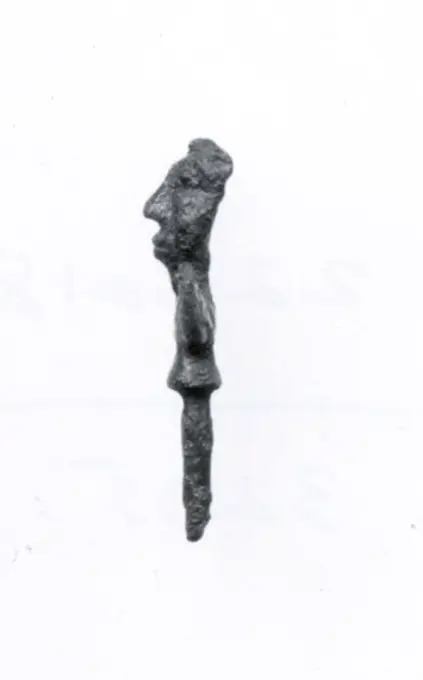
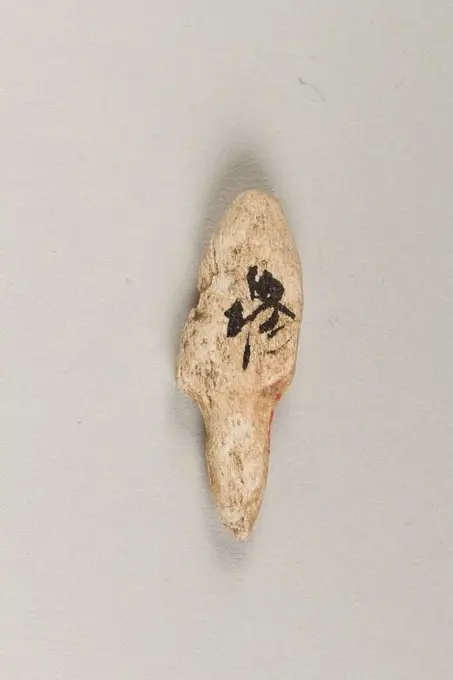
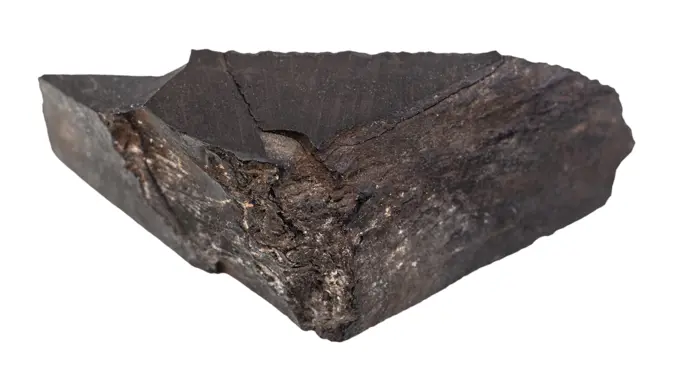
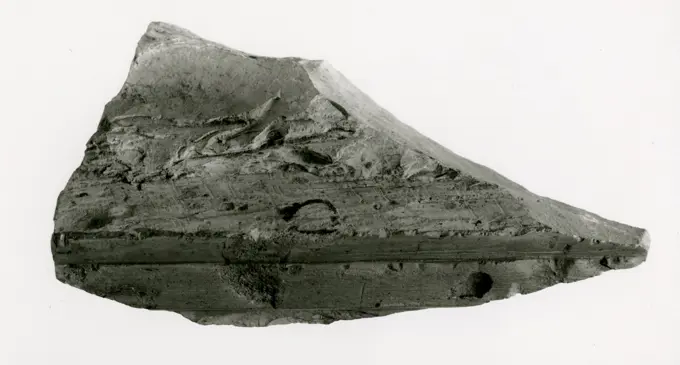
Figurine Fragment. UnknownFigure Fragment. UnknownFemale Head. UnknownFemale Head. UnknownFragment of buyer from the wreck of the East India Hollandia.parts or artifacts; eroded fragments: Materials; Copper.Female Head. UnknownFragment blowjob from the wreck of the East Indieschief Hollandia. Pipe, bowl, healermark illegible; fragment.Fragment tin from the wreck of the East Indiesman Hollandia. Parts or artifacts; eroded fragments: Materials; tin.Vase fragment East Greek/Sardis, Lydian. Vase fragment 252752 East Greek/Sardis, Lydian, Vase fragment, Terracotta, Overall: 2 1/4 x 13/16in. (5.7 x 2cm). The Metropolitan Museum of Art, New York. Gift of The American Society for the Excavation of Sardis, 1926 (26.199.185)Document Sealing ca. 1390-1353 B.C. New Kingdom. Document Sealing. ca. 1390-1353 B.C.. Mud. New Kingdom. From Egypt, Upper Egypt, Thebes, Malqata, West Villas, West Villa B, MMA excavations, 1910-12. Dynasty 18Poland, Władysław Jagiełło (King of Poland, 1386 1434), Denar, 1398 1422, Town of Krakow W ADYS AW JAGIECH (CA 1351 1434), Mint of KrakówFragment lead from the wreck of the East Indians Hollandia, 1700 - in or before 1743 fragment Parts of artefacts; eroded fragments: materials; lead. Netherlands lead (metal)   SecondFragment of lead from the wreck of the East Indians Hollandia, Anonymous, 1700 - in Or Before 1743 fragment Varied parts or fragments, sheet metal fragments: worked; fragm, eroded, broken off; flat, slightly tapering towards semicircular end, 4 circular tapering holes. Netherlands lead (metal)   SecondShard from one can be from the wreck of the East Indiesman Hollandia. Stoneware, rhenish, frechen-ware, jug; Fragm or body.Bifacial knife with handle ca. 3100-2650 B.C. Early Dynastic Period . Bifacial knife with handle. ca. 3100-2650 B.C.. Flint. Early Dynastic Period . From Egypt, Northern Upper Egypt, Qift, Birba. Dynasty 0-2Green Athens;  Hellenistic period (-323-00-00--30-00-00);Athena, goddess, myth. Greek, Daszewski, Wiktor A. (1936-), Daszewski, Wiktor A. (1936-)-collection, gift (provenance), mythologyPendant: Female Head in Profile. UnknownVase fragment ca. 1600-1450 B.C. Minoan. Vase fragment 247719Fragment from an Etruscan Plastic Vase. UnknownSealing ca. 1981-1640 B.C. Middle Kingdom. Sealing 560464Chisel ca. 4600-3600 B.C. Ghassulian. Chisel 326521Kohl jar ca. 1550-1295 B.C. New Kingdom. Kohl jar. ca. 1550-1295 B.C.. Light red ware. New Kingdom. From Egypt, Upper Egypt, Thebes, Asasif, Temple of Hatshepsut, Carnarvon/Carter excavations. Dynasty 18Fragments Lead from the wreck of the East Indians Hollandia, 1700 - in Or Before 1743 fragment Parts of artefacts; eroded fragments: materials; lead. Netherlands lead (metal)   SecondBifacial knife with handle ca. 1295-712 B.C. New Kingdom, Ramesside-Third Intermediate Period. Bifacial knife with handle. ca. 1295-712 B.C.. Flint. New Kingdom, Ramesside-Third Intermediate Period. From Egypt, Memphite Region, Lisht North, Cemetery, MMA excavations, 1915-16. Dynasty 20-22Female Head. UnknownSealing ca. 1981-1640 B.C. Middle Kingdom. Sealing 560522Fragments stem from fork or spoon from the wreck of the East Indieschief Hollandia. Cutlery, fragment: voice or fork or spoon; Fragm, trifid end.Fragment motyki. unknown, authorWall casing. Dimensions: 12 x 4.4 x 1.7. Dynasty: Dynasty 26. Reign: reign of Psamtik I. Date: 664-610 B.C.. Museum: Metropolitan Museum of Art, New York, USA.Female Head. UnknownFragment; (possibly) belonging to the retable of Soest, c. 1475 - c. 1499   wood (plant material)   wood (plant material)Spatel uit het wrak van de Oost-Indiëvaarder Hollandia. Tools and instruments, various tools, spatula; eroded: broad, pointed, flat blade with thickened notched lower end.Scherf of a jug of the wreck of the East Indians Hollandia, Anonymous, 1700 - in or Before 1743  Stoneware, Rhenish, Frechen-ware, jug; fragm of body. Cologne stoneware   SecondRaised relief fragment 664-610 B.C. Late Period, Saite see 23.3.468. Raised relief fragment 547974Relief fragment from the tomb of Meketre. Dynasty: Dynasty 12. Reign: reign of Amenemhat I, early. Date: ca. 1981-1975 B.C.. Museum: Metropolitan Museum of Art, New York, USA.Vessel sherd with geometric decoration ca. 8th-7th century B.C. Assyrian. Vessel sherd with geometric decoration 324638Bowl;  1 thous. BC (-1000-00-00-1-00-00);The collection of the ancient EastHead - figurine fragment. unknown, craftsmanButton. UnknownVase fragment ca. 3000-2000 B.C. Aegean. Vase fragment. Aegean. ca. 3000-2000 B.C.. Terracotta. Early Helladic. VasesVolute-krater fragment 4th century B.C. Greek, South Italian, Apulian. Volute-krater fragment. Greek, South Italian, Apulian. 4th century B.C.. Terracotta; red-figure. Late Classical. VasesSealing ca. 7th century A.D. Sasanian. Sealing. Sasanian. ca. 7th century A.D.. Un-baked clay. Sasanian. Iran, Qasr-i Abu NasrSealing ca. 1981-1640 B.C. Middle Kingdom. Sealing 560906Reliefs from the tomb of Meketre ca. 1981-1975 B.C. Middle Kingdom. Reliefs from the tomb of Meketre. ca. 1981-1975 B.C.. Limestone, paint. Middle Kingdom. From Egypt, Upper Egypt, Thebes, Southern Asasif, Tomb of Meketre (TT 280, MMA 1101), MMA excavations, 1920. Dynasty 12Raised relief fragment 664-610 B.C. Late Period, Saite see 23.3.468. Raised relief fragment. 664-610 B.C.. Limestone. Late Period, Saite. From Egypt, Upper Egypt, Thebes, Deir el-Bahri, Tomb of Nespekashuty (TT 312, MMA 509), 1st chamber N. door, MMA excavations, 1922-23. Dynasty 26Gralen or end from the wreck of the East Indians Hollandia, Anonymous, 1700 - in Or Before 1743  Varied parts or fragments, end or finials; fragm, broken off; flat tapering shaft, circular end, hinged with 2nd circular end, pivoting on central rivet. Netherlands copper (metal). silver (metal)   SecondSealing ca. 1981-1640 B.C. Middle Kingdom. Sealing 560369Tinn Bazaroek of the VOC for Ceylon, 1747, United Oostindische Compagnie, 1747 coin Pewter mint. Front: in two lines of the year, in the middle round hollow. Reverse: four Singalese characters in two lines. Colombo tin (metal) castingSherd ca. 3100-2700 B.C. Iran This sherd is made of a red clay, with brown and black painted decoration. It is typical of Namazga III ceramics from Turkmenistan, dating to ca. 3100-2700 B.C. It was excavated in 1937 at a prehistoric site in the vicinity of Nishapur in northeastern Iran. While Nishapur itself was founded by the Sasanian king Shapur I (reigned ca. A.D. 241-272), this sherd shows that human habitation there goes back to the prehistoric period. Furthermore, the prehistoric pottery from Nishapur has close affinities with ceramic materials from Central Asia rather than with contemporary sites in Iran, meaning that in this period its inhabitants were likely culturally linked to their neighbors to the east. At the same time, Nishapurs location on what later became known as the Great Khorasan Road suggests that it was part of the trade network that facilitated the import of precious stones such as lapis lazuli, carnelian and turquoise from Central Asia to Mesopotamia.. Sherd. Bronze arrowhead ca. 1600-1050 B.C. Cypriot Three-edged blade with a tubular socket.. Bronze arrowhead. Cypriot. ca. 1600-1050 B.C.. Bronze. Late Cypriot. BronzesDocument Sealing With the Throne Name of Amenhotep III ca. 1390-1353 B.C. New Kingdom. Document Sealing With the Throne Name of Amenhotep III. ca. 1390-1353 B.C.. Mud. New Kingdom. From Egypt, Upper Egypt, Thebes, Malqata, West Villas, West Villa B, MMA excavations, 1910-12. Dynasty 18Raised relief fragment 664-610 B.C. Late Period, Saite see 23.3.468. Raised relief fragment. 664-610 B.C.. Limestone. Late Period, Saite. From Egypt, Upper Egypt, Thebes, Deir el-Bahri, Tomb of Nespekashuty (TT 312, MMA 509), 1st chamber N. door, MMA excavations, 1922-23. Dynasty 26Heptagonal small weight with bulge on top, without mark, weight of founding ground metal, gram cast Octagonal with remainder of button Without any gauge or mark archeology Rotterdam rail tunnel Soil discovery: railway tunnel Rotterdam.Play medal from the wreck of the East Indies Hollandia, Anonymous, 1700 - in Or Before 1743  Rectangular, square, flat, engraved diagonal cross on one side, game token. Netherlands lead (metal)   SecondFragment of a Female Figure. UnknownHead - a fragment of the figurine;  III-II century BC () (-300-00-00--201-00-00);Greece, Kersonez Taurydzki, Chersonez, II century BC, lead (PB) Mint of ChersonesusLamp, North Africa; 1st - 4th century; Terracotta; 3 x 7 x 9.8 cm (1 3,16 x 2 3,4 x 3 7,8 in.)Wall casing 664-610 B.C. Late Period, Saite see 23.3.468. Wall casing. 664-610 B.C.. Limestone, mortar traces. Late Period, Saite. From Egypt, Upper Egypt, Thebes, Deir el-Bahri, Tomb of Nespekashuty (TT 312, MMA 509), Undetermined, MMA excavations, 1922-23. Dynasty 26Fragment lead from the wreck of the East Indieschief Hollandia. Parts or artifacts; eroded fragments: Materials; Lead.Shipwreck finds from the wreck of the East Indiesman Hollandia. Parts or artifacts; eroded fragments: Materials; Lead.Fragment slate from the wreck of the East Indians Hollandia, 1700 - in Or Before 1743  Parts of artefacts; eroded fragments: materials; slate. Netherlands slate (rock)   SecondKnob 8th-13th century. Knob 450881Document Sealing With the Throne Name of Amenhotep III ca. 1390-1353 B.C. New Kingdom. Document Sealing With the Throne Name of Amenhotep III. ca. 1390-1353 B.C.. Mud. New Kingdom. From Egypt, Upper Egypt, Thebes, Malqata, West Villas, West Villa B, MMA excavations, 1910-12. Dynasty 18Female Head. UnknownGrahal-Manzara. Carnavalet 2013-2016 collection sites. Numismatics.Leuci Potin (Leucques, Lorraine) Potin de leuches (Lorrows, Lorraine). Mindailly in bronze. Improper identification. Paris, carnavalet Mus�e.Relief fragment from the tomb of Meketre ca. 1981-1975 B.C. Middle Kingdom. Relief fragment from the tomb of Meketre 668889Drohiczy seal;  XI-XIII century (1090-00-00-1110-00-00);guild seals, customs seals, touches, seals of customs chambers, official seals, seals with a crossDocument Sealing With the Throne Name of Amenhotep III ca. 1390-1353 B.C. New Kingdom. Document Sealing With the Throne Name of Amenhotep III. ca. 1390-1353 B.C.. Mud. New Kingdom. From Egypt, Upper Egypt, Thebes, Malqata, No exact location recorded, MMA excavations, 1910-12. Dynasty 18Raised relief fragment 664-610 B.C. Late Period, Saite see 23.3.468. Raised relief fragment 548023Document Sealing With Multiple Seal Impressions ca. 1390-1353 B.C. New Kingdom. Document Sealing With Multiple Seal Impressions. ca. 1390-1353 B.C.. Mud. New Kingdom. From Egypt, Upper Egypt, Thebes, Malqata, MMA excavations, 1910-12; Presumably from West Villas, West Villa B. Dynasty 18Vase fragment Greek, Laconian. Vase fragment 251287 Greek, Laconian, Vase fragment, Terracotta, 2 5/8 x 1 13/16in. (6.7 x 4.6cm). The Metropolitan Museum of Art, New York. Gift of A. J. B. Wace, 1923 (23.119.11)Tool. Date: ca. 3850-2960 B.C.. Museum: Metropolitan Museum of Art, New York, USA.Raised relief fragment 664-610 B.C. Late Period, Saite see 23.3.468. Raised relief fragment. 664-610 B.C.. Limestone, varnish. Late Period, Saite. From Egypt, Upper Egypt, Thebes, Deir el-Bahri, Tomb of Nespekashuty (TT 312, MMA 509), MMA excavations, 1922-23. Dynasty 26Shaft-hole axe head ca. late 3rd-early 2nd millennium B.C. Bactria-Margiana Archaeological Complex. Shaft-hole axe head 326680Sherd ca. 3500-3100 B.C. Iran This sherd is made of a red clay, with black painted decoration. It is typical of Namazga II ceramics from Turkmenistan, dating to ca. 3500-3100 B.C. It was excavated in 1937 at a prehistoric site in the vicinity of Nishapur in northeastern Iran. While Nishapur itself was founded by the Sasanian king Shapur I (reigned ca. A.D. 241-272), this sherd shows that human habitation there goes back to the prehistoric period. Furthermore, the prehistoric pottery from Nishapur has close affinities with ceramic materials from Central Asia rather than with contemporary sites in Iran, meaning that in this period its inhabitants were likely culturally linked to their neighbors to the east. At the same time, Nishapurs location on what later became known as the Great Khorasan Road suggests that it was part of the trade network that facilitated the import of precious stones such as lapis lazuli, carnelian and turquoise from Central Asia to Mesopotamia.. Sherd. Iran. ca. 3Drohiczy seal;  XI-XIII century (1090-00-00-1110-00-00);guild seals, customs seals, touches, seals of customs chambers, official seals, seals with a crossExcerpt copper sheet metal from the wreck of the East Indies Hollandia, Anonymous, 1700 - in Or Before 1743 fragment Varied parts or fragments, sheet metal fragments: worked, with folded rims; fragm, eroded; straight fold-over rim. Netherlands copper (metal)   SecondVase fragment Minoan. Vase fragment 247748Fragment of a ship bell, anonymous, 1700 - in or before 1743 musical instrument. percussion instrument. bell (idiophone). ship bell. fragment Acoustic, bell (ship's); fragment, sim. NG 1980-27H2954. Netherlands copper (metal)   SecondAttic Red-Figure Pelike Fragment. UnknownRaised relief fragment 664-610 B.C. Late Period, Saite see 23.3.468. Raised relief fragment. 664-610 B.C.. Limestone. Late Period, Saite. From Egypt, Upper Egypt, Thebes, Deir el-Bahri, Tomb of Nespekashuty (TT 312, MMA 509), 1st chamber N. door, MMA excavations, 1922-23. Dynasty 26Sealing ca. 2030-1640 B.C. Middle Kingdom. Sealing 565801Vase fragment ca. 4000 B.C. Neolithic, Nemea. Vase fragment 253258 Neolithic, Nemea, Vase fragment, ca. 4000 B.C., Terracotta, length 1 7/8in. (4.7cm). The Metropolitan Museum of Art, New York. Anonymous Gift, 1930 (30.119.53)Fragment of a Small Bowl. UnknownAttic Black-Figure Hydria Fragment. UnknownLazio Viterbo Viterbo Museo Civico00. Hutzel, Max 1960-1990 Views of paintings (Middle Ages through 18th c.), frescoes, a tabernacle, coffin, sculpture reliefs, portal fragments, busts, sculpture, tapestry found in the Pinacoteca, Second floor gallery and Second floor cloister sequences. Antiquities: Many views of Etruscan and Roman fragments, sculpture, sarcophagi, pottery, masks, jewelry and other objects found in the Storeroom sequence (inventory numbers on back of prints), and the Cloister, Second floor Cloister, Valle Giulia, Sala Romana and Sala Etrusca sequences. General Notes: There are eight separate numerical sequences for this location. The cloister as an architectural structure, rather than museum site, is documented in the record and file for S. Maria della Verita, Cloister, all views of which are stored in Medieval core collection. Five views from the Museo Civico Second floor cloister sequence are stored in Medieval. German-born photographer and scholar Max Hutzel (1911-Steel van Fork or Spoon from the wreck of the East Indians Hollandia, Anonymous, 1700 - in or before 1743 spoon Cutlery, fragment: stem of fork or spoon; fragm, id. NG 1980-27H67. Netherlands tin (metal)   SecondFemale Head. UnknownDocument Sealing With the Throne Name of Amenhotep III ca. 1390-1353 B.C. New Kingdom. Document Sealing With the Throne Name of Amenhotep III. ca. 1390-1353 B.C.. Mud. New Kingdom. From Egypt, Upper Egypt, Thebes, Malqata, West Villas, West Villa B, MMA excavations, 1910-12. Dynasty 18Fragments tin from the wreck of the East Indians Hollandia, 1700 - in or before 1743 fragment Parts of artefacts; eroded fragments: materials; tin. Netherlands tin (metal)   SecondDrohiczy seal;  XI-XIII century (1090-00-00-1110-00-00);guild seals, customs seals, touches, seals of customs chambers, official seals, seals with a cross, seal with the letterHead of a pin: human head and wings ca. 8th-7th century B.C. Iran This bronze pin (the shaft is mostly missing) is decorated with a human head. The head has a large nose, puffy cheeks and thick lips. Below the head are two projects, probably wings.This pin was excavated at Surkh Dum, a settlement site in Luristan in the Zagros Mountains of western Iran. It was found in a structure interpreted as a sanctuary and was thus probably an offering to a god. Such pins were probably used to fasten clothing and as objects of adornment in their own right. Another very similar pin, also excavated at Surkh Dum, is in the University of Pennsylvania Museum of Archaeology and Anthropology.. Head of a pin: human head and wings 323977Arrowheads, needles, hooks and harpoons. Culture: Japan. Dimensions: W. 3/8 in. (1 cm); L. 1 in. (2.5 cm). Museum: Metropolitan Museum of Art, New York, USA.Sealing ca. 1981-1640 B.C. Middle Kingdom. Sealing 560359Greece, Sarmacja, Olmia, V The beginning of the 4th century BC, Dolphin money, AE Mintcloseup of sample of natural mineral from geological collection - unpolished Jet (Gagate) rock isolated on white background. unpolished Jet (Gagate) rock isolated on whiteRaised relief fragment 664-610 B.C. Late Period, Saite see 23.3.468. Raised relief fragment. 664-610 B.C.. Limestone, mortar. Late Period, Saite. From Egypt, Upper Egypt, Thebes, Deir el-Bahri, Tomb of Nespekashuty (TT 312, MMA 509), Undetermined, MMA excavations, 1922-23. Dynasty 26Scraper. Neolithic period. North Africa. 9.5cm.