Ancient Figurines

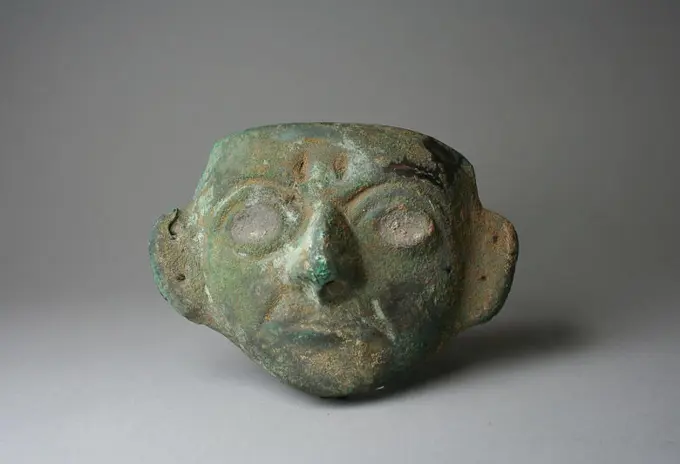
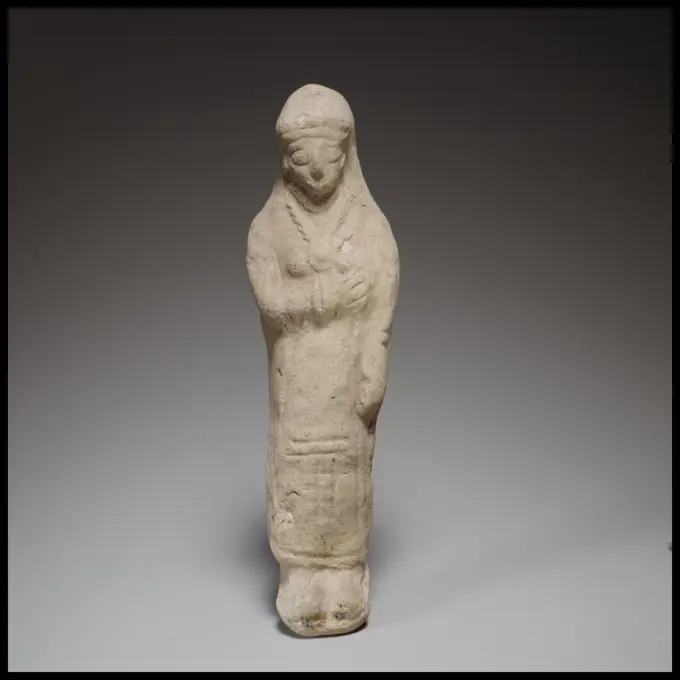
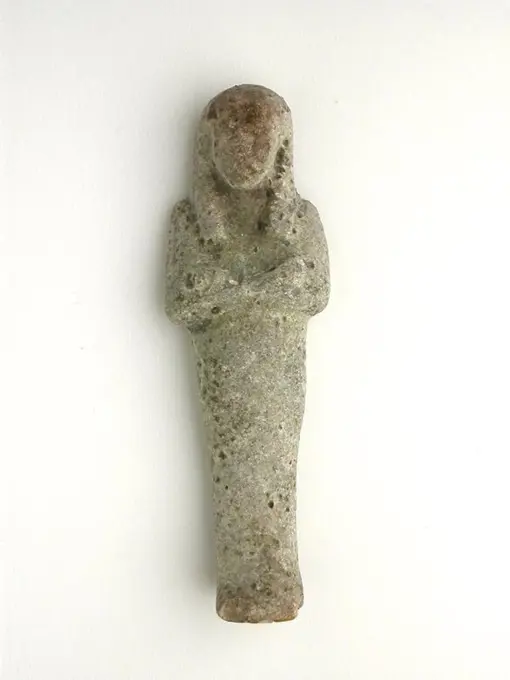
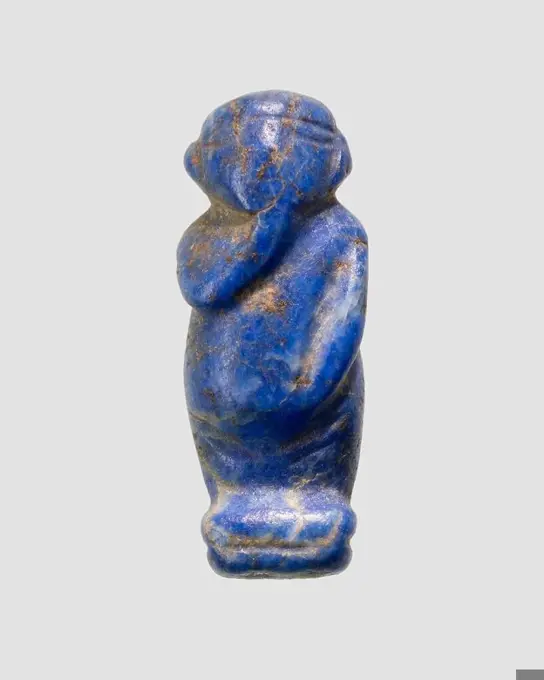
Artifacts including statuettes from ancient cultures, crafted from materials like ceramic and metal, reflecting historical significance.
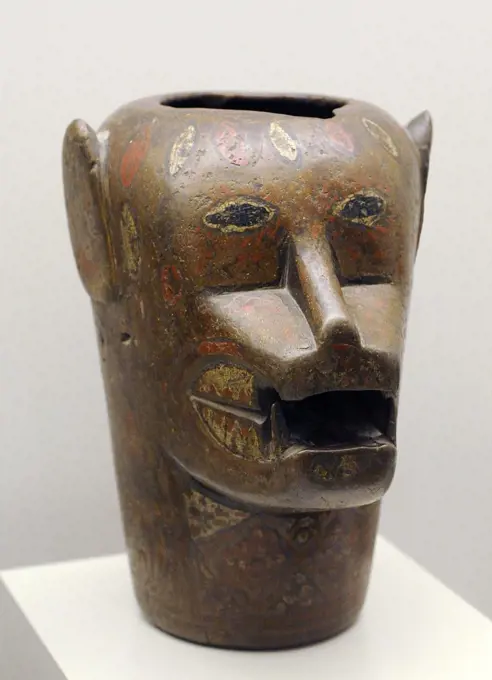
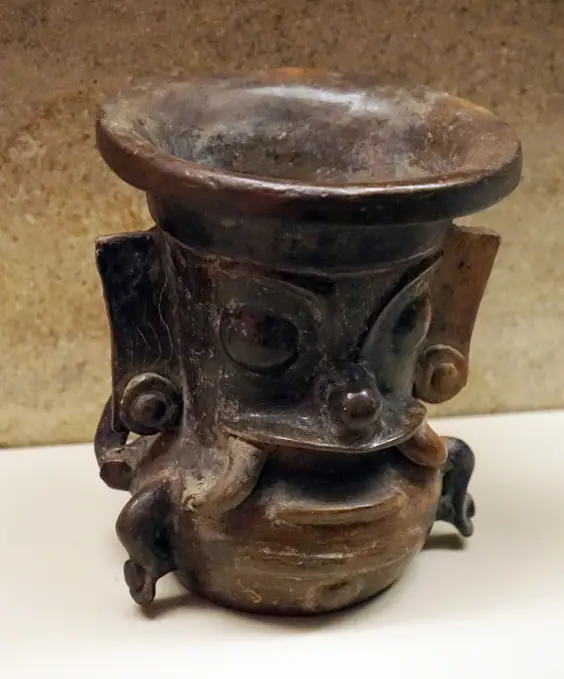
Ceremonial vessel depicting a jaguar head. Polychrome wood. Inca Culture, Late Horizon (1400-1533 AD). Cuzco, Peru. Museum of the Americas. Madrid, Spain.
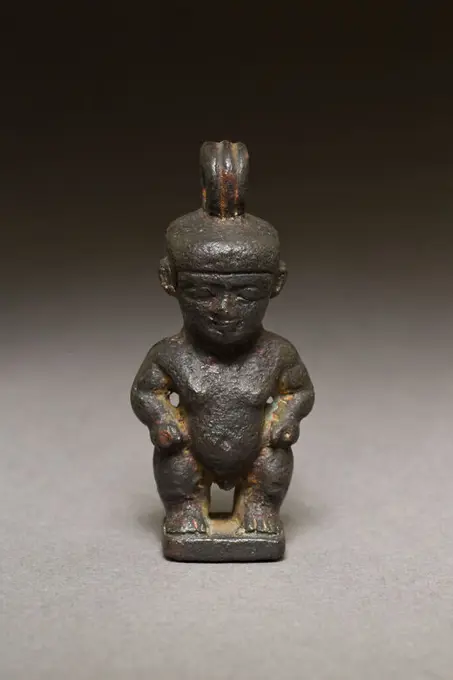
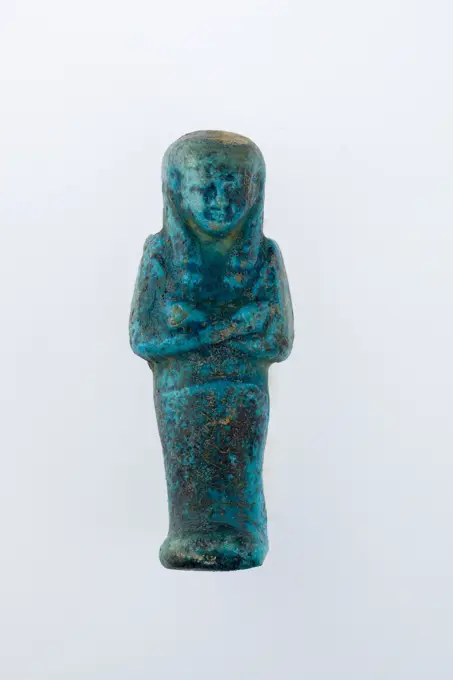
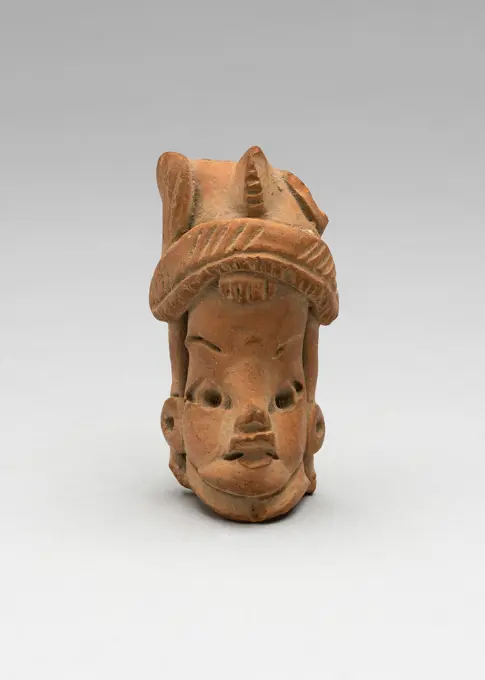
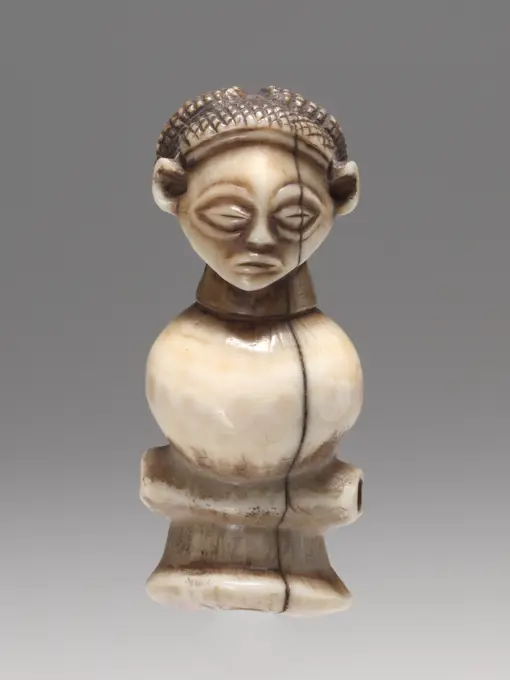
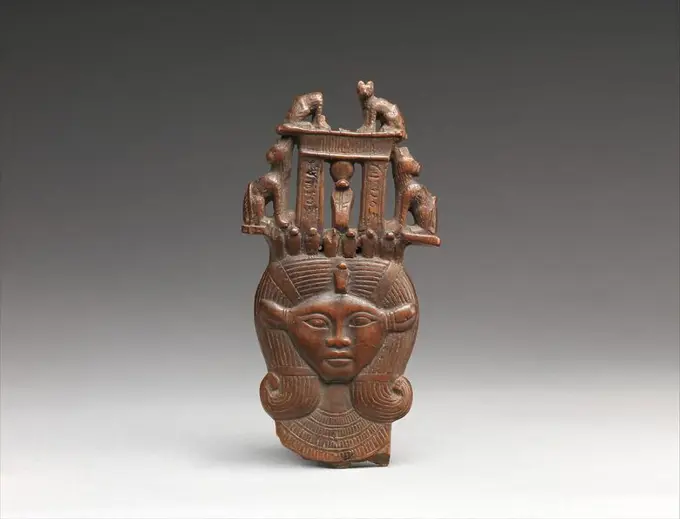
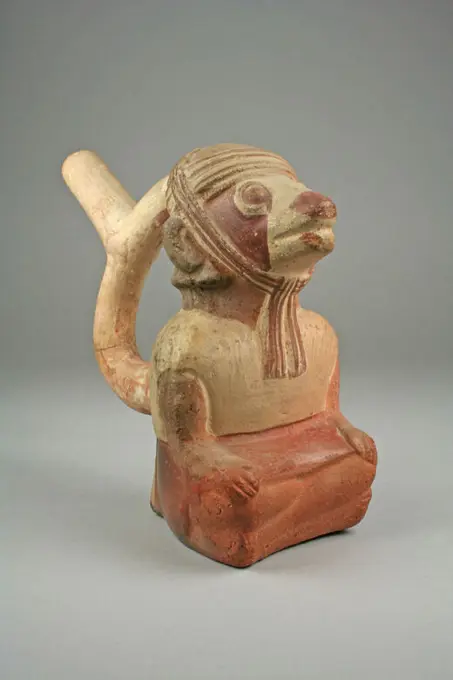
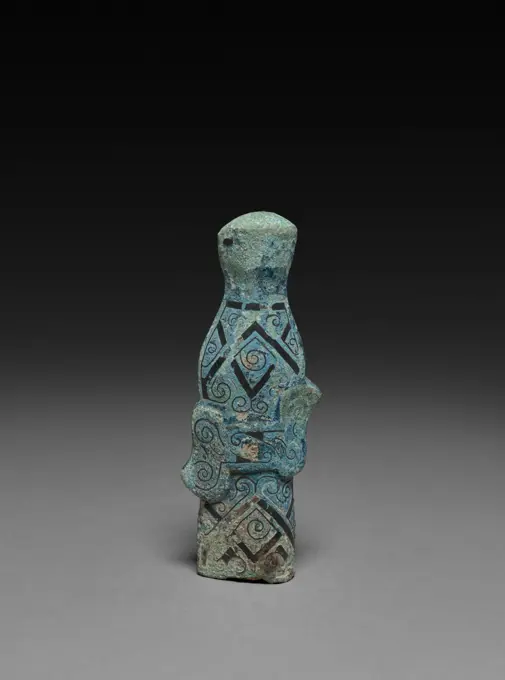
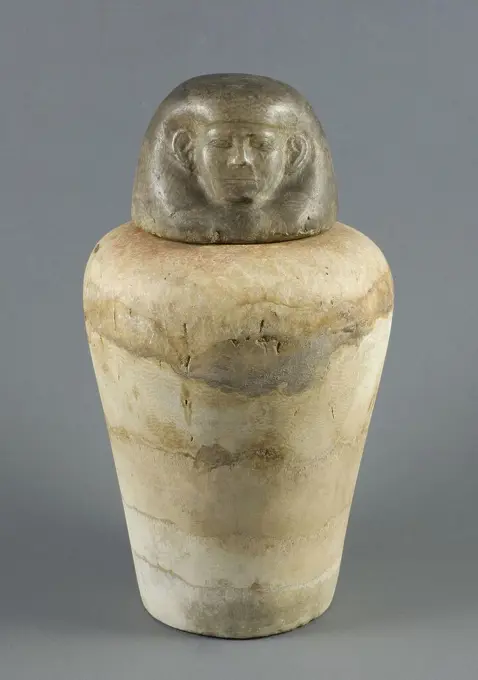
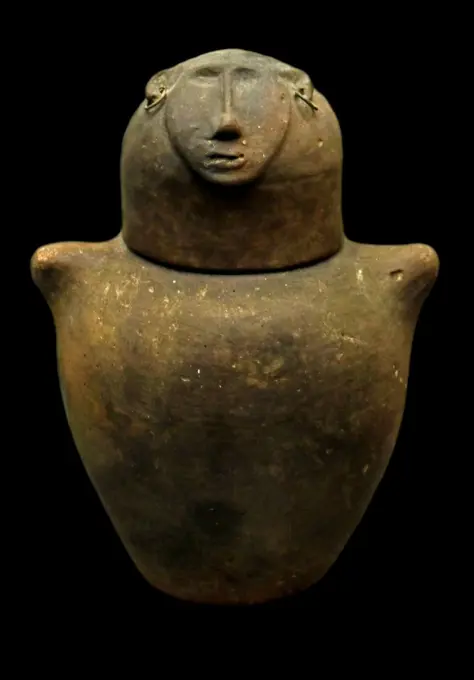
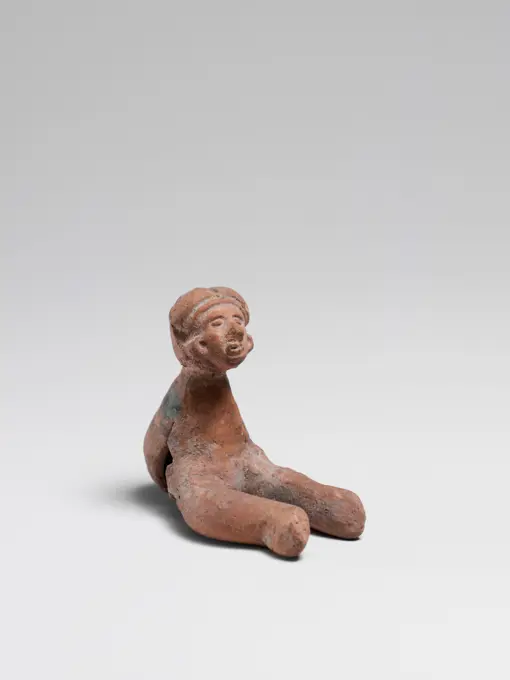
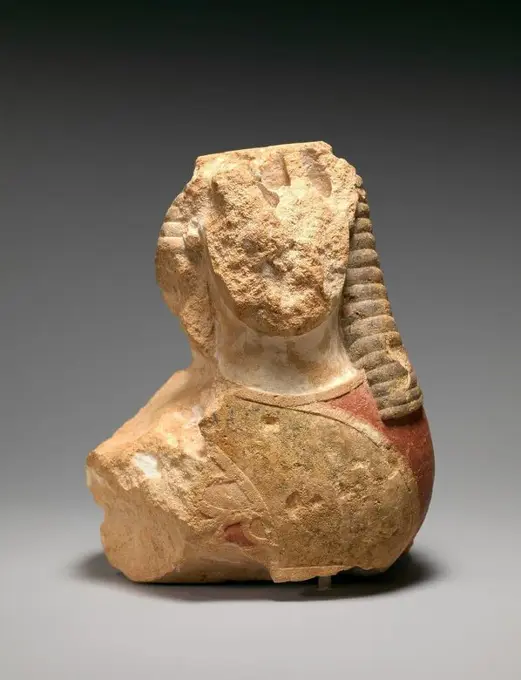
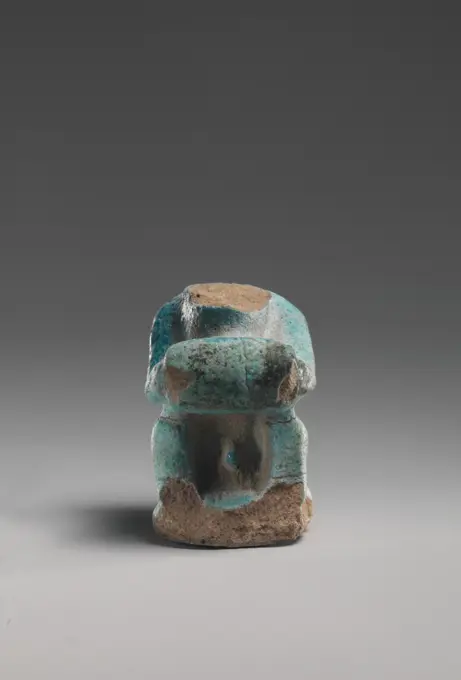
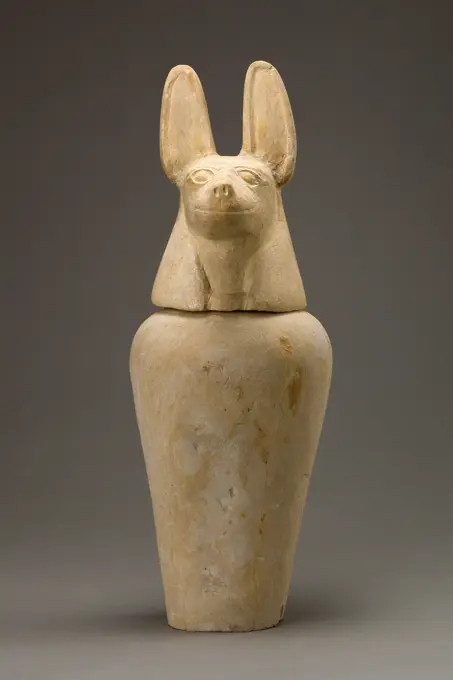
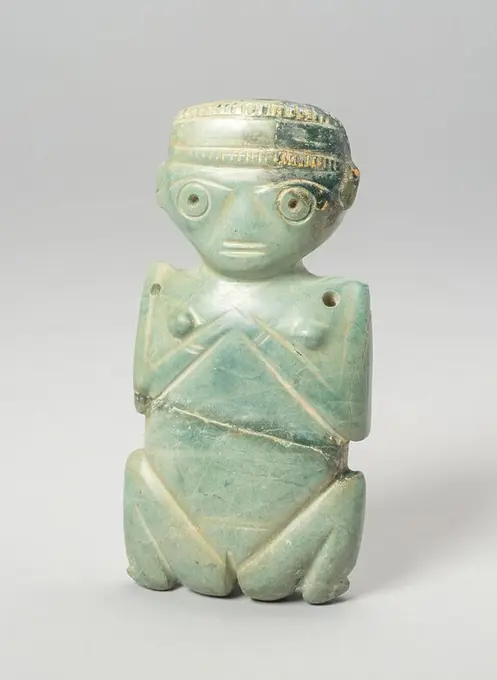
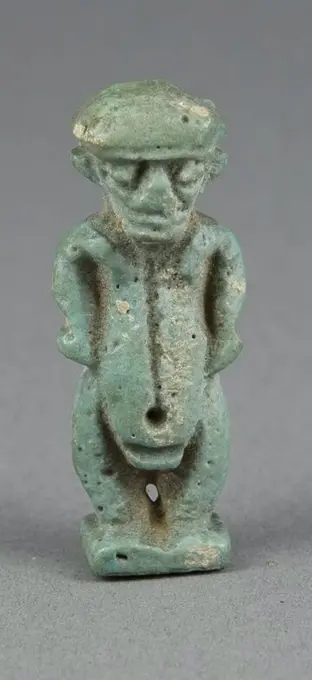
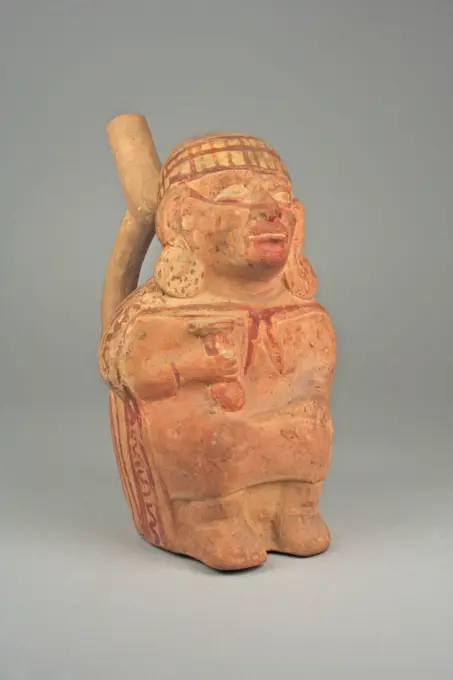
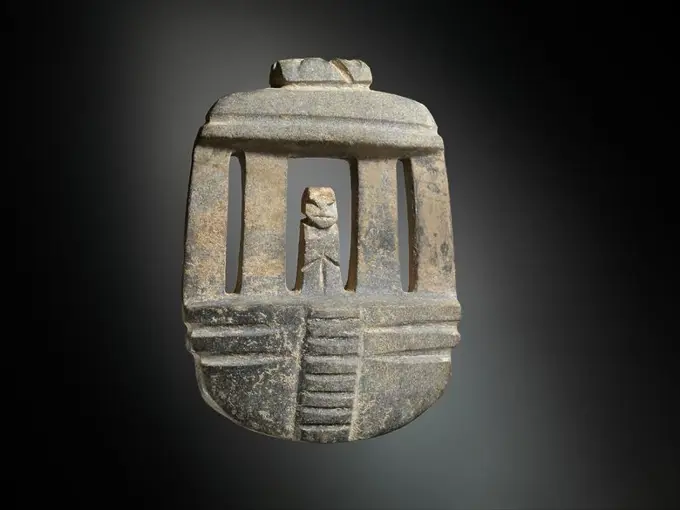
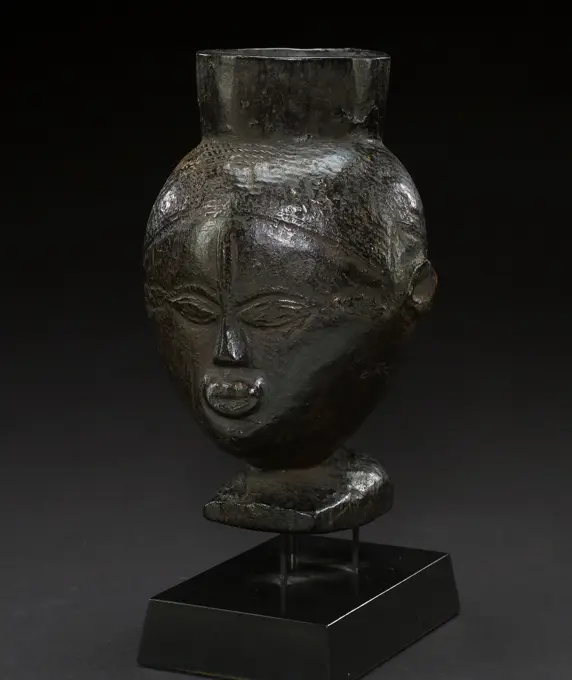
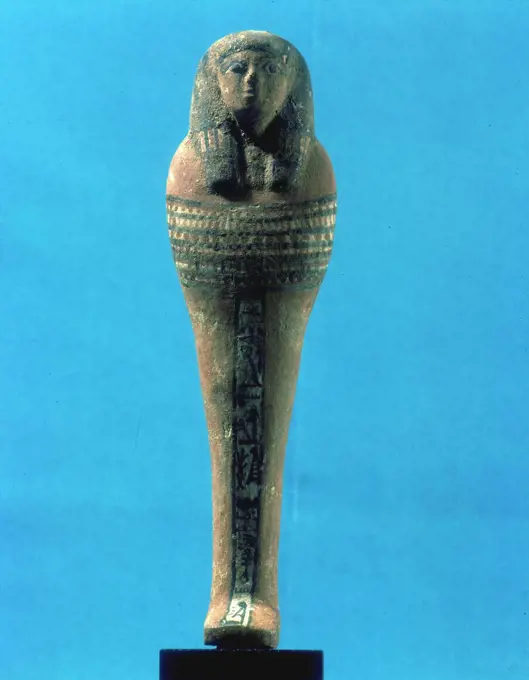
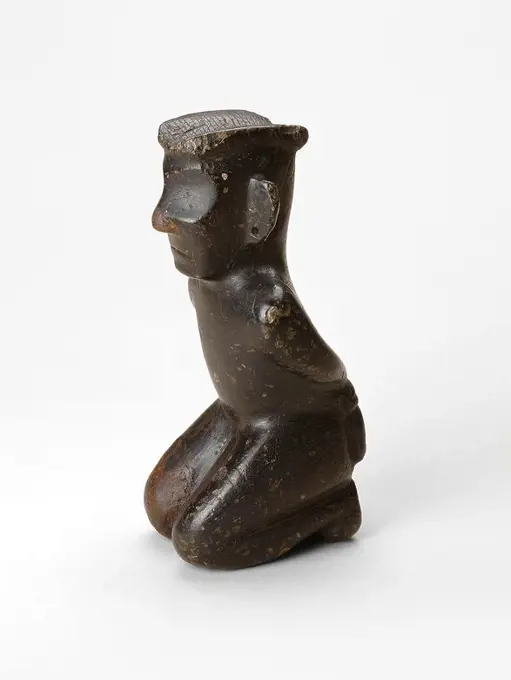
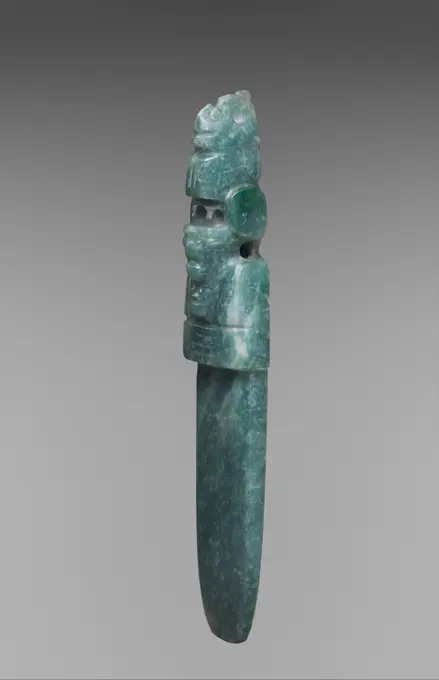
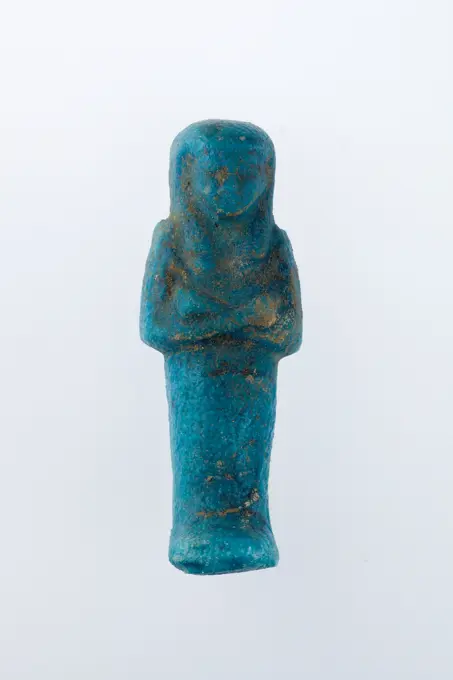
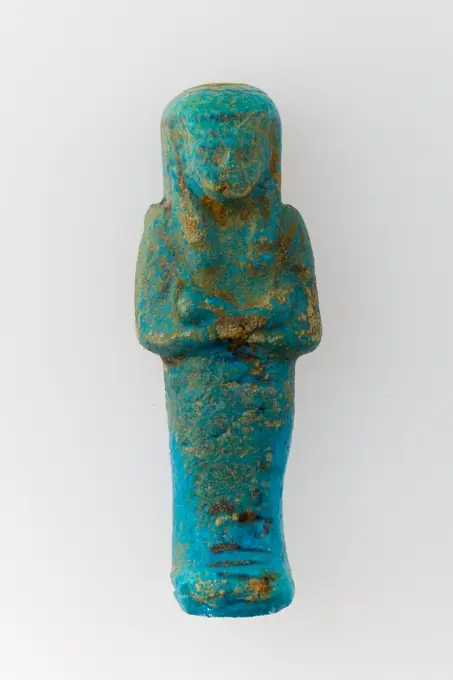
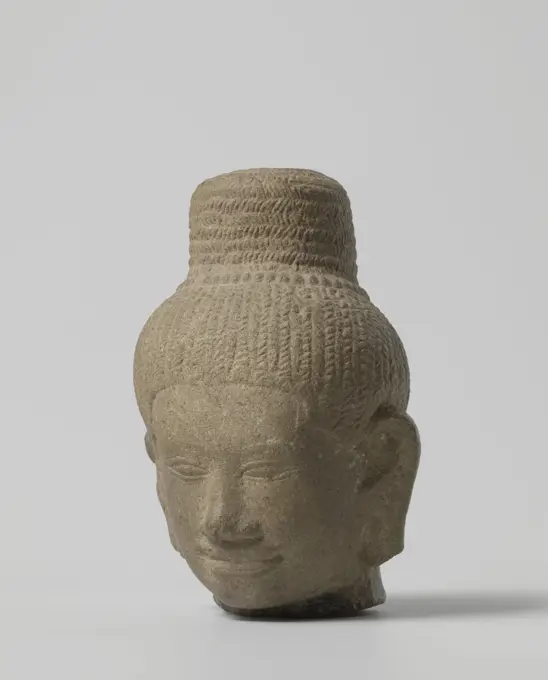
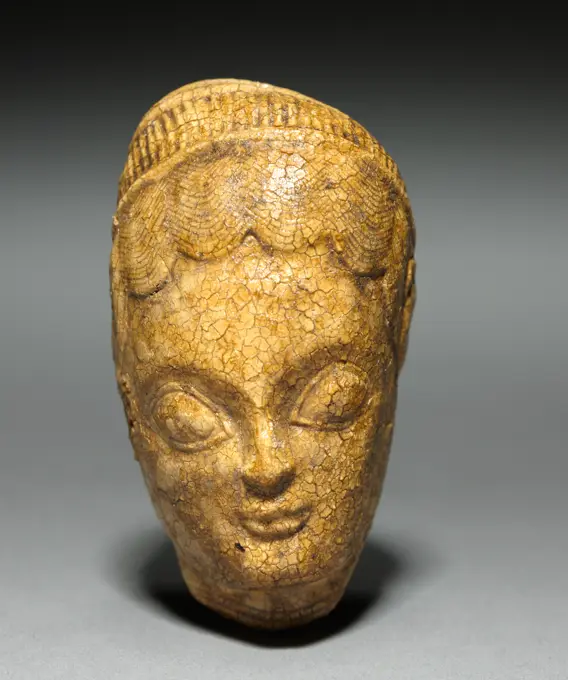
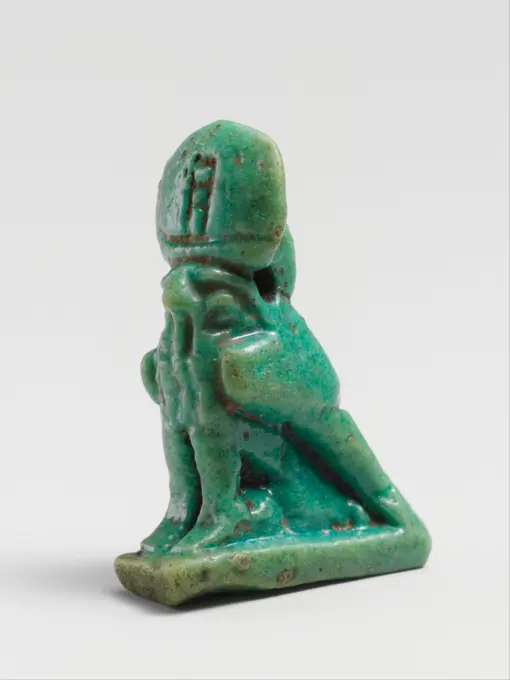
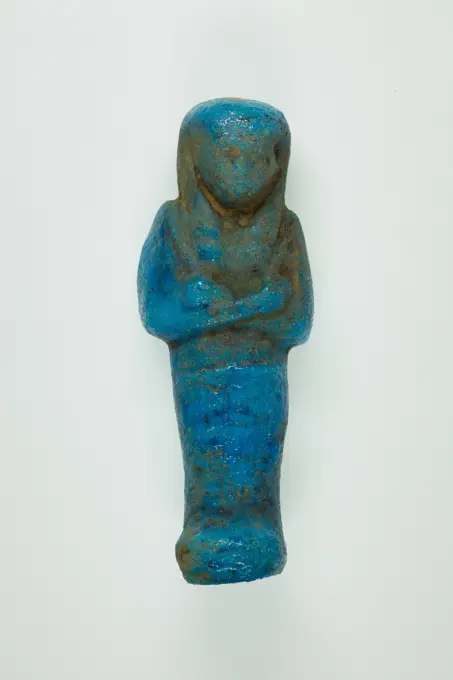
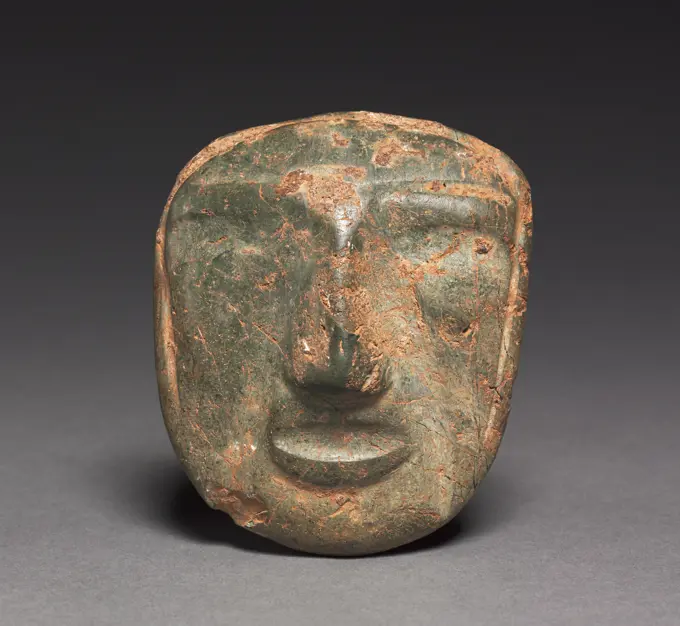
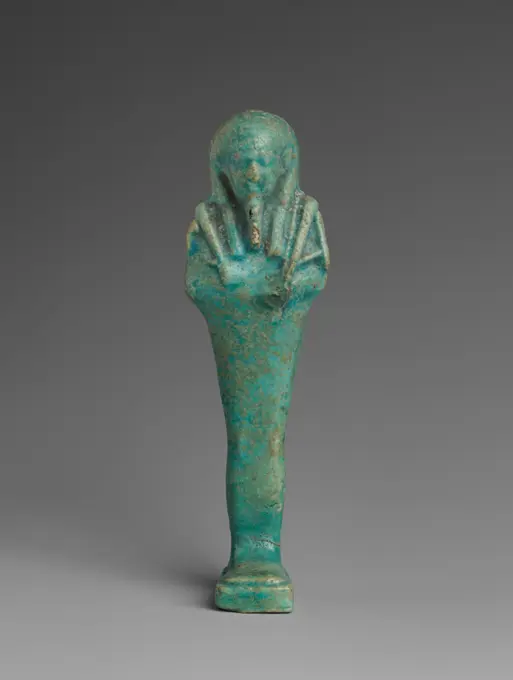
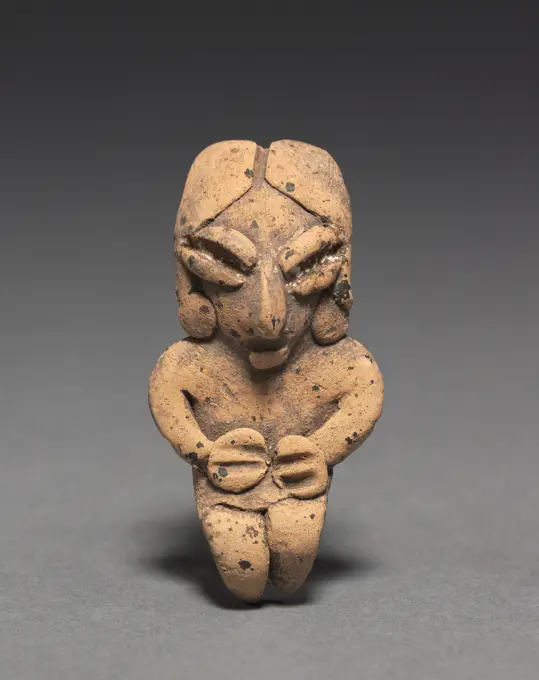
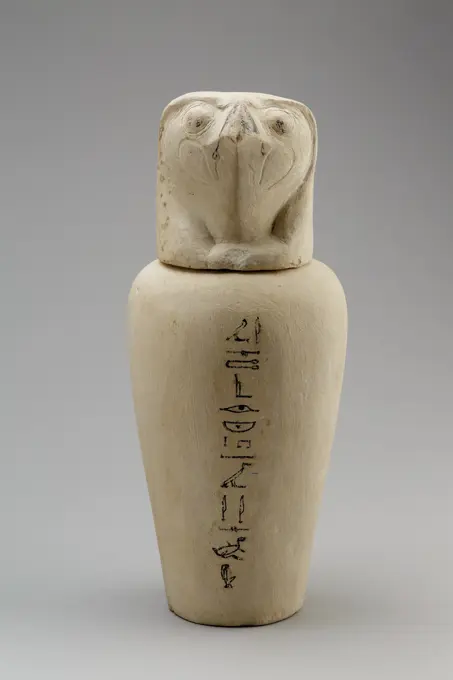
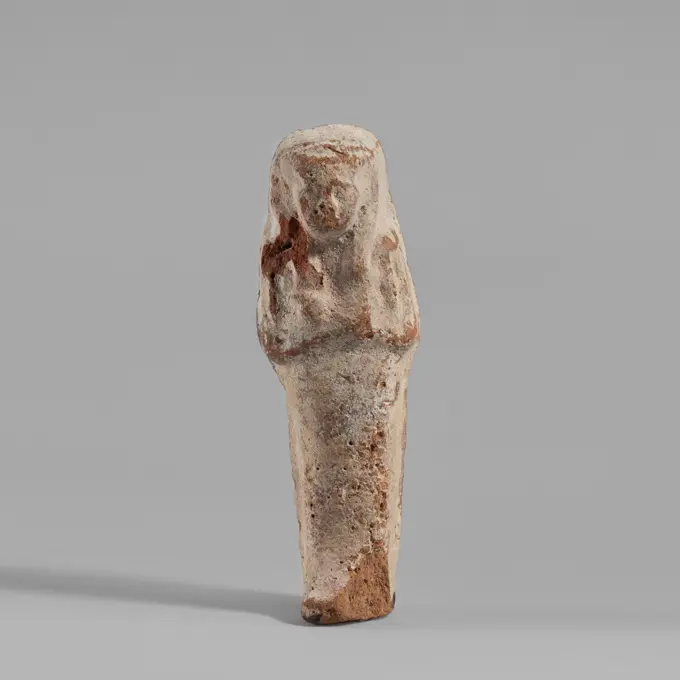
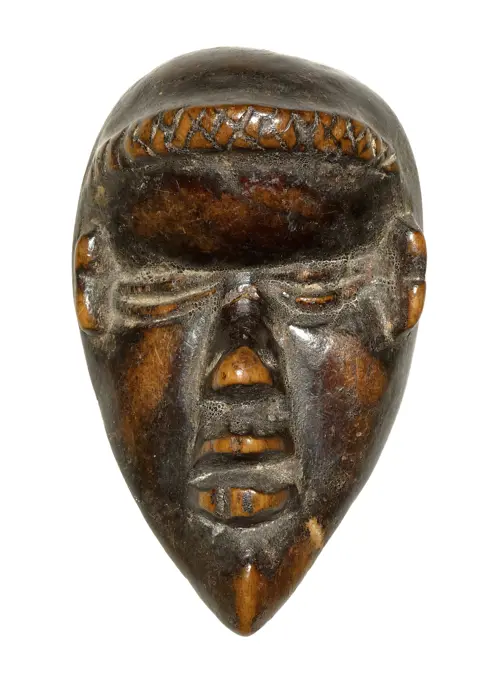
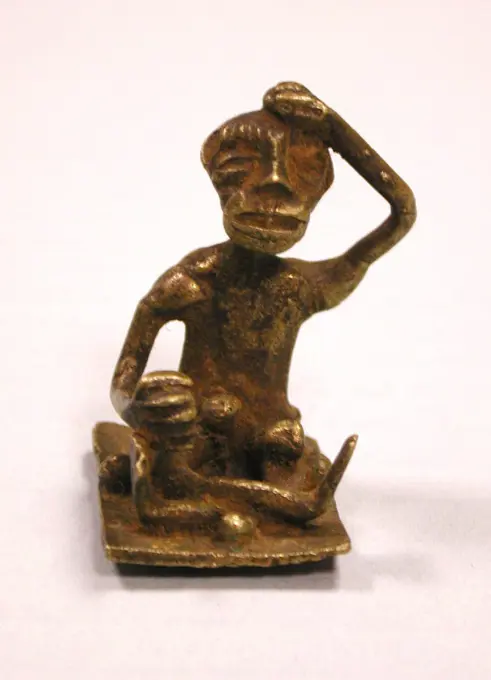
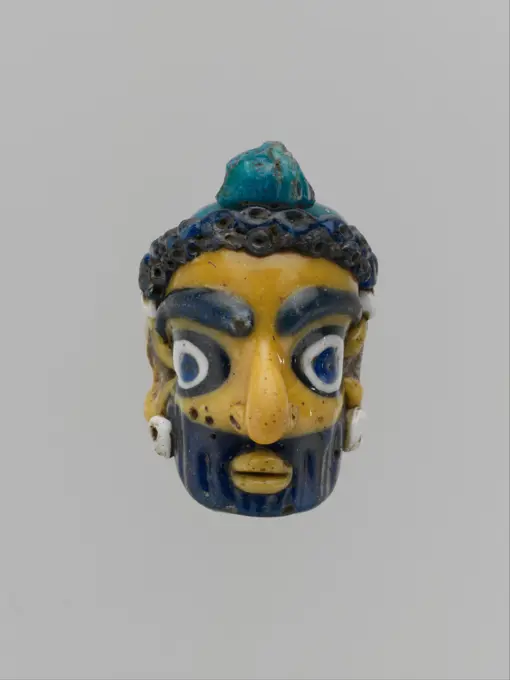
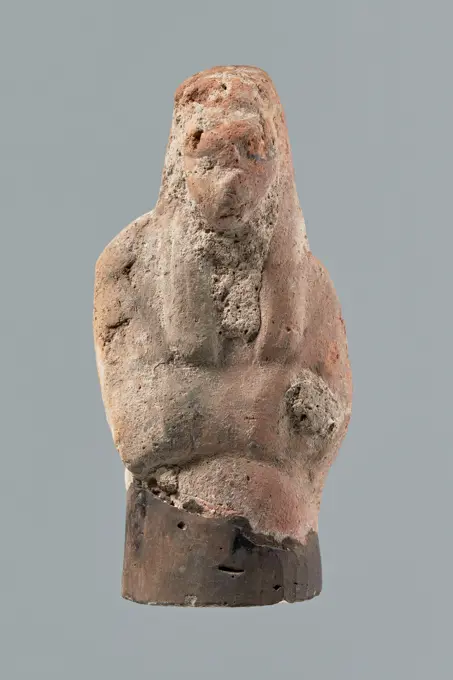
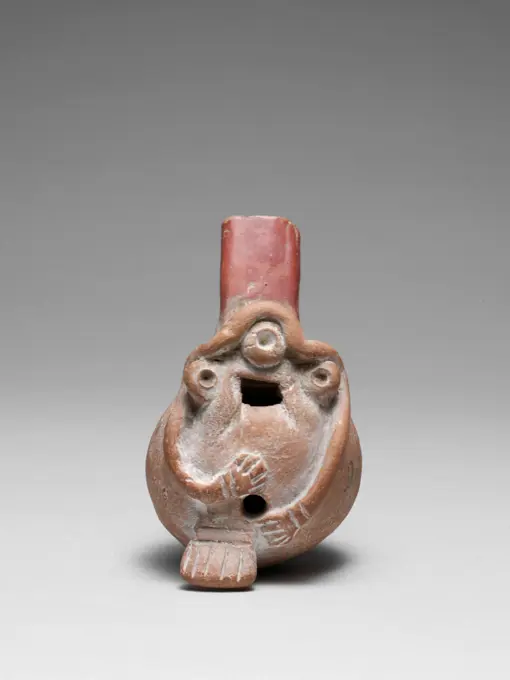
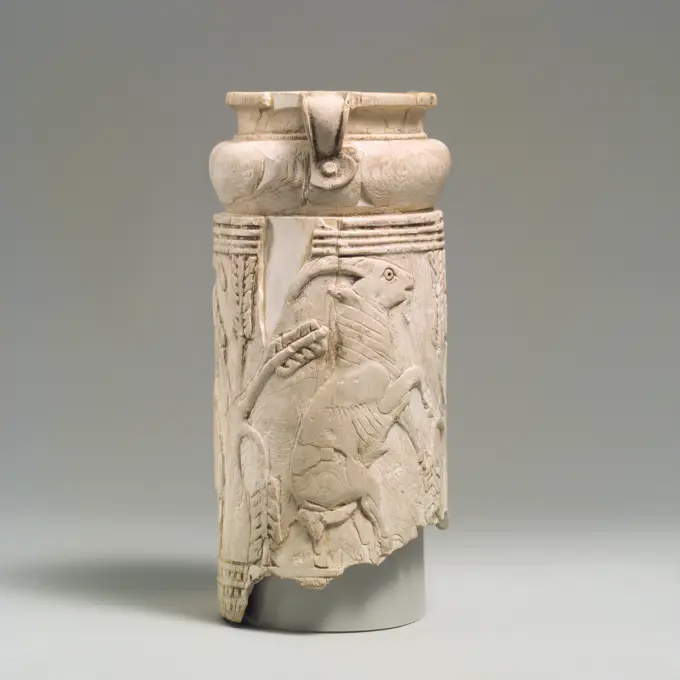
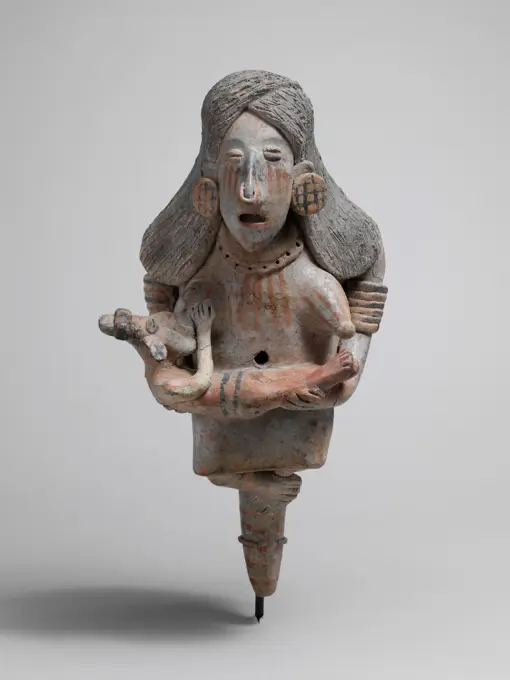
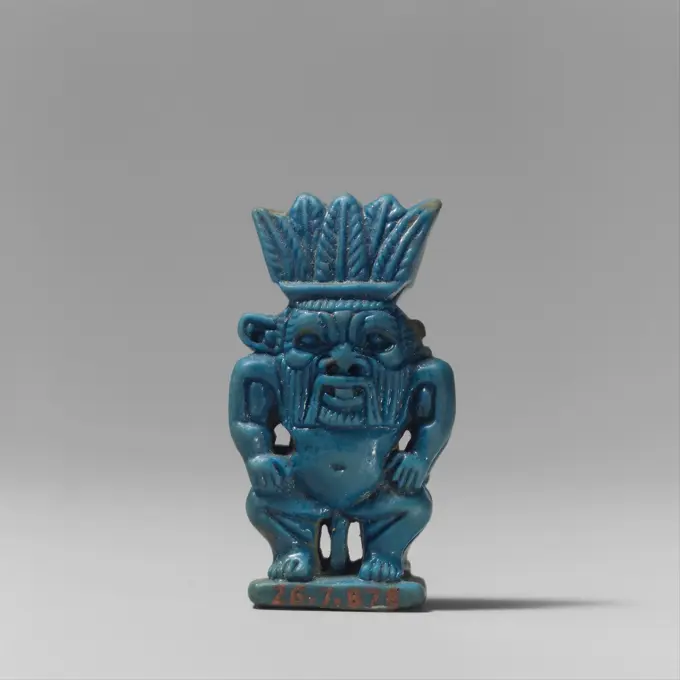
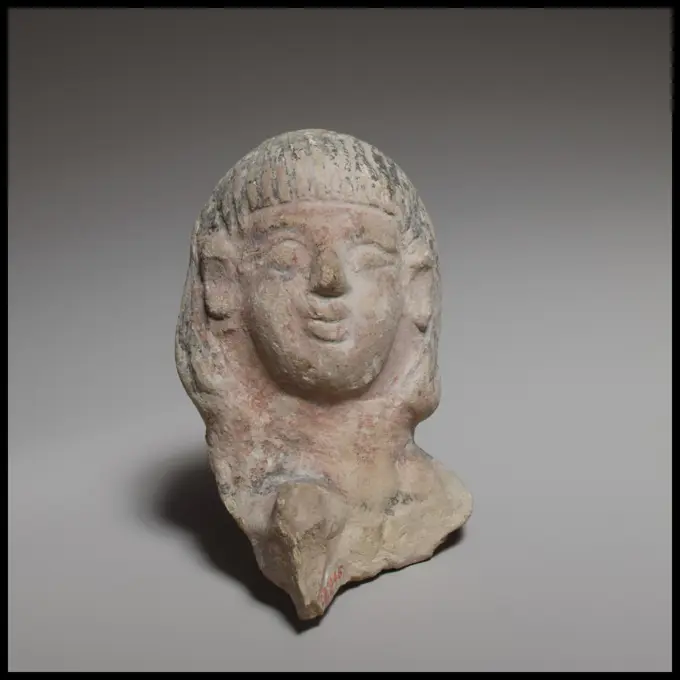
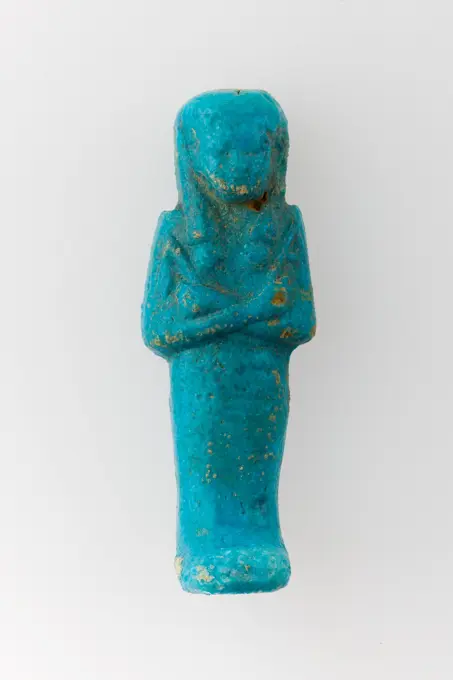
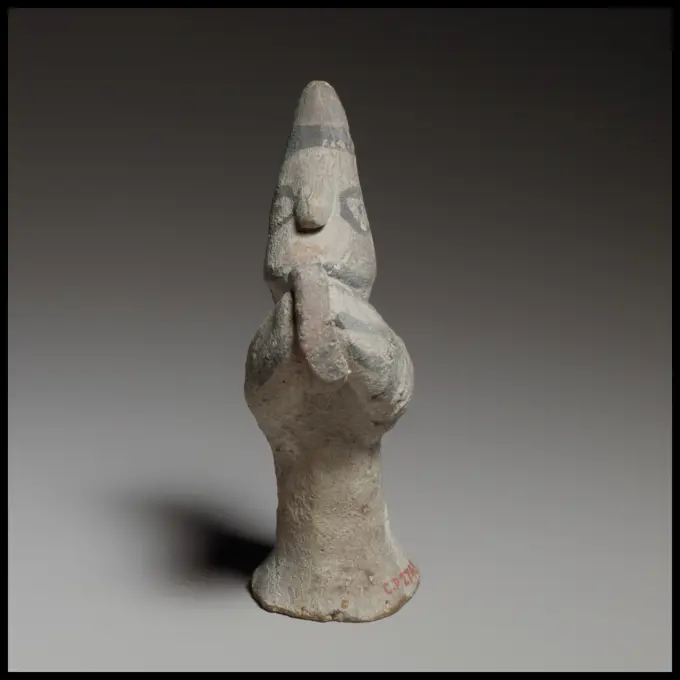
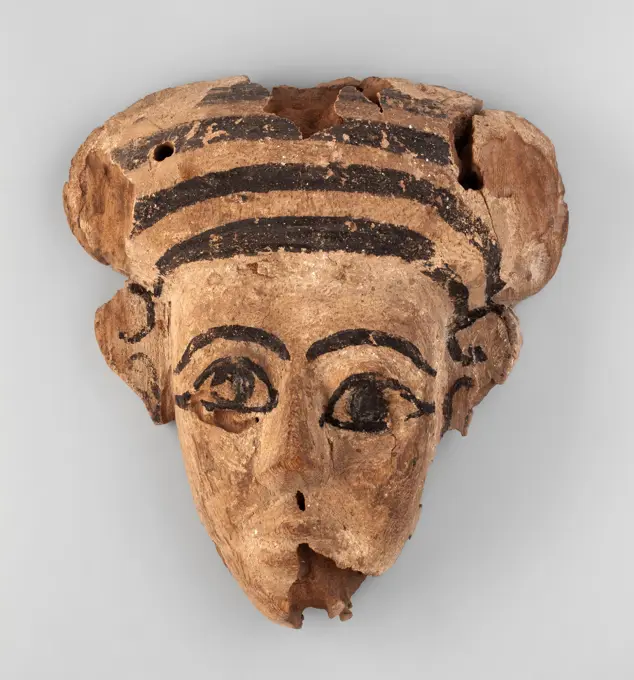
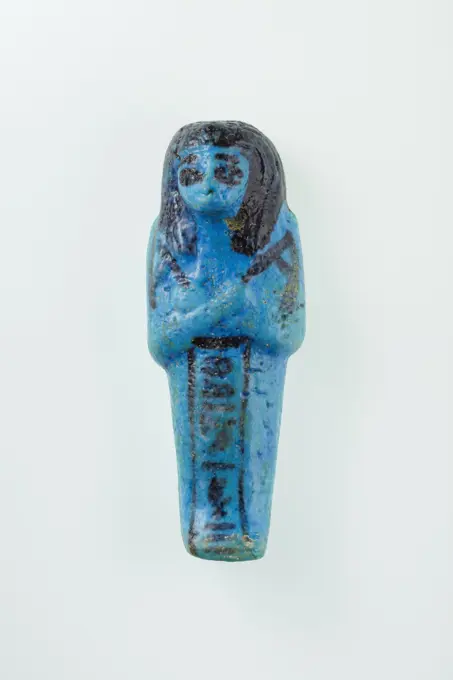
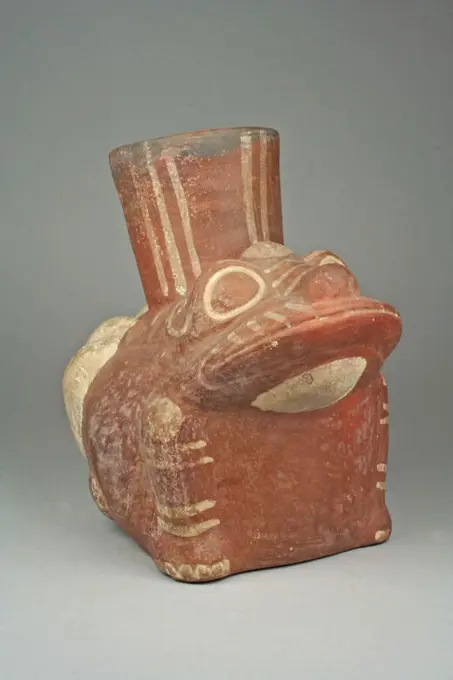
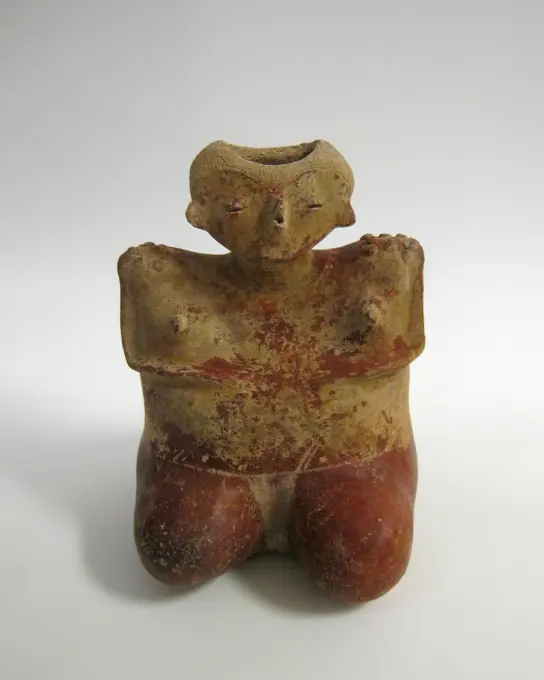
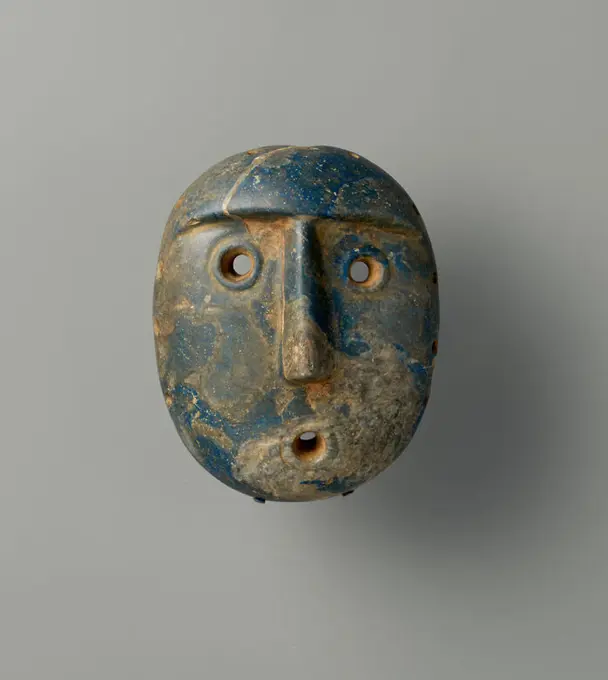
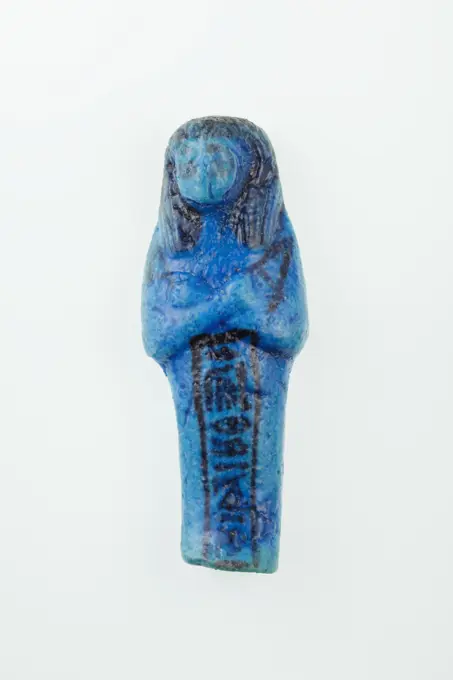
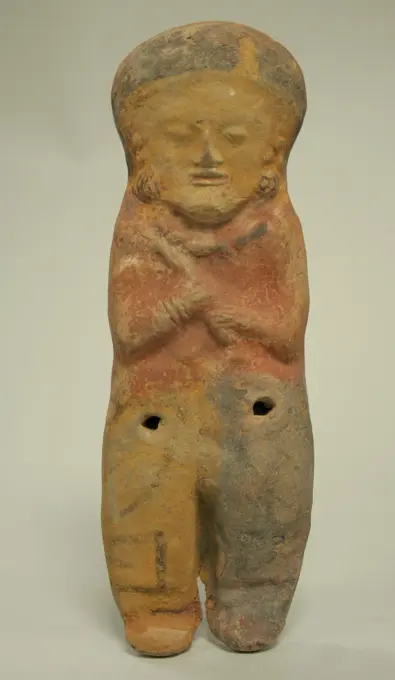
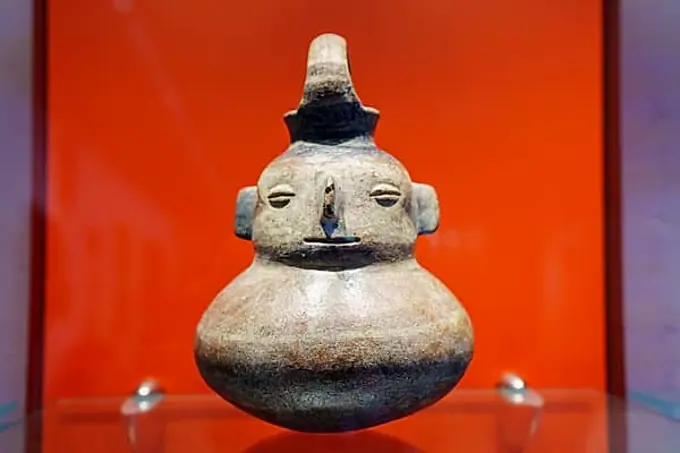
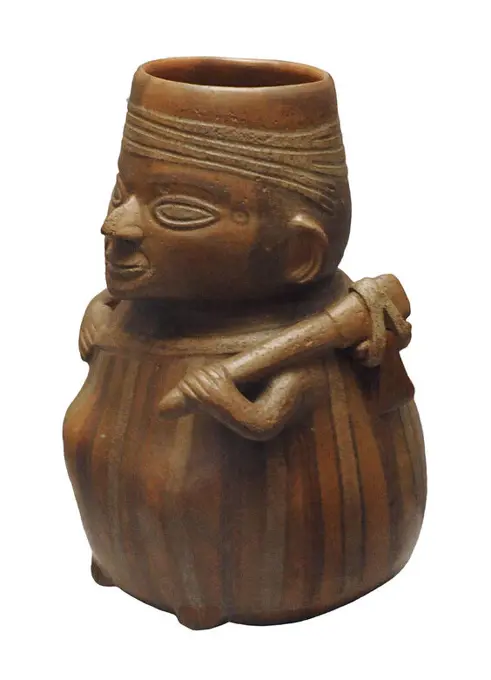
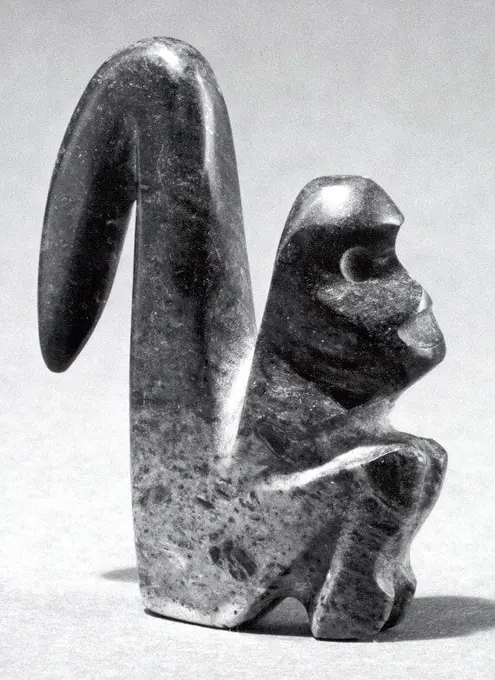
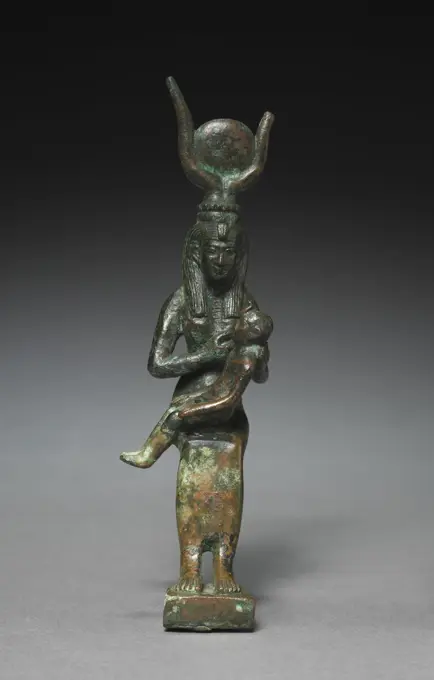
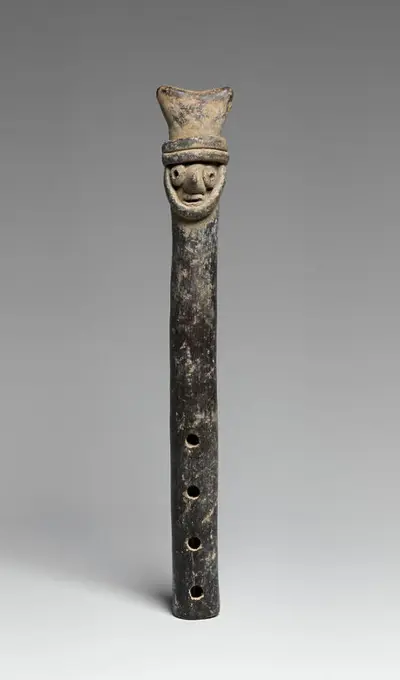
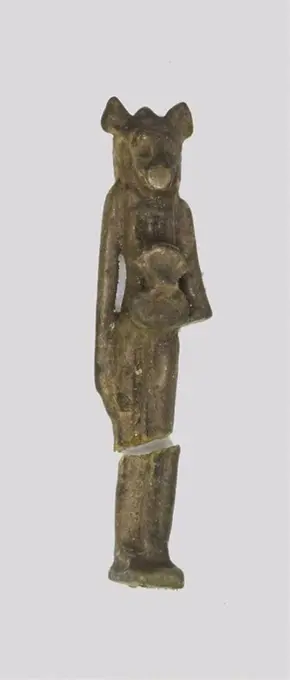
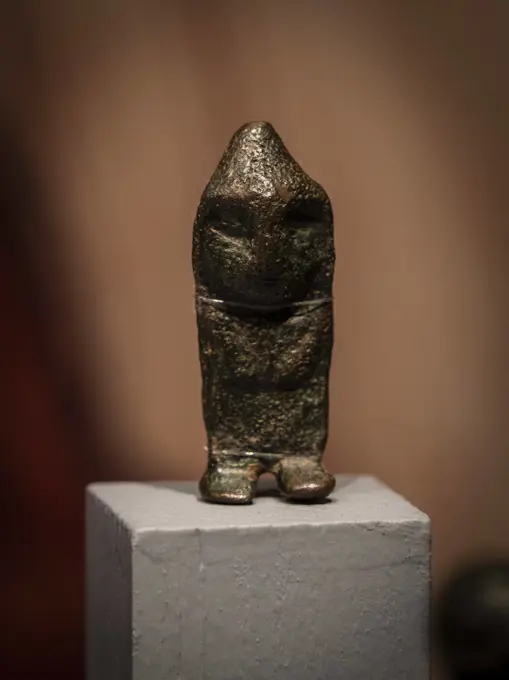
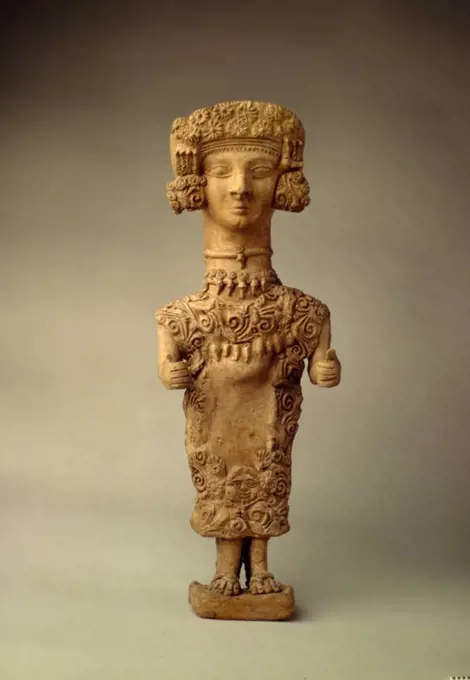
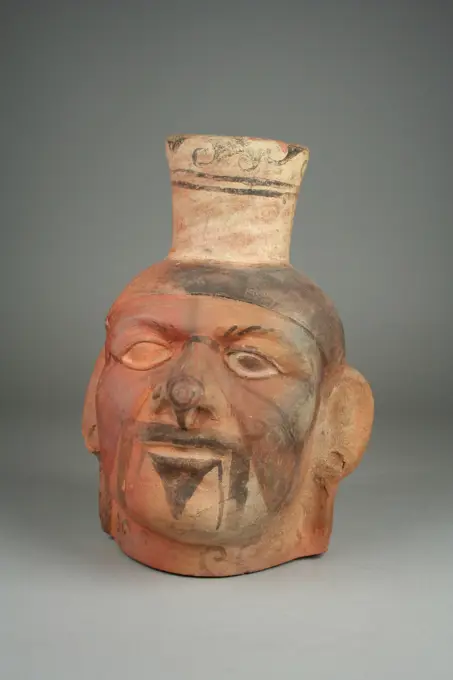
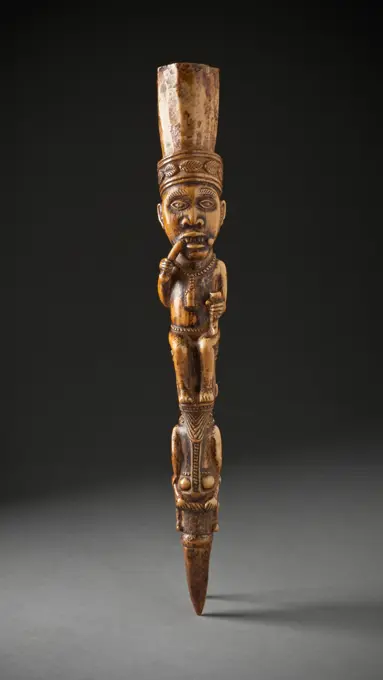
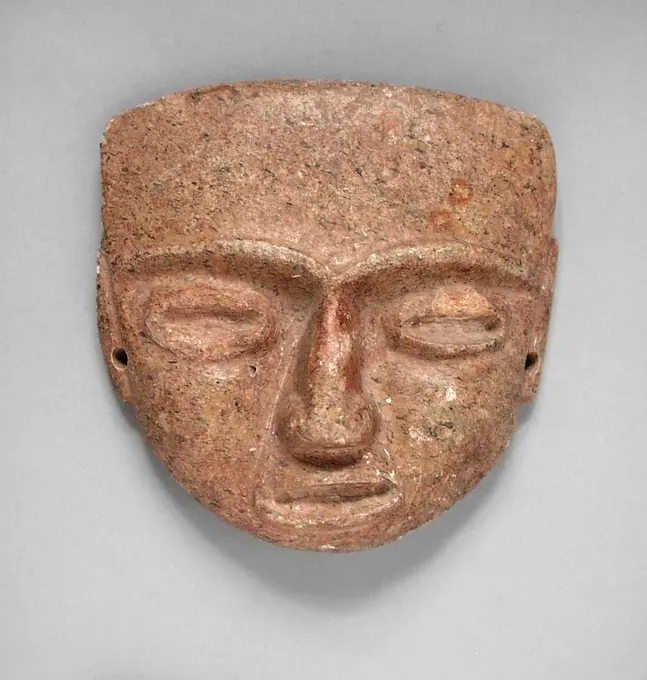
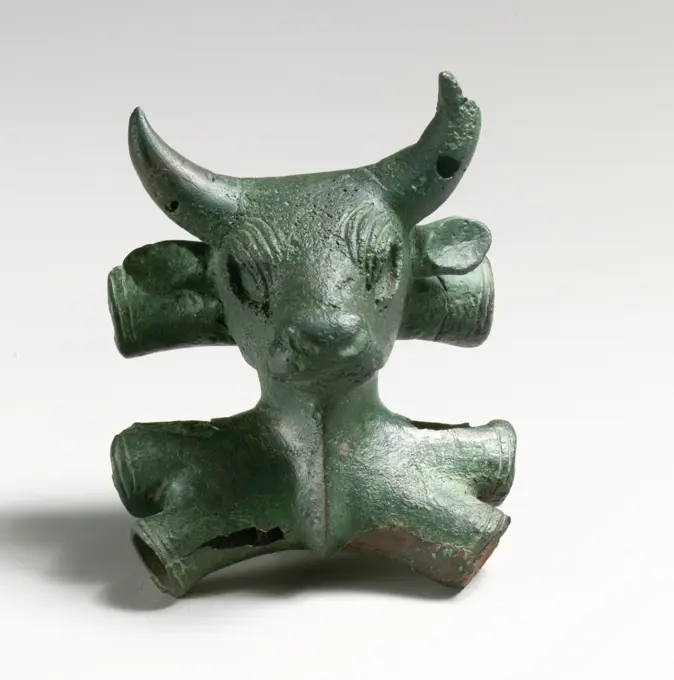
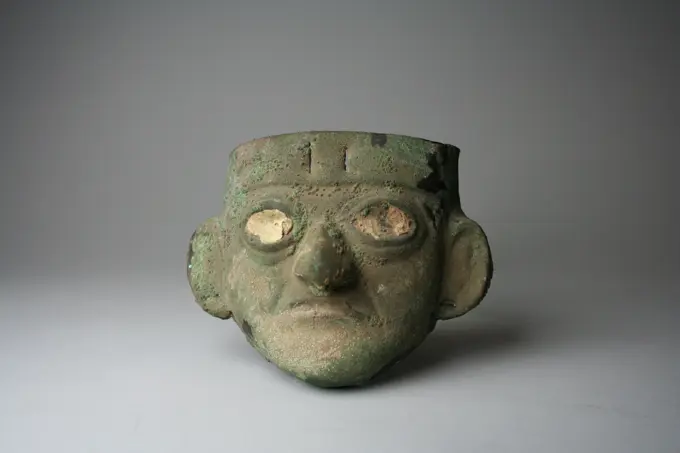
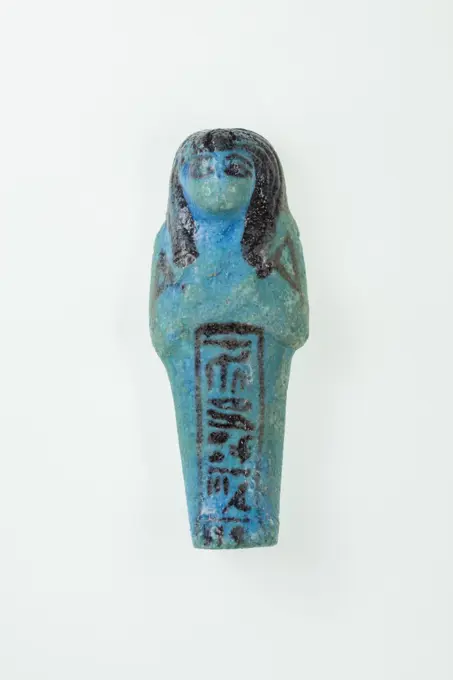
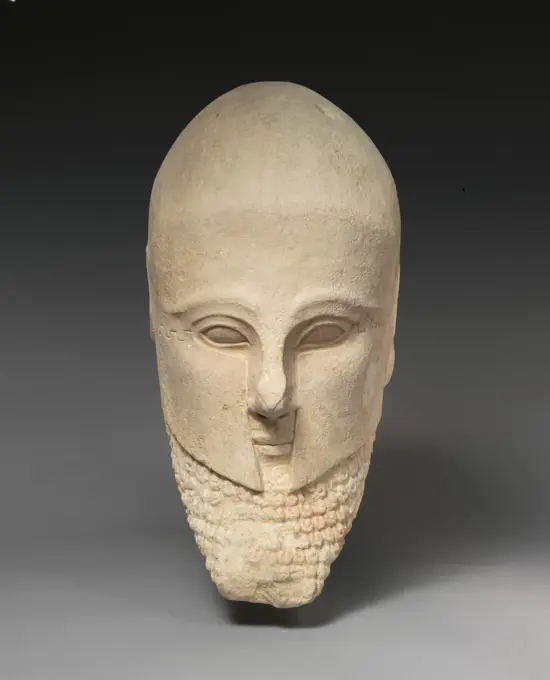
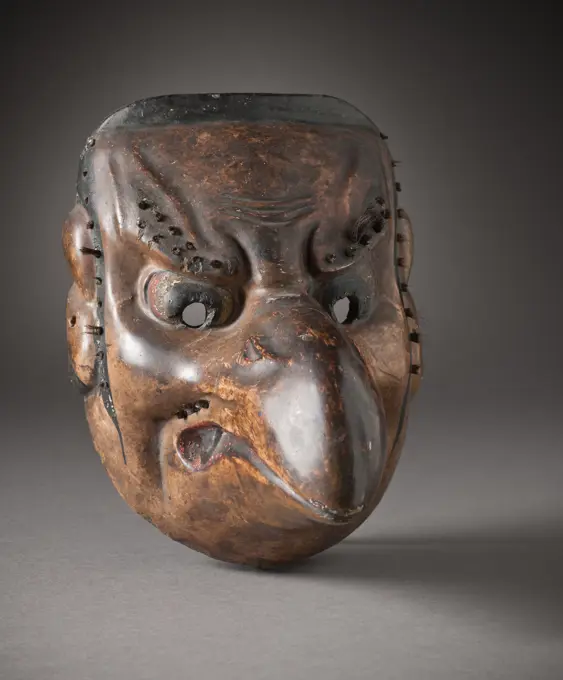
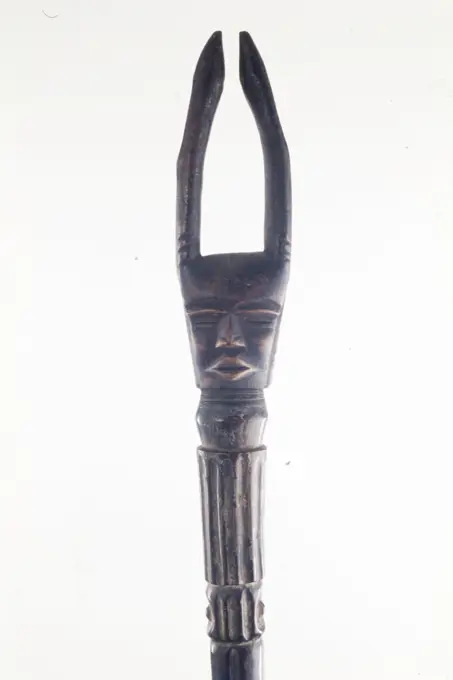
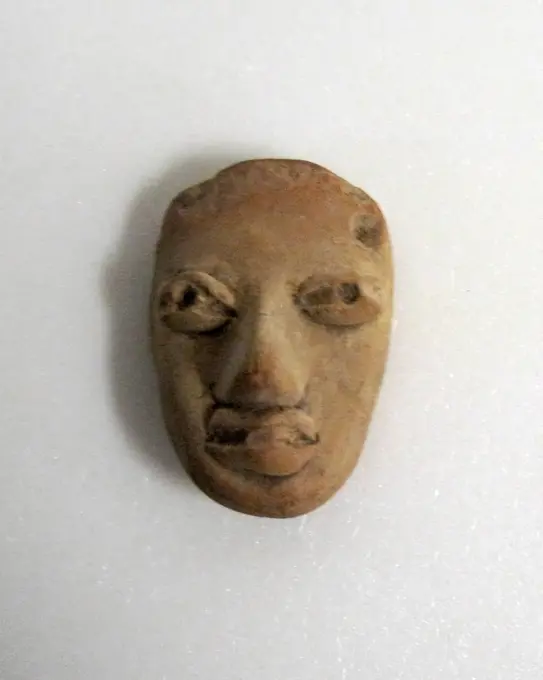
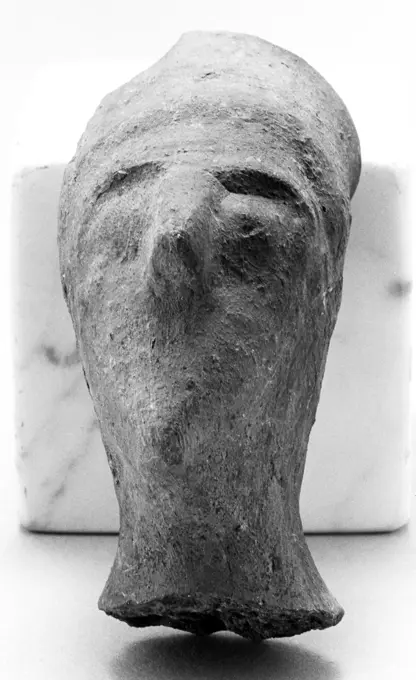
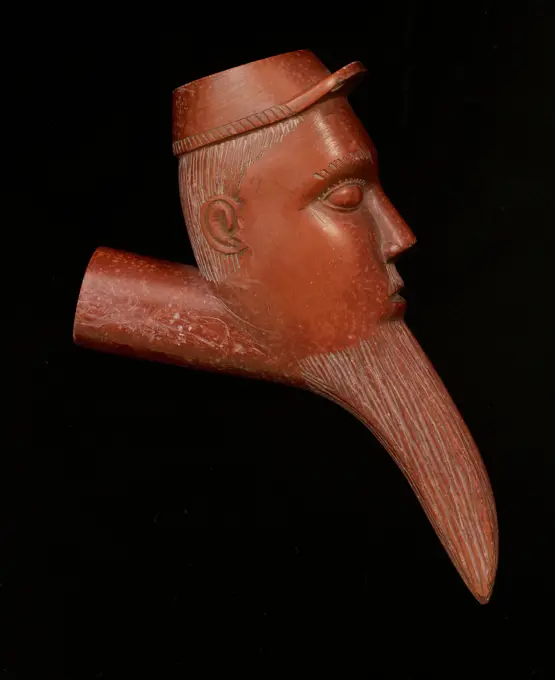
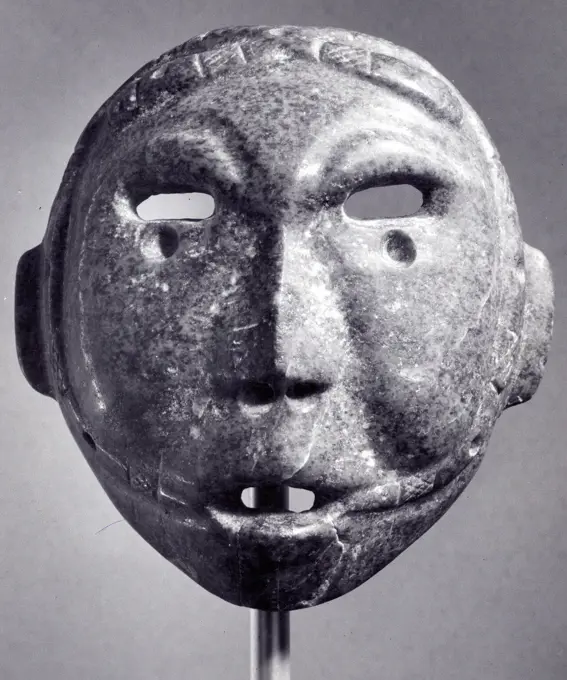
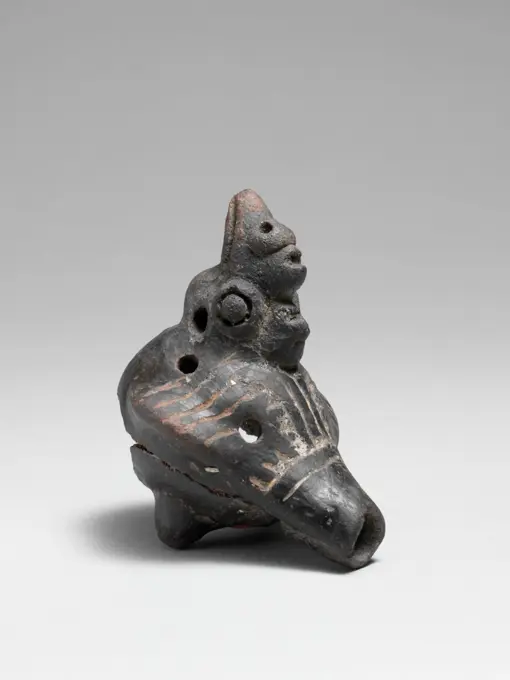
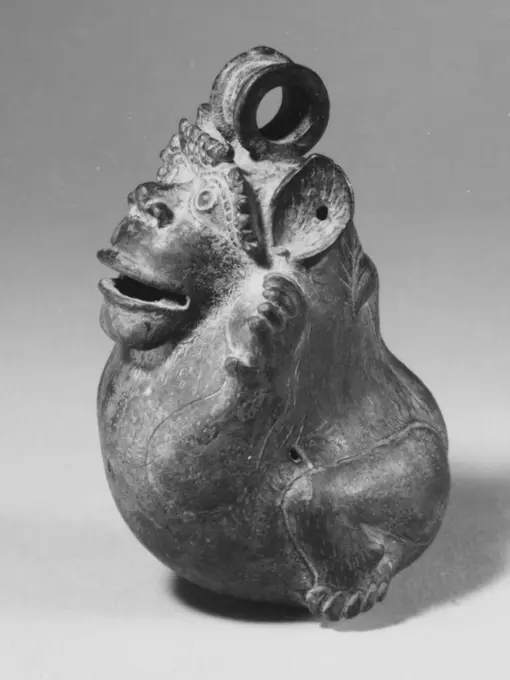
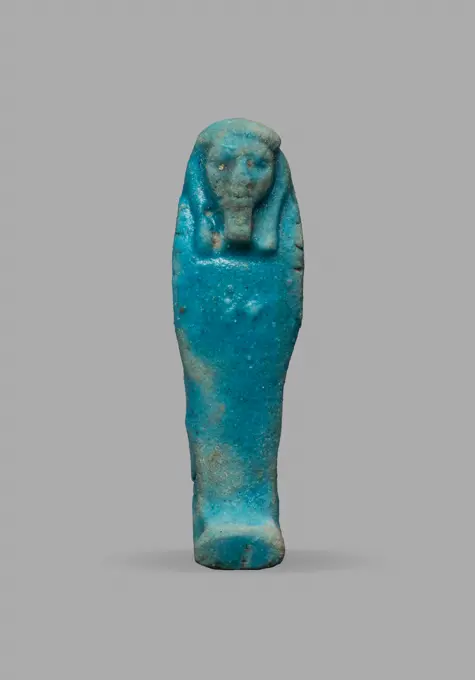
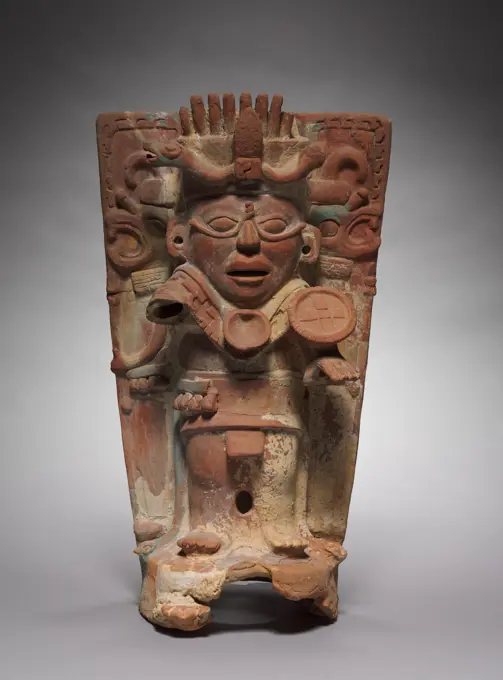
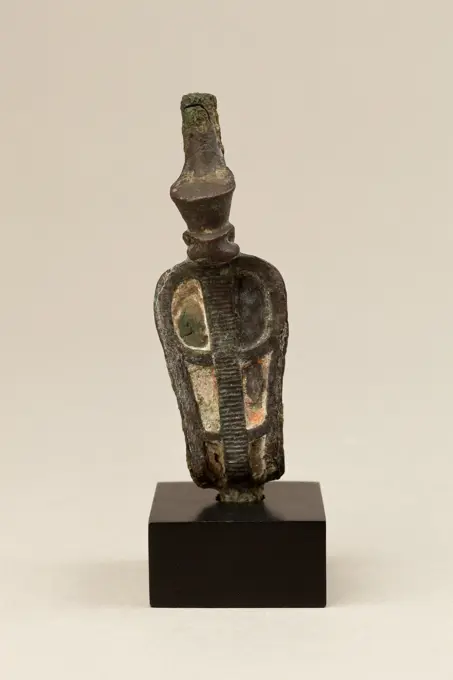
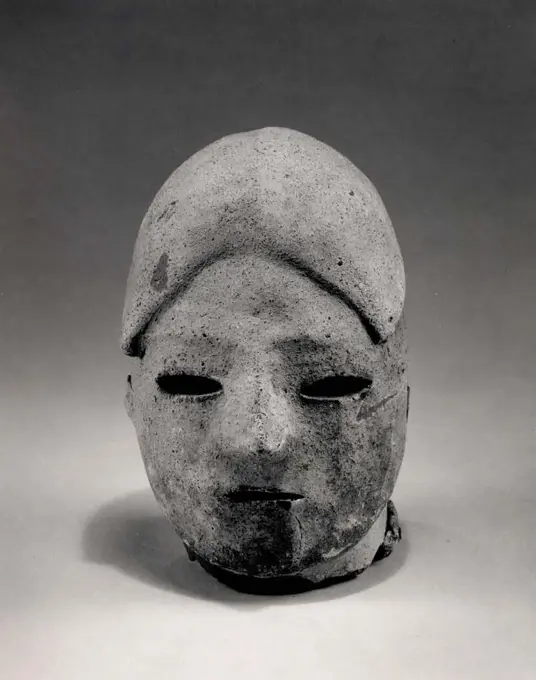
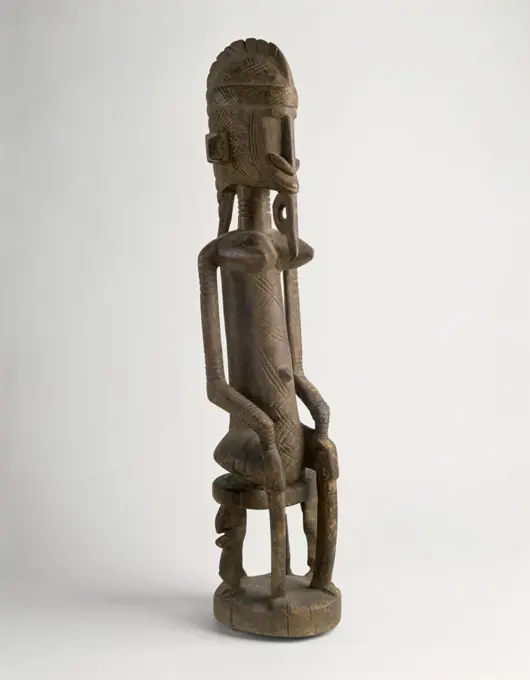
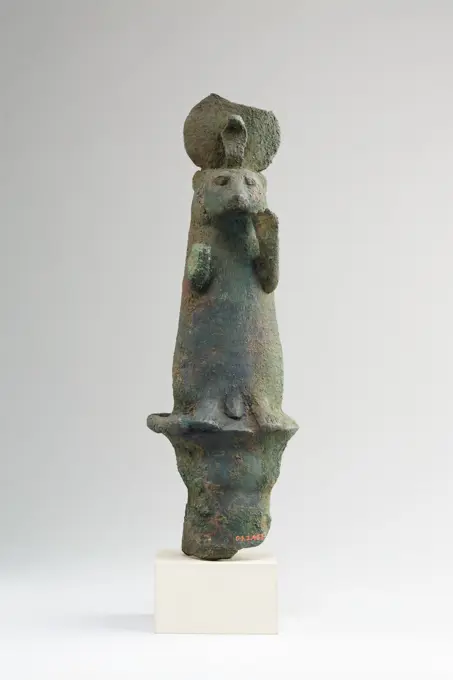
Ichneumon on a papyrus-shaped pillar 664-30 B.C. Late Period-Ptolemaic Period. Ichneumon on a papyrus-shaped pillar 551995Pataikos with two faces. Dimensions: H. 4.8 × W. 2.1 × D. 1.8 cm (1 7/8 × 13/16 × 11/16 in.). Date: 664-30 B.C..This unusual Pataikos has a second face at the back of his head. Museum: Metropolitan Museum of Art, New York, USA.Worker Shabti of Henettawy (C), Daughter of Isetemkheb ca. 990-970 B.C. Third Intermediate Period See 25.3.19.. Worker Shabti of Henettawy (C), Daughter of Isetemkheb 591128Head of a Female 650 BCE-550 BCE México. Ceramic and pigment .Whistle, late 1800s. Central Africa, Democratic Republic of Congo or Angola, Chokwe people, late 1800s. Probably hippopotamus ivory; overall: 7.3 x 3.2 cm (2 7/8 x 1 1/4 in.).Head of Hathor from a clapper the inscription calling the musician who used it "beloved by the goddess Mut , Lady of Isheru (Karnak). Dimensions: H. 12 × W. 6.2 cm (4 3/4 × 2 7/16 in.). Dynasty: Dynasty 19-25. Date: ca. 1295-664 BC.On this element is the emblem of Hathor, the goddess head wearing a modius of uraei topped by an naos with a uraeus. Inscribed on each jamb of the naos is the phrase "Beloved of Mut, mistress of Isheru," referring to the owner of the object, probably a priestess in Mut's temple. Sitting at the sides and on top of the naos are four cats. Doubles of cats are closely associated with Mut, probably representing Re and his daughter who do battle with the serpent Apopy in the afterworld; more generally cats may represented the pacified lioness.This piece appears to be upper part of a clapper - a long flat blade would have originally extended below the ornamental top and played against a second clapper to beat time for dance. Clappers were accompaniment at vintageCeremonial vessel depicting a jaguar head. Polychrome wood. Inca Culture, Late Horizon (1400-1533 AD). Cuzco, Peru. Museum of the Americas. Madrid, Spain. Stirrup spout bottle with fox-warrior figure. Culture: Moche. Dimensions: Overall: 6 3/4 x 3 1/2 in. (17.15 x 8.89 cm)Other: 3 1/2 in. (8.89 cm). Date: 3rd-5th century. Museum: Metropolitan Museum of Art, New York, USA.Halberd Standard, c. 600-221 BC. China, Zhou dynasty (c. 1046-256 BC). Bronze inlaid with silver; overall: 10 cm (3 15/16 in.).Canopic Jar with Human Head Lid. Egyptian. Date: 1985 BC-1773 BC. Dimensions: a (jar): 24.7 × 17.3 × 17.7 cm (9 ¾ × 7 × 7 in)b (lid): 10.1 × 12 × 11.4 cm (4 × 4 ¾ × 4 1/5 in). Stone. Origin: Egypt. Museum: The Chicago Art Institute, USA. Author: Ancient Egyptian.Pottery 8th century. Aurn of a woman with a lid in the form of a facePottery Rattle 19th century Mexican. Pottery Rattle. Mexican. 19th century. Clay. Mexico. Idiophone-Shaken-rattleFragmentary limestone sphinx. Culture: Greek, Attic. Dimensions: H. 9 in. (22.8 cm). Date: early 6th century B.C..Enough remains of this remarkable piece to indicate the detail with which the wings were originally articulated and the strong colors with which it was painted. The holes on the top of the head are for the attachment of a polos (headdress). Museum: Metropolitan Museum of Art, New York, USA.Fragment of dwarf figurine ca. 1981-1640 B.C. Middle Kingdom. Fragment of dwarf figurine. ca. 1981-1640 B.C.. Blue faience. Middle Kingdom. From Egypt, Memphite Region, Lisht North, Cemetery, MMA excavations, 1906-07. Dynasty 12-13Messenheft with Jonas and Walvis presentation. The hollow molded object presents Jonas, who comes from the mouth of a whale.Canopic jar ca. 712-664 B.C. Third Intermediate Period A set of four canopic jars was an important element of the burial in most periods of Ancient Egyptian history. Canopic jars were containers in which the separately mummified organs would be placed. The best known versions of these jars have lids in the shape of the heads of protective deities called the four Sons of Horus. The human-headed Imsety was the guardian of the liver; the baboon-headed Hapy looked after the lungs; the jackal-headed Duamutef was responsible for the stomach; and the falcon-headed Qebehsenuef cared for the intestines.The lid of the jar here is removable, but the cavity is not large enough to hold an organ. The "dummy" jar dates to a period during which the internal organs were mummified and then placed back into the mummy, but canopic jars continued to be included as part of the burial equipment in order to ensure the protection of the four Sons of Horus.Canopic jars from two different burials were found in tSquatting Female Figurine. Costa Rica. Date: 101 AD-600 AD. Dimensions: H. 11 cm (4 5/16 in.). Greenstone. Origin: Costa Rica. Museum: The Chicago Art Institute, Chicago, USA.Amulet of Pataikos. Egyptian. Date: 800 BC-300 BC. Dimensions: 4.1 × 1 × 1.3 cm (1 5/8 × 3/4 × 1/2 in.). Ceramic. Origin: Egypt. Museum: The Chicago Art Institute, Chicago, USA. Author: Ancient Egyptian.Stirrup Spout Bottle with Figure 4th-7th century Moche. Stirrup Spout Bottle with Figure 308886Temple Model. Culture: Mezcala. Dimensions: Height 5-5/8 in.. Date: 200 B.C.-A.D. 500.Stone models in the Mezcala style come largely from the present-day state of Guerrero, in southwest Mexico. A particularly long-lived tradition, these works may have been produced over some one thousand years, from as early as 500 B.C. Little is known about their archaeological contexts, and there are few points of reference with surviving architecture in the region. It is possible that these models emulate buildings with stone columns, such as those from Cuetlajuchitlán; alternatively they could recall above- or below-ground funerary structures, in which case the columns would represent wood supports of a tomb or a funerary pyre. Mezcala models may have served multiple functions over time, in keeping with the Mesoamerican custom of repurposing or recarving stone objects. Oblong models, for example, may have been recarved from celts, ritual tools of great symbolic importance. Several have holes drilCup, c. 1900, 9 × 4 1/2 × 5 in. (22.86 × 11.43 × 12.7 cm) (with base), Wood, Democratic Republic of Congo, 20th centuryOsiris, Ancient Egyptian god. Son of Nut, brother of Set, husband of Isis, father of Horus. Wooden statue with polychrome decoration.Tunjos (Votive Offering Figurine), c. 900-1550. Colombia, Muisca style, 10th-16th century. Cast gold; overall: 9.5 x 2.2 x 0.8 cm (3 3/4 x 7/8 x 5/16 in.). Unlike the other gold ornaments made in the isthmian region, tunjos were not worn; instead, they served as offerings that were deposited in sacred places such as lagoons and caves. They often depict humans who hold something. Perhaps because they were not meant for display, tunjos were not finished after lost-wax casting. Flaws remain uncorrected, surfaces are unpolished, and gold that backed into the channel used to pour the molten metal into the mold was left in place.Kneeling Figure. China, probably Sichuan province. Date: 1500 BC-1000 BC. Dimensions: 19.6 × 7.0 × 9.8 cm. (7.7 × 2.75 × 3.7 in.). Chlorite. Origin: China. Museum: The Chicago Art Institute, Chicago, USA.Figure-Celt Pendant 1st-5th century Guanacaste-Nicoya The slender celt-form pendants of Central America, worn about the neck on a thong, had a serious presence during the early centuries A.D. Carefully crafted of various types of greenstone, of preference a blue-green jadeite indicative of high status, the shape takes its meaning from celts, or axes. Celts were the essential tool of the ancient inhabitants of Central America and Mexico and came to have symbolic import. The most common ornamental celt in Central America was a bird with a tall crest, beady eyes, and a large beak extending down the chest. The same slender format ornamented at the top was used to depict other figures, like this one with a helmet mast encasing its head. A small fat animal sits on top of the figures head, large ear flares frame the face, and a long tongue, curled up at the bottom, emerges from the wide mouth. The hands meet at the center, below a chest ornament. Variations on the helmet mask include a fat bWorker Shabti of Henettawy (C), Daughter of Isetemkheb ca. 990-970 B.C. Third Intermediate Period See 25.3.19.. Worker Shabti of Henettawy (C), Daughter of Isetemkheb 591118Worker Shabti of Henettawy (C), Daughter of Isetemkheb ca. 990-970 B.C. Third Intermediate Period See 25.3.19.. Worker Shabti of Henettawy (C), Daughter of Isetemkheb 591055Head of a Male Deity, anonymous, 1000 - 1100 Stone fragment (head) of a deity in the baphuon style. Cambodia . Stone fragment (head) of a deity in the baphuon style. Cambodia .Head of a Woman, 600s BC. Italy, Etruscan, "Italic", 7th Century BC. Amber; overall: 8 x 4.5 x 3.7 cm (3 1/8 x 1 3/4 x 1 7/16 in.).Faience amulet of Ra Horakhty 664-30 B.C. Egyptian. Faience amulet of Ra Horakhty 243766Worker Shabti of Henettawy (C), Daughter of Isetemkheb ca. 990-970 B.C. Third Intermediate Period. Worker Shabti of Henettawy (C), Daughter of Isetemkheb 625496Mask, 1-800. Mexico, Guerrero, Mezcala style. Stone; overall: 10.2 x 9 x 3 cm (4 x 3 9/16 x 1 3/16 in.).Shabti Late Period 688-332 B.C. View more. Shabti. 688-332 B.C.. Faience. Late Period. From Egypt. Dynasty 26-30Figurine, 400-100 BC. Mexico, Guanajuato, Chupícuaro. Pottery with traces of white and red pigment; overall: 6.6 x 3.4 x 1.4 cm (2 5/8 x 1 5/16 x 9/16 in.).Shiva Linga. Culture: Southern Thailand. Dimensions: H. 12 1/2 in. (31.8 cm); W. 6 1/2 in. (16.5 cm); D. 6 in. (15.2 cm). Date: 7th-8th century.Shiva can be worshipped in innumerable forms, both natural and man-made. These forms can range from small river-washed stones (banalinga) to mountaintops that are deemed to display a linga-like profile (lingaparvata). In Southeast Asia, a distinctive conical linga with square shaft, unlike any Indian forms, appears from about the sixth century onward. The greatest concentration of examples of this type is found in peninsular Thailand, though their distribution is far wider, extending east to Borneo and Bali.cat. no. 81. Museum: Metropolitan Museum of Art, New York, USA.Falcon-headed stopper (Qebehsenuef) from a canopic jar ca. 818-525 B.C. Third Intermediate Period-Late Period. Falcon-headed stopper (Qebehsenuef) from a canopic jar 552535Boat;  around 1069 945 BC ; 3rd passage period, 21 dynasty (-1069-00-00--945-00-00);Deposit of the University of Warsaw from 1937-1939, Polish-French excavations in Edfu (Egypt)Passport' mask, 3 3/16 x 1 7/8 x 5/8 in. (8.1 x 4.76 x 1.59 cm), Wood, LiberiaGold Weight: Seated Male 18th-19th century Akan peoples. Gold Weight: Seated Male 317695Glass head pendant mid-4th to 3rd century B.C. Carthaginian Semi-opaque deep turquoise blue, with additions in opaque yellow and white, and translucent cobalt blue.Cylindrical with rod hole at bottom; plain back with large vertical tooled groove; short U-shaped front projecting downwards; almost flat on top; small suspension loop applied at front on top of head.Applied band of hair in two rows of curls across forehead in cobalt blue; upper half of face in yellow, with blue and white stratified eyes, prominent arched blue eyebrows, large hooked nose with nostrils as small applied blobs to either side, large yellow ears flanked above and below with white earrings; beard in blue with small mouth with protruding lips.Intact, but chip in suspension loop; slight pitting and weathering, with encrustation inside rod hole.. Glass head pendant 249968Fragment of Statesbti;  around 1069 715 BC ; 3rd transition period, 21-23 dynasty (-1069-00-00--715-00-00);TUMI DE MADERA ESTILO MOCHE PREHISPANICO. Location: MUSEO DEL ORO COL MUJICA. Lima. PERU.Face Mask Ornament. Culture: Moche (Loma Negra). Dimensions: H x W: 3 1/4 x 4 5/16in. (8.3 x 11cm). Date: 390-450. Museum: Metropolitan Museum of Art, New York, USA.Standing female figurine ca. 600-480 B.C. Cypriot The solid figurine was made from a worn mold. The back is rounded and was reworked by hand on the left side. She stands on a small plinth.. Standing female figurine 241120Figure Pendant. Culture: Colombia. Dimensions: Height 2-1/2 in. (6.4 cm). Date: 5th-10th century. Museum: Metropolitan Museum of Art, New York, USA.Shabti. Egyptian. Date: 1069 BC-715 BC. Dimensions: 11.3 × 3.6 × 2.1 cm (4 1/2 × 1 3/8 × 7/8 in.). Faience. Origin: Egypt. Museum: The Chicago Art Institute, Chicago, USA. Author: Ancient Egyptian.Amulet of Harpokrates . Dimensions: H. 2.3 cm (7/8 in). Dynasty: Dynasty 12-13. Date: ca. 1850-1640 B.C.. Museum: Metropolitan Museum of Art, New York, USA.Pottery Whistle 900-1521 () Mexican. Pottery Whistle. Mexican. 900-1521 (). Clay. Pre-Columbian. Mexico. Aerophone-Whistle Flute-whistleLevantine vessel with rampant goats and olive trees ca. late 2nd-early 1st millennium B.C. Carved from a single piece of elephant ivory, this vessel takes the form of a tapering cylinder with a small handled cup on top. The cup has been damaged and may have had a second handle opposite the one which is preserved. The base of the vessel is likewise now missing. Carved in relief around the base of the vessel is a scene framed by decorative borders at top and bottom, showing two male goats grazing from trees. A third tree of the same type is represented on its own, without a grazing goat. The goats stand on their hind legs in order to reach tender leaves high on the plant, a typical behavior of these animals. The motif of a goat standing upright to graze from a plant appears in ancient Near Eastern art as early as the Late Uruk period. As the goats feeding posture is identical to its mating posture, the image has been interpreted as exemplifying the fertility and abundance of the naturalRattle 100 B.C.-200 A.D. Jalisco A large perforated rattle typical of Jalisco rattles of western Mexico is concealed behind the nursing female figure.. Rattle. Jalisco. 100 B.C.-200 A.D.. Terracotta with kaolin. Pre-Columbian. Jalisco, Mexico. Idiophone-Shaken-rattleAncestor Figure(Aitos)Bes-Image Amulet ca. 1070-712 B.C. Third Intermediate Period In ancient Egypt, several protective deities were depicted as dwarves featuring a lion's mane, ears, and tail, and often wearing a plumed headdress. Such gods are now referred to as the Bes-image. The domain of the Bes image was the household. He averted evil with music, knives, or the sa sign as he watched over the occupants of the house. He was particularly protective of women and children, and over time this responsibility gave him a role in some temples when there was a birth house for the deity. Thus, the Bes image was a popular amulet.. Bes-Image Amulet. ca. 1070-712 B.C.. Faience. Third Intermediate Period. From Egypt. Dynasty 21-24Female head, perhaps from a standing tambourine player ca. 600-480 B.C. Cypriot Solid, mold-made female head in the Kamelarga style.. Female head, perhaps from a standing tambourine player 241078Worker Shabti of Henettawy (C), Daughter of Isetemkheb ca. 990-970 B.C. Third Intermediate Period See 25.3.19.. Worker Shabti of Henettawy (C), Daughter of Isetemkheb 591018Standing male tambourine player ca. 750-600 B.C. Cypriot The flaring cylindrical body is handmade and solid, with a concave base. His head is large and wears a conical headdress.. Standing male tambourine player 241229Sarcophagus mask;  I-III century; Roman period (1-00-00-400-00-00);UNESCO (1946 -), Gift (provenance), fragments of sarcophagus, masks, wig (iconogr.), FacesWorker Shabti of Nany ca. 1050 B.C. Third Intermediate Period See 30.3.27.1a, b. Worker Shabti of Nany. ca. 1050 B.C.. Faience. Third Intermediate Period. From Egypt, Upper Egypt, Thebes, Deir el-Bahri, Tomb of Meritamun (TT 358, MMA 65), first corridor, burial of Nany, MMA excavations, 1928-29. Dynasty 21Frog Bottle. Culture: Moche. Dimensions: H. 7 7/8 x W. 5 5/8 in. (20 x 14.3 cm). Date: 4th-7th century. Museum: Metropolitan Museum of Art, New York, USA.Mask 1st-5th century Tolita-Tumaco. Mask 317707Chinesca figure, c. 1000 BCE, 9 3/4 x 6 3/4 x 8 in. (24.8 x 17.15 x 20.32 cm), earthenware, Mexico, 11th-10th century BCEMask. Culture: Condorhuasi-Alamito. Dimensions: H. 7 × W. 5 1/2 in. (17.8 × 14 cm). Date: 400 B.C. - A.D. 700.This mask carved in lapis lazuli features a stylized anthropomorphic face with a pronounced brow ridge, angular nose, and drilled perforations with raised carved ridges indicating the eyes and mouth. The presence of ten additional drill holes line the outer edges of the mask suggest that it was once affixed to something, perhaps a funerary bundle. The Condorhuasi-Alamito peoples were llama pastoralists in the area that is now the Catamarca province of Argentina. They were skilled artisans in a variety of media, including ceramic, metal, and stone. Archaeological evidence suggests that the Condorhuasi-Alamito peoples maintained extensive long-distance contacts with other regions, including the important site of Tiwanaku, near Lake Titicaca in what is now Bolivia. The generous use of lapis, a material probably originally obtained from the Coquimbo (Chile) region, also speaks toWorker Shabti of Nauny ca. 1050 B.C. Third Intermediate Period See 30.3.29.1a, b. Worker Shabti of Nauny. ca. 1050 B.C.. Faience. Third Intermediate Period. From Egypt, Upper Egypt, Thebes, Deir el-Bahri, Tomb of Meritamun (TT 358, MMA 65), first corridor, burial of Nauny, MMA excavations, 1928-29. Dynasty 21Standing female figure, 200-700, 3 3/4 x 2 x 3/4 in. (9.5 x 5.1 x 1.9 cm), Earthenware, Mexico, 3rd-8th centuryKagle' mask, 8 1/4 x 5 1/2 x 3 1/2 in. (20.96 x 13.97 x 8.89 cm), Wood, metal, LiberiaOffering table with statuette of Sehetepib ca. 1850-1775 B.C. Middle Kingdom These objects were found in the vertical shaft of a tomb, but they were probably originally in an aboveground chapel. The statuette is inscribed with the title and name of the owner on the front of his long garment. It is set into a separate base in the shape of a small offering table with a projecting drain, cleverly placing the statue of the owner near the symbolic provisions it would receive.. Offering table with statuette of Sehetepib 546805Ceramic Whistle in the Form of a Standing Figure 5th century B.C.-A.D. 4th century Bahia. Ceramic Whistle in the Form of a Standing Figure 313563Globular anthropomorphic vase of semispherical mango, Vicus culture, Peru, 1st-4th centuries BC, ceramic, Sa Bassa Blanca Museum (msbb) Yannick Vu and Ben Jakober, Alcudia, Majorca, Spain, EuropeVessel representing a peasant with his working tools. Ceramics. Inca culture (1400-1533 AD). Peru. Museum of the Americas. Madrid, Spain.Head Palma, 600-1000. Mexico, Veracruz. Gray volcanic stone; overall: 23.8 x 16 x 14.3 cm (9 3/8 x 6 5/16 x 5 5/8 in.).Monkey Figure 1st-8th century Mezcala. Monkey Figure 313383MaskStatutette of Isis and Horus, 305-30 BC. Egypt, Greco-Roman Period, probably Ptolemaic Dynasty. Bronze, solid cast; overall: 17.3 x 4.6 x 6.5 cm (6 13/16 x 1 13/16 x 2 9/16 in.); tang: 1.4 cm (9/16 in.).Flute. Culture: Colima. Dimensions: L. 9 1/2 × Diam.13/16 in. (24.1 × 2.1 cm). Date: 200 B.C.-100 A.D.. Museum: Metropolitan Museum of Art, New York, USA.Amulet of a Lion-headed Goddess Holding an Aegis. Egyptian. Date: 700 BC-1 BC. Dimensions: 4.4 × 1.3 × 1.3 cm (1 3/4 × 1/2 × 1/2 in.). Faience. Origin: Egypt. Museum: The Chicago Art Institute, Chicago, USA. Author: Ancient Egyptian.bronze votive offering bronze votive offering, 4th-3rd centuries BC, archaeological museum of Seville, Andalusia, Spain Copyright: xZoonar.com/Tolox 21720800Figurine of Standing Female Wearing a QuechquimitlUszebti Hornachta. unknown, authorDiosa púnica Tanit, hallada en la necróplis de Puig des Molins, Ibiza. Terracota, S. IV-III a.C. Edad de Hierro II. Púnico. Museum: MUSEO ARQUEOLOGICO, MADRID, SPAIN.Single Spout Portrait Head Bottle 3rd-6th century Moche. Single Spout Portrait Head Bottle 309490Scepter. Africa, Democratic Republic of the Congo, Yombe peoples, 20th century. Jewelry and Adornments; scepters. IvoryMaskBronze bull's head early 7th entury B.C. Possibly Cypriot Bull's head attachment from a tripod with horizontal tubular socket. Painstaking scholarship over twenty years has discovered that these pieces and others now in Berlin originally belonged to one bronze and iron rod tripod. Luigi Palma di Cesnola and his brother Alessandro divided their finds made in Kourion in 1873-74 and sold them to New York and Berlin, respectively. Bronze tripods represent one of the most prestigious and costly creations of the Archaic period. While they originated in the Near East, by the eighth century B.C. they were exported westward to the Greeks and Etruscans as well as copied locally. Thanks to its copper mines, Cyprus was probably an important production center; numerous examples have come to light on the island.The tripod originally had six bulls' heads at the top and three bovine hooves forming the feet. The missing heads and feet are in Berlin... Bronze bull's head 244500Face Mask Ornament Moche 6th-7th centuryWorker Shabti of Nany ca. 1050 B.C. Third Intermediate Period See 30.3.27.1a, b. Worker Shabti of Nany. ca. 1050 B.C.. Faience. Third Intermediate Period. From Egypt, Upper Egypt, Thebes, Deir el-Bahri, Tomb of Meritamun (TT 358, MMA 65), first corridor, burial of Nany, MMA excavations, 1928-29. Dynasty 21Limestone bearded head with a Corinthian helmet early 5th century B.C. Cypriot. Limestone bearded head with a Corinthian helmet 242361Pottery vessel representing the Storm God of the Aztecs, known as Tlaloc. Dated 1st Century BCMask with Crow's Beak. Japan, Momoyama period (16th century). Jewelry and Adornments; masks. Wood, pigments, sumi, hemp palm fiberStaff, 19th-20th century, 54 3/16 x 3 x 1 9/16 in. (137.6 x 7.6 x 4 cm), Wood, Côte d'Ivoire, 19th-20th centuryMiniature Mask, 250-750, Earthenware, Mexico, 3rd-8th centuryFemale Head. UnknownPortrait Pipe Bowl, 5 x 3 1/8 x 1 1/2 in. (12.7 x 7.94 x 3.81 cm), Pipestone (catlinite), United States, Based on historical data and oral tradition, pipes made from pipestone were created for a variety of purposes. These include ceremonial use, recreational smoking, for sale, trade, and giftsFace Mask 1st-8th century Mezcala. Face Mask 312746Pottery Whistle ca. 800-1500 Costa Rican. Pottery Whistle. Costa Rican. ca. 800-1500. Pottery. Pre-Columbian. Costa Rica. Aerophone-Whistle Flute-whistlePellet Bell in the Form of a Monkey ca. 13th-14th century Indonesia (Java). Pellet Bell in the Form of a Monkey 37694Boat;  525-332 BC ; Half period, 27-30 dynasty (-525-00-00--332-00-00);Scen.Gal.Eg.Incense Burner Support, 600-900. Mexico, Chiapas, Palenque Region, Maya, Classic period. Pottery with polychrome; overall: 54.7 x 31.3 x 28.8 cm (21 9/16 x 12 5/16 x 11 5/16 in.).Uraeus with red crown 664-30 B.C. Late Period-Ptolemaic Period. Uraeus with red crown 552342King Head, 500 BCE - 500 CE, 11-7/8 x 7-1/8 x 7 in. (30.2 x 18.1 x 17.8 cm), Terra cotta, Nigeria, 5th century BCE - 6th century CEHead of a Male Haniwa Figure Japan. Head of a Male Haniwa Figure 45548Wooden Carving after Dogon Style 20th Century African Art Collection of The Museum of Contemporary Art, Jacksonville, Florida