Ancient Figurines

Artifacts including statuettes from ancient cultures, crafted from materials like ceramic and metal, reflecting historical significance.
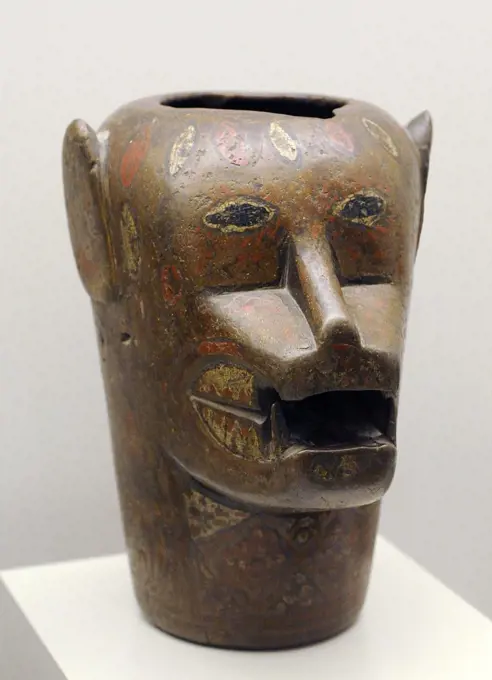
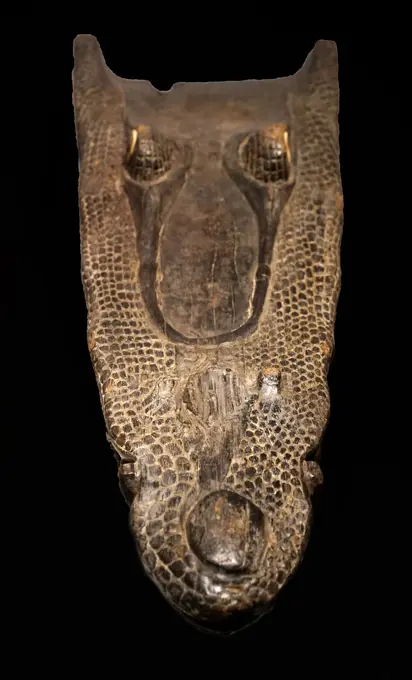
Ceremonial vessel depicting a jaguar head. Polychrome wood. Inca Culture, Late Horizon (1400-1533 AD). Cuzco, Peru. Museum of the Americas. Madrid, Spain.
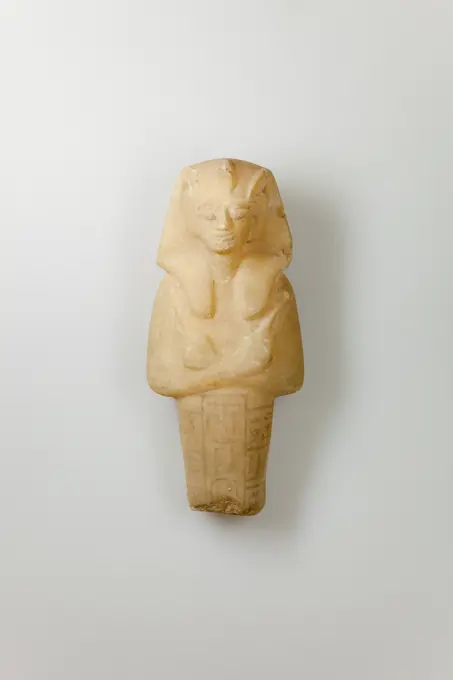
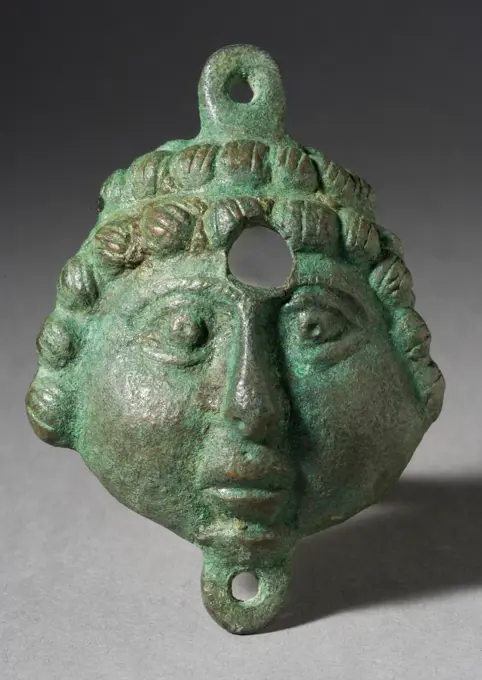
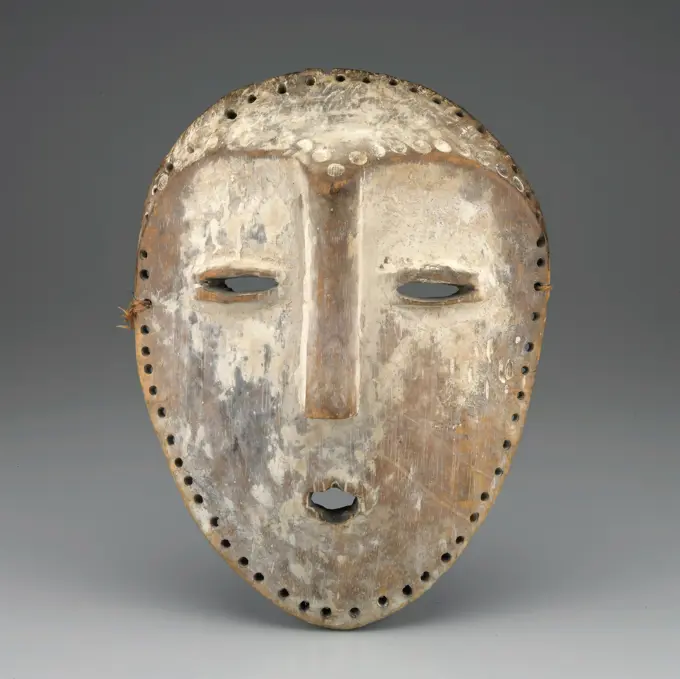
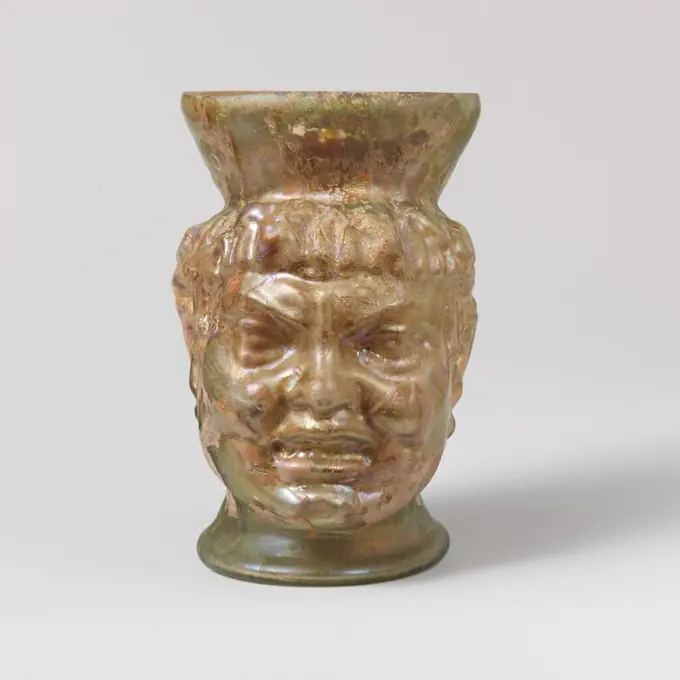
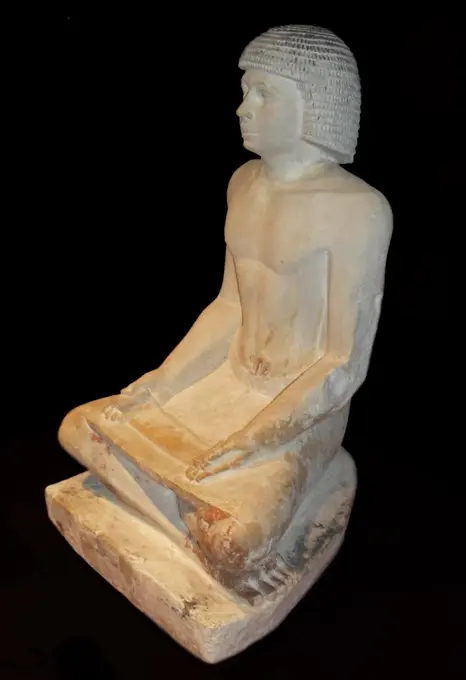
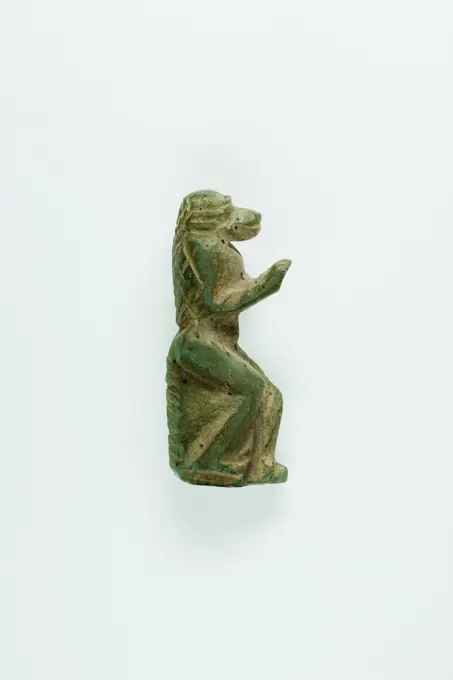
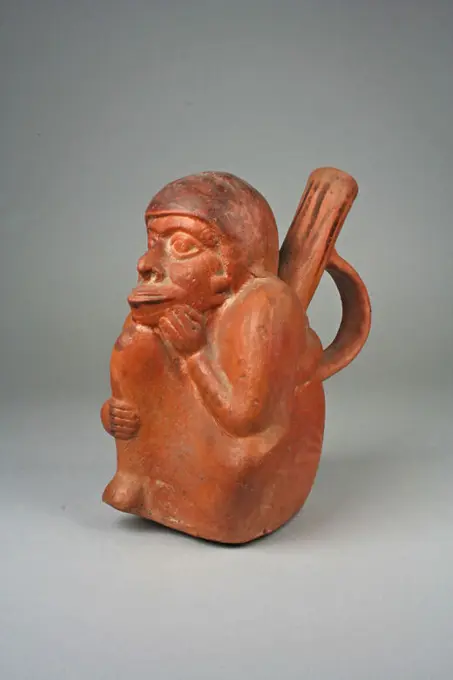
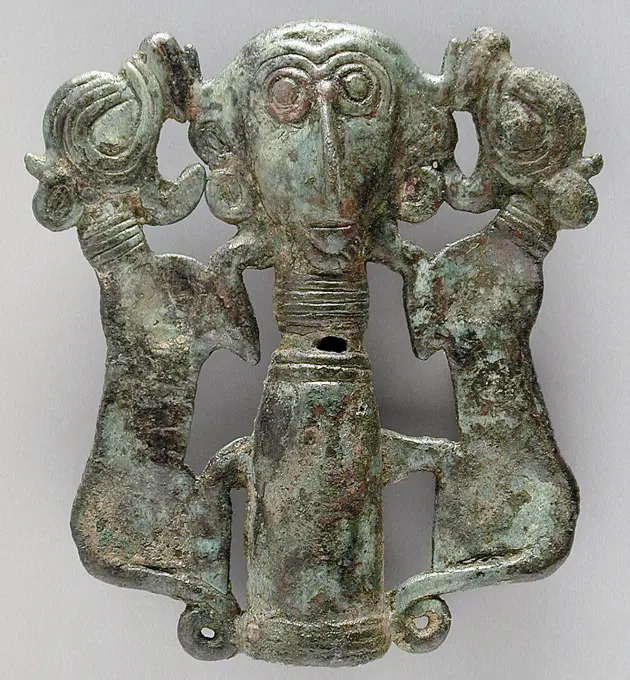
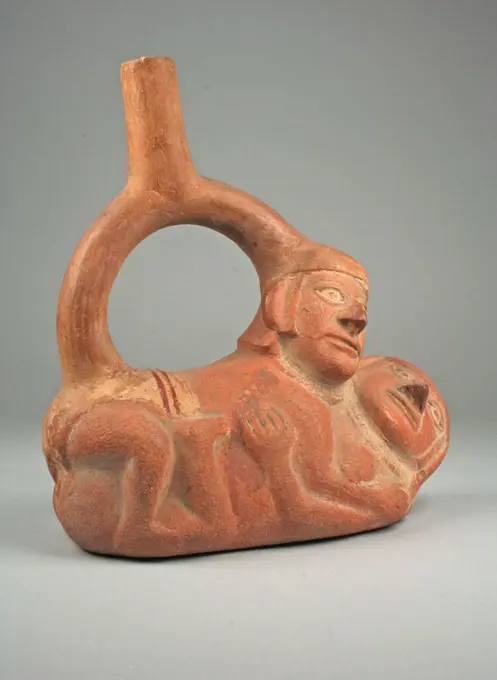
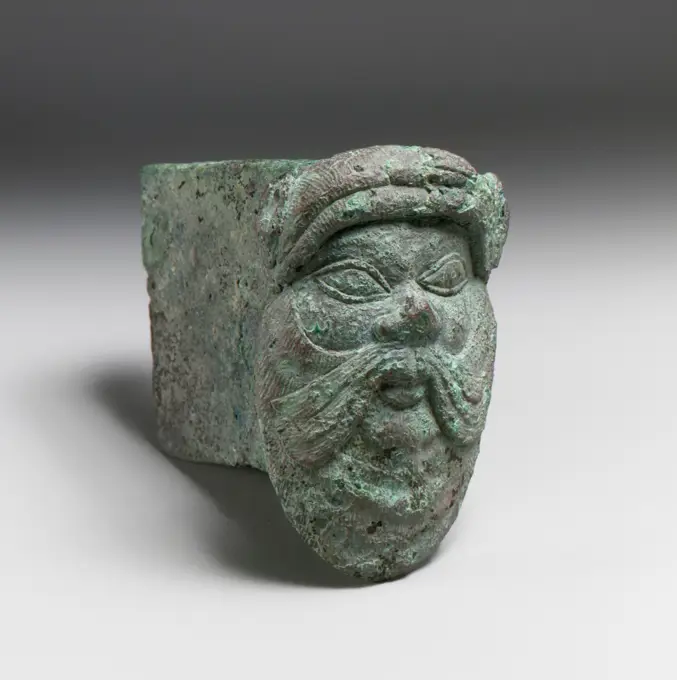
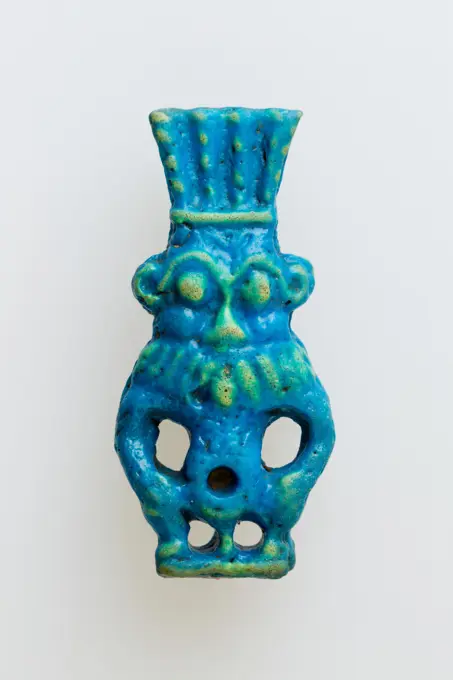
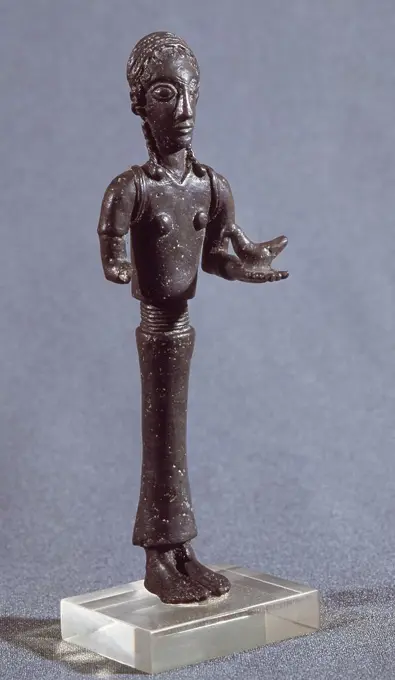
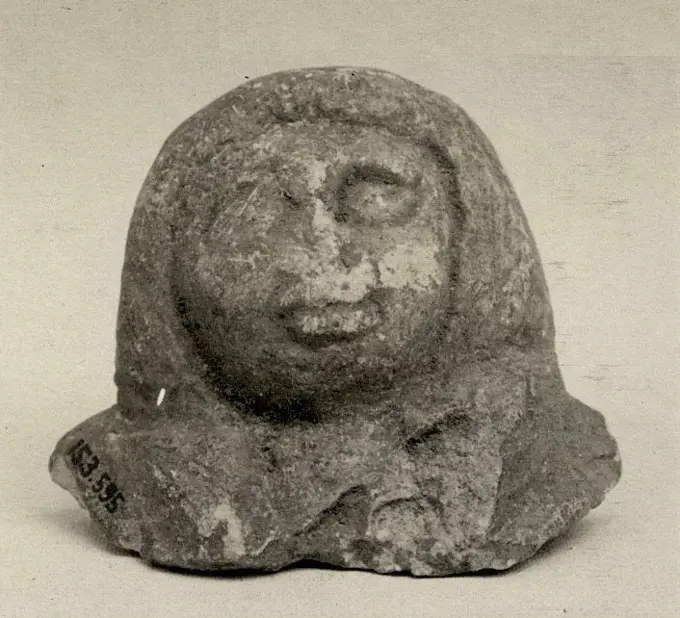
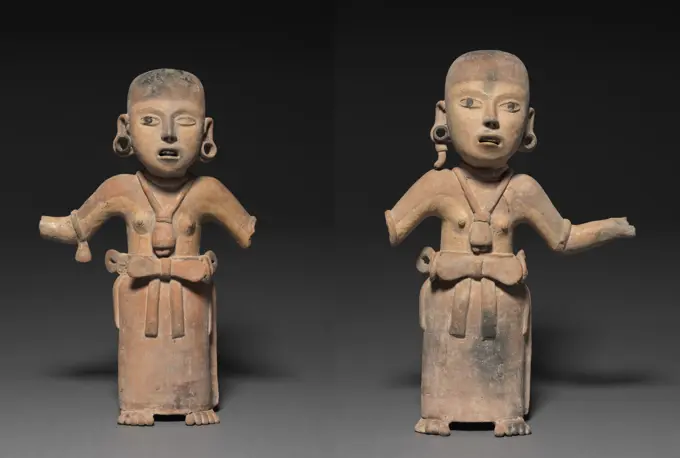
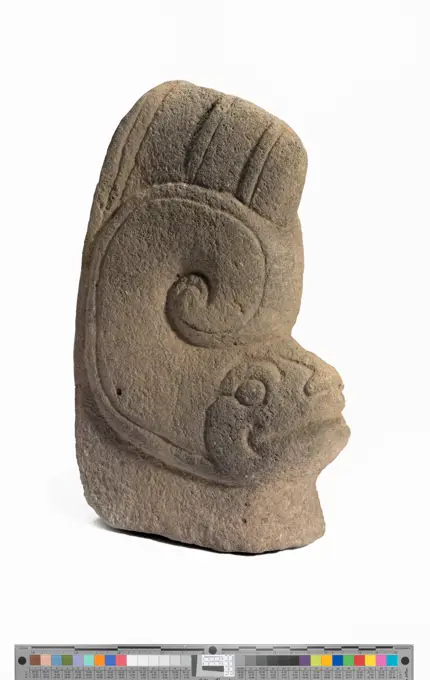
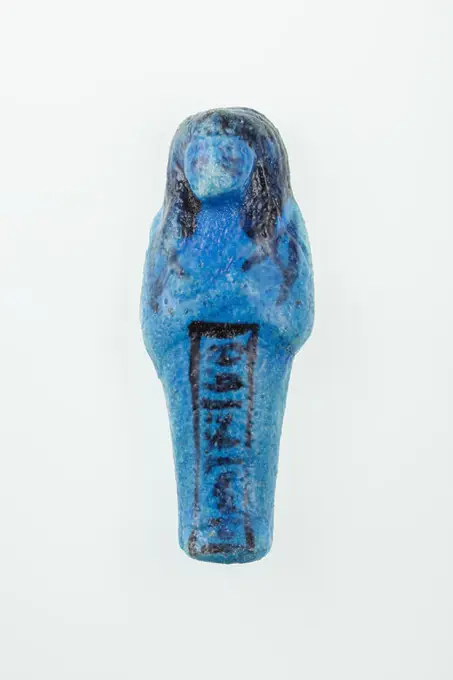
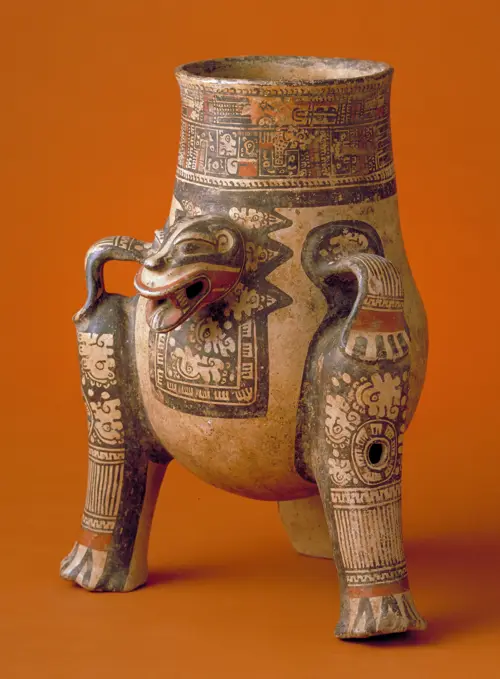
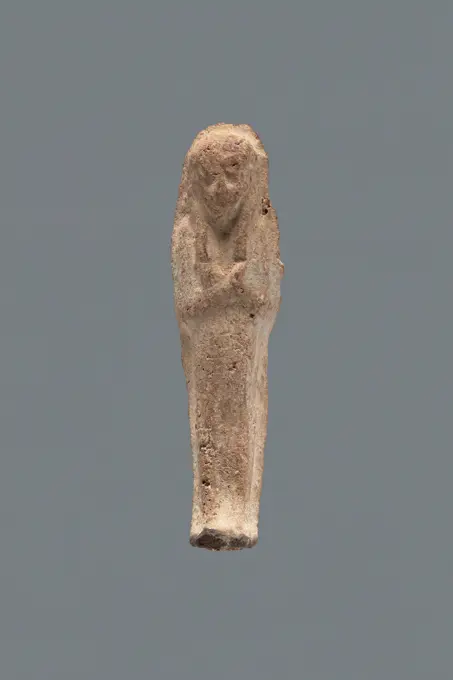
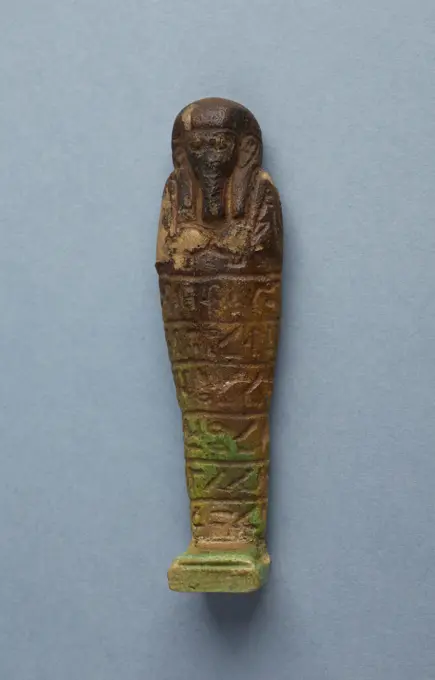
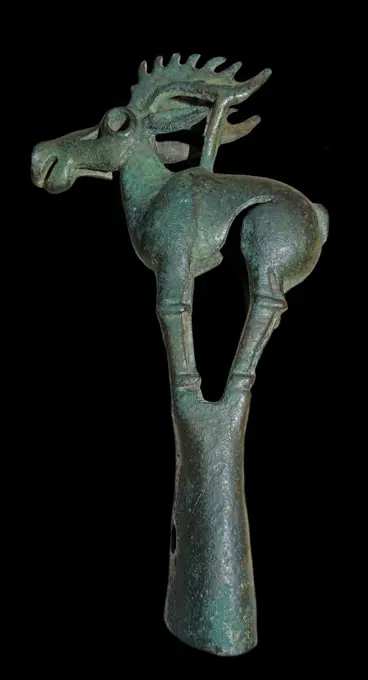
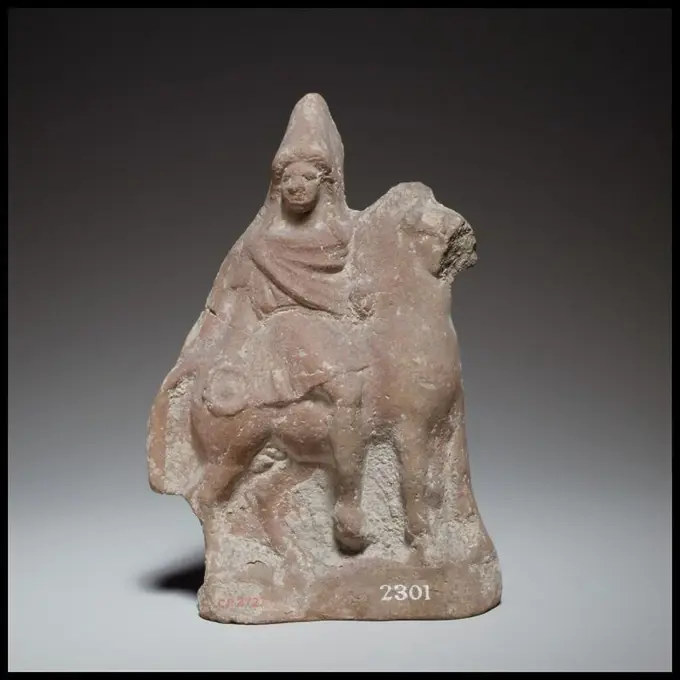
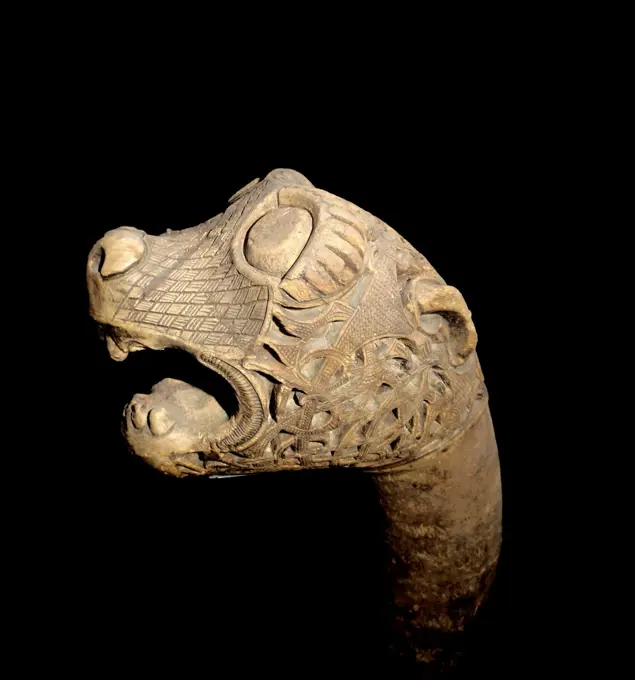
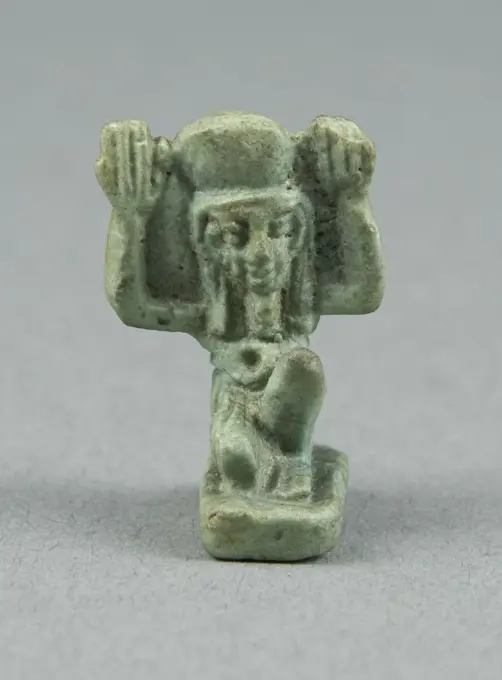
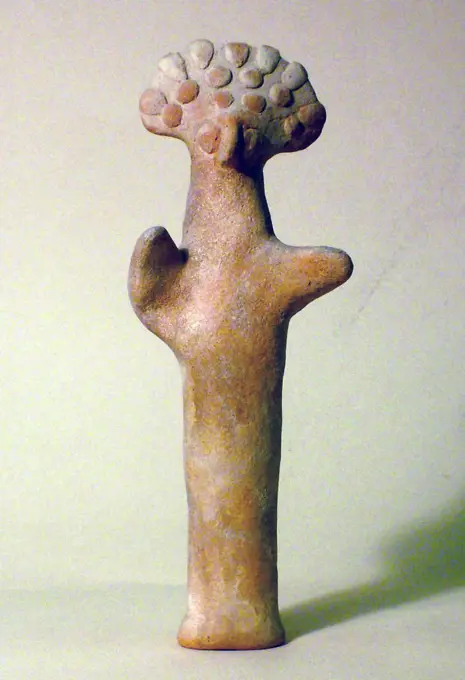
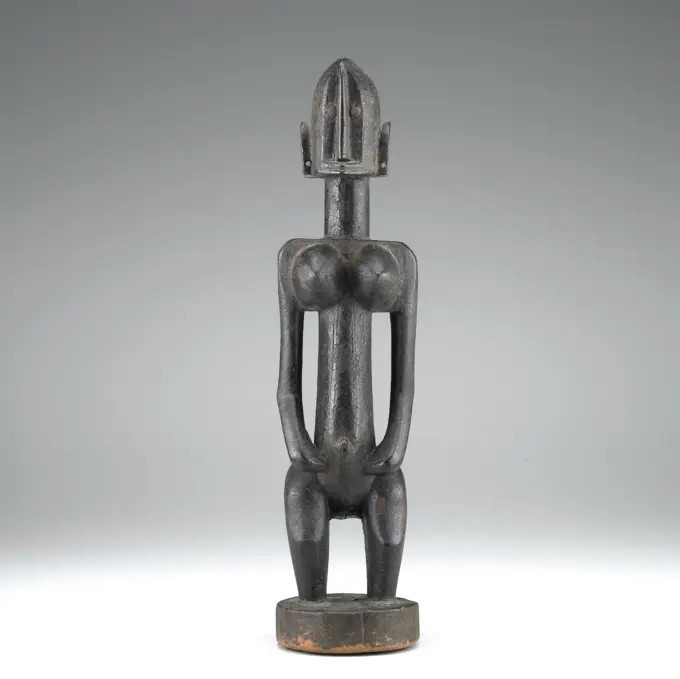
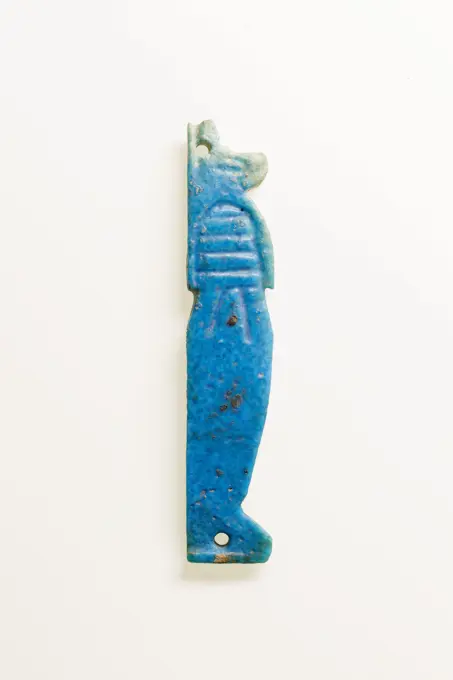
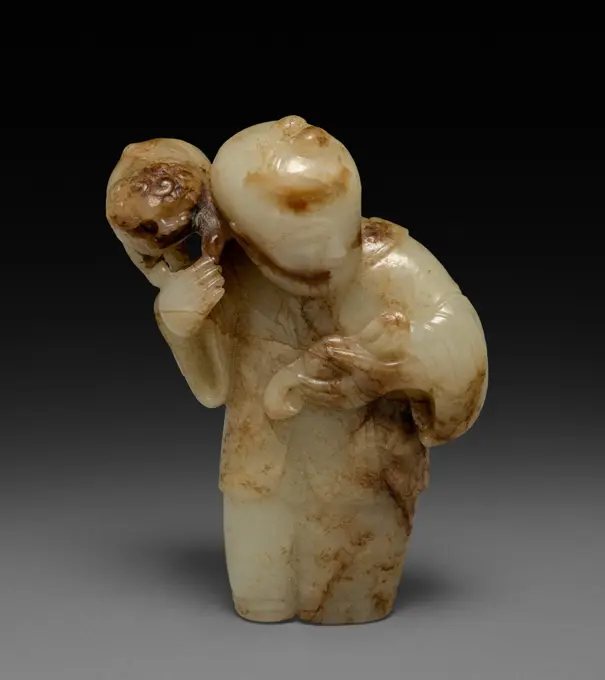
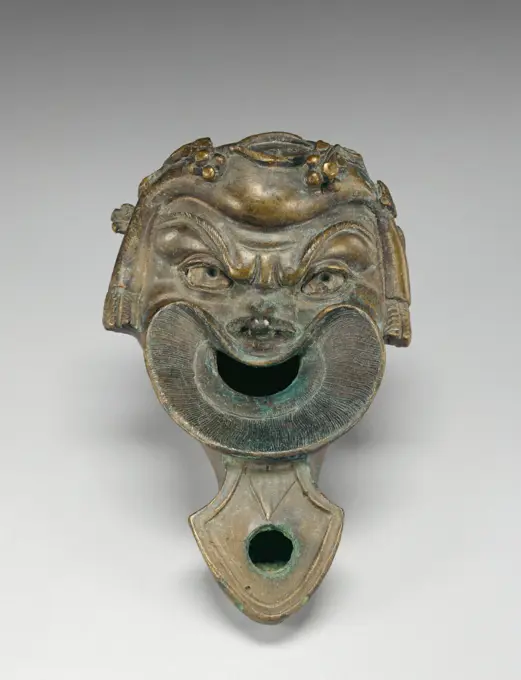
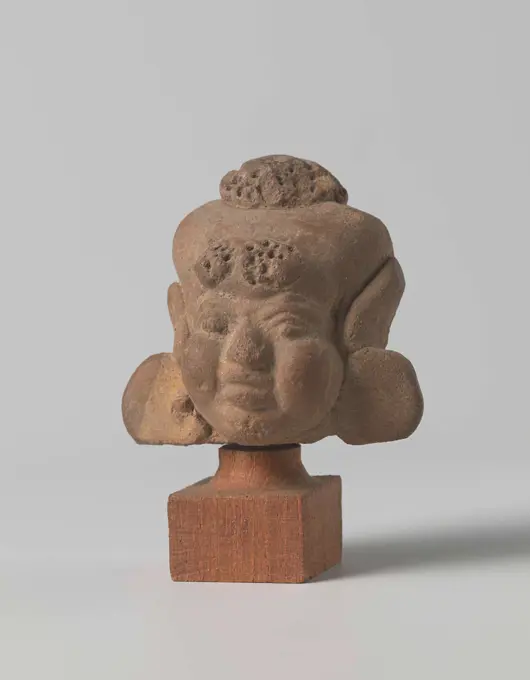
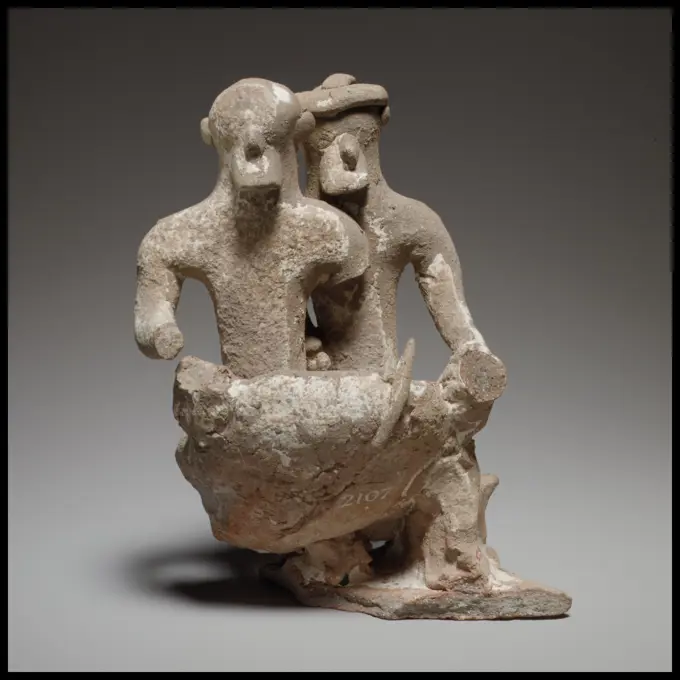
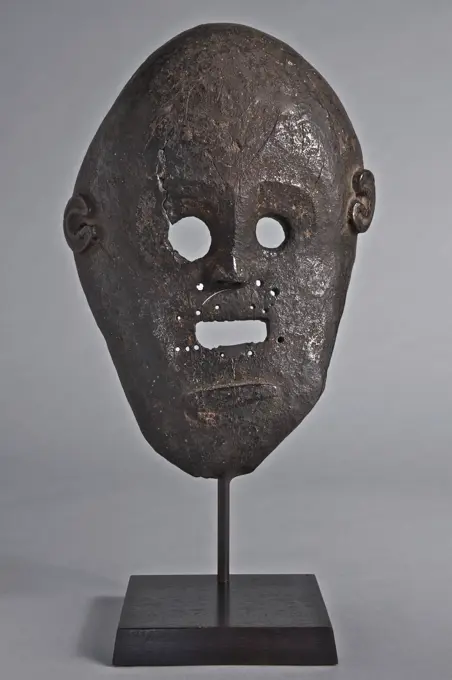
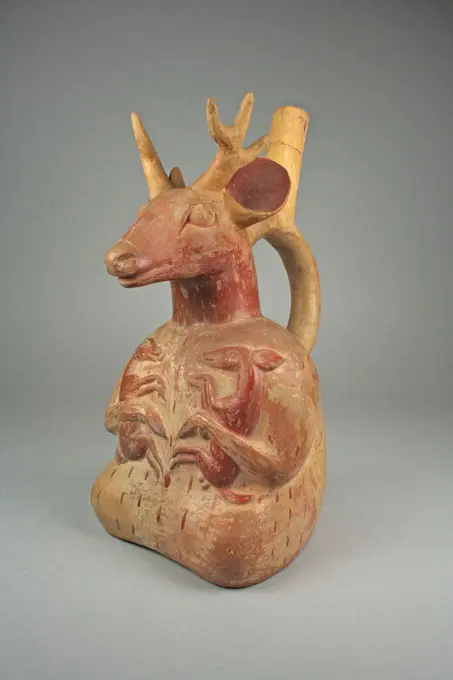
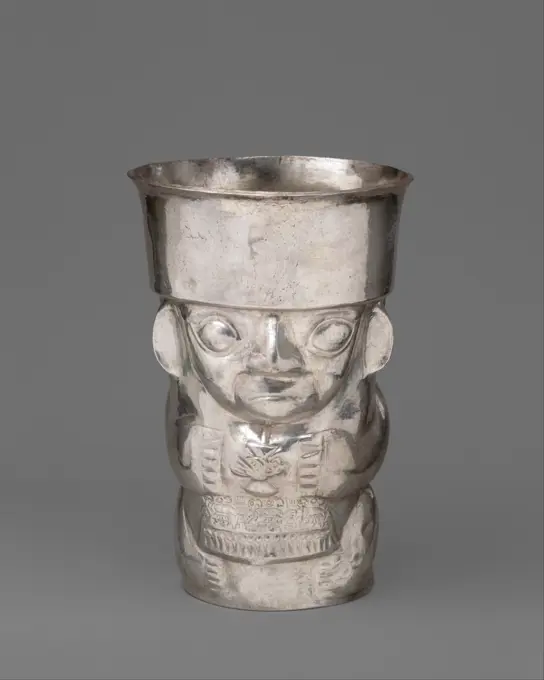
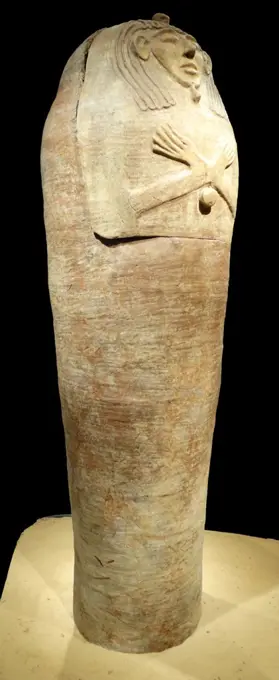
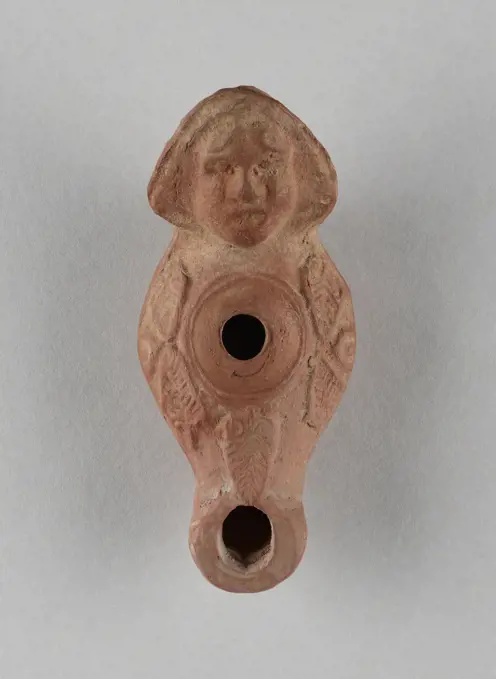
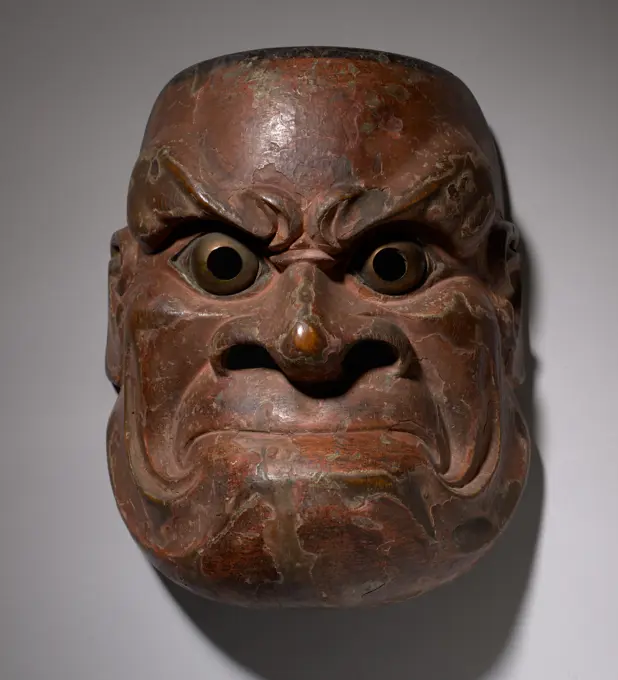
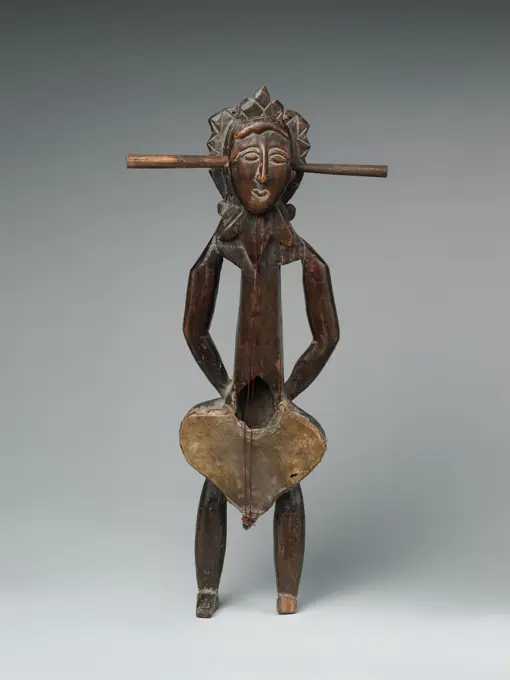
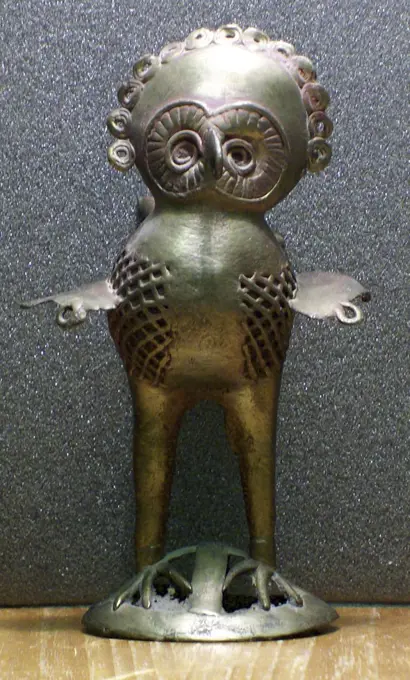
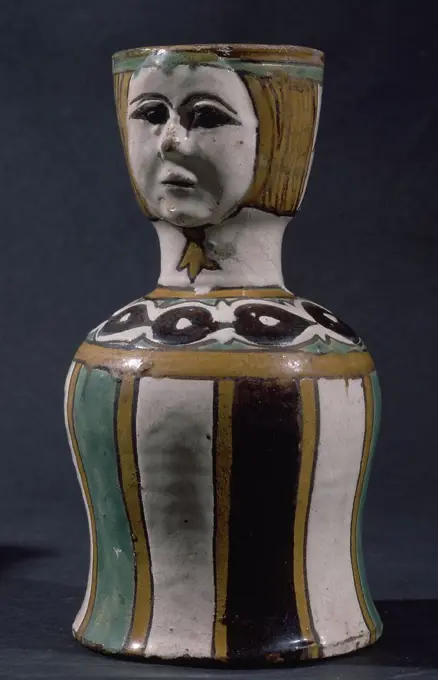
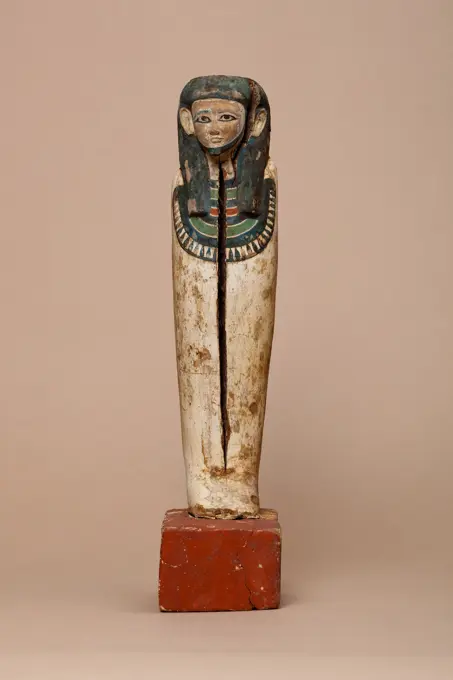
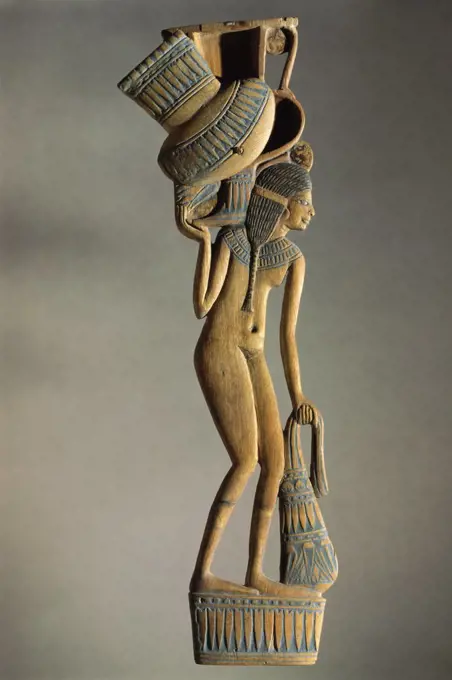
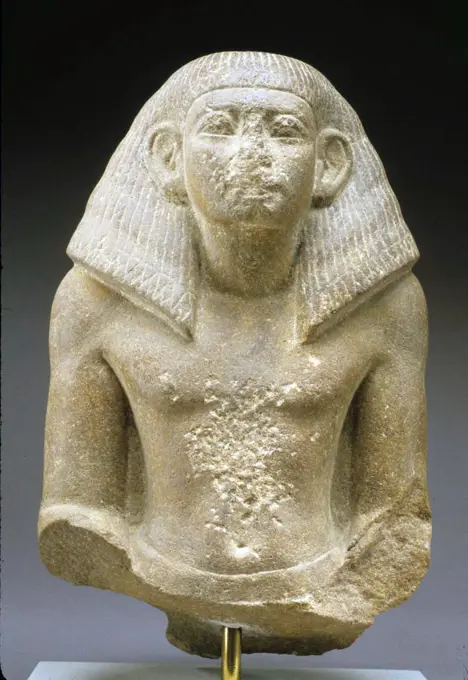
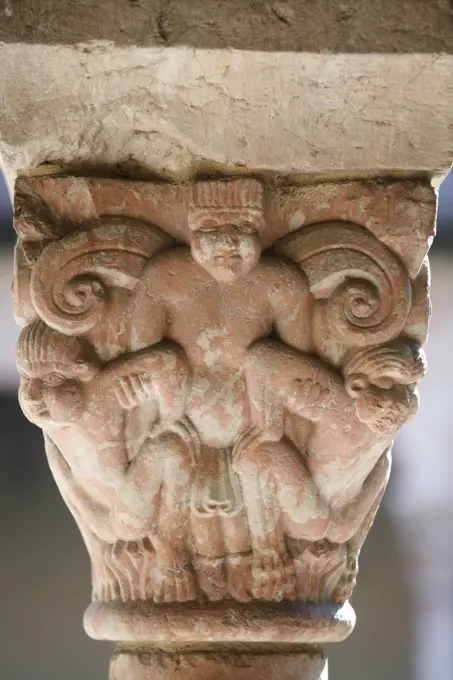
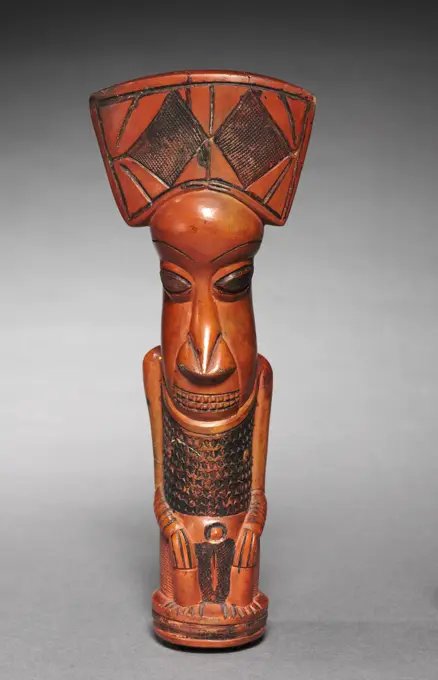
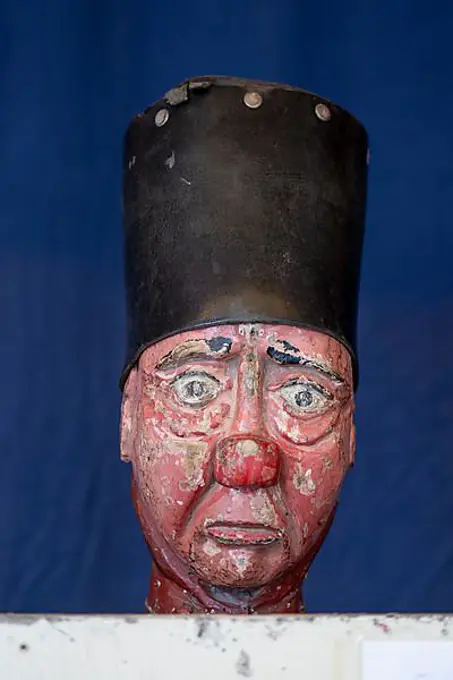
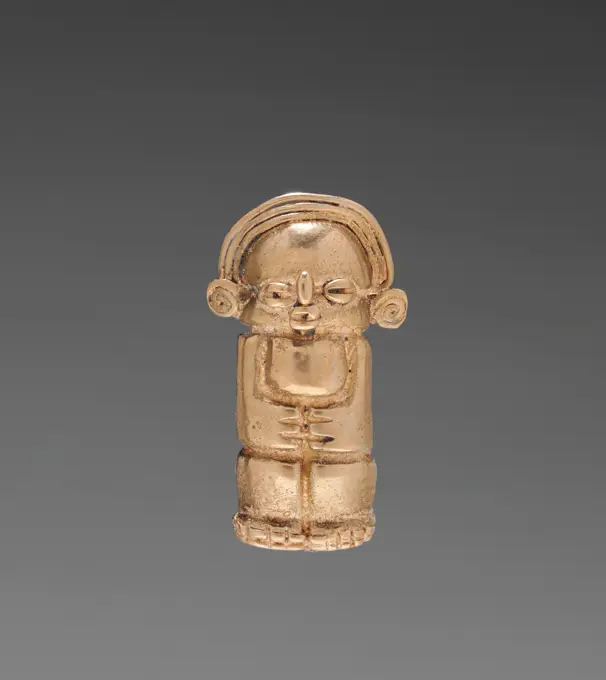
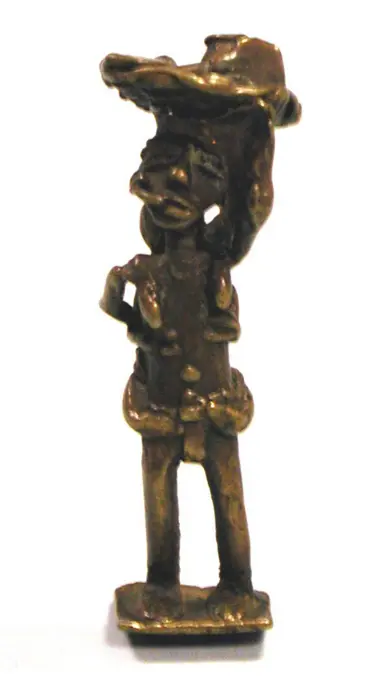
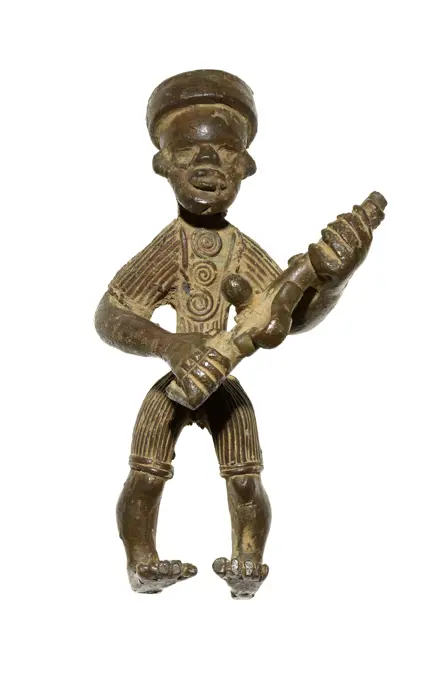
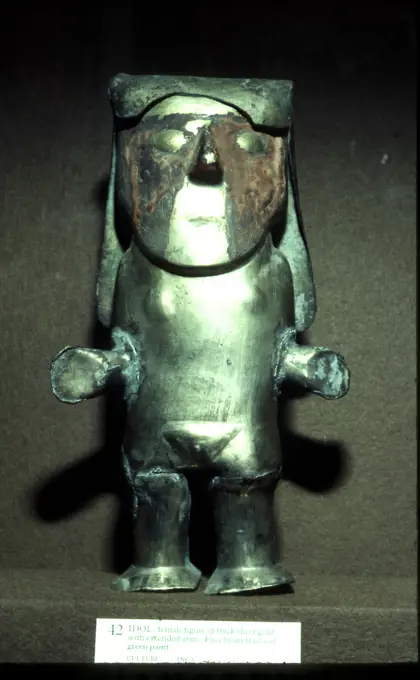
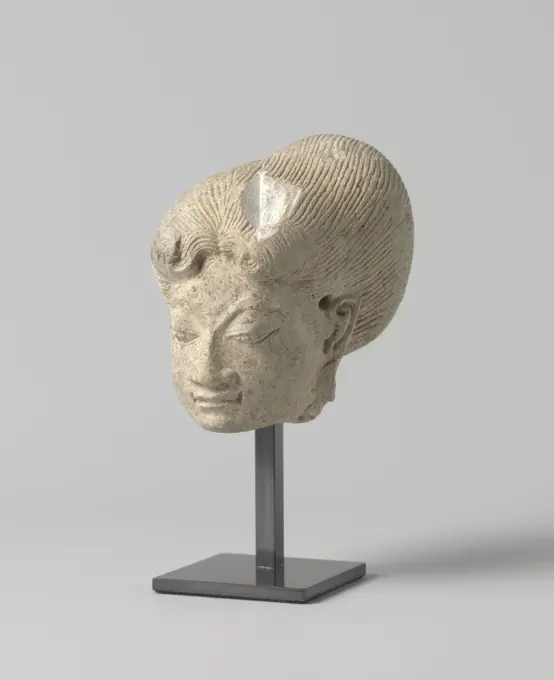
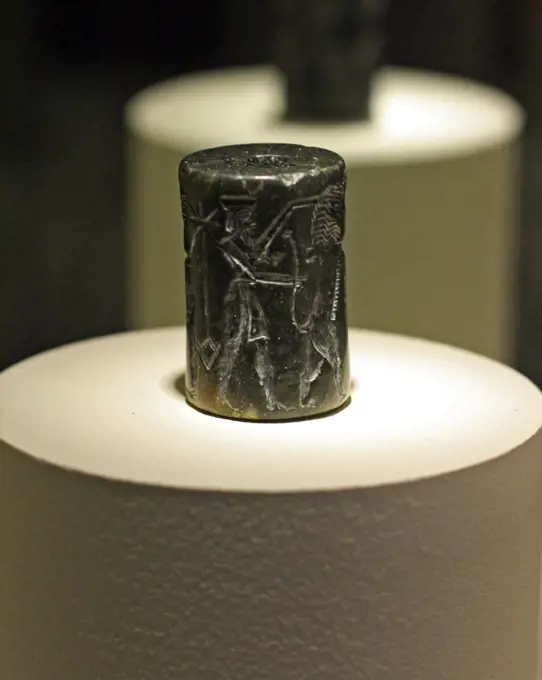
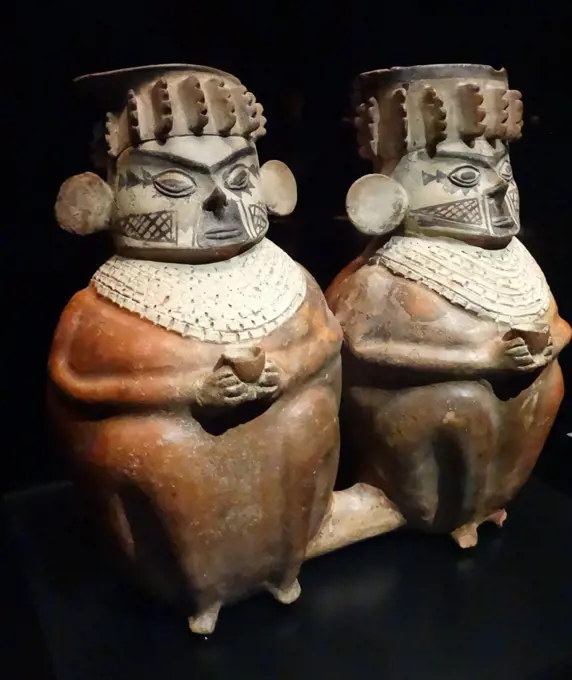
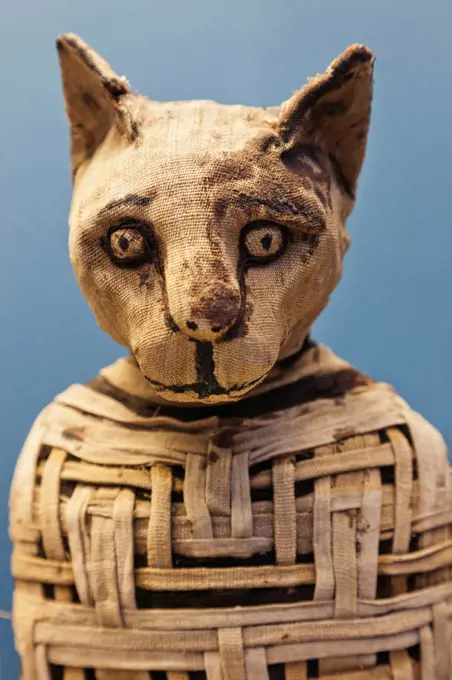
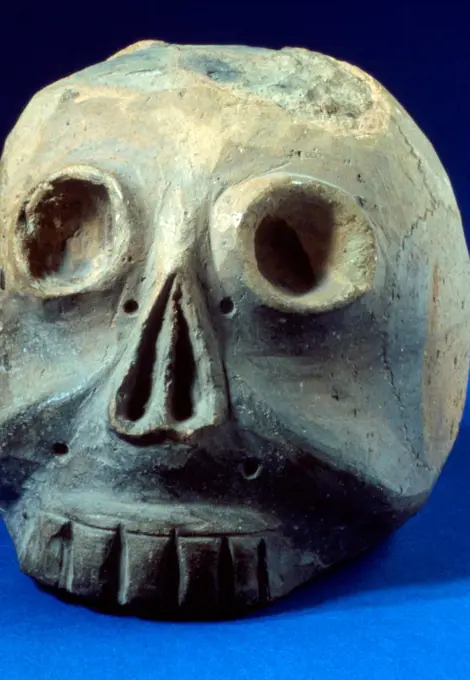
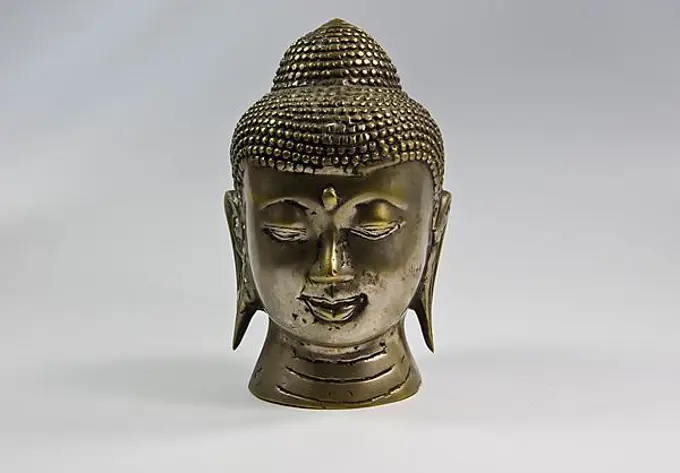
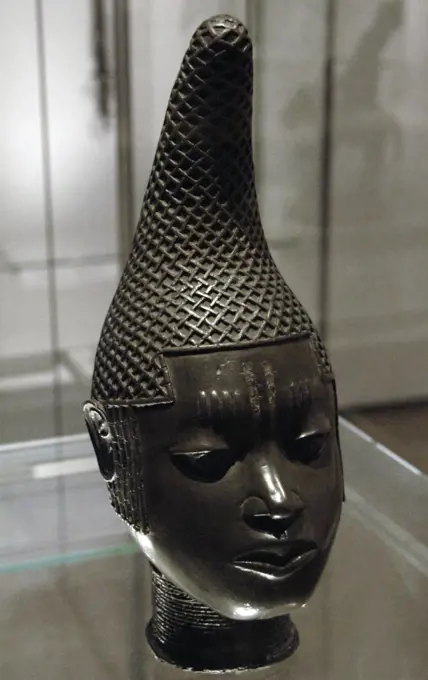
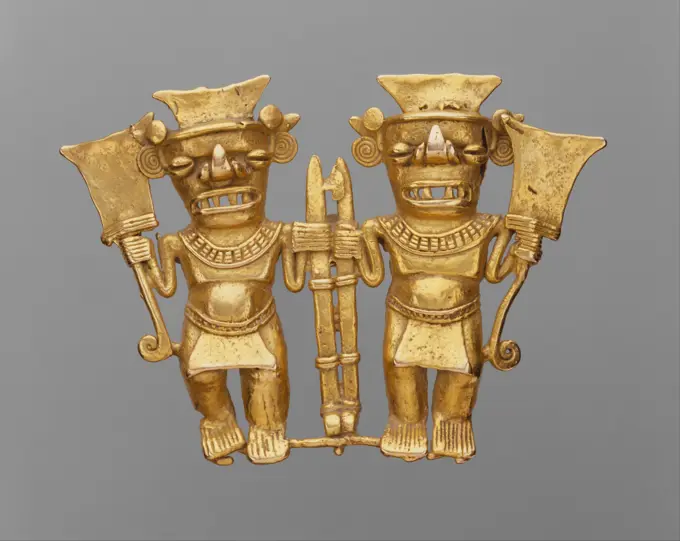
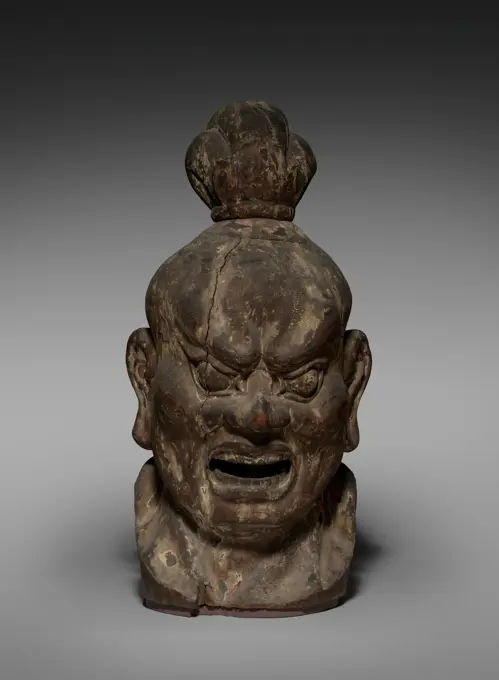
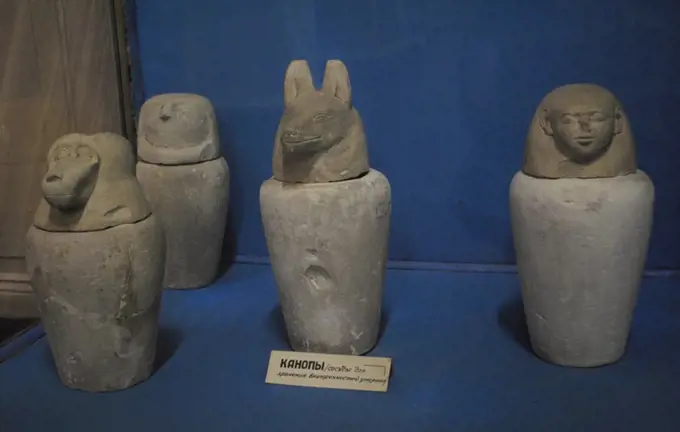
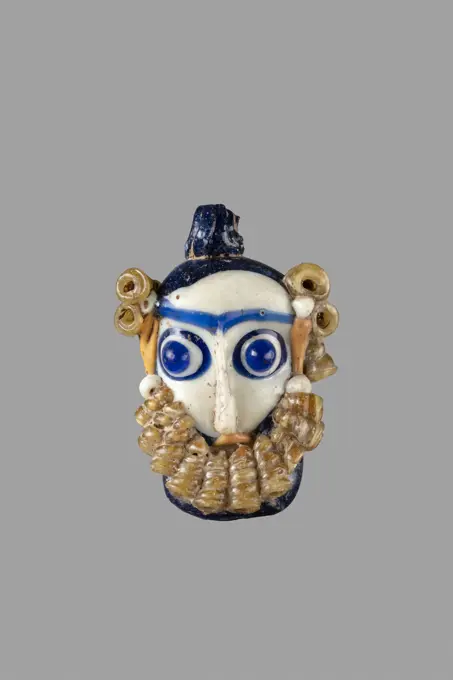
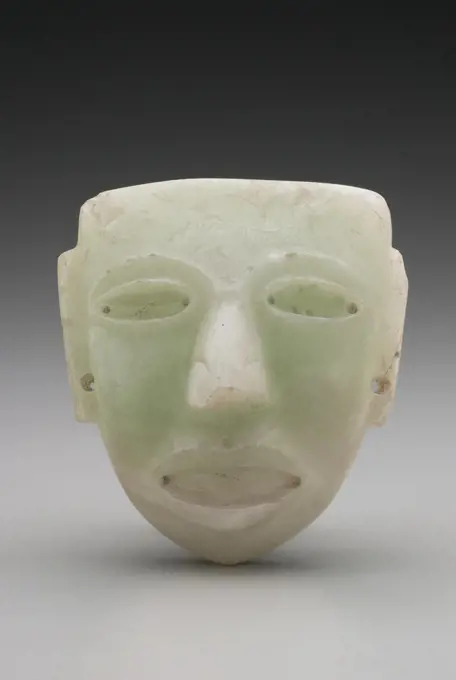
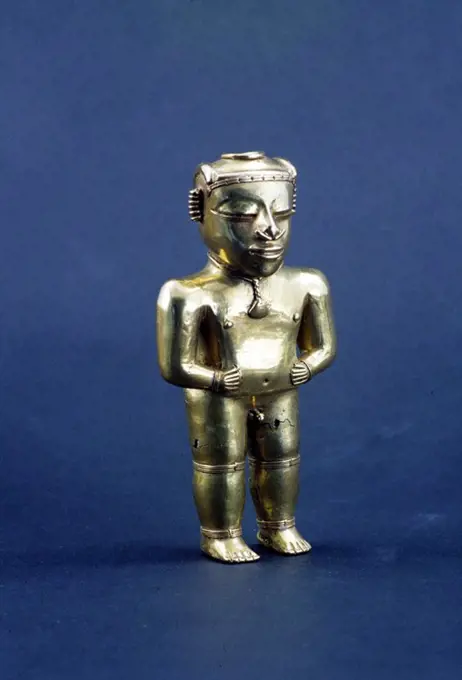
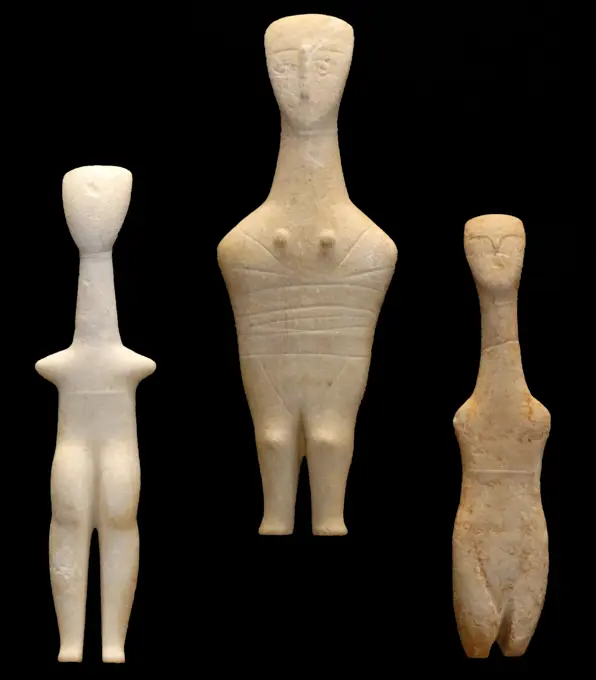
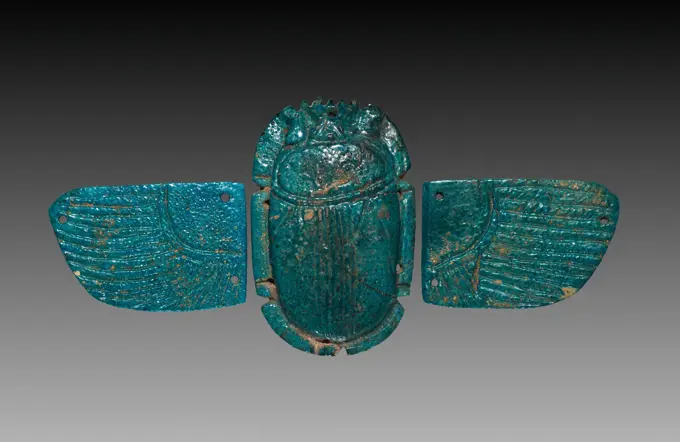
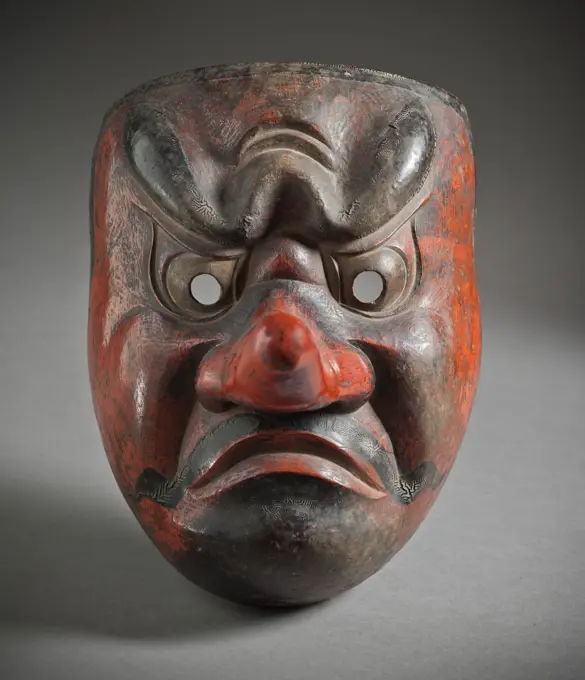
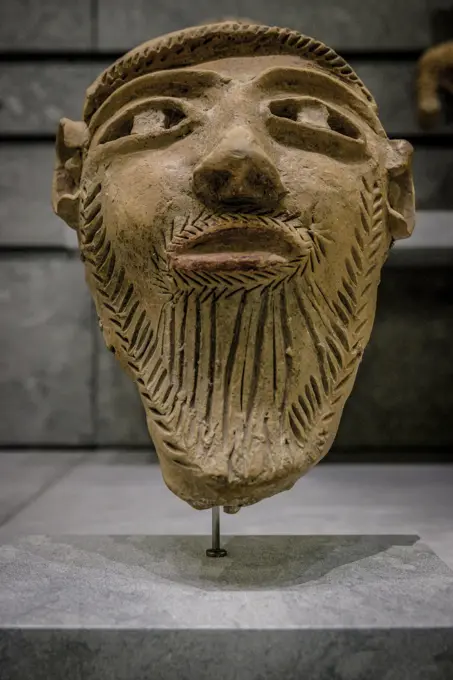
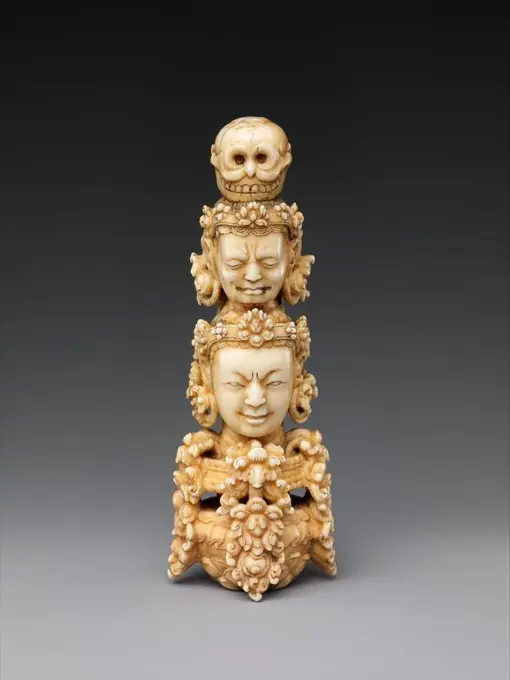
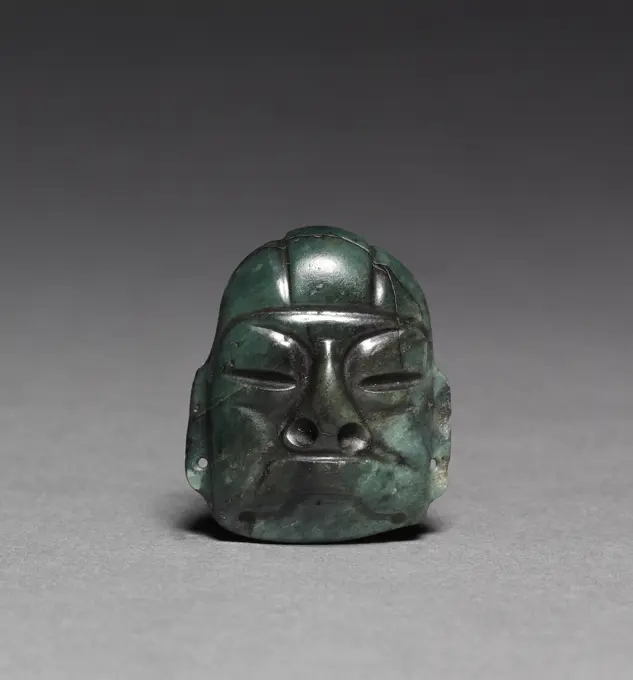
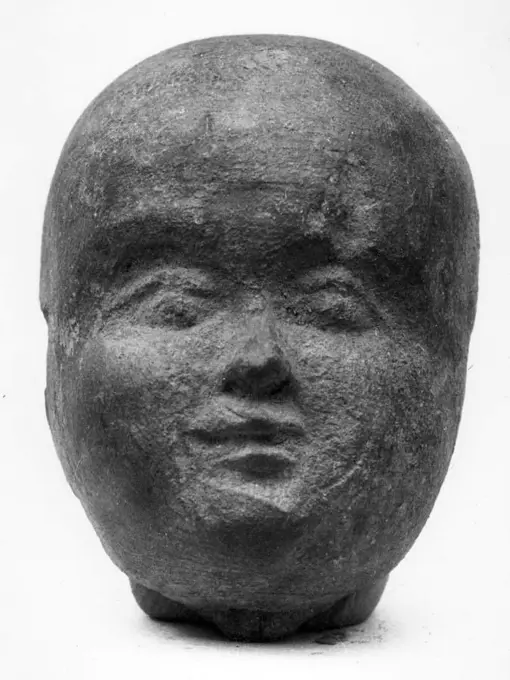
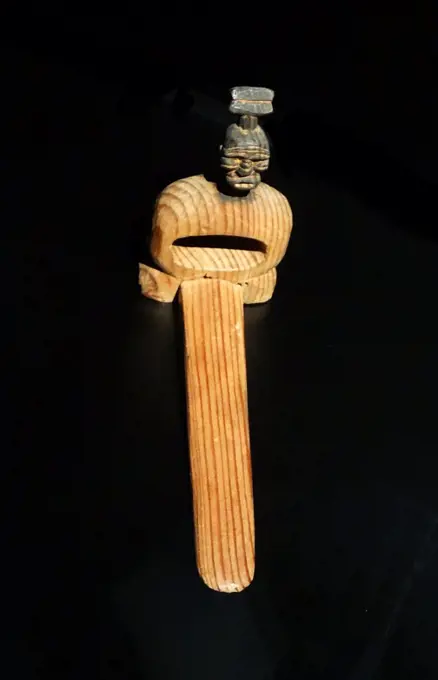
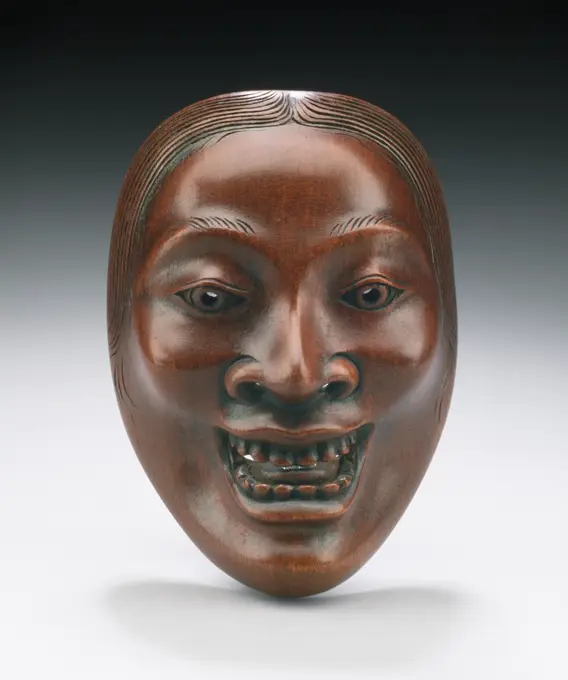
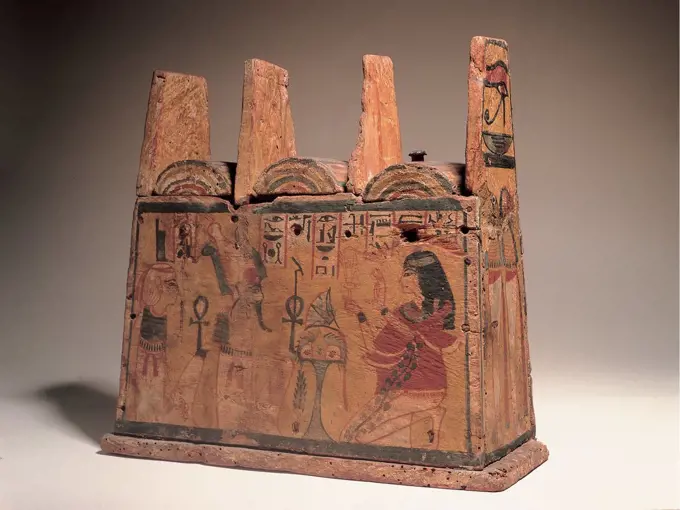
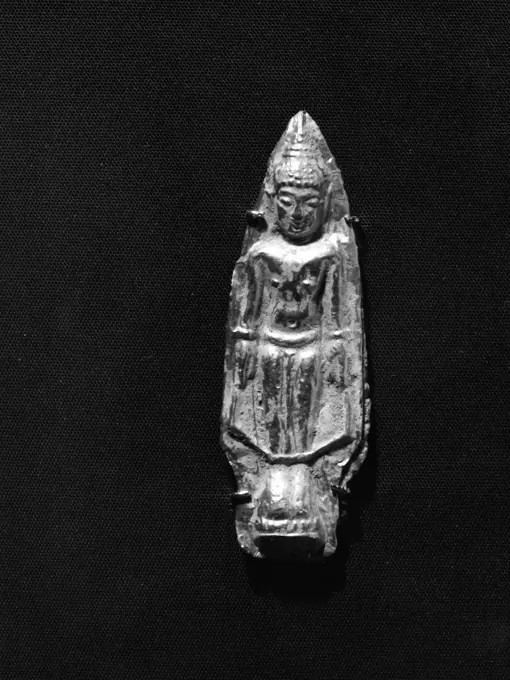
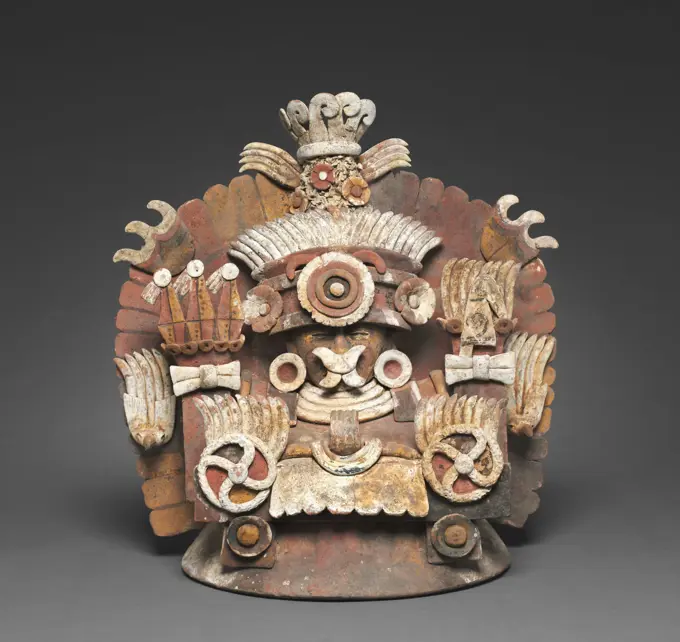
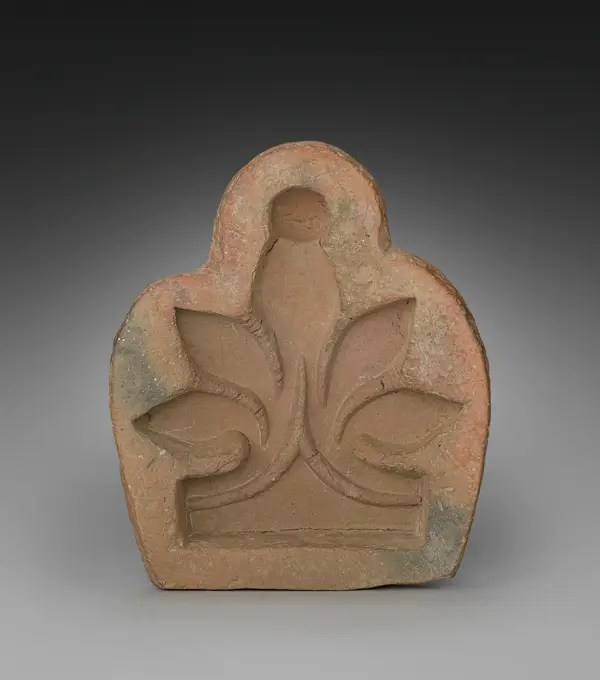
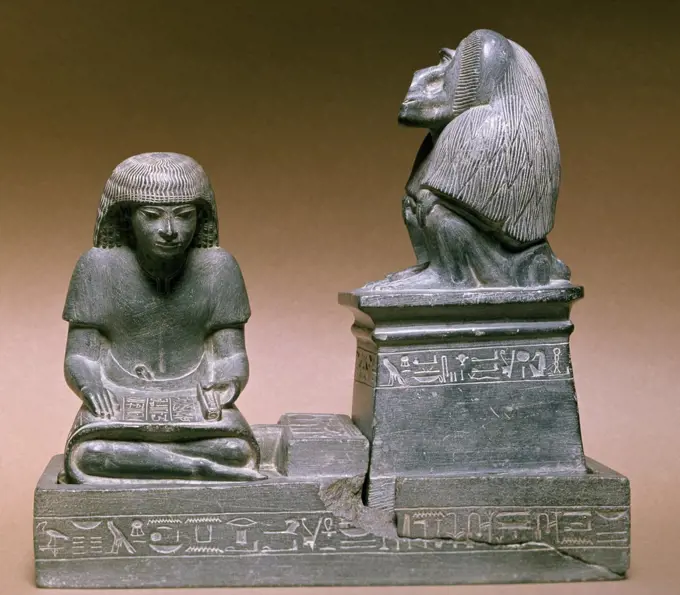
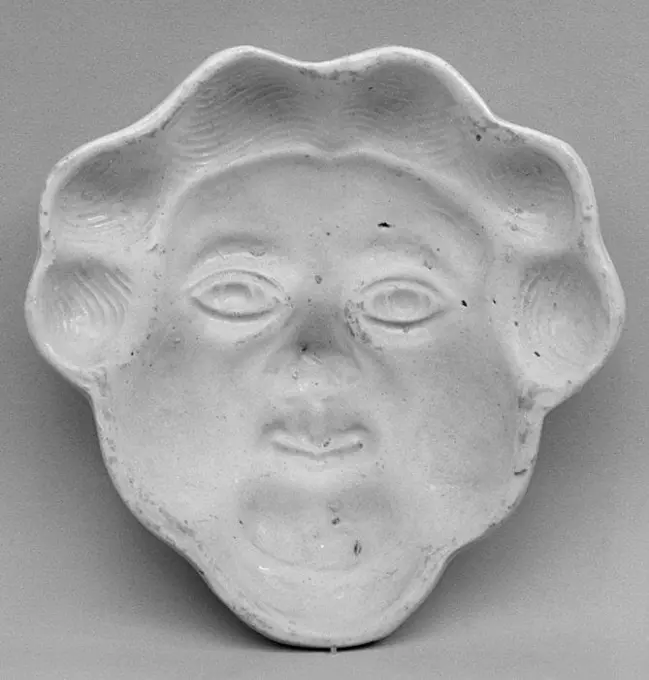
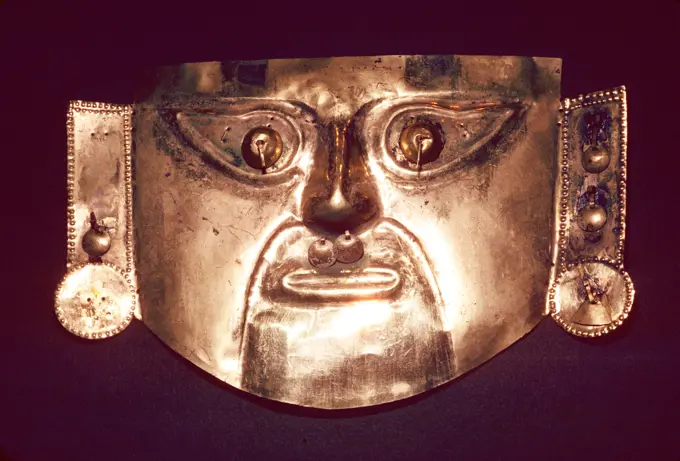
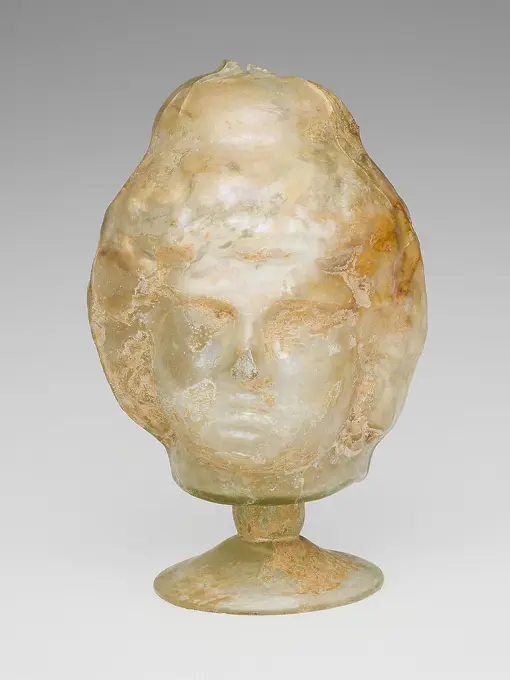
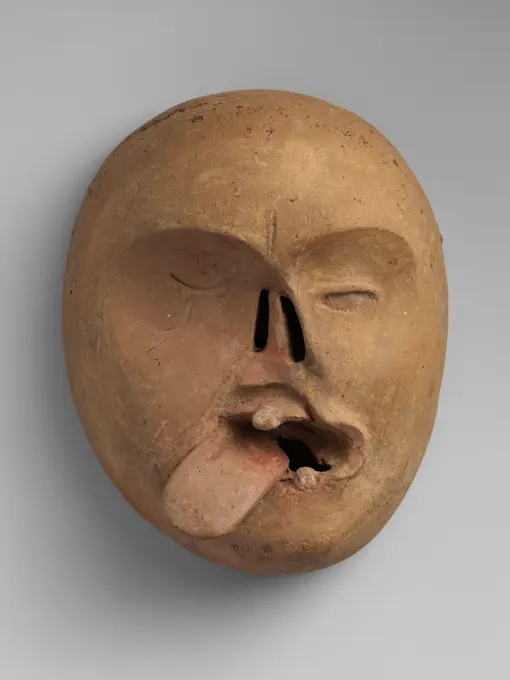
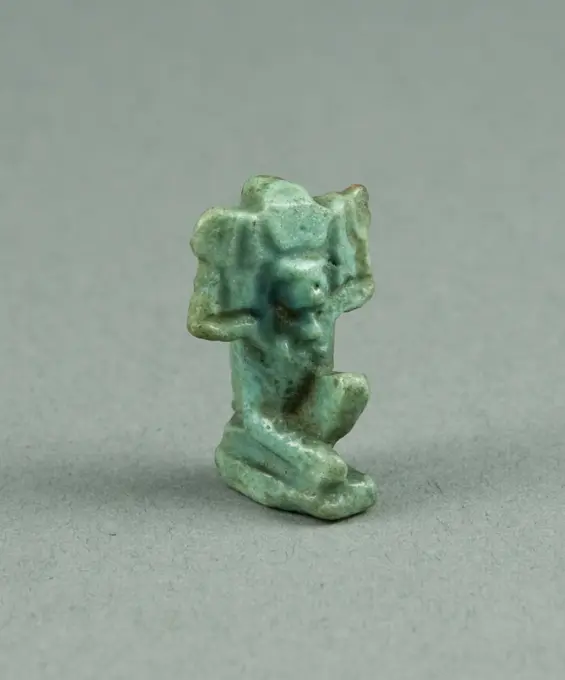
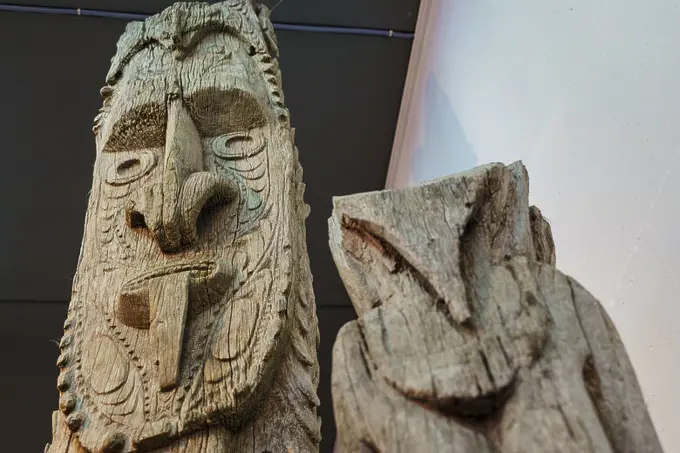
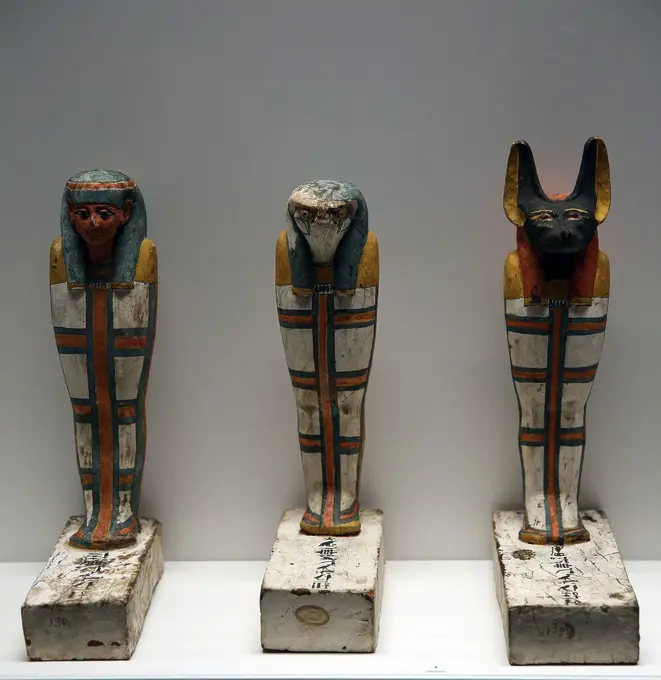
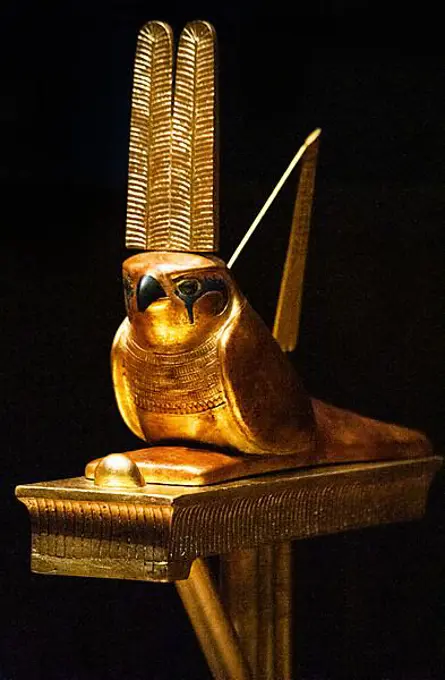
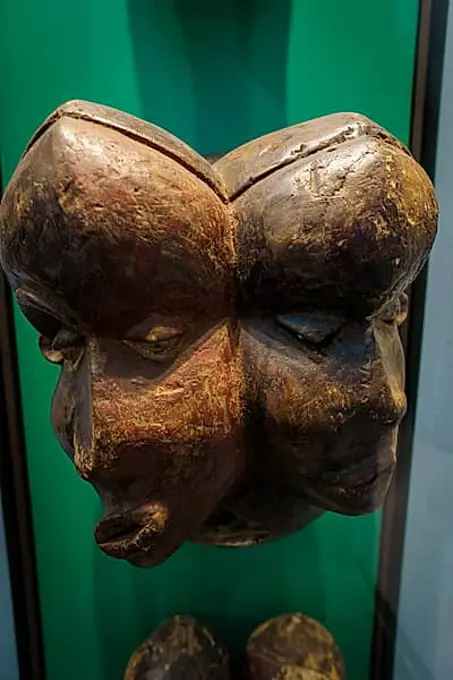
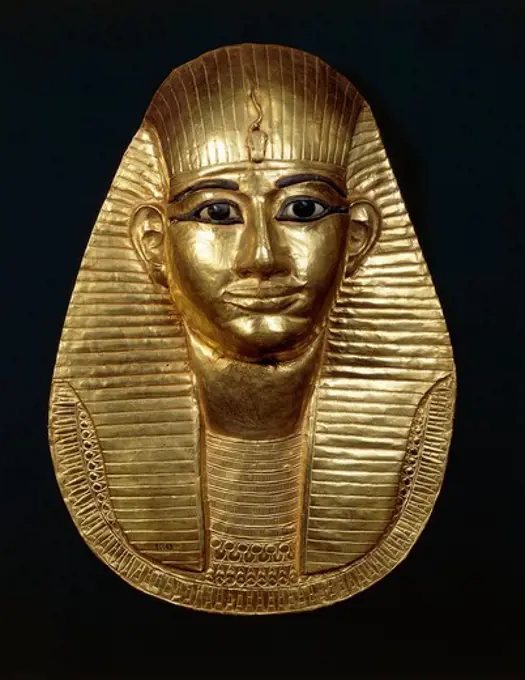
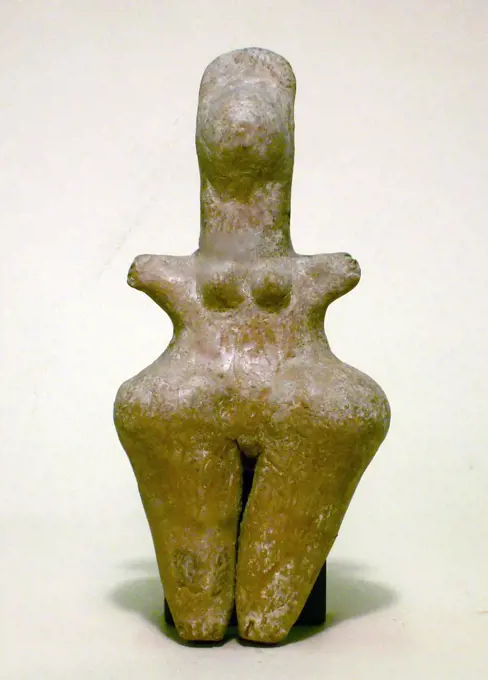
Terracotta female figurine, Amlash, Northern Iran, 1000 BC.Shabti of Siptah ca. 1194-1188 B.C. New Kingdom, Ramesside. Shabti of Siptah 559266Theater Mask Figurine. Egypt, probably Roman Period (100 - 395 CE) or later. Sculpture. BronzeFemale figurine, PsitypeRoyal Retainer, early 1900s. Equatorial Africa, Cameroon, Bamum, early 20th century. Wood; overall: 68.6 cm (27 in.).Bwami Society Mask, 19th-20th century, 13-3/4 x 10-5/8 x 5 in. (34.9 x 27.0 x 12.7 cm), Wood, kaolin, plant fibers, Democratic Republic of the Congo, 19th-20th centuryGlass cup in the shape of a negro head. Culture: Roman. Dimensions: H.: 3 3/4 in. (9.5 cm). Date: 2nd half of 1st century A.D..Translucent pale blue green.Uneven knocked-off, slightly inverted rim; flaring neck; plastic body; flaring base with circular, flat bottom. Mold seams visible to either side of face, slightly misaligned on proper right side, extending to the top of the body.Body in the shape of a male head with negroid features and hair arranged in vertical plaits; there are eleven short plaits over the forehead, two longer plaits in front of his ears, and four tiers of fifteen long plaits on the back of his head; he wears a wreath, tied at the back of his head and extending above his ears to his forehead, consists of leaves and berries; his brow are knit, his long eyebrows are arched, his ears are large and well defined, his eyes have small round pupils, his cheeks are plump, his nose is broad, his mouth is open (as if in a grimace), showing his teeth, and his chin is dimplScribe seated cross-legged, a papyrus on his knees 2350 B.C.Baboon 664-30 B.C. Late Period-Ptolemaic Period This small figurine depicts a baboon standing on its hinds legs with its arms raised. Baboons often stretch and chatter with the first morning light. Since standing with one's arms raised was an ancient Egyptian gesture for adoration, baboons in this position were seen as greeting and adoring the sun.. Baboon. 664-30 B.C.. Glass. Late Period-Ptolemaic Period. From EgyptSingle Spout Monkey Figure Bottle with Strap Handle. Culture: Moche. Dimensions: H. 6 7/8 x W. 4 5/8 in. (17.5 x 11.8 cm). Date: 6th-7th century. Museum: Metropolitan Museum of Art, New York, USA.Whetstone Socket. Iran, Luristan, Luristan bronzes, circa 1000-650 B.C.. Tools and Equipment; sockets. Bronze, castStirrup Spout Bottle with Couple. Culture: Moche. Dimensions: H. 7 in. (17.6 cm). Date: 3rd-6th century. Museum: Metropolitan Museum of Art, New York, USA.Fragment of a cart or chariot, socket with satyr mask ca. 500-480 B.C. Etruscan Large collection of bronze and iron attachments once belonging to a chariot.. Fragment of a cart or chariot, socket with satyr mask 253028 Etruscan, Chariot fragments, socket with satyr mask, ca. 500480 B.C., Bronze, 3 1/8  2  3 7/8 in. (7.9  5.1  9.8 cm). The Metropolitan Museum of Art, New York. Fletcher Fund, 1929 (29.131.3s)Head of attendant 11th-12th century China. Head of attendant 61748Bes 664-30 B.C. Late Period-Ptolemaic Period This small double-sided figure depicts the beloved god Bes with his body of a dwarf, leonine head, and feather headdress. The bright blue faience is has linear details in an equally bright contrasting yellow-green, so that the god looks a bit like a cookie with icing.. Bes. 664-30 B.C.. Blue, yellow faience. Late Period-Ptolemaic Period. From EgyptFIGURITA VOTIVA DE DESPEÑAPERROS DAMA OFERENTE - SIGLO V-IV AC. Location: MUSEO ARQUEOLOGICO NACIONAL-COLECCION. MADRID. SPAIN.Bust of head ca. 1981-1640 B.C. Middle Kingdom. Bust of head. ca. 1981-1640 B.C.. Limestone. Middle Kingdom. From Egypt, Memphite Region, Lisht North, Cemetery, MMA excavations, 1906-07. Dynasty 12-13Pair of Female Figures, 200-500. Mexico, Southern Veracruz, Limon, Remojades Monumental Sculpture type. Pottery with burnished buff slip and asphalt paint; overall: 50.3 x 31.2 x 17.7 cm (19 13/16 x 12 5/16 x 6 15/16 in.); part 2: 51.8 x 34.2 x 12.7 cm (20 3/8 x 13 7/16 x 5 in.).Hacha in Form of a Serpent. El Salvador or Mexico, Maya or Veracruz, 600-900 CE. Stone. BasaltWorker Shabti of Nany. Dimensions: H. 8.7 ×W. 3.3 × D. 2 cm (3 7/16 × 1 5/16 × 13/16 in.). Dynasty: Dynasty 21. Reign: reign of Psusennes I. Date: ca. 1050 B.C..See 30.3.28.1a, b. Museum: Metropolitan Museum of Art, New York, USA.Vessel, c. 1100 - 1200 CE, 14 1/2 x 10 1/4 in. (36.83 x 26.04 cm), Clay, pigments, Costa Rica, 12th-13th century, Jaguar effigy jars are a classic form of ancient Costa Rican art. Shaped into the representation of a sun-devouring feline god, the vessel is covered with colorful painted designs that refer not only to the jaguar, but also to celestial elements such as the sun and stars. The legs of these jars were usually hollow, with clay balls inserted to make them rattle.Boat;  around 1069 656 BC ; 3rd passing period (-1069-00-00--656-00-00);UshabtiBronze pole-top in the form of an elk. Ordos type, 6th century BC. Poles ornaments with standing animals were used by the nomadic peoples throughout Asia. Even though little detail is used, the animals are remarkable for their realistic appearance.Terracotta statuette of a horse and rider. Culture: Cypriot. Dimensions: H. 5 1/2 in. (14 cm). Date: 3rd century B.C..The figurine, which is generally similar to inv. no. 74.51.1665 but of lesser technical quality, is mold-made in front. The back is handmade and nearly flat, with no detail. Museum: Metropolitan Museum of Art, New York, USA.Excavation of Oseberg Viking age ship discovered in a large burial mound at the Oseberg farm near Tønsberg in Vestfold County, Norway began in 1903. The Oseberg ship dated from 834 AD, was pulled ashore and used as a burial ship for the two ladies. That site also contained numerous richly decorated objects in wood. The characteristic motif of the style is gripping beasts. The gripping beast motif is what clearly distinguishes the early Viking art from the styles that preceded it.Amulet of the God Shu 1070 BCE-332 BCE Egypt. Faience . Ancient EgyptianSmall Herm. UnknownTerracotta standing figurine, from Syria, Iron Age, 700-800 BC.Figure, 20th century, 19-1/8 x 4-3/4 x 4-3/4 in. (48.6 x 12.1 x 12.1 cm), Wood, iron, Mali, 20th centurySon of Horus (Duamutef) from Bead Net Third Intermediate Period-Late Period ca. 1070-525 B.C. View more. Son of Horus (Duamutef) from Bead Net. ca. 1070-525 B.C.. Blue faience. Third Intermediate Period-Late Period. From Egypt, Upper Egypt, Thebes, Deir el-Bahri, Cemetery 100, Tomb TT 114, MMA excavations, 1926-27. Dynasty 21-26Liu Haichan with a Toad, 1644-1911. China, Qing dynasty (1644-1911). Pale green and brown mottled jade; overall: 9.8 cm (3 7/8 in.).Lamp in the Form of a Comic Mask. UnknownWomen's head of terracotta. Women's head with convex cheeks, round face, wide jaws. On base.Model of a chariot with driver ca. 1000-600 B.C. Cypriot. Model of a chariot with driver 241353MaskDeer Bottle. Culture: Moche. Dimensions: Overall: 11 x 5 1/2 in. (27.94 x 13.97 cm)Other: 5 1/2 in. (13.97 cm). Date: 4th-7th century. Museum: Metropolitan Museum of Art, New York, USA.Hunchback Figure Beaker 14th-15th century Chimú. Hunchback Figure Beaker 310620Human-shaped Coffins from Deir el-Balah, Southern costal plain. Dated 13th Century B.CMasks from the Arctic used to reveal inner truth of the wearer, used by Shamans. Dated 19th CenturyLamp, Asia Minor; 1st - 4th century; Terracotta; 2.2 x 4.1 x 9.4 cm (7,8 x 1 5,8 x 3 11,16 in.)Noh Mask: Ko-beshimi, 1392-1573. Japan, Muromachi period (1392-1573). Wood; overall: 20.4 cm (8 1/16 in.).Face Mask Ornament Moche 6th-7th centuryA Santal Lute (Dhodro Banam) Eastern India, probably Jarkhand 19th Century View more. A Santal Lute (Dhodro Banam). Eastern India, probably Jarkhand. 19th Century. wood and hide. Musical instrumentsPre-Hispanic artifacts are on display in the small museum of the former mining village of Lachatao, in the Sierra Juarez mountain range, near Oaxaca, southern Mexico.Folk art: Bronze figure of an owl from Mumbai, India.JARRO SEVILLANO DE CUERDA SECA DE GOLLETE ANTROPOMORFO - 1500. Location: MUSEO ARQUEOLOGICO NACIONAL-COLECCION. MADRID. SPAIN.Shabti ca. 1981-1802 B.C. Middle Kingdom. Shabti. ca. 1981-1802 B.C.. Wood, paint. Middle Kingdom. From Egypt, Middle Egypt, Meir, Khashaba excavations, 1910-11. Dynasty 12Silhouette of a Young Girl with a Tureen  Egyptian Art Quartzite statue of Ankhrekhu, 12th dynasty, about 1850 BC. The figure wears a long cloak from which only the hands emerge. The inscriptions give his titles and name.Statuette of a man ca. 1850-1800 B.C. Middle Kingdom. Statuette of a man. ca. 1850-1800 B.C.. Quartzite, painted (flesh), painted black wig. Middle Kingdom. From Egypt, Memphite Region, Lisht North, cemetery south of pyramid south of House A1:4, Pit 898, MMA excavations, 1920-21. Dynasty 12, lateBronze statuette of a siren ca. 500 B.C. South Italian or Etruscan The siren wears a diadem embellished with flowers. She originally may have stood on the lid of a vase.. Bronze statuette of a siren. South Italian or Etruscan. ca. 500 B.C.. Bronze. Archaic. BronzesCapitals dating from the 12th century, Cuxa Cloister, The Cloisters of New York, New York, United States of America, North AmericaPipe Bowl , before 1935. Equatorial Africa, Cameroon, Bali, 20th century. Ceramic; overall: 28 cm (11 in.).Head, wooden figure, throwing stand, old, nostalgic fair, Baden-Wuerttemberg, Germany, EuropeNecklace Figurine Bead, 1-700. Colombia, 1st-8th century. Cast gold; overall: 3.4 cm (1 5/16 in.).Gold Weight: Mother and Child 18th-19th century Akan peoples. Gold Weight: Mother and Child 317693Soldier, 5 3/4 x 3 1/2 x 2 1/8 in. (14.61 x 8.89 x 5.4 cm), Metal, LiberiaGold female idol. Inca. 15th cent AD.Head of a heaven nymph ,, 1300 - 1500 Head of a heaven nymph. On a pedestal. Indonesia Tuff. Shelf: Metal Head of a heaven nymph. On a pedestal. Indonesia Tuff. Shelf: MetalBabylonian cylinder seal.Terracotta double vase from the Chancay culture, pre-Columbian archaeological civilization which developed between the valleys of Fortaleza, Pativilca, Supe, Huaura, Chancay, Chillón, Rimac and Lurin, on the central coast of Peru. Dated 12th CenturyUK, England, London, British Museum, Egyptian Room, Display of Egyptian Mummified Catcalavera clay skull, a representation of a human skull, used in the Aztec, Mayan, and Toltec cultural celebration of the Day of the Dead. 1325-1531Buddha head, metal, ca. 15 cm, Mexico, North America, Central AmericaCommemorative head of Queen Mother. Lost-wax cast in brass. life-size female head with curving conical hairstyle covered. Early 16th century. Benin. British Museum. London, England, United Kingdom.Double Bat-Head Figure Pendant 11th-16th century Chiriqui The twin figures on this gold pendant wear identical headdresses, loincloths, and wide collar necklaces. Each holds a spear thrower and a paddle-shaped club. They have coffee-bean eyes, wide-open mouths with sharp beastlike fangs, and noses that are upswept in a leaf shape similar to the noses of Central American bats. The nose leaf is a sensing device which locates the bat's prey by reflecting the sounds it emits. Ancient Americans must have revered bats for this seemingly supernatural ability to see in the dark.In life and in death, gold adornment symbolized power and prestige in the tribal societies of Central America. Leaders wore cast or hammered gold images in the shape of naturalistic animals, composite beasts, and human-animal combinations. So important were these symbols of power and identity that leaders were buried surrounded by all their gold. Without written records, the meaning of these symbols cannot be precisely Head of Ni-o with Open Mouth, 1200s. Japan, Kamakura period (1185-1333). Wood; overall: 76.2 x 37.8 cm (30 x 14 7/8 in.).Egyptian era. Caponic jar used during the mummification process to store and preserve the viscera of their owner for the afterlife. Hapy (form of baboon-heated, contained the lugs), Daumutef( form of Jackal-headed, contained the stomach), Imsety (form of human-headed, contained the liver), Qebehsenuef (form of falcon-headed and contained the intestines). Odessa Archeological Museum. Odessa. Ukraine.Wisiorek apotropaiczny w kształcie głowy męskiej. unknown, authorMaker: Unknown, Facemask, A.D.100-600, Calcite onyx marble (pale green, veined, translucent stone), 13.6 × 12.3 × 6.8 cm (5 3/8 × 4 13/16 × 2 11/16in.), Made in Mexico, Mexico, TeotihuacanCulture, Early ClassicPeriod, SculptureAppliqué for a funeral couch. UnknownPottery head, Mixtec, Mexico, AD1300-1400ARTE PRECOLOMBINO. PIEZA DE ORO DEL TESORO DE QUIMBAYA. MUSEO DE AMERICA. MADRID.Cycladic 'Apeiranthos style' figurine, from Naxos, Greece, Early Cycladic culture evolved in three phases, between c. 3300 - 2000 BCE, when it was increasingly swamped in the rising influence of Minoan CreteWinged Pectoral Scarab, 664-525 BC. Egypt, Late Period, Dynasty 26. Deep turquoise faience; overall: 7 cm (2 3/4 in.).Long-nosed Mask. Japan, late Edo period (early 19th century). Jewelry and Adornments; masks. Wood, red and black lacquerBearded funerary mask Bearded funerary mask, Punic-Ebusitan style, 400-300 BC, Archaeological Museum of Ibiza and Formentera, Ibiza, Balearic Islands, Spain Copyright: xZoonar.com/Tolox 23005245Finial for a Buddhist staff (khatvanga). Culture: China. Dimensions: H. 3 1/2 in. (8.9 cm); W. 1 5/16 (3.3 cm); D. 1 1/16 in. (2.7 cm). Date: early 15th century.Used in Tibetan Buddhism, which was practiced at the Chinese court throughout the fifteenth century, this finial would have capped a long staff used in rituals to quell demons that are symbolic of obstacles that must be overcome to reach enlightenment. Depicted on this implement are an overflowing vase--an Indic symbol of abundance--and three heads--one human, one decaying, and one skeletal--representing the inevitability of change and death. Museum: Metropolitan Museum of Art, New York, USA.Miniature Mask, c. 900-400 BC. Mexico, Olmec, 1200-300 BC. Jadeite; overall: 3.8 x 3.2 cm (1 1/2 x 1 1/4 in.).Male Head 2nd-3rd century India. Male Head 38739Wooden gun barrel support from Ammassalimmiut, Tunu, East Coast of Greenland. Dated 1934Head of a King, c. 1069-715 BC. Egypt, Third Intermediate Period, Dynasty 21 or 22, 1069-715 BC. Granodiorite; overall: 27.5 x 35 x 28.4 cm (10 13/16 x 13 3/4 x 11 3/16 in.).Yamauba (Yamanba). Kimura Ryūmin (Japan, active mid- to late 19th century). Japan, mid- to late 19th century. Costumes; Accessories. WoodBox for ushabtis, by Unknown artist, 1500 - 1200,, stuccoed and painted wood. Italy: Campania: Naples: National Archaeological Museum. Whole artwork. Casket ushabty box lid deceased woman Isis Osiris red ocherPlaque early 15th century Thailand. Plaque 39378Incense-burner Cover, c. 500. Guatemala, Escuintla Region, early 6th Century. Earthenware with slip and pigments; overall: 44.8 x 43 x 31.5 cm (17 5/8 x 16 15/16 x 12 3/8 in.).Mould, 700s-800s(). India, Kashmir, 8th-9th Century (). Terracotta; overall: 8.3 x 6.8 x 2 cm (3 1/4 x 2 11/16 x 13/16 in.).Thot with scribe Nebmestab, France, Paris, Musee du LouvrePastry mold ca. 1755 British, Staffordshire. Pastry mold 197646Wooden canoe prow Sepik tribe; Papua New Guinea; 20th centuryGold Chimu funerary mask, 1000-1500 AD, Peru.Flask in the Shape of a Head. Roman; Eastern Mediterranean. Date: 201 AD-300 AD. Dimensions: 13.7 × 8.6 × 8.5 cm (5 3/8 × 3 3/8 × 3 3/8 in.). Glass, mold-blown technique. Origin: Syria. Museum: The Chicago Art Institute, FLORENCIA, USA. Author: ANCIENT ROMAN.Twisted Face Mask A.D. 600-900 Veracruz. Twisted Face Mask. Veracruz. A.D. 600-900. Ceramic, pigment. Mexico, Mesoamerica, Veracruz. Ceramics-ImplementsAmulet of the God Shu 1070 BCE-656 BCE Egypt. Faience . Ancient Egyptianhouse ceremonial post, papua new guinea, Sa Bassa Blanca Museum (msbb). Yannick Vu and Ben Jakober , Alcudia, Majorca, Spain.Statuettes depicting the four sons of Hours. From left: Imsety, Qebehsenuef, Duamutef, Hapy. Wood. Late Period (664-332 BCE). Provenance unknown. Egyptian Museum of Turin. Italy.Standard of the god Sopdu, falcon with the double feather crown, tomb treasures of Tutankhamun, archaeological world sensation, replicas, Valley of the Kings, most famous burial site in the world, Luxor, Thebes West, Egypt, Luxor, Thebes, West, Egypt, AfricaDouble African sick mask, Pende del Zaire ethnicity, 19th century, polychrome wood, Bassa Blanca Museum (msbb) Yannick Vu and Ben Jakober, Alcudia, Majorca, Spain, EuropeTreasure of Tanis, Gold mask of King Amenemope