Ancient Figurines

Artifacts including statuettes from ancient cultures, crafted from materials like ceramic and metal, reflecting historical significance.
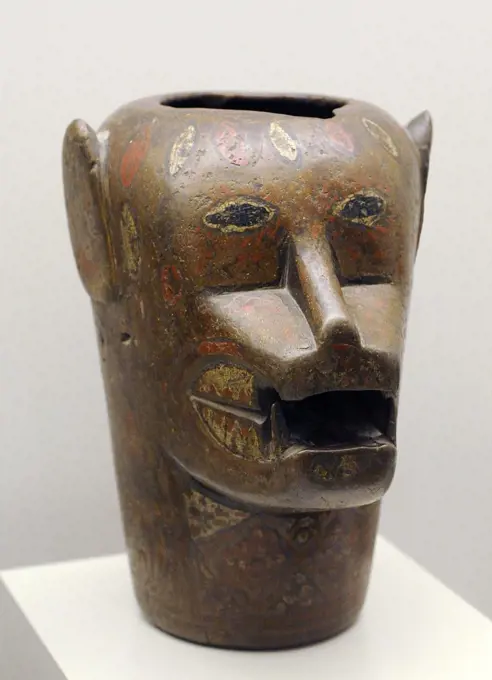
Ceremonial vessel depicting a jaguar head. Polychrome wood. Inca Culture, Late Horizon (1400-1533 AD). Cuzco, Peru. Museum of the Americas. Madrid, Spain.
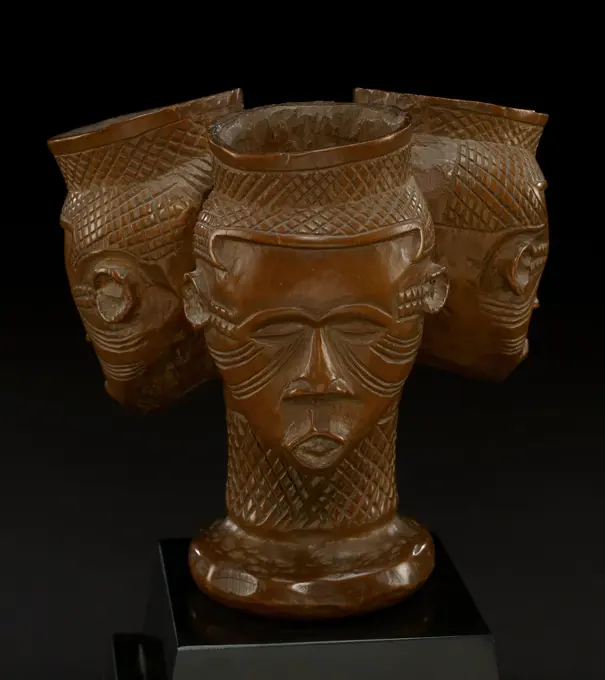
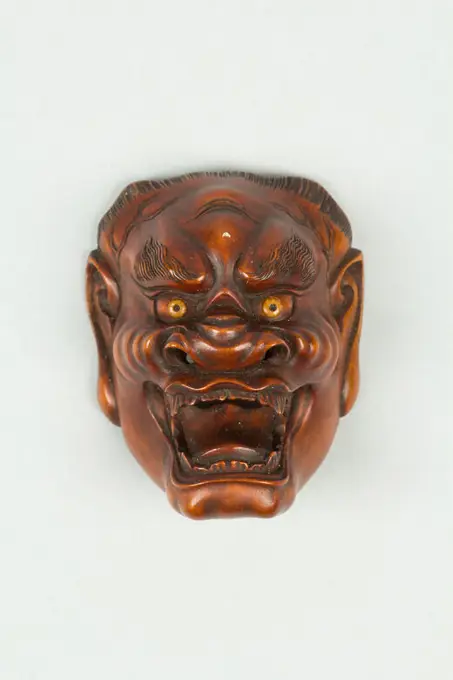
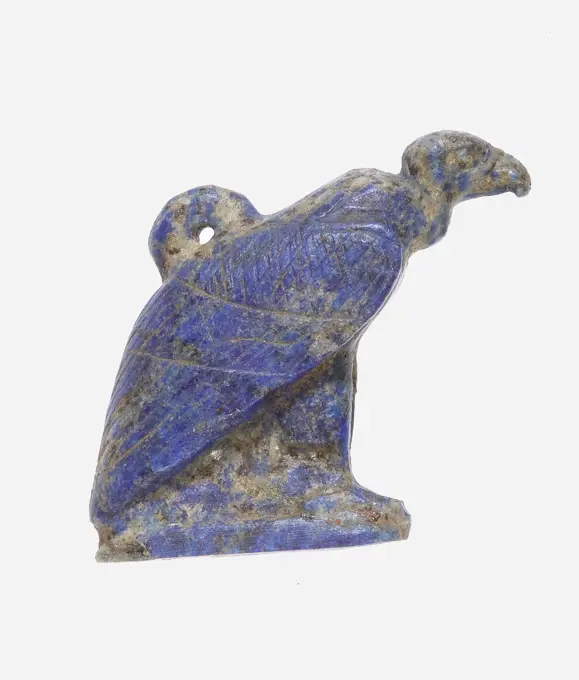
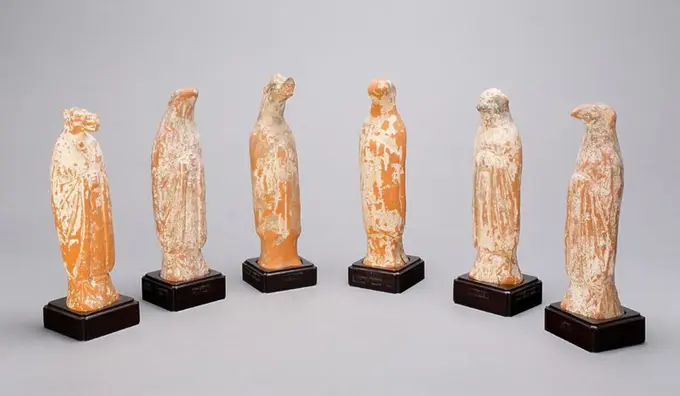
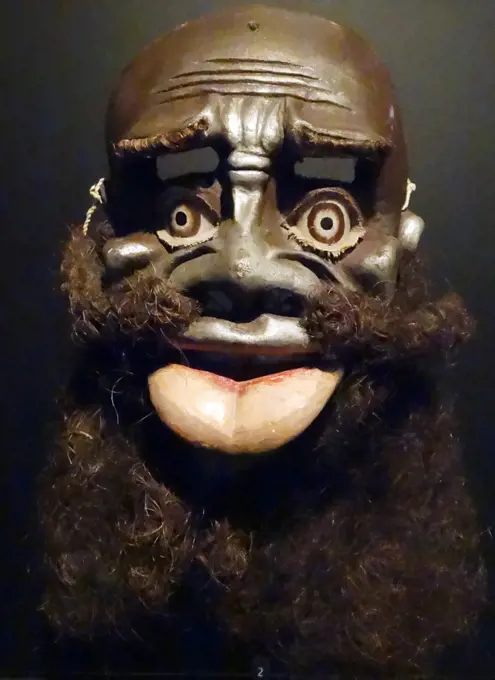
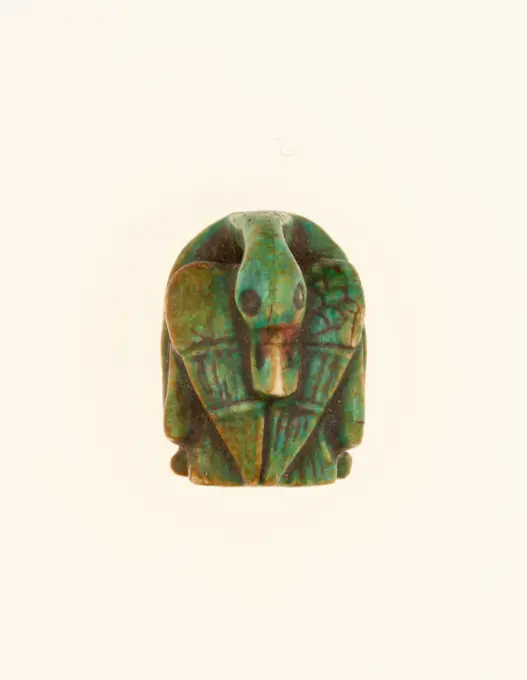
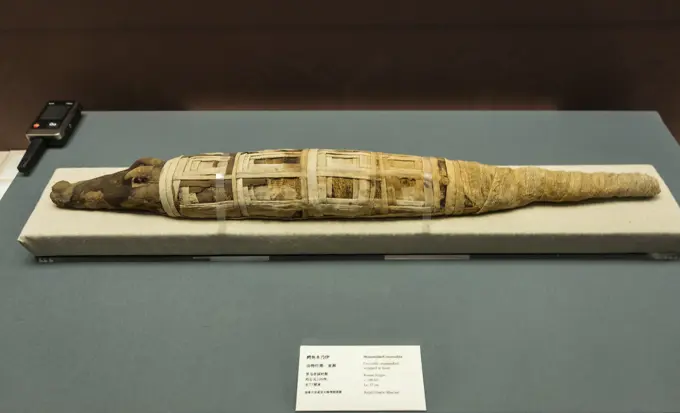
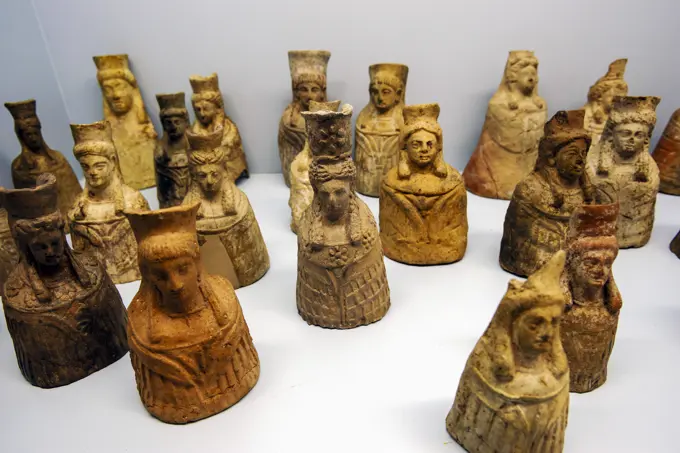
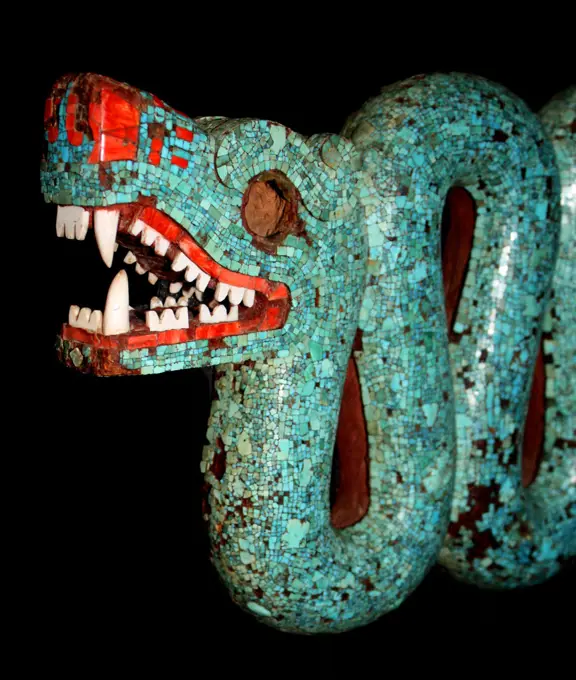
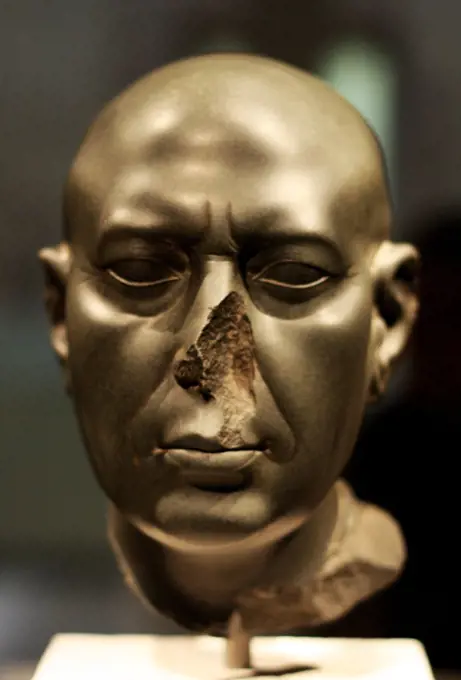
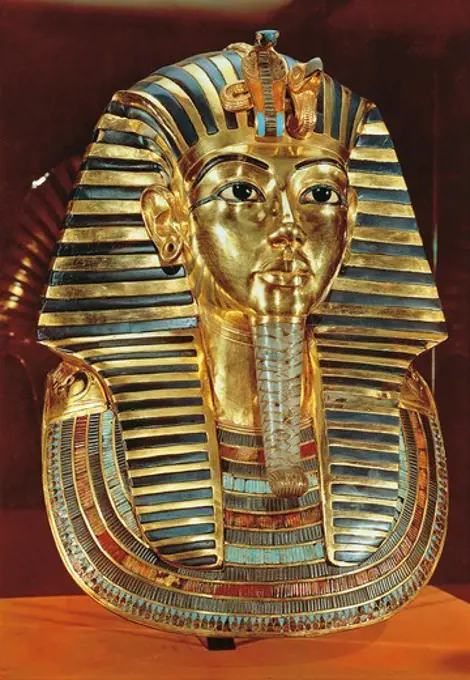
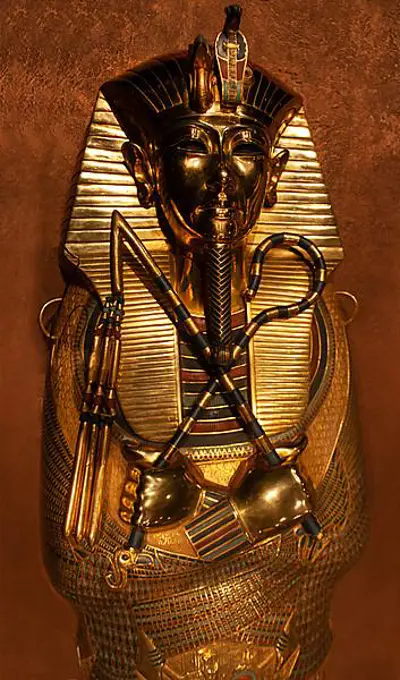
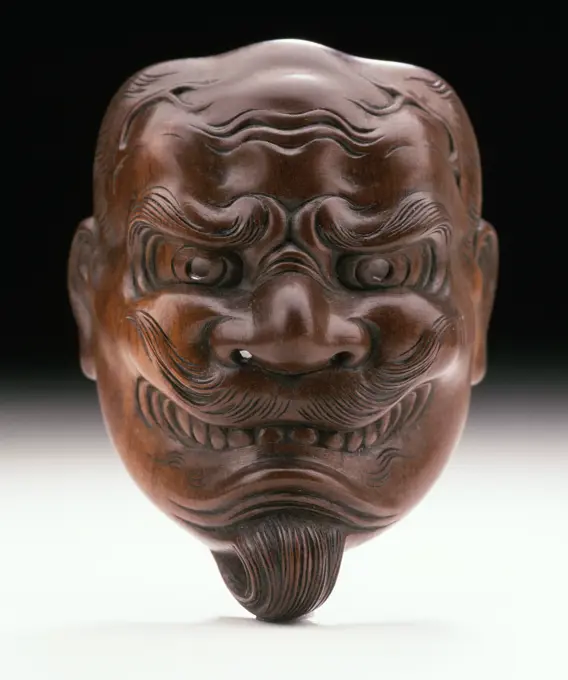
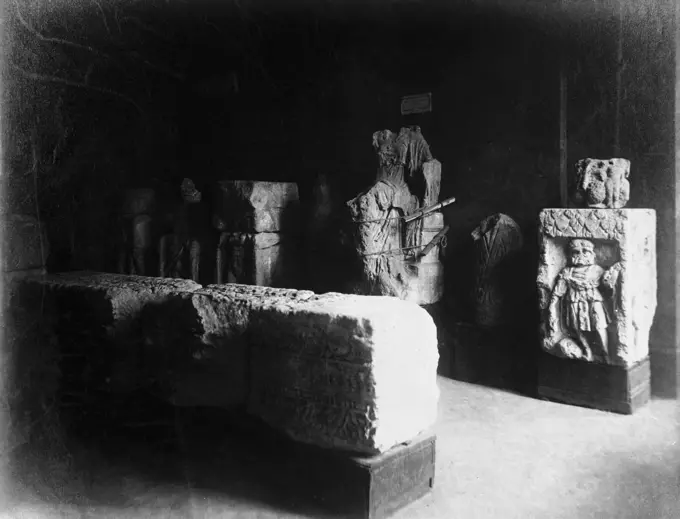
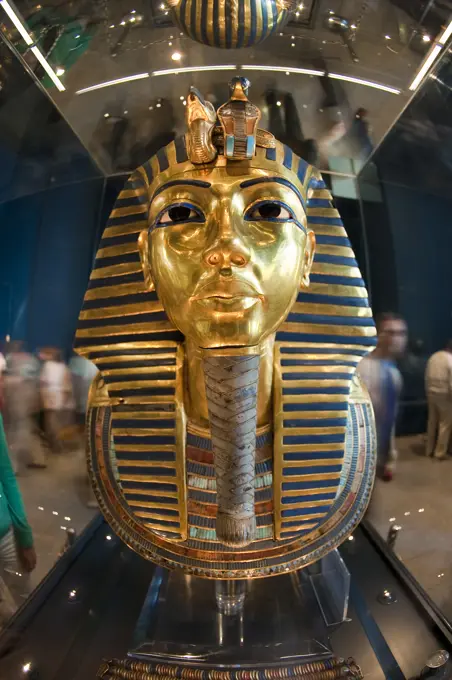
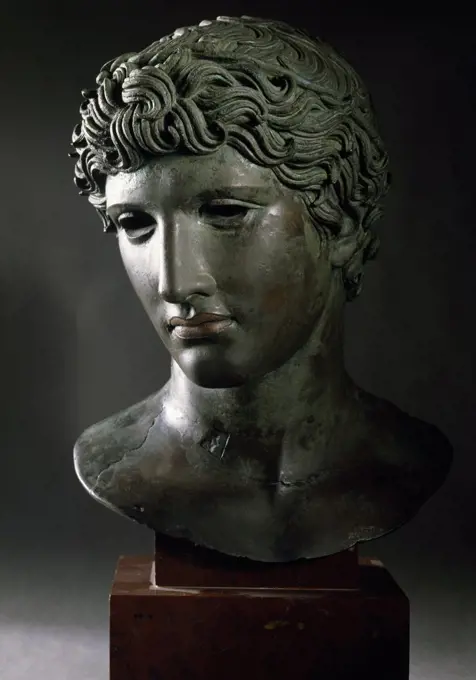
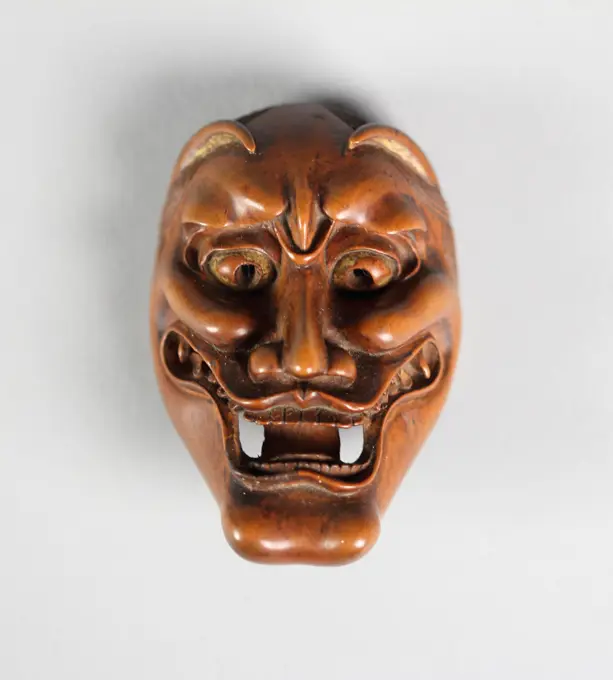
Netsuke of Noh Mask: Hannya 19th century Japan. Netsuke of Noh Mask: Hannya. Japan. 19th century. Wood. Edo (1615-1868) or Meiji period (1868-1912). NetsukeCup, mid 20th century, 6 × 6 1/16 × 4 1/2 in. (15.24 × 15.4 × 11.43 cm), Wood, Democratic Republic of Congo, 20th centuryNetsuke of Mask. Culture: Japan. Dimensions: H. 1 7/8 in. (4.8 cm); W. 1 5/8 in. (4.1 cm). Date: 19th century. Museum: Metropolitan Museum of Art, New York, USA.Demon Mask. Japan, early 19th century. Jewelry and Adornments; masks. Wood, lacquerWooden guardian figure, eyema Byeri; Fang tribe; Ntumu group; Equatorial Guinea, West Africa.Amulet, vulture 664-332 B.C. Late Period. Amulet, vulture. 664-332 B.C.. Lapis lazuli. Late Period. From Egypt. Dynasty 26-30Buddha in meditation, seated upon a lotus. 7th-8th century, Sandstone sculpture from Son Tho, VietnamThree Thousand Year Old Large Bronze Mask Statue Sanxingdui Three Star Mound Museum Guanghan, Chengdu, Sichuan, China. The statues have been carbon dated to the 11th-12th Century BCE.Dancing Doll. Dated: c. 1940. Dimensions: overall: 36.4 x 27.5 cm (14 5/16 x 10 13/16 in.) Original IAD Object: 10 5/8" high. Medium: watercolor, graphite, and pen and ink on paperboard. Museum: National Gallery of Art, Washington DC. Author: Selma Sandler.Shabti Box, New Kingdom Period (c. 1539-1075 BC).. A shabti box was a funerary object personal to the deceased, containing divine statues. A figure of Anubis is represented on the central of three lids.. The painted decoration depicts the deceased before various gods. The box is inscribed for the scribe of the god's offerings of Amun, Ptah-hetep.Six Zodiac Figures. China. Date: 386 AD-550 AD. Dimensions: A (monkey): 19.1 × 5.6 × 4.5 cm (7 1/2 × 2 3/16 × 1 3/4 in.)B (sheep): 19.0 × 5.7 × 4.8 cm (7 1/2 × 2 1/4 × 1 7/8 in.)C (dragon): 20.5 × 5.4 × 6.2 cm (8 1/16 × 2 1/8 × 2 7/16 in.)D (snake): 19.4 × 5.7 × 5.0 cm (7 5/8 × 2 1/4 × 2 in.)E (horse): 18.5 × 5.7 × 5.7 cm (7 1/4 × 2 1/4 × 2 1/4 in.)F (rat or rabbit): 19.7 × 5.5 × 4.9 cm (7 3/4 × 2 3/16 × 1 15/16 in.). Earthenware with traces of slip. Origin: China. Museum: The Chicago Art Institute, Chicago, USA.Plaster Moreno mask from Bolivia, Peru. Dated 20th CenturyBuddha Head Sculpture Isolated Photo Buddha head sculpture isolated on white background Copyright: xZoonar.com/DanielxFerreira-LeitesxCiccarinox 13638731Funerary Mask. Dimensions: h. 24.8 cm (9 3/4 in). Date: ca.125. Museum: Metropolitan Museum of Art, New York, USA.Lewis Chesspieces. Ivory Chessmen. 8th cent. AD. Anglo Saxon ENGLAND.Seal in shape of a duck ca. 1550-1450 B.C. New Kingdom These two stamp seals, one in the shape of a duck (30.8.602) and one in the shape of a cat (30.8.603) are inscribed with the cartouche of Amenhotep I, the second king of Dynasty 18. Amenhotep I and his mother, Ahmose-Nefertari, were the patrons of the Theban necropolis, the series of royal and non-royal cemeteries located on the west bank of the Nile, opposite the modern city of Luxor. Long after they were dead, their names were written on numerous seals and amulets to bring good fortune to the owners.. Seal in shape of a duck. ca. 1550-1450 B.C.. Steatite (glazed). New Kingdom. From Egypt. Dynasty 18, earlyIfugao culture sculpture (anito), 19th century, wood, seed, metal, hair, fabric, rattan and straw, Anthropology National Museum, Madrid, Spain.Terracotta figurine, 7th century A. D collected at Muttom near Boluvampatti, Coimbatore, Tamil Nadu, South India, India, AsiaBarca funeraria egipcia. Museu de Montserrat.Democratic Republic Of Congo. Ivory Statue From A Horn Elephant Representing A ManCALIZA PINTADA-V DINASTIA-(2450 AC)-PESCADORES. Location: MASTABA DE TI. Saqqarah. EGYPT.Melanesian sculpture in bark or wood from the island of Malekula, in the pacific archipelago of Vanuatu. 20th centuryClose-up of black carved wooden maskMummified crocodile on display in Sanxingdui Museum, Sichuan Province, ChinaPunic statuettes Punic statuettes,representing the goddess Tanit.Archaeological museum.Eivissa.Ibiza.Pitiusas Islands.Baleares.Spain. Copyright: xZoonar.com/Tolox 21723813Wood and metal sculptor with female features, from the region of Dschang, Cameroon, Africa. Dated 1910Aztec double headed serpent made from turquoise mosaic pieces and carved in wood. 15th-16th century AD. Probably a ceremonial chest ornament.Painted and gilded mummy case for an deceased infant.Head-form Bead 3rd-7th century Moche. Head-form Bead 316426Tutankhamun mask. Golden pharaoh mask at The National Military Museum. Cairo, Egypt.Berlin Green Head , 30 Dynasty, about 350 BC greywacke Gift of James Simon, 1895Tatanua Tribal mask; New Ireland, Papua New Guinea 19th century; 1890. made from feathers fibres and natural pigmentsBurial mask of gold, lapislazuli, obsidian and turquoises of pharaoh Nebkheperura Tutankhamen (1341-1323 B.C.), 18th dynasty, New KingdomSick African couple mask, Congo, 20th century, polychrome wood, Sa Bassa Blanca Museum (msbb) Yannick Vu and Ben Jakober, Alcudia, Majorca, Spain, EuropeEgyptian civilization. Gold funerary mask with lapis lazuli and turquoise from Pharaoh TutankhamenFashion accessories, Gold, Carnelian Turquoise, Feldspar, Lazurite, 14th century BC, Egypt, Cairo, The Egyptian Museum,Inner coffin made of gold with inlays of glass paste and gemstones, Tutankhamun's burial treasures, archaeological world sensation, replicas, Valley of the Kings, most famous burial site in the world, Luxor, Thebes West, Egypt, Luxor, Thebes, West, Egypt, AfricaBeshimi Akujō. Kimura Ryūmin (Japan, active mid- to late 19th century). Japan, mid- to late 19th century. Costumes; Accessories. WoodMUSEE CARNAVALET - FRAGMENTS ARCHEOLOGIQUES Carnavalet Museum: archaeological fragments. Paris (3rd arrest). Photography of Pierre Emonds, 1889.Agrippina Artist Uknown Egypt, Cairo. Tutankhamun's Death Mask at the Egyptian Museum of Antiquities.Head of an Athlete, sculptureStone board or clay tablet, falcon and Egyptian hieroglyphs cartoons vector illustration Ancient object for storing information, graphical user interface for game design isolated on white background. Stone board, clay tablet and Egyptian hieroglyphs