Ancient Figurines

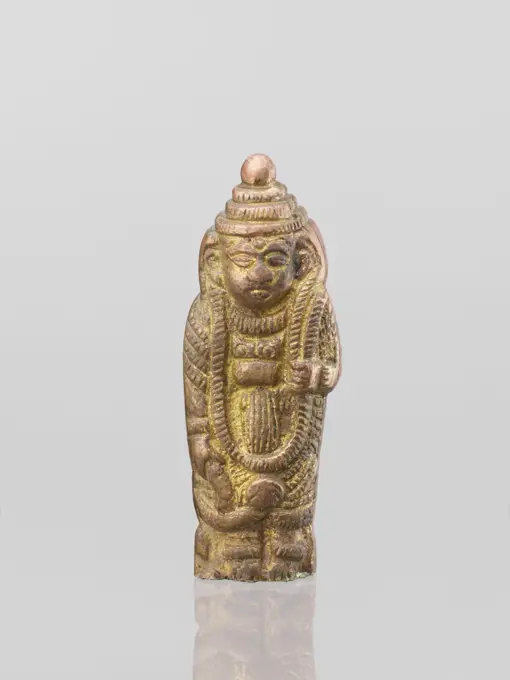
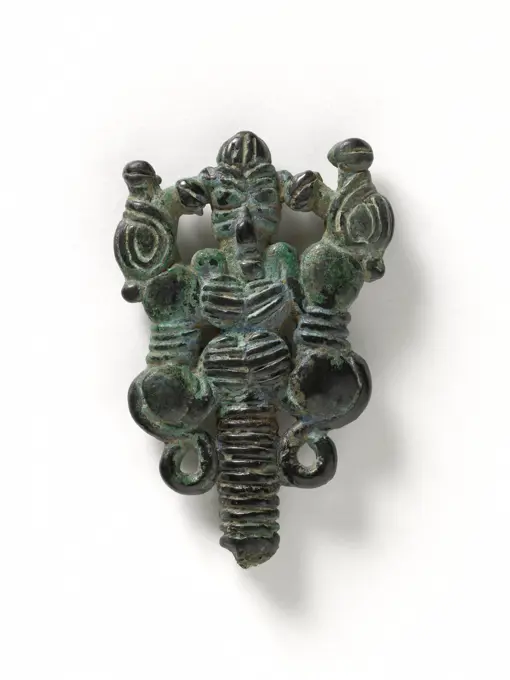
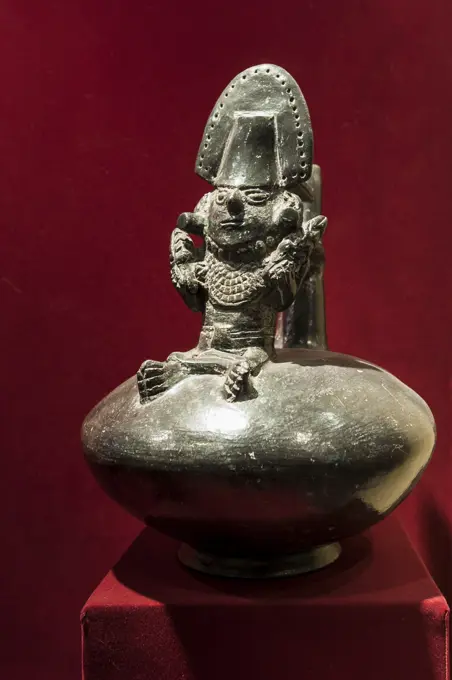
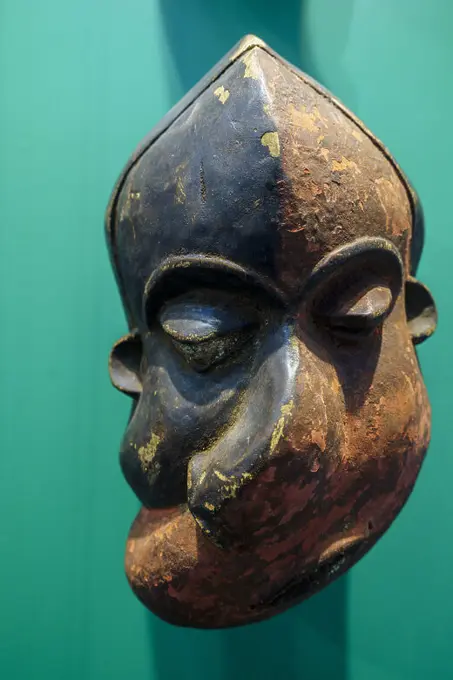
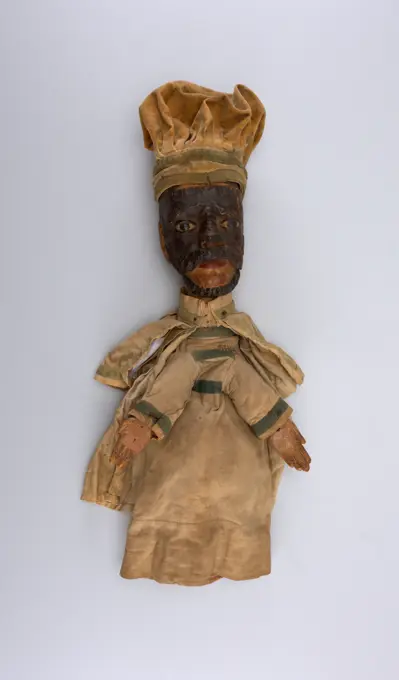
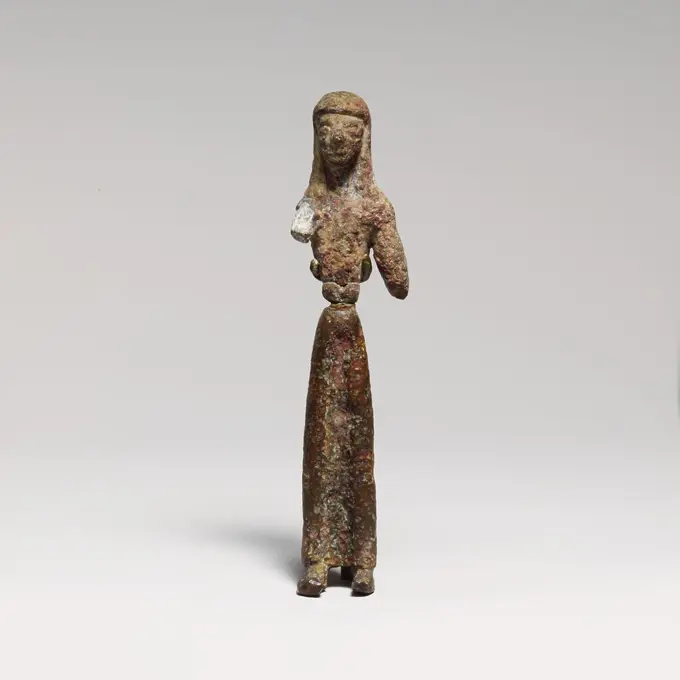
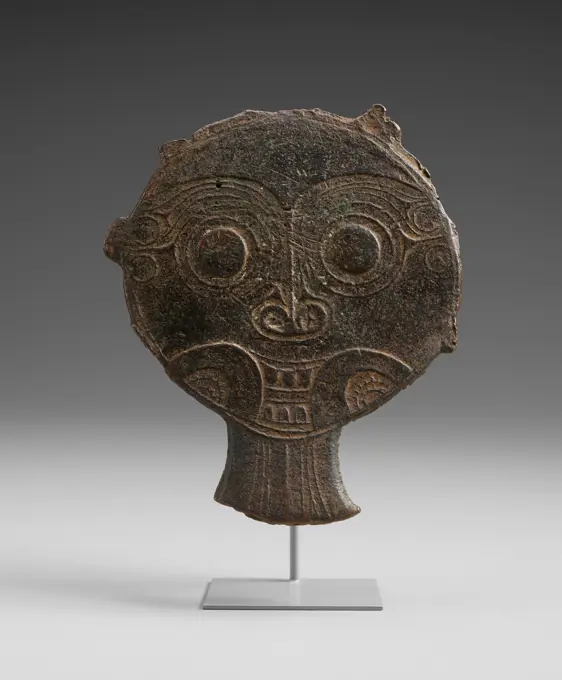
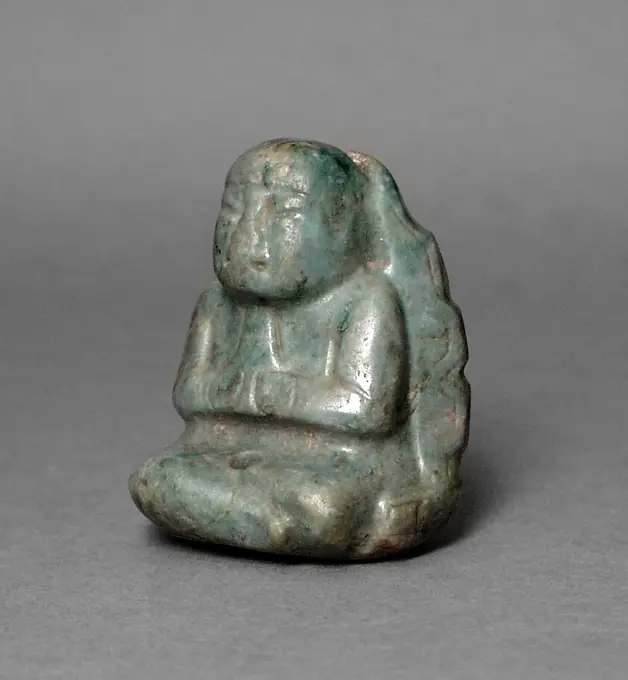
Collection of ancient figurines depicting various styles and cultures, showcasing craftsmanship and historical significance through unique forms.

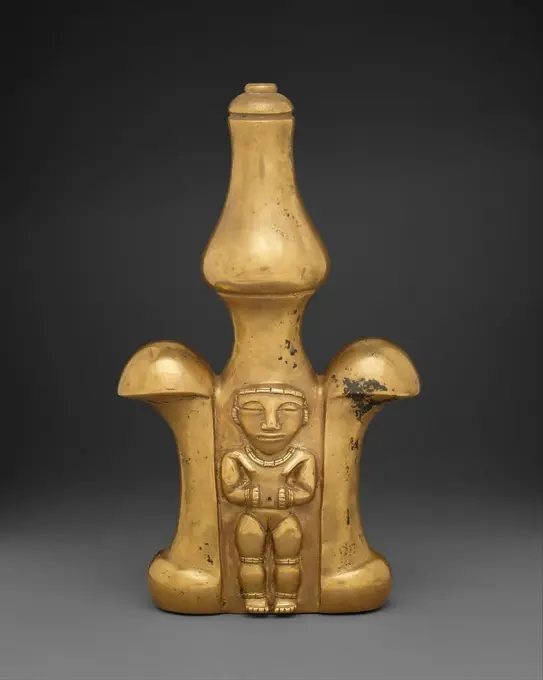
Tunjos (Votive Offering Figurine), c. 900-1550. Colombia, Muisca style, 10th-16th century. Cast gold; overall: 10.1 x 2.4 x 0.7 cm (4 x 15/16 x 1/4 in.). Unlike the other gold ornaments made in the isthmian region, tunjos were not worn; instead, they served as offerings that were deposited in sacred places such as lagoons and caves. They often depict humans who hold something.
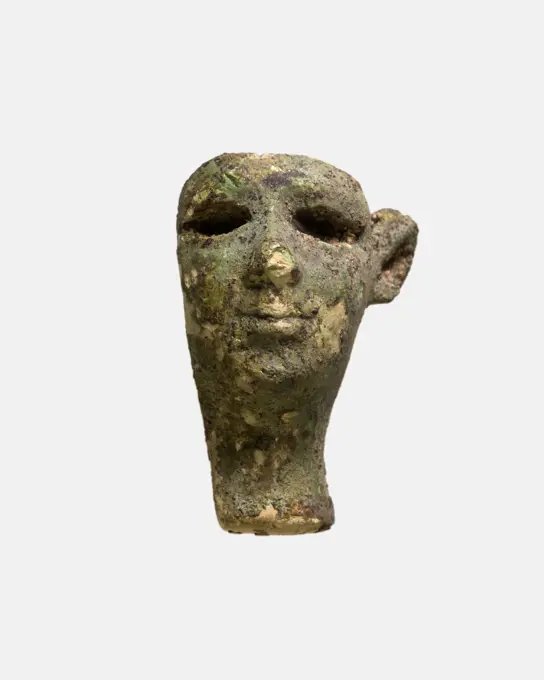
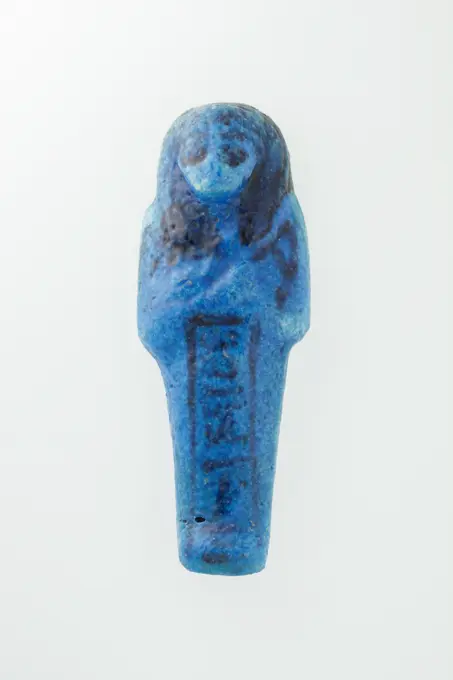
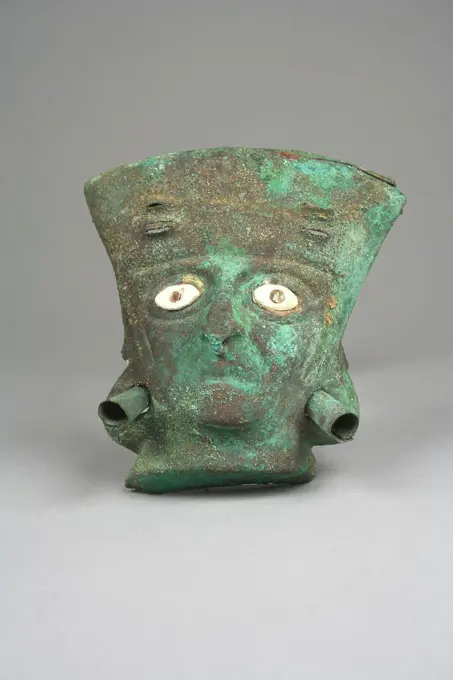
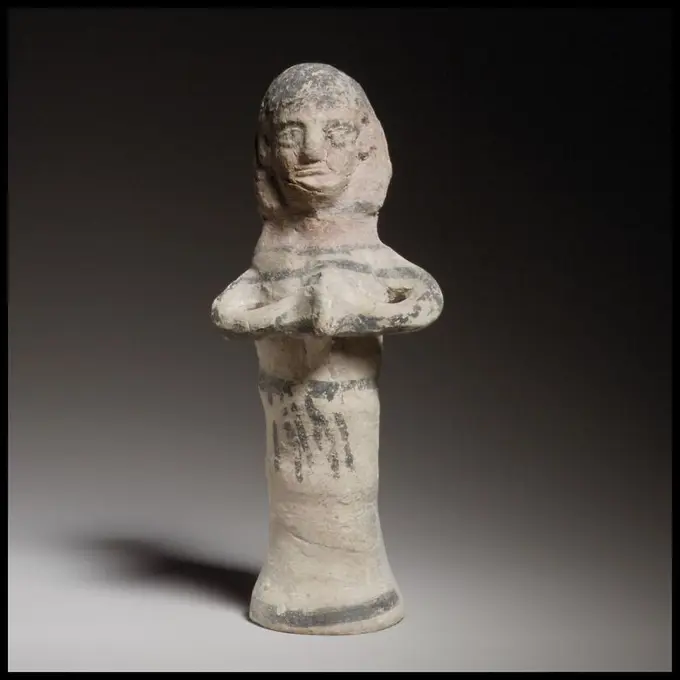
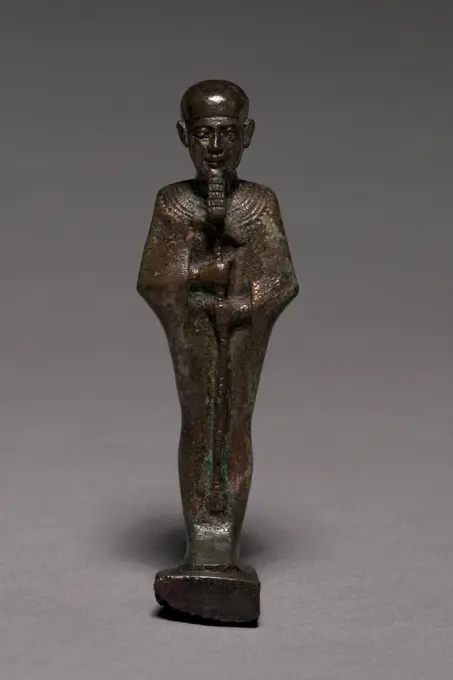
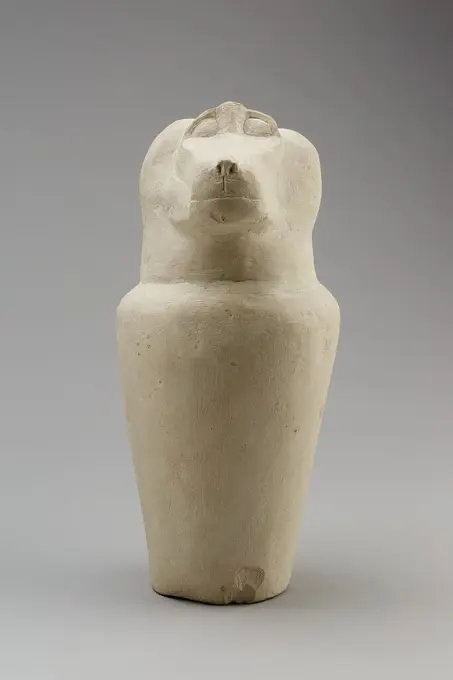
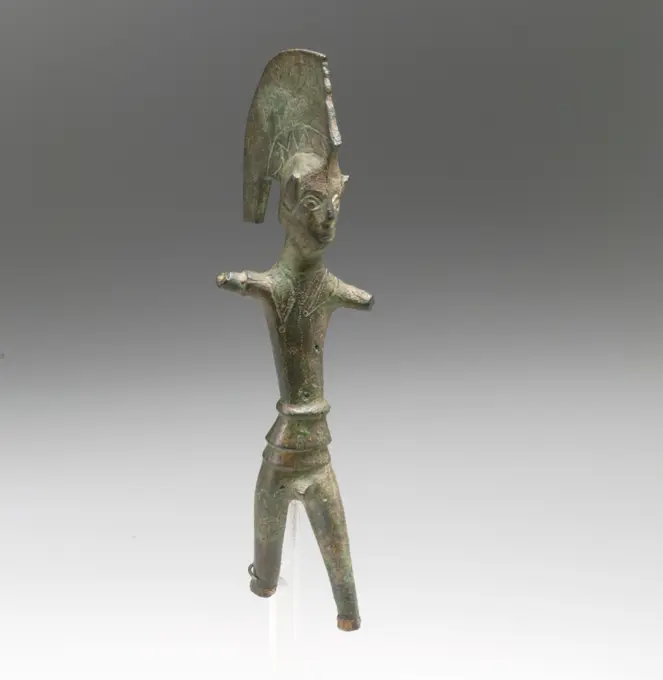
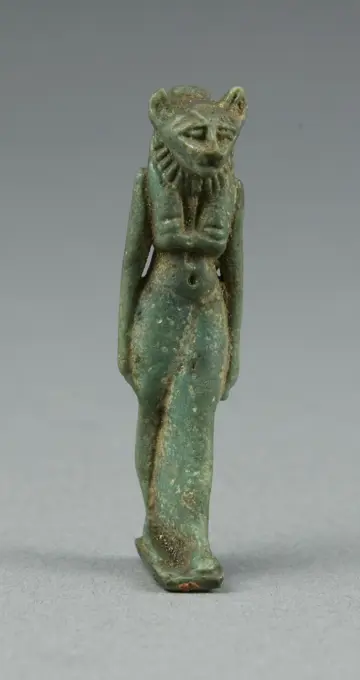
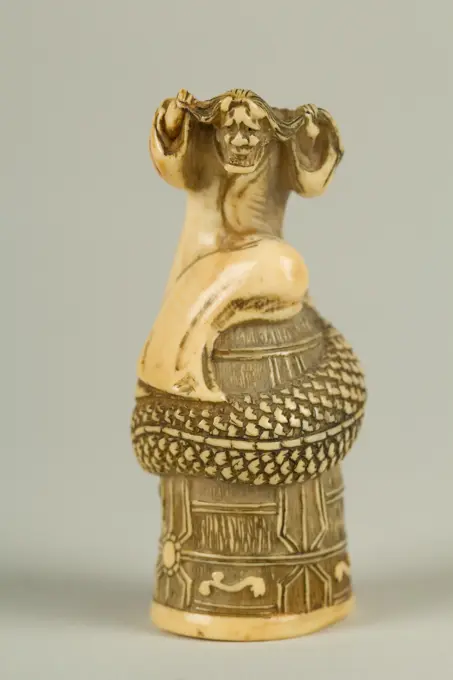
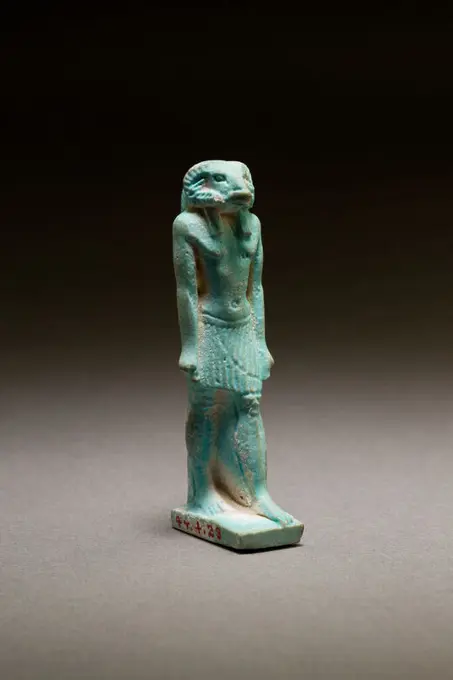
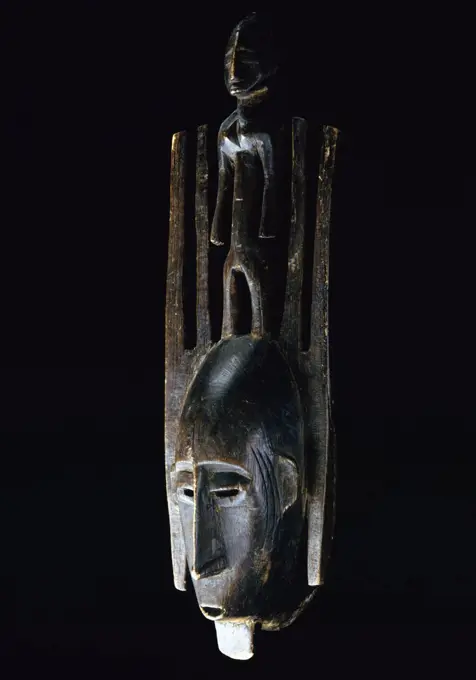
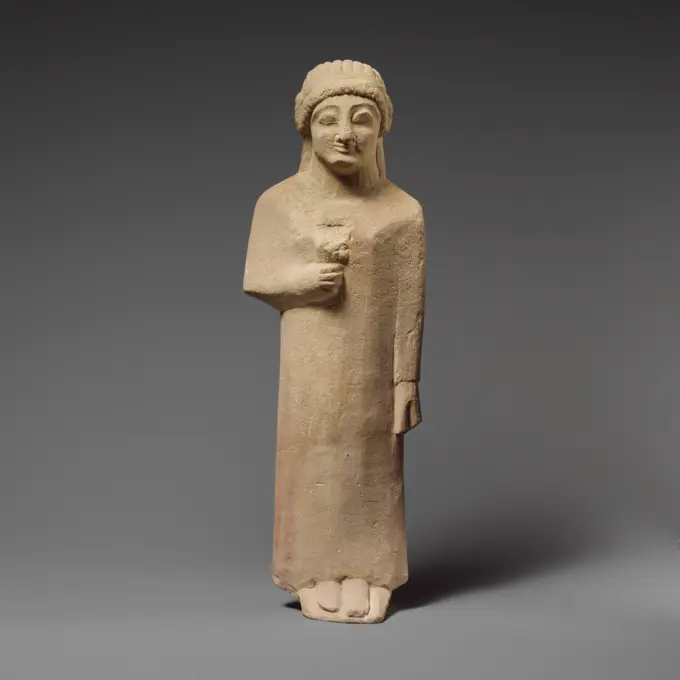
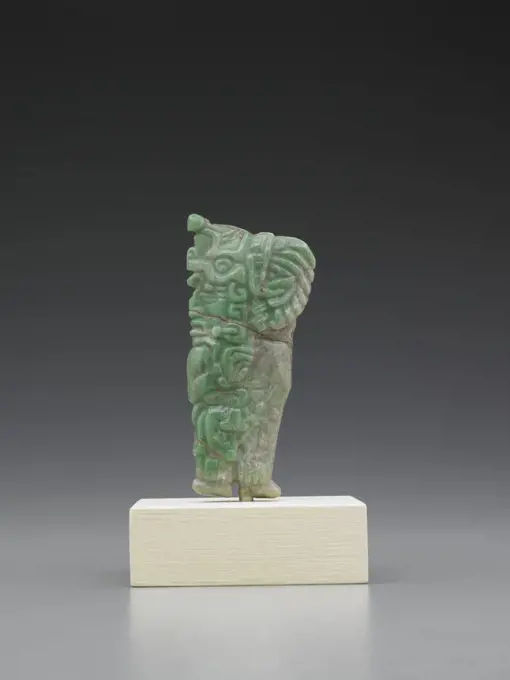
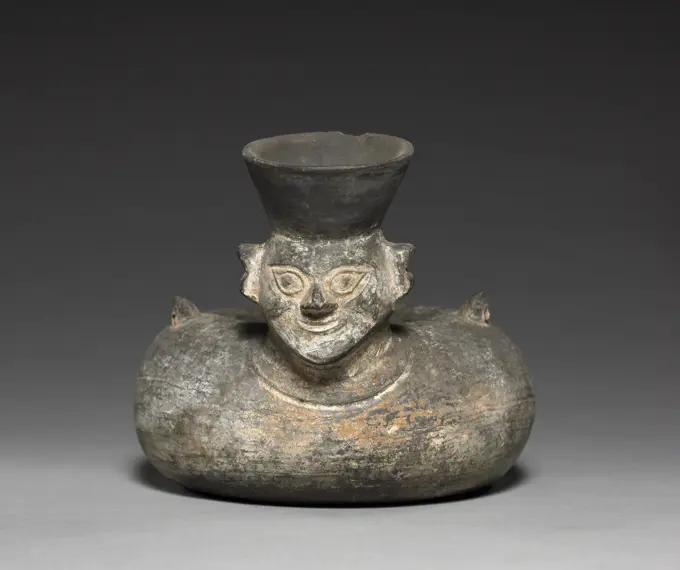
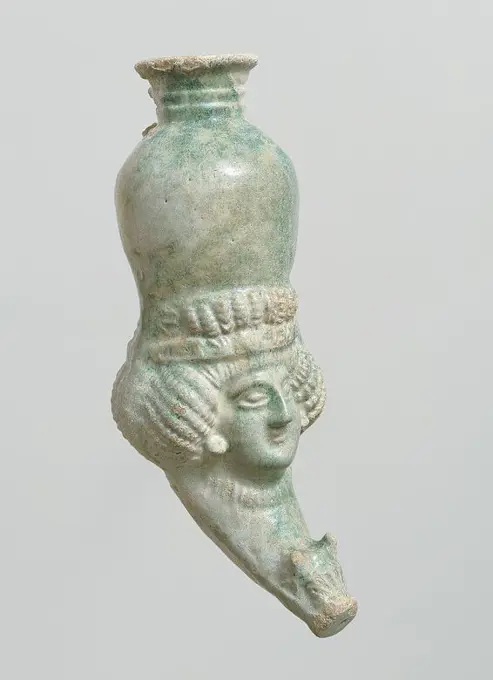
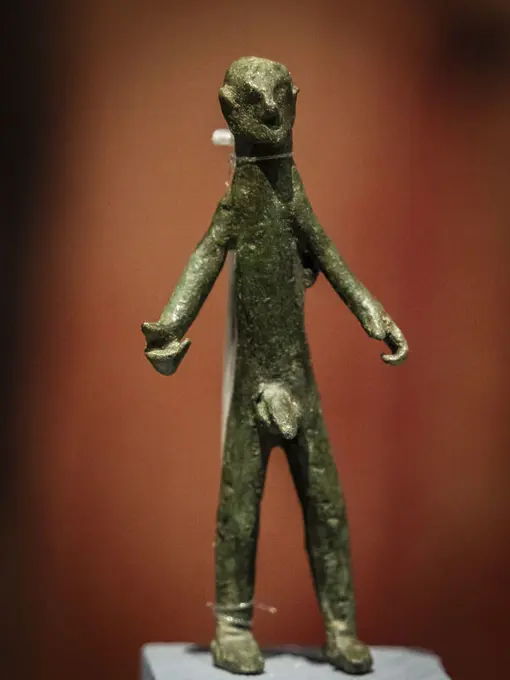
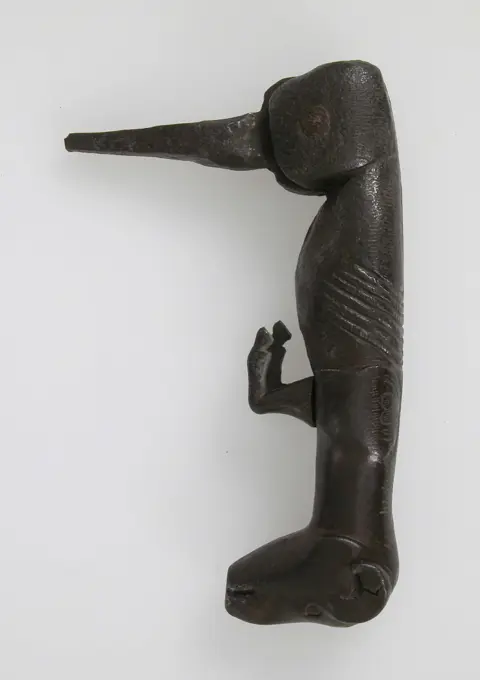
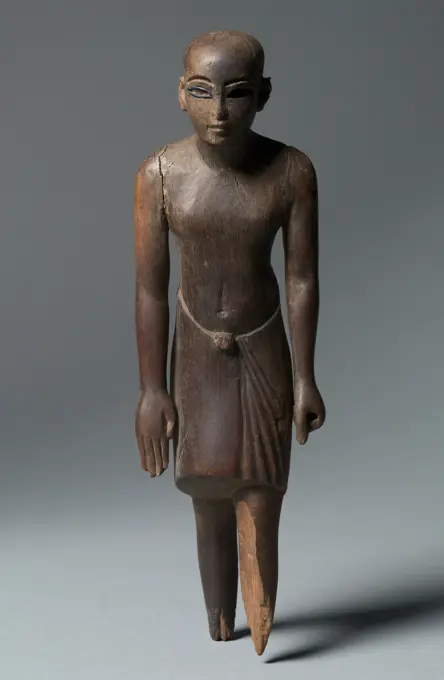
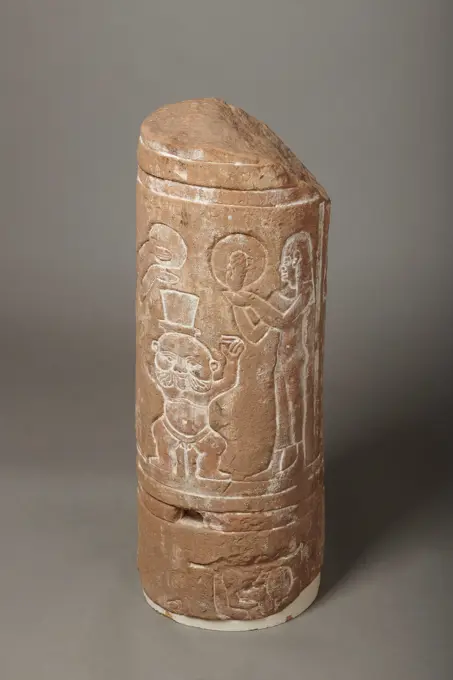
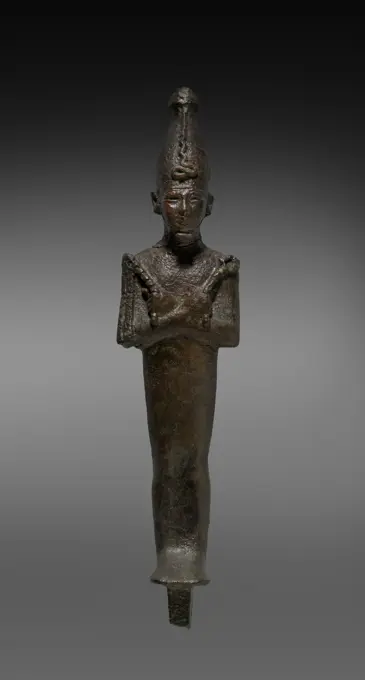
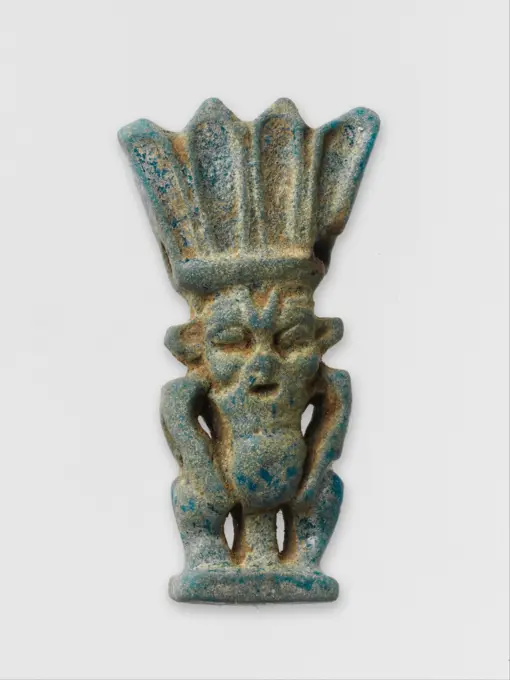
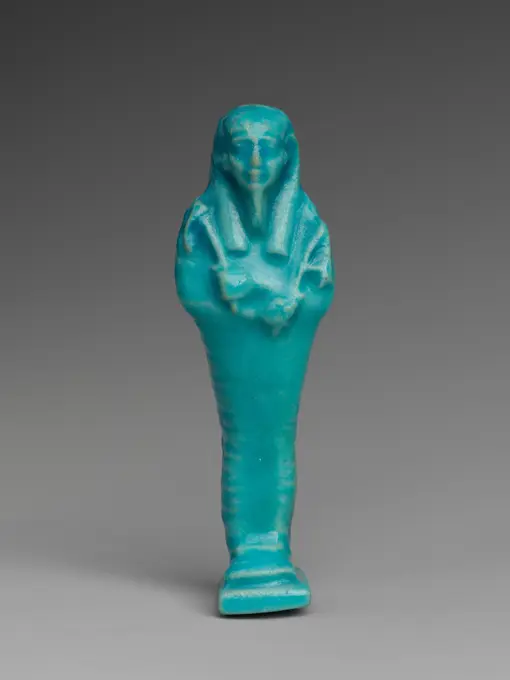
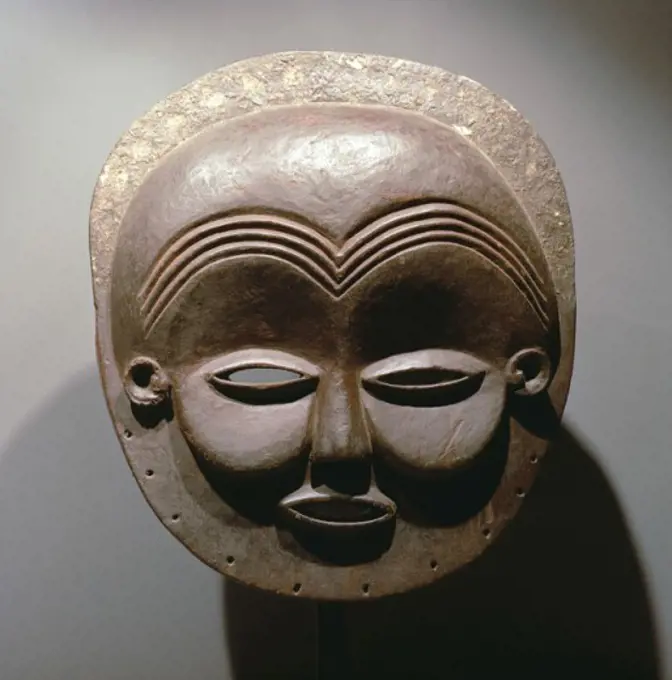
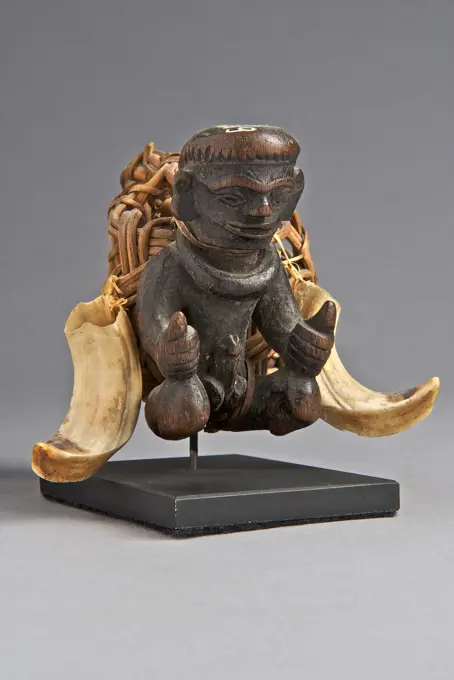
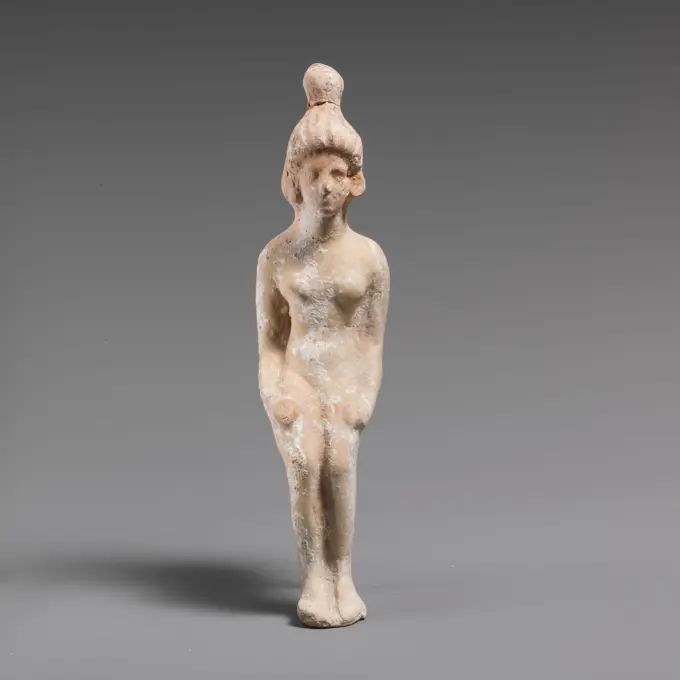
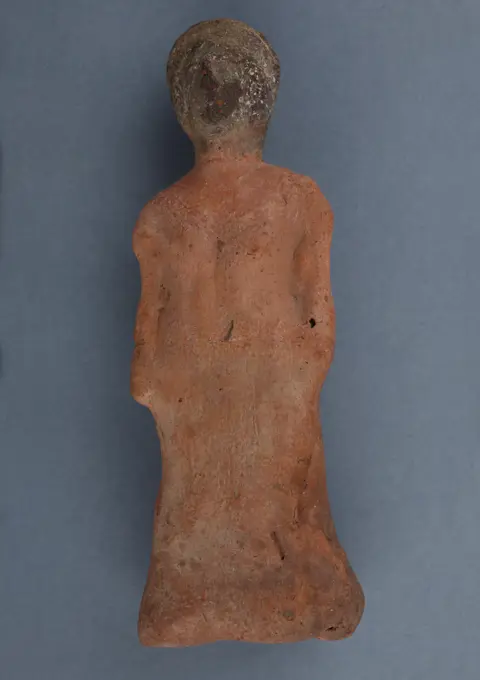
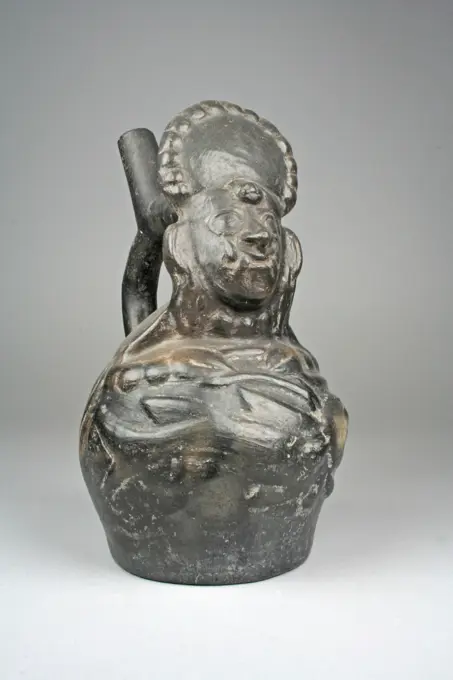
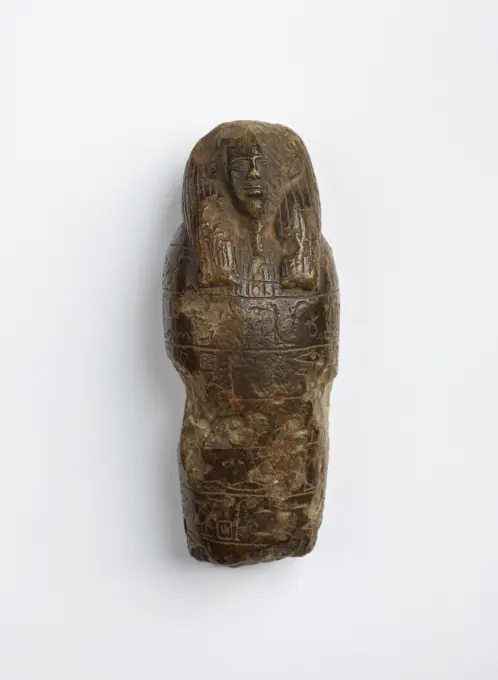
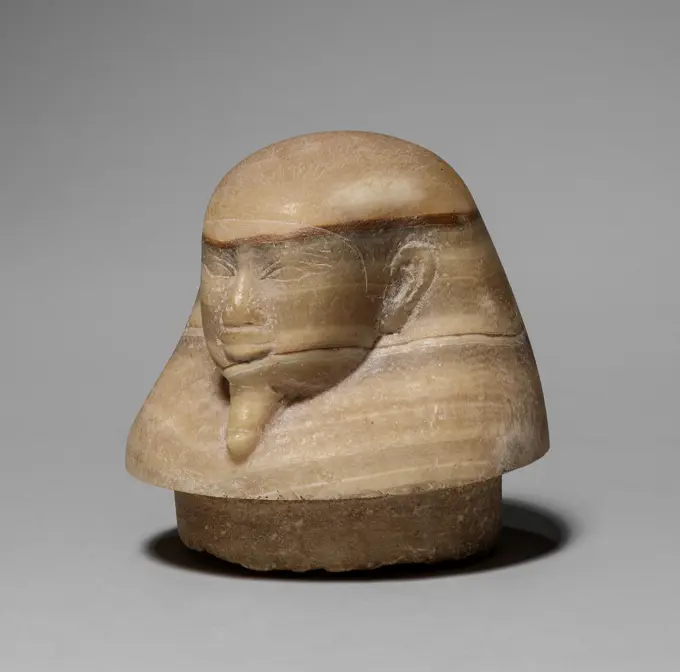
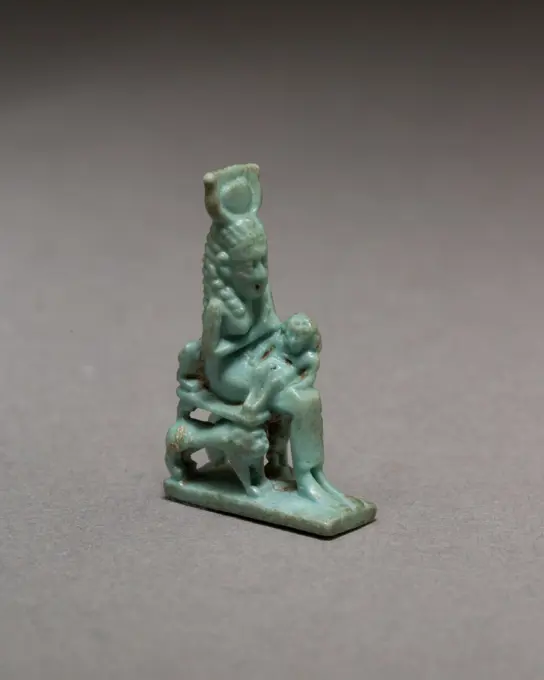
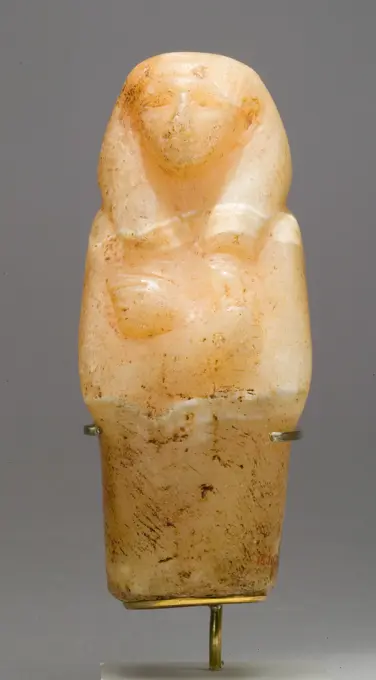
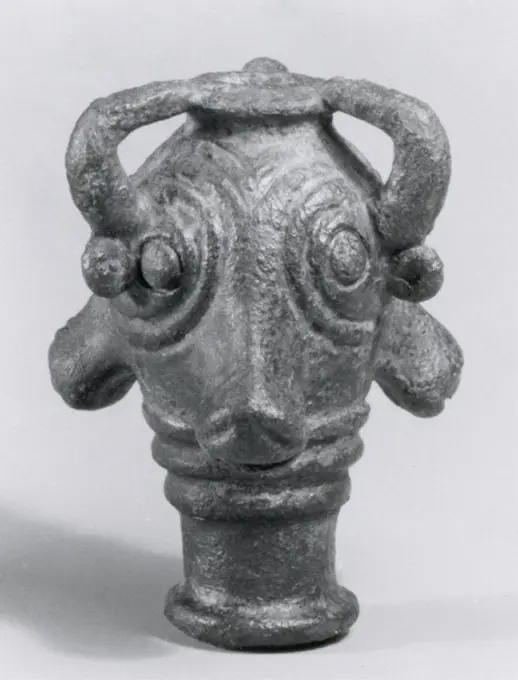
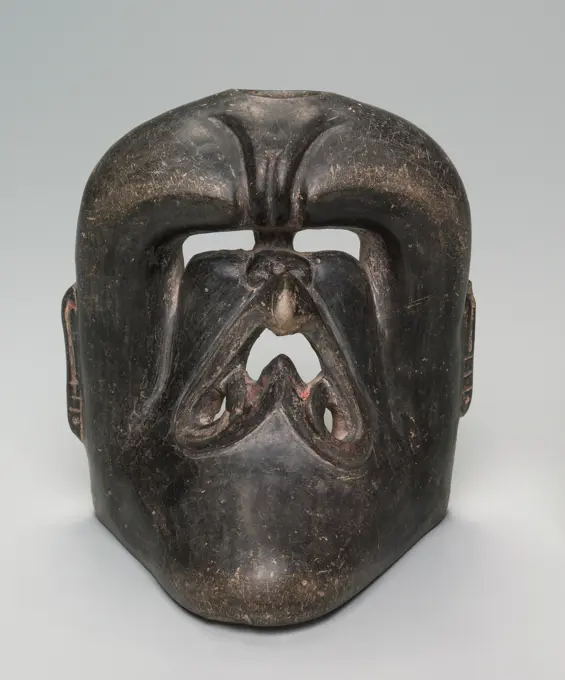
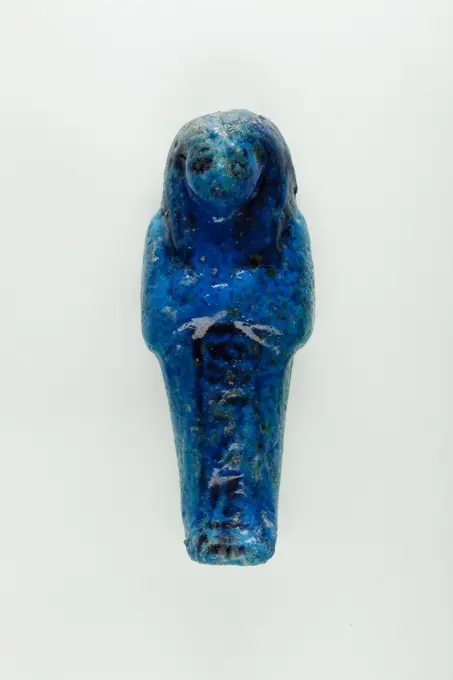
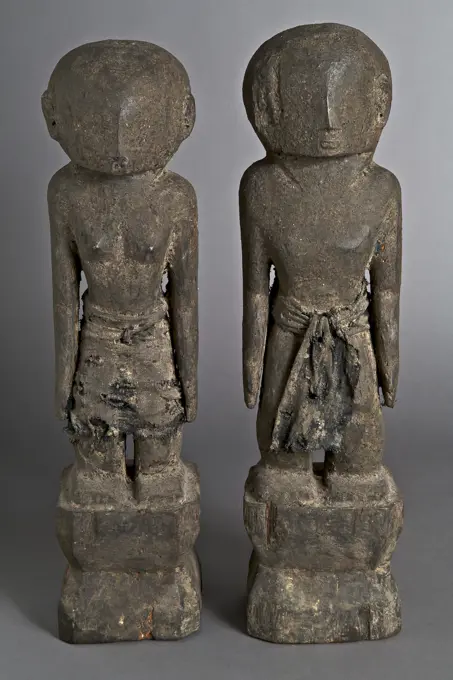
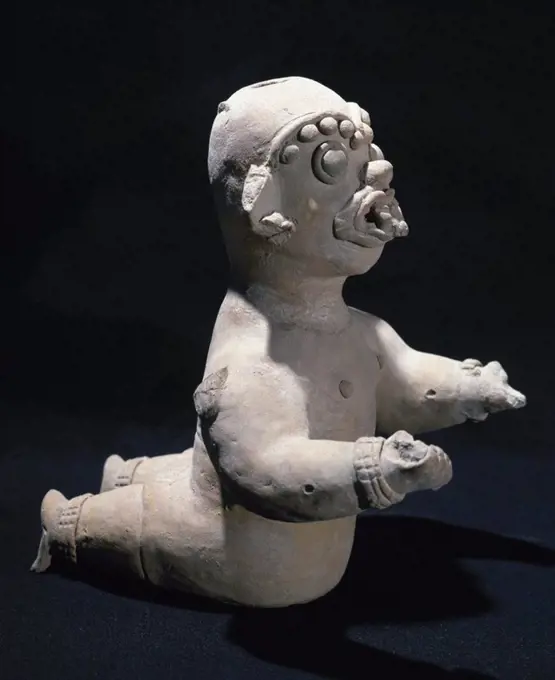
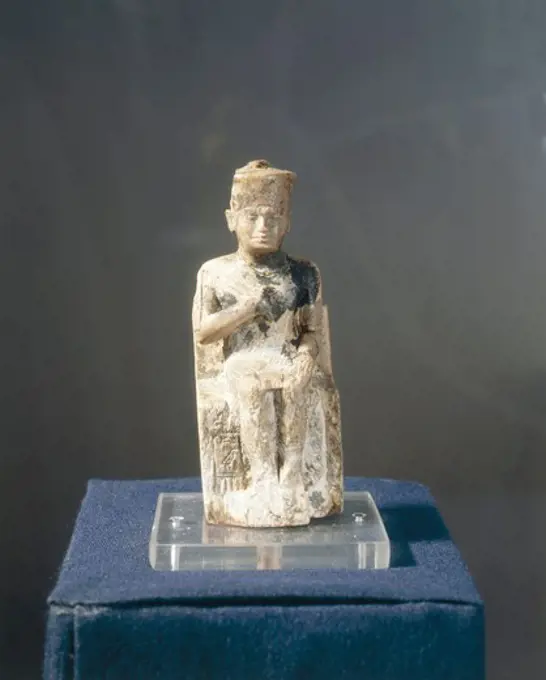
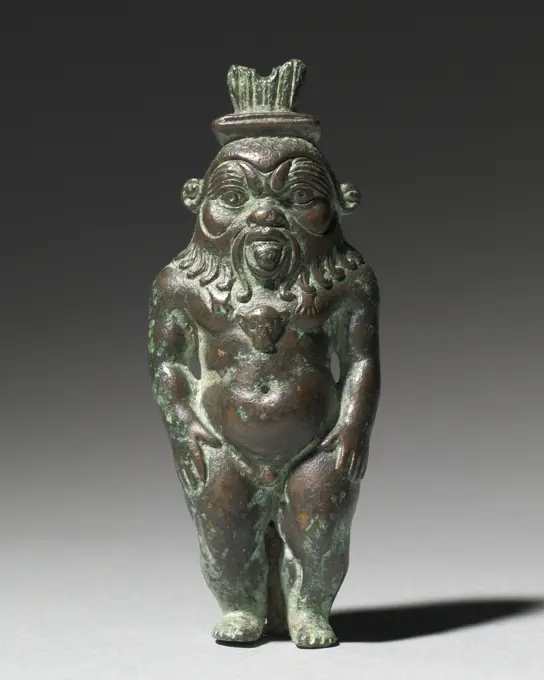
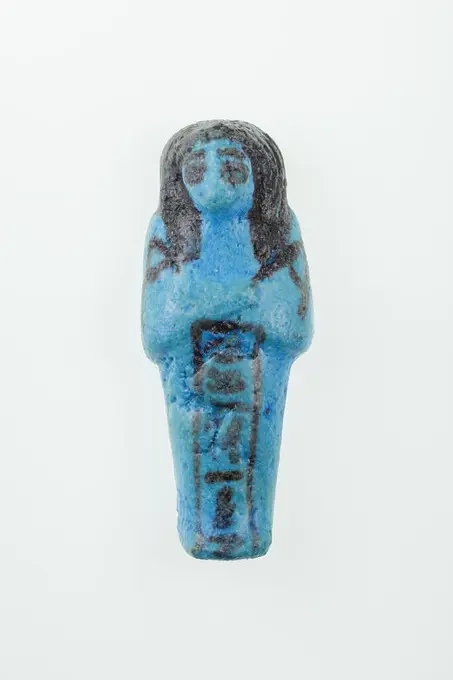
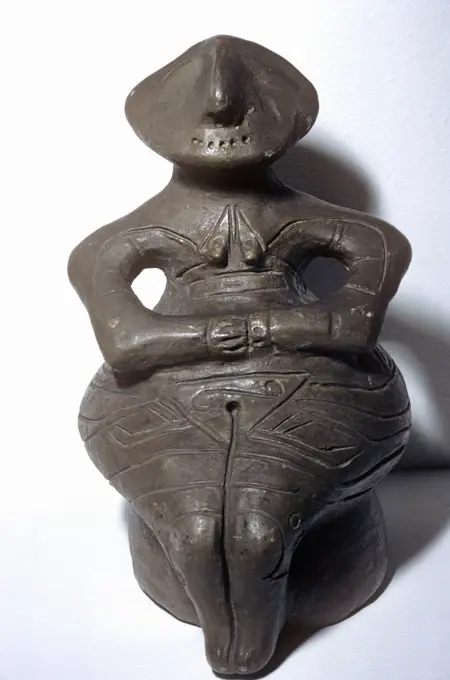
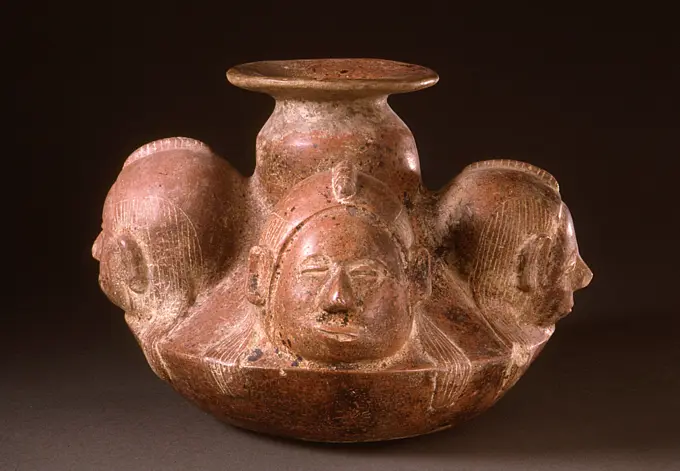
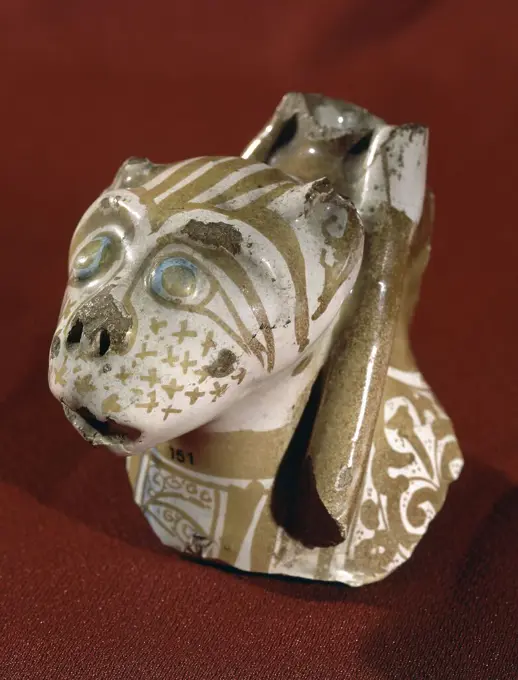
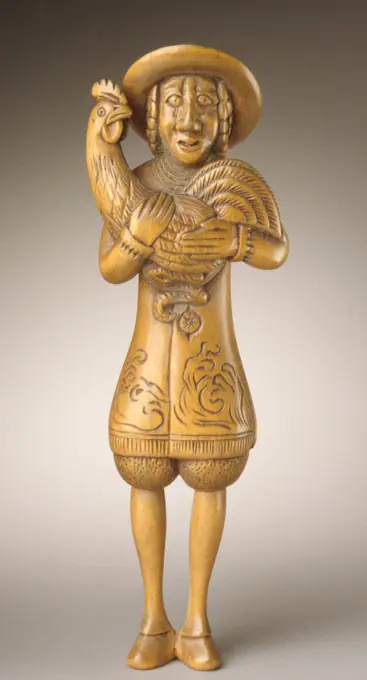
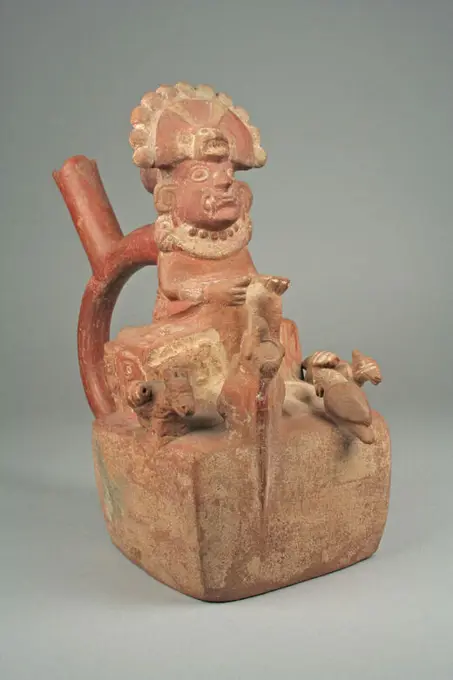
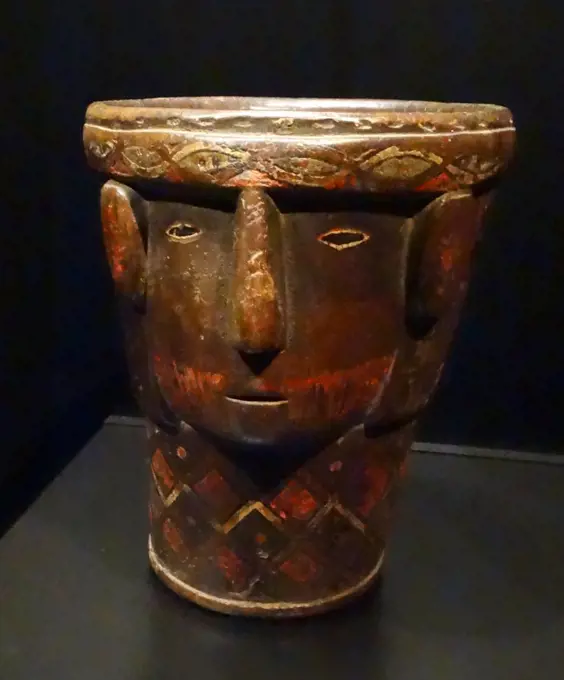
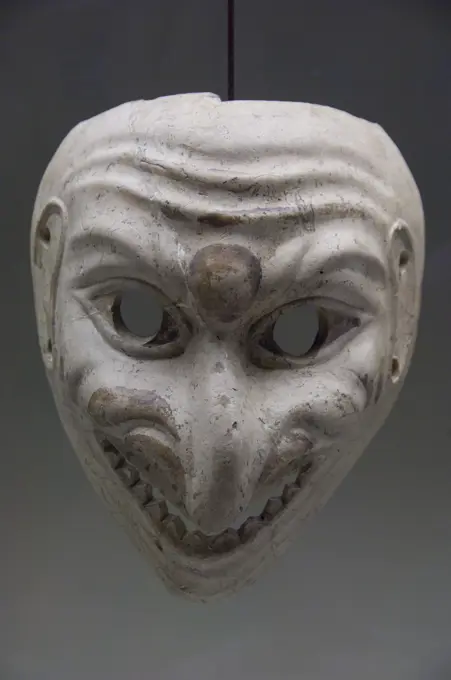
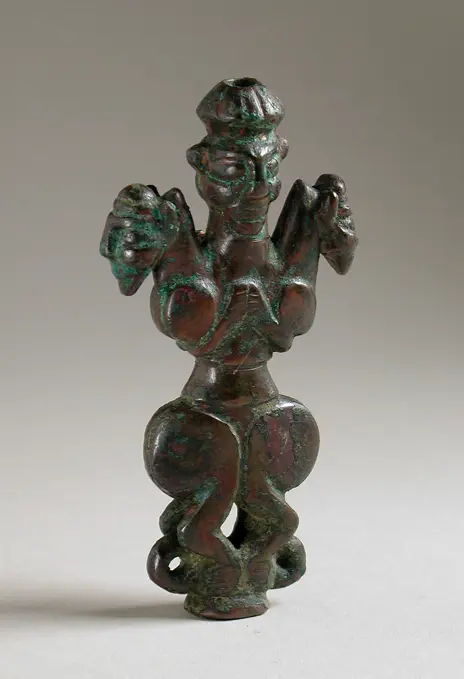
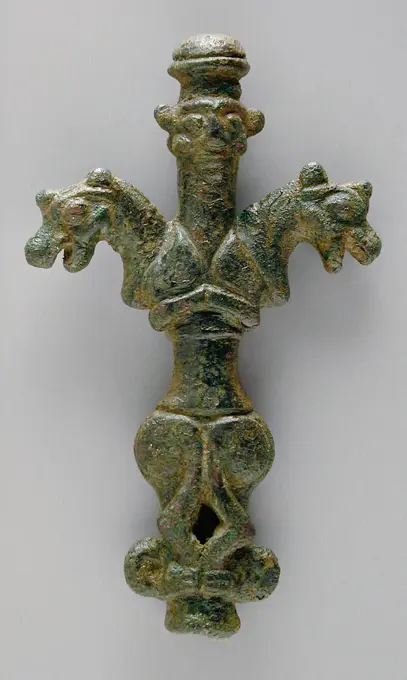
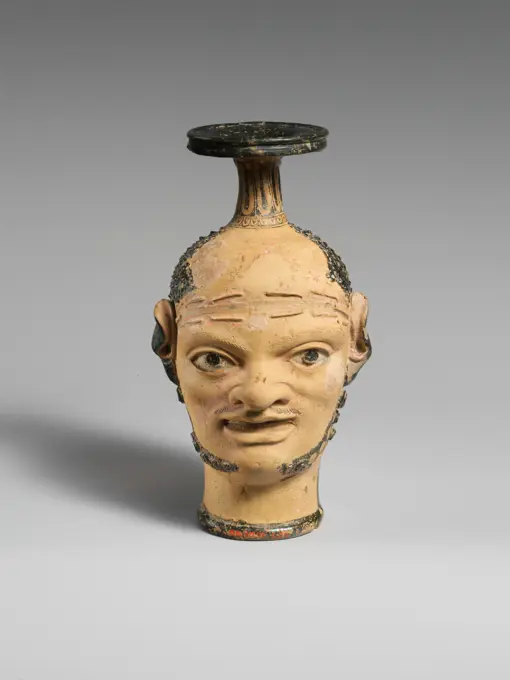
Figurine of a WomanStanding tambourine player. Culture: Cypriot. Dimensions: H. 8 1/4 in. (21 cm). Date: ca. 600-480 B.C..The figurine, of uncertain gender, is in the Kamelarga style. It is wheel-made and hollow, with a cylindrical body that flares at the bottom. The head is mold-made, the arms handmade. Museum: Metropolitan Museum of Art, New York, USA.Figure 12th-13th century. Figure 451890Statuette of Ptah, 664-525 BC. Egypt, Late Period, Dynasty 26 or later. Bronze, solid cast; overall: 3 x 2.5 cm (1 3/16 x 1 in.); with tang: 11 cm (4 5/16 in.); without tang: 9.6 cm (3 3/4 in.).Dummy canopic jar with baboon head (Hapy). Dimensions: H. 27.5 cm (10 13/16 in.); diam. ; diam. of base 7.5 cm (2 15/16 in.); diam. at neck ; circ. 38.5 cm (15 3/16 in.). Dynasty: Dynasty 25. Date: ca. 712-664 B.C..A set of four canopic jars was an important element of the burial in most periods of Ancient Egyptian history. Canopic jars were containers in which the separately mummified organs would be placed. The best known versions of these jars have lids in the shape of the heads of protective deities called the four Sons of Horus. The human-headed Imsety was the guardian of the liver; the baboon-headed Hapy looked after the lungs; the jackal-headed Duamutef was responsible for the stomach; and the falcon-headed Qebehsenuef cared for the intestines.This dummy jar has no interior cavity and the "lid" is not removable. It dates to a period during which the internal organs were mummified and then placed back into the mummy, but canopic jars continued to be included as part of the buriTunjos (Votive Offering Figurine), c. 900-1550. Colombia, Muisca style, 10th-16th century. Cast gold; overall: 10.1 x 2.4 x 0.7 cm (4 x 15/16 x 1/4 in.). Unlike the other gold ornaments made in the isthmian region, tunjos were not worn; instead, they served as offerings that were deposited in sacred places such as lagoons and caves. They often depict humans who hold something.Statuette of Ares  Etruscan Fighting warrior.. Statuette of Ares . Etruscan. Bronze. BronzesAmulet of a Lion-headed Walking Goddess, possibly Bastet 1069 BCE-664 BCE Egypt. Faience . Ancient EgyptianStirrup Spout Bottle with Kneeling Warrior. Culture: Moche. Dimensions: Overall: 9 x 5 5/8 in. (22.86 x 14.3 cm)Other: 5 5/8 in. (14.3 cm). Date: 1st-4th century. Museum: Metropolitan Museum of Art, New York, USA.Netsuke of Kiohime on the Bell 19th century Japan. Netsuke of Kiohime on the Bell 60035Fertility statuette, from the Mexican state of Nayarit, MexicoAmulet  touristKhnum () amulet. Dimensions: H. 6.6 × W. 4.7 × D. 2.4 cm (2 5/8 × 1 7/8 × 15/16 in.). Date: 664-30 B.C..The amulets 44.4.23-44.4.28 have a uniformity of size and detailing that constitutes a stylistic relationship. Possibly they were made in related workshops. Museum: Metropolitan Museum of Art, New York, USA.Wooden carving of Bambara N'tomo Mask,  USA,  Florida,  Jacksonville,  The Museum of Contemporary Art,  African Art CollectionLimestone statuette of a female votary holding a flower early 5th century B.C. Cypriot Female votary holding a flower.. Limestone statuette of a female votary holding a flower 242081Lamp. UnknownPendant in the  Shape of a Ruler orLord, A..D.200-600, Jadeite, 9.98 × 4.17 × 1.73 cm (3 15/16 × 1 5/8 × 11/16in.), This pendant in the shape of a standing male figure probably once belonged to a Maya noble.  The craggy nose and specific details of the headdress may indicate that the pendant was intended to be a portrait of a particular individual, possibly the owner himself.  The beaded tassel at the top of the headdress is that of the Jester God and is a common attribute of kings and nobles.  The use of jade, the most highly prized material among the Maya, is also suggestive of the high status of its owner.  The artist has worked this piece of jade, which is intermixed with a number of other minerals, so that the face and headdress would occupy the clearest green vein of thestone. , Made in Guatemalaor made in Mexico, Guatemala or Mexico,Maya, Early ClassicPeriod, JewelryCorn-Carrier, anonymous, 1712  Northern Netherlands boxwood (hardwood) cutting  Northern Netherlands boxwood (hardwood) cuttingFuneral Urn, c. 1150-1530. Peru, Chimu. Black ware; diameter: 15.6 cm (6 1/8 in.); overall: 12.5 x 14.1 x 17.2 cm (4 15/16 x 5 9/16 x 6 3/4 in.).Andean Pre-Hispanic native wooden funerary mask; 10th -13th century AD. Panchacamac culture, ;Rhyton with female head. Culture: Parthian or Sasanian. Dimensions: H. 15 x W. 6 in. (38.1 x 15.2 cm). Date: ca. 3rd century A.D..This vessel belongs to a rare class of glazed ceramic rhytons with female heads and animal-shaped spouts. The upper part is in the form of a vase with one handle (now lost). It appears as a tall bulbous crown above the head (made from two half-molds), which displays puffy cheeks, thickly lined eyes and brows, and small lips. The richly patterned "melon" coiffure is embellished by a diadem of wheat stalks with a band that includes a palmette, a crescent and star, and a rosette. Below a necklace the vessel tapers into a bull's head with a pouring hole at the mouth. The diadem motifs may identify the head as that of the goddess Nana, daughter of the moon god and sister of the sun god. This nature and astral deity, although first seen in Mesopotamian texts - she is referred to in texts from Esagila, the Temple of Marduk in Babylon, as "the power over princes anHead of Deified King (). Indonesia, Eastern Java, 14th century. Sculpture. TerracottaApe figurine ca. 1353-1323 B.C. New Kingdom, Amarna Period. Ape figurine 558259bronze votive offering, 4th-3rd centuries BC, archaeological museum of Seville, Andalusia, Spain.Door Knocker 15th century German. Door Knocker. German. 15th century. Wrought iron. Metalwork-IronRe Amulet 664-332 B.C. Late Period. Re Amulet 555300Statuette of a Man, c. 1391-1353 BC. Egypt, New Kingdom, Dynasty 18, reign of Amenhotep III. Ebony inlaid with cobalt blue glass; overall: 23.3 x 6.9 x 4.6 cm (9 3/16 x 2 11/16 x 1 13/16 in.).Figurine of a husband with two faces;  20th century (1901-00-00-1940-00-00);Bęben kolumny z dekoracją reliefową (Bes, muzykantki i gęsi). unknown, authorStirrup spout bottle with dignitary figure 3rd-5th century Moche. Stirrup spout bottle with dignitary figure 308413Bottle, Head. Culture: Moche. Dimensions: H. 9 5/8 x W. 5 3/4 in. (24.4 x 14.6 cm). Date: 3rd-7th century. Museum: Metropolitan Museum of Art, New York, USA.Head ornament 6th-7th century Moche (Loma Negra). Head ornament. Moche (Loma Negra). 6th-7th century. Gilded copper. Peru. Metal-OrnamentsStatuette of Osiris, 664-525 BC. Egypt, Late Period, Dynasty 26 or later. Black copper (), hollow cast; overall: 6.8 x 4.7 cm (2 11/16 x 1 7/8 in.); with tang: 30.6 cm (12 1/16 in.); without tang: 28 cm (11 in.).Boat;  around 1295 1069 BC ; New PAFaience amulet of Bes image ca. 1090-900 B.C. Egyptian Amulet, Bes.. Faience amulet of Bes image 243741Shabti of Petosiris, son of Djedhor Late Period-Ptolemaic Period ca. 360-300 BC View more. Shabti of Petosiris, son of Djedhor. ca. 360-300 BC. Faience. Late Period-Ptolemaic Period. From Egypt, Northern Upper Egypt, Abydos, Cemetery G, Petrie Tomb 50 (Djedhor), Egypt Exploration Fund excavations. Dynasty 30 or laterSachihongo Mask-Mbunda, Zambia African Art  Wood Private Collection, Geneva, SwitzerlandStanding Ceramic Figure 3rd-5th century Moche. Standing Ceramic Figure 309310Male (originally red) head for composite statuette 664-30 B.C. Late Period-Ptolemaic Period This glass head formed part of a composite statue. It might have fit onto a wooden or metal.body, and would have had a crown fitted above the brow. Originally the head was probably red glass, which degrades to green. As such, the face likely belonged to a male king or god.. Male (originally red) head for composite statuette. 664-30 B.C.. Glass. Late Period-Ptolemaic Period. From EgyptAmuletTerracotta statuette of a seated doll 3rd century B.C. Greek, South Italian, Tarentine Nude, seated, wearing earrings.. Terracotta statuette of a seated doll 248607Figurine of a WomanMounting in Form of a Human Mask China. Mounting in Form of a Human Mask 61242Bottle, Anthropomorphic Crab 12th-15th century Chimú. Bottle, Anthropomorphic Crab 310206Man (Jaksza) - a fragment of the figurine;  II-i century p. N e. (-200-00-00--1-00-00);Feline Mortar, 700-1 BC. Peru, North Highlands, Pacopampa(), Chavín style (1000-200 BC). Stone, pigment; overall: 5.8 x 11 cm (2 5/16 x 4 5/16 in.).Head of a Goddess. Afghanistan, 1st century B.C.. Sculpture. Terracotta with paintUshabtiFalcon head for attachment to a pole 664-30 B.C. Late Period-Ptolemaic Period This hollow cylinder, surmounted by a falcon head, would have attached to the top of a pole or staff, to be used as cult equipment for rituals and during festival processions. The falcon deity wears the divine tripartite wig and a broad collar. A separately cast crown would have fitted into the large socket on top of the head, possibly a sun disc for the god Re Horakhte or a double crown for the god Horus.. Falcon head for attachment to a pole. 664-30 B.C.. Cupreous metal. Late Period-Ptolemaic Period. From EgyptCanopic Jar with Man's Head (lid), 664-525 BC. Egypt, Late Period, Dynasty 26. Travertine; diameter: 16.6 cm (6 9/16 in.); diameter of mouth: 9 cm (3 9/16 in.); overall: 38.8 cm (15 1/4 in.). In the process of mummification, the liver, lungs, stomach, and intestines were removed, separately embalmed, and stored in specialized jars known as canopic jars (after a sailor in Greek mythology, who died at the town of Canopus in the Nile Delta and was worshipped there in the form of a human-headed jar). Each organ was identified with one of four funerary deities collectively known as the Sons of Horus: the liver with Imsety (man's head), the lungs with Hapy (baboon's head), the stomach with Duamutef (jackal's head), and the intestines with Qebehsenuef (falcon's head). It was their duty to protect the deceased and restore to him his body parts in the hereafter.Isis nursing Horus on throne supported by striding lions 664-30 B.C. Late Period-Ptolemaic Period This tiny amulet of Isis with the Horus child is intricately worked and dextrously undercut. The goddess sits on a throne with lions at either side, and uraei along its rear.. Isis nursing Horus on throne supported by striding lions. 664-30 B.C.. Blue faience. Late Period-Ptolemaic Period. From EgyptShabti ca. 1635-1458 B.C. Second Intermediate Period-Early New Kingdom. Shabti. ca. 1635-1458 B.C.. Travertine (Egyptian alabaster). Second Intermediate Period-Early New Kingdom. From Egypt, Upper Egypt, Thebes, Asasif, Courtyard CC 41, Tomb R 9, Burial A 1, In basket inside coffin, MMA excavations, 1915-16. Dynasty 17-Early Dynasty 18Mace head in the form of triple bulls' heads ca. early 1st millennium B.C. Iran. Mace head in the form of triple bulls' heads 325820Vessel with Deity Mask, 1200-900 BC. Central Mexico (Las Bocas, Puebla), Olmec, Formative Period. Ceramic, traces of pigment; overall: 18 x 17.1 x 15.9 cm (7 1/16 x 6 3/4 x 6 1/4 in.).Figure-Celt Pendant 1st-5th century Guanacaste-Nicoya. Figure-Celt Pendant 310588Worker Shabti of Nany ca. 1050 B.C. Third Intermediate Period See 30.3.26.1a, b. Worker Shabti of Nany 625732Pair of Ancestor Figures with Cloth WaistWrappersThe Ancient Jama-Coaque Culture. Northern coast of Ecuador. 500 BC-500 AD "Chone type". Male figure. Kneeling bidder. 25 x 19 x 15 cm. Private collection.Ivory statuette of Khufu from AbydosFigurine. UnknownStatuette of Bes, 525-30 BC. Egypt, Late Period, Dynasty 27 or later. Bronze, solid cast; overall: 8 x 3.5 x 2.2 cm (3 1/8 x 1 3/8 x 7/8 in.).Worker Shabti of Nany. Dimensions: H. 8.5 × W. 3.4 × D. 2.1 cm (3 3/8 × 1 5/16 × 13/16 in.). Dynasty: Dynasty 21. Reign: reign of Psusennes I. Date: ca. 1050 B.C..See 30.3.29.1a, b. Museum: Metropolitan Museum of Art, New York, USA.Shabti of Petosiris, son of Djedhor Late Period-Ptolemaic Period ca. 360-300 BC This small funerary figure (shabti) comes from the tomb of the Djedhor family, which contained the burials of Djedhor, his wife Nebtaihet, and their three sons. Petosiris, the owner of this shabti, was in one of the vaulted chambers along with his two brothers. The three coffins had been covered with sand, and the inhabitants canopic chests had been placed on top. Three of Petosiriss three hundred and eighty-five shabtis were in his coffin and the rest were scattered over the sand.All of Petosiriss shabtis are mummiform, and hold agricultural tools (a distinctively curved pick in the left hand, a hoe in the right, and a basket, held by a rope in the right hand, over one shoulder). Most were uninscribed, but thirty-six (for example, 02.4.110 bore his name, titles, and the name of his father Djedhor, along with lines from Spell 6 of the "Book of the Dead." This text promised that the shabti would carry outLady of Pazardzic, Venus figurine, pregnant goddess, 4500 BC, Czech RepublicAnthropomorphic Vessel. Mexico, Colima, Colima, 200 BCE-500 CE. Ceramics. Burnished ceramic with slip and incised decorationMarble fragment of a fountain with lion's head 1st-2nd century A.D. Roman Fountain fragment with lion's head.. Marble fragment of a fountain with lion's head 251530 Roman, Marble fragment of a fountain with lion's head, 1st2nd century A.D., Marble, H. 3 7/16 in. (8.7 cm.) L. 10 5/8 in. (27 cm.) W. 5 1/4 in.. The Metropolitan Museum of Art, New York. Fletcher Fund, 1924 (24.97.102)Staff, 19th-20th century, 56 1/16 x 3 3/4 x 3 1/4 in. (142.4 x 9.5 x 8.3 cm), Wood, metal, Democratic Republic of the Congo, 19th-20th centuryHead of a warrior. Dimensions: H. 2 5/16 in. (5.9 cm). Date: ca. 1000-600 B.C.. Museum: Metropolitan Museum of Art, New York, USA.Shabti of Mentuemhat Late Period 690-645 BC Large stone shabtis, known from the late Middle Kingdom and 18th Dynasty, reappeared in the 25th Dynasty for the pharaohs, Theban God's Wives, and highest officials of Dynasty 25 at Thebes. Mentuemhat, the powerful 'count' of the Theban region, had several such shabtis. Three of them were excavated by the Metropolitan Museum in the vicinity of his tomb in Western Thebes. View more. Shabti of Mentuemhat. 690-645 BC. Serpentinite. Late Period. From Egypt, Upper Egypt, Thebes, Asasif, East of Pabasa, Radim, MMA excavations, 1918-19. Dynasty 25-26Pin head. Character flanked by two animals. LURISTAN. 900-750 BC. J-C. Paris, Cernuschi museum. 35175-6 Iron Age, Bronze, Character, Epingle Tete, AnimalWooden Nwamma Mask created by the Idoma people of western areas of Benue State, Nigeria. Dated 20th CenturySeated Figure Bottle. Culture: Moche. Dimensions: Overall: 6 3/8 in. (16.19 cm). Date: 2nd-5th century.The stirrup-spout vessel--so named for the similarity of the spout form to that of a riding saddle stirrup--was a much-favored bottle shape in Precolumbian Peru. It has been suggested that the peculiarity of the double-branch/single-spout shape was to prevent evaporation of the liquids it contained. The stirrup spout was used on ceramic vessels in northern Peru for about twenty-five hundred years. Early in the first millennium B.C., the stirrup-spout bottle was elaborated into sculptural depictions of a wide range of visual phenomena. The human figure appeared among them in many roles and guises, some seemingly "everyday" in aspect, while others were of a more noticeably ritual or sacred character.The figure wears a headdress that has a small feline face at the center. Such animal-fronted headdresses were commonly depicted in Moche art. They are believed to have been emblematic of rWooden Monkey Figure 12th-15th century Chimú. Wooden Monkey Figure 312567Standing female figurine ca. 600-480 B.C. Cypriot The figurine is mold-made and solid. The back is handmade, pared, and flattened at the top. The surface is chipped and abraded; the mold impression is very dull.. Standing female figurine 241113Pottery head, Mixtec, Mexico, AD1300-1401Pre-Columbian pottery in the Museum of Archaeology, Trujillo, Peru.African sick mask, Pende del Zaire ethnicity, 19th century, polychrome wood, Sa Bassa Blanca Museum (msbb). Yannick Vu and Ben Jakober , Alcudia, Majorca, Spain.Head, 3 1/2 x 2 1/4 x 2 in. (8.9 x 5.7 x 5.1 cm), Earthenware, MexicoLime Container (Poporo). Culture: Quimbaya. Dimensions: H. 9 x W. 5 1/4 in. (22.9 x 13.3 cm). Date: 1st-7th century.In Andean South America, there is an indigenous tradition for the ritual use of coca leaves. In Precolumbian times the chief method of using coca was to place a quid of leaves into the mouth and add a small amount of powdered lime, made from calcined seashells. Standard coca-chewing paraphernalia included a small bag for the leaves and a container and a spatula or spoon for the lime. The utensils could be quite elaborate and made of precious materials. Lime containers from Colombia, known as "poporos," were often cast in gold in the form of nude human figures or as flasks incorporating raised nude images on each side. Both figures and flasks exhibit great elegance of conception, manufacture, and finish. The shouldered bottle here, adorned on either side with a female figure, still contains powdered lime. Museum: Metropolitan Museum of Art, New York, USA.VERTEDOR ZOOMORFO DE UN AGUAMANIL NAZARI - SIGLO XIV-XV - PROCEDENTE DE MALAGA. Location: INSTITUTO VALENCIA DE DON JUAN-COLECCION. MADRID. SPAIN.Dutchman Holding Rooster. Japan, 18th century. Costumes; Accessories. BoxwoodBottle, Throne Scene. Culture: Moche. Dimensions: H. 9 x W. 4 7/16 in. (22.9 x 11.2 cm). Date: 4th-7th century. Museum: Metropolitan Museum of Art, New York, USA.Peruvian, Spanish Colonial-Inca culture, ceremonial goblet; (kero) wood with encrusted resins 18th century.Germany, Cologne. Roman Germanic Museum (aka Romisch-Germanisches), comedy theatre mask.Standard Finial. Iran, Luristan, Luristan bronzes, circa 1000-650 B.C.. Architecture; Architectural Elements. Bronze, castFemale head 2nd-1st century B.C. Cypriot The head is mold-made and solid. The back is handmade and flattened. The head and neck are preserved.. Female head 241081Jar in the Form of a Woman Playing a Lyre ca. 1400 B.C. New Kingdom This jar is representative of a genre that was produced for about a century during the New Kingdom (ca. 1450-1350 B.C.). Their imagery and capacity suggests that they were made to hold the milk of a nursing mother. Although they may have been used in everyday life, they were also placed in tombs, where their contents, real or symbolic, were meant to aid in the deceased's daily rebirth.For another example in the collection, see 26.2.30.. Jar in the Form of a Woman Playing a Lyre 544867Finial. Iran, Luristan, Luristan bronzes, circa 1000-650 B.C.. Architecture; Architectural Elements. Bronze, castIdol. unknown, authorTerracotta vase with janiform heads 4th century B.C. Etruscan Vases with janiform (back-to-back) heads were produced by Athenian potters near the end of the sixth century B.C. The heads usually provide a contrasting juxtaposition: for example, a satyr paired with a maenad or Herakles with Omphale. This Etruscan vase is unique because both heads are made from the same mold but are painted to appear different, one representing a satyr with pointed ears and a beard, the other a black man. The neck and handle of the vase are similar to a type of Italic lekythos (oil flask).. Terracotta vase with janiform heads 247367Brighella Puppet; Italy; carved and painted wood, glass and woven clothBronze statuette of a woman. Culture: Greek. Dimensions: H.: 4 3/4 in. (12.1 cm). Date: 7th century B.C. or later.Only the upper part of the figure is ancient. It is characteristic of the style known as Daedalic, which is particularly well attested in Crete, in parts of the Peloponnesos including Lakonia, as well as in southern Italy and Ionia. Museum: Metropolitan Museum of Art, New York, USA.StaffFinialA styrite Syrian lion-bowl, 10th century BC. Artist: UnknownSeated FigureShabti of Petosiris, son of Djedhor Late Period-Ptolemaic Period ca. 360-300 BC View more. Shabti of Petosiris, son of Djedhor. ca. 360-300 BC. Faience. Late Period-Ptolemaic Period. From Egypt, Northern Upper Egypt, Abydos, Cemetery G, Petrie Tomb 50 (Djedhor), Egypt Exploration Fund excavations. Dynasty 30 or laterSouth Arabian Funerary Statuette. UnknownWorker Shabti of Nany ca. 1050 B.C. Third Intermediate Period See 30.3.30.1a, b. Worker Shabti of Nany. ca. 1050 B.C.. Faience. Third Intermediate Period. From Egypt, Upper Egypt, Thebes, Deir el-Bahri, Tomb of Meritamun (TT 358, MMA 65), first corridor, burial of Nany, MMA excavations, 1928-29. Dynasty 21Face Mask Ornament. Culture: Moche (Loma Negra). Dimensions: H. 3 15/16 in. (10 cm). Date: 390-450. Museum: Metropolitan Museum of Art, New York, USA.Mask