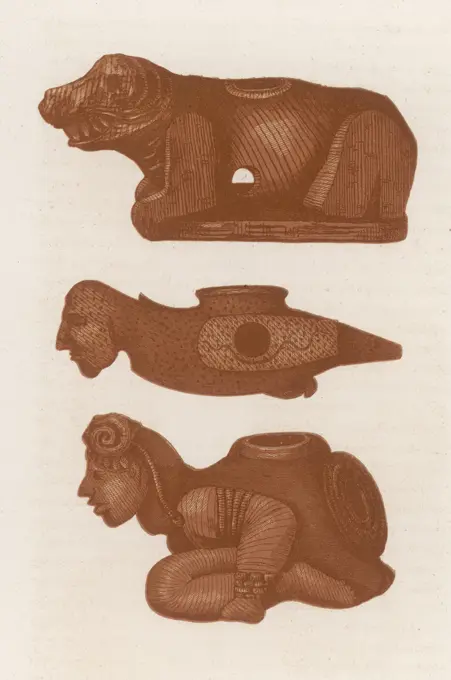
Ancient Figurines

Collection of ancient figurines depicting various styles and cultures, showcasing craftsmanship and historical significance through unique forms.

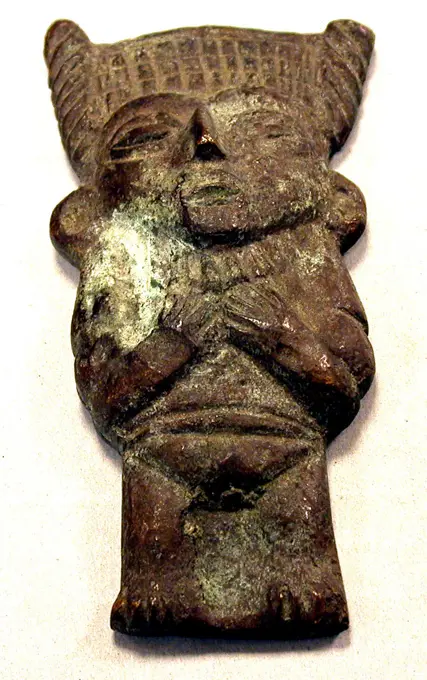
Tunjos (Votive Offering Figurine), c. 900-1550. Colombia, Muisca style, 10th-16th century. Cast gold; overall: 10.1 x 2.4 x 0.7 cm (4 x 15/16 x 1/4 in.). Unlike the other gold ornaments made in the isthmian region, tunjos were not worn; instead, they served as offerings that were deposited in sacred places such as lagoons and caves. They often depict humans who hold something.
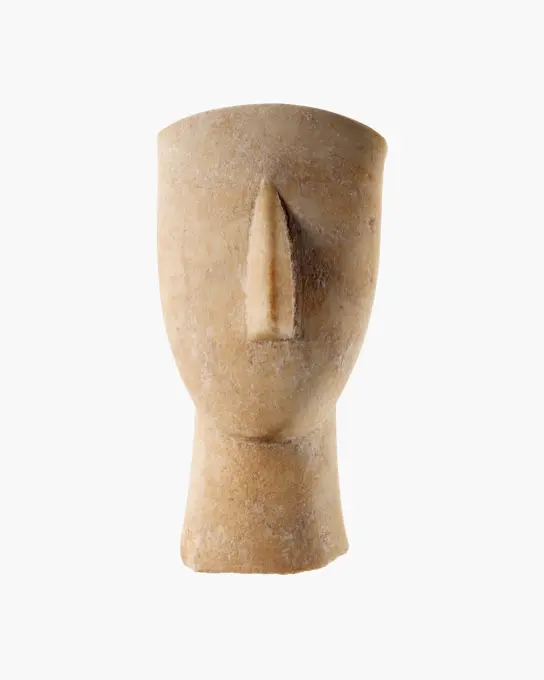
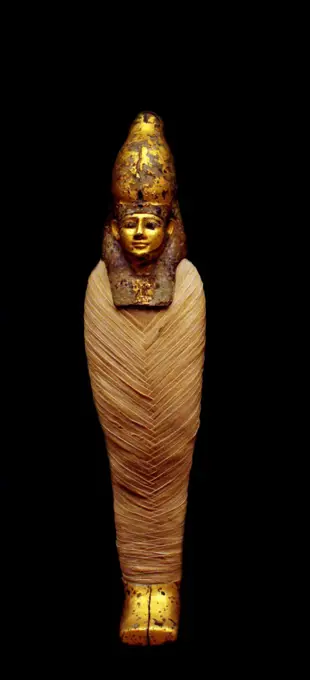
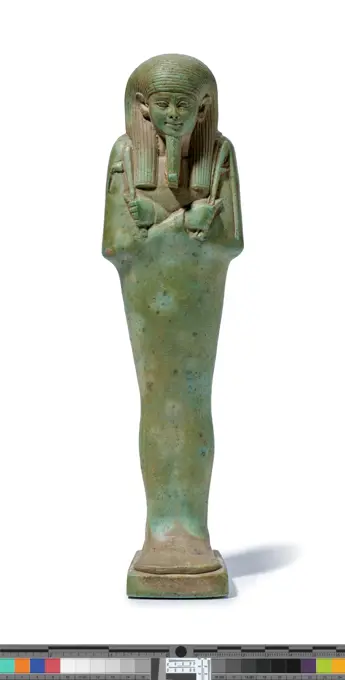
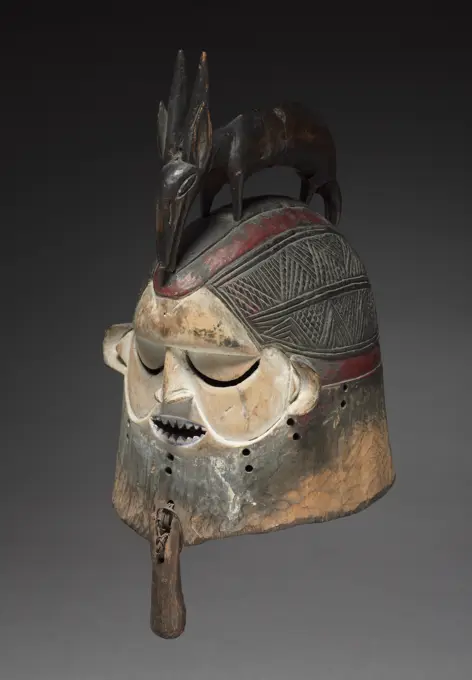
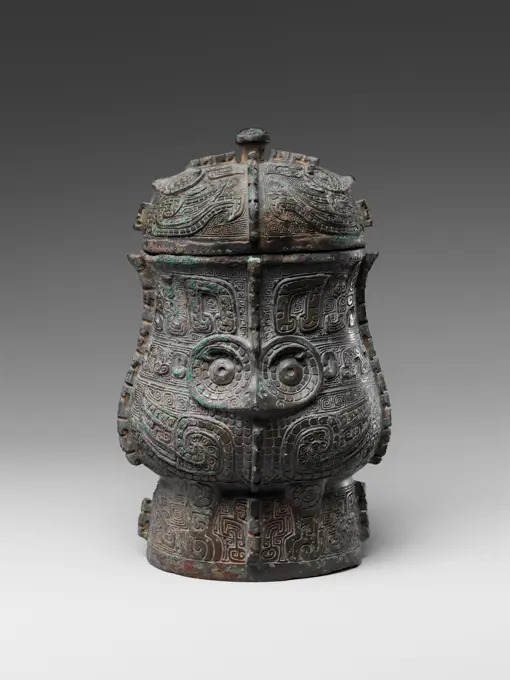
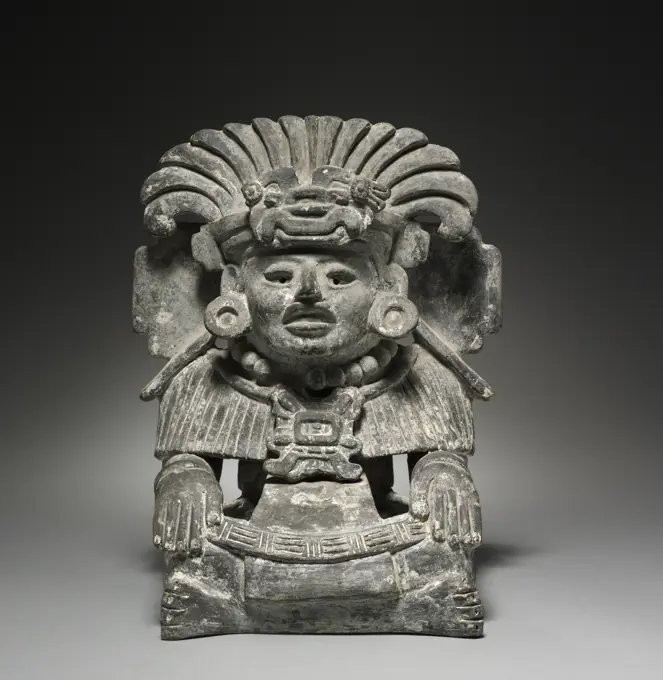
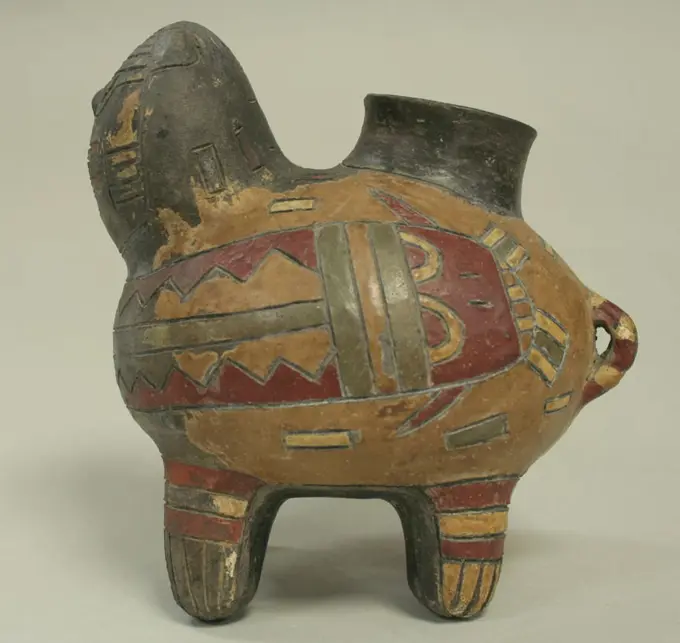
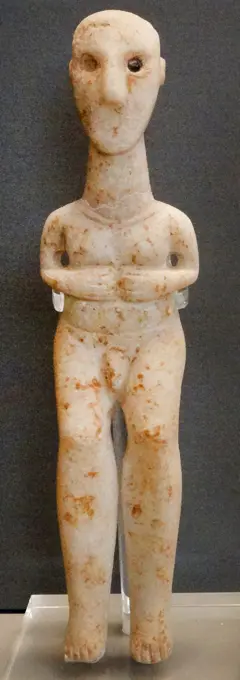
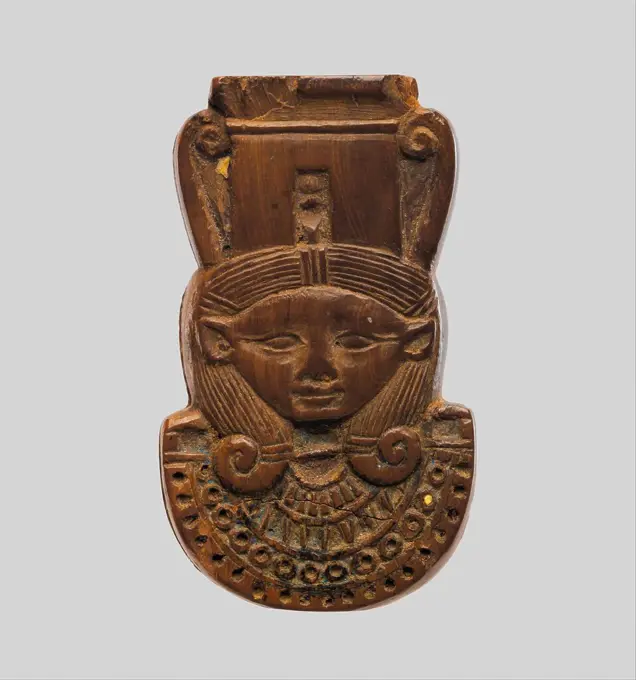
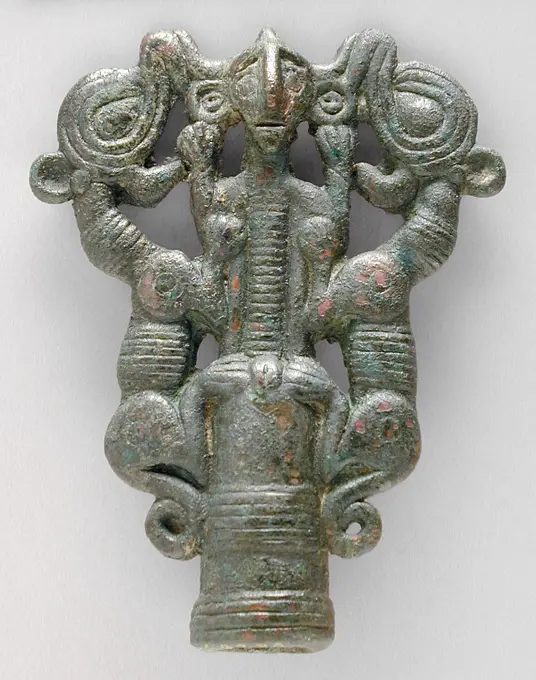
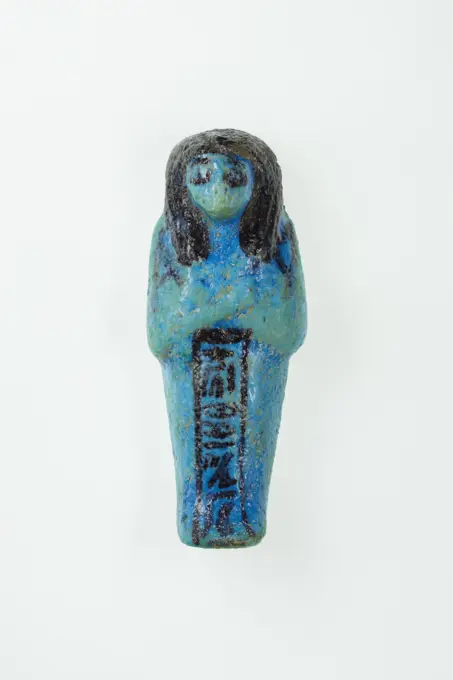
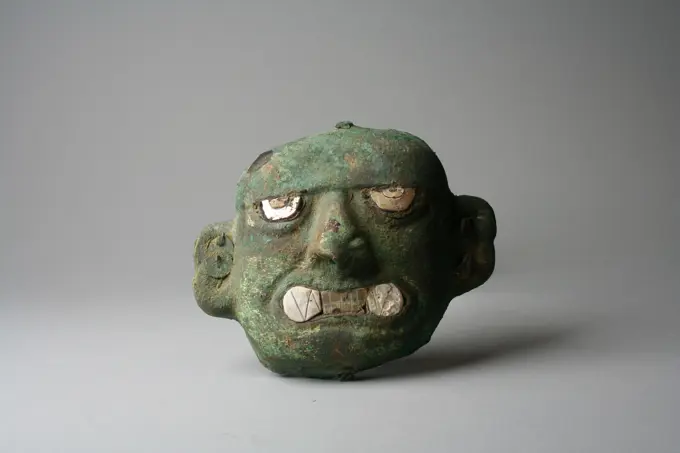
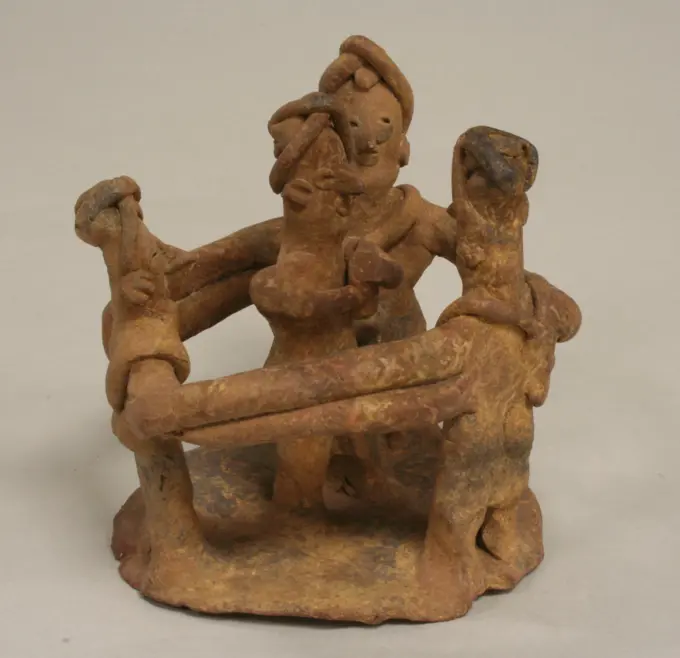
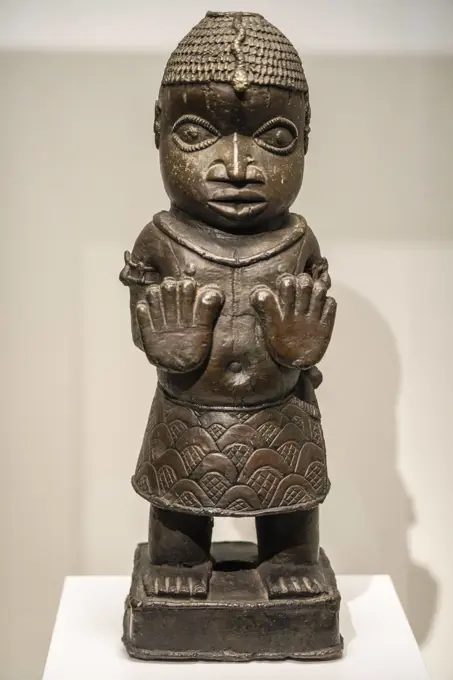
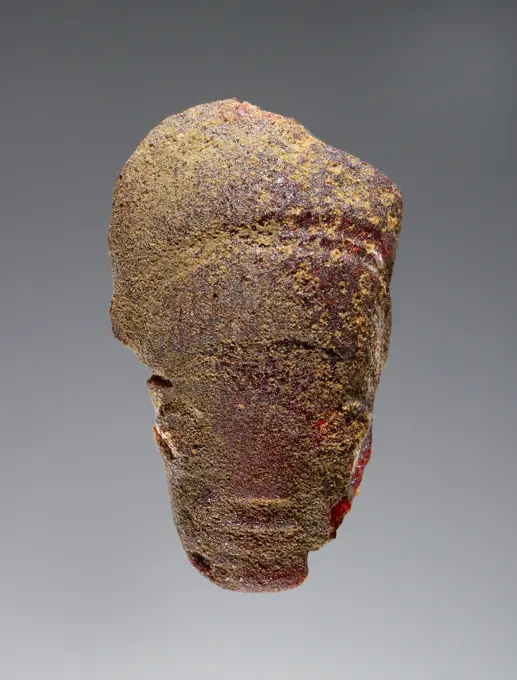
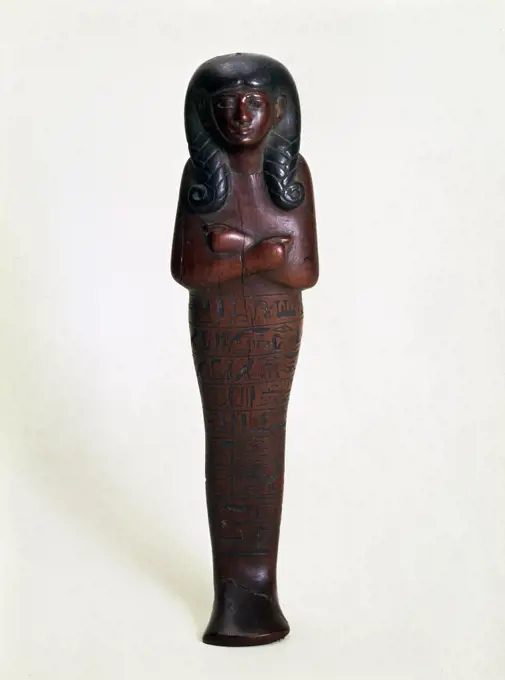
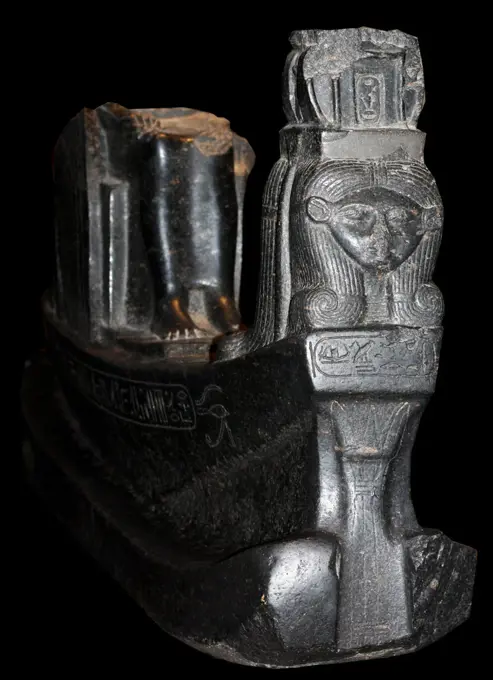
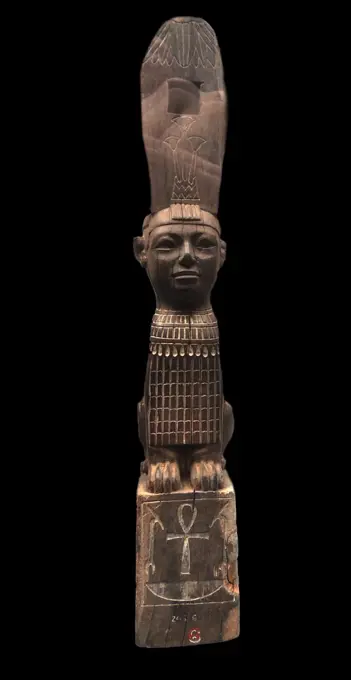
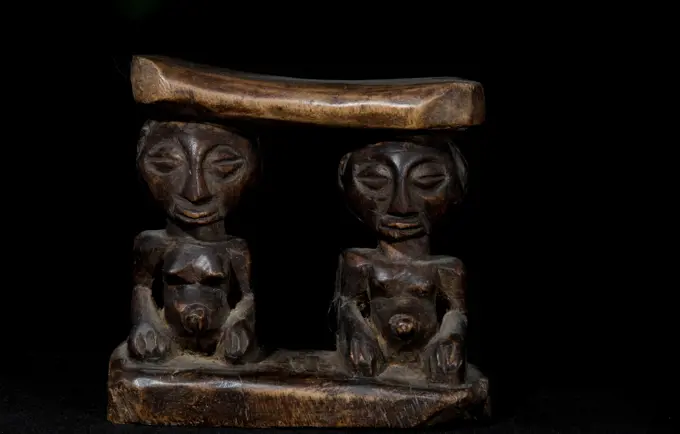
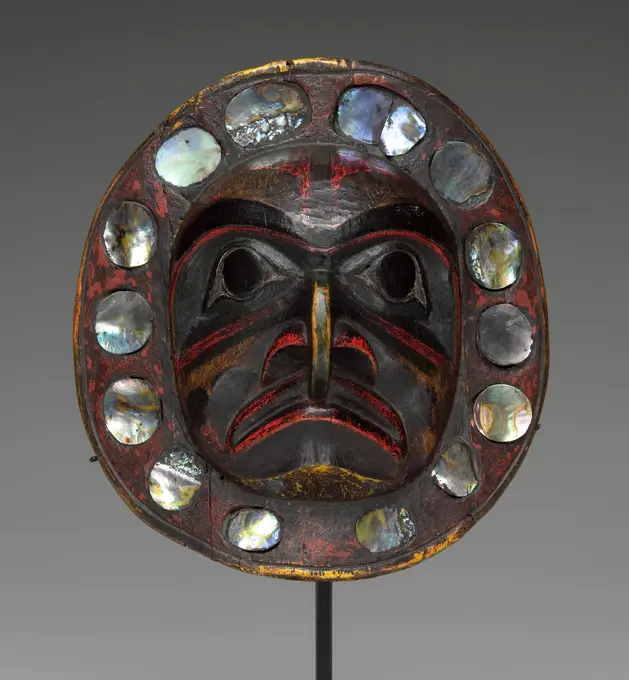
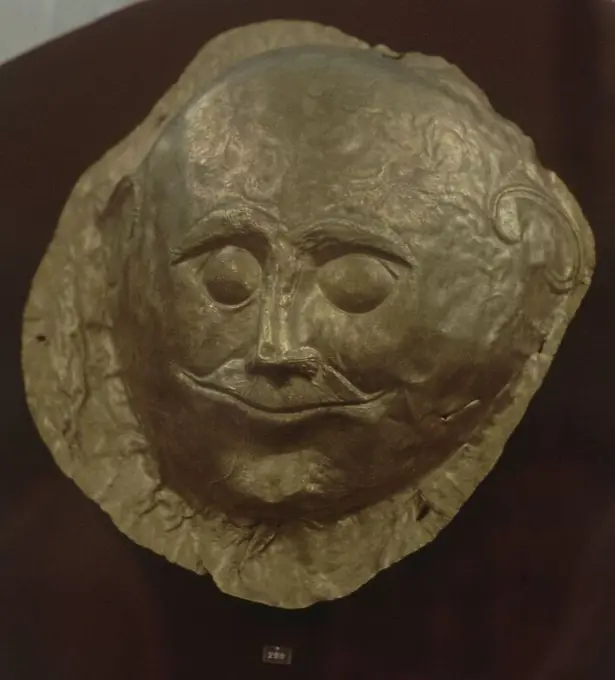
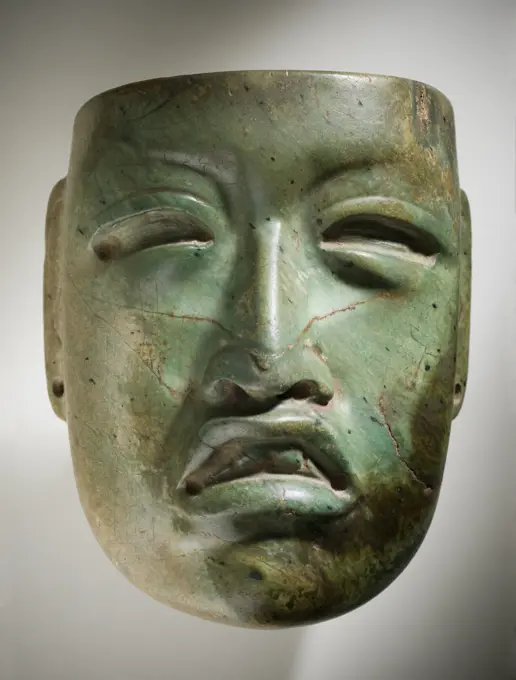
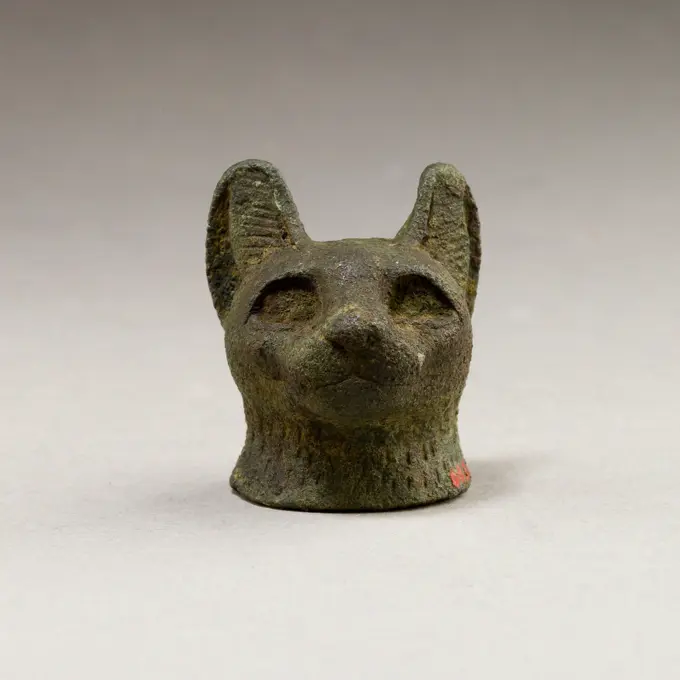
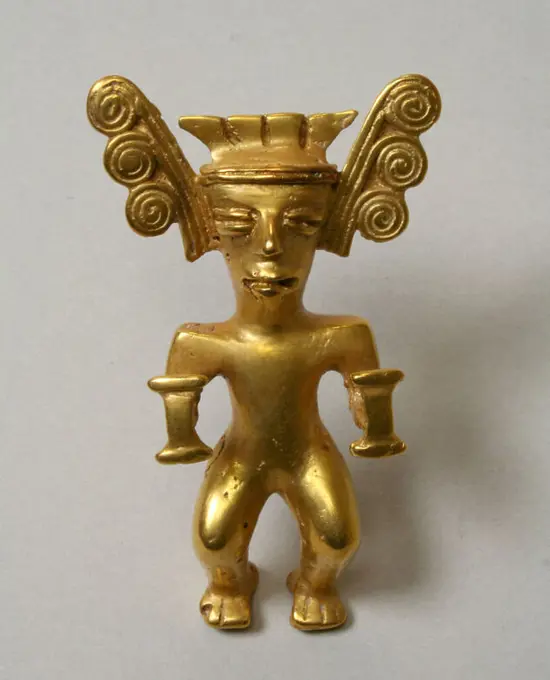
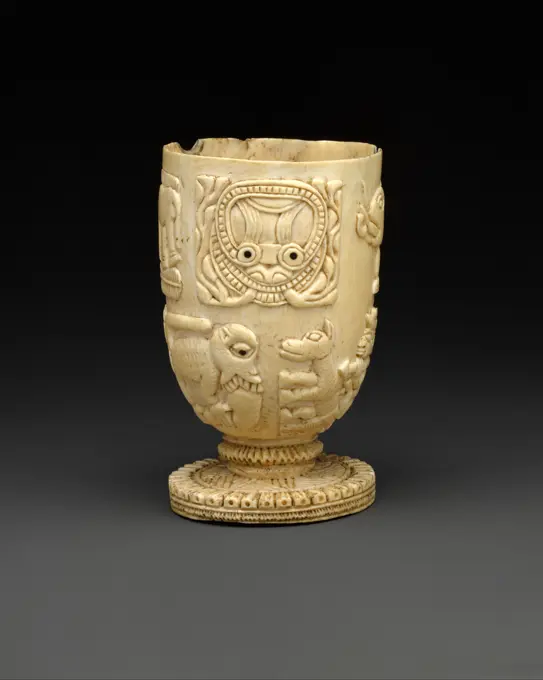
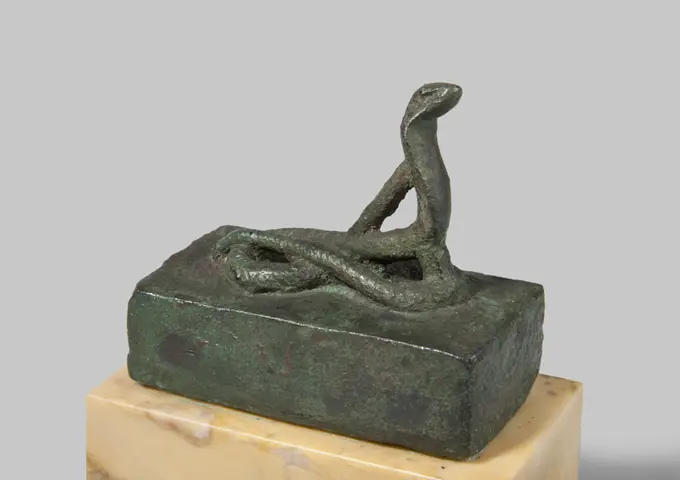
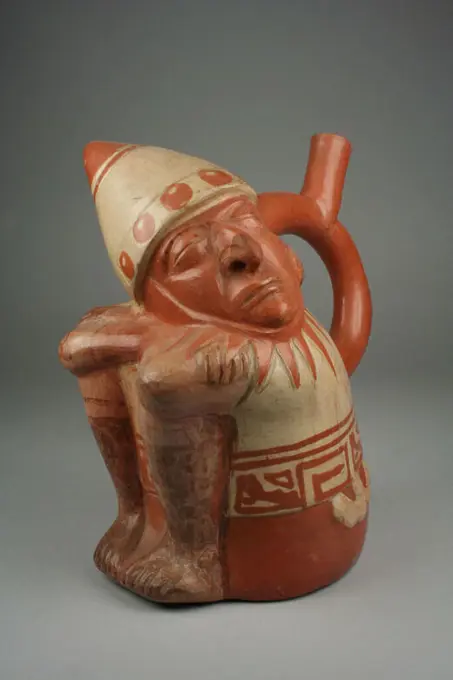
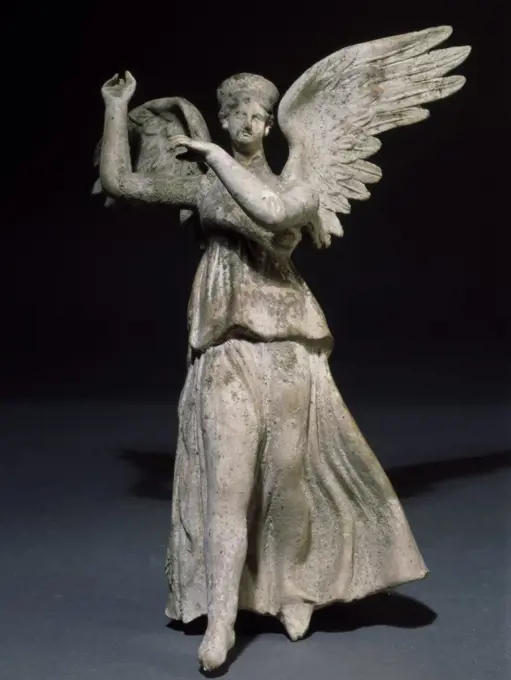
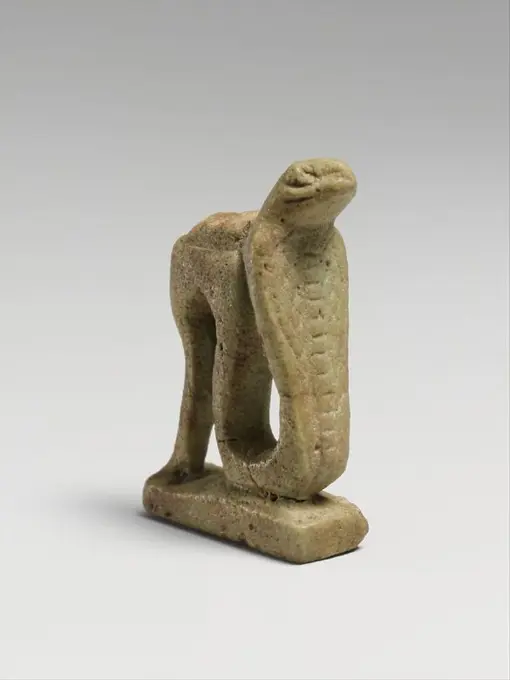
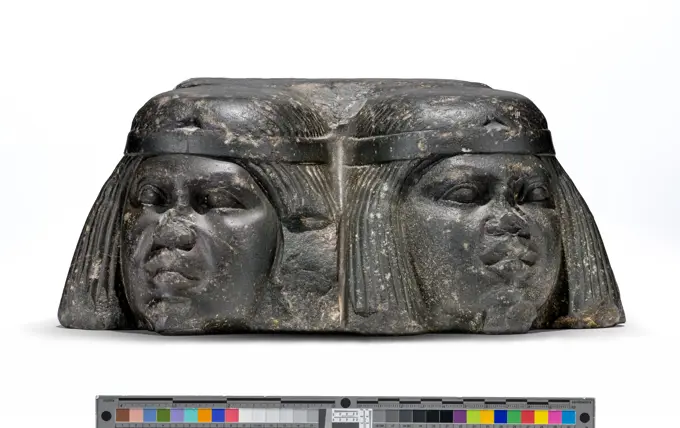
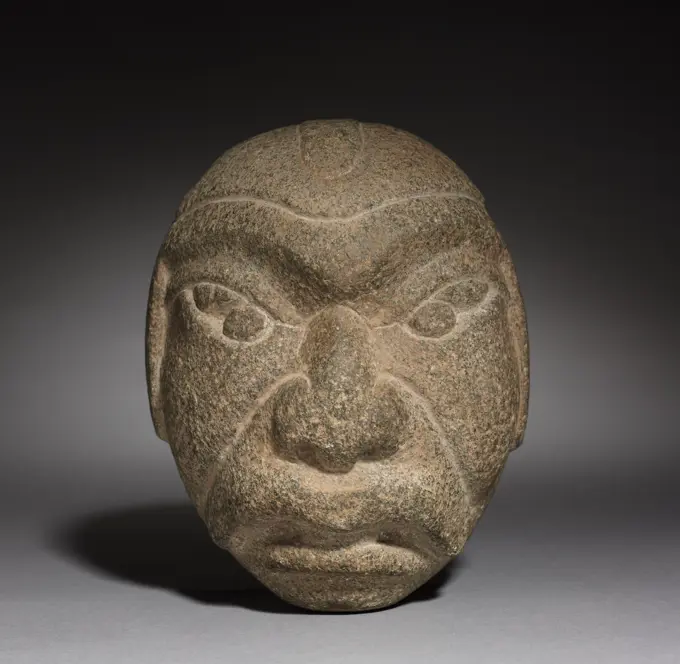
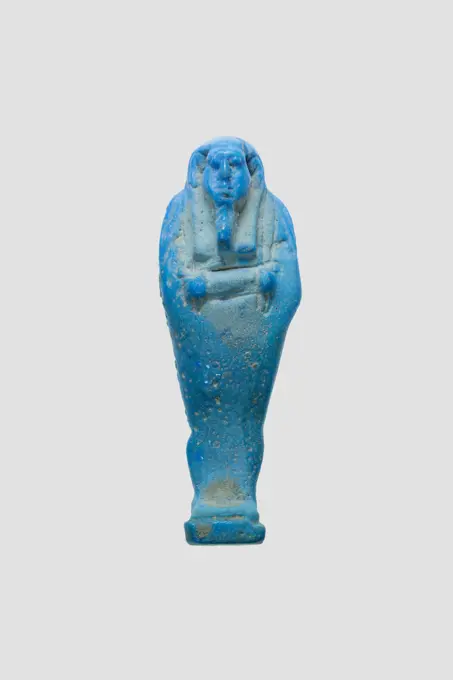
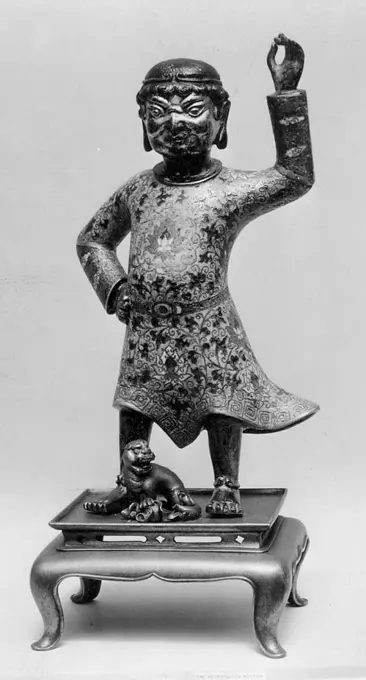
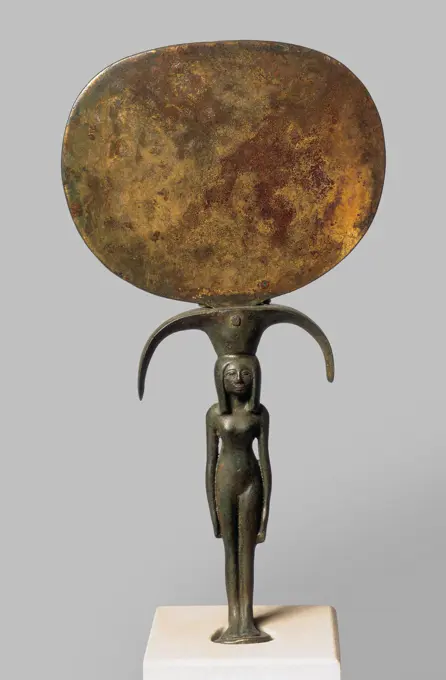
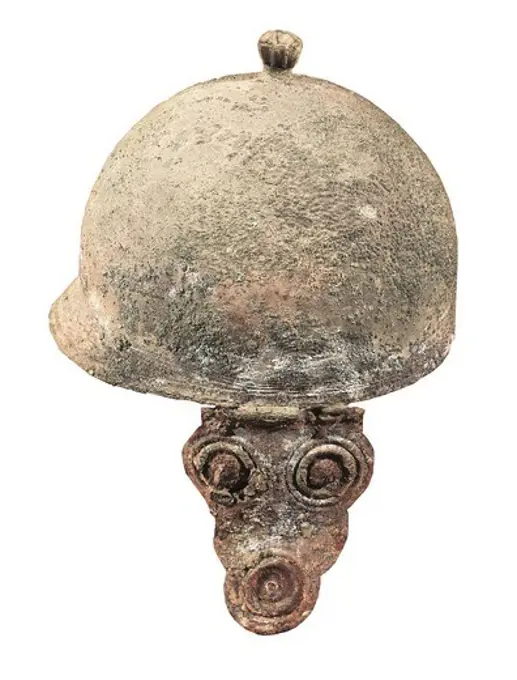
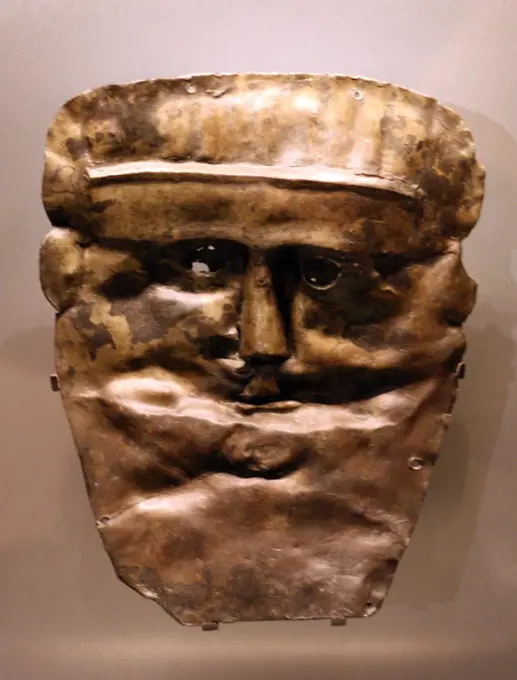
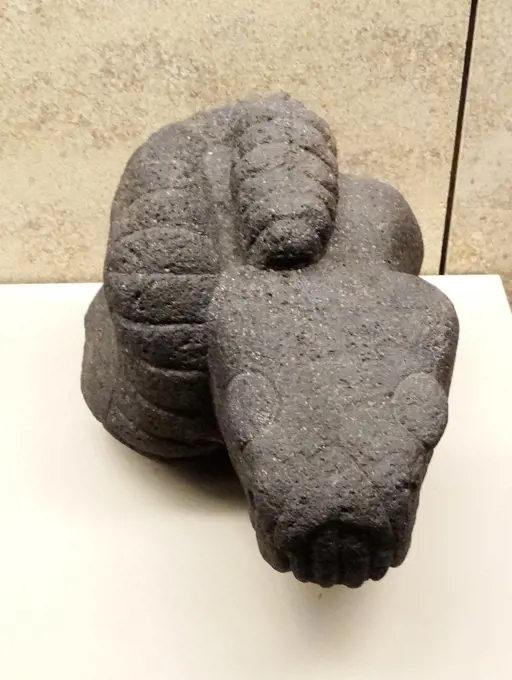
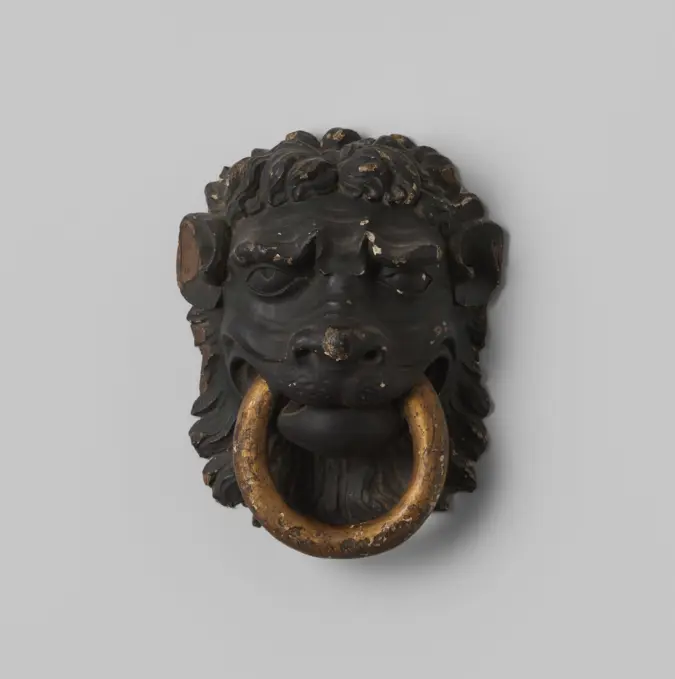
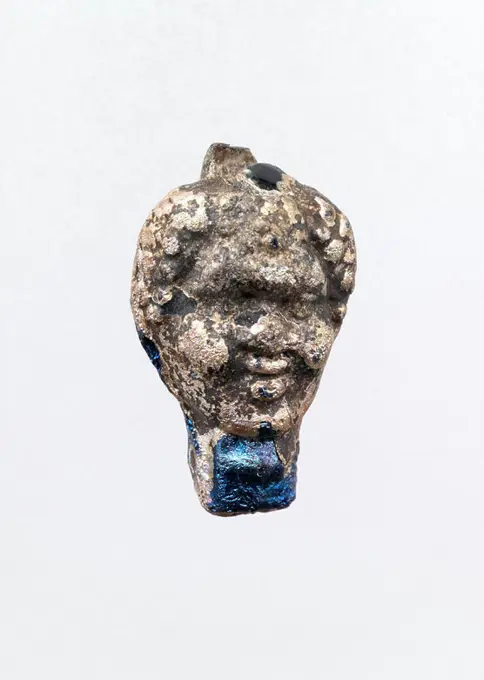
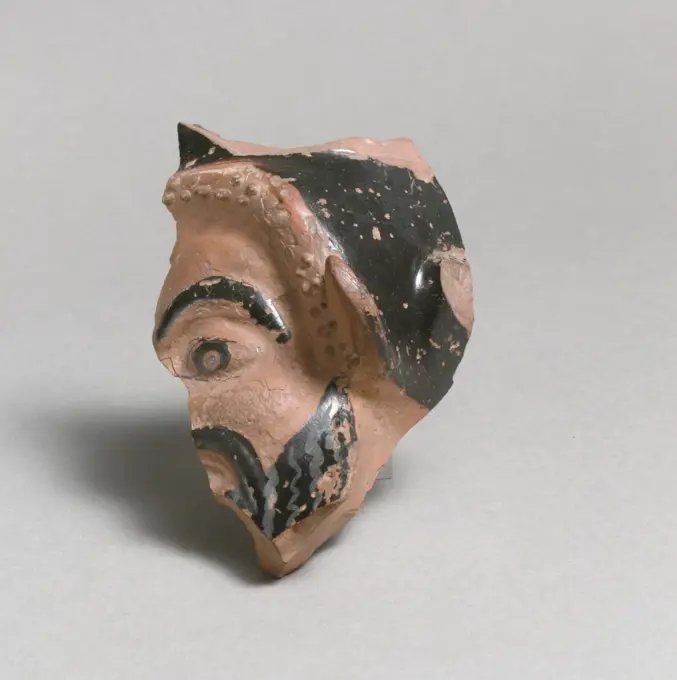
Vase fragment in the form of a satyr's head 1st quarter of 5th century B.C. Attributed to the Class O: The Sabouroff Class of Head Vases. Vase fragment in the form of a satyr's head 251538 : Attributed to the Class O: The Sabouroff Class of Head Vases, Vase fragment in the form of a satyr's head, 1st quarter of 5th century B.C., Terracotta, 3 1/2 x 2 5/16in. (8.9 x 5.9cm). The Metropolitan Museum of Art, New York. Fletcher Fund, 1924 (24.97.111)Nefertum Amulet 1070-332 B.C. Third Intermediate Period-Late Period Nefertem, child of Ptah and Sakhmet, represented youthful power, and was identified with the lotus flower, a symbol of the newborn sun and regeneration. The god wears a lotus headdress with two tall feathers.. Nefertum Amulet. 1070-332 B.C.. Faience. Third Intermediate Period-Late Period. From EgyptFemale Head, 400s. Egypt, Coptic period, 5th Century. Limestone; overall: 9 x 10.2 cm (3 9/16 x 4 in.).Shabti of Heka-em-saef, Captain of the Royal Fleet. Egypt, Saqqara, 26th Dynasty, reign of Amasis, 569-526 BCE. Sculpture. FaienceMask (hemba), late 1800s-early 1900s. Africa, Central Africa, Democratic Republic of Congo, Suku carver. Wood, reed, paint, and metal; overall: 50 x 25 x 27.2 cm (19 11/16 x 9 13/16 x 10 11/16 in.).Ceremonial Knife (Tumi) 9th-11th century Lambayeque (Sicán). Ceremonial Knife (Tumi) 309413Wine Cup (Zhi) 13th century B.C. China The principal decor on this vessel is a standing owl. Back-to-back owls also decorate the lid.. Wine Cup (Zhi). China. 13th century B.C.. Bronze. Shang dynasty (ca. 1600-1046 B.C.). MetalworkShabti Late Period 664-343 B.C View more. Shabti. 664-343 B.C. Faience. Late Period. From EgyptEffigy Urn, 1900s (Thermoluminescence date, after 1930). Mexico, Zapotec, Monte Albán IIIB style, 20th century. Gray pottery; overall: 40.5 x 31.5 x 26.5 cm (15 15/16 x 12 3/8 x 10 7/16 in.).Feline Bottle 5th-3rd century B.C. Paracas. Feline Bottle. Paracas. 5th-3rd century B.C.. Ceramic. Peru, Ica Valley. Ceramics-ContainersFigurine of an ActorFinial in the Shape of a Lion. Iran, 12th century. Metal. Bronze, engravedWooden figure for ancestor worship; Bakongo Tribe; Yombe Group; Democratic Republic of Congo; Africa 20th centuryStanding Male FigureCycladic figurine, from Naxos, Greece, Early Cycladic culture evolved in three phases, between c. 3300 - 2000 BCE, when it was increasingly swamped in the rising influence of Minoan CreteNecklace. Mexico, Oaxaca, Mixtec (), 1100-1520. Metal. GoldFunerary Mask, 1200-1500. Peru, South Coast, Chicha-Ica Valley area, 13th-16th century. Hammered silver; overall: 15.3 x 15.6 cm (6 x 6 1/8 in.).pedestal support, late classic, Santa María Nebaj, Museo de antropologia Maya, departamento de El Quiché, Guatemala, Central America.Shabti of the Treasurer of Lower Egypt Pa-abumeh, called Psamtik-seneb Late Period 595-380 BC View more. Shabti of the Treasurer of Lower Egypt Pa-abumeh, called Psamtik-seneb. 595-380 BC. Faience. Late Period. From Egypt. Dynasty 26-29Mask, 1968, 5 3/4 in. (14.61 cm), Wood, Nigeria, 20th centuryProto-Corinthian Aryballos in the Shape of a Recumbent Ram. UnknownFemale figurine - fragment;  III-II century BC () (-300-00-00--201-00-00);Hathor / Bat emblem. Dimensions: H. 3.1 cm (1 1/4 in); W. 1.9 cm (3/4 in). Dynasty: Dynasty 18. Date: ca. 1570-1479 B.C..The face and horns of this early goddess face have the wig, collar and naos acquired when the Bat emblem was combined with Hathor's sistrum in the Middle Kingdom. The wig with curls was worn by queens and private women from the Middle Kingdom to the early New Kingdom, and was adopted to adorn the Bat face when in that period it was first incorporated into the sistrum emblematic of Hathor. A small uraeus crowned with a sun disk appears in the doorway of the naos. Traces of color appear on the small ivory - blue in the collar and hair, red in the space between the volutes and the naos, and bits of gesso(). Museum: Metropolitan Museum of Art, New York, USA.Mask or Hanging Mask. Japan, Edo period (1615-1868). Jewelry and Adornments; masks. Japanese cypress wood, lacquerShabti of Ankhefenkhonsu 1069 BCE-945 BCE Egypt. Ceramic . Ancient EgyptianFinial or Socket. Iran, Luristan, Luristan bronzes, circa 1000-650 B.C.. Tools and Equipment; sockets. Bronze, castFragment of pipe signs statue, c. 1400 - c. 1950 Fragment of pipe signs statue of Maria with child ()  pipe clay Fragment of pipe signs statue of Maria with child ()  pipe clayPlastic from Syria and Upper Mesopotamia.Worker Shabti of Nany ca. 1050 B.C. Third Intermediate Period See 30.3.27.1a, b. Worker Shabti of Nany. ca. 1050 B.C.. Faience. Third Intermediate Period. From Egypt, Upper Egypt, Thebes, Deir el-Bahri, Tomb of Meritamun (TT 358, MMA 65), first corridor, burial of Nany, MMA excavations, 1928-29. Dynasty 21Limestone statuette of a seated female votary late 6th century B.C. Cypriot Seated female figure wearing veil and heavy necklace.. Limestone statuette of a seated female votary 242065Face Mask Ornament 6th-7th century Moche (Loma Negra). Face Mask Ornament 315173TESORO DE LOS QUIMBAYAS - FIGURA MASCULINA DE ORO - COLOMBIA - 200-1000 DC. Location: MUSEO DE AMERICA-COLECCION. MADRID. SPAIN.Ring of Figures 2nd century B.C.-A.D. 3rd century Colima. Ring of Figures 314784Figur mit erhobenen Handflächen Figure with raised palms, ancient Benin Kingdom, Edo people, Nigeria, Middle Period 1550-1700, lost-wax brass, MEB, Barcelona, Catalonia, Spain LicenseRF Copyright: xZoonar.com/Tolox 23171270Sande Society Mask - Sowei. Mende people, Sierra Leone, Western AfricaHead of a Female Haniwa Figure with Headdress and Earrings ca. 6th century Japan. Head of a Female Haniwa Figure with Headdress and Earrings 45547Portrait Head Bottle. Culture: Moche. Dimensions: H. 11 1/4 x W. 5 3/4 in. (28.6 x 14.6 cm). Date: 3rd-5th century. Museum: Metropolitan Museum of Art, New York, USA.Head of a Reclining Figure of the Late Spedos Variety. Attributed to Goulandris Master (Cycladic, active 2500 - 2400 B.C.) 2500-2400 B.C. This head is from a reclining figure of the Late Spedos variety. The U-shaped head has a long, rounded nose, small chin and a pronounced curvature toward the back of the head. Preserved on the surface are traces of blue paint used to define the eyes and hair as well as red dots on the cheeks and nose and a faint red line used to define the jaw.Bronze figurine of man offering patera and jug. From surroundings of Padua, Italy, Italic civilizations, PaleovenetiansPendant: Female Head. UnknownAncient Egypt, Wood Egyptian Art , circa16th-15th century BC, Russia, St. Petersburg, State Hermitage, H 26, 5Statue of the 'Sacred boat of Queen Mutemwia', 18th Dynasty Egyptian (approx. 1400 BC). Made from black granite. Found recovered from the Temple of Karnak.zoomorphic figure, classic late. , Santa María Nebaj,museo de antropología Maya, departamento de El Quiché, Guatemala, Central America.Wooden Leg of a Bed or Chair 600 B.C. Carved in the form of a Sphinx wearing a cap-like headdress. Originally the eyes were inlaid. Africa,  Democratic Republic of the Congo, tribal art, anthropomorphic headrest, Luba peopleDrinking Vessel in the Form of a Head. Inca; South coast or southern highlands, Peru. Date: 1450-1532. Dimensions: 15.2 × 12.4 cm (6 × 4 7/8 in.). Ceramic and pigment. Origin: Peru. Museum: The Chicago Art Institute, Chicago, USA.Frontlet, c. 1820, 3 3/8 x 7 1/4 x 7 13/16 in. (8.57 x 18.42 x 19.84 cm), Wood, abalone, pigment, hessian, resin, 19th century, Frontlets are masterpieces of Northwest Coast art, and many of the finest were produced by the Tsimshian. The frontlet formed part of an imposing decorative headdress worn by both men and women as the crowning feature of a ceremonial outfit that indicated wealth and status. This one is a rare, round example.The mask portrays a man transforming into a bird, perhaps an eagle, one of the four Tsimshian clans. Bright paint, now faded, is still visible on the mask's face, which is carved in this culture's classic early style. A border of shimmering abalone shell, a valuable item traded from California, rings the face. Together with its surrounding headdress, the frontlet produced an effect of great splendor.MASCARA FUNERARIA EN ORO HALLADA EN MICENAS. Location: MUSEO ARQUEOLOGICO-ORFEBRERIA. ATHENS. GREECE.Sweden, Sodermanland, Rallinge, Statuette representing Freyr, nordic fertility God, bronzeUszebti. unknown, authorMask. Mexico, Gulf Coast, Veracruz, Olmec, 1000-600 BCE. Stone. Jadeite with traces of cinnabarCat head 664-30 B.C. Late Period-Ptolemaic Period The cat was sacred to the goddess Bastet, and was offered in sanctuaries and deposited in animal necropoleis throughout Egypt. This cat has large deep-cut eyes for the addition of inlay and incised markings on the neck and back for the fur. The head is hollow and the walls of the casting are even throughout, which attest to the artists skillful casting abilities. The function of these large cat heads is ambiguous. They have been found in offering contexts, and it is commonly assumed that they formed part of a composite statuette; the full statuette, when intact, probably would have had a hollow wooden body and held a cat mummy inside, much as similar large hollow copper alloy statuettes did. However, these figures are almost never found with the composite bodies, even at sites where wood is relatively well preserved. It is possible that in some cases these cat heads were dedicated on their own, or were purposefully disassembled from thBoat;  664-332 BC ; Half period (-664-00-00--332-00-00);Small Bust of Isis. Egypt, 2nd - 3rd century CE. Sculpture. BronzeFigure Pendant. Culture: Central Caribbean (Costa Rica) or Greater Chiriquí. Dimensions: H. 2 1/2 x W. 1 1/2 x D. 5/8 in. (6.4 x 3.8 x 1.6 cm). Date: A.D. 6th-16th century.Metalworkers in the Central American Isthmus made this figure pendant by casting an alloy of gold through the lost-wax process. A thick, horizontal loop on the back of the figure's head suggests that it could have been worn by a person, but without archaeological context, it is difficult to suggest who wore it or in what setting. People may have circulated and displayed such objects to produce or reinforce power for their clan, or group of specialists (Ibarra 2003; also see Bozzoli 1975). These gold objects would have been accessible to a wide array of people and not concentrated in the hands of a select few.The present figure wears a headdress that includes a trapezoidal element at center, a double band lower at center, and spiral-ended plumes that extend from either side of the head and out above it. The eyes anCast Bronze Figure Ornament A.D. 1200-1532 Peruvian. Cast Bronze Figure Ornament 309235Costume Ornament 11th-12th century North Coast (). Costume Ornament 308769Necklace with Pendant Figure 13th-15th century Taíno This stone pendant, worn by Taíno leaders and healers, features a crouching anthropomorphic figure known as a zemí. Zemí (or cemí) is a term used by Taíno peoples the diverse societies that inhabited the Antilles archipelago before European contact. Zemí in the Taíno language refers not to an object or image but to an immaterial, spiritual, and vital force, linguistically relates to a quality akin to sweetness, pertaining to deities and ancestors. There are several known zemí identities recorded by the Spanish, some of which have been linked to archaeological images.. Necklace with Pendant Figure 314313Vessel 17th-18th century Yoruba peoples, Owo group. Vessel. Yoruba peoples, Owo group. 17th-18th century. Ivory, wood or coconut shell inlay. Nigeria. Bone/Ivory-ContainersAnthropomorphic bronze votive offerings, Iron Age, Evora Museum, Evora, Alentejo, Portugal, Europe.Thrakische Begräbnismaske aus Gold Thrakische Begräbnismaske aus Gold Copyright: xZoonar.com/TOLOxBALAGUERx 22682539MaskSarkofag węża. unknown, authorFigure of Idol. Culture: Mexico. Dimensions: H. 2 13/16 in. (7.1 cm); W. 1 5/16 in. (3.3 cm); L. 15/16 in. (2.4 cm). Date: ca. late 15th-early 16th century. Museum: Metropolitan Museum of Art, New York, USA.. Astina / Princess Sikandi mask, one of Arjuna's wives.Stirrup Spout Bottle with Sleeping Warrior. Culture: Moche. Dimensions: Overall: 8 1/4 x 5 in. (20.96 x 12.7 cm)Other: 5 in. (12.7 cm). Date: 1st-4th century. Museum: Metropolitan Museum of Art, New York, USA.Hellenistic Figure of Winged Nike from Myrina Greek Art Terra cotta  Christie's Images, London, England Cup of Buddha. Cup of a Buddha; UsNisa has been truncated; stylized face; Dull, light green patina. On base.Mummiform Horus Figure amulet Third Intermediate Period-Late Period ca. 1070-343 B.C. View more. Mummiform Horus Figure amulet. ca. 1070-343 B.C.. Wood. Third Intermediate Period-Late Period. From Egypt, Upper Egypt, Thebes, Deir el-Bahri, MMA excavations. Dynasty 21-30Animal Head Hacha 4th-10th century Maya. Animal Head Hacha 313254Faience snake amulet. Culture: Egyptian. Dimensions: H.: 1 3/16 in. (3 cm). Date: 664-30 B.C..Amulets representing animals were attributed to a deity: a hawk for Ra, the Sun God, a lion for Sakhmi, the War Goddess, a ram for Khnum and a cat for Bast. Snakes were symbols of royalty. Museum: Metropolitan Museum of Art, New York, USA.Boat;  around 1069 715; 3rd transition period, 21-22 dynasty (-1069-00-00--715-00-00);Wood and bronze sculptureHeads of Prisoners. Egypt, late 12th Dynasty, 1878-1783 B.C.. Sculpture. BasaltPilgrim's Badge 14th-16th century French. Pilgrim's Badge. French. 14th-16th century. Lead. Metalwork-LeadHead, 1200-300 BC. Mexico, Olmec, 1200-300 BC. Stone; overall: 17 x 13.3 cm (6 11/16 x 5 1/4 in.).Uninscribed shabti from the tomb of Nespekashuty() 664-610 B.C. Late Period, Saite This shabti may have come from the tomb of Nespekashuty. See 26.3.163d.. Uninscribed shabti from the tomb of Nespekashuty(). 664-610 B.C.. Faience. Late Period, Saite. From Egypt, Upper Egypt, Thebes, Deir el-Bahri, Tomb of Nespekashuty (TT 312, MMA 509). Dynasty 26Dancing Figure with Dog China. Dancing Figure with Dog 40683Hand mirror. unknown, authorMythreya modelling figure 5th century A. D collected at Muttom near Boluvampatti, Coimbatore, Tamil Nadu, South India, India, AsiaEtruscan bronze helmet (6th. c. BC). Etruscan art. Decorative Arts. ITALY. LAZIO. Rome. National Etruscan Museum of Villa Julia.Comic Actor(). UnknownReligious tin mask. Roman, circa 1st-3rd century AD. With sockets for decorative glass eyes. Wouldve originally been on a wooden backing, and carried around by a priest during a procession. From the Scared Spring in Bath, England.Aztec stone snake, stone sculpture AD 1300-1521Nocoya vessel from Costa Rica or Nicaragua AD 750-1000. Tripod earthenware vase with a birds head and red and black designPanpiper Vessel. Culture: Chimú. Dimensions: H. 8 1/4 x W. 4 1/4 x D. 2 3/4 in. (21 x 10.8 x 7 cm). Date: 14th-15th century.Made of many separate pre-shaped pieces of sheet silver joined by soldering, this engaging vessel in the shape of a man playing a panpipe is quintessentially Andean. He is dressed in a tunic and loincloth and carries a small bag over his shoulder. The chased and stippled zigzag pattern and step-fret motifs on his clothing are found on actual textiles surviving from the time the vessel was made. The man also wears a cap and earrings (one is now missing). Elaborate vessels such as this, which often have a short section cut out at the rim for pouring, were probably used in royal or ceremonial drinking rituals before being placed in the burial of an important person.Music was an essential part of political and ritual activity in many ancient American cultures. It was also performed during daily activities such as herding and working in the fields, and for entertainmŌ-Tobide. Kimura Ryūmin (Japan, active mid- to late 19th century). Japan, mid- to late 19th century. Costumes; Accessories. WoodWestern juggler, anonymous, -206 - 220 De JongLeur is dressed in a wide, waist -long jacket with a belt in the waist, a wrap on the right, tucked a pair of pants away in high boots and a flat hood with extended back on the head. He kneels on one leg and balances a cooking pot on three legs (thing), which is placed on a round scale, in his left hand; The bottom of the figure and the top of the cooking pot have round holes (diam. 0.7 and 0.4 cm respectively). China bronze (metal) casting De JongLeur is dressed in a wide, waist -long jacket with a belt in the waist, a wrap on the right, tucked a pair of pants away in high boots and a flat hood with extended back on the head. He kneels on one leg and balances a cooking pot on three legs (thing), which is placed on a round scale, in his left hand; The bottom of the figure and the top of the cooking pot have round holes (diam. 0.7 and 0.4 cm respectively). China bronze (metal) castingDoor Beater in the form of a lion's head of wood with a gilded ring in his mouth, Anonymous, 1600 - 1699 Door beater in the form of a lion's head of wood with a gilded ring in his mouth. Northern Netherlands (possibly)Netherlands (possibly) oak (wood). paint (coating). gilding (material) gilding Door beater in the form of a lion's head of wood with a gilded ring in his mouth. Northern Netherlands (possibly)Netherlands (possibly) oak (wood). paint (coating). gilding (material) gildingGlass pendant in the shape of an African's head. Culture: Greek, Eastern Mediterranean. Dimensions: Other: 11/16 x 7/16 x 3/8 in. (1.8 x 1.1 x 0.9 cm). Date: late 2nd-1st century B.C..Deep cobalt blue, appearing black.Head of a youth with negroid features: tight curled hair, deep-set eyes, broad nose, full cheeks, thick lips, and long neck; suspension loop projecting from top of head, pierced through sideways. Molded in a two-part mold with continuous seam running down sides of head and under neck.Head complete but most of loop missing; some pitting, but black weathering and brilliant iridescence covering most of head. Museum: Metropolitan Museum of Art, New York, USA.Mummy and Coffin, Egyptian, 21st Dynasty. Artist: UnknownOrnamental pipes of the Native  American (probably Comanche)  peoples in the esert states of  western America.       Date: 1862Ornament (Austro-Hungary); wood, carved, gilded, paintedRattle in the Form of a Crouching Grotesque Yaksha (Male Nature Spirit). Culture: India. Dimensions: H. 4 3/4 in. (12.1 cm); W. 4 in. (10.2 cm); D. 2 1/8 in. (5.4 cm). Date: 1st century B.C.. Museum: Metropolitan Museum of Art, New York, USA.Head of a knight figure. England, 13th century. Stone. Erworben 1994. The crusades emanated from the whole of western Europe. Most of the crusaders into the Holy Land, however, came from England and France. The German Historical Museum. Berlin. Germany.Figure of a Dog China. Figure of a Dog 42920Pahlik Mana, Butterfly Girl, Kachina dolls, Hopi culture, southwestern United States, 1900-1940, cottonwood, natural pigments and wool, Anthropology National Museum, Madrid, Spain.Coffin and Mummy of Irti-Rutja, Ptolemaic Period, 305-30 BC. Said to be from Akhmim. Painted, gessoed and gilded wood; linen; painted and gilded cartonnage.Male dancing figure, 250 BCE - 400 CE, 2 1/2 x 1 1/8 x 5/8 in. (6.4 x 2.9 x 1.6 cm), Earthenware, Mexico, 3rd century BCE - 5th century CEFigurine of Snake Goddess, circa 1450 BC, Greece, Crete, Heraklion Archaeological Museum,