Ancient Figurines

Collection of ancient figurines depicting various styles and cultures, showcasing craftsmanship and historical significance through unique forms.

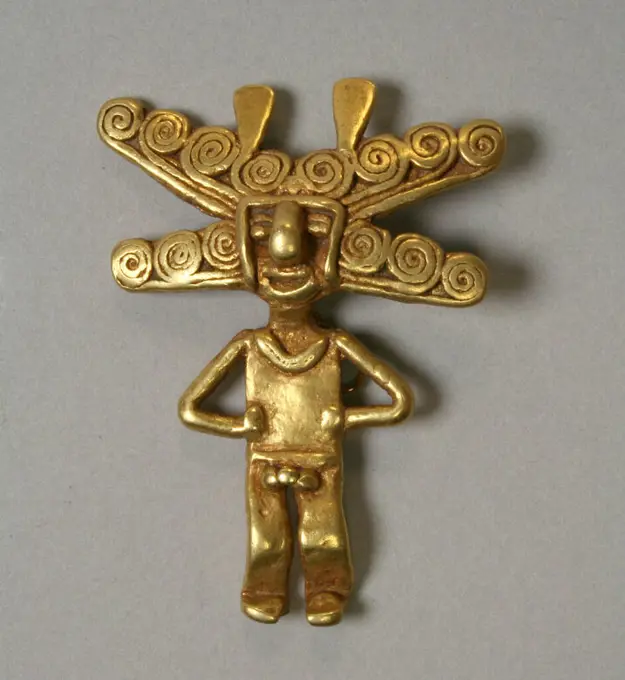
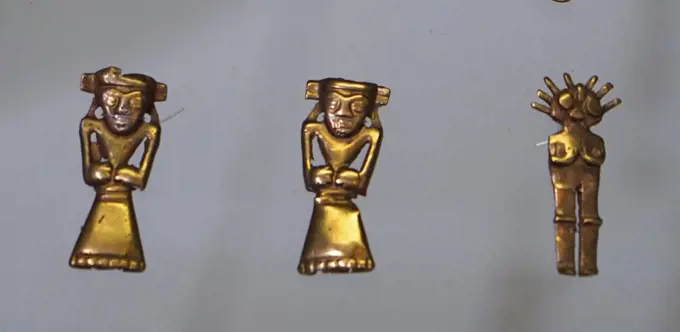
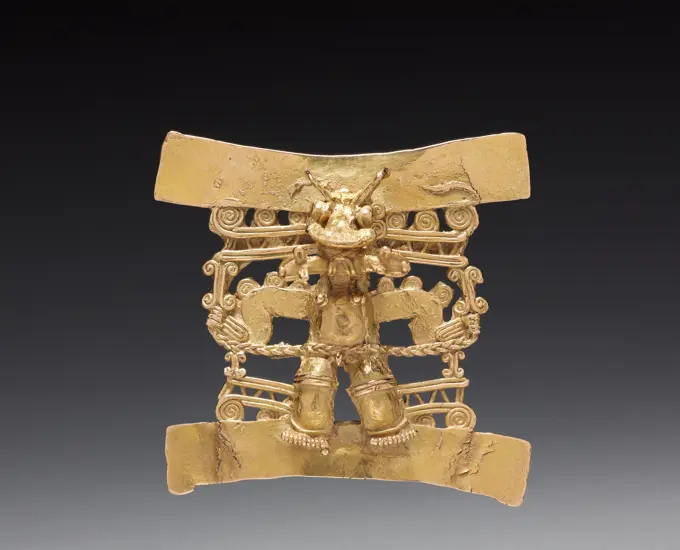
Tunjos (Votive Offering Figurine), c. 900-1550. Colombia, Muisca style, 10th-16th century. Cast gold; overall: 10.1 x 2.4 x 0.7 cm (4 x 15/16 x 1/4 in.). Unlike the other gold ornaments made in the isthmian region, tunjos were not worn; instead, they served as offerings that were deposited in sacred places such as lagoons and caves. They often depict humans who hold something.
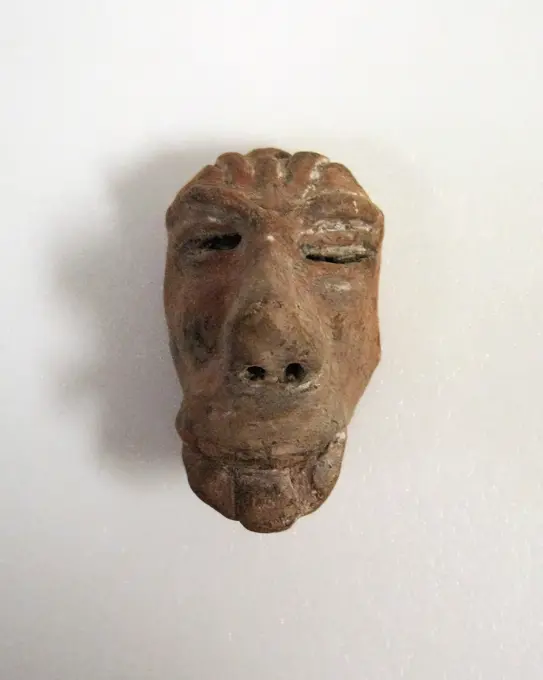
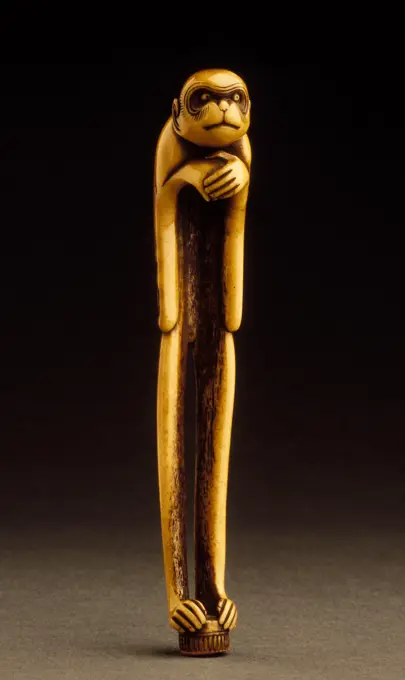
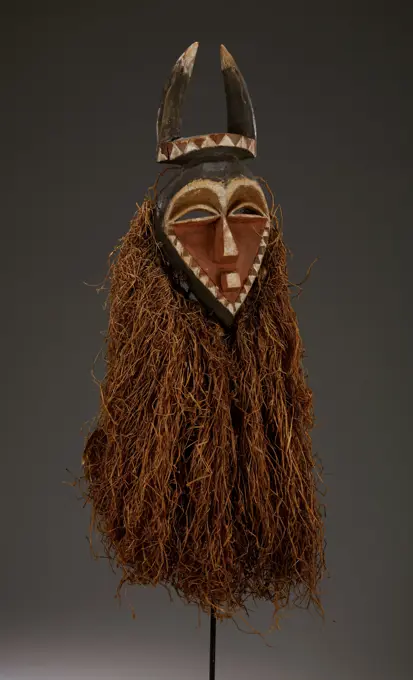
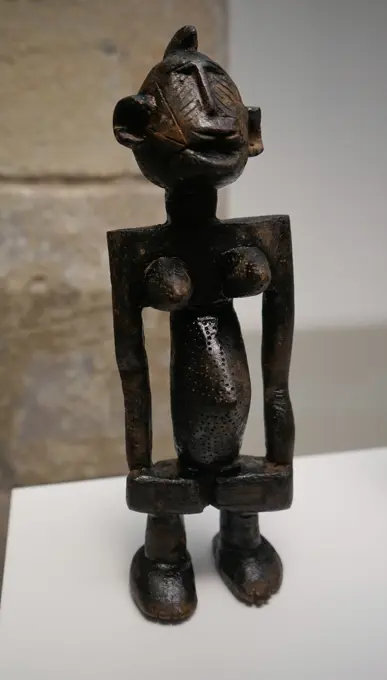
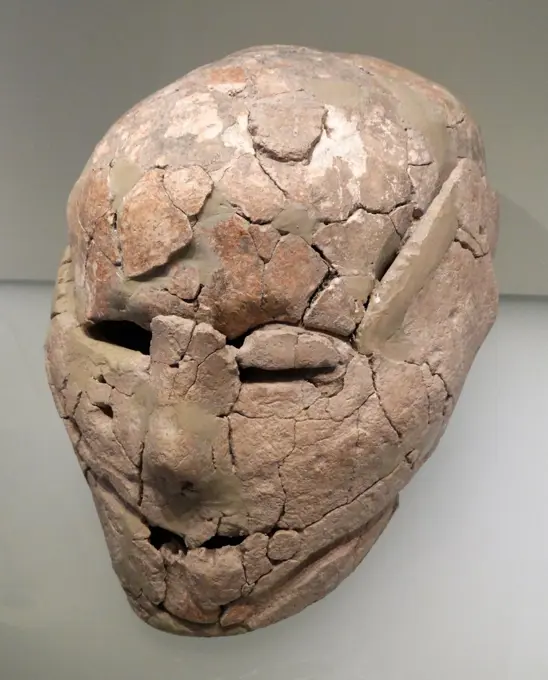
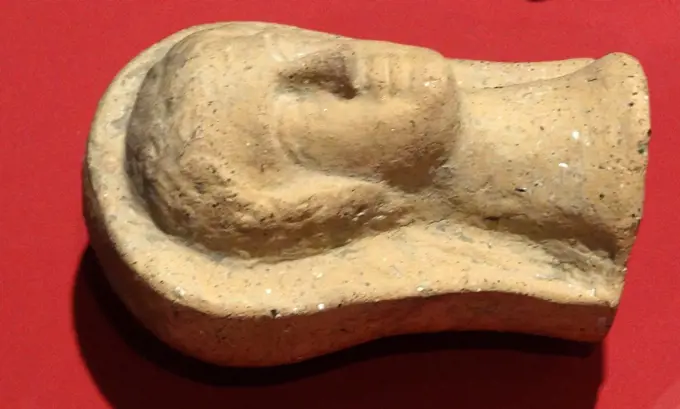
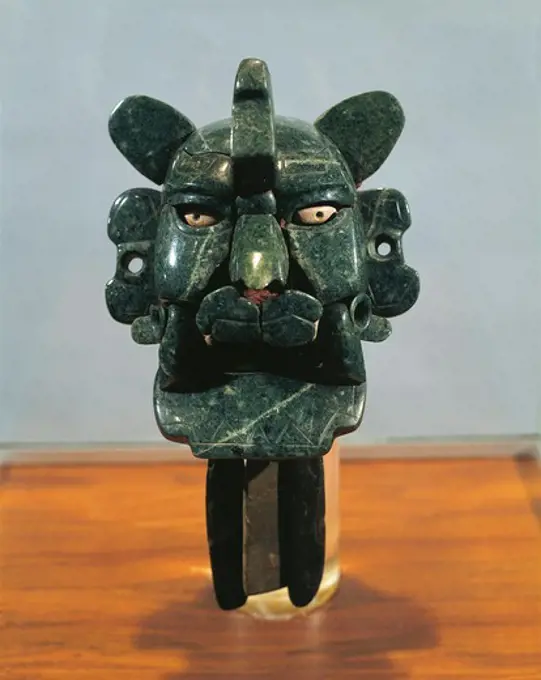
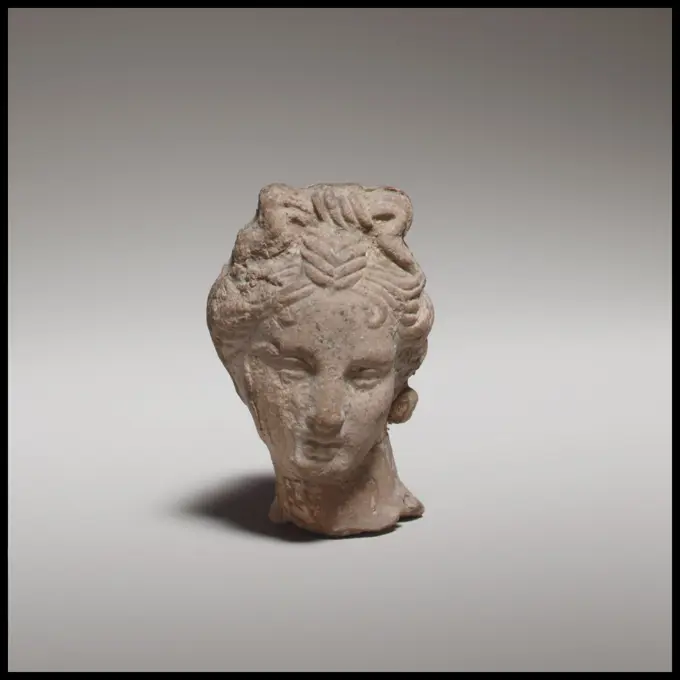
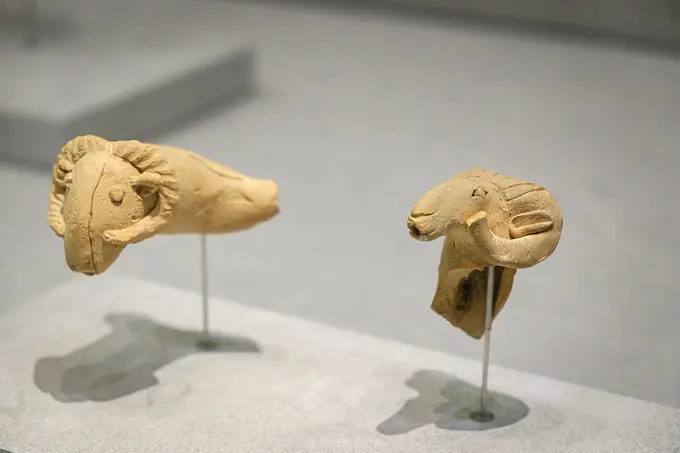
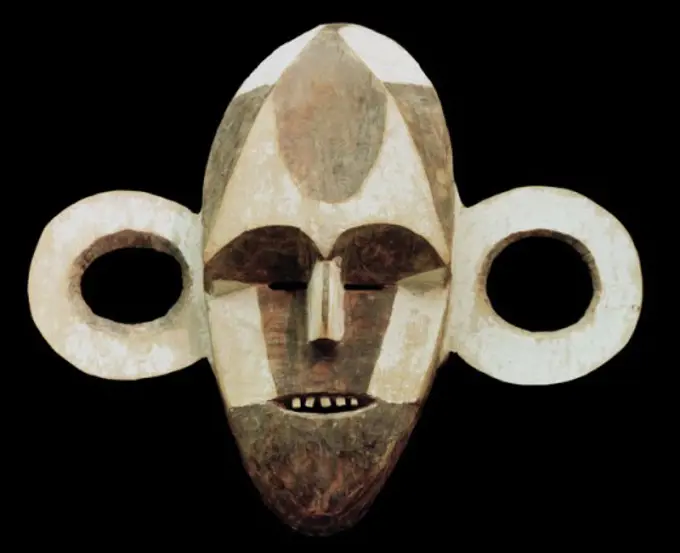
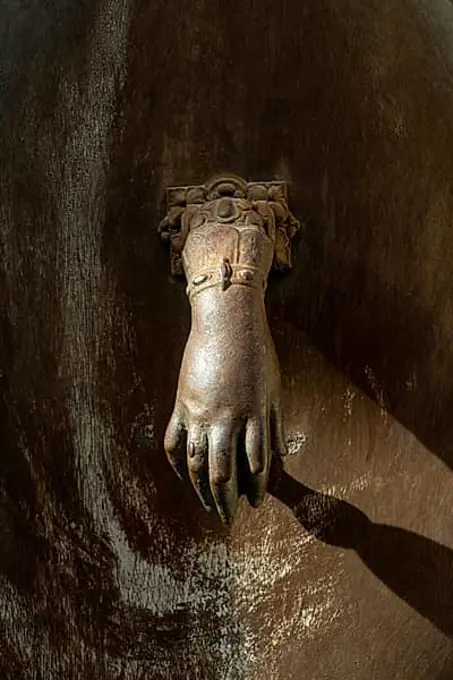
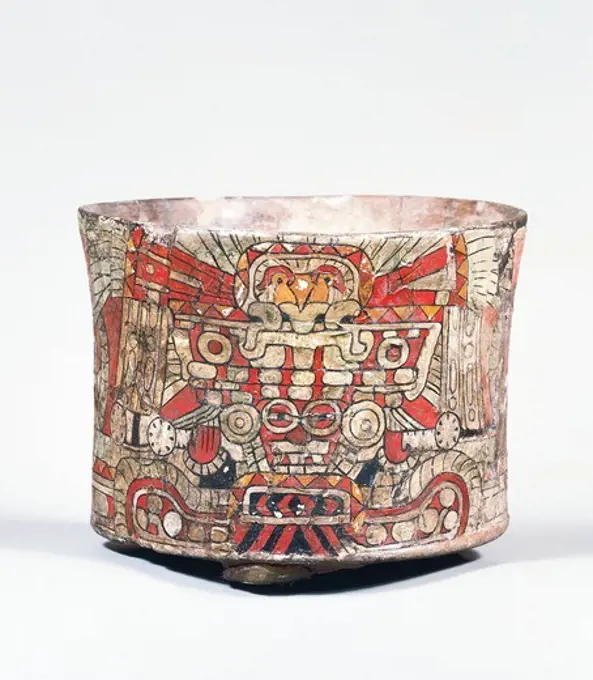
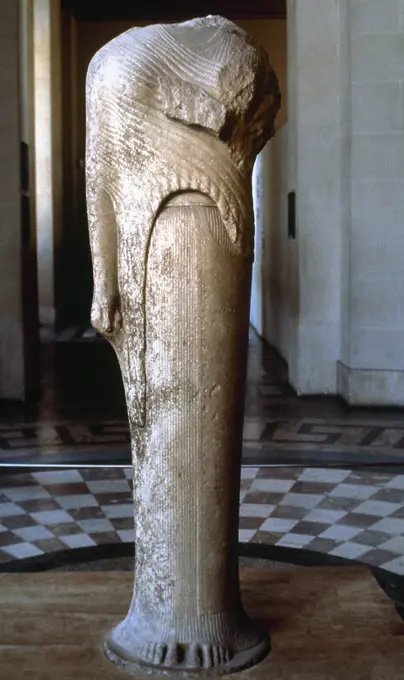
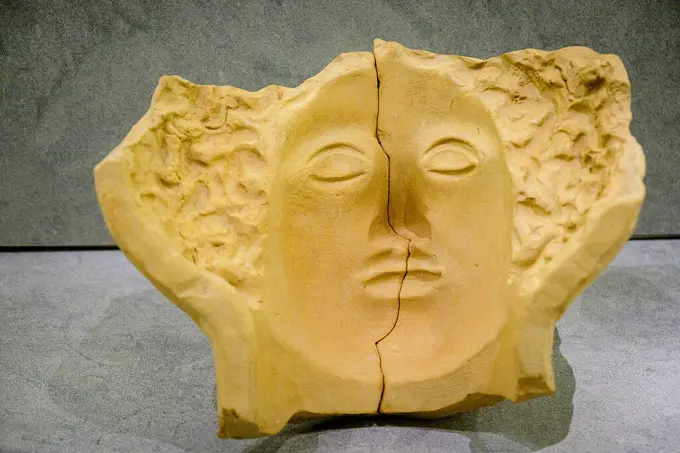
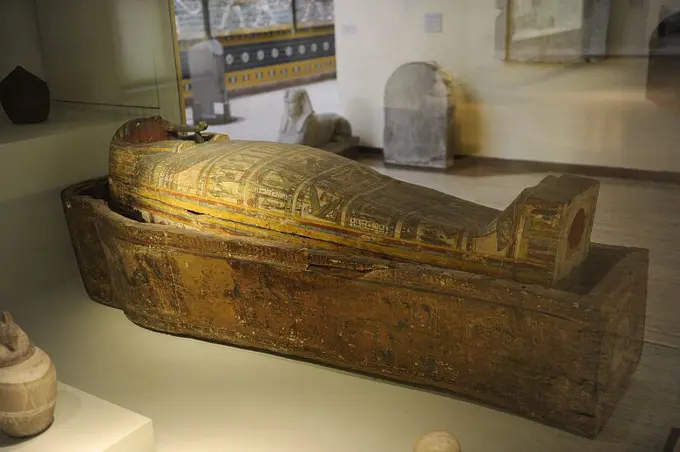
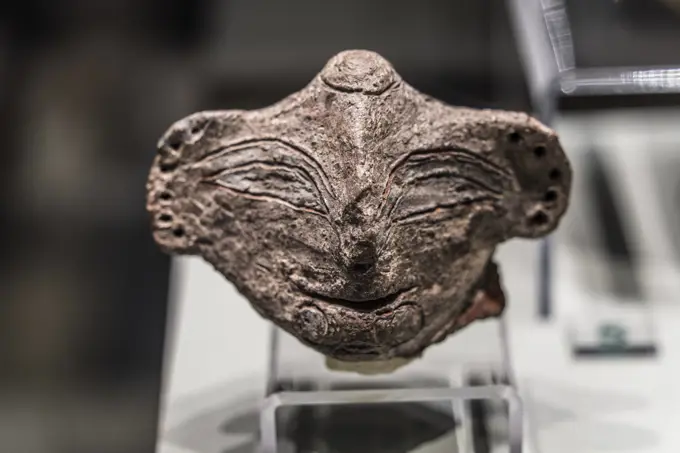
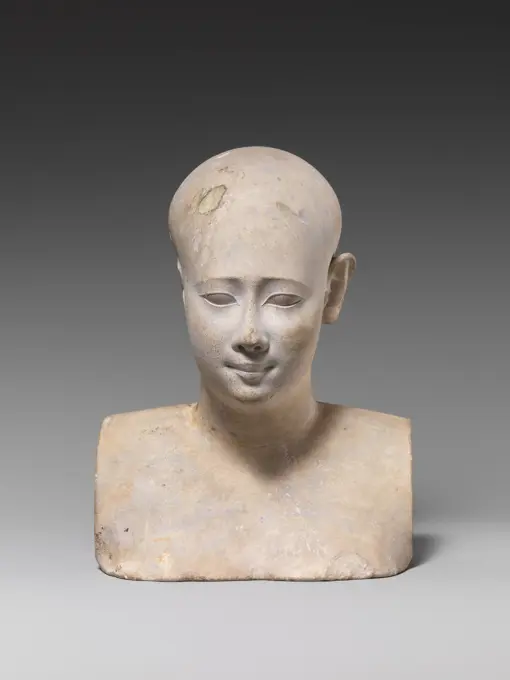
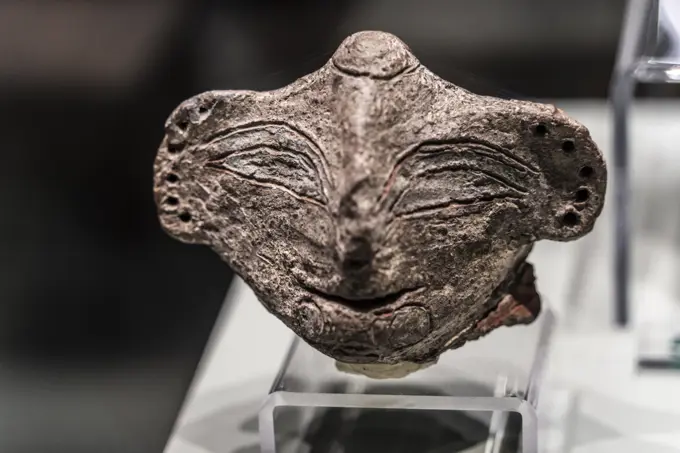
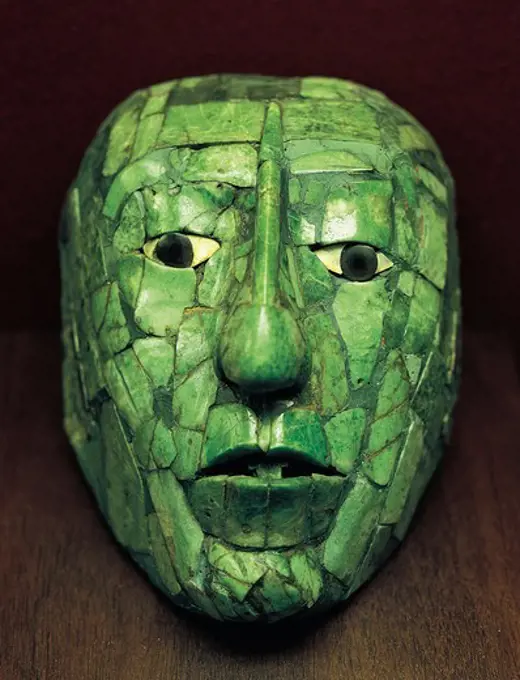
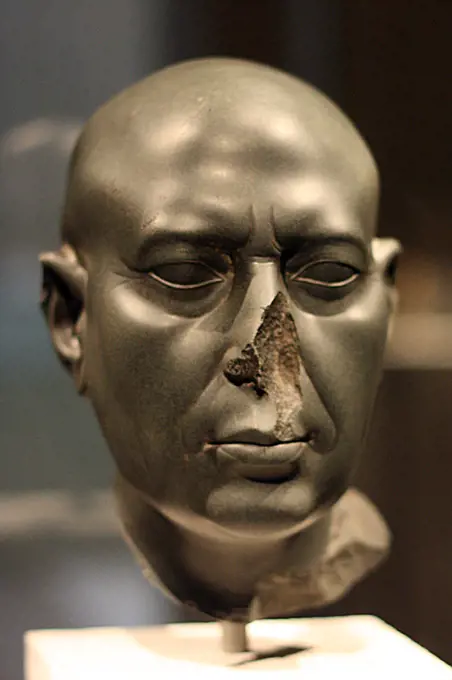
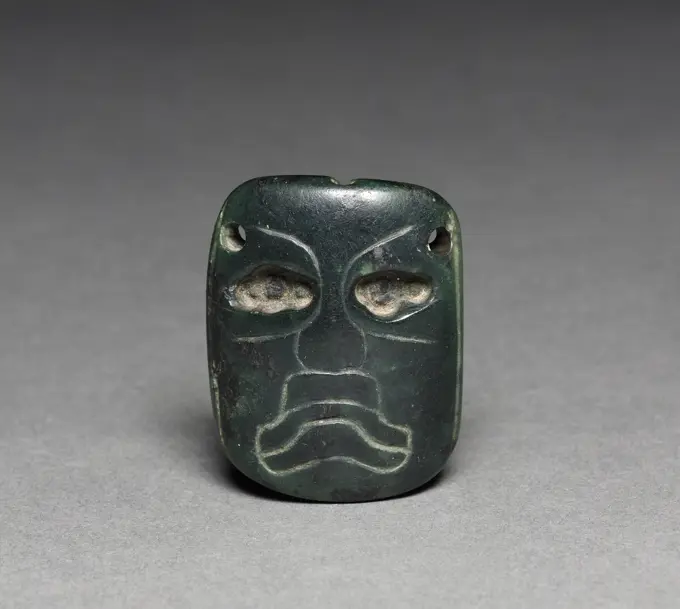
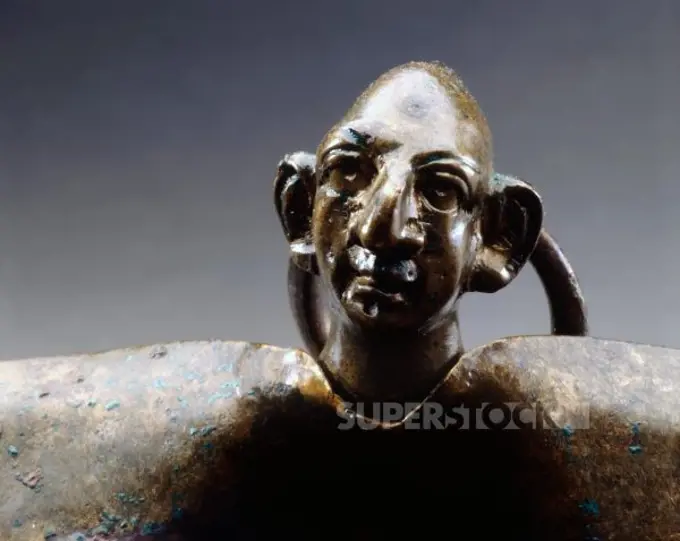
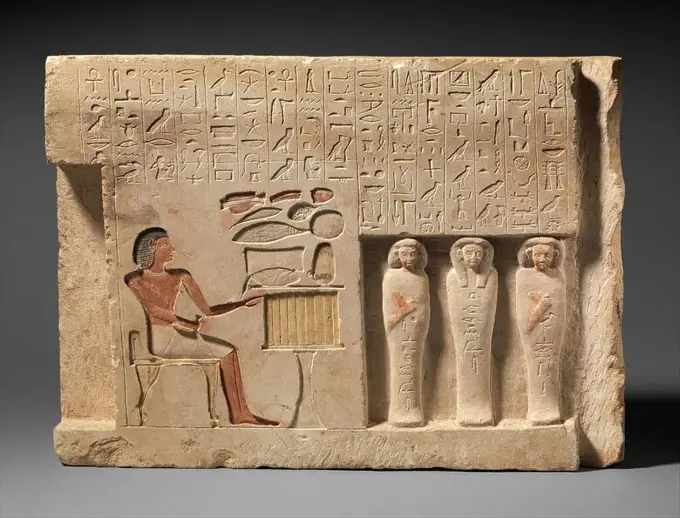
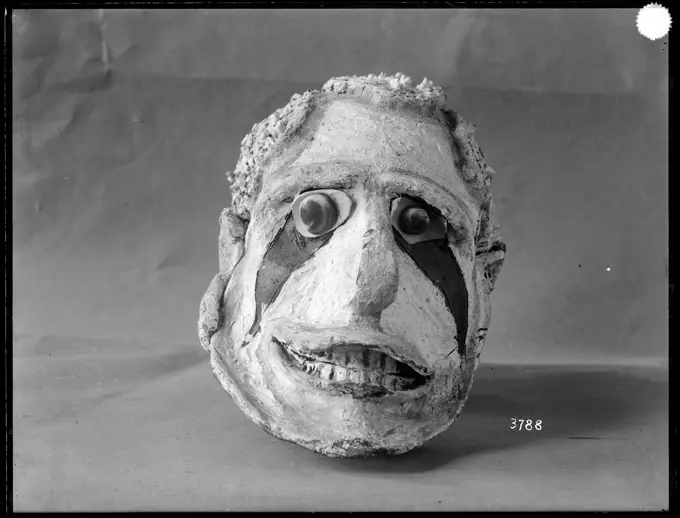
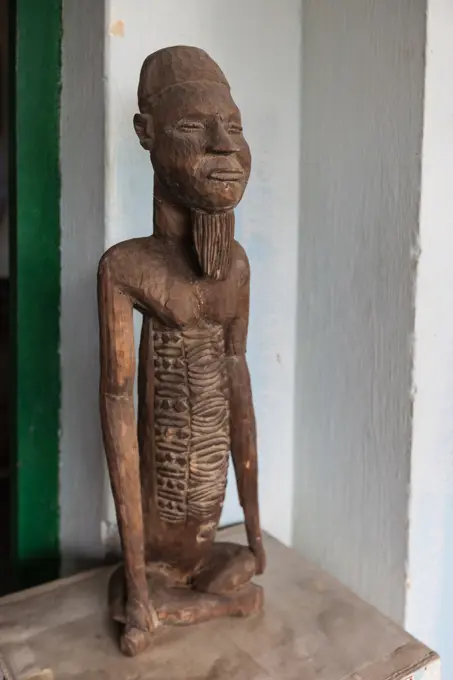
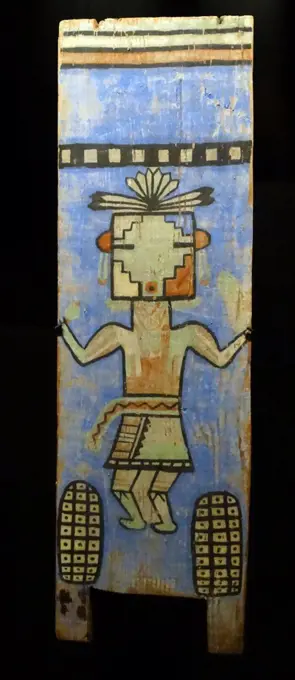
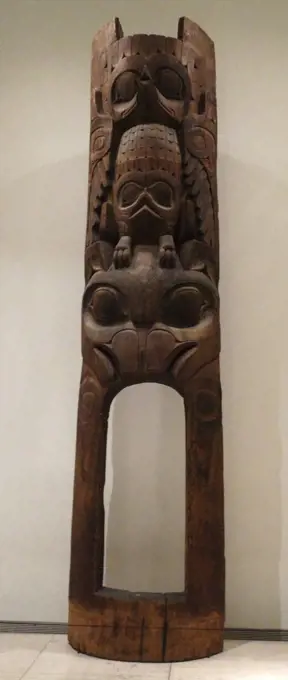
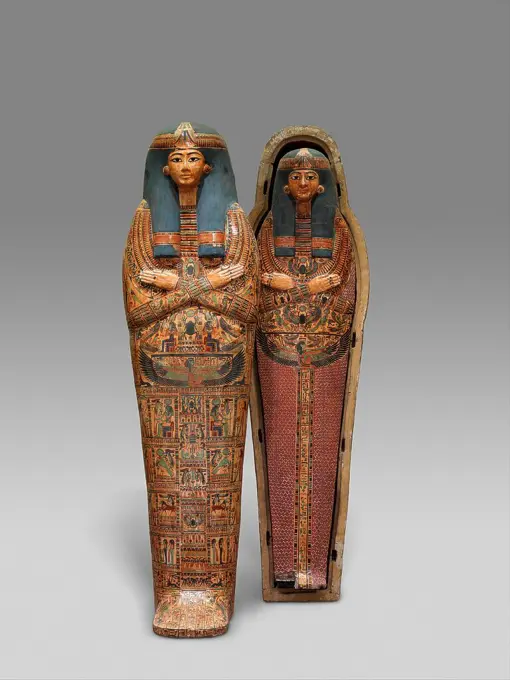
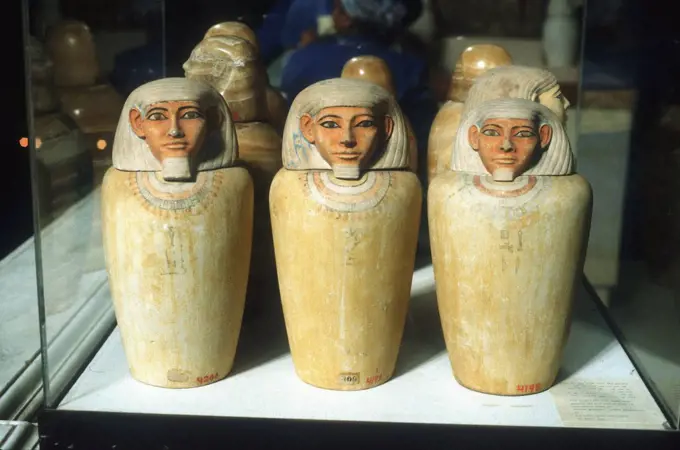
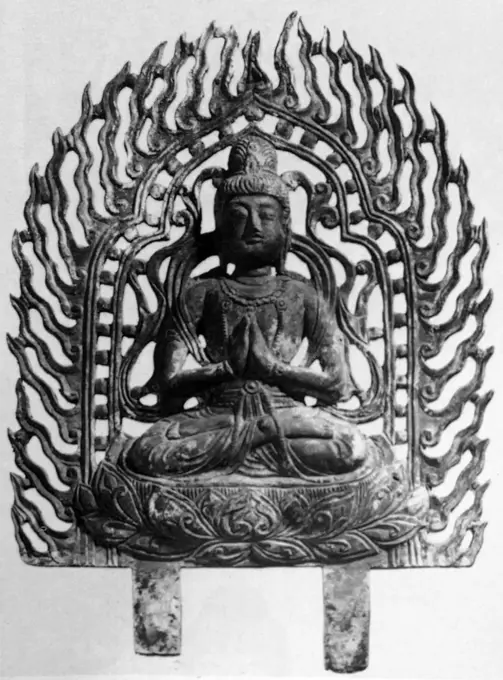
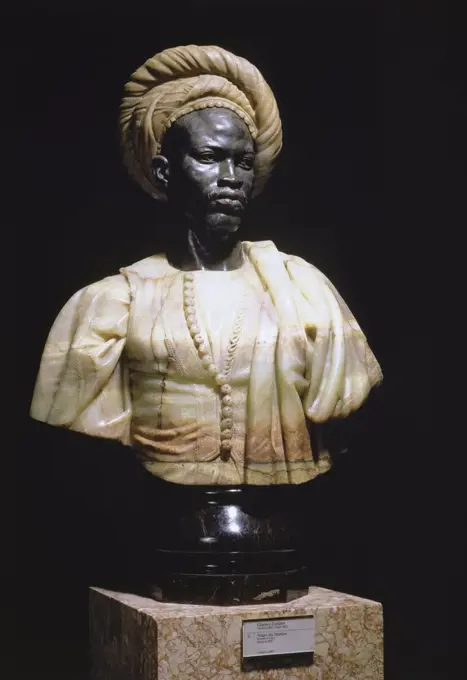
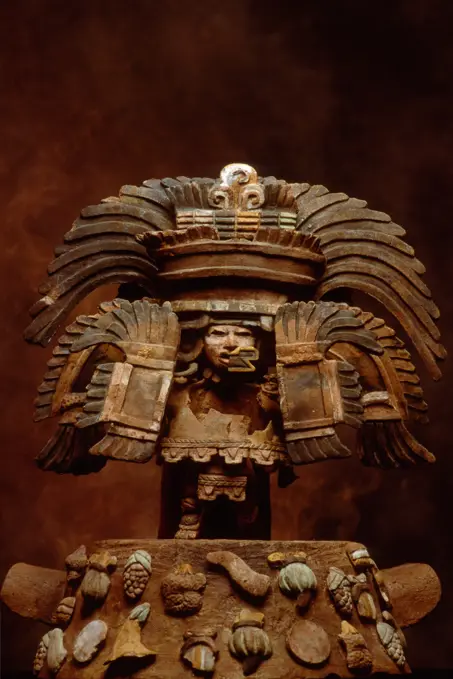
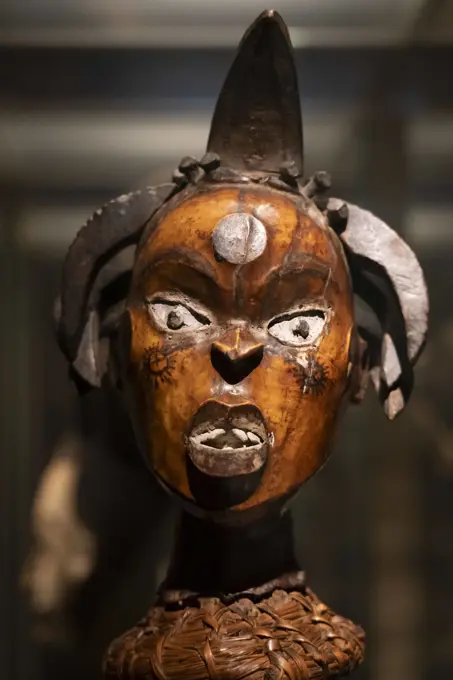
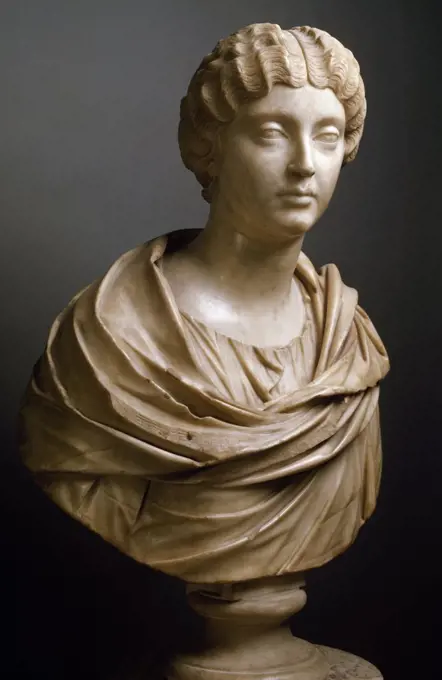
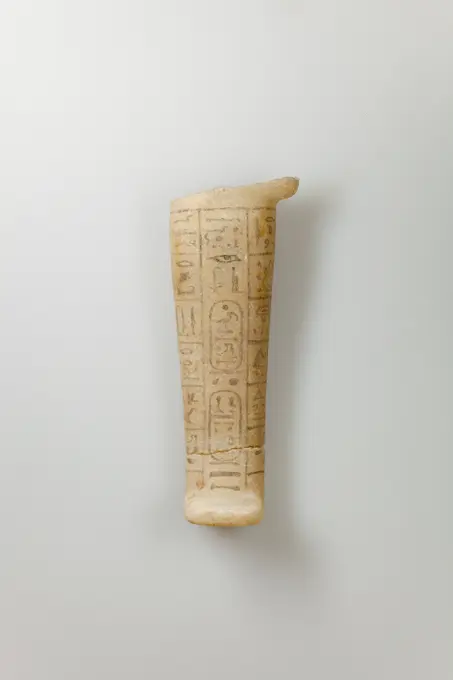
Shabti of Siptah ca. 1194-1188 B.C. New Kingdom, Ramesside. Shabti of Siptah 559256Miniature mask, 1500 BCE, Earthenware, Mexico, Pre-ClassicElongated Monkey. Ozaki Kokusai (Japan, 1835-circa 1892). Japan, mid- to late 19th century. Costumes; Accessories. Stag antler; obihasami typebronze votive offering, Iberian sanctuaries of Collado de los Jardines and Castellar de Santisteban, Iberian culture, Archeological Museum. Úbeda, Jaén province, Andalusia, Spain.Mask, 20th century, 14 x 7 x 4-1/2 in. (35.6 x 17.8 x 11.4 cm), Wood, raffia, pigment, Democratic Republic of the Congo, 20th centuryWooden female figure used for divination rituals. West African; Turka tribe 20th centuryMask from Israel. At over 9,000 years old it is considered to be one of the most ancient human portraits.Terracotta votive offering. From an Etruscan or Etrusco-Campanian selection once featured in Henry Welcome's museum. 4th-2nd Century BC.African Art Slingshot Baule African figural slingshot used in tribal hunting of rodents and birds from the Cote d Ivoire Africa Copyright: xZoonar.com/StephenxFarhallx 9703584Near East. Terracota figurines. From Mesopotamia and Iran. The State Hermitage Museum. Saint Petersburg. Russia.Head of the portrait bust of Tutankhamen, perhaps a mannequin for the King's clothes or jewellery. found in the tomb of king Tutankhamen, of Egypt. 1323 BCJade mask in the form of a batTerracotta female head 2nd century A.D. Greek, Asia Minor, Smyrna  Head of a woman, mold-made and solid.. Terracotta female head 241069Canoe prow from Papua New Guinea. Dated 20th CenturyFaience Wedjat-eye amulet ca. 1090-900 B.C. Egyptian. The Egyptian god Horus was usually depicted in human form but with the head of a falcon. His eye was taken to represent the sun, whose setting and rising symbolized loss and recoverya fitting sign for an amulet.. Faience Wedjat-eye amulet. Egyptian.. ca. 1090-900 B.C.. Clay, glazed. Third Intermediate Period. Gold and Silvercabeza de carnero, vaso ritual Kernoi, 500-450 a.C, Museo arqueológico de Ibiza y Formentera, Patrimonio de la Humanidad «Ibiza, biodiversidad y cultura», Ibiza, balearic islands, Spain.Pongdudu Mask, Boa, Democratic Republic of the Congo African Art Wood Koninklijk Museum voor Midden-Afrika, Tervuren, BelgiumGold Figure Pendant. Culture: Quimbaya (). Dimensions: H. 1 3/4 x W. 1 3/8 x D. 3/8 in. (4.4 x 3.5 x 1 cm). Date: 5th-10th century. Museum: Metropolitan Museum of Art, New York, USA.Marble head of an Athenian woman. Dated 440 BCFigure of an Ox (600-123 BC). Lluc Museum. Escorca. Sierra de Tramuntana. Mallorca. Balearic Islands. Spain.Bust of Buddha. Bust of bronze from bronze with a dark green, glossy patina.Necklace Figurine Bead, 1-700. Colombia, 1st-8th century. Cast gold; overall: 3.4 cm (1 5/16 in.).Ornament with Figure, 600-1000. Central Andes, Wari style. Shell, stone, and metal (silver); overall: 6.6 x 3.6 cm (2 5/8 x 1 7/16 in.).A close-up of Tutankhamen's second innermost coffin, also referred to as the intermediate coffin.  It is made of gilded, laminated wood with inlays of polychrome glass pastes. The treasures of Tutankhamen have been marvelled at since their discovery by Howard Carter on November 4, 1922. Gold objects from Colombia, South America, 1100-1500ADA decorative hand-shaped door knocker is firmly mounted on a weathered wooden door showcasing rich textures and an antique charm in a historic buildingGold ceremonial mask. Calima art. Jewelry. COLOMBIA. CUNDINAMARCA. Bogot. Gold Museum.Carved Box with Deities. Guatemala, Northern Petén, Maya, 450-550 CE. Ceramics. Slip-painted ceramic with post-fire pigmentCup representing Tlaloc, the God of rain, Teotihuacan Culture, terracottaHera of Samos. Statue. 570-560 BC. Louvre Museum. Paris. France.Potter's moulds and stamps, 425-100 BC, Archaeological Museum of Ibiza and Formentera, Ibiza, Spain.Egypt. Wooden coffin from Deir el-Bahri. Archaeological Museum. Istanbul. Egypt.LIRA DE ATENAS DEL SIGLO XV REALIZADA CON UN CAPARAZON DE TORTUGA. Location: BRITISH MUSEUM. LONDON. ENGLAND.anthropomorpher Figurenkopf anthropomorpher Figurenkopf Copyright: xZoonar.com/TOLOxBALAGUERx 22682507Funerary Mask A.D. 1st-4th century Roman Period. Funerary Mask 547822Bust of a priestly figure 400-200 B.C. Late Period-Ptolemaic Period Small Late Period and Ptolemaic reliefs or sculptures that depict a subject in a partial or unfinished way but are themselves finished objects constitute a special class of object. Guidelines like those for artists are often prominently exhibited as part of the object, although, in fact, many instances can be noted where the object simply could not serve as a suitable model for a traditional formal Egyptian representation. Personifications of kingship, figures that may represent the now emerging demigods Imhotep and Amenhotep Son of Hapu, and popular gods like Harpokrates or Isis, are heavily represented within the corpus. Taken together, the figures represented and the other features indicate the reliefs and sculptures of this class, sometimes called by Egyptologists "sculptors models / votives," were the material of a donation practice, perhaps connected with the prolific temple building of these centuries. UnfortunAmulet of the Goddess Bastet as a Seated Cat 664 BCE-30 BCE Egypt. Faience . Ancient EgyptianAfrican object. Pottery, Mangbetu, Congo. American Museum of Natural History. NY. Unites States.Lady of Elche. 5th-4th century BC. Iberian culture. Limestone female bust, originally polychrome. From La Alcudia, Elche (Valencian Community, Spain). National Archaeological Museum. Madrid. Spain.Tumbaga ritual anthropomorphic figurine, from ColombiaEre Ibeji, 20th century, 12 5/8 x 4 1/2 x 4 1/16 in. (32.1 x 11.4 x 10.3 cm) (including attached wood mount), Wood, beads, thread, metal, Nigeria, 20th centuryanthropomorpher Figurenkopf anthropomorpher Figurenkopf Copyright: xZoonar.com/TOLOxBALAGUERx 22682372Animal-Headed Figure Pendant, c. 1000-1550. Costa Rica, Diquís region, 11th-16th century. Cast gold; overall: 8.7 x 9 x 3.1 cm (3 7/16 x 3 9/16 x 1 1/4 in.). Among the pendants shown here are a crustacean (1943.290), an animal-headed figure (1948.18), and two pendants featuring birds (1951.442 and 1946.223). The latter were dubbed aguilas (eagles) by Christopher Columbus, who saw natives wearing them as necklace ornaments. Modern researchers are not as sure of the species shown, but some believe that they are birds of prey because talons and beaks are prominent and often clutch something, in one example here a small, disembodied head that holds a clapper. In both examples, two tufts in the form of crocodiles in profile flank the birds heads.Jade mask with mor-of-pearl for eyes from Palenque, MexicoFigural vases used in burials, 550 B.C., Anoakia, Archaeological Museum in the former Order of St John Hospital, 15th century, Old Town, Rhodes Town, Greece, Europewooden african mask isolated on white backgroundBerlin Green Head , 30 Dynasty, about 350 BC greywacke Gift of James Simon, 1895Mask, 1200-300 BC. Mexico, Olmec, 1200-300 BC. Jade; overall: 3.9 x 4.7 cm (1 9/16 x 1 7/8 in.).Head of a Bishop Saint. German, Rhenish. Date: 1300-1500. Dimensions: H. 37 cm (14 1/2 in.). Stone. Origin: Germany. Museum: The Chicago Art Institute, Chicago, USA.Handle consisting of a little head of the head priest Isis, detail of a bronze shell-shaped cup, House of Fabio Rufo, Pompeii, Campania, Italy. Roman civilisation, 1st century AD.Woman's head still bank, c. 1890, 5 1/4 x 4 1/4 x 4 3/8 in. (13.34 x 10.8 x 11.11 cm), Ceramic, pigment, 19th centuryRelief from the Chapel of the Overseer of the Troops Sehetepibre. Dimensions: H. 30.5 cm (12 in.); W. 42.5 cm (16 3/4 in.); Th. 10.6 cm (4 3/16 in.). Dynasty: Dynasty 13. Date: ca. 1802-1640 B.C..The "overseer of troops" Sehetepibre, son of Satankhu was the owner of a commemorative chapel which housed two relief slabs in the collection (65.120.1, 65.120.2). On these slabs, he is seen seated at an offering table, but he and his family are also depicted as mummies.Although Egyptian hieroglyphs could be written in either direction, the preference was right to left. Thus, the list of Sehetepibre's family begins on slab 65.120.2 and continues on this slab with (at right) Djehutihotep, son of Iti; Gifit ("the monkey"), daughter of Djedes; and Sehetepibre, son of Djedes. Although their exact relationship to Sehetepibre is not always clear, all of these individuals were probably members of his family. Museum: Metropolitan Museum of Art, New York, USA.Head of a child Juan Pérez (Vizcaíno), sixteenth century, carved, gilded and polychrome pine wood, Royal monastery of Santa María de Veruela, 12th century Cistercian abbey, Vera de Moncayo, Zaragoza province, Spain.Melanesian mask from New Ireland, 1912 - 1926, by James McDonald.Africa, Republic of Congo, Diosso. Wooden Congolese fetish object at the Ma-Loango Museum.Pair of bronze jambs which belonged to gladiator of Thracian origin, decorated with reliefs depicting head of Gorgon, From ErcolanoArizonian wooden dance wands from the Hopi tribe of North America. Dated 19th CenturyHouse frontal pole from a Haida House in Tanu, British Columbia, Northwest Coast of America. The house were used as ceremonial spaces where celebration of life cycle events. Dated 19th CenturySamburu painted clay dolls, from Kenya, East AfricaStone head, archaeological site Xochitecatl, Nativitas in Tlaxcala, state of Tlaxcala, Mexico, Central AmericaFigure 11th-12th century. Figure 447354Mummy Board of the Singer of Amun-Re, Henettawy. Dimensions: L. 171.3 cm (67 7/16 in.); W. 40 cm (15 3/4 in.); D. 16 cm (6 3/8 in.). Dynasty: late Dynasty 21. Date: ca. 1000-945 B.C..Henettawy's principal burial equipment consisted of two splendid coffins (25.3.182a, b; 25.3.183a, b) and a mummy board (25.3.184). The coffins and the mummy board are all shaped like wrapped mummies with elaborate masks fastened over the heads.The mummy board has no pectoral on a necklace. There are, however, two emblems of the scarab that pushes the sun disk, the lower one flanked by two Re-Harakhty falcons that face winged cobras. The lower half of the lid is painted red, indicating a red-dyed cloth wrapping. Over the cloth is a bead netting in diamond patterns, symbolizing the net garment of a goddess, and a single vertical yellow (gold) band on which is written a spell that Osiris utters on behalf of Henettawy. Museum: Metropolitan Museum of Art, New York, USA.Figuras de pesebre, Carretela, siglo XX. Museu Català de les Arts i Tradicions Populars.Canopic Jars: These were used to contain viscera of dead person, usually for burial with their mummified body. 26th Dynasty 664-525 BC.PRE-COLUMBIAN ART. Gold ceremonial hand belonging to the Chimu culture which is found from the Tumbes River south of Ecuador, to the Rio Chillon, on the central coast of Peru, between 1200 and 1400. Gold Museum of Peru. Lima.Battling Warrior, called Borghese Gladiator  1st C. B.C.  Roman Art  Musee du Louvre, Paris Mask from Horvat Duma, El-Hadeb, southern Judean Hills. Crystalline limestone. At over 9,000 years old it is considered to be one of the most ancient human portraits.Marble antique sheep in Turkey, Bodrum                   Handbag made from the skin of a dwarf crocodile from West Africa. Dated 20th CenturyAnonymous / 'Ethiopian Woman'. Early XVII century. Italian marble, Black limestone. Museum: Museo del Prado, Madrid, España.Made of gilt bronze. Unified Silla (668 - 935)Negre du Soudan 1857 Sculpture Charles Henri Joseph Cordier 1827-1905/French Muse d'Orsay, ParisIncense burner, a funerary offering found at Teotihuacan spreads corn, cotton, squash and flowers at feet of central figure, National Museum of Anthropology, INAH, MexicoAfrica, Egypt, Cairo. Cairo Museum of Egyptian Antiquities, golden mask of King TutankhamenRitueller Tanz Helm Maske Ritual dance helmet mask, Ejagham, Cross River region, Nigeria, 20th century, carved wood, antelope skin, fibers, metal applications, and pigments, MEB, Barcelona, Catalonia, Spain LicenseRF Copyright: xZoonar.com/Tolox 23171287Bust of Fautina