Ancient Figurines and Artefacts

An array of ancient artefacts including figurines and amulets, showcasing diverse cultures from China, Mexico, and Egypt, representing rich historical artistry.
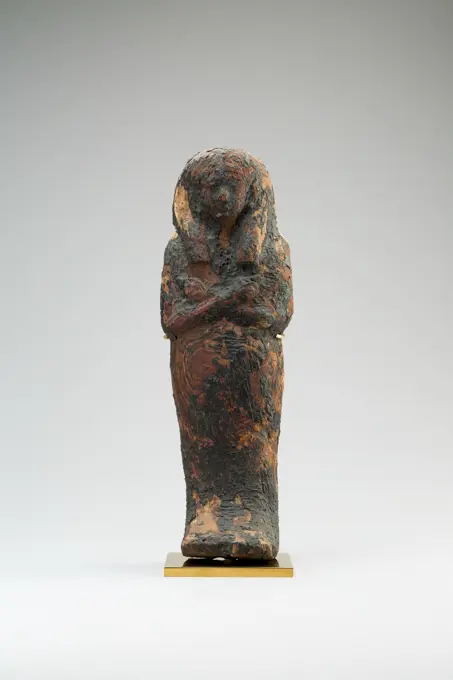
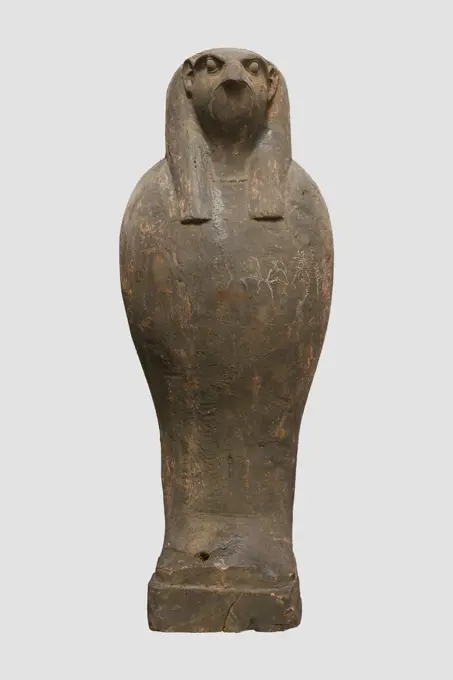
Canopic Coffin in the Form of Imsety ca. 924-889 B.C. Third Intermediate Period. Canopic Coffin in the Form of Imsety 559933
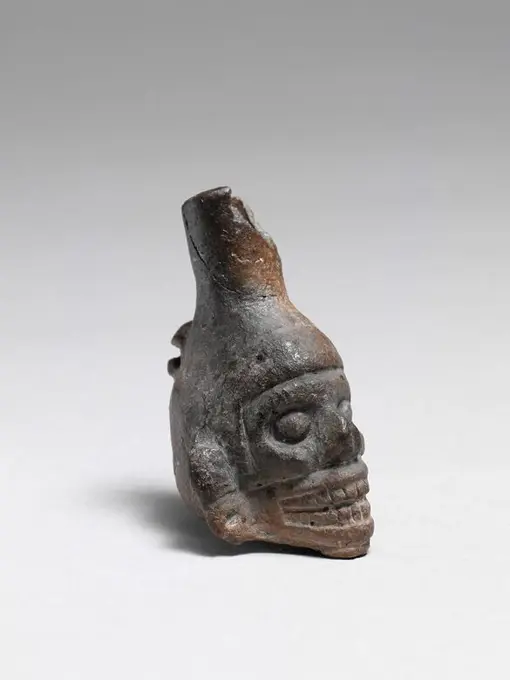
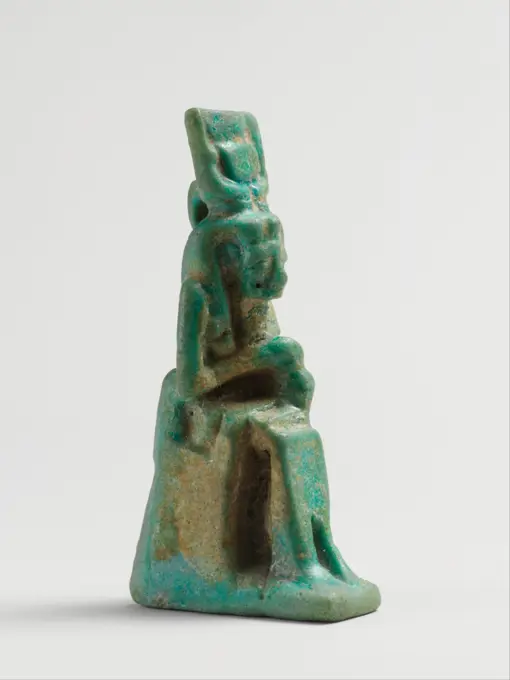
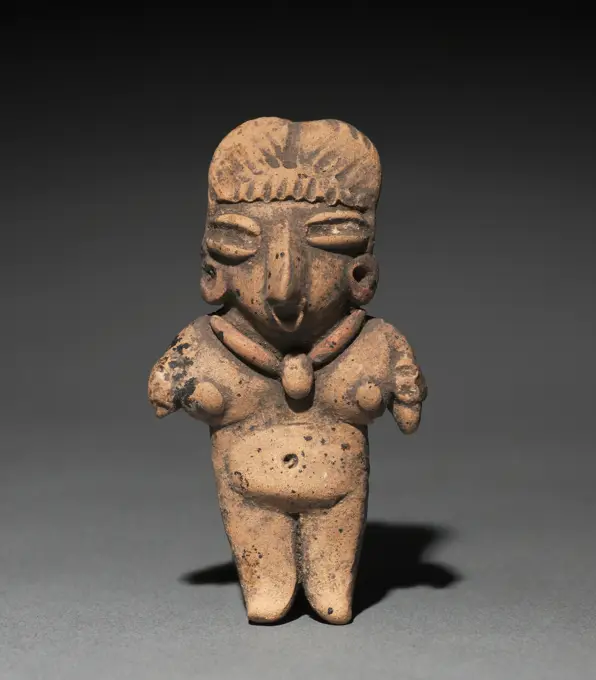
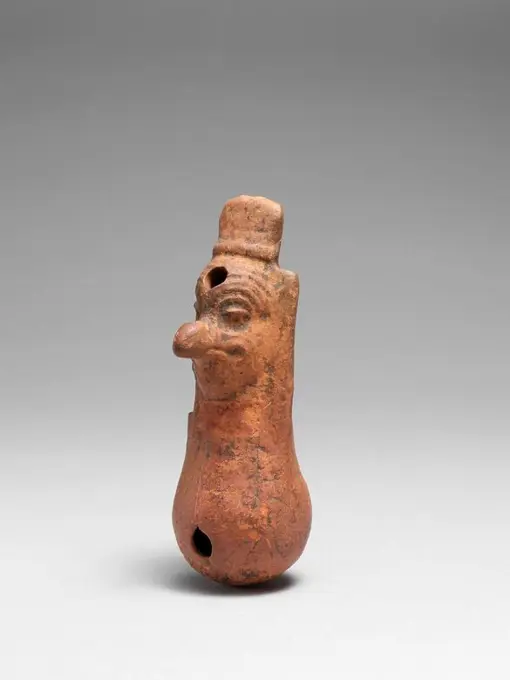
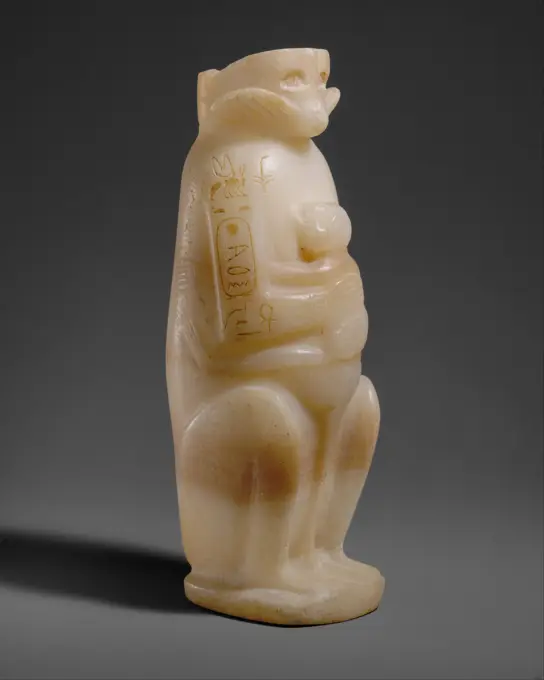
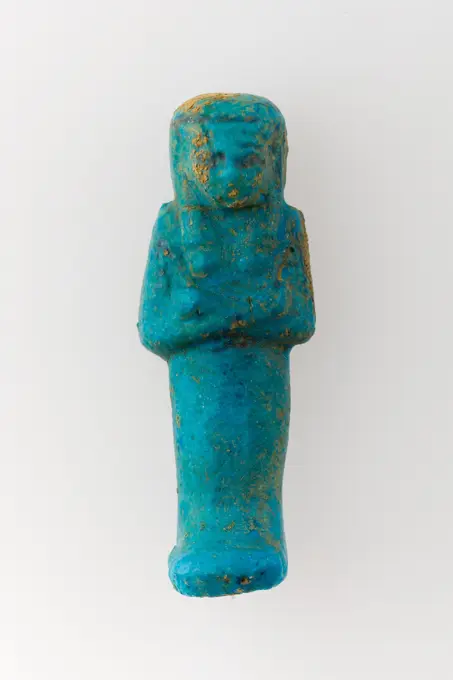
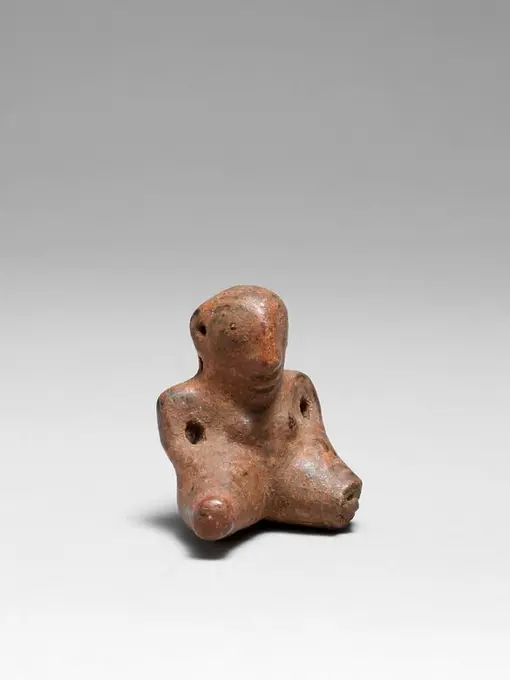
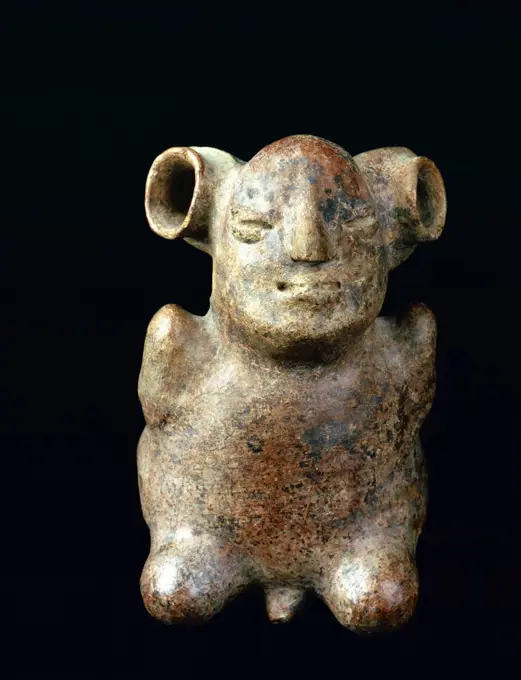
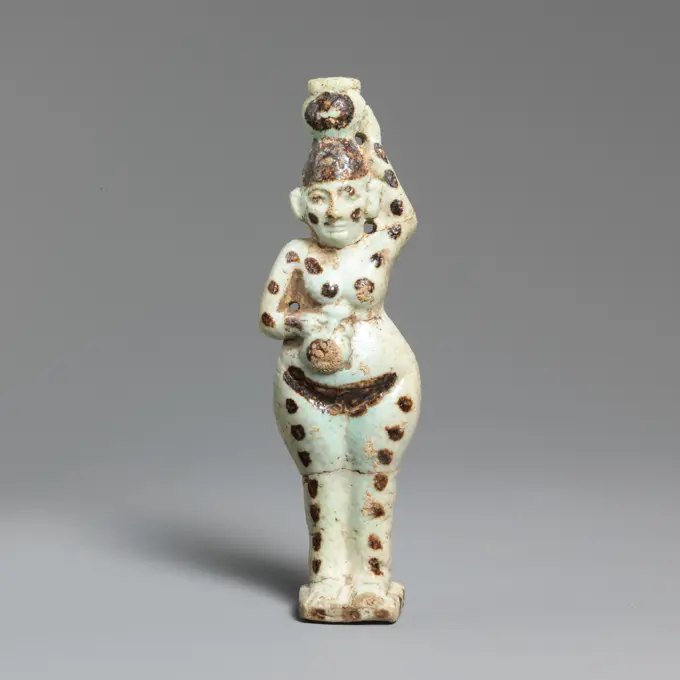
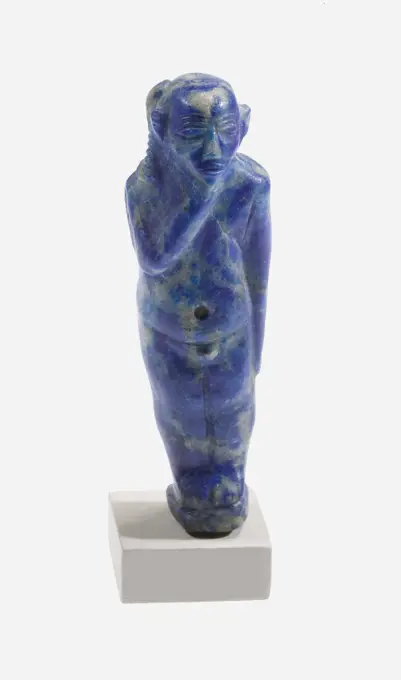
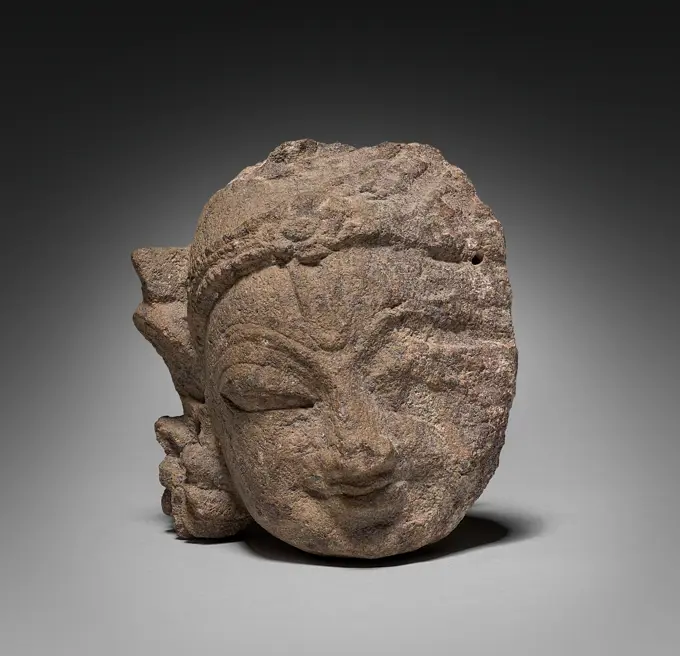
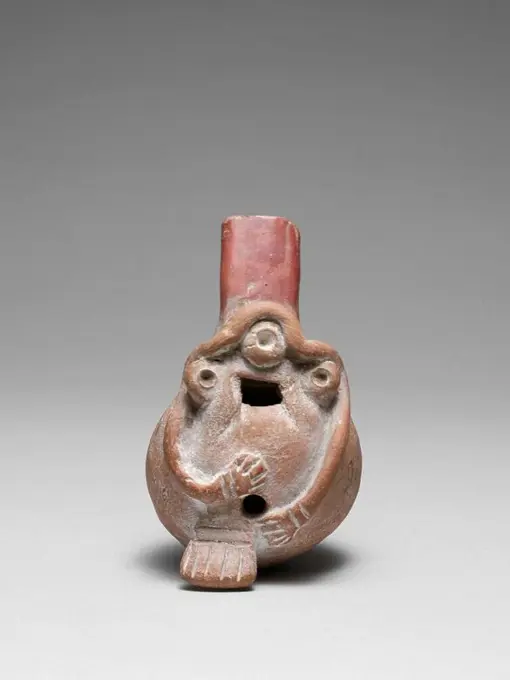
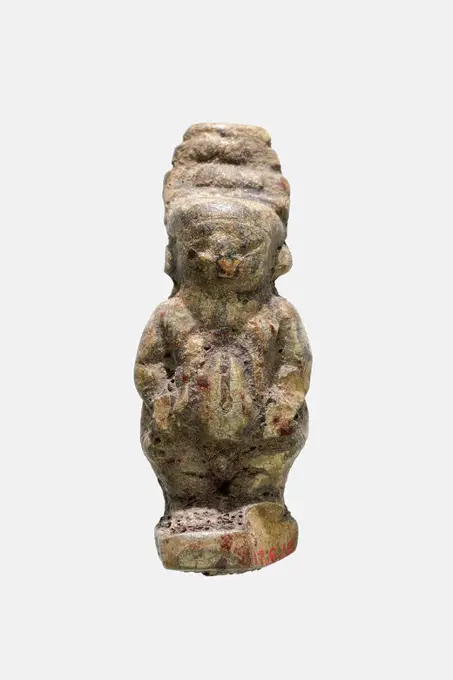
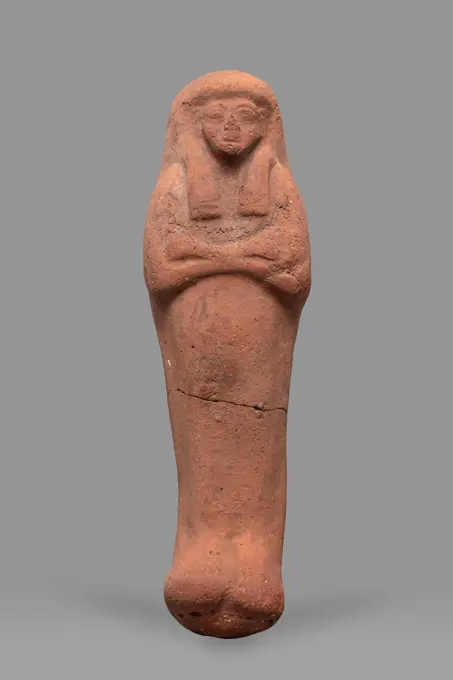
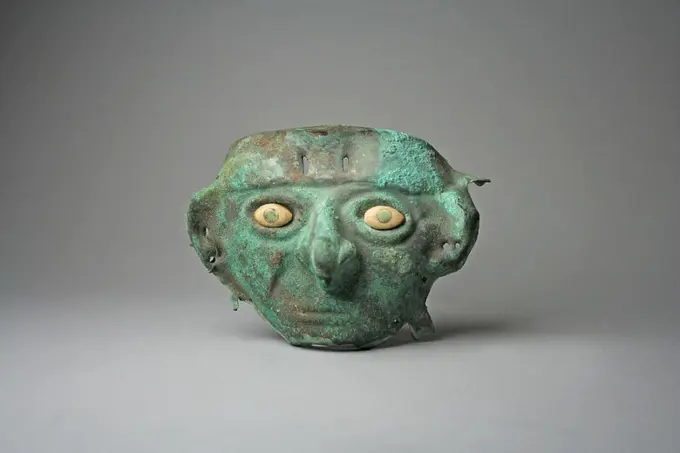
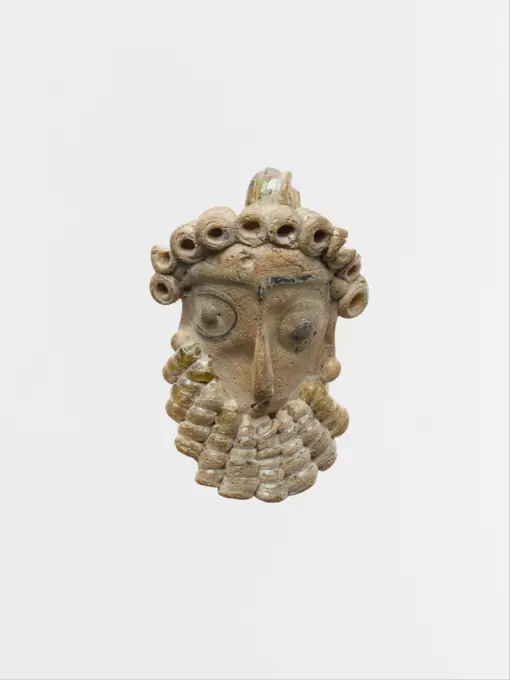
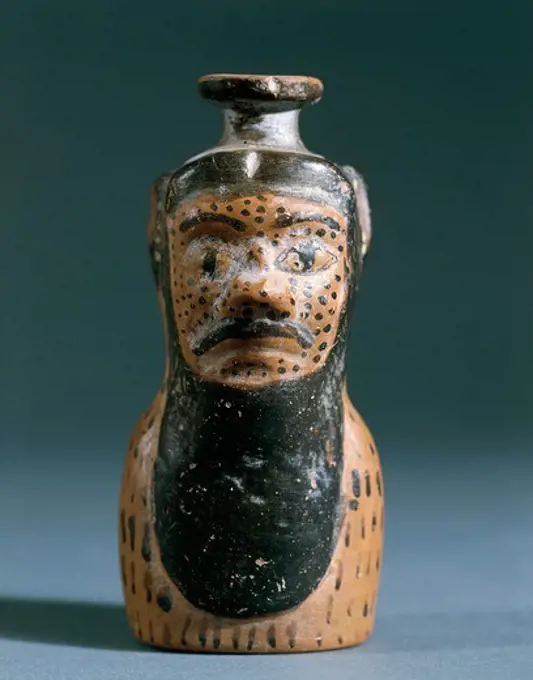
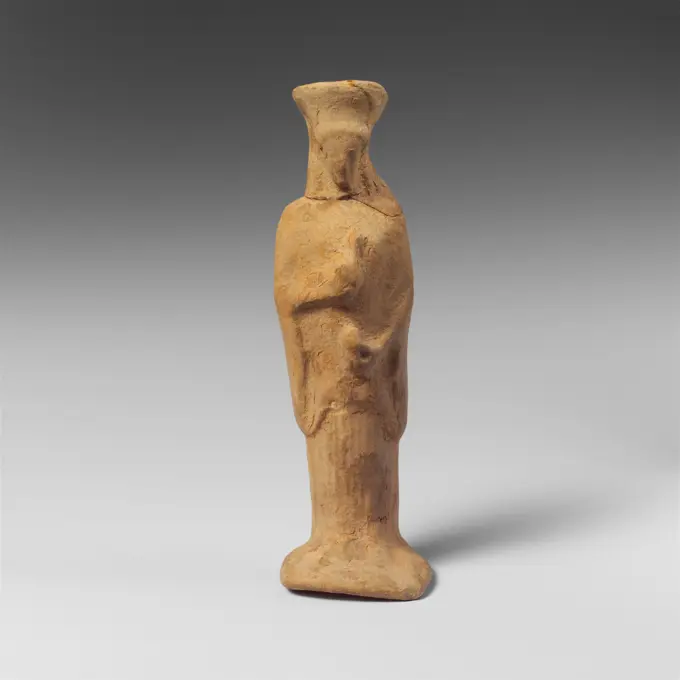
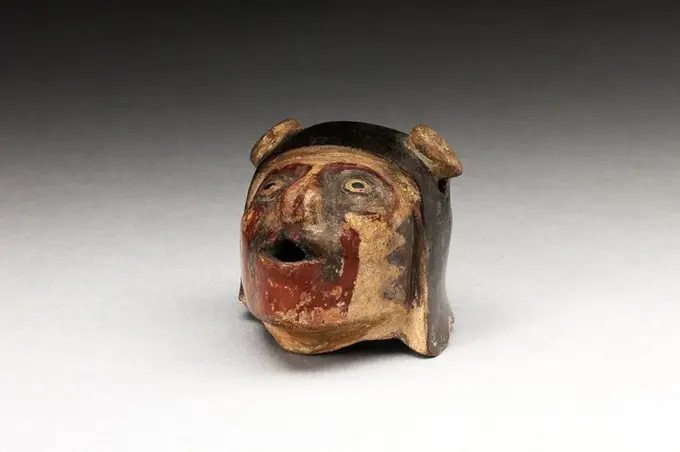
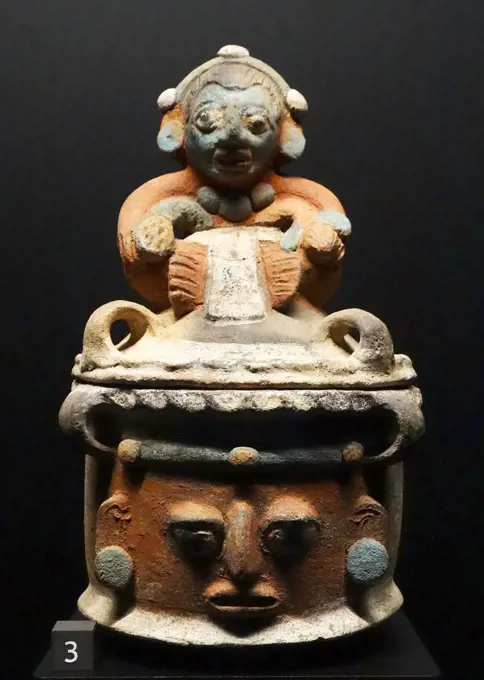
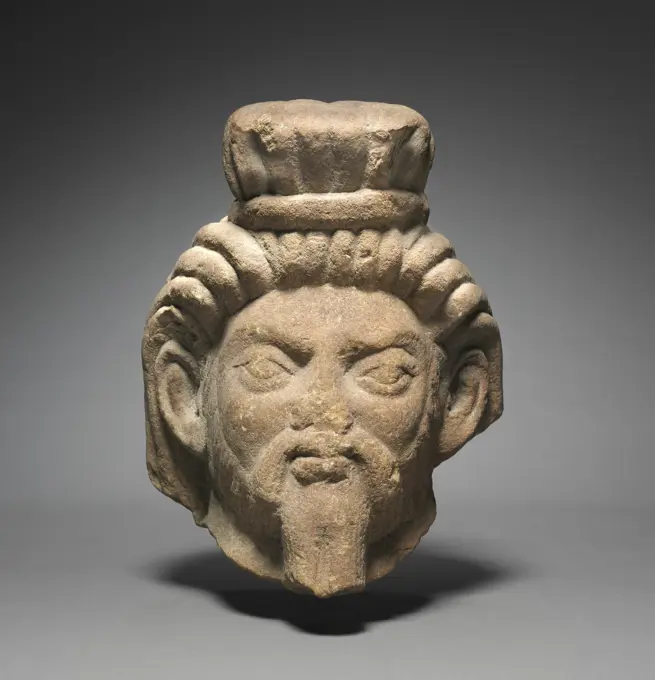
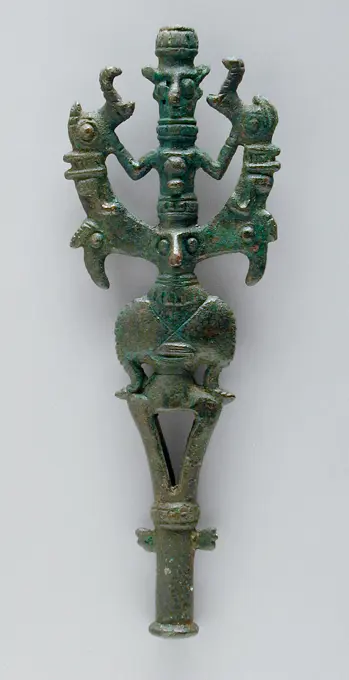
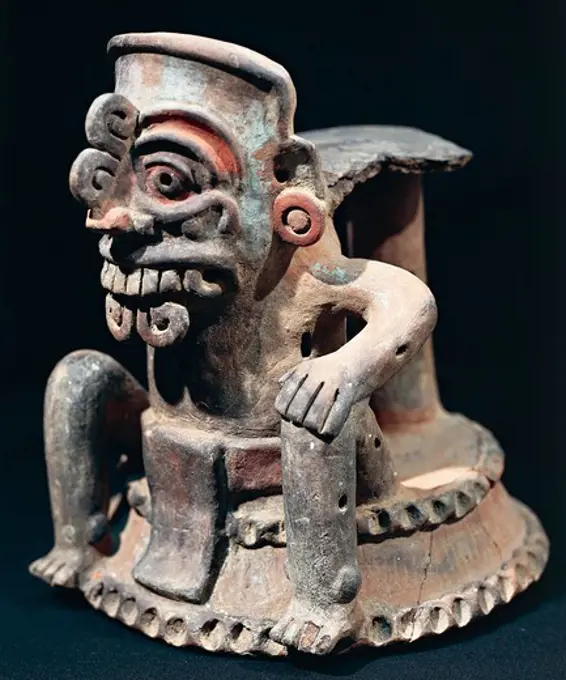
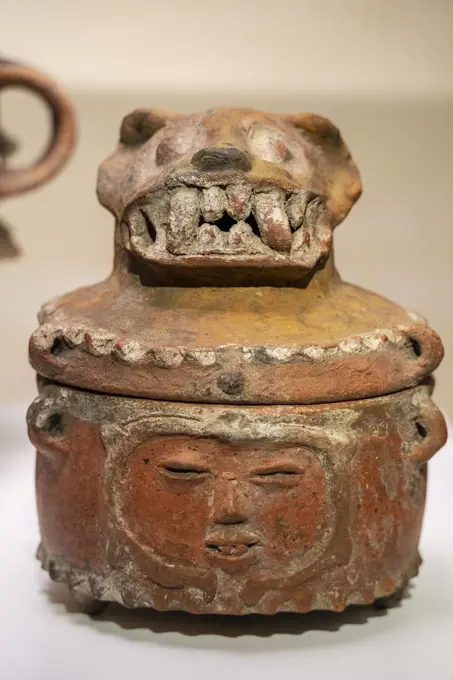
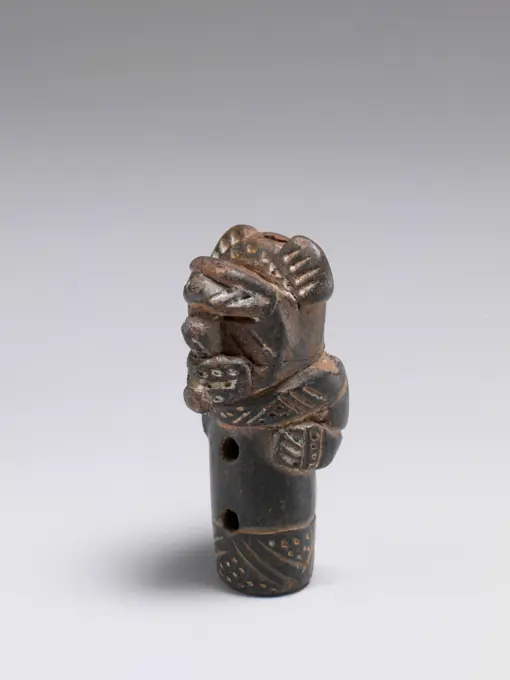
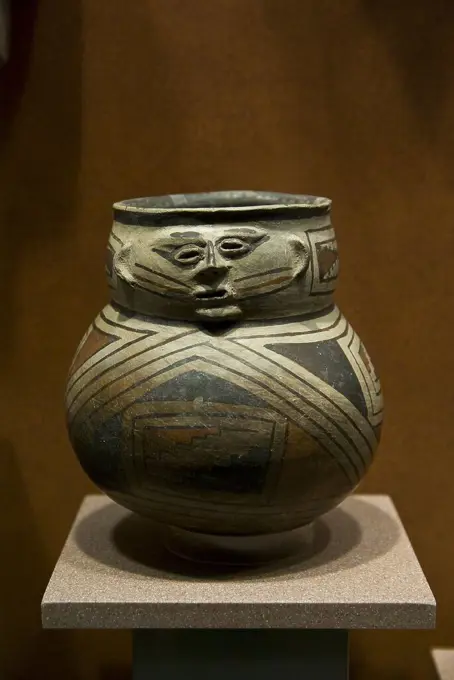
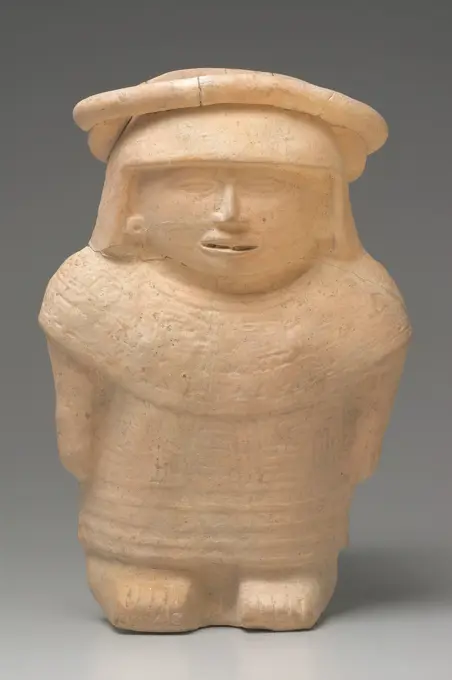
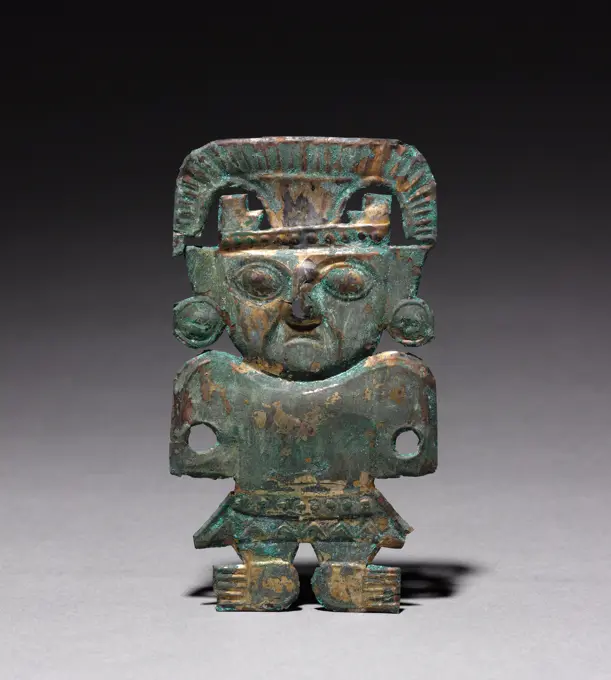
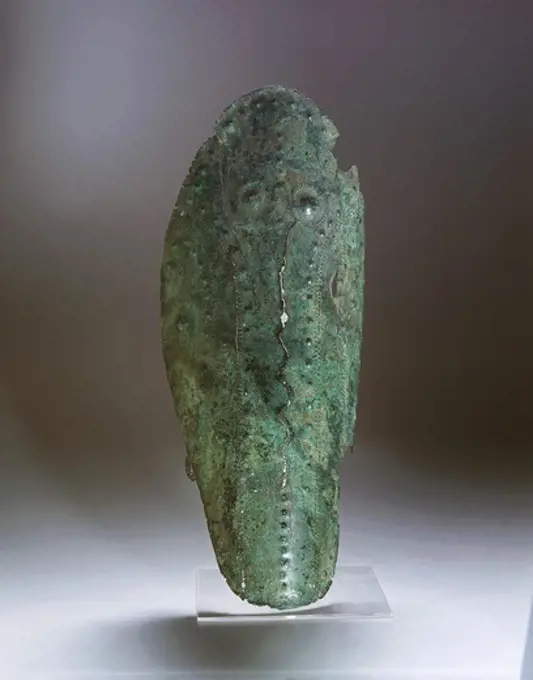
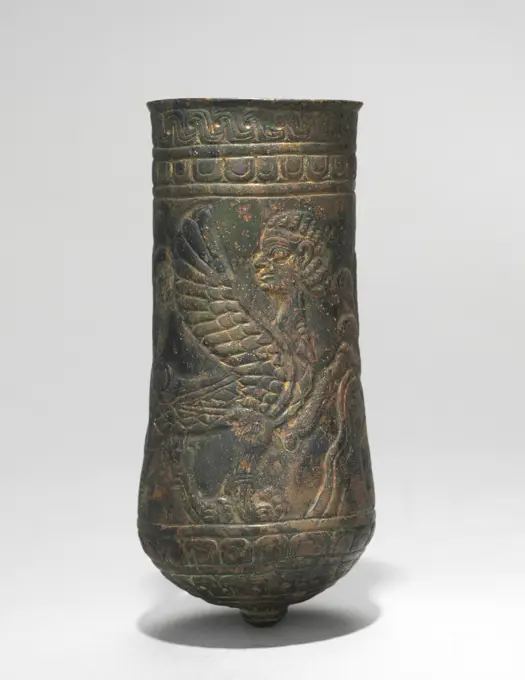
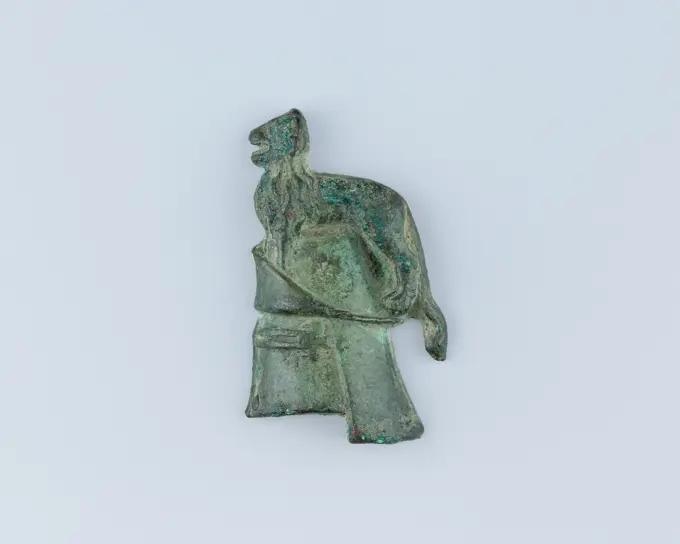
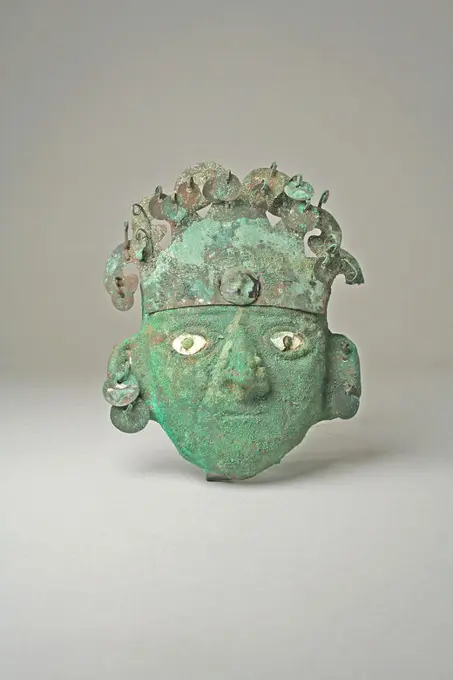
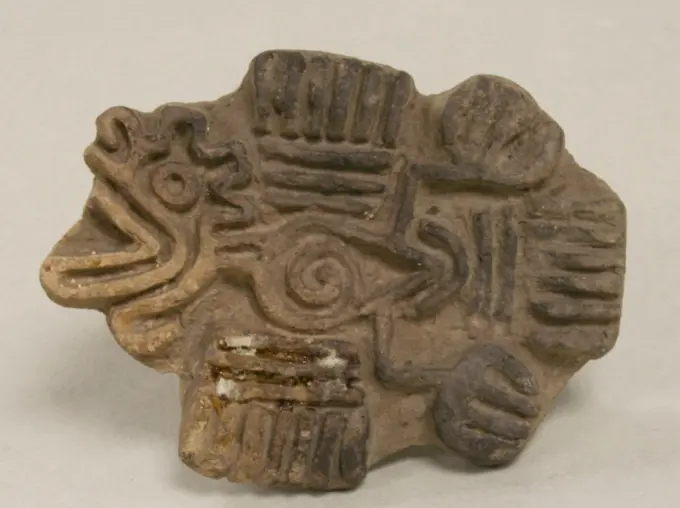
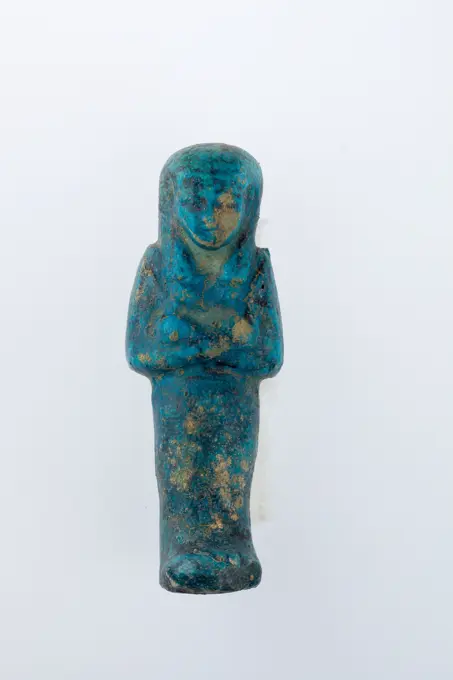
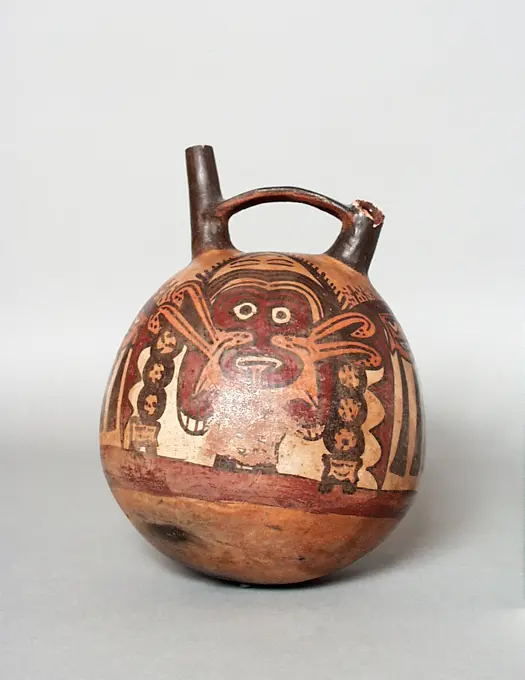
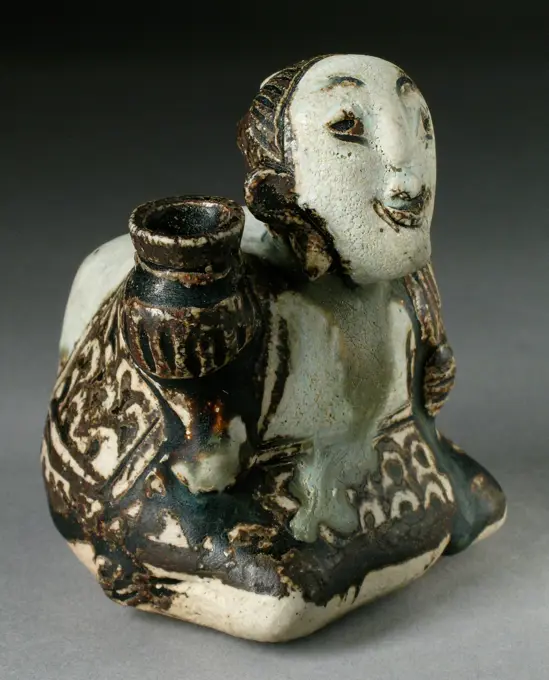
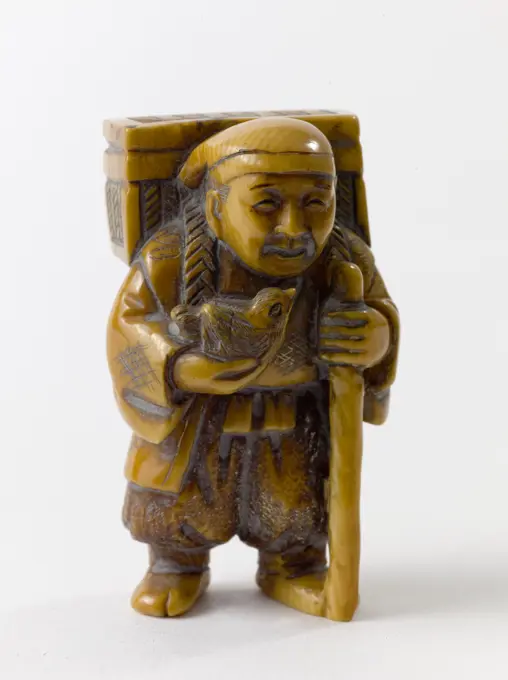
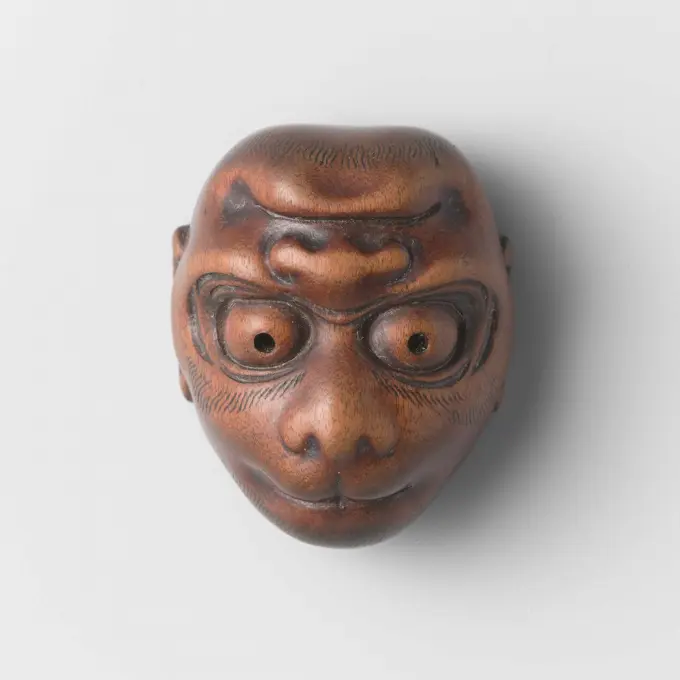
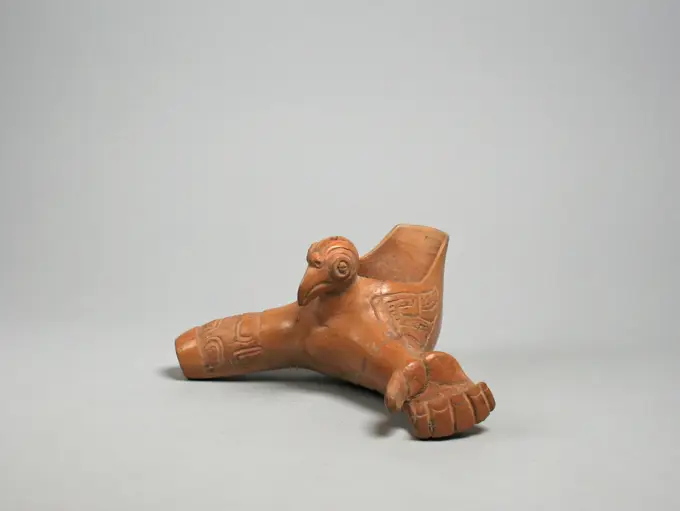
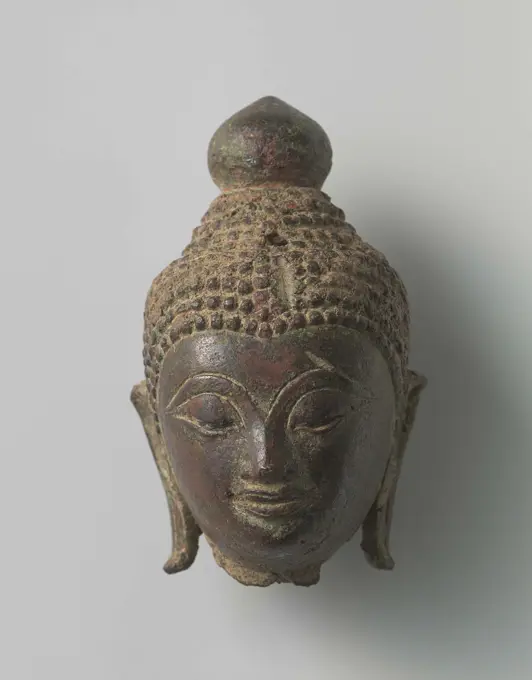
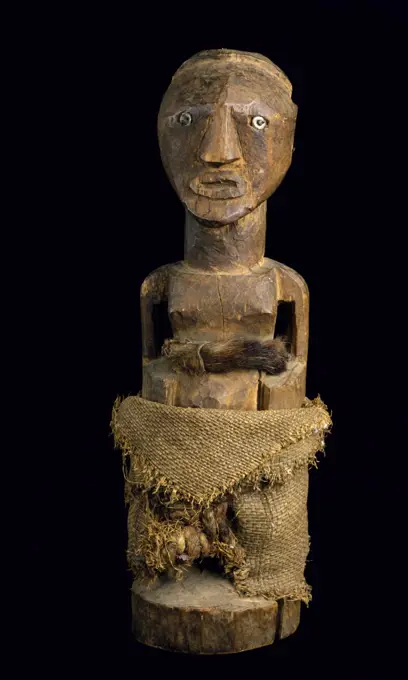
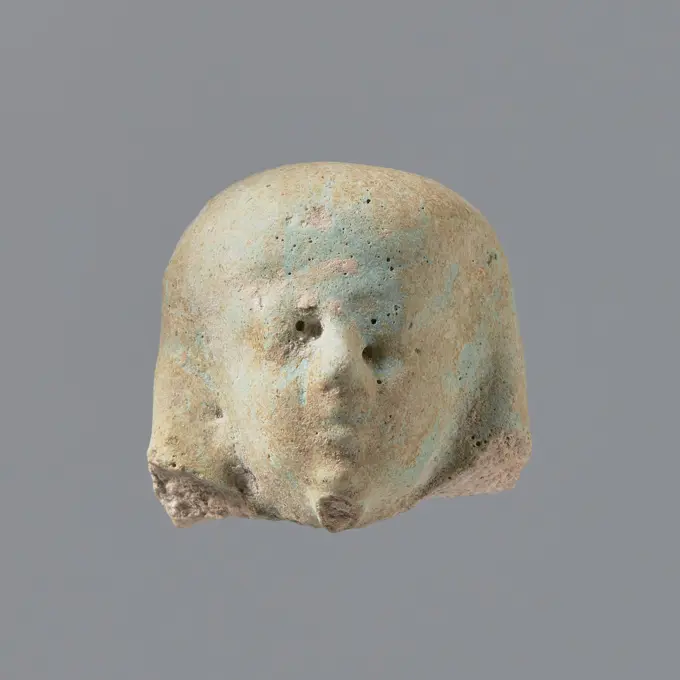
Frontlet China. Frontlet. China. Bronze. mid-Western Zhou dynasty (1046-771 B.C.). MetalworkStanding Female Figurine 500 BCE-300 BCE Chupícuaro. Ceramic and pigment . ChupícuaroCanopic Coffin in the Form of Imsety ca. 924-889 B.C. Third Intermediate Period. Canopic Coffin in the Form of Imsety 559933Pottery Whistle. Culture: Mexican. Dimensions: 2 5/16 × 1 5/16 × 1 1/4 in., 0.776oz. (5.8 × 3.3 × 3.2 cm, 22g). Date: ca. 1200-1521. Museum: Metropolitan Museum of Art, New York, USA.Faience amulet of Isis and Horus 664-30 B.C. Egyptian Amulet, Isis.. Faience amulet of Isis and Horus. Egyptian. 664-30 B.C.. Clay, glazed. Late Dynastic or Hellenistic. Gold and SilverUshabtiFemale Figurine, 400-100 BC. Mexico, Chupíuaro, Guanajuato. Pottery with traces of white pigment; overall: 6.2 x 3.4 x 1.5 cm (2 7/16 x 1 5/16 x 9/16 in.).Pottery Whistle. Culture: Mexican. Dimensions: L. 100 mm.; W. 36 mm.; D. 42 mm. Wt. 44 g.. Date: 300-600. Museum: Metropolitan Museum of Art, New York, USA.Jar 4th-7th century Coptic. Jar 475758Terracotta statuette of Harpokrates riding a goose. Culture: Roman, Egyptian. Dimensions: H.: 7 13/16 in. (19.8 cm). Date: ca. 2nd century A.D..In high headdress riding on a swan; right hand on mouth. Museum: Metropolitan Museum of Art, New York, USA.Vase in the Shape of Mother Monkey with Her Young ca. 2255-2246 B.C. Old Kingdom Inscribed with the name of Merenre I, fourth king of Dynasty 6. This charming composition alludes to motherhood and fertility and also to the exotic lands that provided rare ingredients for the oils and unguents contained in these vases. The contents were presumably believed to have rejuvenating effects.Inscriptions on this and similar vases (1992.338) suggest that the vessels were given by Sixth Dynasty kings to favored courtiers, particularly women, at the time of the king's jubilee. Listen to experts illuminate this artwork's story Listen Play or pause #3265. Two Vases in the Shape of a Mother Monkey with her Young Supported by Bloomberg Philanthropies We're sorry, the transcript for this audio track is not available at this time. We are working to make it available as soon as possible.. Vase in the Shape of Mother Monkey with Her Young 543898Worker Shabti of Henettawy (C), Daughter of Isetemkheb ca. 990-970 B.C. Third Intermediate Period See 25.3.19.. Worker Shabti of Henettawy (C), Daughter of Isetemkheb 591013Silver Ring with Gold Stud in Bezel. UnknownCoffin and Corn Mummy with Osiris mask 664-30 B.C. Late Period-Ptolemaic Period These falcon-headed coffins do not contain actual mummies but symbolic Osiris mummies stuffed with grain and sand. The falcon head on the coffins and the hieroglyphic text on the painted lid indicate they are associated with the funerary deity Ptah-Sokar-Osiris.Such coffins and 'mummies' were prepared and buried in annual rites at certain centers as part of the mysteries of Osiris. Subsequent germination of the grain would symbolize the possibility of new life offered by Osiris.Both this example and acc. no. 58.98a-d belong to a typological group, although this group cannot at this time be associated with any particular site.. Coffin and Corn Mummy with Osiris mask 570756Pottery Whistle. Culture: Costa Rican. Dimensions: H. 4.6 cm (1-3/4 in.); W. 3.8 cm (1-1/2 in.); D. 2.9 cm (1-1/8 in.); Wt. 26 g. Date: ca. 800-1525. Museum: Metropolitan Museum of Art, New York, USA.Bound prisoner spout vessel from Early Moche,  Peru,  USA,  Florida,  Jacksonville,  The Museum of Contemporary Art,  Pre-Columbia Ceramic Collection,  circa 400-100 B.C.Animal Palma, 600-1000. Mexico, Veracruz. Gray volcanic stone; overall: 37.3 x 12 x 15.9 cm (14 11/16 x 4 3/4 x 6 1/4 in.).Bone pin. Culture: Roman. Dimensions: H.: 1 5/8 in. (4.1 cm). Date: ca. 1st-2nd century A.D..Representing a female bust. Museum: Metropolitan Museum of Art, New York, USA.Faience statuette of a woman holding two vases late 7th-6th century B.C. East Greek Nude, holding two vessels, one on her head.. Faience statuette of a woman holding two vases 250529 East Greek, Faience statuette of a woman holding two vases, late 7th6th century B.C., Faience, H.: 5 1/8 in. (13 cm). The Metropolitan Museum of Art, New York. Gift of J. Pierpont Morgan, 1917 (17.194.2397)Amulet of Harpokrates ca. 1295-1070 B.C. or 1070-664 B.C. New Kingdom, Ramesside or Third Intermediate Period. Amulet of Harpokrates. ca. 1295-1070 B.C. or 1070-664 B.C.. Lapis lazuli. New Kingdom, Ramesside or Third Intermediate Period. From Egypt, Memphite Region, Lisht North, Cemetery or late New Kingdom houses, debris, MMA excavations, 1906-09. Dynasty 19-20 or 21-25A vessel on Kohol with Ma PK;  around 1550-1295 BC ; New PAAmulet of the God Pataikos. Dimensions: H. 7.2 cm (2 13/16 in); W. 3 cm (1 3/16 in.); D. 3.2 cm (1 1/4 in.). Dynasty: Dynasty 26. Date: 664-332 B.C.. Museum: Metropolitan Museum of Art, New York, USA.Head, 1200s. India, Orissa, Konarak, probably from a relief, 13th century. Chlorite; overall: 10.7 cm (4 3/16 in.).Single Spout Bottle with Gadrooned Figure 3rd-7th century Moche. Single Spout Bottle with Gadrooned Figure 309491Amulet of Bes 700 BCE-1 BCE Egypt. The dwarf Bes, with his feathered headdress, lion mane and tail, and protruding tongue, was the protector of women and children. Huge numbers of amulets were made of him in the Ptolemaic period.. Faience . Ancient EgyptianPottery Whistle. Culture: Mexican. Dimensions: L. 95 mm.; W. 56 mm.; D. 53 mm.; Wt. 79 g.. Date: 900-1521 (). Museum: Metropolitan Museum of Art, New York, USA.Miniature figurine, 1500 BCE, 2 1/8 in. (5.4 cm), Earthenware, Mexico, Pre-ClassicBlue Faience Shabti.. Late PeriodShabti of Psusennes I Third Intermediate Period ca. 1040-992 B.C. View more. Shabti of Psusennes I. ca. 1040-992 B.C.. Bronze or copper alloy. Third Intermediate Period. From Egypt, Eastern Delta, Tanis (San el-Hagar), Royal Tombs, NRT III (Psusennes I), Montet excavations. Dynasty 21Figure of lion ca. 1850-1700 B.C. Late Middle Kingdom. Figure of lion. ca. 1850-1700 B.C.. Ivory. Late Middle Kingdom. From Egypt, Memphite Region, Lisht North, cemetery south of pyramid below House A1:2, Pit 884, MMA excavations, 1920-21. Dynasty 12, late - 13 up to 1700Amulet of the Dwarf Ptah with Isis on the Back. Dimensions: H. 4 cm. 1 9/16 in.); W. 1.5 cm (9/16 in.) D. 1.4 cm (9/16 in.). Dynasty: Dynasty 26-30. Date: 664-30 B.C.. Museum: Metropolitan Museum of Art, New York, USA.Snuff Tray 4th-10th century Wari Snuff inhaled through tubes from small trays or tablets such as this one was a widespread practice in Precolumbian South America. In the San Pedro de Atacama region of northern Chile a large number of snuff trays have been found in burials in association with other paraphernalia, such as inhaling tubes, spatulas, small mortars and pestles, and snuff-powder containers. The snuff was prepared from the leaves, resin, and seeds of plants, many of them hallucinogenic, which were dried and finely ground. Historic and current data suggest that snuff had many purposes in the Andes: it was used to cure various ailments, to alleviate pain and hunger, to provide alertness in war and hunting, and to induce trances during rituals and religious ceremonies. The tray is decorated at one end with three carved figures. At the opposite end are the remains of an indigenous repair, a tie preventing a split, running the length of the tray, from widening.. Snuff Tray. Wari. 4Boat;  around 1295 1069 BC ; New PAGeniusz, Mieczysław (1852-1920) - collection, scenes.gal.eg., grave figurinesBiuścik Serapisa z kalathosem na głowie. unknown, authorCast pendant bead. UnknownHuman effigy bowl, 3 3/4 x 3 x 3 in. (9.5 x 7.6 x 7.6 cm), Earthenware, MexicoFinial with Figure 2nd-7th century Moche. Finial with Figure 315229Face Mask Ornament. Culture: Moche (Loma Negra). Dimensions: H x W: 3 9/16 x 4 15/16in. (9 x 12.5cm). Date: 390-450. Museum: Metropolitan Museum of Art, New York, USA.Lion Protome; Unknown; Greece, Crete, Europe; about 650 B.C.; Terracotta; Object: H: 7.6 x Diam.: 7 cm (3 x 2 3/4 in.)Staff Finial. Iran, circa 150 B.C. - A.D. 225. Architecture; Architectural Elements. Bronze finial, iron shaftGlass head pendant ca. 450-300 B.C. Phoenician or Carthaginian Translucent pale yellow brown, with additions in opaque yellow, translucent pale yellow brown and blue.Cylindrical with large rod hole at bottom; horizontal rounded edge at back, U-shaped large front projecting downwards; applied suspension loop on top of head.Applied row of large curls across forehead in brown, extending back across top of head; upper half of face in yellow, with long blue eyebrows meeting across bridge of nose, blue and yellow stratified eyes, and long slender applied nose; mouth concealed by beard of long radiating curls; trails to sides of head for ears.Intact, but crack in back of head and part of two curls on forehead missing; dulling, pitting, creamy enamel-like weathering, and some iridescence.Bearded.. Glass head pendant 247544Italy, Sicily, Himera, Little pot in the shape of a human head from the temple of Victory, terracottaBottle, Seated Figure 2nd-5th century Moche. Bottle, Seated Figure 310203Bottle, Seated Figure. Culture: Moche. Dimensions: H. 7 7/8 x W. 5 3/8 in. (20 x 13.7 cm). Date: 2nd-5th century. Museum: Metropolitan Museum of Art, New York, USA.Amulet of the God Nefertem 1070 BCE-332 BCE Egypt. Faience . Ancient EgyptianTerracotta statuette of a woman early 5th century B.C. Greek, Corinthian The high polos (headdress) may identify the figure as a goddess. She holds a bird and a piece of fruit, following an established Archaic sculptural type.. Terracotta statuette of a woman 255034 Greek, Corinthian, Terracotta statuette of a woman, early 5th century B.C., Terracotta, H.: 4 3/16 in. (10.6 cm). The Metropolitan Museum of Art, New York. Gift of Ernest Brummer, 1959 (59.48.14)Shabti, uninscribed Late Period to Ptolemaic Period 664-30 B.C View more. Shabti, uninscribed. 664-30 B.C. Faience. Late Period to Ptolemaic Period. From EgyptFemale Figurine, 400-100 BC. Mexico, Guanajuato, Chupícuaro. Pottery with traces of white and red pigment; overall: 9.1 x 4.7 x 1.9 cm (3 9/16 x 1 7/8 x 3/4 in.).Zoomorphic vase. From Costa Rice, made from terracotta.Fragment of a Vessel or Sculpture Depicting a Human Head. Tiwanaku-Wari; South coast Peru or northern Bolivia. Date: 600 AD-1000. Dimensions: Appro×. 12.4 × 6 cm (4 7/8 × 2 3/8 in.). Ceramic and pigment. Origin: Bolivia. Museum: The Chicago Art Institute, Chicago, USA.Mayan bowl with lid made of polychrome earthenware. Circa 600-800 AD; Quiche, GuatemalaStirrup Spout Bottle with Seated Figure. Culture: Moche. Dimensions: Overall: 7 1/4 x 4 3/4 in. (18.42 x 12.07 cm)Other: 4 3/4 in. (12.07 cm). Date: 1st century B.C.-A.D. 2nd century. Museum: Metropolitan Museum of Art, New York, USA.Head of a Rishi, c. AD 125-150. Northern India, Mathura, Kushan period (c. 80-320). Stone; overall: 27.7 x 24 cm (10 7/8 x 9 7/16 in.).Cobra Uraeus Amulet. Egypt, Roman Period (30 BCE - 300 CE). Jewelry and Adornments; amulets. BronzeIdoma Female figurine, Primitive artStandard Finial. Iran, Luristan, Luristan bronzes, circa 1000-650 B.C.. Architecture; Architectural Elements. BronzeShield bearer. Culture: Cypriot. Dimensions: H. 5 3/4 in. (14.6 cm). Date: ca. 750-600 B.C..The cylindrical body is wheel-made and hollow, with a bell-shaped bottom; the upper body and the head are handmade. There is a perforation on either side just above the bell-shaped section for the attachment of movable legs. Museum: Metropolitan Museum of Art, New York, USA.Polychrome ceramic statuette, from Guatemala highlandsFigure on Stool 100 B.C.-A.D. 400 Nayarit. Figure on Stool 310470Räuchergefäß mit Darstellung des Jaguars Incense burner with representation of Jaguar, Mayan culture, Mexico or Guatemala, 600-900 AD, polychrome ceramic, MuEC, Barcelona, Catalonia, Spain LicenseRF Copyright: xZoonar.com/Tolox 23171309Flute 1300-1500 Tairona People; Gayraca style. Flute. Tairona People; Gayraca style. 1300-1500. Ceramic. Pre-Columbian. Sierra Nevada de Santa Marta, Colombia. Aerophone-Whistle Flute-recorderAnthropomorphic Lime Spatula ca. 500 B.C.-A.D. 300 Indonesia (Java, Lumajang, Pasiran). Anthropomorphic Lime Spatula. Indonesia (Java, Lumajang, Pasiran). ca. 500 B.C.-A.D. 300. Bronze. Bronze and Iron Age period. MetalworkStatuette of seated woman from La Venta, MexicoMexico.Mexico city.National Museum of Antropology. Paquime culture (700-1450 AC).Representing a couple in ceramic..Amulet - Ptah-karzeł. unknown, authorUshabtiHeadress Fragment. Culture: Coptic. Dimensions: Overall: 2 3/16 x 1 3/8 x 13/16 in. (5.5 x 3.5 x 2 cm). Date: 4th-7th century. Museum: Metropolitan Museum of Art, New York, USA.Masck, Lele. African object. Congo. American Museum of Natural History. NY. United States.Standing Female Figure, 6th-9th century, 9 3/4 in. (24.8 cm), Earthenware, Mexico, 6th-9th centuryTerracotta statuette of a man, probably a warrior ca. 750-600 B.C. Cypriot The cylindrical body is wheel-made and hollow (including the head), flaring at the bottom. There is a perforation on either side at the lower edge of the body for the attachment of movable legs.. Terracotta statuette of a man, probably a warrior 241170Pilgrim's Badge. Culture: French. Dimensions: Overall: 1 3/4 x 13/16in. (4.5 x 2cm). Date: 14th-16th century. Museum: Metropolitan Museum of Art, New York, USA.Plaque, 1300s-1400s. Peru, North Coast, late Chimú Culture, 14th-15th century. Bronze; overall: 13.8 x 7.8 cm (5 7/16 x 3 1/16 in.).France, Paris, Bronze statuette representing sitting man, found in SyriaFinial or poletopPrehistory, Albania, Iron Age. Bronze greave with geometric decoration. From Shkoder.Button-Based Situla, 900-700 BC. Iran, Luristan, 9th-7th Century BC. Bronze, repoussé, punched, incised; diameter: 5.9 cm (2 5/16 in.); overall: 13 cm (5 1/8 in.). The metalworkers of Luristan provided the Assyrian empire with elaborate bronze ornaments and vessels. These two situla are decorated symmetrically---one with ibexes drinking from an overflowing water jar; the other, with sphinxes.Dwarf ca. 1981-1640 B.C. Middle Kingdom. Dwarf. ca. 1981-1640 B.C.. Blue faience. Middle Kingdom. From Egypt, Memphite Region, Lisht North, Cemetery, MMA excavations, 1906-07. Dynasty 12-13Ornament 14th century British. Ornament. British. 14th century. Bronze. Miscellaneous-Buckles & OrnamentFace Mask Ornament. Culture: Moche (Loma Negra). Dimensions: H. 5 1/8 x W. 4 1/8 in. (13 x 10.5 cm). Date: 390-450. Museum: Metropolitan Museum of Art, New York, USA.Shield bearer. Culture: Cypriot. Dimensions: H. 6 9/16 in. (16.7 cm). Date: ca. 600-480 B.C..The cylindrical body, flaring at the bottom, is handmade and solid. His right forearm is missing.Military representations were popular in the Cypro-Archaic period. During the seventh and sixth centuries B.C., foreign soldeirs were present on Cyprus. Cypriots also served as mercenaries in foreign armies. Contemporaneous Assyrian art often depicted military themes. Museum: Metropolitan Museum of Art, New York, USA.Stamp, Birds 14th-early 16th century Aztec This ceramic stamp features a schematic depiction of a bird with outstretched wings and tail. A thin coiling line defines its teardrop-shaped torso, while its extremities have been reduced to series of parallel lines. The open maw forms a dynamic counterpoint to the static symmetry of the body and suggests that this is a bird of prey shown in striking position. Ancient Mesoamericans generally revered raptors for their hunting abilities, often likening them to warriors and the sun in both their resplendence and occasional hostility.Ceramic stamps were made in Central Mexico from the Early Formative period (ca. 1800-1200 B.C.) and continued into the early sixteenth century. It is assumed that the earliest examples of such objects functioned much as they did among the Aztecs three millennia later: as ornamental devices used to decorate clothing, ceramic vessels, and even the body. They typically feature abstract geometric designs or stylized animWorker Shabti of Henettawy (C), Daughter of Isetemkheb ca. 990-970 B.C. Third Intermediate Period See 25.3.19.. Worker Shabti of Henettawy (C), Daughter of Isetemkheb 591126A tombstone in the shape of a lease;  350-330 BC (-350-00-00--330-00-00);City Museum, National Museum, SzczecinBronze ritual food vessel from the Western Zhou Dynasty. Dated 10th Century BCDouble Spouted Pottery JarShabti of Petosiris, son of Djedhor Late Period-Ptolemaic Period ca. 360-300 BC View more. Shabti of Petosiris, son of Djedhor. ca. 360-300 BC. Faience. Late Period-Ptolemaic Period. From Egypt, Northern Upper Egypt, Abydos, Cemetery G, Petrie Tomb 50 (Djedhor), Egypt Exploration Fund excavations. Dynasty 30 or laterWater Dropper or Incense Holder in the Form of a Hunchback. Thailand, Sawankhalok, 16th century. Tools and Equipment; water droppers. Modeled stoneware with cream slip, underglaze brown painted decoration, and pale blue glazeNetsuke. Bird nest in hand. Japan. Ivory. Paris, Cernuschi museum. Clothing element, netsuke, dress object, traditional clothingShawabty of Ditamenpaankh, 715-656 BC. Egypt, Late Period, Dynasty 25. Terracotta; overall: 5.4 x 2.6 x 1.3 cm (2 1/8 x 1 x 1/2 in.).. Mask, from one side of a monkey and from the other a Hyottoku (comic theater figure.) Signed "Hidemasa".Bird-Head Cup 8th-10th century Veracruz. Bird-Head Cup. Veracruz. 8th-10th century. Ceramic. Mexico, Mesoamerica, Veracruz. Ceramics-ContainersFragment of a Buddha image. Buddha cup with curls and an increase in the form of the jewel.Standing FigureFetish Figure of the Basonge Tribe African Art Collection of The Museum of Contemporary Art, Jacksonville, FloridaStatue of Queen Tiyi  Egyptian Art  Musee du Louvre, Paris Fragment of a cart or chariot ca. 500-480 B.C. Etruscan Large collection of bronze and iron attachments once belonging to a chariot.. Fragment of a cart or chariot 253008 Etruscan, Chariot fragments, socket and plaque, ca. 500480 B.C., Bronze, 5 5/16  7 in. (13.5  17.8 cm). The Metropolitan Museum of Art, New York. Fletcher Fund, 1929 (29.131.3b)Miniature figure of a seated man 1st-2nd century China. Miniature figure of a seated man 48193Terracotta oil lamp. Culture: Roman. Dimensions: Overall: 1 1/2 x 3 5/8 in. (3.8 x 9.2 cm). Date: 7th century A.D..Pear shaped top decorated with short moulded lines in patterns. Museum: Metropolitan Museum of Art, New York, USA.Fragment of Statesbti;  332-30 BC ; Ptolemean period (-332-00-00--30-00-00);Figure with "Moon Animal" Headdress and Llama. Peru, North-Central Highlands, Recuay, Recuay, 1-700 CE. Ceramics. Slip-painted ceramic