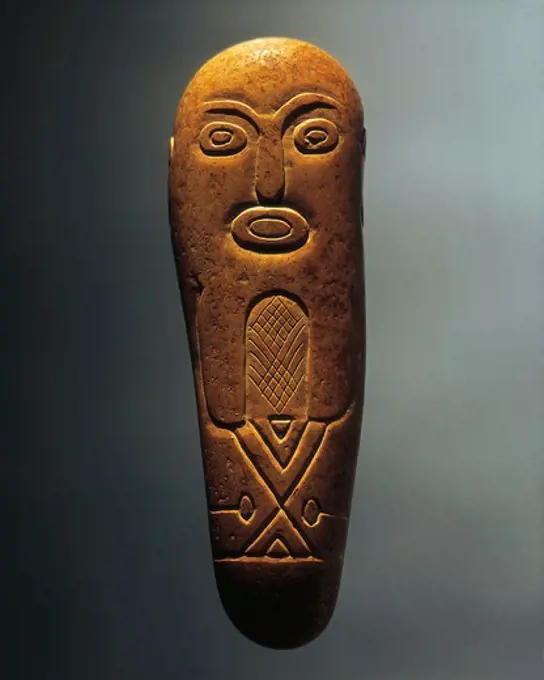
Ancient Figurines and Artefacts

An array of ancient artefacts including figurines and amulets, showcasing diverse cultures from China, Mexico, and Egypt, representing rich historical artistry.
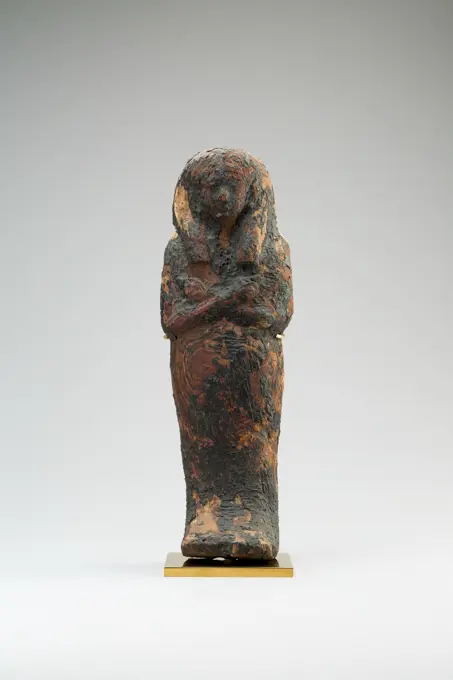
Canopic Coffin in the Form of Imsety ca. 924-889 B.C. Third Intermediate Period. Canopic Coffin in the Form of Imsety 559933
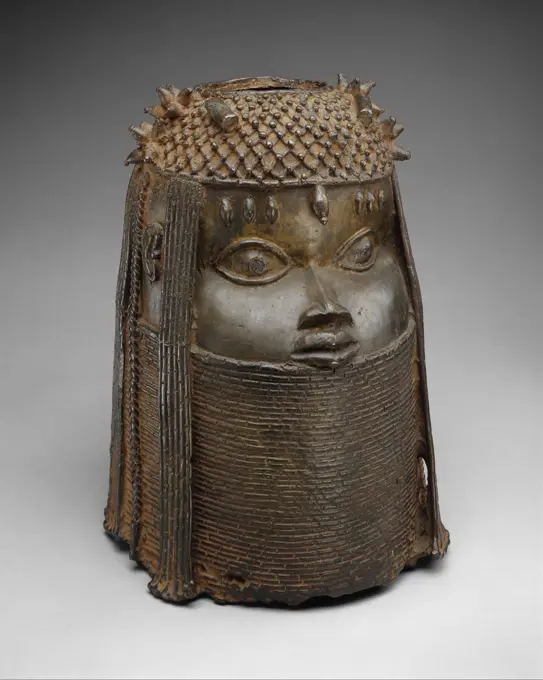
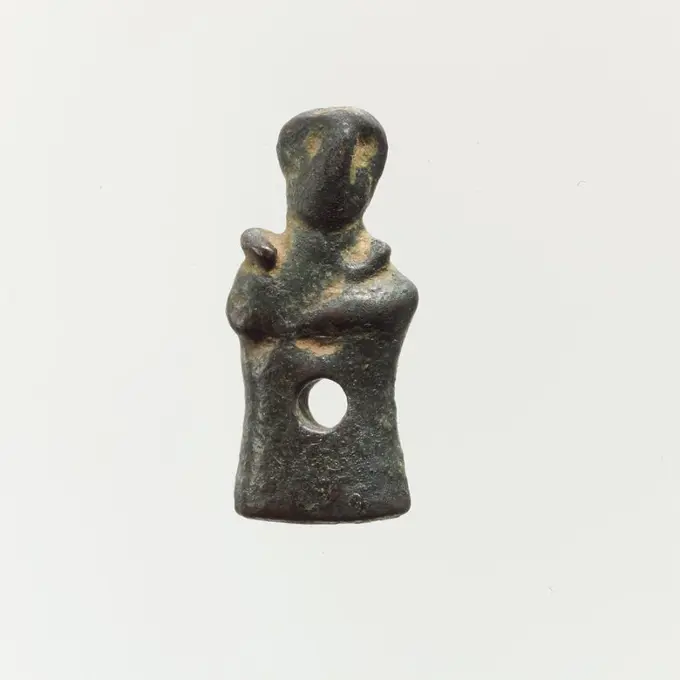
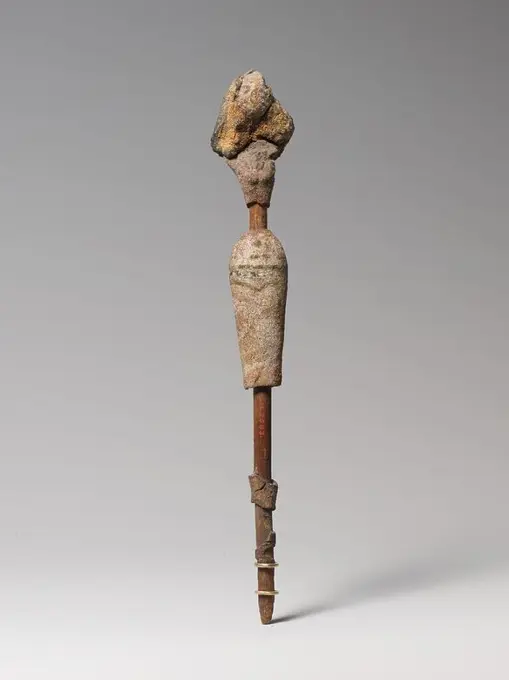
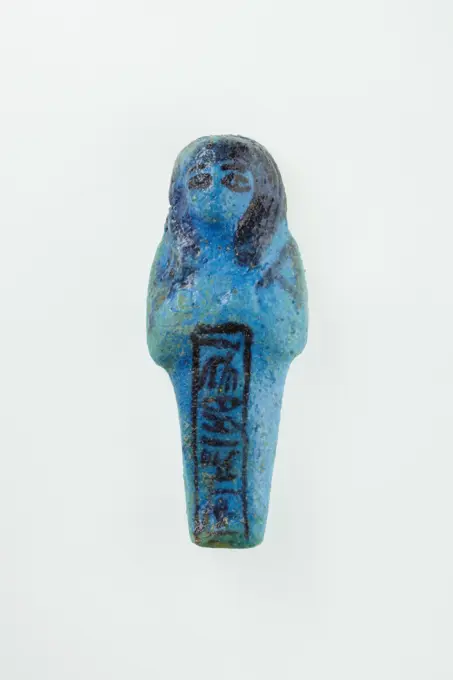
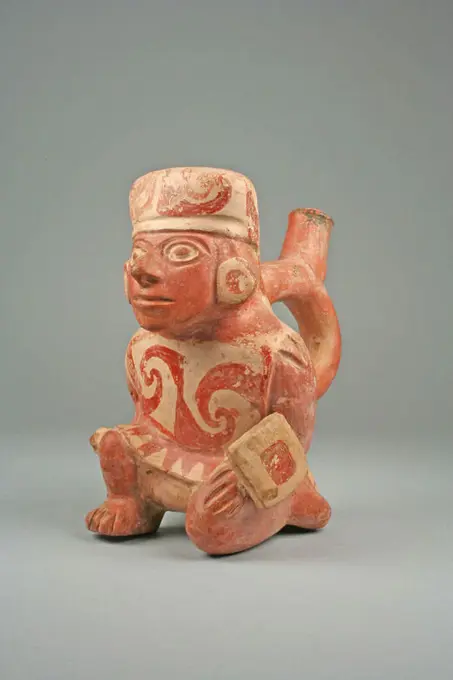
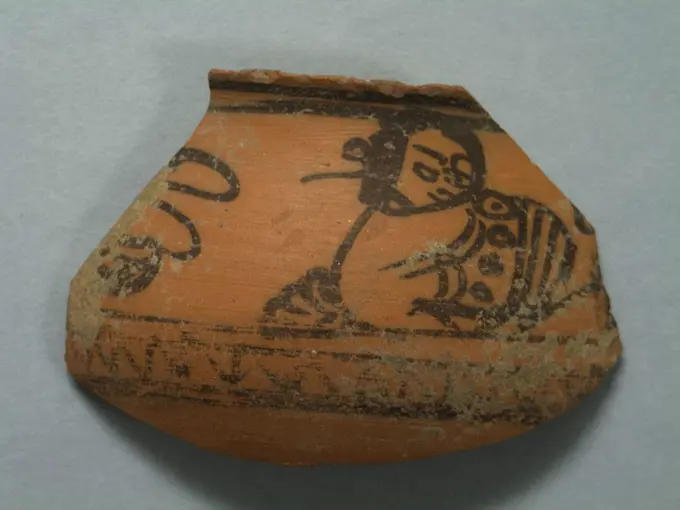
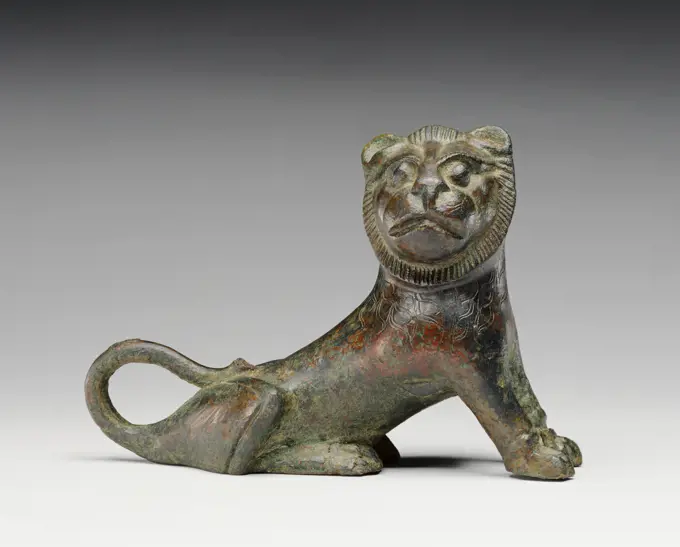
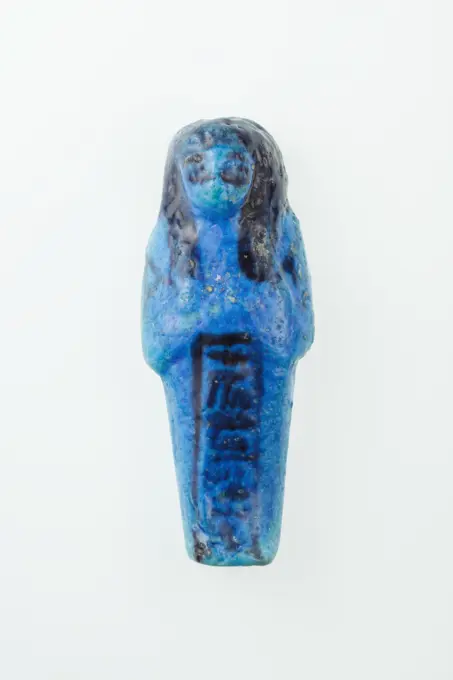
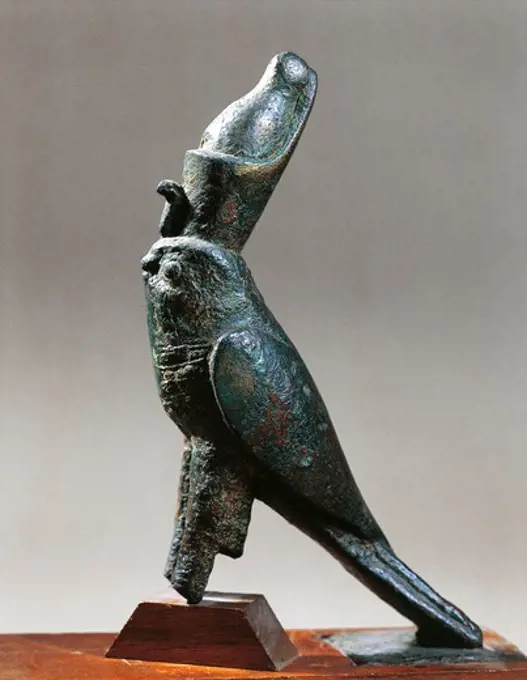
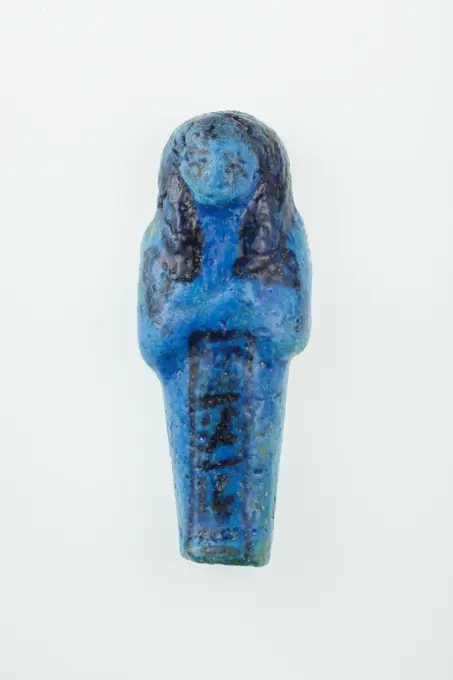
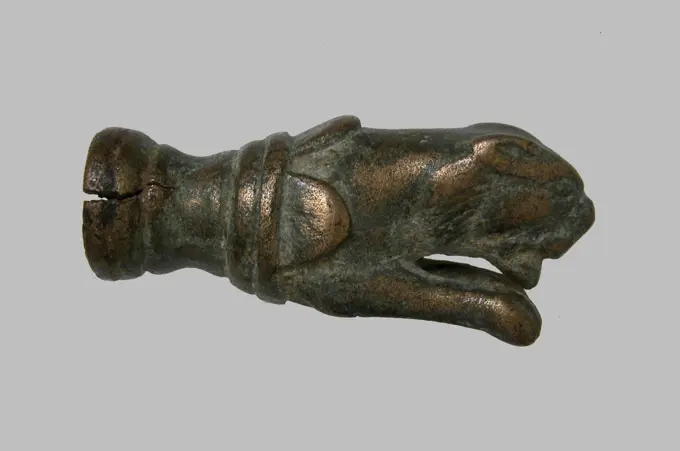
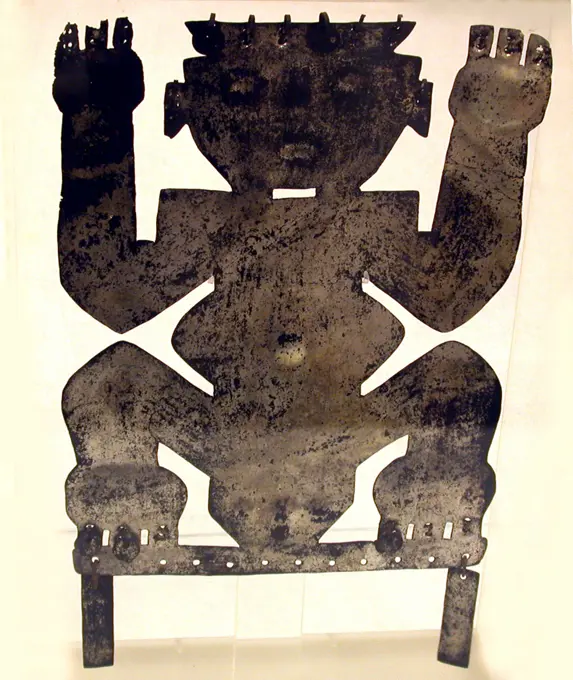
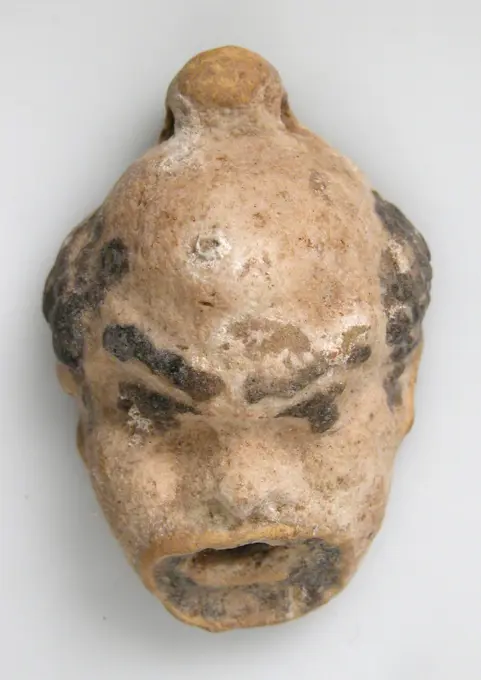
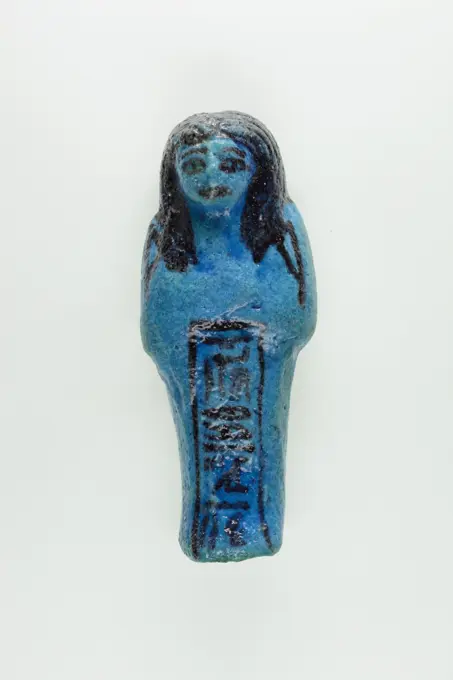
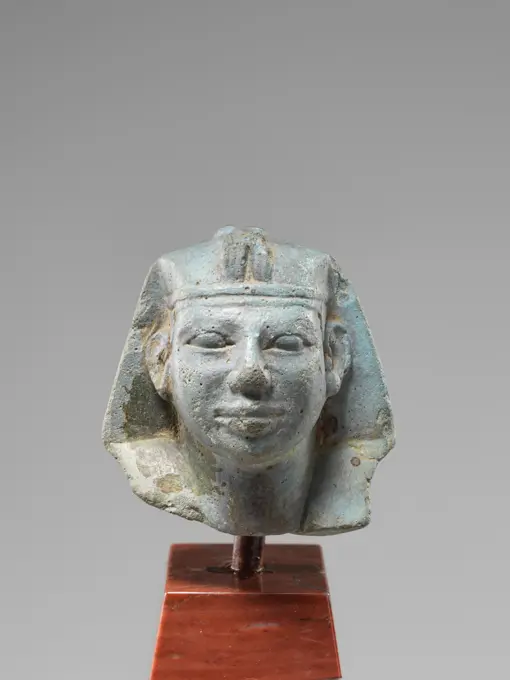
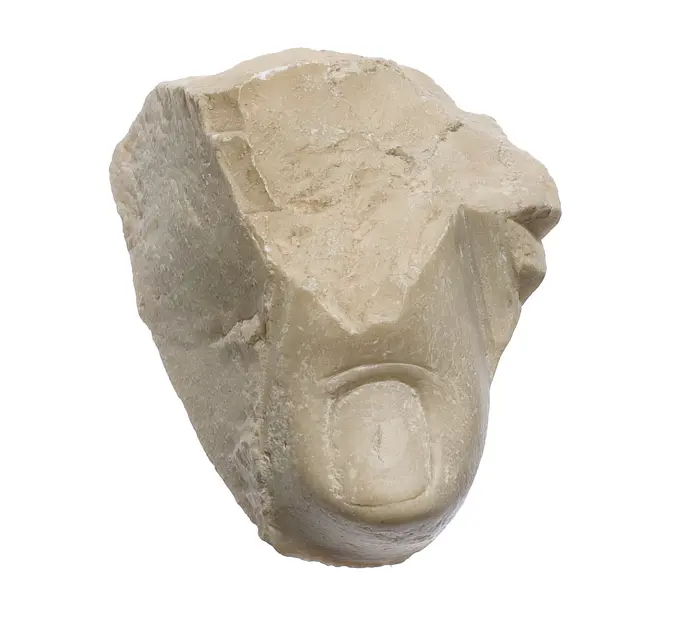
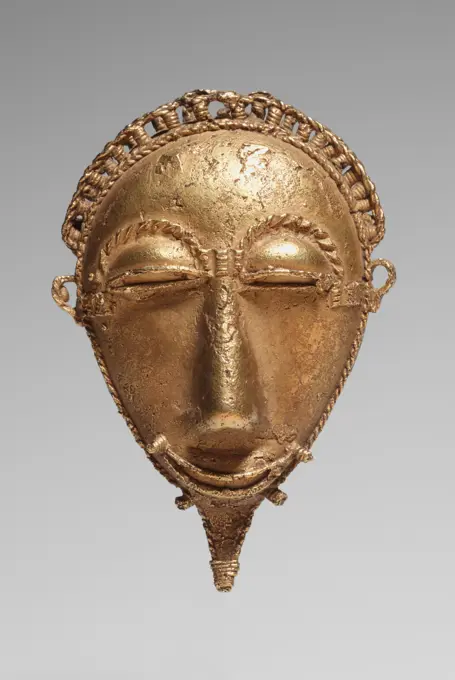
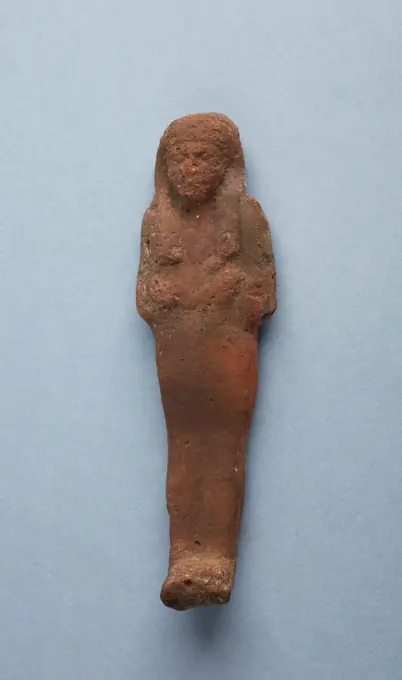
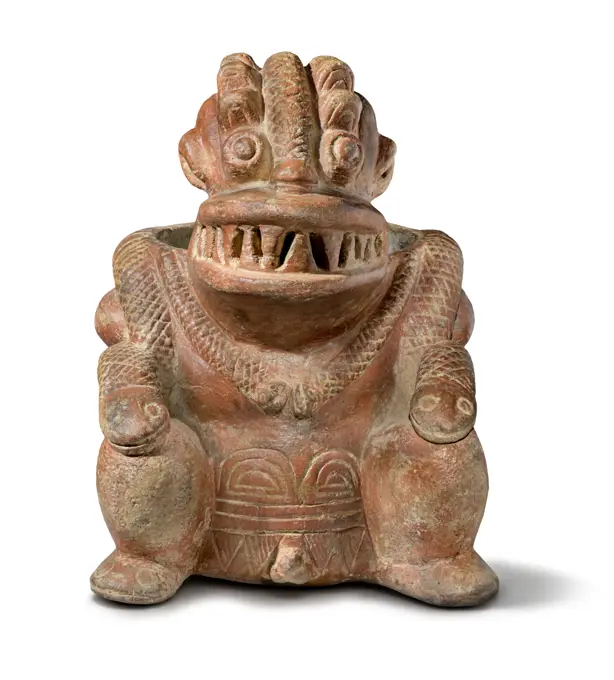
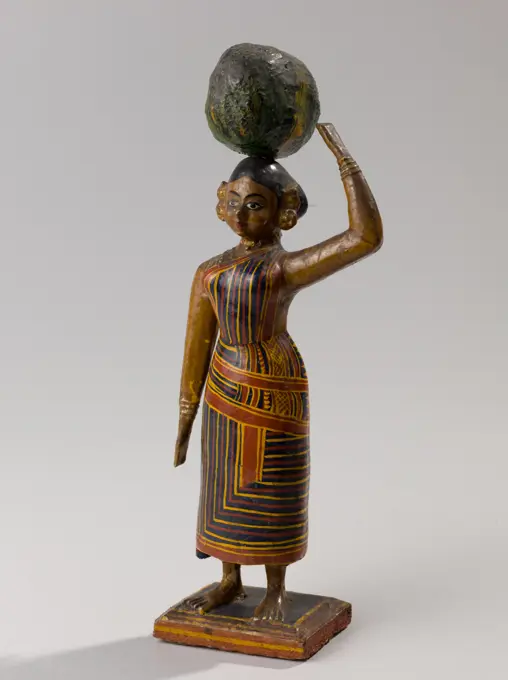
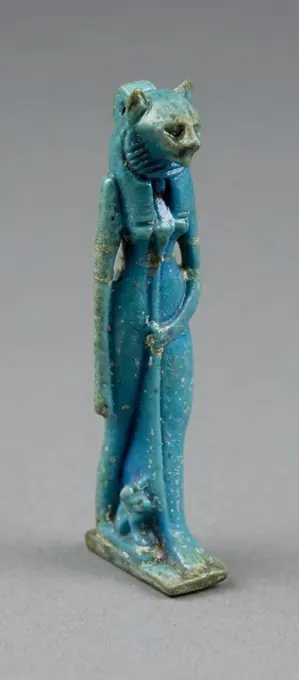
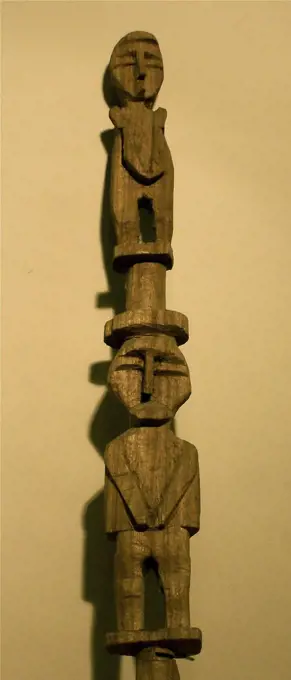
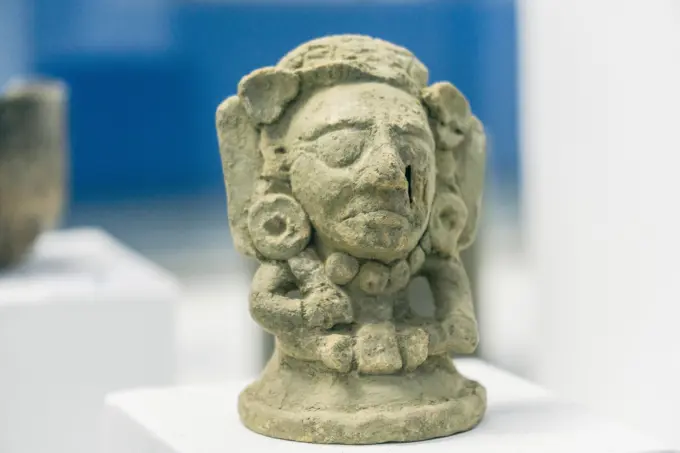
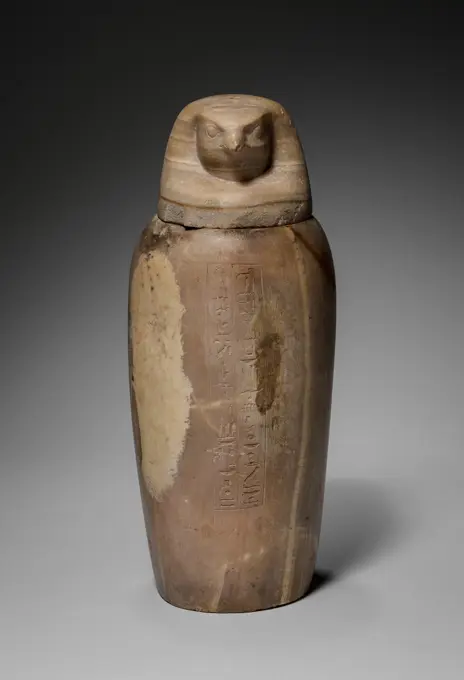
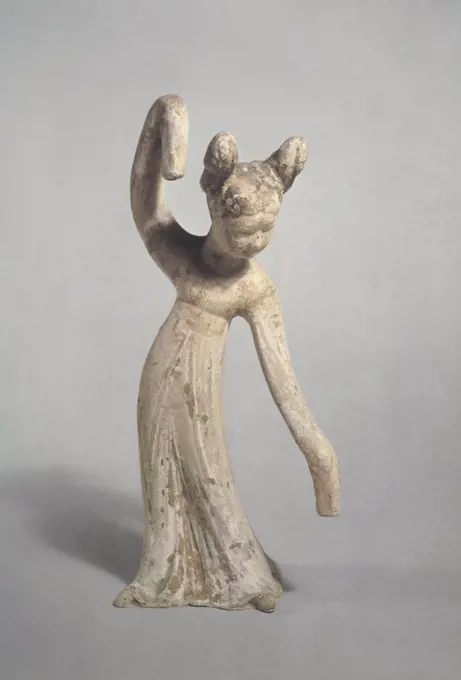
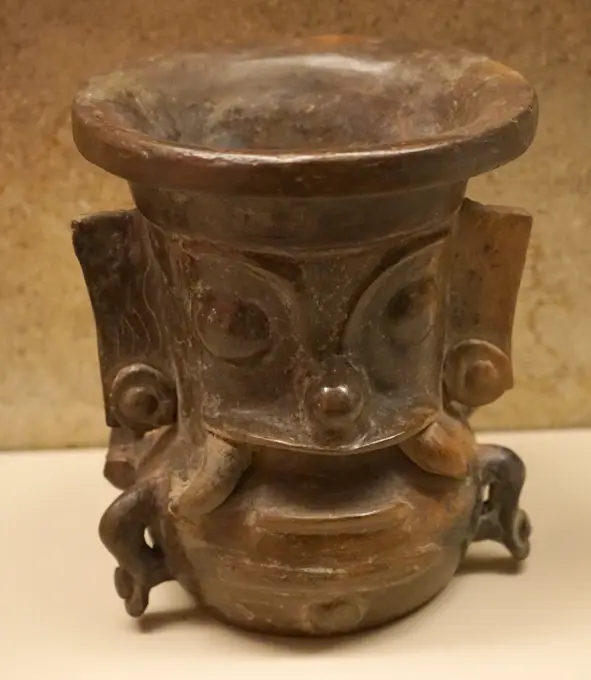
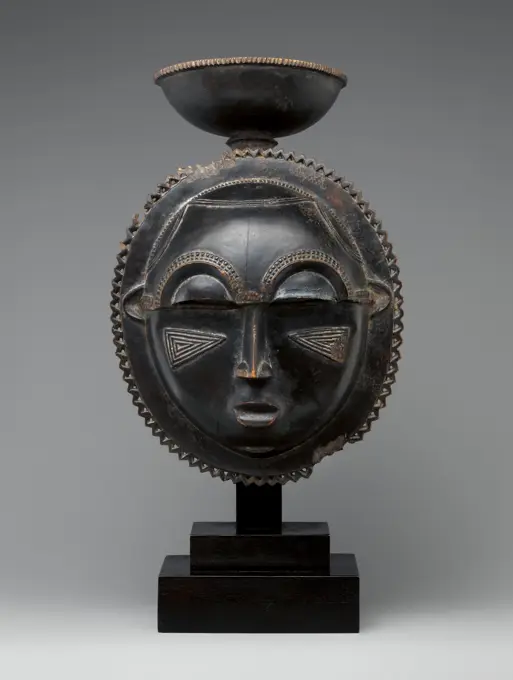
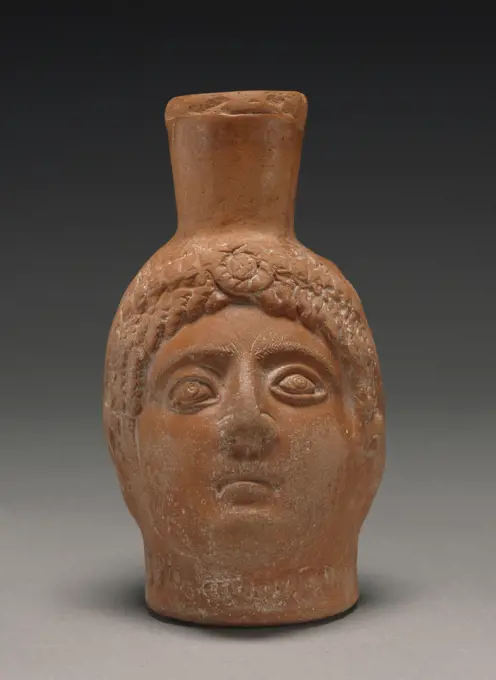
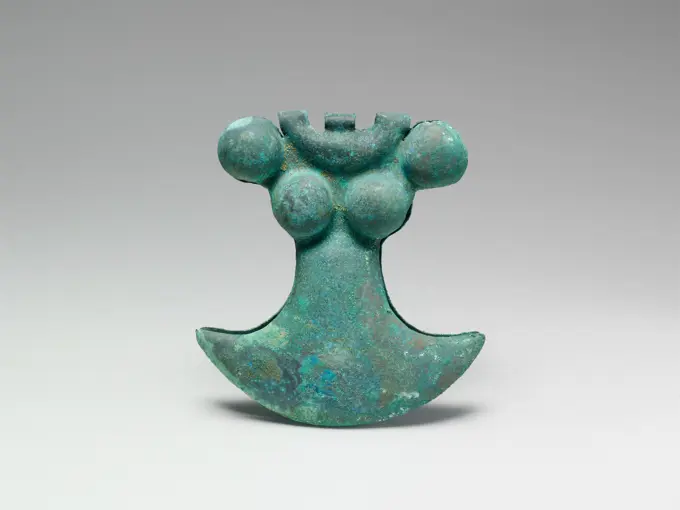
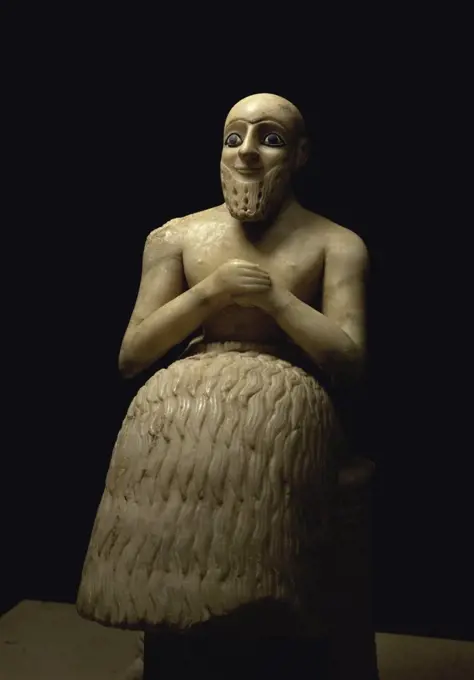
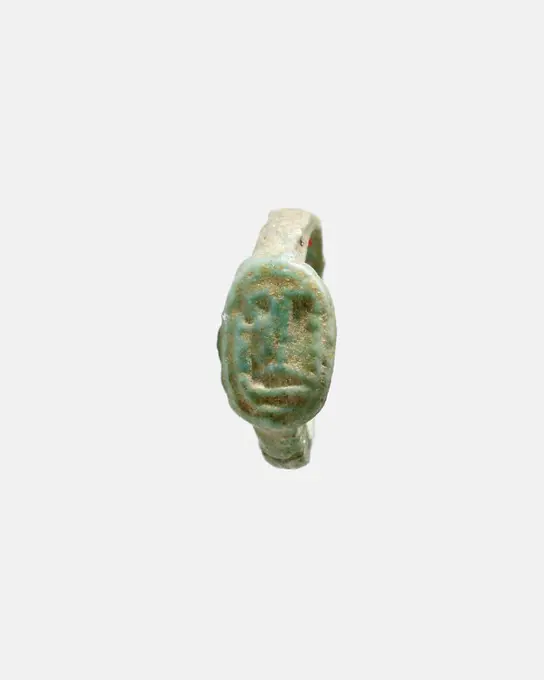
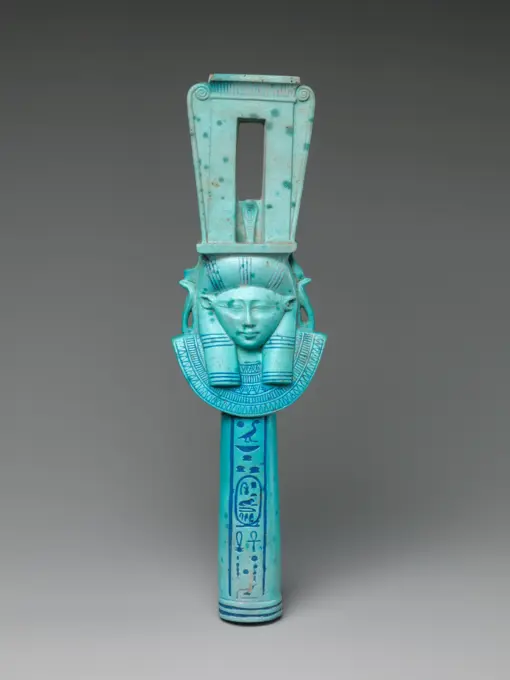
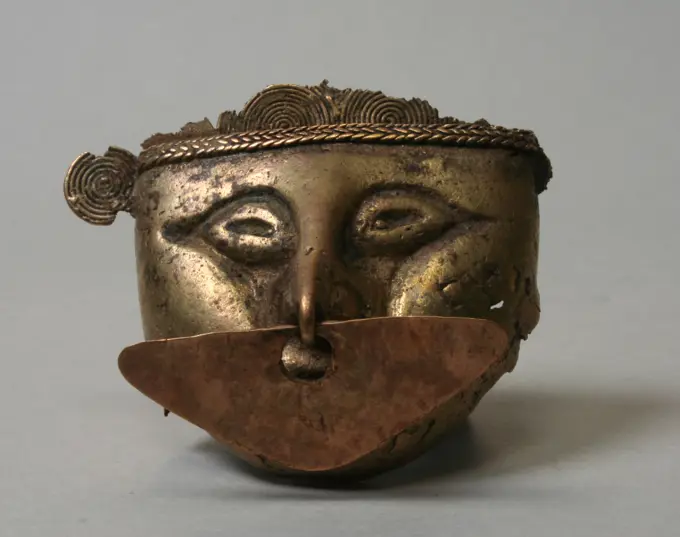
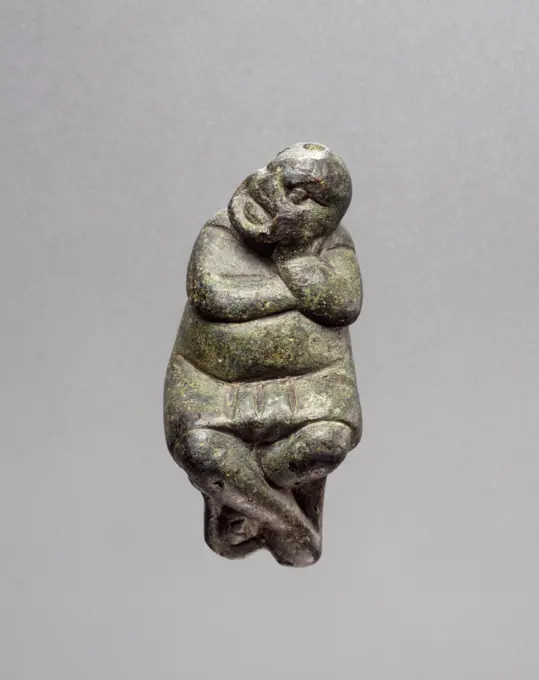
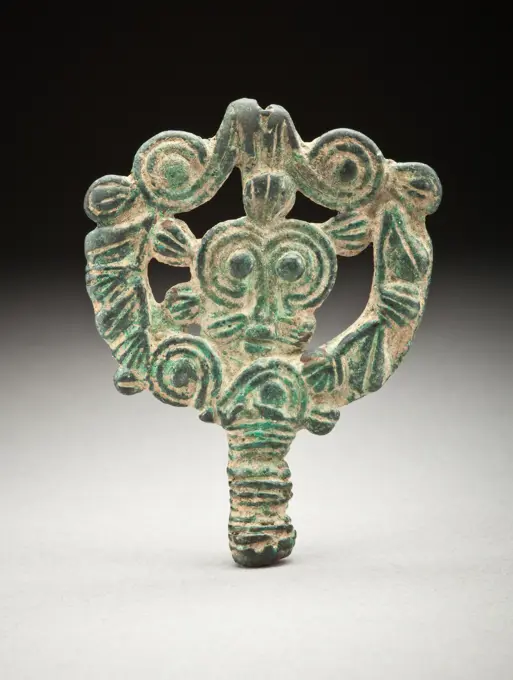
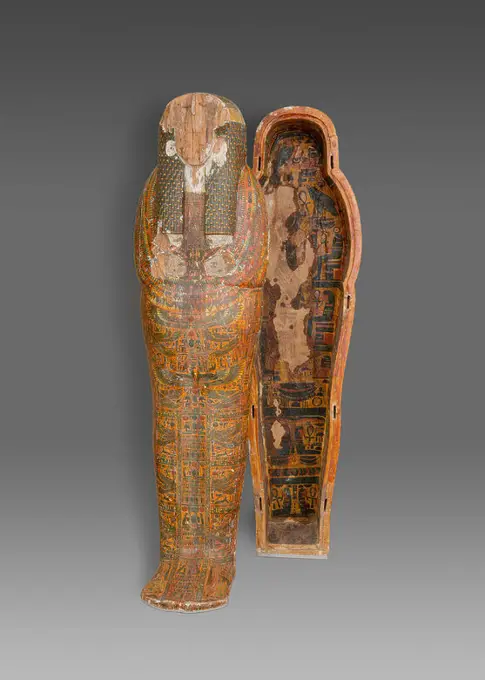
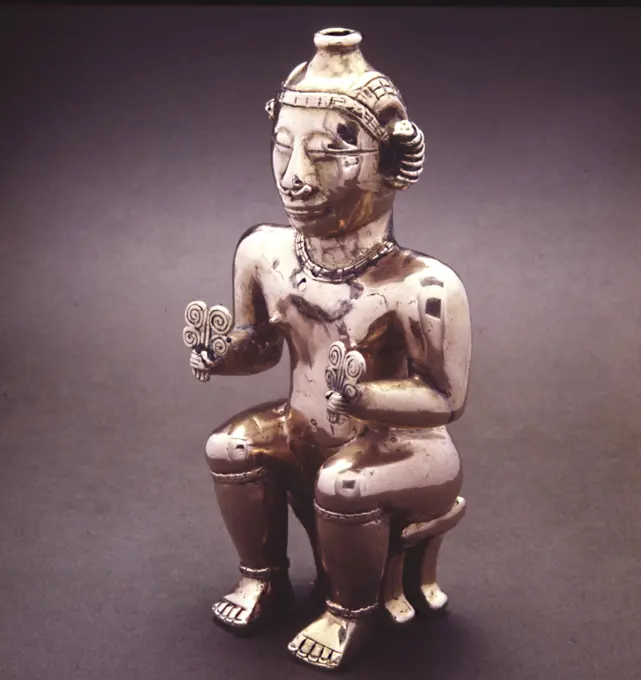
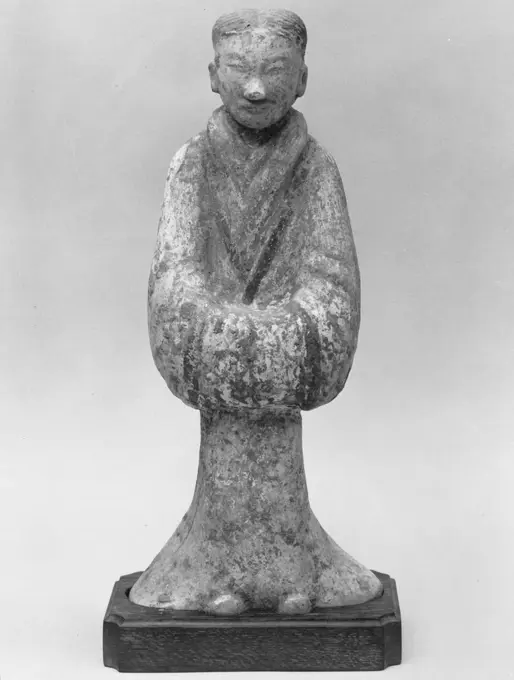
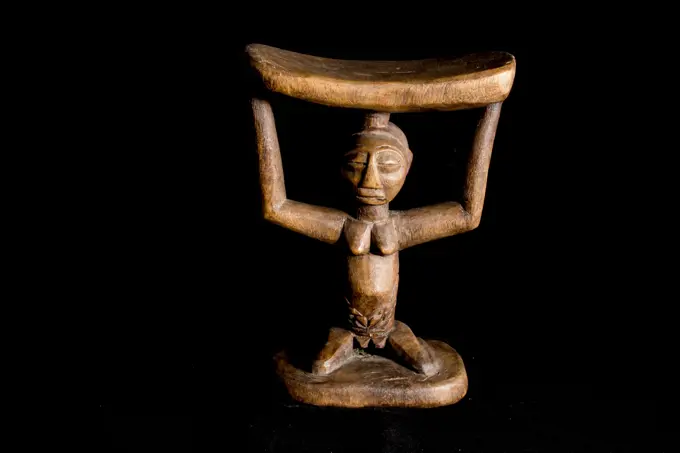
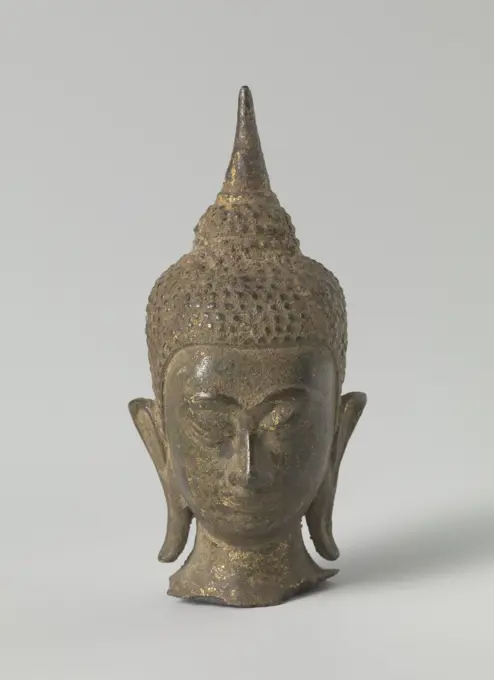
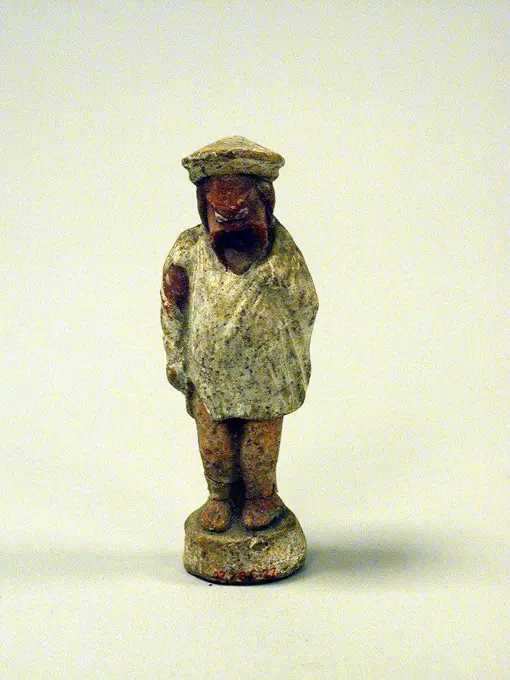
Statuette of an actor 4th century B.C. Greek. Statuette of an actor 247907Smiling human figure. Ceramics. El Tajin culture. Remojadas Phase, Superior II. Middle and Late Classic Period (400-900 AD). Mexico, Gulf Coast. Museum of the Americas. Madrid, Spain. Head of an Oba 18th century Edo peoples The overall cylindrical shape, beaded collar covering the chin, and addition of bead clusters to the crown identify this Benin brass head as belonging to the eighteenth century. The crown, with its pattern of crisscrossed beads with junctures marked by a dot in the center, is characteristic of this period, as are the three raised marks above each eye which are called ikharo, believed to represent scarification marks. Men would usually have three, while women and foreigners would wear four. The pointed oval eyes are outlined with heavy stylized rims, which are not decorated with incisions like those of later examples. Additionally there is no wide-lipped flange at the base of the head, which became an integral component of nineteenth-century heads.. Head of an Oba. Edo peoples. 18th century. Brass, iron. Nigeria, Court of Benin. Metal-SculptureBronze pendant in the form of a human figure. Culture: Cretan. Dimensions: 1in. (2.5cm). Date: ca. 1050-900 B.C..Hole in the center of body. Museum: Metropolitan Museum of Art, New York, USA.Female figurine on a reed. Dimensions: H. 18.7 x W. 2.9 x D. 2.4 cm (7 3/8 x 1 1/8 x 15/16 in.). Date: ca. 3650-3300 B.C.. Museum: Metropolitan Museum of Art, New York, USA.Otter statue. Dimensions: H. 45.5 cm (17 15/16 in.); W. 8.3 cm (3 1/4 in.); D. 12.4 cm (4 7/8 in.). Date: 664-30 B.C..During the Late Period and Ptolemaic times otters were represented in bronzes statuettes such as this one, standing, forepaws raised, atop small bronze boxes. The pose of raised paws signifies the otter's adoration of the sun god when he rises in the morning.In myth otters were attached to the goddess of Lower Egypt Wadjet, whose cult was centered in Buto, in the northern Delta. Museum: Metropolitan Museum of Art, New York, USA.Worker Shabti of Nany ca. 1050 B.C. Third Intermediate Period See 30.3.27.1a, b. Worker Shabti of Nany. ca. 1050 B.C.. Faience. Third Intermediate Period. From Egypt, Upper Egypt, Thebes, Deir el-Bahri, Tomb of Meritamun (TT 358, MMA 65), first corridor, burial of Nany, MMA excavations, 1928-29. Dynasty 21Stirrup Spout Bottle with Warrior. Culture: Moche (Loma Negra) (). Dimensions: H. 6 1/2 in. (16.5 cm). Date: 390-450. Museum: Metropolitan Museum of Art, New York, USA.Shard: Profile of Offerer ca. 4th-5th century Pakistan. Shard: Profile of Offerer 51261Pilgrim's Badge with Bust of a Bishop 14th and 15th century British. Pilgrim's Badge with Bust of a Bishop. British. 14th and 15th century. Lead. Made in Canterbury (), England. Metalwork-LeadMiniature mask, 1500 BCE, Earthenware, Mexico, Pre-ClassicStatuette of a Seated Lion; Sparta, Lakonia, Greece; about 550 B.C; Bronze; 9.3 × 5 × 13.3 cm (3 11,16 × 1 15,16 × 5 1,4 in.)Head of a man, grotesque Greek. Head of a man, grotesque. Greek. Terracotta. TerracottasWorker Shabti of Nany ca. 1050 B.C. Third Intermediate Period See 30.3.28.1a, b. Worker Shabti of Nany. ca. 1050 B.C.. Faience. Third Intermediate Period. From Egypt, Upper Egypt, Thebes, Deir el-Bahri, Tomb of Meritamun (TT 358, MMA 65), first corridor, burial of Nany, MMA excavations, 1928-29. Dynasty 21Statuette representing the Falcon god, Horus wearing the double crown, bronzeFigure, 400 BCE - 500 CE, 5 x 2 1/2 x 1 1/2 in. (12.7 x 6.4 x 3.8 cm), Metadiorite, Mexico, 4th century BCE - 6th century CEWorker Shabti of Nauny ca. 1050 B.C. Third Intermediate Period See 30.3.29.1a, b. Worker Shabti of Nauny. ca. 1050 B.C.. Faience. Third Intermediate Period. From Egypt, Upper Egypt, Thebes, Deir el-Bahri, Tomb of Meritamun (TT 358, MMA 65), first corridor, burial of Nauny, MMA excavations, 1928-29. Dynasty 21Stirrup Spout Bottle with Seated Figure. Culture: Moche. Dimensions: Overall: 8 3/4 x 4 5/8 in. (22.23 x 11.76 cm)Other: 4 5/8 in. (11.76 cm). Date: 5th-7th century. Museum: Metropolitan Museum of Art, New York, USA.Key Handle 1st-7th century Roman. Key Handle 462918Stylized faces or masks, 1809 - 1869    wood (plant material)Maska sarkofagowa. unknown, authorLimestone head of a snake probably 6th-5th century B.C. Cypriot The head of a bearded snake has an open mouth and teeth that are very well rendered.. Limestone head of a snake 242130Amulet - bóg Mahes. unknown, authorCopper Figure Ornament 3rd century B.C.-A.D. 2nd century Vicús. Copper Figure Ornament 315230Head Pendant 4th-7th century Coptic. Head Pendant 478745Okina, old man - miniature mask from the Noh theatre; netsuke. unknown, sculptorWorker Shabti of Nany ca. 1050 B.C. Third Intermediate Period See 30.3.26.1a, b. Worker Shabti of Nany 625713Bottle. Syria, 12th-13th century. Ceramics. Earthenware, molded with applied neck, foot and handle (now missing)Anthropomorphic Bird Figure 1st-5th century Tolita-Tumaco. Anthropomorphic Bird Figure 313258Ichneumon Mongoose Figurine. Egypt, probably Ptolemaic Period (323 - 30 BCE). SculptureRitual pencil cup. Cup on tripod, with a cut-out edge and a large spout. Two ears and two stand-up buttons on the edge.Amulet of the Goddess Bastet 1069 BCE-656 BCE Egypt. Faience . Ancient EgyptianFigure of a standing woman 7th-8th century China. Figure of a standing woman 48492Stirrup Spout Bottle with Figure 4th-6th century Moche. Stirrup Spout Bottle with Figure 309378'Funeral Figurine'. China, 8th century. Museum: State Hermitage, St. Petersburg.Head of a Kushite King ca. 747-664 B.C. Third Intermediate Period When rulers of the Kingdom of Kush in Nubia became pharaohs of Egypt, they adopted the Egyptian conventions of representation. However they added distinctive elements, such as the double uraei worn on the nemes headdress shown here, to express their Nubian character.. Head of a Kushite King. ca. 747-664 B.C.. Egyptian blue. Third Intermediate Period. From Egypt. Dynasty 25Terracotta oil lamp. Culture: Roman. Dimensions: Overall: 1 3/8 x 3 1/8 in. (3.5 x 7.9 cm). Date: 2nd century A.D..Loeschcke Type 8. Unpierced handle. Mold-made. Discus: two gladiators; on left, standing retiarius, facing right and holding long trident aslant, and, on right, kneeling opponent, also facing right. Relief scroll pattern on shoulder. On base, in Greek letters: XAP (). Red-buff clay. Museum: Metropolitan Museum of Art, New York, USA.Nubian head inlay ca. 1295-1070 B.C. New Kingdom, Ramesside. Nubian head inlay 545920Pectoral. Mexico, Western Oaxaca, Mixtec-Puebla, 1200-1500. Metal. GoldToe of prostrate foot () of Akhenaten or Nefertiti ca. 1352-1336 B.C. New Kingdom, Amarna Period. Toe of prostrate foot () of Akhenaten or Nefertiti 549657Pendant: Face, 1900s. Africa, West Africa, Côte d'Ivoire, possibly Baule-style goldsmith. Gold; overall: 7.6 x 5 cm (3 x 1 15/16 in.). Cast using the lost-wax method, gold objects are the only Baule art forms associated with ancestral spirits. Usually stored in suitcases or pots, a collection of gold adornments (aja) are displayed on important occasions such as funerals. They are laid out around the corpse before burial as a sign of respect and their family's wealth. Faces such as this pendant are said to be idealized portraits of friends or lovers. This depiction of a man has a beard and elaborately styled hair.Amulet of a Cat Sitting on a Papyrus Column 1069 BCE-664 BCE Egypt. Faience . Ancient EgyptianUshabtiTerracotta votive offering, Ibero-Roman culture, probably from the middle of the 1st century AD. Castellar de Santisteban, Iberian culture, Archeological Museum. Úbeda, Jaén province, Andalusia, Spain.Basket-Carrier ("Canastero") with Fangs and Serpents. Colombia, Valle del Cauca, Calima, Calima Ilama, 1500 BCE-100 CE. Ceramics. CeramicRepousse Kris Handle in the form of aDemonAnonymous. "Java doll". Painted wood. Paris, Museum of Romantic Life. DOLLMask. Wooden mask with traces of polychromy. It is Pentul / Pepentul mask. The oldest servant of the hero Panji. The lower jaw should be absent.Amulet of the Goddess Bastet (). Egyptian. Date: 1070 BC-656 BC. Dimensions: 7.6 × 1.9 × 2.5 cm (3 × 3/4 × 1 in.). Faience. Origin: Egypt. Museum: The Chicago Art Institute, Chicago, USA. Author: Ancient Egyptian.Kuna indian wood carving, a chief's staff with two Nuchu figures (medicine dolls). From the San Blas archipelago, Panama.Anthropomorphic lid Anthropomorphic lid, classic, Santa María Nebaj, anthropology museum, department of El Quiché, Guatemala, Central America Copyright: xZoonar.com/ToloxBalaguerx 22071018Sculpture. Cup (of woman) (), With high one-sided hairstyle. On base.Canopic Jar with Falcon's Head, 664-525 BC. Egypt, Late Period, Dynasty 26. Travertine; diameter: 18.6 cm (7 5/16 in.); diameter of mouth: 10.5 cm (4 1/8 in.); overall: 45.3 cm (17 13/16 in.). In the process of mummification, the liver, lungs, stomach, and intestines were removed, separately embalmed, and stored in specialized jars known as canopic jars (after a sailor in Greek mythology, who died at the town of Canopus in the Nile Delta and was worshipped there in the form of a human-headed jar). Each organ was identified with one of four funerary deities collectively known as the Sons of Horus: the liver with Imsety (man's head), the lungs with Hapy (baboon's head), the stomach with Duamutef (jackal's head), and the intestines with Qebehsenuef (falcon's head). It was their duty to protect the deceased and restore to him his body parts in the hereafter.South America, Peru, Lima. National Museum of Archaeology & Anthropology. Moche pottery. (Editorial Usage Only)Ornamental Mask before 16th century Ecuador (). Ornamental Mask 310265Funerary Statue:  Dancer  T'ang Dynasty 618-907 Artist Unknown (Chinese) Terra Cotta   Musee Guimet, Paris  Amulet of the Goddess Tawaret (Toeris) 1070 BCE-656 BCE Egypt. Faience . Ancient EgyptianOlmec culture. Kunz Axe, 1000-400 BC. Amerian Museum of Natural History. Ny. USA.Amulet - Re HarachteWomans head - figurine fragment. unknown, craftsmanPottery vessel representing the Storm God of the Aztecs, known as Tlaloc. Dated 1st Century BCPendant with Serpent HeadressStatuette of a Jackal 664 BCE-525 BCE Egypt. This statuette represents the god Anubis or Wepwawet, the jackal guardians of burial sites. The figure is solid cast from copper alloy, and the details of its fur are incised. The figure may originally have decorated the top of a shrine.. Copper alloy . Ancient EgyptianHead of Attendant 11th-12th century China. Head of Attendant 61651Offering table ca. 1981-1802 B.C. Middle Kingdom. Offering table. ca. 1981-1802 B.C.. Limestone. Middle Kingdom. From Egypt, Memphite Region, Lisht North, MMA excavations, 1920-22. Dynasty 12Moon Mask ca. 1880 Baule peoples This Baule mask features a perfectly round, domed face framed by a flat rim bordered with a pierced serrated decoration, echoing the zigzag border of a cup delicately balanced at the summit. The crescent eyes, slender nose, naturalistic mouth, and a panel of concentric triangles carved in relief on each cheek contribute to the refined composition. The masks surface has a dark, glossy patina.Among the Baule peoples of Central Côte d'Ivoire, masks are divided into three distinct groups: first, the most widespread, the goli mask; then the sacred masks, bonu amuin, reserved for adult males only; and finally, entertainment masks. Moon masks such as this example fall in the last category. Together with other representations of natural phenomena such as a rainbow and the setting sun, the masks are worn to “warm the dance space” at the beginning of a sequence known as gbagba or mblo. Appearing during daytime and open to all, gbagba performances feature masked Red-Slip Head Vase; North Africa, Tunisia; about 300; Terracotta; 14.9 cm (5 7,8 in.)Bell (nao). China, probably Hunan province. Date: 1046 BC-771 BC. Dimensions: H. 41.7 cm (16 1/2 in.); diam. 28.9 cm (11 3/8 in.). Bronze. Origin: China. Museum: The Chicago Art Institute, Chicago, USA.Amphoriskos (Container for Oil). Eastern Mediterranean; possibly the Syro-Palestinian region. Date: 200 BC-50 BC. Dimensions: 11 × 6 × 4.6 cm (4 3/8 × 2 3/8 × 1 3/4 in.). Glass, core-formed technique. Origin: Eastern Mediterranean Region. Museum: The Chicago Art Institute, Chicago, USA. Author: Ancient Eastern Mediterranean.Abruzzo L'Aquila S. Giuliano (L'Aquila environs) Museo36. Hutzel, Max 1960-1990 Views of the four collections housed in museum: Roman coins; Pre-Columbian art brought from Central America in 17th century; Greek and Roman sculpture; Egyptian sculpture and minor arts. Museum Roman coins; Greek and Roman sculpture; Egyptian sculpture and minor arts; Pre-Columbian sculpture. German-born photographer and scholar Max Hutzel (1911-1988) photographed in Italy from the early 1960s until his death. The result of this project, referred to by Hutzel as Foto Arte Minore, is thorough documentation of art historical development in Italy up to the 18th century, including objects of the Etruscans and the Romans, as well as early Medieval, Romanesque, Gothic, Renaissance and Baroque monuments. Images are organized by geographic region in Italy, then by province, city, site complex and monument.Belt Ornament 2nd-7th century Moche This small hollow ornament is made of a hammered copper sheet folded along the top. Similar ornaments are illustrated in Moche art, attached to the belts of warriors. Here, three suspension loops allowed the object to be attached. The inverted crescent shape of the object recalls the form of tumi knives used in sacrifice ceremonies. The ornament is also identical to metal backflaps illustrated in Moche iconography and discovered in the royal burials at the site of Sipán, on the north coast of Peru. Backflaps were symbolic objects; often tumi-shaped and half silver, half gold, they expressed ideas of sacrifice and dualism. As backflaps, this ornament includes a series of hollow spheres containing clappers that produced sound when the wearer moved.. Belt Ornament 315644The Steward Ebih-il  Mesopotamian Art  Musee du Louvre, Paris  Necklace. Mexico, Oaxaca, Mixtec (), 1100-1520. Metal. GoldRing. Dimensions: Diam. 1.6 cm (5/8 in.). Dynasty: Dynasty 18. Date: ca. 1550-1070 B.C.. Museum: Metropolitan Museum of Art, New York, USA.Anthropomorphic RattlePipe bowlTraditional African wooden tribal maskIndividuals with facial mutilation, from Peru. Dated 600 ADFaience Sistrum Inscribed with the Name of Ptolemy I 305-282 B.C. Ptolemaic Period Sistra were musical instruments associated especially with the cult of great goddesses, including Hathor, Isis, Bastet, and others. Faience examples bearing a royal name appear to have been temple offerings.Link to a blog postPetrified Sound and Digital Color: A Hathor Column in the New Ptolemaic Galleries. Faience Sistrum Inscribed with the Name of Ptolemy I. 305-282 B.C.. Faience. Ptolemaic Period. From EgyptAmulet - figurka lwiogłowej bogini (Sachmet). unknown, authorHead of a satyr for attachment to a jug 246-221 B.C. Ptolemaic Period Satyr masks like this one were affixed to the inside rim of elaborate wine jugs (oinochoai) where the handle reached the rim. At the lower end of the handle on the body of the vessel were affixed heads of Silens, the old drinking man who accompanied Dionysus. The authoritative study on Ptolemaic oinochoai notes that the two made an effective pair: the Satyr's eager face invites drinking, and the Silen's benevolent appearance suggested the satisfaction of having drunk.Other fragments of such wine jugs in the collection preserve the relief images of queens that decorated their sides (26.7.1016 and 26.7.1017).. Head of a satyr for attachment to a jug. 246-221 B.C.. Faience. Ptolemaic Period. From EgyptAnthropomorphic head pendant A.D. 1-1000 Zenú This hollow metal pendant is in the form of a human head. It was made primarily by lost-wax casting. The person depicted in the pendant wears a nose ornament, a separate triangular piece made of metal sheet. The cast head appears to be gold or likely a gold alloy with copper, while the pink hue of the nose ornament suggests it has higher copper content. A casting core made of ceramic would have been present in the space of the hollow interior; it was almost entirely removed after the metals solidification. The walls of the pendant, measured at the bottom edges on the reverse side, are 0.8 to 1 mm thick. All of the features discussed here, except the triangular nose ornament, were originally designed in wax as one continuous piece (please see Metropolitan Museum of Art 2008.569.13a, b for a more detailed discussion of lost-wax casting). The pendant is the work of Zenú peoples, who have lived and live today in the Caribbean Lowlands of ColomFigurine of Skeletal Captive. Belize or Mexico, Maya, 600-900 CE. Bone with pigmentStatuette of a Seated Actor. UnknownHeart Scarab ca. 1550-1070 B.C. New Kingdom. Heart Scarab 550870Openwork Pinhead. Iran, Luristan, Luristan bronzes, circa 1000-650 B.C.. Jewelry and Adornments; pins. Bronze, castAmphoriskos. UnknownInner Coffin of Djedmutesankh. Dimensions: L. 186 cm (73 1/3 in). Dynasty: Dynasty 21. Date: ca. 1000-945 B.C..The Lady Djedmutesankh was buried with a number of other members of her wealthy extended family in a tomb in on the West Bank at Thebes. Her exalted position is reflected by her titles, which include "Leading Lady" and "First Chief of the Harim of Amun"; she was most likely a wife of a High Priest of Amun. Her burial assemblage includes a set of nested coffins; an Osiris shroud; leather braces; amulets; wax viscera figures; two funerary papyri: an Osiris figure; and two wooden boxes full of crudely formed shabti figures. Despite her high rank, her coffin was plundered in ancient times.Echoing the decoration of her outer coffin, Djedmutesankh's inner coffin was decorated with religious symbols and rows of funerary deities; this repertoire is repeated again on the mummy board that was placed inside, directly over her wrapped mummy. There are differences in the icons chosen and iLime container, seated woman, gold, Quimboya Region, Colombia.Figure of a Man China. Figure of a Man 52551Shop window with jewellery, archaic-looking figure with coral necklace, Bavaria, Germany, EuropeAmulet of the Goddess Sekhmet. Egyptian. Date: 1050 BC-664 BC. Dimensions: 5.2 × 1.6 × 1.3 cm (2 1/16 × 5/8 × 1/2 in.). Faience. Origin: Egypt. Museum: The Chicago Art Institute, Chicago, USA. Author: Ancient Egyptian.Pendant with Images of Human HeadsAfrica,  Democratic Republic of the Congo, tribal art, anthropomorphic headrest, Luba peopleVotive Head. UnknownDisplay at Museum of Natural History in Manhattan, New York, New York.Head of a Buddha image, anonymous, 1600 - 1699 Fragment (head) of Buddha with curly hair. Thailand bronze (metal) Fragment (head) of Buddha with curly hair. Thailand bronze (metal)Owl Tab Ornament 6th-7th century Moche (Loma Negra). Owl Tab Ornament 313744Italy, Bowl with anthropomorphic figurePottery Whistle. Culture: Mexican. Date: ca. 900-1500. Museum: Metropolitan Museum of Art, New York, USA.