Ancient Figurines and Artefacts

An array of ancient artefacts including figurines and amulets, showcasing diverse cultures from China, Mexico, and Egypt, representing rich historical artistry.
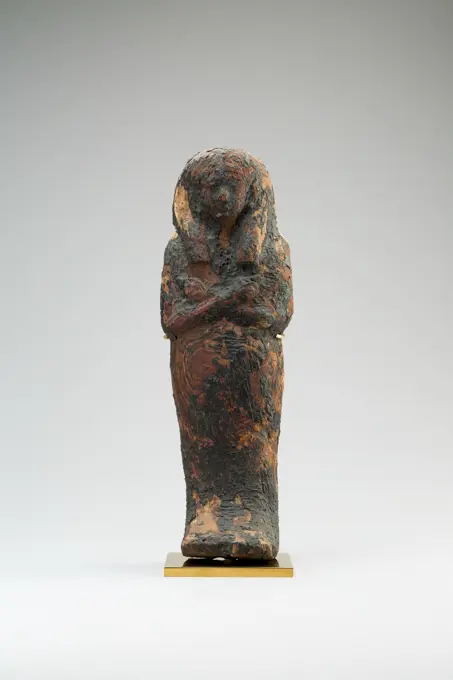
Canopic Coffin in the Form of Imsety ca. 924-889 B.C. Third Intermediate Period. Canopic Coffin in the Form of Imsety 559933
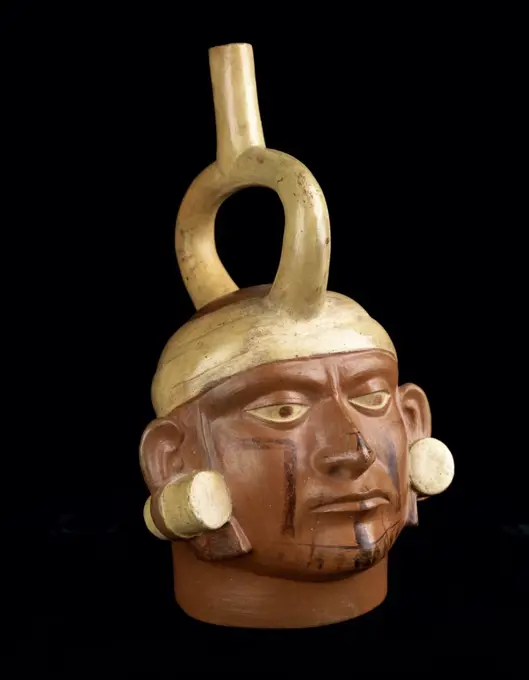
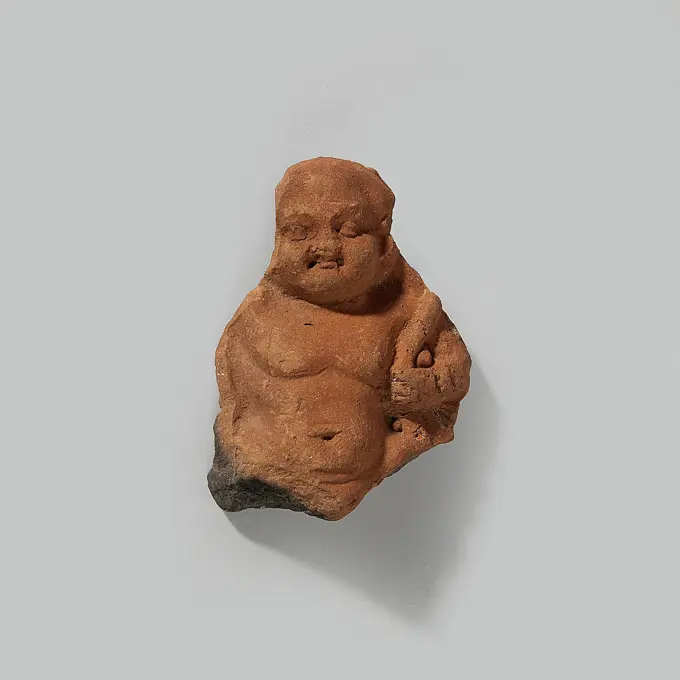
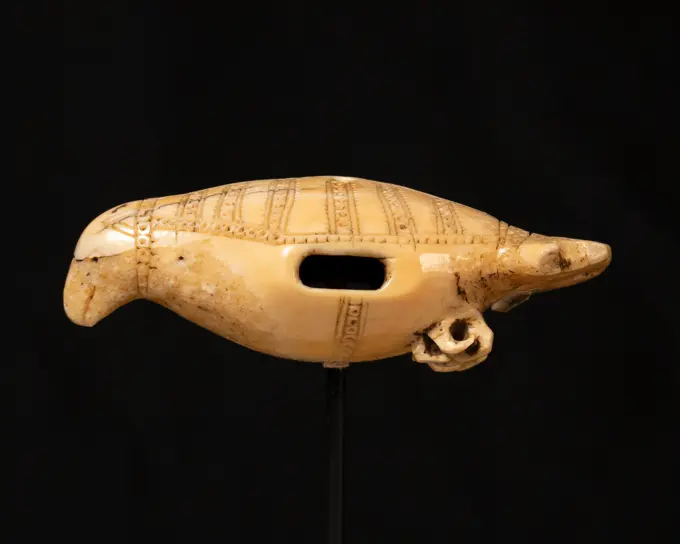
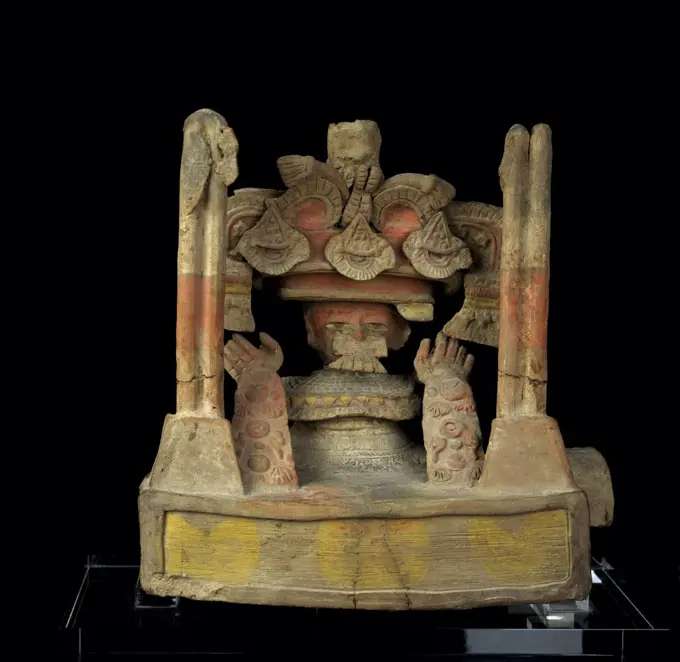
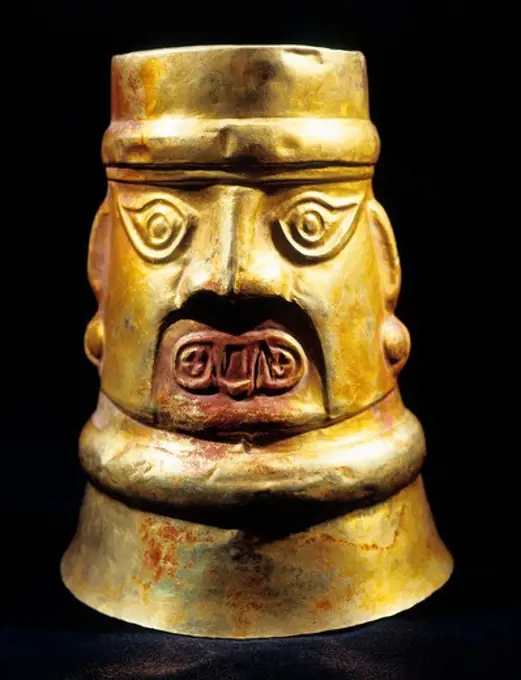
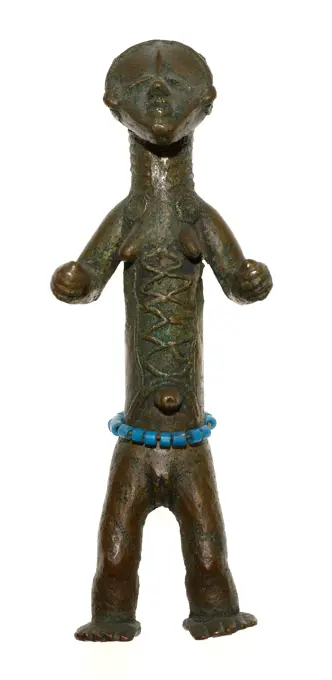
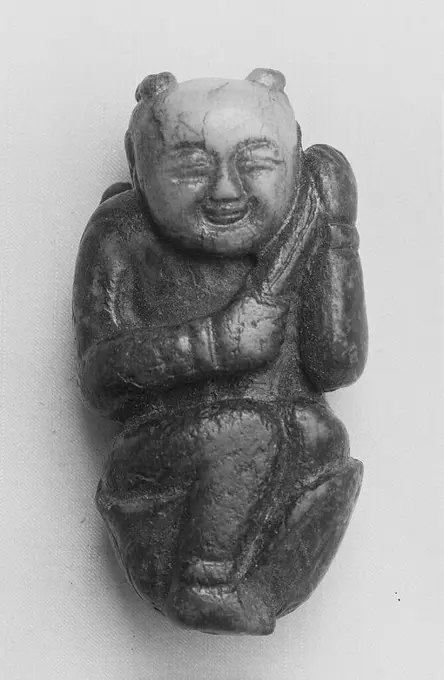
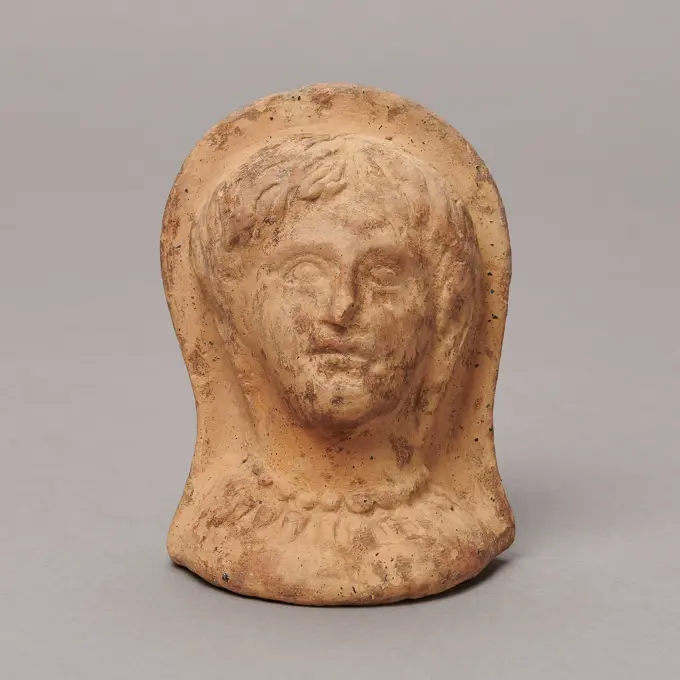
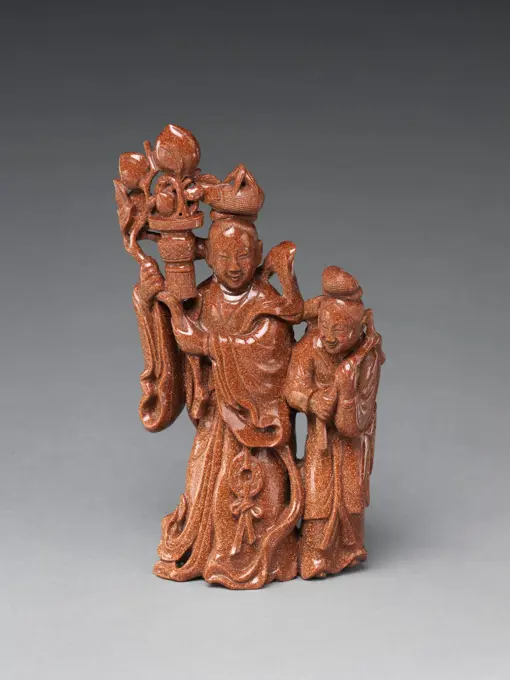
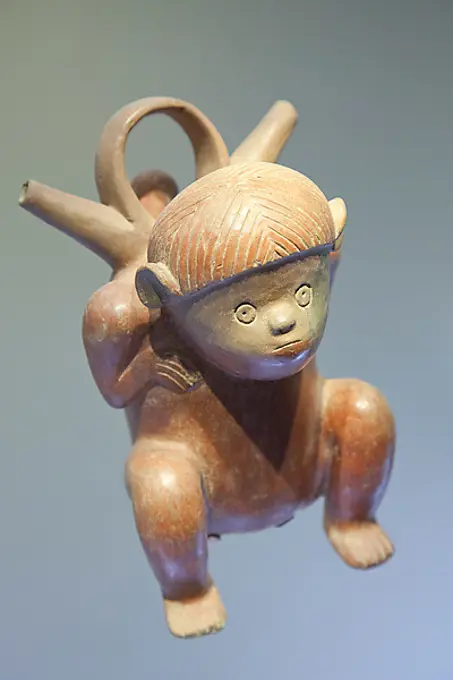
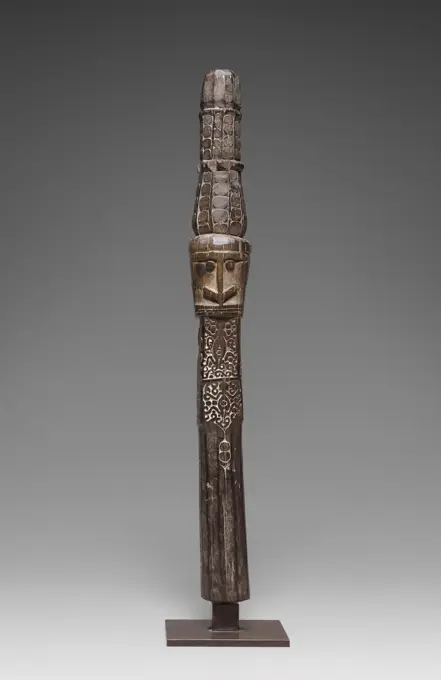
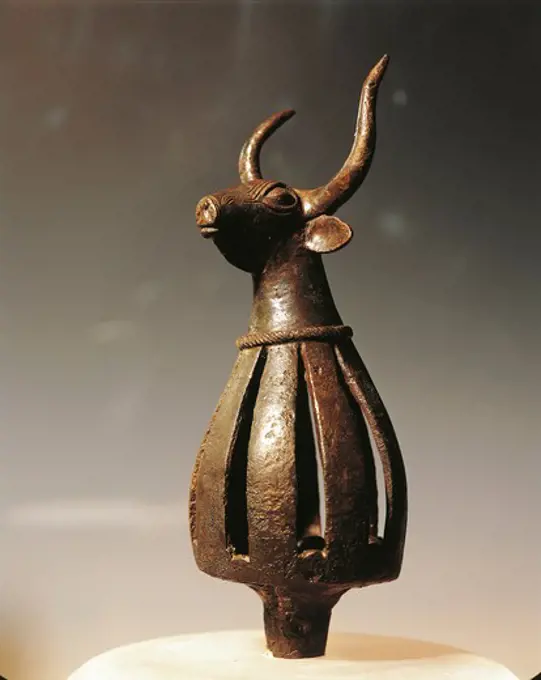
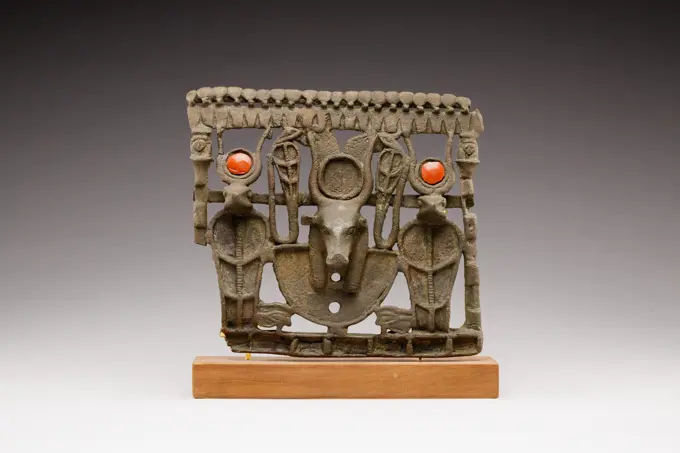
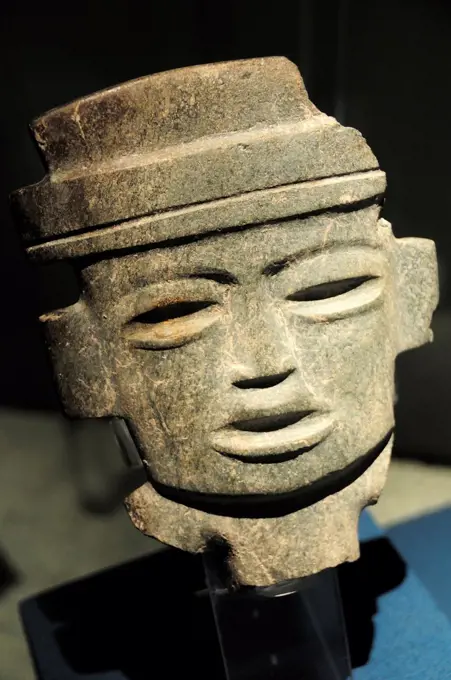
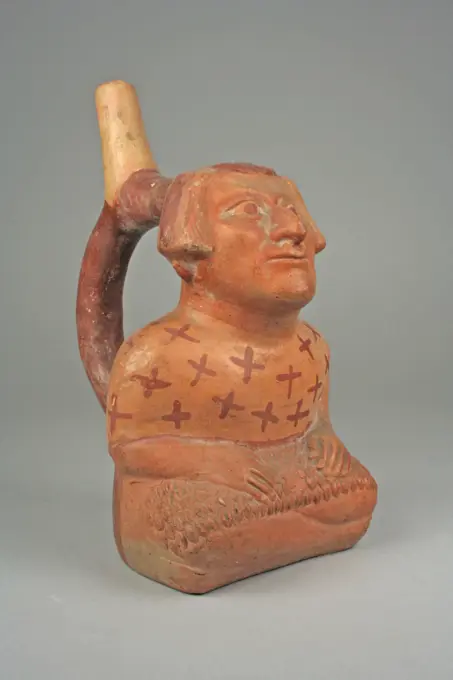
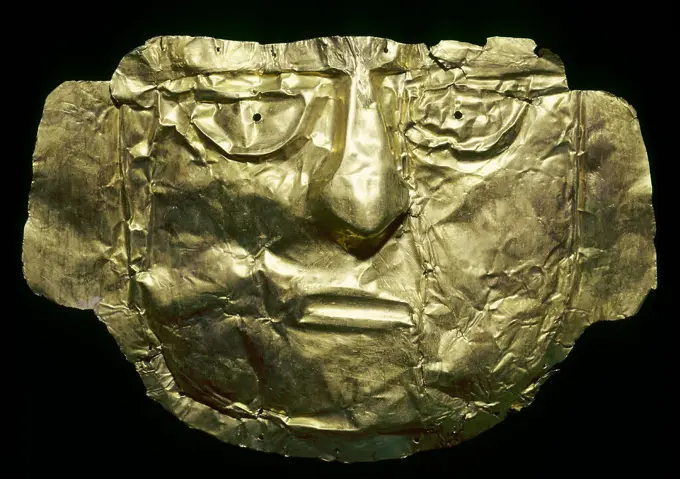
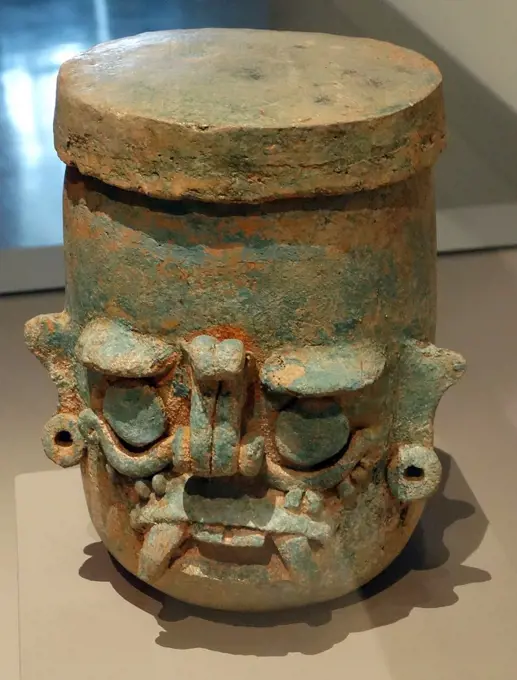
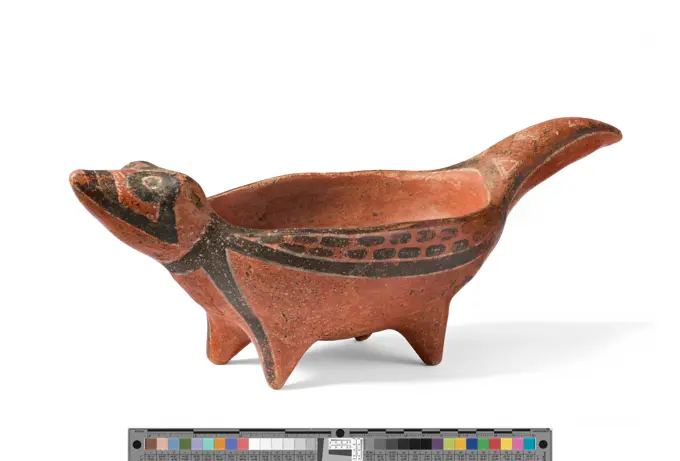
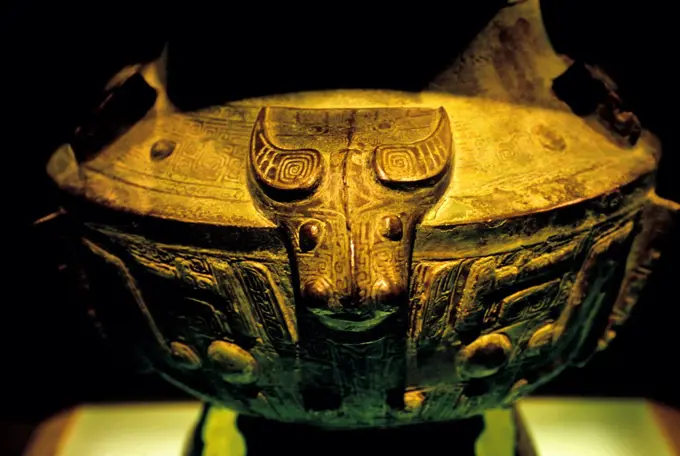
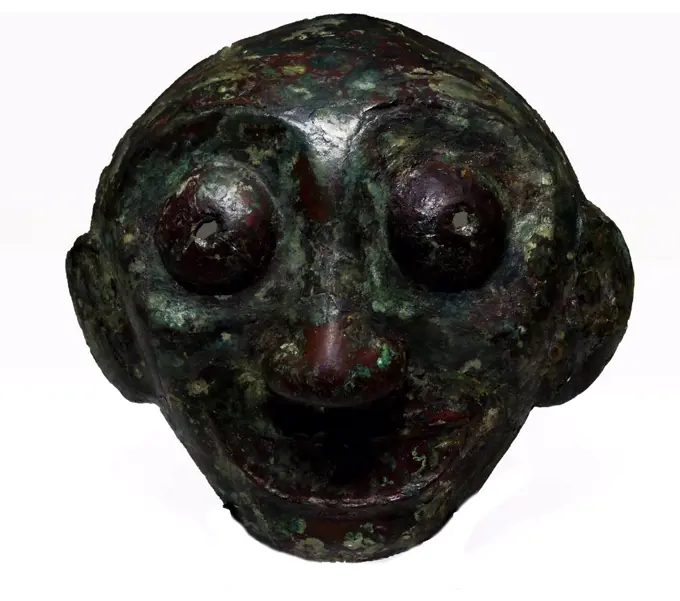
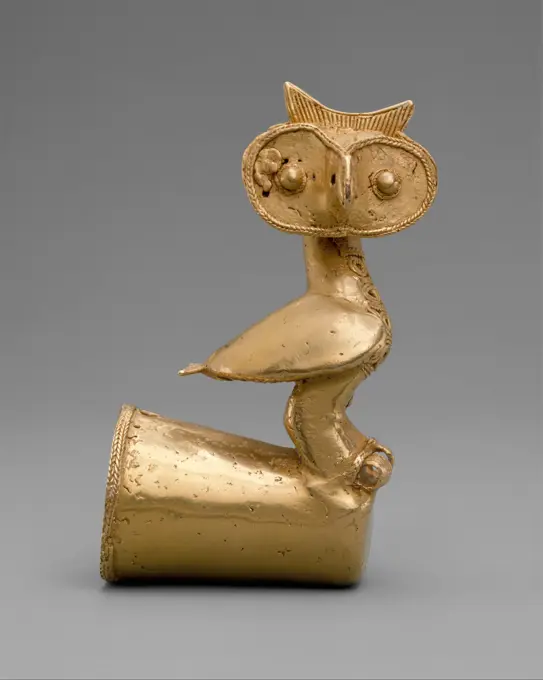
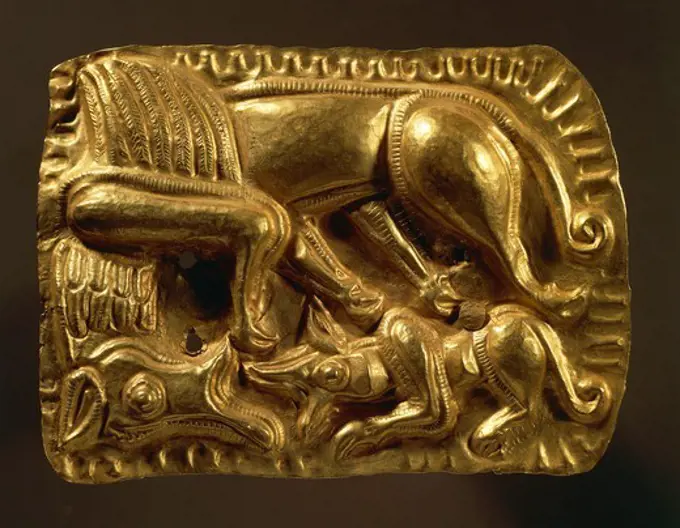
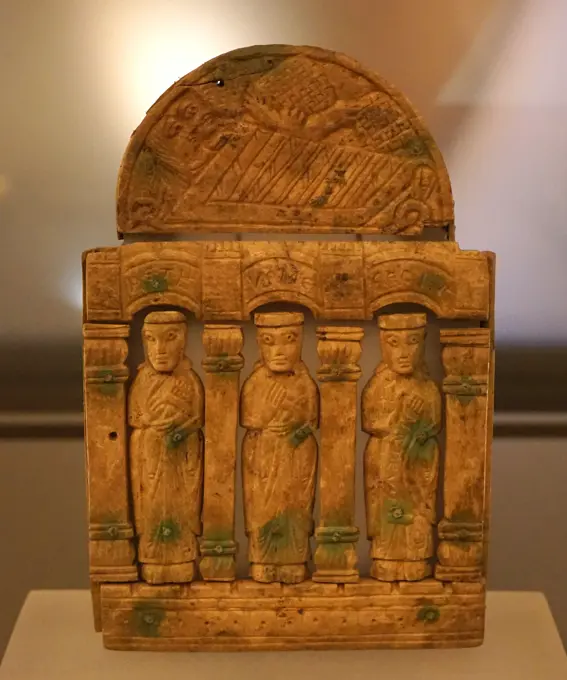
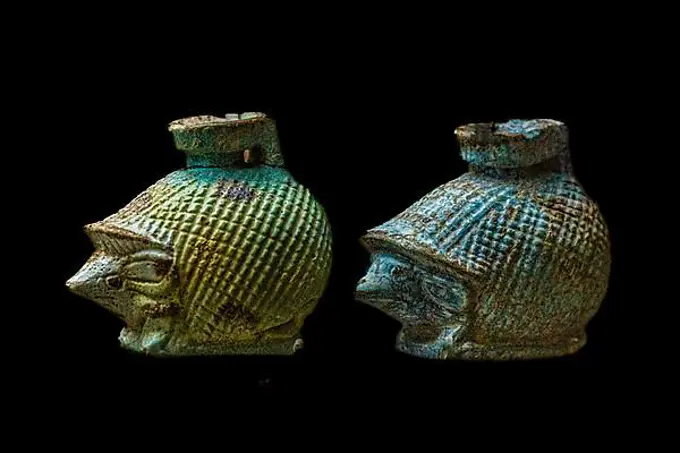
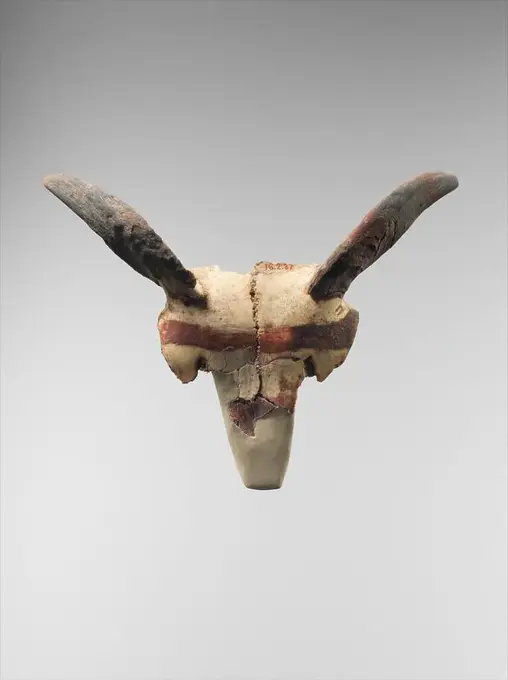
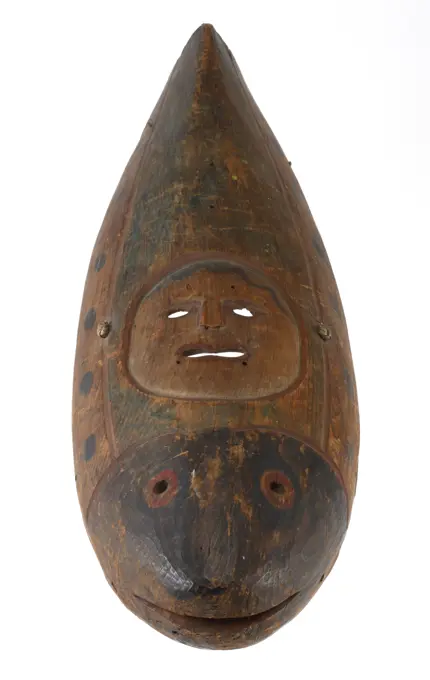
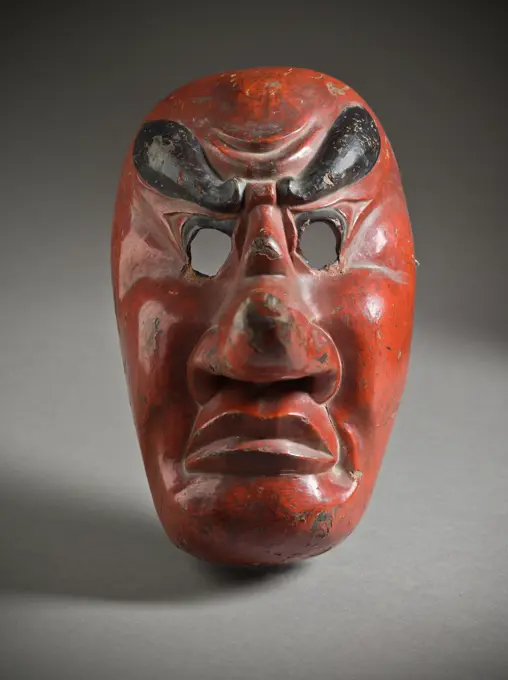
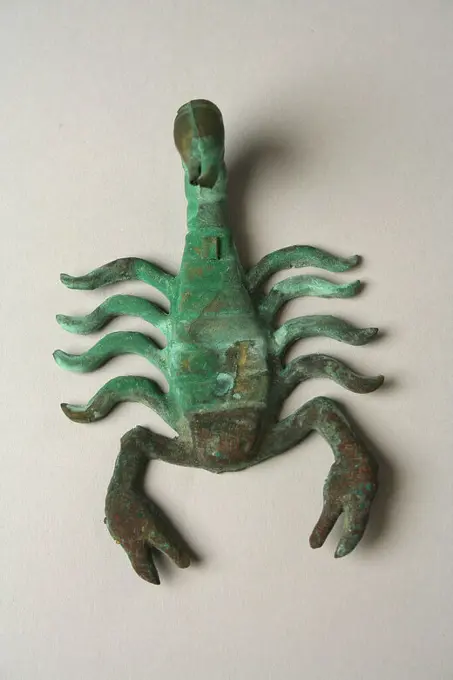
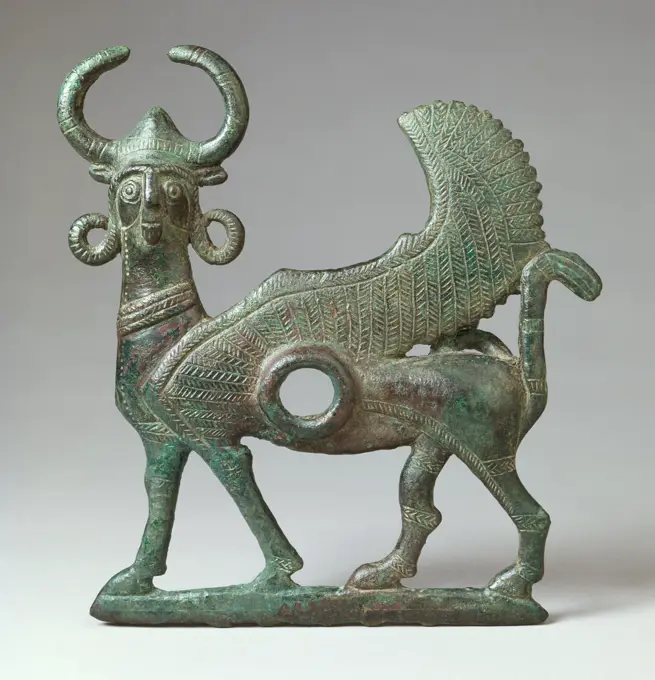
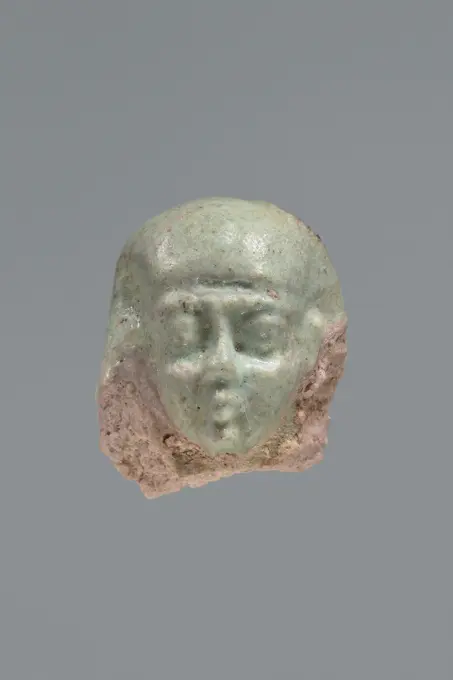
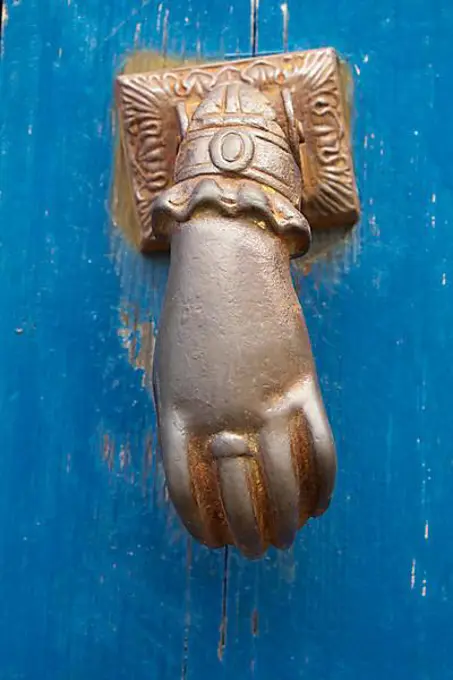
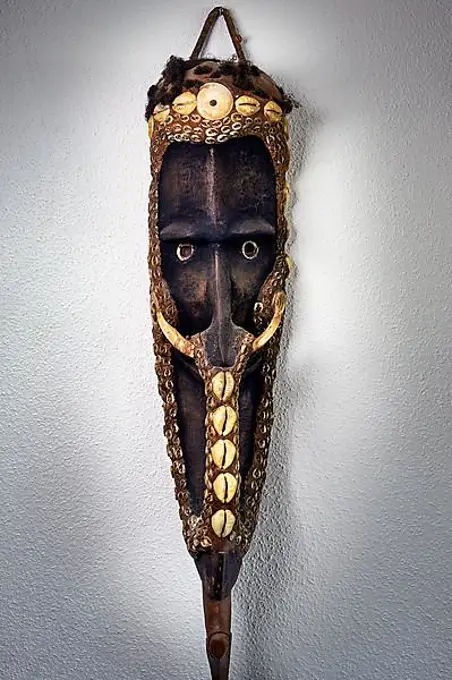
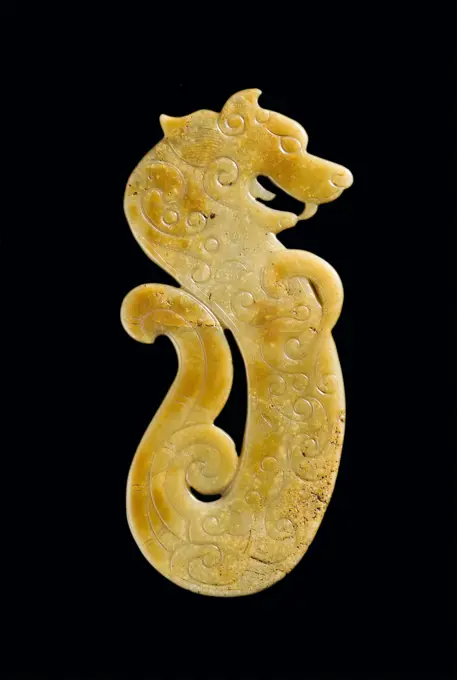
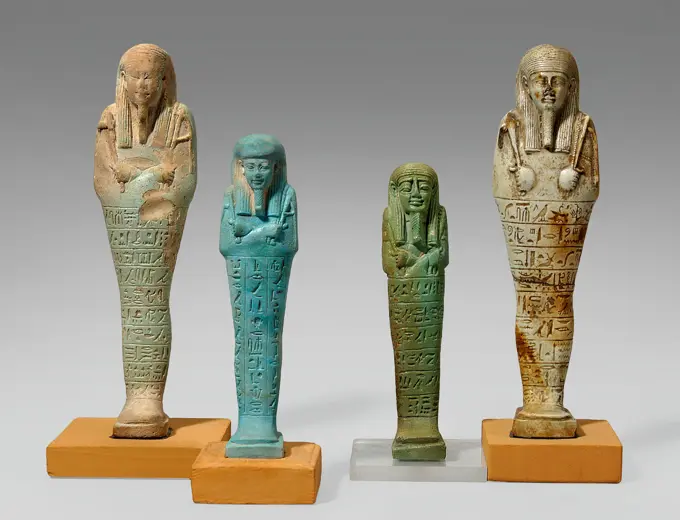
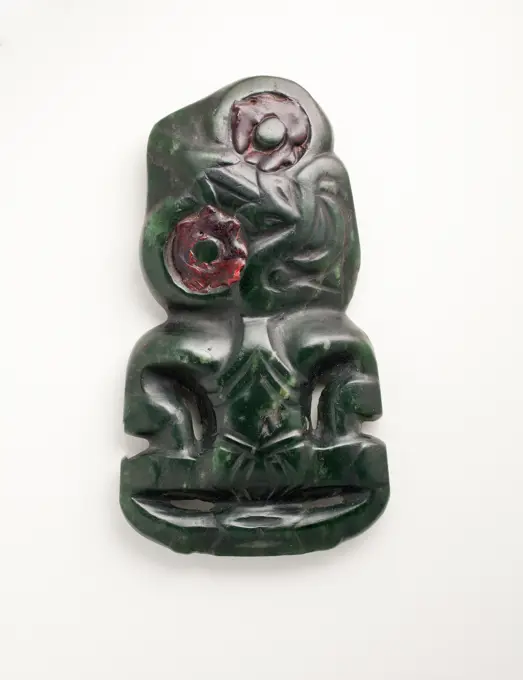
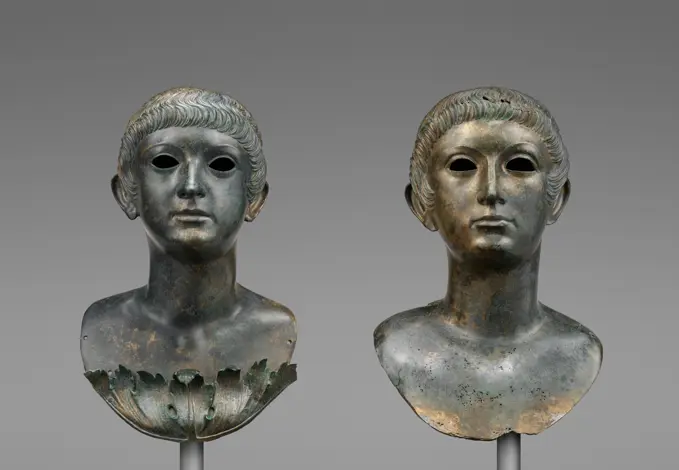
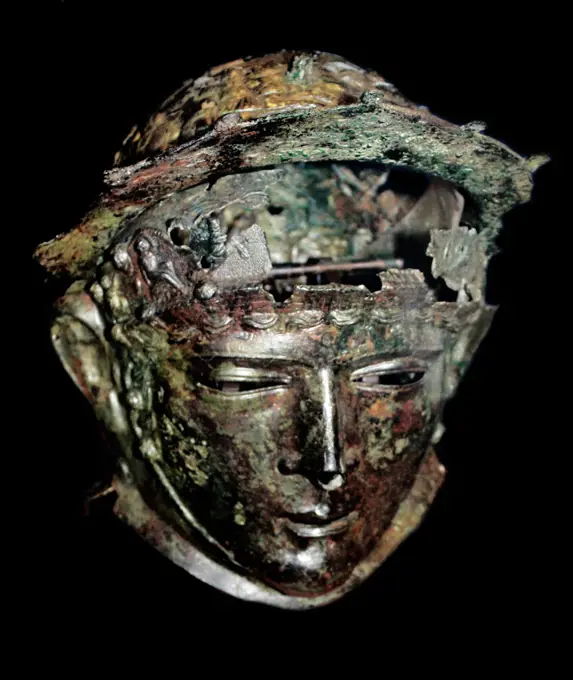
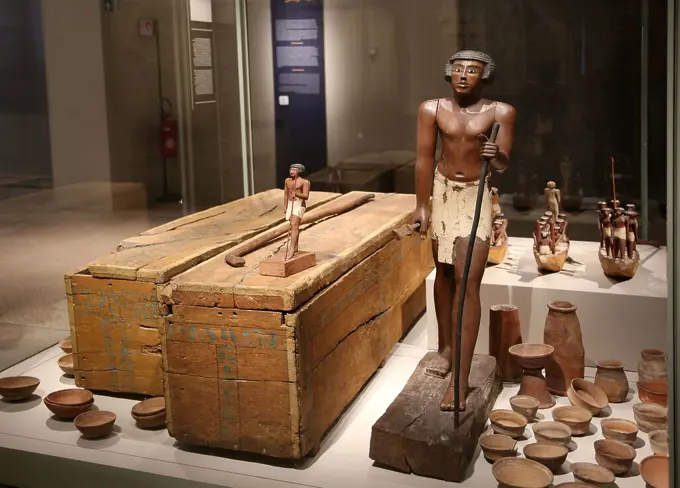
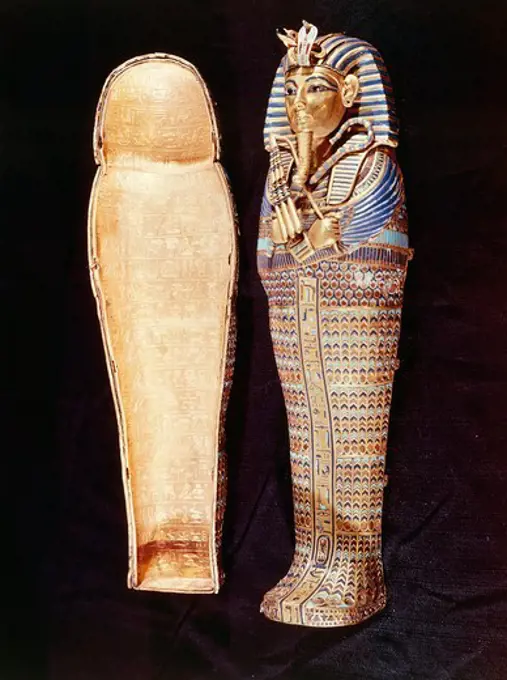
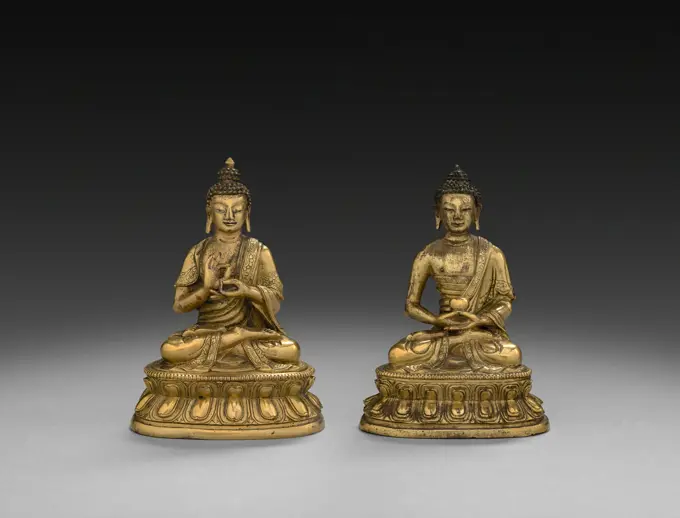
Garment Plaque with Animal Motif 5th-4th century B.C. Northwest China. Garment Plaque with Animal Motif 59488Stirrup-Spout Portrait Vessel c.200-500 A.D. Moche IV, Peru Ceramic Pre-Columbian Collection of The Museum of Contemporary Art, Jacksonville, FloridaAmulet - bóg Chnum. unknown, authorTomb Marker, in the Shape of a Stepped Trapezoidal Prism 12th century This sarcophagus-shaped stone would have been attached to the lid of a grave marker. Each of the long sides has three sections. On either side of the central section, arches enclose a scallop surmounting a trefoil vine. Scallops have funerary associations going back to the Romans that continued into Islamic times. The dense geometric decoration recalls filigree, which would have been familiar where this stone was found, in Hamadan, a jewelry-making center.. Tomb Marker, in the Shape of a Stepped Trapezoidal Prism 448538Pottery oil lamps from Syria. Dated 8th CenturyLATERAL DE TRONO CON CABEZA DE LEON. Nº INV. 14300. LONGITUD MAXIMA 106 CM. ALTURA MAXIMA 58 CM. PROFUNDIDAD MAXIMA 46 CM. MUSULMAN. (EXPOSICION: ARTE ISLAMICO ESPAÑOL)(DEPOSITO: MUSEO DE BADAJOZ ).Bell (Zhong) with Dragons and Spirals. China, probably Shaanxi Province, Late Western Zhou dynasty, about 850-771 B.C.. Tools and Equipment; musical instruments. Cast bronzeFragment of a flower pot with the head of a child, anonymous, c. 1700 - c. 1740 Fragment of a flowerpot of stoneware. Decorated with a printed and imposed decoration in the relief of a children's head or angel's head, surrounded by decorative tires and a flower basket. On the edge a band with grape vines. Westerwald. Westerwald stoneware. glaze vitrification Fragment of a flowerpot of stoneware. Decorated with a printed and imposed decoration in the relief of a children's head or angel's head, surrounded by decorative tires and a flower basket. On the edge a band with grape vines. Westerwald. Westerwald stoneware. glaze vitrificationFragment of the figurine of the Major;  Hellenistic period (-323-00-00--30-00-00);Bes (Mitol.), Daszewski, Wiktor A. (1936-), Daszewski, Wiktor A. (1936-)-collection, gift (provenance)Cyprus, Nicosia, Naiskos (small model of temple) with female figure, TerracottaDove SpanishFragment of a Figurine of a WomanRain God Tlaloc Incensario Provincial Teotihuacan, Guatemala C.400-700 A.D. Pre-Columbian Ceramic Collection of The Museum of Contemporary Art, Jacksonville, Florida Golden portrait vessel, Peru, Chimu culture, Pre-Inca civilizationFemale Figure, 11 15/16 x 4 1/4 x 3 1/8 in. (30.32 x 10.8 x 7.94 cm), Metal, beads, string, LiberiaGirdle pendant. Culture: China. Dimensions: H. 2 5/8 in. (6.7 cm); W. 1 1/4 in. (3.2 cm); D. 1 in. (2.5 cm). Museum: Metropolitan Museum of Art, New York, USA.Miniature figurine, 1500 BCE, 1 1/2 in. (3.8 cm), Earthenware, Mexico, Pre-Classicpedestal stand, late classic, Santa María Nebaj,Museo de antropología Maya, department of El Quiché, Guatemala, Central America.Ex voto;  Hellenistic period (-323-00-00--30-00-00);Costa Rica, San Jose, Pre-Columbian Gold Museum, Gold metalworkingTwo fairies 18th century China. Two fairies. China. 18th century. Aventurine glass. Qing dynasty (1644-1911). HardstoneExhibit from the Gold Museum, Museo del Oro, Bogota, Columbia, South AmericaBronze leg of a cauldron with horseman and bird Italic, Villanovan ca. 700-650 BCE Originally part of a set of three, this solid cast bronze leg in the form of a horse and rider would have supported a large bowl or basin used in lavish Etruscan gatherings. These vessels are common at Vetulonia, in Etruria, where this leg was likely manufactured, and continue a long tradition of bronze working in this metal-rich region. As symbols of wealth and status, the vessels were frequently buried with their owners, and perhaps allude to the funerary banquet.Plaque in the Shape of a Bird 8th-7th century B.C. Northeast China. Plaque in the Shape of a Bird. Northeast China. 8th-7th century B.C.. Bronze. MetalworkAdzeHandleThe Goddess Shridevi. India, Uttar Pradesh, Mathura, 2nd-3rd century. Sculpture. Mottled red sandstoneRussia, Kuban, Top of a flagpole in the shape of a bull headDetail of a Viking neck-yoke for a pair of horses, 10th century Artist: UnknownPectoral with bovine head crowned with disk, horns and feathers ca. 664-200 B.C. Late Period-Ptolemaic Period Beneath a frieze of uraei held up by Hathor columns, a bovine face peers out. The head is mounted on a collar to form an aegis, and the animal wears a disk and long straight horns with two curling plumes. Also mounted on the aegis collar are two uraei that turn inward toward the bovine. Two other large uraei crowned with disk and horns flank the central unit. On the back are four large rings that would permit mounting.The pectoral belongs to a group that seems to be associated with the sacred Apis bull and the Mother of Apis cow; some of the bovines, although not this one, actually bear the triangular forehead marking of the Apis, although the crown worn is usually associated with a female goddess. A scholar has noted that the association of the frontal image and the structure suggest an event in the life of the Apis or the Mother of Apis. The canopy formed by the uraeus friezeMexico, Anahuac, Teotihuacan, Anthropomorphic head ceramic representation on display in site museum.Bottle, Seated Figure 5th-7th century Moche. Bottle, Seated Figure 310201Nuragic civilization, 8th century b.C. Bronze votive boat. From Sardinia Region.Mummiform Falcon with Inscribed Menat. Egypt, Third Intermediate Period (1070 - 712 BCE). Sculpture. Wood, gesso and pigmentsMummy mask in repousse gold. Pre-Columbian art. Lambayeque, Peru. Madrid, Museum of America. Location: MUSEO DE AMERICA-COLECCION. MADRID. SPAIN.Ceramic vase depicting the Mayan rain deity, Chaac, Yucatan, Mexico. Dated 1250-1550 AD.Animal Effigy Bowl. Panama, Tonosi Style, Panama, 400-600 CE. Ceramics. Slip-painted ceramicPotter's cup in yellow and green, anonymous, c. 1775 - c. 1850 Potty cup of lead glaze pottery, with a lid. The cup is yellow with green colored. A female figure is painted on the cup (). Germany earthenware. lead glaze Potty cup of lead glaze pottery, with a lid. The cup is yellow with green colored. A female figure is painted on the cup (). Germany earthenware. lead glazeFace Mask 2nd-7th century Moche. Face Mask 315273China, Shanghai, Shanghai Museum, Bronze Chinese Wine VesselBronze ornament for a shield, China. Dated 800 BC.Fragment of female figurine. unknown, craftsmanRing of Seti I, reworked from one of Amenhotep III New Kingdom, Ramesside ca. 1294-1279 B.C.Owl Staff Head A.D. 1-1000 Zenú Thought to fit onto staffs of rank or office, staff heads or finials from the Caribbean Lowlands in northwestern Colombia, have a thimble-shaped cap topped with three-dimensional figures of birds, locally known animals, and humans. The small sculptures are often ornate and detailed, as is this owl sitting at the edge of the cap. Its broad head, turned at a right angle to its body, has circular eyes and a pronounced beak; it is framed by a braided element and topped by a ridged crest. The bird's chest is composed of cast filigree openwork, creating a contrast to the polished wings. Technical Details This object was made by lost wax casting with cores, which would have been located in the staff heads base and in the head, neck, and body of the owl, but were mainly removed after casting. (For more information on lost wax casting, please see Metropolitan Museum of Art 2008.569.13a, b). The birds body and neck are mostly hollow, and its head may be as well—Prehistory, Romania, Iron Age. Getae and Thracian civilization. Gold applique with zoomorphic decoration. From Baiceni.Christian reliquary altar, from Cologne, Germany 13th CenturyArtefacts in the gold museum, Bogota, Colombia, South AmericaFaience vases in the shape of a hedgehog, 550 B.C., Kechraki, grave goods for a child, Archaeological Museum in the former Order Hospital of the Knights of St. John, 15th century, Old Town, Rhodes Town, Greece, EuropeWooden Sowei Helmet mask for a female ritual dancer, Sierra Leone or Liberia; West Africa 20th centuryStatuette 18th century or earlier China. Statuette 61644Traditional Mexican Patterned Ceramic Day of the Dead Skull Sculpture. Traditional Mexican Patterned Ceramic Day of the Dead SkullBucranium. Dimensions: h. of skull 14 cm (5 1/2 in); w. of antlers 18.3 cm (7 3/16 in). Dynasty: Dynasty 14-17. Date: ca. 1640-1550 B.C.. Museum: Metropolitan Museum of Art, New York, USA.Box with Falcon Statuette, Ptolemaic Period, Metropolitan Museum of Art, Manhattan, New York City, USA, North AmericaToolbox lid -guardian figure in wood, brass and copper; Obamba tribe, Gabon central Africa 19th centuryLong-nosed Mask. Japan, 16th-17th centuries. Jewelry and Adornments; masks. Wood, lacquerScorpion. Culture: Moche (Loma Negra). Dimensions: Length 3-3/4 in. (9.6 cm). Date: 390-450. Museum: Metropolitan Museum of Art, New York, USA.Handle in the Form of an Animal Head 1000 BCE-300 BCE Japan. Only a handful of animals are represented in JÙmon art. This piece is in the shape of the head of an animal; it looks like a horse from one side and a sheep from the other. The walls of the indentations are carefully modeled, not simply pressed into the clay with a stick. Judging by the curved back surface, it seems likely that this head came off of a vessel and was perhaps a handle that sat on the rim (with the curved surface at the back forming part of the interior wall of a jar).. Earthenware .Cheek Piece from a Horse Bit. Iran, Bronze du Luristan, circa 1000-800 B.C.. Tools and Equipment; horse trappings. BronzeNetsuke, japanese miniature sculpture. Museum: COLECCION PRIVADA.Mahavairochana 801 CE-1000 Central Java. Silver and copper alloy .Germany, Berlin,  Humboldt Forum, Ethnological Collection, exhibits,Anonymous / "Capitel de parteluz or ajimez", Transition XV -XVI centuries.Fragment uszebti. unknown, authorEarly African tribal bracelet, carved from elephant tusk, depicting a snake and a crocodile cathing a fish.pottery eagle warrior. Aztec, AD 1300-1521Happy laughing Buddha brass figurine on white background.Corbel ca. 1130-40 Catalan. Corbel 470795Door knocker, Agulo, La Gomera, Canary Islands, Spain, EuropeWooden mask from the Sepik region, Papua New Guinea, Pacific Ocean, OceaniaDragon. China, Chinese, Ming dynasty, 1368-1644. Sculpture. Abraded jadeFragment of a sculpture. Fragment of the head of a priest.Volute of Ionic capital of the interior order of the temple of Apollo at Bassae.Boosen generah a pachaas, boat psamtyk-sa-neita, boat-a-hera, boas, a general man;  664-332 BC; Half-ny (0-00-00-0-00-00), 664-332 BC ; Half period (-664-00-00--332-00-00), 380-343 BC ; Half period, 30 dynasty (-644-00-00--332-00-00), 380-343 BC ; Half period, 30 dynasty (-380-00-00--343-00-00);Book of the Dead, Madeyski, Antoni (1862-1939)-collection, Madeyski, Antoni (1863-1939), Pachaas (Ca 380-343 A.C.), Przesu-Her (Ca 380-343 A.C.), Brody, grave figurines, back pillars , hieroglyphs, hoe, wigs, purchase (provenance)Funeral mask from the Nasca culture. The native gold coins are ornamentation for members of the elite and the funeral rituals devoted to them.Large Kwakwaka'wakw or Kwakiutl wooden beaver feast dish, Museum of Anthropology MOA, University of British Columbia, Vancouver, BC, CanadaPendant (hei-tiki). New Zealand (Aotearoa), Maori, circa 18th century. Jewelry and Adornments; pendants. Nephrite and Haliotis shellPair of Portrait Busts of Youths and an Unrelated Pair of Marble Eyes. UnknownCameo Gem with Minerva set into a Hollow Ring. UnknownRibchester Helmet. Worn by élite troopers during cavalry sports events. Roman Britain, late 1st-early 2nd century AD. Found in Ribchester, Lancashire.Statues of Kleobis and Biton, standing like kouros.. Greece, archaeological museum of Delphi. Location: MUSEO. DELPHI. GREECE. Biton. KLEOBIS O CLEOBIS.Farmer with basket.Defects Rapani ();  19th century (1801-00-00-1900-00-00);Caved Stone Head made by Indigenous People, Archaeological Zone of Cholula, Cholula, State of Puebla, Mexico, North AmericaGrave goods. 1st Intermediate Period-Middle Kingdom. Dynasty XI-XII (c. 2050-1947). Tomb of Shemes. From Asyut. Egyptian Museum of Turin. Italy.Tutankhamen's treasure, Second Sarcophagus of worught and engraved gold, which contains guts of Pharaoh - From the Valley of the Kings, Tutankhamen's tomb (1347-1338 b.c.)Pair of Seated Buddhas, 1500s. China, Ming dynasty (1368-1644). Gilt bronze; overall: 9.9 cm (3 7/8 in.).