Ancient Figurines and Artifacts

Collection of historical ceramic and stone artifacts, including figurines and stamps from ancient cultures, highlighting unique craftsmanship.

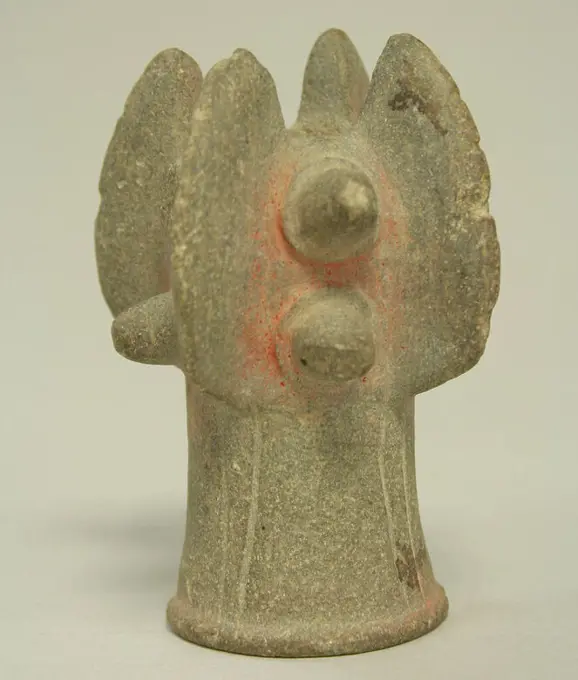
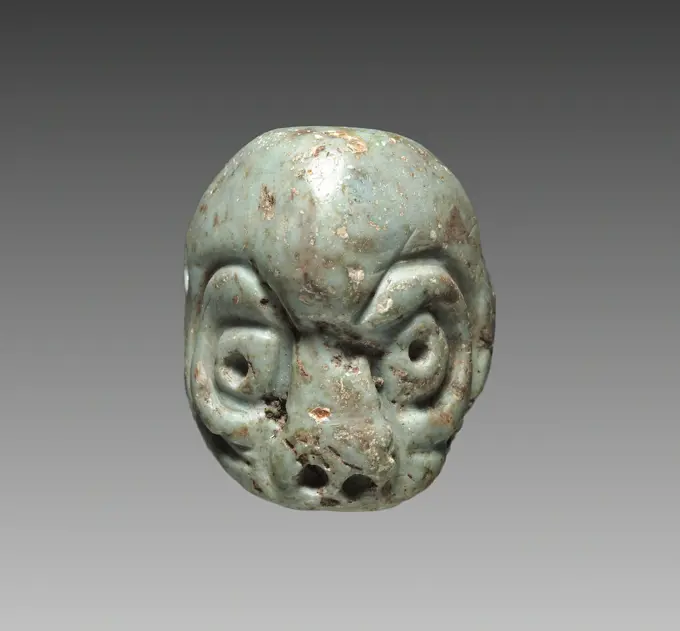
Mask 300 BCE-300 CE Guerrero. Serpentine . Mezcala
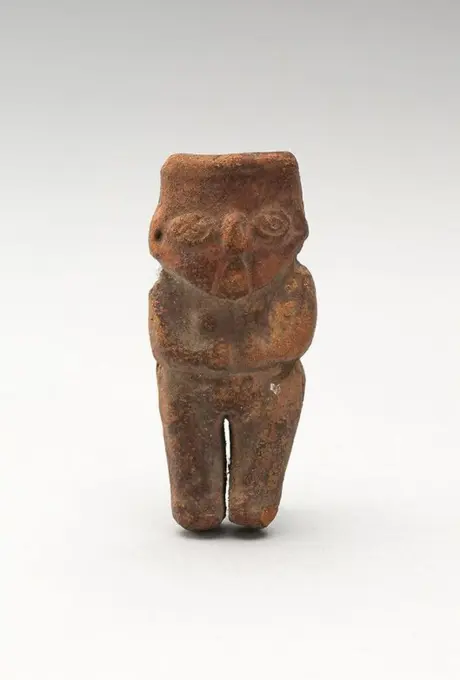
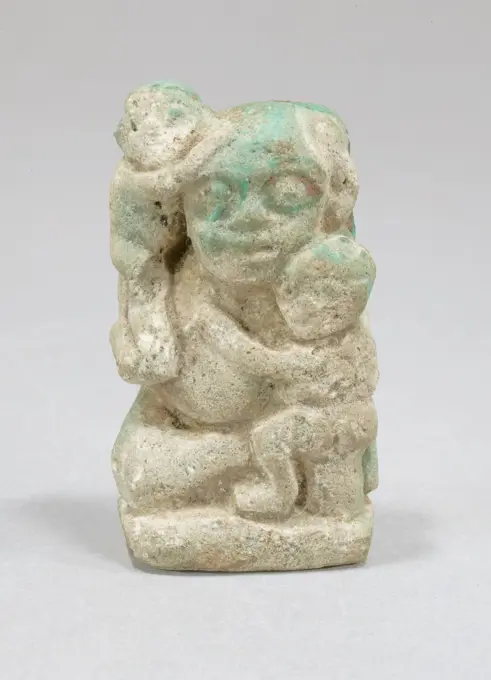
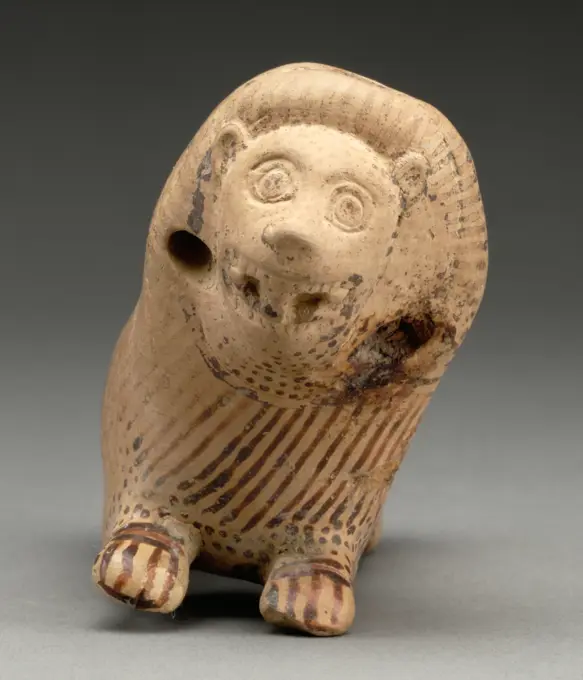
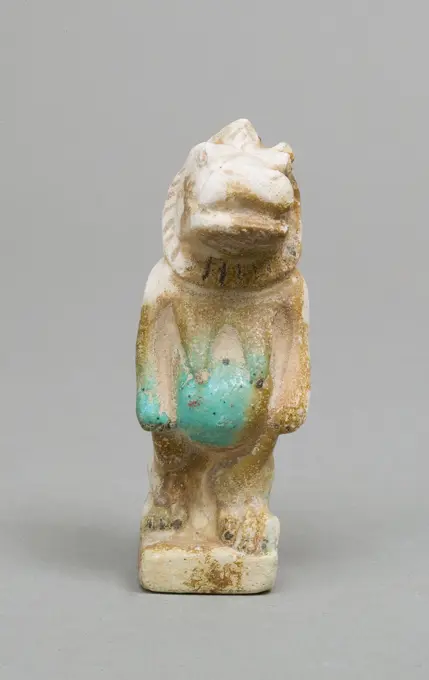
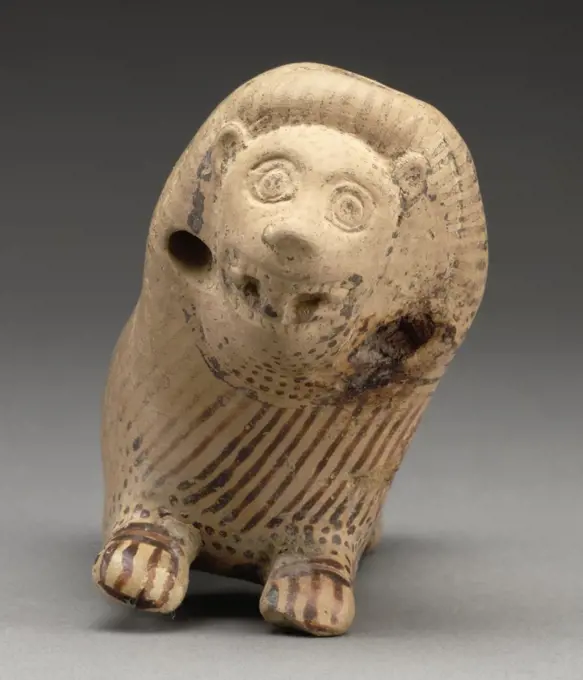
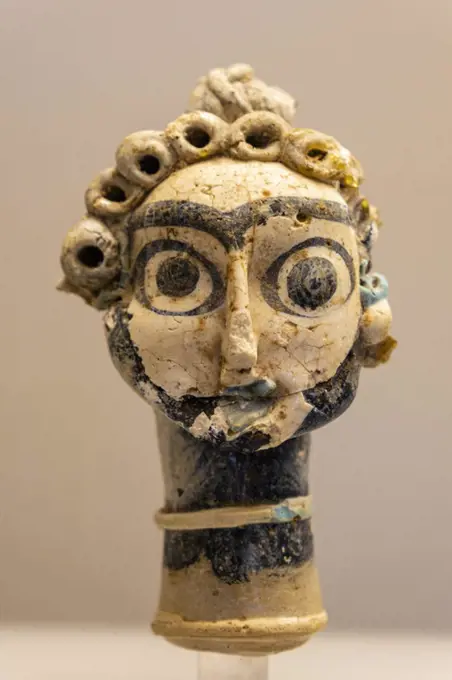
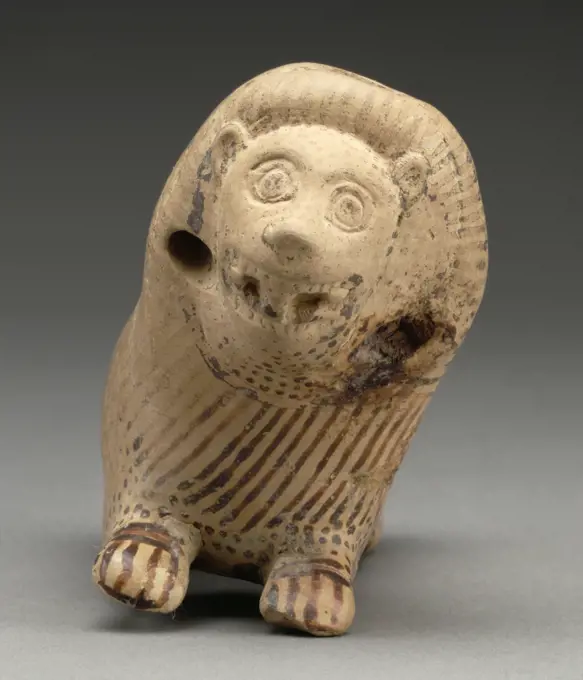
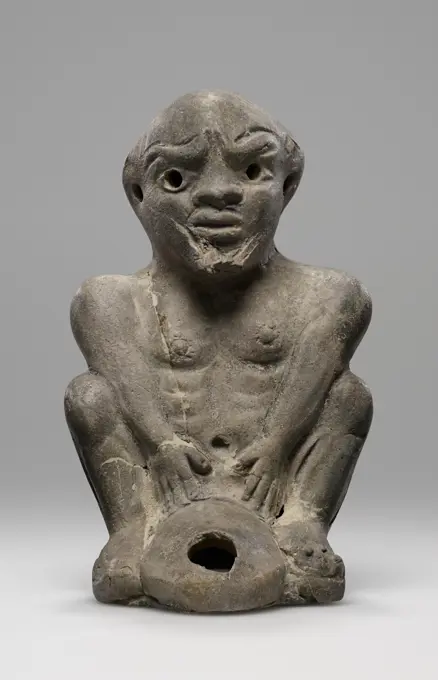
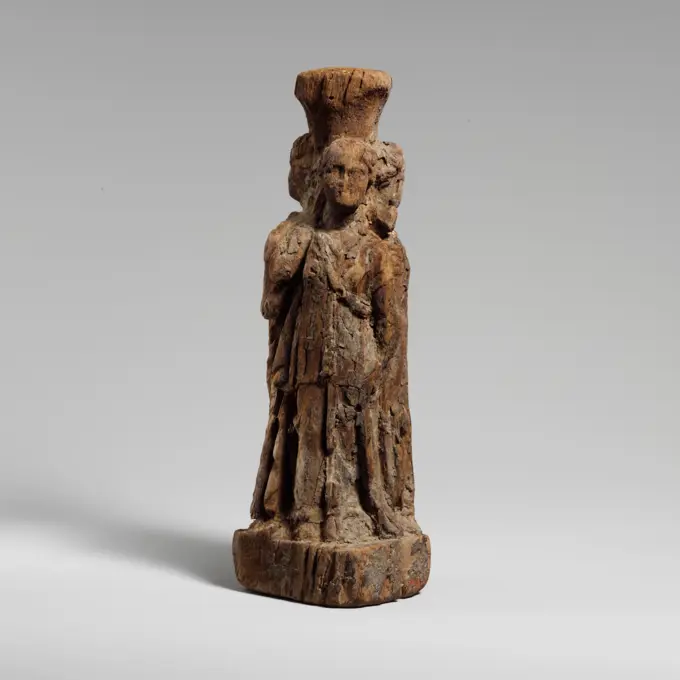
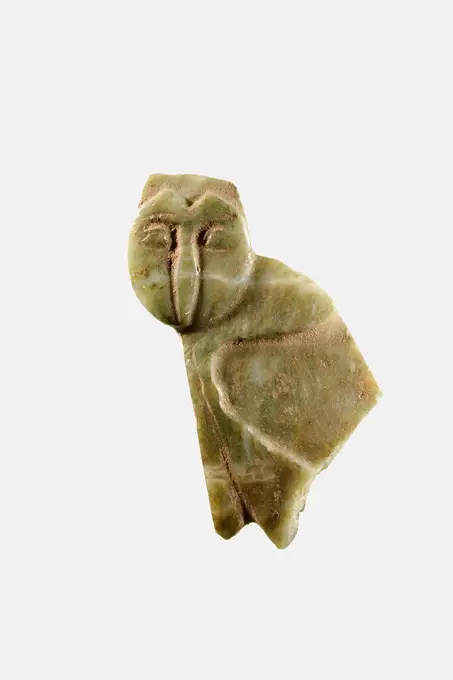
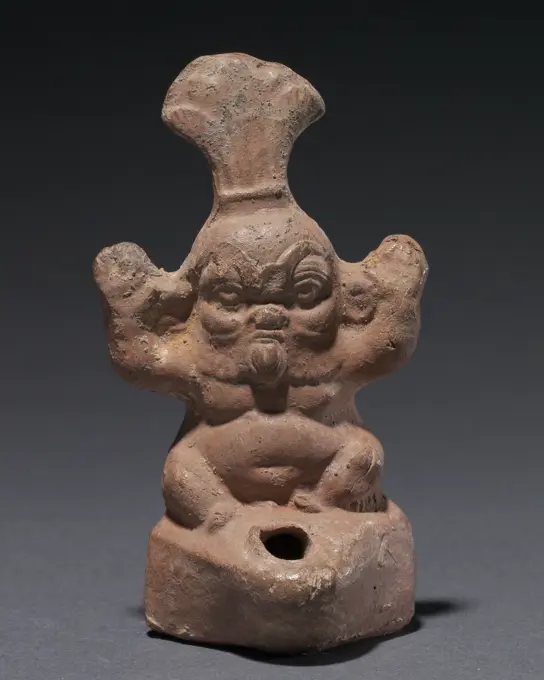
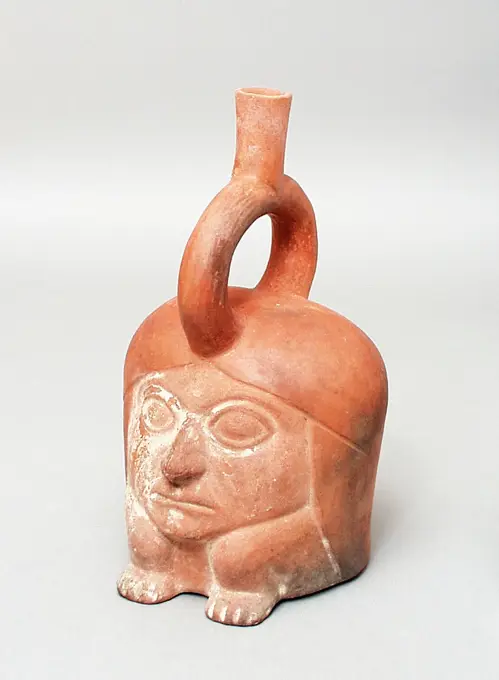
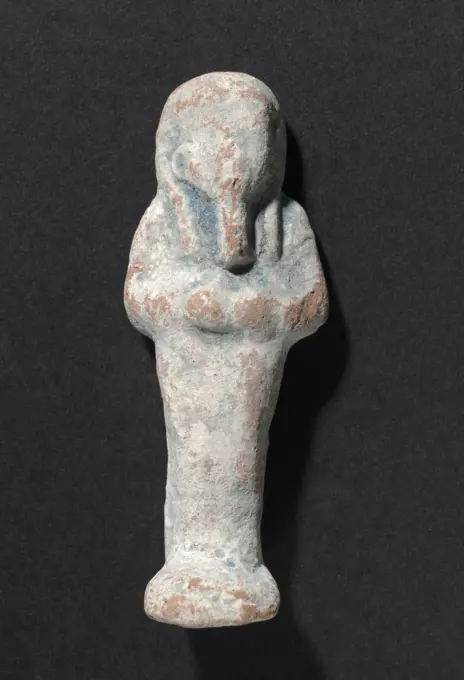
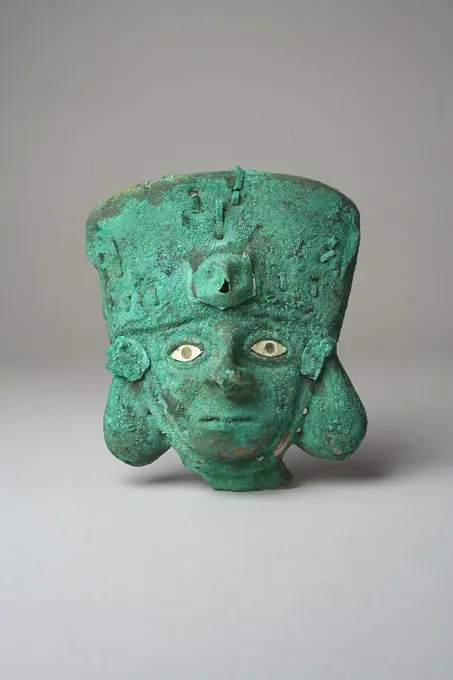
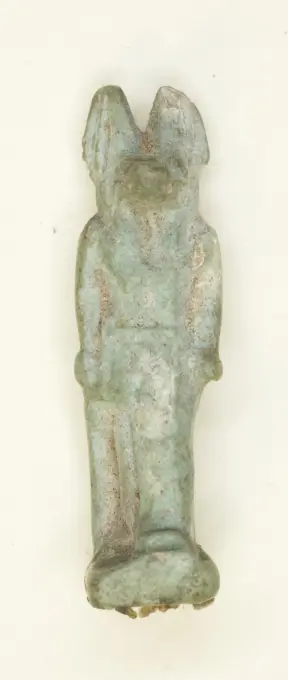
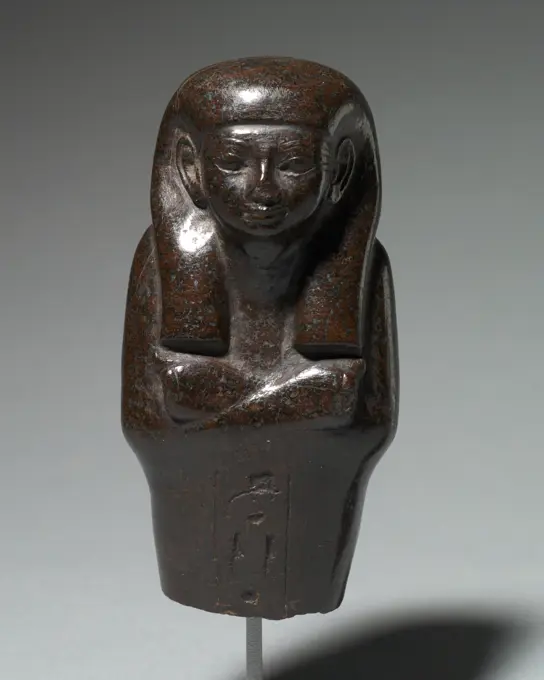
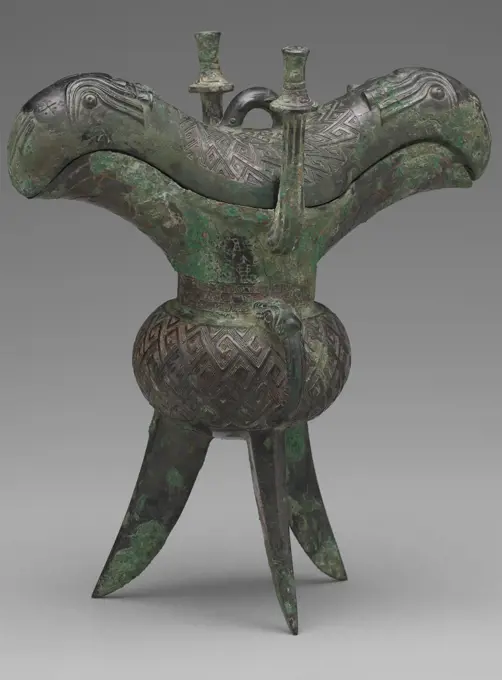
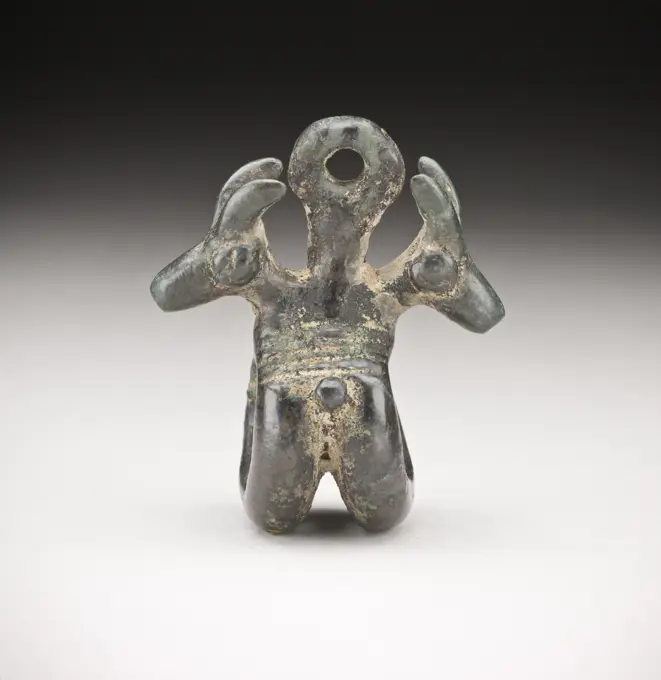
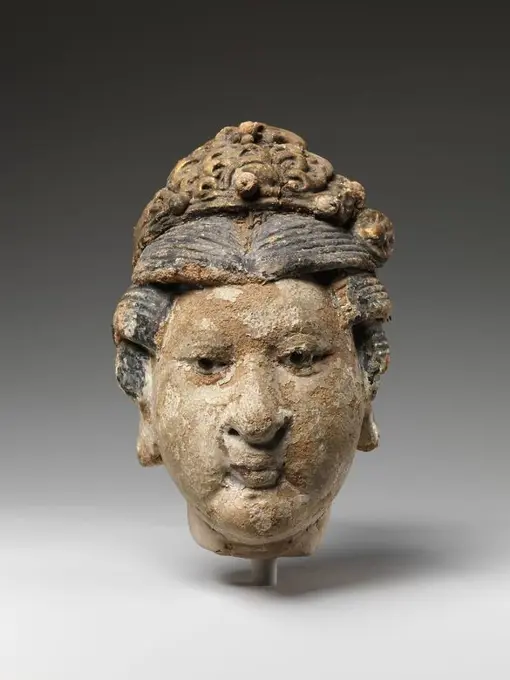
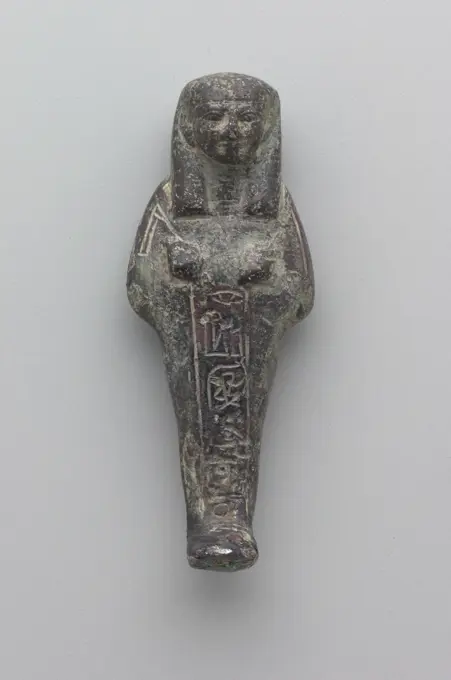
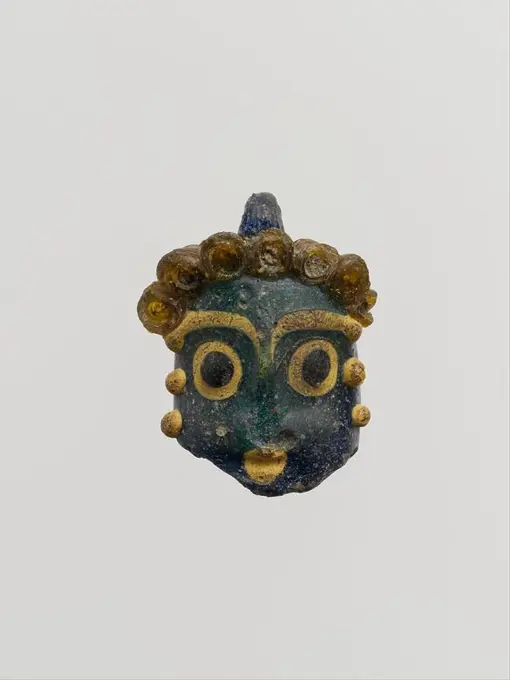
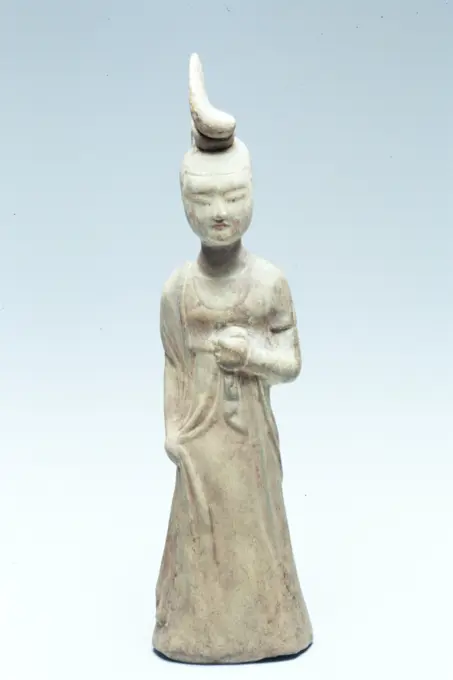
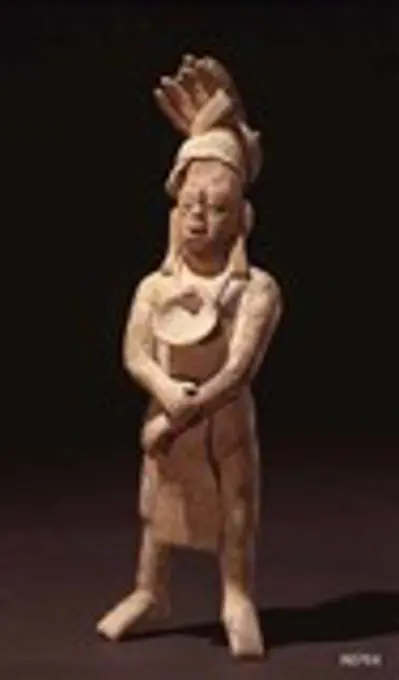
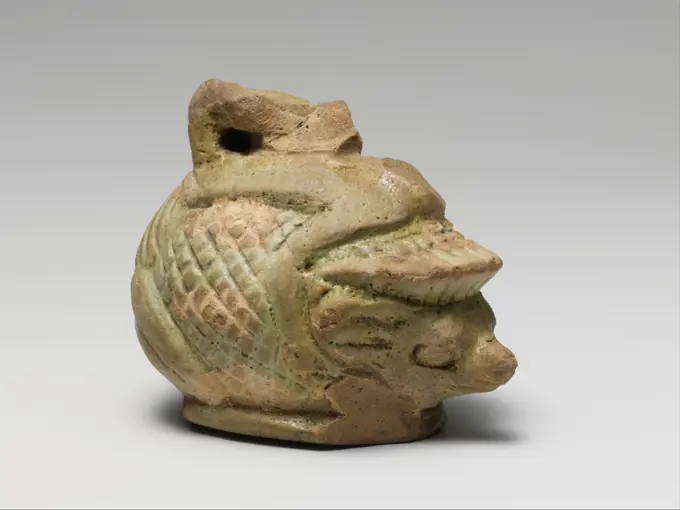
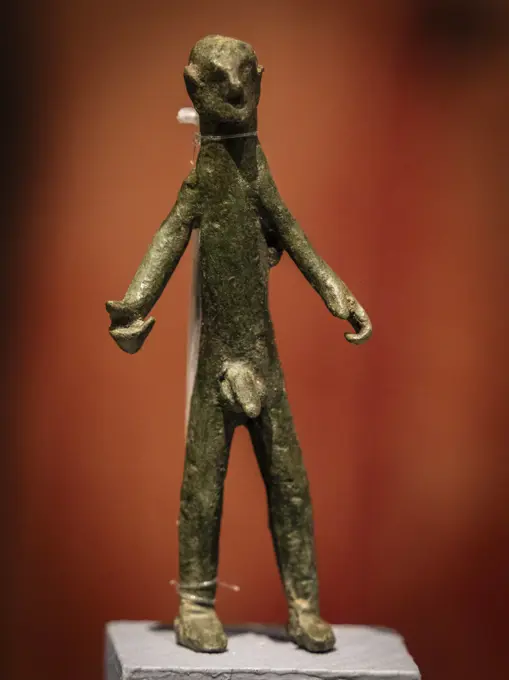
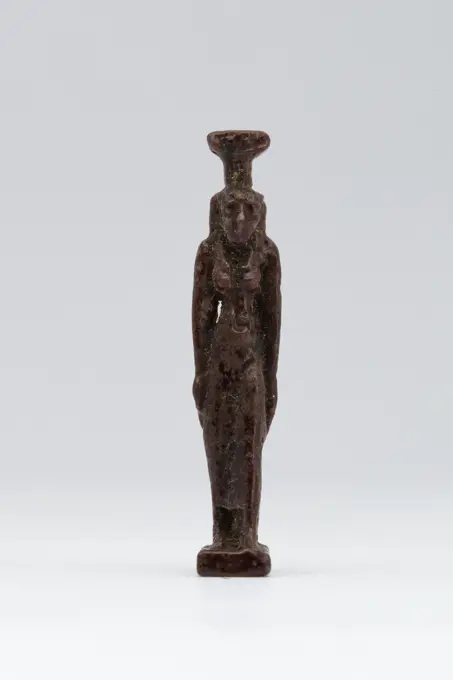
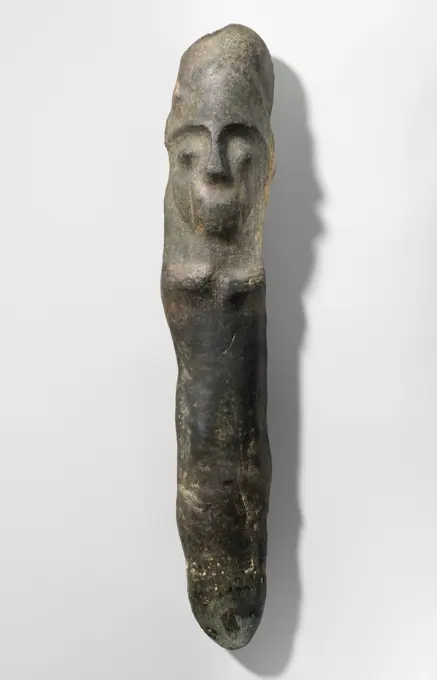
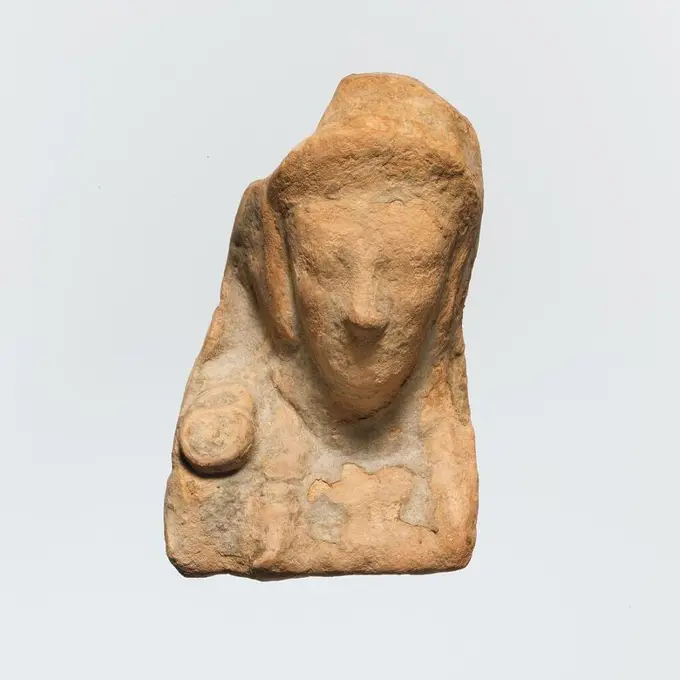
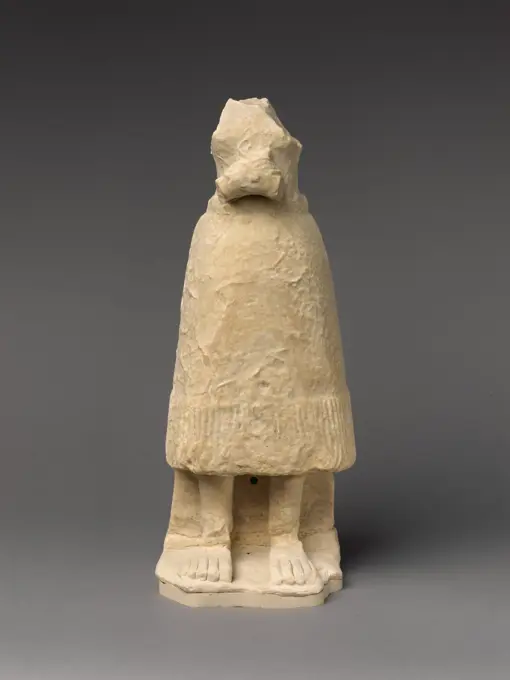
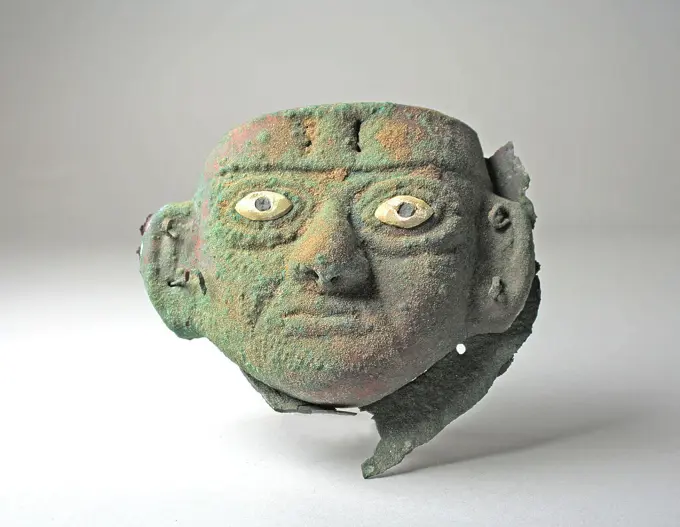
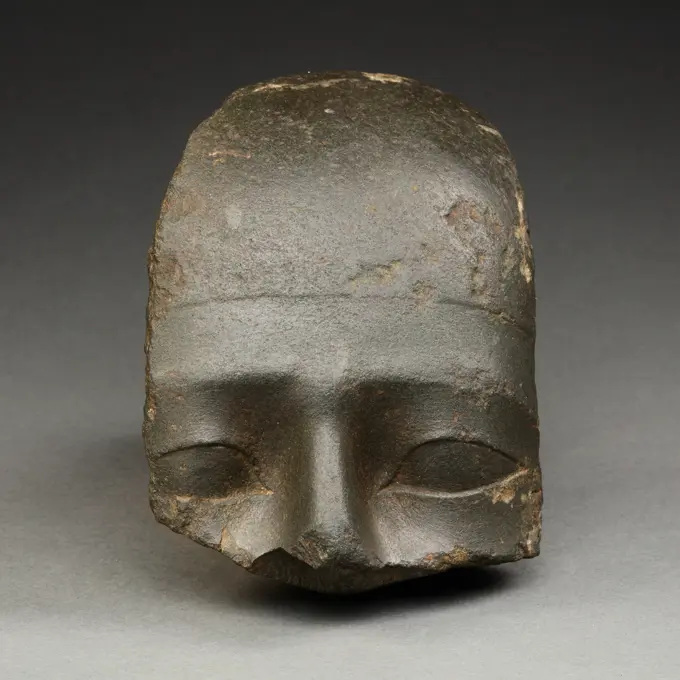
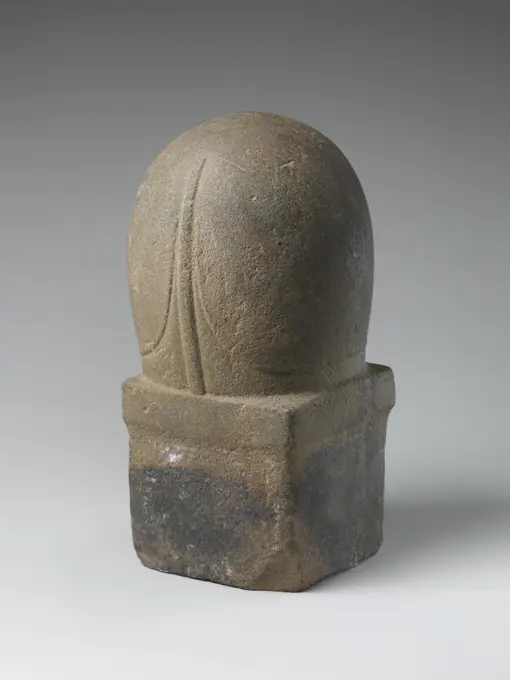
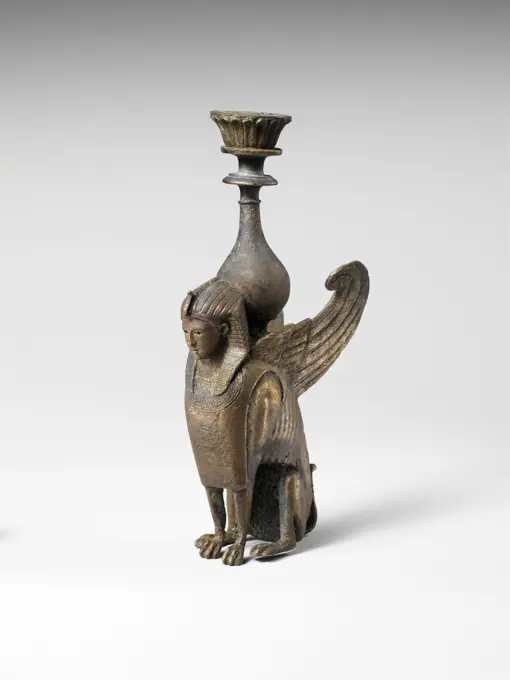
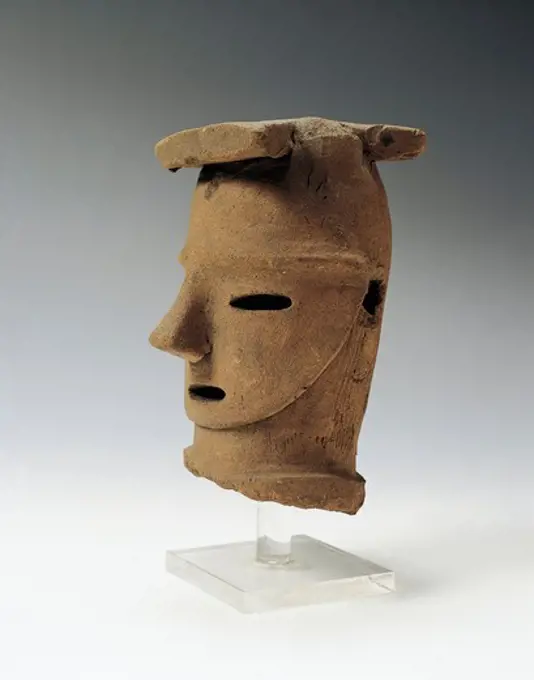
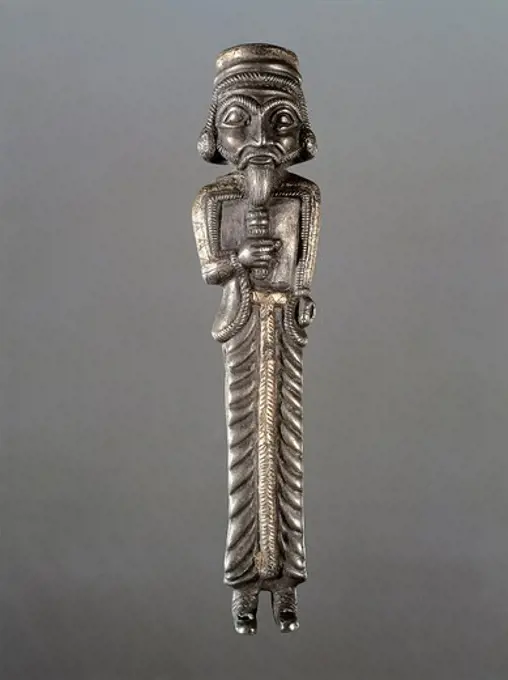
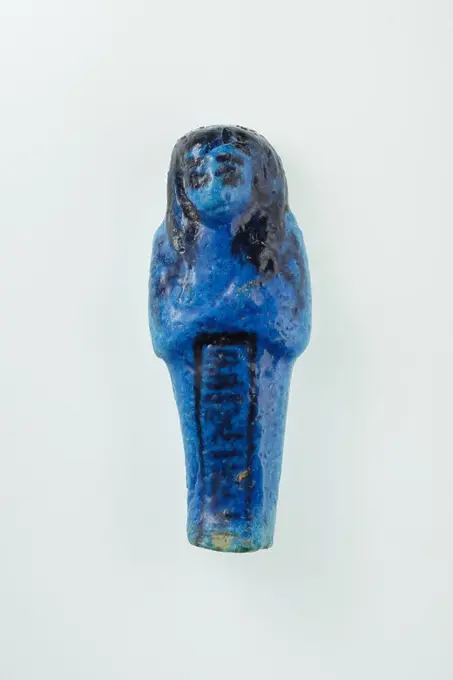
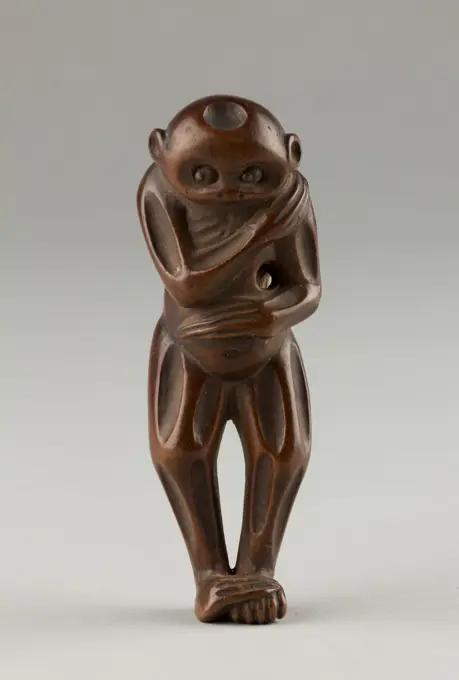
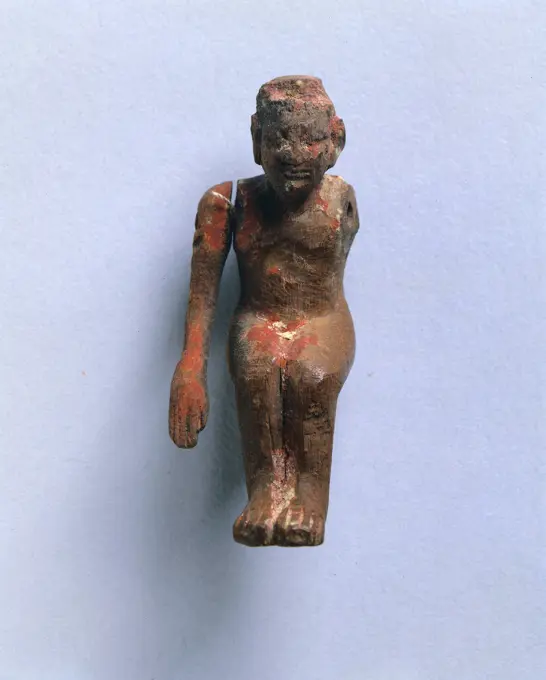
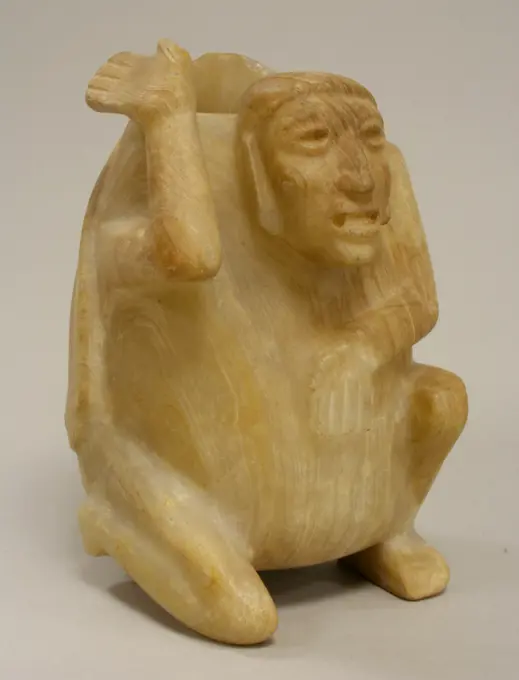
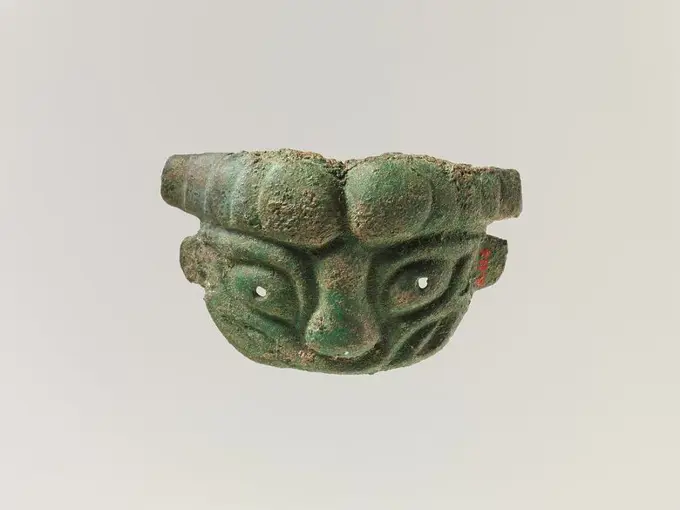
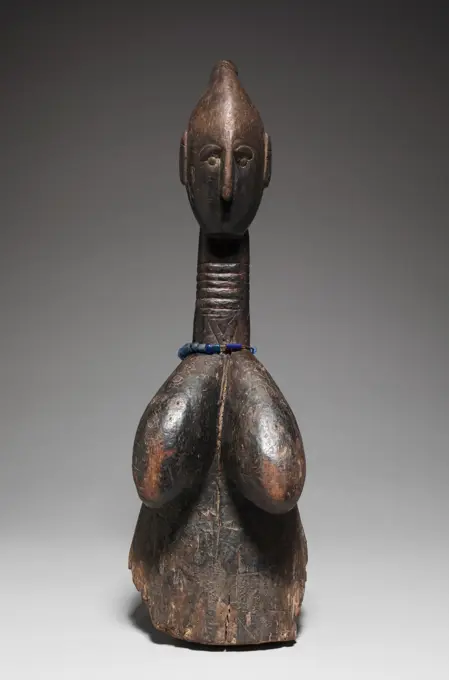
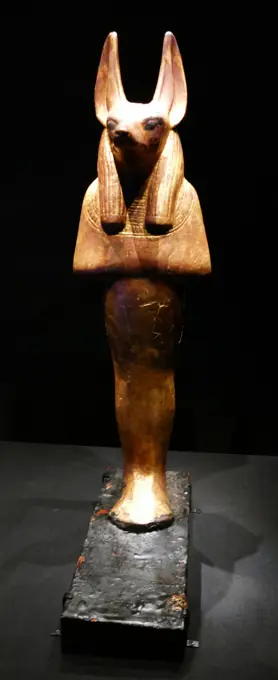
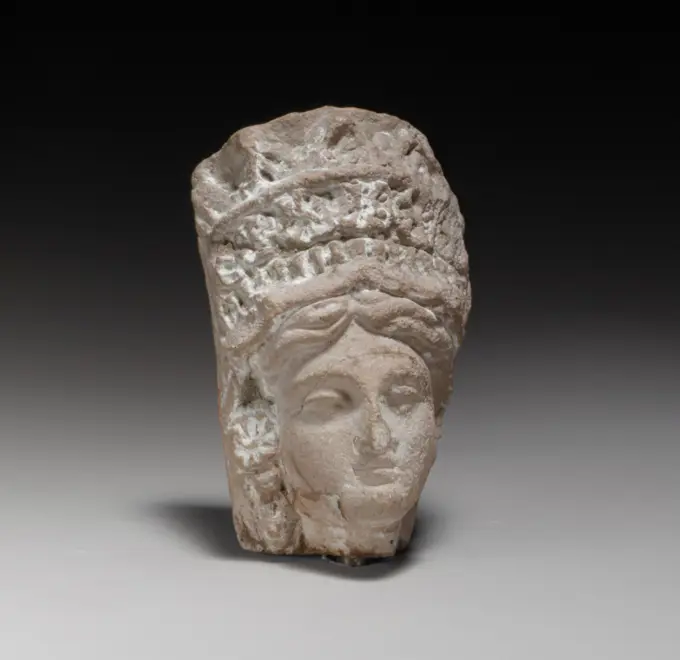
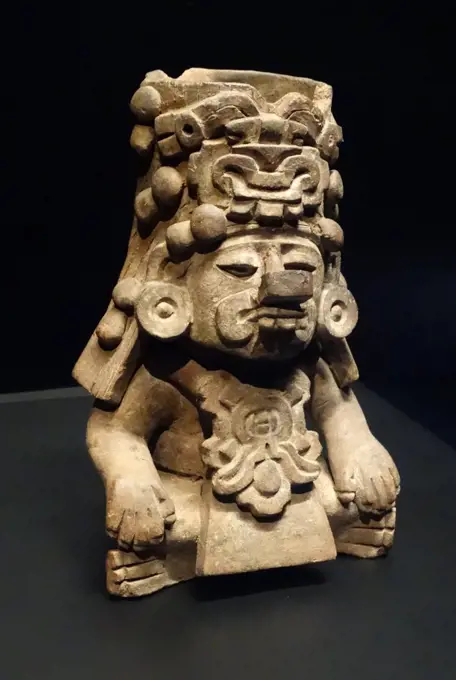
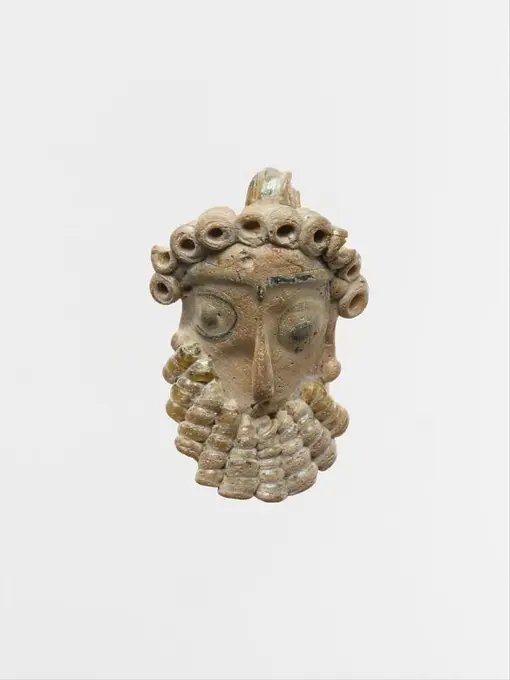
Roller Stamp 5th-6th century Atlantic Watershed. Roller Stamp 313062Mold-Made Female Figurine. Possibly Moche; Possibly north coast, Peru. Date: 100 AD-600 AD. Dimensions: 7.1 x 3.2 cm (2 13/16 x 1 1/4 in.). Ceramic and pigment. Origin: Peru. Museum: The Chicago Art Institute, Chicago, USA.Standing FemaleFigure.   Maker: UnknownDwarf ca. 1850-1640 B.C. Middle Kingdom. Dwarf. ca. 1850-1640 B.C.. Blue faience. Middle Kingdom. From Egypt, Memphite Region, Lisht North, Cemetery, MMA excavations, 1906-07. mid Dynasty 12-13Woman with Water Jar, 400-1000. Peru, Mochica, 5th-10th Century. Bronze; overall: 4.2 x 3 x 3.6 cm (1 5/8 x 1 3/16 x 1 7/16 in.).Mask 300 BCE-300 CE Guerrero. Serpentine . MezcalaFigure Jar 7th-5th century BC Paracas. Figure Jar 308703Standing Figurine with aCape.   Maker: UnknownStirrup Spout Bottle with Couple. Culture: Moche. Dimensions: H. 7 3/8 x W. 4 1/4 in. (18.7 x 10.8 cm). Date: 4th-7th century. Museum: Metropolitan Museum of Art, New York, USA.Whistling Stirrup Spout Bottle with Figure. Culture: Moche. Dimensions: H. 8 x W. 4 1/8 in. (20.3 x 10.5 cm). Date: 5th-7th century. Museum: Metropolitan Museum of Art, New York, USA.Rattle in the Shape of a Recumbent Lion. UnknownPre-Columbian art. Pre-Incan. Guangala Culture.300/200 a 700/800 DC. Clay head with eyes and ornaments. Hair done with incisions. 5 x 5 cm. From Ecuador. Private collection.Taweret statuette Middle Kingdom ca. 1950-1900 B.C. View more. Taweret statuette. ca. 1950-1900 B.C.. Faience, paint. Middle Kingdom. From Egypt, Memphite Region, Lisht South, tomb west of the tomb of Senwosretankh, Pit 3, Burial of Hepy, in front of blocking wall, MMA excavations, 1933-34. Dynasty 12, earlyStanding Ceramic Figure 3rd-5th century Moche. Standing Ceramic Figure 309309Rattle in the Shape of a Recumbent Lion; Unknown; Greece (Corinth); about 600 - 575 B.C.; Terracotta; Object: H: 5.1 x W: 2.7 x L: 10.1 cm (2 x 1 1/16 x 3 15/16 in.)pendant in the shape of a female head, from Carthage, 3rd cent. BCE, Carthage National museum, The Coliseum , Rome, Lazio, Italy ,.Figure 13th-15th century Taíno This stone pendant, worn by Taíno leaders and healers, features a crouching anthropomorphic figure known as a zemí. Zemí (or cemí) is a term used by Taíno peoples, the diverse societies that inhabited the Antilles archipelago before European contact, that linguistically relates to a quality akin to sweetness. Zemí refers not to an object or image but to an immaterial, spiritual, and vital force pertaining to deities and ancestors. There are several known zemí identities recorded by the Spanish, some of which have been linked to archaeological images.. Figure 314512Female Fertility Figurine. Egypt, Second Intermediate Period (1640 - 1532 BCE). Sculpture. CeramicFemale Figurine, c. 400-100 BC. Mexico, Guanajuato, Chupícuaro. Earthenware with pigment; overall: 7.9 x 2.7 cm (3 1/8 x 1 1/16 in.).Amulet of Pataikos 1069 BCE-332 BCE Egypt. Faience . Ancient EgyptianFigurine Whistle of a Young Woman and a Baby. Northern Guatemala or Southeastern Mexico, Maya, 600-900 CE. Ceramics. Ceramic with post-fire pigmentRattle in the Shape of a Lion; Corinth, Greece; about 600 - 575 B.C; Terracotta; 5.1 x 2.7 x 10.1 cm (2 x 1 1,16 x 3 15,16 in.)Lamp. UnknownMace Head. Culture: Cupisnique. Dimensions: H. 3 11/16 x Diam. 4 in. (9.4 x 10.2 cm). Date: 12th-5th century B.C.. Museum: Metropolitan Museum of Art, New York, USA.Wood statuette of Hekate 304-30 B.C. Egyptian, Ptolemaic Carved out of juniper wood, the statuette was originally painted.. Wood statuette of Hekate. Egyptian, Ptolemaic. 304-30 B.C.. Wood, Juniper. Hellenistic. Miscellaneous-WoodOwl Hieroglyph Inlay. Dimensions: H. 2.8 (1 1/8 in.); W. 1.9 (3/4 in.); Th. 0.3 cm (1/8 in.). Dynasty: Dynasty 18. Date: ca. 1550-1295 B.C.. Museum: Metropolitan Museum of Art, New York, USA.Bes Lamp, 1st Century BC - 1st Century AD. Egypt, Greco-Roman Period. Nile silt clay; overall: 9.3 x 5.3 cm (3 11/16 x 2 1/16 in.).Single Spouted JarFemale figurine. unknown, craftsmanShawabty of Ditamenpaankh, 715-656 BC. Egypt, Late Period, Dynasty 25. Terracotta; overall: 6.7 x 2.3 x 2 cm (2 5/8 x 7/8 x 13/16 in.). High demand for shawabtys in the Late Period, a time when as many as 400 or more shawabtys were placed in the tomb with the deceased, gave rise to a specialized container for storing them: the shawabty box. This example is inscribed for the lady of the house, Ditamenpaankh, and was probably one of a pair originally made for her. The single-masted boat on the box's lid is perhaps an allusion to the pilgrimage of the deceased to the holy city of Abydos, the cult city of Osiris, king of the dead. The shawabtys inside are crude, mass-produced examples cast in an open mold. Made of terracotta, their blue paint imitates more costly shawabtys made of faience. As for the shawabty spell, it has been removed from its traditional location on the shawabty's front and relocated onto the sides of box, where it needed only to be written once, thus expediting productFace Mask Ornament. Culture: Moche (Loma Negra). Dimensions: H. 3 15/16 x W. 3 9/16 in. (10 x 9 cm). Date: 390-450. Museum: Metropolitan Museum of Art, New York, USA.Amulet of the God Anubis 664 BCE-332 BCE Egypt. Faience . Ancient EgyptianShawabty, c. 1859-1648 BC. Egypt, Middle Kingdom, late Dynasty 12-13. Hematite; overall: 10.2 x 5 cm (4 x 1 15/16 in.).Female figurine. unknown, craftsmanBoat;  525-343 BC ; Half period, 27-30 dynasty (-525-00-00--343-00-00);Ritual Wine Vessel(Jue), 13th-11th century B.C., Bronze, 7 3/4 in. (19.7 cm), China, Chinese, Shang dynasty (1600-1050 B.C.), Anyang phase (1300-1050 B.C.), Containers -MetalsHarness Fitting ('Bow Ring'). Iran, Luristan, 1st millennium B.C.. Tools and Equipment; horse trappings. Bronze, castHead of Attendant. Culture: China. Dimensions: H. 6 3/8 in. (16.2 cm); W. 4 1/4 in. (10.8 cm); D. 7 1/2 in. (19.1 cm). Date: 11th-12th century. Museum: Metropolitan Museum of Art, New York, USA.Head Fragment from a Cycladic Figure (Spedos Variety). UnknownFigurine of mounted ParthianhorsemanShawabtiGlass head pendant. Culture: Phoenician or Carthaginian. Dimensions: 1 7/16 × 1 1/8 × 3/4 in. (3.6 × 2.8 × 1.9 cm). Date: 5th century B.C..Semi-opaque cobalt blue, with additions in opaque yellow, translucent pale yellow brown, and semi-opaque turquoise green, and eyes in an uncertain color, appearing black.Cylindrical with large rod hole at bottom, slightly indented on top; arched rounded edge at back, front projecting downwards; applied suspension loop on top of head.Applied row of large curls across forehead in brown; upper half of face in turquoise green, with long yellow eyebrows and black and yellow stratified eyes; yellow mouth and pairs of dots at sides of head for ears.Broken, with lower part of face and nose missing; dulling, pitting, faint iridescent weathering, and some encrustation. Museum: Metropolitan Museum of Art, New York, USA.Amulet of the God Bes 1069 BCE-664 BCE Egypt. Faience . Ancient EgyptianTomb Statuette, c. 700, 13 3/4 x 3 7/8 x 2 1/2 in. (34.93 x 9.84 x 6.35 cm), Pottery, China, 7th-8th centuryStanding Male FigurineCane Handle, Shang dynasty, bronzeFaience aryballos (oil bottle) in the form of a hedgehog 6th century B.C. East Greek Most of the figure riding on the hedgehog's back is missing.. Faience aryballos (oil bottle) in the form of a hedgehog 254266 East Greek, Faience aryballos (oil bottle) in the form of a hedgehog, 6th century B.C., Faience, H.: 2 in. (5.1 cm). The Metropolitan Museum of Art, New York. Rogers Fund, 1941 (41.162.94)Single Spout Bottle in Figure Form 12th-14th century Chancay. Single Spout Bottle in Figure Form 309400Tricolor pottery, terracotta female statuette, Chancay culture, Pre-Inca civilization, Perubronze votive offering bronze votive offering, 4th-3rd centuries BC, archaeological museum of Seville, Andalusia, Spain Copyright: xZoonar.com/Tolox 21720790Horned Forest Spirit Mask, 20th century, 9 x 9-3/16 x 17-1/4 in. (22.9 x 23.3 x 43.8 cm), Wood, cloth, copper, pigment, plant fibers, Democratic Republic of the Congo, 20th centuryFragment of human figurine. unknown, craftsmanVessel representing the cult of the mountain, Mochica culture, terracottaIdol Idol, Valdivia, Ecuador coast, 4,000 to 2,500 BC, stone, MuEC, Barcelona, Catalonia, Spain LicenseRF Copyright: xZoonar.com/Tolox 23171525Nephthys Amulet 664-332 B.C. Late Period. Nephthys Amulet 560766Standing female figurine. Culture: Cypriot. Dimensions: H. 1 7/8 in. (4.8 cm). Date: 2nd-1st century B.C..The solid, mold-made figurine is probably a vase attachment. The back is handmade and concave. Museum: Metropolitan Museum of Art, New York, USA.South America, Colombia, Bogota, Museo del Oro, funerary urn, lower MagdalenaFunerary Urn, 400s-500s. Mexico, Oaxaca, 5th-6th Century. Earthenware; overall: 35.5 x 27.9 x 20 cm (14 x 11 x 7 7/8 in.).Figural Vessel, c. 500-150 BC. Mexico, Oaxaca, Zapotec. Earthenware; overall: 28.9 x 20.6 x 21.9 cm (11 3/8 x 8 1/8 x 8 5/8 in.).Axe 10th-15th century Taíno This stone, axe handle-shaped figure may have been a ceremonial scepter created by Taíno peoples, the diverse societies that inhabited the Antilles archipelago before European contact. The most numerous category of polished stone sculpture emerging from the Taíno world of the ancestral Caribbean islands are ceremonial axes and blades, which take many forms and may have been an important medium of exchange. Axes feature abstract zoomorphic forms in stone, or consisted of wooden handles with stone blades hafted to them. Ceremonial blades made of different types of greenstone, both local and imported, have been recovered in large numbers. These axes, known as petaloid celts for their resemblance to flower petals, could have served as dedicatory offerings, which have a long history on the Caribbean mainland in Mesoamerica.. Axe. Taíno. 10th-15th century. Stone. Dominican Republic, Caribbean. Stone-SculptureZoomorphic VesselTerracotta bust of a female figure. Culture: Greek, Cretan. Dimensions: 4 in. x 2 1/2 in. (10.1 cm x 6.5 cm). Date: 7th-6th century B.C..Woman wearing a headdress with lappets and an ornament on her proper right shoulderThe statuette may represent an Oriental goddess. Museum: Metropolitan Museum of Art, New York, USA.Fragments of male worshiper ca. 2600-2500 B.C. Sumerian. Fragments of male worshiper. Sumerian. ca. 2600-2500 B.C.. Limestone. Early Dynastic IIIa. Mesopotamia, NippurMask ca. 1550-1295 B.C. New Kingdom. Mask. ca. 1550-1295 B.C.. Wood, paint. New Kingdom. From Egypt, Upper Egypt, Thebes, Asasif, Temple of Hatshepsut, Carnarvon/Carter excavations. Dynasty 18Figurine of woman. unknown, craftsmanSea Lion Pup Vessel, 200-850. Central Andes, North Coast, Moche people, 200-450 AD. Ceramic and slip; overall: 19.7 x 15.5 x 16 cm (7 3/4 x 6 1/8 x 6 5/16 in.). Sea lions commonly appear in Moche art as effigy vessels, like this appealing pup, or in complex scenes that often show them as the targets of human hunters. They may have been prized in part for the beach pebbles found in their stomachs; modern Peruvian folk healers consider such pebbles to have powerful medicinal qualities. Also, colonial-period natives believed that sea lions carried the dead to off-shore islands, an idea that could date to Moche times.Face Mask Ornament. Culture: Moche (Loma Negra). Dimensions: H x W: 3 1/8 x 4 9/16in. (7.9 x 11.5cm). Date: 390-450. Museum: Metropolitan Museum of Art, New York, USA.Upper Part of the Head of a Man ca. 664-525 B.C. Saite Period This partially preserved head once belonged to a statue of imposing size. Even in its fragmentary condition, this elegant artwork is a study in rich contrasts - fine, subtle, even barely perceptible forms such as the hairline and eyebrows are juxtaposed with the boldly carved nose - all of which characterize of Saite Period statuary.. Upper Part of the Head of a Man. ca. 664-525 B.C.. Basalt or graywacke. Saite Period. From Egypt. mid-or late Dynasty 26Shiva Linga 7th-8th century Southern Thailand Shiva can be worshipped in innumerable forms, both natural and man-made. These forms can range from small river-washed stones (banalinga) to mountaintops that are deemed to display a linga-like profile (lingaparvata). In Southeast Asia, a distinctive conical linga with square shaft, unlike any Indian forms, appears from about the sixth century onward. The greatest concentration of examples of this type is found in peninsular Thailand, though their distribution is far wider, extending east to Borneo and Bali.cat. no. 81. Shiva Linga 38462Figurine. UnknownStirrup Spout Bottle with Couple 4th-7th century Moche. Stirrup Spout Bottle with Couple 309364Bronze ornament in the form of a seated male sphinx ca. 27 B.C.-A.D. 14 Roman The ornament, originally clad in silver, served as a furniture attachment or, more likely, as part of a candelabrum or a stand for a censer or bowl. Egyptianizing decorative arts were especially popular in Rome in the years after the defeat of Mark Antony and Cleopatra in 31 B.C. Other examples can be seen on the wall paintings from the villa at Boscotrecase, also displayed in this gallery.. Bronze ornament in the form of a seated male sphinx 257862Japan, Saitama, Haniwa (funerary statuette) head, Kofun period, terracottaHead with tripartite wig, probably from a shabti ca. 1450-1400 B.C. New Kingdom Expertly carved and highly polished, this fragment represents an important but relatively rare type of funerary figure from the mid-18th Dynasty. The style of the face, with tilted eyes, broad cosmetic lines, a delicate nose, and a full, slightly-smiling mouth, helps to place the piece in this period (ca. 1400 B.C.), relatively early in the history of the shabti. At this time such figures, meant to carry out labor for the deceased in the afterlife, display a great deal of variety and individuality. What remains of the wig suggests that it was of a type known as "tripartite," which would have fallen in three sections (two in front and one in back) to about the top of the chest. The beard, of which only the top is preserved, would likely have been the divine type: long and cylindrical, and turned up at the tip.. Head with tripartite wig, probably from a shabti. ca. 1450-1400 B.C.. Steatite or serpentinite. NeGoldsmithery, Oxus treasure, silver statuette portraying kingStatuette of the Goddess Maat 1623 BCE-1293 BCE Egypt. Ceramic . Ancient EgyptianWorker Shabti of Nany. Dimensions: H. 8.8 × W. 3.3 × D. 2 cm (3 7/16 × 1 5/16 × 13/16 in.). Dynasty: Dynasty 21. Reign: reign of Psusennes I. Date: ca. 1050 B.C..See 30.3.27.1a, b. Museum: Metropolitan Museum of Art, New York, USA.Netsuke 18th century Japan. Netsuke. Japan. 18th century. Wood. Edo period (1615-1868). NetsukeModel Oarsman (), 2040-1648 BC. Egypt, Meir (), Middle Kingdom, 2040-1648 BC. Painted tamarisk ; overall: 5.4 x 1.9 x 3 cm (2 1/8 x 3/4 x 1 3/16 in.).Wooden Head from mummy case (post conservation).. Ancient EgyptWhistling pot with two figures playing panpipes. From Lambayeque-Chimu, Peru. Dated 13th CenturyDeity Vessel 10th-13th century Mixtec. Deity Vessel 307773Fragment of a Buddha image. Buddha cup with curls and a truncated increase.Mask of a Lion. Culture: China. Dimensions: H. 2 1/8 in. (5.4 cm); W. 3 1/2 in. (8.9 cm). Museum: Metropolitan Museum of Art, New York, USA.Head of a "Bearded Man", c. 800s. Central Java, Borobudur, c. 9th Century. Lava stone; overall: 17.8 x 9.6 cm (7 x 3 3/4 in.).Figure ca. 1750 B.C.. Figure 324167Headdress (Zigiren-Wɔndɛ), early-mid 1900s. Africa, West Africa, Guinea, Baga-style carver. Wood, glass beads, upholstery studs, and natural fiber; overall: 52.1 x 15.6 cm (20 1/2 x 6 1/8 in.).Gilded wooden statues of Jackal headed Daumutef. From the tomb of King Tutankhamun. 1326 BCFemale Figure, c. 2500-2400 BCE, 16 1/4 x 4 1/4 x 1 9/16 in. (41.28 x 10.8 x 3.97 cm), Marble, Greece, 26th-24th century BCE, This female figure comes from the Cyclades, a chain of islands off the coast of mainland Greece. Scholars classify it among the late Spedos variety, so named after the Bronze Age cemetery where a number of such sculptures were discovered. Examples have been found only on the Cycladic islands of Naxos and Keros. Identifying features include a deep groove separating the legs, individually carved feet, and minimal incised details. Although their exact function is unknown, these abstract stone forms may have been fertility figures or served other religious purposes in life, or perhaps were objects made exclusively for the grave.Shabti of Petosiris, son of Djedhor Late Period-Ptolemaic Period ca. 360-300 BC View more. Shabti of Petosiris, son of Djedhor. ca. 360-300 BC. Faience. Late Period-Ptolemaic Period. From Egypt, Northern Upper Egypt, Abydos, Cemetery G, Petrie Tomb 50 (Djedhor), Egypt Exploration Fund excavations. Dynasty 30 or laterTerracotta head of a goddess 4th-3rd century B.C. Greek, Cypriot The head, of the Kition goddess type, is mold-made and solid. The back is handmade, flattened, and concave behind the headdress; the head is rather shallow. The head and the upper part of the neck are preserved.. Terracotta head of a goddess 241046Red-Slip Head Vase. UnknownDwarf ca. 1850-1700 B.C. Late Middle Kingdom. Dwarf. ca. 1850-1700 B.C.. Faded blue faience. Late Middle Kingdom. From Egypt, Memphite Region, Lisht North, cemetery south of pyramid below House A1:2, Pit 884, MMA excavations, 1920-21. Dynasty 12, late - 13 up to 1700Standing male() figurine holding a bird. Culture: Cypriot. Dimensions: H. 8 15/16 in. (22.7 cm). Date: ca. 600-480 B.C..The cylindrical flattened body is handmade and solid, flaring toward a concave base. Museum: Metropolitan Museum of Art, New York, USA.Zapotec terracotta effigy vases from Oaxaca, Mexico. 600-800 AD. these vases were part of the belongings, that accompanied the dead in the afterlife.Head of a Woman. Egypt, Alexandria, 1st - 2nd century CE. Sculpture. TerracottaFigure Vessel 1st-7th century Monte Alban. Figure Vessel 318682Monkey Head Pendant, 20th Century(). Pre-Columbian style, 20th century (). Green stone; overall: 3 cm (1 3/16 in.).Figure, 1000-1532. Peru, Lambayeque. Silver; overall: 5.8 x 2.2 cm (2 5/16 x 7/8 in.).Glass head pendant. Culture: Phoenician or Carthaginian. Dimensions: 2 1/8 × 1 3/8 × 7/8 in. (5.4 × 3.5 × 2.2 cm). Date: ca. 450-300 B.C..Translucent pale yellow brown, with additions in opaque yellow, translucent pale yellow brown and blue.Cylindrical with large rod hole at bottom; horizontal rounded edge at back, U-shaped large front projecting downwards; applied suspension loop on top of head.Applied row of large curls across forehead in brown, extending back across top of head; upper half of face in yellow, with long blue eyebrows meeting across bridge of nose, blue and yellow stratified eyes, and long slender applied nose; mouth concealed by beard of long radiating curls; trails to sides of head for ears.Intact, but crack in back of head and part of two curls on forehead missing; dulling, pitting, creamy enamel-like weathering, and some iridescence.Bearded. Museum: Metropolitan Museum of Art, New York, USA.