Ancient Figurines and Artifacts

Collection of historical ceramic and stone artifacts, including figurines and stamps from ancient cultures, highlighting unique craftsmanship.

Mask 300 BCE-300 CE Guerrero. Serpentine . Mezcala
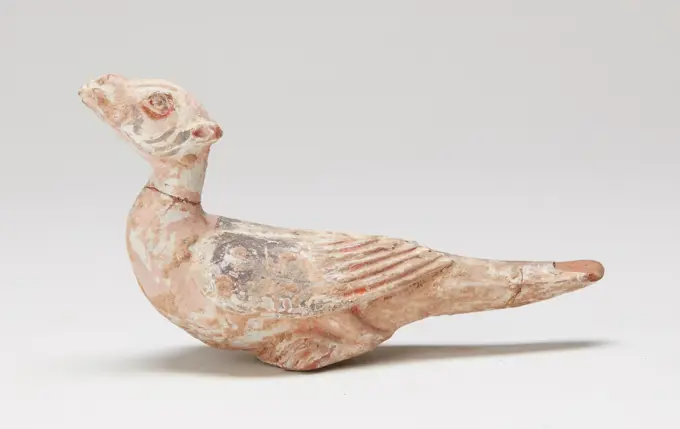
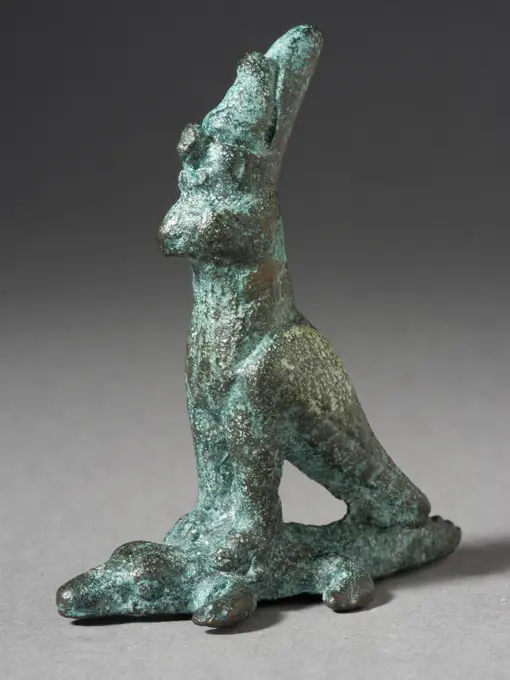
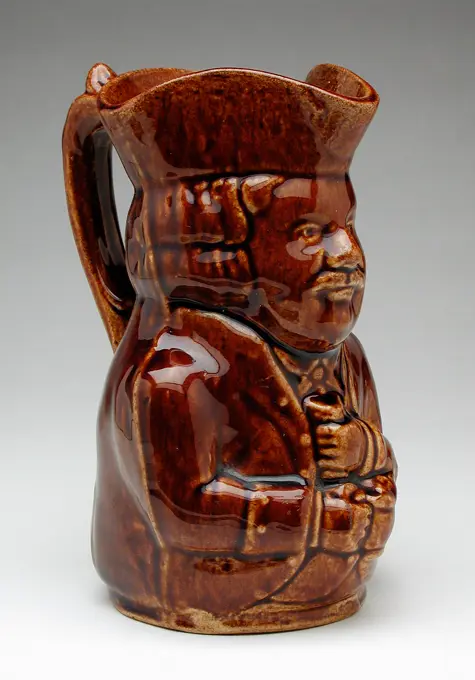
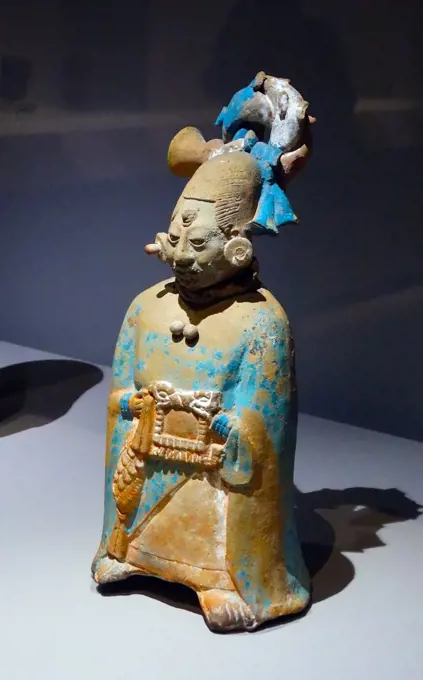
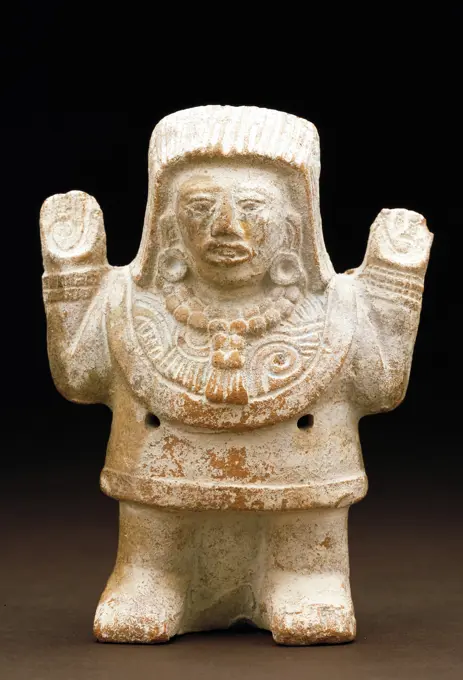
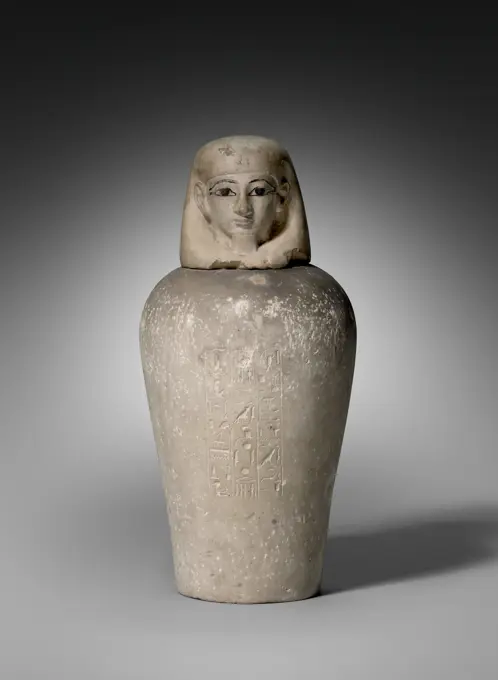
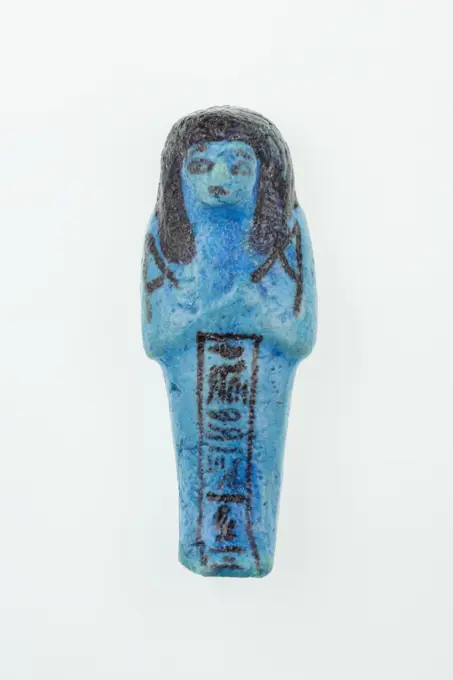
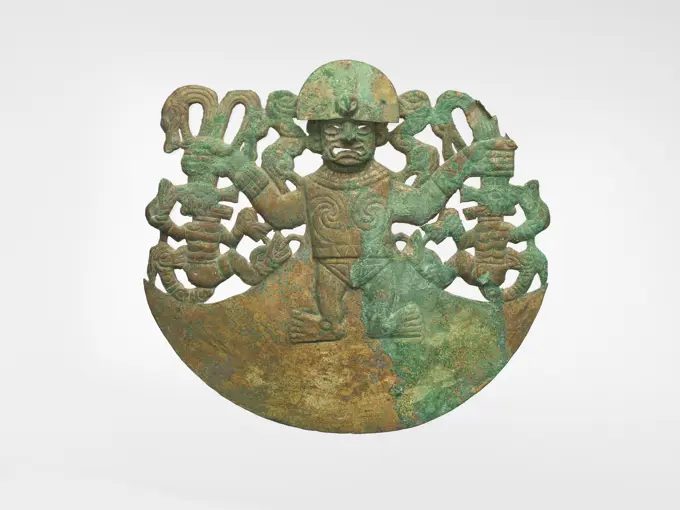
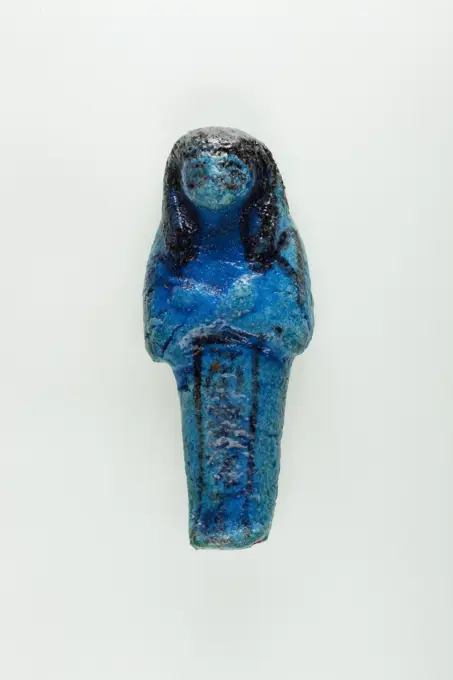
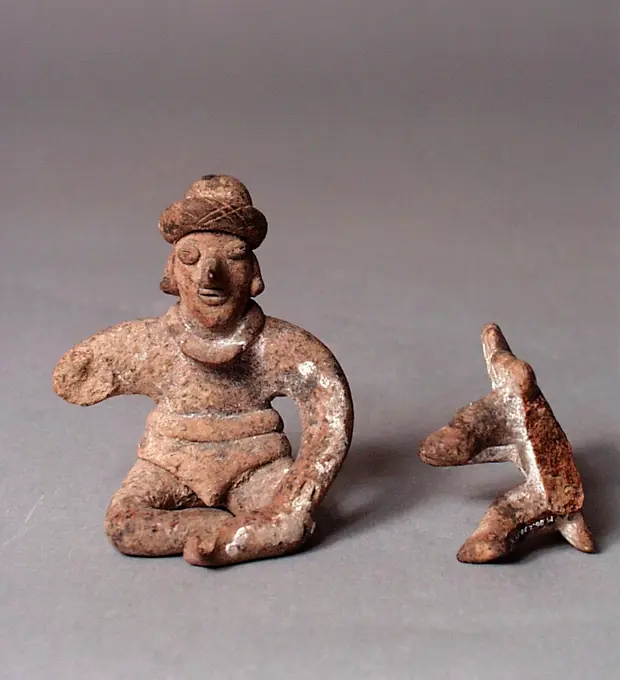
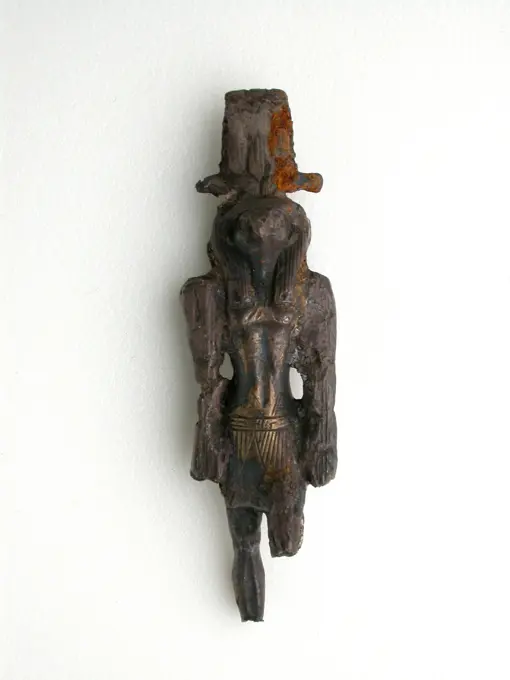
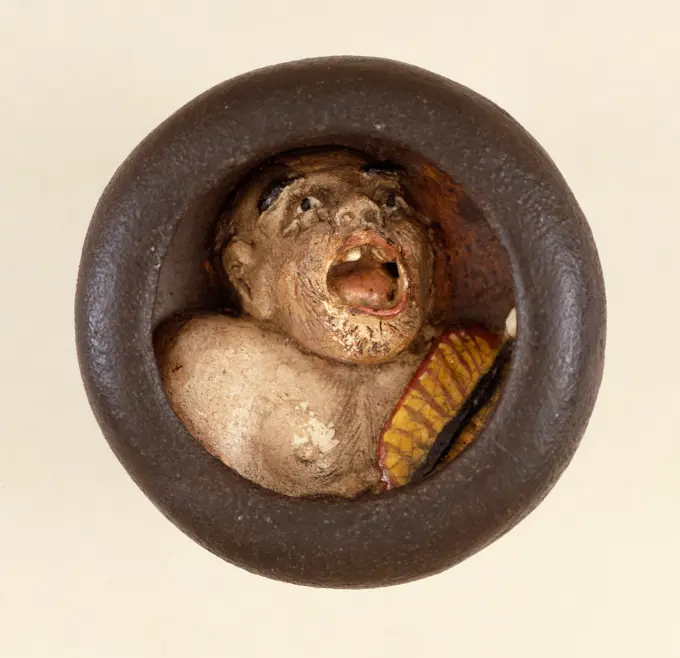
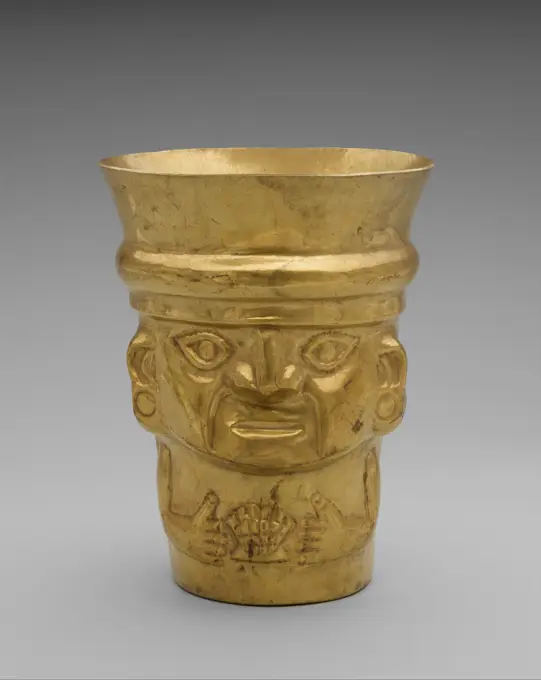
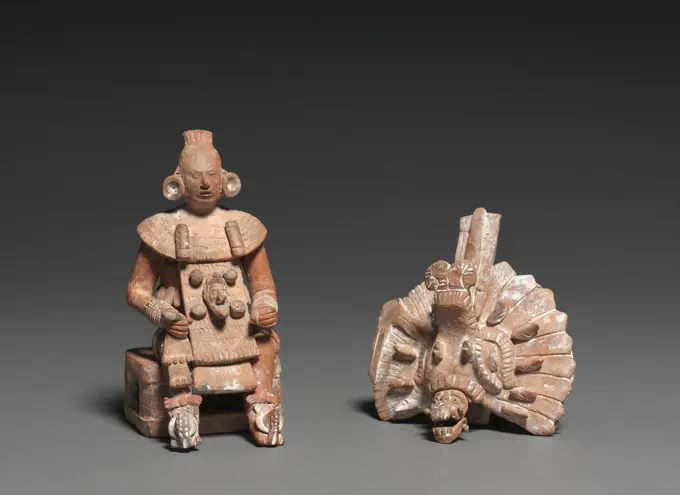
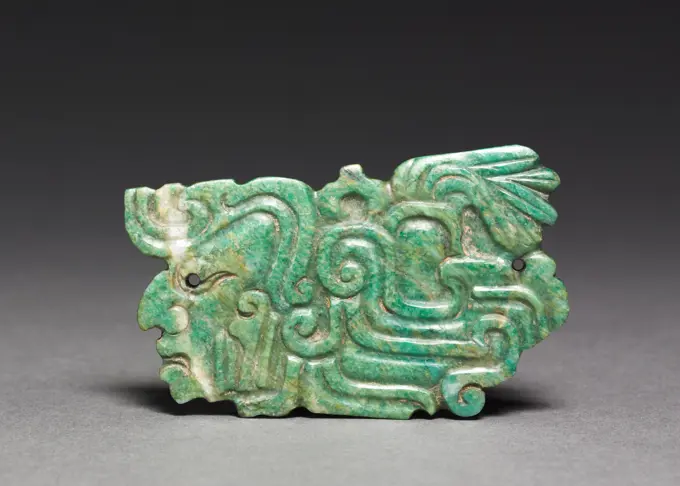
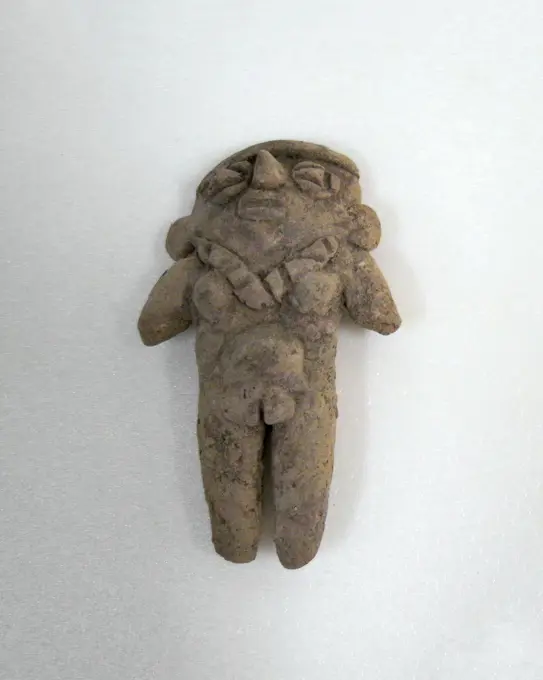
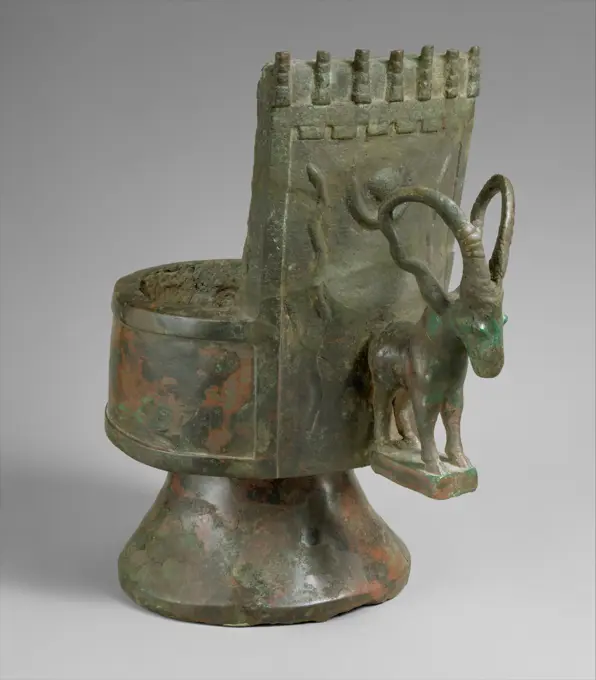
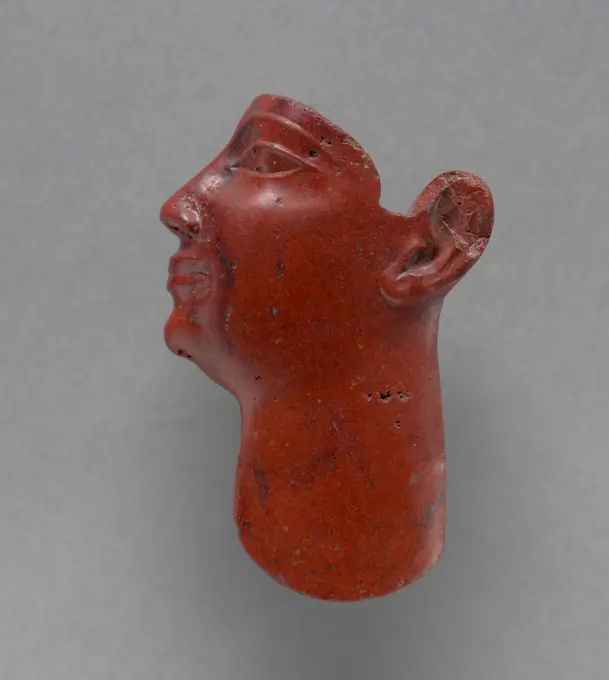
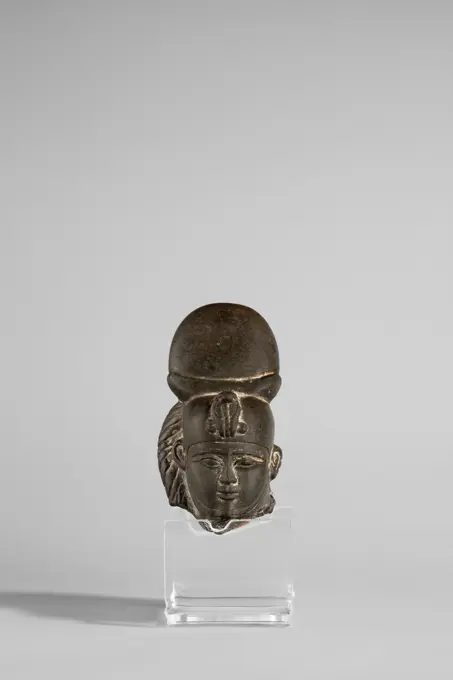
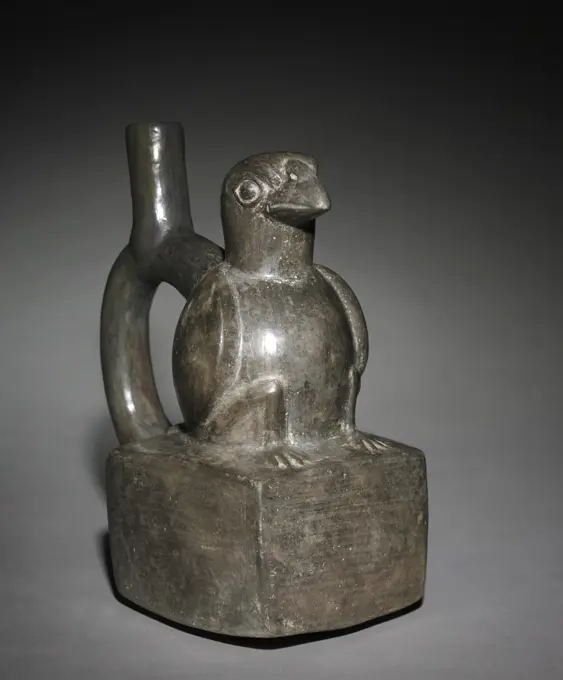
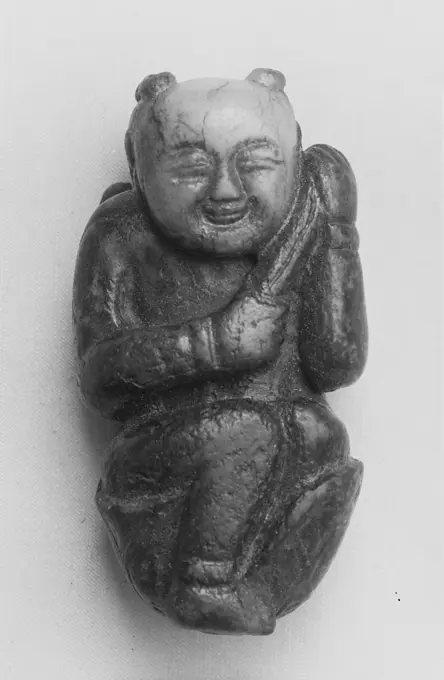
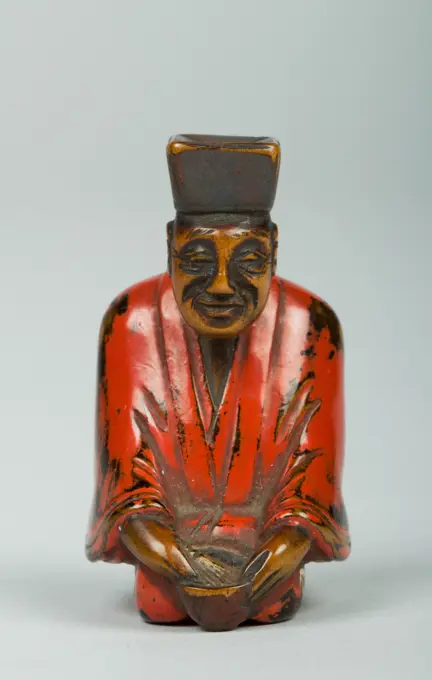
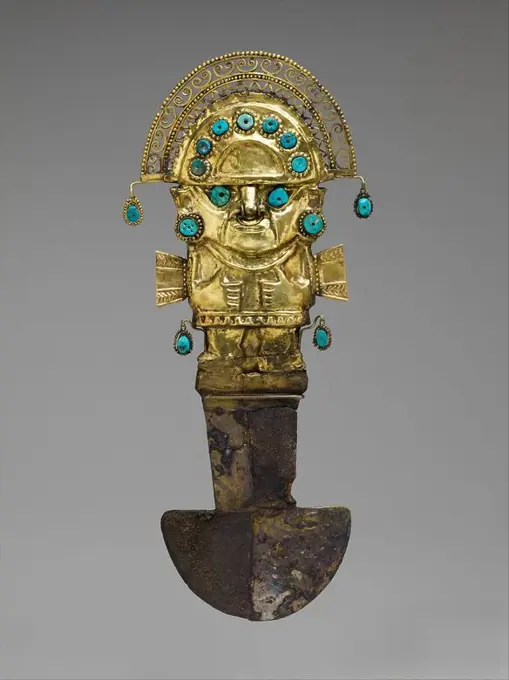
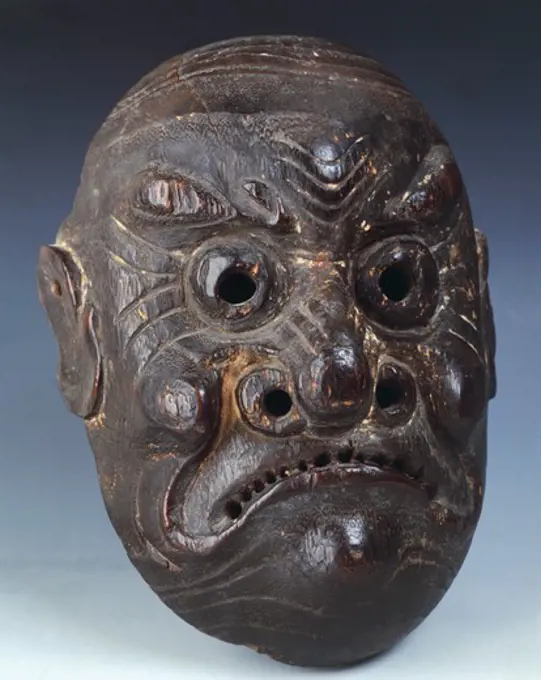
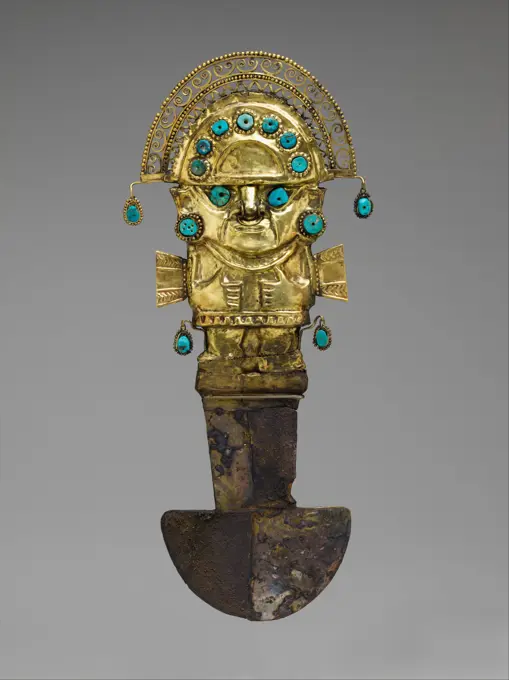
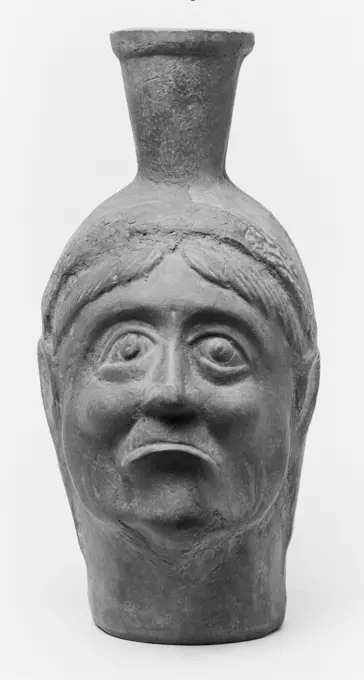
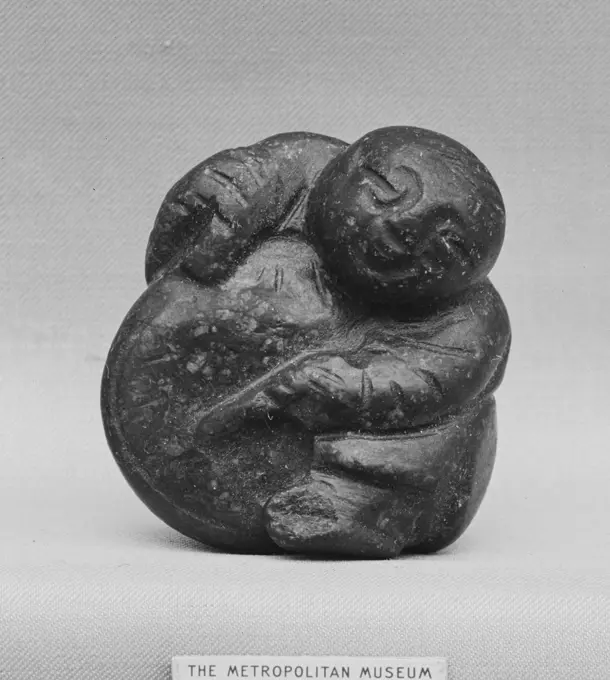
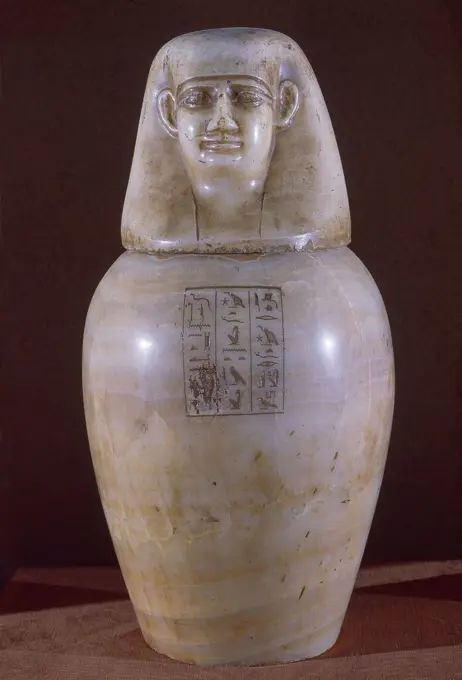
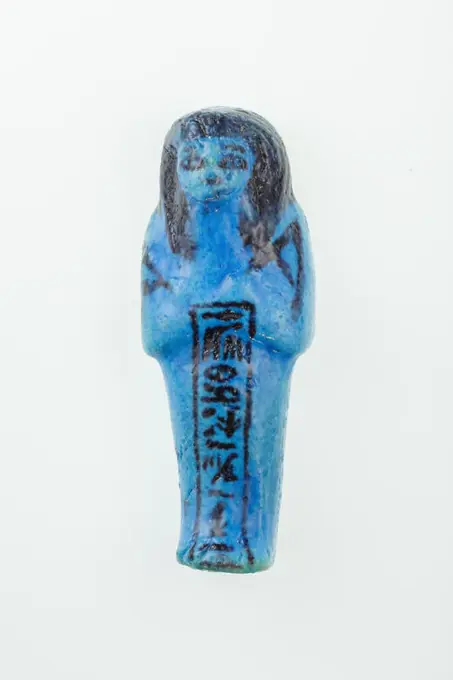
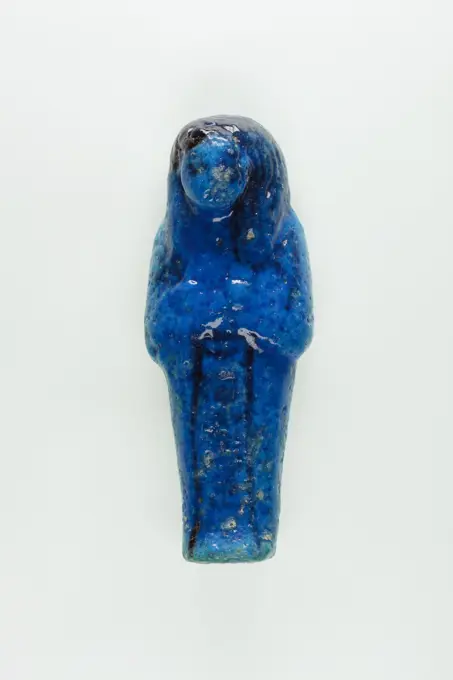
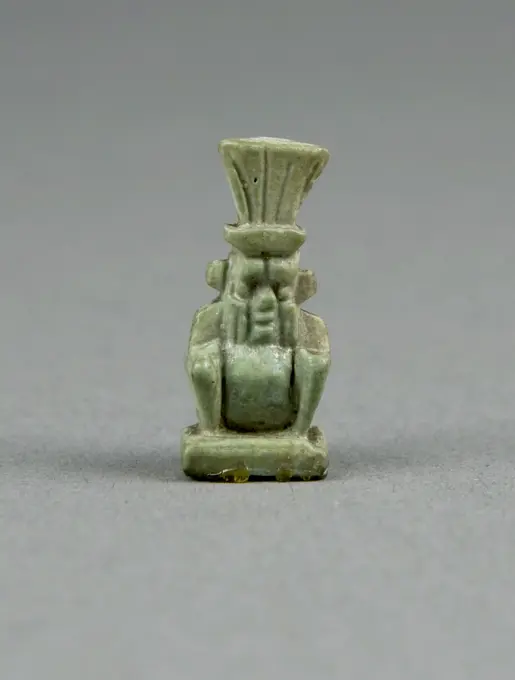
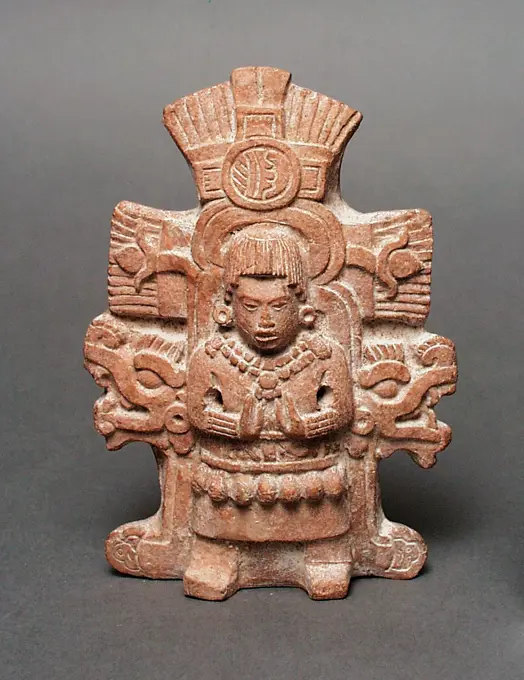
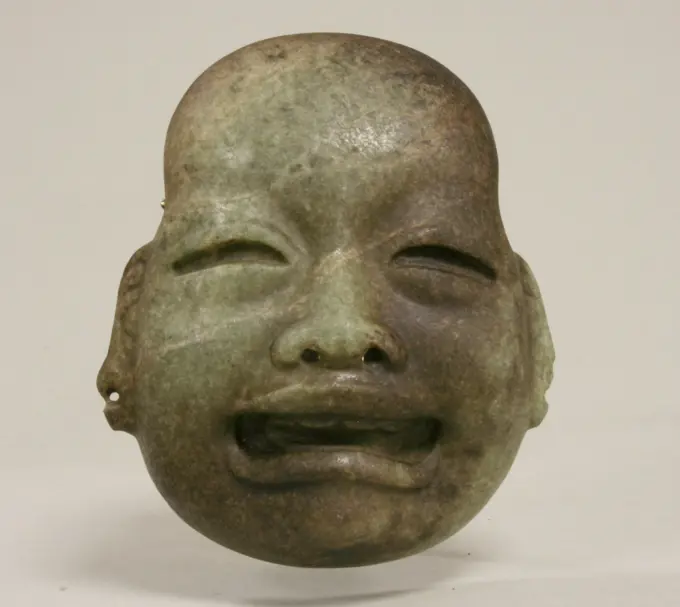
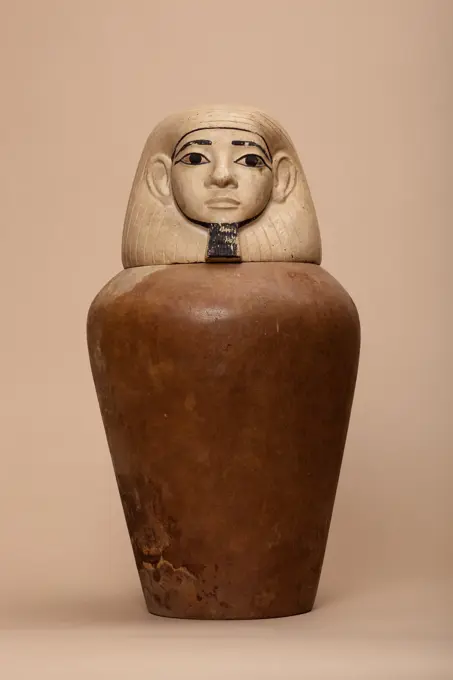
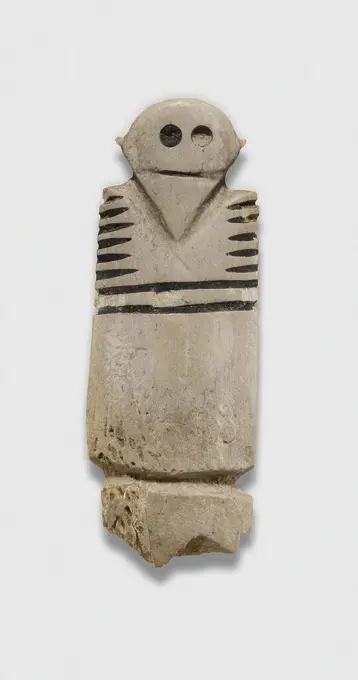
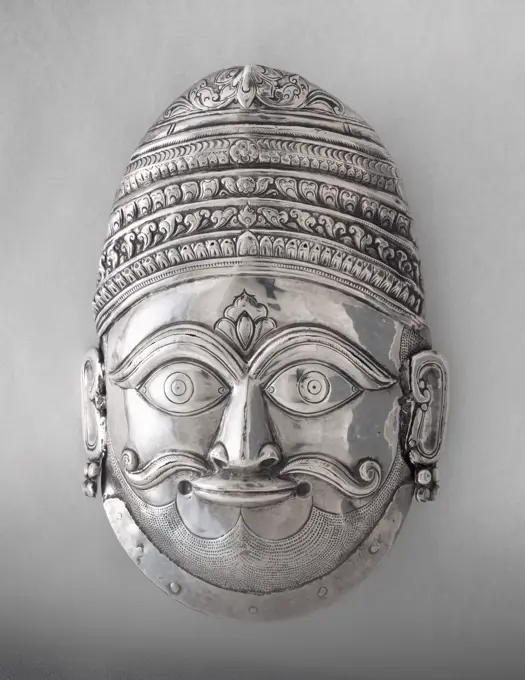
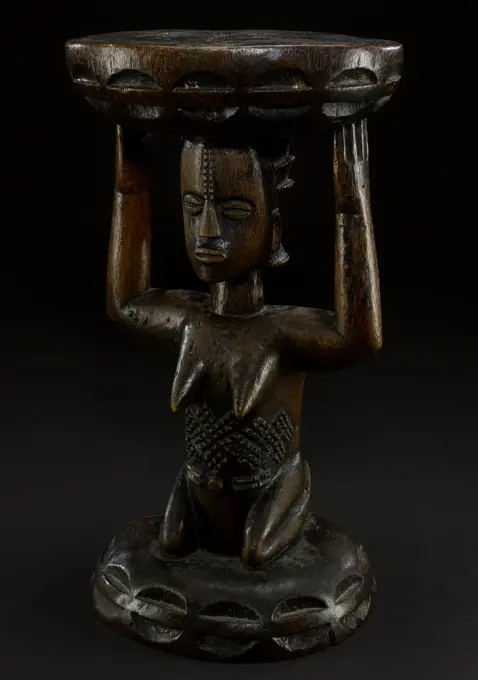
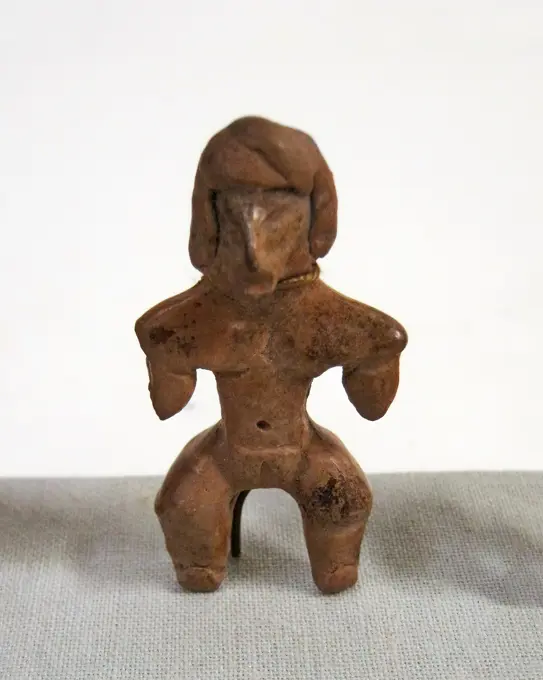
Seated Female Figurine with Elongated Head 300 BCE-300 CE Jalisco state. Ceramic and pigment . JaliscoGilded statuette of the God Anubis. From the tomb of King Tutankhamen. 1323 BC. 18th dynasty, New KingdomAnthropomorphic Inca face receptacle artifact at the National Museum of Archaeology, Anthropology and History of Peru, Lima, PeruAnthropomorphic Bottle in Human Form 11th century Cambodia. Anthropomorphic Bottle in Human Form. Cambodia. 11th century. Stoneware. Angkor period. CeramicsFigurine Whistle of a Dwarf. Northern Guatemala or Southeastern Mexico, Maya, 600-800 CE. Ceramics. Ceramic with post-fire pigmentFigure of a Standing Bird, c. 560, 4 1/4 x 2 1/4 x 7in. (10.8 x 5.7 x 17.8cm), Polychromed earthenware, China, 6th centurySmall Figure with SlingshotFigurine of a Falcon Standing on a Crocodile. Egypt, Ptolemaic Period (323 - 30 BCE). Sculpture. BronzeToby Jug. United States, mid-19th century. Furnishings; Serviceware. Earthenware (Bennington Ware)Terracotta statuette of a male votary offering a kid 4th century B.C. Cypriot The figurine is handmade and solid, with a mold-made face. Only the upper part of the figurine is preserved. He holds a small horned quadruped against his chest with both hands.. Terracotta statuette of a male votary offering a kid 241189Ceramic whistle representing a noblewoman from Campeche, Mexico. Dated 600-900 AD.Head of a Female Haniwa Figure with Headdress 5th-7th century Japan. Head of a Female Haniwa Figure with Headdress 47274MaskRattle in the form of a Dignitary, 900-1199, H.5-3/4 x W.4-1/4 in., Ceramic, Mexico, 10th-12th centuryCanopic Jar with Lid, 1540-1296 BC. Egypt, New Kingdom, Dynasty 18. Limestone; diameter: 23 cm (9 1/16 in.); diameter of mouth: 10.6 cm (4 3/16 in.); overall: 48.4 cm (19 1/16 in.). In the process of mummification certain organs, the liver, lungs, stomach, and intestines were removed, embalmed separately, and stored in jars known as canopic jars. Although this jar and another from the collection (1914.631) were presumably from the same individual and therefore the same set, they differ in their materials, workmanship, size, and style of inscriptions. This jar, the larger of the two, is much finer. The lid is in the form of a bearded male head of excellent quality. The body, of a different limestone, has three columns of incised inscription that are not very carefully cut and have no trace of color. They read: "Words spoken by Selkis: 'May your arms embrace that which is in you. May you protect Qebehsenuef, who is in you, and the honored one before Qebehsenuef, the Osiris, the chief roWorker Shabti of Nauny ca. 1050 B.C. Third Intermediate Period See 30.3.28.1a, b. Worker Shabti of Nauny. ca. 1050 B.C.. Faience. Third Intermediate Period. From Egypt, Upper Egypt, Thebes, Deir el-Bahri, Tomb of Meritamun (TT 358, MMA 65), first corridor, burial of Nauny, MMA excavations, 1928-29. Dynasty 21Animal Ornament Moche 6th-7th century View more. Animal Ornament. Moche. 6th-7th century. Gilded copper. Peru. Metal-OrnamentsStirrup Spout Bottle with Couple. Culture: Moche. Dimensions: H. 8 7/8 x Diam. 5 1/2 in. (22.5 x 14 cm). Date: 4th-7th century. Museum: Metropolitan Museum of Art, New York, USA.Shabti of Petosiris, son of Djedhor Late Period-Ptolemaic Period ca. 360-300 BC View more. Shabti of Petosiris, son of Djedhor. ca. 360-300 BC. Faience. Late Period-Ptolemaic Period. From Egypt, Northern Upper Egypt, Abydos, Cemetery G, Petrie Tomb 50 (Djedhor), Egypt Exploration Fund excavations. Dynasty 30 or latergray oriental man statuette over black backgroundRoller stamp with birds 10th-15th century Mexican. Roller stamp with birds 307740Worker Shabti of Nauny ca. 1050 B.C. Third Intermediate Period See 30.3.26.1a, b. Worker Shabti of Nauny. ca. 1050 B.C.. Faience. Third Intermediate Period. From Egypt, Upper Egypt, Thebes, Deir el-Bahri, Tomb of Meritamun (TT 358, MMA 65), first corridor, burial of Nauny, MMA excavations, 1928-29. Dynasty 21Small Figure with Fan leaning against Reclinatorio. Mexico, Colima, 200 BCE-500 CE. Ceramics. Buff ceramic with postfire applied paintCERAMICA POPULAR ARGENTINA - 1970 - 11,40x12,50 cm - COMUNIDAD INDIGENA TOBA - PROCEDENTE DE CHACO (ARGENTINA). Location: MUSEO DE AMERICA-COLECCION. MADRID. SPAIN.Furniture leg possibly from a game board ca. 3100-2900 B.C. Early Dynastic Period. Furniture leg possibly from a game board. ca. 3100-2900 B.C.. Ivory (elephant). Early Dynastic Period. From Egypt, Northern Upper Egypt, Abydos, Umm el-Qaab, Tomb of Den, Egypt Exploration Fund excavations. Dynasty 1Statuette of the God Horus 945 BCE-656 BCE Egypt. Electrum . Ancient EgyptianUshabtiBouwfragment, anonymous, c. 1400 - c. 1499 Collarage of oak or carrier of one of the wall styles of the hood over the choir of the church in Rumpt, representing a man's head. See also: BK-NM-11079, 11081 and 11082. Northern Netherlands (possibly) wood (plant material). oak (wood)   Rumpt Collarage of oak or carrier of one of the wall styles of the hood over the choir of the church in Rumpt, representing a man's head. See also: BK-NM-11079, 11081 and 11082. Northern Netherlands (possibly) wood (plant material). oak (wood)   RumptPrehistory, Malta, Neolithic. Small decorated altar. From Hagar Qim megalithic temple.Rakan; A Principle Disciple of the Buddha in a Monk's Begging Bowl. Katsuyama (Japan, active 19th century). Japan, 19th century. Costumes; Accessories. Glazed potteryBeaker with Figure Displaying a Shell A.D. 900-1100 Lambayeque (Sicán) This gold drinking vessel in the shape of a figure displaying a shell comes from the Lambayeque culture of Perus north coast and was created for use in ceremonial feasts before it was eventually deposited in the tomb of a high-status individual. This type of vessel shape originated in the south-central Andes, where tall ceramic beakers with flaring rims were popular in the earlier Tiwanaku and Wari cultures. A few examples of beakers made of precious metals and sculpted in the shape of a head are known from these southern cultures, but they do not appear to have been made in large quantities. After the ninth century A.D., however, vessels made of precious metals were made in greater numbers farther north, in the Lambayeque region, near the modern city of Chiclayo. Prior to this time, ritual vessels on the north coast were made in the shape of goblets, and probably exclusively of fired clay. By the beginning of the Seated Lord with Removable Headdress, 600-800. Mesoamerica, Maya, probably Jaina Island, Late Classical period, 7th-9th century. Ceramic and slip; overall: 21 cm (8 1/4 in.).Shabti of Petosiris, son of Djedhor Late Period-Ptolemaic Period ca. 360-300 BC View more. Shabti of Petosiris, son of Djedhor. ca. 360-300 BC. Faience. Late Period-Ptolemaic Period. From Egypt, Northern Upper Egypt, Abydos, Cemetery G, Petrie Tomb 50 (Djedhor), Egypt Exploration Fund excavations. Dynasty 30 or laterOrnament, 250-900. Mexico or Central America, Maya style (250-900). Greenstone; overall: 4.8 x 8 cm (1 7/8 x 3 1/8 in.).Standing female figure, 200-700, 3 x 2 x 1/2 in. (7.6 x 5.08 x 1.27 cm), Clay, Mexico, 3rd-8th centuryMask of the Ponokawan Semar ,, 1800 - 1900 Polychromed wooden mask from the ponokawan semar. Java wood (plant material). dye Polychromed wooden mask from the ponokawan semar. Java wood (plant material). dyeIncense burner ca. mid-1st millennium B.C. This bronze incense burner from southwestern Arabia consists of a cylindrical cup set on a conical base. A rectangular architectural form suggesting a facade extends upward from the cups front. Its face is decorated with two serpents flanking a round disk set within a crescent, all in low relief. Cast separately, an ibex standing on a plinth projects from the front of the incense burner and may serve as a handle.From the middle of the first millennium B.C. until the sixth century A.D., the kingdoms of southwestern Arabia gained considerable wealth and power through their control of the trade in incense between Arabia and the lands of the Mediterranean seacoast. Frankincense and myrrh, gum resins that are native to southern Arabia, were widely valued in the ancient world for the preparation of incense, perfumes, cosmetics, and medicines, as well as for use in religious and funerary ceremonies.The importance of incense in the religion of southwCeramic Animal Whistle. Culture: Bahia. Dimensions: H. 1 1/2 x W. 1 1/2 in. (3.8 x 3.8 cm). Date: 5th century B.C.-A.D. 4th century. Museum: Metropolitan Museum of Art, New York, USA.Figurine from Akhsiv. Israelite period. Woman bathing. Clay.Horse figurine ca. 600-480 B.C. Cypriot The handmade and solid horse was originally part of a horse-and-rider figurine in the Kourion style.. Horse figurine 241320Bronze statuette of a siren. Culture: South Italian or Etruscan. Dimensions: Overall: 3 3/16 x 1 3/8 x 2 5/8 in. (8.1 x 3.5 x 6.7 cm). Date: ca. 500 B.C..The siren wears a diadem embellished with flowers. She originally may have stood on the lid of a vase. Museum: Metropolitan Museum of Art, New York, USA.tapadera antropomorfa, clásico, Santa María Nebaj,museo de antropologia, departamento de El Quiché, Guatemala, Central America.Inlay: Head of a King, 380-246 BC. Egypt, Greco-Roman Period, early Ptolemaic Dynasty. Red jasper; overall: 4.4 x 3.2 x 1.8 cm (1 3/4 x 1 1/4 x 11/16 in.).Terracotta statuette of a doll 3rd century B.C. Greek, South Italian, Tarentine Nude, wearing earrings and diadem.. Terracotta statuette of a doll 248604Fragment figurki boga Chonsu - głowa. unknown, authorLion's head. unknown, craftsmanDarkware Vessel, 900-1470. Peru, North Coast, Chimú style (900-1470). Black ware; overall: 20 x 10.3 x 16.6 cm (7 7/8 x 4 1/16 x 6 9/16 in.).Beaker with figure and Spondylus shell Lambayeque (Sicán) artist(s) 900-1100 CE This gold drinking vessel in the shape of a figure displaying a shell comes from the Lambayeque culture of Perus north coast and was created for use in ceremonial feasts before it was eventually deposited in the tomb of a high-status individual. This type of vessel shape originated in the south-central Andes, where tall ceramic beakers with flaring rims were popular in the earlier Tiwanaku and Wari cultures. A few examples of beakers made of precious metals and sculpted in the shape of a head are known from these southern cultures, but they do not appear to have been made in large quantities. After the ninth century A.D., however, vessels made of precious metals were made in greater numbers farther north, in the Lambayeque region, near the modern city of Chiclayo. Prior to this time, ritual vessels on the north coast were made in the shape of goblets, and probably exclusively of fired clay. By the beginningAmulet of the God Shu 664 BCE-332 BCE Egypt. Faience . Ancient EgyptianHumanfigure, ca.1200, Gold, 5 × 2 cm, 0.02 kg (1 15/16 × 13/16 in., 0.04lb.), Made in Costa Rica, Costa Rica, Guapiles, AtlanticWatershed, JewelryLamp Fragment (Handle Ornament). UnknownGirdle pendant China. Girdle pendant. China. Jade. Han dynasty (206 B.C.-A.D. 220). JadeNetsuke of Tea Master 18th century Japan. Netsuke of Tea Master. Japan. 18th century. Wood and red lacquer. Edo period (1615-1868). NetsukePrimitive neolithic pottery vase on exhibit at Shanghai Museum, Shanghai, China, AsiaVotive Head. UnknownHip Ornament: Leopard Head 16th-19th century Edo peoples Benin history, religion, and political structure are brought to life every year in a series of palace rituals intended to purify the kingdom and renew the spiritual powers of the king, the oba. Many of these vivid and solemn rites were introduced by individual obas in order to commemorate events in their reigns and to promote important principles in the ideology of divine kingship. At these palace festivals, the powers of the king, the roles of the various chiefs and titleholders, and the relationships between them are displayed for all to see. The arts play an important role in these rituals. The king and other participants wear their most lavish ceremonial costumes, consisting of vast quantities of costly imported coral beads, luxurious textiles, and ornaments made of gleaming brass and creamy ivory. This ornament in the shape of a leopard's head was part of such a costume, and was meant to be worn around the waist.. Hip OrnameMayan ceramic figurine of an enthroned noble or leader, from Yucatan, Mexico. 600-900ADCeremonial Knife (Tumi). Culture: Lambayeque (Sicán). Dimensions: H. 14 1/4 × W. 6 1/4 × D. 1 5/8 in. (36.2 × 15.9 × 4.1 cm). Date: A.D. 900-1100.Around A.D. 1000, high-status tombs were constructed at Batán Grande, a site now called the Sicán Archaeological Precinct, where a single burial could include as many as five masks: one attached to the head and the others stacked at the feet. The shape of the eyes is characteristic of the Sicán deity, also shown atop the ceremonial knife (tumi). Alrededor del año 1000 d. C. se construyeron tumbas para personajes de alto rango en Batán Grande, un sitio hoy llamado Complejo Arqueológico de Sicán. Allí eran sepultados, junto con diversos objetos de gran valor, los nobles de la sociedad Lambayeque, en monumentales plataformas de adobe. La forma de los ojos es característica de la deidad de Sicán, también representada en la parte superior del cuchillo ceremonial (tumi). Museum: Metropolitan Museum of Art, New York, USA.Long-nosed Mask. Japan, Takeyama, Edo period (1615-1868). Jewelry and Adornments; masks. Wood, red and black lacquerMask with protruding eyes. Bronze work, Shang Periode (1600-1046 BC). Sanxingdui site, Sanxingdui Museum, Guanghan, Sichuan, China.Mask depicting a man's frowning face, 18th century, paulownia wood, height 21 cm. Japanese civilization, Edo period (1603-1868).Nocoya vessel from Costa Rica or Nicaragua AD 750-1000. Tripod earthenware vase with a birds head and red and black designCeremonial Knife (Tumi) 10th-12th century Lambayeque (Sicán) Metallurgy was the primary medium for the expression of the power of Sicán rulers; vessels, headdresses, body adornments, funerary masks, and tumis were delicately made with gold, silver, and arsenical copper. Tumis are ceremonial knives with semicircular blades. Known on the Peruvian coast since the third century B.C., they often appear in Moche iconography, where they are used to cut the throat of sacrificial victims. Tumis were also recently found in situ in the tombs of high-status Moche and Sicán individuals. Sicán tumis such as this one were exquisitely crafted by skilled metallurgists mastering the techniques of repoussé, soldering, and filigree. Here, the handle is inlaid with turquoise and takes the shape of the Sicán Lord with characteristic crescent headdress, comma-shaped eyes, and pointed ears. The Sicán Lord is often interpreted as ñaymlap, the mythical founder of the Sicán dynasties, described in a sixteenth-ceFragmentary Carthaginian Head Vase. UnknownFigure of a Boy China. Figure of a Boy. China. Jade. Han dynasty (206 B.C.-A.D. 220). JadeVASO CANOPO DE ALABASTRO XXVI DINASTIA. Location: MUSEO ARQUEOLOGICO NACIONAL-COLECCION. MADRID. SPAIN.Shabti of Thutmose IV ca. 1400-1390 B.C. New Kingdom. Shabti of Thutmose IV. ca. 1400-1390 B.C.. Faience. New Kingdom. From Egypt, Upper Egypt, Thebes, Valley of the Kings, Tomb of Thutmose IV (KV 43), Davis/Carter excavations 1903. Dynasty 18Stylized Mask of a Rakan; A Principle Disciple of the Buddha. Ozaki Kokusai (Japan, 1835-circa 1892). Japan, mid- to late 19th century. Costumes; Accessories. Stag antler with inlaysMasked Haniwa Figure Japan. Masked Haniwa Figure. Japan. Earthenware. Kofun period (ca. 300-710). SculptureSmallSpoonFace Mask Ornament 6th-7th century Moche (Loma Negra). Face Mask Ornament 314345Amulet - bogini Toeris. unknown, authorTerracotta figure of woman or goddess seated on a throne. Made in Athens, about 530-500 BC.Stirrup Spout Bottle with Seated Figure 1st century B.C.-A.D. 2nd century Salinar (). Stirrup Spout Bottle with Seated Figure 314683Amphoriskos; Eastern Mediterranean; 2nd - 1st century B.C; Glass; 14.6 cm (5 3,4 in.)One of Ninety Engraved, Gems, Cameos and Bullae. UnknownShabti, Nany. Dimensions: H. 8.7 × W. 3 × D. 2.1 cm (8.7 × 3 × 2.1 cm). Dynasty: Dynasty 21. Reign: reign of Psusennes I. Date: ca. 1050 B.C..Seven shabti boxes were interred with Nany; five came to New York in the division of finds (30.3.26-.30), two of them are now in the Egyptian Museum in Cairo. All are made of sycamore wood and have high ends and flat lids. A white stucco wash was applied after the lids were closed. The shabtis, made of faience, were packed tightly in each box, in an upright position. They are of two types: foremen and workmen, with a ratio of one forman to ten workers (see 30.3.28a-h). Museum: Metropolitan Museum of Art, New York, USA.Worker Shabti of Nauny ca. 1050 B.C. Third Intermediate Period See 30.3.26.1a, b. Worker Shabti of Nauny 625737Amulet of the God Bes 1070 BCE-656 BCE Egypt. Faience . Ancient EgyptianMold-Made Rattle with Royal Woman and Bicephalic SerpentAmulet  HatchesPerfume bottle young athlete binding ribbon on his head as symbol of victory. Ancient agora, Athens Greece.Mask 6th-7th century Moche (Loma Negra). Mask 313444Mexico.Mexico city.National Museum of Antropology.Jalisco culture.Figure of a dog..Ornamental Mask 10th century B.C. Olmec. Ornamental Mask 310486Canopic jar of Nephthys ca. 1981-1802 B.C. Middle Kingdom This Middle Kingdom canopic jar belongs to a set of four (11.150.17b-e), which were used to contain the viscera removed from the body during mummification. These four jars belong very probably to the burial of a mayors daughter called Nephthys (for her mummy, see 11.150.15c, and for her two coffins, see 11.150.15a, b). In earlier periods, canopic jars had simple disc-shaped or hemispherical lids. In the late First Intermediate Period to early Middle Kingdom, however, lids in the form of human heads were introduced.. Canopic jar of Nephthys. ca. 1981-1802 B.C.. Indurated limestone, paint, linen. Middle Kingdom. From Egypt, Middle Egypt, Meir, Khashaba excavations, 1910-11. Dynasty 12Tag with human head. Egyptian Predynastic Period Naqada II, 3650-3300 B.C.Medium/TechniqueIvoryDimensionsHeight x width: 6 x 1.9 cm (2 3/8 x 3/4 in.).Fragment of a woman's figurine;  IV-III century BC (-400-00-00--201-00-00);African Art Slingshot Baule African figural slingshot used in tribal hunting of rodents and birds from the Cote d Ivoire Africa Copyright: xZoonar.com/StephenxFarhallx 9694789Vase in bustformFunerary statuette depicting deceased May, wrapped in bandages and placed in its sarcophagus, woodMask of Shiva. India, Maharashtra or Karnataka, 18th century. Jewelry and Adornments; masks. Silver, repoussé and chasedStool, 20th century, 14 7/16 × 7 1/2 × 7 in. (36.67 × 19.05 × 17.78 cm), Wood, Democratic Republic of Congo, 20th centuryEgyptian faience statuette of Sobek. Artist: UnknownLid of vessel. Dimensions: h. 10.3 cm (4 1/16 in). Dynasty: Dynasty 12-13. Date: ca. 1981-1640 B.C.. Museum: Metropolitan Museum of Art, New York, USA.Face Flask c 1820-1835 New England. Stoneware and salt glaze with iron and cobalt oxide glazes . Artist unknownTile China. Tile 61603Robert Pohle, Cigar Store Figure  Punch, c 1939 Cigar Store Figure: PunchMiniature figurine, 1500-1150 BCE, 2 in. (5.1 cm), Earthenware, Mexico, Pre-Classic