Ancient Figurines and Sculptures

Artifacts including anthropomorphic and animal-shaped figurines from ancient cultures, showcasing artistic craftsmanship and historical significance.

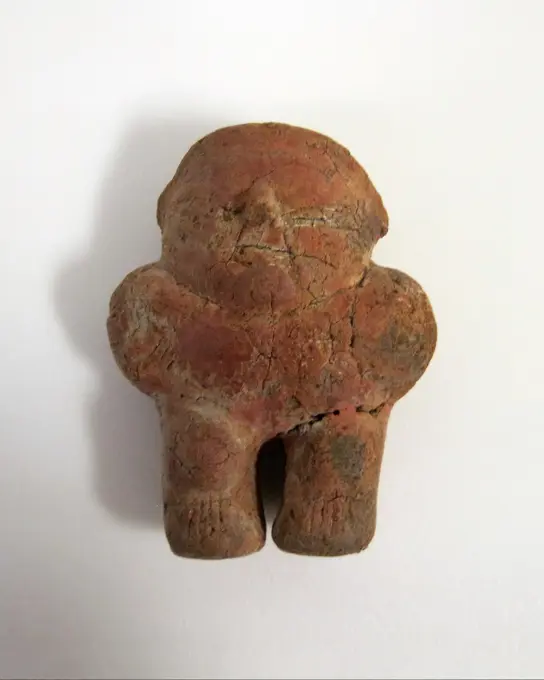
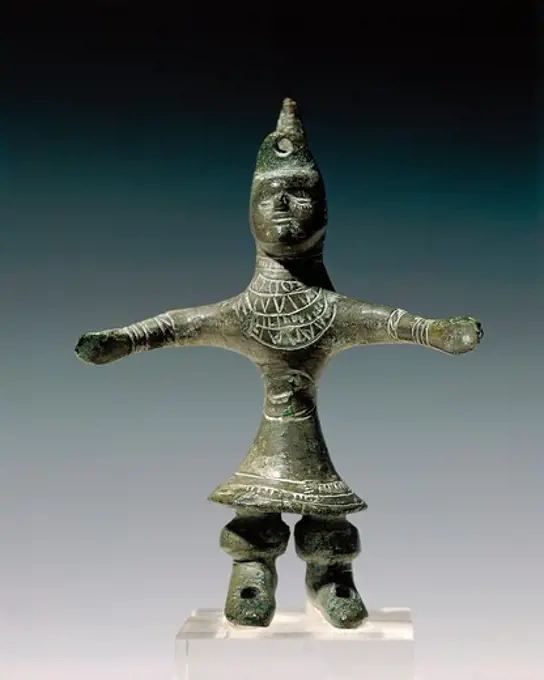
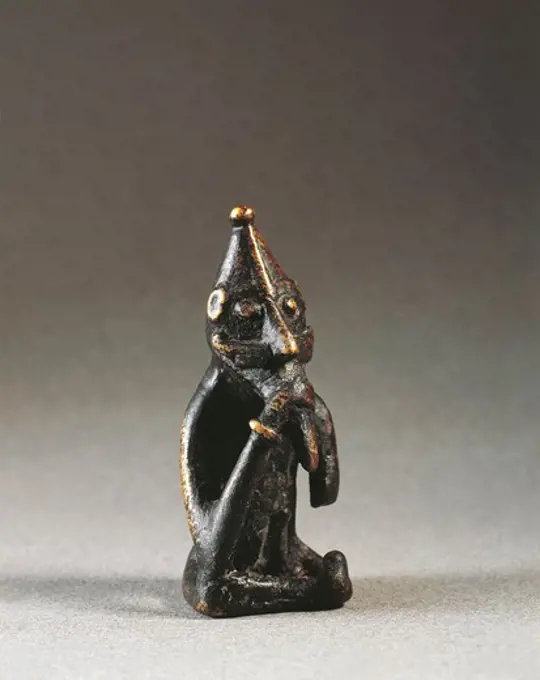
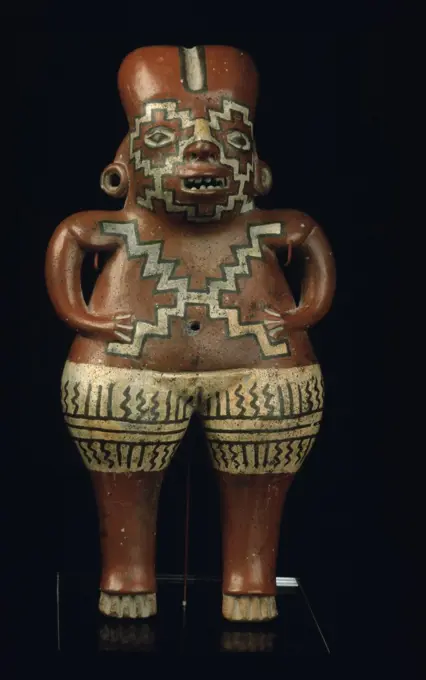
Anthropomorphic figurine from Chad, Central Africa. Dated 9th Century BC
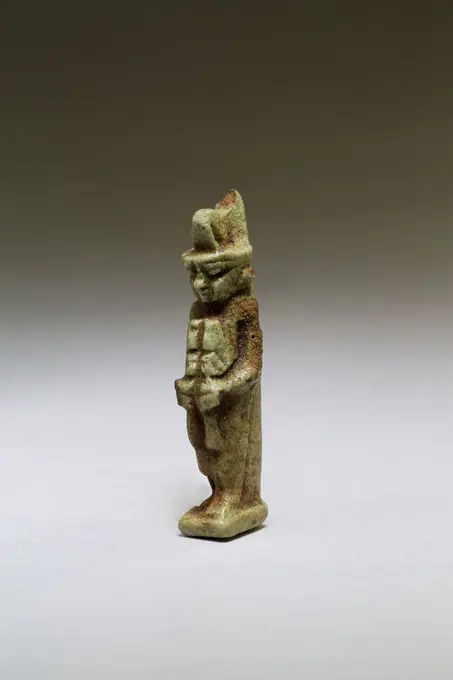
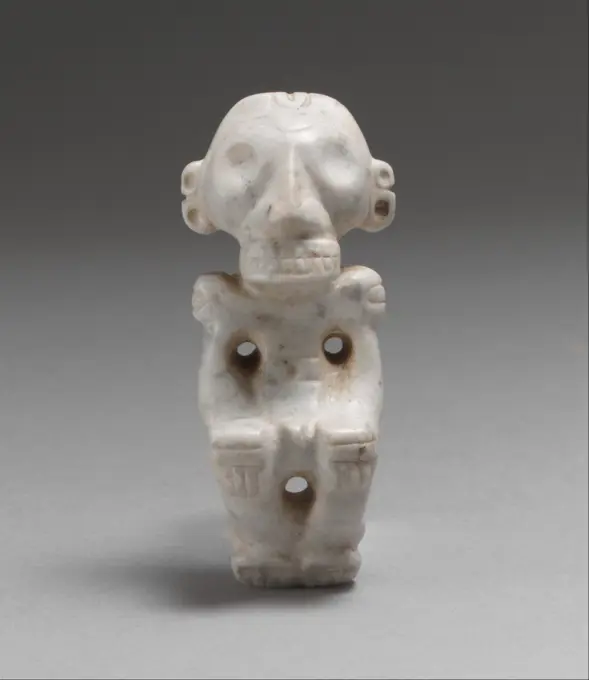
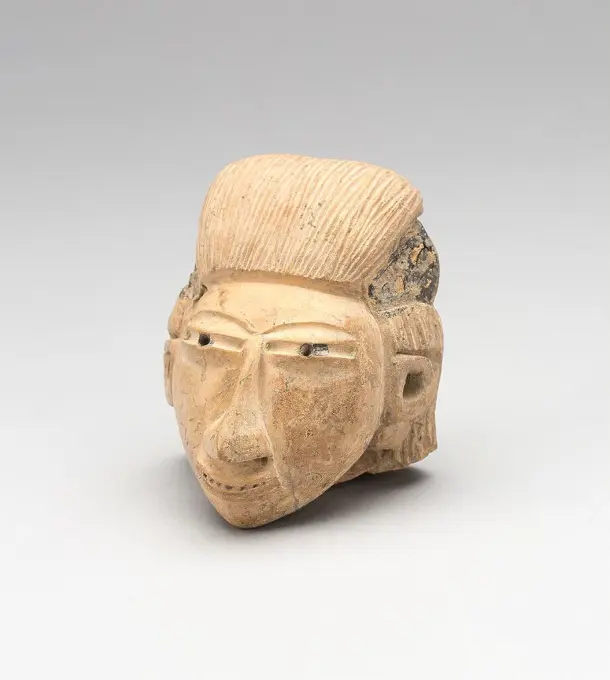
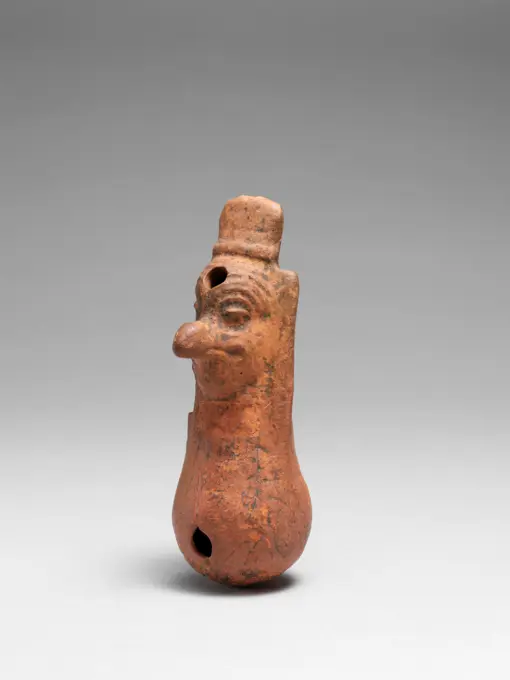
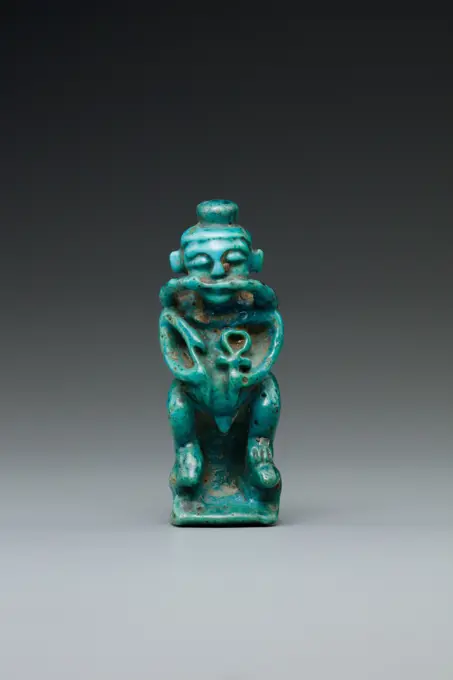
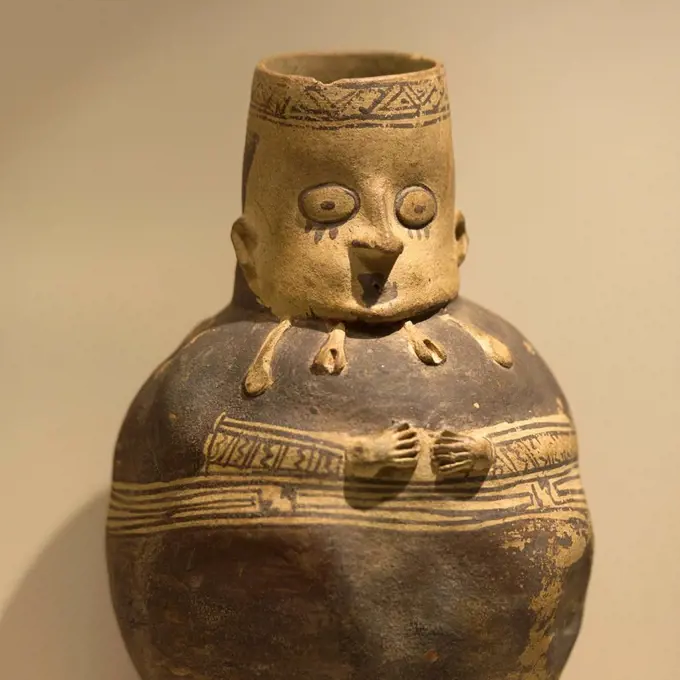
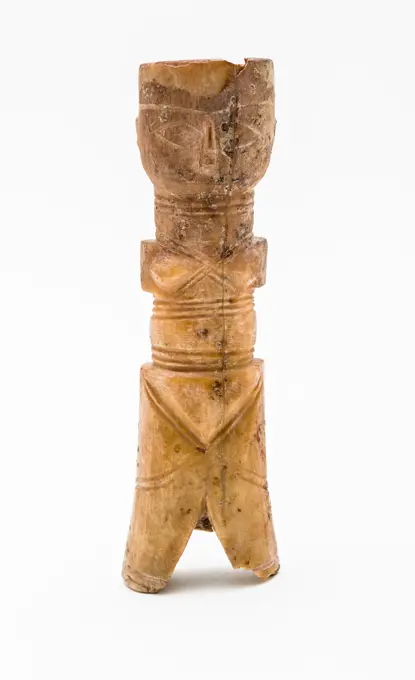
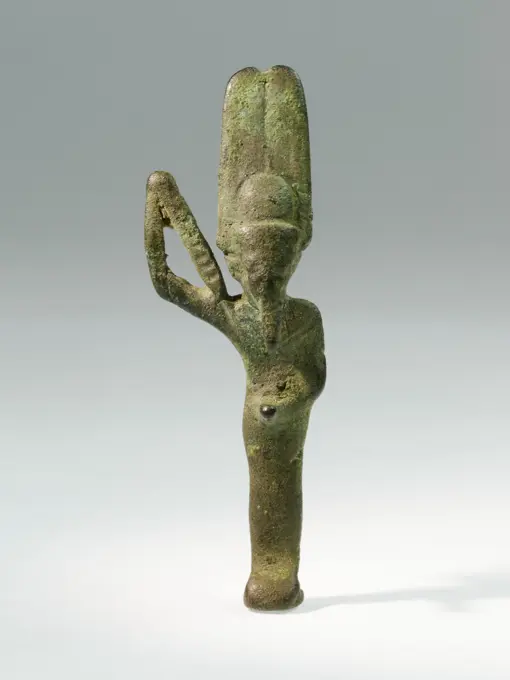
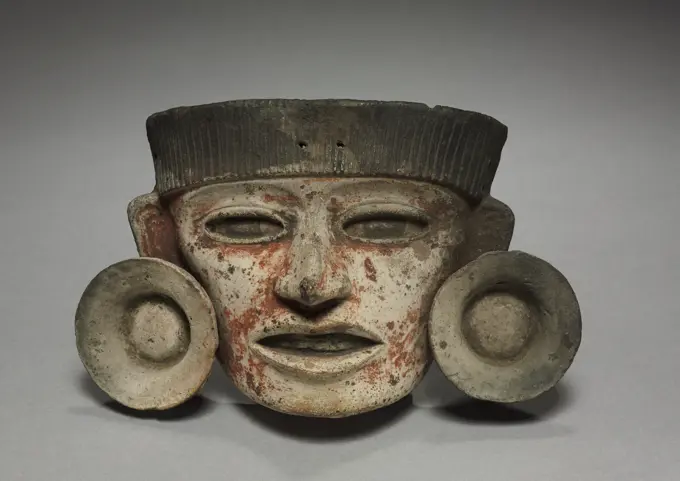
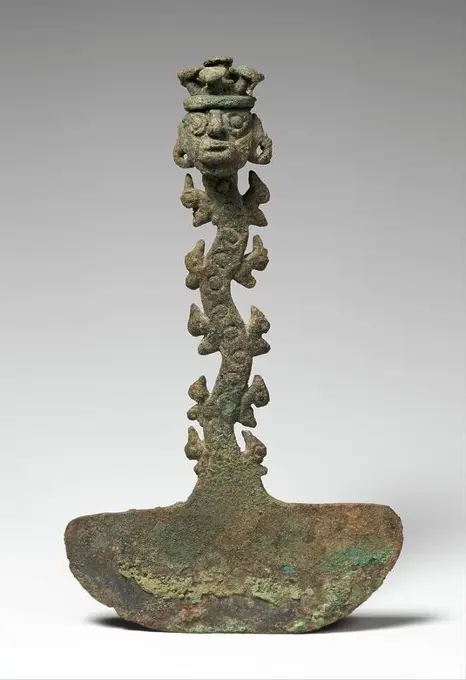
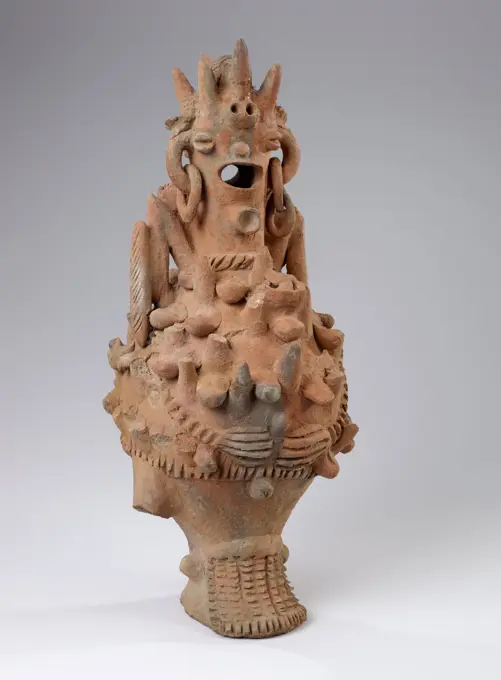
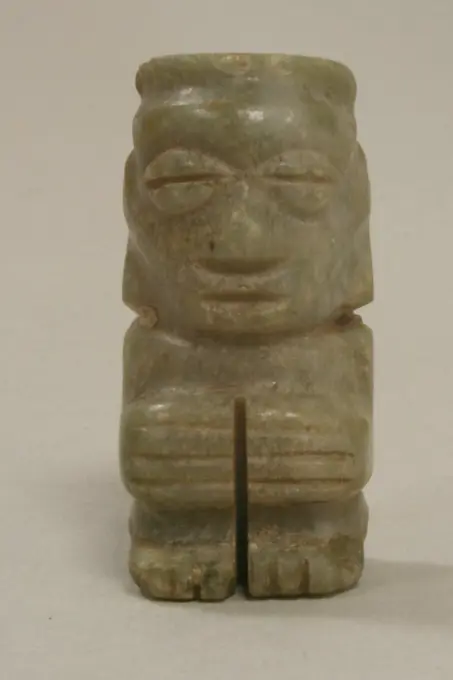
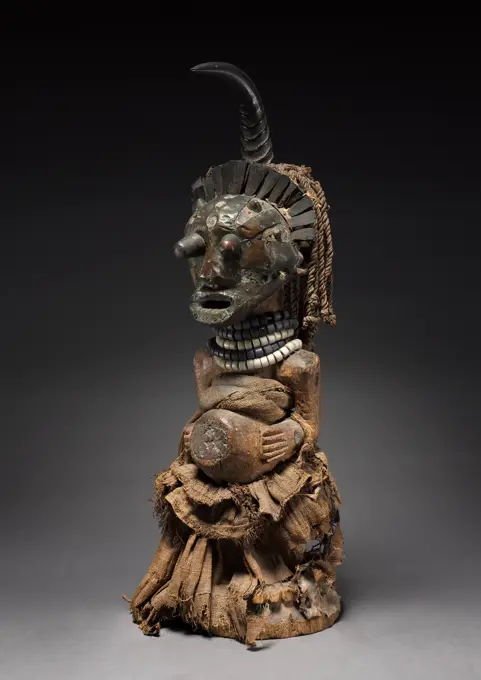
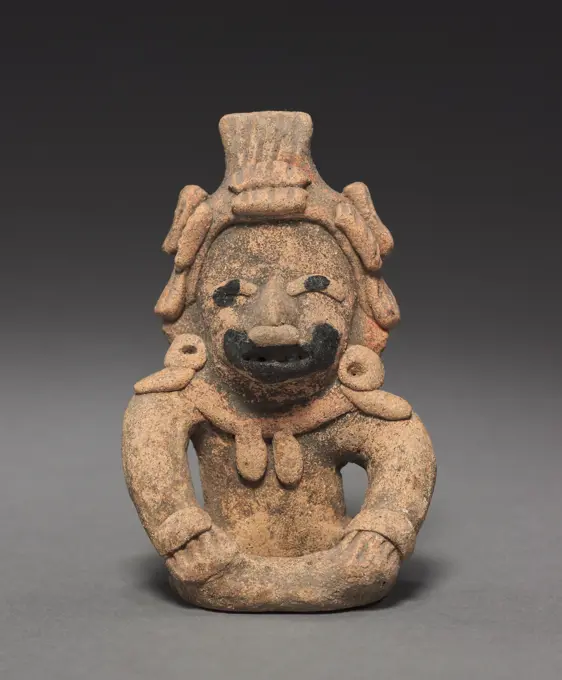
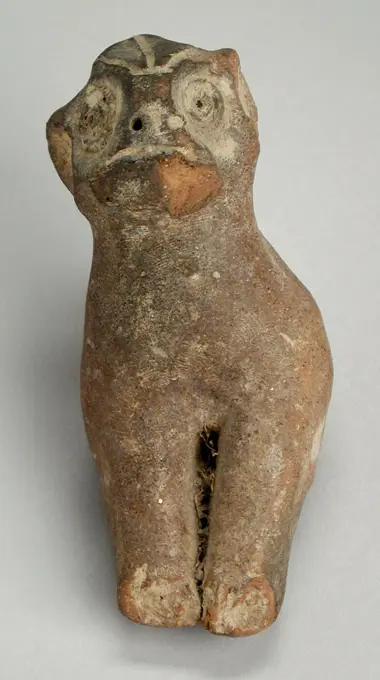
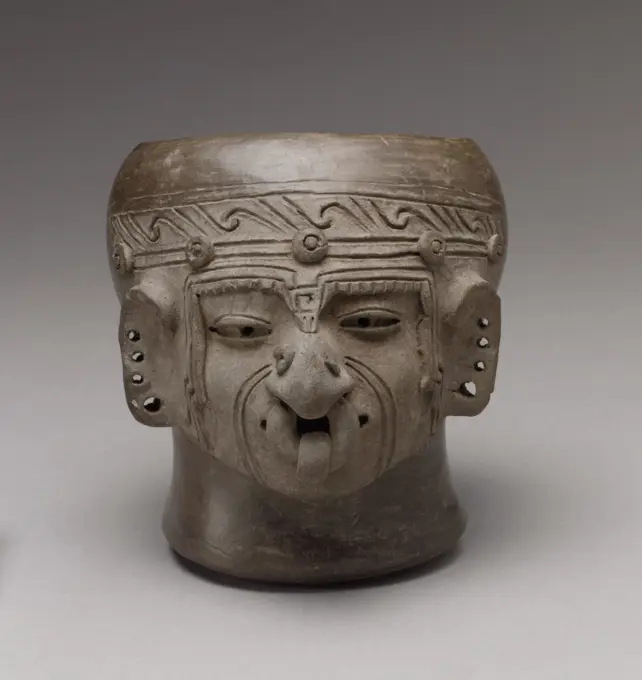
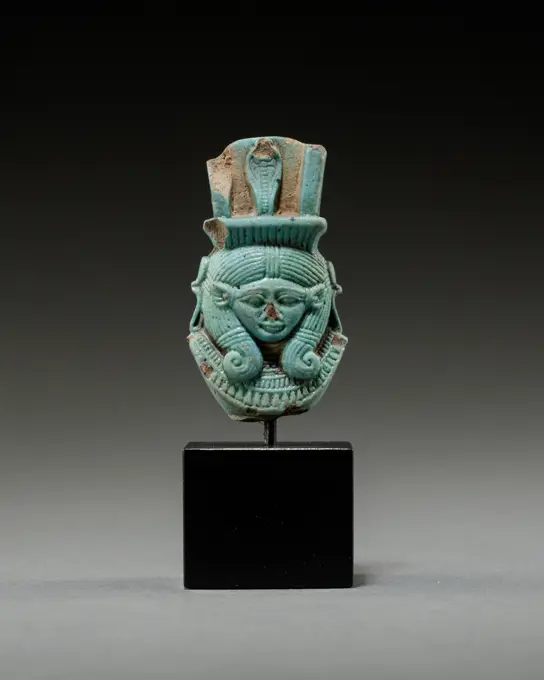
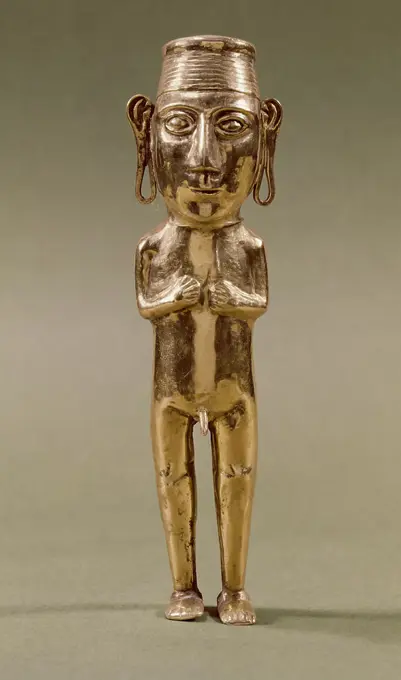
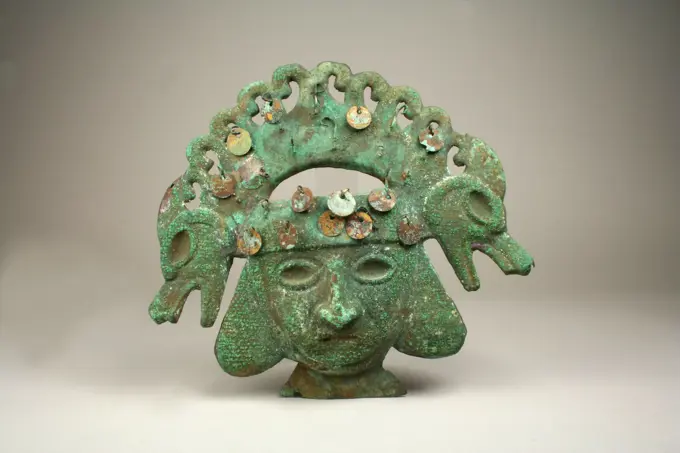
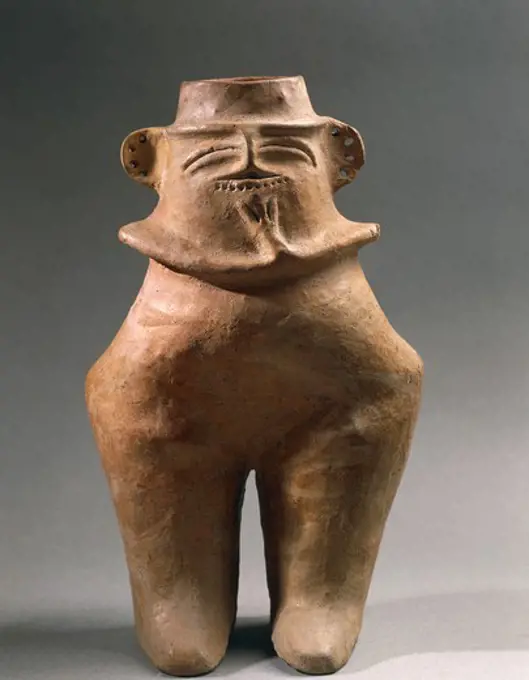
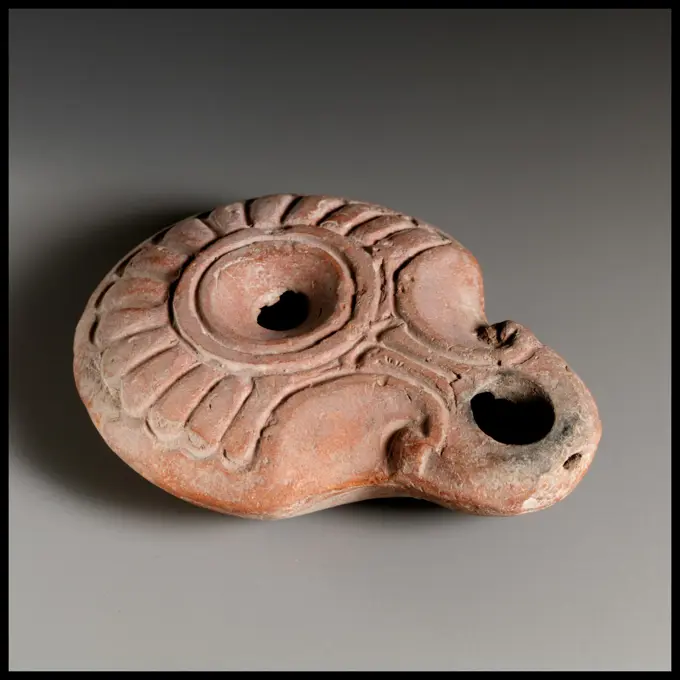
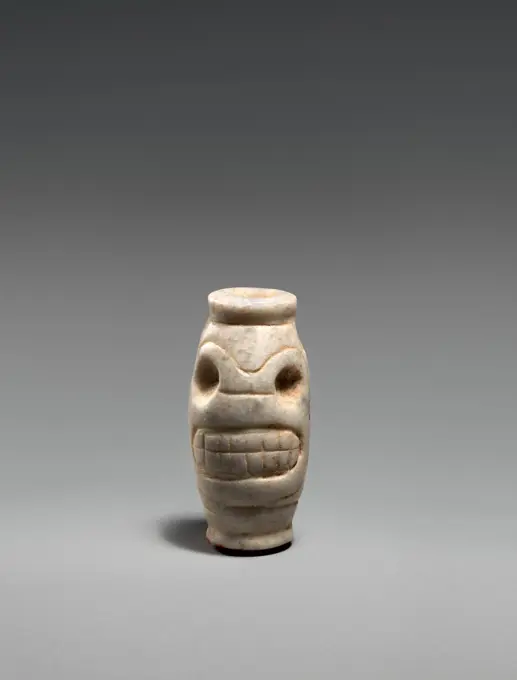
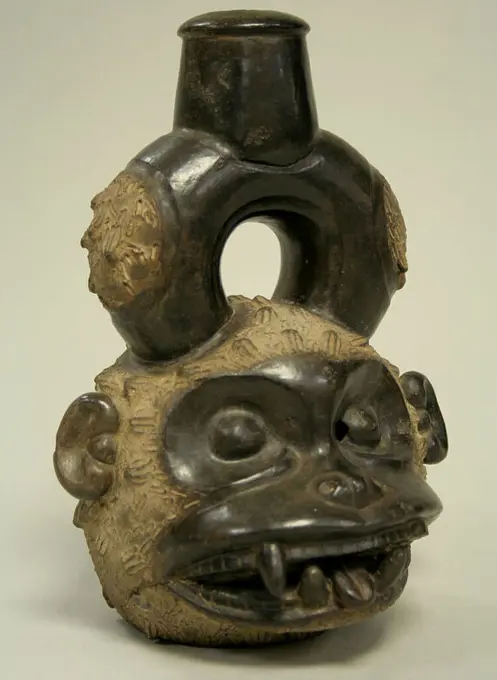
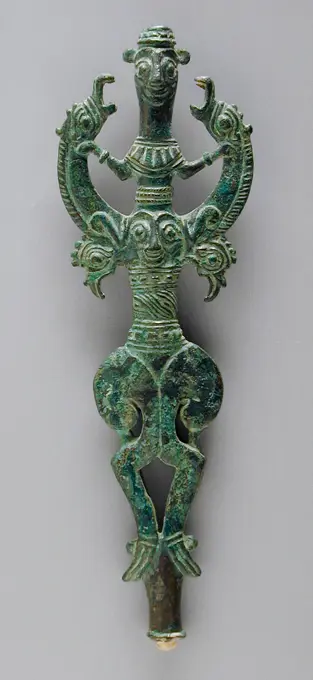
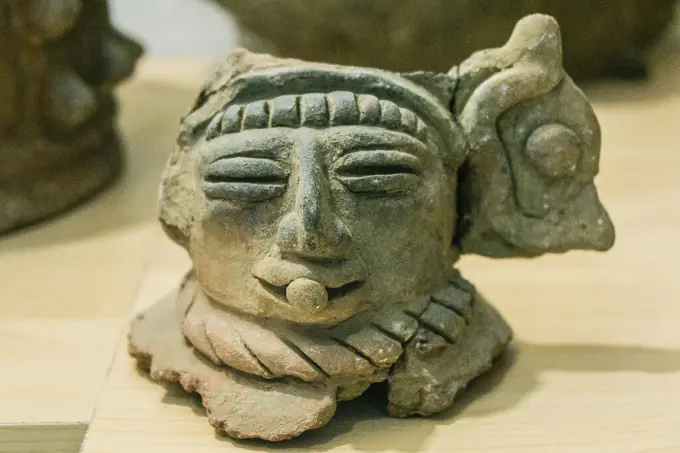
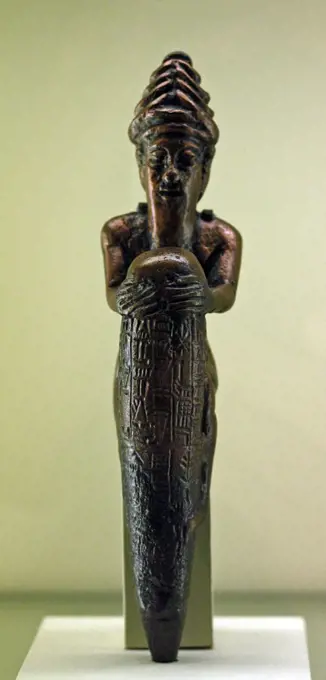
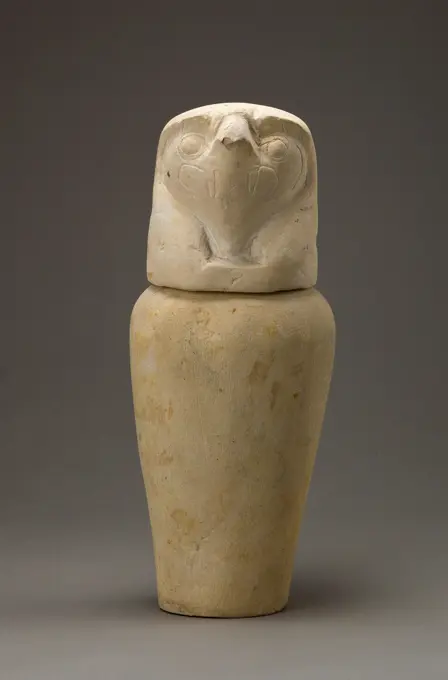
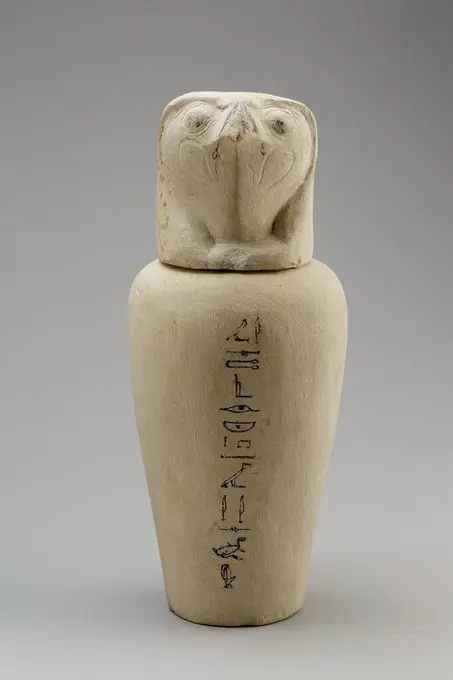
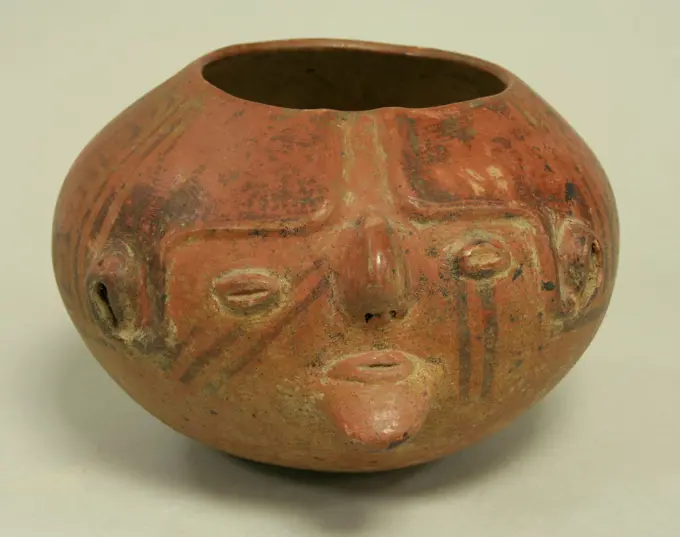
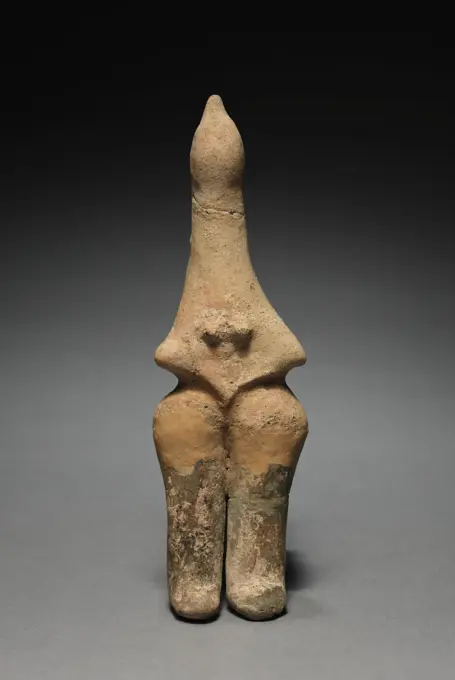
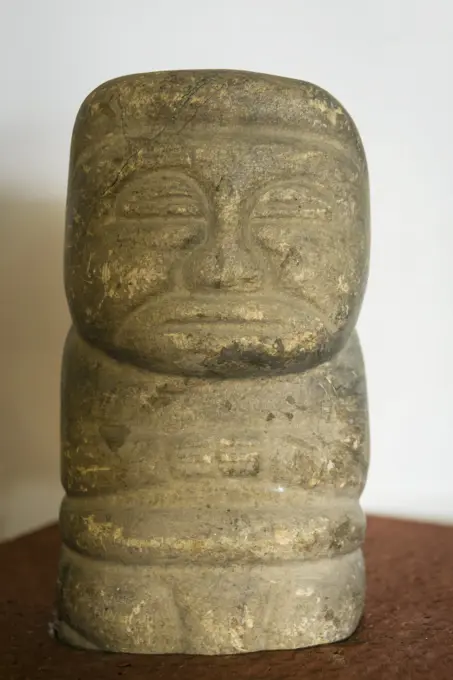
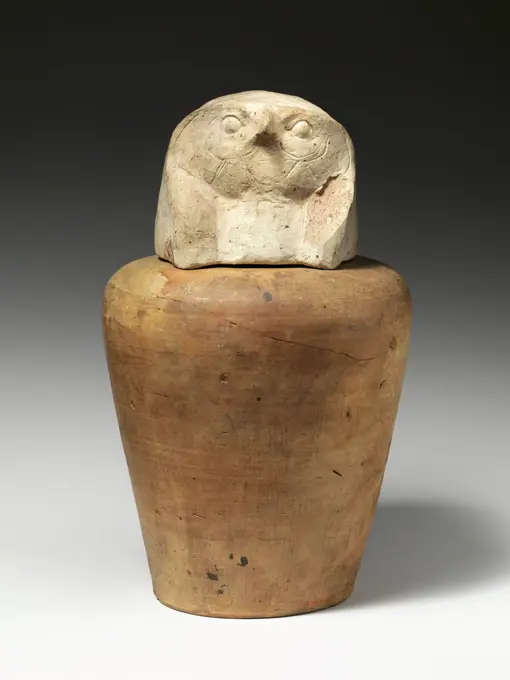
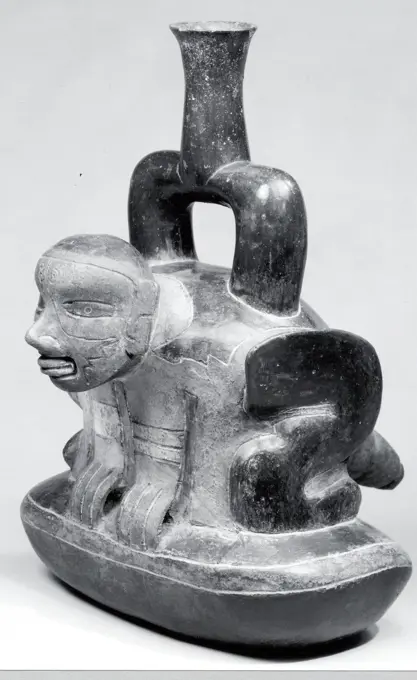
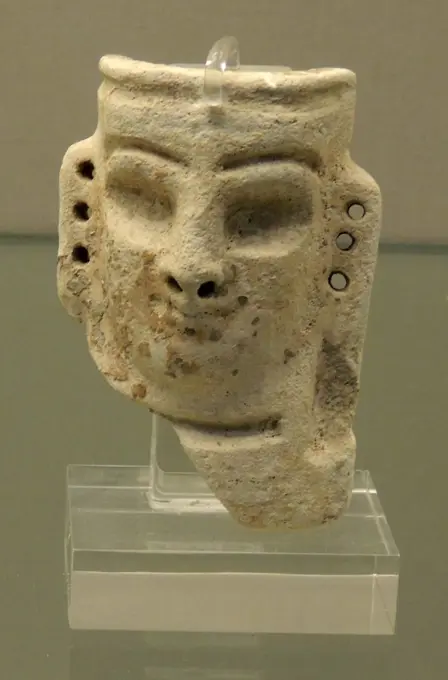
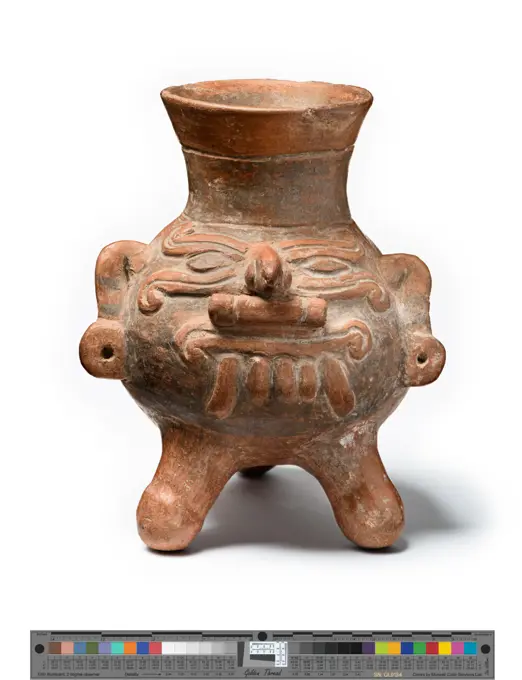
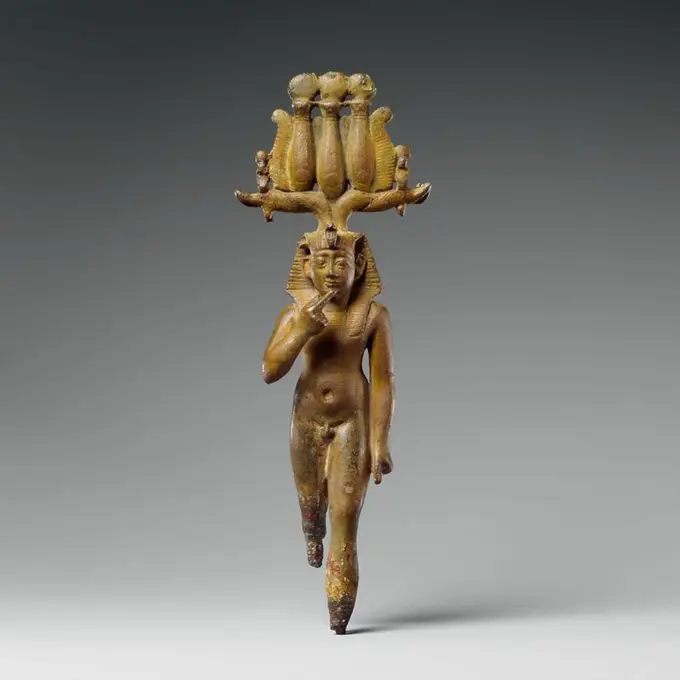
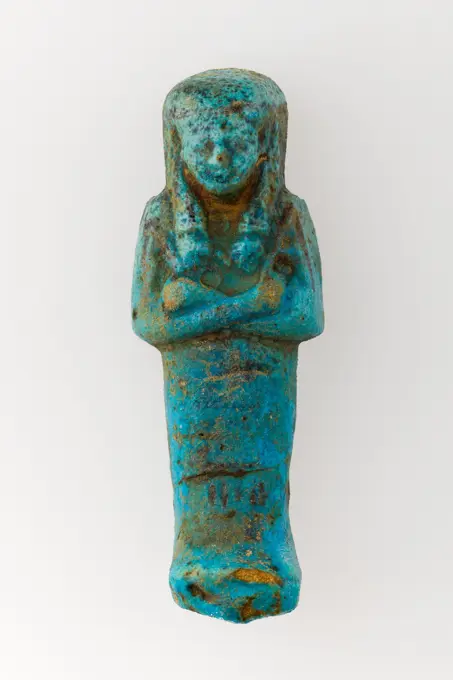
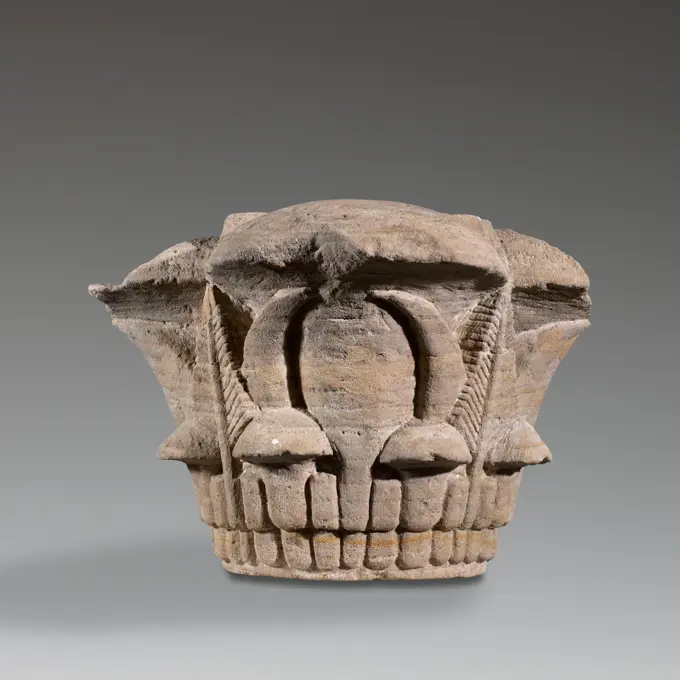
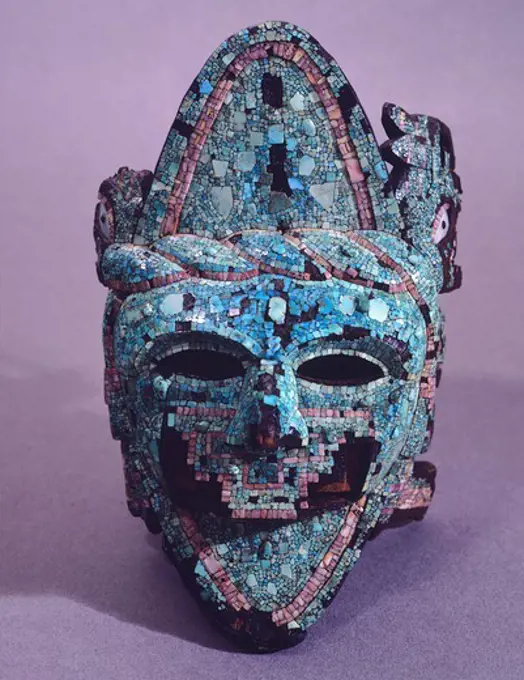
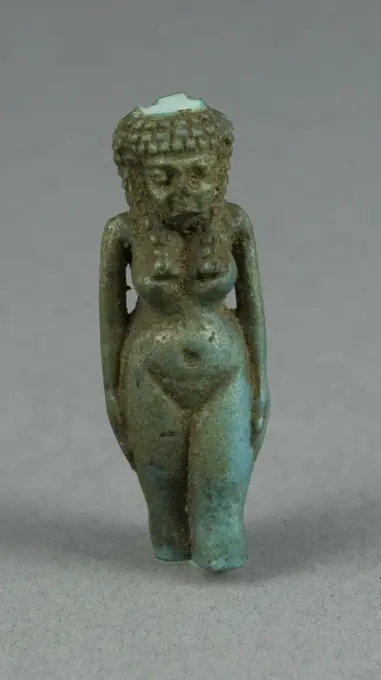
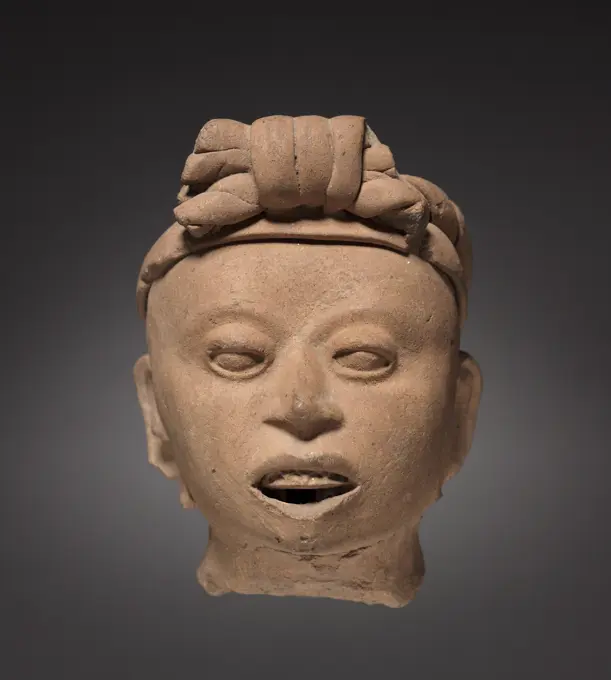
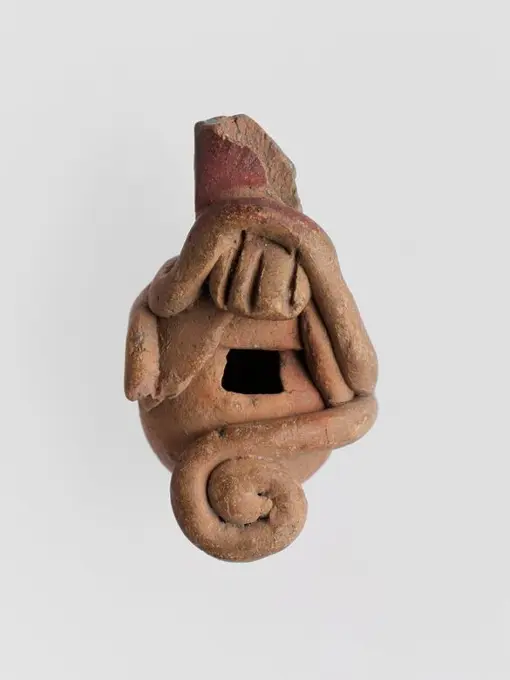
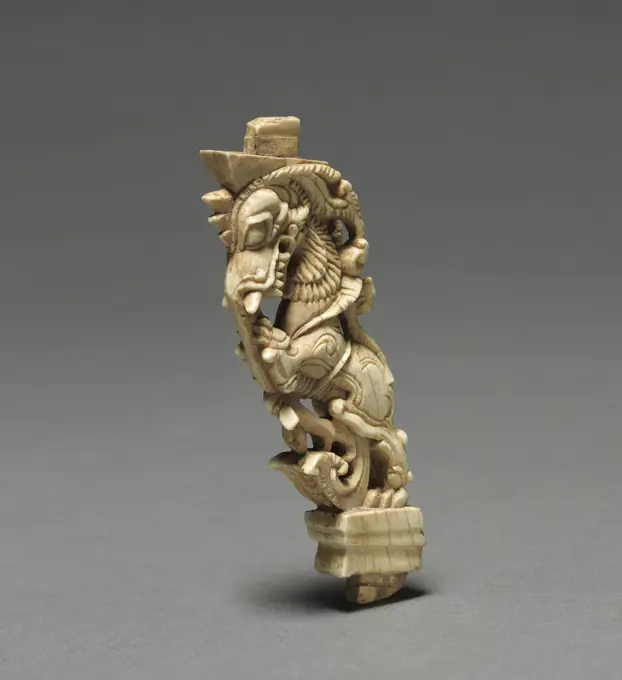
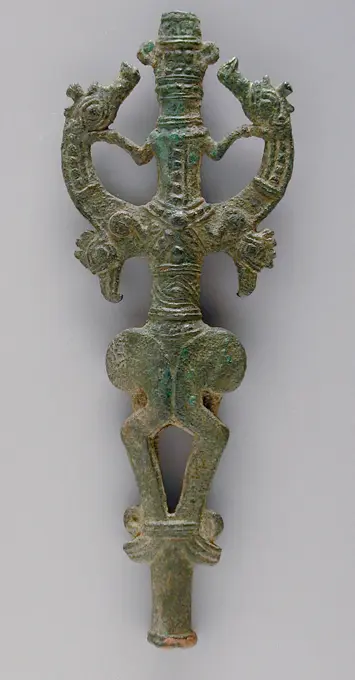
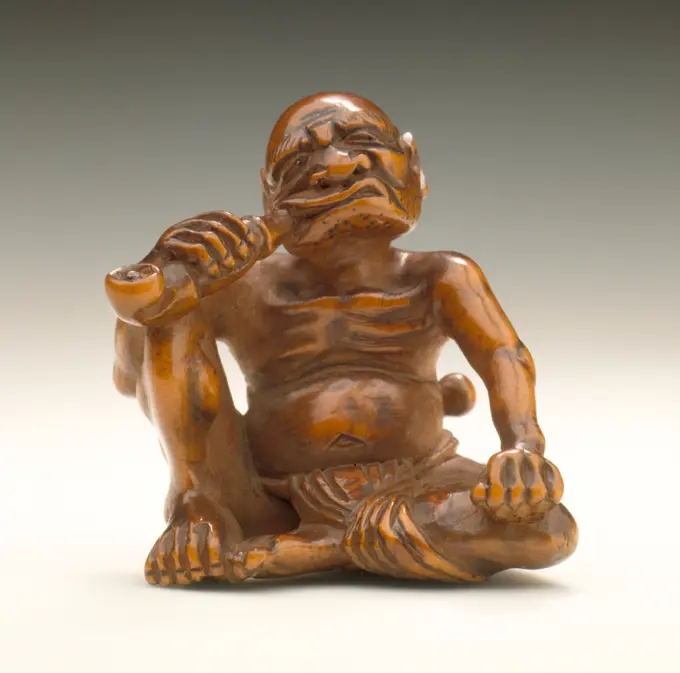
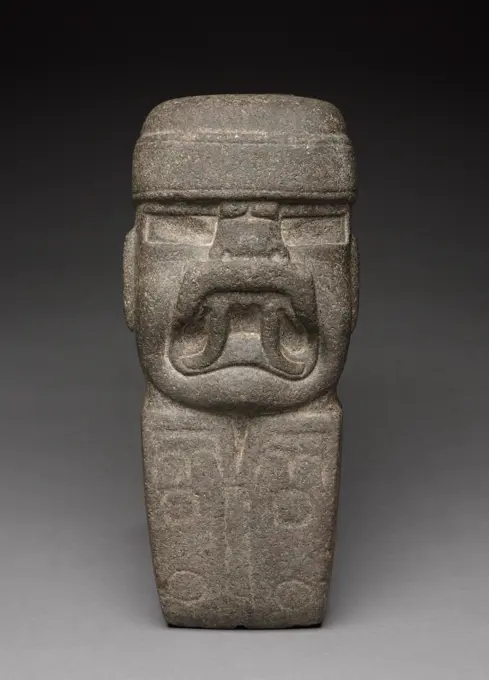
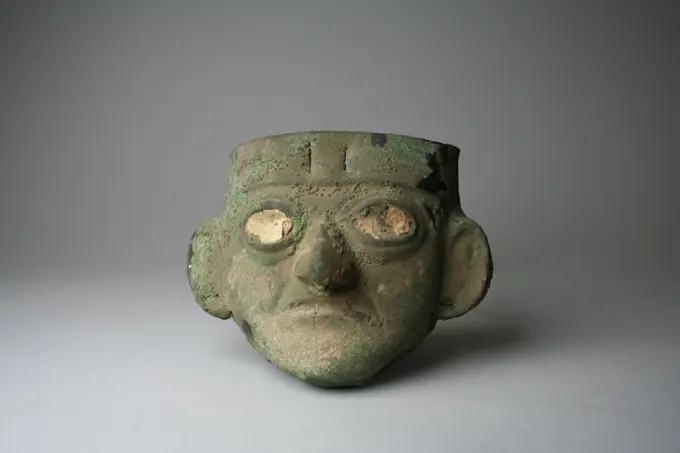
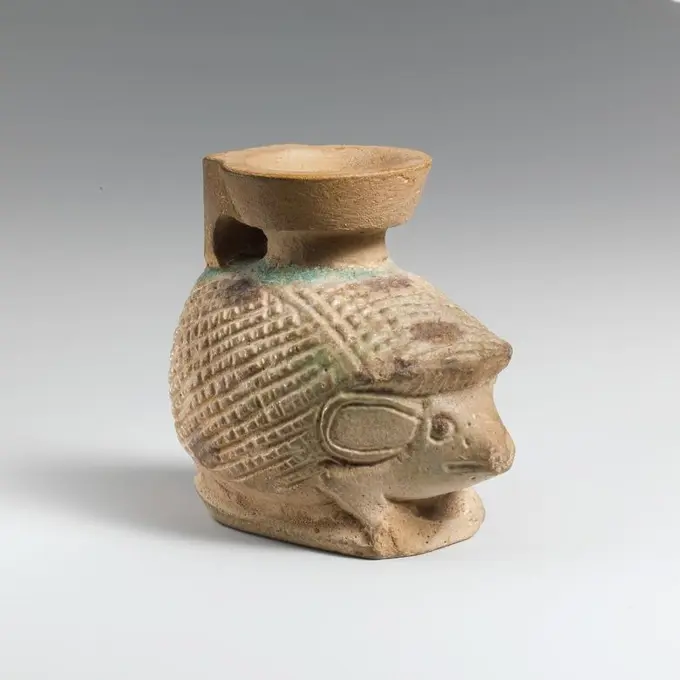
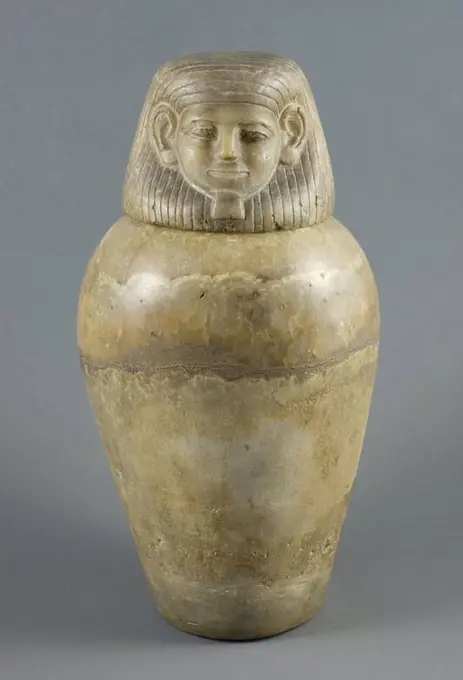
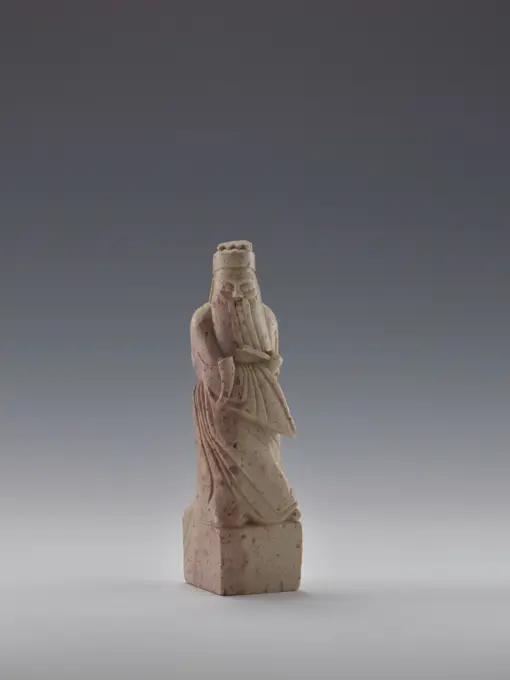
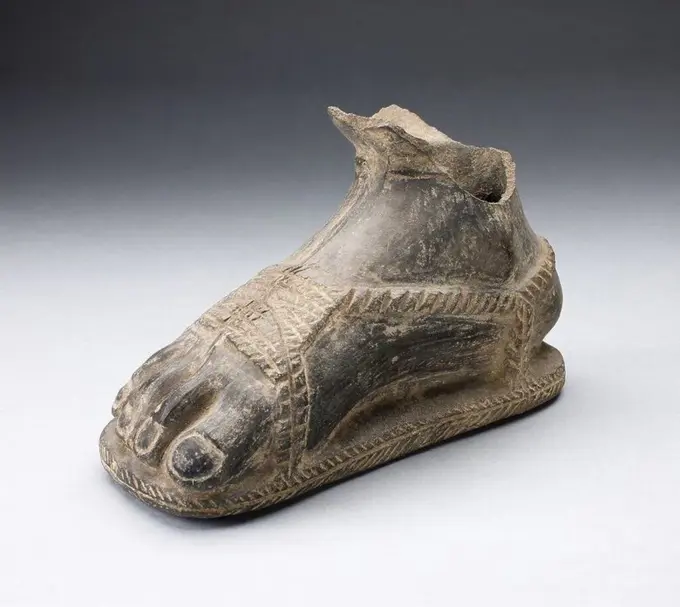
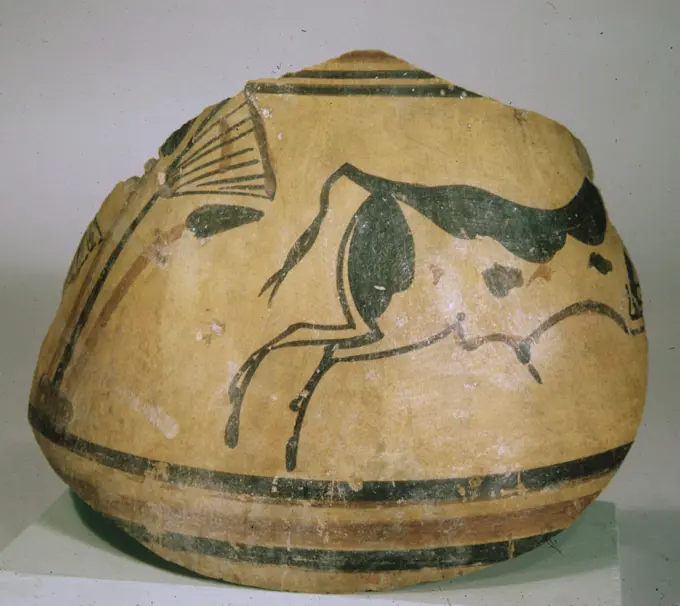
Anthropomorphic figurine from Chad, Central Africa. Dated 9th Century BCFurniture element Old Assyrian Trading Colony ca. 18th century BCENeith suckling two crocodiles. Dimensions: h. 4 cm (1 9/16 in.). Date: 664-30 B.C..Neith was a great creator goddess, and was not linked with any partner except primarily her son Tutu. She was also closely associated with crocodiles: Sobek was considered her son and at Esna she had a second crocodile son Shemanefer. Small amulets like this one where she nurses two crocodiles may represent her as a creator goddess where the crocodiles represent the sun and the moon, or the animals may refer to her two crocodile sons Sobek and Shemanefer. Museum: Metropolitan Museum of Art, New York, USA.Head. Culture: Coptic. Dimensions: Overall: 2 3/16 x 1 7/8 x 1 1/4 in. (5.6 x 4.8 x 3.2 cm). Date: 4th-7th century. Museum: Metropolitan Museum of Art, New York, USA.Figurine Rattle of a Monkey and Baby. Northern Guatemala or Southeastern Mexico, Maya, 600-900 CE. Ceramics. Ceramic with post-fire pigmentPendant Figure 13th-15th century Taíno This stone pendant, worn by Taíno leaders and healers, features a crouching anthropomorphic figure known as a zemí. Zemí (or cemí) is a term used by Taíno peoples, the diverse societies that inhabited the Antilles archipelago before European contact, that linguistically relates to a quality akin to sweetness. Zemí refers not to an object or image but to an immaterial, spiritual, and vital force pertaining to deities and ancestors. There are several known zemí identities recorded by the Spanish, some of which have been linked to archaeological images.. Pendant Figure 317827Head. Huaxtec; Veracruz, Mexico. Date: 750 AD-1450. Dimensions: H. 6.4 cm (2 1/2 in.). Ceramic and pigment. Origin: Veracruz state. Museum: The Chicago Art Institute, USA. Author: HUASTEC.Pottery Whistle 300-600 Mexican. Pottery Whistle. Mexican. 300-600. Clay. Pre-Columbian. Central Plateau, Mexico. Aerophone-Whistle Flute-whistleTerracotta funeral urn depicting the God Pitao Cozobi with earrings, artefact from Mexico. Zapotec Civilization, classical period, 200-900.Pataikos amulet 664-332 B.C. Late Period. Pataikos amulet. 664-332 B.C.. Faience. Late Period. From Egypt. Dynasty 26-29Faience amulet in the form of the dwarf god Pataikos ca. 1090-900 B.C. Egyptian Amulet, Ptah-seker.. Faience amulet in the form of the dwarf god Pataikos 243733pottery figurine in museo de arte precolombino, cusco peruAmulet, 1-200. Parthian, 1st-2nd Century. Carved bone; overall: 9.6 cm (3 3/4 in.).Female Figure. Egypt, 8th-10th century. Bone, carvedAmulet of Min 664-30 B.C. Ptolemaic Period. Amulet of Min. 664-30 B.C.. Cupreous alloy. Ptolemaic Period. From Egypt; Probably from Northern Upper Egypt, Deir el-BallasMask, 1-550. Central Mexico, Teotihuacán, Classic Period. Ceramic, slip; overall: 11 x 18.1 x 5.7 cm (4 5/16 x 7 1/8 x 2 1/4 in.).Faience amulet in the form of the dwarf god Pataikos. Culture: Egyptian. Dimensions: H.: 1 1/2 in. (3.8 cm). Date: ca. 1090-900 B.C..Amulet, Ptah-seker. Museum: Metropolitan Museum of Art, New York, USA.Male HeadCeremonial Knife (Tumi). Culture: Chimú. Dimensions: H. 5 13/16 in. (14.8 cm). Date: 12th-15th century.The Moche people of northern Peru (first-seventh century) were among the first to use copper, often with the addition of arsenic to harden the metal and improve the quality of the cast. Moche metalworkers hammered most of their precious metals--gold and silver--into objects of sheet metal, but many works in copper were cast by the lost-wax technique. The Chimú people, who made this ceremonial knife, inherited the rich cultural and artistic traditions developed by the earlier Moche. Clearly a ritual object, indicated by the delicate, projecting details and attractive silhouette, the knife has a semicircular blade. The flat undulating shaft is embellished with circles in relief; stylized birds project from its sides. At the top is a human head wearing a headdress with mushroom shapes. The detailed facial features--wide staring eyes and open mouth framed by age wrinkles--give the face aItante Healing Vessel, 20th century, 20-1/8 x 8-5/16 x 8-1/2 in. (51.1 x 21.1 x 21.6 cm), Terra cotta, Nigeria, 20th centuryStanding male figurine ca. 750-600 B.C. Cypriot The handmade, solid cylindrical body flares toward a concave base. His short arms cling to his sides.. Standing male figurine 241187Figurine of the Goddess Ma'at Wearing Feather of Truth. Egypt, Late Period - Ptolemaic Period (724 - 30 BCE). Sculpture. BronzeFigure Pendant 13th-15th century Mixtec. Figure Pendant 313080Male Figure (nkishi), late 1800s-early 1900s. Africa, Central Africa, Democratic Republic of Congo, Songye-style carver and nganga (priest). Wood, glass beads, brass (including upholstery studs), copper alloy, iron alloy, raffia, reedbuck antelope horn, rawhide, animal hair, human teeth, organic material, minerals, and plant fibers; overall: 64 x 24.5 x 24 cm (25 3/16 x 9 5/8 x 9 7/16 in.).Vessel leg in the form of a bird 5th-3rd century B.C. China. Vessel leg in the form of a bird 61252Terracotta vase in the form of a siren ca. 550-500 B.C. East Greek, Rhodian Aryballos in the form of a siren.. Terracotta vase in the form of a siren. East Greek, Rhodian. ca. 550-500 B.C.. Terracotta. Archaic. VasesSeated Figurine, c. 150-1 BC. Mexico, Veracruz, Remojadas, 2nd-1st Century BC. Earthenware with asphalt paint; overall: 12.3 x 8 x 5 cm (4 13/16 x 3 1/8 x 1 15/16 in.).Amun-Re Late Period-Ptolemaic Period 664-30 B.C. View more. Amun-Re. 664-30 B.C.. Bronze or cupreous alloy. Late Period-Ptolemaic Period. From EgyptStanding FigureLion Figure (Front Half). Afghanistan, 3rd century B.C.. Sculpture. TerracottaHead Vessel 8th-12th century Manteño Shaped like a human head, this small vessel is open at the top, the neck forming the base of the container. The face is modeled naturalistically, with soft cheekbones, heavy-lidded eyes defined by incised lines, and a prominent nose wearing a thick nose ring. Additional facial ornaments on the nostrils are formed by small clay pellets, and five holes along the edge of each ear once held ornaments, possibly of gold. Two pairs of deeply incised lines curve from the nostrils to the chin. The face is framed by what may be closely cropped hair or a close-fitting cap decorated with a banded design and five appliquéd pellets on the front. The contrast between the burnished and dull surfaces, and angular, deeply incised, soft curving lines lends the vessel considerable personality.. Head Vessel. Manteño. 8th-12th century. Ceramic. Ecuador. Ceramics-ContainersPart of a sistrum ca. 664-30 B.C. Late Period-Ptolemaic Period Both sides of this piece show a triangular-shaped frontal face with cows ears. The faces are nicely modelled and surrounded by a curled wig that is bound at intervals with ribbons. Underneath each face is a collar composed of tube and drop beads. On either side of the faces is a uraeus with a sun disk.These two heads are so called Hathor emblems and they form the center part of a sistrum, a musical instrument that was used in rituals. Above the heads is a sound box that was shaped like an arch. Only the bottom part of the arch is preserved. It features two additional cobras, one each in the center of the front and back side. At the very bottom of the piece, below the collar, is the onset of a circular shaft, which is the sistrums handle that broke off and is lost today.Altogether the piece is rather small; this is not an actual sistrum but a miniature one that was used as a donation in a temple.. Part of a sistrum. ca. 66Ram Head Terminal. Western Iran, 600-330 B.C.. Sculpture. BronzeRattle in the Shape of a CrouchingYakshaHigh-ranking dignitary or Inca nobleman . Peru. Inca culture. 15th century. Gold figure from the Larrea Collection. Madrid, Museum of America. Location: MUSEO DE AMERICA-COLECCION. MADRID. SPAIN.Mask depicting a human face. Stone. Mezcala style. Late Preclassic Period (400 BC-100 AD). Western Mexico. Museum of the Americas. Madrid, Spain. Mask 6th-7th century Moche (Loma Negra). Mask 313443Prehistory, Romania, Neolithic. Gumelnita culture. Anthropomorphic terracotta vase. From Sultana.Terracotta oil lamp 2nd-early 3rd century A.D. Roman, Egyptian Carinated body. Mold-made. Small, plain discus with central filling hole; narrow channel between discus and nozzle, flanked by large volutes. Broad, sloping shoulder decorated with elongated, rounded tongues in high relief, marked out by incised lines. Broad base ring, flanked by two incised circles, and a flat base with incised letter I at center; two curving incised lines on underside of body to either side of nozzle, with two short incised lines at center, vertical above and horizontal below.Complete, except for a small hole in front edge of nozzle.. Terracotta oil lamp. Roman, Egyptian. 2nd-early 3rd century A.D.. Terracotta. Imperial. TerracottasPendant 10th-15th century Taíno This stone pendant, worn by Taíno leaders and healers, features the grimacing skeletal face of a figure known as a zemí. Zemí (or cemí) is a term used by Taíno peoples, the diverse societies that inhabited the Antilles archipelago before European contact, that linguistically relates to a quality akin to sweetness. Zemí refers not to an object or image but to an immaterial, spiritual, and vital force pertaining to deities and ancestors. There are several known zemí identities recorded by the Spanish, some of which have been linked to archaeological images.. Pendant. Taíno. 10th-15th century. Stone. Dominican Republic, Caribbean. Stone-OrnamentsStirrup Spout Bottle: Monkey Head. Culture: Cupisnique (). Dimensions: Height 8-1/2 in. (21.6 cm). Date: 12th-5th century B.C.. Museum: Metropolitan Museum of Art, New York, USA.Standard FinialStanding Figure, c. 800 BCE - 100 CE, 4 5/16 x 3 3/8 x 1 3/4 in. (11 x 8.6 x 4.4 cm), Terra cotta, Colombia, 9th century BCE - 2nd century CEAnthropomorphic head, classic, Santa Maria Nebaj, anthropology museum, department of El Quiché, Guatemala, Central America.Wooden figure of the Norse God Thor, associated with thunder, lightning, storms, oak trees, strength, and the protection of mankind. Dated 9th CenturyStirrup Spout Bottle with Tattoed Head. Culture: Moche. Dimensions: Overall: 10 3/4 x 5 5/8 in. (27.31 x 14.3 cm)Other: 5 5/8 in. (14.3 cm). Date: 2nd-5th century. Museum: Metropolitan Museum of Art, New York, USA.Ornament (England / German); wood, carvedMale head wearing a helmet. Culture: Cypriot. Dimensions: H. 6 1/8 in. (15.6 cm). Date: ca. 600-480 B.C..The mold-made head is covered almost to the eyebrows with a helmet. The top of the helmet is bent back and three tassels hang from it. His face is thin and his eyes slope down unrealistically. Museum: Metropolitan Museum of Art, New York, USA.Pendant: Female Holding a Child (Kourotrophos). UnknownStanding male lyre player ca. 750-600 B.C. Cypriot The figurine has a wheel-made, hollow, bell-shaped lower body. The upper part and the head are handmade.. Standing male lyre player 241222Kneeling with God Stake Bronze ca 2144-2124 BC.Canopic jar ca. 712-664 B.C. Third Intermediate Period A set of four canopic jars was an important element of the burial in most periods of Ancient Egyptian history. Canopic jars were containers in which the separately mummified organs would be placed. The best known versions of these jars have lids in the shape of the heads of protective deities called the four Sons of Horus. The human-headed Imsety was the guardian of the liver; the baboon-headed Hapy looked after the lungs; the jackal-headed Duamutef was responsible for the stomach; and the falcon-headed Qebehsenuef cared for the intestines.The lid of the jar here is removable, but the cavity is not large enough to hold an organ. The "dummy" jar dates to a period during which the internal organs were mummified and then placed back into the mummy, but canopic jars continued to be included as part of the burial equipment in order to ensure the protection of the four Sons of Horus.Canopic jars from two different burials were found in tFalcon-headed stopper (Qebehsenuef) from a canopic jar. Dimensions: Lid: H. 11.3 cm (4 7/16 in.); w. 9.3 cm (3 11/16 in.); d. 11.4 cm (4 1/2 in.); diam. of foot 5.5 cm (2 3/16 in.). Dynasty: Dynasty 23-26. Date: ca. 818-525 B.C.. Museum: Metropolitan Museum of Art, New York, USA.Figurine of a Sitting WomanBowl with Face 6th-16th century Puruha. Bowl with Face 314187Figurine, 800s BC. Iran, Amlash, 9th Century BC. Terracotta; overall: 23.2 cm (9 1/8 in.).Amulet. Eastern Anatolia, 4th-3rd millenium B.C.. Jewelry and Adornments; amulets. StoneFigurine of Harsomtus with Hemhem Crown. Egypt, Late Period - Ptolemaic Period (380 - 30 BCE). Jewelry and Adornments. BronzeAnthropomorphic sculpture Anthropomorphic sculpture, central square museum, Chichicastenango, municipality of the department of El Quiché, Guatemala, Central America Copyright: xZoonar.com/BartomeuxBalaguerxRotgerx 22071786Canopic jar of Tetinakht: Qebesenuef ca. 1550-1525 B.C. New Kingdom Three canopic jars (12.181.253a-c) were found in a tomb dating to the beginning of Dynasty 18. Two of the lids are shaped like animal heads. This one, with the falcon-headed lid, represents Qebehsenuef, protector of the intestines. The second, which has a jackal-headed lid, represents Duamutef, protector of the stomach. The third jar has a human-headed lid and represents Imsety, protector of the liver. These are three of the Four Sons of Horus. Missing from the set is the fourth jar, which probably had a baboon-headed lid representing Hapy, protector of the lungs. These are the earliest datable examples of animal-headed lids on canopic jars, a style that did not become common until later in the New Kingdom. In earlier periods, the lids were different. Old Kingdom canopic jars were often covered with simple disk-shaped lids (see 14.7.16-.19), and from the Middle Kingdom into the early New Kingdom, they were usually coveStirrup-Spout Vessel: Figure in Shell () 12th-9th century B.C. Cupisnique. Stirrup-Spout Vessel: Figure in Shell () 309508Female Faience Mask 1300 B.C. Was most likely attached to a wooden statue. SipparTripod Vessel with Storm God. Guatemala or Mexico, Pacific Coast, Maya, 900-1200 CE. Ceramics. Slip-painted ceramicA child god, probably Harpokrates. Dimensions: h. 16 cm (6 5/16 in); w. 5.6 cm (2 3/16 in); d. 2.4 cm (15/16 in). Date: 1st century B.C. or earlier.This small statuette of a child god was found in the catacombs of the Falcon Complex in the Sacred Animal Necropolis at North Saqqara, where offerings made in the shrine were buried after an undetermined period. Inscribed material suggests this branch of the catacombs was sealed in about 89 B.C., dating the statuette to that time or earlier. Although child gods are difficult to distinguish from one another in the absence of an inscription or highly specific iconography, the falcon spread across the back of this figure's headcloth tends to support his identification with Horus-the-Child, that is, Harpokrates, as indeed does the particular deposit context at Saqqara, since falcon was the sacred animal of Horus. Museum: Metropolitan Museum of Art, New York, USA.Worker Shabti of Henettawy (C), Daughter of Isetemkheb ca. 990-970 B.C. Third Intermediate Period See 25.3.19.. Worker Shabti of Henettawy (C), Daughter of Isetemkheb. ca. 990-970 B.C.. Faience. Third Intermediate Period. From Egypt, Upper Egypt, Thebes, Deir el-Bahri, Tomb MMA 60, Chamber B, Burial of Henettawy C (4), MMA excavations, 1923-24. Dynasty 21CANADA, NW TERRITORIES, ARVIAT, (ESKIMO POINT), SOAPSTONE CARVINGBird. Culture: China. Dimensions: H. 3 1/4 in. (8.3 cm). Museum: Metropolitan Museum of Art, New York, USA.Papyrus composite capitel;  1. PO. 1st century AD (Meroic period) (0-00-00-50-00-00);Faras (Sudan), architectural elements, capitals, Polish excavations in Faras (Sudan)Italy, Venetian Atestina Civilization, Bronze figurine called ""Goddess of Coldevigo""Sweden, Sodermanland, Rallinge, Statuette representing Freyr, nordic fertility God, bronzeFigure Pestle 10th-15th century Taíno This zemí image was likely used as a grinding implement in ceremonies performed at prescribed times throughout the year involving a vegetal entheogen known as cohoba. A ground up hallucinogenic powder or paste would be placed on a surface, and ceremonial participants would grind the cohoba into a powder to be inhaled through snuff tubes. Creative sculptural expression for the Taíno peoples was intertwined with spirituality, ceremony, and political power. Spanish accounts describe how zemí figures were used as stands, reliquaries, or personal adornment. Zemí(or cemí) is a term used by Taíno peoples, the diverse societies that inhabited the Antilles archipelago before European contact, that linguistically relates to a quality akin to sweetness. Zemí refers not to an object or image but to an immaterial, spiritual, and vital force pertaining to deities and ancestors. There are several known zemí identities recorded by the Spanish, some of which have bFemale Figurine, c. 400-100 BC. Mexico, Guanajuato, Chupícuaro. Earthenware with pigment; overall: 5.6 x 2.7 x 0.9 cm (2 3/16 x 1 1/16 x 3/8 in.).Aztec mask decorated with mosaic. Aztec Civilization, 14th-16th Century.Amulet of an Unidentified Goddess ( ) 400 BCE-1 BCE Egypt. Faience . Ancient EgyptianFigurine of OsirisTerracotta vase in the form of a siren ca. 550-500 B.C. East Greek, Rhodian In the hands of Greek artists, zoomorphic shapes became attractive and well-proportioned containers for perfumes and oils.. Terracotta vase in the form of a siren. East Greek, Rhodian. ca. 550-500 B.C.. Terracotta. Archaic. VasesPlakietka z przedstawieniem bóstwa. nieznany warsztat babiloński, workshopHead Fragment, 900-1200. Mexico, Veracruz. Molded and modeled pottery; overall: 14.5 x 11 x 9.5 cm (5 11/16 x 4 5/16 x 3 3/4 in.).Fertility Figure Chupicuaro, Western Mexico C.800 B.C. - 200 A.D. Ceramic Collection of The Museum of Contemporary Art, Jacksonville, FloridaPottery Whistle. Culture: Mexican. Dimensions: L. 4.8 cm.; D. 3 cm.; W. 2.8 cm.; Wt. 14 g.. Date: before 1599. Museum: Metropolitan Museum of Art, New York, USA.Carved Bracket, 1600s. South India, probably Madurai. Ivory with traces of pigment; overall: 10.2 cm (4 in.).Standard FinialLaborer Smoking. Gyokurin (Japan, active early to mid-19th century). Japan, early to mid-19th century. Costumes; Accessories. WoodCelt with Deity, 1000-300 BC. Mexico, Olmec, 1200-300 BC. Stone; overall: 32.2 x 14 x 11.5 cm (12 11/16 x 5 1/2 x 4 1/2 in.).Face Mask Ornament 6th-7th century Moche (Loma Negra). Face Mask Ornament. Moche (Loma Negra). 6th-7th century. Silvered copper. Peru. Metal-OrnamentsNeedle for hair (Acus crinalis). From Tower of Hercules (A Corua, Galicia, Spain). Roman period. Archaeological and History Museum (San Anton Castle). A Corua, Galicia, Spain.Faience aryballos (oil flask) in the form of a hedgehog. Culture: East Greek. Dimensions: H. as restored 2 1/4 in. (5.7 cm). Date: 6th century B.C..Hedgehogs are among the most common forms of faience oil flasks. The center of production of these vases has traditionally been identified as Naucratis, a Greek trading colony on the Nile Delta, in Egypt. Museum: Metropolitan Museum of Art, New York, USA.Ceramic Head with Elaborate Headdress 6th-9th century Remojadas. Ceramic Head with Elaborate Headdress 312772Canopic Jar with Human Head Lid. Egyptian. Date: 1985 BC-1773 BC. Dimensions: a (jar): 26.6 × 18.4 × 17.7 cm (10 1/5 × 7 ¼ × 7 in)b (lid): 10.7 × 12 × 12.7 cm (4 ¼ × 4 ¾ × 5 in). Calcite. Origin: Egypt. Museum: The Chicago Art Institute, Chicago, USA. Author: Ancient Egyptian.Womans head - figurine fragment. unknown, craftsmanProcession Mask. Japan, Edo period (1615-1868). Jewelry and Adornments; masks. WoodBronze statuette of Thor, 11th century. Artist: UnknownDignitary;  19th century (1801-00-00-1900-00-00);Gaullish prisoner, Roman bronze statuette.Monkey Bust. Afghanistan, 2nd century B.C.. Sculpture. Terracotta with paintRattle in the Shape of a Pig. UnknownMędrzec z wachlarzem. unknown, craftsmanDrinking Vessel in the Form of a Foot. Chimú-Inca; North coast, Peru. Date: 1200-1450. Dimensions: 11.3 x 17.9 cm (4 7/16 x 7 1/16 in.). Ceramic and pigment. Origin: Peru. Museum: The Chicago Art Institute, Chicago, USA.Bowl with a bull ca. 1295-1070 B.C. New Kingdom, Ramesside. Bowl with a bull. ca. 1295-1070 B.C.. Pottery, black and red paint. New Kingdom, Ramesside. From Egypt, Upper Egypt, Thebes, Sheikh Abd el-Qurna. Dynasty 19-20Spouted Vessel with Double Headed Snake 5th-4th century B.C. Paracas. Spouted Vessel with Double Headed Snake 308485