Ancient Figurines and Sculptures

Artifacts including anthropomorphic and animal-shaped figurines from ancient cultures, showcasing artistic craftsmanship and historical significance.

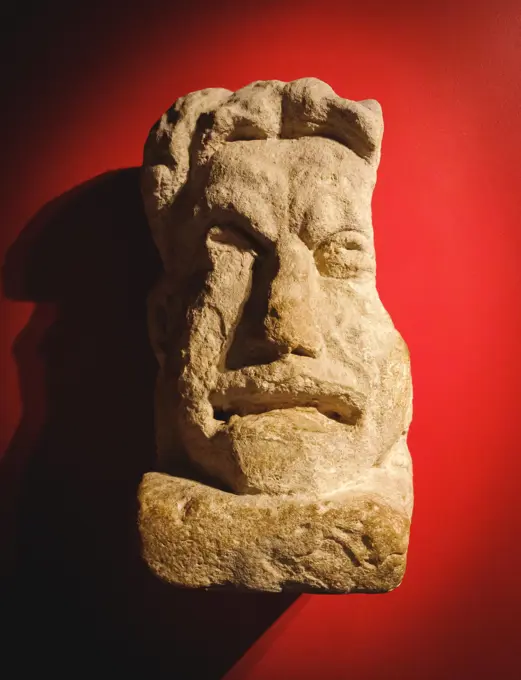
Anthropomorphic figurine from Chad, Central Africa. Dated 9th Century BC
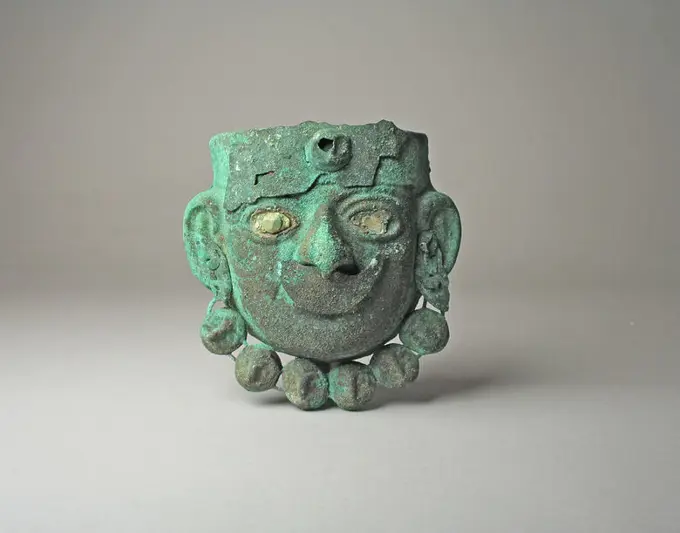
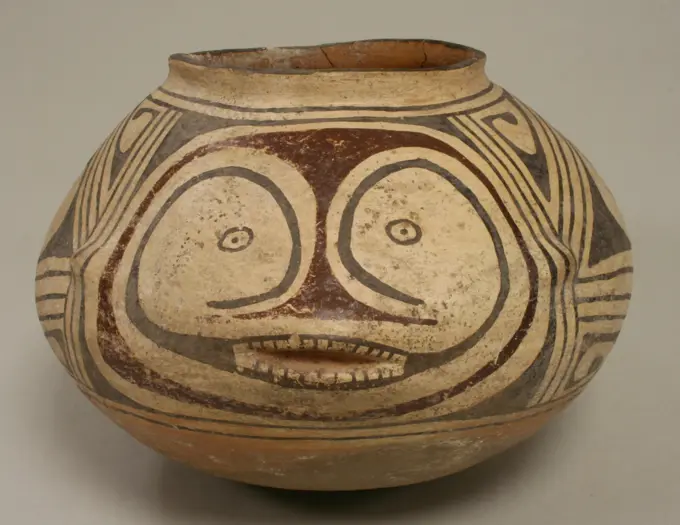
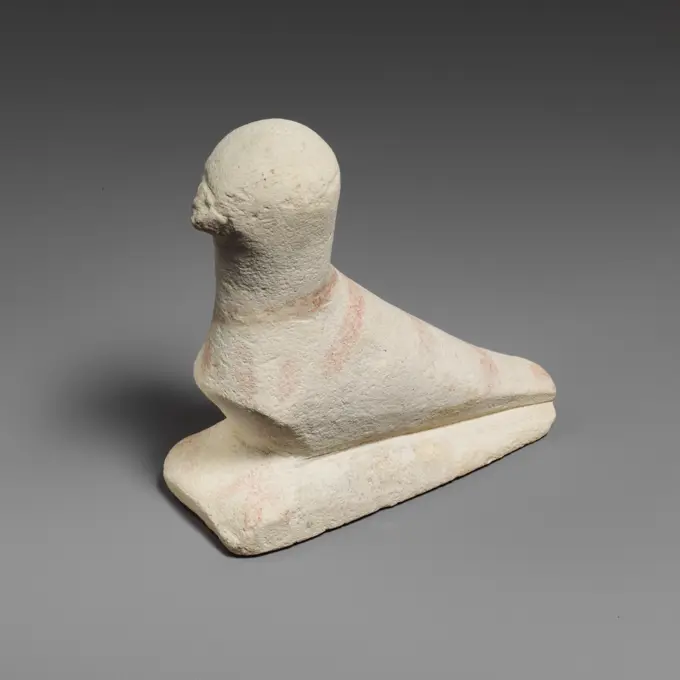
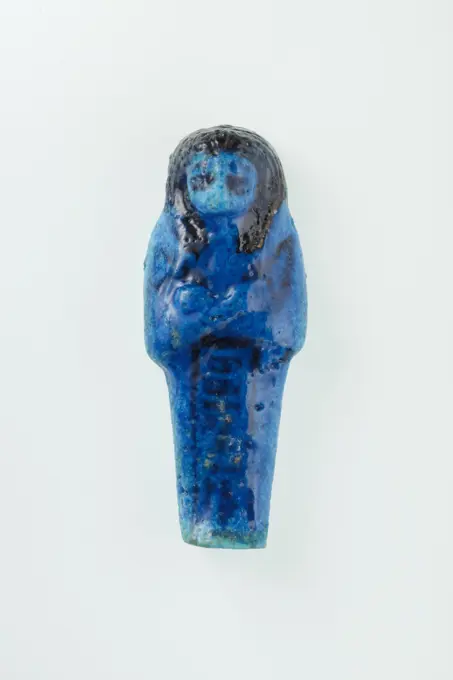
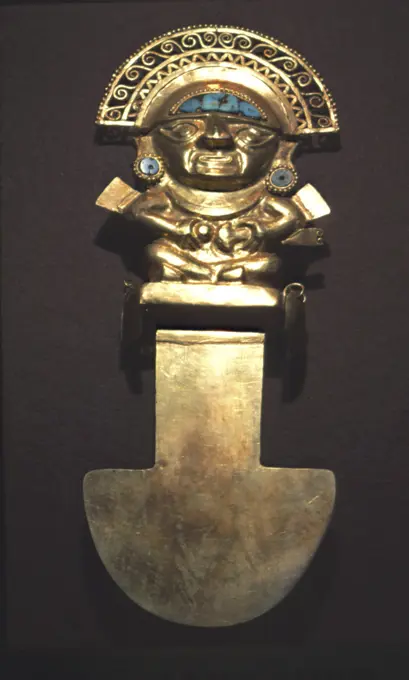
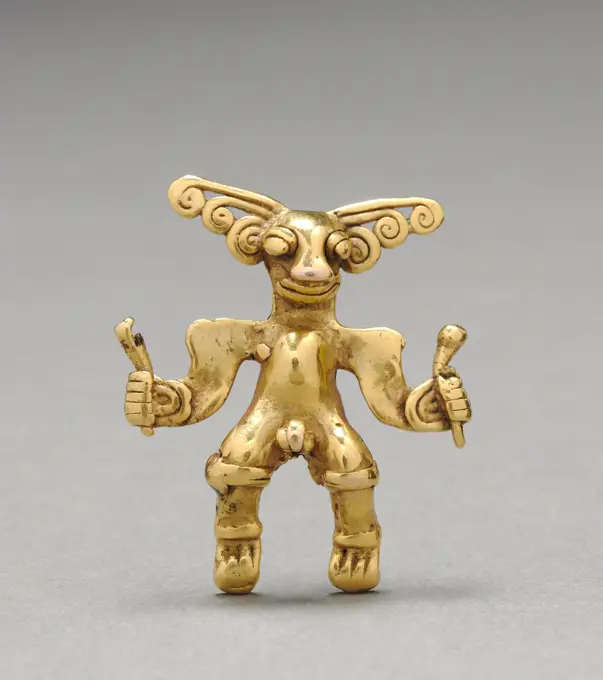
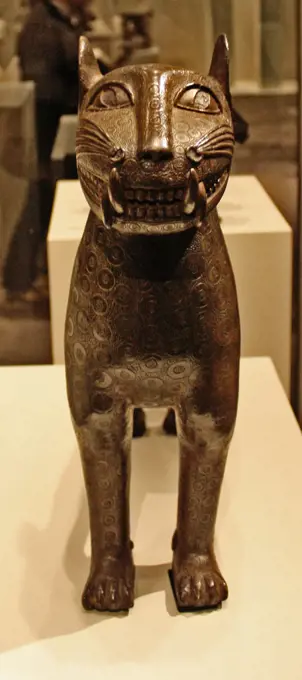
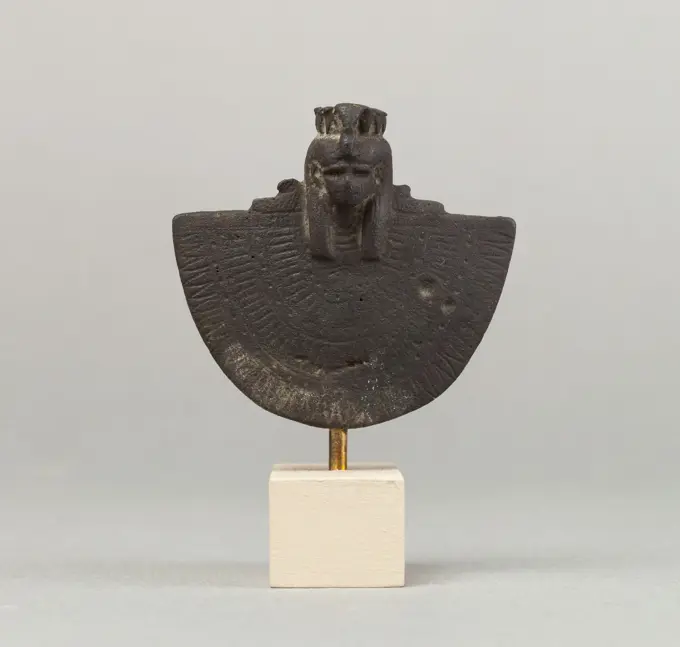
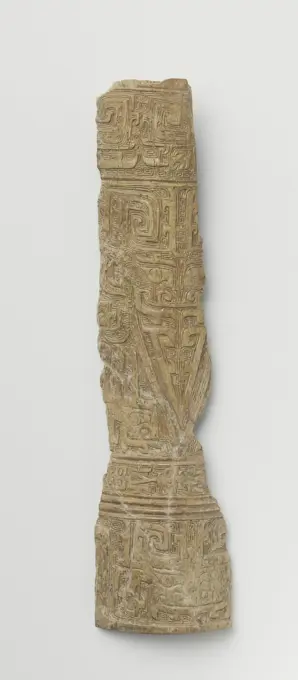
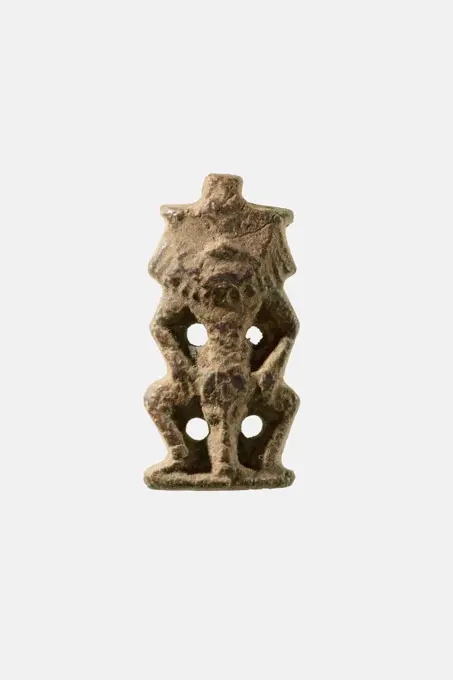
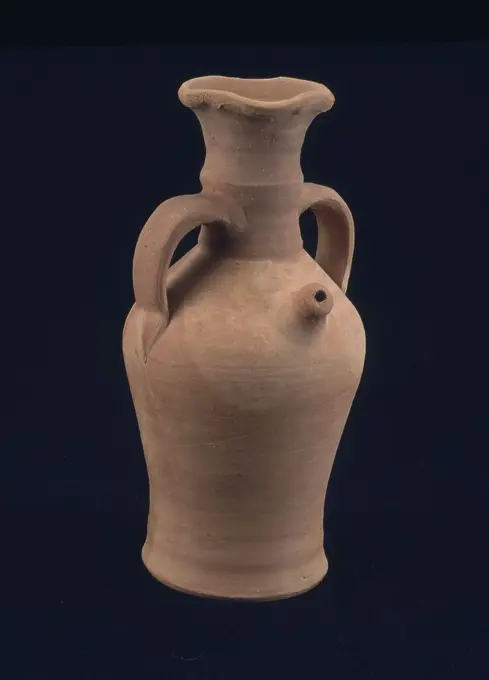
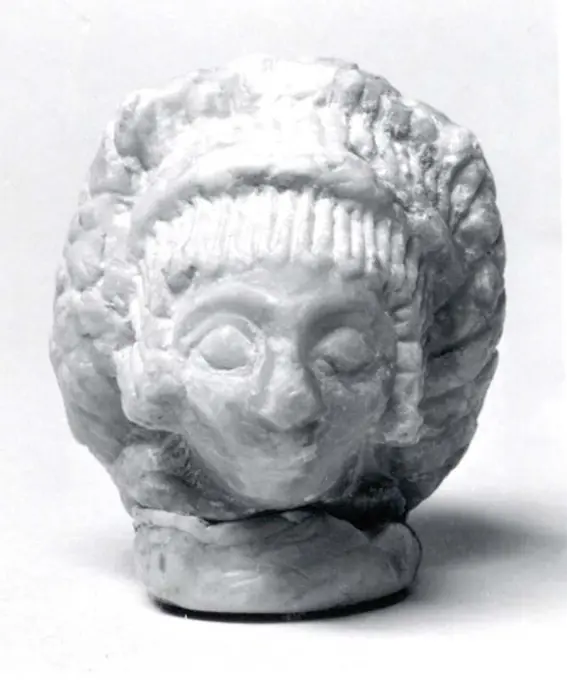
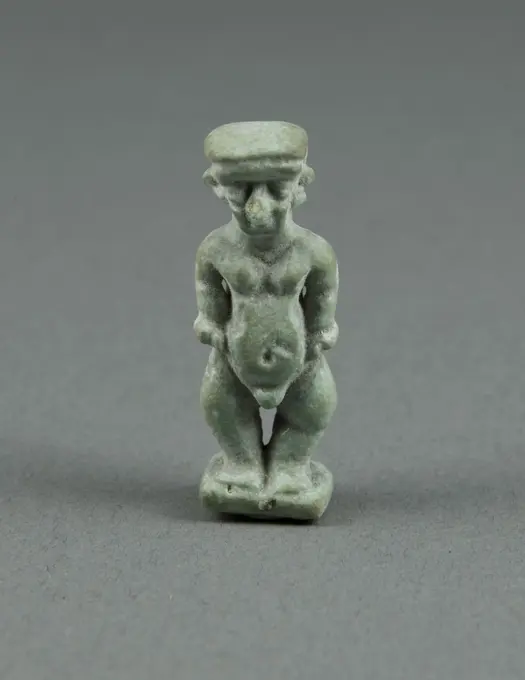
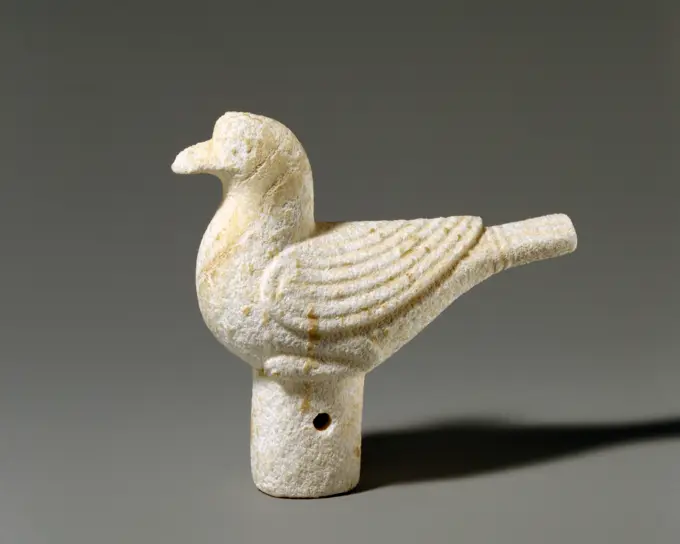
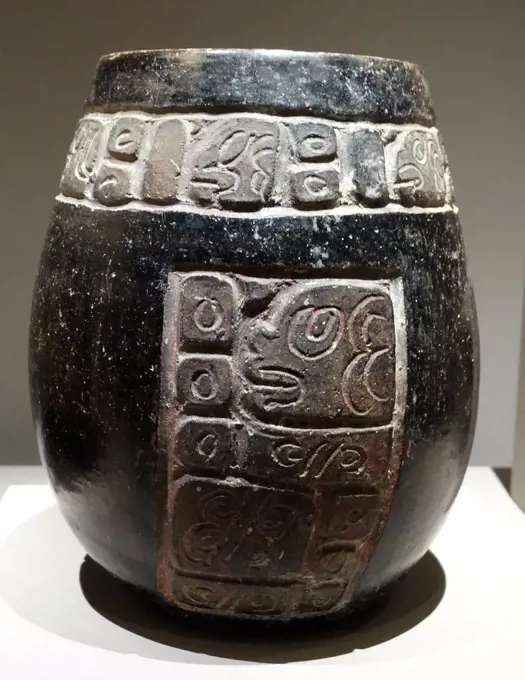
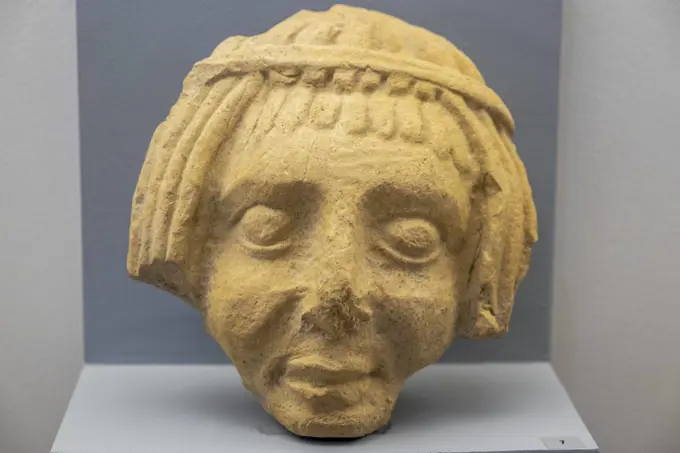
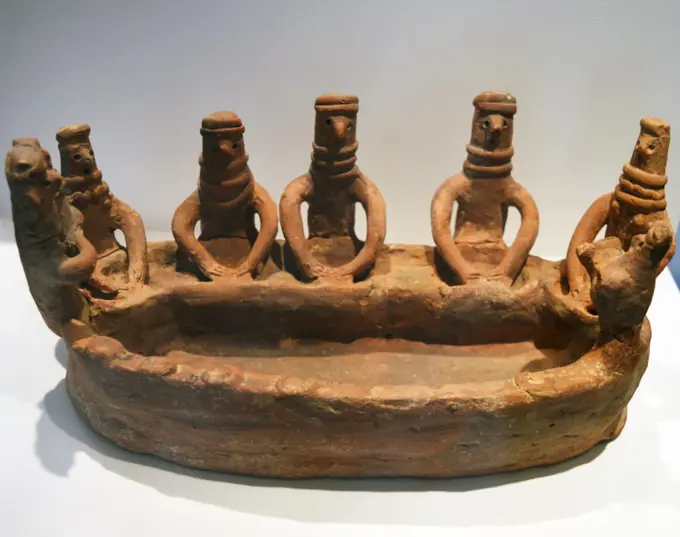
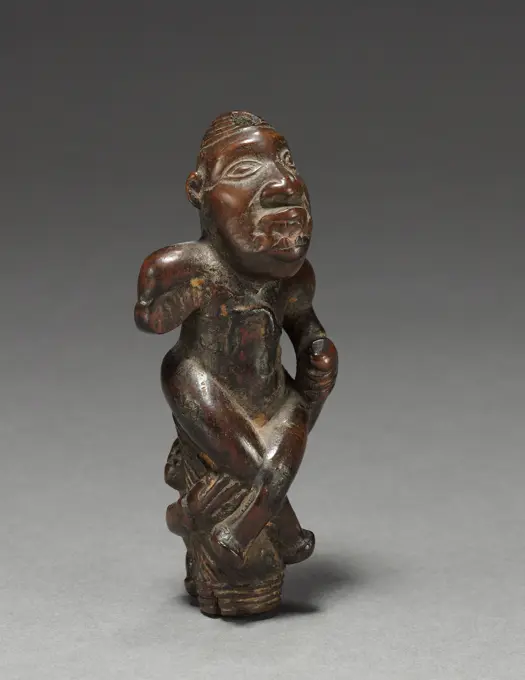
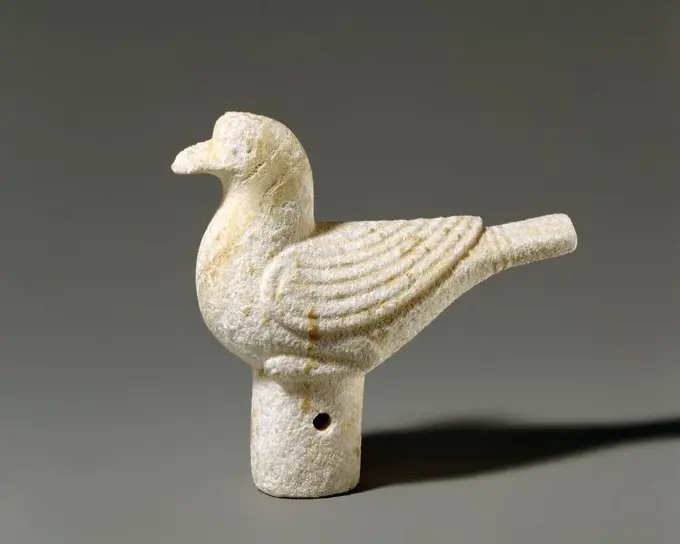
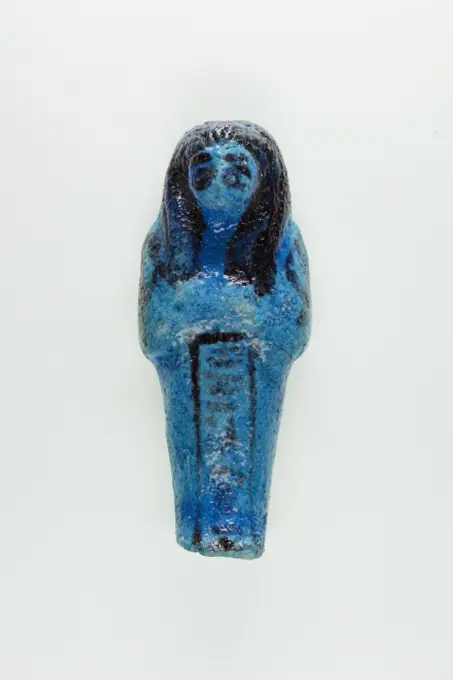
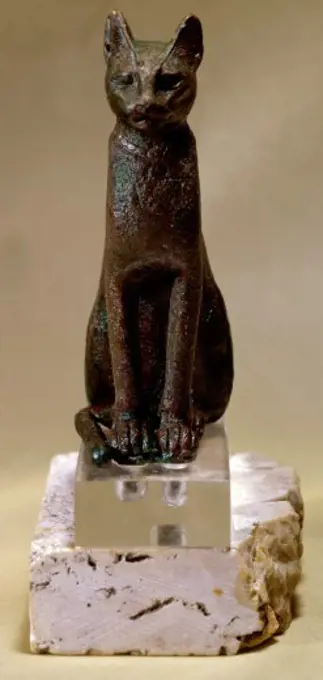
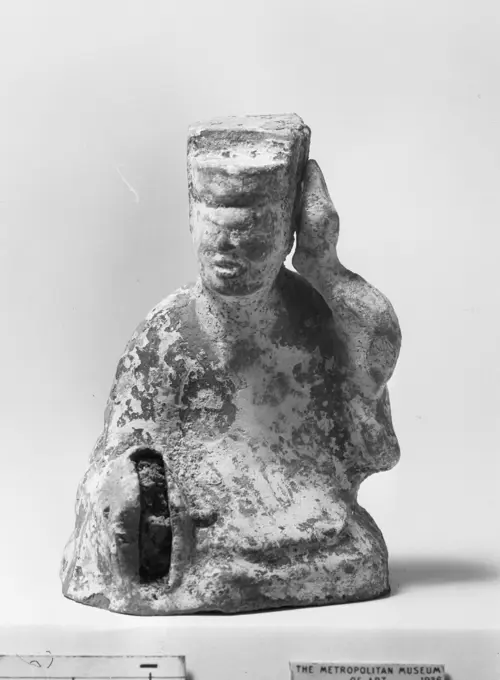
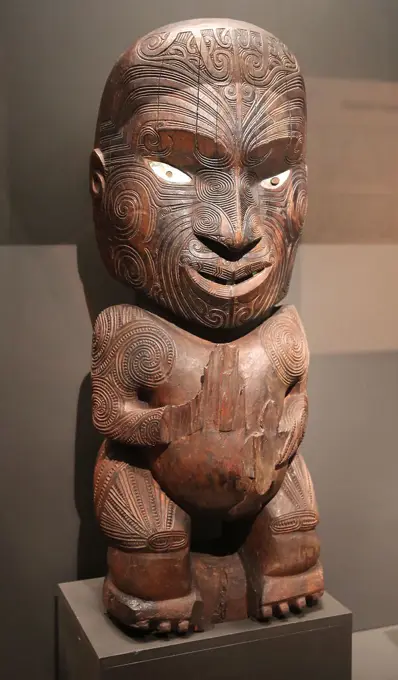
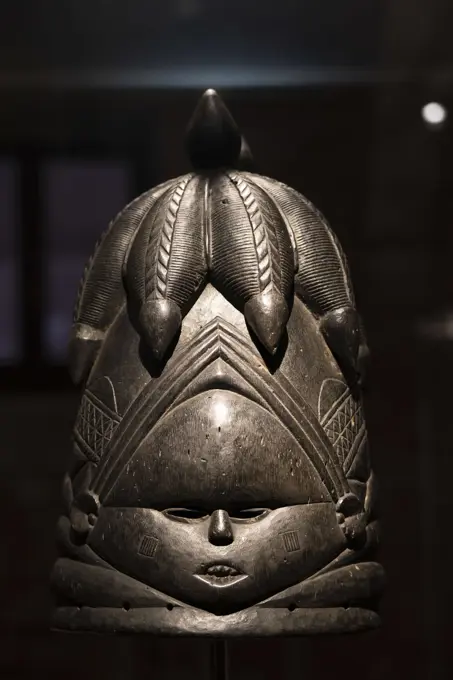
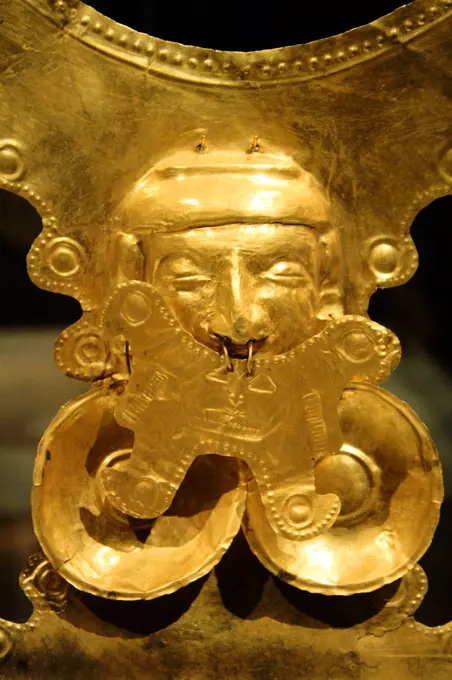
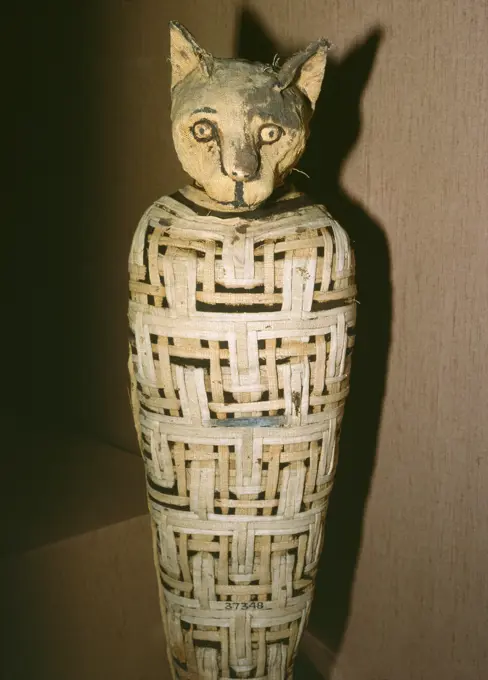
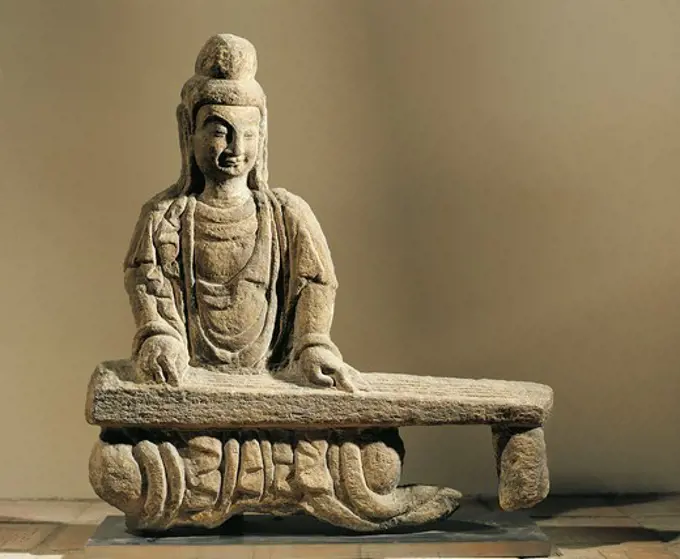
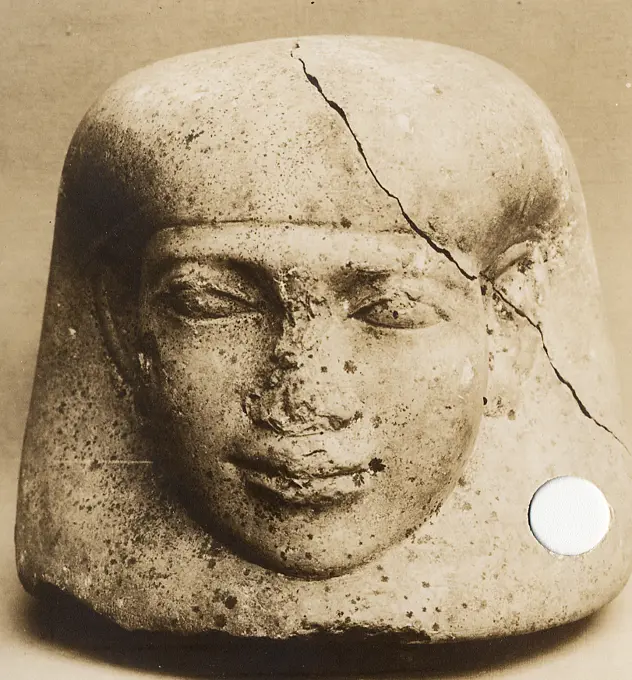
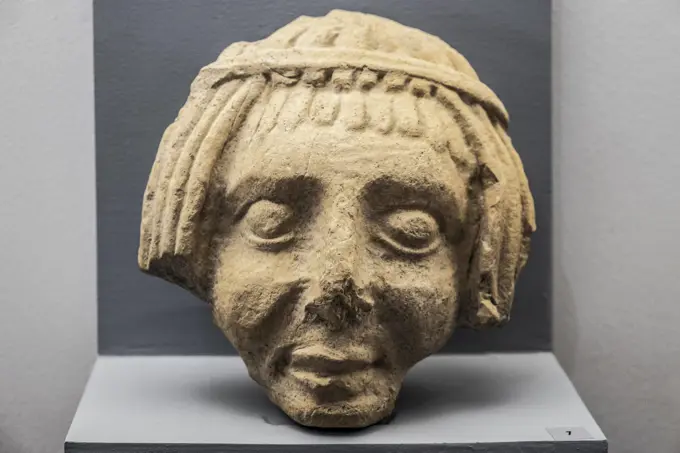
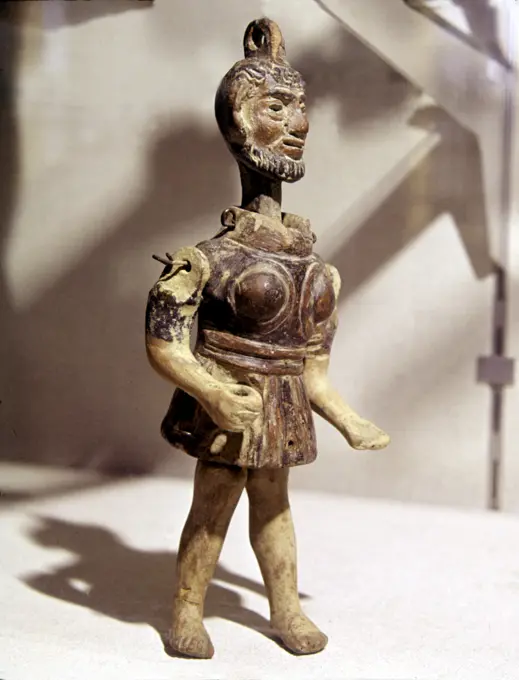
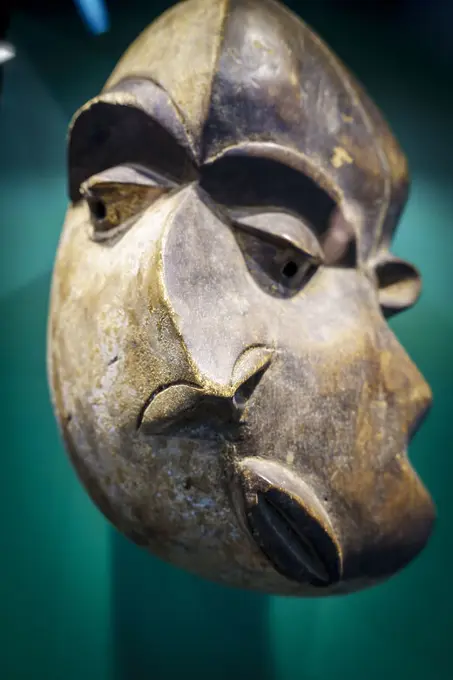
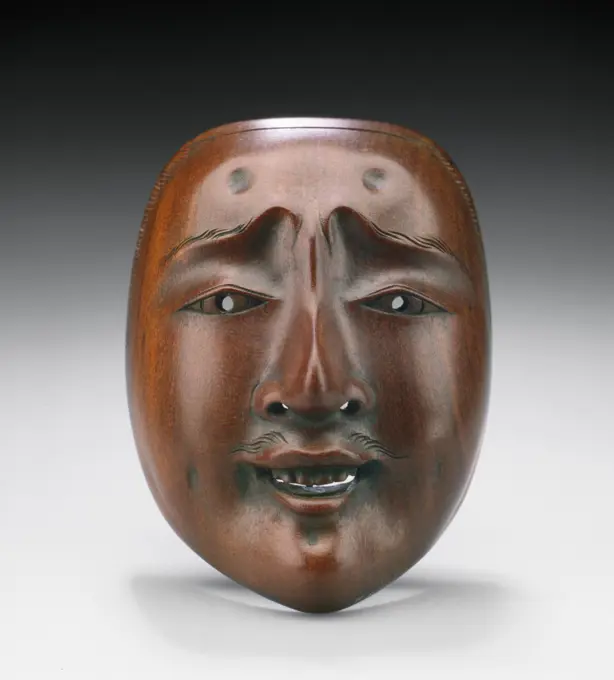
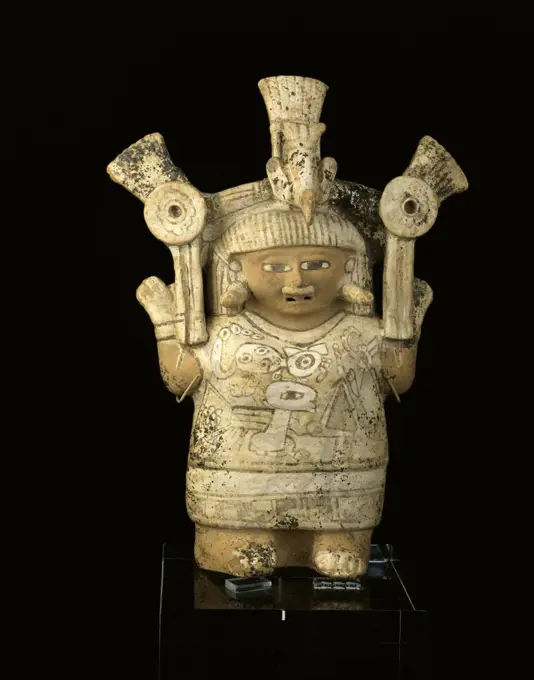
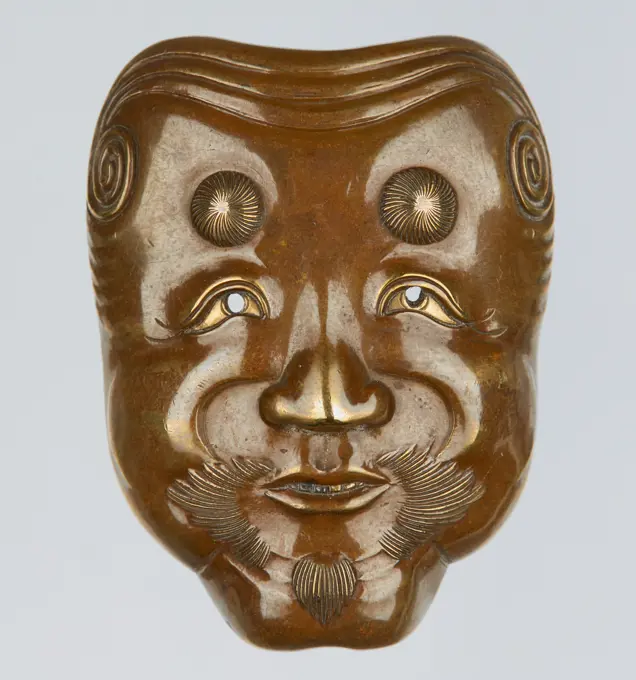
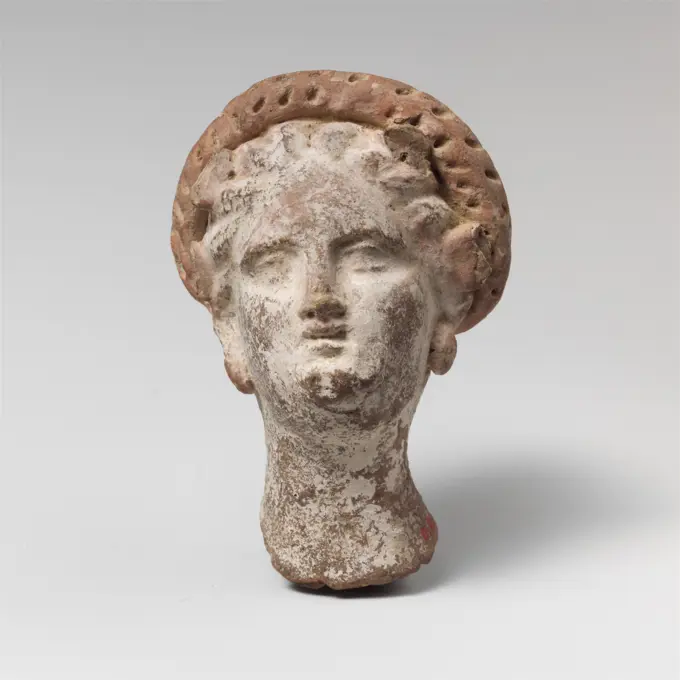
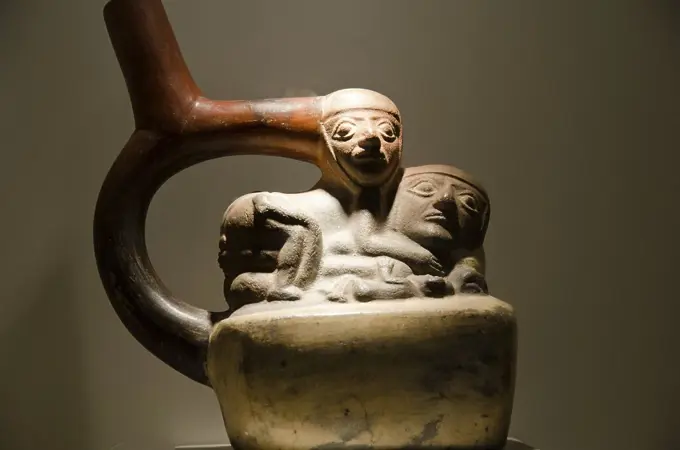
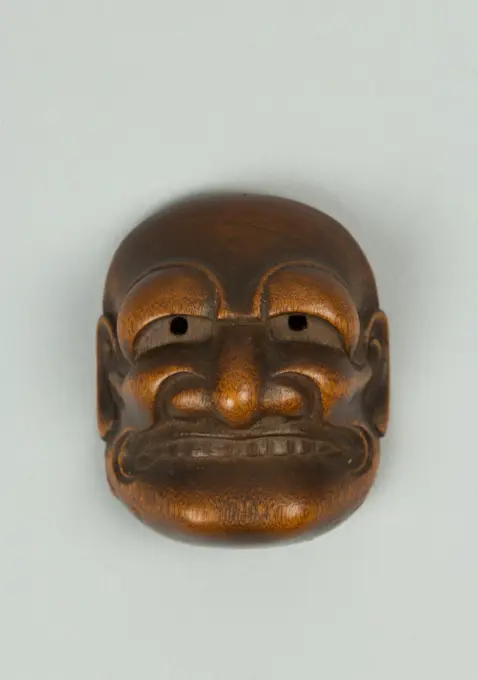
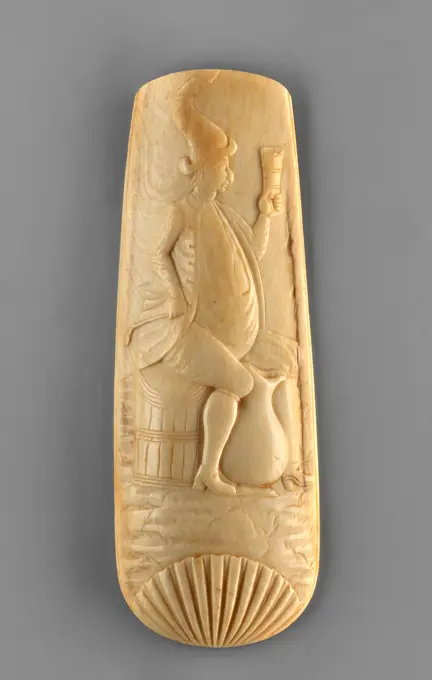
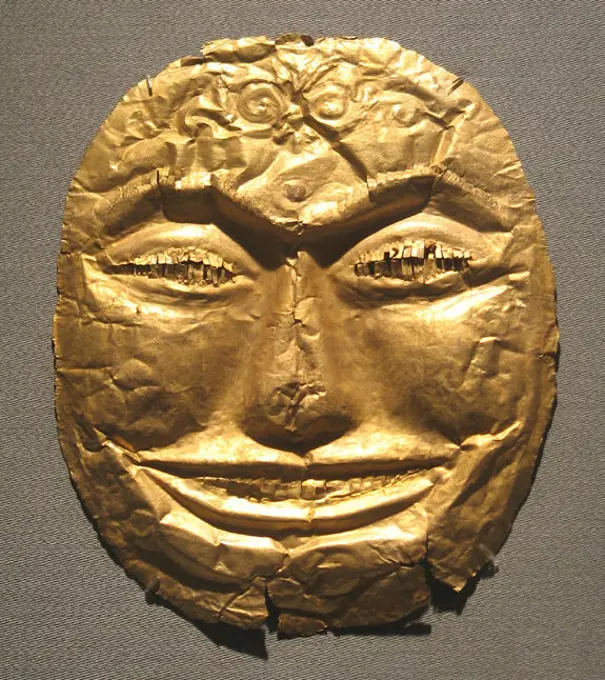
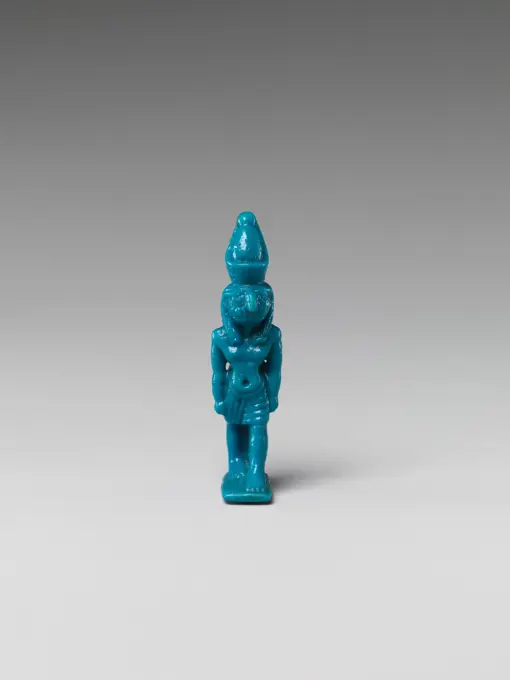
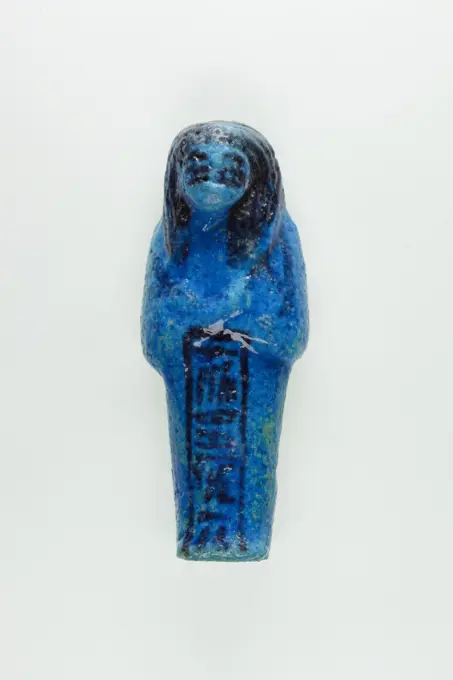
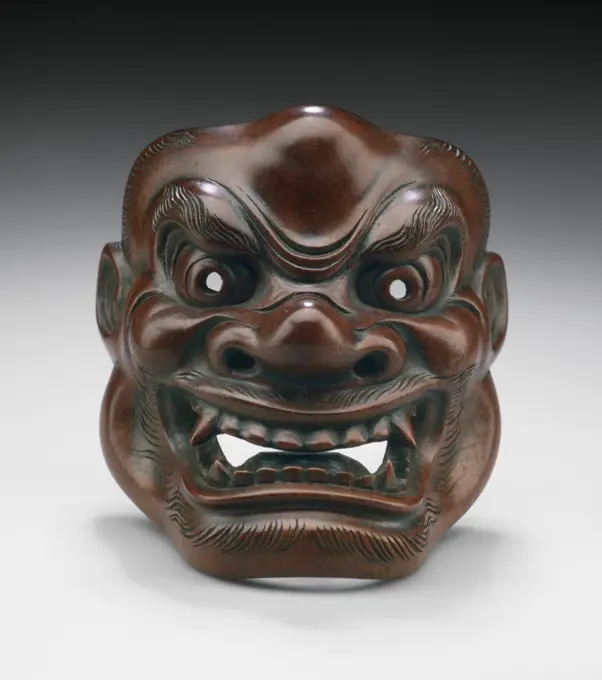
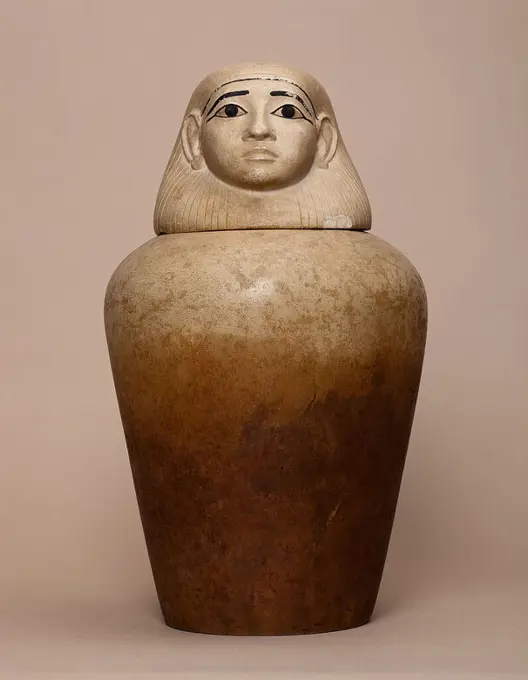
Canopic jar of the lady Nephthys. Dimensions: 8 3/4 in. (22.3 cm). Dynasty: Dynasty 12. Date: ca. 1981-1802 B.C.. Museum: Metropolitan Museum of Art, New York, USA.Jar, 618-906, Dia.4-1/16 in., Earthenware, China, 7th-10th centuryFace Mask Ornament. Culture: Moche (Loma Negra). Dimensions: H. 4 1/2 x W. 4 9/16 in. (11.4 x 11.5 cm). Date: 390-450. Museum: Metropolitan Museum of Art, New York, USA.Fish Vessel 4th century Casas Grandes. Fish Vessel. Casas Grandes. 4th century. Ceramic, slip, pigment. Mexico, Mesoamerica, Chihuahua. Ceramics-ContainersAppliqué with a Kore. UnknownLimestone statuette of a dove 4th century B.C. Cypriot The small dove is of a piece with the plinth, on which the claws of the feet are rendered. Strokes of red paint indicate the feathers. Only the beak is articulated on the head.. Limestone statuette of a dove 242273Worker Shabti of Nany ca. 1050 B.C. Third Intermediate Period See 30.3.27.1a, b. Worker Shabti of Nany. ca. 1050 B.C.. Faience. Third Intermediate Period. From Egypt, Upper Egypt, Thebes, Deir el-Bahri, Tomb of Meritamun (TT 358, MMA 65), first corridor, burial of Nany, MMA excavations, 1928-29. Dynasty 21Stamp seal in the form of a stored bull. The seal is designed in the form of a stored bull. The sealing area shows four dogs or wolves. For attachment to a cord, the seal is divided horizontally. Seals were developed for certification of documents. Initially, these are only small stamps with pinion ornaments, later creates sculptures and cylindrical rolling seals.Tumi, gold ceremonial knife. Chimu. 11th-15th cent. AD PERU.zoomorphe Figur Gefäß zoomorphe Figur Gefäß Copyright: xZoonar.com/TOLOxBALAGUERx 22682454Vessel in the Form of a Seated Figure Holding a Duck Made 100 BCE-500 CE Moche Valley. Ceramic and pigment . MocheDoll; Greece; 5th century B.C; Terracotta; 13.5 cm (5 5,16 in.)Figurine Pendant, c. 1000-1550. Western Panama, or Diquís, Costa Rica, Veraguas-Gran Chiriquí or Diquís Style, 11th-16th century. Cast gold; overall: 4.4 x 3.7 x 1.3 cm (1 3/4 x 1 7/16 x 1/2 in.).Leopard. Nigeria, Kingdom of Benin, Edo peoples. Late 17th - early 18th century. Brass.Statuette of Osiris (head), 664-525 BC. Egypt, Late Period, Dynasty 26 or later. Black copper (), hollow cast; overall: 6.8 x 4.7 cm (2 11/16 x 1 7/8 in.); with tang: 30.6 cm (12 1/16 in.); without tang: 28 cm (11 in.).Aegis of a female goddess 664-30 B.C. Late Period-Ptolemaic Period The aegis is an object that comprises the bust of a deity with a broad collar below it. Broad collars are generally accompanied by a menat, a counterpoise that hangs at the back of the neck, balancing the weight of the heavy, elaborate collar on the chest. Although this piece only shows the deitys head and broad collar, it represents the aegis-menat combination, which was not only a personal adornment but also played an important role in cult. It was a protective symbol and was used in rituals and festivals; the head allowed the deity to inhabit the ritual instrument and thus take part in the ceremonies. In this case, a goddess is represented, whose crown was separately crafted and attached, but is now lost. These types of ritual objects are most closely associated with goddesses, especially Bastet, but also Sakhmet and Isis. This aegis has a small suspension loop at the back, possibly for the attachment of a menat or Figurine from Tumaco Culture of Colombia  Pre-Columbian Figure of a man with an urn on his back, 200-700, 11 3/4 x 8 x 7 in. (29.8 x 20.3 x 17.8 cm), Earthenware, Mexico, 3rd-8th centuryAmerican 20th Century, Eagle's Head, 1935 1942 Eagle's HeadFragment of a cup, anonymous, -1200 - -1050 Excerpt, shangyin, leg, taotie, cricket, fabeldier and triangular ornament. China bone (material) Excerpt, shangyin, leg, taotie, cricket, fabeldier and triangular ornament. China bone (material)Hatnofers Funerary Mask, Metropolitan Museum of Art, Manhattan, New York City, USA, North AmericaBes Amulet ca. 1550-1295 B.C. New Kingdom. Bes Amulet. ca. 1550-1295 B.C.. Faience. New Kingdom. From Egypt; Probably from Northern Upper Egypt, Deir el-Ballas. Dynasty 18Traditional aztec ceramic face mask decorative isolated. Traditional aztec ceramic face mask decorativeStanding male figurine holding a quadruped ca. 600-480 B.C. Cypriot The handmade and solid figurine stands with its legs apart. The legs are columnar, the feet rendered with painted shoes.. Standing male figurine holding a quadruped 241193Amulet of Pataikos 664 BCE-332 BCE Egypt. Faience . Ancient EgyptianStirrup Spout Bottle with Couple. Culture: Moche. Dimensions: H. 7 x W. 3 1/4 in. (17.8 x 8.3 cm). Date: 4th-7th century. Museum: Metropolitan Museum of Art, New York, USA.Buddha with Halo and Mandorla. Culture: China (Xinjiang Autonomous Region). Dimensions: 1 x 1 1/2 in. (2.5 x 3.8 cm). Date: 6th-7th century. Museum: Metropolitan Museum of Art, New York, USA.Double Vessel Representing a Funeral Procession. Chimú-Inca; North coast, Peru. Date: 1200-1450. Dimensions: 19 × 20.5 cm (7 1/2 × 8 1/16 in.). Ceramic. Origin: North Coast. Museum: The Chicago Art Institute, Chicago, USA.CANTARO O BOTIJA SIN VIDRIAR - S XX. Location: ALFARERIA. SPAIN.Female head ca. 2600-2350 B.C. Sumerian. Female head 324241CITY OF BATH, ENGLAND - at the ancient Roman Bath Museum, West England, ancient stones and remains CITY OF BATH, ENGLAND - at the ancient Roman Bath Museum, West England, ancient stones and remains. The Baths are a major tourist attraction and receive more than one million visitors a year. Copyright: xZoonar.com/MVDBERKx 16058712WhistleHalf-Figure, late 1800s-early 1900s. Africa, Democratic Republic of the Congo, probably Kusu people. Wood and iron; overall: 20 x 6.8 x 8.5 cm (7 7/8 x 2 11/16 x 3 3/8 in.).TUMI DE ORO Y TURQUESA DIOS NAY-CASP E CHIMU PREHISPANICO. Location: MUSEO DEL ORO COL MUJICA. Lima. PERU. NAY-LASP DIOS PERU.Metal Fittings probably for an extra-sepulchral funerary figure. Dimensions: a, H. of head 4.5 cm (1 3/4 in.); b, W. of pectoral 4 cm (1 9/16 in.); c and d, L. of arms 4.5 cm (1 3/4 in.). Dynasty: Dynasty 19. Date: ca. 1295-1070 B.C..This unusual set of metal fittings most likely came from some sort of funerary figure that was placed in a cult setting other than the tomb. Finds of such figures are relatively uncommon, so there are few comparanda for this object. It clearly belonged to a woman from the elite class. The fittings include her head and upper torso; two arms; and a human-headed bird with outstretched wings. She is shown with a long wig, large round earrings, a necklace, and a fillet of some sort adorned with a lotus blossom, signifying rebirth. The two arms would have been folded on her chest, embracing the human-headed ba bird, symbolizing one aspect of her intrinsic personality. Museum: Metropolitan Museum of Art, New York, USA.Ancient China: Pale green glazed pottery, lid of a granary vessel, Sung Dynasty, 960 - 1279 AD. Depicts a bird in a display posture.Calcite sphinx (with the face of Tutankhamen) presenting offerings dating from the New Kingdom.cabeza antropomorfa,clásico, Santa María Nebaj,museo de antropologia, departamento de El Quiché, Guatemala, Central America.Amulet of Pataikos 1070 BCE-656 BCE Egypt. Faience . Ancient EgyptianFigurine, late 1800s-early 1900s. Central Africa, Republic of the Congo, Kongo people. Wood, organic materials (including resin), iron, reed, tooth, seashell or glass beads, and possibly plastic; overall: 12 x 4 x 4 cm (4 3/4 x 1 9/16 x 1 9/16 in.).Bird-Shaped finial China. Bird-Shaped finial. China. Dolomite. Eastern Han dynasty (25-220). SculptureA game of Harpokrates figurines;  Hellenistic period (-323-00-00--30-00-00);The collection of ancient EgyptMayan ceramic Vase, with embossed Glyphs 600-900ADRoman head with tiara Roman head with tiara Copyright: xZoonar.com/BartomeuxBalaguerxRotgerx 23028226Rattle in the Form of a Mythological Figure 650 CE-800 CE Campeche. Many of the hollow interiors of mold-made Jaina figurines were transformed into rattles or whistles. As musical instruments, they may have been played during the funerary ceremonies of the deceased whom they accompanied into the afterlife.. Ceramic and pigment . MayaAmulet, Thueris. Amulet, Thueris. Clay, glazed. Gold and SilverAmlash pottery vase with figures surrounding a basin, 2000-1600 BC; Iranian, Bronze ageHead of a boy 3rd century B.C. Cypriot The head is mold-made and solid. The back is handmade and rounded. The head and neck are preserved.. Head of a boy. Cypriot. 3rd century B.C.. Terracotta; mold-made and hand-made. Early Hellenistic. TerracottasStucco figurine, 7th century A. D collected at Muttom near Boluvampatti, Coimbatore, Tamil Nadu, South India, India, AsiaMale Figurine or Finial, early 1800s-early 1900s. Central Africa, Democratic Republic of the Congo (most likely), Cabinda, or Republic of the Congo, probably Yombe people. Wood; overall: 9.7 x 3.8 x 3.3 cm (3 13/16 x 1 1/2 x 1 5/16 in.).ceremonial vessel decorated with three deities, Vukub Kakix, classic, Santa María Nebaj, Museo de antropologia Maya, departamento de El Quiché, Guatem...Bird-Shaped finial. Culture: China. Dimensions: H. 3 in. (7.6 cm); W. 3 1/8 in. (7.9 cm). Museum: Metropolitan Museum of Art, New York, USA.Worker Shabti of Nany ca. 1050 B.C. Third Intermediate Period See 30.3.26.1a, b. Worker Shabti of Nany 625743fine arts, ancient world, Egypt, sculpture, cat, bronze, circa 500 BC, Mildenberg Collection,Terracotta figurine. Standing figure from Syria. Iron Age, 700 - 800 BC. Cylindical body with short arms and elaborate headgear.Figure of a Seated Musician China The musical instruments depicted among this group of pottery figures (36.12.1, .2, .10-.13, .16) are typical of those used in popular music of the Han period (206 B.C.-A.D. 220). The instruments all had long histories, having existed for centuries, in the case of the zither, or millennia, in the case of the flute (now missing from the figure of the flutist).. Figure of a Seated Musician 62954HookTattooed ancestor Central stick figure. Maori village, Aotearoa (New Zealand). 1840-1860. Wood, sea shell. Exposition The Human Image. Organised by British Museum and "La Caixa" Foundation. Barcelona. Spain.Amulet Tlingit, Native American ca. 1840-70 The peoples of the Pacific Northwest share a shamanistic worldview. Shamans employ techniques such as fasting and dancing to enter altered states of consciousness, in which they have visions that guide them in healing or advising the community. They wear protective or spiritually charged pendants, such as this example, and sometimes give them to patients as powerful medicines. Here, we see two animal forms that may have been ancestral emblems of a particular shaman: a graceful diving whale and a raptor with outstretched wings. The color-shifting nature of the abalone shell reinforces the transformational composite beings that empowered the healer and the patient. View more. Amulet. Tlingit, Native American. ca. 1840-70. Antler and abalone shell. Made in Alaska, United StatesSowei-Helmmaske für rituelle Frauentänze Sowei helmet mask for women s ritual dances, Mende, Sierra Leone or Liberia, 20th century, carved wood, MEB, Barcelona, Catalonia, Spain LicenseRF Copyright: xZoonar.com/Tolox 23171463Fragment of a FigurinePectoral Ornament. Colombia; Yotoco (Calima) 1st - 7th century. Hammered gold. The human face in the centre of such pectorals was created by hammering the metal over a carved former, probably made of wood, in a process called embossing.Pendant with Buffalo Head ca. 300 B.C.-A.D. 200 Thailand (Ban Chiang). Pendant with Buffalo Head. Thailand (Ban Chiang). ca. 300 B.C.-A.D. 200. Bronze. Late period. JewelryEgypt - Mummified Cat, dedicated to Goddess Bastet. 30 BC Bone doll with articulated limbs. Culture: Greek. Dimensions: H.: 3 in. (7.6 cm). Date: late 4th or 3rd century B.C..Moveable arms and legs.This doll was found together with the terracottas, acc. nos. 11.212.16-.53, displayed in the same shelf. Museum: Metropolitan Museum of Art, New York, USA.Terracotta head of a woman late 4th-3rd century B.C. Greek, Attic () Head of a woman, mold-made and solid.. Terracotta head of a woman 241071Egypt. Ushabti. (also called shabti). Funerary figurine, placed in tombs. Istanbul Archaeological Museum, Turkey.Statue representing a musician, Northern Wei dynastyMiniature Stele China. Miniature Stele 61606Figure Lime Container 6th-9th century Wari. Figure Lime Container 310681Canopic jar head ca. 1850-1640 B.C. Middle Kingdom. Canopic jar head 546657Warrior Bottle 1st-2nd century Moche. Warrior Bottle 308411Roman head with tiara Roman head with tiara Copyright: xZoonar.com/BartomeuxBalaguerxRotgerx 23027809Water Spout in the Form of a Makara ca. 10th century Indonesia (Java). Water Spout in the Form of a Makara 38281Gallo-Roman toy or puppet in the form of a Roman soldier. FRANCE.Standing Female Figure, 100-600, 8 1/2 x 3 1/2 x 2 1/4 in. (21.6 x 8.9 x 5.7 cm), Earthenware, Mexico, 2nd-7th century. Cup of a Buddha of white, mica holding marble.African sick mask, Pende del Zaire ethnicity, 19th century, polychrome wood, Sa Bassa Blanca Museum (msbb). Yannick Vu and Ben Jakober , Alcudia, Majorca, Spain.Anthropomorphic polychrome terracotta vessel of music subject, Peru, Nazca cultureChūjō. Kimura Ryūmin (Japan, active mid- to late 19th century). Japan, mid- to late 19th century. Costumes; Accessories. WoodStanding Woman with Bird Headdress c.700-900 A.D. Nopiloa, Mexico Pre-Columbian Collection of The Museum of Contemporary Art, Jacksonville, FloridaPrzeszo Przyszoci unknownMiniature Sistrophorous Statue 690-610 B.C. Kushite Period-Late Period. Miniature Sistrophorous Statue 546054Terracotta head of a woman 3rd-2nd century B.C. Egyptian () With wreath and heavy fillet around head, and earrings.. Terracotta head of a woman 246747Ceramic vessel, erotic art Moche culture 100 AC-800 AC Perú.Netsuke of Noh Mask 19th century Japan. Netsuke of Noh Mask. Japan. 19th century. Wood. Edo (1615-1868) or Meiji period (1868-1912). NetsukeTabaki tarts;  2. PO. 18th century (1751-00-00-1800-00-00);shells (ornament), drunkards, purchase (provenance)Mask 117-138 Roman Period. Mask. 117-138. Plaster, paint. Roman Period. From EgyptFunerary Mask A.D. 1st-4th century Roman Period. Funerary Mask 547844Funerary Mask 14th century Indonesia (Java, Majapahit). Funerary Mask 38622female anthropomorphic vessel, Neolithic, sixth millennium BC,, Bulgarian National Archaeological Museum, Sofia, Republic of Bulgaria, Europe.Bell idol. Terracotta figurine, 7th century BC (Late Geometric period). Theban workshop (Oinochoe type)Shabti of Siptah ca. 1194-1188 B.C. New Kingdom, Ramesside. Shabti of Siptah 549569Horus amulet 332-30 B.C. Ptolemaic Period The four small figures of Isis, Khnum, Horus, and Nephthys and Khnum (26.7.883-26.7.886) are probably mummy amulets.. Horus amulet. 332-30 B.C.. Faience. Ptolemaic Period. From Egypt, Upper Egypt, Thebes, Asasif, Ptolemaic vaulted graves (Birabi)Worker Shabti of Nany ca. 1050 B.C. Third Intermediate Period See 30.3.26.1a, b. Worker Shabti of Nany 625700Netsuke, anonymous, c. 1700 - c. 1850 Van de hex mask only. Japan wood (plant material) Van de hex mask only. Japan wood (plant material)Statuette fragments from Jericho, 7500-6500 BC These fragments were originally part of two human-shaped figures made from sun-baked clay. They represent, at around half-life size, a head and shoulders (top) and part of a torso with traces of red paint (below).Shishiguchi. Kimura Ryūmin (Japan, active mid- to late 19th century). Japan, mid- to late 19th century. Costumes; Accessories. WoodMusician figurine;  1. PO. 20th century (1901-00-00-1950-00-00);Puppet (Wayang Klitik) of a Dutch Soldier orHolländer