Ancient Figurines and Sculptures

Artifacts including anthropomorphic and animal-shaped figurines from ancient cultures, showcasing artistic craftsmanship and historical significance.

Anthropomorphic figurine from Chad, Central Africa. Dated 9th Century BC
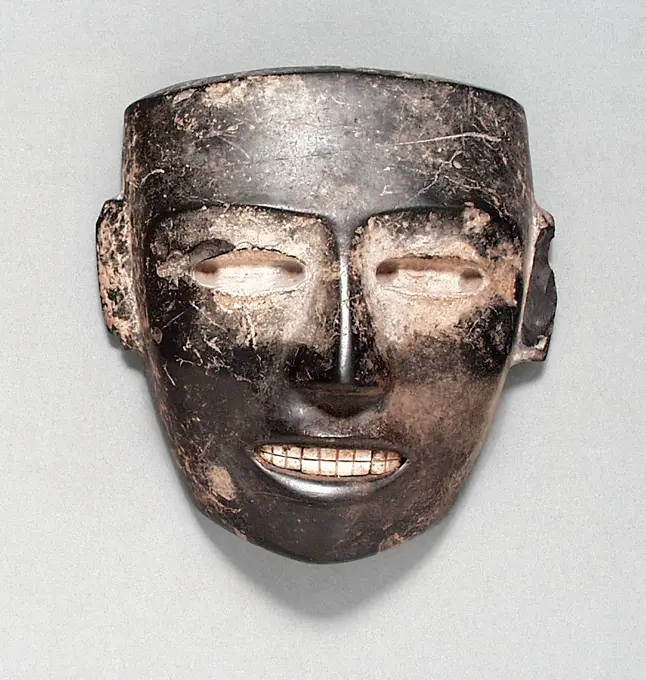
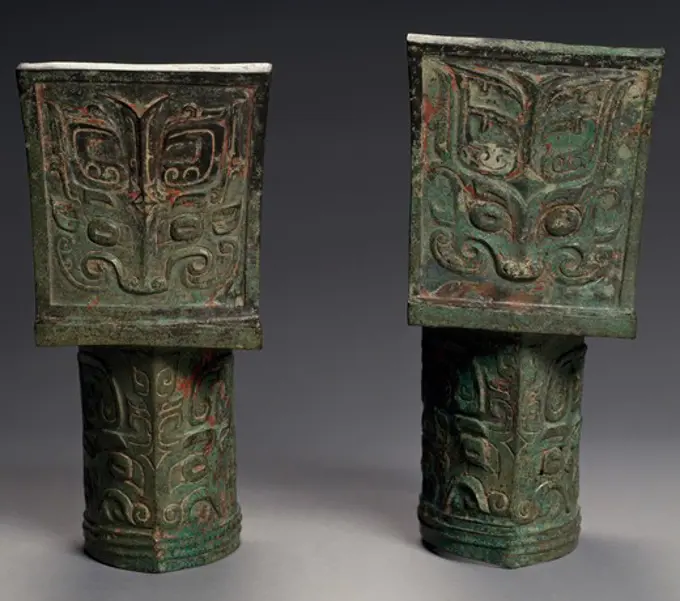
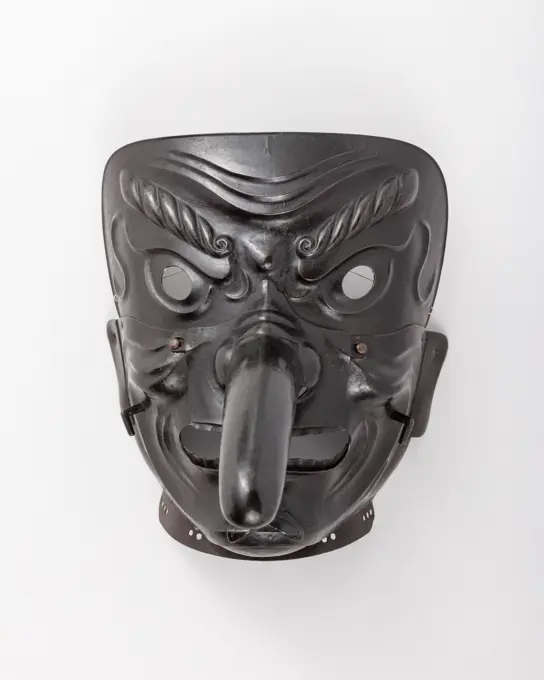
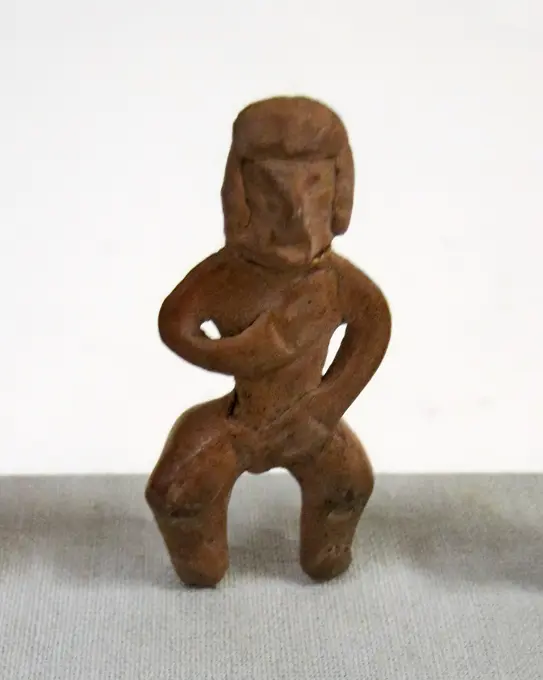
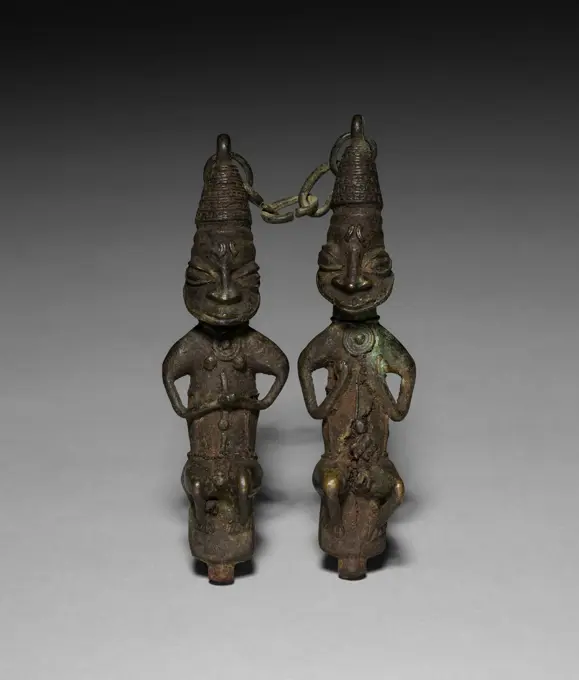
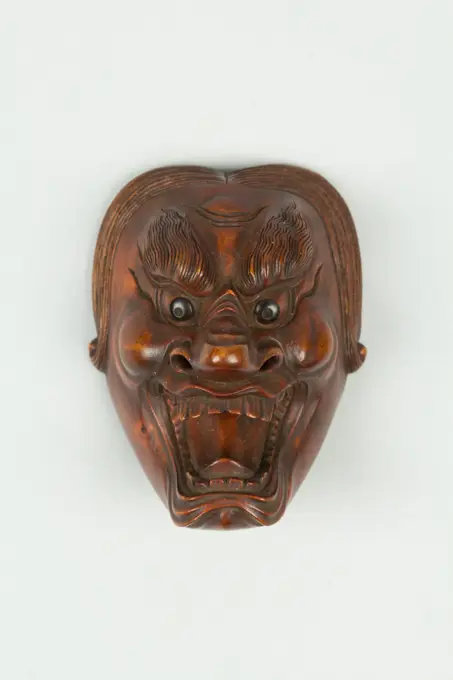
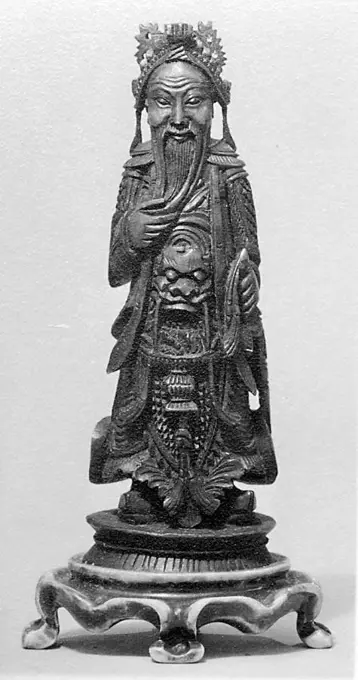
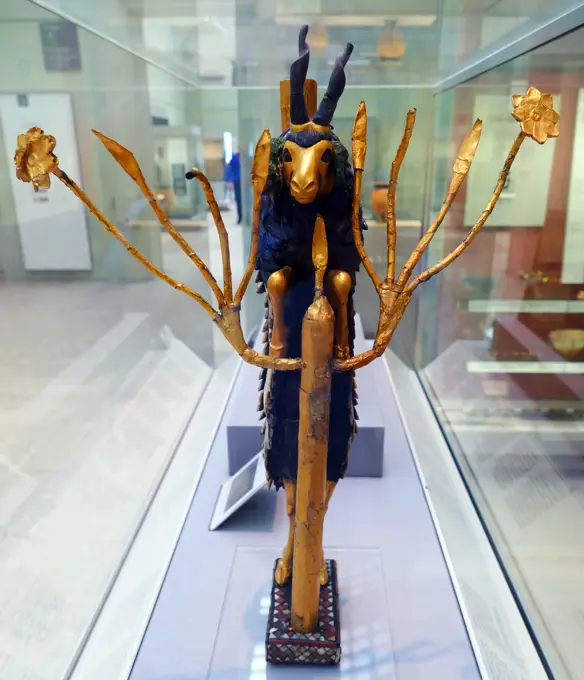
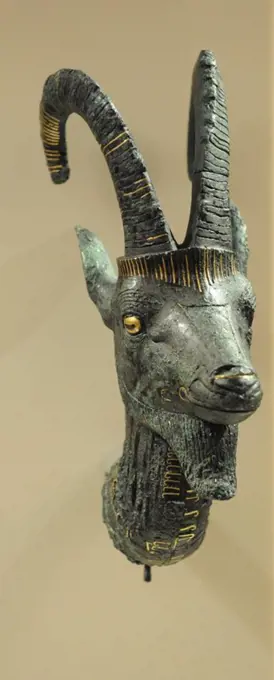
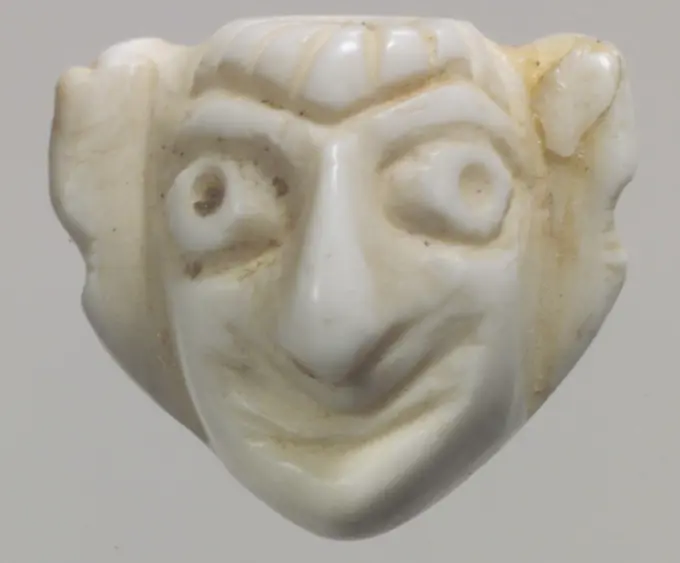
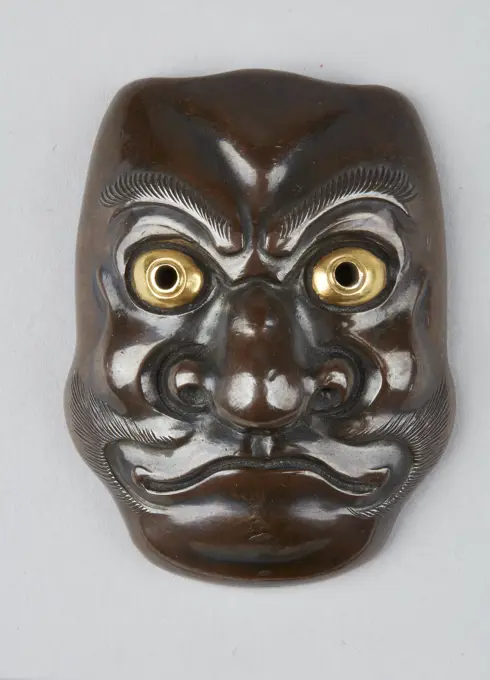
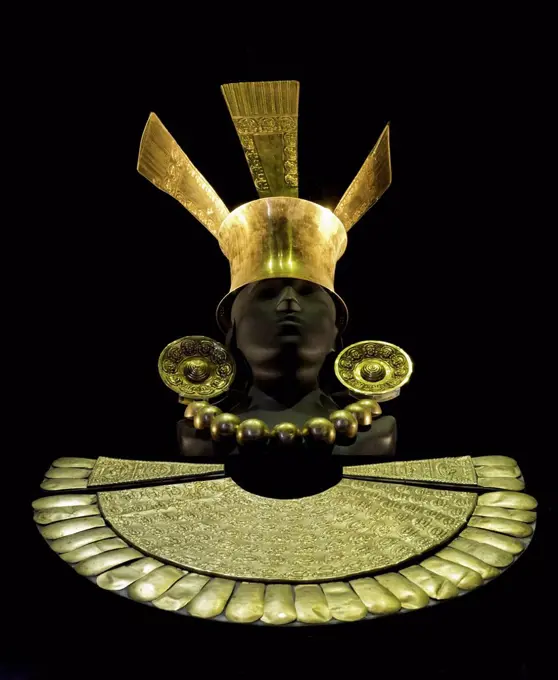
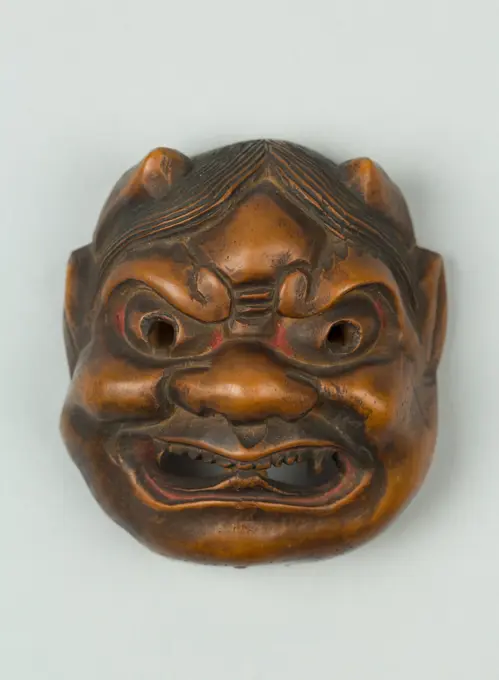
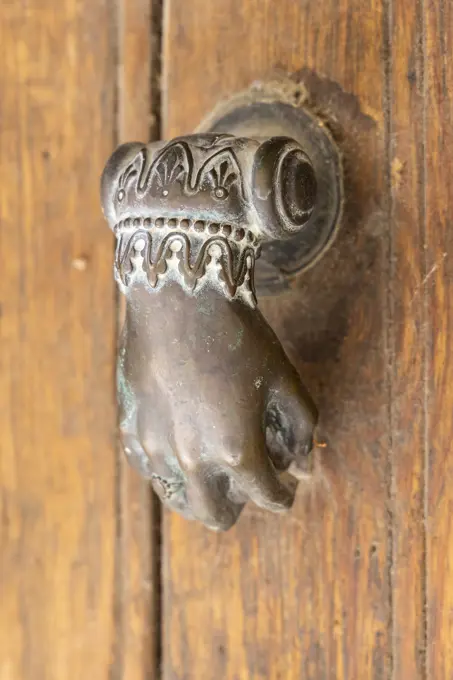
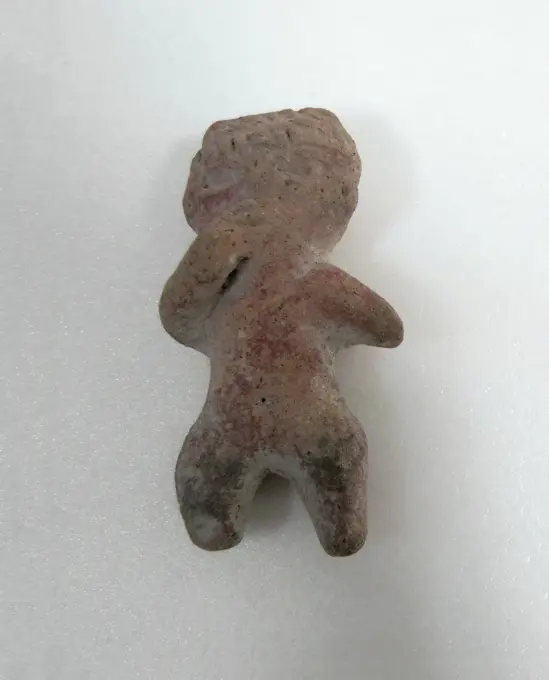
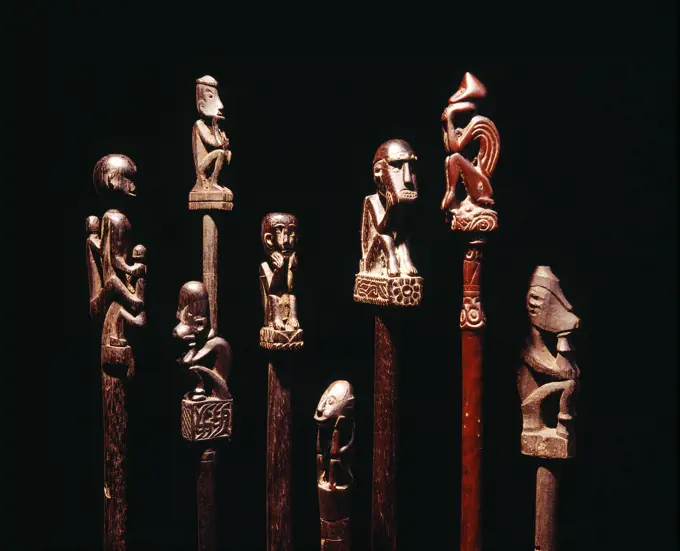
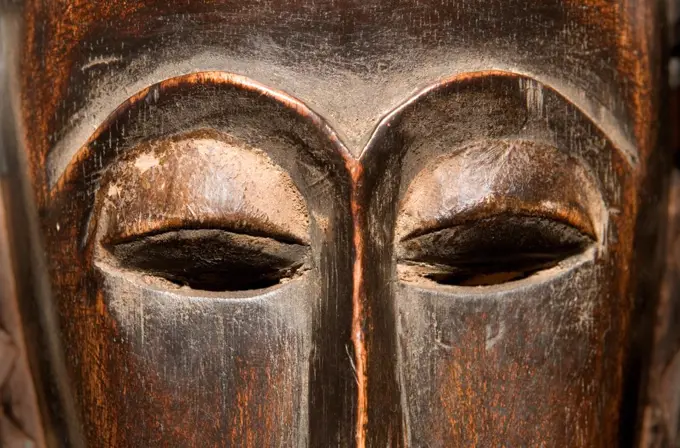
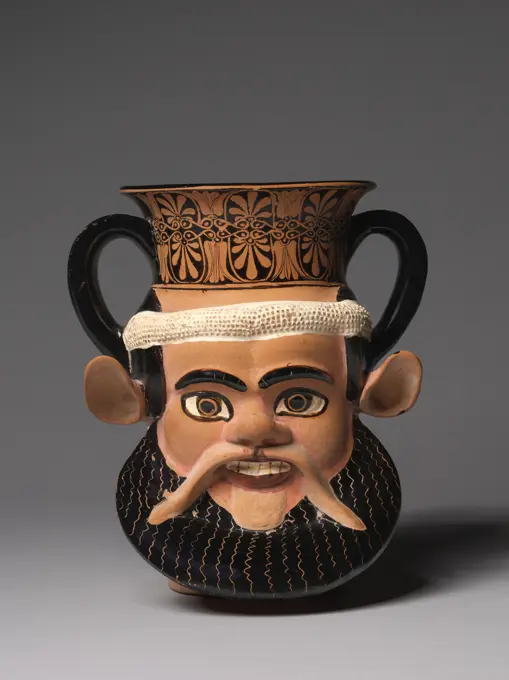
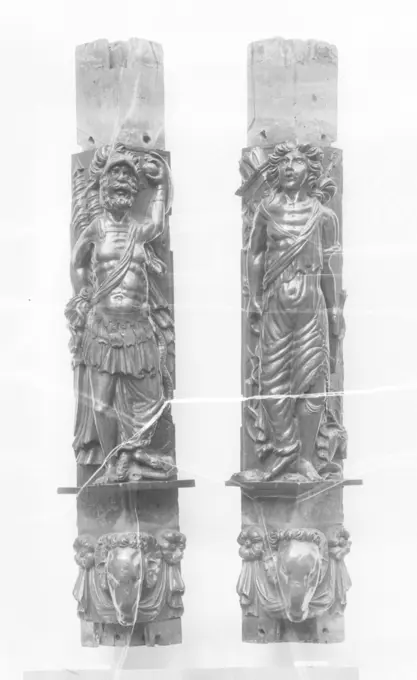
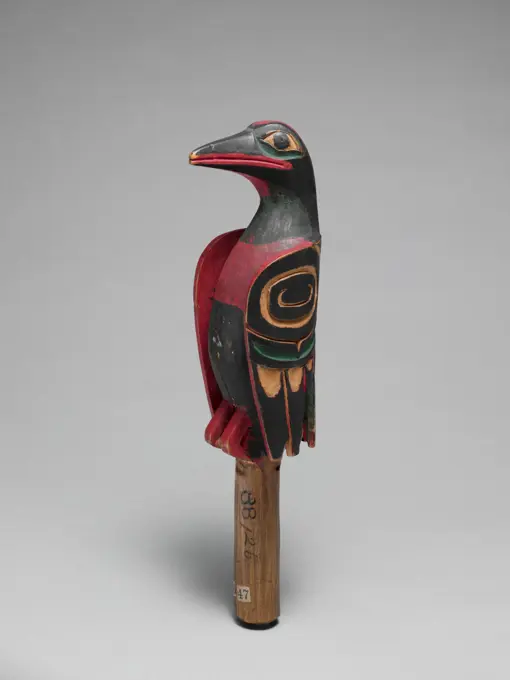
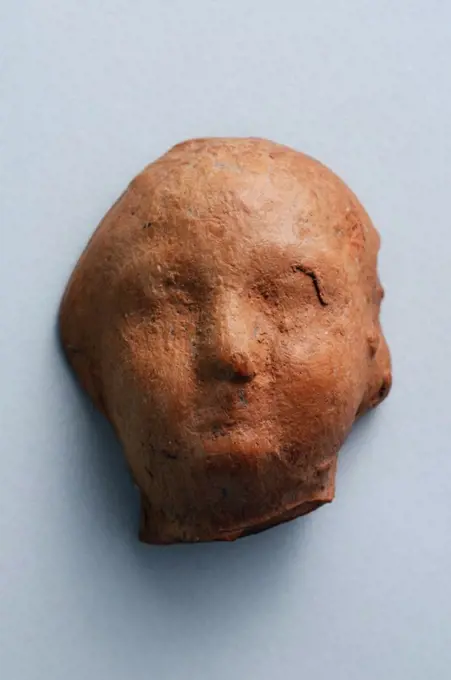
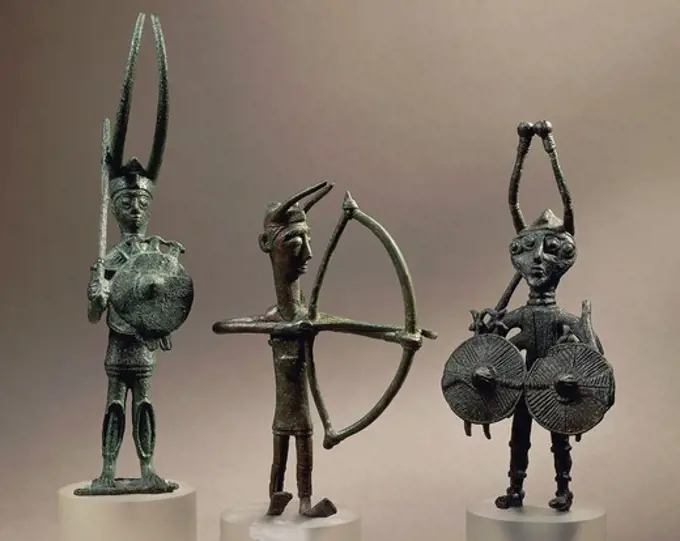
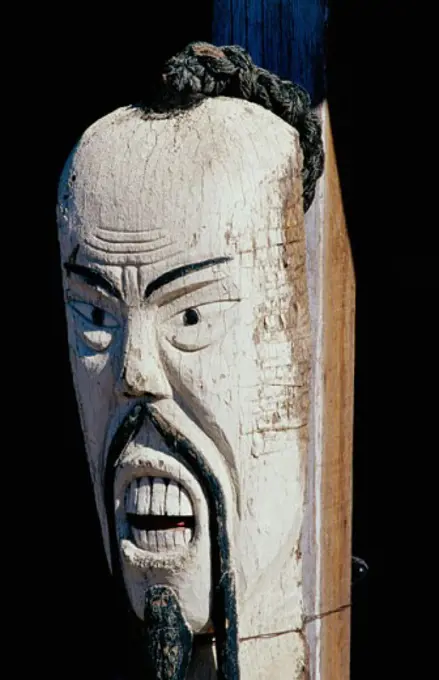
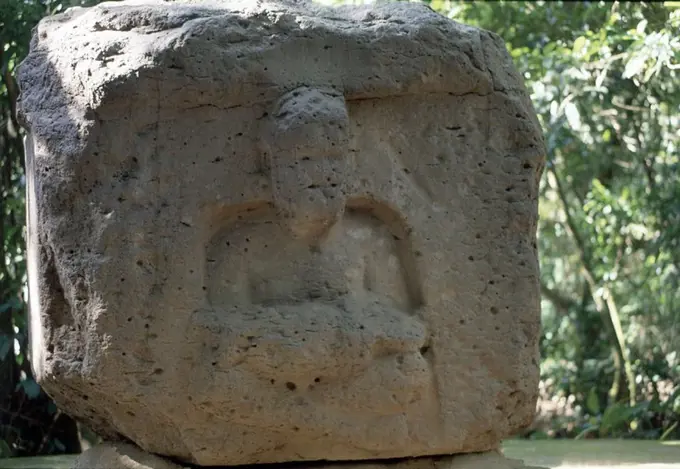
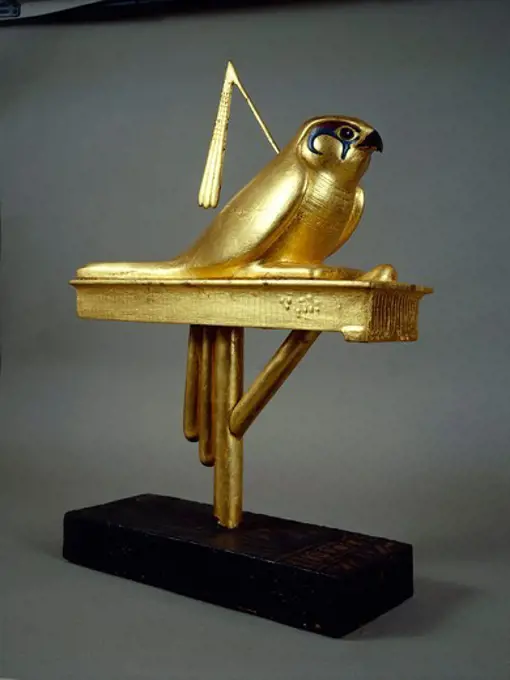
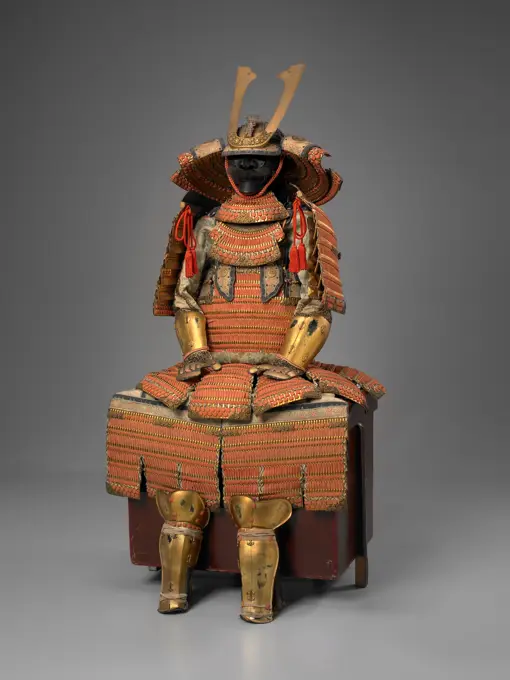
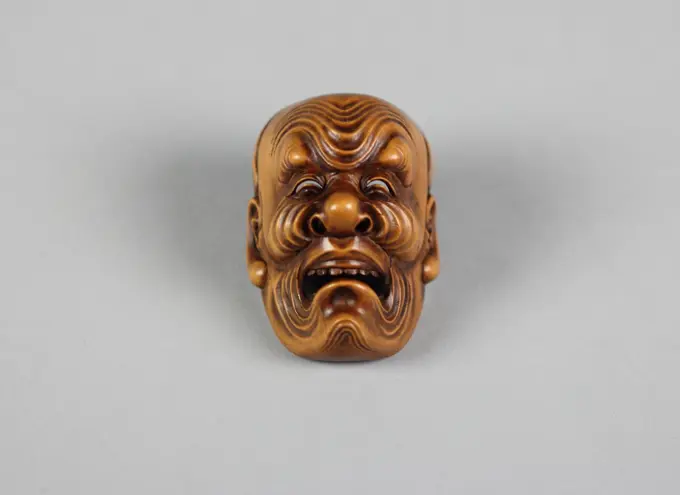
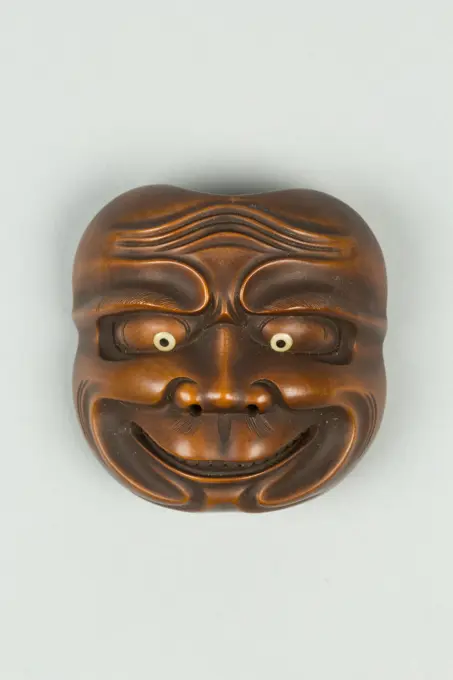
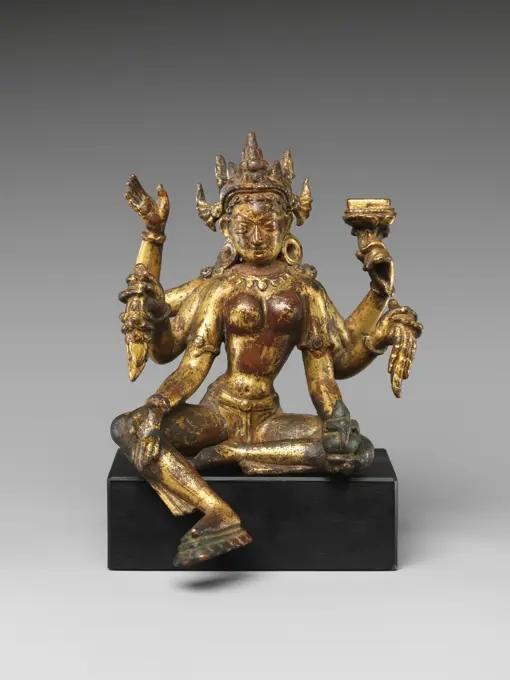
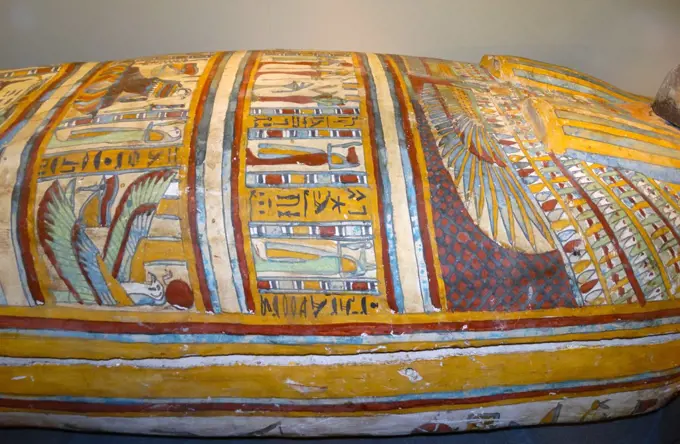
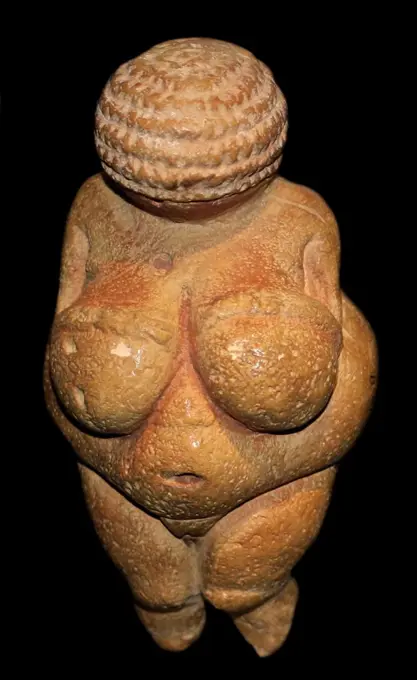
Charm, late 19th century, 4 7/8 x 1 5/8 in. (12.4 x 4.1 cm), Bone, United States, 19th centuryCanada, Nunavut, King William Island, Gjoa Haven. Nattlik Heritage Centre, interior. Traditional whale bone carving, circa 1970.Face Mask Ornament 6th-7th century Moche (Loma Negra). Face Mask Ornament 314544The ushabtis. The figurines were meant to accompany the dead to the underworld.Shivalinga. India, Maharashtra, 17th-18th century. Sculpture. BrassMask with Inlaid TeethCarriage harness, China. Chinese Civilisation, Western Zhou Dynasty, 11th-10th BC.Netsuke of Mask 19th century Japan. Netsuke of Mask. Japan. 19th century. Wood (brown); brass eyes and lead teeth. Edo (1615-1868) or Meiji period (1868-1912). NetsukePan water vessel on display in glass case at the Shanghai Museum, ChinaMask in the Shape of a Mountain Demon's Face early 18th century Japanese A mask that covers the entire face, known as a smen, is a dramatic feature of Japanese armor of the Edo period. Various types of simpler armored masks, usually protecting only part of the face, had been developed for practical use during the more violent Muromachi period (1333-1573). Masks embossed with human features are thought to have been made as early as the fifteenth century. However, during the Edo period armorers gave free rein to their imaginations--as they did when making representational helmets--and created masks in forms ranging from fierce gods to comical folk characters.This smen vividly portrays the face of a tengu, the embodiment of powerful and usually malevolent spirits who, in Japanese folk beliefs, inhabit the woodlands of high mountains. There are two principal forms of tengu: the Karasu Tengu and the Ko no ha Tengu. They are typically represented as having human bodies, wings, and sometimeMiniature figurine, 1500-1150 BCE, 1 15/16 in. (4.9 cm), Earthenware, Mexico, Pre-ClassicPair of Ritual Staffs (ẹdan Ògbóni), possibly 1800s. Africa, West Africa, Nigeria, Yorùbá-style maker. Copper alloy and iron; overall: 22 cm (8 11/16 in.). The chain connecting these two figures allows them to be worn in public by a member of the Ogboni or Òùgbó association as authority emblems. The male on the right gives the association’s typical salute by clasping his left fist on the right one, while the female on the left holds her breasts as a sign of welcome and generosity. The use of copper alloy and iron expresses Ogboni/Òùgbó's concerns with longevity and durability.Netsuke of Mask 19th century Japan. Netsuke of Mask. Japan. 19th century. Wood; dark brown, inlaid eyes. Edo (1615-1868) or Meiji period (1868-1912). NetsukeAmun Ra, gold statuette from Karnak, 945-664 BC. EGYPT.Chess piece late 19th century China. Chess piece. China. late 19th century. Ivory. Qing dynasty (1644-1911). Ivoriesfemale terracotta statuette, 2nd century AD, Riotinto, Fuente del Moro, Huelva Museum, Huelva, Andalusia, Spain.The Ram in the Thicket; Statuette of a goat. Early Dynastic III period; 2600BC; found at Ur, IraqStirrup Spout Bottle with Couple 2nd-5th century Moche. Stirrup Spout Bottle with Couple 309352Head of an ibex of a sacred barque. Dynasty 21. Third Intermediate Period. 1070-946 BC. Bronze with gold. Neues Museum. Berlin. Germany.Fudō. Kimura Ryūmin (Japan, active mid- to late 19th century). Japan, mid- to late 19th century. Costumes; Accessories. WoodAmulet ca. 2600-2350 B.C. Sumerian. Amulet 32442819th century Canadian Inuit (Eskimo) wooden figureNetSuke, Maska Teatru NO Kobeshimi unknownEgypt. Ushabti. (also called shabti). Funerary figurine, placed in tombs. Istanbul Archaeological Museum, Turkey.Seated monkey Italian, Naples 18th-19th century View more. Seated monkey. Italian, Naples. 18th-19th century. Polychromed terracotta body; silver collar and chain. CrècheView 2 of 3. Martinware Jug, 1900-1905. Manufacturer: Martin Brothers. Modelled by: Robert Wallace MartinEurope, England, Bath. Roman Bath Museum, stone head. THIS IMAGE RESTRICTED - Not available to U.S. land tour travel operators.Lamp probably 12th-13th century. Lamp 447231gold funerary offering, Larco Museum of Pre-Columbian ArtNetsuke of Noh Mask; Demon () 19th century Japan. Netsuke of Noh Mask; Demon (). Japan. 19th century. Wood. Edo (1615-1868) or Meiji period (1868-1912). NetsukeAnonymous / "Portrait of old man from Seville", 3rd century, Sculpture (marble).Console-shaped étagère with scalloped cover plate, worn by a sculpted dancer; Console-shaped étagère with scalloped cover plate, worn by a sculpted Negro slave. Console-shaped étagère of polychromed linden wood. The front cover plate is supported by a sculpted black dancer, with the head forward and the elbows facing back; Hands support the wall and the man sits on a draped cloth. The left leg has been lifted high. The silver-plated soup pants and the black cardigan with the gold-plated belt are decorated with tendrils. The vest closes at the front with three buttons. Gold pungent buildings. See: BK-1957-6-a.Arles, Bouches-du-Rhone, Provence-Alpes-Cote d'Azur, France. An old brass door knocker in the shape of a hand.Standing female figure, 200-700, 2 5/8 x 1 1/2 x 3/4 in. (6.7 x 3.8 x 1.9 cm), Polychromed earthenware, Mexico, 3rd-8th centuryIban pig-charm sticks,used to lure the wild boars into the trap. Sarawak, Malaysia.Decorative African maskRed-Figure Janiform Kantharos (Two-Sided Head-Shaped Drinking Cup): Satyr and African, c. 470-460 BC. Assigned to Class K (The Toronto Class). Ceramic; overall: 19.6 x 17.2 cm (7 11/16 x 6 3/4 in.); diameter of base: 8.5 cm (3 3/8 in.); diameter of rim: 15.3 cm (6 in.).Sakyamuni Buddha, 600s-700s. Ceylon, Anuradhapura style, 7th-8th Century. Bronze; overall: 8.3 x 7 cm (3 1/4 x 2 3/4 in.).Balinese woodcarvings for sale, Ubud, Bali, IndonesiaAndiron 1770-1800. Andiron. 1770-1800. IronPair of corner posts 16th century French. Pair of corner posts. French. 16th century. Carved walnut. WoodworkNofretete - Nefertiti Büste der Nofretete - freigestellt auf weißem Hintergrund Sculpture of Nefertiti - isolated on white background Copyright: xZoonar.com/Teamarbeitx 416827Wooden mask ofOtafukuRattle 19th century Native American (Masseth or Haida) This raven rattle depicts a perched bird with wings outstretched toward its front. This is an unusual representation of the raven on a rattle and more typical of the way it would be depicted on a memorial (or totem) pole.. Rattle. Native American (Masseth or Haida). 19th century. Wood, pebbles or pellets, polychrome. British Columbia, Canada. Idiophone-Shaken-rattleRomania, Harsova, Mask from a ceremonial helmet, bronzebearded head, pendants, worn as protective amulets. Sand-core glass (4th-3rd BCE) from Carthage, TunisiaChild's head of terracotta figurine .Height 4 cm Width 3, 4 cm.(1 st - 3 rd CE ) - Roman period from " House of Griffins "- Archaeological site of Complutum in Alcalá de Henares ( Madrid ). SPAIN.Holland, Leiden, Turquoise encrusted skull, found in Teotitlan del Camino (Oaxaca)Italy, Sardinia region, bronze statuette of warriorsTombstone Arizona USAALTAR EN PIEDRA CON NICHO AL FRENTE - ARTE OLMECA. Location: MUSEO DE LA VENTA. VILLAHERMOSA. CIUDAD DE MEXICO.Wooden masks on wallLion head door knockerWooden model representing carpenter's workshopGilded wood standard depicting Gemhesu hawk, from Treasure of TutankhamenOrange-laced Domaru-type Suit ofArmorNetsuke of Mask of Old Man's Face 19th century Japan. Netsuke of Mask of Old Man's Face. Japan. 19th century. Wood. Edo (1615-1868) or Meiji period (1868-1912). NetsukeSurya (The God of the Sun) with Attendants 7th century() India (Jammu & Kashmir, ancient kingdom of Kashmir). Surya (The God of the Sun) with Attendants 39216British museum, decorated wooden Egyptian coffin, London, England, Great BritainNetsuke of Noh Mask 19th century Japan. Netsuke of Noh Mask. Japan. 19th century. Wood. Edo (1615-1868) or Meiji period (1868-1912). NetsukeVasudhara 14th-15th century Nepal, Kathmandu Valley The Vasudhara-kalpa ritual text describes the six-armed Vasudhara (Sanskrit: stream of gems”) as a goddess of wealth, golden in color, who sits in royal ease holding her lower right hand in a boon-granting gesture (varada mudra) while jewels flow from her left.. Vasudhara. Nepal, Kathmandu Valley. 14th-15th century. Gilt-copper alloy. Early Malla period. SculptureCoffin set of Lady Tadinehemetawy. Dated 650 BCThe wooden idol statue isolated on white background. wooden idol statue isolated on white backgroundOtafuku Mask. Japan, late 19th century. Costumes; Accessories. Ivory with staining, sumiThe Venus of Willendorf (replica), one of the early female figurines. Small female figurines are found across Europe from France to Russia about 28,000-20,000 years ago.A sculpture for sale in Mahabalipuram Mamallapuram near Chennai, Tamil Nadu, South India, India, Asia