Ancient Glass and Ceramic Jars

Collection of historical jars from different cultures, showcasing varied shapes, materials, and finishes, including Roman glass and Chinese ceramics.
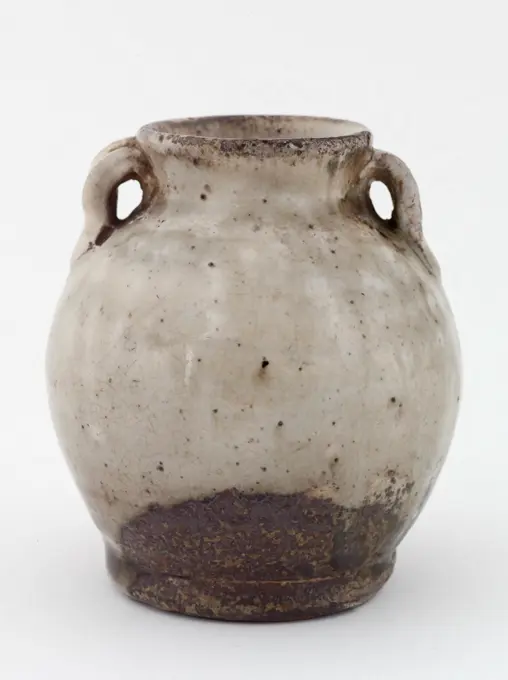
Jar ". Sandstone, white slip, covered celadon. China, Song dynasty (960-1279) / Yuan (1279-1368). Paris, Cernuschi museum. Chinese art, Chinese Ceramic, container, Song dynasty, Yuan dynasty, Song time, Yuan time, jar, container, terracotta
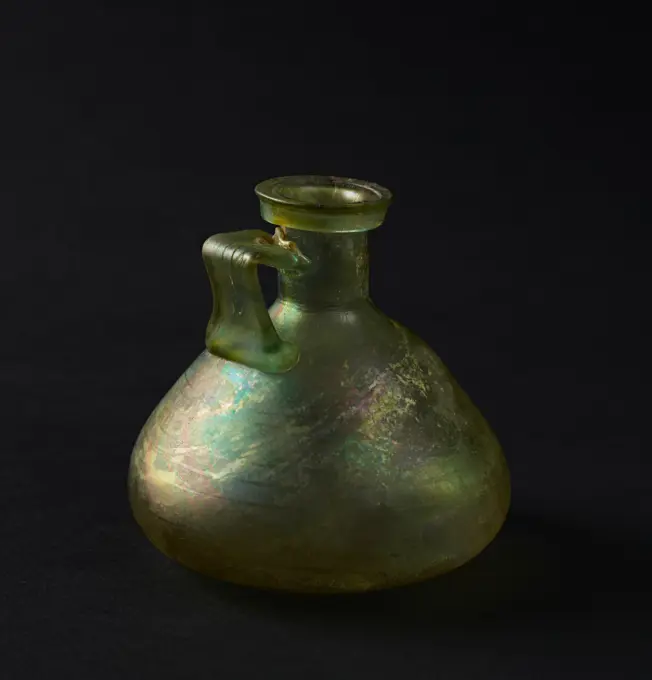
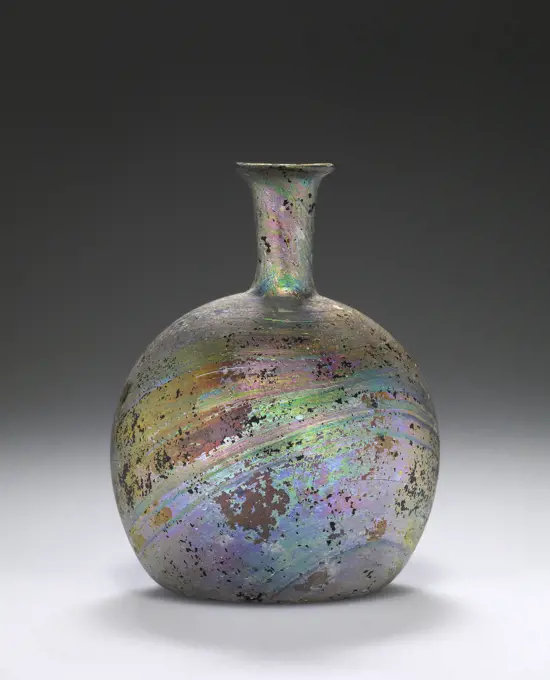
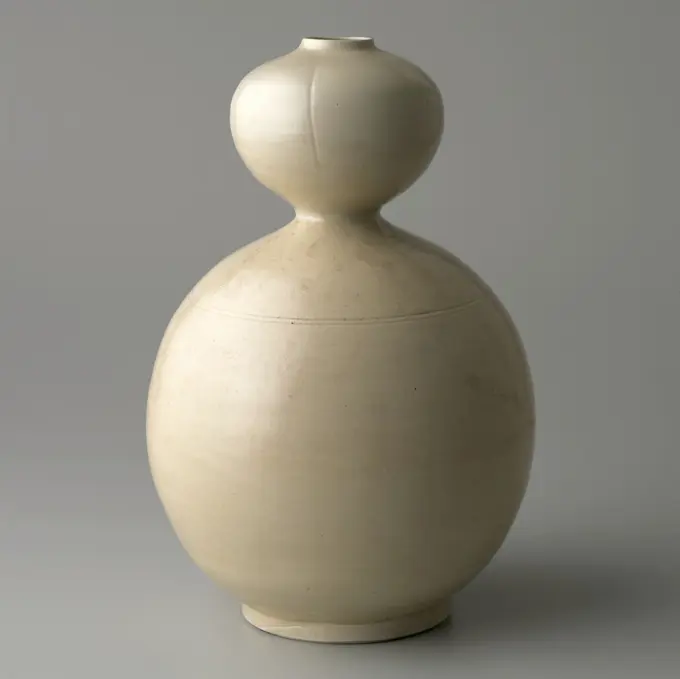
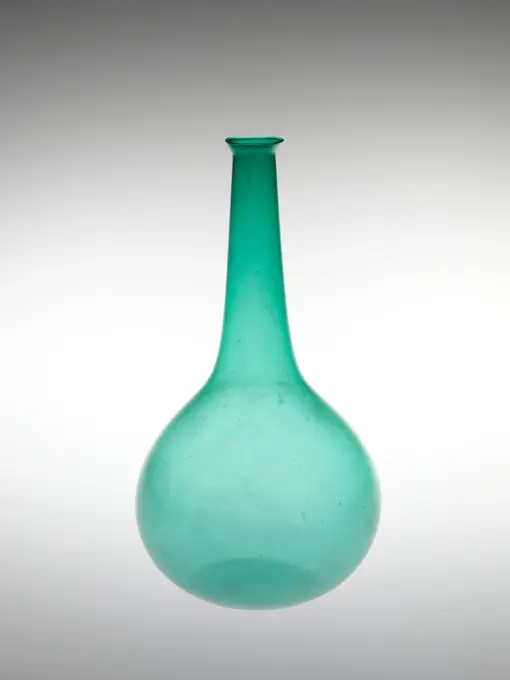
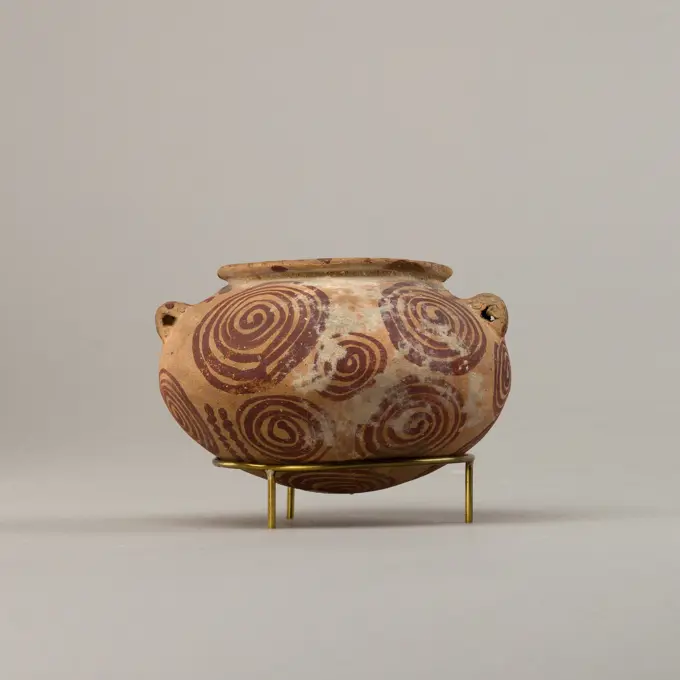
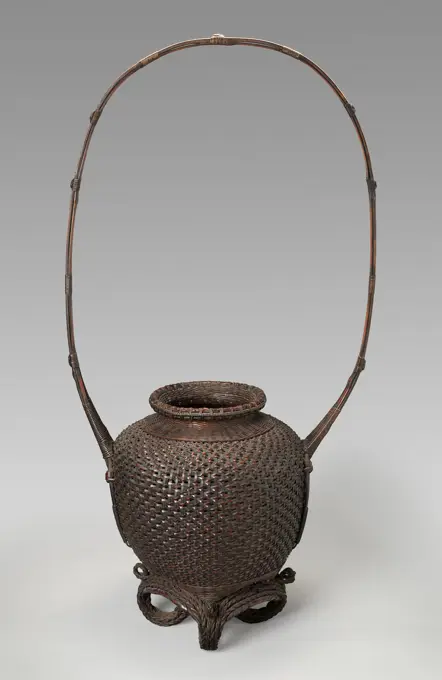
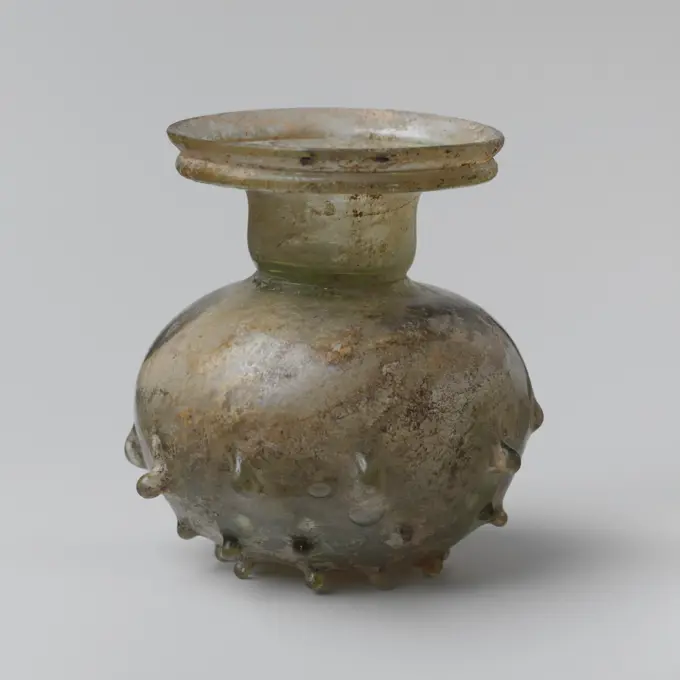
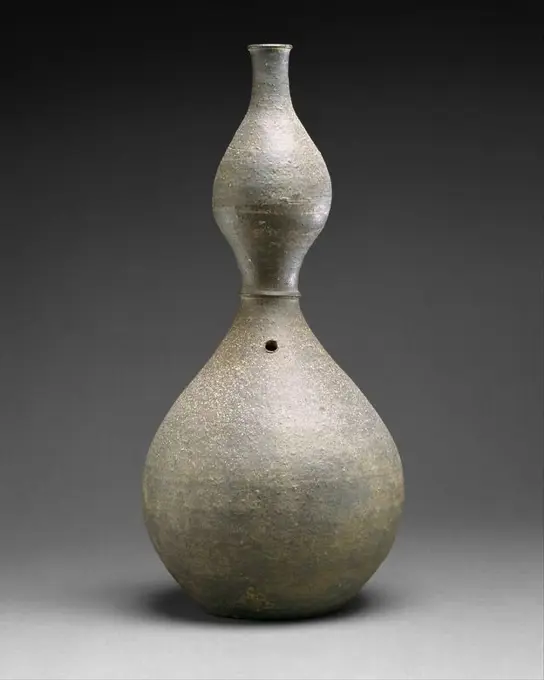
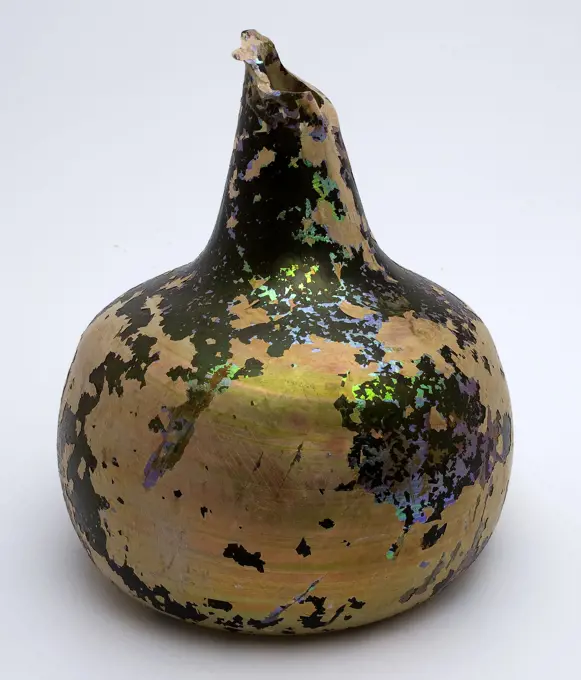
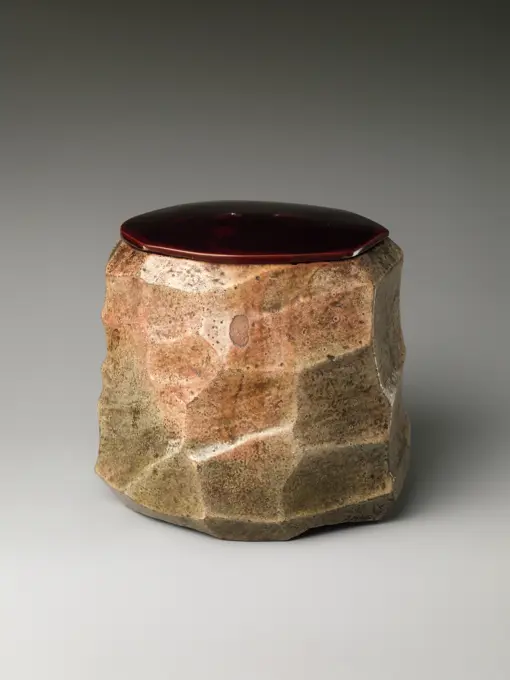
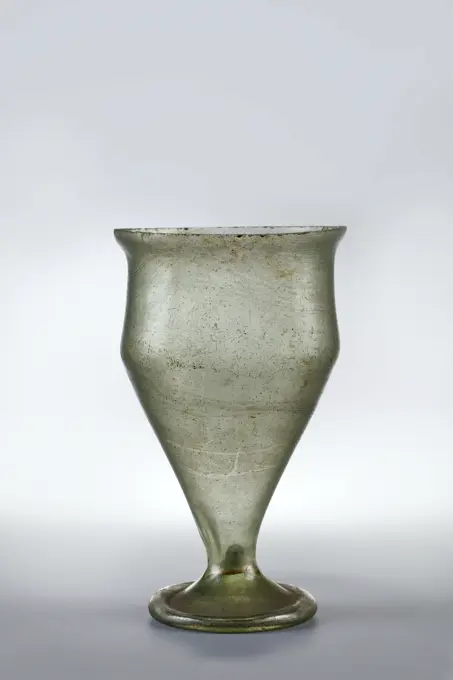
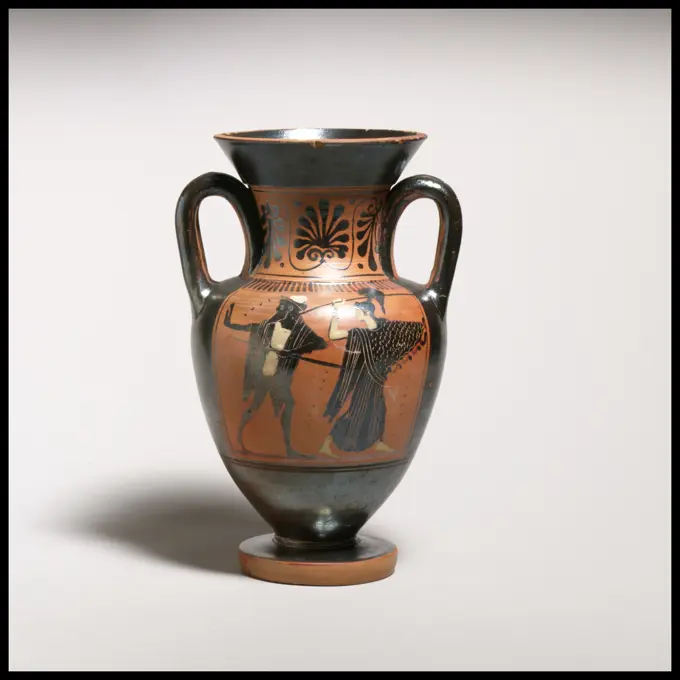
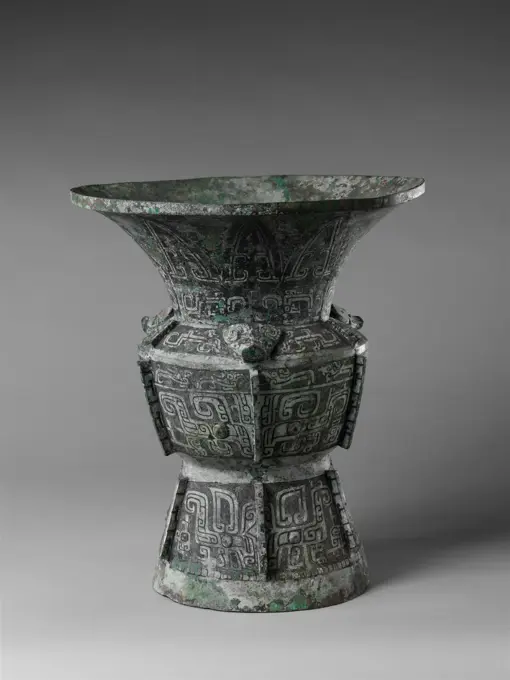
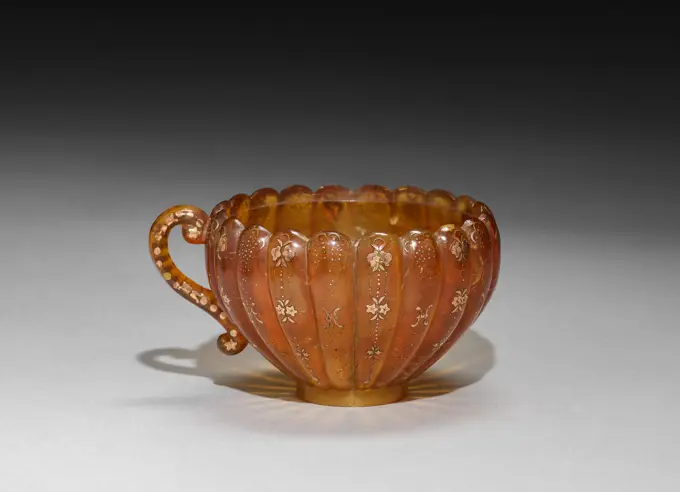
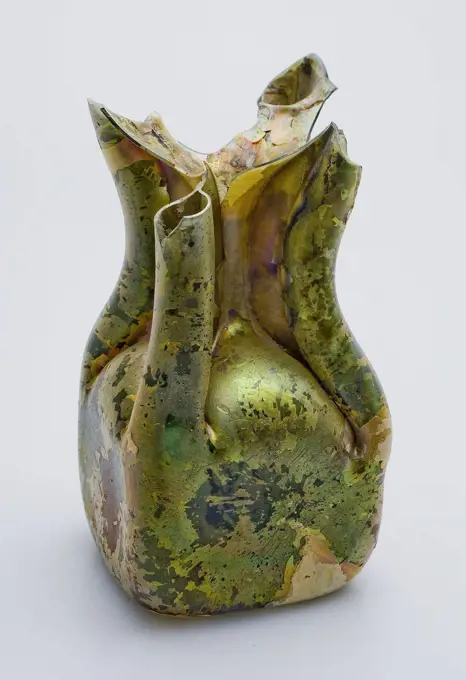
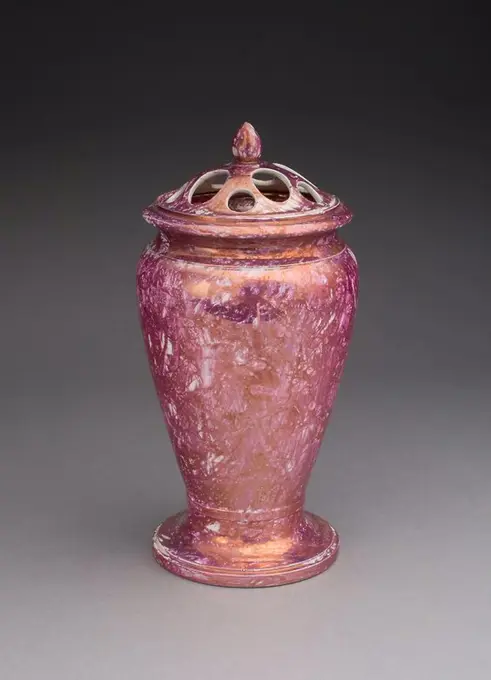
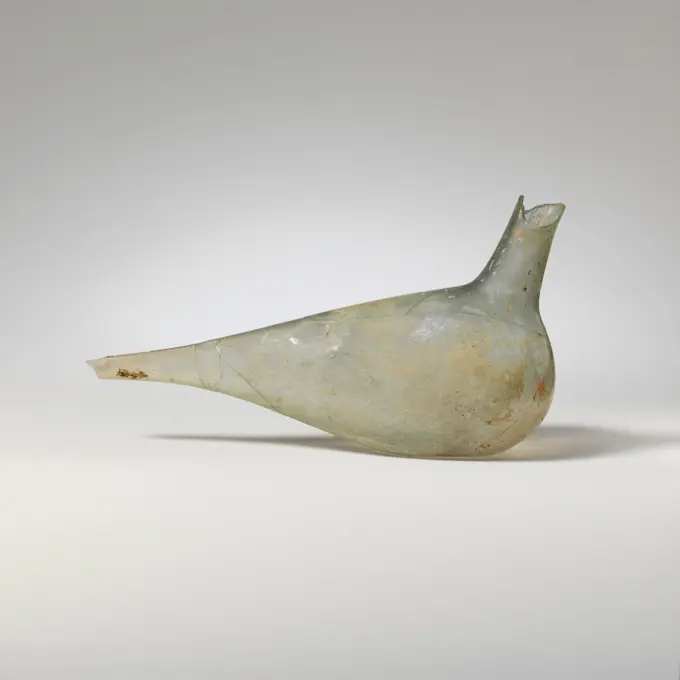
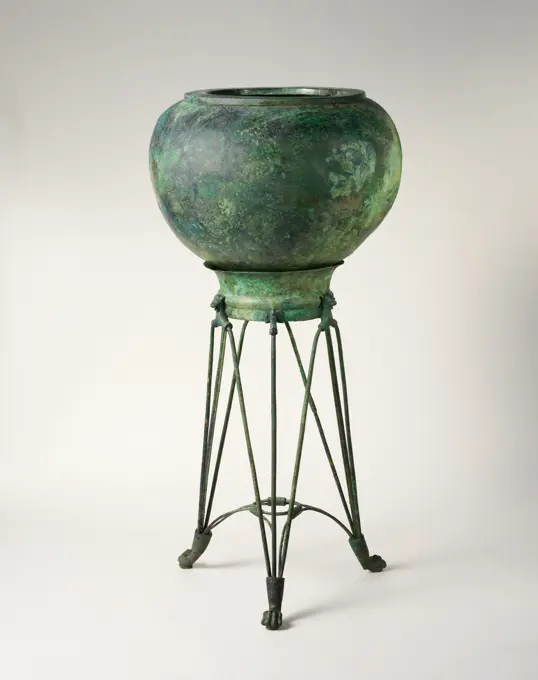
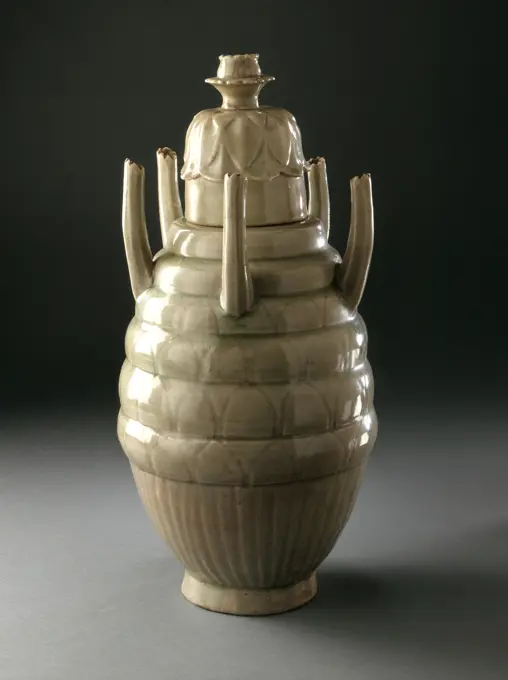
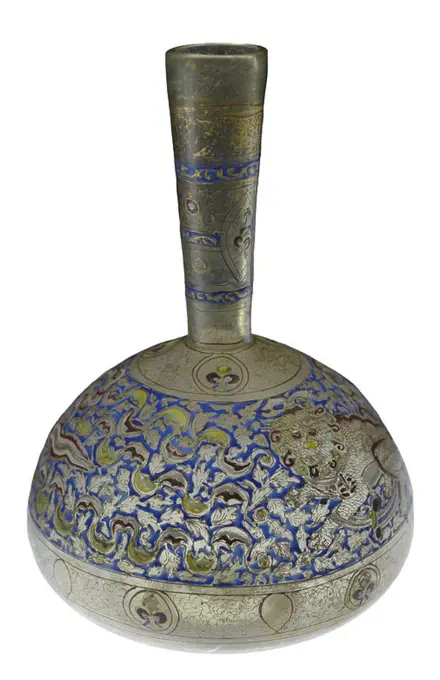
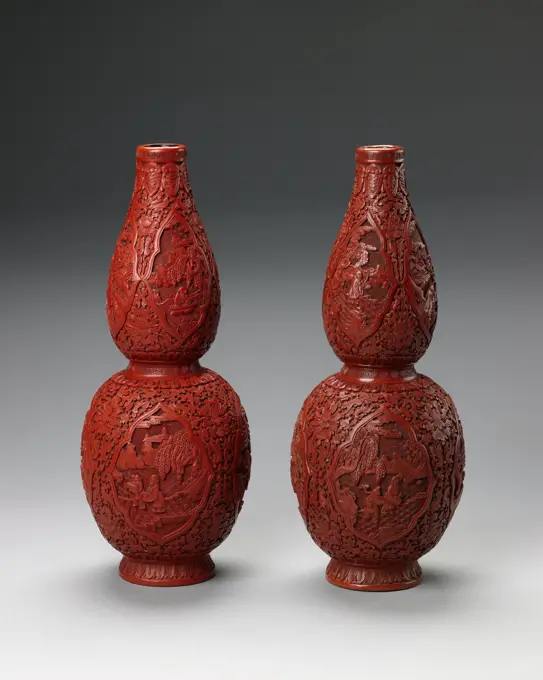
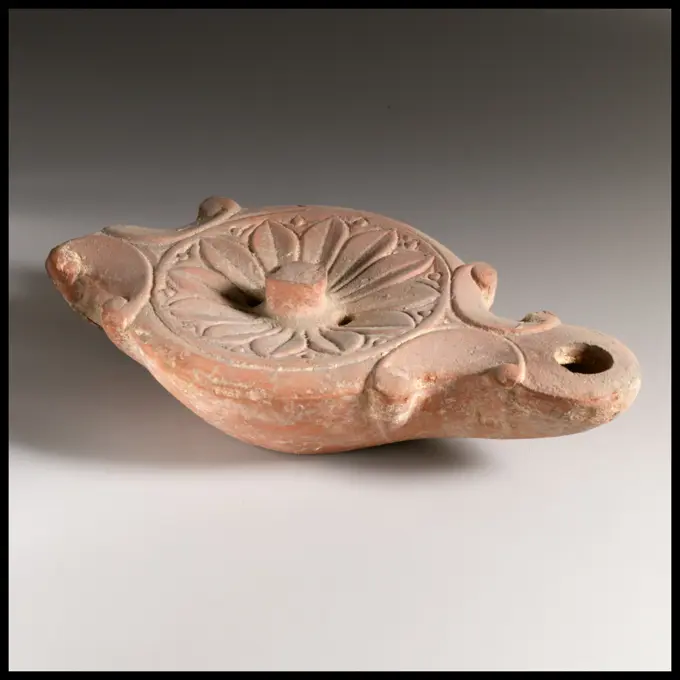
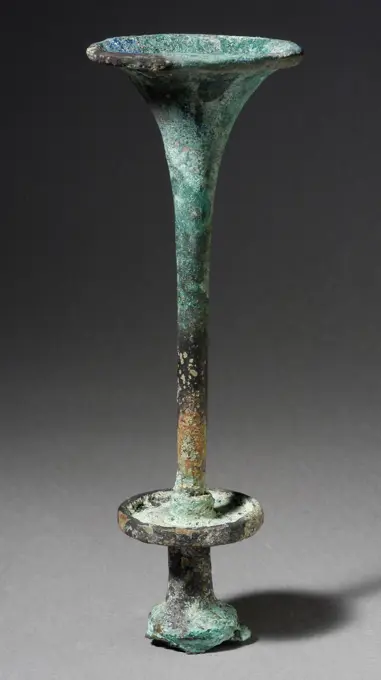
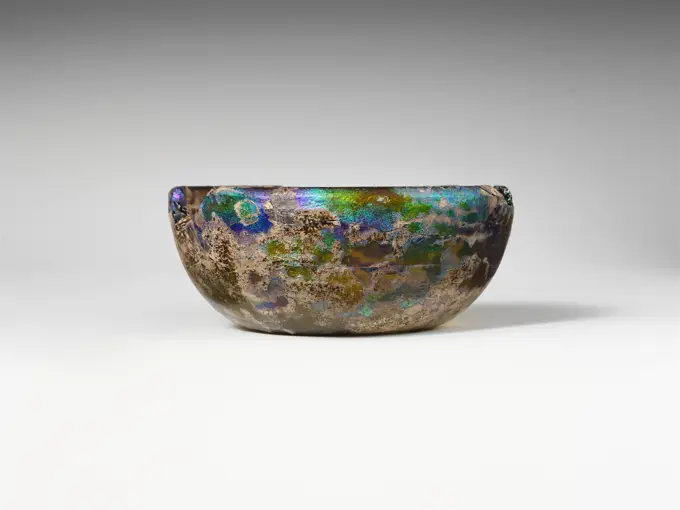
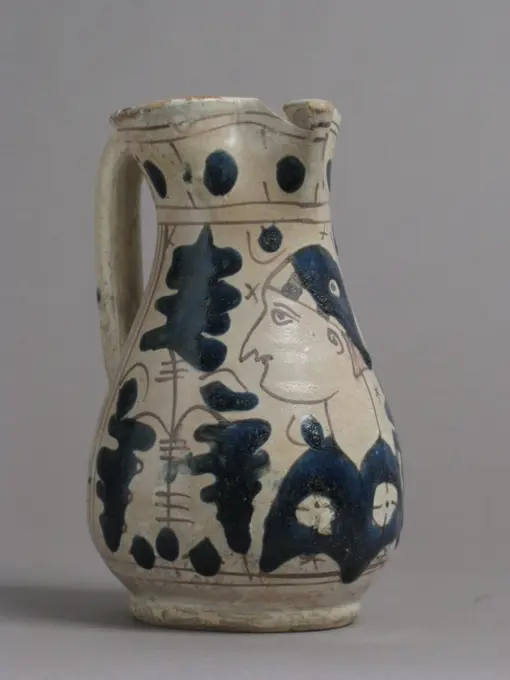
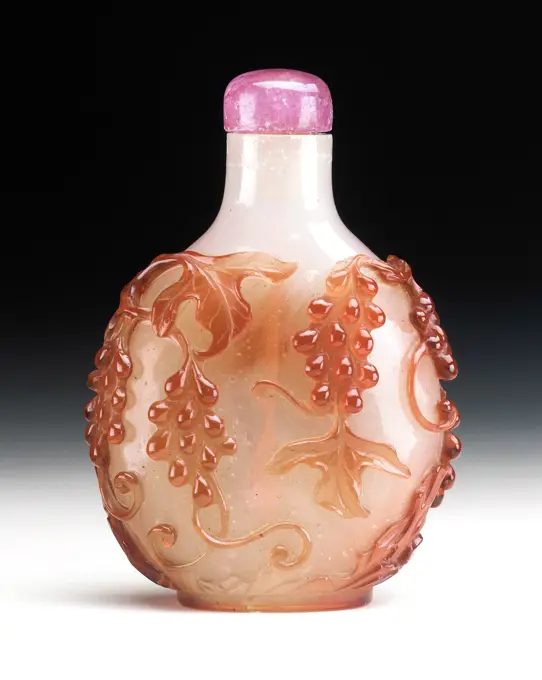
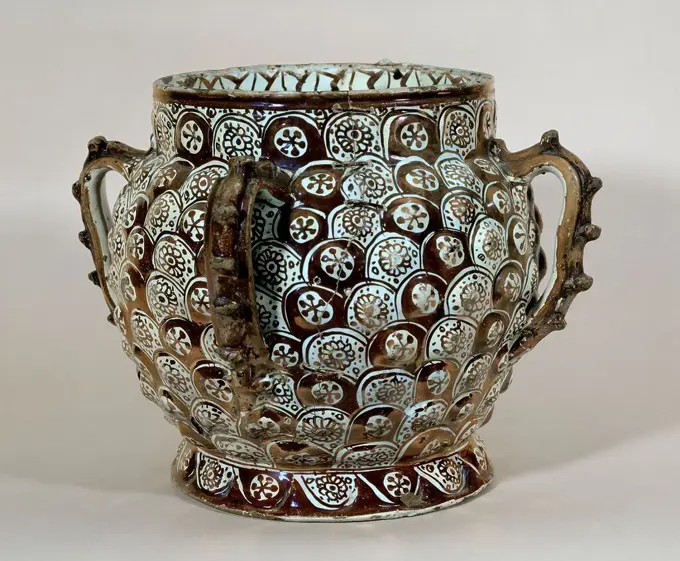
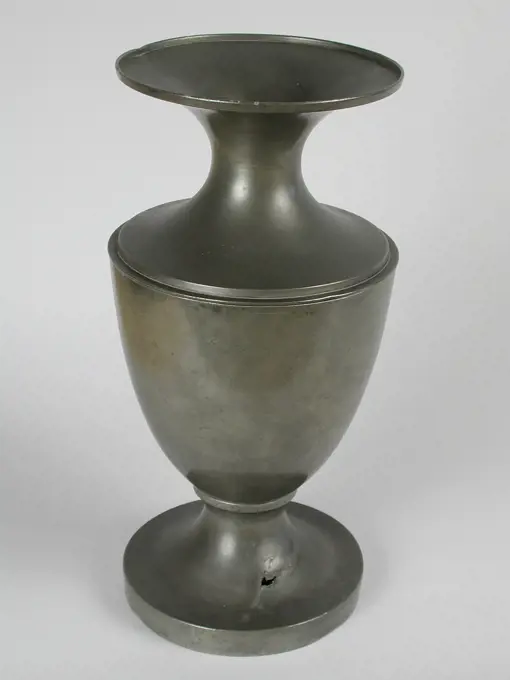
Tinsmith: Johannes Daniël Druy, Tin sacrificial vase, sacrificial vase vase tableware holder tin hair wool sheep wool, cast sheet textile Hollow from below flat closed foot vase-shaped body, diabolo-shaped upper part (); in vase loose bag of green cloth attached with iron wire. Raised edges at transition foot to belly outside edges upper part mark below the foot: ID standing angel lion and bunch of grapes with crowned X below banderole ROTTERDAM metal watering can religion supper church Middelharnis protestantism church eucharist religious ceremony ceremonyBottle-Shaped Vase with Lizard 1665-1799 China. Dehua ware (blanc de chine); porcelain with underglaze molded and applied decoration .Pilgrim Bottle China. Pilgrim Bottle. China. Buff-white clay with cream-white glaze (Ding ware). Song dynasty (960-1279). CeramicsSmall JugFlask; Eastern Mediterranean; 1st century; Glass; 9.4 x 7.2 cm (3 11,16 x 2 13,16 in.)Water jar (Mizusashi) with autumn grasses Japan Momoyama period (1573-1615) View more. Water jar (Mizusashi) with autumn grasses. Japan. Earthenware with Shino/Oribe glaze. Momoyama period (1573-1615). CeramicsScallop-shaped covered bowl with a leaf-shaped stand with dragon, anonymous, c. 1775 - c. 1799 Porcelain lid bowl, covered with a monochrome turquoise, blue glaze. The bowl is on three legs, has a large ear in the form of a shell. Monochrome. China porcelain. glaze vitrification Porcelain lid bowl, covered with a monochrome turquoise, blue glaze. The bowl is on three legs, has a large ear in the form of a shell. Monochrome. China porcelain. glaze vitrificationCovered Jar. Thailand, Sawankhalok, 16th century. Furnishings; Serviceware. Stoneware with white glazeBottle. The inscription translates as: Do not lift that which is too heavy’.Double-Handled Jar. Late Roman or Byzantine; Eastern Mediterranean. Date: 300 AD-450 AD. Dimensions: 7.2 × 9.5 × 8 cm (2 7/8 × 3 3/4 × 3 1/8 in). Glass, blown technique. Origin: Levant. Museum: The Chicago Art Institute, Chicago, USA.Gourd-Shaped Vase, 11th century, 5 x 9-7/16 x 9-7/16 in. (12.7 x 24.0 x 24.0 cm), Ding-type ware Porcelaneous stoneware with incised design under a transparent glaze, China, 11th century, The Liao state (916-1125) was founded by non-Chinese Khitans in the northeast periphery of the Tang empire. The nomadic Khitans had no glazed pottery tradition, but they occupied territory that had kilns and they soon employed Chinese potters and sponsored ceramic production. Liao ceramics were rather limited in scope, including white porcelain, white stonewares, and lead green, yellow, and brown glazes that loosely paralleled Tang (618-906) and Song (960-1279) styles, including san cai (three-color) ware.Flask 19th century Japan. Flask 72327Decorated ware jar illustrating spirals ca. 3850-2960 B.C. Predynastic Period. Decorated ware jar illustrating spirals. ca. 3850-2960 B.C.. Pottery, paint. Predynastic Period. From EgyptGlass cylindrical jug. Culture: Roman. Dimensions: H.: 5 11/16 in. (14.4 cm). Date: 1st-3rd century A.D..Translucent blue green, with same color handle.Rim folded out, up, and in, with flattened upper surface and lip around mouth; neck expanding downwards; shoulder slanting outwards with rounded edge; cylindrical body with slightly concave side tapering downwards; concave bottom; three-ribbed strap handle attached to shoulder, drawn up vertically, then turned in at an acute angle and trailed onto neck.Intact; few bubbles; dulling, slight pitting, iridescence, and small patches of weathering and soil encrustation on exterior, soil encrustation, weathering, and brilliant iridescence on interior. Museum: Metropolitan Museum of Art, New York, USA.Peony Basket 1799-1899 Japan. Bamboo .Jar ca. 3rd-7th century A.D. Sasanian. Jar 323047Miniature Bottle 11th-late 15th century Chimú or Chancay. Miniature Bottle 308934Container with lid Necel, Franciszek (1868 1935)ARTE IRANI-VASO DE BRONCE FUNDIDO. Location: MUSEO ARQUEOLOGICO NACIONAL-COLECCION. MADRID. SPAIN.Glass beaker or lamp. Culture: Roman, Eastern Mediterranean. Dimensions: H.: 2 3/4 in. (7 cm)Diam.: 1 9/16 in. (4 cm). Date: 4th century A.D..Translucent yellow green; blobs in translucent cobalt blue.Bulging, cracked-off rim; straight side tapering downwards, then slightly outsplayed at base; small circular bottom with central indent.Three horizontal bands of wheel-abraded decoration: on upper body, a single fine line; a band of three lines above middle of body; and the third band comprising two fine lines just below middle of body. Between the first and second cut bands, a band of applied flattened blobs comprising two large circular blobs on opposite sides with two groups of six and seven smaller irregularly-shaped blobs arranged between them.Intact; pinprick and a few elongated bubbles; pitting, brown weathering, and slight iridescence. Museum: Metropolitan Museum of Art, New York, USA.Bronze pitcher from Ca' Morta, province of Como"Gypsy" pitcher Manufacturer E. & W. Bennett Pottery American 1847-57Glass sprinkler flask 3rd-4th century A.D. Roman, Eastern Mediterranean Translucent pale green.Uneven, rounded rim, flaring upwards, with projecting folded flange below; broad mouth; short cylindrical neck, curving in slightly at base, where it has a folded diaphragm with small hole at center; globular body; flat bottom, slightly pushed-in at center with small round pontil mark.On lower half of body, three irregular horizontal rows of tooled knobs (11 in top row, 12 in middle, and 9 in bottom).Intact; a few bubbles and black impurities; some limy soil encrustation, creamy weathering, and iridescence.. Glass sprinkler flask. Roman, Eastern Mediterranean. 3rd-4th century A.D.. Glass; blown and tooled. Late Imperial. GlassGlass amphoriskos (perfume bottle). Culture: Greek, Eastern Mediterranean or Italian. Dimensions: H.: 2 13/16 in. (7.2 cm)Diam.: 1 9/16 x 1 11/16 in. (3.9 x 4.3 cm). Date: late 4th-early 3rd century B.C..Translucent dark cobalt blue, appearing black, with same color handles; single trail in opaque yellow.Horizontal rim with rounded edge and radiating tooling marks on top surface; cylindrical neck; broad sloping shoulder; ovoid body; pointed bottom; two vertical strap handles applied to shoulder, drawn up in a curve, then turned in and attached to top of neck and underside of rim.Trail applied below rim, wound spirally twice around neck and drawn down across shoulder to body, tooled into a zigzag pattern with close-set vertical indents around upper half of body, and ending as an uneven horizontal line.Body complete, but large chip in rim; base-knob missing and crack on lower part of body; only slight dulling and pitting. Museum: Metropolitan Museum of Art, New York, USA.Sugar bowl of red hard baked earthenware., Schiller & Gerbing, c. 1830 - c. 1860 pot Sugar bowl of red hard baked pottery. The belly of the pot is lying ellipse -shaped. The belly turns into a quadrangular base and has a wide -ranging edge at the top. The pot has two ears. The pot is decorated in relief with pilasters, flower bouquets and masks. The pot is marked. The lid is missing. Bohemia earthenwareGourd-shaped bottle. Culture: Korea. Dimensions: H. 16 3/8 in. (41.6 cm). Date: early 12th century.A graceful example of non-celadon stoneware from the Goryeo period, this bottle possesses pleasingly attenuated proportions. The double-gourd shape, a clever incorporation of a vegetal form, can also be found in celadon. Museum: Metropolitan Museum of Art, New York, USA.Stirrup spout bottle in cap shape. Culture: Moche or Salinar (). Dimensions: Overall: 7 7/8 x 7 in. (20 x 17.78 cm)Other: 7 in. (17.78 cm). Date: 1st century B.C.-A.D. 2nd century. Museum: Metropolitan Museum of Art, New York, USA.Cricket Container, 5 11/16 x 2 5/8 x 2 5/8 in. (14.45 x 6.67 x 6.67 cm) (overall), Gourd, ivory, tortoise shell, pigment, ChinaFlower Pot with Stand c 1890-1900 Strasburg. Earthenware . Artist unknownBulbous bottle, cat's head, bottle bottle wine bottle stock bottle bottle holder soil find glass, free blown and shaped glass application Bulb bottle bottle head in clear green glass. Pontil mark under wide (8.0 cm) raised bottom Body with convex ascending wall to convex shoulders and rejuvenated broken neck (5.5 - 3.0 cm) with remnants of imposed all-round sharp glass thread archeology packing transport drinking wineFunerary Urn; terra-cottaCovered Jar. Culture: China. Dimensions: H. 7 1/2 in. (19.1 cm). Date: 20th century. Museum: Metropolitan Museum of Art, New York, USA.Vase. unknown, craftsmanSpool-Shaped Game Piece. Dimensions: H. 1.4 cm (9/16 in.); Diam. 1.9 cm (3/4 in.). Dynasty: Dynasty 18, early. Reign: reign of Thutmose I-early sole Thutmose III. Date: ca. 1504-1447 B.C..The first room that the Museum's excavators cleared in the family tomb of Neferkhawet was the east chamber. In the northwest corner of this room they found a mis-matched partial set of gaming pieces. The two types, conical and spool-shaped, are common components of the board games senet and 20-squares which were usually combined in a single game box with the game boards on opposite sides, and a drawer for the gaming pieces and the throw sticks or knuckle bones that were used like dice to determine how the pieces were moved on the boards. The eight gameing pieces, five conical and three spool-shaped, were lying on their sides next to the outlined remains of an insect-eaten game box. Museum: Metropolitan Museum of Art, New York, USA.Jar ca. 1620 Hon'ami Kōetsu Japanese. Jar 63109Jar, 12th century, 7 1/2 x 7 1/2 in. (19.05 x 19.05 cm), Stoneware with brown iron glaze, China, 12th centuryOil LampVase with arched belly, polychrome painted with watercolor, n.v. Plateelbakkerij Ram, c. 1920 - c. 1922 Vase of earthenware with curved thick -bellied shape, polychrome painted with watercolor and pencil on the biscuit, unglazed. Arnhem earthenware. watercolor (paint). pencil Vase of earthenware with curved thick -bellied shape, polychrome painted with watercolor and pencil on the biscuit, unglazed. Arnhem earthenware. watercolor (paint). pencilVase; Jagmin, Stanis AW (1875-1961); beginning of the 20th century (1900-00-00-1920-00-00);Kielich. unknown, authorLithyalin Beaker. Workshop of Friedrich Egermann; Bohemian, 1777-1864. Date: 1825-1835. Dimensions: H. 11.1 cm (4 3/8 in.). Glass; marbled opaque red, blown, cut, stained and gilded. Origin: Bohemia. Museum: The Chicago Art Institute, Chicago, USA.Terracotta neck-amphora (jar) with double handles ca. 500 B.C. Attributed to the Diosphos Painter Obverse, Herakles and Kerberos at the house of Hades; meaningless inscriptionsReverse, Hermes and Athena; meaningless inscriptionsKerberos, the mythical guard dog of Hades, is depicted with two heads. One head bites the loop of the leash; with the other, Kerberos catches the tail of Herakles' lion's skin in his jaws.. Terracotta neck-amphora (jar) with double handles 254349 : Attributed to the Diosphos Painter, Terracotta neck-amphora (jar) with double handles, ca. 500 B.C., Terracotta, H. 6 7/8 in. (17.5 cm.) Diameter 3 15/16 in. (10 cm.). The Metropolitan Museum of Art, New York. Rogers Fund, 1941 (41.162.178)Terracotta oil lamp. Culture: Roman. Dimensions: Overall: 1 1/8 x 3 1/2 in. (2.9 x 8.9 cm). Date: 2nd half of 1st century A.D..Mold-made. Oval shaped body tapering to point at wick hole. Discus: scallop shell in relief; a single deep groove surrounds the discus; a small central filling hole, and another tiny hole at bottom of shell at front; a narrow, plain shoulder; deep side to body, curving inward slightly; a flat base, with three small flattened pads added as feet.Broken at back, with small hole in top of body; handle missing. Museum: Metropolitan Museum of Art, New York, USA.Water pipe dish;  XVIII/19th century (1690-00-00-1810-00-00);Abdulazad Mirza Baba (Fl. Ante 1939) - collection, ceramics, water pipes, art of Islam, Persian art, purchase (provenance)Wine Vase (Zun) 13th century B.C. China A single character (clan sign) is cast on the interior of the vessel.. Wine Vase (Zun). China. 13th century B.C.. Bronze inlaid with black pigment. Shang dynasty (ca. 1600-1046 B.C.). MetalworkTea Jar 18th century Japan. Tea Jar. Japan. 18th century. Clay showing wheel lines, covered with glaze and an overglaze (Seto ware). Edo period (1615-1868). CeramicsVase, Favrile glass, Pear-shaped body of brownish opaque glass with convex band below lip. Four multicolored marbleized flame-like patterns rising from ochre foot ring to lip. (Note: Inherent flaw; exploded air bubble at rim of vase)., USA, ca. 1900, glasswares, Decorative Arts, VasePerfume Bottle, c. 1900, 5 7/8 x 3 1/2 x 2 5/8in. (14.9 x 8.9 x 6.7cm), Glass, Iran, 19th-20th centuryCup, c. 1730. France, 18th century. Amber decorated with inlaid gold and mother-of-pearl; overall: 6.7 cm (2 5/8 in.).Pole Top Ornament. Iran, circa 1350-800 B.C.. Architecture; Architectural Elements. BronzeKantharos ca. 400 B.C. Attributed to the Xenon Group. Kantharos 247381. Vase, cup-shaped, with decor "hollow" in black and yellow. Marked with: factory stamp in circle shape, 278 / ap ./ "hollow" and B. (all in black); Reimburse: 39.Vase, Jacques Sicard, French, 1865-1923, Weller Pottery, Molded, glazed, and lustered earthenware, Buff-gray clay body, molded. Slightly bulbous body, tapering to neck with crimped molded leaf rim; two small curved handles at shoulder to rim; no foot. Design on front and back of honeysuckle blossoms and vines against a random dot pattern painted in gold. Iridescent background shades from a blue-green to a lavender-purple towards the shoulder. Interior covered with lustrous copper-red glaze. Bottom glazed a greenish-yellow high glaze; unglazed foot rim. Cracklature. Two-handled, Zanesville, Ohio, USA, 1902-07, ceramics, Decorative Arts, VaseJug with lid late 7th-6th century B.C. Etruscan In the form of three human heads, and cover with ring-handle.. Jug with lid. Etruscan. late 7th-6th century B.C.. Terracotta. VasesGoblet 1599 BCE-1499 BCE China. Bronze .Vase - cylinder;  19th century (1801-00-00-1900-00-00);Fragment of 'kuttrolf', 'glückerflasche' or squeeze bottle, bottle holder bottomfound glass, free blown and formed Fragment of bottom underside of body and largest part of five-part tube set of flask in clear light green glass. Pontil mark under slightly raised soil. Square hollow body to donate five hollow kinked (missing) above body through tubes at each corner one and one in the middle archaeological packingBowl with No Theatre Actors, Bizan (II) (possibly), Bizan (II) (possibly), c. 1800 - c. 1899 Square bowl of stoneware, covered with a cream -colored glaze and painted on the glaze in blue, red, green, black and gold. On two sides an actor from the no-theater, one dancing and one sitting. Both have a range in hand. Old label on the bottom with 'Bizan II/ Brinkley v. 8 p. 202'. Awata (Bizan II). Japan stoneware. glaze. gold (metal) painting / gilding / vitrification Square bowl of stoneware, covered with a cream -colored glaze and painted on the glaze in blue, red, green, black and gold. On two sides an actor from the no-theater, one dancing and one sitting. Both have a range in hand. Old label on the bottom with 'Bizan II/ Brinkley v. 8 p. 202'. Awata (Bizan II). Japan stoneware. glaze. gold (metal) painting / gilding / vitrificationPottery ointment jar, white shard, internally glazed yellow, ointment jar pot holder soil find ceramic earthenware glaze lead glaze, hand turned glazed baked Pottery ointment jar white shard internal yellow glazed on stand with light soul. Cylindrical model tapered downwards with narrowing above the foot archeology health care indigenous pottery pharmacy store sell craftLibation Cup with Dragon-Shaped Handle and Wooden Stand. Ritual head of porcelain with a spreading wall and a wooden. Rock-shaped standard, painted on the biscuit in red, green and black. The outer wall of the head is covered with peach blossoms (prunus) against a background of 'crackled ice'; Herein medallions with a flower branch. The outer edge with a bond with curl work. The inner edge with a band napkin interrupted by a cartouche with a flower. The ear is modeled in the form of a chilong (corneless dragon). The wooden standard is from later date. Email sur biscuit with famille verte colors.Maker Unknown, Sugar Bowl and Cover, c. 1810-1830, cobalt blue lead glass.Potpourri Vase. Wedgwood Manufactory; England, founded 1759. Date: 1810-1820. Dimensions: H. 20.3 cm (8 in.). Lead-glazed earthenware with purple lustre decoration. Origin: Burslem. Museum: The Chicago Art Institute, Chicago, USA.Amulet. Amulet 256689Octagonal food box with Chinese immortals and floral design 18th century Japan (Ryky Islands, now Okinawa Prefecture) This richly decorated black-lacquered octagonal food box features recessed panels on each of its sides, inset with gilded metal mesh and surrounded by intricately inlaid mother-of-pearl designs of scrolling peony leaves and flowers. The rims of both the upper and lower sections also contain smaller recessed panels ornamented with inlaid mother-of-pearl dragons. The flat top of the box’s cover is inlaid with a design of Shoulao, the Chinese God of Longevity, riding a crane among clouds above a group of eight Daoist Immortals. The raised, faceted base is also ornamented with inlaid mother-of-pearl peony scrolls, and the interior of the vessel is lacquered in red. An inscription, now obliterated, on the underside of the vessel’s foot, may have indicated the origins of the piece, which was almost certainly made by a studio producing wares for the Ryukyu court. The lacquerBeaker. UnknownVase (Denmark); Designed by Arnold Krog (Danish, 1856 - 1931); Decorated by Valdemar Engelhardt (Danish, 1869 - 1915); Manufactured by Royal Copenhagen Porcelain Manufactory (Denmark); porcelain, crystalline glazeLid of sugar bowl, belonging to a tea set by Chromolith Steengoed, decorated in blue and yellow -brown, Villeroy & Boch ceramic work K.G., c. 1911 - c. 1912 Lid of sugar bowl, belonging to a tea set by Chromolith Steengoed. Decoration in blue and yellow -brown. The lower half of the pot is hexagonal. Metling mastery stoneware Lid of sugar bowl, belonging to a tea set by Chromolith Steengoed. Decoration in blue and yellow -brown. The lower half of the pot is hexagonal. Metling mastery stonewareLekyt aryballosowy czerwonofigurowy z przedstawieniem ptaka. unknown, authorBasket, 10 × 9 1/2 × 3 1/2 in. (25.4 × 24.13 × 8.89 cm)7 1/2 × 3 1/4 × 3 1/2 in. (19.05 × 8.26 × 8.89 cm) (object part, insert), Bamboo, metal, JapanGlass bottle shaped like a bird 1st century A.D. Roman Translucent pale blue green.Cylindrical neck, flaring at top and merging at bottom with rounded, stylized body of a bird, tapering to form tail; pushed-in bottom.Broken and repaired, with rim and top of neck missing, three holes in body, and broken end to tail; many bubbles; dulling, faint iridescence, and light creamy weathering.. Glass bottle shaped like a bird 239790Amphoriskos; Eastern Mediterranean; 3rd - 1st century B.C; Glass; 11.4 cm (4 1,2 in.)Glass alabastron (perfume bottle). Culture: Greek, Eastern Mediterranean. Dimensions: H.: 4 in. (10.2 cm). Date: late 4th-early 3rd century B.C..Translucent cobalt blue, with handles in same color; trails in opaque yellow and opaque pale turquoise blue.Uneven horizontal rim-disk, with radiating tooling marks on upper surface and rough inner edge to mouth; cylindrical, slanting neck; steeply sloping shoulder; slightly bulbous cylindrical body; convex bottom; on body, two lug handles, applied over trail pattern; one with a tooled indent on top, the other flattened into side.A turquoise blue trail attached at edge of rim-disk, wound round and down in a spiral, forming a band of almost horizontal lines around upper body; a thicker yellow trail added under one handle and wound round middle of body in a spiral over turquoise blue trail; both tooled into an irregular close-set zigzag pattern with upward and downward strokes, forming vertical ribs around body; turquoise trail continueing inVase with lion-head handles 18th century China. Vase with lion-head handles 48677Vase. Like some painters, such as Van Gogh, potters also derived inspiration from Japanese art. This is evident in the motifs of swallows and Japanese cherry blossoms on this vase, which are incised or modelled in relief. Chaplet was the first to use simple stoneware for art pottery, to which he applied subdued colours using either glazes or slip (thin layers of liquid clay).FIne examples of bowls from Ottoman Palace ceramic collectionSnuff Bottle 19th century China. Snuff Bottle. China. 19th century. Porcelain. Qing dynasty (1644-1911). Snuff BottlesPerfume Vessel, 1st-5th century, 3 3/4 x 1 3/8 x 5/8 in. (9.53 x 3.49 x 1.59 cm), Glass, 1st-5th centuryDecorated and coloured glass cupBronze tripod and dinos (deep round-bottomed bowl) ca. 525-475 B.C. Etruscan Tripods composed of solid cast rods with lion-paw feet and the foreparts of lions and ducks supporting a hammered collar were often produced at Vulci, one of the major bronze-working centers of the Etruscan world. A related but more ornate example (60.11.11) is on view nearby.. Bronze tripod and dinos (deep round-bottomed bowl). Etruscan. ca. 525-475 B.C.. Bronze. Archaic. BronzesBottle. Iran, 10th-12th century. Glass. Green glass (free-blown, cut and engraved)Lidded Funerary Urn (Hu) with Five Spouts and Lotus Petals. China, Zhejiang Province, Five Dynasties period or early Northern Song dynasty, about 906-1000. Furnishings; Accessories. Yue ware, wheel-thrown stoneware with incised and applied decoration and green glazeMiniature JarBeaker or Cup. Roman; probably Eastern Mediterranean. Date: 201 AD-400 AD. Dimensions: 11 × 8.7 × 8.7 cm (4 3/8 × 3 3/8 × 3 3/8 in.). Glass, blown technique technique. Origin: Syria. Museum: The Chicago Art Institute, FLORENCIA, USA. Author: ANCIENT ROMAN.Bottle Vase With Light Brown and Ornamental Borders. Rose water dropper or pine bottle of porcelain with spherical body and two swellings in the neck, painted in underglaze blue and with café-au-lait glaze. The lower part of the body is covered with a light brown glaze above which a tire with a thick cream-colored glaze; The shoulder in underglaze blue with napkin interspersed with a flower in a medallion; The neck also in blue with three decorative tires: one with a geometric pattern interspersed with a medallion with floral drink, above a tire with hanging leaf motifs, around the edge a tire with dependent, pointed leaf motifs; A double circle on the bottom. Old label on the underside with: A. Steel Antiquaire / Rokin 156 Amsterdam. Monochrome brown with blue and white.Bottle decorated with Chinese lions, 14th century. Mamluk period (1250-1517). Egypt (or Syria). Gilded and enamelled glass. Calouste Gulbenkian Museum. Lisbon, Portugal.Jar. China. Date: 618 AD-907 AD. Dimensions: H. 7.9 cm (3 1/8 in.); diam. 10.2 cm (4 in.). Earthenware with marbled slip. Origin: China. Museum: The Chicago Art Institute, Chicago, USA.Vase, one of a pair, c. 1850, 13 7/8 x 5 1/4 in. (35.2 x 13.34 cm), Lacquer, China, 19th centuryPitcher ca. 1884 Hobbs, Brockunier and Company. Pitcher. American. ca. 1884. Blown Spangled glass. Made in Wheeling, West Virginia, United StatesPyksis czarnofirnisowana dekorowana winną latoroślą. unknown, authorTea caddy with a grey brown glaze, anonymous, anonymous, c. 1600 - c. 1800 Dust bar or Chare of stoneware with an ivory lid, partially covered with a gray -brown glaze. The underside of the bus is unglazed. Old label on the inside with 'satsuma'. Satsuma. Japan stoneware. glaze. deksel: ivory vitrification Dust bar or Chare of stoneware with an ivory lid, partially covered with a gray -brown glaze. The underside of the bus is unglazed. Old label on the inside with 'satsuma'. Satsuma. Japan stoneware. glaze. deksel: ivory vitrificationGuttus (Pouring Vessel) 330 BCE-300 BCE Cales. During the course of the 5th and 4th centuries B.C., black vessels (commonly called black-glaze vessels) were made with increasing frequency in both Greece and South Italy. Many of them replicate the shape of metal vessels. Others have detailing that is molded or incised. While the quality of these vessels varies greatly, all would have been less expensive than vessels decorated in other contemporary techniques, for example, in red-figure.. terracotta, decorated in the black-glaze technique . Ancient GreekTerracotta oil lamp 1st century A.D. Roman Mold-made. Large discus: rosette with twelve petals, interspersed with stylized buds, radiating from a central handle or suspension knob, flanked by two filling holes facing each of the nozzles. Narrow, sloping shoulder. Large volutes flanking nozzles, with large wick holes. Double base ring, and flat base with central circle as maker's mark.Front of one nozzle and top of central handle missing; small chip broken and repaired on underside of surviving nozzle.. Terracotta oil lamp. Roman. 1st century A.D.. Terracotta. Early Imperial. TerracottasCandelabrum (). Egypt, late Roman Period - Byzantine Period (300 - 1200 CE) or later. Furnishings; Lighting. Bronze. Strongly irradiated, colorless cup with flat bottom and straight, outstanding wall. Decorated with ingrangled, wavy lines.Stone Tripod Vessel before 16th century Mexican. Stone Tripod Vessel 317582Glass bowl mid-2nd-early 1st century B.C. Greek Translucent golden brown.Thick, slightly inverted horizontal rim with beveled outer edge; convex sides curving in to slightly concave bottom.On interior, two horizontal grooves cut in a band below rim.Large chips with weathered edges in rim, but rest of body complete; few bubbles; deep pitting and severe weathering with brilliant iridescence.. Glass bowl 245746Jug with Figure in Profile 1420-50 Italian By the 1500s Italian maiolica makers would famously use the surface of their wares to depict complex narrative scenes, but this jug, with its confident half-length depiction of a man, represents an early foray into figure drawing by a Florentine potter.. Jug with Figure in Profile 463554Snuff Bottle (Biyanhu) with Grapevines. China, Chinese, Qing dynasty, Qianlong period, 1736-1795. Tools and Equipment; bottles. Rose overlay on white glass with carved decoration, with rose quartz stopperVase. Turquoise -free terracotta. Paris, Cernuschi museum. 78846-19 Asian art, container, vaseGERRETA U ORSETA HECHA A MOLDE Y PINTADA CON MILANOS Y FLORECILLAS - MANISES - SIGLO XV-XVI. Location: INSTITUTO VALENCIA DE DON JUAN-COLECCION. MADRID. SPAIN.