Ancient Glass and Ceramic Jars

Collection of historical jars from different cultures, showcasing varied shapes, materials, and finishes, including Roman glass and Chinese ceramics.
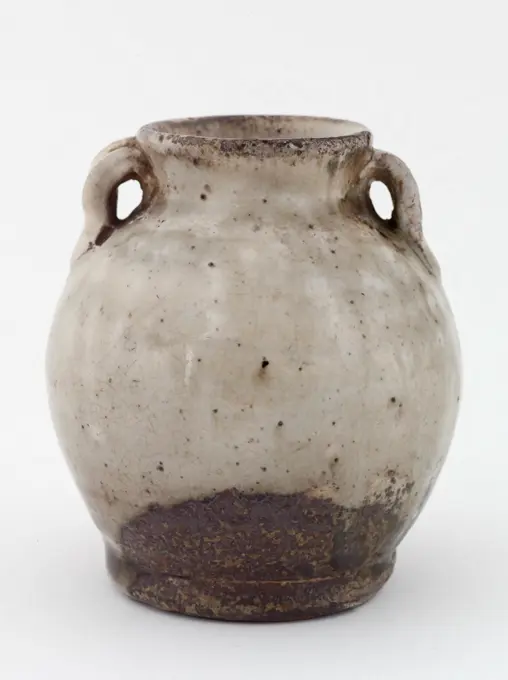
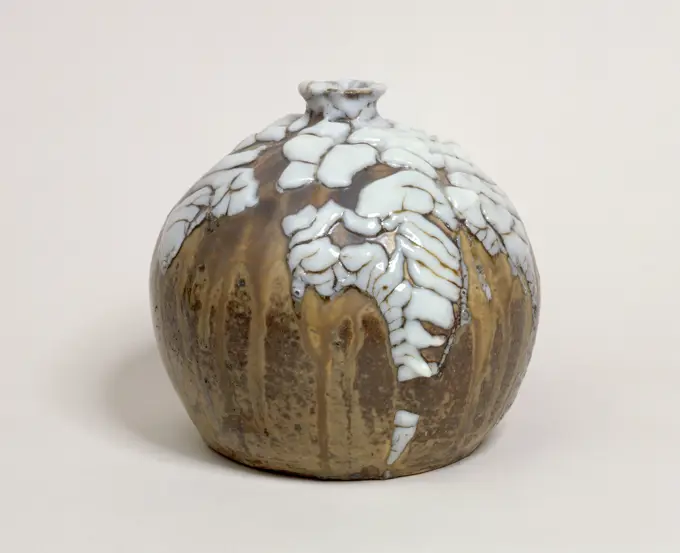
Jar ". Sandstone, white slip, covered celadon. China, Song dynasty (960-1279) / Yuan (1279-1368). Paris, Cernuschi museum. Chinese art, Chinese Ceramic, container, Song dynasty, Yuan dynasty, Song time, Yuan time, jar, container, terracotta
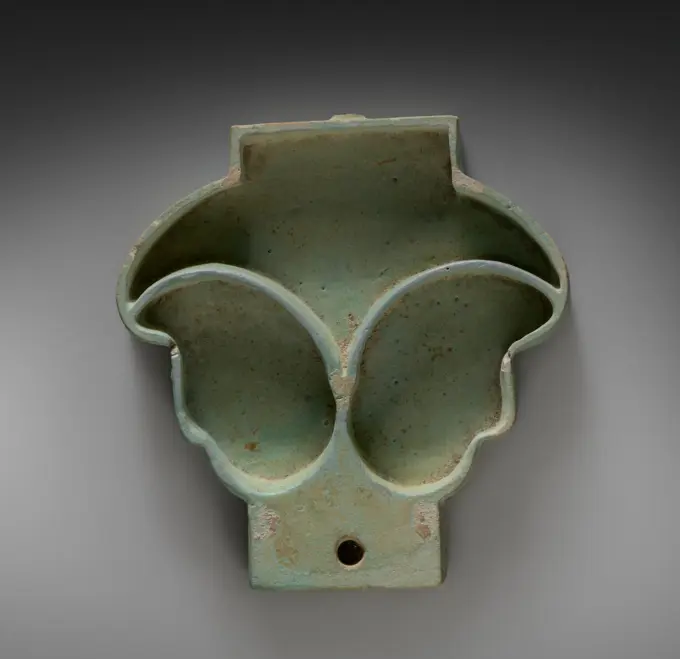
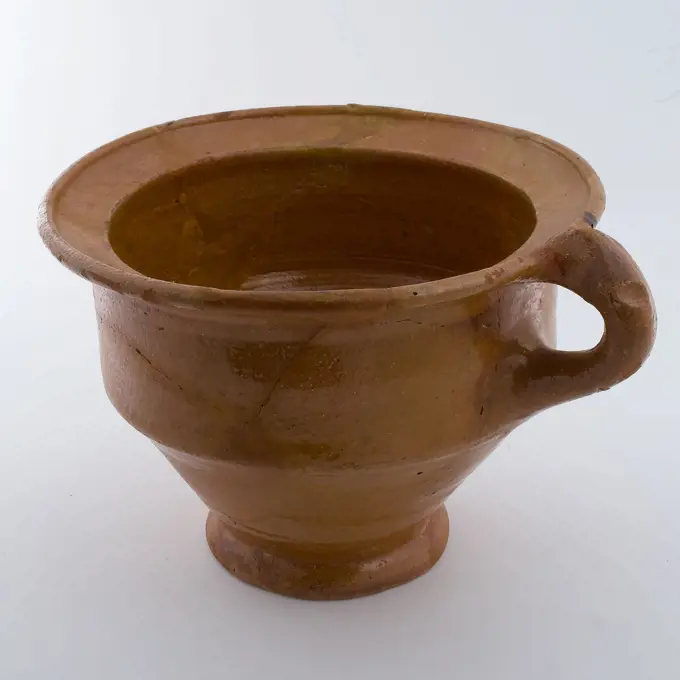
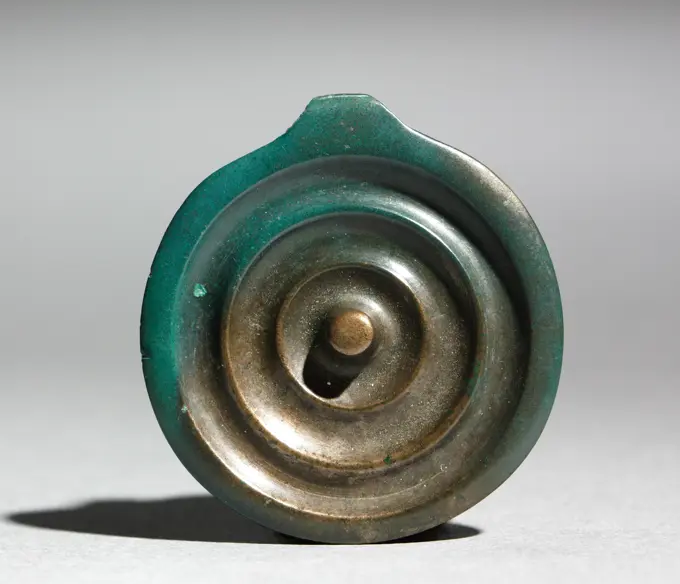
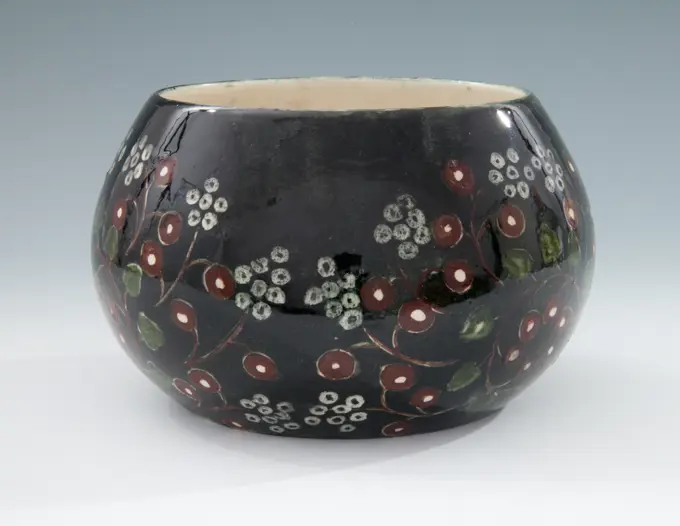
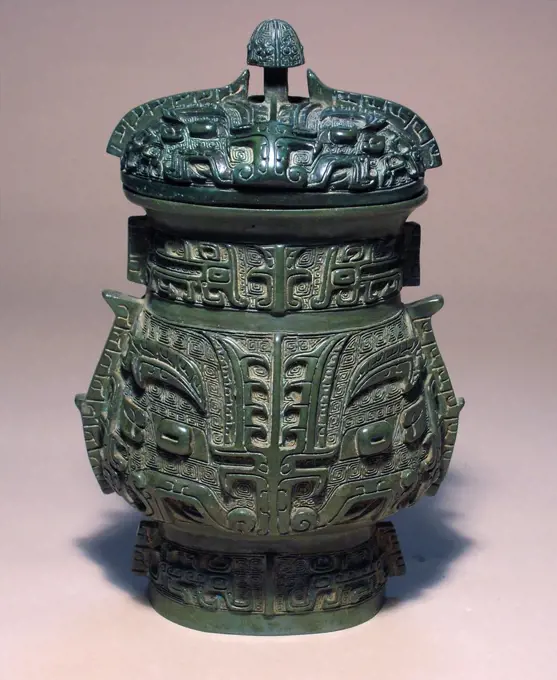
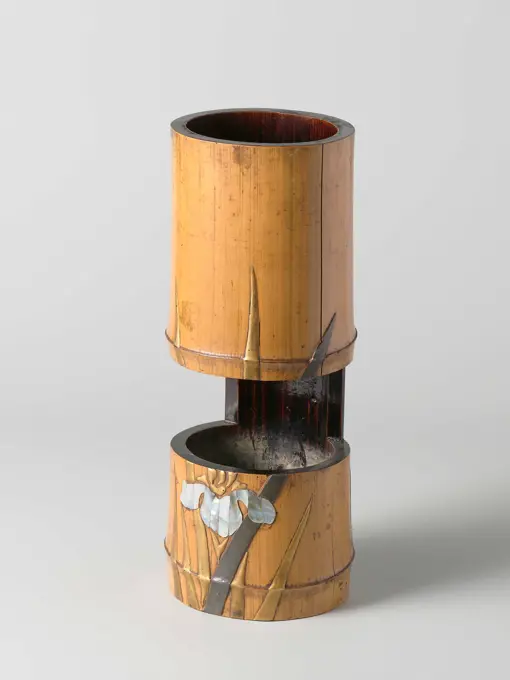
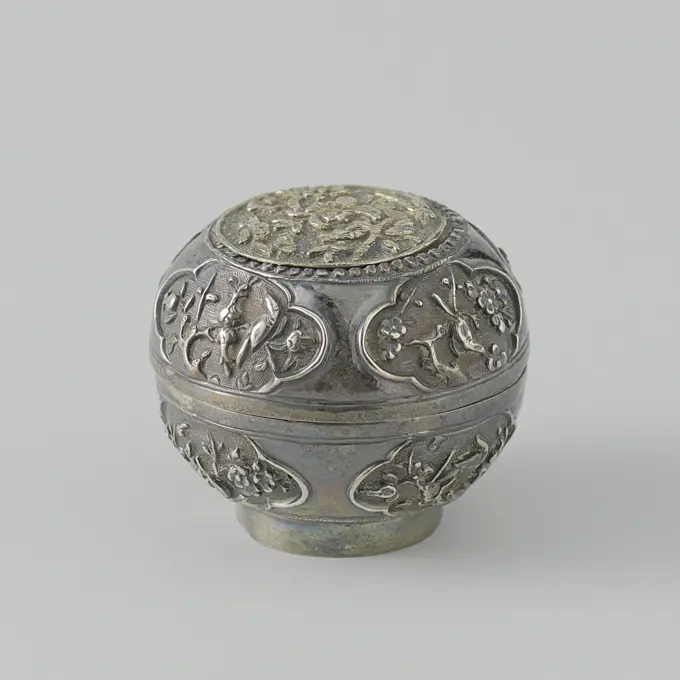
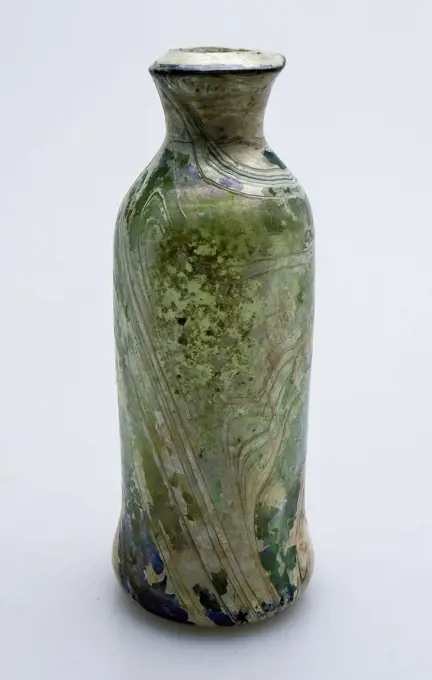
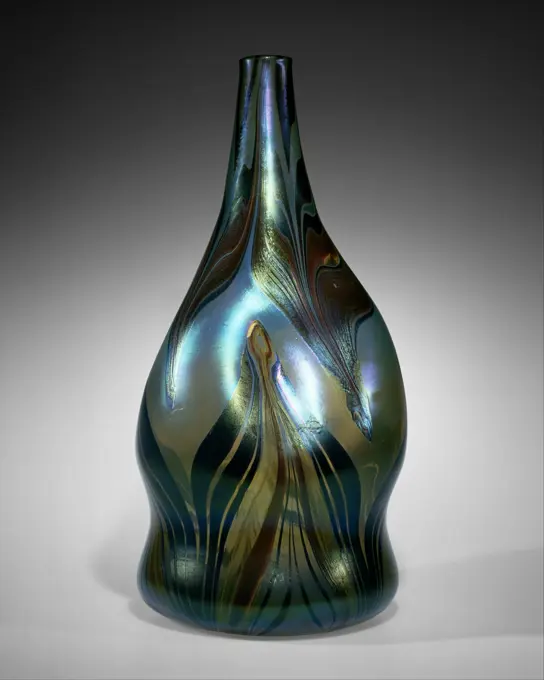
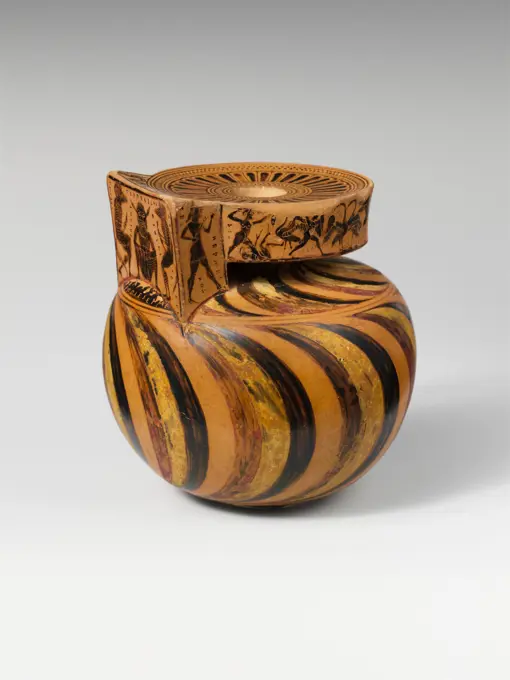
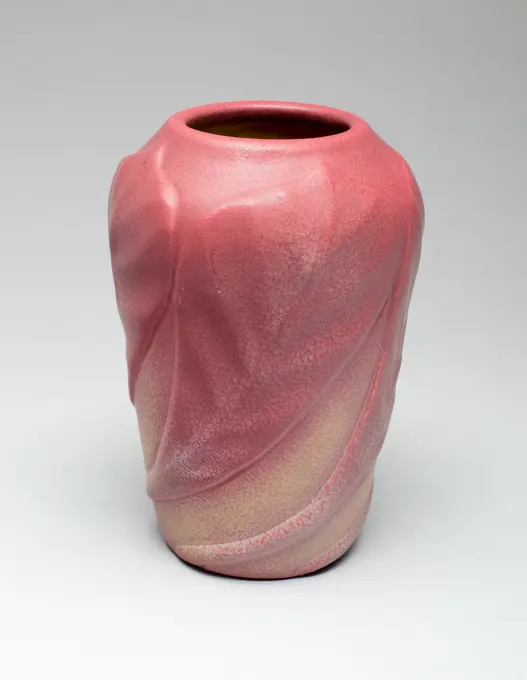
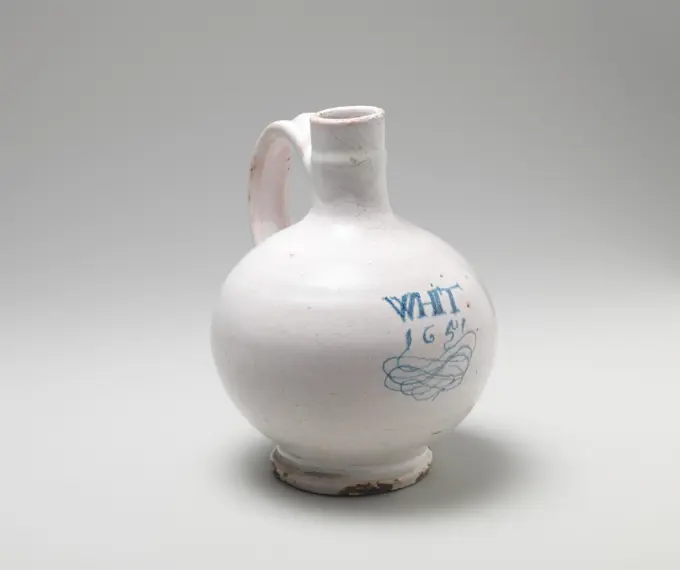
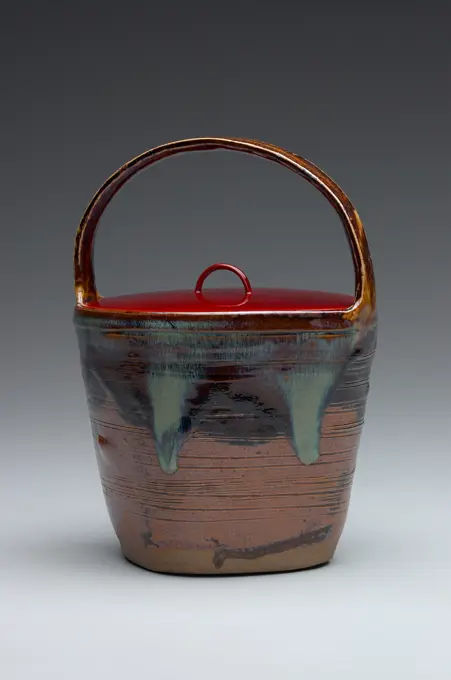
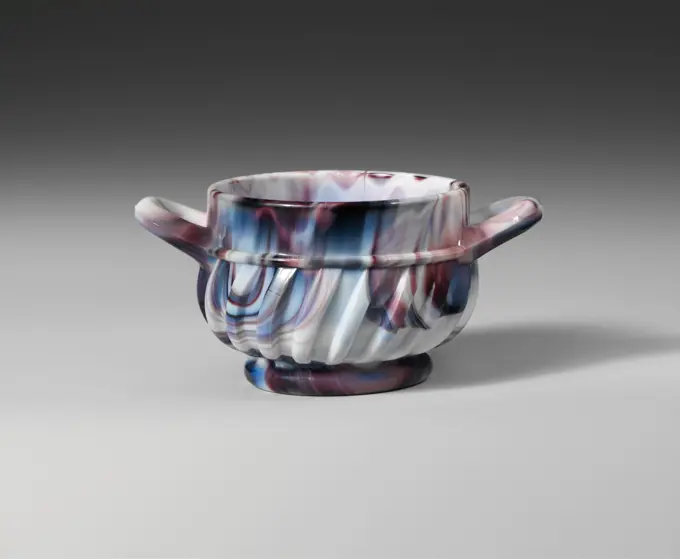
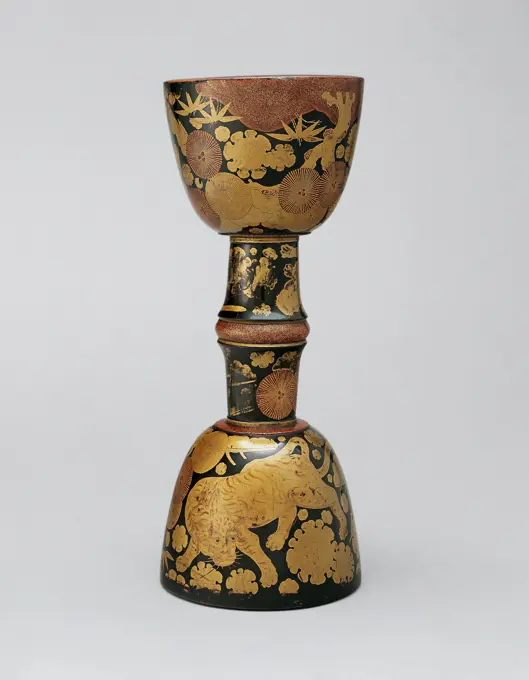
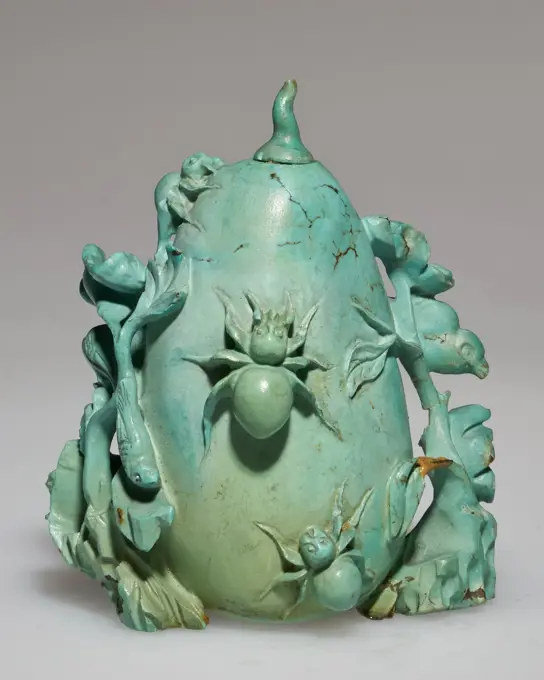
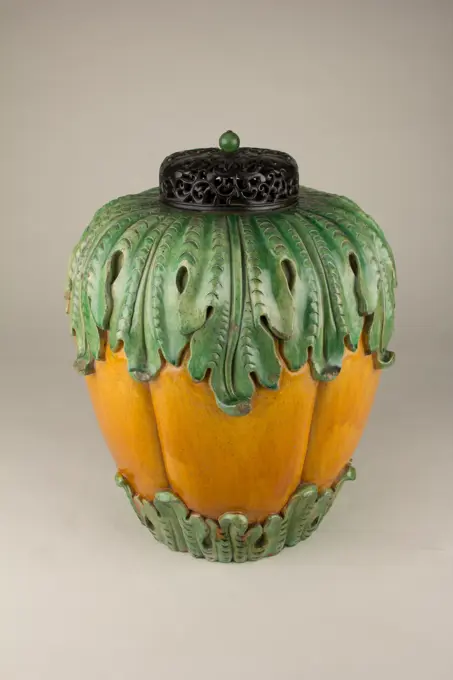
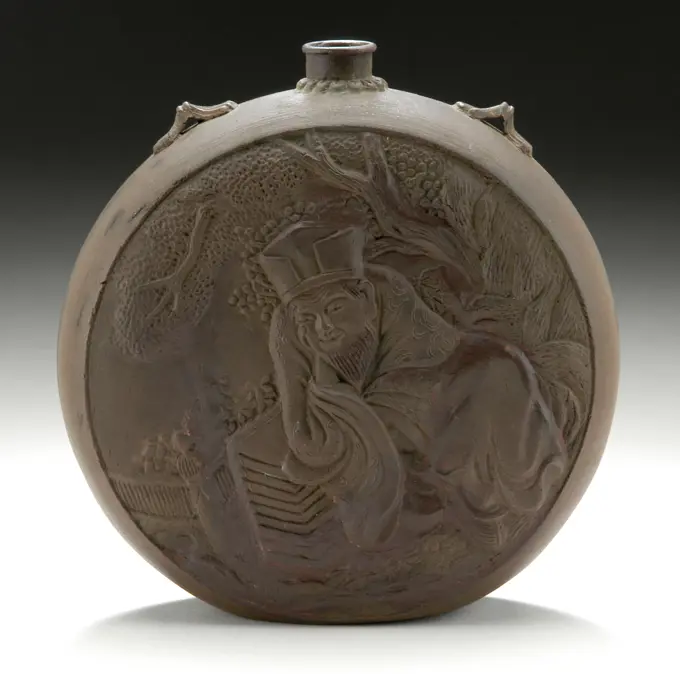
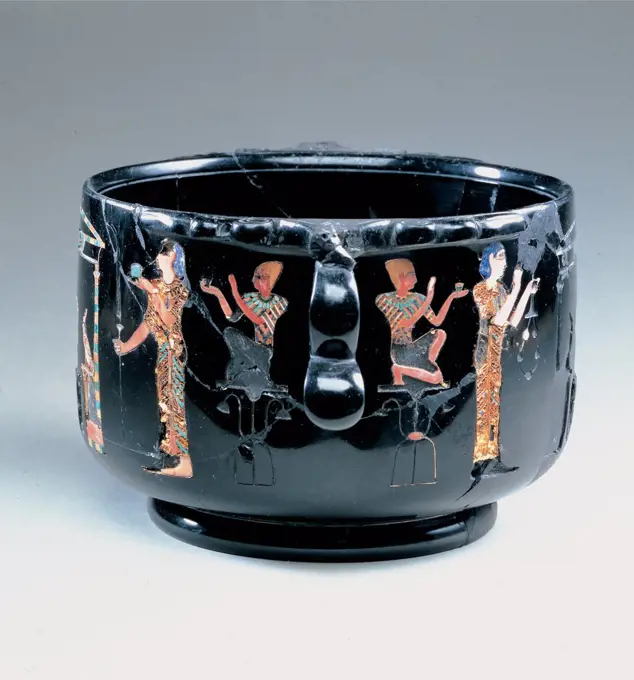
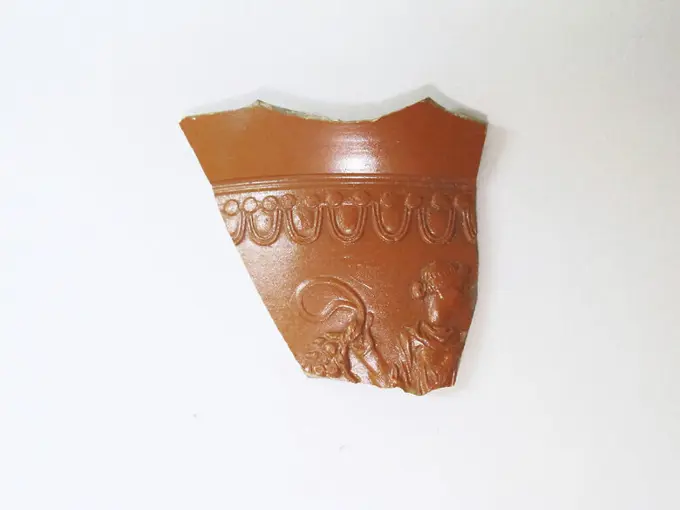
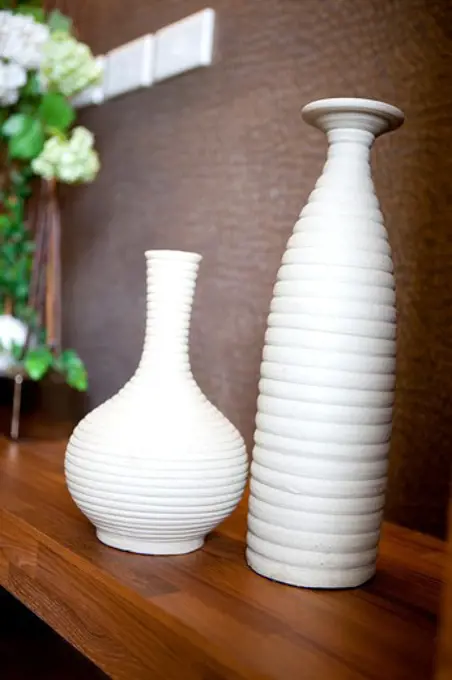
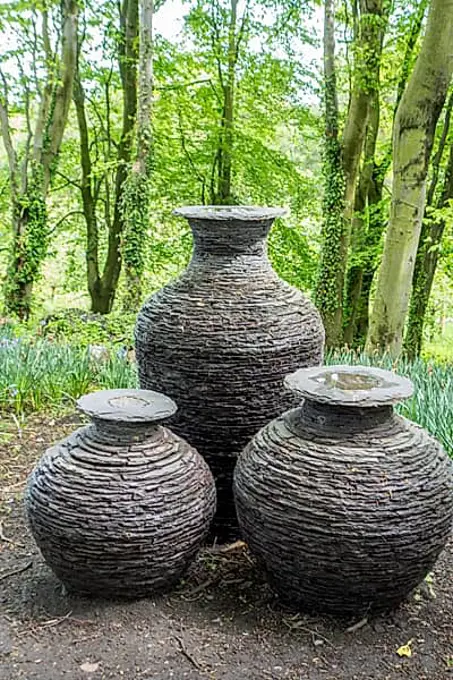
Drum (pahu). Charcoal burner (hiire) of stoneware on three feet and with a metal lid, painted on the glaze in blue. The wall is covered with a geometric pattern with circles and stylized flowers. The lid consists of metal wires with a chrysanthemum on top. Marked on the underside with 'Satsuma Yaki Maruyama'. Burner has been broken. Satsuma.Glass cup. Culture: Roman. Dimensions: 1 11/16 x 2 3/16in. (4.2 x 5.5cm). Date: 2nd-3rd century A.D..Translucent pale yellow green.Rounded, thickened, and slightly outsplayed rim; cylindrical body with slightly convex sides; rounded bottom with small, deep kick at center.Intact; pinprick bubbles and blowing striations; dulling and iridescence on exterior, creamy weathering on most of interior. Museum: Metropolitan Museum of Art, New York, USA.Flask. Culture: French. Dimensions: H. 6 3/8 in. (16.2 cm). Maker: Nicholas Lutz. Date: ca. 1875. Museum: Metropolitan Museum of Art, New York, USA.Toilet Bottle. Boston and Sandwich Glass Factory (United States, Massachusetts, Sandwich, 1825-1888). United States, 1815-1840. Furnishings; Accessories. GlassBox (Pyxis) in the Form of a Composite Capital , 305-30 BC. Egypt, Ptolemaic Dynasty. Pale robin's-egg blue faience; box: 11.4 x 10.8 x 2 cm (4 1/2 x 4 1/4 x 13/16 in.); lid: 11.2 x 10.8 x 3.1 cm (4 7/16 x 4 1/4 x 1 1/4 in.).Henri de Vallombreuse (1856-1919). "Vase". Enameled sandstone. Museum of Fine Arts of the City of Paris, Petit Palais. 33104-1 Gre emaille, decorative object, vaseHill censer(Boshanlu)Pottery chamber pot on stand and narrow foot, standing and pinched band, pot holder sanitary earthenware ceramic earthenware glaze lead glaze, hand-turned glazed baked Pottery chamber pot on stand ring Small foot Fully glazed lead glaze Straight side wall narrowing strongly to small foot. Angled inwardly directed top edge. Standing and pinched band ear. Restoration is repainted archeology Rotterdam City Triangle Groenendaal underground pit indigenous pottery drains night sleeping room hygiene archaeological find in the soil Rotterdam underground pit Groenendaal (from canal dredger) 1976-08-06.. Shortly before the Han period (206 BC-AD 220), the idea developed that the hereafter was a reflection of life on earth. People therefore needed the same things in the period immediately after their death as they had used in life. So miniature worlds were created for tombs, with objects relevant to the deceased, such as this grain jar.Elements from a Necklace, 1300s BC. Possibly Hungary, Bronze Age, c. 2500-800 BC. Bronze; overall: 4.2 x 4.8 x 0.8 cm (1 5/8 x 1 7/8 x 5/16 in.).Vase Matejko, Stefan Witold (1872 1933), J. Nieg Wiecki, Kraków D BnikiGlass alabastron (perfume bottle) 2nd-1st century B.C. Greek, Eastern Mediterranean Translucent cobalt blue, with handles in same color; trails in opaque white and opaque yellow.Thick slight inward-sloping rim-disk, with radiating tooling marks on upper surface; tall cylindrical neck, slanting to one side; small sloping shoulder; cylindrical body with slightly convex sides; slightly flattened bottom with cross-shaped tooling marks; on upper body, two lug handles, applied over trail pattern, one higher than the other; both have trailed off ends to one side extending towards shoulder.A white trail applied to neck, wound round once horizontally and then down in a spiral to body; a yellow trail attached unevenly around rim-disk, then drawn down in a spiral on neck to body over white trail; both trails tooled into a close-set feather pattern in six vertical panels of upward and downward strokes with vertical projecting loops at shoulder, ending around edge of bottom.Intact but with slight iVase (Ping) in the Form of a Pomegranate. China, Jiangxi Province, Jingdezhen, Chinese, Qing dynasty, Yongzheng mark and period, 1723-1735. Furnishings; Accessories. Wheel-thrown porcelain with claire-de-lune glaze. Thumbs glass of blue glass with vaulted bottom. Body barrel with three pinned ribbed wires along top and top. For three-quarters of a height of six inch holesBeaker. Iran, 9th century. Glass. Glass, mold-blown, possibly wheel-cutAncient China, Lidded wine goblet (Zhi) Shang Dynasty, 1600 - 1027 BC. Bronze.Covered box with lotus-petal rim late 13th-14th century China Lacquer boxes with lobed sides and pewter trim are unique to the Yuan dynasty. Many were fitted with an interior tray that probably held cosmetics, combs, hairpins, and other adornments.. Covered box with lotus-petal rim 40177Italy, Liguria region, Urns and lid with little horse figurine on top, from pre-Roman Chiavari necropolis. Flower vase in the style of korin, decorated with irises in inlay with mother-of-pearl.Betel box, c. 1750  Spherical silver holder with driven cartouches with flowers and birds. With gilded upper cover. Chinese influences in the decoration. Bottom brand with VOC sign. Indonesia silver (metal). gilding (material) gilding flowers ~ ornament. ornament ~ cartoucheMedicine Bottle, medicine bottle bottle holder soil find glass, free blown and shaped Small (medicine) Bottle in clear light green glass. Pontil mark under raised bottom. Cylindrical body slightly flared at the bottom to rounded shoulders short neck and flared irregularly flattened lip. Thick solid glass archeology packagingVase Designed by Louis C. Tiffany American Tiffany Glass and Decorating Company American 1893-94 This object forms part of a group of over forty given to the Museum in 1896 by Louisine and Henry Osborne Havemeyer (96.17.9-.56). The gift was the first American glass to enter the Museum's collection. Most likely prompted by Louis Comfort Tiffany, the Havemeyers presented their collection of Tiffany Favrile glass to the Museum only three years after Tiffany started making decorative blown-glass vessels. The shapes, colors, and finishes of Tiffany's vases and plaques were inspired by the natural world and ancient glass.Terracotta aryballos (oil flask) ca. 570 B.C. Signed by Nearchos Around the lip, pygmies fighting cranesAround the main surface of the handle, three satyrs; on the ends, Hermes and Perseus; on top, two tritonsBoth potter and painter, Nearchos was one of the great artists active about 570 B.C. His son, Tleson, was the major potter of Little Master cups in the succeeding generation. Both were literate; they inscribed their vases. This aryballos is exceptional for the precision and vigor of the figures. Listen to experts illuminate this artwork's story Listen Play or pause #1020. Terracotta aryballos (oil flask) Supported by Bloomberg Philanthropies We're sorry, the transcript for this audio track is not available at this time. We are working to make it available as soon as possible.. Terracotta aryballos (oil flask). Greek, Attic. ca. 570 B.C.. Terracotta; black-figure. Archaic. VasesJean Carriès (1855-1894). "Large vase with bearded heads". Enameled sandstone. Museum of Fine Arts of the City of Paris, Petit Palais. 24201-7 Ceramic, large vase, gres emaille, grimace, barbue head, faceCANTARO CON DECORACION INCISA SIN VIDRIAR-CERAMICA POPULAR S XX. Location: ALFARERIA. Toledo. SPAIN.Vase 1897-1907 Colorado Springs. Earthenware . Artus Van BriggleWine bottle 1651 British, Lambeth. Wine bottle. British, Lambeth. 1651. Tin-glazed earthenware (Delftware). Ceramics-PotteryBasket 19th century Japan. Basket. Japan. 19th century. Bamboo. Edo (1615-1868) or Meiji period (1868-1912). BasketryTea bowl with cherry blossoms, 18th century, Unknown Japanese, 3 1/2 x 4 1/2 in. (8.9 x 11.43 cm), Raku ware; glazed stoneware with incised designs, Japan, 18th centuryCup with the motif of a yellow dragon on a blue background unknownFresh-Water Jar(Mizusashi)Szklanica dekorowana motywem liści i owoców. unknown, authorPolychrome glass vessel 16-14 c. AD. 18th dinasty. Egyptian art. New Kingdom. Glass and Crystal. UNITED KINGDOM. ENGLAND. London. The British Museum.Close-up of a glass vase, Murano, Venice, Veneto, ItalyCup 1870-90 Challinor, Taylor and Company. Cup 2811Covered Box (lid), 1100s. China, Hebei province, Quyang, Northern Song dynasty (960-1127) to Jin dynasty (1115-1234). Cream-glazed porcelain with incised decoration, Ding ware;Hutsul Easter eggOld earthen bowls isolated on a white backgroundLarge hand-drum core with tigers and pines, late 16th century, Unknown Japanese, 11 × 4 1/2 × 4 7/16 in. (27.94 × 11.43 × 11.27 cm), Black lacquer with gold maki-e and pictorial pearskin ground (e-nashiji), Japan, 16th century, These ornately decorated lacquer objects are the cores of handheld drums used in performances of Noh theater and Kabuki. To these cores would have been affixed a drumhead of animal hide.Decorative glass with the motif of knowing;  after. 1st century AD (45-00-00-55-00-00);Greek inscriptionsHeart amulet. Dimensions: H. 3 cm (1 3/16 in), w. 2.1cm (13/16 in). Dynasty: Dynasty 26-29. Date: 664-30 B.C..Egyptian physicians usually did not practice internal surgery, and detailed knowledge of the hu-man body's interior was generally limited to embalmers. Although intended to represent a human heart, this small sculpture is bovine rather than human in form. Museum: Metropolitan Museum of Art, New York, USA.Snuff Bottle, 1900-1935, 2 3/16 x 1 1/2in. (5.6 x 3.8cm), Turquoise, China, Qing dynastyCylinder Vessel with Pedestal Base. Guatemala or Mexico, Northern Peten or Southern Campeche, possibly Los Alacranes, Maya, 650-800 CE. Ceramics. Slip-painted ceramic with post-fire stucco and pigmentJar (one of a pair) China. Jar (one of a pair) 48642Vase ca. 1880-82 T. J. Wheatley & Company. Vase. American. ca. 1880-82. Earthenware. Made in Cincinnati, Ohio, United StatesWide-Mouthed Jar (3200-2000 B.C.) - (1368-1644 A.D.) China. Wide-Mouthed Jar 44389Finger Ring. Western Iran, circa 1000-650 B.C.. Jewelry and Adornments; rings. Bronze, hammeredCeramic Jug and Shadow on WallReichsadlerbecher. Light inserted soil. On the light conical body the black double-headed empire with yellow crown. For the breast the Rijkeappel. On the wings in twice four vertical rows, each with a banderole with explanatory inscription, the shields of the Quaterniones Imperii. On the back a lily of Dalen and a rosette. All around, starting between the eagle heads, the inscription Vivat G.W.M.z.b. AM 1716 (Georg Wilhelm Markgraf Zu Brandenburg).Geuzennap, belonging to the Count of Egmond, Anonymous, c. 1550 - in or before 1688  Turned wooden cup with a hollow base around which a gold ring with two bearing eyes. The two ends of the ring are pierced and form a third bearing eye. On each carrier a chain, one with a wooden and one with an ivory pilgrim bottle, on the third an oval medal with a bearing eye. At the front of this the portrait (Philips II of Spain), on the reverse two collected hands surrounded by a double begging bag. Randschrift Penning front: and TOVT Fidelles AV Roy. Rail side: Ivsqves A Porter La Besace. Low Countries wood (plant material). gold (metal). ivory forging / striking (metalworking)  NetherlandsSake Vessel with a Design of a Chinese Confucian Scholar (Tokkuri). Japan, circa 1700. Furnishings; Serviceware. Bizen yaki warePlate c 1790-1860 New England. Earthenware . Artist unknownRaven Bowl. Culture: Haida. Dimensions: H. 3 3/8 x W. 7 3/8 in. (8.6 x 18.7 cm). Date: ca. 1870 (). Museum: Metropolitan Museum of Art, New York, USA.Cups, by Alexandrian workers, 1st Century, shaped and engraved obsidian, coral, semi, precious stones and gold. Italy: Campania: Naples: National Archaeological Museum. Whole artwork. Cup obsidian black handles Egyptianlike decoration woman man offerers/donorsVase fragment. Culture: Roman. Dimensions: 2 9/16 × 2 5/8 × 3/16 in. (6.5 × 6.7 × 0.4 cm). Date: 1st century B.C.-1st century A.D..Woman holding a garland. Museum: Metropolitan Museum of Art, New York, USA.Close-up of two white vasesFour old iron weights on white backgroundLa Roqueta factory ceramics, Museu de Mallorca, Palma, Majorca, Spain.TIESTO- ARTE POPULAR S XX. Location: ALFARERIA. LLAMAS DE MOURO. ASTURIAS. SPAIN.Three large decorative stone jugs stand in a wooded natural setting, newcastle, England, Great Britain