Ancient Glass and Ceramics

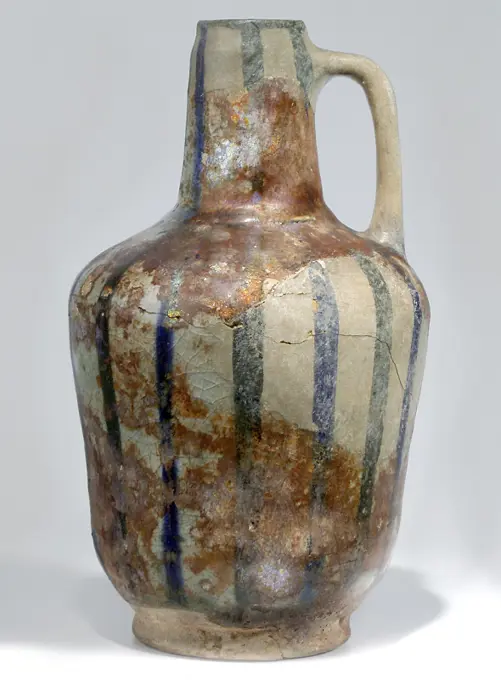
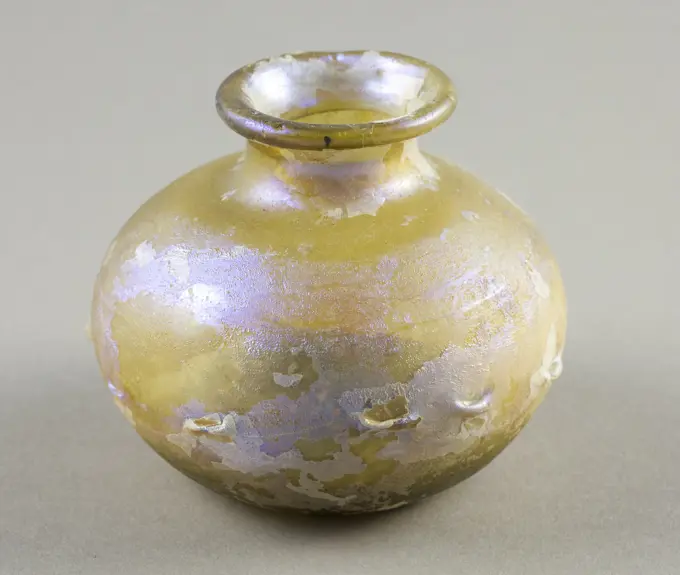
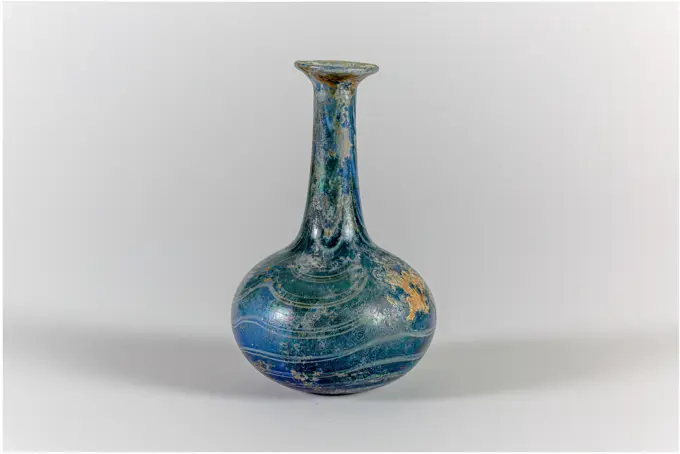
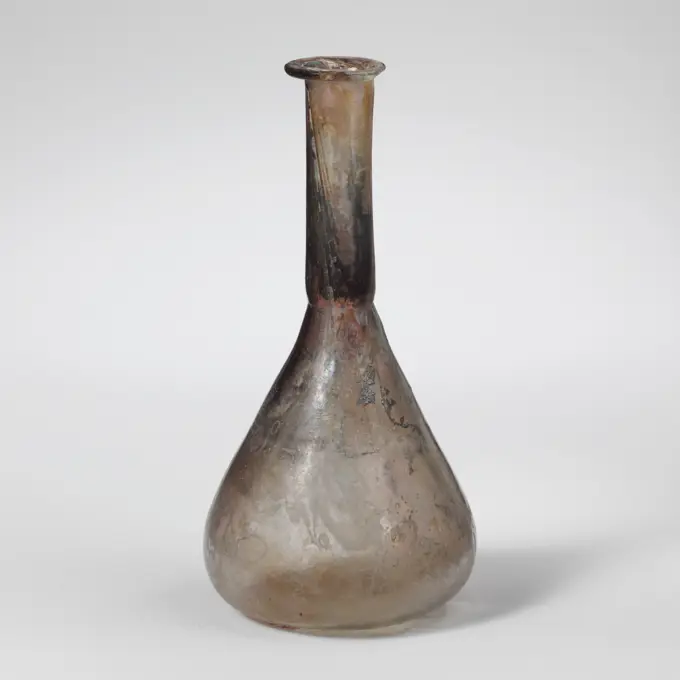
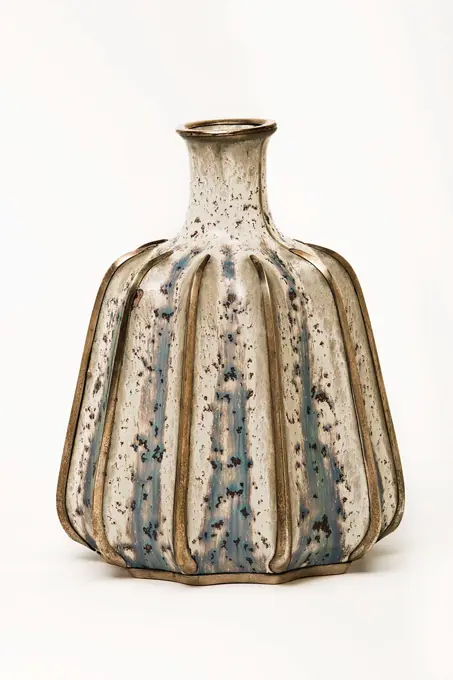
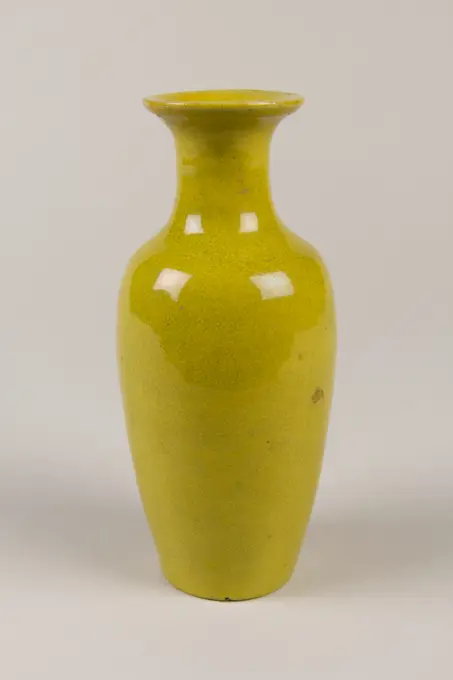
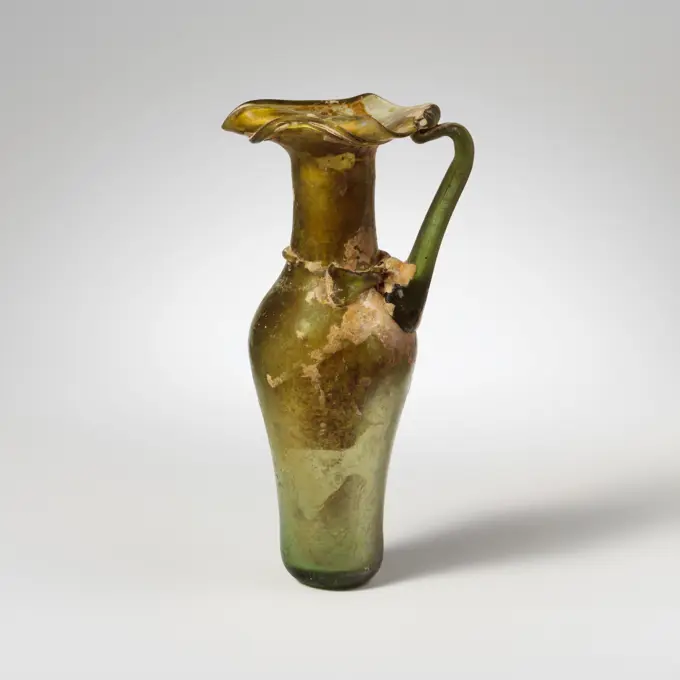
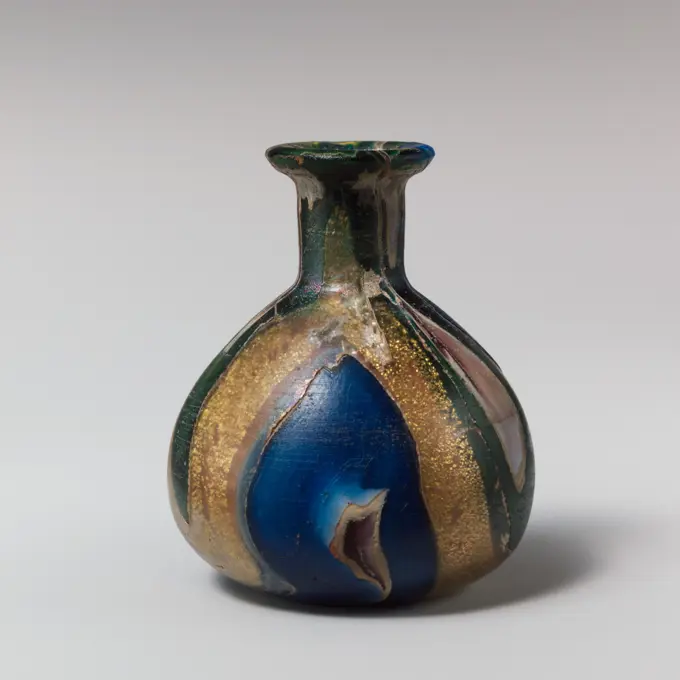
Collection of historical bottles and vases, showcasing different cultures such as Roman and Japanese Edo period. Features various shapes, colors, and intricate designs.

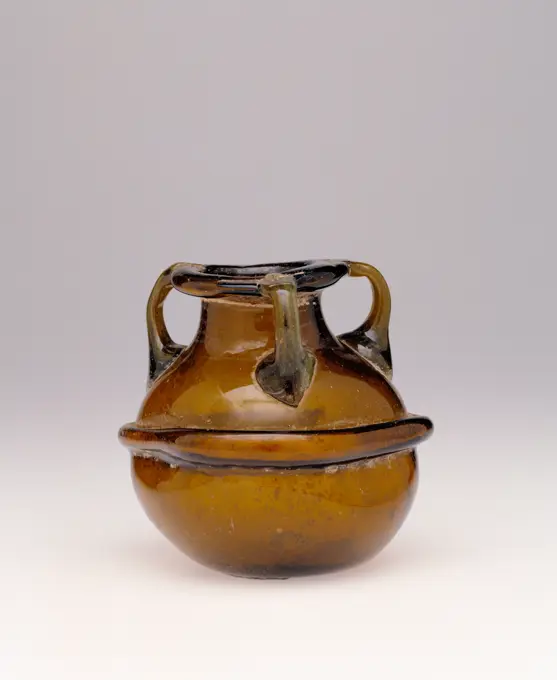
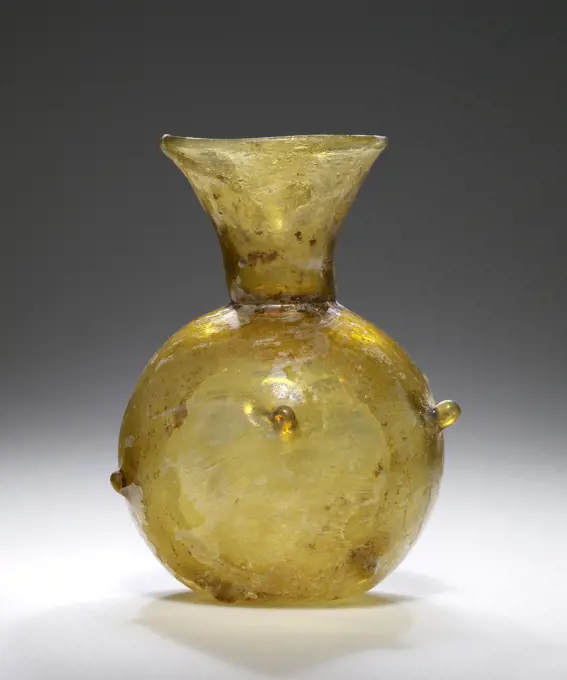
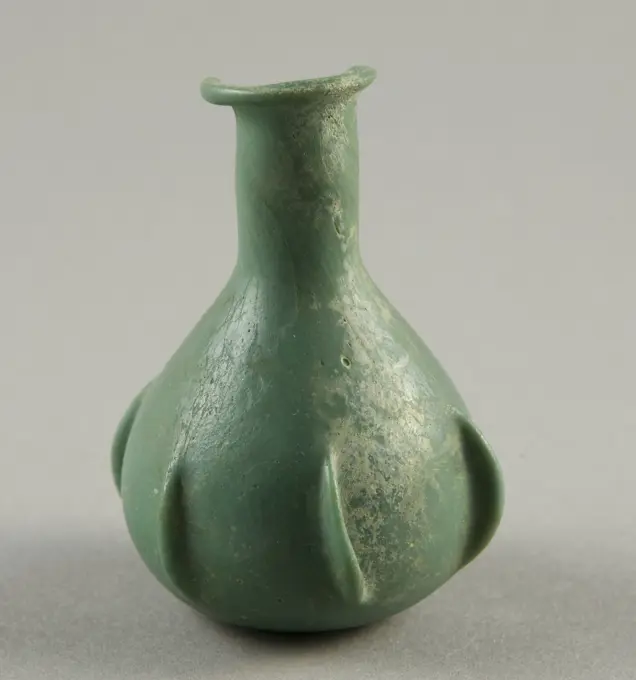
Flask; Roman Empire; 1st - 2nd century; Glass; 7.8 x 6 cm (3 1,16 x 2 3,8 in.)
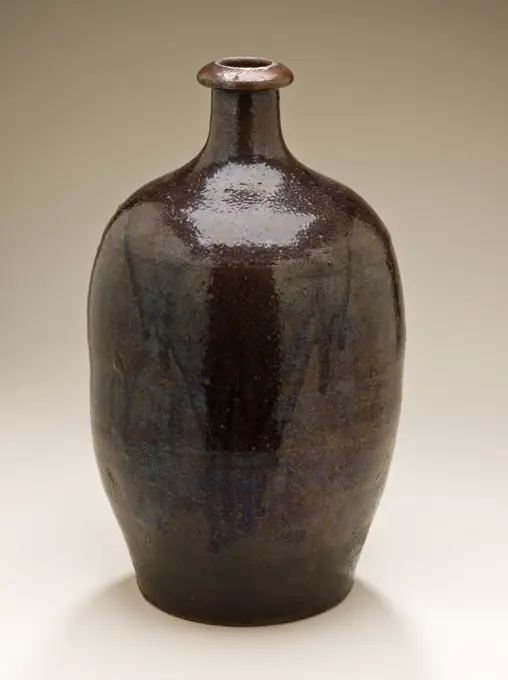
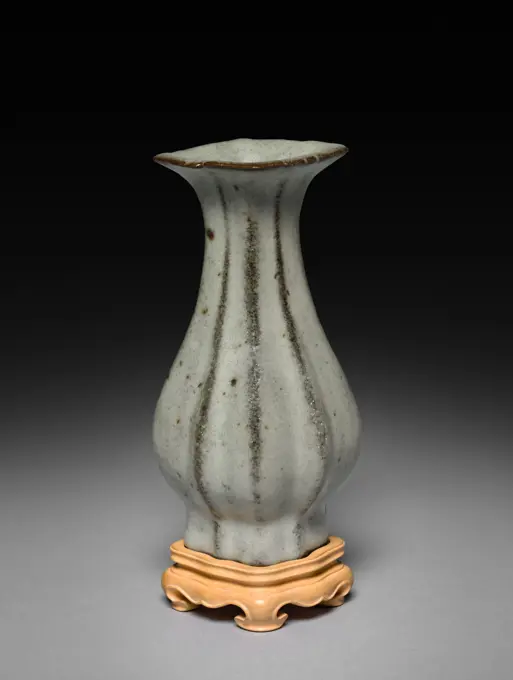
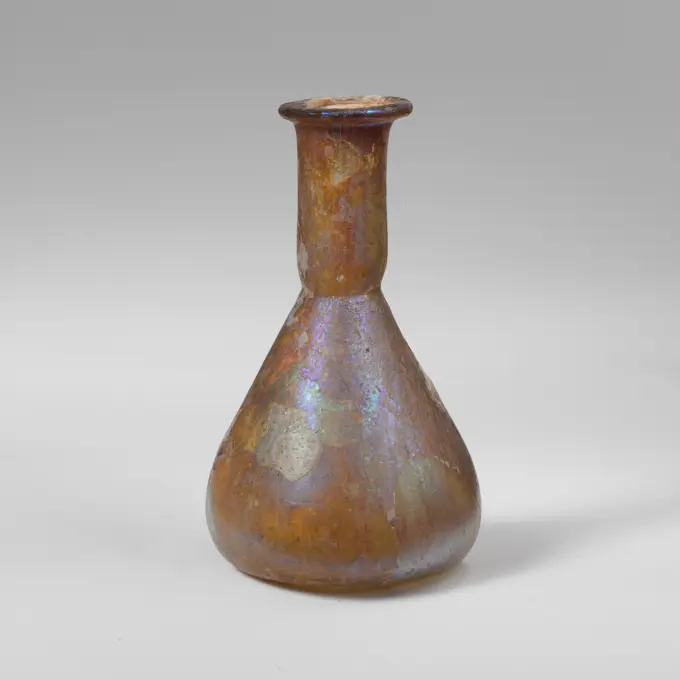
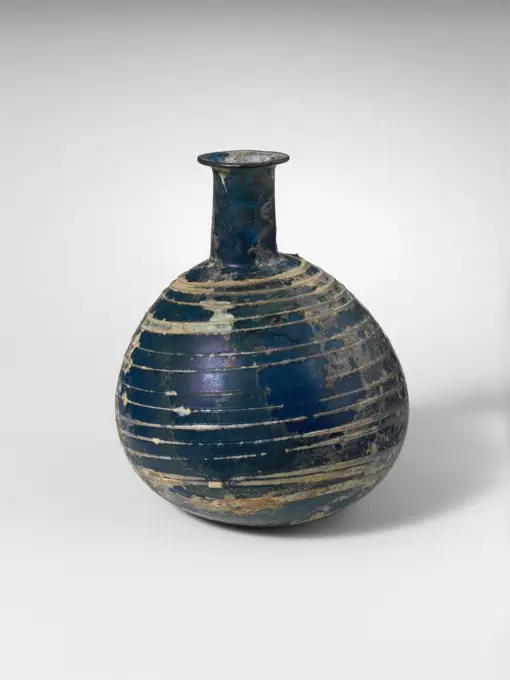
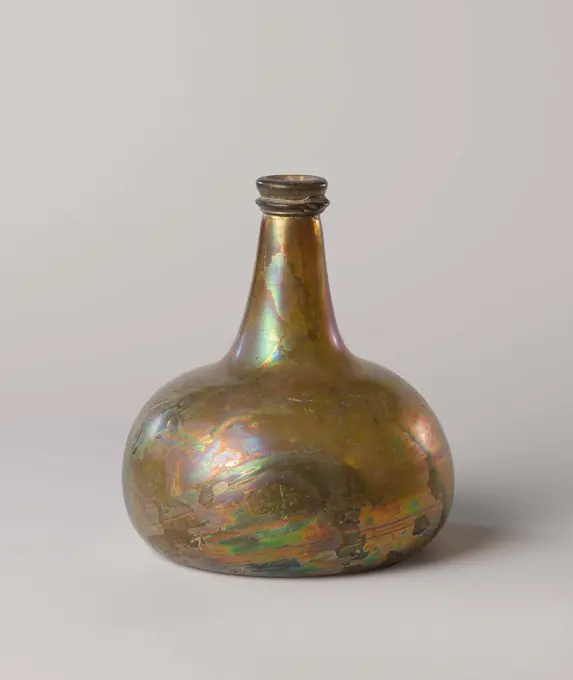
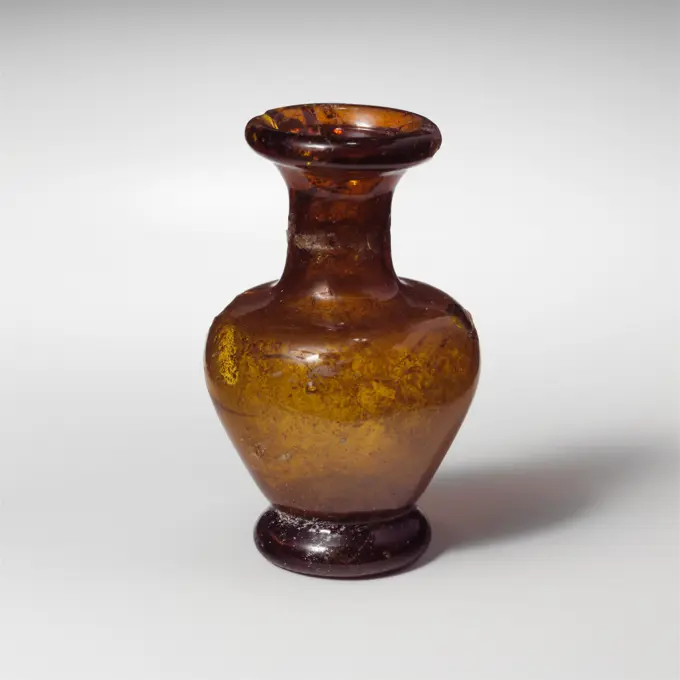
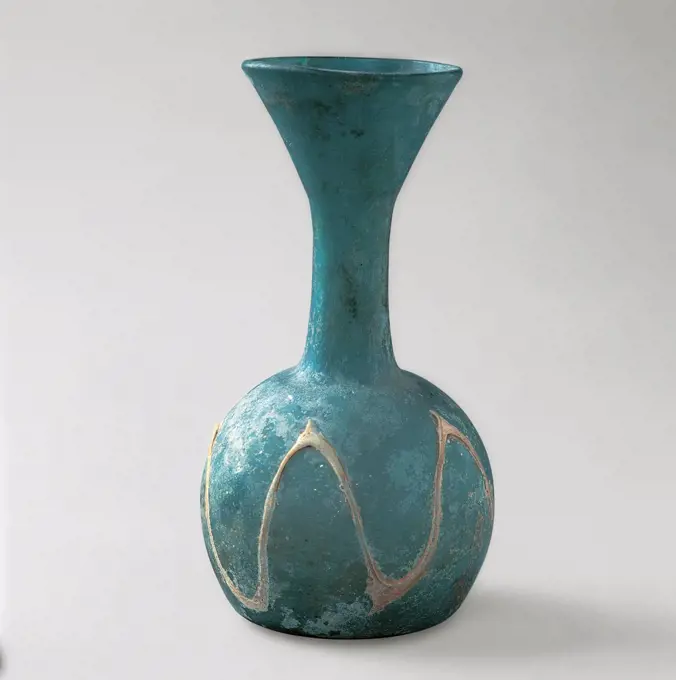
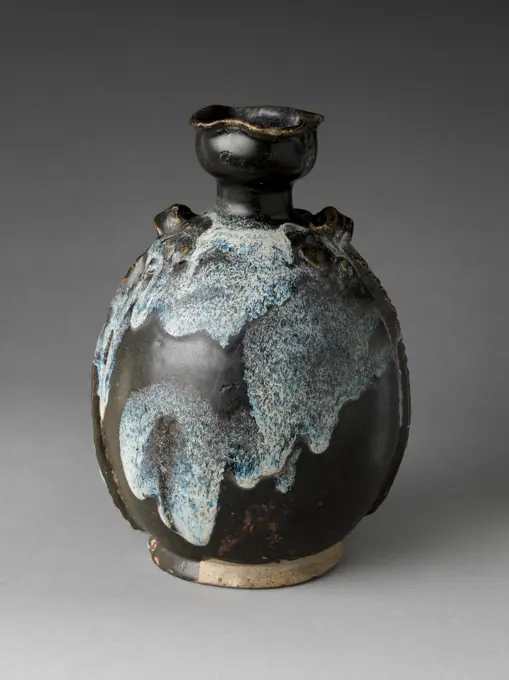
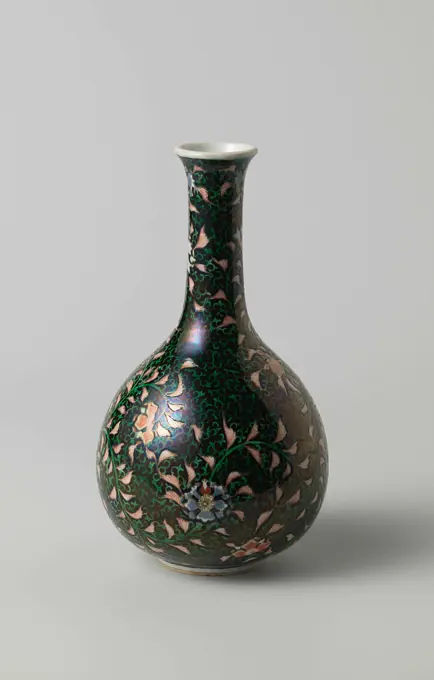
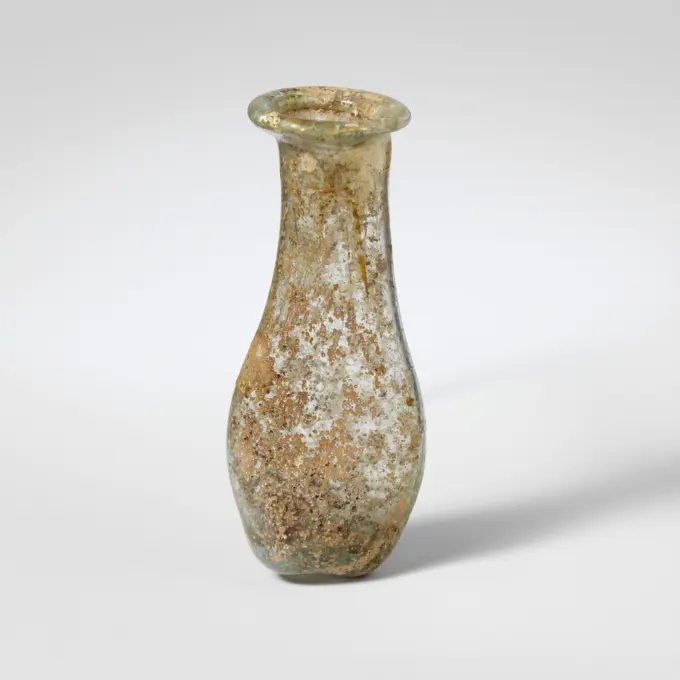
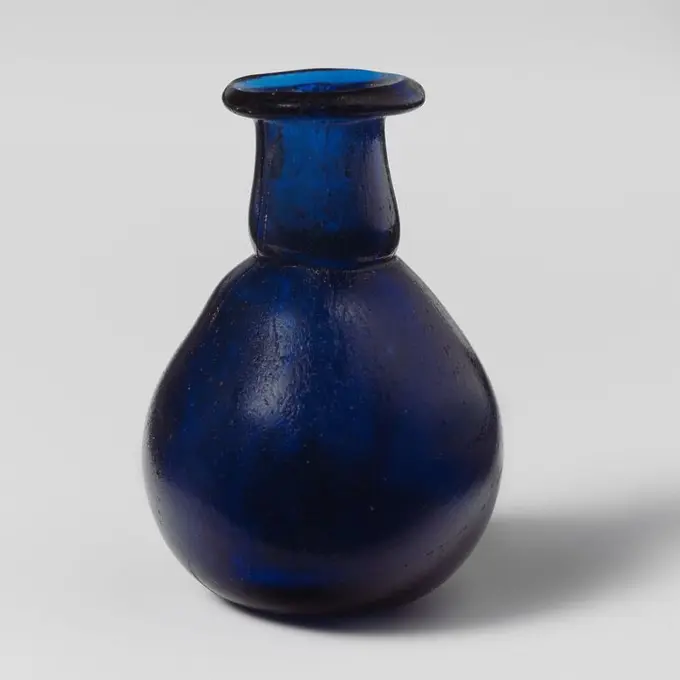
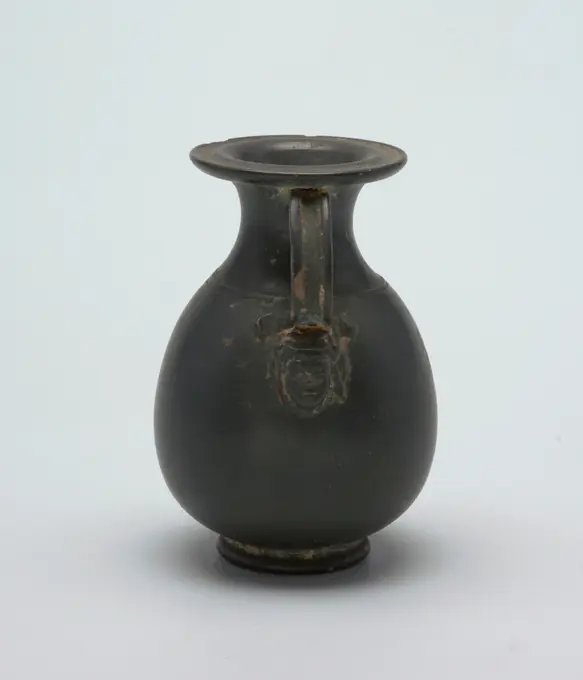
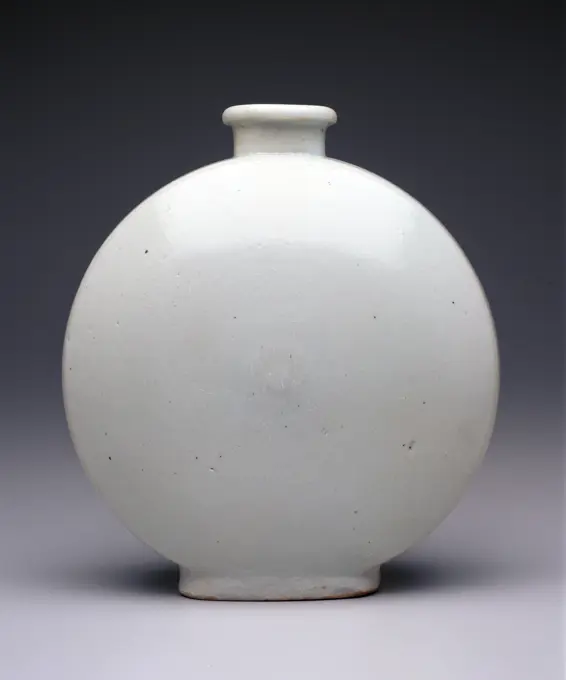
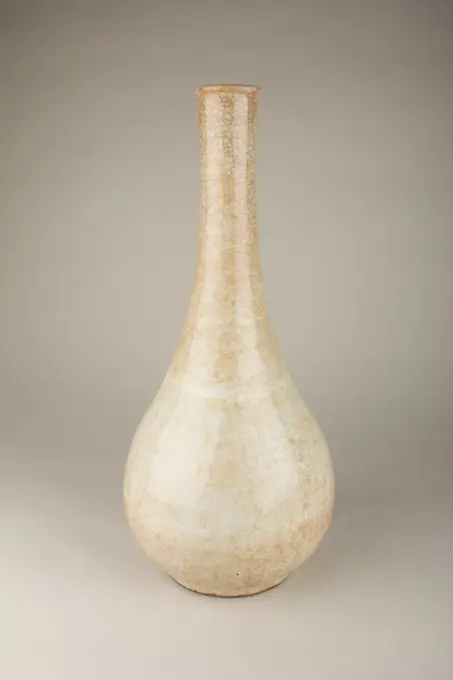
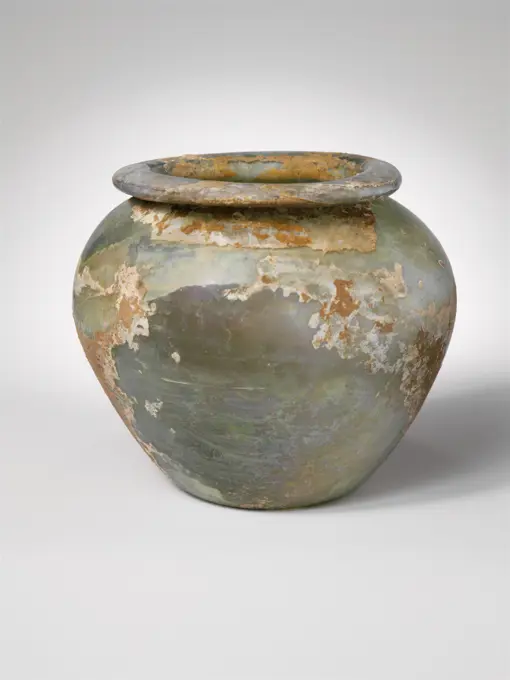
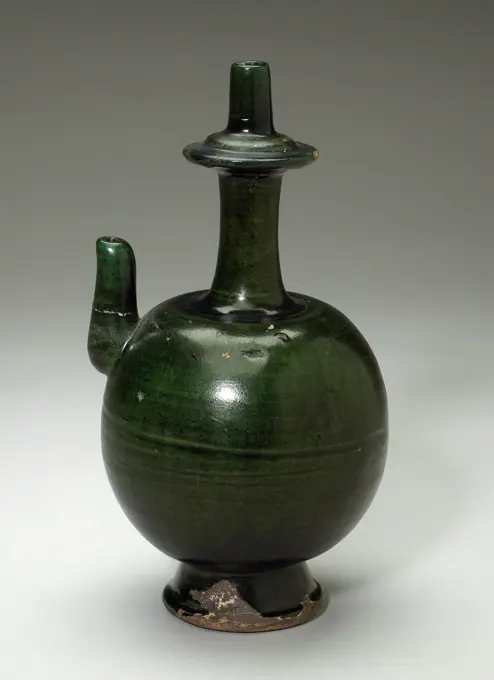
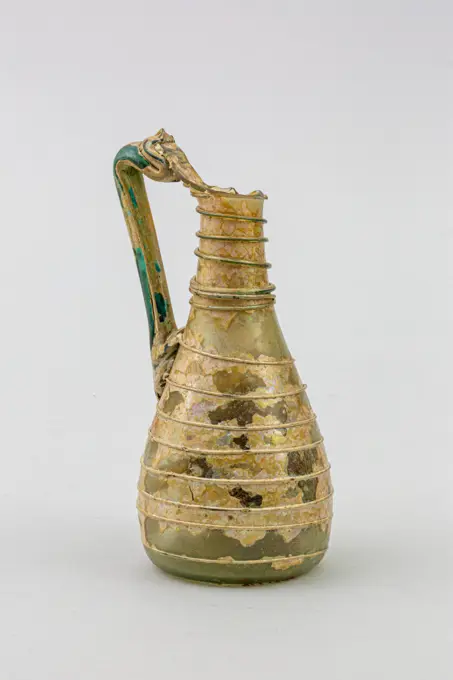
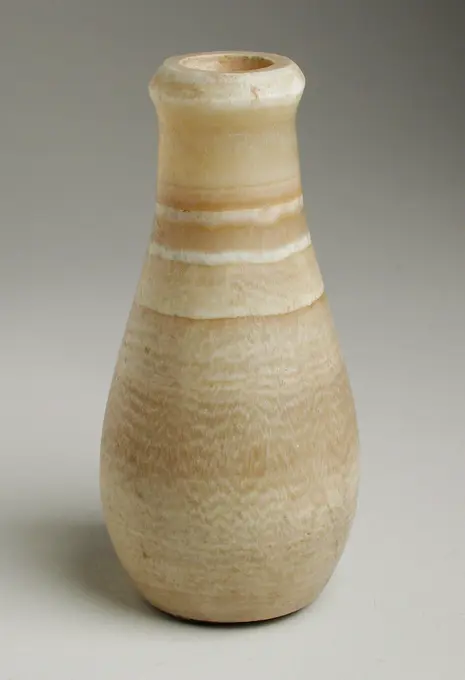
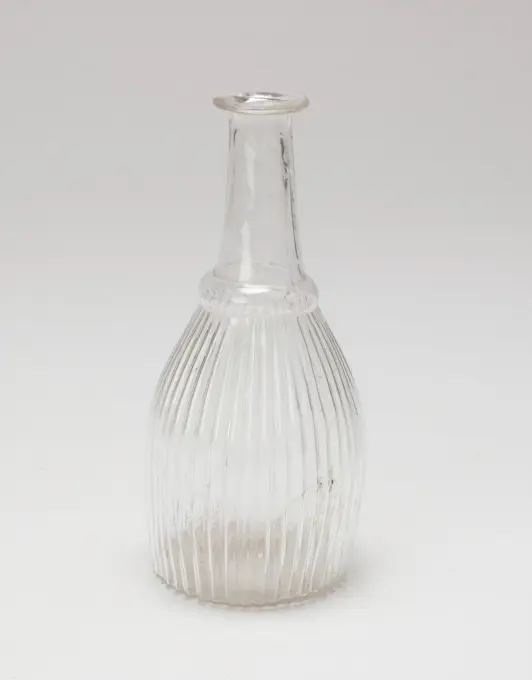
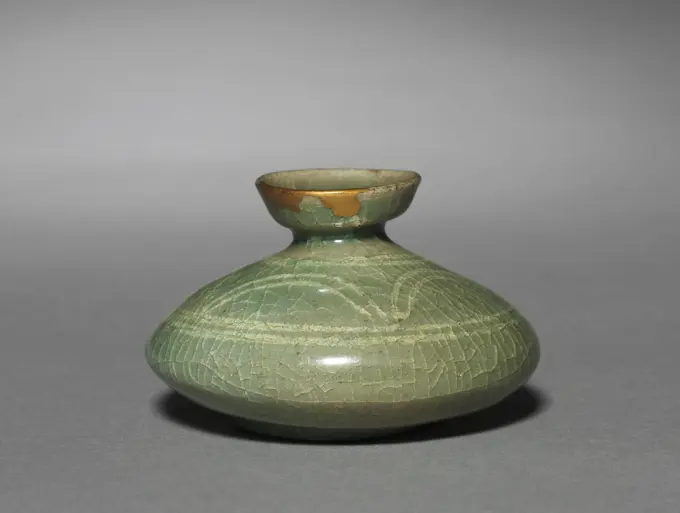
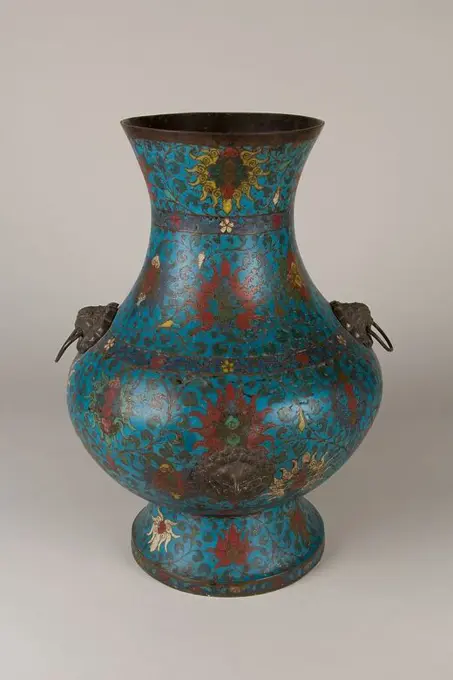
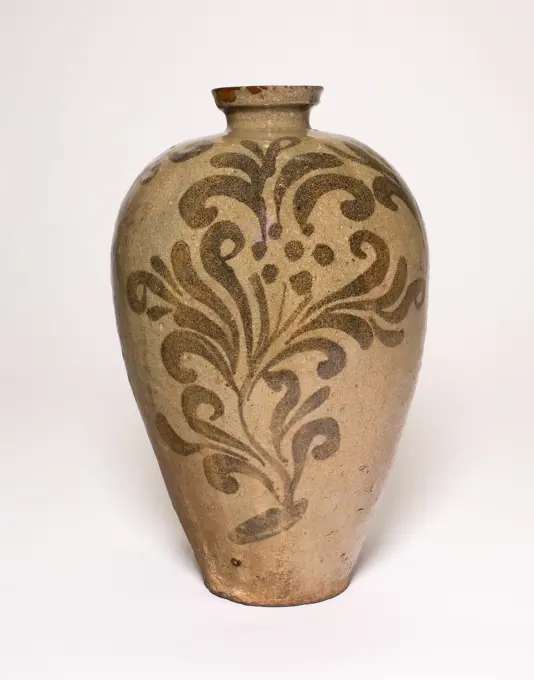
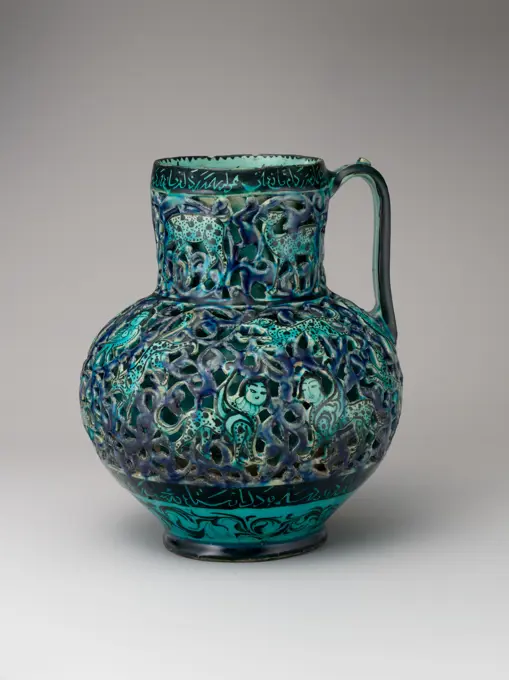
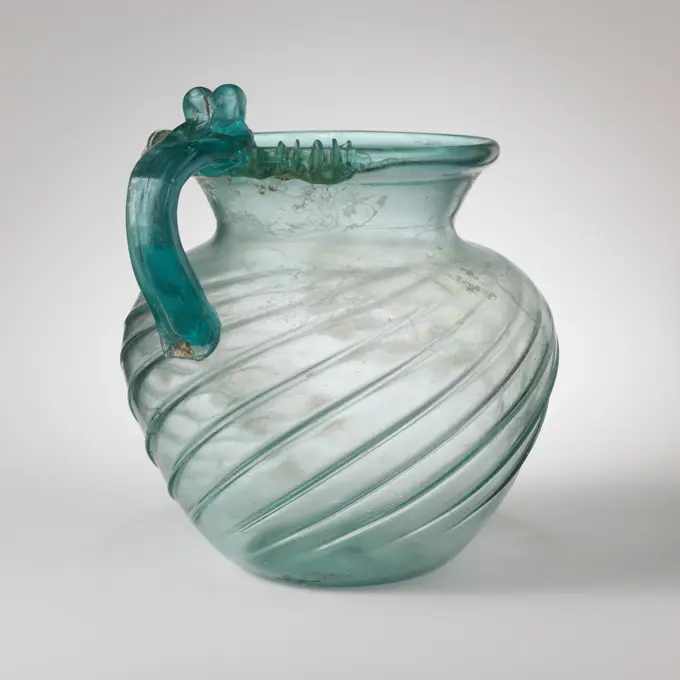
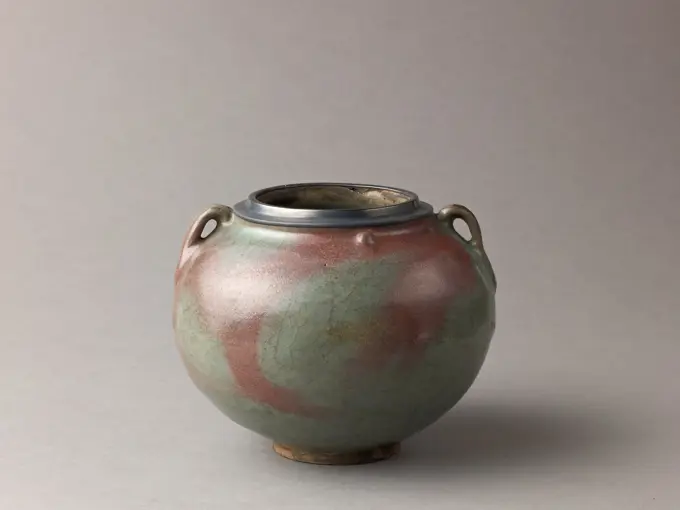
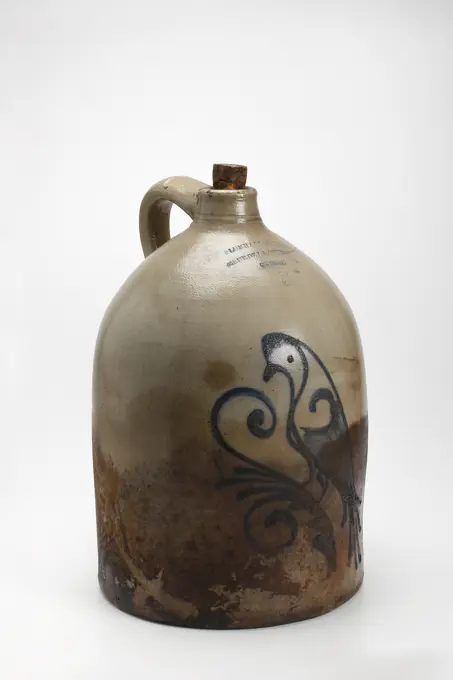
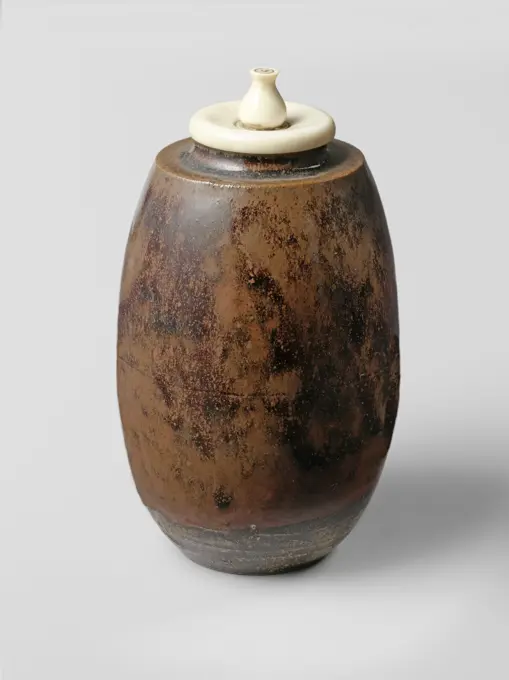
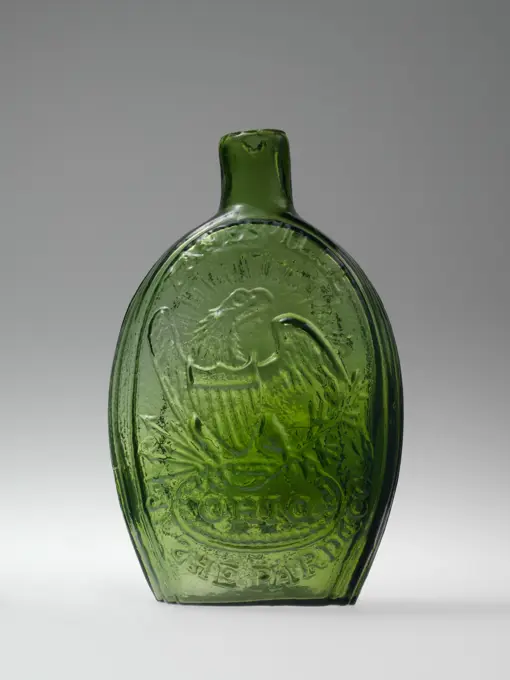
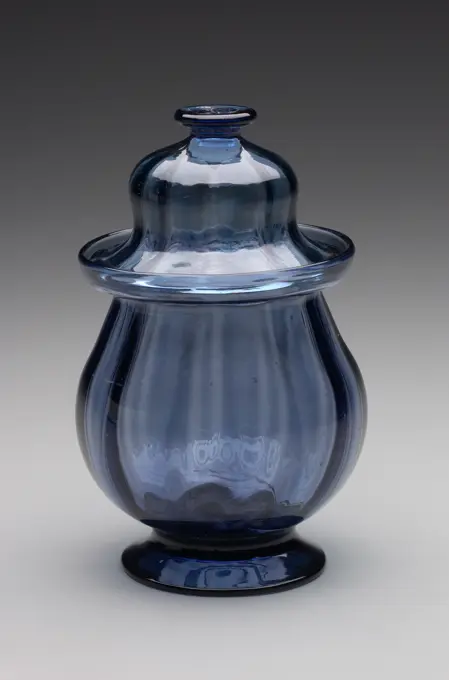
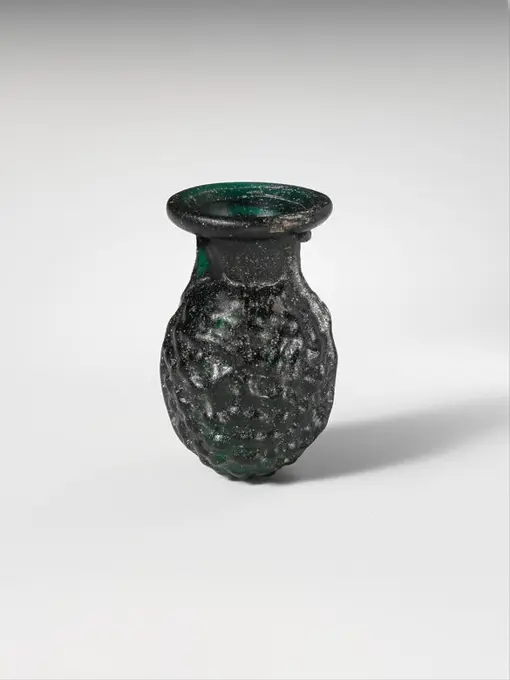
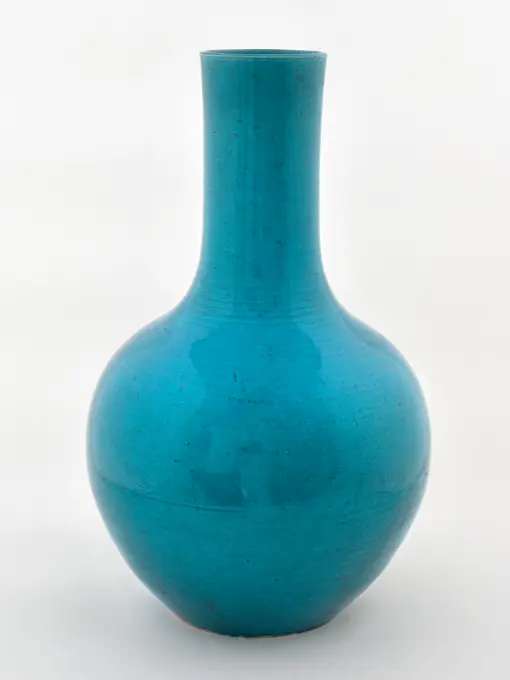
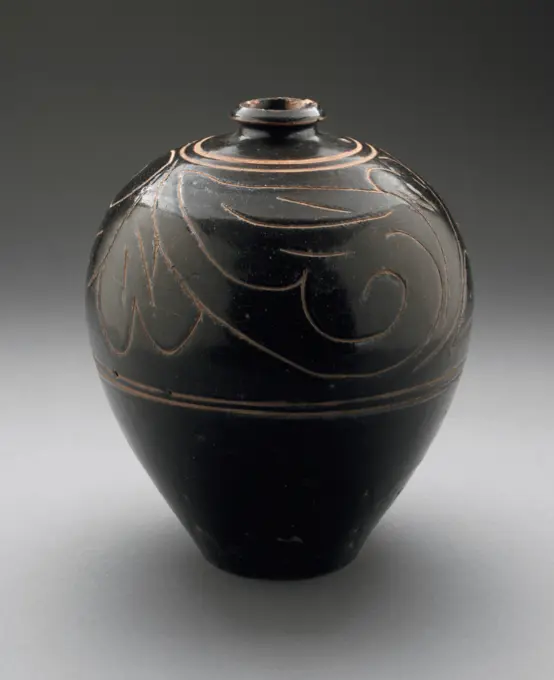
Glass bottle. Culture: Roman. Dimensions: H. 5 11/16 in. (14.4 cm). Date: ca. 2nd-3rd century A.D..Colorless with light green tinge.Rounded rim, folded out, up, and in; tall conical mouth; cylindrical neck, expanding downwards and joining imperceptibly with slender ovoid body; thick, rounded bottom with small central kick and pontil scar.Intact; some large and elongated bubbles; faint iridescent weathering on exterior, patches of limy encrustation, creamy brown weathering, and brilliant iridescence on interior. Museum: Metropolitan Museum of Art, New York, USA.Sake Bottle. Japan, Edo period, 1615-1868, 19th century. Ceramics. Tokoname ware; stoneware with brown glazeGlass bottle ca. 2nd-3rd century A.D. Roman Colorless with light green tinge.Rounded rim, folded out, up, and in; tall conical mouth; cylindrical neck, expanding downwards and joining imperceptibly with slender ovoid body; thick, rounded bottom with small central kick and pontil scar.Intact; some large and elongated bubbles; faint iridescent weathering on exterior, patches of limy encrustation, creamy brown weathering, and brilliant iridescence on interior.. Glass bottle 245213Lobed Vase: Guan ware, 1127-1279. China, Hangzhou, Suburban Altar Kiln, Southern Song dynasty (1127-1279). Glazed reddish-brown porcelain; diameter: 6 cm (2 3/8 in.); overall: 11.7 cm (4 5/8 in.).Aryballos. Unknown. Vase of pottery, decorated in sgrafittotechniek with stylized motifs in blue green on brown-black soil. The cylindrical, upwardly rejuvenating vase, has squeezed some centimeters above the foot and has an outland neck. Brands: Brouwers Pottery and Monogram, both pressed. Furthermore, an unclear model number and possibly Holland.Flask; Roman Empire; 1st - 2nd century; Glass; 7.8 x 6 cm (3 1,16 x 2 3,8 in.)Glass perfume bottle 2nd-3rd century A.D. Roman Colorless with greenish tinge.Rim folded out, over, and in, flattened unevenly into mouth at an angle; cylindrical neck, tooled in at base; sides of body sloping out and downward; bottom slightly concave at center.Intact; some bubbles; iridescent weathering.. Glass perfume bottle 239606Glass perfume bottle early 1st century A.D. Roman Translucent cobalt blue; trail in uncertain color, possibly opaque white.Outsplayed, rounded rim; cylindrical neck; broad, piriform body; flat bottom.Single trail, applied to edge of bottom, wound round body in a spiral fifteen times as a thick marvered trail at bottom, then becoming a fine trail in relief on body, ending below neck.Intact, but small cracks in bottom; some bubbles; dulling, limy brown weathering, and faint iridescence.. Glass perfume bottle 245340Glass miniature jar. Culture: Roman. Dimensions: 1 11/16 in. (4.3 cm)Other: 1 5/8 in. (4.1 cm)Diam. of rim: 1 5/16 in. (3.3 cm). Date: 2nd-3rd century A.D..Translucent pale green.Tubular rim folded over and in to flaring mouth; short, tapering neck; lopsided sholuder, horizontal on one side; biconical body, with ridge around center; pushed-in bottom with kick and traces of pontil scar.Intact; large and pinprick bubbles; slight dulling and iridescence, with patch of weathering on one side of body. Museum: Metropolitan Museum of Art, New York, USA.Bottle 1 CE-100 CE Syria. Glass, blown technique . Ancient RomanBottle with spherical body. Inserted soul, slightly flattened spherical body, accompanying in a short, tapered neck with a high-rise ring.Glass miniature bottle 3rd-4th century A.D. Roman Translucent deep honey brown.Rounded rim, smoothed into sides of flaring mouth; short, concave, cylindrical neck; slight curving shoulder; piriform body tapering downwards; thick, rounded base ring below small, flat bottom.Broken and repaired with chips in rim and two holes in body; pinprick bubbles; slight dulling and iridescence on exterior, and faint whitish weathering on interior.. Glass miniature bottle 244665Ovoid Bottle with "Partridge-Feather" Mottles. China. Date: 1000-1127. Dimensions: H. 28.6 cm (11 1/4 in.); diam. 19.8 cm (7 3/4 in.). Cizhou ware; stoneware with overglaze slip decoration. Origin: China. Museum: The Chicago Art Institute, Chicago, USA.Glass Ampulla, glass,Flask 9th century China The dramatic blue splash over the brown glaze on this bottle prefigures the use of copper to create similar designs in later ceramics, particularly Jun ware produced in Henan Province in north China from the ninth to the fifteenth century.. Flask. China. 9th century. Stoneware with splashed glaze (Jun ware). Tang dynasty (618-907). CeramicsJug (Oinochoe). Syria or Palestine, 4th century. Furnishings; Serviceware. Mold-molded glassSprinkler Flask; Roman Empire; 3rd - 4th century; Glass; 11.4 x 7.5 cm (4 1,2 x 2 15,16 in.)Pear-shaped bottle vase with flower scrolls on a black ground.Bottle-shaped vase of porcelain with pear-shaped belly and spreading neck, painted on the glaze in blue, red, yellow, green and gold with floral drinks against a black soil. Old label on the bottom with 'R. May Friends of Asian art '. Famille Noir.Glass lentoid bottle 1st-4th century A.D. Roman Translucent pale greenish blue.Tubular rim, folded out, rounded, and in; short cylindrical neck, expanding downward and joining imperceptibly with body; lentoid body, with an indent on each side; thick bottom, with deep tooled kick at center.Intact; many bubbles and a few black inclusions; slight pitting and creamy weathering.. Glass lentoid bottle 239801Glass perfume bottle 2nd-3rd century A.D. Roman Translucent dark blue green.Rim folded out, over, and in, with beveled upper surface and sharp outer lip; tall cylindrical neck with shallow tooling indent at base; conical body with rounded edge at base; slightly concave bottom.Broken and repaired; one weathered hole in neck, another in body, and numerous cracks and a hole in body near base; many bubbles and blowing striations; deep pitting, creamy weathering, and brilliant iridescence.. Glass perfume bottle. Roman. 2nd-3rd century A.D.. Glass; blown. Mid Imperial. GlassOLYMPUS DIGITAL CAMERABottle 101 CE-400 CE Syria. Glass, blown technique . Ancient RomanBottle. Roman. Date: 201 AD-400 AD. Dimensions: 22 × 11.5 × 11.5 cm (8 5/8 × 4 1/2 × 4 1/2 in.). Glass, blown technique. Origin: Syria. Museum: The Chicago Art Institute, Chicago, USA. Author: ANCIENT ROMAN.Bottle. Mantua Glass Works; American, 1821-1829; Mantua, Ohio. Date: 1821-1829. Dimensions: 16.5 × 10.8 × 7.6 cm (6 1/2 × 4 1/4 × 3 in.). Glass. Origin: Mantua. Museum: The Chicago Art Institute, Chicago, USA.Belly bottle, belly bottle bottle holder soil find glass, free blown and shaped glass application Circular bottle in clear green glass. Pontil mark under raised bottom. Belly body with round shoulders to rejuvenated neck (dm 5 - 2.4 cm) with imposed all-round sharp glass thread (approximately quarter missing) under lip with chip archeology packagingGlass perfume bottle 1st century A.D. Roman Translucent blue, with opaque white trails.Rounded and partially folded rim; flaring mouth; cylindrical neck, expanding downwards; squat, globular body; uneven, flat bottom.Striped mosaic pattern of applied triple trail wound round in a spiral on a blue ground and then tooled in four upward strokes into a festoon pattern around upper body and neck.Complete, but broken and repaired around rim; some bubbles; dulling, iridescence, and patches of brownish weathering.. Glass perfume bottle. Roman. 1st century A.D.. Glass; blown, trailed, and tooled. Early Imperial. GlassPear-Shaped Bottle. Thailand, Sawankhalok, circa 1300-1500. Furnishings; Accessories. Stoneware with brown glazeGlass perfume bottle. Culture: Roman. Dimensions: H.: 5in. (12.7cm)Diam.: 2 1/16in. (5.2cm). Date: 1st century A.D..Colorless with greenish tinge.Flaring rim with slight fold to outer edge; tall, cylindrical neck, tooled in at base; sloping, convex sides to body expanding downward and then curving in to small, slightly concave bottom.Broken around mouth, with two-thirds of rim missing; pinprick bubbles; iridescent weathering. Museum: Metropolitan Museum of Art, New York, USA.Maebyeong with chrysanthemum decoration 13th century Korea Maebyeong, a Korean transliteration of the Chinese term meiping (plum bottle), refers to a shape like this vessels, with rounded shoulders and curved contours as well as a distinctive lip.. Maebyeong with chrysanthemum decoration 42306Glass perfume bottle 1st-2nd century A.D. Roman Colorless but with prominent purple streaks.Rim folded out, over, and in, and pressed flat around mouth but aslant to neck; tall, slender, cylindrical neck, with tooled indent around base; conical sides to body, curving in to flat but uneven bottom.Two faint horizontal lines around upper part of body.Intact; a few bubbles, glassy inclusions, and blowing striations; dulling and faint iridescent weathering on exterior, some thicker, enamel-like weathering on interior.Conical lavender blown glass vase with long slender neck.. Glass perfume bottle 239618Glass amphoriskos with band of scrolls. Culture: Roman, Syro-Palestinian. Dimensions: H.: 3 1/16 in. (7.8 cm). Date: 1st century A.D..Translucent purple; handles in same color.Rim folded out, over, and in, then smoothed into flaring mouth; cylindrical neck; ovoid body; cylindrical base, with flat bottom; two rod handles attached in a pad to shoulder, drawn up, turned in, and pressed onto neck. One continuous mold seam around body and across bottom, extending to base of neck and forming raised line across bottom.On body, frieze of twenty-nine downturned rounded tongues in raised outline on upper body and thirty upturned rounded tongues on lower body, joined by a central band of tendril scrolls bordered above and below by a horizontal raised line.Intact, but internal crack in neck under one handle; pinprick and larger bubbles; dulling, slight pitting, iridescence, and small patches of weathering.Violet Sidonian jug with two handles. Museum: Metropolitan Museum of Art, New York, USA.Bottle 1815-45 American. Bottle. American. 1815-45. Blown, pattern-molded glass. Possibly made in Pennsylvania, United States; Possibly made in Ohio, United StatesVase 19th century Makuzu Kzan I (Miyagawa Toranosuke) Japanese. Vase. Makuzu Kzan I (Miyagawa Toranosuke) (Japanese, 1842-1916). Japan. 19th century. Clay covered with high-fired glazes. Edo (1615-1868) or Meiji period (1868-1912). CeramicsGlass gold-band mosaic bottle 1st half of 1st century A.D. Roman Translucent cobalt blue, turquoise green, and purple, opaque white, and colorless encasing shattered gold leaf.Everted, horizontal rim with beveled underside to lip; cylindrical neck; squat globular body; flat bottom.Gold-band mosaic pattern formed from a single serpentine length of layered canes formed in the following order: green outlined in white and purple, colorless with gold leaf, and blue outlined in white and purple; the length is wound three times round body, being fused together across bottom. A single fine horizontal line incised on upper surface of rim near outer edge; a band of two parallel horizontal grooves around top body; and another single horizontal groove on body at point of greatest diameter.Intact, except for deep, weathered chips in side of body; slight dulling and pitting, iridescence, whitish weathering, and areas of soil encrustation.Rotary grinding marks on exterior.Small bottles and lidded pyxGlass perfume bottle. Culture: Roman. Dimensions: 1 11/16 × 1 3/16 in. (4.3 × 3 cm)Diam. of rim: 5/8 in. (1.7 cm). Date: 1st century A.D..Translucent cobalt blue.Rim folded out and over, with beveled edges; short, funnel-shaped neck, with deep tooled indent around base; squat, piriform body; small, slightly concave bottom.Intact; pinprick bubbles and blowing striations; only faint weathering and pitting of exterior.Round dark blue blown glass vase with short wide neck. Museum: Metropolitan Museum of Art, New York, USA.Aryballi (Italy); terra cotta,black varnishJar. Roman; Syria. Date: 101 AD-400 AD. Dimensions: H. 11 cm (4 3/8 in.); diam. 8.5 cm (3 3/8 in.). Glass, blown technique. Origin: Syria. Museum: The Chicago Art Institute, Chicago, USA. Author: ANCIENT ROMAN.Flask, 17th century, Unknown Korean, 8 5/8 x 7 3/4 x 3 3/4 in. (21.91 x 19.69 x 9.53 cm), White porcelain, Korea, 17th century, From the founding of the Joseon dynasty at the end of the 1300s, Korean potters produced finely crafted, undecorated white porcelain wares that reflected the austere tastes associated with Confucianism, the official ideology of the Joseon rulers. King Sejong (1397-1450) is said to have been served only from pure white vessels. This flask, from the 1600s, was used to decant liquor. Potters produced such flasks by throwing two platelike shapes on the wheel, and then joining them together, rim to rim. Afterward, they attached a spout and foot ring. The very thinly applied celadon glaze allows the brightness of the porcelain to show through. Only in areas where the glaze is thicker can we see its cool, greenish-blue hue.Long neck bottle 14th-15th century China. Long neck bottle 48596Meiping vase early 18th century China. Meiping vase. China. early 18th century. Porcelain with crackled green glaze (Jingdezhen ware). Qing dynasty (1644-1911), Kangxi period (1662-1722). CeramicsBottle 1815-45 American. Bottle. American. 1815-45. Pattern molded amber. Possibly made in Pennsylvania, United States; Possibly made in Ohio, United StatesGlass jar Roman mid-1st-2nd century CE Colorless with pale blue green tinge.Uneven horizontal rim, with rounded tubular edge, folded out, down, and in, forming collar around neck; ovoid body; concave bottom.Intact, but internal cracks around rim; large and pinprick bubbles, with yellow green impurity streak in rim; some dulling, slight pitting and iridescent weathering, but much of exterior and interior covered with thick limy encrustation and creamy brown weathering.Bottle 100 BCE-100 CE Syria. Glass, blown technique . Ancient Roman. Ritual wine cup, only decorated with a band on the top of the belly.Vial;  IV-IX century () (301-00-00-900-00-00);Purchase (provenance)Pear-shaped vase with incised flowering plants. Pear-shaped porcelain vase, covered with a translucent white, engrowsculated glaze. The wall is decorated with bullying blooming plants. White porcelain, monochromes.Kundika (Buddhist Water Vase), 618-906, Dia.9 in., Earthenware with green lead glaze, China, 7th-10th centuryEwer 12th-13th century. Ewer. 12th-13th century. Earthenware; glazed. Attributed to Iran. CeramicsFlask. India, Gujarat, Kapadwanj, circa 1750-1800. Tools and Equipment; flasks. Peacock blue glassGlass bottle. Culture: Roman. Dimensions: 5 7/16 in. (13.8 cm)Other: 3 11/16 in. (9.4 cm)Diam. of rim: 1 9/16 in. (4 cm). Date: mid-1st-2nd century A.D..Colorless with slight pale yellow-green tinge.Collared rim, folded out, down, round, up, and out, with fine, rounded horizontal lip, folded in slightly on one side; cylindrical neck, expanding slightlydownward, tooled around base, forming slightly concave sholuder; globular body; small, concave bottom with central pontil mark.Fine abraded lines in four horizontal bands on upper half of body.Intact; many bubbles; small patches of pitting and iridescent weathering. Museum: Metropolitan Museum of Art, New York, USA.Small Double-Gourd Bottle. China. Date: 1279-1368. Dimensions: H. 8.0 cm (3 3/16 in.); diam. 4.5 cm (1 13/16 in.). Stoneware with iron brown-black glaze. Origin: China. Museum: The Chicago Art Institute, Chicago, USA.Bottle ca. 1353-1336 B.C. New Kingdom, Amarna Period. Bottle 550071Glass jug Roman 3rd-4th century CE Translucent pale blue green; trails in same color, but handle in a deeper blue green.Plain, rounded rim; broad, flaring mouth; cylindrical neck, expanding downwards and joining imperceptibly with conical body, with slightly convex side; pushed-in bottom, with central projecting knob and pontil scar; rod handle applied over trail decoration as a large claw-like pad, drawn outwards, folded in and down, and trailed on to underside of mouth over trail decoration, ending above rim.Two separate trails: one extending in a spiral from underside of mouth, ending around base of neck, the other applied as a small pad on edge of bottom and drawn up in a spiral eight times around body, ending under bottom of handle.Body and handle complete, but most of rim, mouth, and top of neck missing; few bubbles; dulling and thick, creamy, iridescent weathering, with a large lump of soil encrustation on one side of interior. View more. Glass jug. Roman. 3rd-4th century CE. GlVase. Acquired by Lucien Gaillard on the Paris World Exhibition 1900Vase 1736-1795 China. Porcelain with robin's egg blue glaze .Vial. unknown, craftsmanGlass amphoriskos (perfume bottle). Culture: Greek, Eastern Mediterranean. Dimensions: H.: 4 1/2 in. (11.4 cm). Date: 2nd-1st century B.C..Translucent cobalt blue, with same color pad-base and colorless handles; trails in opaque yellow and opaque white.Broad, irregular, and slightly inward-sloping rim-disk, with jagged vertical lip to mouth; cylindrical neck, expanding downward; broad sloping shoulder; straight-sided ovoid body; broad circular pad-base, flattened but uneven on underside and with round edge; two vertical s-shaped handles applied on shoulder, trailed up along lower part of neck, and pressed on to underside of rim and top neck; one large translucent blue blob flattened into side just above pad-base.A yellow trail and a white trail attached at edge of rim-disk, wound down spirally and tooled into a festoon pattern on neck and shoulder, but on body tooled into an irregular festoon pattern, with twelve alternating upward and downward strokes, the yellow trail ending on loVase 17th century. Vase. 17th century. Pottery; glazed. Attributed to Iran. CeramicsVase. Culture: American. Dimensions: 16 1/8 x 8 7/16 in. (41 x 21.4 cm). Maker: Possibly decorated by Marie Medora Ross (1844-1920). Manufacturer: Newcomb Pottery (1894-1940). Date: 1902.Newcomb College of New Orleans is one of the earliest educational institutions to be associated with the Arts and Crafts Movement. It shared many of the movement's concerns, such as creating opportunities for women in the arts. It was the brainchild of Ellsworth Woodworth, who taught drawing and painting at Newcomb, and his brother William Woodward, professor at Tulane University, who was especially interested in developing a pottery program at the college. They hired Mary G. Sheerer, who had trained at both the Cincinnati Art Academy and the Art Students' League in New York, as Instructor of China Decoration and Design, and she would exert an important influence on the direction of the pottery. Ultimately, Newcomb's ceramic program was one of the most successful art potteries, and it enjoyed an almosVase late 18th-first half of the 19th century China. Vase 47370Jug 101 CE-400 CE Syria. Glass . IslamicBasket. Culture: Japan. Dimensions: H. 9 1/2 in. (24.1 cm); Diam. 6 in. (15.2 cm). Date: 19th century. Museum: Metropolitan Museum of Art, New York, USA.Glass jug with trefoil rim 4th-5th century A.D. Roman Translucent blue green; handle and trails in same color.Plain, rounded rim; trefoil, flaring mouth; cylindrical neck; sloping shoulder; body with concave side, tapering downwards; thick bottom with kick and pontil scar; rod handle applied in a large pad to shoulder over trail, drawn up and out, then turned in and trailed onto underside and edge of rim.Trail or trails applied in irregular concentric circles on underside of mouth; another trail applied as a large pad and wound horizontally once around base of neck.Intact, except for small weathered chip in rim next to handle and small part of lower trail; many bubbles; thick creamy weathering, mostly flaked off on exterior, and brilliant iridescence.. Glass jug with trefoil rim 256710FOREIGN OLDVase with poem on marbled ground late 18th century China. Vase with poem on marbled ground 47347Glass gold-band mosaic bottle 1st half of 1st century A.D. Roman Translucent cobalt blue, purple, and emerald green, opaque white, and colorless encasing gold leaf.Everted, horizontal rim with rounded outer lip; cylindrical neck; squat globular body; flat bottom.Gold-band mosaic pattern formed from a single serpentine length of layered canes formed in the following order: purple outlined in white, blue, colorless with gold leaf, green, white, and purple; the length is wound three times round body, being fused together across bottom.Intact, except for one weathered chip in top layer on side of body; slight dulling and pitting, small patches of whitish iridescent weathering; encrustation on inside of neck.Rotary grinding marks on exterior.Gold-band cast glass was a particularly opulent type of early Roman glassware. It combines canes of brightly colored translucent and opaque glass with strips of gold leaf encased between layers of colorless glass. Only a limited number of vessel shapes Small vessel (Amphoriskos) 664-332 B.C. Late Period. Small vessel (Amphoriskos) 550972Snuff Bottle, 1644-1911. China, Qing dynasty (1644-1911). Glass; overall: 7 cm (2 3/4 in.).Glass two-handled bottle. Culture: Roman. Dimensions: Overall: 4 5/8in. (11.8cm). Date: 4th-5th century A.D..Translucent pale blue green; handles and trail in translucent turquoise blue.Tubular rim, folded out, over, and in; tall, slightly concave cylindrical neck, with tooled horizontal indent around base; squat, bulbous body; pushed-in bottom with pontil mark; two handles applied in pads with tooled outward projections onto upper body, drawn up and curved in onto neck and trailed off vertically up neck with tooled projections above.Around body a single trail applied horizontally in an irregular zigzag pattern.Intact; bubbles and blowing striations; dulling, slight pitting, creamy brown weathering, and iridescence. Museum: Metropolitan Museum of Art, New York, USA.Jar. Egypt, New Kingdom, 18th or 19th Dynasty (circa 1550 - 1196 BCE). Furnishings; Serviceware. CalciteVase 19th century Makuzu Kzan I (Miyagawa Toranosuke) Japanese. Vase. Makuzu Kzan I (Miyagawa Toranosuke) (Japanese, 1842-1916). Japan. 19th century. White porcelain covered with a mazarine blue glaze (Kyoto ware). Edo (1615-1868) or Meiji period (1868-1912). CeramicsDecanter, 18th-19th century, 6 1/8 x 2 5/8 x 2 5/8in. (15.6 x 6.7 x 6.7cm), Glass, United States, 18th-19th centuryBottle 250 CE-500 CE Roman Empire. Glass, mold-blown technique . Ancient RomanOil Bottle, 1200s. Korea, Goryeo period (918-1392). Painted celadon (Mishima ware); outer diameter: 7.9 cm (3 1/8 in.); overall: 5 cm (1 15/16 in.).Pitcher. Roman; Levant or Syria. Date: 201 AD-400 AD. Dimensions: 14.6 × 7.6 × 7.6 cm (5 3/4 × 3 × 3 in.). Glass, blown technique. Origin: Syria. Museum: The Chicago Art Institute, Chicago, USA. Author: ANCIENT ROMAN.Vase. Culture: China. Dimensions: 17 5/8 × 13 3/4 in. (44.8 × 34.9 cm)Diam. of rim: 7 3/8 in. (18.7 cm)Diam. of foot: 8 1/4 in. (21 cm). Museum: Metropolitan Museum of Art, New York, USA.Jar (common name). Sandstone, celadon, molded decor. Cernuschi Museum, Asia Museum of Asia in the city of Paris.Vase with Stylized Floral Scrolls 918 CE-1392 Korea. Stoneware with underglaze iron brown painted decoration .Pierced Jug with Harpies and Sphinxes dated A.H. 612/ A.D. 1215-16 With a carved and pierced outer shell that surrounds a solid inner container, this intricate feat of pottery emulates a metal object. Theopenwork-featuring Harpies (mythical birdwomen), Sphinxes, quadrupeds (four-footed mammals), and scrolls-was first painted withtouches of black and cobalt blue. The entire jug was then covered in a transparent turquoise glaze. The Persian verses around the rim were written by the poet Rukn al-Din Qummi, and an anonymous love poem near the base includes the date of production. Listen to experts illuminate this artwork's story Listen Play or pause #6688. Pierced Jug with Harpies and Sphinxes, Part 1 Play or pause #6688. Pierced Jug with Harpies and Sphinxes Supported by Bloomberg Philanthropies We're sorry, the transcript for this audio track is not available at this time. We are working to make it available as soon as possible.. Pierced Jug with Harpies and Sphinxes. dated A.H. 612/ A.DVase 1880 John Bennett. Vase 20738Bottle. Roman. Date: 101 AD-300 AD. Dimensions: 12.2 × 8.9 × 8.9 cm (4 3/4 × 3 1/2 × 3 1/2 in.). Glass, blown technique. Origin: Syria. Museum: The Chicago Art Institute, Chicago, USA. Author: ANCIENT ROMAN.Jar still bank, early-to-mid-20th century, 5 3/4 x 5 1/16 x 5 1/16 in. (14.61 x 12.86 x 12.86 cm), Redware, United States, 20th centuryGlass jug late 1st-2nd century A.D. Roman Translucent blue green; handle in same color.Everted rim, with rounded outer lip, folded in and down, and smoothed into side of mouth; broad, funnel-shaped neck; narrow, sloping shoulder; bulbous body with side tapering downwards; shallow concave bottom, with two shallow oval dimples at center; a broad, plain handle attached to upper body over ribs, with horizontal tooling marks on flattened lower edge, drawn up in a curve, with tooling marks on underside, and applied to rim, with slight overhang and two rounded vertical projections above; handle flanked by two extensions along outer edge of rim, tooled into vertical ridges (four to left of handle, five to right).On body, sixteen spiral ribs of varying length and shape, running from right to left. Intact, except for the outermost ridge to right of handle; few bubbles, some blackish streaks in rim; slight dulling and faint iridescence, with patches of limy encrustation and weathering.Jug with diTwo-eared jar, Jun ware ca. 13th century Chinese. Two-eared jar, Jun ware 460660Bottle 13th-14th century. Bottle 448399Glass jug with snake-thread decoration late 2nd-3rd century A.D. Roman, Rhenish Colorless with pale green tinge; handle in same glass; trails in translucent light blue and opaque yellow.Funnel-shaped neck; broad, sloping shoulder; convex curving side, tapering downwards; outsplayed tubular base ring, made by folding; kick in bottom with central pontil scar; strap handle applied to shoulder, drawn up and outward in a gentle curve, then folded in, down, and back, and trailed onto top of rim.On body, two blue and two yellow partially serrated snake-thread trails in an alternating pattern of similar abstract curvilinear designs; on upper part of handle, a short yellow trail, tooled into horizontal ribs.Broken and repaired, with all of rim and most of neck missing, and several large holes in body; few bubbles, but many elongated bubbles and a few black impurities in handle; dulling, faint iridescence, and patches of brownish weathering.. Glass jug with snake-thread decoration. Roman, RhenisVase, Maria Longworth Nichols, American, 1849-1932, Glazed stoneware with gilding and applied hand-modeled dragon, Dragon vase (first kiln - in red); cast, cream colored stoneware body with hand-modeled dragon encirling the shoulder and neck in high relief with one leg freestanding. Cobalt blue underglaze and red overglaze decoration; gilt highlights. On reverse, fan-shaped panel of pale underglaze blue painted in overglaze brown with birds flying above cattails and rushes. Allover highly stylized, partially gilded wave pattern. Clear glaze., Cincinnati, Ohio, USA, 1879-1880, ceramics, Decorative Arts, VaseJug - Farrar Pottery Farrar PotteryGlass jar. Culture: Roman, Syrian. Dimensions: H.: 4 11/16 in. (11.9 cm). Date: 4th century A.D..Translucent pale yellow green; trail in same color.Rounded, everted rim with hollow, folded flange below; wide cylindrical neck tapering downwards; pushed-in, almost horizontal shoulder; biconical body; concave bottom with central, thick kick inside and raised circular pontil mark.Single trail wound round from left to right in zigzag between upper section of body and underside of rim, forming openwork collar, with narrow loops at top and pointed fins at bottom; on body, thirteen irregular vertical indents.Intact; pinprick bubbles; dulling, pitting of surface bubbles, patches of soil encrustation and weathering, and some iridescence. Museum: Metropolitan Museum of Art, New York, USA.Tea caddy with a brown glaze, anonymous, anonymous, c. 1600 - c. 1800 Dust bar or Chare of stoneware with an ivory lid, partially covered with a brown glaze. The lower part of the bus is unglazed. Old label on the inside with 'KO SETO'. SETO. Japan stoneware. glaze. deksel: ivory vitrification Dust bar or Chare of stoneware with an ivory lid, partially covered with a brown glaze. The lower part of the bus is unglazed. Old label on the inside with 'KO SETO'. SETO. Japan stoneware. glaze. deksel: ivory vitrificationFigured flask 1822-38 White Glass Works. Figured flask. American. 1822-38. Blown-molded glass. Made in Zanesville, Ohio, United StatesVials. Acquired by the artist on the Paris World Fair 1900Covered SugarBowlVase 1865-71 Japan. Vase. Japan. 1865-71. Cloisonné enamel. Edo (1615-1868) or Meiji period (1868-1912). CloisonnéGlass grape flask. Culture: Roman. Dimensions: 1 7/8 × 1 3/16 in. (4.8 × 3 cm)Diam. of rim: 1 in. (2.6 cm). Date: late 1st-2nd century A.D..Translucent deep emerald green.Rim folded out, over, and in, and pressed flat into flaring mouth; short, funnel-shaped neck; globular body with prominent seam running from neck down side and across bottom; round bottom.Blown in a two-part negative mold to produce relief decoration on body comprising tightly packed small knobs, probably imitating a bunch of grapes.Intact; pinprick bubbles; dulling, slight pitting, and faint iridescence. Museum: Metropolitan Museum of Art, New York, USA.Can, vice versa, baluster -shaped, with ear, anonymous, c. 1400 Conversely, baluster -shaped can of multicolored painted majolica. The jug is on a foot, has a C-shaped ear and has a spout. A centaurus is painted on the jug with an arrow and bow and a bird (heron) In the hands. A branch is painted between the two. Orvieto earthenware. tin glaze. lead glaze majolica Conversely, baluster -shaped can of multicolored painted majolica. The jug is on a foot, has a C-shaped ear and has a spout. A centaurus is painted on the jug with an arrow and bow and a bird (heron) In the hands. A branch is painted between the two. Orvieto earthenware. tin glaze. lead glaze majolicaVase. Turquoise glaze sandstone, Qing dynasty (1644-1912). Provenance: China. Paris, Cernuschi museum. 78839-10 Asian art, Chinese art, art of living, Ching dynasty, Qing dynasty, Tsing dynasty, gres, container, dishes, vaseSnuff Bottle, 1644-1911. China, Qing dynasty (1644-1911). Glass; overall: 7.7 cm (3 1/16 in.).Jar (Guan) with Floral Scrolls