Ancient Glass and Ceramics

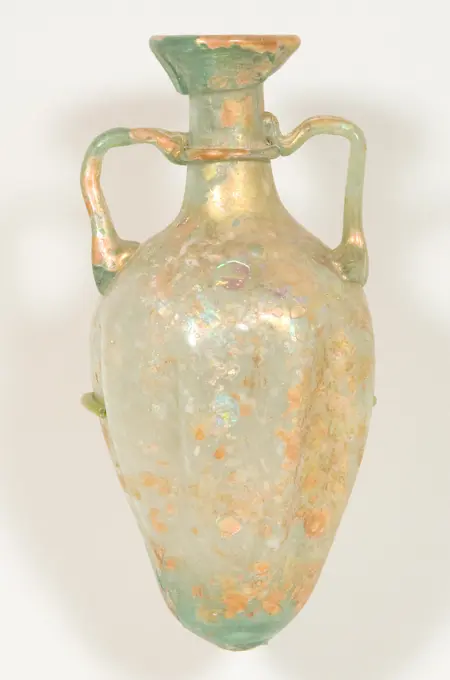
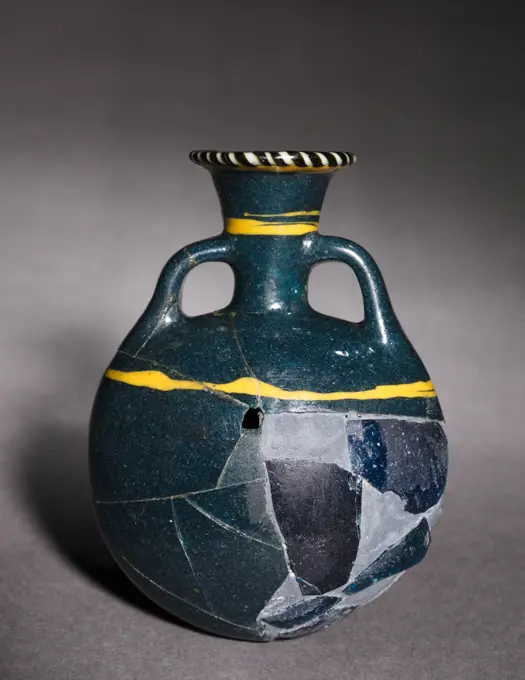
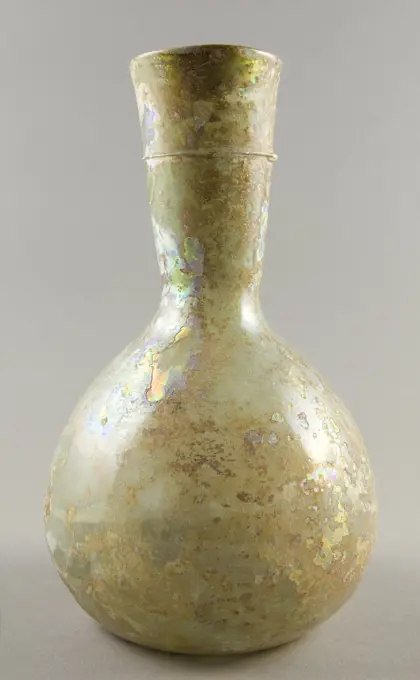
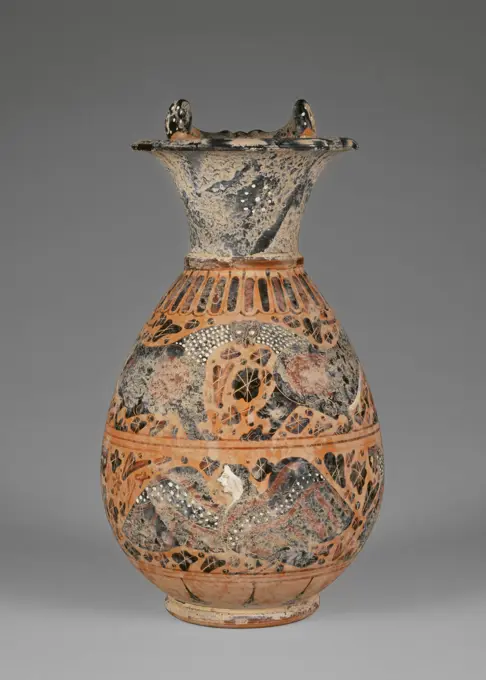
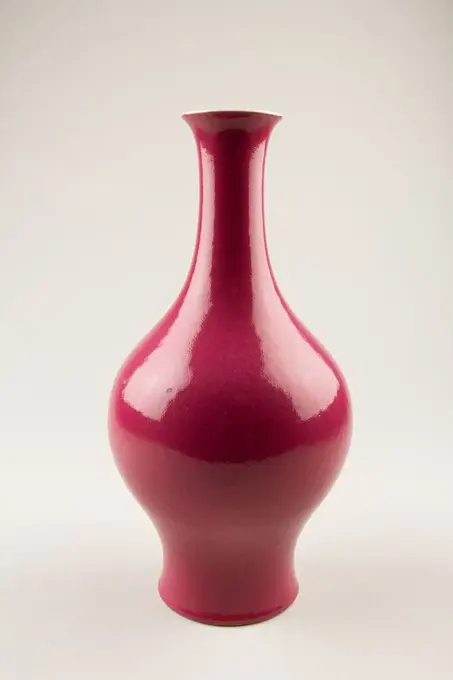
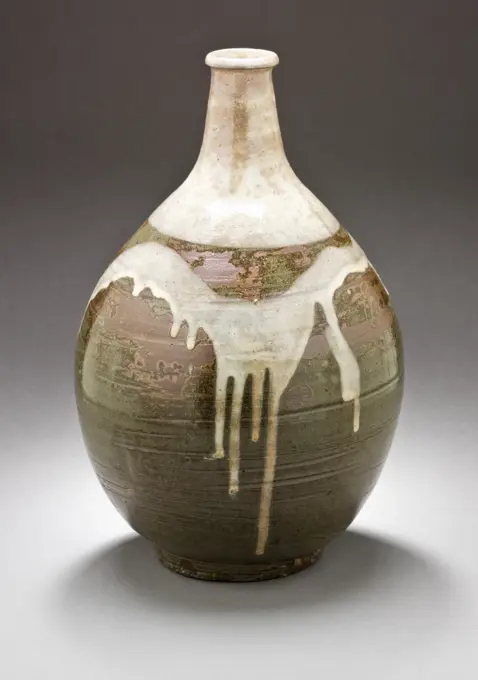
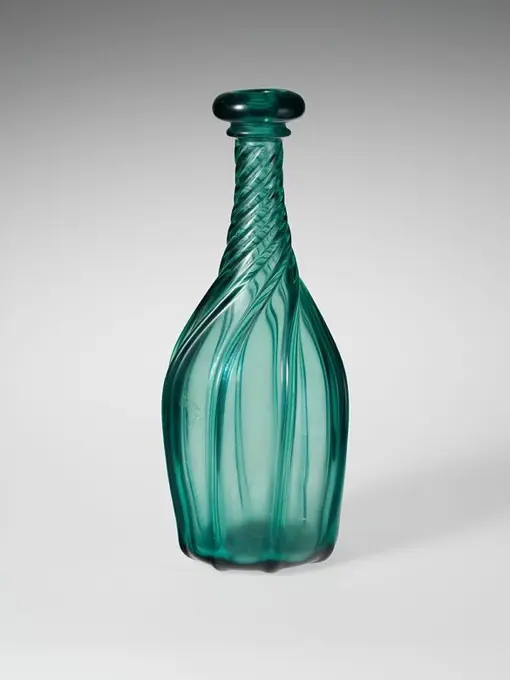
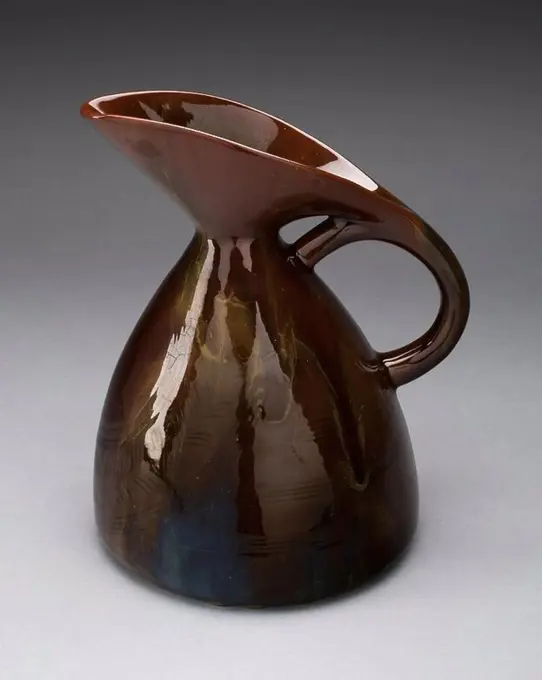
Collection of historical bottles and vases, showcasing different cultures such as Roman and Japanese Edo period. Features various shapes, colors, and intricate designs.

Flask; Roman Empire; 1st - 2nd century; Glass; 7.8 x 6 cm (3 1,16 x 2 3,8 in.)
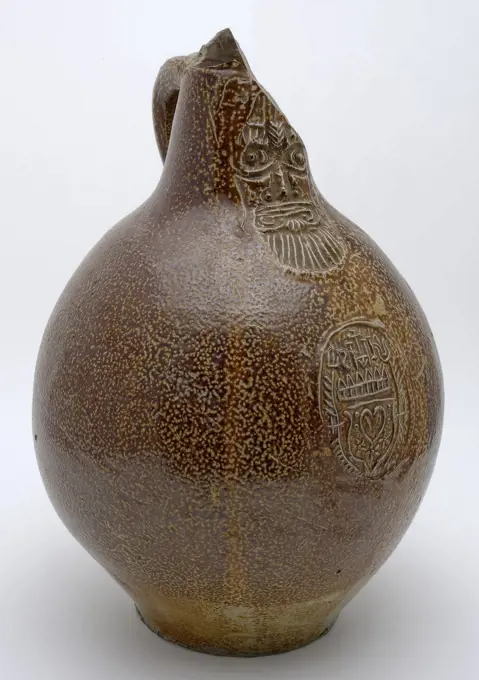
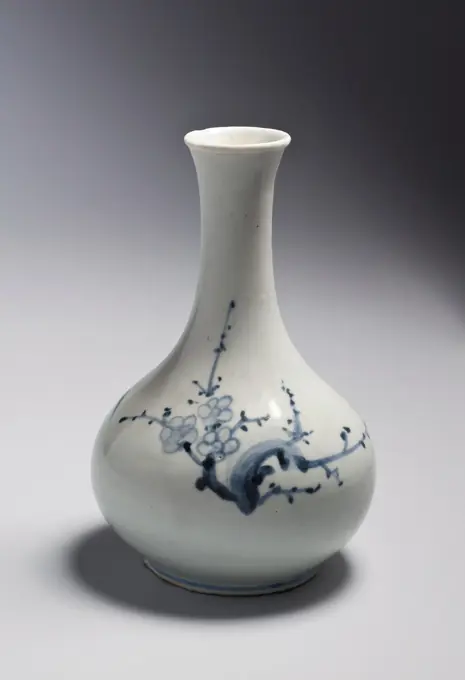
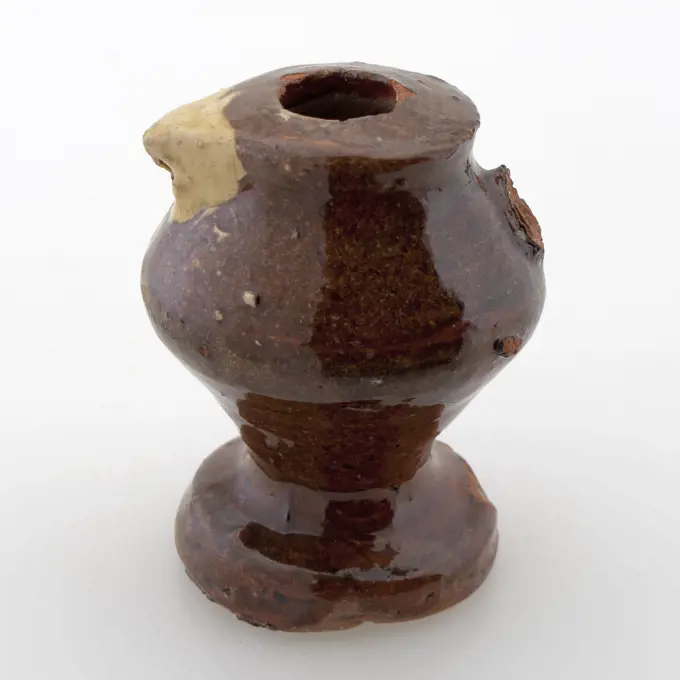
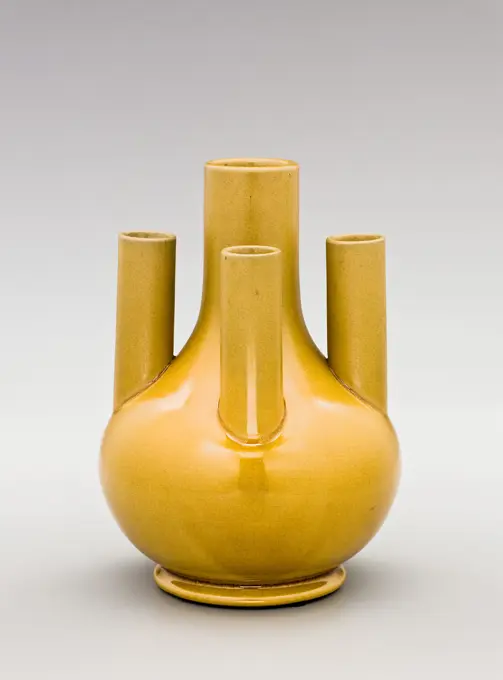
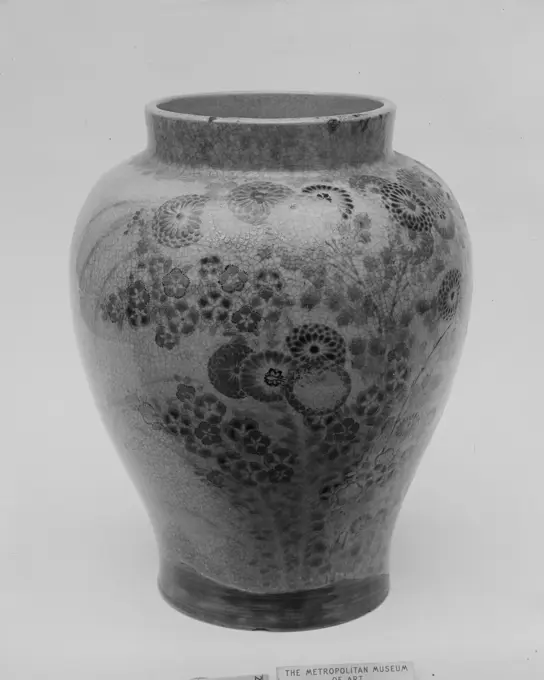
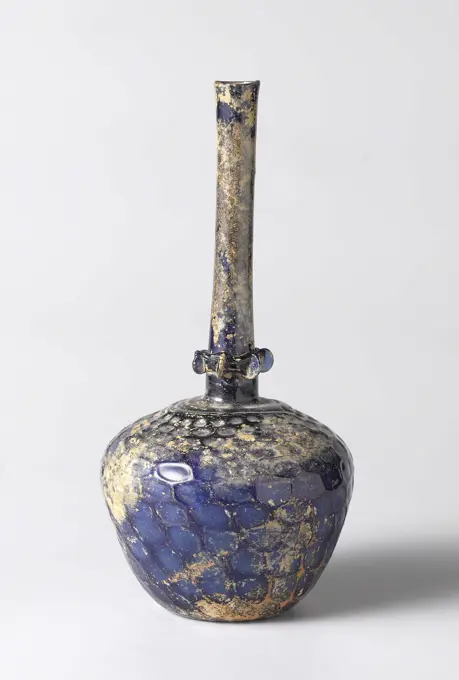
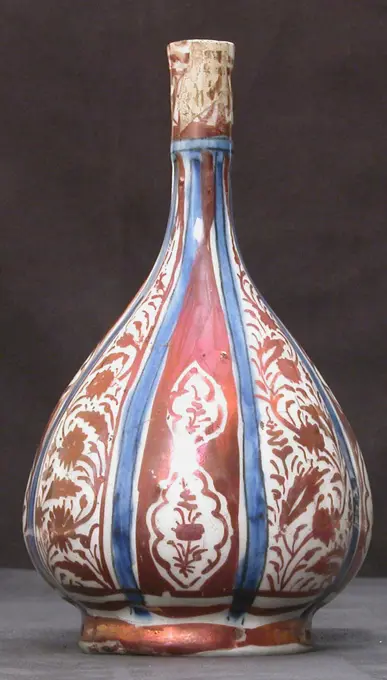
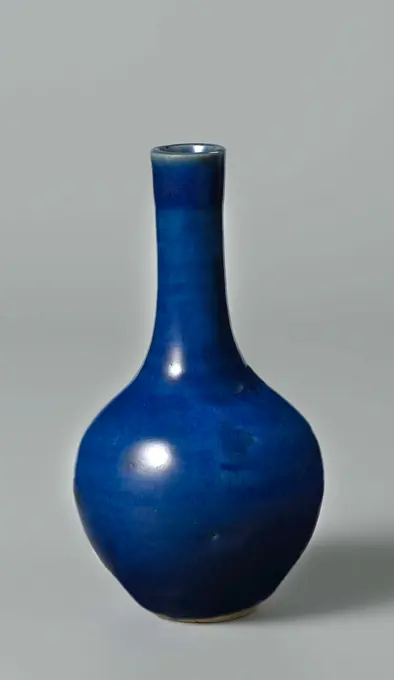
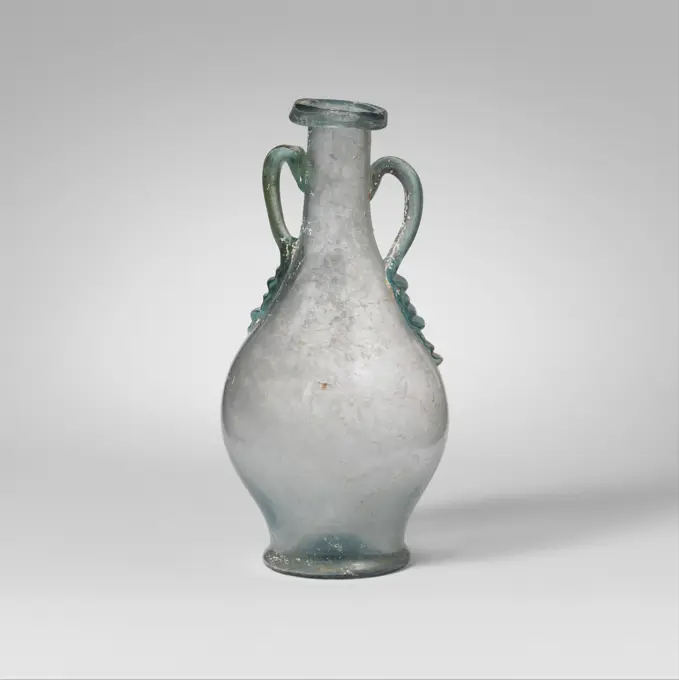
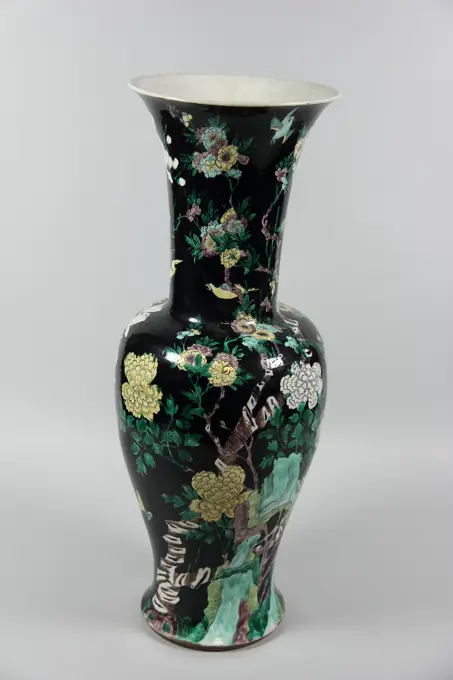
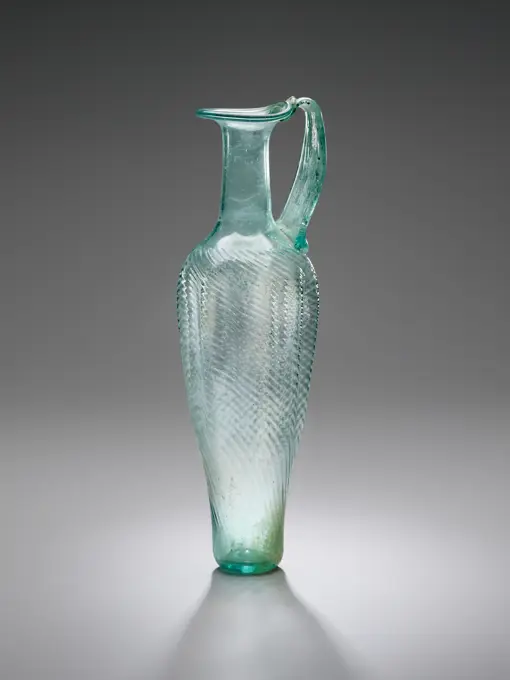
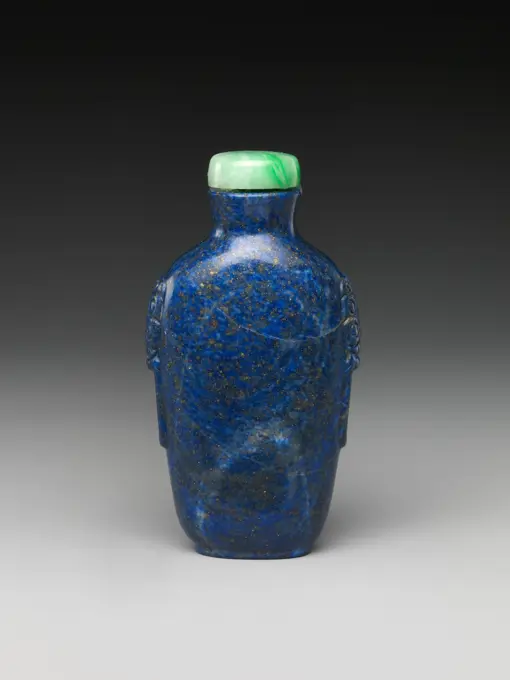
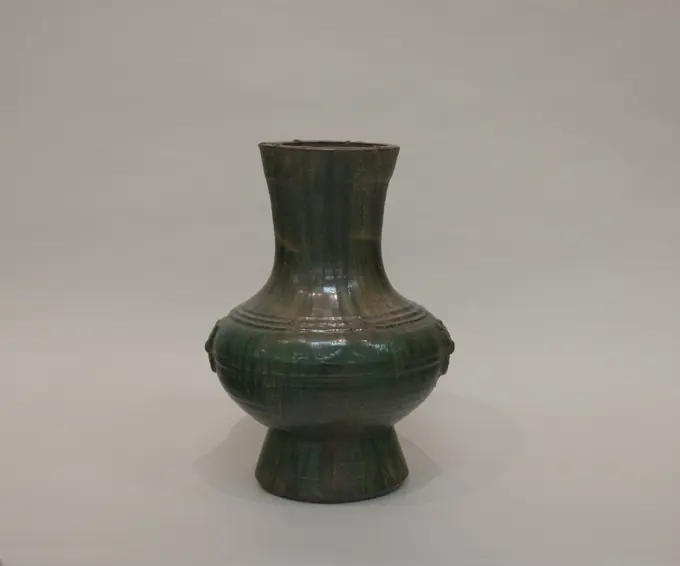
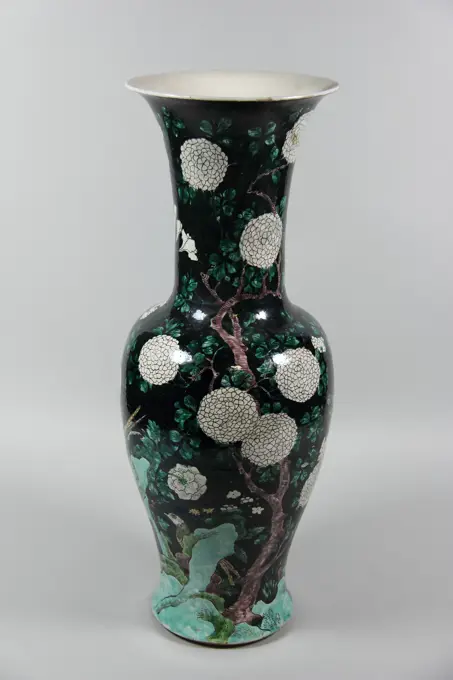
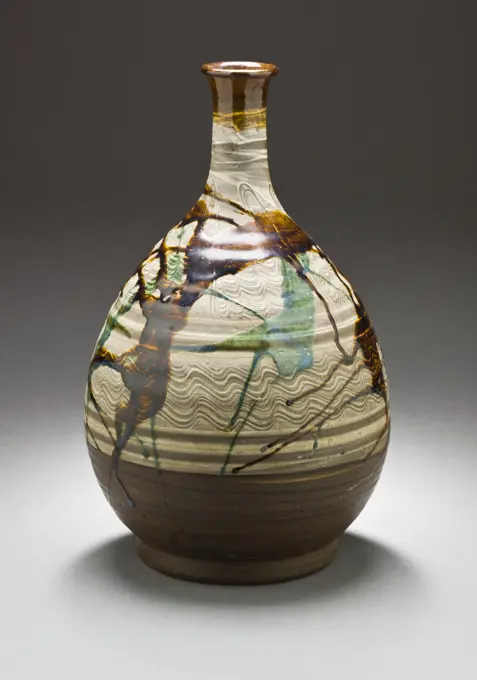
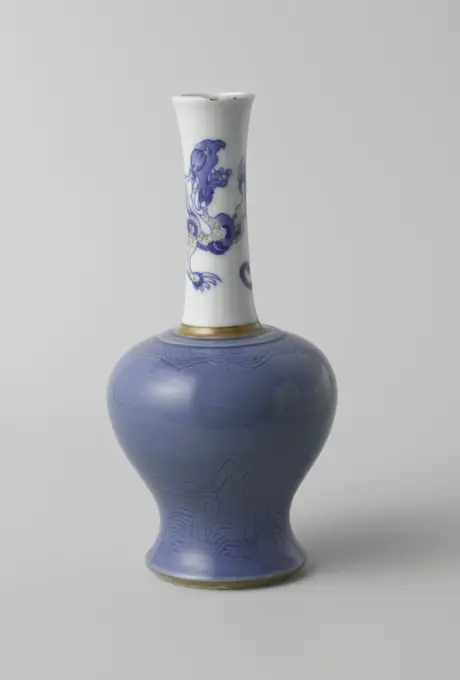
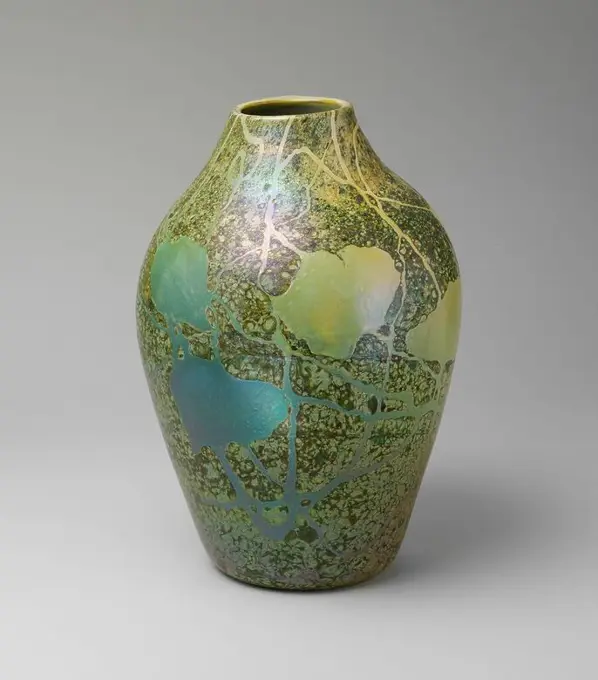
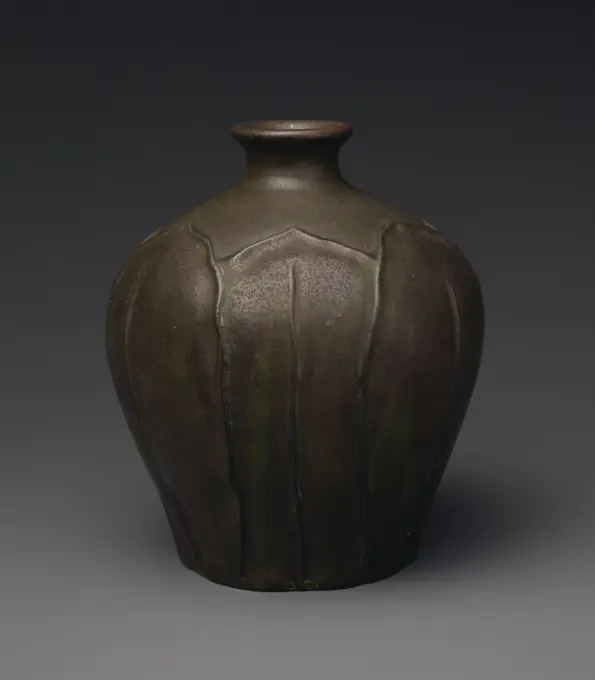
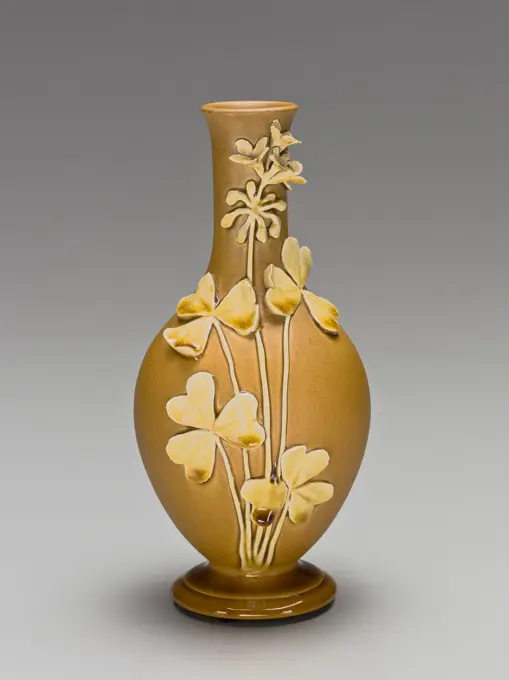
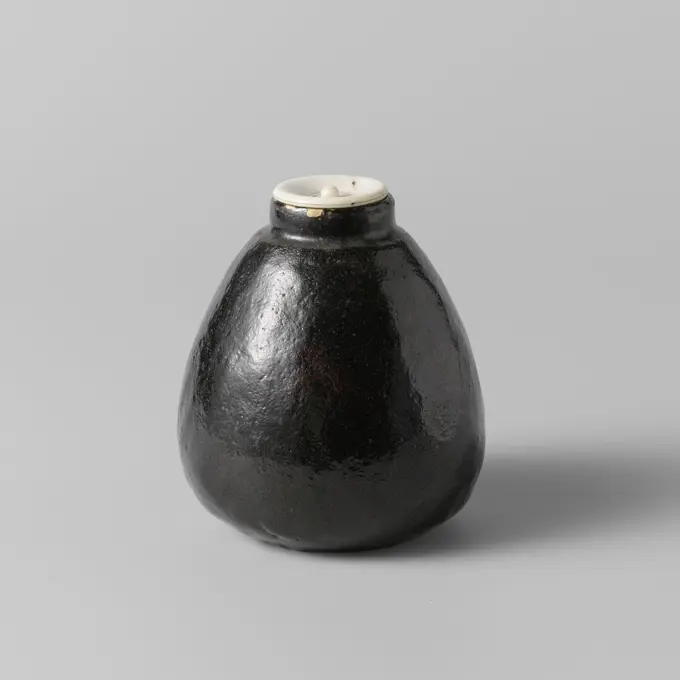
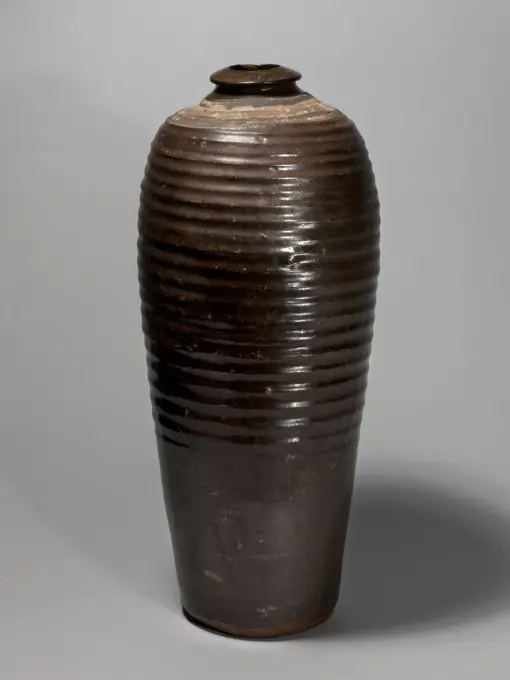
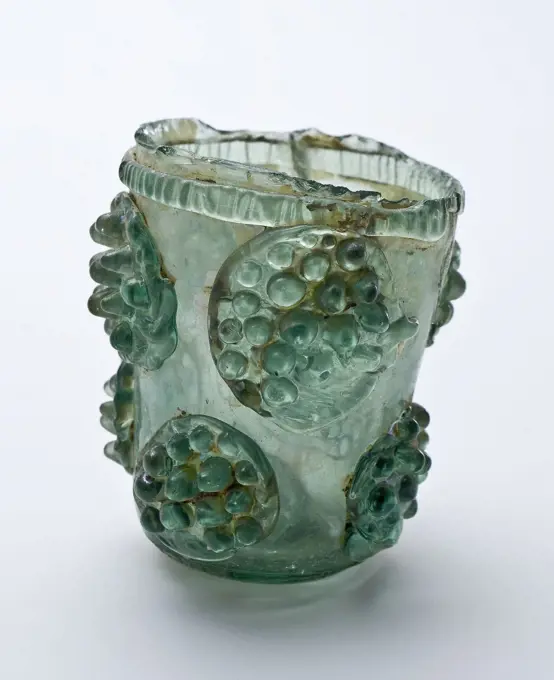
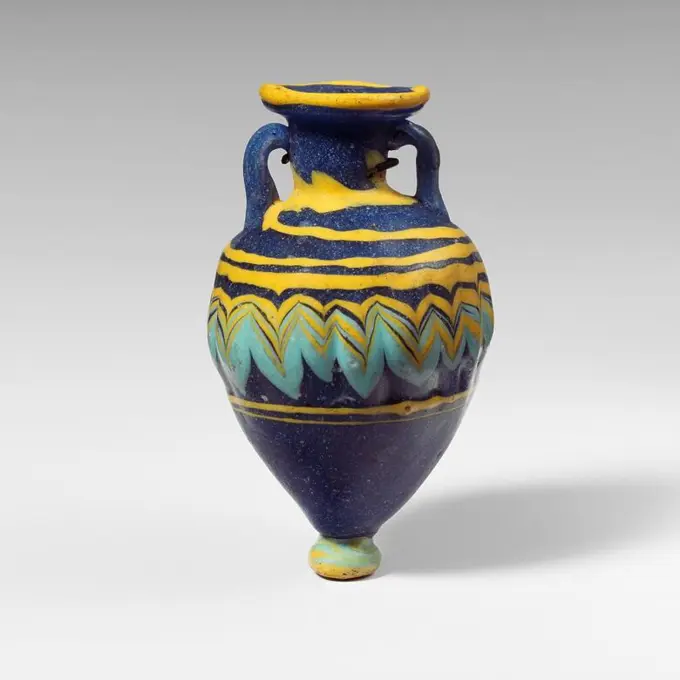
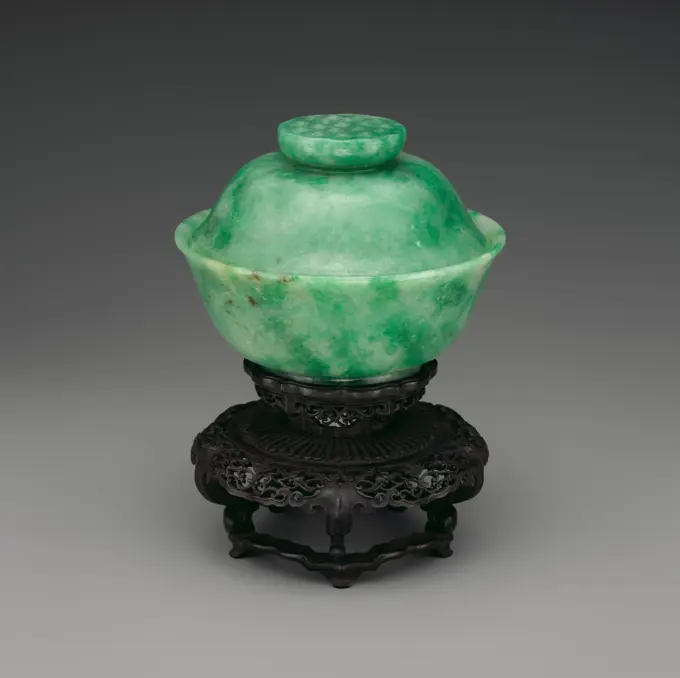
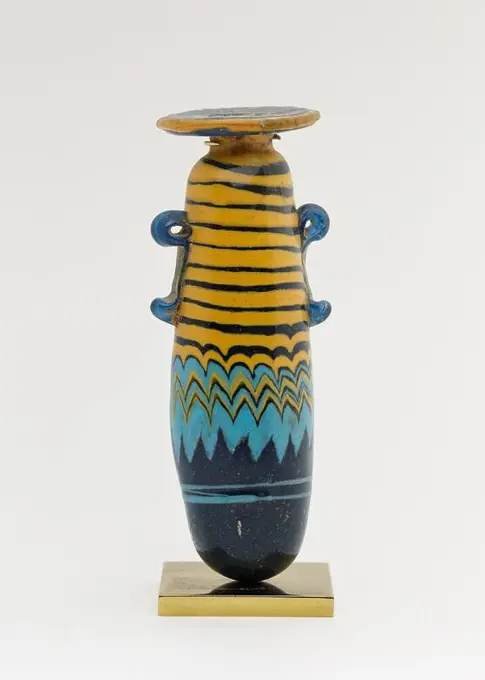
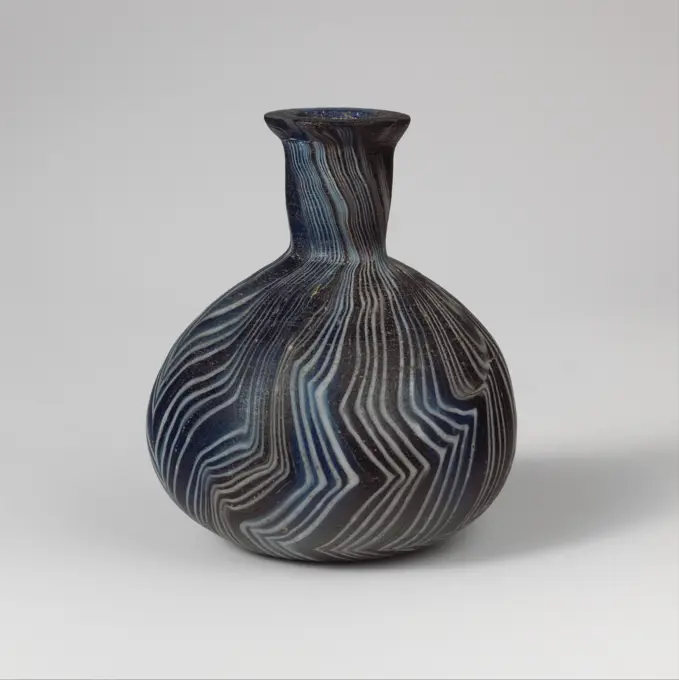
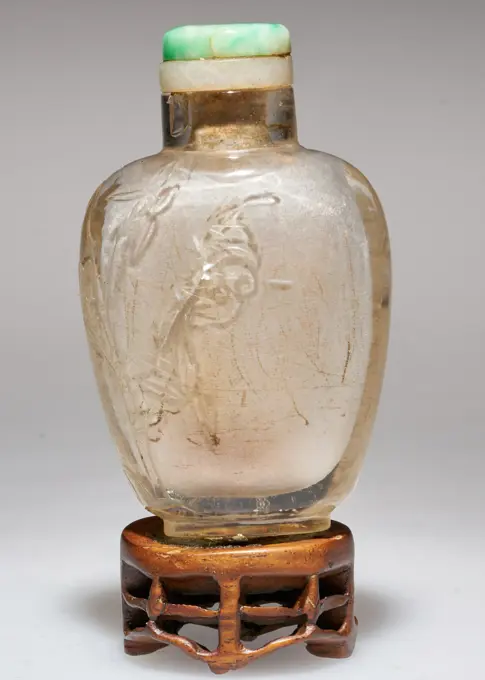
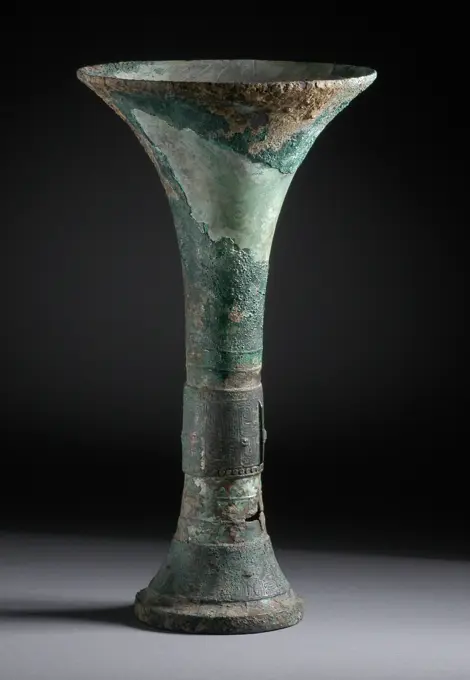
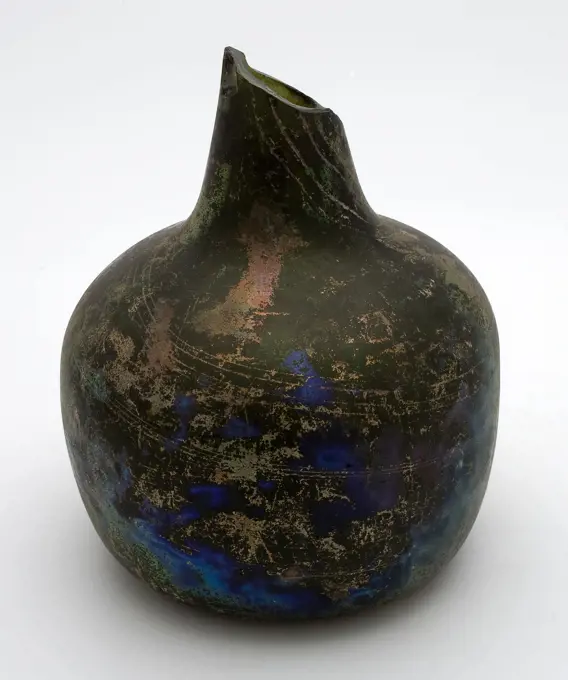
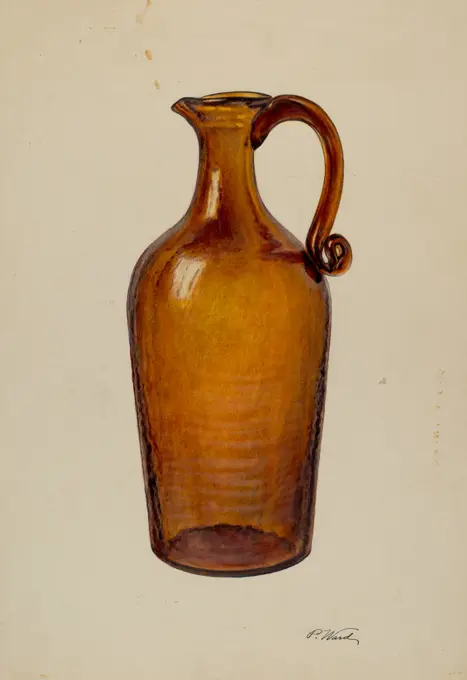
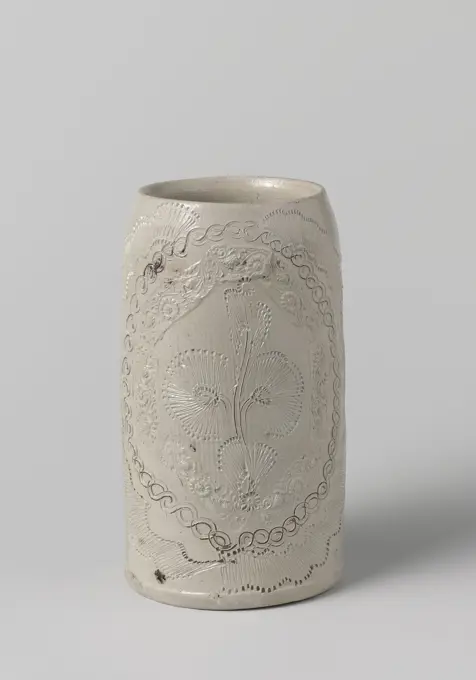
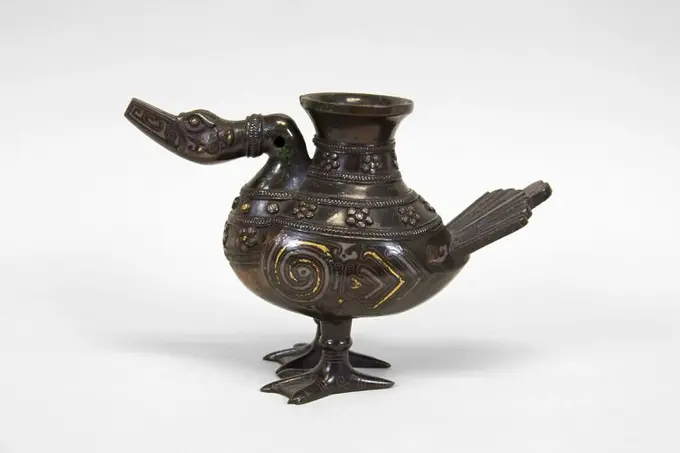
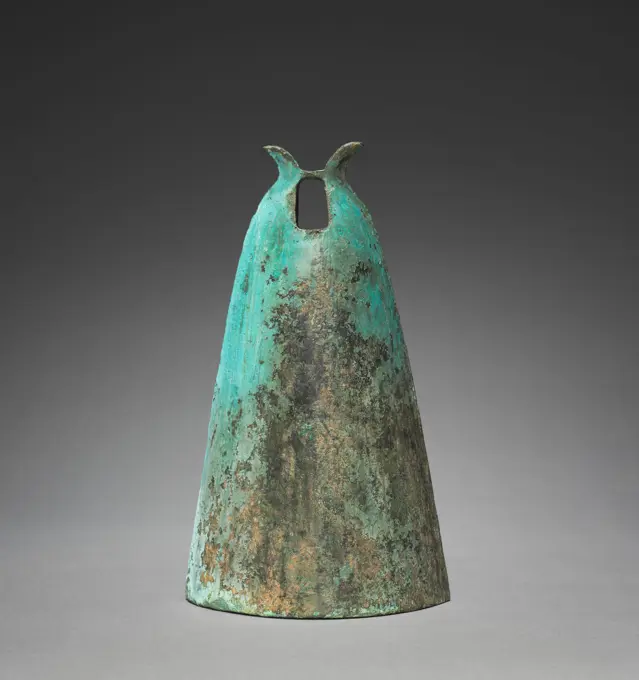
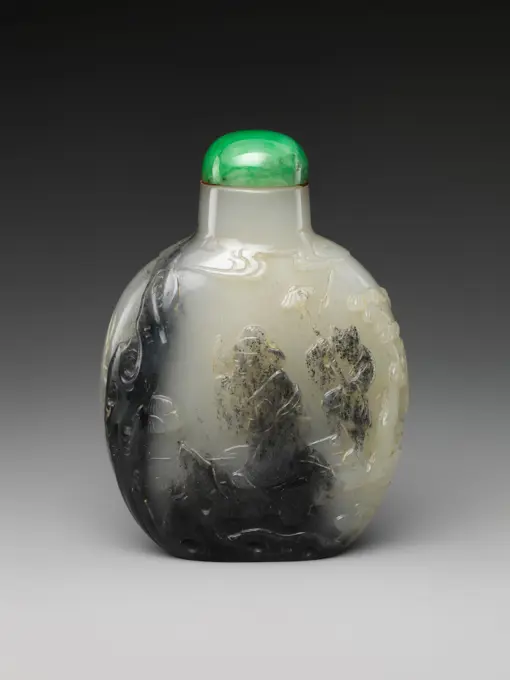
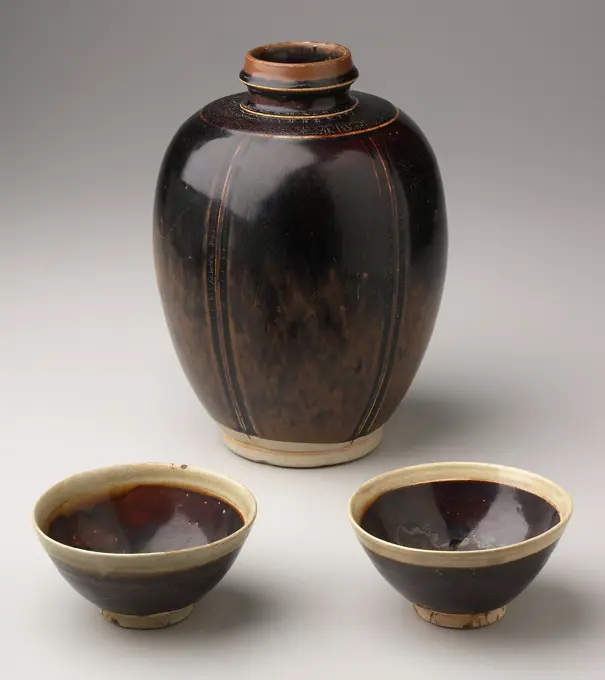
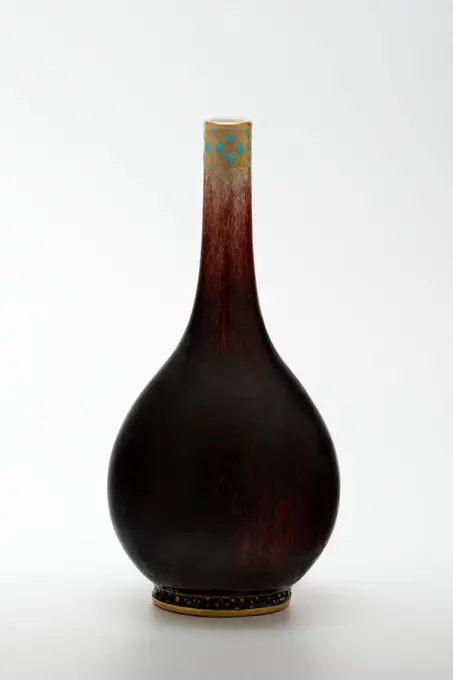
Vase with PlumBlossomsBrown Bartmann jug, also called Bellarmine jug, jug with Bartmann jug, also called Bellarmine jug, mask medallion with coat of arms with text, Bartmann juggeruik tableware holder soil find ceramic stoneware clay engobe glaze salt glaze, hand turned stamped glazed glazed baked stoneware jug gray shard largely brown brindled salt glaze profiled sausage ear with short pointy tail Text in medallion: IHS in mirror writing archeology heraldry import pottery drink packing transportVase Vase; Designed by Theodorus Adriaan Christiaan Colenbrander (Dutch, 1841 - 1930); Manufactured by Rozenburg Pottery and Porcelain Factory (Netherlands); Netherlands; earthenwareJar 19th century Bukkadō Japanese. Jar 47958Bottle 101 CE-400 CE Syria. Glass, blown technique . Ancient RomanBottle with bamboo and plum blossom design, 19th century, Unknown Korean, 7 × 4 9/16 × 4 1/2 in. (17.78 × 11.59 × 11.43 cm), Porcelain with cobalt-blue design under clear glaze, Korea, 19th centurySnuff Bottle, 1644-1911. China, Qing dynasty (1644-1911). Glass; overall: 6.8 cm (2 11/16 in.).Pottery flute in the form of double conical cup, spout and stand, flute toy relaxant soil find ceramic earthenware glaze lead glaze clay, hand turned glazed baked Pottery flute in the shape of double conical cup spout and stand surface Small neck opening opposite the spout with bulge adorned with yellow glaze. White clay and lead glaze. Strong narrowing of boiler above stand. Sloppy finished stand with light soul archeology Rotterdam Kralingen-Crooswijk Struisenburg Oostmaaslaan indigenous pottery playing flutes toy music Soil discovery: Oostmaaslaan and's Gravenweg Rotterdam.Miniature Bottle. Dimensions: H. 3 cm (1 3/16 in.), Diam. 3 cm (1 3/16 in.). Dynasty: Dynasty 19-20. Date: ca. 1295-1070 B.C..Egyptian glassmaking, which had reached a high level of virtuosity in late Dynasty 18, continued to be practiced in the Ramesside Period; however, the quality, as well as quantity, of it production dropped off sharply in Dynasty 20. The "rope" made of stained glass rods in contrasting colors attached to the rim of this miniature bottle is a characetristic feature of glass vessles of this time. Museum: Metropolitan Museum of Art, New York, USA.Vase;  1. PO. 18th century (1723-00-00-1735-00-00);Vase ca. 1882-89 Chelsea Keramic Art Works Steeped in ceramics from birth, Hugh C. Robertson pursued his craft with fierce devotion and a passion for experimentation. From a family of trained English ceramists, he honed his skills in New Jersey before settling in Massachusetts as one of the founders of Chelsea Keramic Art Works and later, Dedham Pottery. Robertsons lifelong explorations in glazes, particularly their color and texture, make him one of the key figures of American art pottery at the turn of the twentieth century. Several of Robertsons vases imitate well-known Chinese examples, signaling his growing infatuation with Asian ceramics. Many adherents of the Aesthetic movement were drawn to the Far East, Bostonians in particular. The area was home to three major collections of Asian art — those of William Sturgis Bigelow, Edward Sylvester Morse, and Ernest Fenellosa — but they consisted primarily of Japanese works. Robertson appears to have been especially inspired by the ChiGlass perfume bottle. Culture: Roman. Dimensions: Height: 2 3/16 in. (5.6 cm)Diameter: 1 5/16 x 11/16 in. (3.3 x 1.7 cm). Date: 1st century A.D..Small perfume bottleTranslucent pale blue green; trails in thin opaque white.Uneven rim folded out, over, and in; short, flaring mouth; cylindrical neck, with tooling marks around base; convex sloping shoulder with prominent tooling marks below; squat globular body; slightly concave bottom.Fine white trails forming swirling pattern.Broken and repaired around body; a few pinprick bubbles; dulling and iridescent weathering; creamy enamel-like weathering on interior of neck. Museum: Metropolitan Museum of Art, New York, USA.Glass alabastron (perfume bottle). Culture: Greek, Eastern Mediterranean or Italian. Dimensions: H.: 3 7/8 in. (9.8 cm). Date: mid-4th-early 3rd century B.C..Translucent blue, with handles in same color; trails in opaque yellow and opaque turquoise blue.Flat rim-disk, slanting slightly to one side; short cylindrical neck; small sloping shoulder; straight-sided cylindrical body, with upward taper; uneven convex bottom; on body at different heights, two lug handles, applied over trail pattern; one with trailing tail upwards across body.A yellow trail applied as a blob at top of body and another trail in turquoise added below, and both trailed down in a spiral and tooled into a close-set zigzag pattern with shallow vertical ribbing, ending in a spiral around edge of bottom.Complete, but cracked around middle of body; dulling, some pitting, and iridescent brownish weathering. Museum: Metropolitan Museum of Art, New York, USA.Jar Nonomura Ninsei Japanese 1730 View more. Jar. Nonomura Ninsei (Japanese, active ca. 1646-94). Japan. 1730. Clay covered with a transparent crackled glaze; decorated colored enamels and gold (Kyoto ware, Takamatsu type). Edo period (1615-1868). Ceramics. The early Islamic glass workers refined the techniques they had inherited from their predecessors: Roman, Byzantine, and Sasanian craftsmen. They also often adopted the forms. This bottle with a honeycomb pattern, for instance, is comparable to Sasanian examples (Iranian dynasty, 3rd-7th century). Sasanian bottles, however, were made of cut glass, while this medieval vessel is mould-blown.Bottle 17th century. Bottle 448394Bottle vase with powder blue.Bottle-shaped vase of porcelain with round belly and long, narrow neck, painted in underglaze blue. The vase is covered with bleu poudré (powder blue). Monochrome bleu poudré.Glass two-handled bottle (amphora) 1st-2nd century A.D. Roman Translucent pale blue, with same color handles.Collared rim, aslant to neck, folded out, down, and up, with lip on outer edge of flaring mouth; cylindrical neck expanding downwards to join imperceptibly with ovoid body that then curves out slightly to low base ring; concave bottom with central pontil scar; rod handles applied as long tapering trails down sides and lower part of neck, then drawn up and out in a loop and trailed on to neck.Trails on body with horizontal crimped decoration.Intact; few bubbles, some black streaked impurities in handles; slight iridescence and limy encrustation.Colorless amphora.. Glass two-handled bottle (amphora) 244598Glass pourer flask. Culture: Roman. Dimensions: Overall: 1 7/8 in. (4.8 cm)Other: 3 3/8 in. (8.6 cm). Date: 1st-2nd century A.D..Translucent pale blue green.Irregular, uneven rim, folded over and in, forming collar to inside of mouth; short neck; bulbous body, drawn out on one side into slender, upturned nozzle; pushed-in bottom.Intact, but with one small hole on neck; a few pinprick bubbles; dulling, faint iridescence, and limy encrustation and weathering. Museum: Metropolitan Museum of Art, New York, USA.Vase with birds and flowers 19th century China. Vase with birds and flowers. China. 19th century. Porcelain painted in polychrome enamels over black ground (Jingdezhen ware, famille noire). Qing dynasty (1644-1911). CeramicsRibbedJugSnuff Bottle late 18th-early 19th century China. Snuff Bottle 41172Vase. Céladon. Cernuschi Museum, Asia Museum of Asia in the city of Paris.Large Baluster-Shaped Vase 1300-1368 China. Longquan ware; stoneware with translucent, pale bluish-green glaze and molded relief floral spray .Vessel with eight handles. UnknownJean Carriès (1855-1894). "Spherical pot". Enamelled sandstone and golden drips. Museum of Fine Arts of the City of Paris, Petit Palais. J. CARRIES - POT SPHERIQUE CERAMIQUE, COULURE OR, Ceramic, ENAMELLED STONEWARE, GOLDEN RUNOFF, GRES EMAILLE, POT, SPHERICAL, SPHERIQUEWine container (hu) 1st-2nd century China. Wine container (hu). China. 1st-2nd century. Earthenware with lead green glaze. Eastern Han dynasty (25-220). CeramicsVase with birds and flowers 19th century China. Vase with birds and flowers. China. 19th century. Porcelain painted in polychrome enamels over black ground (Jingdezhen ware, famille noire). Qing dynasty (1644-1911). CeramicsSake Bottle with Comb and Splash Designs. Japan, second half 17th century. Ceramics. Hizen ware, Takeo style; stoneware with white slip and green and brown glazesBeaker or Goblet. Roman; Eastern Mediterranean. Date: 101 AD-300 AD. Dimensions: 11 × 7.5 × 7.5 cm (4 1/4 × 2 7/8 × 2 7/8 in.). Glass, blown technique. Origin: Syria. Museum: The Chicago Art Institute, Chicago, USA. Author: Ancient Levantine.Baluster bottle vase with a dragon and incised waves and rocks, anonymous, c. 1680 - c. 1720 Bottle -shaped vase with a baluster -shaped belly of porcelain, painted in underlaze blue, red and brown. The belly is covered with powder blue with waves and rocks taken on the wall; Around the shoulder an edge with Ruyi motif; the base of the neck with a brown edge; A dragon on the neck. Marked on the underside with an artemisia leaf in a double circle. Two chips in the edge. Underglaze blue with copper red. China porcelain. glaze. cobalt (mineral). copper (metal) painting / vitrification Bottle -shaped vase with a baluster -shaped belly of porcelain, painted in underlaze blue, red and brown. The belly is covered with powder blue with waves and rocks taken on the wall; Around the shoulder an edge with Ruyi motif; the base of the neck with a brown edge; A dragon on the neck. Marked on the underside with an artemisia leaf in a double circle. Two chips in the edge. Underglaze blue with copper reVase (USA); Manufactured by Rookwood Pottery (United States); Decorated by Sarah Alice Toohey (American, 1872-1941); glazed earthenwareMilk; Plevia, Joanna (widow of Stanis Awie; Fl. 1827-29); around 1827 (1823-00-00-1832-00-00);TulipVase. Maker, attributed to: Lyman, Fenton & Co, American, 1849-52Cypriote Vase. Artist: Louis Comfort Tiffany (American, New York 1848-1933 New York). Culture: American. Dimensions: 15 in. (38.1 cm). Date: ca. 1897. Museum: Metropolitan Museum of Art, New York, USA.Glass alabastron (perfume bottle) mid-4th-early 3rd century B.C. Greek, Eastern Mediterranean or Italian Translucent cobalt blue, with handles in same color; trails in opaque yellow and opaque turquoise blue.Thick horizontal rim-disk, with rough inner edge to mouth; cylindrical, slanting neck; small sloping shoulder; straight-sided cylindrical body, with slight upward taper; convex bottom, with small tooled hole to one side; on body, two lug handles, applied over trail pattern; one with a tooled upward horizontal indent, the other with a sideways vertical indent.A fine yellow trail attached at edge of rim-disk; another broader yellow trail applied around top of body and wound round in a spiral; another trail in turquoise added below, and both tooled in six alternating bands into a widely spaced feather pattern with five vertical panels of upward and downward strokes, ending around edge of bottom.Complete, but broken and repaired around middle of body with one small hole; dulling, slighMiniature meiping vase 18th century China. Miniature meiping vase. China. 18th century. Porcelain with iron rust glaze (Jingdezhen ware). Qing dynasty (1644-1911). CeramicsVase, 1st-5th century, 4 3/4 x 2 1/2 x 2 in. (12.07 x 6.35 x 5.08 cm), Glass, Roman, 1st-5th centuryTripod Censer 1200-1234 China. Jun ware; stoneware with opaque blue .Vase ca. 1898-1918 William J. Walley William J. Walley was one of Gruebys many followers in the Northeast. Working in his small pottery in West Sterling, Massachusetts, and inspired by Gruebys leaf-based designs, Walley turned from historicizing shapes to vessels with richly modeled plant forms that are variations on Gruebys inventions. Whereas the Boston pottery relied on decorators to apply thin ropes of clay to delineate the leaves, in many instances Walley created designs where the leaves are modeled with greater relief.. Vase. American. ca. 1898-1918. Earthenware. Made in West Sterling, Massachusetts, United StatesVase ca. 1877-84 Chelsea Keramic Art Works The Chelsea Keramic Art Works was the first American ceramics firm to designate itself an "art pottery." It was founded in Chelsea, Massachusetts, by members of the Robertson family, all of whom had honed their skills in the ceramics industry in Britain before coming to this country. This vase features a fully modeled wildflower spray in white clay over a reddish, mustard-colored glaze. Such naturalistically rendered and asymmetrically arranged plant sprays in relief conformed to the decorative taste of the Aesthetic Movement in the late 1870s and 1880s (see also 2018.294.21; 2018.294.31).This vase is from the Robert A. Ellison Jr. Collection of American art pottery donated to the Metropolitan Museum in 2017 and 2018. The works in the collection date from the mid-1870s through the 1950s. Together they comprise one of the most comprehensive and important assemblages of this material known.. Vase. American. ca. 1877-84. Earthenware. Made in ChelVase ding ". Ceramic. China, Han. Paris dynasty, Cernuschi museum. 72687-3 Anse, Chinese, Ceramic Art, Han Dynasty, Terracotta, Vase DingBottle 101 CE-600 CE Syria. Glass, blown technique . Ancient RomanTea caddy with a black glaze, anonymous, anonymous, c. 1700 - c. 1850 Dust bar or Chare of stoneware with an ivory lid, covered with a black glaze. Gold lacquer restorations on the edge. Old label on the inside with 'Raku (Kyoto)/ 18th'. Raku. Japan stoneware. glaze. deksel: ivory vitrification Dust bar or Chare of stoneware with an ivory lid, covered with a black glaze. Gold lacquer restorations on the edge. Old label on the inside with 'Raku (Kyoto)/ 18th'. Raku. Japan stoneware. glaze. deksel: ivory vitrificationElements from a Necklace , c. 1400-1300 BC. Possibly Hungary, Bronze Age, c. 2500-800 BC. Bronze, cast; overall: 4.2 x 4.8 x 0.8 cm (1 5/8 x 1 7/8 x 5/16 in.).. Bottle of porcelain with spherical body and straight, long neck, painted in underglaze blue. On the bottle a continuous motif of stylized flower drinks; On the shoulder a band with blue and flower rinks in reserve; To the edge a tire with floral motifs. Marked on the underside with the letter 'G'. Blue White.Meiping. Grès à couvere brunette. Par musée musée malée. 78845-1 Asian art, ancient ceramic, gres, container, terracotta, vaseFragment of foot, bottom, stem of roemer, roemer drinking glass drinking utensils tableware holder soil find glass forest glass, free blown and formed glass application Fragment of base of base and stem of small rummer in clear light green glass (forest glass). Pontil mark under raised bottom. Hollow trunk with two rows each with four bramble buds At open transition to chalice around going ribbed glass thread archeology drinkGlass amphoriskos (perfume bottle). Culture: Greek, Eastern Mediterranean. Dimensions: 3 1/16 × 1 13/16 in. (7.8 × 4.7 cm)Diam. of rim: 1 1/16 in. (2.6 cm)Diam. of foot: 1/2 in. (1.3 cm). Date: late 6th-5th century B.C..Translucent blue, with handles in same color; trails in opaque yellow and opaque turquoise blue.Broad inward-sloping rim-disk; cylindrical neck; broad sloping shoulder; top-shaped body; circular base-knob with deep indent on bottom; two vertical strap handles applied to shoulder, drawn up, and pressed onto neck.A yellow trail attached at edge of rim-disk; another yellow trail applied in a thick irregular circle around neck and top of shoulder, wound in a spiral across shoulder and around top of body, then tooled into an uneven zigzag pattern on upper half of body, where a turquoise blue trail is added, mingling with the yellow, forming vertical ridges in sides; below, a fine yellow trail wound horizontally nearly twice around lower body; a turquoise blue trail and Bowl with cover China. Bowl with cover. China. Jadeite, light emerald-green mingled with lavender-gray. Qing dynasty (1644-1911), Kangxi period (1662-1722). JadeBottle 1700 Japan. Bottle. Japan. 1700. Clay covered with glaze on the lower half and a transparent, thick glaze with blue markings (Satsuma ware). Edo period (1615-1868). CeramicsSmall Vase or Bottle. Iran, late 18th century. Ceramics. Fritware, underglaze-paintedJar 1620 Japan. Jar 47203Agate GlassBottle, 1st century A.D., Free-blown glass, opaque brown, H: 9.1 cm (3 9/16in.), Roman, EasternMediterranean, Roman, Containers -GlassBottle. United States, Massachusetts, 1770-1820. Furnishings; Accessories. GlassStoneVaseAlabastron. Dimensions: H. 10.3 cm (4 1/16 in.), w. 4.1 cm (1 5/8 in). Dynasty: Dynasty 26-29. Date: 664-332 B.C.. Museum: Metropolitan Museum of Art, New York, USA.Glass mosaic bottle 1st half of 1st century A.D. Roman Translucent cobalt blue, almost opaque deep purple, and opaque white.Everted, horizontal rim with angular outer lip; cylindrical neck, tapering downward, with slight horizontal indent around base; squat globular body; slightly indented bottom.Marbled mosaic pattern formed from alternating sections of two canes: the first in a blue ground with white parallel lines in a irregular zigzag pattern; the second in a purple ground also with white parallel lines in a irregular zigzag pattern.Intact, except for one chip in underside of rim; dulling, pitting, and faint iridescence.Rotary grinding marks on exterior.. Glass mosaic bottle. Roman. 1st half of 1st century A.D.. Glass; cast and blown, and tooled. Early Imperial, Julio-Claudian. GlassSnuff Bottle, 17th-19th century, 2 3/4 x 1 5/8in. (7 x 4.1cm), Crystal, jade, China, 17th-19th centuryRitual Wine Cup (Gu) with Dragons. China, Late Shang dynasty, Anyang phase, about 1300-1050 B.C.. Furnishings; Serviceware. Cast bronzeDoubled-Handled Flask 301 CE-500 CE Syria. Glass vessels were part of the luxurious domestic decoration displayed in wealthy households in both urban villas and rural estates in the later Roman and early Byzantine eras (about 300ñ725). Glass vessels were used for a variety of purposes, including cosmetic containers. In the kitchen and for dining, pitchers served water and wine, and small cups were used for drinking. Glass was also used for lamps to light the home.Byzantine glass craftsmen improved upon the techniques, forms, and decorative motifs they had inherited from their Roman predecessors. An imperial edict of 337 exempted glassworkers from personal taxes and attested to their relative status in society; it remained in effect for several centuries. These artisans would, in turn, pass on their craft to successive generations, including those who worked under Islamic rule after the important Byzantine provinces of Egypt, Palestine, and Syria were conquered in the seventh century.. Lentoid Flask (Pilgrim Flask), c. 1336-1186 BC. Egypt, New Kingdom, Late Dynasty 18 (1540-1296 BC) to Dynasty 19 (1295-1186 BC). Glass; diameter: 9.2 cm (3 5/8 in.); diameter of mouth: 4 cm (1 9/16 in.); overall: 12 cm (4 3/4 in.).Alabastron. Culture: Greek, South Italian, Apulian. Dimensions: Overall: 6 3/8 in. (16.2 cm)Diameter: 2 3/16 × 1 15/16 × 1 11/16 in. (5.5 × 5 × 4.3 cm). Date: ca. 350-300 B.C..Unlike Attic alabastra which were suspended, Apulian alabastra were made with a foot.A: woman holding a wreath and a branch. B: youth holding a branch. Museum: Metropolitan Museum of Art, New York, USA.Vase; glazed and gilt earthenware; 15.2 x 8.9 cm (6 x 3 1/2 in.)Vessel with 13 Handles. UnknownVase 101 CE-500 CE Ancient Mediterranean. Glass, blown technique . Graeco-RomanImitation Etrusco-Corinthian Olpe. UnknownBelly bottle, bottle, belly bottle bottle holder soil find glass, free blown and shaped round-bellied bottle in clear green glass. Pontil mark under raised bottom Almost horizontal ascending wall to convex shoulders and onset to rejuvenated neck archeology packagingVase. Culture: China. Dimensions: H. 11 in. (27.9 cm). Museum: Metropolitan Museum of Art, New York, USA.Sake Bottle. Japan, Edo period (1615-1868), 18th century. Ceramics. Hizen ware, Takeo or Ureshino type; stoneware with white slip and clear glazeSnuff Bottle, 19th century, Jade, China, 19th centuryBar Bottle. Culture: American. Dimensions: H. 10 7/8 in. (27.6 cm). Date: 1840-60. Museum: Metropolitan Museum of Art, New York, USA.Vase with dragon late 17th-early 18th century China. Vase with dragon. China. late 17th-early 18th century. Porcelain with incised decoration under yellow glaze (Jingdezhen ware). Qing dynasty (1644-1911), Kangxi period (1662-1722). CeramicsPitcher. Designed by Christopher Dresser,; English, born Scotland, 1834-1904; Manufactured by Linthorpe Art Pottery; English, Yorkshire, 1879-1889. Date: 1880. Dimensions: 19.4 x 15.9 x 14 cm (7 5/8 x 6 1/4 x 5 1/2 in.). Lead-glazed earthenware. Origin: Yorkshire. Museum: The Chicago Art Institute, Chicago, USA.Apothecary Jar. Culture: Mexican. Dimensions: H. 11 3/4 in. (29.8 cm). Date: ca. 1860. Museum: Metropolitan Museum of Art, New York, USA.Bulbous bottle, belly bottle bottle holder bottomfound glass, free blown and shaped bottle bellied bottle dutch straight sided onion in clear green glass. Pontil mark under slightly raised soil. Body with almost straight up wall to rounded shoulders and rejuvenated neck broken off at 45 cm archeology Rotterdam Westzeedijk packing Soil discovery Rotterdam found at number 50 Westzeedijk.Jar. Culture: China. Dimensions: H. 6 3/4 in. (17.1 cm). Date: 19th century. Museum: Metropolitan Museum of Art, New York, USA.Jar late 17th-early 18th century China. Jar. China. late 17th-early 18th century. Porcelain with crackled green glaze (Jingdezhen ware). Qing dynasty (1644-1911), Kangxi period (1662-1722). CeramicsStar BeadFlask.  Artist: UnknownPaul Ward, Glass Jug, c 1940 Glass Jug. Cylindrical fabric tea bus or chair of stoneware with an ivory lid, partly covered with a creamy glaze. The bus has an orange-brown color with a cream-colored glaze on the shoulder and portions of the wall. Shigaraki.Jug. United States, 19th century. Furnishings; Serviceware. Earthenware, glazeJug. Silver: London; Stoneware: Germany, Rhineland, 1567-1568. Furnishings; Serviceware. Stoneware with gilded silver mountsDe select; unknown eastern workshop; III century (200-00-00-00-300-00-00);Jar with Chrysanthemums. Culture: Japan. Dimensions: H. 5 1/2 in. (14 cm); Diam. 5 in. (12.7 cm). Date: 17th century. Museum: Metropolitan Museum of Art, New York, USA.Tankard 'humpen' with flowering plants and floral scrolls, anonymous, c. 1730 - c. 1800 Beer mug (house pen) of stoneware with a cylindrical body and slightly inside of the edge. On the front a richly decorated medallion consisting of a band of pressed zigzag lines (Knibis), one of links and a printed and laid tire in the relief of grape vines. A flowering plant in the medallion. The ear has been broken down. Westerwald. Westerwald stoneware. glaze vitrification Beer mug (house pen) of stoneware with a cylindrical body and slightly inside of the edge. On the front a richly decorated medallion consisting of a band of pressed zigzag lines (Knibis), one of links and a printed and laid tire in the relief of grape vines. A flowering plant in the medallion. The ear has been broken down. Westerwald. Westerwald stoneware. glaze vitrification. Glass vase with light inserted soil. Spherical, free blown and shaped body, passing in a slightly outland neck. Colorless glass mass with an überfang of ox blood-red glass, over which an opaque white layer, in a reducing fire broken. Signature with the Diamant Leerdam Unica C.J. Lanoooy E 60.Snuff Bottle, 1644-1911. China, Qing dynasty (1644-1911). Glass; overall: 7.4 cm (2 15/16 in.).Vase;  19th/20th century (1891-00-00-1910-00-00);Staff Head 6th-7th century Moche (Loma Negra). Staff Head 313478Cruet ca. 1710 Chinese, for European market. Cruet 208934Vessel in the Shape of a Waterfowl. Culture: China. Dimensions: H. 5 1/2 (14 cm); W. 3 1/2 in. (8.9 cm); L. 8 1/2 in. (21.6 cm). Date: 12th-13th century.Vessels in the shape of waterfowl are known from before the Han dynasty (206 B.C.-A.D. 220). During the eleventh century, this form was revived as part of a widespread interest in antiquarianism and, in particular, in early vessels in bronze and clay. The date of this vessel derives from a comparison to one such illustrated in a twelfth century compendium of antiquities and is reinforced by the fluidity of the inlaid decoration, which becomes more rigid and geometric over time. Museum: Metropolitan Museum of Art, New York, USA.Bell with Diamond-Shaped Insignia, 300s-100s BC. China, along the southern borders, Eastern Zhou dynasty (771-256 BC) - Han dynasty (202 BC-AD 220). Bronze; overall: 24.1 cm (9 1/2 in.).Snuff Bottle, 17th-19th century, 2 1/2 x 1 5/8in. (6.4 x 4.1cm), Amethyst, China, 17th-19th centuryLong-neck vase with tubular handles 19th century China. Long-neck vase with tubular handles 47639Snuff bottle with Mi Fu bowing to a rock 19th century China A famed poet, painter, and calligrapher, Mi Fu (1051-1107) was also noted for his eccentricities, which included the collecting of stones. He declared one stone to be his older brother, and sometimes bowed to this rock as a mark of respect. Representations of Mi Fu bowing to a rock are often found in Chinese painting, as well as in the decorative arts.. Snuff bottle with Mi Fu bowing to a rock 41198Vase 1893 England. Salt-glazed stoneware . Martin BrothersBottle, 12th-13th century, 9 9/16 x 6 9/16 in. (24.29 x 16.67 cm), Tz'u-chou-type ware Stoneware with persimmon and dark-brown glaze over carved decor, China, 12th-13th century, This type of high-shouldered storage bottle is termed huan qing ping and mei ping in Chinese. The accompanying white-rimmed bowls were reportedly recovered from the same find along with the bottle and, indeed, similarities in clay body and brown glaze suggest that they are products of the same kiln. The jar is wheel-turned with a carefully trimmed foot, shoulder, and lip. The persimmon color glaze is probably no more than a thin coating of the dark, reddish glaze suggesting that the bottle was dipped twice; first in a diluted slurry that resulted in the caramel or persimmon color, and then into the primary slurry that produced the dark brown outer glaze.Vase 1830-70 American. Vase 9542Bottle vase. .