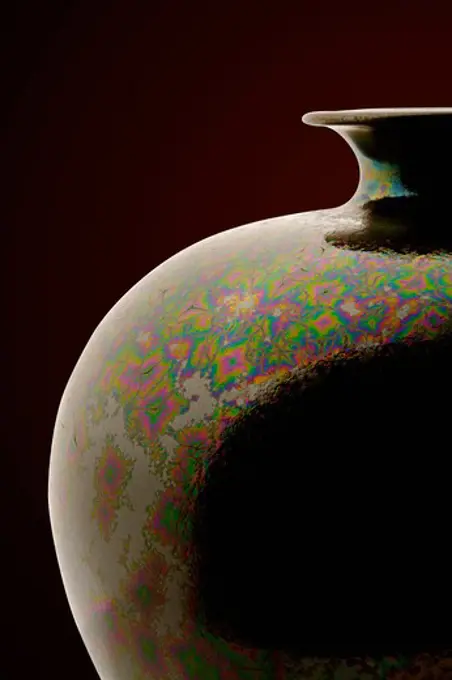
Ancient Glass and Ceramics

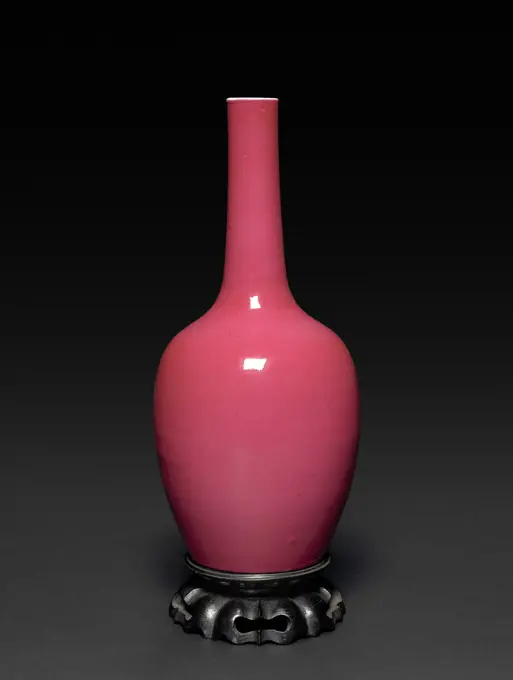
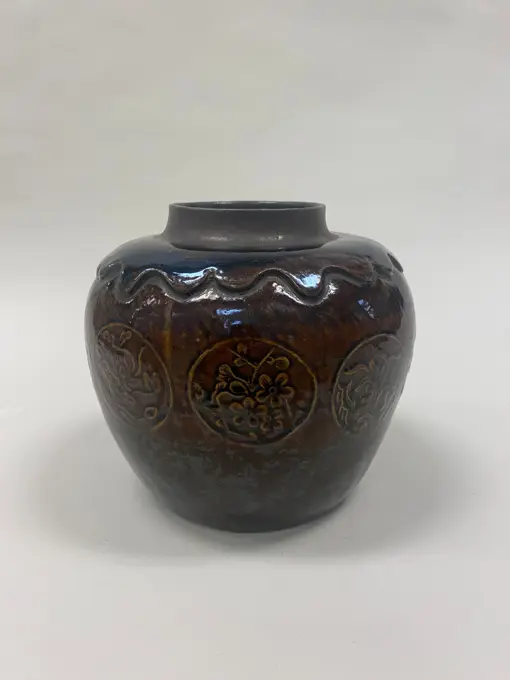
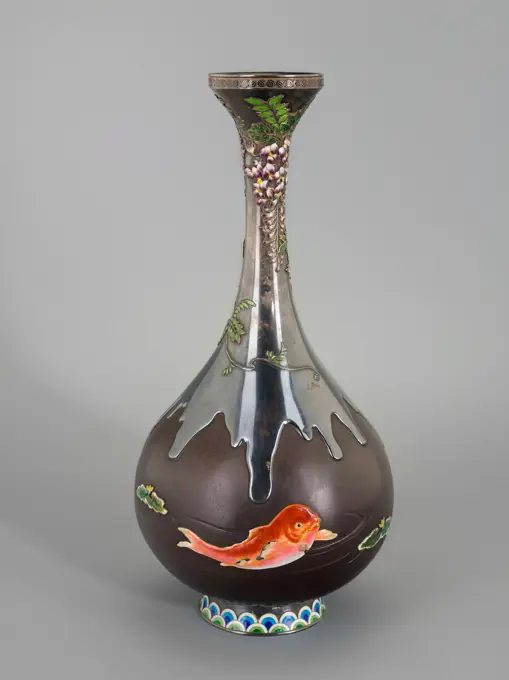
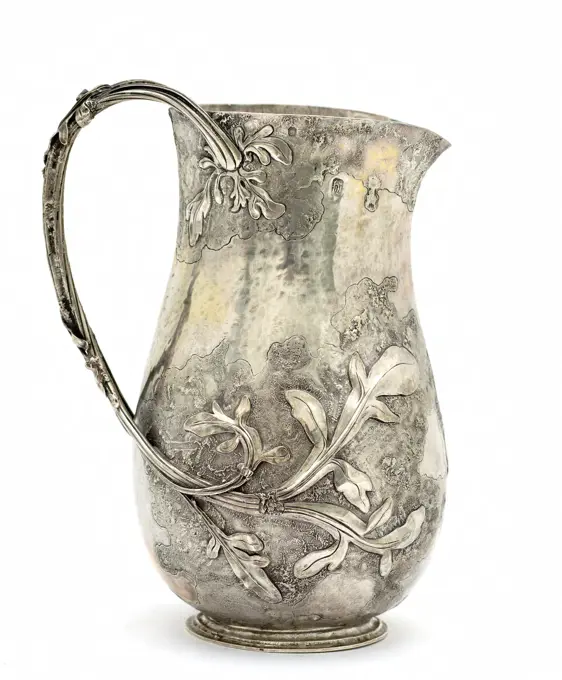
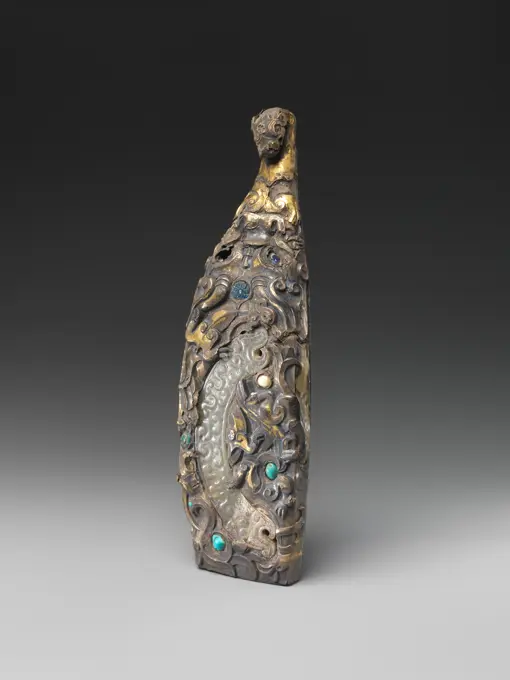
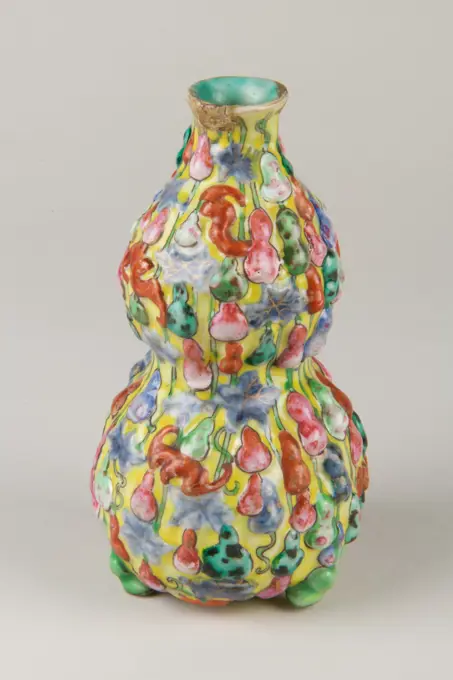
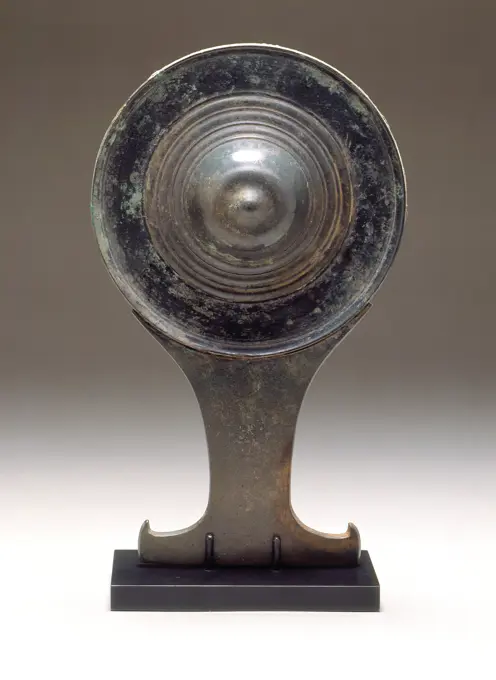
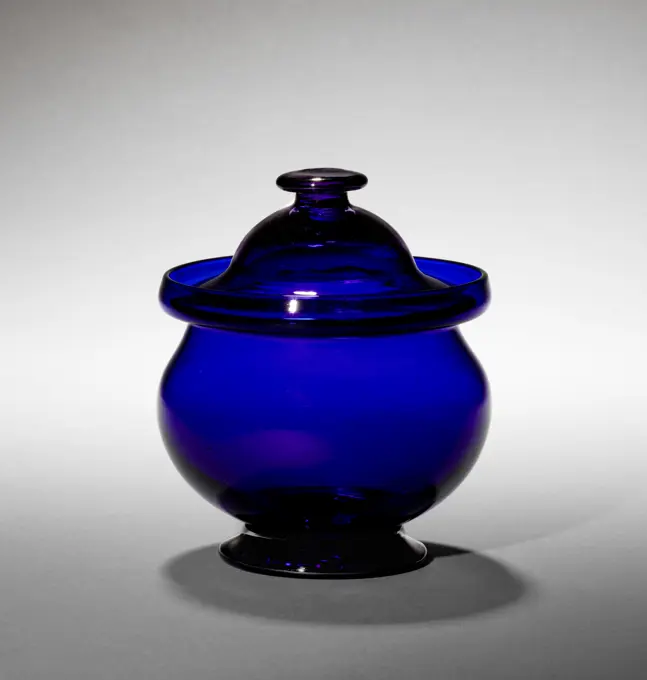
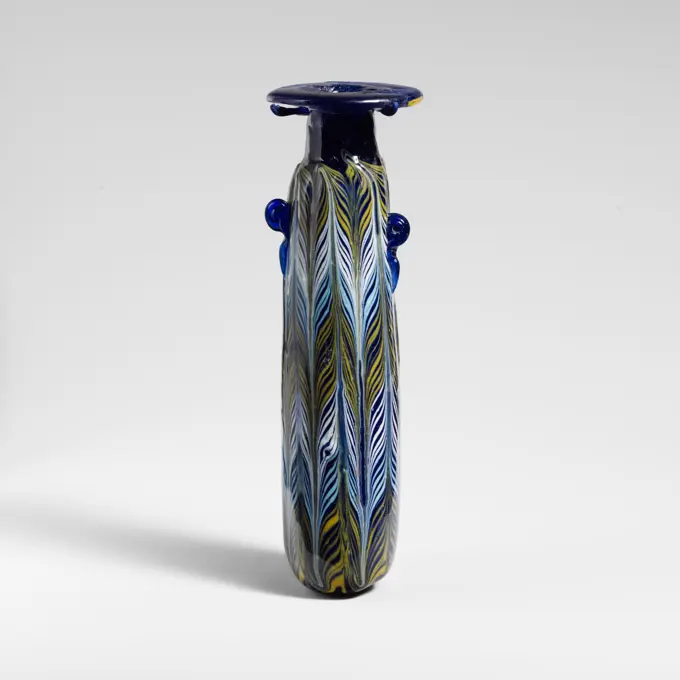
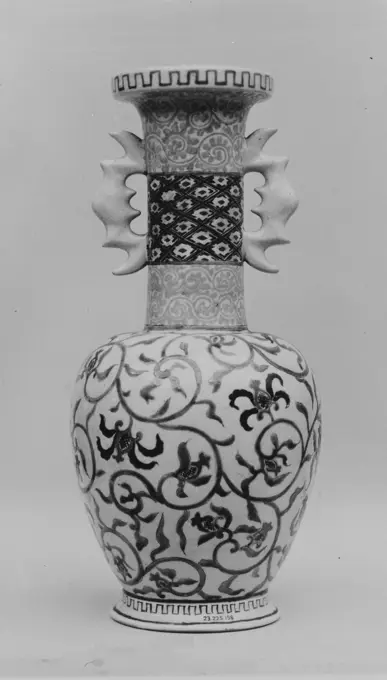
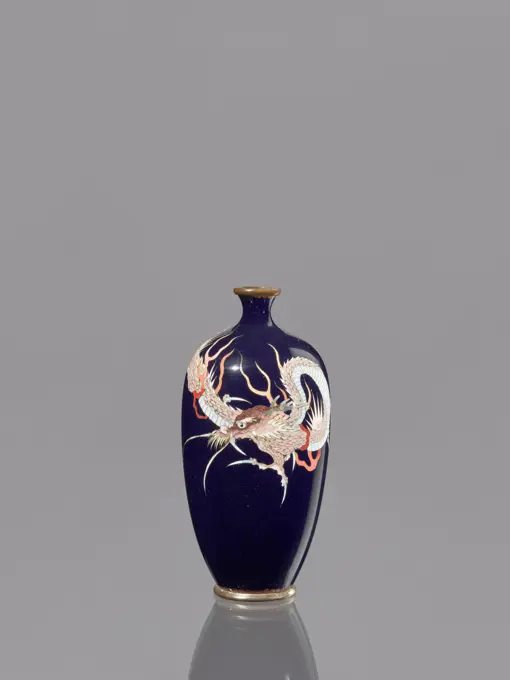
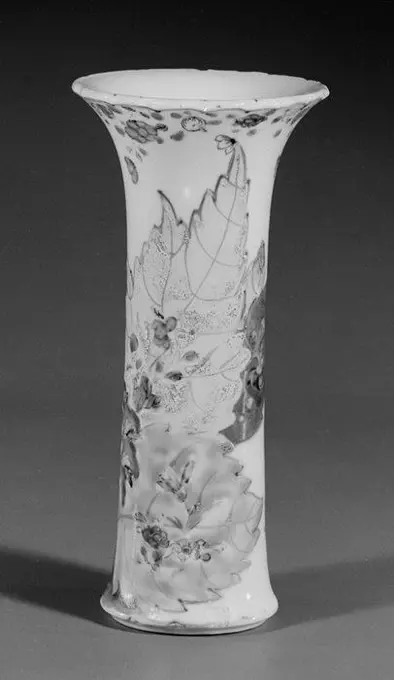
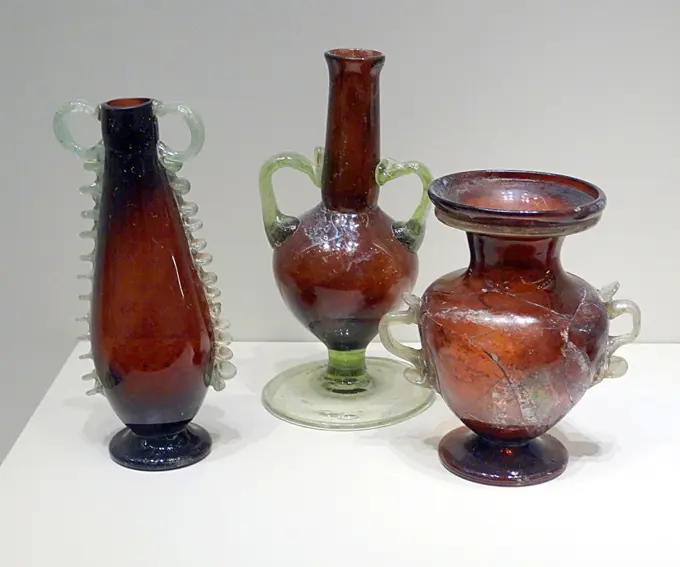
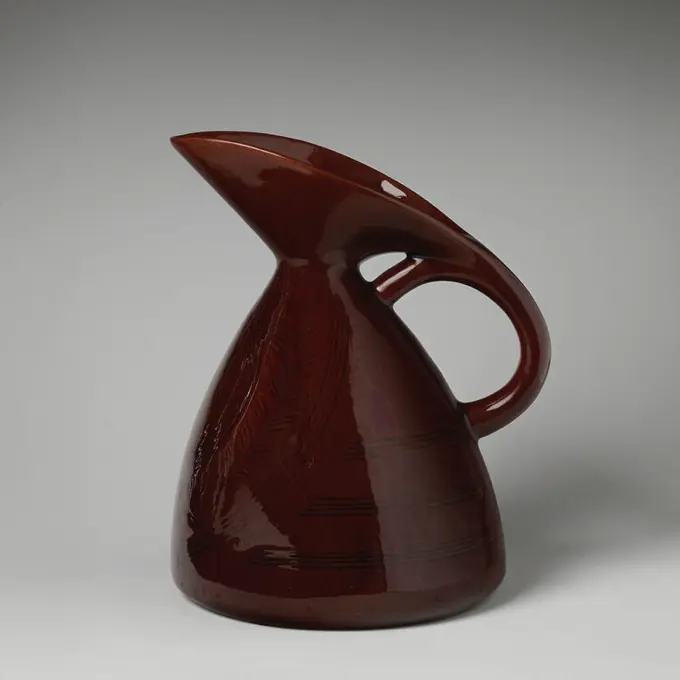
Collection of historical bottles and vases, showcasing different cultures such as Roman and Japanese Edo period. Features various shapes, colors, and intricate designs.

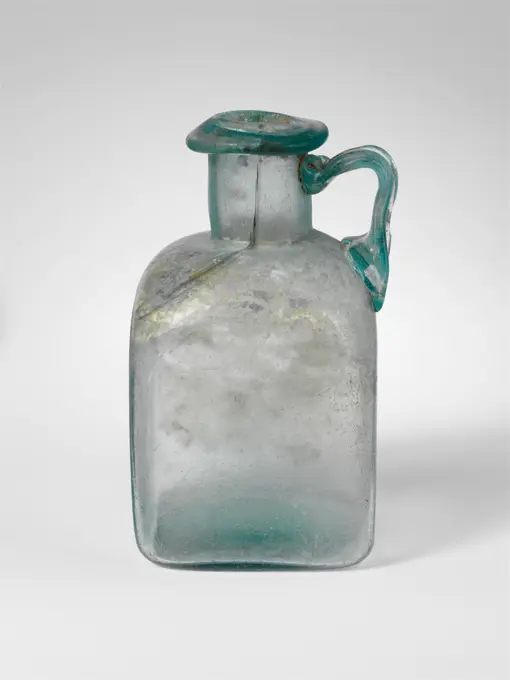
Flask; Roman Empire; 1st - 2nd century; Glass; 7.8 x 6 cm (3 1,16 x 2 3,8 in.)
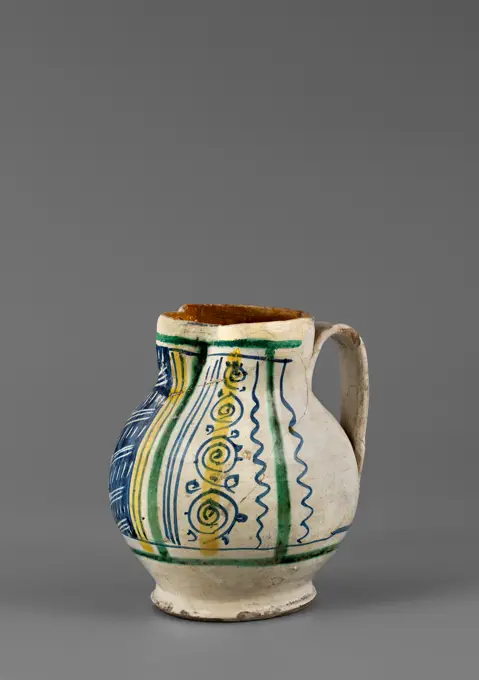
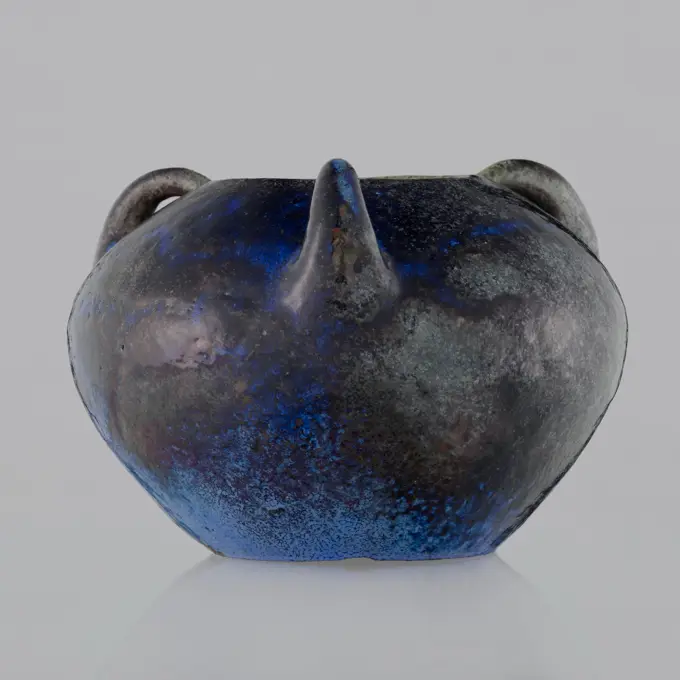
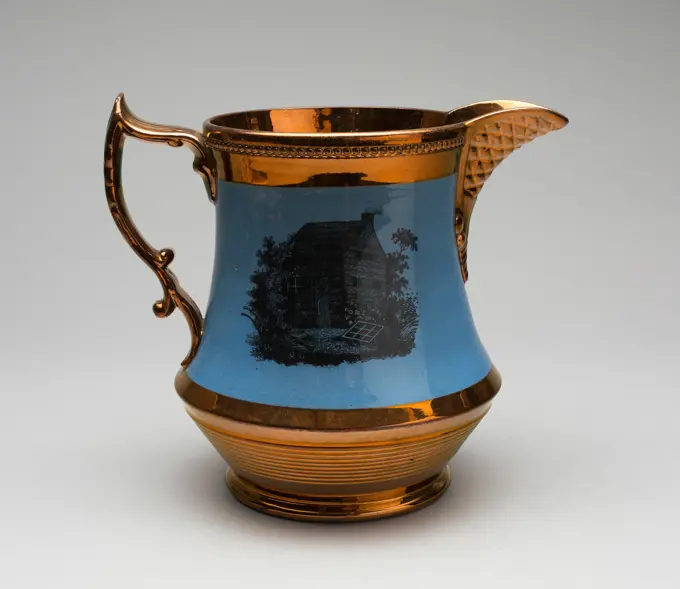
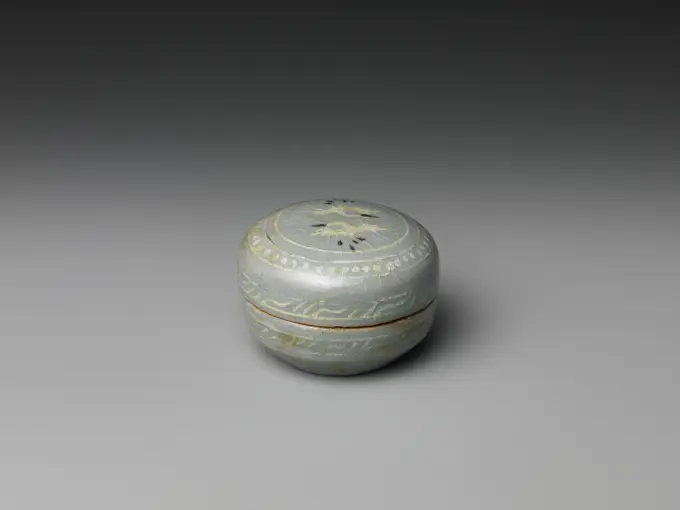
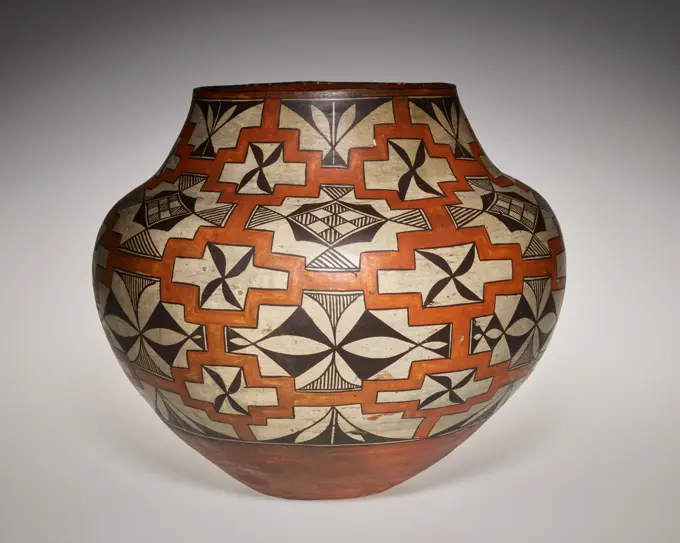
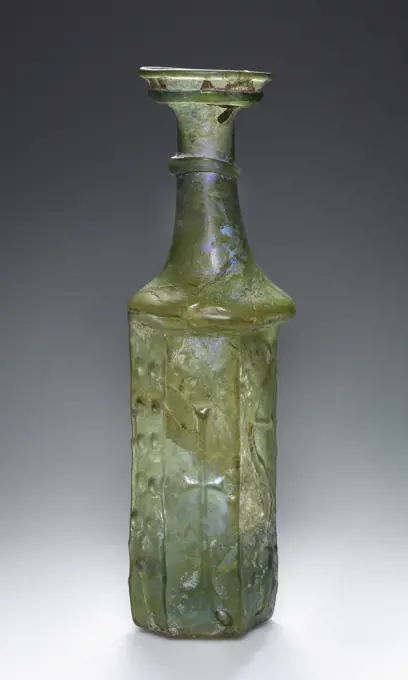
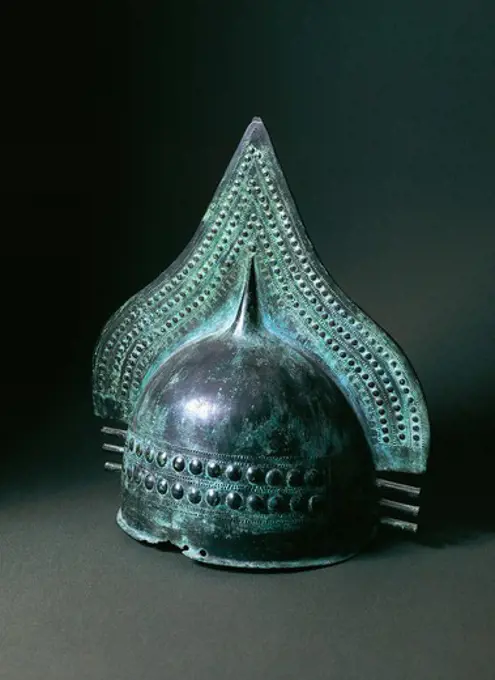
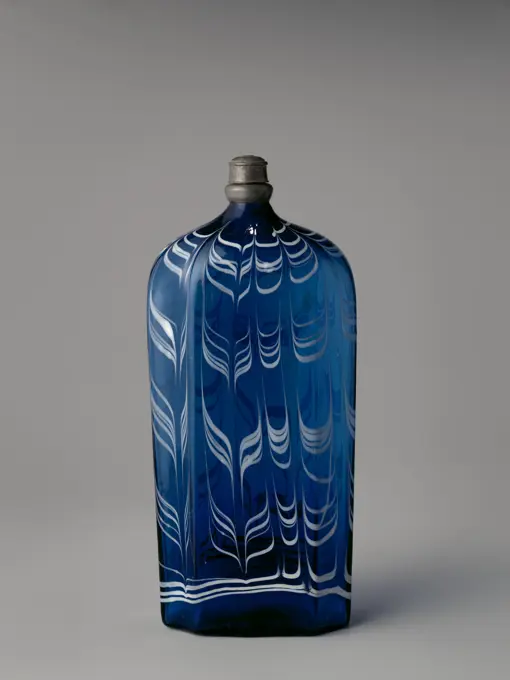
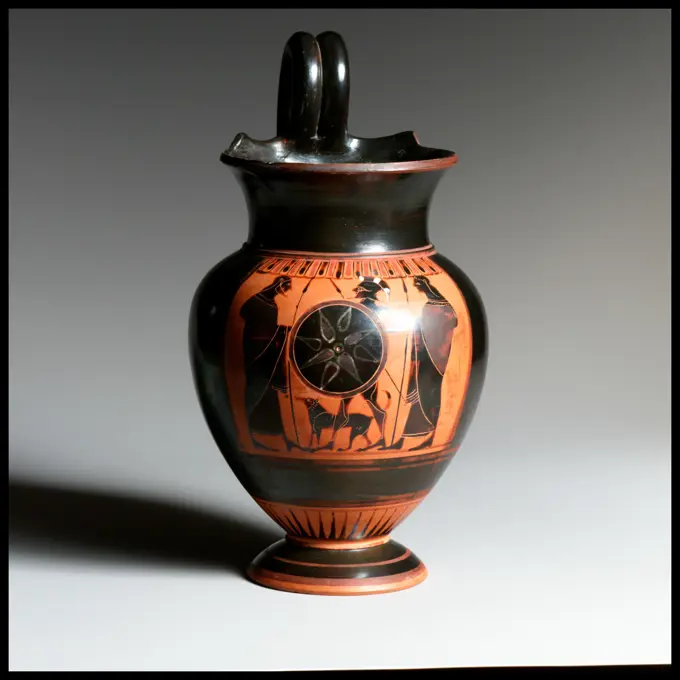
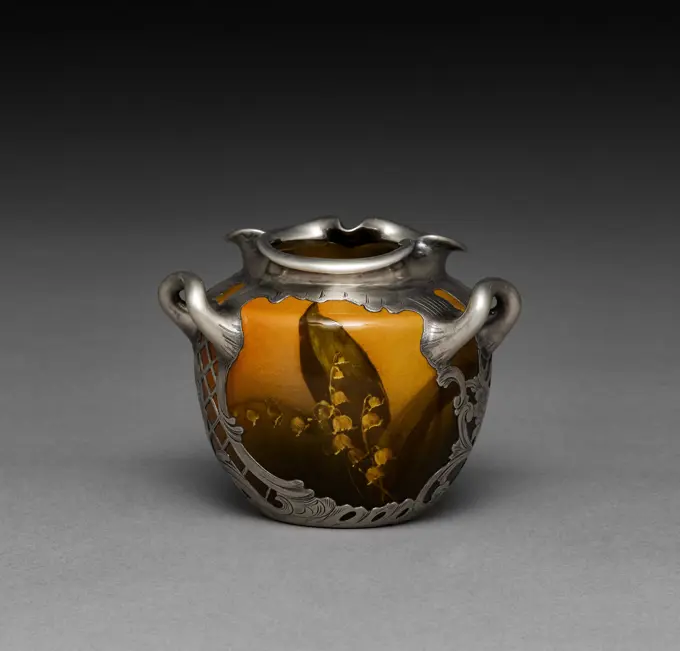
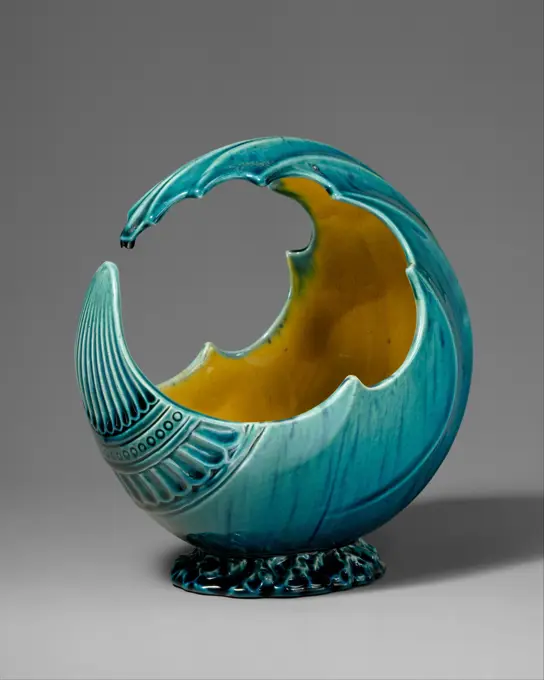
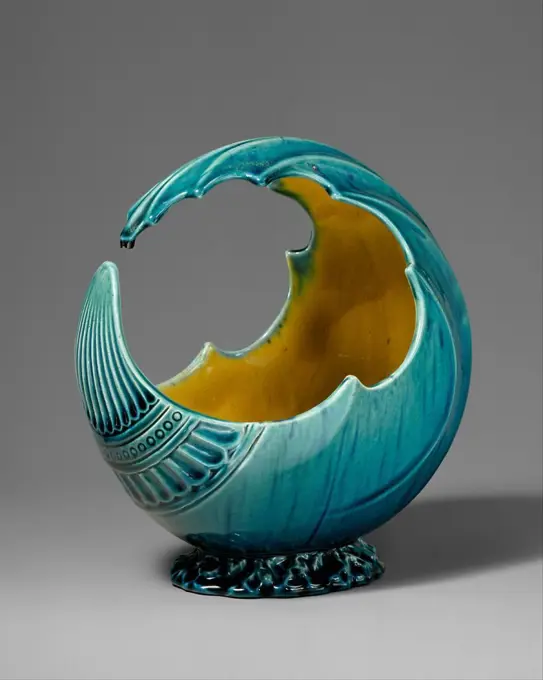
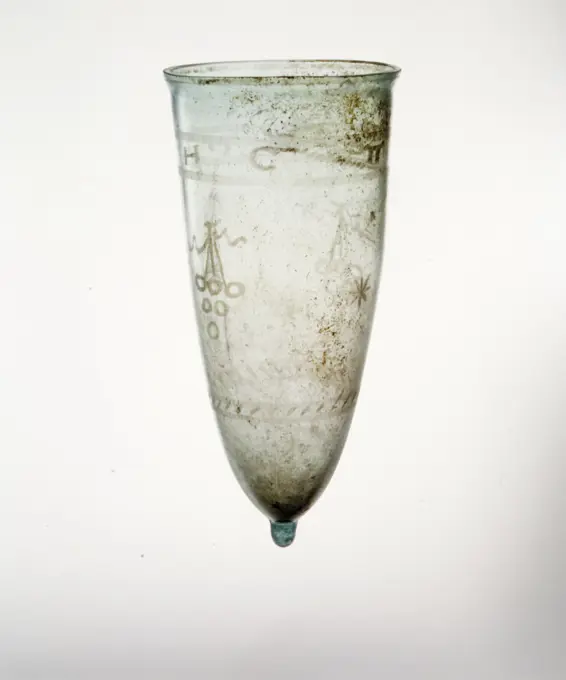
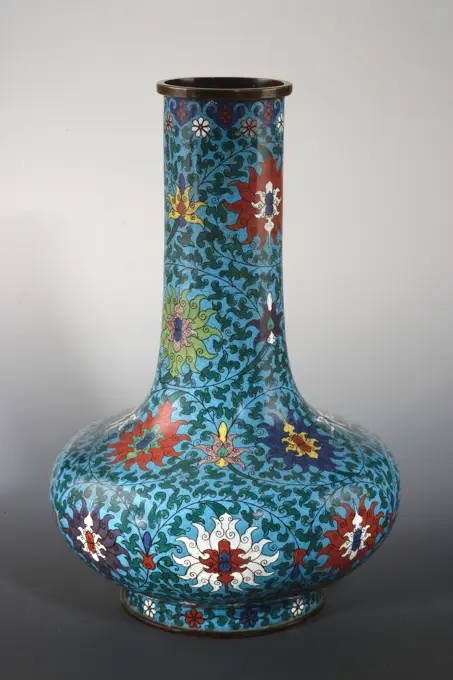
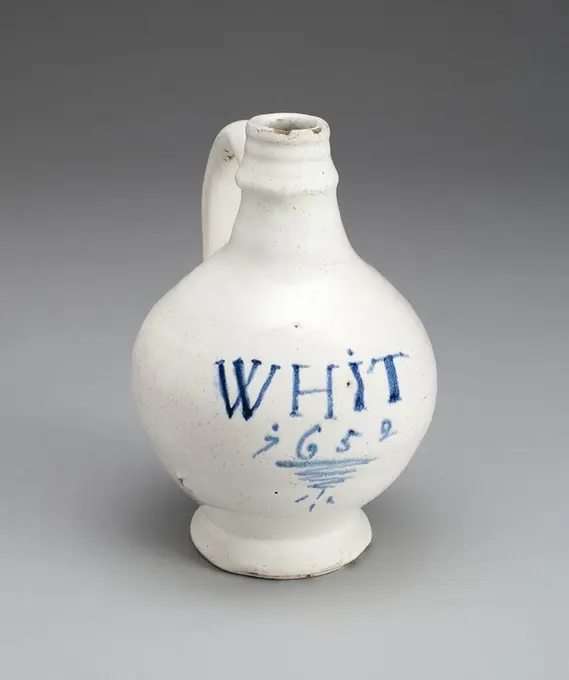
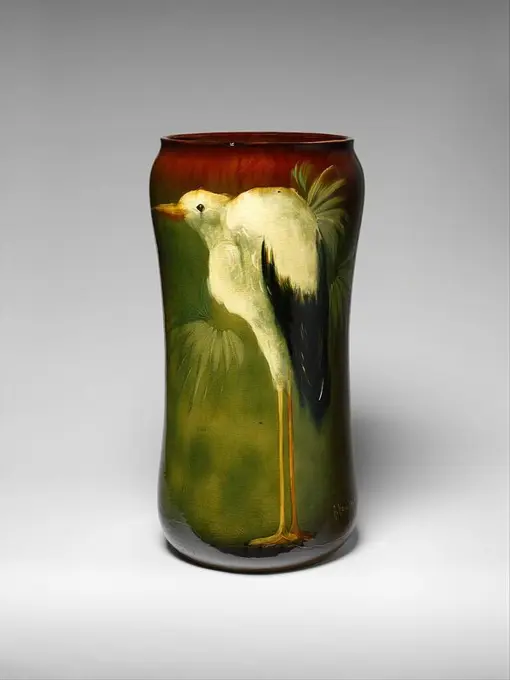
Edward White, Green Vase, c 1937 Green VaseVase, 1800s. China, Qing dynasty (1644-1911). Porcelain; overall: 23 cm (9 1/16 in.).Bottle. Culture: Chinese, for European market. Dimensions: Height: 9 1/2 in. (24.1 cm). Date: ca. 1725.No better evidence of familiarity with European glass in China need be sought beyond Emperor K'ang His's own statement that during his reign "we learned in a short time to make glassware that is superior to that made in the West." This bottle, Eastern in shape but Venetian in decorative style, must ow itse existence to this familiarity. It is a remarkable translation into the porcelain medium of the sixteenth-century vetro a fili technique: the incorporation into a clear glass matrix of blown rods--usually white, but sometimes colored--to produce a pattern of vertical or spiraling stripes.The bottle is one of only three known models of export porcelain that evoke glass techniques, but it would not have been copied directly from an Italian example since the shape does not occur until later. Venetian glass was widely imitated in northern Europe in the seventeenth century, and the bottEwer Italian, Venice (Murano) 1860-80 View more. Ewer. Italian, Venice (Murano). 1860-80. Glass. GlassSpouted Vessel. Iran, 8th-9th century. Glass. GlassJar with floral medallions China 19th century View more. Jar with floral medallions. China. 19th century. Stoneware with low-relief decoration under brown glaze. Qing dynasty (1644-1911). CeramicsCan, painted with heraldic eagle. Can from Majolica, multi-colored painted with a heraldic eagle, the head to the left. The can be composed of shards. One loose shard in a bag.Vase with Turquoise and Yellow Enamel and a Flower Decoration in ReIIef unknownVase; Takasaki, Kôichi (Fl. Ca 1890-1910); around 1900 (1896-00-00-1905-00-00);Block, Julius Henry (1858-1934) - collection, gift (provenance), bottles, glycine, Japanese (culture), modernism (style), fish, Japanese artConical Lamp; Eastern Mediterranean; 4th - 5th century; Glass; 7 x 10 cm (2 3,4 x 3 15,16 in.)Henri Husson / Adrien-Aurélien Hébrard. Milk pot. Money repelled and chopped. 1909-1914. Museum of Fine Arts of the City of Paris, Petit Palais. 75295-6 Silver regrowth, chisel, milk jarJug. unknown, authorVase; Jagmin, Stanis AW (1875-1961); early 20th century (1900-00-00-1920-00-00);Ring Decanter. United States and England, mid-19th century. Furnishings; Serviceware. Earthenware, (Bennington Ware)Watercolor kerosene lamp. Vintage lantern.. Vintage kerosene lampPitcher c 1850 United States. Earthenware . Artist unknownBox from set of five decorated with cranes and clouds 13th-14th century Korea Celadon boxes like those comprising this setfour or five diminutive ones inside a larger round onewere used as containers for cosmetics or incense.. Box from set of five decorated with cranes and clouds 57510Olla, c. 1890-1910, 11 1/4 x 13 in. (28.58 x 33.02 cm), Ceramic, pigment, United States, 19th-20th centuryPitcher, c. 1815, Attributed to Waterford Glassworks, Irish, Waterford, Ireland, 1783-1851, 9 5/8 x 9 1/4 x 5 11/16 in. (24.45 x 23.5 x 14.45 cm), Blown and cut glass, England or Ireland, 19th centuryOinochoe; Eastern Mediterranean; about 5th century; Glass; 25.7 x 6.3 cm (10 1,8 x 2 1,2 in.)Square vase late 18th-19th century China. Square vase. China. late 18th-19th century. Porcelain with yellow glaze (Jingdezhen ware). Qing dynasty (1644-1911). CeramicsHelmet with crest, bronzeBottle 18th century German. Bottle. German. 18th century. Glass; pewter. GlassBottle, 1736-1795, 5-5/8 in., Porcelain with cucumber glaze and crackle, China, 18th centuryTerracotta oinochoe (jug) ca. 550 B.C. Greek, Attic Warrior departing. Terracotta oinochoe (jug). Greek, Attic. ca. 550 B.C.. Terracotta; black-figure. Archaic. VasesVase, 1893. Rookwood Pottery Company (American, established 1880), Emma D. Foertmeyer (American), Gorham Manufacturing Company (American, founded 1831). Earthenware with silver overlay and three silver handles; diameter: 10.7 cm (4 3/16 in.); overall: 10.4 x 11.9 cm (4 1/8 x 4 11/16 in.).Cosmetic ContainerCylindrical bottle for mineral water or ginger-ale 'blob-top', bottle product container holder bottomfound glass, machine made glass application Small cylindrical bottle for mineral water or ginger-ale in clear green glass. Concave bottom (packing: 6289) to straight wall with dressing: Keep lying down - JOSIAH RUSSELL & Co - LONDON & ROTTERDAM to convex shoulders straight neck with imposed convex lip (blob-top) on the belly of the bottle: KEEP LYING DOWN ( small) JOSIAH RUSSELL & Co LONDON (bigger) & ROTTERDAM (even bigger) archeology Rotterdam advertising packagingSnuff bottle with gourd on a trellis late 18th-19th century China The ingenious use of different colors or flaws in the stone is a technique known as "smart colors," which can produce unexpected spectacles in the hands of experienced carving masters. Here the artist creates the image of a gourd hanging from a trellis by simply polishing the surface of the stone and leaving the dark spot and veins untouched.. Snuff bottle with gourd on a trellis 41145Sugar bowl. Culture: American. Dimensions: H. 7 1/2 in. (19.1 cm). Date: 1830-65. Museum: Metropolitan Museum of Art, New York, USA.Covered Jar American 1800-1900Smeltz” Vase.   Maker: Antonio Salviati, Italian, 1816-1890Vase. Culture: China. Dimensions: H. 5 3/4 in. (14.6 cm). Museum: Metropolitan Museum of Art, New York, USA.Bottle vase with floral scrolls late 17th-early 18th century China. Bottle vase with floral scrolls 48717Wave bowl ca. 1880 Attributed to Christopher Dresser British, Scottish This bowl, covered in a turquoise-green glaze with a yellow and green striped interior, is molded to suggest a cresting wave. Further molded with gadrooning and a band of small circles, the bowl reflects various sources upon which Christopher Dresser relied. Japanese prints strongly influenced European decorative arts in the second half of the nineteenth century. The powerful curve of Katsushika Hokusai's famous woodblock print The Great Wave at Kanagawa, which was known in the West, is echoed in the shape of this bowl.This bowl was made by the Linthorpe firm following Dresser's trip to Japan in 1876/77. While not copying Japanese prototypes, Dresser, unlike his contemporaries, abstracted key design elements that suggest Japanese aesthetics.. Wave bowl. British, Linthorpe, Yorkshire. ca. 1880. Glazed earthenware. Ceramics-PotteryWave bowl. Culture: British, Linthorpe, Yorkshire. Designer: Attributed to Christopher Dresser (British, Glasgow, Scotland 1834-1904 Mulhouse). Dimensions: Overall: 7 × 7 × 4 1/2 in. (17.8 × 17.8 × 11.4 cm). Manufacturer: Linthorpe Pottery Works (British, 1879-1889). Date: ca. 1880.This bowl, covered in a turquoise-green glaze with a yellow and green striped interior, is molded to suggest a cresting wave. Further molded with gadrooning and a band of small circles, the bowl reflects various sources upon which Christopher Dresser relied. Japanese prints strongly influenced European decorative arts in the second half of the nineteenth century. The powerful curve of Katsushika Hokusai's famous woodblock print The Great Wave at Kanagawa, which was known in the West, is echoed in the shape of this bowl.This bowl was made by the Linthorpe firm following Dresser's trip to Japan in 1876/77. While not copying Japanese prototypes, Dresser, unlike his contemporaries, abstracted key design elementsRice-Bale Shaped Bottle with Waterfowl and Grasses, 18th century, Unknown Korean, 6 1/4 x 6 3/4in. (15.9 x 17.1cm), Porcelain, Korea, 18th centuryBowl with Fish. China. Date: 1115-1234. Dimensions: H. 16.1 cm (6 5/16 in.); diam. 18.5 cm (7 1/4 in.). Cizhou ware; slip-coated stoneware with underglaze iron brown painting. Origin: China. Museum: The Chicago Art Institute, Chicago, USA.Vase, Ernest Chaplet, c. 1888 - c. 1895 Vase with a sphere body and a slim flared high neck of gray -white porcelain covered with a power glaze in deep red, white and light green. Choisy-le-Roi stoneware vitrification Vase with a sphere body and a slim flared high neck of gray -white porcelain covered with a power glaze in deep red, white and light green. Choisy-le-Roi stoneware vitrificationVase (England); Possibly by Minton's Art Pottery Studio; Attributed to Christopher Dresser (Scottish, 1834 - 1904); Manufactured by Minton Ceramics Manufactory; glazed porcelain; 24.3h x 12 diameter cm (9 9/16 x 4 3/4 in. )Belt hook 4th-3rd century B.C. China. Belt hook 49446Vase (lid), 1622-1722. China, Qing dynasty (1644-1911), Kangxi reign (1661-1722). Carved wood; lid: 9.8 x 12.8 cm (3 7/8 x 5 1/16 in.).Double gourd vase with gourd vines 19th century China. Double gourd vase with gourd vines. China. 19th century. Porcelain painted in overglaze polychrome enamels and with relief decoration (Jingdezhen ware). Qing dynasty (1644-1911). CeramicsVase. Culture: China. Dimensions: H. 12 in. (30.5 cm). Date: late 18th-first half of the 19th century. Museum: Metropolitan Museum of Art, New York, USA.Ornament (one of a pair) ca. 1770-80 British One of a pair with 26.260.39.. Ornament (one of a pair). British. ca. 1770-80. Derbyshire spar. Lapidary WorkGlass square bottle 1st century-2nd century A.D. Roman Translucent light blue, with same color handle.Rim folded out, down, over, and in, and pressed into top of mouth, with beveled and uneven top surface; cylindrical neck, with slight tooling indent around base; shoulder with rounded, sloping corners; flat, vertical sides; slightly concave bottom; strap handle with ribs on either side, attached to outer edge of shoulder, drawn up vertically, turned in an acute angle and trailed onto neck.Intact, except for small weathered chip in side of handle; pinprick and some larger bubbles, one long black impurity streak in shoulder and neck; dulling, iridescence, and some soil encrustation on exterior; areas of soil encrustation, weathering, and brilliant iridescence on interior.. Glass square bottle 245187PitcherGlass beaker with cut decoration 4th-early 5th century A.D. Roman Translucent pale blue.Vertical rim, cracked-off and ground flat, with bulge below; conical body with side tapering gently downwards; solid projecting knob on bottom.Wheel-abraded decoration comprising at top two broad horizontal bands of lines, enclosing Greek letters with a diagonal band of short lines marking the beginning and/or end of the inscription; at center, a broad frieze containing two bunches of stylized grapes suspended from a T bar and flanked by wavy ribbons, alternating around side with two eight-armed stars; below, two bands of two horizontal lines flanking a band of short diagonal lines. Intact; a few bubbles; faint iridescent weathering, with slight soil encrustation at bottom of interior.The Greek inscription PIE ZHCHC (Drink so that you may live well) is an exhortation commonly found on both pottery and glass vessels. It probably echoes the kind of toast that would have been given at a drinking orCERAMICA DE OSUNA. Location: EXTERIOR. Sevilla. Seville. SPAIN.Mirror. Indonesia, Eastern Java, 11th-13th century. Furnishings; Accessories. Copper alloyVase. Culture: China. Dimensions: H. 6 1/2 in. (16.5 cm). Date: first half of the 19th century. Museum: Metropolitan Museum of Art, New York, USA.Snuff Bottle, 1780-1850, H.3 x W.1-5/8 in., Soapstone, coral, silver, China, 18th-19th centurySugar Bowl, c. 1840. America, South Jersey Type, 19th century. Glass; overall: 14 x 7.4 cm (5 1/2 x 2 15/16 in.); container: 10.2 x 11 cm (4 x 4 5/16 in.).Large stoneware jug, ovoid, light brown glazed, marked with number, jug holder kitchenware soil find ceramic stoneware glaze salt glaze, hand-turned baked glazed stoneware jug gray shard with orange-yellow salt-glaze profile rings under the mouth rim subtraction traces on the underside. Marked on the shoulder with incised figure On the shoulder: 3 (size of the jug) archeology import pottery transport store store cellar warehouseVessel terminating in the head of an antelope ca. 7th century B.C. Iran. Vessel terminating in the head of an antelope 324395. Fabric tea bus or chair of stoneware with an ivory lid, partly covered with a brown glaze. The bottom of the bus is unglazed. Old label on the inside with 'Tamba / 17th'. Tamba.Muñeca de cartón. Museu Català de les Arts i Tradicions Populars.Glass alabastron (perfume bottle) late 4th-early 3rd century B.C. Eastern Mediterranean or Italian Translucent cobalt blue, with handles in same color; trails in opaque yellow, opaque white, and opaque turquoise blue.Broad horizontal rim-disk; cylindrical neck, tapering upward; narrow, almost horizontal shoulder; straight-sided cylindrical body, with slight upward taper; convex bottom, with off-center tooling indent and applied small blob of blue glass; below shoulder, two vertical ring handles, unpierced, with trailing tails, one of which is higher up body than the other, applied over trail pattern.A fine yellow trail attached at edge of rim-disk; on body, alternating bands of yellow, white, and turquoise blue, tooled from shoulder to undercurve at bottom into a close-set feather pattern in eight vertical patterns with alternating upward and downward strokes, with some of loops at top extending onto neck and some deep indents in sides.Body intact, but parts of rim-disk missing and resVase 1840 Japan. Vase. Japan. 1840. Porcelain, craquelé glaze with enamels (Izumo ware). Edo period (1615-1868). CeramicsVase;  19th/20th century (1890-00-00-1910-00-00);Miniature vase (one of a pair) late 18th-early 19th century Chinese, for European market. Miniature vase (one of a pair) 205406Wine Glass 1750-1850 England. Glass .Vase Decorative vase isolated with clipping path included Copyright: xZoonar.com/Baloncicix 7292458Small red bowls and a plate rim of nearly opaque red glass. The copper oxide in the glass has gradually turned it green over time. From Samaria and Eastern Mediterranean from the 1st century.Pitcher. Culture: British, Linthorpe, Yorkshire. Dimensions: Height: 7 11/16 in. (19.5 cm). Factory: Linthorpe Pottery Works (British, 1879-1889). Maker: Christopher Dresser (British, Glasgow, Scotland 1834-1904 Mulhouse). Date: 1879-82. Museum: Metropolitan Museum of Art, New York, USA.Vase;  1. W. 19th century (1801-00-00-1830-00-00);Paderewski, Ignacy Jan (1860-1941), Paderewski, Ignacy Jan (1860-1941)-collection, qing (style), Chinese (culture), cloisonné, gift (provenance), lotus, plant (ornament), Chinese art, whack lotus (ornament)Vase of earthenware, decorated in sludge technique with pine branches, Groszherzogliche Majolika-manufaktur, c. 1921 - c. 1923 Vase of earthenware, decorated in sludge technique with pine branches in black and reddish -brown in green stock. Marked: Ingrift: factory stamp, 1804, prof. Lauger, Made in Germany, Ed. Karlsruhe earthenware Vase of earthenware, decorated in sludge technique with pine branches in black and reddish -brown in green stock. Marked: Ingrift: factory stamp, 1804, prof. Lauger, Made in Germany, Ed. Karlsruhe earthenwareIncense Burner in the Form of a Ding Vessel, 18th century, Green jade, China, 18th century, A wide projecting rim, the edge of which is engraved with a thunder pattern, separates the body of this short, three-footed incense burner from the three-tiered, high cover. The surface of the burner is carved with relief floral designs, shou (character for longevity), and a bat, representing good fortune and happiness. The two lower sections of the cover are embellished with similar floral patterns and a serpentine dragon forms the finial while the perforated lid allows for the burning of rare incense.Roman blue glass cupJug with the arms of William III, anonymous, c. 1672 - c. 1678 Jug of Delft pottery. Wit glazed with blue weapon and decoration with inscription. On the belly the weapon of Willem III. Delft earthenware Jug of Delft pottery. Wit glazed with blue weapon and decoration with inscription. On the belly the weapon of Willem III. Delft earthenwareCANTARO BOTIJA SIN VIDRIAR-CAPACIDAD 21 LITROS-CERAMICA NEGRA. Location: ALFARERIA. VERDU. Lerida. SPAIN.Couple of bottles with the motif of two dragons, bats and flowers unknownTwo Small Vases. Pink glass vase with gold leaf (pulvered), handle in the shape of a snake.Vase, 1850-1899. Meissen Porcelain Factory (German). Porcelain; overall: 81 x 39.1 x 39.4 cm (31 7/8 x 15 3/8 x 15 1/2 in.).Waza with a lid decorated with pomegranate fruit motif unknownCan, reverse baluster-shaped, with ear. Converted baluster-shaped can of multicolored painted majolica. The can stand on a foot, has a C-shaped ear and has a neck without a spout. On the can a woman sitting on a chair painted. The woman holds a branch in her ventrached right hand. For the woman, a bird used to the right with an elongated leaf on either side."Whit" Bottle. Lambeth, England. Date: 1652. Dimensions: H. 15.9 cm (6 1/4 in.). Tin-glazed earthenware. Origin: Lambeth. Museum: The Chicago Art Institute, Chicago, USA.Set of ancient vase hand drawn ink sketch. Engraved style vector illustration.Umbrella Stand. Culture: American. Decorator: Albert Haubrich (1875-1931). Dimensions: H. 22 5/16 in. (56.7 cm); Diam. 11 1/4 in. (28.6 cm). Manufacturer: Manufactured by J. B. Owens Pottery Company (1891-1907). Date: ca. 1896. Museum: Metropolitan Museum of Art, New York, USA.Claret jug. Culture: British, Birmingham. Designer: Designed by Archibald Knox (British, 1864-1933). Dimensions: Overall (with handle): 11 13/16 × 6 3/8 in. (30 × 16.2 cm). Maker: for the firm of Liberty & Co. (British, founded London, 1875). Manufacturer: Manufactured by W.H. Haseler. Date: 1900-1901.Founded in 1875, Liberty & Company had many parallels with Siegfried Bing's Paris shop L'Art Nouveau. By importing fashionable designs from continental Europe and Asia, as well as exporting their own designs abroad, Liberty would become one of the most successful of the department stores with the policy of commissioning designs from leading artists and architects of the day. Indeed, the firm's importance is reflected in the Italian term, lo stile Liberty, or "Liberty style," which is often used to generically describe avant-garde taste from the late nineteenth and early twentieth centuries.Knox was one of Liberty's most popular and prolific designers, in particular producing designs forClose-up of a decorative pottery vase in unique patternBaccarat manufacture. Vase. Colorless crystal, lined with colored crystal, golden decor and engraved with acid. Around 1909. Museum of Fine Arts of the City of Paris, Petit Palais. Crystal, vase, 20th XXth XX 20th 20th 20th century