Ancient Glass and Pottery

Historic glass flasks and jars from ancient civilizations, displaying unique shapes and weathered textures significant to archaeological studies.
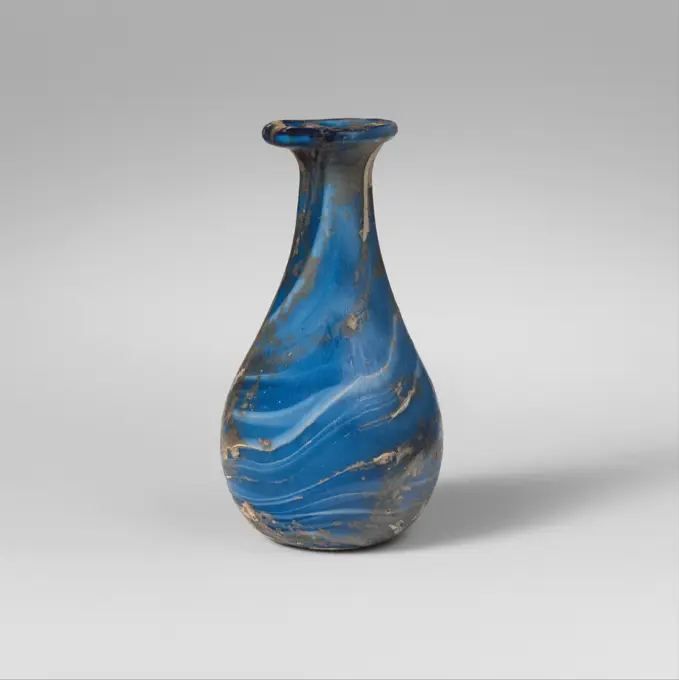
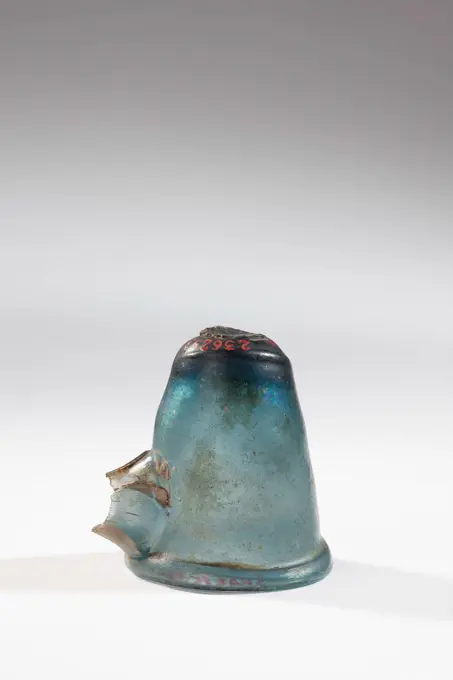
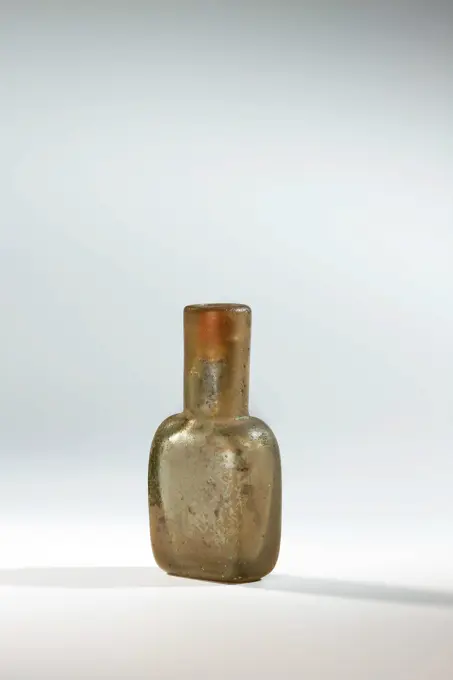
Marbled glass perfume bottle early to mid-1st century A.D. Roman Translucent blue and opaque white.Rim folded out, over, and in, and smoothed into sides of flaring mouth; short, cylindrical neck, expanding downwards to join imperceptibly with ovoid body; flattened, slightly concave bottom. Numerous trails applied to gather and marvered into surface, forming an irregular way pattern extending from rim to bottom.Intact; some bubbles; deep pitting, dulling, and patches of iridescence and creamy white weathering.Oval blue and white blown glass marbled perfume bottle.. Marbled glass perfume bottle 239780
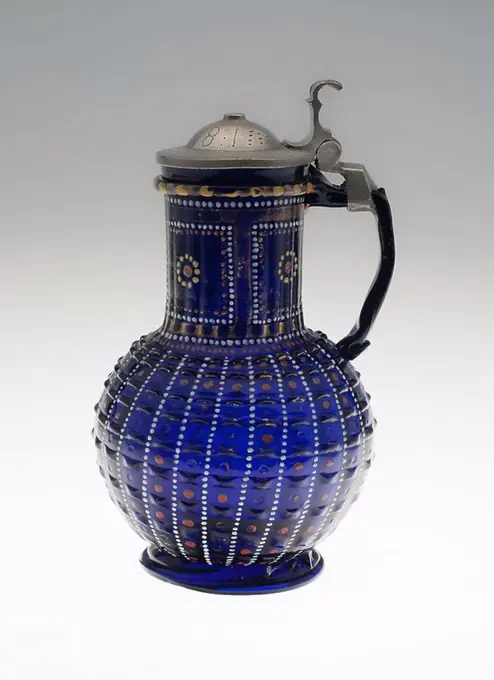
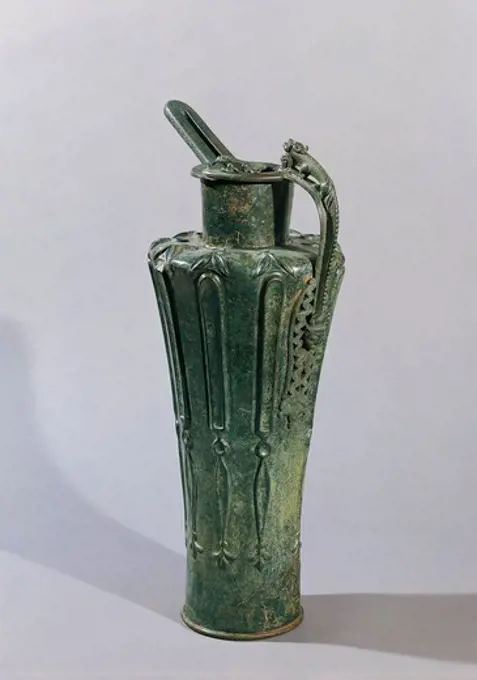
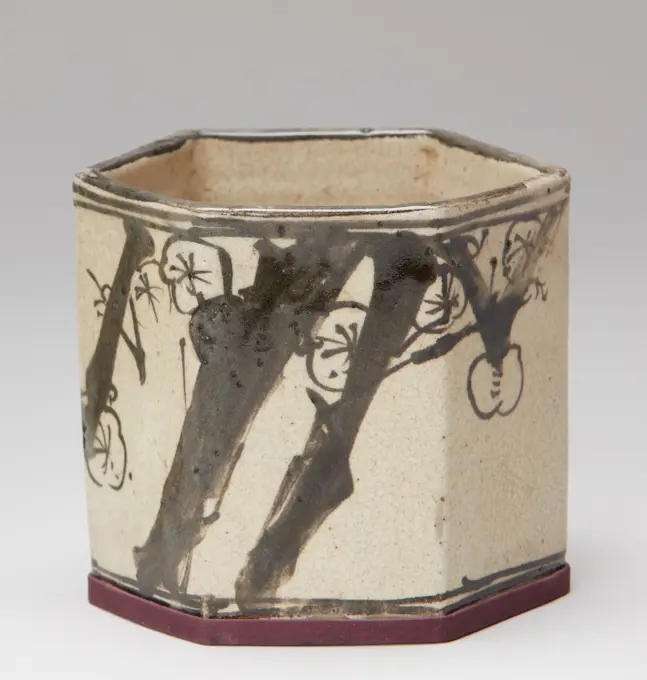
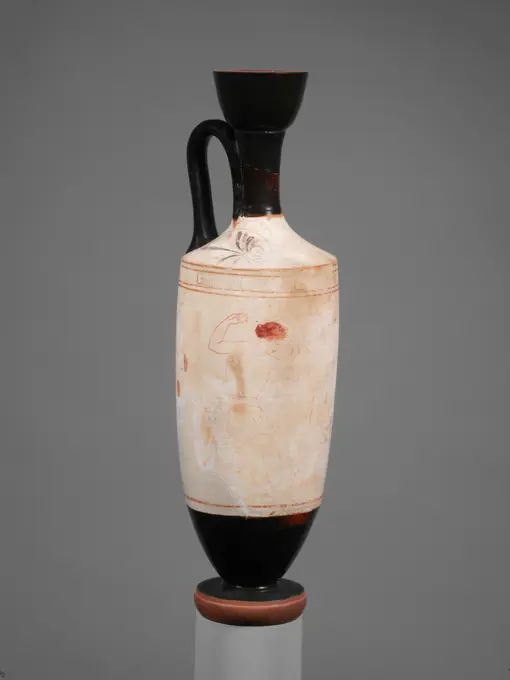
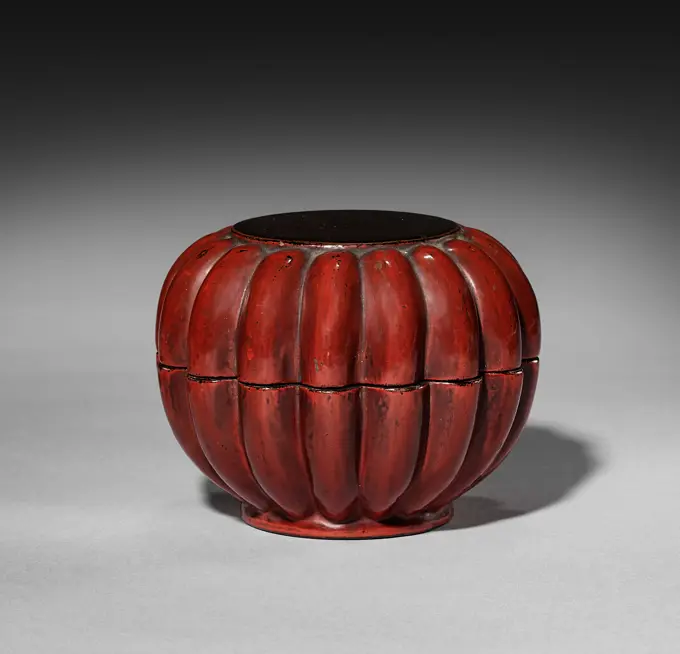
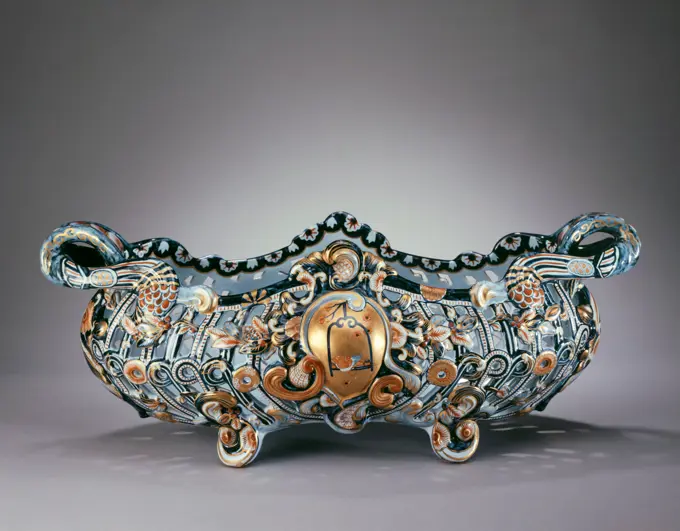
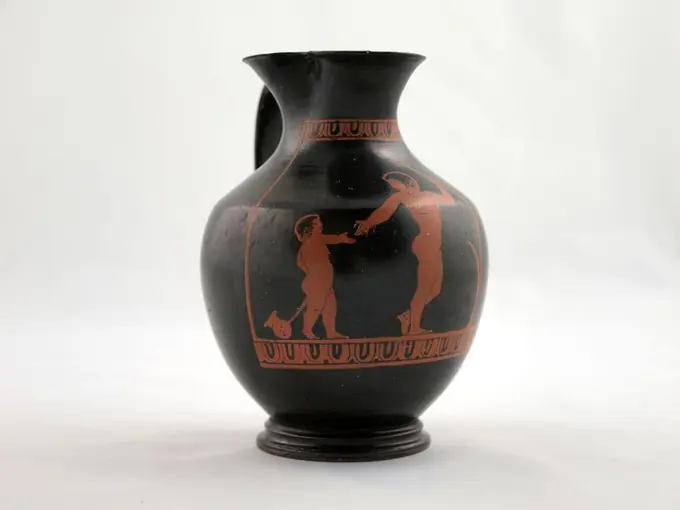
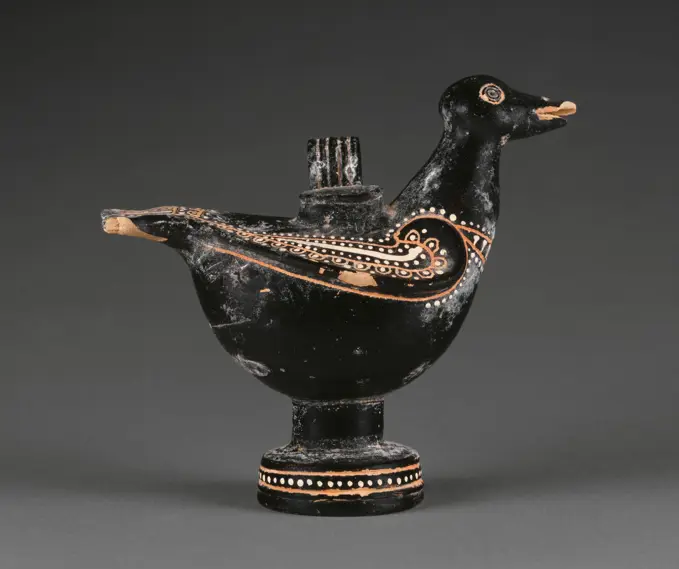
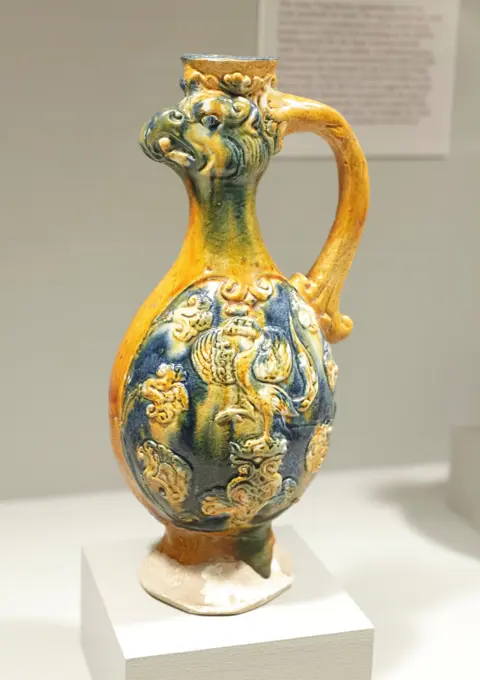
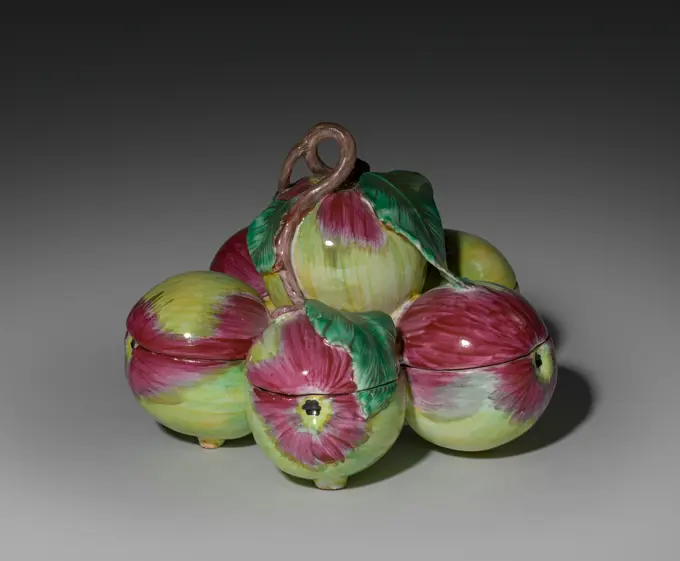
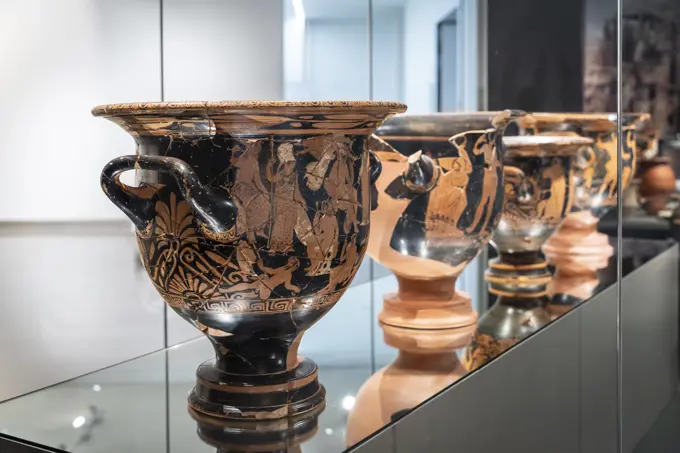
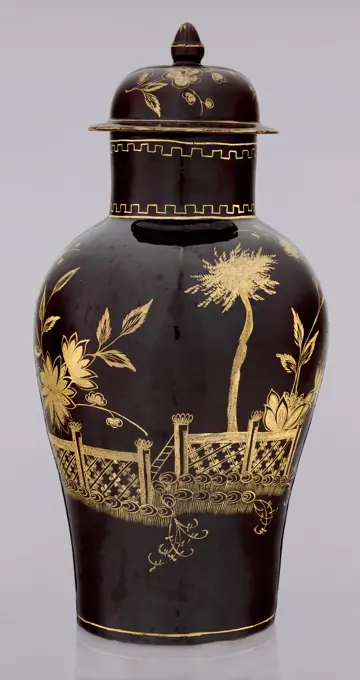
Kuan vase. Wolff, Karol (fl. ca 1800), company owner, Bielino (manufaktura fajansu ; 1779-1800), factorySnuff Bottle, 1644-1911. China, Qing dynasty (1644-1911). Glass; overall: 7.4 cm (2 15/16 in.).Covered Jug. Bohemia. Date: 1580-1585. Dimensions: H. 18.7 × 11.1 cm (7 3/8 × 4 3/8 in.). Blue glass, enamel, and pewter. Origin: Bohemia. Museum: The Chicago Art Institute, Chicago, USA.Austria, Bronze jug, tomb 112Hexagonal incense burner with plum blossoms, 17th-18th century, Ogata Kenzan, Japanese, 1663 - 1743, 4 1/8 × 4 5/8 × 4 5/8 in. (10.48 × 11.75 × 11.75 cm), Stoneware with underglaze iron, Japan, 17th-18th centuryOrnament (one of a pair). Culture: British. Dimensions: Height: 8 1/8 in. (20.6 cm). Date: ca. 1770-80.One of a pair with 26.260.40. Museum: Metropolitan Museum of Art, New York, USA.Vase with stylized decor in dark blue and green on brown-pink fond, N.V. Haagsche Plateel factory Rozenburg, 1894 Vase of earthenware, cylindrical, but wider to the middle. Painted with a stylized decor in dark blue and green on a light brown-pink stock. The Hague earthenware Vase of earthenware, cylindrical, but wider to the middle. Painted with a stylized decor in dark blue and green on a light brown-pink stock. The Hague earthenwareTerracotta lekythos (oil flask) ca. 420 B.C. Attributed to the Quadrate Painter Woman and young warrior at a tombThe warrior is equipped with a helmet and spear. Of particular note is marvelous fluency in the rendering of the woman, caught as she sinks to her knees with her arms raised in grief over her head.. Terracotta lekythos (oil flask). Greek, Attic. ca. 420 B.C.. Terracotta; white-ground. Classical. VasesAntique brown and gold vaseTin Communion Cruet. Found at Weoley Castle, Birmingham, a Birmingham Museums Trust heritage siteAlembic - distillation vessel. unknown, craftsmanMug;  19th/20th century (1891-00-00-1910-00-00);Toeplitz-Mrozowska, Jadwiga (1880-1966), Toeplitz-Mrozowska, Jadwiga (1880-1966)-collection, gift (provenance), cups, Islamic artBasket 19th century Japan. Basket. Japan. 19th century. Bamboo. Edo (1615-1868) or Meiji period (1868-1912). BasketryVase. .Scrimshaw, Whale tooth, india ink, Whale's tooth incised on one side with clipper ship flying American flag, three small buildings at one side, large 5-pointed and wreathed star overhead; on other side, a tree with red fruit. Tip of tooth decorated with leaf and berry design; base of tooth has cross-hatched band with serrated pattern on edge, each point having a central red dot., USA, mid-19th century, sculpture, Decorative Arts, ScrimshawVase. Culture: American. Designer: Designed by Louis Comfort Tiffany (American, New York 1848-1933 New York). Dimensions: H. 3 7/8 in. (9.8 cm). Maker: Tiffany Furnaces. Date: ca. 1915. Museum: Metropolitan Museum of Art, New York, USA.Tea Caddy with Lid, c. 1750-1800. Staffordshire Factory (British). Earthenware; overall: 12.2 x 8.5 x 6.4 cm (4 13/16 x 3 3/8 x 2 1/2 in.); with cover: 13 cm (5 1/8 in.).Alembic - distillation vessel. unknown, craftsmanCircular urn with plant volutes. Late 1st century BC - early 1st century AD. National Archaeological Museum. Naples. Italy.Tea Caddy (Chaire), 1500s. Japan, Muromachi period (1392-1573). Negoro lacquer on wood; diameter: 11 cm (4 5/16 in.). Negoro is a lacquer technique, named after the Negoro temple in Japan, in which several layers of red lacquer are applied over a black lacquer undercoating. Through years of handling, a natural surface of red and black random patterns emerges, an aesthetic highly prized by the Japanese.Emile Gallé (1846-1904 °. "Pamer with Imari decor". Earthenware, polychrome enamels. 1863-1877. Museum of Fine Arts of the city of Paris, Petit Palais. 74389-21 DECOR IMARI, EMAIL POLYCHROME, FAIENCE, JARDINIEREChous (Toy Pitcher). Greek; Athens. Date: 440 BC-420 BC. Dimensions: 10.8 × 7.7 × 7.8 cm (4.26 × 3.05 × 3.08 in.). Terra-cotta, decorated in the red-figure technique. Origin: Athens. Museum: The Chicago Art Institute, Chicago, USA. Author: ANCIENT GREEK.Gourd-Shaped Bottle, 1644-1911. China, Qing dynasty (1644-1911). Glass; overall: 17.8 cm (7 in.).Lazio Roma Subiaco Monastery of S. Scolastica Archaeological Museum4. Hutzel, Max 1960-1990 Antiquities: Views of antiquities in museum, including sarcophagi, plates, vases, coins. General Notes: Hutzel guide says we have negatives, but we cannot find them. German-born photographer and scholar Max Hutzel (1911-1988) photographed in Italy from the early 1960s until his death. The result of this project, referred to by Hutzel as Foto Arte Minore, is thorough documentation of art historical development in Italy up to the 18th century, including objects of the Etruscans and the Romans, as well as early Medieval, Romanesque, Gothic, Renaissance and Baroque monuments. Images are organized by geographic region in Italy, then by province, city, site complex and monument.Bottle. unknown, craftsmanTerracotta oil lamp. Culture: Roman, Cypriot. Dimensions: 1 1/8 x 3 7/8 in. (2.9 x 9.8 cm). Date: ca. A.D. 40-100.Dog on discus; voluted nozzle. Museum: Metropolitan Museum of Art, New York, USA.PyxisCampanian Plastic Vase in the Form of a Bird. UnknownPhoenix-Head Ewer, 618-906, 13 1/4 in. (33.66 cm), Sancai ware Stoneware with molded decor under a three-color glaze, China, 7th-10th century, This classic Tang dynasty splashed glaze ewer was made specifically for burial. The unperforated beak could not function as a pouring spout and the vessel's main purpose was a fanciful tomb furnishing for the afterlife. Nothing exactly like this shape is known from the earlier Chinese ceramic tradition. A well-known group of Sassanian silver ewers recovered from tombs in south Russia reveal the inspiration for this basic ewer shape to be foreign. Likewise, the relief floral medallions and phoenix seen on the side of the ewer suggest the chased gold and silver decoration encountered on the type of Sassanian silver vessels that would have entered China along the Silk Road at this time. Accordingly, the vessel reflects the cosmopolitan, somewhat exotic taste of Tang high society.Covered Box in the Form of Apples, c. 1760. Sceaux Factory (French, active 1748-66). Tin- glazed earthenware (faience) wth enamel decoration; overall: 14 x 18.1 cm (5 1/2 x 7 1/8 in.).Athenian vessel of Attic make, 4th century B.C. still image. 1883. The Miriam and Ira D. Wallach Division of Art, Prints and Photographs: Picture Collection. Pottery , Greece, Pottery, Greek, Women, Decoration and ornament , Greece, Women , Clothing & dress , Greece , To 499, Greeks , Clothing & dress , To 499, Vases, GreekGlasfabrik Johann Loetz Witwe, "Diaspora" Vase, c. 1899-1903, green class with iridized case.Phoenician, Phoenician, glasswork, found in Cyprus and Syria, Phoenicia, Historical, digitally restored reproduction of a 19th century original, exact date unknownItaly, Campania, Pompeii, Glass vasesPair of game cocks ca. 1745 British, Staffordshire. Pair of game cocks. British, Staffordshire. ca. 1745. Salt-glazed stoneware. Ceramics-Potterythe hero and the goddess the hero and the goddess, bell crater from the funerary chamber of Prince Iltirtiiltir, 4th century BC, necropolis of Piquia, Arjona, Iberian culture, Iberian Museum of Jaén, Andalusia, Spain Copyright: xZoonar.com/BartomeuxBalaguerxRotgerx 21720745UKRAINE, ODESA, ARCHAEOLOGY MUSEUM, GREEK AMPHORA (VASE)